
The Inca's Use of Mortar and Joinery: Secrets of Longevity

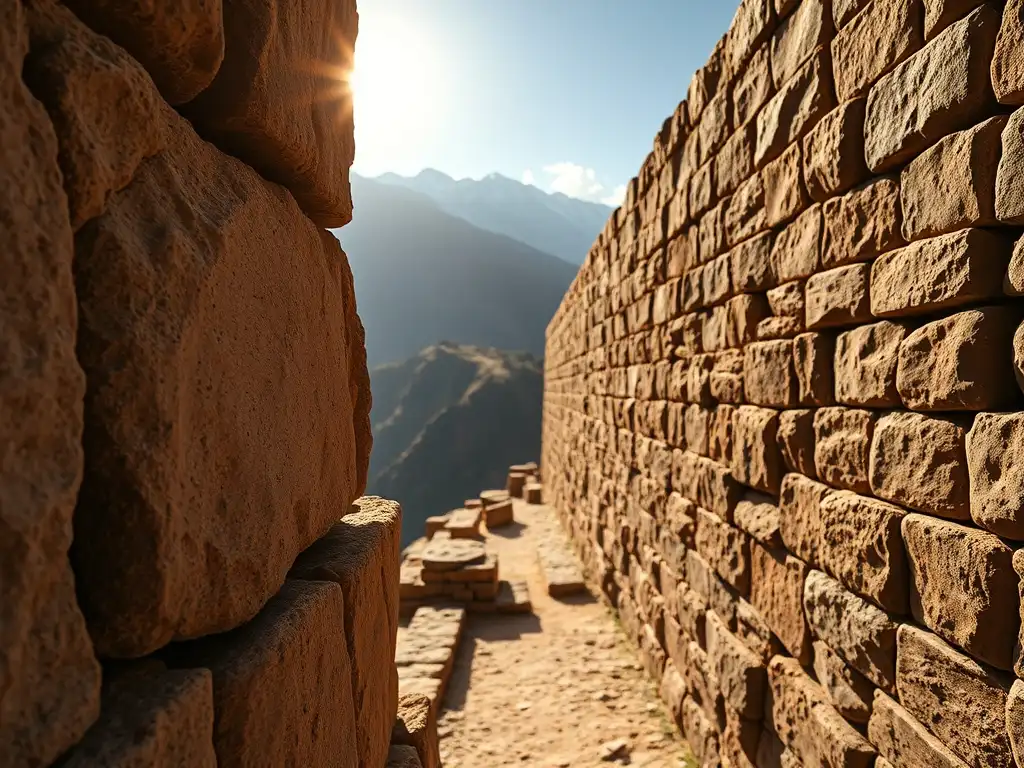
Step into a world lost to time, yet echoing with the ingenuity of a vanished empire. Imagine cities sculpted from mountains, defying gravity and the passage of centuries. Here, on Andean Civilizations, we unravel the mysteries of the Andes, from the breathtaking artistry of the Nazca lines to the sophisticated engineering of the Tiahuanaco. But today, we delve into the astonishing secrets behind the Inca mortar and stone joining techniques, revealing how their mastery of construction continues to baffle modern engineers. Prepare to be amazed as we uncover the truth behind their enduring legacy...
The Inca Empire, renowned for its breathtaking architectural achievements, left behind a legacy of meticulously crafted stone structures that continue to stand the test of time. This article delves into the fascinating world of Inca construction, specifically examining their mastery of mortar and joinery techniques. We will explore the materials they used, the precision of their craftsmanship, and the ingenious methods that enabled them to create structures of unparalleled durability and aesthetic beauty, showcasing their advanced understanding of engineering principles and their profound connection to the Andean landscape.
Understanding their methods provides crucial insights into the ingenuity and sophistication of Inca engineering, challenging common misconceptions and revealing the secrets behind the longevity of their impressive buildings. This exploration of Inca mortar and stone joining techniques will highlight the remarkable precision and skill employed in constructing iconic structures like Machu Picchu and Ollantaytambo.
Inca Stone Selection and Preparation
The Incas demonstrated a remarkable understanding of geology and material science in their construction projects. They meticulously selected stones based on their properties, prioritizing durability, strength, and aesthetic appeal. Different types of stone were chosen depending on the specific requirements of the structure and its location.
Before being used in construction, the stones underwent a rigorous preparation process, which included shaping and fitting them with incredible precision. This process often involved the use of stone hammers and chisels, resulting in incredibly tight fits between stones, often without the use of mortar in many cases. The precision of the cuts is astonishing; many stones fit together so perfectly that a knife blade cannot be inserted between them.
This meticulous preparation was essential for the stability and longevity of the structures. Evidence suggests that the selection process considered factors such as the stone's resistance to weathering and its ability to withstand seismic activity, crucial considerations in the Andean region.
Mortar Composition and Application
While the Incas are famous for their dry-stone masonry, they did utilize mortar in certain applications, particularly in situations where a stronger bond was required or in less accessible locations where perfectly fitting stones were less practical. The composition of Inca mortar remains a subject of ongoing research, but analyses suggest that it was a mixture of various materials, including lime, clay, sand, and potentially other additives like volcanic ash or crushed stone.
The precise proportions varied depending on the specific needs of the project and the availability of materials in the region. The application of the mortar was likely done with careful attention to detail, ensuring that it filled any gaps between the stones without compromising the overall structural integrity.
The mortar's role wasn't primarily structural but rather served to enhance stability and weather resistance. Further research is needed to fully understand the intricacies of the mortar's composition and application techniques.
Advanced Joinery Techniques: The Art of "Dry-Stone" Masonry
The Incas' mastery of dry-stone masonry is perhaps their most striking architectural achievement. This technique involved fitting stones together so precisely that mortar was often unnecessary. The precision required to achieve such perfect fits is astonishing, and it speaks volumes about the skill and patience of the Inca stonemasons. They employed a variety of techniques to achieve such tight joints, including careful shaping, precise cutting, and the use of various tools.
The stones were often shaped to interlock, creating a strong and stable structure that could withstand the forces of nature. This ingenious approach resulted in structures that are not only aesthetically pleasing but also remarkably durable, even without the use of binding agents like mortar in many instances. The dry-stone masonry is a testament to the Inca's advanced understanding of engineering principles and their ability to work with natural materials.
The Legacy of Inca Construction Techniques
The Inca's innovative use of mortar and joinery techniques continues to inspire awe and admiration. Their mastery of stonework, combined with their understanding of structural engineering, resulted in buildings that have withstood the passage of time and the ravages of the elements. Their legacy is not only visible in the surviving structures but also in the ongoing research and study of their remarkable construction methods.
The precision and ingenuity displayed in Inca architecture offer valuable lessons for modern construction practices, highlighting the importance of careful planning, material selection, and skilled craftsmanship. The techniques used by the Incas provide insights into sustainable construction practices, especially considering the environmental impact of modern building materials and methods. Understanding and appreciating this legacy is crucial to preserving and promoting the rich cultural heritage of the Andes.
- Inca Stone Selection and Preparation
- Mortar Composition and Application
- Advanced Joinery Techniques: The Art of "Dry-Stone" Masonry
- The Legacy of Inca Construction Techniques
Inca Stonework Mastery: Beyond Mortar
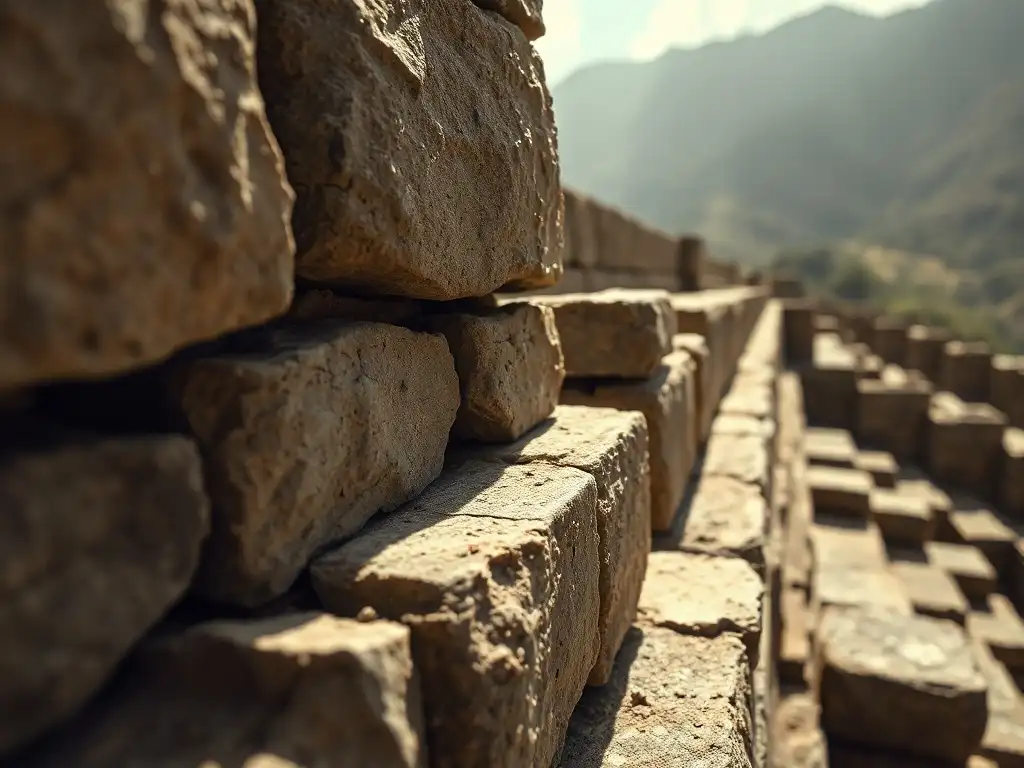
The enduring legacy of Inca architecture is a testament to their sophisticated understanding of stonework. While the image of massive Inca structures cemented together with strong mortar is prevalent, the reality is far more nuanced and fascinating. The phrase "Inca mortar and stone joining techniques" often evokes a picture of simple, albeit strong, binding agents.
However, a deeper dive into the subject reveals a mastery of precision, engineering, and a surprising reliance on techniques that minimized, and in many cases, completely eschewed the use of traditional mortar. Their skill in shaping and fitting stones was so precise that mortar was often unnecessary, showcasing an impressive level of technological advancement for its time.
This section delves into the specifics of their methods, highlighting the ingenuity behind their architectural achievements. The longevity of their structures is not solely due to the presence (or absence) of mortar, but rather a complex interplay of factors including meticulous planning, exceptional craftsmanship, and an intimate understanding of the materials and their properties.
The Absence of Traditional Mortar in Inca Structures
Contrary to popular belief, many Inca structures, particularly those considered the finest examples of their architecture, were built with minimal or no mortar at all. Instead of relying on a binding agent, the Incas employed a technique known as ashlar masonry. This involved meticulously shaping and fitting stones together with such precision that they interlocked perfectly, creating incredibly strong and stable walls.
The absence of visible mortar in many structures isn't indicative of a lack of skill, but rather a testament to the Inca's superior stone-cutting and fitting techniques. This method not only created incredibly durable structures but also allowed for intricate designs and complex architectural features.
Consider, for example, the walls of Sacsayhuamán. The massive stones, some weighing many tons, fit together with astonishing precision, leaving minimal gaps between them. This level of accuracy wasn't achieved through luck or happenstance; it was the result of dedicated planning and painstaking craftsmanship.
While some mortar may have been used in less prominent areas or for repairs, the primary method for joining stones was the precise fitting of perfectly shaped blocks. The absence of large amounts of mortar also contributed to the structures' seismic resilience, allowing them to withstand earthquakes that would have crumbled many other buildings. The intricate interlocking of the stones acted as a natural shock absorber, distributing the energy of seismic waves and reducing their impact.
Inca Precision Stone Cutting and Shaping
The key to understanding Inca stonework lies in their mastery of stone cutting and shaping. They developed sophisticated tools and techniques to achieve the remarkable precision seen in their structures. Archaeological evidence suggests the use of various tools, including copper chisels, hammers, and possibly abrasive materials like sand and water. The process likely involved a combination of techniques, including rough shaping, fine-tuning, and final fitting. The level of precision required for ashlar masonry demanded a deep understanding of both the stone itself and the desired architectural outcome.
The Incas likely used a combination of techniques to achieve the level of precision seen in their stonework. This included carefully selecting stones with suitable properties, utilizing advanced cutting tools, and employing a system of checks and balances during construction. Evidence suggests they may have used templates or guides to ensure uniformity in stone size and shape.
The final fitting of the stones likely involved a process of trial and error, with adjustments made as needed to ensure a perfect fit. This meticulous approach demonstrates a level of craftsmanship that is rarely seen in other ancient civilizations.
Furthermore, their understanding of the properties of different types of stone allowed them to select the most suitable material for specific applications, further enhancing the durability and longevity of their structures. The Inca's ability to effectively utilize the available resources, combined with their advanced stoneworking skills, is a significant factor contributing to their architectural legacy and solidifying their place in history as masters of "Inca mortar and stone joining techniques".
Inca Stone Joining Techniques: The Key to Seismic Resistance
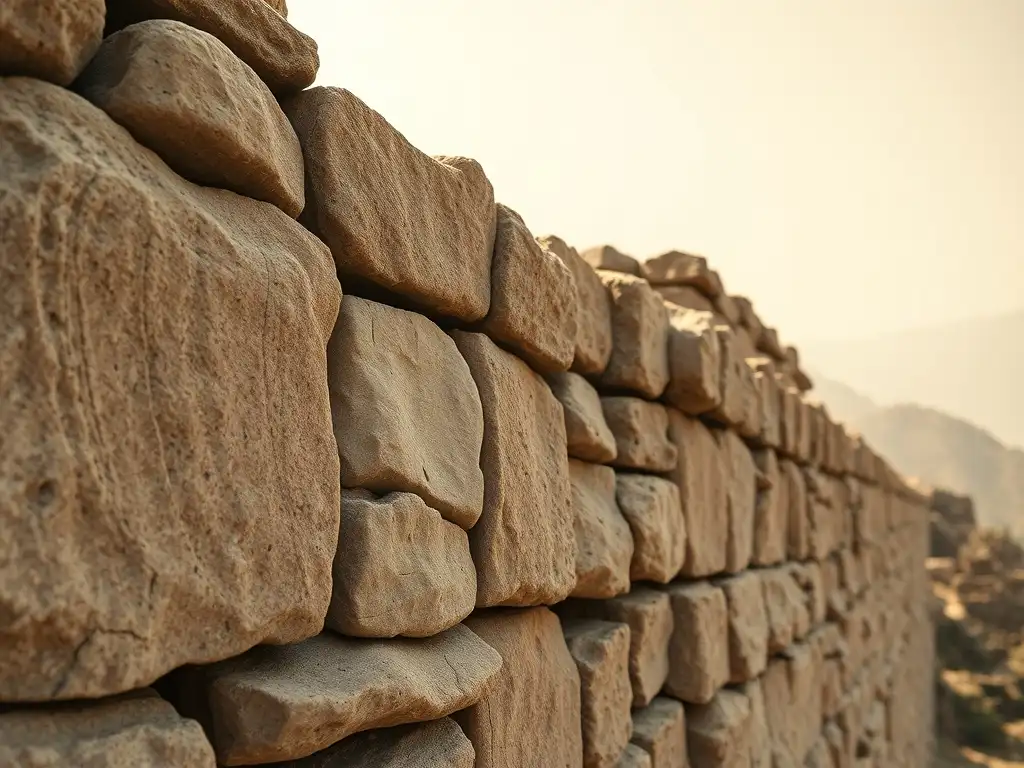
The remarkable longevity of Inca structures, even in seismically active regions of the Andes, is a testament to their sophisticated understanding of stonework. Their mastery wasn't solely in quarrying and shaping massive stones, but also in the incredibly precise techniques they employed to join them, creating structures that have withstood centuries of earthquakes. This section will delve into the specific methods used, focusing on the ingenuity and precision that allowed the Incas to create such enduring architecture. Understanding their "Inca mortar and stone joining techniques" reveals a fascinating blend of engineering prowess and an intimate knowledge of their environment.
Interlocking Stone Blocks: A Puzzle of Engineering
The Incas didn't rely solely on mortar; instead, they often employed a system of precisely cut and fitted stones. This technique, sometimes referred to as interlocking stone blocks, involved shaping stones with such accuracy that they fit together like pieces of a three-dimensional jigsaw puzzle. This intricate interlocking minimized the need for mortar, creating structures incredibly resistant to seismic activity.
The stones' irregular shapes, far from being haphazard, were carefully planned to distribute weight and absorb shocks. Consider the walls of Sacsayhuamán: the massive stones, some weighing many tons, are fitted together so tightly that even a knife blade can barely fit between them. This wasn't achieved through brute force, but through meticulous planning and execution.
The precision required is astonishing, indicating a sophisticated understanding of geometry and engineering principles far ahead of their time. Archaeological evidence suggests that the Incas utilized various tools, including bronze chisels and hammers, to achieve this level of accuracy. The process was undoubtedly labor-intensive, requiring skilled artisans and a well-organized workforce.
The masterful craftsmanship is evident in the minimal use of mortar; the stones' intricate interlocking is the primary structural element. This unique approach not only enhanced seismic resistance but also contributed to the aesthetic appeal of Inca structures, creating stunning and harmonious architectural compositions. The precision of the stone fitting ensured that the weight was distributed evenly, preventing stress concentrations that could lead to cracking or collapse during seismic events.
The Role of Ashlar Masonry in Inca Construction
Ashlar masonry, a technique involving precisely cut and shaped blocks of stone, formed the foundation of much of Inca architecture. The Incas refined this technique to an unparalleled degree. Unlike many other ancient civilizations that used roughly hewn stones, the Incas employed ashlar blocks with remarkably smooth, flat surfaces. This meticulous preparation was crucial for achieving the tight fit necessary for interlocking stonework.
Different types of stone were selected based on their properties; harder stones were often used in load-bearing areas while softer stones might be employed for decorative elements. The choice of stone, its preparation, and its placement within the structure all reflect the Incas' deep understanding of material science and construction principles. The careful selection and placement of different stones within the structure further enhanced the stability and longevity of the buildings.
The use of ashlar masonry in conjunction with interlocking techniques allowed Inca builders to create incredibly strong and stable structures. The smooth surfaces of the stones also contributed to the aesthetic appeal of the buildings. The precise cuts and fits created a seamless appearance, highlighting the skill and precision of the Inca masons. This level of precision is rarely seen in other ancient architectural styles. Furthermore, the ashlar blocks facilitated the creation of complex architectural details and designs, adding to the overall aesthetic impact of Inca structures.
Inca Stone Clamps and Dowels: Securing Stability
While interlocking was the primary method, the Incas also employed ingenious techniques to further secure their stonework. Stone clamps and dowels, often made of bronze or copper, were used to reinforce joints and prevent movement. These weren't simply inserted into holes; they were often intricately shaped to fit snugly within the stone, maximizing their holding power. The clamps, sometimes resembling large staples, were inserted into precisely drilled holes and then hammered shut, effectively binding the stones together.
Dowels, on the other hand, were typically cylindrical and used to align and secure stones in place. The use of metal clamps and dowels, in addition to the precise stone fitting, significantly enhanced the seismic resistance of Inca structures. The combination of these techniques created a synergistic effect, resulting in a remarkably robust and durable building system.
The precise placement and fitting of these metal fasteners demonstrate a sophisticated understanding of engineering principles and material science. The selection of metals, their shaping, and their installation all contributed to the overall structural integrity of the buildings. The discovery of these clamps and dowels in numerous Inca sites provides concrete evidence of the advanced technological capabilities of this civilization.
The careful consideration given to every detail, from the selection of stone to the placement of metal fasteners, is a testament to the Incas' commitment to building durable and long-lasting structures. The enduring legacy of Inca architecture stands as a remarkable achievement in engineering and a testament to their remarkable ingenuity.
Understanding Inca Mortar: A Different Approach
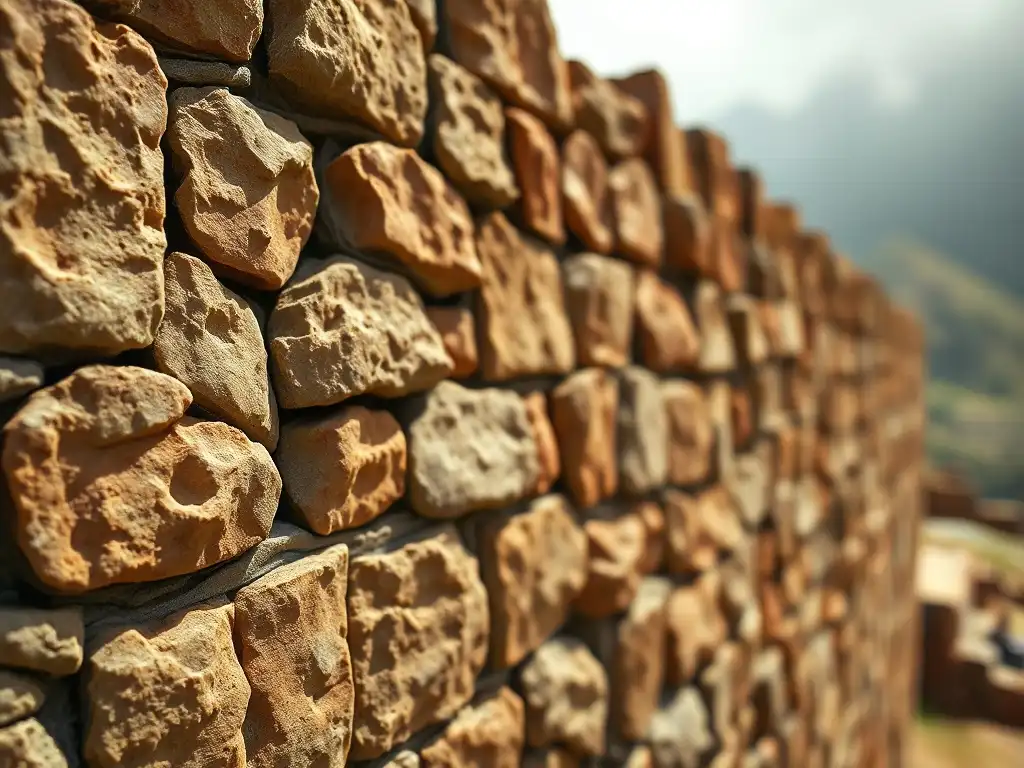
The Inca's mastery of stonework, a cornerstone of their architectural achievements, is often attributed to their sophisticated joinery techniques. However, the role of Inca mortar, often overlooked, is crucial to understanding the longevity and resilience of their structures. Contrary to popular belief that focuses solely on precise stone fitting, the Inca's approach to mortar was a key component of their architectural success, a testament to their profound understanding of materials science and construction.
Their mortar wasn't a mere filler; it was an integral part of a complex system designed for strength, durability, and seismic resistance. This section will delve into the composition and preparation of Inca mortar, revealing the secrets behind its remarkable effectiveness. Understanding the nuance of their "Inca mortar and stone joining techniques" is key to appreciating the ingenuity of their engineering.
Clay, Mud, and Fine Gravel as Binding Agents
The Inca mortar wasn't a uniform substance across all their constructions. Its composition varied depending on the local availability of materials and the specific structural requirements. However, a common thread runs through most analyses: a base of clay and mud, enriched with fine gravel and other aggregates. This mixture, far from being a simple slurry, was meticulously prepared to achieve optimal binding properties.
The type of clay used significantly impacted the mortar's final characteristics; some clays offered superior water resistance, while others provided enhanced strength. Archaeological evidence suggests the Inca carefully selected their clays, likely testing different sources to find the best materials for specific projects. The addition of fine gravel acted as a filler, increasing the mortar's volume and contributing to its overall strength.
The precise proportions of clay, mud, and gravel varied, reflecting the empirical knowledge accumulated over generations of master builders. This variability highlights the adaptability of Inca construction methods, showcasing their ability to optimize their techniques to suit diverse geographical and environmental conditions. The careful selection of these components is a crucial aspect of "Inca mortar and stone joining techniques".
Preparation of Inca Binding Agents
The preparation of Inca mortar was a skilled process, likely involving several stages. Evidence suggests that the clay and mud were initially mixed with water to form a workable paste. This paste was then thoroughly kneaded, often by hand, to ensure a homogenous consistency.
The addition of fine gravel occurred gradually, with continued kneading to distribute the aggregates evenly throughout the paste. The precise amount of water added was crucial, as too much water would weaken the mortar, while too little would make it difficult to work with. The resulting mixture was a carefully balanced composite, exhibiting both plasticity and strength.
This meticulous preparation ensured that the mortar would effectively bind the stones together, creating a cohesive and durable structure. The process might have also included the addition of organic materials like straw or fibers, although this aspect requires further investigation. Understanding the intricacies of the preparation process is vital for appreciating the sophisticated nature of "Inca mortar and stone joining techniques".
The Strength and Durability of Inca Binding Agents
The enduring legacy of Inca structures is a testament to the strength and durability of their mortar. Analyses of surviving Inca buildings reveal that the mortar, despite its seemingly simple composition, possesses remarkable binding properties. Its ability to withstand the test of time, often in harsh environmental conditions, is a testament to the Inca's understanding of materials science. The strength of the mortar stems from the careful selection and preparation of its components, as well as its interaction with the stone blocks.
The mortar's plasticity allowed it to conform to the irregular surfaces of the stones, ensuring a tight fit. Over time, the mortar likely hardened and solidified, further strengthening the bond between the stones. The effectiveness of this system is particularly evident in the earthquake resistance of many Inca structures.
These buildings, built centuries ago without modern engineering techniques, have withstood numerous seismic events, a clear indication of the efficacy of the Inca's "Inca mortar and stone joining techniques". Further research into the precise chemical and physical properties of the mortar, including its long-term behavior under stress, is needed to fully understand its remarkable performance. The longevity of Inca structures serves as a powerful example of sustainable construction practices and the ingenuity of ancient Andean builders.
Examples of Inca Architectural Prowess
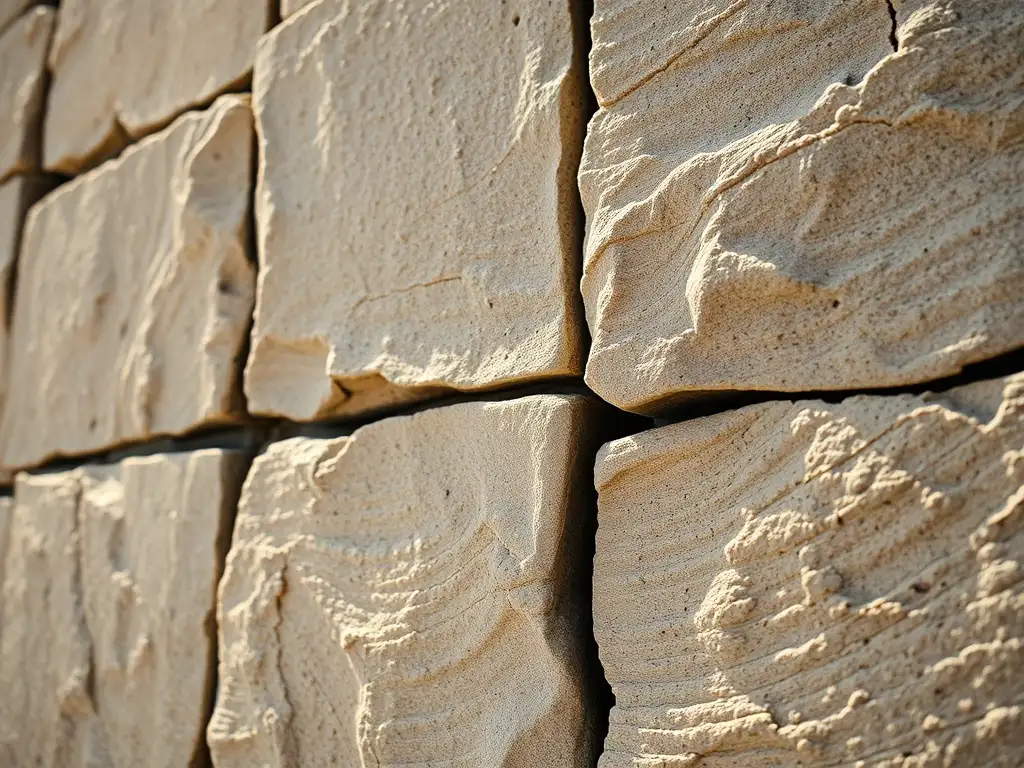
The Inca Empire's architectural achievements stand as a testament to their advanced understanding of engineering and construction. Their mastery of stonework, particularly their innovative mortar and joinery techniques, allowed them to create structures that have withstood the test of time and continue to amaze us today. The precision and artistry displayed in their buildings are unparalleled, showcasing a deep understanding of both structural integrity and aesthetic beauty.
This section will explore three iconic examples that highlight the Inca's unparalleled skill in "Inca mortar and stone joining techniques": Sacsayhuamán, Machu Picchu, and Coricancha. These sites demonstrate not only the technical prowess of Inca builders but also their profound connection to the Andean landscape and their sophisticated understanding of engineering principles.
Sacsayhuamán: A Testament to Inca Stone Fitting
Sacsayhuamán, located just outside of Cusco, is perhaps the most striking example of Inca stonework. The massive, precisely-cut stones, some weighing many tons, are fitted together with such incredible accuracy that even a knife blade cannot be inserted between them. This remarkable feat was accomplished without the use of mortar in many instances; instead, the Inca employed a sophisticated system of interlocking stones, utilizing their knowledge of geometry and engineering to create a structure of immense strength and stability. The sheer scale of Sacsayhuamán, combined with the precision of its construction, leaves modern engineers and architects in awe.
The stones themselves are of varying sizes and shapes, yet they interlock perfectly, creating a seemingly impenetrable fortress. This mastery of "Inca mortar and stone joining techniques" is particularly evident in the cyclopean walls, where the largest stones are expertly fitted together. The absence of mortar in many sections underscores the Inca's understanding of dry-stone construction—a technique requiring exceptional skill and planning.
Analysis of the stones reveals that they were likely quarried from nearby locations and transported using ingenious methods, further emphasizing the scale of this impressive undertaking. The precise fitting of these immense stones, showcasing masterful Inca mortar and stone joining techniques, speaks to the sophistication of their engineering and planning. The longevity of Sacsayhuamán, despite earthquakes and the passage of centuries, is a direct result of this meticulous craftsmanship.
Machu Picchu: Harmonizing with the Andean Landscape
Machu Picchu, the "Lost City of the Incas," showcases a different facet of Inca architectural prowess. While still employing impressive stone fitting techniques, Machu Picchu demonstrates a harmonious integration with its surrounding environment. The city's buildings are seamlessly integrated into the steep mountain slopes, utilizing the natural contours of the land to create a visually stunning and structurally sound complex.
The stones used in Machu Picchu's construction, though smaller than those at Sacsayhuamán, are still meticulously fitted together, often with minimal use of mortar, showcasing the Inca's expertise in "Inca mortar and stone joining techniques". The precision of the stonework is evident in the intricate details of the buildings, from the perfectly aligned window frames to the precisely cut doorways. The use of different types of stone, carefully selected for their properties, further demonstrates the Inca's sophisticated understanding of materials science and their ability to adapt their construction techniques to the specific challenges presented by the mountainous terrain.
The terraces, meticulously carved into the mountainside, not only provide agricultural space but also reinforce the structural integrity of the city, showcasing the Inca's holistic approach to engineering and design. The integration of the architecture with the natural landscape highlights the Inca's profound respect for and understanding of their environment, perfectly complementing their impressive mastery of Inca mortar and stone joining techniques.
Coricancha: Inca Mastery of Masonry and Design
Coricancha, the Temple of the Sun in Cusco, represents the pinnacle of Inca masonry and design. While much of the original structure has been destroyed or incorporated into later colonial buildings, the remaining sections reveal the exceptional quality of Inca stonework. The walls of Coricancha were famously covered in sheets of gold, reflecting the Inca's reverence for the sun god, Inti.
However, even without the gold, the precision of the stonework is evident in the surviving fragments. The stones are meticulously cut and fitted together, often with minimal mortar, demonstrating the sophisticated understanding of "Inca mortar and stone joining techniques." The smooth, polished surfaces of the stones further highlight the Inca's attention to detail and their commitment to creating structures of both functional and aesthetic excellence.
The intricate designs and patterns incorporated into the stonework, although partially obscured by later construction, suggest a high level of artistic skill and a deep understanding of geometric principles. The surviving remnants of Coricancha serve as a powerful reminder of the Inca's remarkable architectural achievements and their mastery of stonework, further emphasizing the ingenuity of their Inca mortar and stone joining techniques. The precision and artistry displayed in Coricancha, despite the damage it has sustained, remain a testament to the advanced capabilities of Inca builders.
Inca Construction Techniques and Their Enduring Legacy
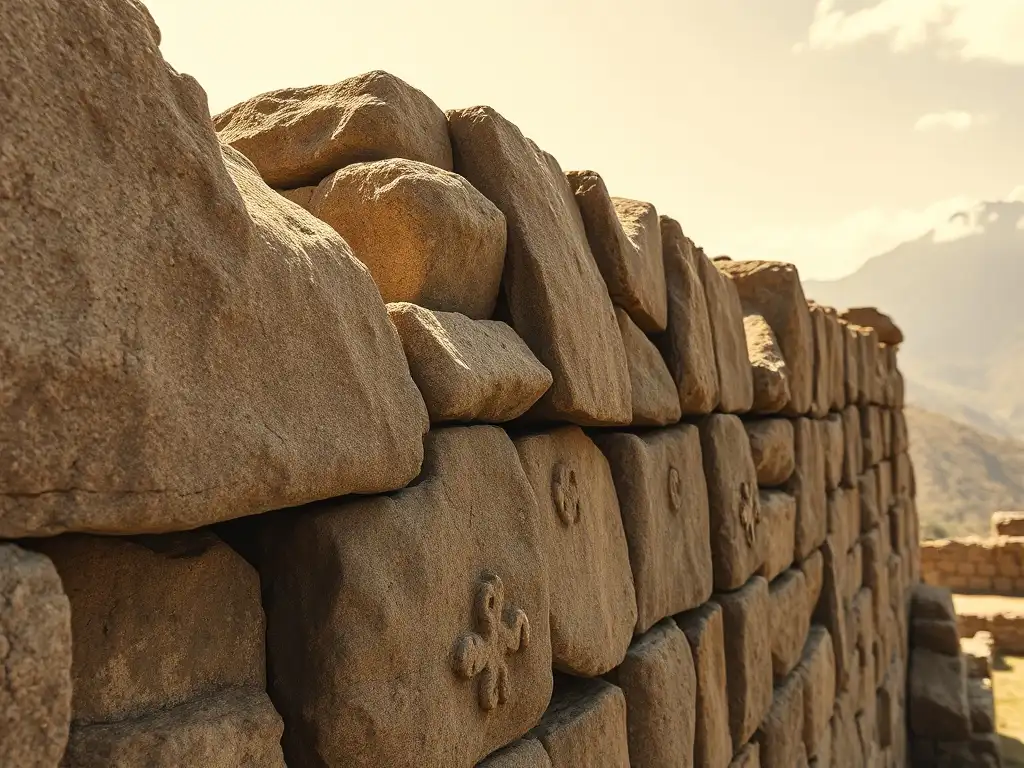
The Inca Empire, renowned for its sophisticated infrastructure spanning vast mountainous terrain, employed remarkably effective construction techniques. Their mastery of stonework, particularly their innovative use of Inca mortar and stone joining techniques, resulted in structures that have withstood the test of time and numerous earthquakes. This section delves into the specific methods employed, highlighting the ingenuity and precision that underpinned Inca architectural achievements. Understanding these techniques offers valuable insights into sustainable and resilient building practices, relevant even in modern construction. The keyword "Inca mortar and stone joining techniques" is central to understanding their success.
Inca Building Techniques and Earthquake Resistance
Inca builders demonstrated an exceptional understanding of seismic activity and incorporated this knowledge directly into their building practices. Their structures weren't merely aesthetically pleasing; they were engineered to withstand the powerful earthquakes common in the Andes. Instead of using strong mortar as a primary binding agent, as many other cultures did, the Incas relied heavily on precise stone fitting, a technique sometimes referred to as "dry-stone masonry."
This involved meticulously shaping stones to interlock perfectly, creating a structure that moved as a single unit during seismic events. The absence of a strong mortar bond allowed for some flexibility, preventing catastrophic collapse.
Further enhancing earthquake resistance was the Incas’ use of various stone sizes and shapes within a single wall. This created a complex, interlocking pattern that distributed seismic forces effectively. Imagine a jigsaw puzzle, where each piece contributes to the overall stability. This approach, coupled with the use of stepped foundations and strategically placed buttresses, significantly improved the structures' resilience against ground shaking. Analysis of surviving Inca structures reveals minimal damage from seismic activity, a testament to the effectiveness of these techniques. The precision and planning evident in Inca construction are truly remarkable.
Lessons from Inca Engineering for Modern Construction
The ingenuity of Inca mortar and stone joining techniques offers valuable lessons for modern construction practices, particularly in earthquake-prone regions. Modern engineering can learn from the Incas' emphasis on precise stone fitting and the distribution of seismic loads. While the exact composition of Inca mortar remains a subject of ongoing research, its relatively weak nature, compared to modern concrete, allowed for flexibility during seismic events. This principle of controlled flexibility is now being incorporated into modern earthquake-resistant designs.
The Incas’ use of local materials and their understanding of the properties of stone are also relevant. Their approach to sustainable building practices is a stark contrast to modern practices that often prioritize cost and speed over longevity and environmental impact. By studying Inca techniques, modern builders can gain insights into creating structures that are both sustainable and resilient. The adoption of principles like dry-stone masonry, careful stone selection, and the use of locally sourced materials can significantly improve the sustainability and resilience of modern constructions.
The Longevity of Inca Structures: A Study in Durability
The enduring legacy of Inca architecture is a testament to the effectiveness of their construction methods. Many Inca structures, despite their age and exposure to harsh environmental conditions, remain remarkably well-preserved. This longevity is not merely due to chance; it is a direct result of careful planning, precise execution, and a deep understanding of both materials and environmental factors. The careful selection of stones, their precise fitting, and the use of a flexible mortar contributed significantly to the long-term durability of these structures.
Furthermore, the Incas' understanding of the Andean landscape and its geological features played a vital role in the longevity of their buildings. They strategically chose building sites, taking into account factors such as soil stability and the prevalence of seismic activity. This careful site selection, combined with their advanced construction techniques, ensured the long-term stability of their structures, even in challenging environments. The remarkable preservation of many Inca sites demonstrates the effectiveness of their approach to building for longevity. The study of these structures continues to provide valuable insights into sustainable and resilient building practices for future generations.
Exploring the Inca's Approach to Material Selection
Andesite, Granite, and Limestone in Inca Architecture
The Inca Empire's architectural prowess is undeniably linked to their meticulous selection of building materials. While the image of perfectly fitted stones conjures a sense of uniformity, the Incas were pragmatic in their choices, adapting to the readily available resources in each region. Andesite, a volcanic rock known for its strength and durability, formed the backbone of many Inca structures, particularly in areas like Cusco and Sacsayhuamán. Its dark grey to black color contributed to the imposing aesthetic of their monumental constructions.
Granite, another igneous rock, was employed where available, offering similar resistance to weathering and erosion. Limestone, softer than andesite and granite, was used more selectively, often for less demanding structural elements or decorative purposes. The careful choice of stone type, based on its properties and availability, showcases the sophisticated understanding of materials possessed by Inca engineers.
The selection wasn't purely arbitrary; the Incas considered the stone's compressive strength, resistance to fracturing, and ease of working when deciding on the best material for a particular project. This selection process, coupled with their masterful joining techniques, contributed significantly to the longevity of their buildings. Further research into the precise quantities of each stone type used in different Inca sites would provide deeper insights into their material sourcing strategies and the logistical challenges they overcame.
Inca Stone Transportation Methods
The transportation of massive stone blocks across challenging Andean terrain remains one of the most intriguing aspects of Inca construction. While the precise methods remain a subject of ongoing debate and research, several theories propose a combination of techniques. The Incas likely utilized a system of ramps, rollers, and levers to move stones along carefully planned routes.
Evidence suggests the use of rope and manpower, with teams of workers coordinating the movement of these colossal blocks. The terrain itself dictated the methods; some routes may have used sledges pulled by humans or animals (llamas, for example), while others may have relied on more complex systems of ramps and scaffolding to elevate the stones before moving them horizontally. The sheer scale of some of the transported stones, weighing many tons, highlights the remarkable organizational and engineering capabilities of the Inca civilization.
Understanding the transportation methods requires further investigation into the paths used, the tools employed, and the organization of the workforce. Detailed analysis of Inca settlements and quarries, combined with archaeological discoveries, could shed more light on the logistics of stone transportation and the ingenuity of the Inca builders. The efficiency of these methods is a testament to their mastery of logistics and resource management, crucial aspects of their empire's success.
Stone Hammers, Chisels, and Levers Used by Inca Builders
The precision of Inca stonework is often attributed to their advanced tools and techniques. While they lacked metal tools in the same way as later civilizations, the Incas skillfully utilized stone hammers, chisels, and levers to shape and place their building blocks. Stone hammers, made from hard, durable rock, were used for rough shaping and breaking down larger pieces of stone. Chisels, also made of stone, allowed for finer shaping and the creation of precise cuts.
These tools, combined with a deep understanding of stone properties, enabled the Incas to create incredibly tight-fitting joints. Levers played a crucial role in maneuvering and positioning the heavy stones during construction. The combination of these tools and a sophisticated understanding of leverage and weight distribution allowed the Incas to achieve a level of precision unmatched by many contemporary builders. The absence of mortar in many instances further emphasizes the precision required to create such perfectly fitted joints.
Detailed analysis of surviving tools and tool marks on Inca stones would be invaluable in understanding the exact techniques used. Further research into the types of stone used for tools, and the potential use of abrasive materials like sand, could reveal additional insights into the Inca's remarkable mastery of stonework. The effectiveness of these seemingly simple tools, combined with highly skilled craftsmanship, is a testament to the ingenuity and dedication of Inca builders.
Frequently Asked Questions
What makes Inca stonework so unique?
Inca stonework is renowned for its precise fit and lack of mortar in many structures. The stones are fitted together so tightly that a knife blade can't be inserted between them, showcasing remarkable craftsmanship.
Did the Inca use mortar at all?
While famed for their dry-stone masonry, the Inca did use mortar, particularly in less visible areas or for specific purposes. The type and application varied depending on the project's needs.
What were the Inca's techniques for joining stones without mortar?
They employed precise cutting and shaping of stones, using various tools. The interlocking shapes of the stones themselves provided structural integrity, eliminating the need for mortar in many instances.
How did the Inca achieve such a precise fit of stones?
The Inca utilized advanced stone-cutting techniques and likely employed skilled masons and specialized tools. The process involved careful planning, shaping, and fitting of each stone.
What is the significance of Inca mortar and stone joining techniques?
These techniques showcase the advanced engineering and architectural skills of the Inca civilization. Their durability and precision are a testament to their mastery of stonework and continue to inspire awe today.
Final Reflection: Echoes of the Andes: A Legacy in Stone
The Inca's mastery of mortar and joinery wasn't just a feat of engineering; it's a testament to human ingenuity that continues to inspire awe and challenge modern construction practices. Their ability to create structures that have withstood centuries of earthquakes and weathering speaks volumes about their deep understanding of materials science and sustainable building techniques, a knowledge largely lost to time but increasingly relevant in our era of climate change and resource scarcity.
The enduring legacy of Inca construction techniques extends far beyond the breathtaking ruins that still dot the Andes. Their innovative approach to stonework, a harmonious blend of precision and adaptability, serves as a powerful reminder of the potential for human creativity to overcome seemingly insurmountable obstacles. The stones fit together so perfectly that a knife blade cannot be inserted between them.
This observation, often repeated by those who have witnessed Inca masonry firsthand, encapsulates the precision and artistry that defined their work, a standard rarely matched in modern construction. It prompts us to consider the value of meticulous craftsmanship and the long-term benefits of prioritizing quality over speed.
Consider the implications of this ancient wisdom. What if we embraced the Inca's commitment to sustainable materials and precise construction in our own building projects? You, the reader, are now equipped with a deeper understanding of these techniques. Let this knowledge inspire you to seek out sustainable and durable solutions in your own life, whether it's in your home renovations, your support for environmentally conscious building practices, or simply in your appreciation for the enduring power of human ingenuity. Let the echoes of the Andes resonate in your own pursuit of lasting and responsible creation.
Unveil the Secrets of Inca Longevity Today!
Thank you for joining us on this journey through the remarkable craftsmanship of the Inca civilization! Exploring their innovative use of mortar and joinery reveals fascinating insights into their architectural longevity. Let's build on this knowledge and explore how these techniques remain relevant today.
Here are a few exciting next steps:
- Dive Deeper: Visit our resource page to learn more about Inca architectural techniques and discover how these ancient principles can be applied to modern construction projects. You'll find detailed information on their innovative methods and materials.
- Share the Knowledge: Discuss this fascinating topic with friends and family, or share your newfound knowledge on social media. Start a conversation about the Inca's superior building methods and see what others discover!
- Join the Community: Participate in our forums to connect with fellow history enthusiasts and share your thoughts on how ancient practices can inspire modern architecture. We welcome your insights and perspectives.
Are you ready to explore how these ancient techniques can transform modern building practices? What aspect of Inca architecture intrigues you most, and how do you think it might influence contemporary construction?