
Archival Materials: Selecting the Right Supplies for Textile Preservation

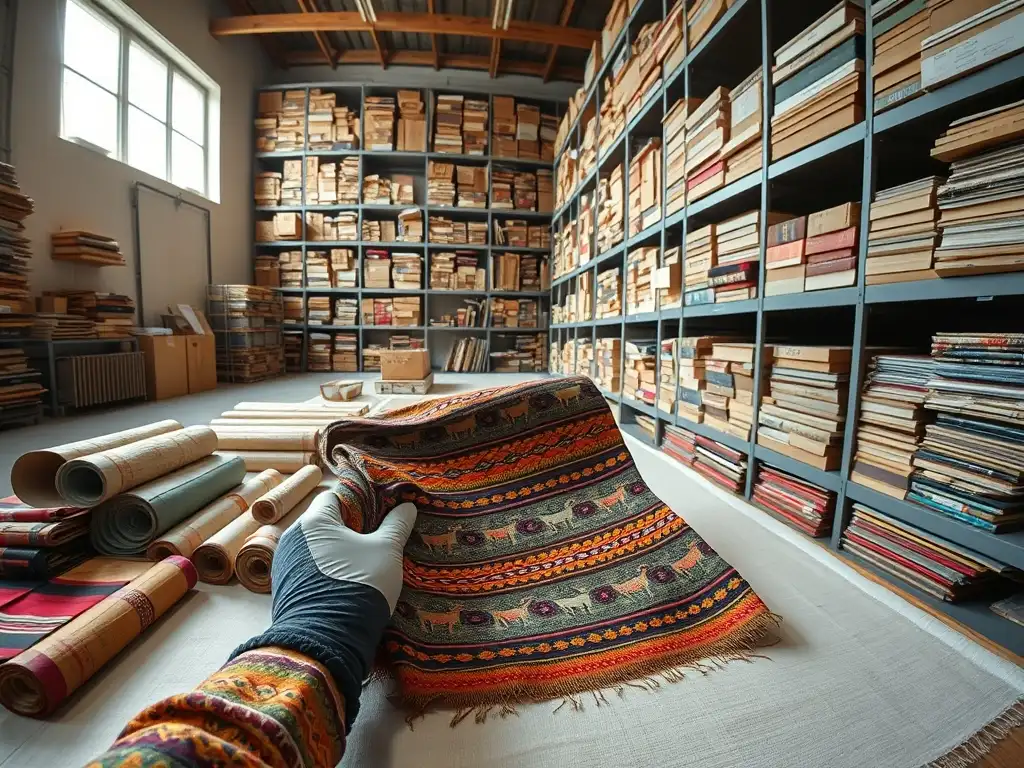
Unravel the mysteries of the Andes! Journey through millennia of vibrant culture, from the intricate artistry of the Nazca lines to the sophisticated engineering of the Incas. But how do we safeguard this incredible legacy for future generations? Discover the crucial role of Andean textiles archival supplies in preserving these irreplaceable treasures – a world of meticulous care and scientific preservation awaits you in The World of Andean Artifacts. Dive in and learn how to protect the past.
- Andean Textiles Archival Supplies: A Buyer's Guide to Preservation
-
Essential Archival Supplies for Andean Textile Preservation
- Archival Storage Boxes: Protecting Your Treasures from the Elements
- Acid-Free Tissue Paper: Gentle Padding and Protection for Delicate Fabrics
- Archival Gloves: Preventing Damage from Handling
- Textile Storage Tubes: Ideal for Long or Rolled Textiles
- Archival Labels and Tags: Keeping Track of Your Collection
- Additional Archival Tools for Andean Textile Care
- Where to Buy High-Quality Archival Supplies for Andean Textiles
- Maximizing the Longevity of Your Andean Textile Collection
-
Frequently Asked Questions
- What types of archival supplies are best for preserving Andean textiles?
- How can I prevent light damage to my Andean textile collection?
- What are the best methods for storing Andean textiles long-term?
- Are there specific considerations for preserving different types of Andean textile fibers?
- Where can I find reputable suppliers for archival supplies suitable for Andean textiles?
- Final Reflection: Weaving a Legacy: The Enduring Importance of Textile Preservation
- Preserve Your Textiles: Take Action Today!
Andean Textiles Archival Supplies: A Buyer's Guide to Preservation
The vibrant tapestries, intricately woven textiles, and exquisitely embroidered garments of the Andean civilizations represent a tangible link to a rich and complex past. These artifacts, often fragile due to age and the materials used in their creation, require specialized care to ensure their longevity.
This guide focuses on the crucial role of archival materials in preserving these invaluable pieces of history. We'll explore the "why" behind choosing archival-quality supplies, the dangers of using substandard materials, and provide a framework for selecting the right products for your Andean textile collection, helping you effectively preserve these irreplaceable treasures for future generations.
Understanding the specific needs of Andean textiles, from their delicate fibers to their unique dyes, is paramount for successful preservation, and this article will serve as your comprehensive resource in selecting the appropriate archival supplies for your collection. Proper preservation ensures not only the physical integrity of these artifacts but also safeguards the cultural heritage they represent, allowing future generations to appreciate the artistry and ingenuity of Andean textile traditions.
Understanding the Importance of Archival Storage for Andean Textiles
Andean textiles, often made from natural fibers like alpaca, llama, vicuña, and cotton, are susceptible to various forms of deterioration. Factors such as light exposure, fluctuating humidity and temperature, pest infestations, and improper handling can significantly damage these delicate artifacts. Archival storage aims to mitigate these risks by creating a controlled environment that minimizes exposure to harmful elements. This involves using materials specifically designed to be inert and stable, preventing chemical reactions that could damage the textiles.
For example, the dyes used in many Andean textiles are particularly sensitive to light, and improper storage can lead to fading and color loss. Choosing archival-quality materials protects against this degradation, ensuring the vibrant colors and intricate designs remain intact for years to come. The investment in proper archival supplies is an investment in the preservation of cultural heritage, ensuring these stunning artifacts remain accessible and appreciated for generations.
The importance of archival storage extends beyond simply preventing damage. It also plays a crucial role in maintaining the integrity of the textile's structure. The use of acid-free materials prevents acid migration, which can weaken fibers and lead to brittleness. This is particularly important for older textiles that may already be fragile. Proper storage also helps prevent physical damage from handling, dust, and pests. By using appropriate containers and enclosures, you can significantly reduce the risk of damage and ensure the long-term survival of your collection.
Why Proper Archival Materials Matter for Preserving Your Textiles
The use of proper archival materials is not merely a matter of preference; it's a necessity for the long-term preservation of Andean textiles. Non-archival materials often contain acids, lignin, or other chemicals that can migrate into the textiles, causing irreversible damage. This can lead to discoloration, brittleness, and even the complete disintegration of the fabric over time.
Consider the impact of using a seemingly harmless cardboard box: the acids within the cardboard can slowly leach into the textile, causing irreparable harm. In contrast, archival-quality materials are specifically designed to be inert and stable, ensuring they won't interact negatively with the textiles. This inertness is crucial for preserving the integrity of the fibers, dyes, and overall structure of the artifact.
Moreover, archival-quality storage solutions offer protection against environmental factors like light, humidity, and pests, all of which can contribute to textile degradation. The long-term benefits of using archival materials far outweigh the initial cost, ensuring the preservation of these valuable cultural artifacts for generations to come. Investing in archival-quality materials is an investment in preserving history.
The Risks of Using Non-Archival Materials on Delicate Andean Fabrics
Using non-archival materials on delicate Andean fabrics can have devastating consequences. Common household items like plastic bags, wooden boxes (unless specifically treated), and standard paper can release harmful chemicals, leading to discoloration, brittleness, and even the destruction of the textile. The risks are amplified with older, more fragile textiles. For instance, using a standard paper folder can cause acid migration, leading to irreparable damage to the fibers.
Similarly, using a plastic bag can trap moisture, leading to mold and mildew growth. These risks are not merely hypothetical; they represent real and significant threats to the preservation of these invaluable artifacts. The consequences of improper storage can be irreversible, leading to the loss of irreplaceable cultural heritage.
Choosing archival materials is not an optional extra; it’s an essential step in ensuring the long-term preservation of your Andean textile collection. The potential loss far outweighs the cost of investing in proper preservation methods. The preservation of these textiles is a responsibility we must take seriously.
Key Considerations When Choosing Archival Supplies for Textiles
Selecting the right archival supplies for your precious Andean textiles is crucial for their long-term preservation. The delicate nature of these artifacts, often made from natural fibers like alpaca or llama wool, cotton, and even camelid hair blends, necessitates a careful approach. Ignoring this can lead to irreversible damage, including fading, weakening of fibers, pest infestations, and even complete disintegration. Therefore, understanding the key considerations before purchasing any supplies is paramount.
One of the most important factors is material compatibility. Andean textiles are often intricately woven or embroidered, and the dyes used can be sensitive to certain chemicals. Avoid materials containing lignin, a component of wood pulp that can cause discoloration and embrittlement over time. Acid-free materials are essential; look for products explicitly labeled as "acid-free," "pH-neutral," or with a pH level of 7 or less. This is particularly crucial for preventing acid hydrolysis, a process that breaks down the textile fibers. The use of archival-quality cotton or acid-free paper for storage and handling is strongly recommended.
Another critical aspect is environmental control. Textiles are susceptible to fluctuations in temperature and humidity. Excessive heat can cause fading and fiber degradation, while high humidity encourages mold and mildew growth. Therefore, storage environments should be climate-controlled, ideally with stable temperature and humidity levels. When choosing storage containers, consider those made from breathable materials that allow for proper air circulation to prevent the build-up of moisture. Archival-quality boxes and folders are designed to achieve this, offering both protection and environmental stability.
Furthermore, the protection against pests is a significant consideration. Insects such as moths and silverfish are attracted to natural fibers and can cause substantial damage. Using archival-quality pest control measures is crucial. This includes regular inspection of textiles, proper cleaning before storage, and the use of inert, non-toxic pest deterrents within storage containers. Avoid using mothballs or other traditional pest repellents, as these can be harmful to the textiles and the environment. Instead, consider using cedar chips or sachets containing lavender, which are natural and effective deterrents.
Finally, remember that proper handling is essential. Always wear clean cotton gloves when handling Andean textiles to prevent the transfer of oils and dirt from your hands. Avoid touching the textile directly with bare hands. Gentle handling prevents physical damage to the delicate fibers, especially those already weakened by age or previous damage.
The use of appropriate tools, such as archival-quality tweezers for removing loose threads, can minimize further damage. Regular inspection and careful handling practices are key elements in ensuring the longevity of your collection. Investing in these practices, along with using the best archival materials, will safeguard the legacy of these invaluable cultural artifacts for generations to come.
Essential Archival Supplies for Andean Textile Preservation
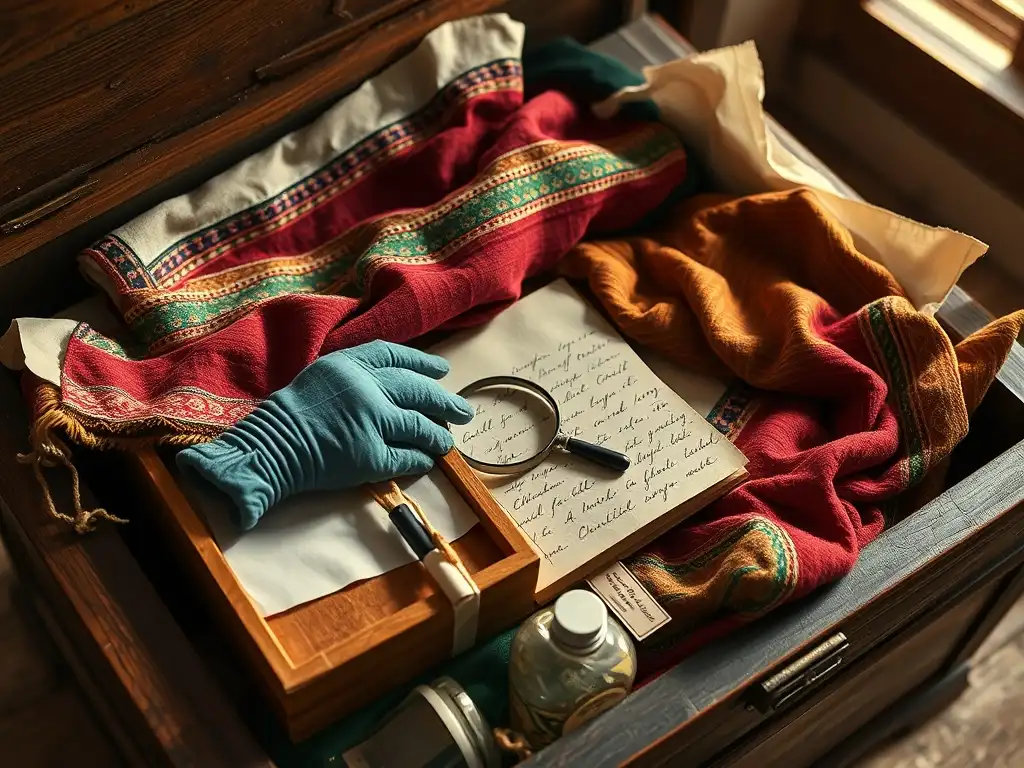
This section details the crucial archival supplies needed for the proper preservation of your invaluable Andean textiles. Understanding the specific needs of these delicate artifacts is paramount to ensuring their longevity and preventing damage. The right materials will protect your collection from light damage, pest infestation, and the degrading effects of acidic materials. Selecting the correct "Andean textiles archival supplies" is key to long-term preservation.
Archival Storage Boxes: Protecting Your Treasures from the Elements
Proper storage is the cornerstone of Andean textile preservation. Exposure to fluctuating temperatures, humidity, and light can cause irreparable damage to these historically significant pieces. Archival-quality boxes provide the necessary protection, shielding your textiles from environmental stressors and potential pests. The choice of box depends on the size and type of textile, as well as your specific storage environment.
Acid-Free Boxes: The Foundation of Safe Textile Storage
Acid-free boxes are the foundation of any successful Andean textile preservation strategy. The acidity in many common storage materials can cause significant damage over time, leading to discoloration, brittleness, and ultimately, the deterioration of the textile fibers. Acid-free boxes, manufactured from archival-quality materials like buffered board, prevent this chemical degradation, ensuring the longevity of your collection. Look for boxes specifically labeled as "acid-free" and "archival-quality" to guarantee their suitability. The absence of lignin, a major source of acidity in paper and cardboard, is critical.
Different Sizes and Styles: Choosing the Right Box for Your Textile
Choosing the right size and style of archival box is crucial. Overcrowding can lead to creasing and damage, while boxes that are too large can allow for unnecessary movement and potential abrasion. Consider the dimensions of your textiles carefully. For larger pieces like tapestries or wall hangings, you might need custom-sized boxes or consider using multiple smaller boxes to accommodate the item safely and prevent excessive folding. Boxes with hinged lids offer better protection than those with simple flaps. For smaller items like clothing or accessories, smaller boxes are ideal. Always prioritize a snug fit to minimize movement.
Hollinger Metal Edge Archival Box
The Hollinger Metal Edge Archival Box represents a premium option for storing particularly valuable or delicate Andean textiles. The metal edges provide enhanced structural integrity and protection against crushing or warping. These boxes offer superior protection against light, moisture, and pests, making them a worthwhile investment for irreplaceable artifacts. Their robust construction ensures the long-term preservation of your collection's most prized pieces. The added cost is justified by the enhanced protection they provide.
Acid-Free Tissue Paper: Gentle Padding and Protection for Delicate Fabrics
Acid-free tissue paper plays a vital role in protecting your Andean textiles from abrasion and crushing. It provides a soft, inert barrier between the textile and the storage box, preventing any contact with potentially damaging materials. The proper use of tissue paper is crucial for maintaining the integrity of the fibers and preserving the textile's original condition.
Buffered vs. Unbuffered Tissue Paper: Choosing the Right Option
The choice between buffered and unbuffered acid-free tissue paper often depends on the specific requirements of your textile collection and storage environment. Buffered tissue paper contains a calcium carbonate buffer that helps neutralize any residual acidity that might be present in the storage environment or the textile itself. Unbuffered tissue paper is also acid-free but does not contain this buffer. In many cases, buffered tissue is preferred for its added protection, especially in environments with higher humidity levels. However, for some exceptionally delicate textiles, unbuffered tissue may be a safer option. Consult with a textile conservator for specific recommendations.
How to Properly Use Acid-Free Tissue Paper for Layering
Proper layering is essential when using acid-free tissue paper. Avoid direct contact between the tissue paper and the textile's surface, especially if the textile is fragile or heavily embellished. Instead, consider using a soft, acid-free support material such as a cotton sheet or a loosely woven acid-free fabric between the tissue paper and the textile. Layer the tissue paper gently, avoiding excessive creasing or pressure. The goal is to provide a cushioning effect, not to compress or restrain the textile.
Lineco Acid-Free Unbuffered Tissue Paper
Lineco Acid-Free Unbuffered Tissue Paper is a commonly recommended option. Its neutral pH and lack of additives make it suitable for many Andean textiles. Its softness and strength make it ideal for handling delicate items. However, remember to always consider the specific needs of your textiles and your storage environment when making your selection. Consult with a textile conservator if you are unsure about the best choice for your collection. Remember, proper handling and storage are key to preventing damage and ensuring the long-term preservation of your valuable Andean textiles. 🛍️
Archival Gloves: Preventing Damage from Handling
Handling Andean textiles requires the utmost care to avoid transferring oils, dirt, and other contaminants from your hands to the delicate fibers. This is especially crucial given the age and fragility of many surviving examples. The use of archival-quality gloves is not simply a best practice; it's a necessity for long-term preservation.
Improper handling can lead to irreversible damage, including discoloration, weakening of fibers, and the introduction of pollutants that accelerate deterioration. Even seemingly clean hands can harbor residues that, over time, can significantly impact the textile's condition. The choice of gloves depends on the specific textile and the task at hand.
Cotton Gloves: A Gentle Barrier Against Oils and Dirt
Cotton gloves provide a basic level of protection, acting as a barrier between your hands and the textile. They are an excellent choice for handling many Andean textiles, especially those that are relatively robust. The soft, absorbent nature of cotton helps to absorb some oils and dirt, preventing direct contact with the fibers. However, it's important to note that cotton gloves are not completely impervious to contamination.
Repeated use can lead to the accumulation of oils and dirt within the gloves themselves, potentially transferring contaminants to subsequent textiles. Therefore, regular cleaning or replacement is essential. For best results, opt for 100% cotton gloves, specifically those designated as "museum-quality" or "archival-quality."
Nitrile Gloves: For More Delicate Textiles and Handling
For more delicate Andean textiles, or when handling particularly fragile items, nitrile gloves are often preferred. Nitrile is a synthetic material, offering superior protection against oils and contaminants compared to cotton. The smooth surface of nitrile gloves minimizes the risk of snagging or abrading delicate fibers. They are also more durable and can be easily cleaned or disposed of after each use, reducing the risk of cross-contamination. However, nitrile gloves can sometimes be less comfortable to wear for extended periods and may not be suitable for all tasks involving fine manipulation.
Micro-Mesh Cotton Gloves
Micro-mesh cotton gloves represent a significant advancement in archival handling. These gloves combine the gentleness of cotton with a finer weave, offering enhanced protection against even microscopic particles. The tighter weave minimizes the risk of fibers shedding from the gloves onto the textile. Micro-mesh cotton gloves are ideal for handling exceptionally delicate Andean textiles, such as those with intricate embroidery or highly fragile structures. They provide a good balance between dexterity and protection, allowing for careful manipulation while minimizing the risk of damage. Like cotton gloves, however, regular cleaning or replacement is crucial to maintain their effectiveness.
Textile Storage Tubes: Ideal for Long or Rolled Textiles
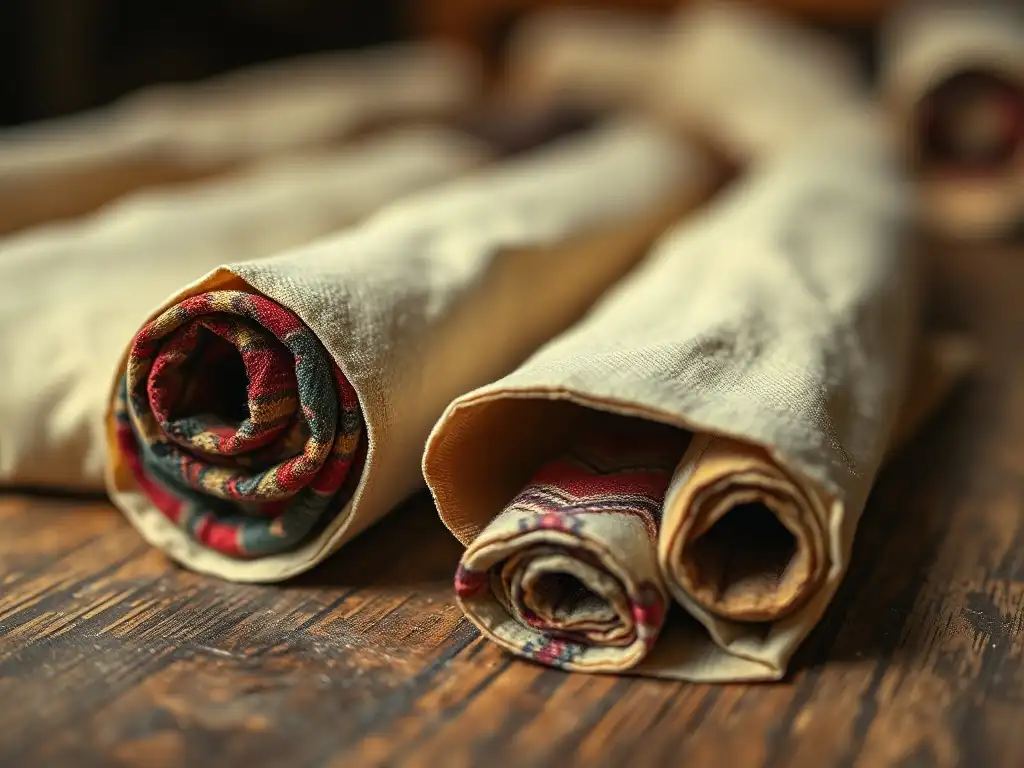
Proper storage is paramount for the preservation of Andean textiles. Storage tubes offer a superior alternative to folding or loosely storing textiles, minimizing stress on the fibers and reducing the risk of creasing or damage. They are particularly well-suited for long or rolled textiles, providing a stable, protective environment that helps to prevent deterioration. The choice of tube material, size, and additional protective measures is crucial for ensuring long-term preservation. Acid-free materials are a must to avoid chemical reactions that could damage the textile.
Choosing the Right Diameter and Length for Your Textiles
Selecting the appropriate diameter and length is crucial for effective textile storage within tubes. The diameter should be large enough to accommodate the textile without excessive compression, yet not so large as to allow the textile to shift and rub against the tube's walls. The length should be sufficient to fully enclose the textile, preventing any part from being exposed to environmental factors.
Improper sizing can lead to creases, folds, or damage to the textile. Measuring the textile before selecting a tube is essential to ensure a proper fit. Consider using slightly larger tubes to allow for some breathing room and to prevent compression damage over time.
Acid-Free Tube Inserts: Enhancing Protection and Stability
Acid-free tube inserts provide an extra layer of protection within the storage tube. These inserts help to maintain the textile's shape and prevent it from shifting or rubbing against the tube's interior. They also create a more stable environment, reducing the risk of damage from handling or environmental fluctuations. The use of acid-free inserts is particularly important for textiles that are delicate or show signs of significant deterioration. The added support they provide can help to prevent further damage and extend the life of the textile.
Archival Methods Textile Storage Tube
The selection of the storage tube itself is critical. Opt for tubes made from archival-quality materials, specifically those that are acid-free, lignin-free, and buffered to maintain a neutral pH. These materials are designed to resist degradation and prevent the release of harmful chemicals that could damage the textile. Avoid using tubes made from materials like PVC or other plastics that can off-gas harmful chemicals.
The archival quality of the tube is essential for ensuring the long-term preservation of the Andean textile. Look for tubes specifically designed for textile storage and preservation. The presence of a label for proper identification of the contained textile is also a valuable feature. Careful selection of archival-quality materials, proper sizing, and the use of acid-free inserts contribute significantly to long-term preservation of these invaluable Andean textiles.
Proper labeling and tagging are crucial for the long-term preservation of your Andean textile collection. Accurate and detailed information ensures that you can easily identify and access specific pieces, track their provenance, and monitor their condition over time. Neglecting this essential step can lead to confusion, misidentification, and even damage to the textiles themselves. Imagine trying to locate a particular k'ipu knot among hundreds of others without clear, consistent labeling – a nightmare for any researcher or collector!
The information you include on your labels should be comprehensive and consistent across your entire collection. This will facilitate easier research and prevent future headaches. Consider including details such as the textile's acquisition date, its geographical origin (if known), any identifying marks or features, and any relevant historical information. The use of a standardized system for labeling will ensure consistency and simplify the management of even a large collection.
Furthermore, regularly reviewing and updating your labels is recommended, particularly if new information surfaces or the textile's condition changes. This proactive approach will safeguard the integrity of your invaluable Andean textile collection for generations to come. The importance of meticulous record-keeping cannot be overstated in the field of Andean textile preservation.
Acid-Free and Fade-Resistant Labels: Ensuring Long-Term Identification
The choice of labeling materials is critical for the longevity of your collection's identification. Standard adhesive labels, commonly found in office supply stores, are unsuitable for archival purposes because they often contain acids and other chemicals that can damage delicate textiles over time. These chemicals can cause discoloration, embrittlement, and even complete deterioration of the fibers. Therefore, it's essential to use acid-free and fade-resistant labels specifically designed for archival use.
These specialized labels are made from materials that will not off-gas harmful chemicals or fade over time, ensuring the long-term legibility of the information they contain. Look for labels made from materials such as acid-free paper or polyester, and always check that they are certified to archival standards. The investment in high-quality archival labels will prevent the costly and potentially irreversible damage that can result from using inferior materials.
Remember, the information on your labels is your primary tool for understanding and preserving your collection – choosing the right labels is a cornerstone of responsible textile conservation. Consider also the type of adhesive used; some adhesives can be more damaging than others. Researching and selecting the best adhesive for your specific textiles is crucial for long-term preservation.
Gaylord Archival Permanent Label
Gaylord Archival is a well-respected brand known for producing high-quality archival supplies, and their permanent labels are a popular choice among textile conservators. These labels are specifically designed to withstand the test of time, resisting fading, discoloration, and deterioration. Made from durable, acid-free materials, they are suitable for a wide range of textiles, including delicate Andean fabrics.
The use of Gaylord Archival Permanent Labels ensures that the identification information remains legible and accurate for many years, safeguarding the integrity of your collection's cataloging. Their strong adhesive ensures that the labels remain securely attached to the textiles, even with handling and storage. While other brands offer similar products, Gaylord Archival's reputation for quality and longevity makes them a reliable and often preferred choice within the field of Andean textile preservation.
The slightly higher cost compared to some alternatives is a worthwhile investment considering the long-term benefits of preserving your invaluable collection. Choosing a reputable brand like Gaylord demonstrates a commitment to responsible and enduring textile preservation practices.
Additional Archival Tools for Andean Textile Care
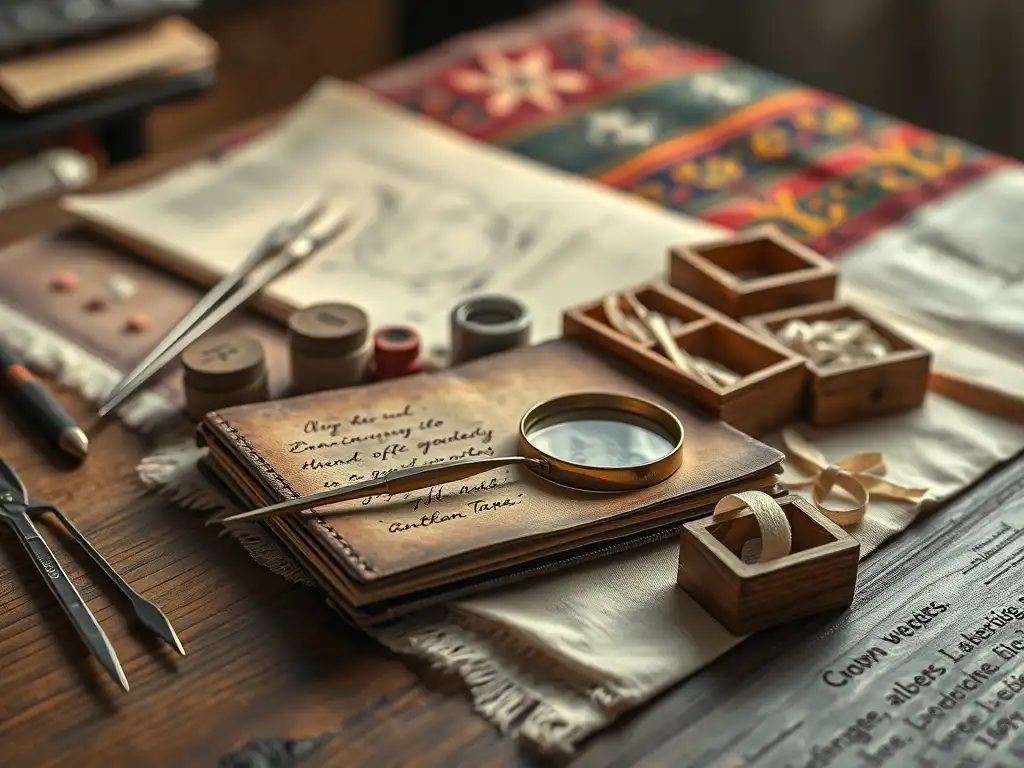
Preserving the vibrant colors and intricate weaves of Andean textiles requires more than just proper storage. Investing in the right tools ensures the long-term health and beauty of these invaluable artifacts. Beyond the basics of acid-free boxes and archival-quality tissue paper, several additional tools can significantly enhance your Andean textiles archival supplies strategy and contribute to the longevity of your collection.
Proper care minimizes deterioration caused by dust, fluctuating environmental conditions, and accidental damage, thus protecting these irreplaceable pieces of cultural heritage. This section focuses on essential tools that go beyond the fundamental supplies, offering specialized solutions for the unique challenges posed by Andean textile preservation.
Textile Vacuum Attachments: Safely Removing Dust and Debris
Dust and debris are significant threats to Andean textiles. Their accumulation can abrade delicate fibers, leading to damage and discoloration. Regular cleaning is crucial, but improper techniques can cause more harm than good. Therefore, specialized vacuum attachments are essential for safe and effective dust removal. The key is to minimize suction power to prevent fiber damage.
Low Suction Vacuum Options: Gentle Cleaning for Fragile Fabrics
Many standard vacuum cleaners possess suction power far too strong for delicate Andean textiles. Using a regular vacuum can easily pull loose threads, causing irreparable damage. Instead, prioritize vacuums with adjustable suction settings or those specifically designed for delicate fabrics. Look for models with a wide range of attachments, including soft brushes and crevice tools for reaching hard-to-access areas.
Before using any vacuum on your textiles, test it on an inconspicuous area to ensure it doesn't cause damage. Remember, prevention is key. Regular, gentle cleaning is much more effective than attempting to remove large amounts of accumulated dust at once.
Miele Handheld Vacuum Attachment with Brush
The Miele handheld vacuum, with its specialized brush attachment designed for upholstery and delicate fabrics, provides an excellent example of a suitable tool. Its gentle suction and soft brush effectively remove dust and debris without causing harm to the fibers. The small size and portability make it ideal for cleaning both large and small textile pieces, even intricate details and embellishments common in Andean textiles.
While Miele is one brand example, the key is to find a similar product with low suction, a soft brush attachment, and ease of maneuverability for delicate work. Always test on an inconspicuous area first!
Humidity and Temperature Monitors: Creating a Stable Storage Environment
Maintaining a stable environment is paramount for preserving Andean textiles. Fluctuations in temperature and humidity can cause significant damage, leading to color fading, fiber degradation, and pest infestations. Consistent monitoring allows for proactive adjustments to the storage environment, minimizing these risks.
Digital Hygrometers: Accurately Tracking Humidity Levels
Digital hygrometers provide precise measurements of humidity levels within your storage space. Accurate readings are crucial for maintaining the ideal relative humidity (RH) range recommended for textile preservation (typically between 40% and 50%). Regularly checking the hygrometer allows for timely adjustments to your climate control system, ensuring that your textiles are stored in optimal conditions. Consider purchasing a hygrometer that also measures temperature, providing a comprehensive overview of your storage environment's stability. This integrated approach simplifies monitoring and allows for a holistic assessment of preservation conditions.
AcuRite Digital Hygrometer and Thermometer
The AcuRite digital hygrometer and thermometer is an example of a readily available and affordable option offering both temperature and humidity readings. Its user-friendly interface and accurate measurements make it suitable for both personal and professional collections. Accurate and consistent monitoring is far more effective than infrequent checks. Remember that even small fluctuations over time can accumulate and cause considerable damage to your precious Andean textiles. The investment in a reliable monitoring system is vital in safeguarding your collection. While AcuRite is one specific brand, the important consideration is choosing a device with reliable accuracy and an easy-to-read display.
Where to Buy High-Quality Archival Supplies for Andean Textiles
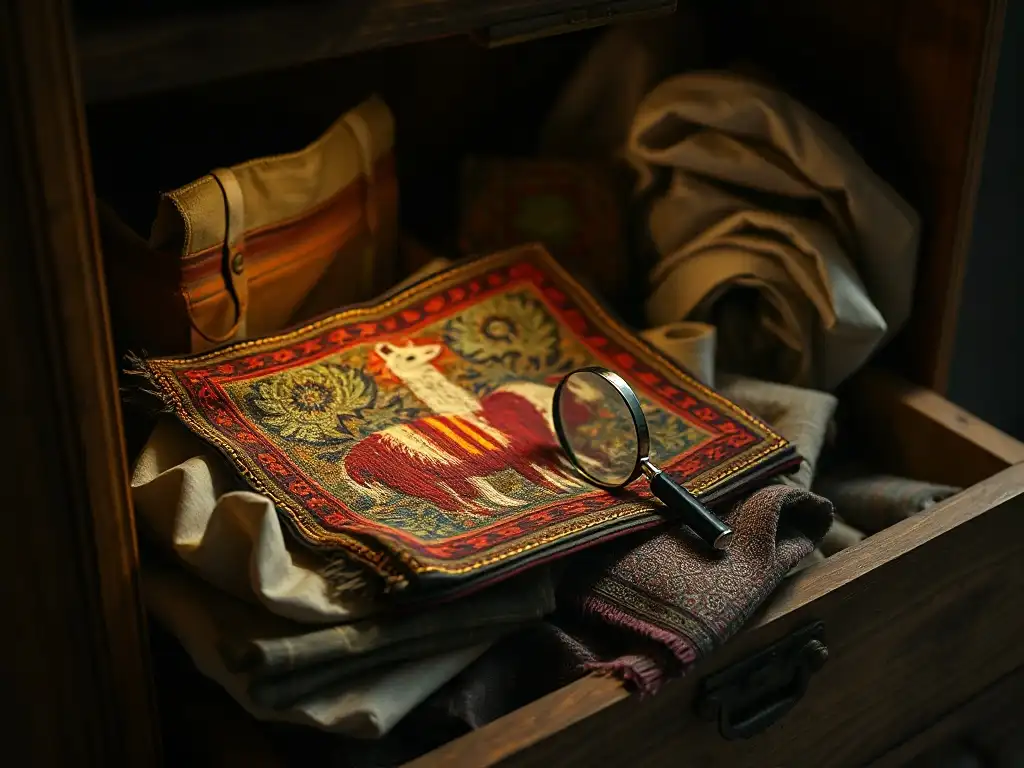
Preserving precious Andean textiles requires using archival-quality materials. The wrong supplies can lead to irreversible damage, fading, and deterioration, jeopardizing these irreplaceable pieces of history. Sourcing the right materials is crucial for long-term preservation. Choosing wisely is an investment in safeguarding your collection for future generations. This section focuses on identifying reliable sources for your Andean textiles archival supplies needs.
Reputable Archival Supply Retailers: Ensuring Quality and Authenticity
Selecting a reputable supplier is paramount when acquiring archival materials for Andean textiles. These retailers specialize in providing products that meet the rigorous standards necessary for long-term preservation. Look for companies with a proven track record, positive customer reviews, and a commitment to sustainable and ethical sourcing. Avoid purchasing from general craft or hobby stores, as their products often lack the necessary acid-free and lignin-free properties essential for preventing damage. Authenticity is another key factor, especially when dealing with specialized materials for delicate Andean textiles.
Online Archival Supply Stores: Convenience and Variety
The internet offers unparalleled convenience and access to a wide range of archival supply options. Many online retailers specialize in providing acid-free boxes, archival-quality tissue paper, and other essential supplies for textile preservation. The advantage here lies in the broad selection and the ability to compare prices and product specifications from different vendors.
However, it's crucial to carefully review customer reviews and check the supplier's reputation before making a purchase. Pay close attention to product descriptions, ensuring that the materials meet the necessary standards for pH neutrality and lignin-free content. Look for specific mentions of suitability for textile conservation, particularly those from Andean cultures, which often utilize delicate natural fibers.
Art Conservation Supply Companies: Expert-Level Products
Art conservation supply companies offer a higher level of specialization and expertise. These companies often cater to museums, archives, and professional conservators, providing top-of-the-line archival materials. Their products are usually rigorously tested to ensure they meet the highest standards for preservation. While often more expensive than general archival suppliers, the superior quality and longevity justify the investment for truly valuable Andean textiles. These companies may also provide expert advice and consultation on proper handling and storage techniques, a valuable asset for preserving your unique collection.
University Products Online Store
Many universities with art conservation or anthropology programs maintain online stores that sell archival supplies. These stores often offer high-quality materials at competitive prices, often sourced directly from manufacturers. These are often excellent options for those seeking trusted sources for their Andean textiles archival supplies. The materials are usually vetted by professionals, guaranteeing the quality and suitability for preserving delicate artifacts.
The added benefit is that these institutions often have a commitment to ethical and sustainable sourcing practices. Checking the university's reputation and their specific guidelines on archival materials will help you make an informed decision. The focus on academic rigor translates to reliable and trustworthy sources of materials.
This detailed guide helps you navigate the process of selecting the appropriate Andean textiles archival supplies. Remember, investing in high-quality materials is a crucial step in preserving these invaluable cultural treasures for generations to come. The proper selection of materials is key to ensuring the longevity and integrity of your collection. Careful consideration of the source and the characteristics of the materials is essential for the successful long-term preservation of your Andean textiles.
Maximizing the Longevity of Your Andean Textile Collection
This section focuses on the practical application of archival principles to ensure the long-term preservation of your Andean textile collection. Understanding the unique challenges posed by these delicate artifacts – from the natural fibers used to the environmental conditions they've endured – is crucial for their continued survival. The proper selection and use of archival materials are paramount in mitigating deterioration and ensuring these invaluable pieces of history remain accessible for generations to come. We'll explore essential aspects of Andean textiles archival supplies and best practices for their care.
Proper Handling Techniques: Minimizing Stress on Delicate Fibers
The most immediate threat to Andean textiles is often improper handling. These artifacts, frequently woven from delicate materials like alpaca, llama, vicuña, and cotton, are susceptible to damage from even the slightest stress. Therefore, establishing careful handling protocols is the cornerstone of preservation.
Understanding the fragility of the fibers is key. Avoid sharp folds or creases, which can weaken the threads and cause irreversible damage. When handling, support the entire textile, preventing undue strain on any single area. Use cotton gloves to minimize the transfer of oils and dirt from your hands. For very fragile pieces, consider using specialized archival handling tools like Japanese tissue paper or acid-free cotton pads for support during examination or movement.
Remember, gentle handling is paramount. Avoid abrupt movements and always support the full weight of the textile. Even seemingly minor stresses can accumulate over time, leading to significant damage. Regular training for anyone handling the collection will reinforce these crucial practices and prevent accidental damage. Documenting handling procedures can also help maintain consistency and accountability. A detailed log of each handling event, including date, time, and the individuals involved, can prove invaluable in tracking potential issues.
Creating a Dedicated Archival Storage Space: Environment Control
The environment plays a critical role in the preservation of Andean textiles. Fluctuations in temperature and humidity, exposure to light, and the presence of pollutants can accelerate deterioration. Creating a dedicated archival storage space with controlled environmental conditions is therefore essential.
Ideally, the storage area should maintain a relatively stable temperature between 65-70°F (18-21°C) and a relative humidity of 40-50%. These conditions help to minimize the risk of mold growth, insect infestation, and fiber degradation. The use of a reliable hygrometer and thermometer is recommended for monitoring environmental conditions. Regular calibration of these instruments ensures accurate readings and allows for timely adjustments as needed.
Beyond temperature and humidity, controlling light exposure is crucial. UV radiation, even in small amounts, can cause significant fading and fiber weakening. Use archival-quality, UV-filtering materials for window coverings and storage containers. Avoid direct sunlight exposure at all costs. Furthermore, consider the air quality within the storage space.
Pollutants like dust, smoke, and gases can cause discoloration and accelerate deterioration. Implementing proper ventilation and air filtration systems can significantly mitigate these risks. Regular cleaning of the storage area is also essential to remove dust and other potential contaminants. This should be done using appropriate vacuuming techniques and archival-quality cleaning supplies. Always prioritize the preservation of the Andean textiles archival supplies themselves to maintain a clean and safe environment.
Regular Inspection and Maintenance: Early Detection of Potential Issues
Regular inspection is a proactive measure to ensure the long-term health of your Andean textile collection. This process allows for the early detection of potential problems, such as pest infestations, mold growth, or fiber degradation, enabling timely intervention and preventing significant damage.
A thorough inspection should be conducted at least annually, or more frequently for particularly vulnerable items. This involves a visual examination of each textile, looking for signs of damage such as tears, holes, discoloration, or pest activity. Pay close attention to areas where fibers may be particularly weak or vulnerable. Detailed documentation of the inspection findings, including photographs and notes, is essential for tracking changes over time and informing future preservation strategies.
Beyond visual inspection, consider incorporating other methods of assessment, depending on the resources available. This might include the use of specialized equipment to detect hidden damage or the consultation with textile conservation experts. Early detection is key; the sooner an issue is identified, the more effective and less costly the intervention will be. Remember, preventative measures are always more cost-effective than reactive repairs. Regular maintenance, careful handling, and controlled environmental conditions, combined with regular inspections, will significantly increase the lifespan of your precious Andean textile collection, safeguarding these irreplaceable cultural artifacts for future generations.
Frequently Asked Questions
What types of archival supplies are best for preserving Andean textiles?
For Andean textiles, prioritize acid-free materials. This includes archival-quality boxes, folders, and tissue paper. Avoid anything containing lignin or other harmful chemicals.
How can I prevent light damage to my Andean textile collection?
Minimize exposure to direct sunlight and UV light. Use UV-filtering glazing on display cases and store textiles in dark, cool, and dry environments. Consider using museum-quality archival storage containers.
What are the best methods for storing Andean textiles long-term?
Flat storage is generally preferred for large or delicate textiles. Use acid-free supports and fold textiles loosely to avoid creases. For smaller items, acid-free boxes with sufficient cushioning are ideal.
Are there specific considerations for preserving different types of Andean textile fibers?
Yes, fiber type impacts storage. Cotton and wool have different sensitivities to light and humidity. Research the specific fiber content of your textiles and adjust storage accordingly, consulting with a textile conservator if needed.
Where can I find reputable suppliers for archival supplies suitable for Andean textiles?
Many online retailers and conservation supply companies offer acid-free materials. Look for companies specializing in museum-quality archival supplies. Always check product specifications to ensure they meet archival standards.
Final Reflection: Weaving a Legacy: The Enduring Importance of Textile Preservation
The careful selection of archival materials is not merely a technical detail; it is the crucial act of safeguarding cultural heritage for generations to come. Our exploration of appropriate supplies for Andean textile preservation highlights the urgent need for informed choices in protecting these irreplaceable artifacts. The fragility of these textiles, often imbued with centuries of history and cultural significance, demands a level of care that goes beyond simple storage.
The impact of proper preservation extends far beyond the individual artifact; it shapes our collective understanding of history and cultural identity. These textiles are not just fabrics; they are living testaments to Andean artistry, spirituality, and social structures. Their preservation ensures that future generations can connect with their ancestors, learn from their traditions, and appreciate the richness of their cultural heritage. The past is never dead. It's not even past.
- William Faulkner. This quote resonates deeply, as the careful preservation of Andean textiles allows us to engage with a vibrant past, ensuring its continued influence on the present and future.
Consider the legacy you wish to leave. Will you be a passive observer of the slow decay of these precious artifacts, or will you actively participate in their preservation? I urge you to take the knowledge gained from this article and apply it to your own interactions with textiles, whether in a museum, archive, or even your own home. By making conscious choices about storage and handling, you become a vital link in the chain of preservation, ensuring that the vibrant stories woven into these textiles continue to resonate for centuries to come.
Preserve Your Textiles: Take Action Today!
Thank you for learning about the essential aspects of textile preservation. You've gained valuable insights to help protect your cherished items. Now, let's put that knowledge to work!
- Assess your textile collection: Identify pieces needing immediate attention and choose appropriate preservation supplies based on their specific requirements. For example, delicate lace requires different care than a sturdy wool blanket.
- Connect with other textile enthusiasts: Join a local group or online community to share tips, experiences, and resources. The collective knowledge is invaluable!
- Enhance your skills: Consider taking a textile conservation workshop. This hands-on learning experience allows you to refine your techniques and connect with experts in the field.
Ready to commit to preserving your textiles? I'd love to hear about a favorite textile and the memories it holds! Let's discuss!