
The Myth of the Invincible Spaniard: Debunking the Conquest Narrative

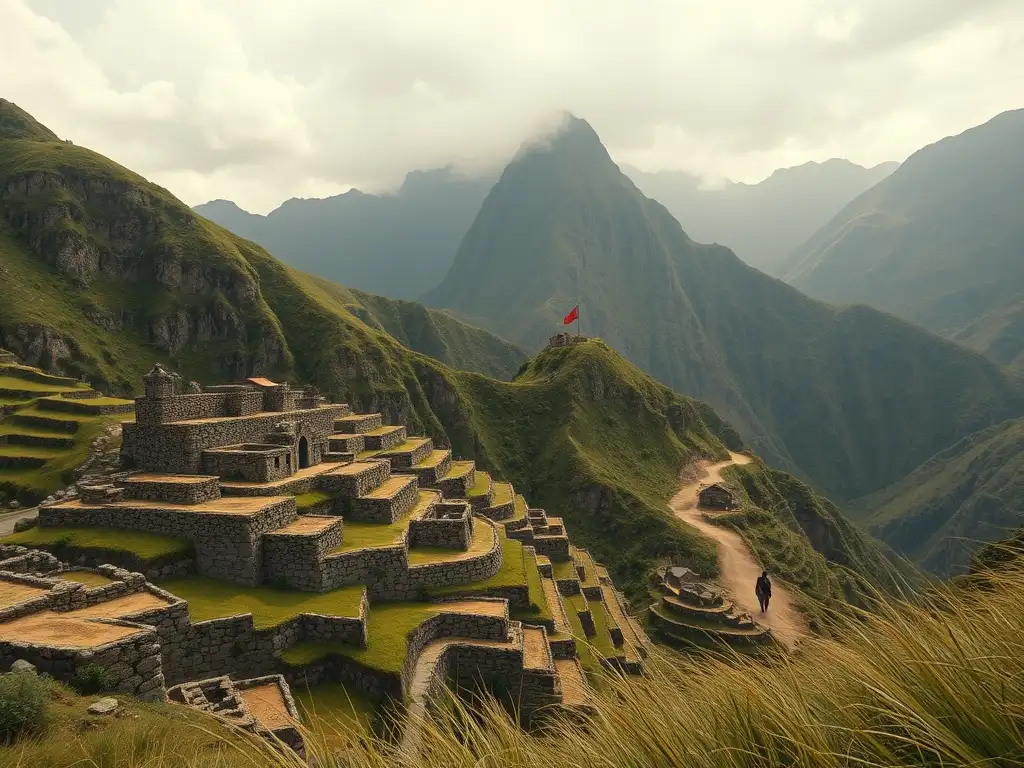
Dive into the captivating world of the Andean civilizations! For centuries, a myth has shrouded the fall of the Inca Empire – the myth of the invincible Spanish conquistador. But what if the story we've been told is only half the truth? Explore the Intriguing complexities of the Inca Spanish Conquest Myth and uncover a far more nuanced narrative in our groundbreaking article, "The Myth of the Invincible Spaniard: Debunking the Conquest Narrative." Prepare to question everything you thought you knew.
The narrative of the Spanish conquest of the Inca Empire often paints a picture of overwhelmingly superior Spanish forces effortlessly subjugating a technologically inferior civilization. This romanticized version, however, obscures a far more complex reality. The "Invincible Spaniard" myth ignores crucial factors such as internal Inca conflicts, the devastating impact of introduced diseases, and the significant resistance encountered by the conquistadors.
This article delves into the complexities of the Inca conquest, challenging the simplistic narrative and highlighting the crucial role of Inca resilience and the significant challenges faced by the Spanish. By examining the historical context, we aim to debunk the myth of effortless conquest and reveal a more nuanced understanding of this pivotal period in Andean history. Understanding this revised narrative is crucial for a more accurate and complete appreciation of Inca civilization and its tragic demise at the hands of Spanish colonization.
We will explore the various factors that contributed to the Spanish success, while simultaneously highlighting the significant and often overlooked acts of Inca resistance. This deeper understanding will allow us to appreciate the strength and resilience of the Inca people in the face of overwhelming odds.
Introduction to the Inca Spanish Conquest Myth
The popular image of the Spanish conquest often depicts a swift and decisive victory, fueled by superior weaponry and unwavering Spanish determination. This narrative, however, conveniently overlooks the significant challenges the conquistadors faced and the considerable resistance mounted by the Inca. The "Invincible Spaniard" myth simplifies a complex historical process, neglecting the role of disease, internal Inca conflicts, and the strategic brilliance of Inca resistance leaders.
This romanticized version of events minimizes the suffering endured by the Inca people and fails to fully appreciate the scale of the Inca Empire's achievements before the conquest. 🇪🇸 vs ⛰️ The reality was far more nuanced and brutal, involving prolonged warfare, strategic alliances, and devastating outbreaks of disease. Understanding the true nature of the conquest requires a critical examination of the established narrative, moving beyond simplistic explanations of Spanish superiority.
The "Invincible" Spaniard: Examining the Historical Context
The notion of the "invincible" Spaniard is a significant oversimplification. While the Spanish possessed superior weaponry, such as firearms and steel, their numbers were relatively small compared to the Inca population. The success of the conquest was not solely due to military might but also a result of a confluence of factors, many of which worked in the Spanish favor.
The Spanish were able to exploit existing internal divisions within the Inca Empire, leveraging these weaknesses to their advantage. Furthermore, the introduction of Old World diseases, to which the Inca population had no immunity, decimated the indigenous population, significantly weakening their ability to resist.
The Technological Advantage of the Spanish? A Closer Look
While the Spanish possessed superior weaponry like firearms and steel swords, the technological gap wasn't as insurmountable as often portrayed. Inca weaponry, including slings, clubs, and spears, proved effective in close-quarters combat. The Spanish advantage was more tactical than purely technological. Their cavalry, for instance, proved highly effective against Inca infantry.
However, the Inca adapted and developed strategies to counter the Spanish cavalry. The effectiveness of Spanish weaponry was also contingent on factors such as terrain and the skill of the users. The Inca's mastery of their environment and their knowledge of guerrilla warfare tactics often mitigated the Spanish technological advantage.
The Role of Disease in the Inca Conquest
The devastating impact of Old World diseases, such as smallpox, measles, and influenza, cannot be overstated. These diseases, introduced by the Spanish, ravaged the Inca population, killing millions and crippling the empire's ability to mount effective resistance. The sheer scale of death weakened the Inca army, disrupted their social structures, and undermined their leadership. This biological warfare played a crucial, if often overlooked, role in the Spanish conquest. The decline in population also made it easier for the Spanish to control the remaining inhabitants.
Internal Conflicts within the Inca Empire
The Inca Empire, at the time of the Spanish arrival, was experiencing significant internal strife. A succession crisis following the death of Huayna Capac weakened the empire's unity and created power struggles among rival factions. This internal conflict significantly hampered the Inca's ability to effectively resist the Spanish invasion.
The Spanish cleverly exploited these divisions, forming alliances with disgruntled Inca nobles and exploiting the political instability to their advantage. This internal weakness significantly contributed to the empire's downfall, making it far more vulnerable to the relatively small Spanish force. The internal power struggle, therefore, was as significant a factor as any military advantage held by the Spanish.
Indigenous Resistance: Beyond the Narrative of Easy Conquest
The popular narrative surrounding the Spanish conquest of the Inca Empire often portrays a swift and decisive victory, minimizing the significant resistance encountered by the conquistadors. This simplification ignores the decades of fierce fighting, strategic maneuvering, and unwavering resilience demonstrated by indigenous populations across the Andes.
The Inca, far from being passive victims, actively fought back against the invaders, employing various tactics and strategies that prolonged the conflict and inflicted substantial losses on the Spanish. Their resistance was not merely sporadic uprisings but a coordinated, albeit fragmented, effort to preserve their way of life and independence.
Understanding the true extent of this resistance is crucial to deconstructing the myth of an easy conquest and appreciating the strength and determination of the Andean peoples. The sheer scale of the Inca Empire and the diversity of its constituent groups also meant that resistance took many forms, from large-scale military campaigns to subtle acts of defiance and cultural preservation.
Inca Rebellions and Uprisings Against Spanish Rule
Numerous rebellions and uprisings erupted throughout the Andes following the initial conquest of Cuzco. The most notable of these include the resistance led by Túpac Amaru I, who, though ultimately defeated, significantly hampered Spanish control for years. His rebellion, marked by its strategic use of mountainous terrain and the mobilization of large numbers of indigenous fighters, demonstrated the ongoing capacity for organized resistance even in the face of superior weaponry. Similarly, other regional leaders and communities staged smaller-scale but equally significant rebellions, highlighting the widespread rejection of Spanish rule.
These uprisings, while often suppressed, prevented the Spanish from achieving immediate and complete control over the vast Andean territories. The constant threat of rebellion forced the Spanish to deploy significant resources in maintaining their control, undermining their narrative of effortless dominance. The sheer number and persistence of these rebellions challenge the simplistic narrative of a quick and easy victory.
The Strategic Use of Terrain by Indigenous Forces
The Andes' challenging geography played a crucial role in shaping the conflict. Indigenous fighters, intimately familiar with the treacherous mountain passes, dense forests, and unpredictable weather patterns, effectively used the terrain to their advantage. They employed guerilla warfare tactics, ambushing Spanish forces in narrow mountain passes and utilizing the landscape to disrupt supply lines and communication networks.
The Spanish, accustomed to open-field battles, found themselves ill-equipped to navigate the complex Andean terrain, significantly hindering their ability to effectively subdue the indigenous population. This strategic use of the landscape prolonged the conflict and inflicted considerable casualties on the Spanish army, significantly impacting the course of the conquest. The Inca's knowledge of the land was a powerful weapon in their fight for survival.
The Persistence of Indigenous Culture Despite Conquest
Despite the brutal realities of the conquest, indigenous Andean cultures demonstrated remarkable resilience. While many aspects of Inca society were suppressed or destroyed, elements of their language, religion, and traditions persisted, often adapting and blending with Spanish influences. The continued use of Quechua, for instance, demonstrates the enduring strength of indigenous cultural identity.
Furthermore, syncretic religious practices, blending Inca beliefs with elements of Catholicism, emerged as a testament to the indigenous populations' ability to maintain their cultural heritage in the face of oppression. This cultural persistence underscores the incomplete nature of the Spanish conquest, highlighting the enduring power of indigenous traditions and their ongoing influence on Andean societies. The survival of these cultural practices serves as a powerful counter-narrative to the myth of complete cultural annihilation.
Deconstructing the Myth: The Reality of the Inca-Spanish Conflict
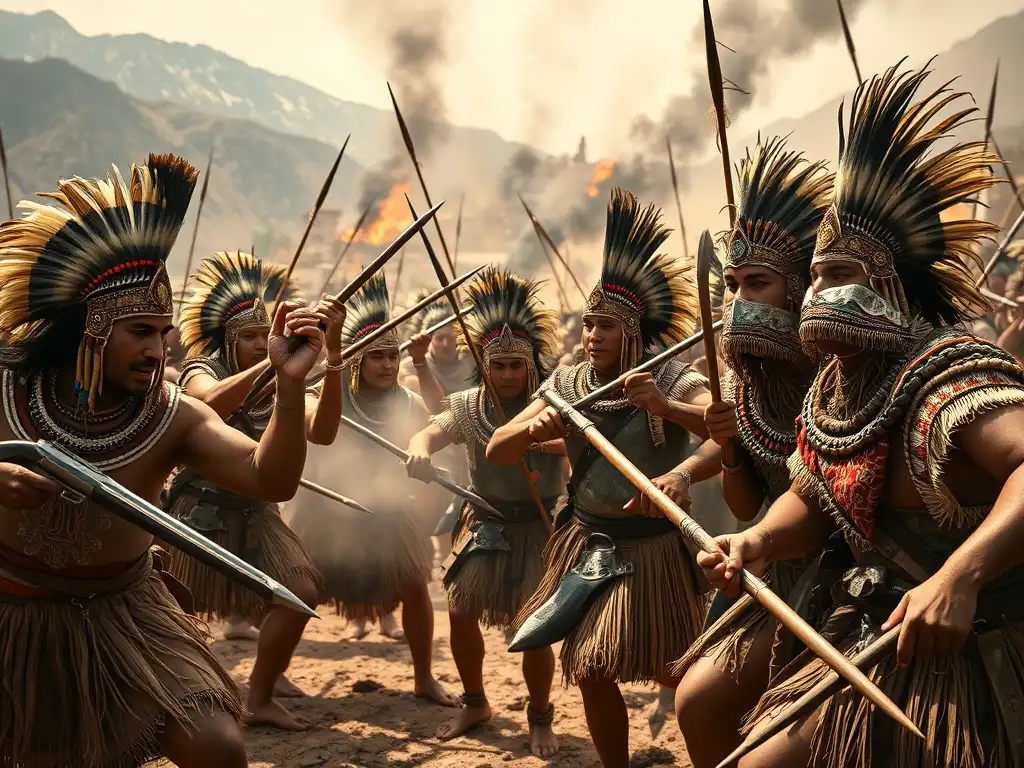
The narrative of an invincible Spanish conquest obscures the complex realities of the conflict. It simplifies a multifaceted historical process, reducing it to a straightforward story of superior military might overcoming a naive and unprepared indigenous population. This simplification ignores the significant challenges the Spanish faced, the strategic brilliance of Inca resistance, and the devastating impact of disease on the indigenous population. A more nuanced understanding necessitates a critical examination of the diverse factors that shaped the outcome of the conflict.
The Brutality and Exploitation of the Spanish Conquest
The Spanish conquest was characterized by extreme brutality and exploitation. The conquistadors employed violence, coercion, and forced labor to subdue the indigenous population and extract wealth from the land. The imposition of the encomienda system, which granted Spanish colonists control over indigenous labor, resulted in widespread suffering and death.
The destruction of Inca infrastructure and the disruption of traditional social structures further contributed to the immense hardship experienced by the Andean peoples. This brutality and exploitation were integral to the conquest process, contradicting the narrative of a peaceful and relatively bloodless takeover. The lasting consequences of this brutality are still felt in Andean societies today.
The Complexities of Indigenous Alliances
The conquest was not a simple clash between two monolithic entities. Indigenous alliances played a crucial role in shaping the outcome of the conflict. Some groups allied with the Spanish, motivated by factors such as resentment towards Inca rule, the promise of reward, or the desire to protect their own interests. These alliances significantly weakened Inca resistance and facilitated the Spanish advance.
However, these alliances were often fragile and shifting, reflecting the complex political landscape of the Andes. The fluidity of these alliances further complicates the narrative of a straightforward military victory, highlighting the inherent complexities of the conflict. The role of these alliances cannot be overlooked in a complete understanding of the conquest.
The Long-Term Impact of the Conquest on Andean Societies
The Spanish conquest had a profound and lasting impact on Andean societies. The introduction of new diseases decimated the indigenous population, causing a dramatic demographic shift. The imposition of European economic and political systems fundamentally altered the social, economic, and cultural fabric of the region.
The legacy of colonialism continues to shape Andean societies today, influencing everything from language and religion to political structures and economic systems. Understanding the long-term consequences of the conquest is essential to fully appreciating the complexity and lasting impact of this historical event. The effects of the conquest were far-reaching and continue to resonate in contemporary Andean societies.
Challenging the Traditional Narrative of the Inca Conquest
The traditional narrative of the Spanish conquest of the Inca Empire often portrays the Spanish as overwhelmingly superior, technologically advanced, and militarily invincible. This narrative minimizes the significant role of internal conflicts within the Inca Empire itself, the devastating impact of disease, and most importantly, the fierce resistance mounted by the Inca and other Andean populations. The "Inca Spanish Conquest Myth" of effortless conquest obscures a far more complex and nuanced reality.
The Spanish victory was not a foregone conclusion, but rather the result of a confluence of factors, including skillful manipulation, strategic alliances, and brutal tactics, all leveraged against a weakened and already fractured Inca Empire. The sheer scale of the indigenous resistance, often overlooked in conventional accounts, challenges the notion of Spanish invincibility.
Reframing the Inca Spanish Conquest Myth
Reframing the Inca Spanish Conquest Myth necessitates a shift away from a Eurocentric perspective that centers the narrative on the actions of the conquistadors. Instead, we must prioritize indigenous voices and perspectives to understand the conquest not as a singular event, but as a prolonged and multifaceted process.
This requires a meticulous examination of primary sources, including indigenous accounts, where available, and a critical analysis of secondary sources that often perpetuate biased interpretations. By acknowledging the resilience and agency of Andean communities, we can start to unravel the myth of an easy victory and appreciate the true cost of the conquest for the indigenous populations.
Understanding Indigenous Perspectives on the Conquest
Understanding the Inca Spanish Conquest requires grappling with the diversity of indigenous perspectives. The Inca Empire itself was a vast and diverse entity, encompassing numerous ethnic groups with varying degrees of loyalty and integration. The response to the Spanish invasion therefore wasn't uniform.
Some groups actively resisted, while others collaborated, often out of necessity or strategic calculation. Analyzing indigenous accounts, oral traditions, and archaeological evidence allows us to piece together a more complete picture of the conquest from the perspectives of those who lived through it. This nuanced understanding is crucial to debunking the myth of a unified, easily conquered indigenous population.
The Importance of Acknowledging Indigenous Agency
The agency of indigenous populations during the Spanish conquest is often overlooked in traditional narratives. The Inca Spanish Conquest Myth frequently portrays indigenous peoples as passive victims. However, this is a gross oversimplification. Indigenous communities actively resisted Spanish rule through various means, from armed rebellion to subtle forms of cultural preservation. Acknowledging this agency is essential to understanding the resilience and adaptability of Andean cultures in the face of immense adversity. Their resistance, though often unsuccessful in its immediate goals, shaped the course of the conquest and profoundly influenced the subsequent colonial period.
Conclusion: Moving Beyond the Myth of the Invincible Spaniard
The myth of the invincible Spaniard needs to be critically examined and ultimately rejected. The Spanish conquest of the Inca Empire was a brutal and complex process, shaped by a multitude of factors beyond the supposed military superiority of the conquistadors.
The Legacy of Resistance in Andean History
The legacy of resistance against Spanish rule continues to resonate in Andean history. The struggle for autonomy and self-determination has persisted across centuries, shaping the cultural landscape and informing contemporary movements for social justice and cultural preservation. This enduring legacy challenges the simplistic narrative of a complete and utter Spanish victory.
The Ongoing Struggle for Cultural Recognition
The ongoing struggle for cultural recognition in the Andes is directly linked to the historical legacy of the conquest. The efforts to reclaim and revitalize indigenous languages, traditions, and worldviews are a direct response to the systematic attempts to erase indigenous identities during the colonial period. This ongoing struggle highlights the importance of accurately representing the history of the conquest, acknowledging the resilience and ongoing presence of Andean cultures.
Rethinking the Narrative of the Spanish Conquest in the Andes
Rethinking the narrative of the Spanish conquest in the Andes requires a fundamental shift in perspective. We must move beyond the simplistic, Eurocentric accounts that glorify the conquistadors and instead prioritize the voices and experiences of the indigenous populations. This involves a commitment to rigorous historical research, critical analysis, and a willingness to challenge long-held assumptions about the nature of the conquest. Only through such a re-evaluation can we arrive at a more accurate and just understanding of this crucial period in Andean history.
- Introduction to the Inca Spanish Conquest Myth
- The "Invincible" Spaniard: Examining the Historical Context
- Indigenous Resistance: Beyond the Narrative of Easy Conquest
- Deconstructing the Myth: The Reality of the Inca-Spanish Conflict
- Challenging the Traditional Narrative of the Inca Conquest
- Conclusion: Moving Beyond the Myth of the Invincible Spaniard
- What is the common misconception about the Spanish conquest of the Inca Empire?
- How did internal Inca conflicts contribute to the Spanish conquest?
- What role did disease play in the Spanish conquest of the Inca?
- Were the Spanish military tactics truly superior to the Inca's?
- Why is it important to debunk the myth of the invincible Spaniard?
Frequently Asked Questions
What is the common misconception about the Spanish conquest of the Inca Empire?
The common misconception is that the Spanish were invincible warriors who easily conquered the Inca due to superior weaponry and tactics alone. This ignores the internal conflicts and diseases that significantly weakened the Inca.
How did internal Inca conflicts contribute to the Spanish conquest?
Internal strife, including a civil war between Huáscar and Atahualpa, severely weakened the Inca Empire, leaving it vulnerable to Spanish exploitation and conquest. The resulting power vacuum facilitated Spanish advancement.
What role did disease play in the Spanish conquest of the Inca?
Old World diseases, such as smallpox, measles, and influenza, devastated the Inca population, significantly reducing their numbers and disrupting their social structures before the Spanish even arrived in large numbers.
Were the Spanish military tactics truly superior to the Inca's?
While the Spanish possessed superior weaponry like firearms and horses, their military tactics were not inherently superior. The Inca's strength lay in their organization and logistics, but these were compromised by internal conflicts and disease.
Why is it important to debunk the myth of the invincible Spaniard?
Debunking this myth provides a more accurate and nuanced understanding of the Spanish conquest. It acknowledges the complex interplay of factors, including Inca vulnerabilities, that led to the fall of the empire, rather than attributing it solely to Spanish military prowess.
Final Reflection: Reclaiming History, Reimagining the Future
The romanticized narrative of the Spanish Conquest, portraying invincible conquistadors, continues to distort our understanding of a brutal colonial past. This myth, perpetuated for centuries, obscures the complex realities of Inca resistance, the devastating impact of disease, and the multifaceted nature of indigenous agency in the face of overwhelming force. We must actively challenge this simplified narrative to achieve a more accurate and nuanced comprehension of this pivotal historical period.
The enduring legacy of the Conquest myth profoundly shapes our present understanding of Latin American identity and power dynamics. It continues to influence how we perceive indigenous cultures and their contributions to global society. The persistent romanticization of conquest minimizes the suffering endured by millions and prevents a true reckoning with the lasting consequences of colonialism. To forget one's history is to be condemned to repeat it.
This timeless adage underscores the critical importance of confronting the myths that shape our collective memory. We must actively engage with the complexities of the past to build a more equitable future.
Consider the impact of this distorted narrative on your own worldview. How has it influenced your understanding of history, power, and identity? I urge you to delve deeper into the rich and complex history of the Inca Empire and the Spanish Conquest, seeking out diverse voices and perspectives.
By actively challenging the myth of the invincible Spaniard, we can foster a more accurate and empathetic understanding of the past, paving the way for a future where such injustices are never again repeated. Let us work together to reclaim the narratives of the oppressed and build a more just and equitable world.
**Unveil the Truth: Challenging Historical Misconceptions**
Thank you for exploring the complexities of the Spanish conquest narrative in our article. By understanding the myth of Spanish invincibility, you've gained valuable insights that can significantly alter our understanding of this pivotal period. Now, let's consider how to share this knowledge and promote a more accurate historical perspective.
Here are some ways you can continue to engage with this important topic:
- **Engage your community:** Initiate discussions—either in person or online—to explore historical myths and their lasting impact on society. Consider starting a book club or online forum focused on historical accuracy.
- **Share your insights:** Use social media to educate others, sharing compelling facts and perspectives from the article. Create engaging posts or infographics to stimulate discussion and critical thinking.
- **Expand your knowledge:** Delve deeper into Andean history by exploring related articles on our website and visiting museums that showcase Indigenous perspectives and artifacts. This will enrich your understanding and allow you to contribute even more meaningfully to the conversation.
What historical misconception do you believe has the most profound impact on our understanding of the past? Let's discuss!