
The Resilience of Andean Cultures: A Testament to Human Ingenuity

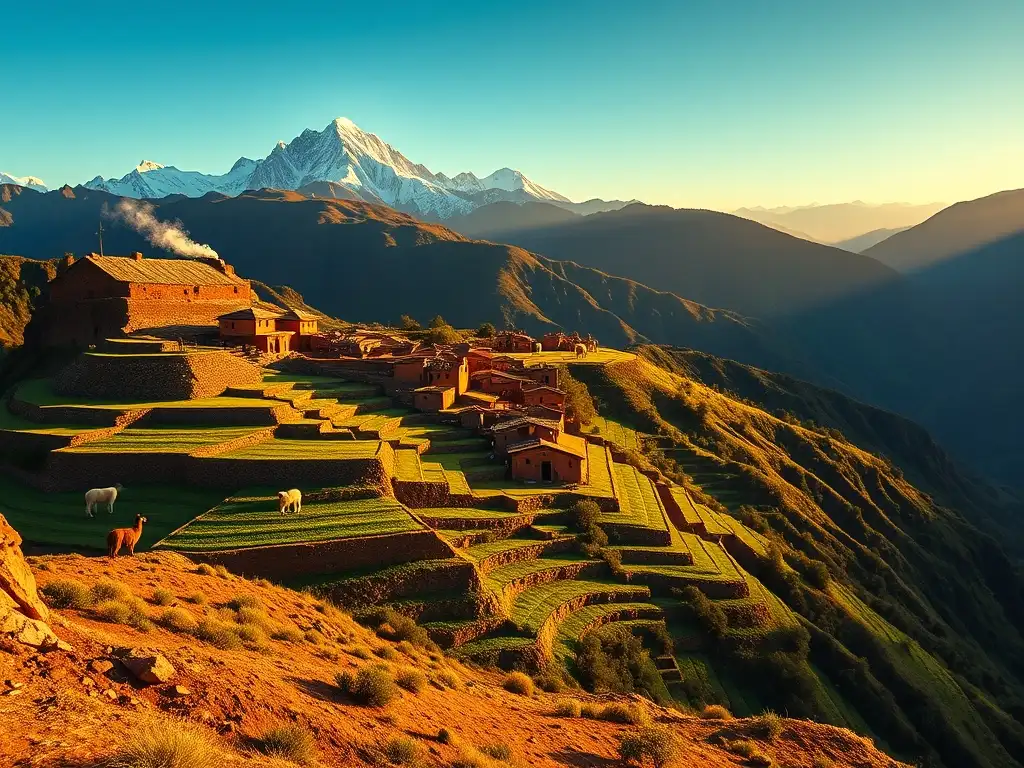
Step into a world lost to time, yet echoing with the strength of a thousand sunrises. Discover the enigmatic legacy of the Andean civilizations, where ingenuity blossomed amidst unforgiving landscapes. Their story, one of breathtaking artistry and astonishing adaptation, is far from over. Uncover the secrets behind the Andean civilizations' resilience – a testament to human spirit that will leave you breathless. Explore further to witness the remarkable ways these cultures thrived against the odds.
The Andes Mountains, a formidable and unforgiving landscape, presented immense challenges to the ancient civilizations that thrived within its towering peaks and arid valleys. Yet, far from being deterred, these cultures – including the Incas, Moche, Nazca, and Tiahuanaco – demonstrated remarkable resilience, adapting and innovating in ways that continue to inspire awe and admiration.
This article explores the ingenious strategies employed by Andean civilizations to not only survive but flourish in one of the world's most demanding environments, showcasing their mastery of agriculture, water management, and social organization as testaments to human ingenuity and adaptability. Understanding their resilience offers valuable insights into human potential and the enduring power of cultural adaptation in the face of environmental adversity.
This exploration of Andean civilizations' resilience will delve into specific examples, highlighting the key factors that contributed to their remarkable success in the harsh Andean landscape, making them a shining example of human perseverance against overwhelming odds. The keyword "Andean civilizations resilience" will be explored through various facets of their societal and technological achievements.
Ingenious Agricultural Techniques
The harsh Andean environment, characterized by steep slopes, thin soils, and unpredictable weather patterns, demanded innovative agricultural practices. Andean civilizations developed sophisticated techniques to maximize crop yields, including terracing, which transformed steep slopes into a series of level platforms for cultivation. This dramatically increased arable land and reduced soil erosion.
They also developed raised field agriculture, creating artificial islands in swamps and lakes to improve drainage and soil fertility. These techniques, combined with a deep understanding of local microclimates and crop rotation, allowed for the cultivation of a diverse range of crops, ensuring food security even in the face of environmental challenges. The precise methods varied among different Andean cultures, reflecting their unique adaptations to the specific characteristics of their environment.
For example, the Incas developed sophisticated irrigation systems to channel water from mountain streams to their terraced fields, while other cultures, like the Nazca, utilized intricate canal systems to manage water resources in the arid coastal regions. This diversity in agricultural strategies underscores the remarkable adaptability of Andean societies.
Mastering Water Management
Water, or rather, the scarcity of it, was a critical factor influencing the survival and prosperity of Andean civilizations. The lack of consistent rainfall and the challenges of transporting water across mountainous terrain necessitated the development of sophisticated water management systems. These ranged from simple canals and ditches to complex irrigation networks that channeled water from distant sources to agricultural fields.
The ingenuity of these systems is evident in their ability to support large populations and intensive agriculture in otherwise arid environments. Some systems, like those developed by the Incas, were remarkably extensive, demonstrating a high level of engineering skill and social organization. The ability to effectively manage water resources was crucial not only for agriculture but also for domestic use and the maintenance of urban centers.
The design and maintenance of these systems involved considerable community effort, highlighting the importance of collective action and cooperation in the face of environmental pressures. The precise engineering feats are still being studied today, revealing the advanced understanding of hydraulics possessed by these ancient societies.
The resilience of Andean civilizations was not solely a product of technological innovation; it was also deeply rooted in their social organization. Complex social structures, with clearly defined hierarchies and responsibilities, facilitated the coordination of large-scale projects, such as the construction of irrigation systems and terraced fields. Strong community bonds and a sense of shared purpose were essential for overcoming the challenges posed by the Andean environment.
The Inca Empire, for instance, is renowned for its highly centralized political system, which allowed for efficient resource allocation and the mobilization of labor for public works projects. However, other Andean cultures, while not as centralized, also exhibited strong social cohesion and cooperation.
The ability to organize and mobilize human resources effectively was crucial for the survival and success of Andean civilizations, demonstrating the importance of social capital in building resilience against environmental and other challenges. Evidence suggests a strong emphasis on reciprocal labor and community support in numerous Andean societies, underscoring the crucial role of community in mitigating environmental risks.
Adapting to Climate Variability
The Andean region is characterized by significant climate variability, with frequent droughts, floods, and other extreme weather events. Andean civilizations developed strategies to cope with these fluctuations, including the diversification of crops, the storage of food surpluses, and the development of flexible social structures that could adapt to changing circumstances. They also developed sophisticated systems for predicting weather patterns, drawing on their deep understanding of the environment and employing various observational techniques.
This ability to anticipate and respond to environmental change was crucial for their long-term survival. The development of resilient agricultural systems, combined with effective risk management strategies, allowed Andean communities to withstand periods of environmental stress and maintain their social and economic stability. Further research into their agricultural practices and social structures could reveal more about their sophisticated adaptation strategies.
- Ingenious Agricultural Techniques
- Mastering Water Management
- Social Organization and Resilience
- Adapting to Climate Variability
- Terrace Farming: Maximizing Arable Land on Steep Slopes
- Advanced Irrigation Systems: Managing Water Resources Effectively
- Crop Diversification: A Strategy for Nutritional Security in the Andes
- The Importance of Andean Agriculture for Sustaining Populations
- Terracing: A Masterpiece of Andean Engineering
- Irrigation Systems: Harnessing Water Resources in the Andes
- What environmental challenges did Andean civilizations face?
- How did Andean cultures demonstrate resilience in the face of conquest?
- What technological innovations contributed to Andean resilience?
- How did social structures support the resilience of Andean civilizations?
- What aspects of Andean culture continue to demonstrate resilience today?
Understanding Andean Civilizations' Adaptation and Resilience
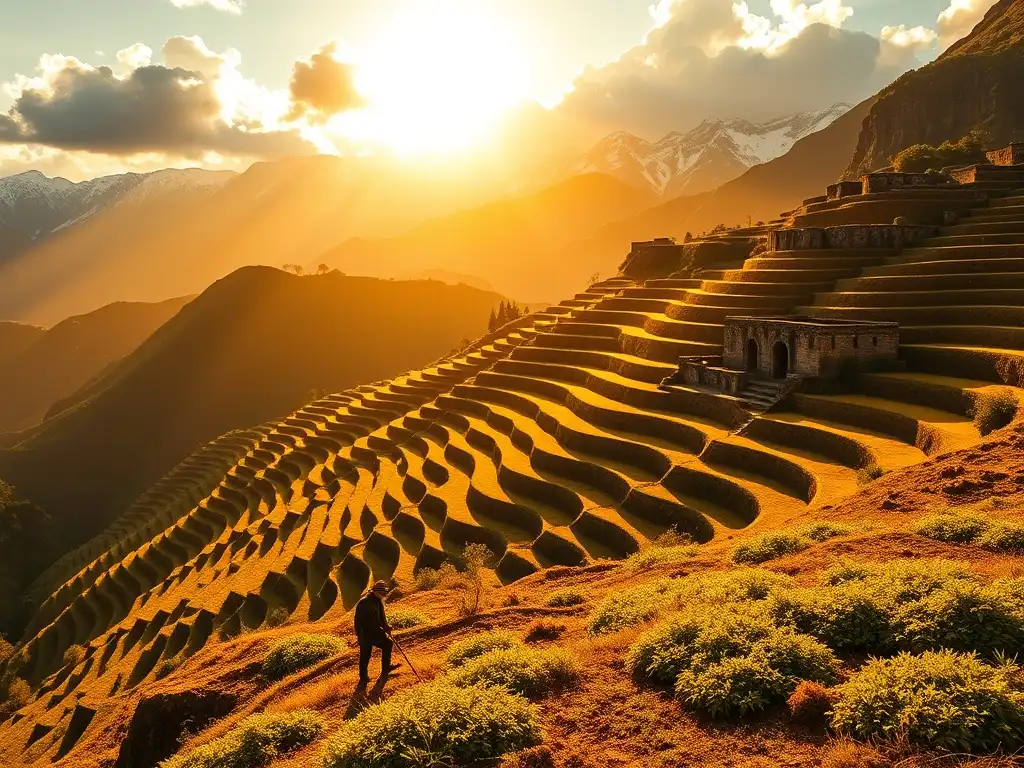
This section delves into the remarkable capacity of Andean civilizations to not only survive but thrive in one of the world's most challenging environments. The Andean region, characterized by its extreme altitude, variable climate, and unpredictable weather patterns, presented significant obstacles to human settlement and development. Yet, the ingenuity and resilience of these cultures are evident in their sophisticated agricultural techniques, innovative architectural designs, and complex social structures, all meticulously adapted to the harsh realities of their surroundings.
Understanding their strategies provides valuable insights into human adaptability and the enduring power of cultural innovation in the face of environmental adversity. This exploration focuses on the interplay between environmental pressures and the ingenious solutions devised by Andean societies, showcasing their remarkable capacity for "Andean civilizations resilience".
The High Altitude and Variable Climate of the Andes
The Andes Mountains, stretching along the western edge of South America, boast a breathtakingly diverse range of ecosystems. However, this diversity masks a harsh reality: extreme altitude, dramatic temperature fluctuations, and unpredictable weather patterns. At high altitudes, the air is thin, resulting in lower oxygen levels and increased exposure to solar radiation. Temperatures can fluctuate wildly between day and night, and unpredictable frosts can devastate crops.
Rainfall patterns are also highly variable, ranging from arid deserts to humid cloud forests, creating a complex mosaic of environmental challenges. These conditions posed significant threats to food production, infrastructure development, and overall human survival. For example, the high altitude significantly impacted the availability of arable land and limited the types of crops that could be successfully cultivated.
The unpredictable nature of the weather resulted in periods of drought and famine, necessitating sophisticated strategies for resource management and risk mitigation. Understanding these challenges is crucial to appreciating the remarkable achievements of Andean civilizations in overcoming them. Their success was not simply a matter of luck but rather the result of meticulous planning, adaptation, and a deep understanding of their environment.
Defining Andean Civilizations Resilience: Overcoming Environmental Stressors
Andean civilizations' resilience is not simply a matter of survival; it’s a testament to their ability to not only endure environmental stressors but also to flourish and develop complex societies in the face of adversity. This resilience manifested in various ways, including:
- Agricultural Innovations: Terracing, irrigation systems, and the domestication of cold-hardy crops demonstrate a deep understanding of agricultural principles tailored to the unique challenges of the Andes.
- Architectural Mastery: The construction of stone structures adapted to seismic activity and extreme weather conditions showcases advanced engineering skills and knowledge of local materials. Examples include the impressive stonework of Machu Picchu and the sophisticated irrigation systems of the Nazca.
- Social Organization: Complex social structures, including sophisticated systems of governance and resource management, facilitated cooperation and ensured the equitable distribution of resources.
- Religious and Cosmological Beliefs: Andean religions often integrated environmental factors into their worldview, reflecting a profound respect for nature and a deep understanding of its power.
These elements worked in concert, allowing Andean societies to not only adapt to environmental challenges but also to build thriving communities, develop sophisticated technologies, and leave a lasting legacy. The very existence of these civilizations is a powerful demonstration of Andean civilizations resilience in the face of environmental pressures.
Key Factors Contributing to Andean Adaptability
Several key factors contributed to the remarkable adaptability of Andean civilizations:
| Factor | Description | Example |
|---|---|---|
| Deep Environmental Knowledge | Intimate understanding of local ecosystems, microclimates, and resource availability. | Precise knowledge of water sources, suitable planting times based on altitude and microclimate. |
| Technological Innovation | Development of innovative technologies tailored to the specific challenges of the Andean environment. | Terracing, irrigation canals, freeze-resistant crops. |
| Social Organization and Cooperation | Complex social structures that facilitated cooperation, resource management, and risk mitigation. | Mita system, communal labor for infrastructure projects. |
| Adaptable Agricultural Practices | Flexible farming techniques that responded to variations in climate and altitude. | Cultivation of diverse crops adapted to different altitudes and microclimates. |
| Resilient Material Culture | Use of durable materials and construction techniques resistant to seismic activity and extreme weather. | Stone construction, adaptable housing designs. |
The interplay of these factors fostered a remarkable capacity for adaptation and resilience, allowing Andean civilizations to thrive in one of the world’s most challenging environments. Their legacy serves as a powerful reminder of human ingenuity and the importance of understanding and respecting the environment. The study of Andean civilizations provides invaluable insights into sustainable development and the enduring power of human adaptation. Further research into specific case studies will undoubtedly reveal even more about the intricacies of Andean civilizations resilience and their adaptation strategies.
Ingenious Agricultural Practices of Ancient Andean Societies
The remarkable resilience of Andean civilizations is intrinsically linked to their innovative agricultural strategies. Facing challenging terrains and unpredictable weather patterns, these societies developed sophisticated techniques to maximize food production and ensure community survival. Their ingenuity in adapting to the harsh Andean landscape is a testament to their deep understanding of their environment and their capacity for problem-solving.
This section will explore three key aspects of their agricultural prowess: terrace farming, advanced irrigation systems, and crop diversification. Understanding these practices offers crucial insights into the factors contributing to the longevity and success of Andean civilizations. The keyword "Andean civilizations resilience" is directly related to their ability to thrive despite environmental obstacles, and their agricultural practices played a pivotal role in this achievement.
Terrace Farming: Maximizing Arable Land on Steep Slopes
Terrace farming, a defining feature of Andean agriculture, allowed for the cultivation of steep slopes that would otherwise be unusable. This involved carving into the mountainsides, creating a series of flat, step-like platforms. These terraces not only increased the amount of arable land available but also served several crucial functions.
The flat surfaces reduced soil erosion, a significant concern in mountainous regions prone to heavy rainfall and landslides. The retaining walls between terraces helped to control water flow, preventing runoff and maximizing water retention in the soil. Furthermore, the terraces modified the microclimate, creating warmer and more sheltered conditions for crops, extending the growing season in higher altitudes.
The scale and precision of some terrace systems, like those found in the Sacred Valley of the Incas, are truly awe-inspiring, showcasing the remarkable engineering skills and organizational capacity of Andean societies. The intricate network of terraces exemplifies the ingenuity and persistence necessary for survival in a challenging environment, solidifying the concept of "Andean civilizations resilience".
Advanced Irrigation Systems: Managing Water Resources Effectively
Water scarcity is a major challenge in the Andes, and Andean civilizations developed sophisticated irrigation systems to address this issue. These systems were not merely simple canals; they were intricate networks of channels, aqueducts, and reservoirs, designed to capture, store, and distribute water efficiently. Some systems utilized gravity to transport water from high-altitude sources to lower-lying fields, while others employed ingenious techniques to manage water flow and prevent flooding.
The Nazca culture, known for its remarkable geoglyphs, also constructed extensive irrigation systems, demonstrating their mastery of hydraulic engineering. These systems were crucial for supporting intensive agriculture, allowing for the cultivation of diverse crops and sustaining large populations.
The ability to manage water resources effectively was paramount to the success and stability of Andean societies, directly contributing to their long-term resilience. The sophistication of these systems underscores the commitment and organizational prowess needed to overcome environmental limitations, further reinforcing the concept of "Andean civilizations resilience".
Crop Diversification: A Strategy for Nutritional Security in the Andes
Andean civilizations didn't rely on a single crop; instead, they practiced a remarkable degree of crop diversification. This strategy was vital for ensuring nutritional security and mitigating the risks associated with crop failure due to unpredictable weather conditions or pests. They cultivated a wide range of crops adapted to varying altitudes and climates, including potatoes, maize, quinoa, beans, and various fruits and vegetables.
This diverse agricultural portfolio provided a safety net, ensuring that even if one crop failed, others would still provide sustenance. The Incas, for instance, cultivated over 200 varieties of potato alone, each adapted to specific environmental conditions. This diversification was not merely a matter of chance; it was a deliberate strategy reflecting a profound understanding of agricultural ecology and risk management.
The ability to adapt their agricultural practices to the varied conditions of the Andes highlights their innovative approach to ensuring food security, a crucial factor in the remarkable resilience of Andean civilizations. Their successful implementation of crop diversification contributed significantly to the overall "Andean civilizations resilience".
The Importance of Andean Agriculture for Sustaining Populations
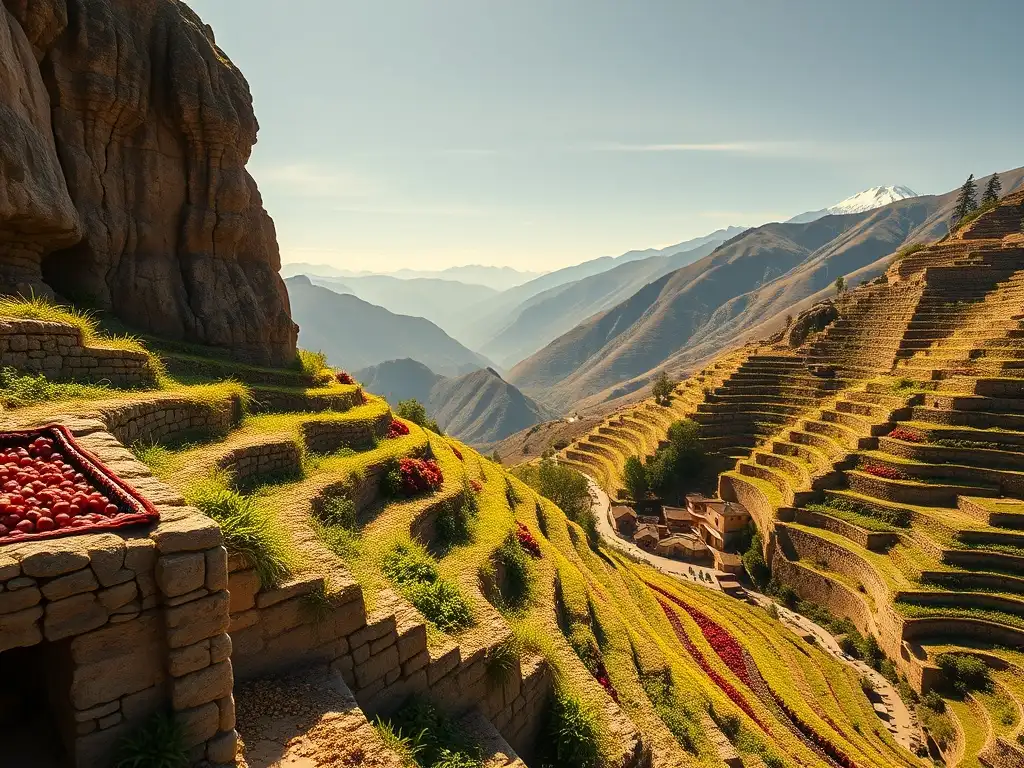
Andean agriculture wasn't merely a way of life; it was the very foundation of these remarkable civilizations. The challenging terrain—steep slopes, high altitudes, and unpredictable weather—made food production a constant battle against the elements. Yet, the ingenuity of the Andean people allowed them to not only survive but thrive in these demanding conditions. Their agricultural practices directly impacted population density and social structures.
Larger, more productive agricultural systems supported larger populations, leading to the development of complex urban centers and sophisticated societal hierarchies. Conversely, periods of agricultural failure often correlated with societal instability and population decline. The sheer scale of some Andean agricultural projects, like the extensive terrace systems, is a testament to the vital role agriculture played in their survival and prosperity.
Without the ability to efficiently cultivate crops at high altitudes, the impressive achievements of the Andean civilizations would have been impossible. The relationship between agricultural success and societal growth was inextricably linked, highlighting the crucial importance of agricultural innovation in shaping the trajectory of these cultures. The development of resilient crops adapted to the harsh environment was as important as the development of sophisticated irrigation systems.
Terracing: A Masterpiece of Andean Engineering
The iconic terraced fields carved into the Andean slopes are not merely aesthetically pleasing; they represent a sophisticated understanding of water management and soil conservation. These terraces, meticulously constructed using stone walls and retaining structures, transformed steep, unusable land into productive farmland. The ingenious design prevented soil erosion, a major threat in the mountainous regions, and allowed for efficient irrigation, maximizing water use in an environment often characterized by water scarcity.
The scale of some terracing projects is staggering, with thousands of terraces cascading down mountain slopes, a testament to the organized labor and advanced engineering skills of these societies. Different terrace designs were tailored to specific environmental conditions, reflecting a deep understanding of local microclimates and soil types. The construction of these terraces was a massive undertaking, requiring significant community participation and cooperation, further highlighting the social significance of agricultural production.
The effectiveness of terracing is evident even today, with many ancient terraces still in use, demonstrating the enduring legacy of this remarkable feat of Andean engineering. The precise methods and tools used in terracing remain areas of ongoing research, revealing further insights into the technological prowess of these ancient civilizations.
Irrigation Systems: Harnessing Water Resources in the Andes
Water, or rather the scarcity of it, was a constant challenge for Andean civilizations. Their sophisticated irrigation systems are a testament to their ability to overcome this challenge and ensure a consistent food supply. These systems ranged from simple canals diverting water from streams to complex networks of aqueducts and reservoirs, capable of transporting water over long distances and across challenging terrain.
The ingenuity displayed in these systems is remarkable, with techniques such as the use of subterranean channels minimizing water loss through evaporation. The construction of these systems required extensive planning, engineering expertise, and communal effort, showcasing the advanced organizational skills of Andean societies. The management and distribution of water were often integrated into the social and political structures, illustrating the critical role of water resources in maintaining social order and stability.
The precise techniques employed in the construction and maintenance of these systems, along with the social implications of water management, continue to be studied by archaeologists and anthropologists, providing valuable insights into the complexities of Andean civilizations. The resilience of these irrigation systems, some of which remain functional even today, underscores their effectiveness and the remarkable engineering skills of their creators.
Architectural Marvels as Evidence of Andean Resilience
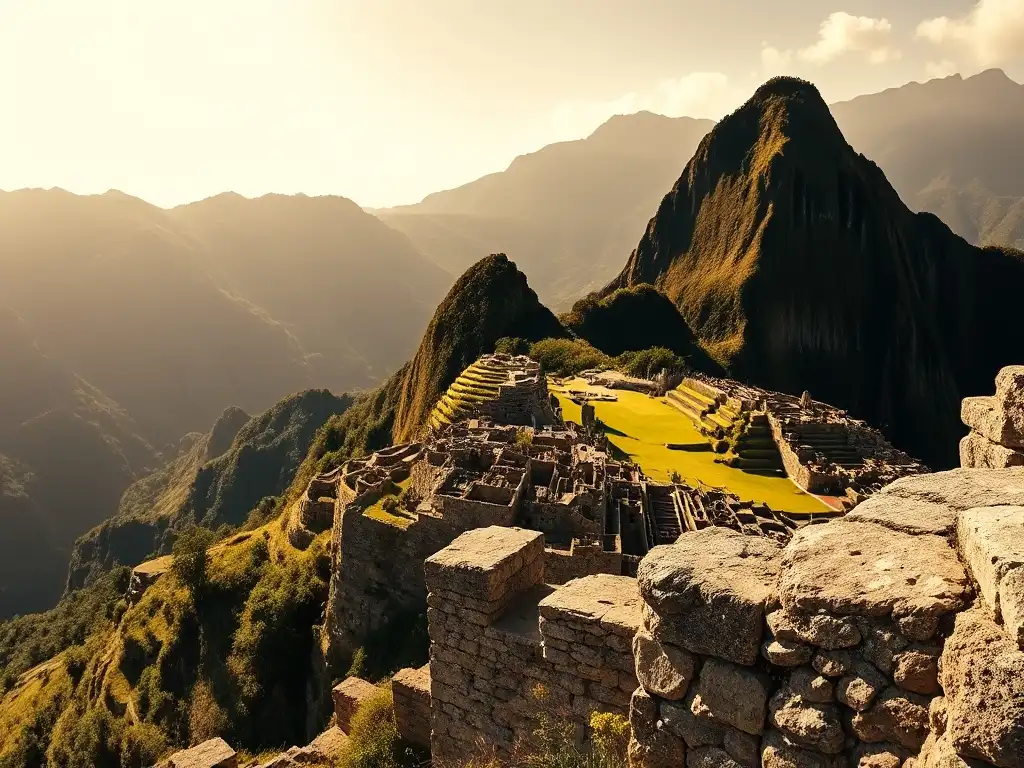
The remarkable achievements of Andean civilizations are vividly illustrated in their architecture, a testament to their ingenuity and resilience in the face of a challenging environment. Their ability to build impressive structures, utilizing available resources and adapting to the unique conditions of the Andes Mountains, stands as a powerful example of human adaptation. This section will explore specific examples of how Andean architectural prowess showcases their resilience, focusing on building techniques, seismic adaptations, and urban planning.
Understanding these achievements offers a deeper appreciation for the sophistication and adaptability of these ancient cultures. The keyword "Andean civilizations resilience" is central to understanding their enduring legacy.
Building with Stone: Constructing Durable Structures
Andean builders mastered the art of stonework, creating structures that have withstood the test of time. Their expertise went beyond simply stacking stones; they developed sophisticated techniques to achieve incredible precision and durability. The use of dry-stone masonry, a technique that involves fitting stones together without mortar, is a prime example.
This required meticulous planning and an intimate understanding of the properties of different stones. The precision of the stonework in sites like Machu Picchu is astounding; stones are fitted together so tightly that a knife blade cannot be inserted between them. This showcases not only exceptional craftsmanship but also a deep understanding of engineering principles necessary for constructing stable and long-lasting structures in a mountainous environment.
This mastery of stonework is a key element in the narrative of Andean civilizations resilience. The longevity of these structures is a direct reflection of their advanced building techniques. Further research could explore the specific types of stone used in different regions and the impact of varying geological conditions on construction methods.
Adapting Architecture to Seismic Activity: Earthquake-Resistant Techniques
The Andes are a highly seismically active region, yet Andean civilizations built cities and structures that often survived earthquakes that would have devastated less resilient constructions. Their building techniques were inherently earthquake-resistant. The use of smaller stones in the upper levels of structures, for example, allowed for a degree of flexibility that helped absorb seismic shocks.
Furthermore, the incorporation of natural materials, such as wood and thatch, in conjunction with stone provided some level of give. The interlocking nature of the dry-stone masonry itself contributed to the stability of the structures, allowing them to withstand tremors more effectively than structures built with rigid mortar. While precise data on the frequency and intensity of earthquakes experienced by specific Andean civilizations is [specific information pending], the survival of numerous structures strongly suggests the effectiveness of their earthquake-resistant techniques.
This impressive adaptability is a crucial aspect of the story of Andean civilizations resilience. The design principles employed demonstrate a deep understanding of structural engineering and a remarkable capacity for adaptation to environmental hazards.
Urban Planning in Challenging Terrain: Designing Functional Cities
The urban planning of Andean civilizations is another compelling example of their resilience. Building cities in mountainous terrain presented significant challenges, yet they designed functional and efficient urban centers. The cities were often terraced into hillsides, maximizing usable space and minimizing environmental impact. Examples like Ollantaytambo showcase complex irrigation systems integrated into the urban fabric, providing a reliable water supply for agriculture and daily life.
The strategic placement of buildings considered factors like sun exposure, wind patterns, and access to resources. This thoughtful urban planning not only ensured the functionality of the cities but also contributed to their long-term sustainability. The ability to create thriving urban centers in such challenging environments is a testament to the organizational skills and foresight of Andean civilizations, further highlighting their resilience.
Further study could investigate the social and economic factors that influenced urban planning decisions and their impact on the overall resilience of these societies. The ability to thrive in such a demanding environment speaks volumes about the ingenuity and resilience of Andean cultures. 🗺️
The Functionality and Symbolism of Andean Architectural Design
Andean architecture wasn't merely aesthetically pleasing; it was a testament to the ingenuity and adaptability of these civilizations. Structures were meticulously designed to withstand the harsh Andean environment, showcasing a deep understanding of engineering principles and material science. Consider, for example, the intricate stonework of Machu Picchu. The precise fitting of stones, without mortar, allowed the structures to withstand earthquakes and the relentless forces of nature.
This wasn't accidental; it was a result of generations of accumulated knowledge and expertise passed down through skilled artisans. The integration of the buildings into the landscape itself is another key aspect of their functionality. Terraces carved into hillsides not only provided agricultural space but also helped to stabilize the slopes, preventing erosion and landslides. This demonstrates a holistic approach to construction, where functionality and environmental harmony were paramount.
Beyond practical considerations, Andean architecture was deeply symbolic, reflecting the cosmological beliefs and social structures of the respective cultures. The placement of buildings, their orientation towards celestial bodies, and the use of specific materials all held significant meaning. For instance, the use of specific colored stones in Inca constructions could represent different deities or aspects of the natural world.
Similarly, the layout of cities like Cusco, with its intricate network of streets and plazas, mirrored the Andean worldview, reflecting the hierarchical organization of society and the relationship between the human and spiritual realms. The monumental structures, such as the Sun Gate at Tiahuanaco, served not only as architectural marvels but also as powerful symbols of the culture's power and spiritual authority. These structures were carefully aligned with the solstices and equinoxes, suggesting a sophisticated understanding of astronomy and its connection to religious practices.
The symbolism embedded within Andean architecture offers valuable insights into the cultural beliefs and values of these remarkable civilizations, underscoring their resilience through the preservation of their traditions and worldview. The enduring legacy of these structures speaks volumes about the ingenuity and cultural strength of the Andean peoples. Their ability to create such functional and symbolically rich architecture in such a challenging environment is a powerful example of human resilience and adaptation.
The remarkable resilience of Andean civilizations wasn't solely a product of ingenious agricultural techniques or architectural marvels. Equally crucial was the intricate web of social and political structures that facilitated adaptation and survival in the challenging Andean environment. These systems, while varying across different cultures, shared common threads that fostered stability and promoted effective resource management in the face of adversity.
Understanding these structures is key to appreciating the enduring legacy of Andean civilizations and their capacity to thrive in a harsh landscape. The keyword "Andean civilizations resilience" highlights the importance of this interplay between societal organization and environmental adaptation.
Andean societies were characterized by complex social hierarchies, often incorporating a system of reciprocal obligations. This wasn't simply a rigid class system; rather, it was a dynamic structure that ensured the equitable (or at least, relatively equitable) distribution of resources and responsibilities. The elite, often comprising religious leaders and political authorities, played a vital role in organizing labor and overseeing the allocation of resources, including land, water, and essential goods.
This centralized control, while potentially prone to abuse, also allowed for efficient responses to crises like droughts or natural disasters. For example, the Inca Empire's mit'a system, a form of mandatory labor service, enabled the rapid construction of infrastructure projects like roads and irrigation canals, crucial for societal survival during periods of hardship.
Careful record-keeping, often using quipu (knotted strings), helped track resource availability and distribution, ensuring fairness and preventing widespread famine. The effectiveness of this hierarchical system in maintaining societal stability is a testament to the sophistication of Andean political thought and its contribution to the overall resilience of these cultures.
The Role of Community Cooperation in Labor and Infrastructure Projects
Beyond the formal hierarchical structures, community cooperation played a pivotal role in the resilience of Andean civilizations. Large-scale infrastructure projects, essential for survival in a challenging environment, were not undertaken solely by state-directed labor. Community participation was fundamental. The construction of terraces, irrigation systems, and monumental architecture relied heavily on ayni, a system of reciprocal labor exchange within communities.
Individuals contributed their skills and labor, knowing that they could call upon the same support from their neighbors in times of need. This ingrained sense of communal responsibility fostered social cohesion and resilience. The success of these projects wasn't simply a matter of engineering prowess; it was a reflection of the strong social fabric that bound Andean communities together.
Think of the Nazca Lines, for example; their creation required immense coordinated effort, highlighting the power of community cooperation. This collaborative spirit ensured the completion of vital projects that enhanced the survival prospects of the entire community. The collective strength of ayni proved instrumental in the long-term sustainability of Andean societies.
Political Systems and Their Impact on Societal Stability
The political systems of various Andean civilizations, while diverse, all contributed significantly to their resilience. The ability to maintain order, resolve conflicts, and effectively manage resources were paramount. The Inca Empire, for instance, established a sophisticated administrative system with a highly centralized government.
This enabled efficient resource allocation, standardized practices, and rapid responses to emergencies. While other Andean cultures lacked such a centralized structure, they often employed sophisticated systems of governance that fostered stability at a regional or local level. These systems, often incorporating religious authority, promoted social harmony and cooperation.
The stability provided by these political systems, regardless of their structure, allowed Andean societies to withstand environmental shocks and internal strife, contributing significantly to their overall resilience. The adaptability of these systems, adjusting to changing circumstances and incorporating new challenges, is a key element of understanding the impressive longevity and resilience of Andean civilizations. The ability to adapt their political structures to the needs of the environment is another testament to the ingenuity of the Andean people.
The remarkable resilience of Andean civilizations wasn't solely a product of technological innovation or agricultural prowess; it was deeply intertwined with their sophisticated social structures. These weren't static systems; they evolved and adapted over millennia, reflecting a constant negotiation between the demands of the harsh environment and the needs of their people. The Ayllu, for example, a fundamental social unit in many Andean societies, played a crucial role in fostering resilience.
This kinship-based community system provided a robust network of mutual support, ensuring the distribution of resources and labor during times of scarcity or hardship. The collective responsibility inherent in the Ayllu meant that individuals weren't left to fend for themselves; the community acted as a safety net, mitigating the impact of environmental challenges like droughts or floods.
This communal spirit extended beyond mere survival; it fostered a sense of shared identity and purpose, strengthening social cohesion and facilitating collective action in the face of adversity. The Ayllu's enduring influence is evident in the persistence of similar community-based structures in many Andean regions even today, a testament to its effectiveness in promoting social stability and resilience.
The hierarchical nature of many Andean societies, often misunderstood as solely oppressive, also contributed to their resilience. While power was concentrated in the hands of elites, particularly in the Inca Empire, these hierarchies facilitated efficient resource management and mobilization. The Inca's highly organized system of storage and redistribution, for instance, ensured that surplus food and other essential goods were available to support communities during lean times.
This centralized control, although potentially leading to inequalities, proved crucial in responding to large-scale environmental challenges. The mit'a system, a form of labor taxation, enabled the rapid construction of infrastructure projects like irrigation canals and roads, enhancing the civilization's capacity to adapt to environmental changes. This structured approach to resource allocation and labor organization demonstrates a pragmatic understanding of the need for coordinated action in the face of the Andean environment's unpredictability.
While the ethical implications of such systems are complex and require further examination, their contribution to the long-term survival of Andean civilizations cannot be ignored. The Inca’s system, although highly centralized, was adept at adapting to local needs and conditions, further demonstrating its resilience.
Furthermore, the integration of religious beliefs and practices into the social fabric strengthened community bonds and fostered a sense of collective purpose. Andean religions emphasized reciprocity and a harmonious relationship with the natural world, promoting sustainable resource management and environmental stewardship. Rituals and ceremonies, often linked to agricultural cycles and the appeasement of deities associated with weather patterns, reinforced social cohesion and promoted a shared understanding of the challenges and opportunities presented by the Andean landscape.
This close connection between religion and social life created a powerful framework for collective action, bolstering the resilience of Andean societies in the face of adversity. The deep spiritual connection to the land promoted sustainable practices and reinforced the importance of communal responsibility, further enhancing their ability to cope with environmental stress.
This holistic approach to life, encompassing social, political, and spiritual dimensions, stands as a key factor in understanding the endurance of Andean cultures. The intertwining of these aspects created a resilient and adaptable society.
Technological Innovations and Andean Civilizations' Survival
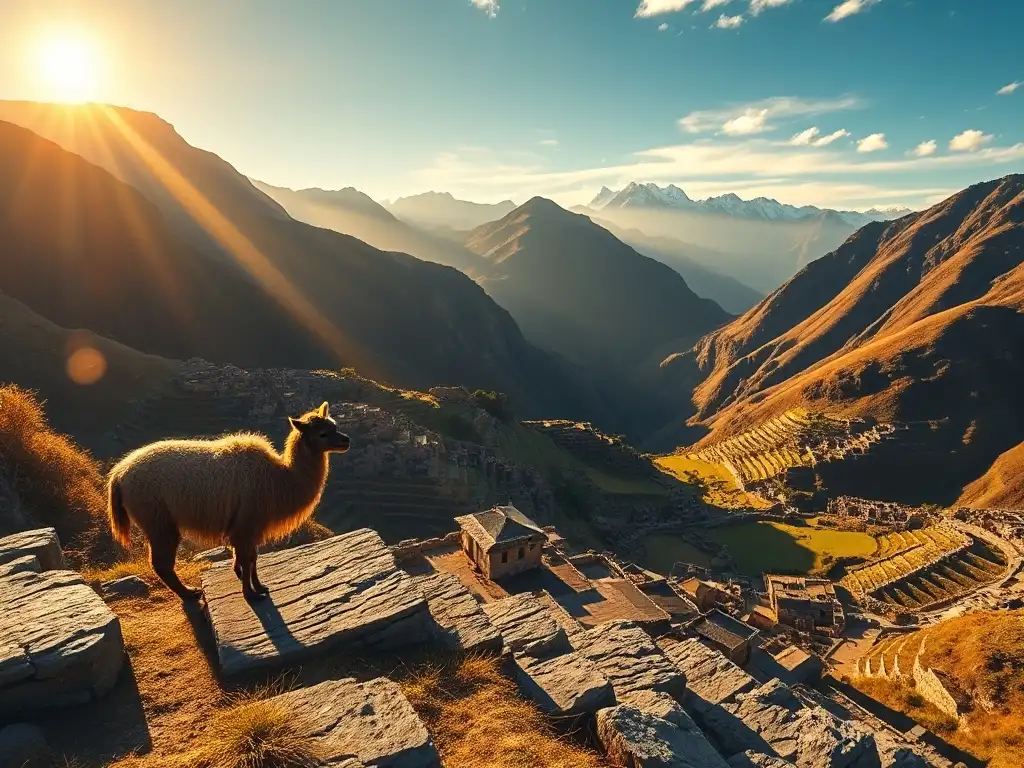
The remarkable resilience of Andean civilizations stemmed, in no small part, from their ingenuity and adaptability in the face of challenging environmental conditions. Their survival wasn't merely a matter of chance; it was the result of sophisticated technological advancements that allowed them to thrive in a geographically diverse and often unforgiving landscape. This section will examine key technological innovations that contributed significantly to the enduring legacy of these fascinating cultures, showcasing the profound relationship between technology and the resilience of Andean societies.
Understanding these advancements provides crucial insight into how these communities not only survived but flourished in the harsh, high-altitude environments of the Andes Mountains. The keyword "Andean civilizations resilience" is intrinsically linked to their mastery of these technologies.
Textile Production: Mastery of Weaving and Dyeing Techniques
Andean textile production wasn't simply a craft; it was a sophisticated technology essential for survival. The ability to create durable and warm textiles from readily available materials like alpaca and llama wool was crucial in the cold, high-altitude climates. The intricate weaving techniques, passed down through generations, demonstrated a deep understanding of fiber properties and structural integrity. Weaving wasn't just about creating clothing; it was about creating shelter, carrying devices (like chumpi bags), and even ritualistic objects.
The mastery of dyeing techniques further enhanced the resilience of these societies. Andean artisans employed a wide array of natural dyes derived from plants, insects, and minerals, resulting in a vibrant spectrum of colors. These dyes were not only aesthetically pleasing but also often possessed practical properties, enhancing the durability and water resistance of the textiles.
For example, the use of cochineal insects yielded a remarkably fast and long-lasting crimson dye, demonstrating a deep understanding of both chemistry and the natural world. The sophisticated understanding and application of these techniques directly impacted the Andean civilizations' ability to endure harsh weather conditions and maintain their cultural identity.
The intricate designs woven into the textiles also serve as a powerful testament to the cultural resilience and continuity across generations. The complexity of the designs and the sophistication of the dyeing techniques reveal a high level of technological advancement which directly contributed to the overall resilience of Andean cultures.
Metalworking: Skill in Copper, Gold, and Silver Metallurgy
The Andean civilizations' skill in metalworking was another critical factor contributing to their resilience. Their ability to extract, refine, and work with metals like copper, gold, and silver allowed them to create tools, weapons, and ornaments that significantly enhanced their daily lives and social structures. Copper tools, for example, improved agricultural productivity, enabling more efficient farming practices crucial for survival in a challenging environment. The development of bronze alloys further enhanced tool durability and effectiveness.
The use of gold and silver, while often associated with ornamentation and ritual, also had practical implications. Gold's malleability allowed for the creation of intricate jewelry and religious artifacts, fostering social cohesion and reinforcing cultural identity – essential aspects of societal resilience. Silver, with its antimicrobial properties, was sometimes used in crafting utensils, potentially contributing to better hygiene and disease prevention.
The mastery of metallurgy wasn't merely decorative; it was a technological advancement that underpinned the Andean civilizations' economic, social, and spiritual resilience. The precise techniques used, often involving sophisticated furnaces and casting methods, showcase a level of technical proficiency far beyond what many might assume for pre-Columbian societies. This technological expertise directly impacted their capacity to adapt and overcome environmental obstacles.
Pottery and Ceramics: Crafting Functional and Artistic Vessels
The creation of functional and artistic pottery and ceramics played a vital role in the resilience of Andean civilizations. The ability to produce watertight containers was essential for storing food and water, crucial in environments where resources could be scarce. Different types of clay were carefully selected and processed to create vessels suited to specific needs—from large storage jars to intricately decorated ceremonial bowls. The development of kilns allowed for higher firing temperatures, resulting in stronger and more durable pottery, enhancing their longevity and usefulness.
Beyond their practical applications, pottery also served as a powerful means of cultural expression. Intricate designs and diverse styles reflected the unique identities of different Andean groups, demonstrating a remarkable continuity of artistic traditions. The stylistic consistency across generations indicates the strength of cultural transmission and the resilience of Andean societies in maintaining their cultural heritage.
The ability to create durable and aesthetically pleasing pottery underscores not only the technological sophistication of these cultures but also their enduring cultural resilience and adaptive capacity. The intricate designs and the variety of forms found in Andean ceramics showcase a profound understanding of materials and techniques, contributing to the overall survival and cultural continuity of these remarkable societies.
The Role of Andean Technology in Economic Development
Andean civilizations didn't just survive; they thrived, largely due to their remarkable technological advancements. These innovations weren't merely tools; they were integral to the economic engine driving their societies. Consider the sophisticated irrigation systems, for example. The ability to control water flow in the arid and mountainous regions of the Andes was fundamental to agricultural production, the backbone of their economies.
Without the canales (canals) and andenes (terraces) meticulously carved into the landscape, supporting large populations would have been impossible. These weren't simple ditches; they involved complex engineering, understanding water pressure, and the careful management of water resources across vast distances. The economic impact is undeniable: increased crop yields led to surplus food, enabling specialization of labor, the development of larger settlements, and the creation of complex social structures.
Furthermore, the advancements in metallurgy played a crucial role in Andean economic development. The ability to work with copper, bronze, and later gold and silver, allowed for the creation of tools for agriculture, construction, and warfare. High-quality tools meant increased efficiency in farming, leading to greater productivity. The production and trade of these metals themselves became significant economic activities, generating wealth and fostering trade networks across the Andes.
The intricate craftsmanship evident in their metalwork also indicates a highly skilled workforce, contributing to a sophisticated and dynamic economy. The economic influence extended beyond mere tools; precious metals were used in religious ceremonies and adorned elite members of society, further solidifying their economic and social power. The skill and artistry involved in metalworking became a source of prestige and economic power, demonstrating the intricate link between technology and economic success.
Finally, the development of sophisticated textile production further boosted the Andean economies. The creation of incredibly intricate textiles, using techniques like tapestry weaving, required specialized knowledge and skill. These textiles weren't just clothing; they were important trade goods, used as currency and indicators of social status. The production and trade of these textiles created economic opportunities for many, supporting specialized artisans and generating wealth for communities and elites alike.
The vibrant colors and intricate designs found in Andean textiles are a testament to the high level of technological skill and artistic talent, which directly translated into economic prosperity. The ability to create durable, high-quality textiles also contributed to the overall resilience of Andean societies, providing essential clothing and goods for trade, even in challenging environments. The intricate relationship between technological prowess and economic development in the Andes is a compelling example of human ingenuity in the face of adversity.
The Enduring Legacy of Andean Resilience

The Andes Mountains, a formidable and unforgiving landscape, presented immense challenges to the ancient civilizations that thrived within its dramatic peaks and valleys. Yet, far from being obstacles, these challenges spurred remarkable innovation and resilience. The ingenuity of the Andean peoples, evidenced in their sophisticated agricultural techniques, intricate social structures, and adaptable governance models, offers invaluable lessons for understanding human resilience in the face of environmental adversity.
This enduring legacy continues to resonate today, reminding us of the power of human adaptation and the importance of preserving the knowledge gained from these remarkable cultures. The keyword "Andean civilizations resilience" is intrinsically linked to their ability to not only survive but to flourish in such a demanding environment. This section will delve into specific examples, highlighting the multifaceted nature of their resilience.
Lessons from Ancient Andean Civilizations for Modern Agriculture
Andean agricultural practices were nothing short of revolutionary. Facing steep slopes, unpredictable weather patterns, and thin, infertile soils, these civilizations developed ingenious techniques to maximize crop yields. Terracing, for example, transformed steep mountainsides into a series of level platforms, significantly increasing arable land and reducing soil erosion.
The creation of intricate irrigation systems, like the sophisticated canals of the Nazca culture, allowed for the controlled distribution of water, essential for successful cultivation in arid regions. Furthermore, the development of diverse cropping systems, incorporating a wide variety of crops adapted to different altitudes and microclimates, minimized risk and ensured food security. This diversification, crucial for reducing vulnerability to crop failure, is a key lesson for modern agriculture striving for sustainability and resilience in the face of climate change.
Consider the waru waru agricultural system of the Tiwanaku culture – raised fields that improved drainage and water retention, offering a model for water-efficient agriculture in water-scarce environments. The ingenuity of these ancient farmers continues to inspire contemporary agricultural practices, demonstrating the lasting impact of Andean civilizations' resilience on global food security. Their approach to sustainable agriculture, marked by careful resource management and diversification, stands as a powerful example of environmental stewardship.
The Inca Empire, spanning vast distances and diverse ecological zones, demonstrates the remarkable resilience achievable through effective political and social organization. Their highly centralized government, with its intricate network of roads, messengers (chasquis), and administrative structures, facilitated efficient resource allocation and rapid response to crises. The mita system, a form of mandatory labor service, allowed for the mobilization of large workforces for infrastructure projects, such as road construction and irrigation systems, enhancing resilience against natural disasters and improving overall infrastructure.
Moreover, the Inca's social structure, with its emphasis on community and reciprocal obligations, fostered social cohesion and mutual support, crucial for navigating times of hardship. The empire's sophisticated record-keeping system, using quipus (knotted cords), allowed for the meticulous tracking of resources and population data, enabling effective planning and disaster preparedness. The Inca's ability to integrate diverse ethnic groups into a unified empire, while respecting their local customs and traditions, also contributed to their overall stability and resilience.
Their approach to governance, characterized by pragmatism, adaptation, and a focus on community well-being, provides a compelling case study of successful empire-building in challenging environments. The Inca's resilience is a testament to the power of effective governance in fostering societal strength and stability.
The Importance of Understanding Andean Adaptability for Future Generations
Understanding the resilience of Andean civilizations is not simply an academic exercise; it holds crucial implications for addressing contemporary challenges. Climate change, resource scarcity, and social inequalities are issues that resonate deeply with the historical experiences of Andean communities. By studying their innovative strategies for adapting to environmental stress, we can gain valuable insights into sustainable practices that promote resilience in the face of global change.
The emphasis on biodiversity, resource management, and community-based solutions found in Andean traditions provides a blueprint for building more sustainable and equitable societies. Furthermore, preserving and promoting traditional Andean knowledge systems, including agricultural techniques and governance models, is essential for enriching global understanding of sustainable development.
The lessons learned from the resilience of Andean civilizations are not confined to the past; they offer a vital framework for building a more sustainable and equitable future, reminding us of the power of human ingenuity and the importance of respecting the wisdom of ancient cultures. The continued study of "Andean civilizations resilience" is thus not merely historical; it is a critical endeavor with profound implications for the future of our planet.
The Continuing Influence of Andean Culture on Global Practices
The resilience of Andean civilizations isn't merely a historical footnote; its impact reverberates through contemporary global practices. The ingenuity displayed in adapting to the harsh Andean environment continues to inspire innovative solutions in fields ranging from agriculture to engineering. Consider, for example, the sophisticated terrace farming techniques employed by the Incas and other Andean cultures.
These techniques, designed to maximize arable land on steep slopes, are now being studied and adapted for sustainable agriculture in mountainous regions worldwide, offering crucial lessons in resource management and environmental conservation. The principles of terracing, involving the creation of level platforms to reduce soil erosion and improve water retention, are being implemented in various parts of the world facing similar challenges of limited arable land and steep terrain. This demonstrates a direct and lasting influence of Andean agricultural knowledge on modern approaches to food security.
Furthermore, the Andean civilizations' expertise in textile production, particularly their mastery of weaving techniques using alpaca and llama wool, continues to inspire contemporary artisans and designers. The intricate designs and vibrant colors of Andean textiles are highly sought after globally, showcasing the enduring aesthetic appeal and technical skill of these ancient cultures. The techniques employed, passed down through generations, are now being studied and incorporated into modern textile design and production, highlighting the enduring relevance of Andean artistic traditions.
These techniques, often involving natural dyes and intricate patterns, are not only aesthetically pleasing but also reflect a deep understanding of sustainable practices and resource utilization. Moreover, the Andean approach to community-based production and the preservation of traditional knowledge is a valuable lesson for modern businesses seeking to integrate ethical and sustainable practices into their supply chains.
Beyond agriculture and textiles, the architectural marvels of the Andean civilizations, such as Machu Picchu and the impressive stonework of Sacsayhuamán, continue to fascinate and inspire architects and engineers. The precision and ingenuity displayed in the construction of these structures, often using sophisticated techniques without advanced tools, are still being studied to understand the underlying principles and potentially apply them to modern construction methods.
The resilience of these structures, which have withstood the test of time and natural disasters, offers valuable insights into earthquake-resistant design and sustainable building practices. The use of local materials, precise stone fitting, and innovative structural techniques demonstrate a deep understanding of engineering principles that are relevant even today.
The legacy of Andean ingenuity in architecture serves as a testament to the enduring power of human innovation in the face of environmental challenges. The study and appreciation of Andean architecture therefore contributes significantly to the development of more sustainable and resilient building practices in the modern world.
Conclusion: Celebrating the Resilience of Andean Cultures
The study of Andean civilizations offers a compelling narrative of human adaptation and ingenuity. Facing formidable environmental challenges – from the towering Andes mountains to arid coastal deserts – these societies didn't merely survive; they thrived, leaving behind a legacy of remarkable achievements. Their resilience, a testament to their deep understanding of their environment and their capacity for innovation, continues to inspire us today.
Understanding their strategies for resource management, agricultural innovation, and social organization provides valuable insights into sustainable living and community building in challenging environments. The enduring impact of Andean cultures underscores the power of human resilience in the face of adversity. This resilience wasn't simply a matter of luck or chance; it was the product of carefully considered strategies and a deep connection to their land.
The Triumph of Human Ingenuity in the Face of Adversity
The harsh realities of the Andes Mountains – thin air, unpredictable weather patterns, steep slopes, and limited arable land – presented significant obstacles to human settlement. Yet, Andean civilizations overcame these challenges through remarkable feats of engineering and agricultural innovation. Terracing, for instance, allowed them to cultivate steep slopes, maximizing arable land and minimizing soil erosion.
The intricate canal systems they constructed skillfully managed water resources, ensuring a reliable supply for irrigation. Their mastery of stonework is evident in the impressive structures they built, from monumental complexes like Machu Picchu to intricate irrigation systems that demonstrate a deep understanding of hydraulic engineering. These achievements weren't isolated incidents; they represent a sustained commitment to adapting and innovating in response to environmental pressures.
The ingenuity displayed by Andean civilizations serves as a powerful example of human potential to overcome seemingly insurmountable odds. Their success demonstrates the importance of collaboration, resourcefulness, and a deep understanding of the natural world.
Andean Civilizations' Resilience: A Source of Inspiration and Innovation
The resilience of Andean civilizations is not merely a historical curiosity; it holds significant lessons for contemporary societies grappling with environmental challenges and sustainable development. Their innovative agricultural practices, for example, offer valuable insights into sustainable food production in challenging environments. Their sophisticated understanding of water management provides inspiration for modern water resource management strategies.
Furthermore, their ability to create cohesive and resilient communities despite environmental stressors highlights the importance of social cohesion and collaborative problem-solving. The lessons learned from studying Andean civilizations' adaptation strategies can inform contemporary approaches to climate change adaptation, resource management, and sustainable development. By understanding how these societies successfully navigated environmental challenges, we can gain valuable insights into building more resilient and sustainable communities for the future.
The enduring legacy of Andean civilizations serves as a powerful reminder of the importance of adaptability, innovation, and a deep respect for the environment. Their story is one of triumph over adversity, a story that continues to inspire and inform us today. The study of Andean civilizations' resilience offers a powerful and enduring message for the modern world: human ingenuity and collaborative effort can overcome significant environmental challenges.
Frequently Asked Questions
What environmental challenges did Andean civilizations face?
Andean civilizations faced extreme altitude, variable climates, and frequent natural disasters, including earthquakes and droughts. Their resilience stemmed from adapting to these harsh conditions.
How did Andean cultures demonstrate resilience in the face of conquest?
Despite Spanish conquest, many Andean traditions and practices persisted. Syncretism, blending indigenous beliefs with Catholicism, and resistance movements played crucial roles in cultural survival.
What technological innovations contributed to Andean resilience?
Advanced agricultural techniques, like terracing and irrigation, allowed them to thrive in challenging environments. Sophisticated building methods enabled the construction of impressive structures, even in mountainous areas.
Strong community-based systems and elaborate social hierarchies helped manage resources and respond to crises effectively. Collective labor was essential for large-scale projects and disaster relief.
What aspects of Andean culture continue to demonstrate resilience today?
Many indigenous languages, traditions, and artistic expressions persist. Modern Andean communities continue to adapt and thrive, drawing on the ingenuity of their ancestors while navigating contemporary challenges.
Final Reflection: Echoes of the Andes: A Legacy of Resilience
The ingenuity and adaptability of Andean civilizations remain profoundly relevant today, offering a powerful counterpoint to the challenges of our increasingly interconnected and volatile world. Their ability to thrive in some of the planet's most demanding environments serves as a potent reminder that human resilience is not merely a passive trait, but an active, creative force capable of shaping even the harshest landscapes. The lessons learned from their triumphs and struggles continue to resonate, offering valuable insights for navigating our own complex present.
The enduring impact of Andean cultures extends far beyond their archaeological remains; their innovative agricultural techniques, sophisticated social structures, and profound spiritual beliefs continue to shape the cultural landscape of the Andes and inspire awe worldwide. Their story is a testament to the human spirit's capacity to overcome adversity. The mountains are our teachers; they show us the strength of endurance, the beauty of simplicity, and the power of community.
This sentiment, though perhaps paraphrased, encapsulates the essence of Andean resilience and its enduring relevance.
Consider the ingenuity of terrace farming, the intricate systems of water management, or the complex social hierarchies that allowed these civilizations to flourish for centuries. These are not mere historical artifacts; they are blueprints for sustainable living, models of community building, and testaments to the power of human creativity. You, too, possess this inherent resilience.
Reflect on the challenges you face, and consider how the lessons of the Andean civilizations might inspire you to find innovative solutions, build stronger communities, and cultivate your own enduring strength in the face of adversity. Let their legacy be a beacon, guiding you toward a future built on ingenuity, adaptability, and a deep respect for the interconnectedness of all things.
Embrace the Spirit of Resilience!
Thank you for joining us on this exploration of the rich tapestry of Andean cultures! You've discovered the incredible ingenuity and resilience that has shaped these civilizations. Now, let's put that inspiration into action!
- Deepen your understanding of Andean history by exploring the recommended books and documentaries. There's a wealth of knowledge waiting to be uncovered!
- Share your insights with friends and family, or connect with a wider community online. Let's celebrate and spread awareness of these fascinating cultures!
- Support local Andean artisans. Your purchases directly contribute to the preservation of their unique heritage and cultural practices.
How will you integrate the spirit of Andean resilience into your own life?