
Andean Art as Investment: Understanding the Market and Its Trends

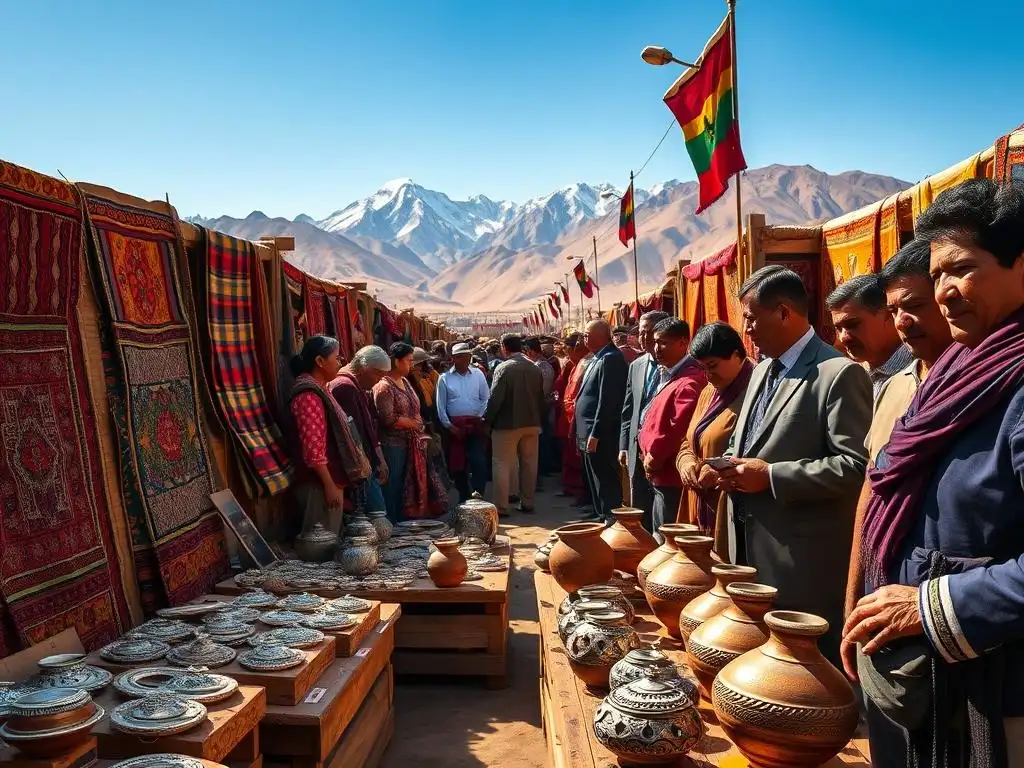
Welcome, explorer! Prepare to delve into a world lost to time, yet echoing with vibrant life. For centuries, the Andes mountains have guarded the secrets of remarkable civilizations, leaving behind a legacy of breathtaking artistry. But beyond their cultural significance, Andean art is now shaping a fascinating and rapidly evolving investment market. Discover the intriguing Andean art investment market trends and unlock the potential hidden within these ancient masterpieces. Journey with us to uncover the story behind this captivating intersection of history, culture, and finance.
The allure of ancient civilizations has always captivated collectors and investors alike. This article delves into the fascinating world of Andean art as an investment, exploring the market's intricacies, current trends, and the factors influencing its growth. We will examine why Andean artifacts, ranging from intricately woven textiles to majestic gold ornaments, are increasingly sought after by discerning investors seeking both aesthetic appreciation and financial return. Understanding the Andean art investment market trends requires a nuanced perspective, considering historical context, authenticity verification, and the ever-evolving global art market dynamics.
This exploration will equip you with the knowledge to navigate this specialized market effectively and make informed decisions. We’ll cover crucial aspects, from identifying genuine pieces to understanding the potential risks and rewards involved in this unique investment opportunity. Prepare to discover a world where history, artistry, and financial acumen converge.
Introduction to Investing in Andean Art and Artifacts
Investing in Andean art and artifacts presents a unique opportunity to combine passion with profit. Unlike more conventional investments, this niche market offers a tangible connection to history and culture. However, success requires careful consideration of several key factors. The market is characterized by a diverse range of items, each with its own unique value proposition.
For example, pre-Columbian textiles, often showcasing intricate designs and exceptional craftsmanship, command significant prices. Similarly, gold and silver artifacts, reflecting the Andean civilizations' mastery of metallurgy, are highly sought after by collectors and museums alike. Ceramic pieces, ranging from simple utilitarian pottery to elaborate ceremonial vessels, also represent a significant segment of the market.
The authenticity of any piece is paramount. Counterfeit items are a significant concern, so due diligence, including verification from reputable experts and provenance research, is crucial before making any purchase. Understanding the historical context of a piece – its origin, cultural significance, and age – significantly impacts its value. Furthermore, the condition of the artifact plays a vital role. Well-preserved items, showing minimal signs of wear and tear, naturally fetch higher prices. Finally, market trends, influenced by global economic conditions and collector demand, can significantly affect the value of Andean artifacts.
Why Consider Andean Art as an Alternative Investment?
Andean art offers compelling reasons for investors seeking diversification beyond traditional asset classes. Its historical significance and cultural value contribute to its inherent scarcity, making it a potentially strong hedge against inflation. Unlike stocks or bonds, the value of Andean art is often less susceptible to short-term market volatility. Furthermore, the market's relative niche nature presents opportunities for those willing to conduct thorough research and develop specialized knowledge.
The aesthetic appeal of Andean art is another significant factor. The intricate craftsmanship, rich symbolism, and unique artistic styles found in these artifacts appeal to a broad range of collectors, ensuring sustained interest and potential for long-term value appreciation. Moreover, the growing recognition of Andean cultural heritage globally contributes to increasing demand, further boosting the potential for investment returns. However, it’s important to acknowledge the inherent risks.
The market can be illiquid, meaning selling an item quickly might prove challenging. Furthermore, proper storage and conservation are crucial to maintain the artifact's condition and, consequently, its value. Careful consideration of these factors is essential for successful investment in this unique and rewarding field.
- Introduction to Investing in Andean Art and Artifacts
- Why Consider Andean Art as an Alternative Investment?
Analyzing the Andean Art Investment Market
This section delves into the intricacies of the Andean art investment market, examining current trends and the key factors driving price fluctuations. Understanding these dynamics is crucial for both seasoned collectors and newcomers looking to navigate this fascinating and potentially lucrative field. The Andean art investment market, while perhaps less widely known than others, presents unique opportunities and challenges. Its growth is fueled by a confluence of factors, including increasing global interest in pre-Columbian cultures, the scarcity of authentic artifacts, and the aesthetic appeal of the art itself.
Current Trends in the Andean Art Market
The Andean art market is experiencing a period of significant growth, driven by several key trends. One notable trend is the rising demand for textiles, particularly those from the Inca and pre-Inca periods. These textiles, often intricately woven with vibrant colors and complex designs, are highly sought after by collectors for their historical significance and artistic merit. The market also shows a growing interest in ceramics, especially those exhibiting exceptional craftsmanship and unique stylistic features. Moche pottery, renowned for its realistic depictions of human figures and scenes from daily life, consistently commands high prices.
Another significant trend is the increasing focus on provenance. Collectors are increasingly scrutinizing the origins and history of Andean artifacts, demanding clear documentation to ensure authenticity and legality. This increased scrutiny has led to a premium placed on pieces with verifiable provenance, further bolstering the value of well-documented artifacts. Finally, the market is seeing a diversification of collectors, with a younger generation showing a growing interest in Andean art, alongside established collectors. This influx of new buyers is contributing to the market’s dynamism and expansion.
The following table summarizes some of the observed trends:
| Artifact Type | Trend | Price Impact |
|---|---|---|
| Textiles (Inca/Pre-Inca) | Increasing Demand | Significant Increase |
| Ceramics (Moche) | High Demand, Focus on Provenance | High Prices |
| Gold & Silver Objects | Steady Demand, High Value | Remains Consistently High |
| Stone Carvings | Growing Interest, Niche Market | Moderate to High Increase |
Key Factors Influencing Andean Art Prices
Several factors interact to determine the price of Andean art. The most significant is authenticity. Verifying the genuineness of an artifact is paramount, as forgeries can significantly devalue a collection. Expert authentication is crucial, often involving scientific analysis and comparison with known examples. This process can be costly but is essential to protect investments.
Another key factor is rarity. The scarcity of certain types of artifacts, particularly those from specific cultures or periods, directly impacts their value. Unique pieces or those with exceptional artistic qualities tend to fetch higher prices. Furthermore, the condition of the artifact is a crucial determinant of its value. Well-preserved pieces are more valuable than those that are damaged or incomplete. Restoration, while sometimes necessary, can negatively affect the value if not done professionally and ethically.
Finally, market demand plays a significant role. Increased global interest in Andean cultures and a growing number of collectors contribute to rising prices. Economic factors, such as global economic growth or recession, can also influence the market's overall performance. The interplay of these factors creates a dynamic market where prices fluctuate according to supply, demand, and the overall economic climate. Understanding these nuances is crucial for making informed investment decisions in the Andean art market.
Further Considerations for Andean Art Investment
The Andean art market is relatively niche, meaning that prices can be more volatile compared to broader art markets. It's important to conduct thorough research and seek expert advice before making significant investments. Additionally, consider the long-term growth potential of the market and the overall risk tolerance of your investment strategy.
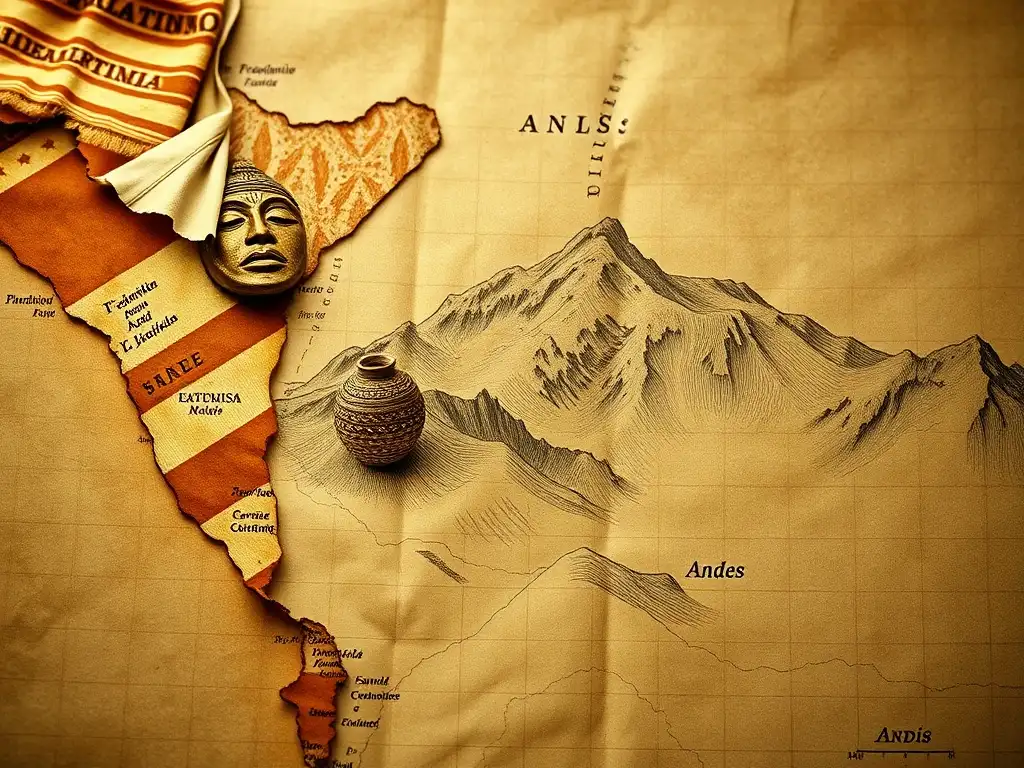
The Andean art investment market, while potentially lucrative, demands careful navigation. Understanding current trends and the nuances of authenticity is crucial for success. The market's volatility is influenced by several factors, including global economic conditions, shifts in collector interest, and the ongoing challenges in verifying the provenance of artifacts. This section will explore key aspects to consider before investing in Andean art. Successful investment hinges on a combination of informed decision-making, due diligence, and a long-term perspective. Remember, patience and thorough research are your greatest allies.
Where to Acquire Authentic Andean Art
Sourcing authentic Andean art is paramount. Reputable sources are essential to avoid purchasing forgeries or pieces with unclear origins. This significantly impacts the investment value and ethical considerations. Here's a breakdown of potential avenues, ranked by level of assurance:
- Reputable Auction Houses: Major international auction houses specializing in antiquities often feature Andean artifacts. These auctions provide detailed provenance documentation and expert appraisal, mitigating risks associated with authenticity. However, the costs are generally higher.
- Established Art Galleries: Galleries specializing in pre-Columbian art frequently offer pieces with vetted provenance. Their expertise and relationships with collectors and archaeologists can ensure a higher level of authenticity. Direct interaction with gallery experts allows for detailed questioning and verification.
- Museums and Academic Institutions: While direct purchases are usually not possible, museums sometimes offer deaccessioned pieces through auctions or private sales. This route offers exceptional provenance but is rarely available.
- Private Collectors: Acquiring from private collectors can be a viable option, but it requires thorough due diligence. Independent authentication from reputable experts is crucial, as provenance may be less readily available. This route carries higher risk.
- Online Marketplaces: While convenient, online platforms pose the highest risk of encountering forgeries. Extreme caution and independent verification are absolutely necessary. Always prioritize platforms with robust authentication processes and seller verification.
The table below summarizes the advantages and disadvantages of each acquisition method:
| Acquisition Method | Advantages | Disadvantages | Risk Level |
|---|---|---|---|
| Reputable Auction Houses | Detailed provenance, expert appraisal, established market value | High costs, competitive bidding | Low |
| Established Art Galleries | Expert advice, vetted provenance, authentication services | Higher prices than other options | Low-Medium |
| Museums & Academic Institutions | Exceptional provenance, high level of authenticity | Limited availability, typically not for direct purchase | Very Low |
| Private Collectors | Potential for unique pieces, potentially lower prices than auction houses | Requires extensive due diligence, authentication, and risk of forgeries | Medium-High |
| Online Marketplaces | Convenience, potentially lower prices | High risk of forgeries, lack of provenance verification | High |
Remember, investing in Andean art is a journey that requires patience and a commitment to thorough research. Do not rush the process.
Understanding the Risks and Rewards of Andean Art Investment
Investing in Andean art presents both significant opportunities and inherent risks. The rewards can be substantial, with certain pieces appreciating significantly over time. However, the market's volatility and the challenges of authentication demand a cautious approach.
The potential rewards include:
- Significant Appreciation: Rare and exceptionally well-preserved pieces can appreciate substantially in value over the long term, offering high returns on investment.
- Cultural Significance: Owning a piece of Andean history offers a unique connection to a rich and fascinating culture.
- Diversification: Andean art can provide diversification within an investment portfolio, offering a unique asset class.
However, the potential risks should not be overlooked:
- Forgeries: The market is susceptible to forgeries, which can result in significant financial losses. Independent authentication is crucial.
- Market Volatility: Global economic conditions and shifts in collector preferences can impact market values.
- Provenance Issues: Establishing clear and verifiable provenance can be challenging, potentially impacting an artifact's value. Lack of clear provenance can lead to difficulties in resale.
- Legal Restrictions: The import and export of certain Andean artifacts are subject to legal restrictions, requiring careful navigation of international laws and regulations.
Successfully navigating the Andean art investment market requires a blend of passion, knowledge, and due diligence. By understanding the market trends, prioritizing authenticity, and engaging with reputable sources, investors can mitigate risks and maximize the potential rewards of this unique investment opportunity. Remember, always seek expert advice before making any significant investment decisions. The emotional connection to the art should not overshadow the financial and legal aspects of the investment.
Maximizing Your Return on Investment in Andean Art
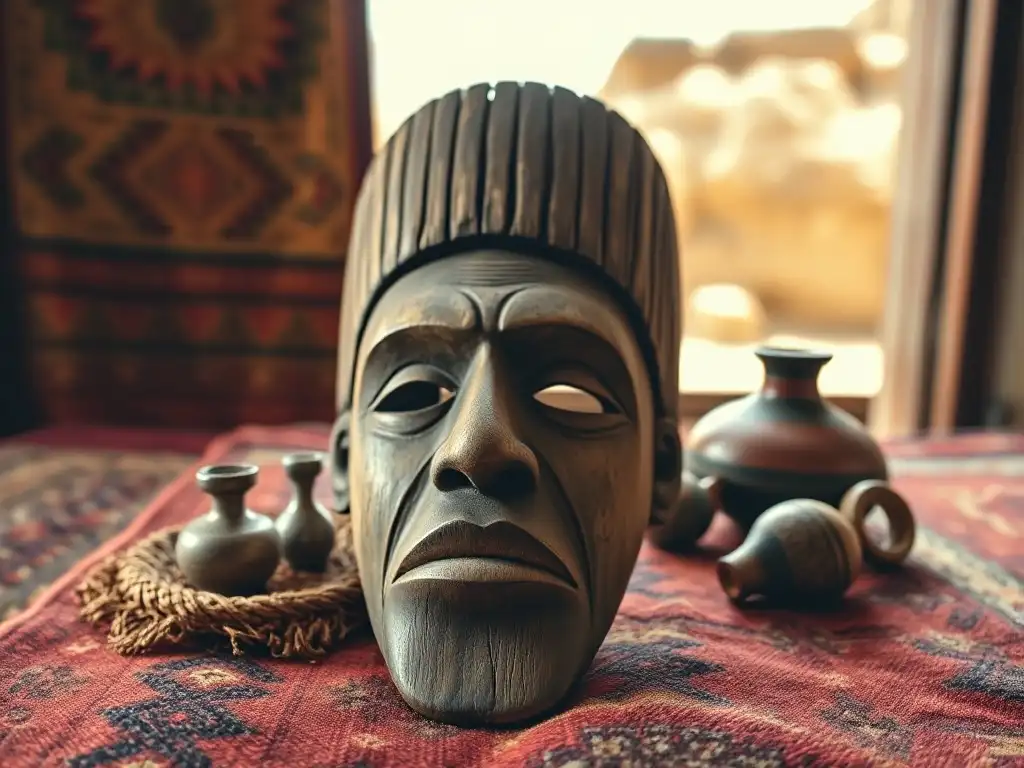
Investing in Andean art can be a rewarding experience, offering both aesthetic pleasure and the potential for significant financial returns. However, navigating this market requires understanding its nuances and employing strategic approaches. This section explores key strategies for maximizing your return on investment in Andean art, focusing on authentication, market research, and diversification.
Strategies for Successful Andean Art Investment
Successful Andean art investment hinges on several crucial factors. Firstly, authentication is paramount. The market is unfortunately susceptible to forgeries, so rigorous verification is essential. Seek reputable dealers with established expertise and proven track records. Independent appraisals by recognized experts can provide further assurance. Don't hesitate to request provenance documentation, detailing the artwork's history and ownership. This meticulous approach minimizes risk and protects your investment.
Secondly, thorough market research is vital. Understanding current market trends, pricing patterns, and the demand for specific artistic styles and periods is crucial for informed decision-making. Following auction results, attending art fairs specializing in pre-Columbian art, and consulting with experienced art advisors can provide valuable insights. Analyzing sales data from reputable auction houses can help identify emerging trends and potentially undervalued pieces. For example, a recent surge in interest in Moche pottery featuring specific iconography has led to a corresponding price increase. This kind of data-driven approach can inform your investment strategy.
Finally, diversification is a cornerstone of sound investment. Don't put all your eggs in one basket. Spreading your investment across different artistic styles, periods, and even geographical origins within the Andean region minimizes risk. Consider investing in a range of mediums, from textiles and ceramics to gold and silver artifacts, each offering unique investment characteristics. A balanced portfolio can mitigate losses should the market for a particular style or artifact decline.
| Medium | Risk Level | Potential Return | Current Market Trend |
|---|---|---|---|
| Moche Pottery | Medium | High | Increasing |
| Nazca Textiles | Low | Moderate | Stable |
| Inca Gold Objects | High | Very High | Highly Variable |
| Tiahuanaco Stone | Medium | Moderate to High | Growing Interest |
Remember, patience is key. The Andean art market, like any art market, experiences fluctuations. Avoid impulsive decisions driven by short-term market trends. A long-term perspective, informed by thorough research and a diversified portfolio, is the most effective approach to maximizing your return on investment in Andean art. Investing wisely in this fascinating field requires a blend of passion, knowledge, and shrewd financial strategy.
The Future of the Andean Art Investment Market
Predicting the future of any market is inherently challenging. However, several factors suggest a positive outlook for the Andean art investment market. Growing global interest in pre-Columbian cultures, fueled by increased academic research, museum exhibitions, and popular media representation, is driving demand. The increasing recognition of Andean art's historical and cultural significance further enhances its value.
Furthermore, the limited supply of authentic Andean artifacts contributes to their scarcity value. The destruction of many artifacts during the colonial period and the challenges of excavation and preservation mean that the available pool of authentic pieces remains relatively small. This scarcity, coupled with growing demand, is likely to sustain price appreciation over the long term.
However, challenges remain. The ongoing threat of looting and illicit trafficking necessitates vigilance in ensuring the authenticity and ethical provenance of any acquired pieces. Stricter regulations and increased international cooperation are needed to combat this issue and maintain the integrity of the market. Also, the impact of economic downturns and global events on the luxury goods market, of which Andean art is a part, cannot be ignored. Economic uncertainty can influence investment decisions, potentially affecting price stability.
Despite these challenges, the long-term prospects for the Andean art investment market remain promising. The combination of growing global interest, limited supply, and the enduring aesthetic appeal of Andean art strongly suggests that carefully curated investments in this field can provide substantial returns, while simultaneously contributing to the preservation and appreciation of a rich cultural heritage. The key to success lies in informed decision-making, careful due diligence, and a long-term investment strategy. The market for Andean art is dynamic and rewarding for those who approach it with knowledge and patience.
Frequently Asked Questions
What makes Andean art a good investment?
Andean art offers high potential for appreciation, driven by increasing global interest in pre-Columbian artifacts and a limited supply of authentic pieces. Strong provenance is crucial for value.
How can I identify authentic Andean art?
Authenticity requires expert appraisal. Look for consistent stylistic elements characteristic of specific cultures (Inca, Moche, etc.) and examine the materials and techniques used. Consult reputable dealers and museums.
What are the current market trends in Andean art?
The market shows growing demand for high-quality pieces, particularly those with clear provenance and exceptional craftsmanship. Ceramics and textiles remain popular, but gold and silver objects command top prices.
Are there specific Andean cultures whose art is currently more sought after?
While interest in all Andean cultures is rising, Inca art consistently attracts high prices due to its widespread recognition and iconic imagery. Moche ceramics and Nazca textiles also command strong demand.
How can I learn more about investing in Andean art?
Research the market thoroughly, consult with reputable art dealers and auction houses, and attend art fairs and exhibitions specializing in pre-Columbian art. Careful due diligence is essential before any purchase.
Final Reflection: Weaving the Threads of Andean Art's Enduring Legacy
The vibrant tapestry of Andean art, once relegated to the fringes of the global art market, is now experiencing a period of unprecedented growth and recognition. This surge in interest isn't merely a fleeting trend; it represents a fundamental shift in how we value cultural heritage and the enduring power of artistic expression across diverse cultures. The market's evolution reflects a growing global awareness of the rich history and artistic sophistication embedded within Andean traditions.
The influence of Andean art extends far beyond the realm of financial investment; it speaks to a deeper appreciation for cultural preservation and the importance of understanding diverse artistic narratives. Its impact on the global art scene is undeniable, challenging Eurocentric perspectives and enriching our collective understanding of artistic history. Art washes away from the soul the dust of everyday life.
– Pablo Picasso. This quote, while not specifically about Andean art, perfectly encapsulates the transformative power of art, a power amplified by the unique beauty and historical significance of Andean pieces.
Consider the stories woven into each textile, each ceramic vessel, each piece of goldwork. These are not simply objects; they are tangible links to ancient civilizations, carrying within them the echoes of vibrant cultures and profound spiritual beliefs. You, the reader, are now equipped with a deeper understanding of this market and its potential.
Use this knowledge not only to navigate the investment landscape but also to engage with the art itself, to appreciate its beauty, and to champion the preservation of this incredible cultural heritage. Let the vibrant colors and intricate designs of Andean art inspire you, and let your appreciation contribute to the ongoing celebration of its enduring legacy.
Invest in Your Passion: Explore the World of Andean Art
Thank you for exploring the fascinating world of Andean art with us! You've gained valuable insights into the market and current trends, empowering you to make informed investment decisions. Now, let's take the next step in your journey as both an admirer and investor in this vibrant culture.
Here are some actionable steps you can take:
- Start your collection: Begin by seeking out emerging Andean artists or searching for unique pieces at local galleries or online marketplaces. Finding artwork that resonates with you not only adds value to your collection but also directly supports the artist community.
- Join art communities: Engage with fellow enthusiasts and collectors to share ideas, discover new trends, and exchange collecting tips. Networking can significantly enhance your understanding and appreciation of Andean art.
- Expand your knowledge: Deepen your understanding of Andean art history by attending exhibitions, workshops, or conducting further research. This knowledge will inform your investment decisions and allow you to appreciate the art on a much deeper level.
What artwork would you invest in next, and how do you envision this impacting your appreciation for Andean culture? We'd love to hear your thoughts in the comments!