
From Coastal Deserts to Mountain Peaks: Andean Strategies for Survival

Step into a world lost to time, yet echoing with the ingenuity of ancient Andean cultures. Imagine thriving amidst seemingly impossible landscapes – from the arid coastal deserts to the towering Andean peaks. How did these civilizations conquer such diverse and challenging environments? Discover the astonishing Ancient Andean survival strategies that allowed empires like the Inca, Moche, and Nazca to flourish, and unlock the secrets behind their remarkable resilience. Prepare to be amazed.
-
Ancient Andean Survival Strategies: Adapting to Diverse Landscapes
- Introduction to Andean Environmental Challenges
- Coastal Desert Adaptations: Thriving in Arid Conditions
- Highland Strategies: Mastering the Mountainous Terrain
- Inter-Regional Trade and Resource Exchange
- Advanced Agricultural Practices and Food Security
- Social and Political Organization for Resource Management
- Technological Innovations for Andean Survival
- Conclusion: Lessons from Ancient Andean Resilience
-
Frequently Asked Questions
- How did Andean civilizations adapt to the diverse geography of the Andes Mountains?
- What were some key agricultural techniques used by Andean cultures?
- How did the Incas manage to build such an extensive empire across challenging terrain?
- What role did llama herding play in Andean survival strategies?
- Besides agriculture, what other survival strategies did Andean civilizations employ?
- Final Reflection: Echoes of Resilience in the Andes
- Embrace the Andean Spirit and Take Action!
Ancient Andean Survival Strategies: Adapting to Diverse Landscapes
The Andes Mountains, a spine of towering peaks stretching along the western coast of South America, presented an immense challenge to the ancient civilizations that called it home. From the arid coastal deserts to the high-altitude puna grasslands and the lush Amazonian foothills, the Andean environment was incredibly diverse, demanding ingenious solutions for survival. This article explores the remarkable adaptive strategies employed by ancient Andean peoples—including the Incas, Moche, Nazca, and Tiahuanaco—to not only survive but thrive in this geographically complex and often unforgiving landscape.
We will delve into their innovative approaches to water management, agriculture, resource utilization, and social organization, demonstrating their profound understanding of their environment and their capacity for innovation in the face of adversity. Understanding these ancient Andean survival strategies offers valuable insights into human resilience and adaptability, highlighting the ingenuity required to flourish in challenging environments.
The remarkable achievements of these civilizations serve as a testament to human resourcefulness and offer lessons that remain relevant today. 💐
Introduction to Andean Environmental Challenges
The Andes Mountains present a dramatic range of ecological zones, each demanding unique survival strategies. The coastal deserts, characterized by extreme aridity and scarce rainfall, posed significant challenges to water acquisition and food production. Higher altitudes in the puna presented different difficulties, including thin air, extreme temperature fluctuations, and limited arable land. The varied terrains, from steep slopes to narrow valleys, also dictated the types of settlements and agricultural practices possible.
Ancient Andean societies faced these challenges head-on, developing sophisticated techniques to harness available resources and mitigate environmental risks. Their success is a testament to their deep understanding of their environment and their ability to adapt to its complexities. The challenges were immense, but their solutions were equally impressive.
Coastal Desert Adaptations: Thriving in Arid Conditions
The coastal deserts of Peru and Chile are among the driest places on Earth. Ancient Andean civilizations, however, managed to establish thriving societies in these seemingly inhospitable regions through a combination of innovative agricultural techniques and resource management. They developed intricate systems for capturing and storing scarce water resources, and they adapted their agricultural practices to the harsh conditions of the desert. Furthermore, access to marine resources played a crucial role in their sustenance. The ingenuity and resilience displayed in their adaptations are truly remarkable.
Water Management Techniques in the Andean Coast
Ingenious water management systems were crucial for survival in the arid coastal regions. Evidence suggests the use of sophisticated irrigation canals, acequias, which channeled water from rivers and streams to agricultural fields. These canals, often built over considerable distances, were carefully engineered to maximize water distribution and minimize water loss.
In addition to canals, the construction of underground storage systems, such as canales subterráneos, allowed for the collection and preservation of water for later use. These systems demonstrate a profound understanding of hydrology and engineering capabilities far exceeding expectations for the time period. The precision and scale of these projects highlight the societal organization and collaborative effort required for their construction and maintenance.
Coastal Agriculture and Resource Utilization
Coastal agriculture relied heavily on techniques adapted to the arid environment. The cultivation of drought-resistant crops like beans, squash, and cotton was prevalent. The use of waru waru agriculture, a system of raised beds surrounded by irrigation canals, allowed for efficient water use and improved soil fertility. This technique also helped regulate soil temperature and humidity, further enhancing crop yields. Furthermore, the utilization of guano, bird excrement, as a fertilizer provided essential nutrients to the depleted soils, boosting agricultural productivity significantly. The ingenuity of these agricultural practices allowed for a relatively high population density in these otherwise harsh environments.
The Role of Marine Resources in Coastal Andean Life
The abundance of marine resources played a vital role in the sustenance of coastal Andean communities. Fishing, using various techniques such as nets and hooks, provided a reliable source of protein. The collection of shellfish and other marine invertebrates supplemented their diet. The rich marine ecosystem provided a diverse range of resources that complemented their agricultural production, ensuring a more balanced and secure food supply. The integration of marine resources into their economy demonstrates the adaptability and resourcefulness of coastal Andean societies in utilizing all available resources for survival. The importance of the ocean in their lifestyle is undeniable.
Highland Strategies: Mastering the Mountainous Terrain
The Andes Mountains presented formidable challenges to ancient Andean civilizations. Steep slopes, thin air, and unpredictable weather patterns demanded innovative solutions for survival. Communities developed sophisticated strategies to cultivate the land, manage resources, and thrive in this demanding environment. These strategies were not merely about survival; they were integral to the development of complex social structures and vibrant cultures.
The ingenuity displayed in overcoming the limitations of the high-altitude environment is a testament to the resilience and adaptability of Andean peoples. Their success hinged on a deep understanding of their environment and a mastery of techniques that allowed them to extract sustenance from seemingly inhospitable terrain. This understanding was passed down through generations, ensuring the continuity of their way of life for centuries.
Terracing Techniques for Andean Agriculture
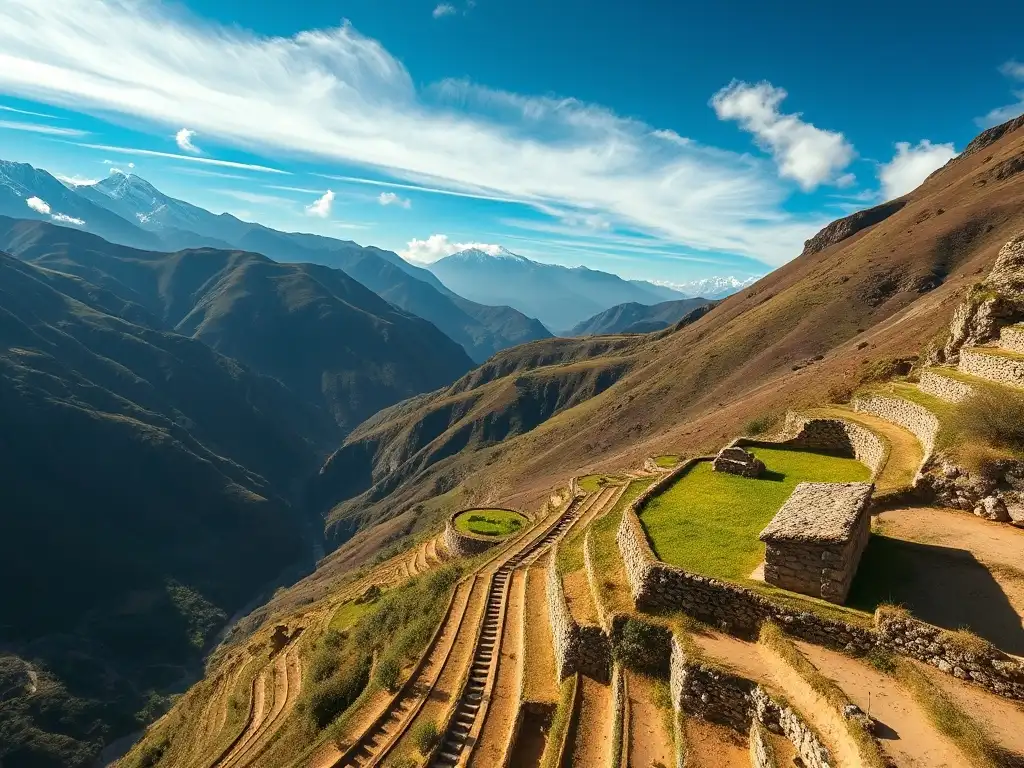
Terracing was a crucial element in Andean agricultural success. This involved carving into steep mountain slopes to create flat, level platforms for farming. These terraces not only increased the amount of arable land available but also helped to control soil erosion and conserve water. The construction of terraces was a labor-intensive process, often involving the coordinated efforts of entire communities.
Different terrace designs were adapted to varying slope angles and soil types, reflecting a profound understanding of local environmental conditions. The precision and scale of some of these terrace systems are truly remarkable, showcasing the advanced engineering skills of Andean societies. Evidence suggests that sophisticated irrigation systems were often integrated into terrace designs, further enhancing agricultural productivity. The enduring legacy of these terraces can still be seen in many parts of the Andes today, a silent testament to the ingenuity of their creators.
Managing Altitude and Climate in the Andes
Life at high altitudes presents unique physiological challenges. The thin air contains lower levels of oxygen, impacting human respiration and physical capabilities. Ancient Andean populations adapted to these conditions through a combination of physiological and cultural adjustments. Generations of living at high altitude likely led to genetic adaptations that improved oxygen uptake and tolerance to low oxygen levels. Beyond genetic adaptation, cultural practices played a significant role. Dietary choices, for example, were carefully selected to provide the necessary nutrients and energy for survival in the harsh conditions. The careful selection of crops suited to the specific altitude and climate was also crucial. Furthermore, the construction of dwellings and the use of clothing were adapted to mitigate the effects of extreme temperature fluctuations, which are common in high-altitude environments. The integration of these biological and cultural adaptations allowed Andean communities to successfully inhabit some of the most challenging environments on Earth.
Andean Camelid Domestication and Usage
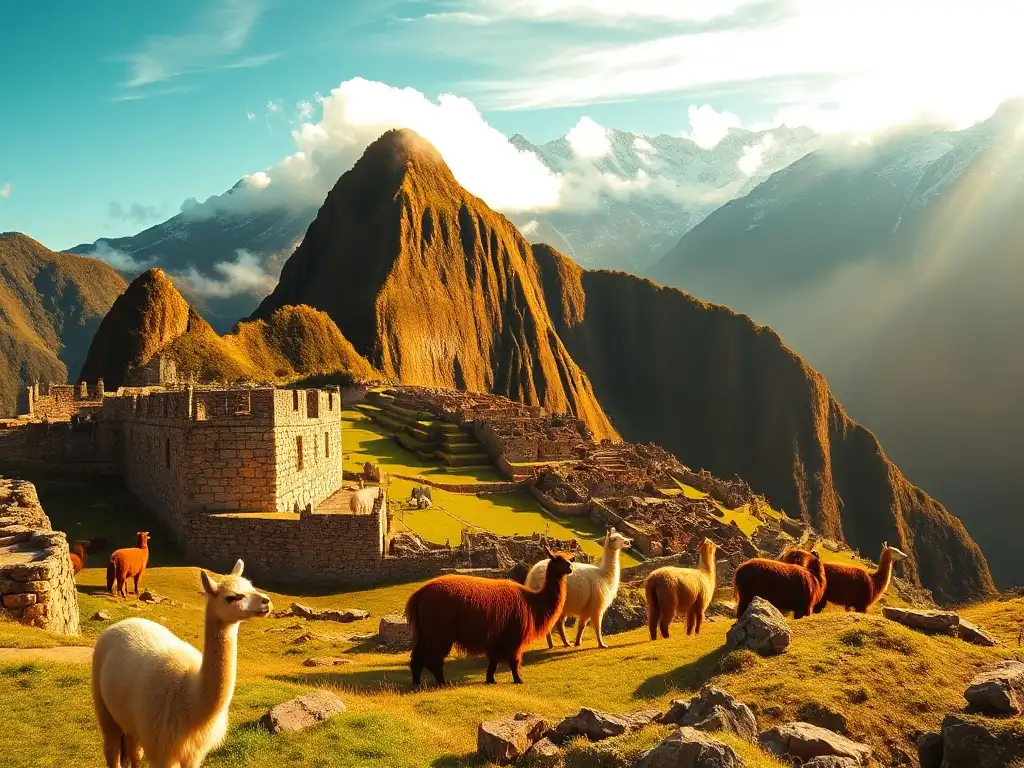
The domestication of llamas and alpacas was pivotal for Andean survival. These camelids provided crucial resources, including wool for clothing, meat for sustenance, and dung for fuel. Furthermore, they served as essential pack animals, enabling the transport of goods across challenging terrain. Their adaptability to high-altitude conditions made them invaluable assets to Andean communities.
The careful management of llama and alpaca herds was integral to the economic and social fabric of Andean societies. The use of these animals extended beyond practical applications; they also held significant cultural and religious value. The relationship between Andean people and their camelids reflects a deep understanding of animal husbandry and the symbiotic relationship between humans and animals in a challenging environment. The domestication of these animals represents a significant achievement in Andean technology and resource management.
Inter-Regional Trade and Resource Exchange
The varied geography of the Andes fostered a complex system of inter-regional trade. Different ecological zones produced unique resources, creating a need for exchange between coastal, highland, and jungle regions. This trade was crucial for survival and the development of complex societies. Without trade, access to essential resources would have been limited, hindering population growth and social complexity. The intricate web of trade routes connected diverse communities, facilitating the exchange of not only goods but also ideas and cultural practices. This exchange played a significant role in shaping the cultural landscape of the Andes.
Andean Trade Routes and Networks
Andean trade routes were remarkably extensive, traversing diverse landscapes and connecting distant communities. These routes were not simply pathways; they were complex networks involving established trade centers, resting places, and systems of communication. The routes often followed natural features like river valleys and mountain passes, taking advantage of existing geographical features to minimize challenges. The Inca Empire, in particular, developed a sophisticated system of roads and relay stations that facilitated efficient communication and trade throughout their vast empire.
These routes were strategically placed to maximize accessibility and minimize travel time. The construction and maintenance of these routes required significant organization and labor, reflecting the importance of trade to Andean societies. The extent and sophistication of these trade networks underscore the advanced organizational capabilities of Andean civilizations.
Exchange of Goods between Coastal and Highland Regions
The exchange of goods between coastal and highland regions was particularly significant. Coastal areas provided fish, salt, and cotton, while highland regions offered potatoes, maize, and camelid products. This reciprocal exchange ensured access to a wider range of essential resources, enhancing dietary diversity and supporting larger populations. The complementary nature of the resources produced in different ecological zones made inter-regional trade essential for survival. The absence of a single resource-rich area further emphasized the importance of trade networks in the Andes. This symbiotic relationship between different regions facilitated economic growth and social stability across the entire Andean region.
The Significance of Inter-Andean Trade
The significance of inter-Andean trade cannot be overstated. It was a cornerstone of Andean survival and prosperity, facilitating the exchange of essential resources and the development of complex societies. The trade networks not only facilitated the flow of goods but also played a crucial role in the dissemination of ideas, technologies, and cultural practices. This exchange enriched Andean societies, contributing to their remarkable cultural diversity and sophistication.
The ability to manage these extensive trade networks reflects the advanced organizational and logistical capabilities of Andean civilizations. The collapse of these networks often had profound consequences, highlighting their critical role in the stability and prosperity of Andean societies. The study of ancient Andean trade routes continues to provide valuable insights into the economic, social, and political dynamics of these fascinating civilizations.
Advanced Agricultural Practices and Food Security
The success of ancient Andean civilizations hinged on their mastery of agriculture in incredibly challenging environments. Their survival wasn't merely a matter of planting seeds; it was a complex interplay of sophisticated techniques, deep understanding of their environment, and ingenious adaptations to overcome limitations imposed by altitude, aridity, and unpredictable weather patterns. This section will explore the key elements that contributed to their remarkable agricultural achievements and the resulting food security.
Andean Crop Diversity and Domestication
Andean agriculture wasn't reliant on a single crop. Instead, it boasted an astonishing diversity, showcasing the ingenuity of Andean farmers. They domesticated a wide array of crops uniquely suited to the varied altitudes and climates of the Andes. Potatoes, in their countless varieties, formed a staple, each adapted to specific ecological niches.
Alongside potatoes, they cultivated quinoa, amaranth, maize (corn), beans, and squash, creating a balanced and nutritious diet. This diversification minimized the risk of crop failure due to disease or environmental changes, a crucial element of their survival strategy. The domestication process itself, spanning millennia, involved meticulous selection and breeding to enhance yield, resilience, and nutritional value. This wasn't simply a matter of chance; it was a conscious and sophisticated effort to ensure food security.
Storage and Preservation Techniques in the Andes
Harvesting crops was only half the battle. Ancient Andean communities developed sophisticated techniques to store and preserve their harvests, ensuring food availability throughout the year. They constructed intricate storage facilities, like qollqas—stone structures—to protect food from pests, moisture, and the elements. These structures, often located in strategic locations, were carefully designed to regulate temperature and humidity, maximizing the shelf life of stored goods.
Furthermore, they employed various preservation methods, including sun-drying, freeze-drying, and fermentation, extending the usability of perishable items like fruits and meats. These techniques were crucial for surviving periods of scarcity, particularly during the harsh Andean winters. The effectiveness of these storage and preservation methods is evidenced by archaeological findings of well-preserved food items in these ancient structures.
Ensuring Food Security in the Andean Region
Food security in the Andes wasn't simply a matter of producing enough food; it involved a multifaceted approach encompassing diverse crops, efficient storage, and resilient agricultural practices. The integration of terracing, irrigation systems, and crop rotation demonstrated a deep understanding of ecological principles. Terracing, for example, created level plots on steep slopes, maximizing arable land while minimizing soil erosion. Irrigation systems, often ingeniously designed to channel water from distant sources, provided essential moisture in arid regions.
Crop rotation helped maintain soil fertility and prevent depletion, crucial for long-term sustainability. The combined effect of these strategies ensured a relatively stable food supply, even in the face of environmental challenges. This holistic approach to food production underpins the remarkable resilience of Andean civilizations.
The success of ancient Andean civilizations in adapting to their environment wasn't solely dependent on agricultural prowess. Their intricate social and political structures played a vital role in managing resources effectively, ensuring equitable distribution, and promoting community resilience. This organizational efficiency was critical to their survival.
Labor Systems and Collective Work in the Andes
Ancient Andean societies employed various labor systems to manage the demands of agriculture and infrastructure development. The mita system, prevalent in the Inca Empire, required citizens to contribute a certain amount of labor to public works projects, such as irrigation canals, terraces, and roads. This system ensured the construction and maintenance of essential infrastructure that underpinned their agricultural productivity and overall survival.
Beyond the mita, communal labor was also common, with groups working together on tasks like planting, harvesting, and building. This collective effort fostered social cohesion and ensured the efficient use of available labor resources. The cooperation and collective action were essential for overcoming the challenges of the Andean environment.
Andean Governance and Resource Allocation
The organization of Andean societies wasn't haphazard; it involved sophisticated governance structures to manage resources effectively. Centralized empires, like the Inca, developed complex administrative systems to oversee resource allocation, taxation, and public works. This centralized control allowed for efficient distribution of resources, ensuring that even remote communities received the necessary support. Smaller, less centralized societies employed different mechanisms, but the principle of collective resource management remained crucial. The effectiveness of their governance systems is evident in their ability to sustain large populations in challenging environments. This organizational efficiency is a key factor in understanding their long-term survival.
The Role of Social Structures in Andean Survival
The social structures of Andean civilizations were intrinsically linked to their survival strategies. Complex kinship networks, hierarchical social organization, and religious beliefs all contributed to resource management and community resilience. Kinship ties often determined access to resources and labor, ensuring mutual support within families and communities.
Hierarchical structures, in many cases, facilitated the organization of large-scale projects and the equitable distribution of resources. Religious beliefs played a significant role in shaping agricultural practices, promoting respect for the environment, and ensuring social cohesion. The intricate interplay of these social and political factors was critical to the enduring success of Andean societies.
Technological Innovations for Andean Survival
The harsh realities of the Andean environment—ranging from arid coastal deserts to towering mountain peaks—necessitated remarkable technological innovation for survival. Ancient Andean societies didn't simply endure; they thrived by developing ingenious solutions to challenges posed by altitude, climate, and terrain. Their achievements in agriculture, construction, and material science stand as testaments to their ingenuity and adaptability.
These innovations weren't isolated events but rather a continuous process of refinement and adaptation, driven by the constant need to improve resource management and enhance quality of life in challenging circumstances. The sophistication of their techniques, often developed over centuries, highlights the depth of their understanding of their environment and their capacity to manipulate it to their advantage. This section will explore some key examples of these crucial technological advancements.
Andean Textile Technology and its Functions
Andean textile production was not merely a craft; it was a sophisticated technology crucial for survival. The diverse climates of the Andes demanded clothing adapted to extreme variations in temperature. Alpaca and llama wool, renowned for its warmth and softness, formed the basis of many textiles. However, the process extended far beyond simple weaving. Andean artisans developed intricate techniques like tapestry weaving, creating incredibly detailed and durable fabrics.
These textiles served various functions beyond clothing. They were used to create intricate tapestries for ceremonial purposes, strong ropes for construction and agriculture, and even waterproof textiles for protection from the elements. The vibrant colors and complex designs often held symbolic meaning, reflecting the rich cultural and spiritual life interwoven with the practical aspects of textile production. The level of skill and artistry involved in these creations speaks to the high value placed upon this essential technology.
Metalworking and Tool Production in the Andes
Metalworking in the Andes reached impressive levels of sophistication, particularly in the production of tools and weaponry. The ability to work with metals like copper, bronze, and eventually gold and silver, significantly enhanced their ability to cultivate the land, build structures, and defend themselves. The development of advanced metallurgical techniques allowed for the creation of highly effective agricultural tools like axes, hoes, and spades, which increased efficiency and yields in farming.
Similarly, the production of sophisticated weaponry, including spears, knives, and battle-axes, played a critical role in inter-group conflict and territorial control. The precision and artistry often displayed in these metal objects demonstrate not only practical skill but also a high level of aesthetic appreciation. The intricate designs and the mastery of techniques like casting and hammering show a deep understanding of metallurgy far exceeding what many other contemporary societies possessed.
Andean Engineering and Infrastructure
Andean engineering is perhaps best exemplified by their impressive infrastructure projects. The construction of elaborate irrigation systems, such as those found in the Nazca region, allowed for successful agriculture in arid environments. These sophisticated systems involved the careful channeling of water from distant sources, demonstrating a remarkable understanding of hydraulic engineering principles.
Similarly, the construction of terraced agriculture on steep slopes increased arable land significantly, maximizing food production in mountainous regions. The sheer scale and precision of these projects, often built with minimal technology, reveal the organizational capabilities and engineering expertise of Andean societies. The Inca road system, stretching thousands of kilometers across diverse terrains, served as a vital communication and transportation network.
This complex infrastructure was essential for trade, military operations, and the effective administration of the vast Inca empire. The ingenuity and scale of these projects stand as testament to the remarkable engineering capabilities of the ancient Andean civilizations.
Conclusion: Lessons from Ancient Andean Resilience
The study of ancient Andean survival strategies offers invaluable lessons in resilience, adaptation, and sustainable practices. Their ingenuity in the face of environmental challenges provides insights into human adaptability and technological innovation.
The Enduring Legacy of Andean Adaptation Strategies
Many of the strategies employed by ancient Andean societies continue to resonate today. Their techniques in agriculture, water management, and construction remain relevant in addressing contemporary challenges related to food security, water scarcity, and sustainable development.
Modern Applications of Ancient Andean Techniques
Modern researchers and practitioners are increasingly drawing upon the knowledge and techniques of ancient Andean civilizations to address modern challenges. For example, traditional Andean agricultural practices are being studied and implemented to promote sustainable agriculture in challenging environments. Similarly, insights into their water management techniques are informing contemporary approaches to water resource management.
Relevance of Andean Strategies for Contemporary Sustainability
The ingenuity and sustainability demonstrated by ancient Andean societies provide a valuable model for contemporary efforts to achieve environmental sustainability. Their emphasis on resource management, efficient technologies, and adaptation to environmental variability offers crucial lessons for building more resilient and sustainable societies in the face of climate change and other environmental challenges. Understanding their successes and failures offers a powerful framework for creating a more sustainable future.
Frequently Asked Questions
How did Andean civilizations adapt to the diverse geography of the Andes Mountains?
Andean civilizations developed remarkable adaptations to the diverse geography. They utilized terracing for agriculture in mountainous regions and irrigation systems in drier areas, showcasing their ingenuity. Specialized crops were also cultivated depending on altitude and climate.
What were some key agricultural techniques used by Andean cultures?
Andean societies employed innovative agricultural techniques including terracing, which created level platforms for farming on steep slopes. They also developed sophisticated irrigation systems to manage water resources effectively in arid zones. Crop diversification was crucial to ensure food security.
How did the Incas manage to build such an extensive empire across challenging terrain?
The Inca Empire's success stemmed from its advanced road system, connecting distant regions and facilitating communication and trade. Effective administrative structures and a highly organized military were also crucial for controlling their vast territory across the diverse Andean landscape.
What role did llama herding play in Andean survival strategies?
Llamas served as essential pack animals, transporting goods across the mountains. Their wool provided clothing, and their meat was a significant food source. Llama dung was also used as fertilizer, highlighting their multifaceted importance.
Besides agriculture, what other survival strategies did Andean civilizations employ?
Andean societies developed sophisticated knowledge of their environment, utilizing local resources for building materials, tools, and medicine. Trade networks facilitated the exchange of essential goods and resources, crucial for survival in diverse and challenging environments. Community cooperation played a pivotal role in overcoming hardship.
Final Reflection: Echoes of Resilience in the Andes
The ingenious survival strategies employed by ancient Andean civilizations remain profoundly relevant today, offering a powerful testament to human adaptability in the face of environmental challenges. Their innovative agricultural techniques, intricate social structures, and deep understanding of their environment provide invaluable lessons for navigating the complexities of climate change and resource scarcity in the modern world. We stand to learn much from a culture that thrived in some of the planet's most unforgiving landscapes.
The enduring legacy of Andean ingenuity continues to shape the cultural and social landscape of the region, influencing everything from agricultural practices to community organization. Their sophisticated understanding of water management, for example, remains a vital component of modern Andean life. The mountains are our teachers,
a Quechua elder once told me, a sentiment that encapsulates the deep connection between the people and their environment, a connection that fostered innovation and resilience for millennia. This wisdom, passed down through generations, offers a powerful counterpoint to our often unsustainable modern practices.
Consider the ingenuity of the waru waru agricultural system, or the sophisticated terrace farming techniques. These weren't merely survival mechanisms; they were expressions of a profound understanding of ecological balance. You too can cultivate a deeper understanding of your own environment and develop strategies for sustainable living. Embrace the spirit of innovation and resilience demonstrated by the ancient Andeans, and find ways to apply their wisdom to the challenges you face in your own life. Let their legacy inspire you to build a more sustainable and equitable future.
Embrace the Andean Spirit and Take Action!
Thank you for exploring the resilient strategies of Andean civilizations with us! Your journey through their diverse landscapes highlights the extraordinary ingenuity and adaptability of these cultures. Now, let's translate that inspiration into action.
Here are some ways you can further connect with the Andean spirit:
- **Explore your local environment:** Take a hike or nature walk and observe the interconnectedness of different ecosystems. Consider the ingenious survival strategies evident in the natural world around you.
- **Share your discoveries:** Organize a discussion group or book club to explore the survival tactics of Andean civilizations and how their wisdom might apply to contemporary challenges.
- **Embrace sustainable practices:** Start a small garden using principles inspired by Andean agricultural methods. Even a few herbs grown in pots on a balcony can foster a deeper connection to food and its origins.
How will you adapt and thrive, drawing inspiration from the resourcefulness of the Andean peoples and their remarkable ability to flourish in diverse environments? Let's discuss!