
The Allure of Andean Art: Identifying Genuine Pieces from Replicas

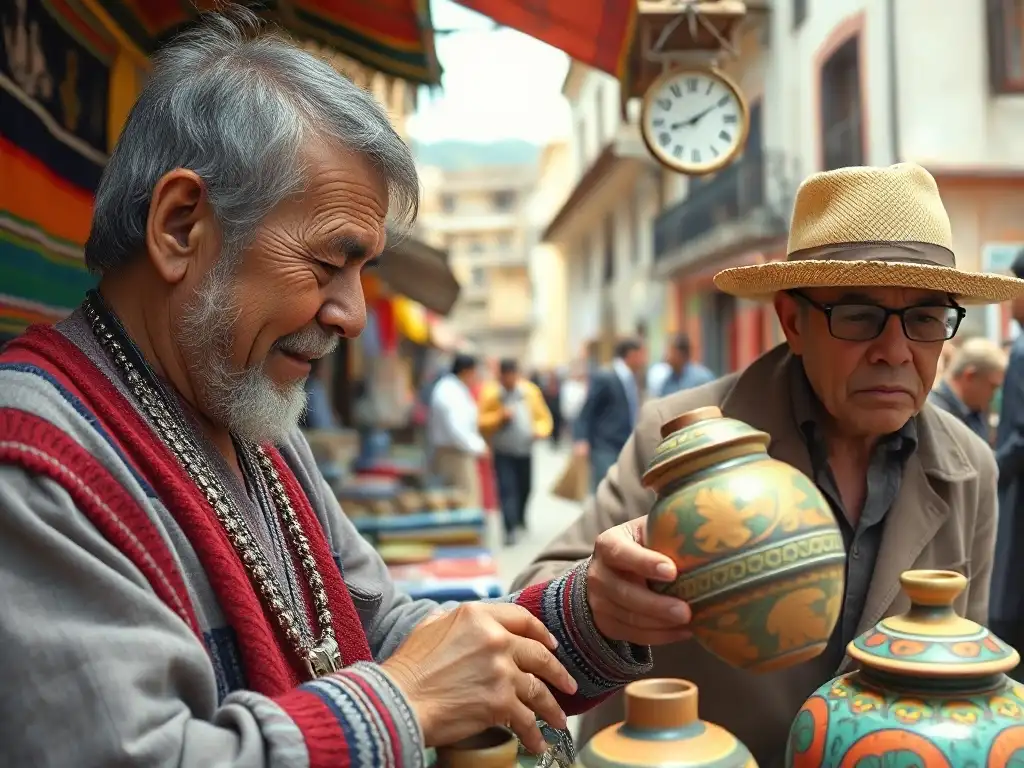
Step into a world lost to time, yet vividly alive in the artistry of the Andes. For centuries, the Incas, Moche, and other remarkable civilizations crafted breathtaking objects, leaving behind a legacy that continues to fascinate. But amidst the allure of Andean art, how can you distinguish an authentic treasure from a skillful replica? Discover the secrets to identifying genuine pieces in our exploration of Andean art authentic replica identification, and unlock the mysteries of these ancient cultures. Begin your journey now!
The breathtaking artistry of the Andean civilizations—from the intricate textiles of the Nazca to the majestic goldwork of the Incas—continues to captivate collectors and enthusiasts worldwide. The vibrant colors, sophisticated techniques, and profound symbolism embedded within these artifacts offer a tangible connection to a rich and complex past. However, the increasing popularity of Andean art has unfortunately led to a surge in the market of skillfully crafted replicas. This article serves as a comprehensive guide to help discerning collectors navigate this landscape, equipping them with the knowledge to differentiate genuine Andean artifacts from high-quality imitations. Understanding the nuances of authentic Andean art is crucial not only for preserving cultural heritage but also for protecting your investment. We will delve into the factors that contribute to the value of authentic pieces and explore the key characteristics that distinguish them from replicas, ultimately empowering you to make informed decisions when acquiring Andean art. This guide focuses on practical techniques and observations, assisting you in the process of Andean art authentic replica identification.
Understanding the Value of Authentic Andean Art
Authentic Andean art possesses an intrinsic value that extends far beyond its monetary worth. These objects are not merely decorative items; they are tangible links to a vibrant past, embodying the ingenuity, spirituality, and artistic mastery of ancient cultures. Several factors contribute to the high value placed on genuine Andean artifacts:
- Historical Significance: Many pieces offer unique insights into the daily lives, religious beliefs, and social structures of Andean societies. Their age and association with specific historical events or individuals significantly enhance their value.
- Rarity and Uniqueness: The scarcity of certain artifacts, due to factors such as limited production techniques or the fragility of materials, contributes to their desirability and value. Each piece often represents a unique artistic expression, never to be replicated exactly.
- Material Quality and Craftsmanship: Authentic Andean art often utilizes high-quality materials, such as fine gold, silver, textiles made from alpaca or vicuña wool, and meticulously carved stone. The level of craftsmanship is often unparalleled, demonstrating a mastery of techniques lost to time.
- Cultural Heritage: The preservation of these artifacts is crucial for maintaining cultural heritage and understanding the legacy of Andean civilizations. Owning a genuine piece means contributing to the ongoing appreciation and study of these remarkable cultures.
- Investment Potential: Due to their historical significance, rarity, and aesthetic appeal, authentic Andean artifacts often appreciate in value over time, making them a sound investment for discerning collectors.
Why the Demand for Authentic Andean Artifacts is High
The demand for authentic Andean artifacts is driven by a confluence of factors, creating a vibrant but sometimes challenging market. This high demand underscores the importance of careful authentication:
- Growing Interest in Ancient Cultures: There's a worldwide increase in interest in ancient history and cultures, with Andean civilizations holding a particularly captivating place due to their unique achievements in engineering, art, and social organization.
- Aesthetic Appeal: The beauty and intricacy of Andean art are undeniable. The vibrant colors, intricate designs, and masterful craftsmanship attract collectors seeking both aesthetically pleasing and historically significant objects.
- Investment Opportunities: As mentioned earlier, authentic Andean artifacts are often viewed as valuable investments, appreciating over time, particularly rare and well-preserved pieces.
- Museum and Private Collections: Museums and private collectors actively seek authentic pieces to expand their collections, further fueling the demand. This competition can drive prices up and increase the likelihood of encountering replicas.
- Tourism and Souvenir Market: While this contributes to the overall demand, it also significantly increases the presence of replicas marketed as authentic items, making identification crucial. The allure of owning a piece of history is often exploited by those selling fraudulent items.
The combination of these factors creates a dynamic market, but one where vigilance and expertise are needed to discern genuine artifacts from the growing number of sophisticated replicas. The following sections will provide the tools and knowledge necessary to navigate this market safely and confidently.
- Understanding the Value of Authentic Andean Art
- Why the Demand for Authentic Andean Artifacts is High
- Materials Used in Ancient Andean Art: A Guide to Authenticity
- Identifying Common Materials: Pottery, Textiles, and Metals
- Examining Pottery: Clay Composition, Firing Techniques and Decoration
- Spotting Authentic Textiles: Weaving Patterns, Natural Dyes, and Andean Fibers
- Distinguishing Genuine Metalwork: Gold, Silver, Copper, and Tumbaga Alloys
- Step 1: Visual Inspection - Details that Matter
- Analyzing the Surface: Ageing, Patina, and Wear
- Examining the Craftsmanship: Symmetry, Precision, and Handwork
- Step 2: Material Analysis - Understanding Composition
- [Recommended Handheld Magnifier for Close Inspection]
- [Affiliate Link to a Portable XRF Analyzer]
- Step 3: Provenance and Documentation - Tracing the History
- The Importance of Provenance in Andean Art
- Authenticity Certificates: What to Look For and What to Avoid
- Step 4: Expert Consultation - When to Seek Professional Help
- Finding Reputable Andean Art Experts and Appraisers
- [Recommendation for an Appraisal Service]
- How can I tell if a piece of Andean art is an authentic replica?
- What are some common characteristics of authentic Andean artifacts?
- Where can I find reliable sources for authentic Andean art?
- What are some red flags indicating a potential replica?
- What kind of materials were commonly used in authentic Andean art?
Key Characteristics of Genuine Andean Art
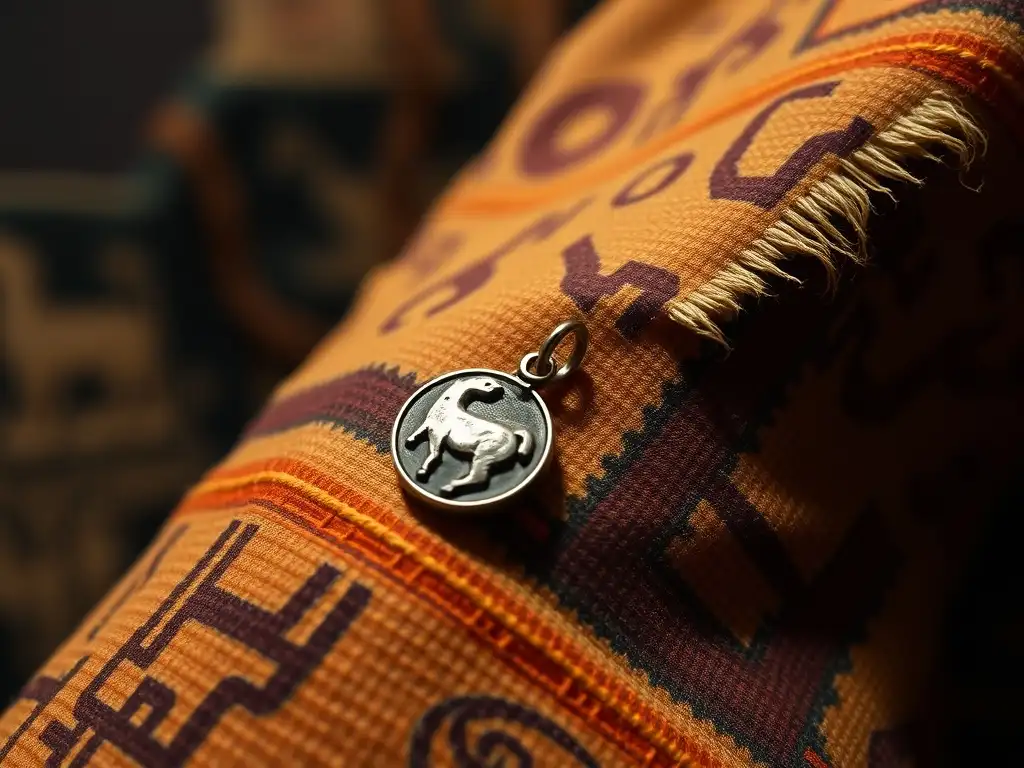
This section delves into the core attributes that distinguish authentic Andean art from skillfully crafted replicas. Understanding these characteristics is crucial for discerning collectors and enthusiasts seeking to build a genuine collection of Andean artifacts. The allure of Andean art lies not only in its aesthetic beauty but also in its historical significance and cultural context.
By carefully examining the materials, techniques, and stylistic elements, one can develop a keen eye for authenticity, minimizing the risk of acquiring imitations. This knowledge empowers collectors to appreciate the true artistry and historical value of these remarkable pieces. The focus on "Andean art authentic replica identification" requires a meticulous approach, combining visual inspection with an understanding of the ancient techniques employed.
Materials Used in Ancient Andean Art: A Guide to Authenticity
The materials employed in ancient Andean art are as diverse as the cultures themselves. Authenticity often hinges on identifying these materials and understanding their specific properties. While modern forgeries may mimic surface aesthetics, a detailed examination reveals subtle differences in composition, texture, and age. For instance, the type of clay used in pottery, the fibers in textiles, and the alloys in metalwork are all crucial indicators.
Understanding the provenance of materials is also key. Ancient Andean artisans relied on locally sourced materials. The presence of unusual or geographically inconsistent materials can raise red flags. For example, the use of lapis lazuli, a stone not native to the Andes, in a piece supposedly from a specific region might indicate a later creation. Similarly, the presence of modern pigments or dyes in textiles or pottery is a clear sign of a replica.
Careful scrutiny is needed. The patina of age, the subtle weathering effects, and the traces of wear from centuries of use are all hallmarks of genuine Andean art. These are difficult, if not impossible, for modern forgers to perfectly replicate. Authentic pieces often exhibit a unique character shaped by time and exposure to the elements; this "hand of time" is a potent indicator of authenticity.
Furthermore, the use of certain specific minerals and their inherent properties can be a useful indicator. For instance, the specific type of gold used, its purity, and any traces of other metals within the alloy can reveal valuable information about the age and origin of the artifact. Similarly, the specific type of clay used in pottery, including any inclusions or impurities, can provide valuable clues.
Identifying Common Materials: Pottery, Textiles, and Metals
Ancient Andean art encompasses a wide range of materials, each with its own distinctive characteristics. Let's examine some of the most common materials used in Andean pottery, textiles, and metalwork:
- Pottery: Authentic Andean pottery frequently utilizes local clays, often exhibiting unique color variations and textures depending on the region and period. The firing techniques also leave distinctive marks, often visible under magnification. The presence of specific mineral inclusions within the clay can help pinpoint geographic origin.
- Textiles: Andean textiles are renowned for their intricate designs and the use of high-quality natural fibers like alpaca, llama, and vicuña wool, as well as cotton. Authentic textiles often feature unique dyeing techniques and complex weaving patterns specific to particular cultures and time periods. The condition of the fibers, their degradation over time, and the presence of natural dyes are crucial indicators.
- Metals: Gold, silver, and copper were highly valued by Andean cultures, and their metalwork is characterized by sophisticated techniques such as hammering, casting, and alloying. The alloys used often contained specific proportions of other metals, and these proportions can vary depending on time period and location. The level of craftsmanship and the presence of specific hallmarks can also be significant indicators.
| Material Category | Key Indicators of Authenticity | Potential Warning Signs |
|---|---|---|
| Pottery | Local clay types, unique firing techniques, specific mineral inclusions, age-related weathering | Modern pigments, uniform texture, lack of weathering, inconsistent clay composition |
| Textiles | Natural fibers (alpaca, llama, vicuña, cotton), unique dyeing techniques, complex weaving patterns, signs of age and wear | Synthetic fibers, modern dyes, simplistic designs, pristine condition |
| Metals | Specific metal alloys, sophisticated craftsmanship, unique hallmarks, signs of age and wear | Modern alloys, mass-produced look, lack of hallmarks, pristine condition |
Examining Pottery: Clay Composition, Firing Techniques and Decoration
Analyzing Andean pottery requires a multi-faceted approach, combining visual inspection with a deeper understanding of the materials and techniques employed. The clay itself provides crucial clues. The color, texture, and mineral inclusions within the clay can vary significantly depending on the geographic location and the period in which the pottery was created. For example, pottery from the coastal regions might utilize different clays than those from the highlands. Analyzing the clay composition—often requiring specialized laboratory techniques—can help determine authenticity.
Firing techniques also leave indelible marks on the pottery. The temperature and duration of firing impact the color, hardness, and texture of the finished piece. Ancient Andean potters employed various firing methods, resulting in distinctive characteristics that can be used to authenticate a piece. Some pottery might show signs of reduction firing (firing in a low-oxygen environment), while others might exhibit evidence of oxidation firing (firing in an oxygen-rich environment). These differences can be subtle but critical for authentication.
Finally, the decorative elements of the pottery provide further insights into authenticity. The style of decoration, the pigments used, and the techniques employed are all indicators of the pottery's origin and age. Authentic Andean pottery often features intricate designs, often incorporating geometric patterns, zoomorphic motifs, or anthropomorphic figures, specific to certain cultures and periods. The application of pigments, the precision of the designs, and the level of detail can all help differentiate authentic pieces from replicas. The use of modern pigments or overly perfect execution should raise suspicion.
Spotting Authentic Textiles: Weaving Patterns, Natural Dyes, and Andean Fibers
Andean textiles represent a pinnacle of ancient artistry, renowned for their intricate designs and vibrant colors. Authenticity assessment requires a keen eye for detail, focusing on three key aspects: weaving patterns, natural dyes, and the fibers themselves.
The weaving techniques employed by Andean cultures were incredibly sophisticated. Many pieces feature complex patterns, often incorporating symbolic motifs representing deities, animals, or agricultural cycles. Genuine textiles frequently showcase techniques like warp-faced plain weave, tapestry weave, and brocade, often combined within a single piece. Replicas often simplify these patterns, using less intricate techniques or showing a lack of understanding of the traditional Andean methods.
For example, the use of supplementary weft techniques, creating raised patterns and textures, is a hallmark of high-quality, authentic textiles. Careful examination under magnification can reveal the subtle differences in the density and regularity of the weave, a key indicator of authenticity. Look for irregularities in the weave—these are not imperfections, but rather evidence of human craftsmanship.
The use of natural dyes is another critical element. Ancient Andean artisans employed a wide range of plant and insect-based dyes, resulting in a rich palette of colors. These dyes often exhibit a unique depth and complexity, aging gracefully over time, developing a soft patina rather than fading uniformly. Replicas frequently utilize synthetic dyes, which often appear brighter, more uniform, and less nuanced than their natural counterparts.
The fading patterns on authentic textiles also offer clues. For instance, a gradual fading of certain colors, particularly reds and yellows, can be a telltale sign of age and the use of natural dyes, unlike the even fading characteristic of synthetic dyes. Furthermore, the presence of certain color combinations, like specific shades of purple obtained from mollusks, can be very indicative of authenticity.
Finally, the fibers themselves provide crucial evidence. Authentic Andean textiles frequently utilize alpaca, llama, vicuña, and cotton fibers. The feel and texture of these natural fibers are distinct, possessing a softness and resilience that synthetic fabrics often lack. Careful examination can reveal the unique characteristics of each fiber type, helping distinguish genuine pieces from imitations. Microscopic analysis can confirm the fiber type, providing definitive proof of authenticity. The presence of inconsistencies in fiber thickness and length within the weaving is a natural occurrence and a positive indicator of an authentic piece.
Distinguishing Genuine Metalwork: Gold, Silver, Copper, and Tumbaga Alloys
Andean metalworking is renowned for its mastery of techniques and the use of precious metals. Identifying authentic pieces requires understanding the characteristics of the metals employed—gold, silver, copper, and tumbaga (a gold-copper alloy)—and the methods used in their creation.
Genuine Andean goldwork often exhibits a characteristic softness and malleability, the result of the purity of the gold used and the techniques employed. The use of hammering, repoussé (a metalworking technique where the metal is shaped from the back), and chasing (a metalworking technique where the metal is refined from the front) are common features, resulting in intricate details and a three-dimensionality that is difficult to replicate. Unlike modern castings, ancient techniques often show subtle variations in thickness and texture, signs of the artisan's hand.
Look closely for any evidence of soldering or welding, as these techniques were less common in ancient Andean metalwork. The presence of intricate details and high-quality craftsmanship is a key indicator of authenticity. Replicas often lack this level of detail or exhibit a uniformity that is inconsistent with ancient techniques.
Silver objects display a similar range of characteristics. While often less ornate than gold pieces, authentic silver objects often possess a unique patina, developed over time through exposure to the elements. This patina is not uniform and will vary across the piece. The texture of the silver, often slightly rough or uneven, reflects the techniques used in its creation. Again, the presence of handmade characteristics, such as inconsistencies in thickness and subtle tool marks, are strong indicators of authenticity.
Copper and tumbaga alloys offer further opportunities for authentication. Tumbaga, a distinctive gold-copper alloy, was highly prized by Andean cultures. Authentic tumbaga pieces often exhibit a unique color and texture, a result of the specific proportions of gold and copper used. The color can range from a rich golden hue to a reddish-brown, depending on the alloy's composition. Replicas often fail to accurately reproduce this specific coloration or texture. The presence of corrosion patterns on copper and tumbaga artifacts reflects the natural aging process, and their distribution should be examined. Uniform corrosion is a warning sign.
Finally, the presence of stylistic elements specific to particular Andean cultures is essential. For example, the Moche culture is known for its distinctive use of gold and silver in depicting figures and scenes from their mythology. Understanding the stylistic conventions of different cultures allows for a more informed assessment of authenticity. Expert knowledge of Andean iconography and stylistic variations is crucial for accurate identification.
The Art of Replication: Recognizing Common Andean Art Replica Techniques
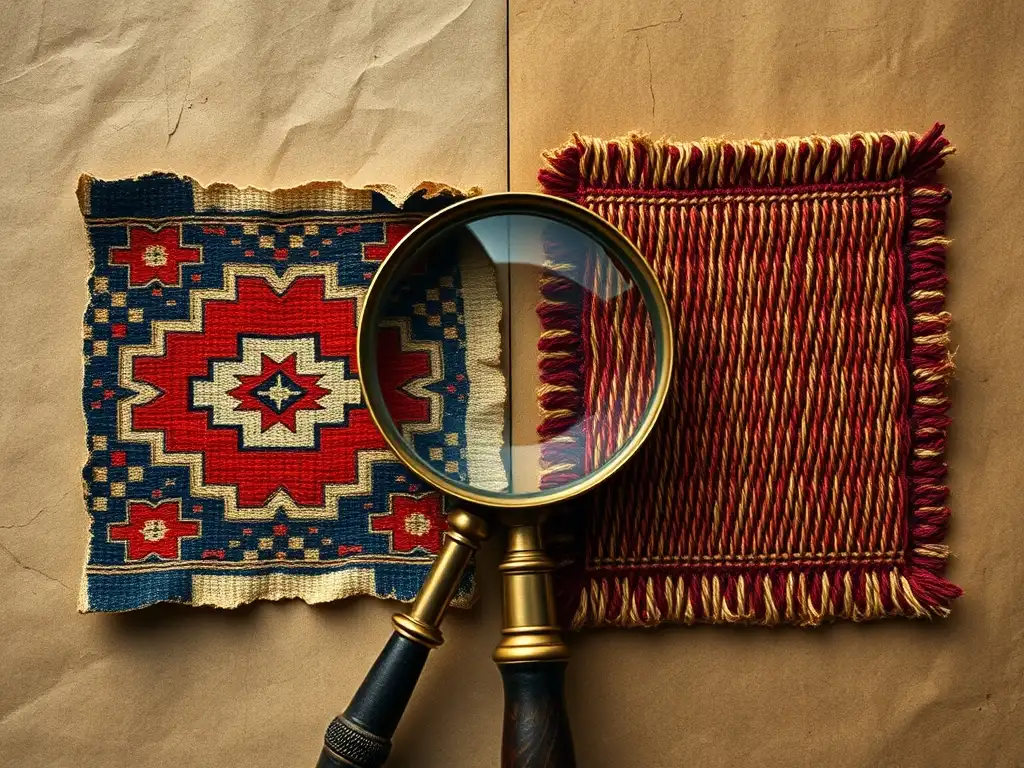
The allure of Andean art lies in its exquisite craftsmanship and rich history. However, the market for Andean artifacts is unfortunately rife with replicas, often deceptively close to the real thing. Successfully navigating this market requires a keen eye and a thorough understanding of common replication techniques.
This section delves into the methods used to create these forgeries, equipping you with the knowledge to distinguish authentic Andean art from expertly crafted imitations. Understanding the techniques used in creating replicas is crucial for developing your ability to identify genuine Andean art. This knowledge empowers you to make informed decisions when purchasing and collecting authentic pieces.
Common Methods Used in Andean Art Reproduction
Many replica Andean artifacts employ a range of techniques to mimic the age and patina of genuine pieces. These range from simple techniques easily spotted by the trained eye to incredibly sophisticated methods requiring expert analysis. Common methods include:
- Artificial Aging: This involves techniques designed to give a new piece the appearance of age. This might involve chemical treatments to darken the surface, creating artificial cracks or weathering patterns. Sometimes, pieces are even buried to simulate natural burial conditions.
- Casting: Molten metal (often lead or a lead alloy mimicking bronze) is poured into a mold to create copies of original metalwork. These casts often lack the subtle imperfections and unique characteristics found in authentic hand-crafted pieces.
- Mass Production Techniques: Modern tools and techniques, such as power tools and assembly lines, are used to produce large quantities of nearly identical items, lacking the individual variation typically seen in handcrafted Andean art.
- Imitation Materials: Replicas often substitute authentic materials with cheaper alternatives. For example, pottery might be made from readily available clays, rather than the specific types traditionally used in a certain region. Textiles may use synthetic fibers instead of alpaca or llama wool.
Modern Pottery Replication Techniques: Pitfalls to Avoid
Modern pottery replication in the Andean style often employs advanced techniques to create convincing imitations. These techniques, while sophisticated, often reveal subtle inconsistencies upon close examination. Key factors to consider when evaluating Andean pottery include:
- Clay Composition: Authentic Andean pottery often utilizes specific local clays with unique mineral compositions. Analyzing the clay's composition through scientific testing can reveal discrepancies between genuine and replica pieces. [Specific data on clay composition analysis pending].
- Firing Techniques: Traditional Andean pottery firing techniques often leave characteristic marks and variations in the firing process. Modern kilns produce a more uniform firing, lacking these subtle imperfections.
- Surface Treatment: Authentic pieces often exhibit unique surface treatments, including polishing, burnishing, or painting. Replicas may mimic these treatments, but often lack the subtle variations and hand-crafted feel.
- Paint Pigments: The pigments used in authentic Andean pottery were often derived from natural sources. Analysis of paint pigments can help determine authenticity. [Specific data on identifying authentic Andean paint pigments pending].
Textile Replication: Understanding Synthetic Dyes and Machine Weaving
Andean textiles are renowned for their intricate designs and the use of high-quality natural fibers. Replicas, however, often employ modern synthetic materials and weaving techniques. Distinguishing authentic textiles from replicas requires careful observation:
- Fiber Content: Authentic textiles typically utilize alpaca, llama, vicuña, or cotton fibers. Microscopic examination can reveal the presence of synthetic fibers.
- Dye Analysis: Traditional Andean dyes were often derived from natural sources, resulting in unique color variations and subtle fading patterns over time. Modern synthetic dyes typically produce more vibrant and uniform colors, often lacking the subtle nuances seen in authentic pieces.
- Weaving Techniques: Traditional Andean weaving techniques are often complex and time-consuming. Replicas often utilize machine weaving, resulting in a more uniform and less textured fabric. The presence of imperfections and variations in the weaving pattern often indicate a handcrafted piece.
- Design Motifs: While replica makers may copy designs, subtle variations in the execution of these motifs can often reveal the hand of the artisan versus mass production. A deeper understanding of regional design styles and variations is crucial for accurate identification.
The careful examination of these factors, combined with a thorough knowledge of Andean art history and techniques, will significantly improve your ability to identify genuine Andean art and confidently add authentic pieces to your collection. Remember, when in doubt, consult with experts in Andean art and archaeology.
Metalwork Reproductions: Modern Alloys, Casting, and Finishing
The creation of convincing replicas of Andean metalwork, particularly gold and silver pieces, presents a significant challenge to discerning collectors. Replicators often utilize modern alloys that mimic the appearance of pre-Columbian metals, but subtle differences exist. Authentic Andean gold, for example, frequently contains traces of copper and other elements, resulting in a slightly different color and luster compared to modern, purer gold. Analyzing the alloy composition through scientific methods such as X-ray fluorescence (XRF) spectroscopy is the most reliable method for verification. However, this requires specialized equipment and expertise.
A keen eye can sometimes spot discrepancies in the casting process. Ancient Andean artisans employed sophisticated lost-wax casting techniques, often resulting in subtle imperfections and variations in thickness that are difficult to replicate perfectly. Modern casting methods, while advanced, tend to produce more uniform and flawless pieces. Look for inconsistencies in the metal's thickness, minor air bubbles trapped within the metal, or slight variations in the surface texture. These subtle imperfections, often overlooked by the untrained eye, can be strong indicators of authenticity.
Finally, the finishing techniques employed also provide clues. Ancient Andean metalworkers achieved their characteristic finishes through painstaking hand-hammering, polishing, and sometimes gilding. These processes often leave distinctive marks and textures on the metal's surface.
Replicas frequently lack this nuanced texture, appearing too smooth or possessing a uniformity that's inconsistent with traditional techniques. Magnification, using a jeweler's loupe for instance, can reveal the fine details of the surface finish, highlighting the differences between hand-worked and machine-produced pieces. The presence of tool marks, consistent with ancient techniques, is a strong indicator of an authentic piece, while a perfectly smooth and even surface might suggest a modern reproduction.
Understanding the variations in these techniques is crucial for anyone attempting to distinguish between genuine Andean metalwork and sophisticated replicas. The subtle differences in alloy composition, casting imperfections, and finishing techniques are key elements in the identification of authentic Andean art, offering a fascinating glimpse into the artistry and technology of ancient Andean cultures.
A Step-by-Step Guide to Andean Art Authentic Replica Identification
This section provides a practical, step-by-step guide to help you distinguish genuine Andean art from skillfully crafted replicas. Understanding the nuances of Andean artistic techniques and the hallmarks of age is crucial for confident collecting. This guide focuses on visual inspection, offering detailed observations to aid in your authentication efforts. Remember, expert appraisal is often recommended for high-value pieces.
Step 1: Visual Inspection - Details that Matter
The first step in identifying authentic Andean art involves a thorough visual inspection. This isn't a cursory glance; it requires careful observation of minute details. Start by examining the overall piece: its size, proportions, and the materials used. Authenticity often lies in the subtle imperfections and unique characteristics that mass-produced replicas struggle to replicate. Look for inconsistencies – these are often hallmarks of genuine handmade artifacts. Are there variations in color or texture? These irregularities are common in handmade Andean art, reflecting the artisan's individual style and the natural variations in materials. Replicas, conversely, often strive for uniform perfection.
Consider the context. Knowing the specific Andean culture associated with a particular style is vital. For example, the intricate goldwork of the Moche civilization differs significantly from the textile artistry of the Nazca. Understanding these cultural differences allows you to identify stylistic inconsistencies that might indicate a replica.
For example, a purported Nazca ceramic with overly smooth lines and a perfect, symmetrical design might be cause for suspicion. Authentic Nazca pottery often displays slight irregularities, variations in paint application, and a more organic feel. The spirit of the piece should be considered; does it feel genuine, imbued with the artistry of a bygone era? This subjective element, while difficult to quantify, is a powerful indicator for experienced collectors.
Analyzing the Surface: Ageing, Patina, and Wear
Examining the surface of the artifact is crucial in determining its age and authenticity. Authentic Andean art exhibits unique characteristics of aging and wear that are difficult to replicate. Look for signs of natural weathering, such as:
- Patina: A genuine artifact will likely have developed a patina—a surface layer resulting from age and exposure to the elements. This patina can manifest as a subtle discoloration, a dulling of the surface, or a fine layer of mineral deposits. Replicas often lack this natural aging process.
- Wear and Tear: Genuine pieces often show signs of use and wear, such as scratches, chips, or minor imperfections. These imperfections are not defects; they are testament to the object's history. Replicas often appear too pristine, lacking the natural weathering and wear expected from an ancient artifact.
- Soil Deposits: Ancient artifacts frequently retain soil deposits or mineral accretions from their burial context. The presence of such residues can be a valuable indicator of authenticity. However, be cautious; artificial aging techniques can sometimes mimic these features, so this observation should be combined with other assessment methods.
Consider the materials. Authentic Andean art often utilizes materials specific to the region, such as certain types of clay, pigments, or metals. Analyzing the composition of materials can be a valuable tool in authentication, requiring expert analysis in many cases.
Examining the Craftsmanship: Symmetry, Precision, and Handwork
The craftsmanship of Andean art is often characterized by a unique blend of precision and organic irregularity. While skilled artisans strived for precision in their work, the handmade nature of the pieces often resulted in subtle asymmetries and variations. Replicas, on the other hand, often strive for perfect symmetry and uniformity.
- Symmetry: While certain styles may exhibit a high degree of symmetry, complete perfection is uncommon in authentic pieces. Slight variations in size, shape, or design elements are often indicative of handwork.
- Precision: Examine the details closely. Are the lines clean and consistent, or are there subtle variations and imperfections? While skilled artisans achieved remarkable precision, the human hand will inevitably leave traces of its involvement.
- Handwork vs. Machine Production: Authentic Andean art usually shows clear evidence of handwork. Look for inconsistencies in pressure, brushstrokes, or tool marks. Replicas often lack these natural imperfections and may exhibit the repetitive uniformity of machine production. This is particularly relevant when examining textiles, pottery, and metalwork.
This detailed analysis, combined with a thorough understanding of Andean artistic styles and materials, will significantly enhance your ability to identify genuine Andean art from replicas. Remember that seeking expert opinion from a qualified appraiser is always recommended, particularly for high-value or questionable pieces. The quest for authentic Andean art is a rewarding journey, and careful observation is the key to success.
Step 2: Material Analysis - Understanding Composition
Analyzing the materials used is crucial in discerning authentic Andean art from replicas. Authentic pieces often exhibit characteristics reflecting the resourcefulness and technological prowess of the ancient cultures. For instance, Incan goldwork frequently displays a distinctive alloy composition, often including copper and silver, resulting in a specific color and malleability. Careful examination can reveal subtle differences in the metal's luster and texture compared to modern imitations which might use purer gold or different alloys.
Similarly, pottery from the Moche culture often incorporates specific clays and pigments, resulting in unique textures and colors; a keen eye can detect inconsistencies in the replication of these details. The Nazca culture, known for its intricate textiles, employed natural dyes derived from plants and minerals. Modern replicas may use synthetic dyes that lack the depth and subtle variations of color found in authentic pieces. Finally, Tiahuanaco stonework, characterized by its precise carvings and monumental scale, utilized specific types of andesite and other local stones.
Identifying the precise type of stone and its weathering patterns can be a key indicator of authenticity. Replicas may use different materials or attempt to artificially age the stone, but close examination often reveals imperfections in these attempts. Remember, understanding the typical materials and techniques employed by each Andean civilization is paramount to successful authentication. Consider consulting scholarly resources and museum collections to build a comprehensive understanding of the material characteristics of different Andean artistic styles.
[Recommended Handheld Magnifier for Close Inspection]
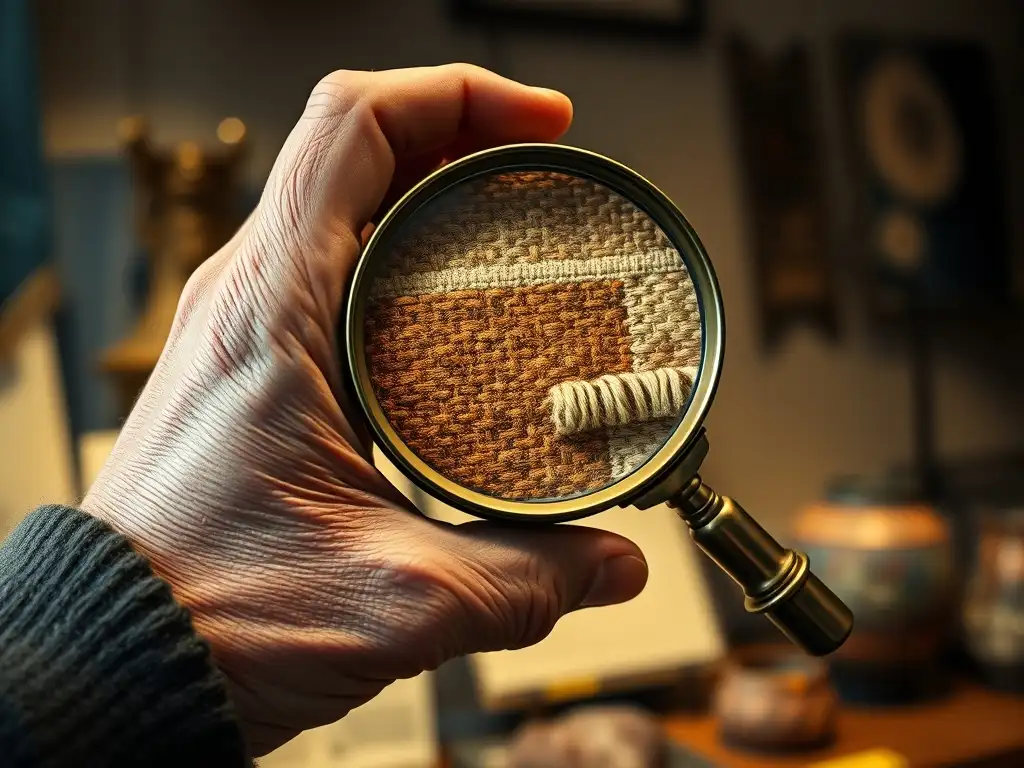
A high-quality handheld magnifier is an indispensable tool for any serious collector of Andean art. While specific product recommendations are beyond the scope of this article [specific product information pending], look for a magnifier with at least 10x magnification and good lighting.
Features like adjustable focus and a built-in LED light are highly beneficial for detailed examination of intricate carvings, weaving techniques, and subtle variations in material composition. The ability to clearly see the texture of the materials, identifying any inconsistencies or signs of modern manufacturing, is critical in distinguishing authentic pieces from skillfully made reproductions.
A good magnifier will allow you to observe the minute details – the tool marks on a stone carving, the individual threads in a textile, or the subtle variations in the glaze of a ceramic pot – that can reveal the true age and origin of an artifact. The cost of a reliable magnifier is a small investment compared to the potential value of an authentic Andean artifact, and it will prove invaluable in your authentication efforts.
[Affiliate Link to a Portable XRF Analyzer]
For more advanced analysis, a portable X-ray fluorescence (XRF) analyzer can provide a definitive identification of the elemental composition of metallic artifacts. This non-destructive technique allows for precise determination of the metals present in an object, helping to distinguish between different alloys and identify the presence of unusual elements that might indicate a modern forgery. While owning a portable XRF analyzer represents a significant investment [specific pricing and model pending], it offers an unparalleled level of accuracy and can be invaluable for authentication purposes.
The ability to quickly and accurately determine the metallic composition of an artifact can eliminate many uncertainties and provide a strong basis for determining authenticity. However, it's important to note that while XRF analysis provides valuable data, it should be interpreted in conjunction with other authentication methods described in this guide.
It's not a standalone solution, but rather a powerful tool in a broader assessment of authenticity. Remember that even with XRF data, careful visual examination and contextual knowledge remain crucial in making a final determination regarding the authenticity of an Andean art piece.
Step 3: Provenance and Documentation - Tracing the History
Tracing the history of an Andean artifact is crucial for establishing its authenticity. This process, known as provenance research, involves meticulously documenting the object's journey from its creation to its current possession. A strong provenance demonstrates a clear and unbroken chain of custody, providing evidence of legitimate ownership and handling throughout its history. This might involve examining old sales records, auction catalogs, museum records, or even private collection inventories.
The more detailed and comprehensive the documentation, the stronger the case for authenticity. For example, a piece with documented ownership dating back to reputable collectors or archaeological excavations carries significantly more weight than one with a vague or undocumented history. The absence of a clear provenance should raise immediate red flags, especially for highly valuable or historically significant pieces. Experts often consult with other specialists, such as archaeologists or historians, to verify information and cross-reference data from various sources.
This collaborative approach ensures a thorough and reliable provenance assessment, strengthening the confidence in the authenticity of the Andean art piece. The level of detail in provenance documentation varies depending on the age and significance of the artifact. Older pieces, particularly those with connections to notable collectors or excavations, are likely to have more extensive documentation.
The Importance of Provenance in Andean Art
Provenance is paramount in establishing the authenticity of Andean art. Unlike many other art forms, Andean artifacts often lack readily identifiable artist signatures or maker's marks. Therefore, tracing the object's ownership history becomes the primary method of verifying its legitimacy. A solid provenance not only confirms authenticity but also significantly impacts the value of the piece.
A complete and well-documented history boosts the market value, while a lack of provenance can severely depreciate it or even render it unsaleable. Consider the case of a pre-Columbian textile: If its provenance can be traced back to a reputable archaeological dig with detailed records and photographic evidence, its authenticity and value are greatly enhanced. Conversely, a similar textile with a questionable or absent history will be viewed with suspicion, regardless of its aesthetic qualities.
The importance of provenance in Andean art extends beyond simple authentication; it also provides valuable insights into the object's cultural context, its use within its original society, and the evolution of collecting practices over time. This historical context adds another layer of significance to these already captivating artifacts. Understanding the provenance of an Andean artifact is therefore essential not only for verifying its authenticity but also for appreciating its rich cultural heritage.
Authenticity Certificates: What to Look For and What to Avoid
Authenticity certificates are often presented as proof of an Andean artifact's genuineness. However, it's crucial to approach these certificates with a critical eye. A reputable certificate will be detailed, providing specific information about the artifact, including its materials, style, estimated age, and provenance. It should be issued by a qualified expert with established credentials in Andean art and archaeology. Look for certificates from recognized museums, universities, or reputable auction houses.
The certificate should be well-documented, possibly including photographic evidence, scientific analysis results (such as thermoluminescence testing), and references to relevant scholarly literature. Avoid certificates that are vague, overly general, or lack specific details. Certificates from unknown or unqualified individuals or organizations should be treated with extreme skepticism. Furthermore, be wary of certificates that are easily reproducible or lack security features to prevent forgery.
A genuine certificate adds a layer of confidence to the authentication process, but it should never be the sole basis for determining authenticity. Always conduct independent research and seek multiple expert opinions before making a significant purchase. Remember, a certificate is only as good as the expertise and integrity of the issuing institution or individual. 🧐 A thorough examination of the artifact itself, alongside a careful analysis of its provenance and accompanying documentation, remains the most reliable method for determining the authenticity of Andean art.
Step 4: Expert Consultation - When to Seek Professional Help
Determining the authenticity of Andean art can be challenging, even with careful examination. Sometimes, subtle details or advanced techniques are required for accurate assessment. Knowing when to seek professional help is crucial to avoid costly mistakes. There are several situations where consulting an expert is highly recommended:
- Significant financial investment: If you're considering purchasing a piece for a substantial amount of money, professional appraisal is practically mandatory. The cost of an expert's opinion is a small price to pay compared to the potential loss from acquiring a fake. The higher the value, the more important the expert opinion becomes. This protects your investment and ensures you’re not overpaying for a replica.
- Uncertainty after preliminary assessment: Even after carefully reviewing the piece using the methods outlined above, you may still harbor doubts. If you're unsure about any aspect of the artifact's authenticity, even a small detail, seeking expert advice is wise. It's better to err on the side of caution.
- Unusual or rare artifacts: Unique or exceptionally rare pieces of Andean art often require specialized knowledge to authenticate. Experts familiar with specific styles, materials, and techniques from particular periods are better equipped to assess such items.
- Damaged or incomplete artifacts: Damaged or incomplete artifacts present additional challenges in authentication. An expert can assess the extent of the damage and determine if it compromises the authenticity or significantly impacts the value. They can also help determine the original context of the piece.
Finding Reputable Andean Art Experts and Appraisers
Locating a trustworthy expert in Andean art requires diligent research. Avoid simply relying on online advertisements; thorough vetting is essential. Here's how to find reputable professionals:
- Academic institutions and museums: Start by contacting museums and universities with strong Andean archaeology or art history departments. They often have affiliations with experts or can recommend qualified individuals. These institutions usually maintain high standards of scholarship and expertise.
- Professional organizations: Several professional organizations for archaeologists, art historians, and appraisers specialize in pre-Columbian artifacts. These organizations often have directories of their members, allowing you to find specialists with relevant experience. Check for credentials and certifications within these organizations.
- Reputable auction houses: Major auction houses specializing in antiquities frequently employ experts who authenticate pieces before they are offered for sale. While they may not offer appraisal services directly to the public, they can potentially recommend reputable independent experts. Their expertise is usually highly sought after.
- Word-of-mouth referrals: Network with other collectors or enthusiasts of Andean art. Recommendations from trusted sources can be invaluable in identifying reliable appraisers. Their personal experiences can provide insights into the quality of service provided by different experts.
[Recommendation for an Appraisal Service]
[Specific information pending – This section requires research to find and recommend a reputable appraisal service specializing in Andean art. The recommendation should include details such as their location, contact information, and a brief description of their expertise and experience. Ideally, client testimonials or reviews would strengthen the recommendation. This will ensure the recommendation is both credible and helpful to the reader.]
Case Studies: Real Examples of Authentic vs Replica Andean Art
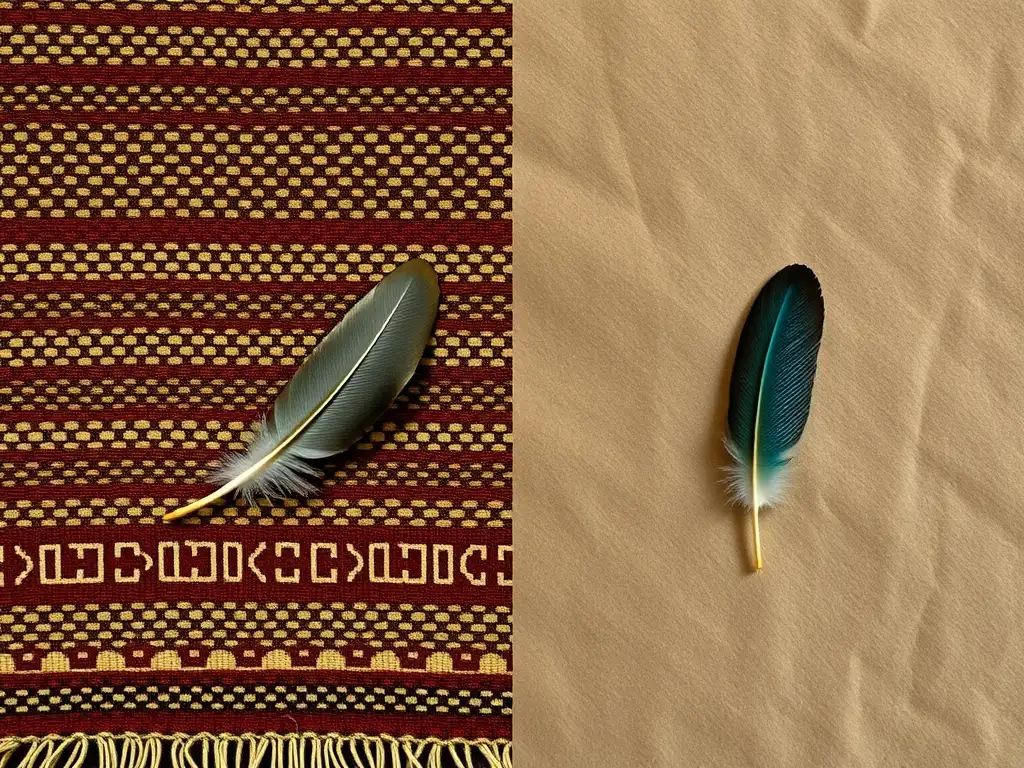
This section presents detailed case studies showcasing the key differences between authentic Andean artifacts and their modern replicas. Understanding these nuances is crucial for collectors aiming to acquire genuine Andean art and avoid costly mistakes. We'll analyze specific examples of Nazca pottery, Wari textiles, and Chimú metalwork, highlighting the telltale signs that distinguish originals from expertly crafted imitations. This analysis will strengthen your ability to confidently identify Andean art authentic replica.
Case Study 1: Nazca Pottery - Comparing Authentic and Replicated Vessels
Authentic Nazca pottery, renowned for its vibrant polychrome designs and intricate depictions of deities, animals, and daily life, is highly sought after by collectors. However, the market is flooded with replicas, many of which are skillfully produced to deceive the untrained eye. Distinguishing genuine pieces requires a keen eye for detail and a thorough understanding of the stylistic conventions of Nazca pottery.
One key difference lies in the clay itself. Authentic Nazca pottery typically utilizes local clays, resulting in a specific texture and color that can vary regionally. Replicas often use readily available clays, leading to inconsistencies in texture and a less authentic hue. Furthermore, the firing process significantly impacts the final product. Authentic vessels often exhibit subtle variations in color and slight imperfections due to the ancient firing techniques employed. Replicas, fired in modern kilns under controlled conditions, tend to have a more uniform and less "organic" appearance.
Another crucial aspect is the paint application. Authentic Nazca designs are characterized by precise lines and vibrant, yet often slightly muted, colors that have aged gracefully over centuries. The pigments used in ancient times are often mineral-based, resulting in a unique depth and luminosity. Replicas, on the other hand, frequently exhibit overly bright, artificial-looking colors and less refined brushstrokes. Examining the paint under magnification can reveal inconsistencies in pigment layering and application techniques, further distinguishing authentic pieces.
| Feature | Authentic Nazca Pottery | Replica Nazca Pottery |
|---|---|---|
| Clay Texture | Rough, slightly porous, regional variations present | Smooth, uniform, often artificial-looking |
| Color | Vibrant yet slightly muted, subtle variations in hue | Bright, uniform, possibly overly saturated |
| Paint Application | Precise lines, subtle blending, mineral-based pigments | Less precise, potentially artificial pigments, heavy brushstrokes |
| Firing Marks | Subtle variations in color and texture due to ancient firing | Uniform color and texture, typical of modern kiln firing |
Finally, the presence of repair marks can offer valuable insight. Authentic pieces may exhibit signs of ancient repairs, often using similar materials and techniques, reflecting the care and value placed upon these vessels by the original owners. Replicas rarely contain such signs, as they are typically manufactured as flawless copies.
Case Study 2: Wari Textiles - Analyzing Genuine and Modern Weavings
Wari textiles, known for their complex geometric patterns and the use of high-quality camelid fibers, present another fascinating area for comparative analysis. Identifying authentic Wari textiles requires a detailed understanding of the weaving techniques, fiber types, and dye materials employed during the Wari period.
Authentic Wari textiles are often characterized by their intricate, multi-colored designs and use of techniques like supplementary weft weaving. The fibers themselves, typically alpaca or llama wool, exhibit a unique texture and strength that is difficult to replicate perfectly. Careful examination under magnification can reveal the structure of the weave, the type of fiber used, and the presence of any inconsistencies or repairs that might indicate age and authenticity.
Replicas often utilize modern synthetic fibers or lower-quality camelid fibers, resulting in a different texture and sheen. The dyes used in modern replicas are often brighter and more uniform than those found in authentic Wari textiles, which tend to show signs of fading and color variation due to age and exposure. The weaving techniques employed in replicas might be simplified or lack the sophistication and precision found in genuine Wari textiles.
Furthermore, the overall aesthetic of an authentic piece often reflects a certain level of "imperfection" inherent to ancient handcraftsmanship. Replicas, on the other hand, may strive for an overly perfect appearance that can betray their modern origin.
Case Study 3: Chimú Metalwork - Identifying Authentic vs. Counterfeit Pieces
Chimú metalwork, celebrated for its intricate gold and silver objects, presents unique challenges for authentication. The high value of these artifacts makes them prime targets for counterfeiting. Identifying authentic Chimú metalwork requires an understanding of the metallurgical techniques, stylistic characteristics, and common hallmarks of the period.
Authentic Chimú metalwork often exhibits a unique patina, a surface discoloration that develops over time. This patina is a result of oxidation and environmental exposure, and its presence can be a strong indicator of age. Replicas often lack this natural patina or exhibit an artificially applied one that looks unnatural and inconsistent. The alloy composition of authentic Chimú metalwork can be analyzed using scientific methods to determine its authenticity. Modern replicas may use different alloys or lack the precise proportions of metals found in authentic pieces.
Furthermore, the casting and finishing techniques employed in authentic Chimú metalwork are often highly sophisticated, reflecting the advanced metallurgical skills of the Chimú artisans. Replicas may exhibit less refined casting techniques, resulting in imperfections or inconsistencies in the final product. The level of detail and craftsmanship in authentic Chimú metalwork is typically far superior to that found in modern replicas. The presence of any hallmark or identifying marks on the artifact, if verifiable, can also be crucial evidence of authenticity.
However, forgeries often attempt to mimic these marks, making careful analysis essential. Finally, the presence of any signs of ancient repair or wear can also point towards authenticity. Replicas generally appear pristine and devoid of such signs.
Where to Acquire Authentic Andean Art with Caution
Acquiring authentic Andean art requires meticulous research and a discerning eye. The market for pre-Columbian artifacts is unfortunately rife with forgeries, making careful sourcing paramount. While the thrill of the hunt is undeniable, prioritizing authenticity ensures you're investing in a genuine piece of history, not a cleverly crafted imitation. The allure of Andean art, with its intricate designs and rich cultural significance, makes it a prime target for counterfeiters. Therefore, understanding where to acquire these treasures and how to verify their authenticity is crucial for any serious collector. This section provides guidance on navigating the market safely and responsibly.
Reputable Galleries and Auction Houses specializing in Pre-Columbian Art
The most reliable avenues for acquiring authentic Andean art are established galleries and auction houses with a proven track record of specializing in pre-Columbian artifacts. These institutions typically employ expert appraisers and researchers who meticulously vet each piece before it's offered for sale. They often provide detailed provenance documentation, tracing the artifact's history and ownership back through time. This documentation is crucial in verifying authenticity and establishing the piece's legitimacy. Look for galleries and auction houses that:
- Have a long-standing reputation within the art world.
- Employ experienced and qualified specialists in pre-Columbian art.
- Provide comprehensive provenance documentation for each artifact.
- Offer detailed descriptions, including materials analysis and stylistic comparisons.
- Maintain transparency about the origin and acquisition history of their pieces.
Remember, a reputable dealer will be happy to answer your questions and provide evidence supporting the authenticity of their offerings. Don't hesitate to ask for additional information or a second opinion from an independent expert if you have any doubts. The investment in time and resources is well worth the peace of mind you'll gain knowing your collection is comprised of genuine Andean art. The presence of a certificate of authenticity, while not foolproof, is a positive indicator but should be scrutinized for accuracy and legitimacy. Always cross-reference information provided with other credible sources.
[Affiliate Link to a Reputable Auction House]
(This section would contain an affiliate link to a reputable auction house specializing in pre-Columbian art. Due to the limitations of this response, a placeholder is used.) Finding a reputable auction house is paramount. Look for those with established reputations and a history of handling high-value pre-Columbian artifacts. Before bidding, thoroughly research the auction house's policies, fees, and authentication procedures.
Pay close attention to the catalog descriptions, including any provenance information provided. Remember, even within reputable auctions, there is always a risk, so due diligence is essential. Consider seeking professional advice from an art conservator or Andean art specialist before placing any bids. The cost of professional consultation is a worthwhile investment to avoid purchasing a forgery. Remember to thoroughly read all terms and conditions before engaging in any transaction.
[Affiliate Link to a Gallery Specializing in Pre-Columbian Art]
(This section would contain an affiliate link to a reputable gallery specializing in pre-Columbian art. Due to the limitations of this response, a placeholder is used.) Reputable galleries often have extensive knowledge of Andean art and culture. They should be able to provide detailed information about the piece's origin, materials, and artistic style.
They also typically offer authentication services and provide certificates of authenticity. Engage in conversations with the gallery staff; their expertise and willingness to discuss the pieces' history and authenticity are key indicators of their credibility. Examine the gallery’s website for its history and reputation. Look for reviews and testimonials from other collectors.
Do not hesitate to ask for references and to contact other collectors who have purchased from the gallery. A reputable gallery will be transparent and readily available to answer your questions, fostering trust and confidence in your purchase. Remember, purchasing Andean art is an investment in cultural heritage; choosing the right source ensures its preservation and appreciation for generations to come.
Understanding the Risks of Online Marketplaces
The digital age has revolutionized access to art, including Andean artifacts. Online marketplaces offer a seemingly vast selection, but this convenience comes with significant risks for the unwary collector seeking authentic Andean art. Navigating these platforms requires a discerning eye and a healthy dose of skepticism. Many sellers, unfortunately, lack the expertise to accurately identify and describe their items, leading to unintentional misrepresentation.
Others may knowingly sell fakes or replicas, capitalizing on the demand for these culturally significant objects. The lack of physical inspection and the ease with which fraudulent images can be created significantly increase the probability of acquiring a counterfeit piece. This is further complicated by the sheer volume of items for sale, making it difficult to verify the provenance and authenticity of each piece individually.
The ease of creating convincing imitations, combined with the relative lack of regulation in some online marketplaces, presents a substantial challenge to even experienced collectors. Therefore, extreme caution is advised when purchasing Andean art online. Thorough research into the seller's reputation, coupled with a keen eye for detail, is paramount.
The absence of a physical examination is a major drawback. Unlike brick-and-mortar shops where you can handle the artifact, assess its weight, texture, and material composition, online purchases rely solely on photographs and descriptions. These can be easily manipulated or misleading. High-quality photographs might mask imperfections or subtle signs of forgery.
Conversely, poorly lit or low-resolution images can obscure crucial details that would otherwise help determine authenticity. Furthermore, descriptions often lack the necessary specificity, omitting vital information about the object's origin, age, and materials. This lack of transparency leaves the buyer vulnerable to deception, highlighting the importance of seeking additional verification from reputable experts before committing to a purchase. The allure of a bargain price online should always be tempered with a healthy dose of suspicion, especially when dealing with rare and valuable Andean artifacts.
Finally, consider the potential legal ramifications. Many Andean artifacts are protected under national and international laws regarding cultural heritage. Purchasing illicitly obtained objects can have severe legal repercussions, including fines and even criminal prosecution. Therefore, due diligence is crucial to ensure that the acquisition process is entirely legal and ethical.
This involves not only verifying the authenticity of the artifact but also confirming its legal export and sale. Online marketplaces, unfortunately, offer little guarantee in this area, underscoring the need for extreme caution and independent verification from authorities or recognized experts in Andean art and archaeology. The potential for legal repercussions adds another layer of complexity to the process of acquiring Andean art online, demanding a thorough understanding of the relevant regulations and a commitment to responsible collecting practices.
Protecting Yourself When Collecting Andean Art
Collecting Andean art can be a rewarding experience, connecting you with the rich history and vibrant culture of ancient civilizations. However, the market for Andean artifacts is unfortunately rife with forgeries and replicas, making it crucial to understand how to distinguish genuine pieces from imitations. This section provides essential guidance to help you navigate the world of Andean art collecting responsibly and confidently, ensuring your acquisitions are authentic and ethically sourced.
Understanding the nuances of Andean art styles, materials, and provenance is key to building a genuine collection and avoiding costly mistakes. The allure of owning a piece of history is undeniable, but protecting yourself from fraud requires diligence and a discerning eye.
Tips for Avoiding Counterfeit Andean Artifacts
The most effective way to safeguard yourself against counterfeit Andean art is through a combination of careful observation, thorough research, and reputable sourcing. Here are some specific tips to help you identify potential fakes:
- Examine the Materials: Authentic Andean artifacts often utilize specific materials such as pottery made from local clays, textiles woven from alpaca or llama wool, and metalwork crafted from gold, silver, or copper alloys. Counterfeits may use modern materials that lack the patina and characteristics of aged originals. Look for inconsistencies in the material's texture, color, and weight. For instance, a suspiciously light gold piece might indicate a less-precious metal core plated with a thin layer of gold.
- Analyze the Style and Craftsmanship: Each Andean civilization possessed a unique artistic style. Familiarize yourself with the characteristic features of the Moche's intricate pottery, the Nazca's stunning textiles, or the Inca's sophisticated metalwork. Counterfeiters often lack the skill and understanding to accurately replicate these stylistic details. Look for inconsistencies in the design elements, the precision of the craftsmanship, and the overall aesthetic coherence of the piece. Crudely applied paint, uneven weaving, or unnatural proportions are all red flags.
- Check for Signs of Age and Wear: Authentic Andean artifacts generally show signs of age and wear consistent with their age and material. These might include subtle cracks, discoloration, or scratches. While significant damage should raise concerns, a complete absence of wear can be just as suspicious. Counterfeits often appear too pristine, lacking the natural patina of age.
- Consider the Provenance: Provenance refers to the documented history of ownership of an artifact. Reputable dealers and auction houses will usually provide detailed information about where and when the piece was acquired. A lack of provenance or a suspiciously vague history should raise significant doubts about the authenticity of the piece. Requesting and verifying provenance is a crucial step.
- Seek Expert Opinions: If you have any doubts about the authenticity of a piece, seek the opinion of a qualified expert in Andean art. Museums, universities, and reputable dealers often have specialists who can provide authentication services. While this may involve a cost, it is a worthwhile investment to protect yourself from potential fraud.
Due Diligence and Research Before Purchasing
Before making any purchase, thorough research is paramount. This includes:
- Investigating the Seller: Conduct thorough research on the seller's reputation. Check online reviews, seek recommendations, and inquire about their return policy and authentication guarantees. Deal with established and reputable dealers whenever possible. Avoid sellers who are unwilling to provide information about the piece's provenance or who are offering exceptionally low prices.
- Comparing Prices: Research comparable pieces sold at auctions or through reputable dealers. Prices that are significantly lower than market value should raise suspicion. A price that is too good to be true often is.
- Utilizing Online Resources: Numerous online databases and resources catalog known examples of Andean art. Comparing the piece you're considering to these examples can help you identify potential inconsistencies or discrepancies. Use these resources to educate yourself about the typical characteristics of different Andean styles and materials.
By diligently following these tips and prioritizing thorough research, you can significantly reduce the risk of acquiring counterfeit Andean art. Remember, responsible collecting involves not only protecting yourself from fraud but also contributing to the preservation of cultural heritage. The acquisition of authentic Andean art should be a journey of discovery, appreciation, and respect for the rich history it represents. 🛍️
Final Thoughts on Collecting Authentic Andean Art
Collecting Andean art can be a deeply rewarding experience, offering a tangible connection to a rich and fascinating past. However, navigating the world of authentic artifacts and skillfully crafted replicas requires careful consideration and a discerning eye. This section emphasizes the crucial aspects of responsible collecting and appreciating the cultural significance of these pieces.
Remember, owning a piece of Andean art is not merely about possessing an aesthetically pleasing object; it's about understanding and respecting its history and the culture it represents. The market for Andean art, unfortunately, is rife with forgeries, making authentication crucial for both ethical and financial reasons. Successfully identifying genuine Andean art from replicas depends on a combination of knowledge, research, and a healthy dose of skepticism.
Appreciating the Cultural Significance of Andean Art
Understanding the cultural context is paramount when considering the acquisition of any Andean artifact. Each piece tells a story, reflecting the beliefs, traditions, and daily lives of the Andean people across millennia. A seemingly simple ceramic pot might have been used in religious ceremonies, while a meticulously crafted textile could represent a family's history or social standing.
Ignoring this context reduces these objects to mere commodities, stripping them of their inherent value and significance. For example, a Nazca ceramic depicting a deity is not just a pretty artifact; it's a window into the complex religious beliefs of that civilization. Similarly, a pre-Columbian textile, with its intricate weaving techniques and symbolic patterns, speaks volumes about the advanced technological skills and artistic sensibilities of the Andean people.
By appreciating this cultural depth, collectors become custodians of history, ensuring that these pieces remain meaningful and relevant for future generations. Authenticating Andean art is not just about proving its age; it's about understanding its soul.
The Importance of Responsible Collecting and Preservation
Responsible collecting goes beyond simply acquiring authentic pieces. It involves actively contributing to the preservation of Andean cultural heritage. This includes supporting ethical sourcing, avoiding the black market, and ensuring that any acquired artifacts are properly cared for and conserved. Purchasing from reputable dealers who can provide provenance documentation – a detailed history of the artifact's ownership – is crucial.
This helps to ensure that the piece wasn't looted or illegally obtained. Furthermore, proper storage and handling are essential to prevent damage. Consider the environmental conditions – temperature and humidity – that are ideal for preserving the artifact. Neglecting these aspects can lead to irreversible damage, diminishing both the aesthetic and historical value of the piece.
The ethical acquisition and preservation of Andean art are not just good practice; they are essential for ensuring that this rich cultural heritage is protected and appreciated for years to come. By engaging in responsible collecting, we actively contribute to the ongoing study and understanding of Andean civilizations, ensuring that their legacy continues to inspire and educate us. Remember, a responsible collector is a guardian of history 🌎.
Frequently Asked Questions
How can I tell if a piece of Andean art is an authentic replica?
Authenticity requires expert examination. Look for consistent patina, quality of materials, and stylistic details specific to the culture and time period. Consult reputable dealers and appraisers.
What are some common characteristics of authentic Andean artifacts?
Authentic pieces often show signs of age and wear, possess unique craftsmanship, and exhibit stylistic elements consistent with known artistic traditions of specific Andean cultures (e.g., Inca, Moche). Material analysis can also be crucial.
Where can I find reliable sources for authentic Andean art?
Seek out reputable museums, established galleries, and licensed dealers specializing in pre-Columbian artifacts. Be wary of online marketplaces with unverified sellers. Always request provenance documentation.
What are some red flags indicating a potential replica?
Perfect condition, unusually low price, lack of provenance, and inconsistencies in style or materials are all warning signs. Overly bright or uniform colors can also suggest a modern reproduction.
What kind of materials were commonly used in authentic Andean art?
Authentic Andean art frequently utilizes gold, silver, bronze, stone, ceramics, textiles, and wood. The specific materials and techniques varied significantly across different Andean cultures and time periods. Careful observation of these factors is essential.
Final Reflection: The Enduring Legacy of Andean Art
The ability to discern genuine Andean art from skillful replicas is not merely a matter of connoisseurship; it is a crucial step in preserving a rich cultural heritage for future generations. The illicit trade in counterfeit artifacts actively undermines the historical and artistic value of these pieces, threatening the very legacy they represent. This knowledge, therefore, is not just for collectors, but for anyone who appreciates the beauty and significance of Andean civilization.
The enduring power of Andean art lies not only in its aesthetic appeal but also in its ability to connect us to a vibrant past. It speaks of intricate belief systems, sophisticated techniques, and a deep connection to the land. The more we understand the nuances of authentic pieces, the better equipped we are to protect this legacy. Art washes away from the soul the dust of everyday life.
– Pablo Picasso. This quote, while not directly about Andean art, speaks to the transformative power of art itself, a power that is particularly potent when considering the ancient artistry of the Andes.
Consider the implications of this knowledge. You now possess the tools to critically examine a piece of Andean art, to appreciate its authenticity, and to contribute to the responsible stewardship of this cultural treasure. Take the time to learn more, to share your knowledge, and to support ethical practices within the art world. By doing so, you become a guardian of history, ensuring that the allure of Andean art continues to inspire and enlighten for centuries to come.
Unveil the Beauty of Authentic Andean Art!
Thank you for exploring the captivating world of Andean art! We hope you've gained valuable insights into identifying genuine pieces. Now, let's put that knowledge to practical use!
Here are some empowering steps you can take:
- Explore Reputable Online Galleries: Begin your search for authentic Andean art on trusted online marketplaces and galleries. Use your newfound expertise to discern genuine pieces from imitations.
- Connect with Fellow Enthusiasts: Join a local art group to share your passion and engage in discussions about Andean art styles and techniques with other enthusiasts.
- Share Your Knowledge: Host a gathering or online presentation to educate friends and family about the beauty and craftsmanship of authentic Andean art, and how to appreciate its unique qualities.
What piece of Andean art are you most excited to discover or add to your collection? Share your thoughts in the comments!