
The Artisan's Path: Navigating the Best Markets for Handmade Andean Treasures

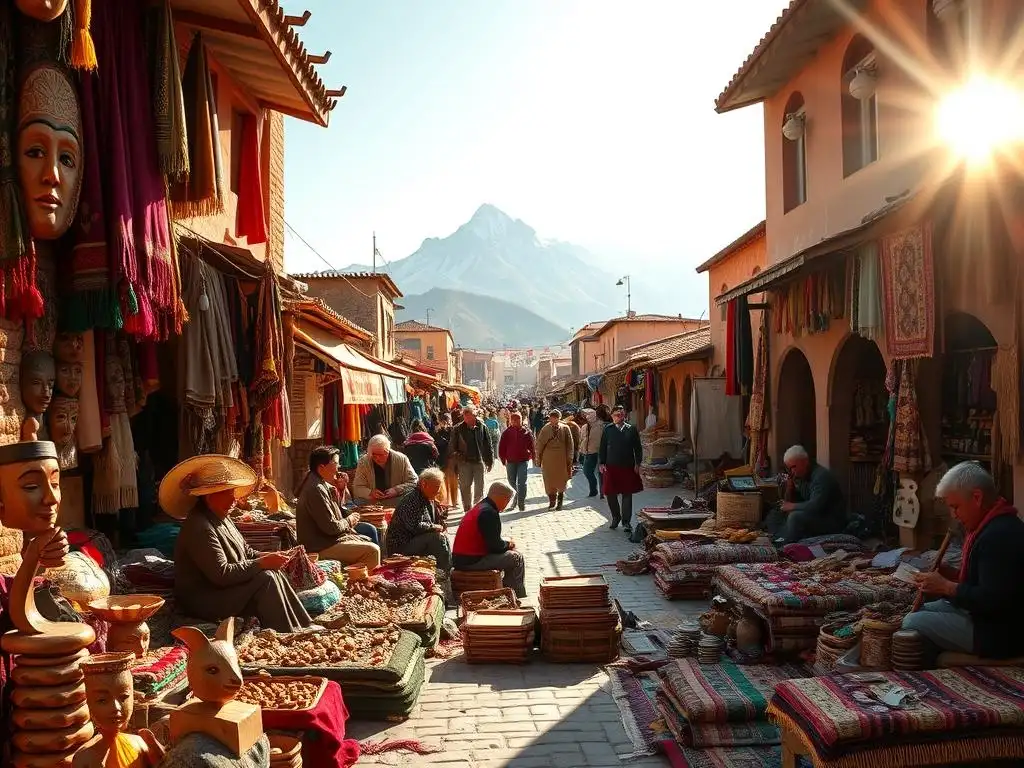
Step into a world lost in time, yet vibrantly alive. Imagine uncovering the secrets woven into the very fabric of Andean culture. This isn't just history; it's a journey through breathtaking artistry and ingenuity. Prepare to be captivated by the Andean handmade market treasures – from intricate textiles to awe-inspiring ceramics – and discover the stories behind these extraordinary artifacts. Dive in and unlock the mysteries of the Andean civilizations, one exquisite piece at a time.
The Andes Mountains, a spine of majestic peaks running down the western coast of South America, are home to a rich tapestry of ancient cultures. For centuries, skilled artisans have crafted breathtaking textiles, intricate ceramics, and stunning metalwork, reflecting the unique spirit and ingenuity of Andean civilizations. Today, these traditions continue, and a vibrant market for authentic Andean handicrafts thrives.
This article serves as your guide to discovering the best places to find these unique treasures, ensuring you're not just purchasing a souvenir, but a piece of history, a testament to the enduring legacy of Andean artistry. We'll explore various markets, highlighting what makes each a unique destination for acquiring exceptional Andean handmade market treasures, from bustling city centers to remote artisan villages. Prepare to embark on a journey of discovery, where every purchase tells a story.
Unveiling the Richness of Andean Handmade Market Treasures
The allure of Andean handicrafts lies in their unparalleled craftsmanship and deep cultural significance. Each piece tells a story, woven into the intricate designs and meticulously crafted details. From the vibrant colors of hand-spun alpaca wool textiles to the finely detailed silver jewelry, every item reflects a unique artistic expression and traditional techniques passed down through generations. Consider the following examples:
- Textiles: The intricate weaving techniques, often incorporating ancient patterns and symbols, are a testament to the skill and artistry of Andean women. The use of natural dyes derived from plants and minerals adds to the vibrancy and uniqueness of each piece. The variety is astounding, ranging from finely woven shawls and blankets to intricately embroidered clothing.
- Ceramics: Andean pottery showcases a remarkable mastery of form and decoration. From the simple elegance of early pottery to the highly stylized figures of later periods, the craftsmanship is remarkable. Many pieces feature intricate designs, often depicting scenes from daily life, mythology, or religious ceremonies. The use of different clays and firing techniques contributes to the diversity of colors and textures.
- Metalwork: Andean metalworkers have long been renowned for their skill in working with gold, silver, and copper. The intricate designs, often incorporating animal motifs or geometric patterns, are breathtaking. Many pieces feature inlaid stones or other decorative elements. The techniques used, some dating back centuries, are truly impressive.
The sheer variety and quality of these handmade treasures make exploring the markets a truly enriching experience. The opportunity to connect directly with artisans and learn about their craft adds another layer to the experience, transforming a simple purchase into a meaningful cultural exchange.
Understanding the Allure of Authentic Andean Crafts
Beyond their aesthetic appeal, authentic Andean crafts offer a tangible connection to a rich cultural heritage. Purchasing these items directly supports the artisans and their communities, helping to preserve traditional skills and knowledge for future generations. However, it's crucial to be aware of the differences between authentic handcrafted items and mass-produced imitations.
Authentic Andean crafts are often characterized by:
| Feature | Authentic Craft | Imitation |
|---|---|---|
| Materials | High-quality natural materials (alpaca wool, silver, etc.) | Often synthetic or lower-quality materials |
| Craftsmanship | Meticulous detail and hand-finishing | Often machine-made or poorly finished |
| Design | Unique and often incorporates traditional patterns | Generic or mass-produced designs |
| Pricing | Generally higher, reflecting the skill and time involved | Significantly lower prices |
By understanding these key distinctions, you can ensure you're purchasing authentic pieces that truly reflect the artistry and cultural heritage of the Andes. This ensures not only a beautiful addition to your collection but also a contribution to the preservation of a vital cultural tradition. The journey to find these treasures is as rewarding as owning them. The vibrant energy of the markets, the interaction with the artisans, and the discovery of unique pieces all contribute to a truly unforgettable experience.
- Unveiling the Richness of Andean Handmade Market Treasures
- Understanding the Allure of Authentic Andean Crafts
Top Destinations for Discovering Authentic Andean Handicrafts
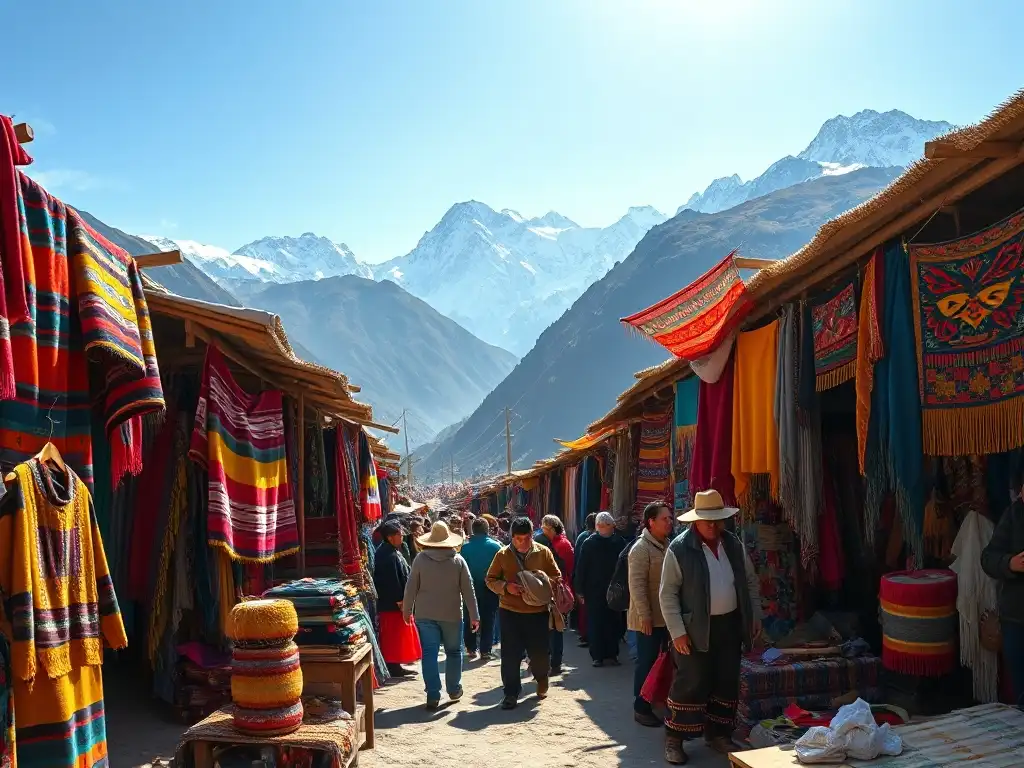
This section delves into specific locations renowned for their exceptional offerings of Andean handmade market treasures. We'll explore the unique characteristics of each market, highlighting the types of handicrafts available and providing insights into what makes them special. Remember, authentic Andean craftsmanship represents centuries of tradition and skill, so discerning the genuine articles from imitations is key to a rewarding shopping experience. This requires careful observation and, often, a willingness to engage in conversation with the artisans themselves.
Cusco, Peru: The Heart of Inca Craftsmanship
Cusco, nestled high in the Andes, pulsates with the legacy of the Inca Empire. Its markets overflow with breathtaking examples of Andean handmade market treasures, reflecting both ancient traditions and contemporary interpretations. The city's strategic location and rich history have ensured a vibrant artisan community for generations.
Exploring the San Blas Artisan Market in Cusco
The San Blas Artisan Market in Cusco is a must-visit for anyone seeking high-quality, authentic Andean handicrafts. Nestled in the charming San Blas neighborhood, known for its cobblestone streets and colonial architecture, this market offers a curated selection of goods. Expect to find intricately woven textiles, stunning silver jewelry incorporating traditional Inca designs, and finely carved wooden sculptures.
The artisans here are often eager to discuss their craft, providing valuable insights into the techniques and symbolism embedded within their work. You'll encounter a diverse range of styles, from traditional designs passed down through generations to more modern interpretations that retain the essence of Andean artistry. Remember to haggle respectfully; it's part of the cultural experience!
Finding High-Quality Silver Jewelry
Cusco is particularly famous for its silver jewelry. Many workshops and stalls showcase pieces incorporating traditional Inca motifs, such as the chakana (Andean cross) and stylized representations of animals found in Andean mythology. When selecting silver jewelry, look for hallmarks indicating the purity of the silver. A reputable artisan will be happy to discuss the origins of their materials and the techniques used in crafting their pieces.
Consider the weight and craftsmanship of the piece; high-quality silver jewelry will feel substantial and well-made. Don't be afraid to ask questions; knowledgeable artisans are proud of their work and happy to share their expertise. The variety available ensures you'll find a piece that perfectly captures the spirit of Andean craftsmanship, a true Andean handmade market treasure.
Otavalo, Ecuador: A Textile Paradise
Otavalo, Ecuador, is synonymous with exceptional textiles. The Otavalo Market, held every Saturday, is legendary for its vast array of vibrant hand-woven goods. The sheer volume and quality of the textiles on offer make it a truly unforgettable experience for anyone interested in Andean handmade market treasures.
The Otavalo Market: A Weaving Wonderland
The Otavalo Market is a sensory explosion. Rows upon rows of brightly colored textiles—shawls, ponchos, tapestries, and rugs—stretch as far as the eye can see. The indigenous Otavalo people have perfected the art of weaving for centuries, passing down their skills and techniques through generations. The market offers an incredible range of styles, colors, and designs, reflecting the rich cultural heritage of the region.
You'll find everything from traditional designs featuring intricate geometric patterns to more contemporary pieces incorporating modern influences. The sheer scale of the market can be overwhelming, but take your time to explore and appreciate the incredible craftsmanship on display. Remember to negotiate respectfully, and be prepared to be amazed by the sheer artistry and diversity of the Andean handmade market treasures available.
Beyond Textiles: Other Otavalo Artisan Goods
While textiles are the undisputed stars of the Otavalo Market, you'll also find a wide variety of other artisan goods. Leather goods, ceramics, and wood carvings are readily available, each reflecting the unique aesthetic and cultural traditions of the region. These items often incorporate traditional Andean designs and motifs, making them truly special souvenirs.
The market provides a vibrant and immersive experience, allowing you to connect directly with the artisans and learn more about their craft. The variety and quality of goods available make it a treasure trove of Andean handmade market treasures, a testament to the enduring artistry of the region.
La Paz, Bolivia: A Blend of Tradition and Innovation
La Paz, Bolivia's bustling capital, offers a captivating blend of ancient traditions and modern innovation, making it a prime destination for those seeking authentic Andean handicrafts. The city's vibrant markets overflow with textiles, ceramics, jewelry, and artwork, each piece whispering tales of Andean heritage. Navigating these markets requires a keen eye and a willingness to haggle, but the rewards are well worth the effort.
You'll find everything from intricately woven textiles showcasing centuries-old techniques to contemporary interpretations of traditional designs, reflecting the dynamic evolution of Andean artistry. The sheer volume and variety of goods available make La Paz a treasure trove for collectors and enthusiasts alike. The energy is palpable; the air hums with the sounds of bartering and the vibrant colors of the handicrafts themselves create a sensory overload in the best possible way.
Finding truly unique pieces reflecting the rich cultural heritage of Bolivia is almost guaranteed. Remember to be respectful of local customs and traditions while exploring these vibrant markets.
The Witches' Market and Andean Shamanic Crafts
The Witches' Market, or Mercado de las Brujas, is perhaps La Paz's most infamous and captivating market. While it’s known for its eclectic array of medicinal herbs, llama fetuses, and other shamanic paraphernalia, it also houses a fascinating collection of Andean handicrafts deeply rooted in spiritual beliefs. These aren't simply souvenirs; they are objects imbued with meaning and purpose, reflecting the enduring influence of Andean shamanism on Bolivian culture.
You'll find intricately carved wooden figurines representing deities and spirits, amulets crafted from precious stones believed to offer protection, and intricately woven textiles used in traditional ceremonies. Exploring this market offers a unique window into the spiritual side of Andean culture, revealing a layer of craftsmanship often overlooked in more conventional markets.
However, it's crucial to approach this market with respect and sensitivity, understanding the cultural significance of the items on display. Remember, these are not merely decorative objects but hold deep spiritual meaning for many Bolivians.
Contemporary Andean Crafts in La Paz
Beyond the traditional markets, La Paz also boasts a thriving scene of contemporary Andean crafts. Numerous galleries and studios showcase the work of emerging and established artists who are reinterpreting traditional techniques and designs in innovative ways. This fusion of tradition and modernity results in breathtaking pieces that appeal to a wider audience while preserving the essence of Andean artistry.
These contemporary artisans often experiment with new materials and techniques, incorporating elements of modern design while retaining the core values and aesthetics of their heritage. You might find stunning jewelry crafted from recycled materials, contemporary paintings inspired by ancient iconography, or innovative textiles that blend traditional weaving techniques with modern patterns.
This vibrant scene demonstrates the enduring relevance of Andean craftsmanship in the 21st century, showcasing its ability to adapt and evolve while remaining deeply rooted in its rich history. Exploring these contemporary spaces offers a chance to discover pieces that represent a unique intersection of tradition and innovation, making them particularly valuable additions to any collection of Andean handmade treasures.
Maximizing Your Experience in the Andean Handmade Market
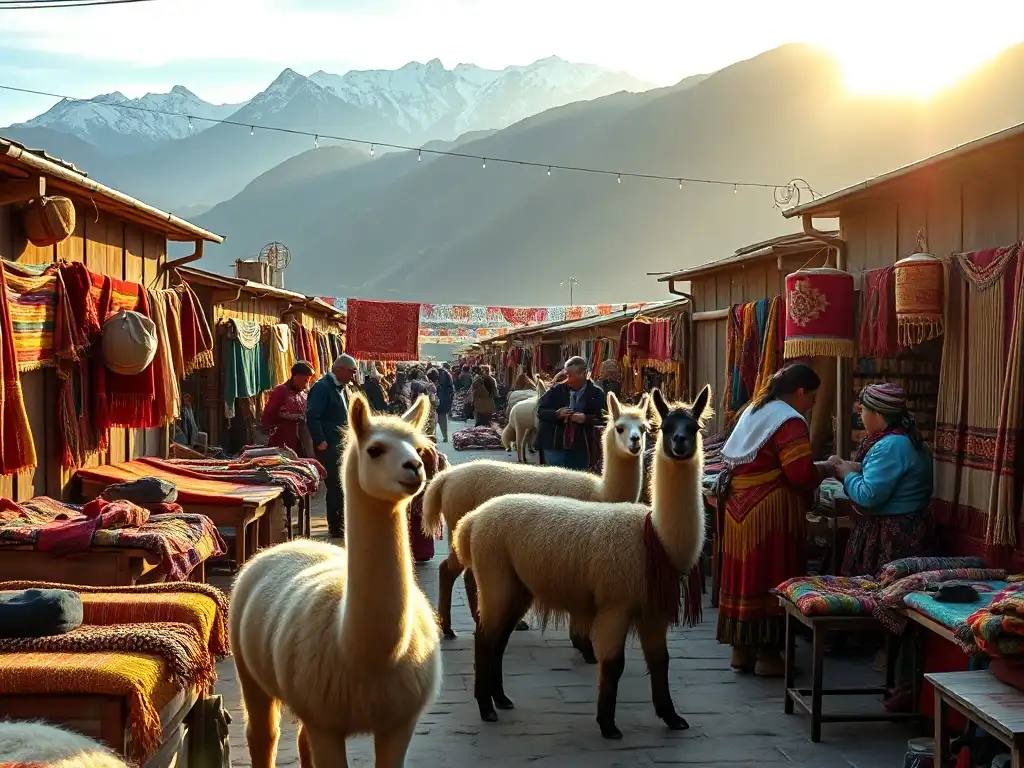
This section focuses on maximizing your experience when shopping for Andean handmade market treasures. We'll explore strategies to ensure you acquire authentic pieces and understand the nuances of pricing and care. Remember, supporting local artisans directly contributes to the preservation of invaluable cultural heritage.
Tips for Buying Genuine Andean Crafts
Finding authentic Andean handicrafts requires a discerning eye and a little knowledge. Many markets offer items mass-produced elsewhere, marketed as "Andean." To avoid disappointment and ensure you're supporting genuine artisans, consider these tips:
- Look for intricate details: Authentic Andean textiles often feature complex weaving techniques, unique patterns, and natural dyes. Examine the piece closely for inconsistencies that might indicate machine production. Look for imperfections – these are often a sign of true handcraftsmanship, not a flaw.
- Ask about the origin and materials: Don't hesitate to ask vendors about the origins of the materials and the crafting process. Legitimate artisans are usually proud to share their knowledge and heritage. Inquire about the specific region or community where the item was made. This helps you trace its provenance and appreciate its cultural significance.
- Seek out cooperatives and artisan workshops: Many communities organize themselves into cooperatives, offering a more direct connection to the creators and ensuring fair trade practices. Visiting these workshops provides a unique insight into the craftsmanship and allows you to purchase directly from the source, contributing more directly to the artisan’s livelihood.
- Be wary of overly low prices: Extremely low prices often indicate mass-produced imitations. While bargaining is common, a price significantly below the average for similar items should raise a red flag. Remember you are purchasing a piece of history and cultural heritage.
Caring for Your Andean Treasures
Your Andean handmade market treasures are more than just souvenirs; they are pieces of history and artistry. Proper care ensures these items remain beautiful and functional for generations.
Preserving the Quality of Handwoven Textiles
Andean textiles, often made from alpaca or llama wool, require specific care to maintain their quality and vibrancy.
- Gentle hand washing is recommended: Avoid harsh detergents and machine washing. Use a mild soap and cool water, gently pressing the fabric to remove dirt. Avoid twisting or wringing, which can damage the fibers. Air dry flat, away from direct sunlight.
- Professional cleaning for delicate items: For particularly delicate or intricately woven pieces, professional cleaning by a specialist in textile conservation is advisable. This ensures that the delicate fibers and dyes are not harmed by improper washing techniques.
- Proper storage is crucial: Store textiles in a cool, dry place, away from direct sunlight and moisture. Use acid-free tissue paper between layers to prevent damage and maintain their shape.
Maintaining the Luster of Silver Jewelry
Andean silver jewelry, often adorned with intricate designs, requires careful handling to preserve its shine and prevent tarnishing.
- Regular cleaning with a soft cloth: Gently wipe your silver jewelry with a soft, lint-free cloth after each use to remove dust and oils. This simple step helps prevent tarnish buildup.
- Avoid harsh chemicals: Keep your silver jewelry away from harsh chemicals, such as chlorine and perfumes, which can damage the silver and cause discoloration.
- Storage in airtight containers: Store your silver jewelry in airtight containers or pouches to protect it from air and moisture, which accelerate tarnishing. Consider using anti-tarnish strips or cloths inside the containers for added protection. These simple steps will help to keep your Andean silver treasures gleaming for years to come. Remember, proper care will help preserve these beautiful pieces for generations.
The Lasting Legacy of Andean Handicraft Traditions
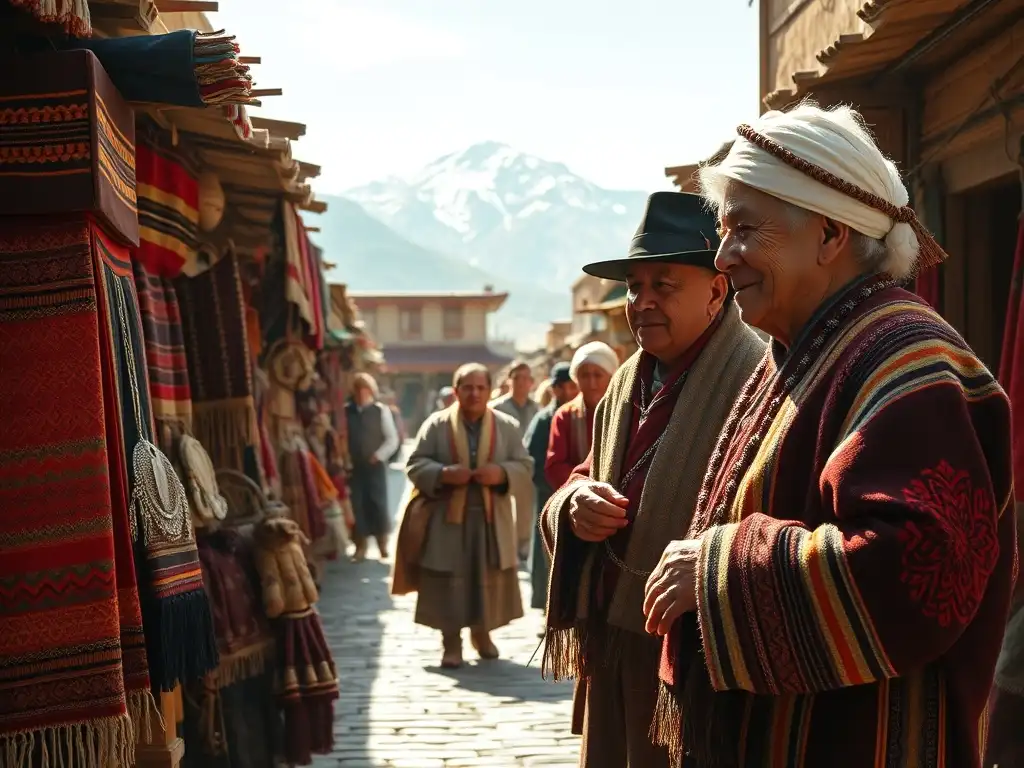
The enduring appeal of Andean handicrafts lies not only in their aesthetic beauty but also in the rich tapestry of cultural heritage woven into each piece. For centuries, Andean artisans have passed down intricate techniques and designs, resulting in unique objects that reflect a profound connection to their ancestral past and the natural world. From the intricate textiles of the Andes, vibrant with symbolic patterns and dyed with natural pigments, to the meticulously crafted ceramics showcasing ancestral motifs, each item tells a story.
This legacy is a testament to the ingenuity and resilience of Andean communities, who have adapted and innovated while preserving their traditional skills. The continuation of these practices is crucial for cultural preservation and the economic empowerment of Andean communities. Understanding this legacy allows us to appreciate the true value of these "Andean handmade market treasures."
Supporting Andean Artisans and Sustainable Practices
Supporting Andean artisans directly contributes to the preservation of their cultural heritage and sustainable economic development within their communities. Purchasing handicrafts from reputable sources ensures that the artisans receive fair compensation for their work, fostering a sense of pride and encouraging the continuation of their traditions. Look for organizations and markets that prioritize ethical sourcing and transparent pricing. Consider the materials used—are they sustainably sourced?
Do the production methods minimize environmental impact? By asking these questions, we can make informed choices that support both the artisans and the environment. This conscious consumption helps to combat issues such as cultural appropriation and the exploitation of artisans, ensuring that the beauty and cultural significance of Andean handmade market treasures are preserved for generations to come.
Choosing to purchase Andean handicrafts is more than just acquiring a beautiful object; it's an investment in the well-being of Andean communities and the preservation of their unique cultural heritage. This conscious consumerism directly impacts the livelihood of artisans and their families, allowing them to continue practicing their craft and passing on their skills to future generations. It's a tangible way to participate in preserving a vibrant cultural legacy.
The intricate details, the rich colors, and the stories embedded within each piece are a testament to the dedication and skill of these artisans. By supporting them, we become active participants in sustaining this invaluable cultural heritage.
Investing in Culture: The Value of Andean Handmade Market Treasures
The value of Andean handmade market treasures extends far beyond their monetary worth. These objects are tangible links to a rich history, embodying centuries of tradition, innovation, and artistry. They are not mere commodities but cultural artifacts imbued with meaning and symbolism.
Each piece reflects the unique aesthetic sensibilities and spiritual beliefs of the Andean people, offering a window into their worldview and artistic expression. Consider the intricate weaving techniques passed down through generations, the symbolic representations woven into the fabric, or the meticulous detail in ceramic sculptures. These are not just decorative items; they are expressions of cultural identity and historical narratives.
The monetary value of these treasures often appreciates over time, making them not only culturally significant but also potentially sound investments. However, their true worth lies in their contribution to cultural preservation and the support they provide to Andean communities. By acquiring these handcrafted items, you are not only adding to your personal collection but also contributing to the economic empowerment of Andean artisans and the preservation of their invaluable cultural heritage.
Recognizing this multifaceted value – cultural, historical, and economic – is crucial for appreciating the true significance of Andean handmade market treasures. Investing in these pieces is investing in the vibrant tapestry of Andean culture itself. It's a tangible way to honor and support the legacy of these exceptional artisans and their enduring traditions.
Frequently Asked Questions
Where can I find the best Andean handmade market treasures?
You'll find incredible handmade treasures in various locations throughout the Andes. Larger cities like Cusco and Quito offer diverse markets, while smaller towns and villages often feature more unique, locally-made crafts. Explore both for the best selection!
What kind of handcrafted items can I expect to find?
The Andean region boasts a rich variety of handcrafted goods. Expect to find textiles, pottery, jewelry, wood carvings, and musical instruments, each reflecting the unique artistic traditions of different Andean cultures.
Are the prices negotiable in Andean markets?
In many Andean markets, negotiating prices is customary and even expected. Don't be afraid to politely haggle for a better price, especially when purchasing multiple items. Remember to be respectful.
How can I ensure I'm buying authentic Andean handicrafts?
Look for items with distinct regional styles and ask vendors about the materials and origins of their products. Supporting local artisans directly increases your chances of acquiring genuine, high-quality goods.
What is the best time of year to visit Andean markets for the best selection?
While markets are open year-round, the best selection and perhaps the most vibrant atmosphere might be found during local festivals and celebrations. Research specific market events to plan your trip accordingly.
Final Reflection: Weaving a Future for Andean Artisans
The global marketplace offers unprecedented opportunities for Andean artisans, yet navigating its complexities remains a crucial challenge. The vibrant tapestry of handmade treasures, from intricate textiles to finely crafted silver, deserves a wider stage, and understanding the best avenues for their sale is paramount to their continued success and the preservation of invaluable cultural heritage.
The journey of these artisans, their dedication to preserving ancient techniques while adapting to modern demands, has profoundly impacted me. Their resilience and artistry are a testament to the enduring power of human creativity. The hands that create are the hands that heal,
a phrase often whispered in Andean communities, speaks to the deep connection between craft, community, and well-being. This connection, however, is fragile and requires our conscious support to thrive.
Consider the impact of your purchasing choices. By actively seeking out authentic Andean crafts through ethical channels, you not only acquire unique and beautiful pieces but also contribute directly to the economic empowerment of these communities, ensuring the continuation of their traditions for generations to come. Let the beauty of these treasures inspire you to seek out the stories behind them, to support sustainable practices, and to become a conscious consumer who values both artistry and ethical sourcing. Let us, together, weave a brighter future for the artisans of the Andes.
Unleash Your Inner Artisan: Dive into Handmade Treasures!
Thank you for exploring the vibrant world of handcrafted Andean goods with us! We hope you feel inspired to continue your journey, whether you're searching for unique pieces or learning more about the artistry and techniques involved. Here's how you can connect with this rich cultural heritage:
- Visit a Local Market: Explore a nearby artisan market or craft fair and immerse yourself in the beauty of Andean art. Discover handcrafted pieces that resonate with you!
- Share Your Discoveries: Share photos of your favorite finds on social media, tagging us! Let the world see the inspiring craftsmanship.
- Take a Workshop: Learn directly from Andean artisans, deepening your appreciation for and understanding of this timeless craft.
What unique handcrafted item are you excited to discover or create next? Let us know in the comments!