
Preserving the Nazca Lines: Threats and Conservation Efforts

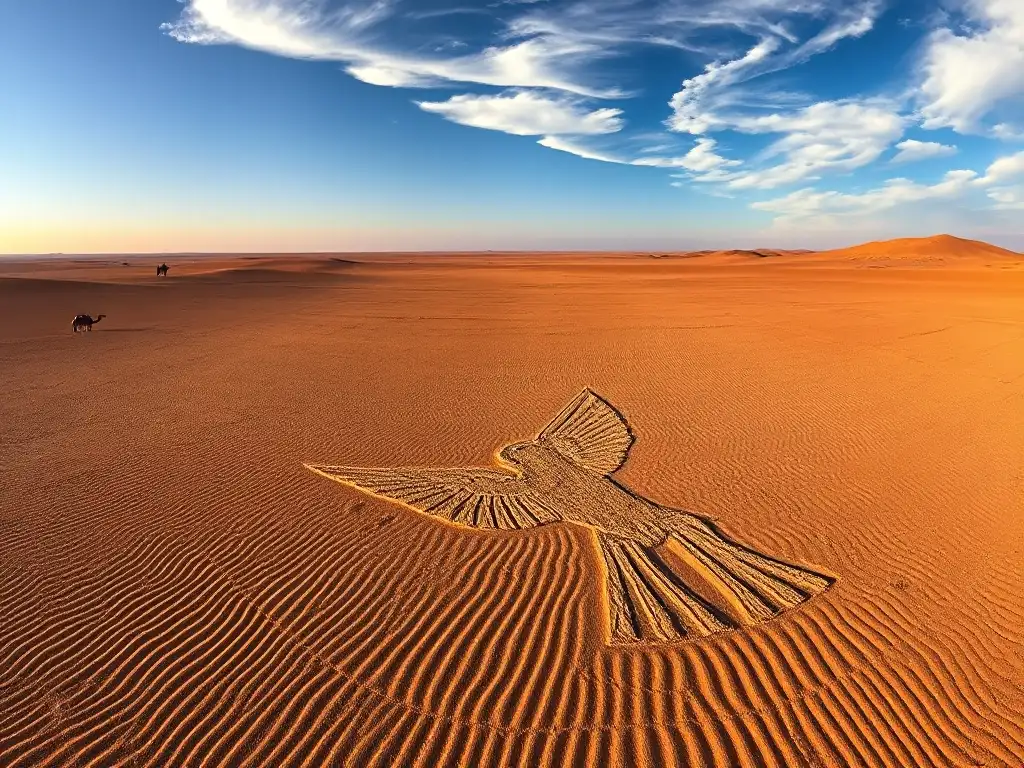
Step into a world lost to time, yet whispering secrets across millennia. Imagine soaring above the Peruvian desert, witnessing the enigmatic Nazca Lines etched into the earth. But these ancient marvels face modern threats. Discover the urgent story behind Nazca Lines conservation efforts and the fight to preserve this incredible legacy for future generations. Unravel the mysteries and join the journey to protect one of the world's most fascinating archaeological wonders.
The Nazca Lines, a collection of ancient geoglyphs etched into the Peruvian desert, represent one of the most enigmatic and awe-inspiring achievements of pre-Columbian civilizations. These vast designs, visible only from the air, depict animals, plants, geometric shapes, and stylized human figures, spanning hundreds of square kilometers. Their creation, purpose, and longevity have captivated archaeologists, historians, and the public alike, sparking countless theories and ongoing research.
This article delves into the multifaceted threats facing these invaluable historical treasures and explores the crucial conservation efforts underway to protect them for future generations. Understanding the fragility of the Nazca Lines and the complexities of their preservation is paramount to ensuring their survival as a testament to human ingenuity and a window into a fascinating past.
The scale of the challenge, coupled with the urgency of the situation, highlights the importance of continued research, innovative conservation techniques, and global awareness of the Nazca Lines' significance. The need to balance preservation with responsible tourism and public access is a key aspect of this ongoing conversation.
Introduction to the Nazca Lines and Their Significance
The Nazca Lines, located in the Nazca Desert of southern Peru, are a series of geoglyphs created by the Nazca culture between 500 BCE and 500 CE. These intricate designs, etched into the desert surface by removing the dark reddish-brown pebbles to reveal the lighter subsoil, range in size from simple lines to complex figures spanning hundreds of meters. Their immense scale and the mystery surrounding their purpose have made them a UNESCO World Heritage site and a major tourist attraction.
The lines themselves are not just visually stunning; they represent a sophisticated understanding of geometry, engineering, and possibly astronomy. The sheer effort required to create these massive designs, using only rudimentary tools, underscores the importance the Nazca culture placed on this undertaking.
While their exact meaning remains debated, the Nazca Lines provide invaluable insights into the beliefs, rituals, and societal structures of this remarkable civilization. Their preservation is not simply about safeguarding ancient artwork; it's about preserving a crucial piece of human history and cultural heritage.
The Unique Nature of the Nazca Geoglyphs
The Nazca Lines' vulnerability stems from their unique location and composition. The desert's arid climate, while initially protective, is also fragile. The very thin layer of dark pebbles that defines the lines is easily disturbed by natural elements and human activity.
Erosion caused by wind and occasional flash floods poses a constant threat, gradually obscuring the designs. The delicate nature of the geoglyphs makes them highly susceptible to damage from even minimal human interference. The lines are not raised structures; they are essentially depressions in the surface, making them particularly vulnerable to trampling and other forms of physical damage.
Furthermore, the lack of vegetation in the desert means there is little natural stabilization to protect the lines from the elements. Understanding this fragility is critical to developing effective conservation strategies. The challenge lies in balancing the need to protect these irreplaceable artifacts with the desire to make them accessible to the public.
Understanding the Cultural Importance of the Nazca Lines
The Nazca Lines are not merely artistic creations; they hold profound cultural significance for Peru and the world. They represent a unique expression of a sophisticated civilization's worldview, beliefs, and rituals. The lines' enduring mystery—their purpose remains largely unknown—only adds to their cultural fascination. Many theories have been proposed, ranging from astronomical observatories to ceremonial pathways or representations of deities. Regardless of their exact purpose, the Nazca Lines are a powerful symbol of human creativity and ingenuity. Their preservation is therefore not just a matter of historical preservation but also a responsibility to future generations to safeguard this vital link to our shared past. The continued study and interpretation of these geoglyphs contribute to our understanding of ancient Andean cultures and their intricate relationship with their environment. Protecting the Nazca Lines is an act of preserving a significant part of Peru's cultural identity and sharing this legacy with the world.
- Introduction to the Nazca Lines and Their Significance
- The Unique Nature of the Nazca Geoglyphs
- Understanding the Cultural Importance of the Nazca Lines
Threats to the Nazca Lines: Challenges to Preservation
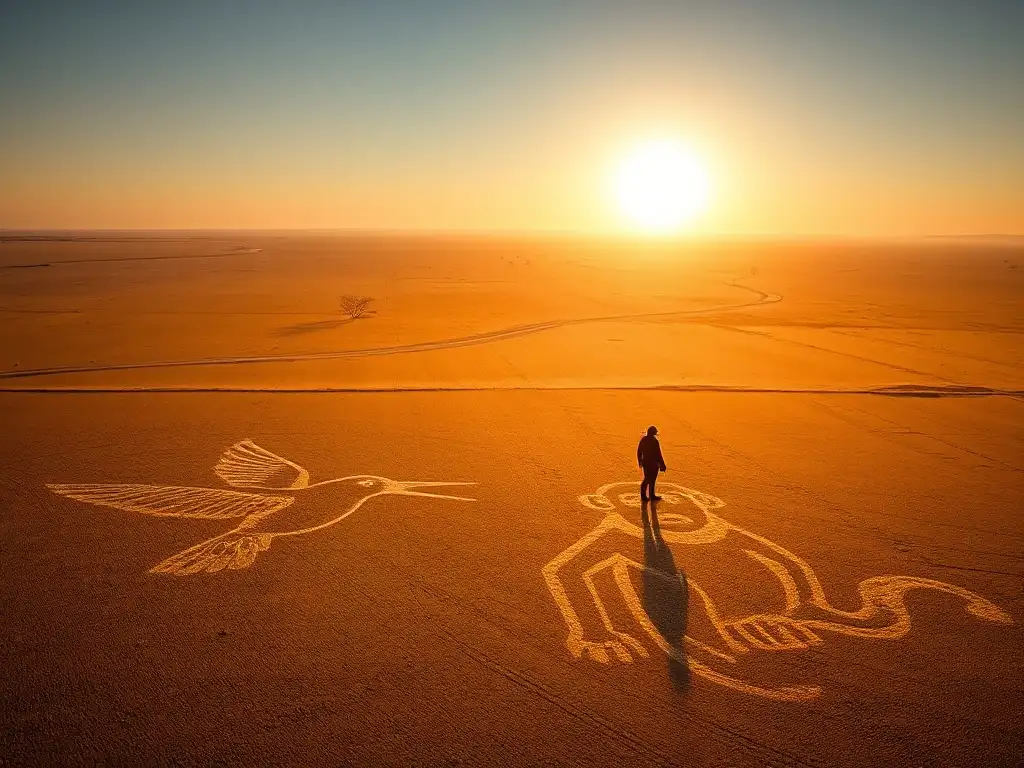
The Nazca Lines, a remarkable testament to the ingenuity of the Nazca culture, face numerous threats that jeopardize their long-term preservation. Understanding these challenges is crucial for implementing effective conservation strategies and ensuring these iconic geoglyphs endure for future generations. Effective Nazca Lines conservation efforts require a multi-pronged approach, addressing both natural and human-induced threats.
Natural Erosion: The Impact of Climate and Weather
The arid climate of the Nazca desert, while initially protective, presents its own set of challenges to the longevity of the lines. The delicate surface of the geoglyphs is susceptible to the relentless forces of nature.
Effects of Wind and Rain on Nazca Geoglyphs
Strong desert winds, common in the region, contribute significantly to erosion. These winds carry fine particles of sand, acting like a natural sandblaster, gradually wearing away the surface of the geoglyphs. Infrequent but intense rainfall events can also cause significant damage. Water runoff can dislodge surface material, blurring the lines and altering their shape. The intensity of these events is increasing due to climate change, posing an even greater threat. Studies show a correlation between increased rainfall frequency and the accelerated deterioration of certain sections of the lines. This highlights the urgency of proactive conservation measures.
The Role of Temperature Fluctuations
Extreme temperature fluctuations, characteristic of desert environments, also contribute to the degradation of the lines. The constant expansion and contraction of the surface material due to daily temperature swings can cause micro-fractures, making the geoglyphs more vulnerable to erosion by wind and rain. This process, exacerbated by the intense solar radiation in the region, leads to a gradual weakening of the surface material, making it more susceptible to damage. Monitoring temperature variations and their effects on the geoglyphs is a key aspect of ongoing research in Nazca Lines conservation efforts.
Human Impact: A Growing Concern for Nazca Lines
While natural forces pose a significant threat, human activity presents perhaps the most immediate and controllable challenge to the preservation of the Nazca Lines. The increasing human presence in the region, driven by tourism and agricultural expansion, puts immense pressure on this fragile ecosystem.
Damage from Unregulated Tourism and Foot Traffic
Uncontrolled tourism poses a direct threat to the lines. Foot traffic, even along designated paths, can compact the soil, leading to erosion and the gradual obliteration of the geoglyphs. Off-road driving, though illegal, still occurs, causing significant damage to the surrounding landscape and directly impacting the lines themselves. Improved infrastructure, better management of tourist flow, and stricter enforcement of regulations are crucial steps in mitigating this threat. The creation of elevated viewing platforms and improved signage are essential components of successful Nazca Lines conservation efforts.
Impact of Agricultural Expansion and Land Use
Agricultural practices in the vicinity of the lines also pose a serious threat. Irrigation, the use of heavy machinery, and the construction of new infrastructure can disrupt the delicate balance of the desert ecosystem and accelerate soil erosion, indirectly affecting the geoglyphs. Sustainable agricultural practices and careful land management are crucial to minimize this impact. Balancing the needs of the local population with the preservation of this irreplaceable cultural heritage is a complex but crucial task in Nazca Lines conservation efforts.
Vandalism and Intentional Damage to the Geoglyphs
Although less frequent, acts of vandalism and intentional damage represent a significant threat to the integrity of the lines. Graffiti, unauthorized excavations, and other forms of deliberate destruction can cause irreparable harm to these fragile geoglyphs. Enhanced security measures, public awareness campaigns, and stricter penalties for acts of vandalism are essential to deter such destructive behaviors and safeguard the Nazca Lines for future generations. The protection of this unique cultural heritage requires a concerted effort from local communities, government agencies, and international organizations committed to Nazca Lines conservation efforts.
Environmental Changes and Their Effects on the Nazca Lines
The Nazca Lines, etched into the fragile desert surface of southern Peru, are incredibly vulnerable to environmental changes. The delicate geoglyphs, some stretching for hundreds of meters, are susceptible to a range of natural processes that threaten their long-term survival. These changes, often subtle but cumulatively impactful, pose a significant challenge to Nazca Lines conservation efforts. Understanding these threats is crucial for implementing effective preservation strategies.
The arid climate, while initially protective, is itself subject to shifts that can undermine the stability of the desert floor. Increased rainfall, even in small amounts, can lead to erosion and the blurring of the lines. Similarly, changes in wind patterns can accelerate the movement of sand, potentially covering or damaging sections of the geoglyphs. The delicate balance of the ecosystem is easily disrupted, leading to unforeseen consequences for the Lines' integrity.
Careful monitoring and proactive mitigation strategies are paramount to minimizing these environmental impacts. The very nature of the desert environment, while seemingly stable, hides a complex interplay of forces that constantly threaten the delicate lines. Any shift in this delicate balance, even a seemingly minor one, can have significant consequences for the long-term preservation of this unique cultural heritage.
Desertification and its Impact
Desertification, the process by which fertile land becomes desert, is a significant threat to the Nazca Lines. While the Nazca desert is naturally arid, increasing desertification driven by climate change, unsustainable agricultural practices, and overgrazing can exacerbate the problem. The loss of vegetation cover leaves the soil exposed to wind and water erosion, accelerating the degradation of the lines.
The shifting sands can bury sections of the geoglyphs, obscuring them from view and accelerating their deterioration. Furthermore, the lack of vegetation contributes to increased soil instability, making the lines more vulnerable to damage from natural events like flash floods. This process is a slow-moving but ultimately powerful threat, slowly but surely eroding the delicate lines over time.
Combating desertification requires a multi-pronged approach involving sustainable land management practices and addressing the wider issue of climate change. The implications of unchecked desertification for the long-term survival of the Nazca Lines are immense, highlighting the urgency of effective conservation measures. Protecting the fragile ecosystem surrounding the Lines is therefore crucial for their preservation.
The Effect of Earthquakes on the Nazca Lines
The Nazca region is located in a seismically active zone, making earthquakes a significant threat to the preservation of the Nazca Lines. While the lines themselves are relatively resilient to smaller tremors, larger seismic events can cause ground displacement and cracking, leading to damage or even the destruction of sections of the geoglyphs. The impact of an earthquake can be immediate and dramatic, causing visible damage to the lines, or more insidious, causing subtle shifts and cracks that might not be immediately apparent but contribute to long-term degradation.
The potential for significant damage from a major earthquake highlights the need for robust monitoring and contingency planning. Studies analyzing the geological stability of the region are crucial for assessing the long-term risks and informing the development of appropriate mitigation strategies. Moreover, the aftermath of an earthquake can also exacerbate other threats, such as landslides and increased erosion.
The combined effect of seismic activity and other environmental factors necessitates a comprehensive approach to Nazca Lines conservation efforts, encompassing earthquake preparedness and response strategies. The fragility of the geoglyphs in the face of powerful natural forces underlines the critical need for ongoing research and protective measures.
Conservation Efforts for the Nazca Lines: Protecting the Past
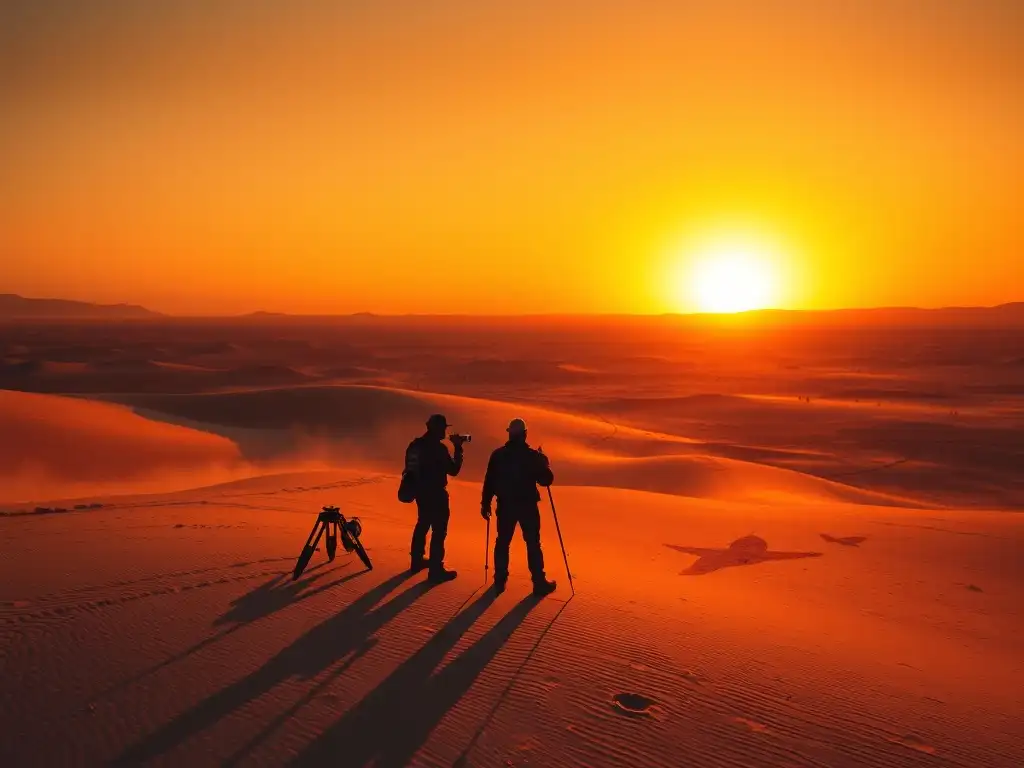
The Nazca Lines, a UNESCO World Heritage site, face numerous threats demanding robust and multifaceted conservation efforts. These efforts are crucial not only for preserving this invaluable cultural legacy but also for ensuring its accessibility for future generations. The fragility of the geoglyphs and the surrounding desert ecosystem necessitates a comprehensive approach encompassing legal protection, sustainable tourism management, and international collaboration. The scale of the challenge underscores the importance of dedicated and ongoing Nazca Lines conservation efforts.
Government Initiatives for Nazca Lines Preservation
Peruvian authorities recognize the significance of the Nazca Lines and have implemented various initiatives to protect this unique cultural heritage. These efforts range from establishing legal frameworks to securing funding for conservation projects. The effectiveness of these initiatives is crucial in determining the long-term survival of the lines.
Legal Frameworks and Protection Laws
Peruvian law designates the Nazca Lines as a protected area, prohibiting activities that could damage the geoglyphs. These laws criminalize unauthorized access, construction, and other potentially harmful actions within the designated zone. Specific regulations govern tourism activities, aiming to minimize environmental impact and ensure visitor safety. Enforcement, however, remains a challenge, requiring ongoing monitoring and effective surveillance to deter illegal activities. The legal framework, while comprehensive on paper, needs consistent and rigorous implementation to truly protect the Nazca Lines. Data on successful prosecutions related to damage to the lines would further illustrate the effectiveness of these laws.
Funding and Resources for Conservation Projects
Securing adequate funding is paramount for effective Nazca Lines conservation. The Peruvian government allocates resources to maintain the site and fund research projects aimed at understanding the geoglyphs and developing effective preservation techniques. However, the scale of the preservation challenge and the limited budget often necessitate seeking additional funding sources, both domestically and internationally. [Specific funding amounts and allocation details pending]. A transparent accounting system detailing how these resources are utilized is crucial to build public trust and ensure efficient allocation.
International Collaboration in the Conservation of Nazca Lines
The preservation of the Nazca Lines transcends national borders, requiring international cooperation and expertise. The fragility of the geoglyphs and the complex challenges involved in their conservation demand a collaborative approach leveraging the knowledge and resources of various countries and organizations.
UNESCO World Heritage Site Status and its Implications
The UNESCO World Heritage Site designation brings significant benefits, including increased international recognition, potential funding opportunities, and technical assistance from international experts. This status also places a responsibility on Peru to ensure the long-term protection of the site, aligning conservation efforts with UNESCO guidelines and standards. Data on the increased tourism and funding resulting from the UNESCO designation would highlight the impact of this international recognition.
Support from International Organizations and Experts
Several international organizations and research institutions provide crucial support for Nazca Lines conservation. This support encompasses technical expertise in areas like geophysics, archaeology, and environmental science, as well as financial contributions to conservation projects. Collaboration with international experts is particularly important in developing innovative and sustainable preservation techniques. [Specific examples of international organizations involved and their contributions pending]. This collaborative effort is essential for sharing best practices and ensuring the long-term sustainability of conservation efforts. The exchange of knowledge and resources significantly enhances the effectiveness of overall Nazca Lines conservation efforts.
Technological Advances in Nazca Lines Monitoring and Preservation
The fragility of the Nazca Lines necessitates advanced monitoring and preservation techniques. Traditional methods, while valuable, are increasingly being supplemented by cutting-edge technologies offering greater precision and efficiency in assessing the geoglyphs' condition and implementing conservation strategies. These technological advancements are crucial in the ongoing efforts to protect these irreplaceable historical artifacts for future generations. The scale and intricacy of the lines, spanning hundreds of kilometers across the desert plain, make comprehensive monitoring a significant challenge. However, new technologies are helping researchers and conservators to overcome this hurdle.
The Use of Drones and Remote Sensing
Drones equipped with high-resolution cameras provide unparalleled access to the Nazca Lines, allowing for detailed aerial surveys and monitoring of even the most remote and inaccessible geoglyphs. This remote sensing technology enables researchers to detect subtle changes in the lines' condition, such as erosion or damage caused by natural phenomena or human activity, far more efficiently than ground-based methods alone. The data collected through drone imagery can be used to create detailed maps and 3D models, facilitating a comprehensive understanding of the lines' current state and aiding in the prioritization of conservation efforts.
Furthermore, thermal imaging capabilities on some drones can help identify underground water sources or other subsurface features that may be affecting the stability of the geoglyphs. This allows for proactive measures to mitigate potential threats.
Digital Mapping and 3D Modeling of the Geoglyphs
Digital mapping and 3D modeling are transforming how we understand and preserve the Nazca Lines. By creating highly accurate digital representations of the geoglyphs, researchers can meticulously document their current state, track changes over time, and simulate the impact of various environmental factors or conservation interventions. This detailed digital record serves as a vital resource for future research and conservation efforts, providing a baseline for comparing future surveys and assessing the effectiveness of preservation strategies.
The 3D models also allow for a more immersive and accessible way to study the lines, enabling researchers and the public alike to explore these ancient wonders from new perspectives. This increased accessibility aids in raising awareness and promoting public support for conservation initiatives.
Innovative Techniques for Geoglyph Stabilization
The arid climate of the Nazca desert provides some natural protection for the geoglyphs, but they remain vulnerable to erosion and other environmental factors. Innovative techniques are being developed and implemented to stabilize the lines and protect them from further degradation. These include the use of specialized soil stabilizers and the careful removal of encroaching vegetation, techniques that are constantly being refined based on ongoing research and field experience.
Researchers are also exploring the use of bio-stabilization techniques, utilizing natural materials to reinforce the geoglyphs without compromising their authenticity. The goal is to find the most sustainable and least invasive methods to ensure the long-term preservation of these incredible works of art.
Community Involvement in Nazca Lines Conservation
The success of long-term Nazca Lines conservation depends heavily on the active participation and support of the local communities. Engaging the local population ensures the sustainability of preservation efforts and fosters a sense of ownership and pride in this unique cultural heritage. Without the cooperation and understanding of the communities living near the Nazca Lines, any conservation project is destined to face significant hurdles.
Educating Local Communities about the Importance of Preservation
Educating local communities about the significance of the Nazca Lines is paramount. This involves raising awareness about their historical and cultural value, explaining the threats they face, and highlighting the importance of their preservation for future generations. Educational programs and outreach initiatives are vital in fostering a sense of responsibility and encouraging the community to become active participants in conservation efforts. This can include workshops, school programs, and community events that highlight the importance of protecting the fragile geoglyphs. Such initiatives ensure that the knowledge and appreciation for these ancient wonders are passed down through generations.
Promoting Sustainable Tourism Practices
Sustainable tourism is crucial for balancing the economic benefits of tourism with the need to protect the Nazca Lines. This involves implementing responsible tourism practices that minimize environmental impact and ensure the preservation of the geoglyphs. This includes establishing designated viewing areas, limiting access to sensitive areas, and promoting eco-friendly transportation options. By carefully managing tourism, local communities can benefit economically while ensuring the long-term preservation of this invaluable heritage. Sustainable tourism initiatives also contribute to the economic well-being of local communities, creating a vested interest in the protection of the Nazca Lines.
Empowering Local Guardians of the Nazca Lines
Empowering local communities to act as guardians of the Nazca Lines is essential for long-term preservation. This involves providing them with the necessary training, resources, and support to actively participate in monitoring and conservation efforts. By involving local communities in the decision-making process and providing them with the tools and knowledge to protect the lines, we can foster a sense of shared responsibility and ensure the long-term sustainability of conservation efforts.
This approach ensures that the protection of the Nazca Lines is not solely reliant on external agencies but is actively driven and supported by those who live closest to them. This collaborative approach promotes a sense of ownership and long-term commitment to preservation.
Specific Conservation Projects and Case Studies
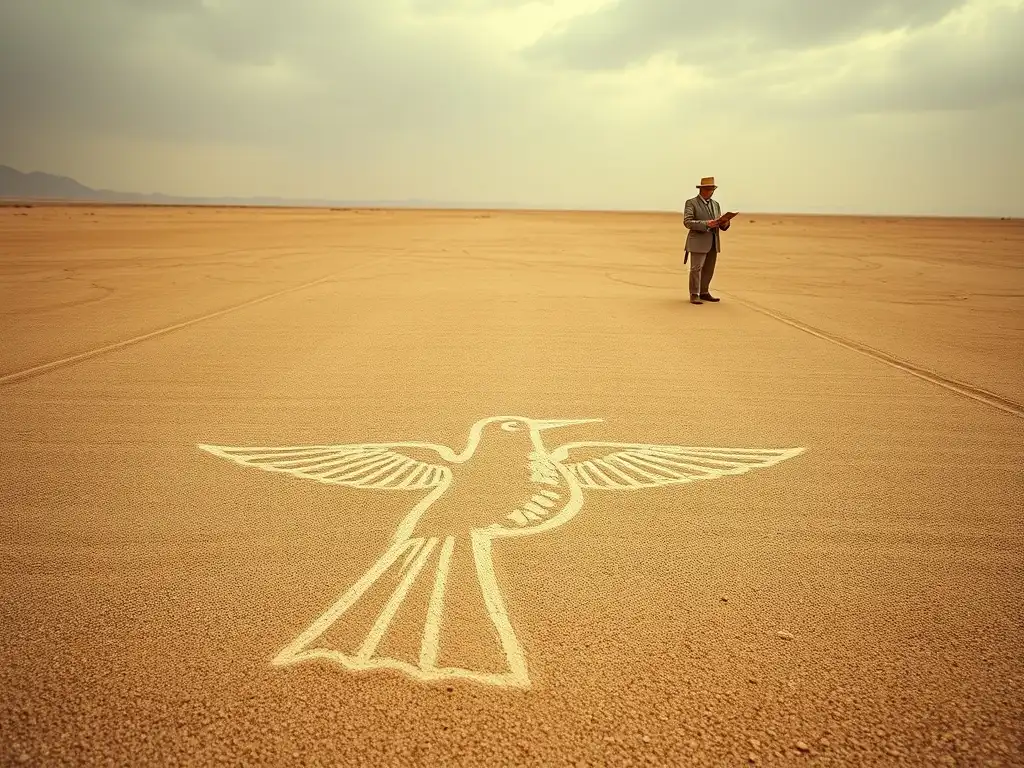
This section delves into specific, documented projects undertaken to preserve the Nazca Lines, focusing on their methodologies, outcomes, and long-term implications for Nazca Lines conservation efforts. Understanding these case studies provides valuable insights into the challenges and successes of safeguarding this unique cultural heritage. We'll examine both large-scale restoration projects and community-based initiatives, highlighting the diverse approaches necessary for effective preservation.
The Palpa Lines Restoration Project
The Palpa Lines, geographically close to the Nazca Lines and sharing similar characteristics, often serve as a valuable testing ground for conservation techniques. The Palpa Lines Restoration Project, while not as widely publicized as some Nazca-focused initiatives, offers crucial lessons in sustainable preservation strategies.
The Objectives and Methods Used
The primary objective of the Palpa Lines Restoration Project was to stabilize the geoglyphs, mitigating the effects of erosion caused by wind, rain, and human activity. This involved a multi-pronged approach:
- Erosion Control: Techniques focused on reducing wind and water erosion were employed. This included strategically placed barriers to redirect wind currents and the careful planting of native vegetation to stabilize the soil.
- Weed Removal: Invasive plant species were carefully removed using manual methods to avoid damaging the fragile geoglyphs. The selection of removal techniques prioritized minimal disruption to the surrounding environment.
- Documentation and Monitoring: High-resolution imaging and 3D modeling were utilized to create detailed records of the geoglyphs before, during, and after the restoration process. This allowed for accurate assessment of the project's effectiveness and ongoing monitoring of the geoglyphs' condition.
The project emphasized a holistic approach, considering the ecological context of the lines and the potential impact of any intervention. The use of sustainable, locally sourced materials was prioritized wherever possible, minimizing the project's environmental footprint.
The Results and Lessons Learned
The Palpa Lines Restoration Project demonstrated the effectiveness of a carefully planned and executed conservation strategy. The erosion control measures proved successful in reducing the rate of geoglyph degradation. The meticulous documentation allowed for a clear understanding of the project's impact and informed future conservation efforts.
However, the project also highlighted the limitations of solely focusing on physical interventions. The long-term sustainability of the project depends on continued monitoring and community engagement. Lessons learned emphasized the crucial role of community involvement and ongoing research in ensuring the long-term preservation of these fragile sites. This understanding underscores the need for a comprehensive approach to Nazca Lines conservation efforts, blending scientific expertise with local knowledge and participation.
The Community-Based Guardians of Nazca Program
Recognizing the limitations of solely top-down, expert-led approaches, the "Guardians of Nazca" program exemplifies the power of community involvement in Nazca Lines conservation efforts. This initiative aims to empower local communities to actively participate in the protection and preservation of this invaluable heritage.
How Local Participation Was Organized
The program involved several key steps:
- Training and Education: Local residents received comprehensive training on the importance of the Nazca Lines, the threats they face, and the appropriate methods for their protection.
- Community Monitoring: Guardians were tasked with regularly monitoring the geoglyphs for signs of damage or vandalism, reporting any issues promptly to the relevant authorities.
- Sustainable Tourism Initiatives: The program also focused on developing sustainable tourism practices, educating visitors about the fragility of the lines and promoting responsible behavior. This includes guiding tourists to designated viewing points and discouraging unauthorized access.
- Economic Incentives: The program incorporated strategies to provide economic incentives to participating community members, linking the preservation of the lines to their livelihood and ensuring long-term commitment.
The Impact on the Preservation of the Nazca Lines
The "Guardians of Nazca" program has had a significant positive impact on the preservation of the Nazca Lines. By empowering local communities, the program ensures ongoing monitoring and protection, fostering a sense of ownership and responsibility among local residents. This bottom-up approach is critical for the long-term sustainability of Nazca Lines conservation efforts.
The active participation of the community has significantly reduced instances of vandalism and unauthorized access, contributing to the preservation of this unique cultural heritage for future generations. The success of this program underscores the importance of integrating community-based strategies into broader Nazca Lines conservation efforts. Further quantitative data on the reduction of damage and increase in responsible tourism is [specific information pending].
Future of Nazca Lines Conservation: Challenges and Opportunities
The Nazca Lines, a breathtaking testament to the ingenuity of the Nazca civilization, face numerous threats that jeopardize their long-term survival. Understanding these threats and developing effective strategies for their preservation is crucial for ensuring these enigmatic geoglyphs endure for future generations. Successful Nazca Lines conservation efforts require a multi-faceted approach, combining technological advancements, community engagement, and robust research initiatives.
The delicate balance between tourism, which provides vital economic resources for the region, and the preservation of this invaluable cultural heritage, remains a significant challenge. This section explores both the challenges and the emerging opportunities in the ongoing battle to protect this unique world heritage site.
Addressing the Ongoing Threats to Nazca Geoglyphs
The fragility of the Nazca Lines makes them highly susceptible to various forms of damage. Natural erosion from wind and rain is a constant concern, gradually wearing away the surface and obscuring the intricate designs. Human activity, including unauthorized access and off-road driving, poses a significant threat, directly damaging the geoglyphs and their surrounding environment. Furthermore, climate change exacerbates these threats, leading to more intense weather events and increased desertification.
Specific examples of these threats include:
- Erosion: The arid climate, while contributing to the lines' longevity, also means that even slight changes in rainfall patterns can lead to significant erosion. Increased rainfall can wash away the surface material, while strong winds can cause sand abrasion.
- Vandalism and Illegal Activities: Despite protective measures, illegal access and vandalism remain a serious issue. Graffiti, unauthorized construction, and the dumping of waste all contribute to the degradation of the site.
- Tourism Impact: While tourism is essential for funding conservation, uncontrolled tourism can lead to soil compaction and damage from foot traffic. The construction of infrastructure and pathways needs careful planning to minimize environmental impact.
- Climate Change: Changes in temperature and precipitation patterns, directly linked to climate change, are expected to further exacerbate erosion and other environmental stressors.
Addressing these threats requires a proactive and multi-pronged approach, including improved monitoring systems, stricter enforcement of regulations, and community-based initiatives focused on sustainable tourism practices. The implementation of sophisticated erosion control techniques is also vital.
Sustainable Strategies for Long-Term Preservation
Long-term preservation of the Nazca Lines demands a holistic and sustainable approach. This includes:
- Improved Monitoring Technologies: Utilizing advanced technologies like satellite imagery, drones, and ground-penetrating radar can allow for more efficient monitoring of the geoglyphs' condition and the early detection of potential damage. This proactive approach allows for timely intervention and mitigation of threats.
- Sustainable Tourism Management: Implementing strict visitor management strategies, including designated pathways and guided tours, can minimize the impact of tourism while maximizing economic benefits for local communities. Educating tourists about the fragility of the site is also crucial.
- Community Engagement: Involving local communities in conservation efforts is paramount. This empowers local residents to protect their cultural heritage and ensures the long-term sustainability of conservation initiatives. Economic incentives tied to conservation efforts can further incentivize participation.
- Research and Innovation: Ongoing research is needed to better understand the processes of degradation and to develop innovative conservation techniques. This could include the development of new materials and methods for stabilizing the geoglyphs and protecting them from erosion.
- International Collaboration: Sharing knowledge and resources through international collaborations is essential for maximizing the effectiveness of conservation efforts. Expertise from different fields can provide a broader perspective and lead to more effective solutions.
The Role of Research in Future Conservation Efforts
Research plays a crucial role in developing effective Nazca Lines conservation strategies. This research encompasses several key areas:
- Geomorphological Studies: Detailed studies of the surrounding landscape are essential for understanding the processes of erosion and the factors that contribute to the degradation of the geoglyphs. This information is critical for developing targeted conservation strategies.
- Material Science Analysis: Analyzing the materials used in creating the geoglyphs and their chemical composition can provide insights into their degradation processes and inform the development of appropriate preservation techniques.
- Climate Modeling: Predicting future climate scenarios and their potential impact on the Nazca Lines is crucial for developing proactive adaptation strategies. This involves complex climate modeling and risk assessments.
- Remote Sensing Technology: Utilizing advanced remote sensing techniques, such as LiDAR and hyperspectral imaging, allows for detailed mapping and monitoring of the geoglyphs, providing valuable data for conservation planning.
- Social Science Research: Understanding the social and economic factors that influence the preservation of the Nazca Lines is essential for developing effective community engagement strategies. This includes researching local perceptions of the site and the economic benefits of its preservation.
The future of the Nazca Lines hinges on a sustained commitment to research, innovation, and community engagement. By proactively addressing the challenges and embracing the opportunities, we can ensure that this remarkable cultural heritage continues to inspire and educate future generations. 🌍
Conclusion: The Importance of Protecting the Nazca Lines for Future Generations
The Nazca Lines stand as a testament to the ingenuity and artistry of a pre-Columbian civilization. Their preservation is not merely an act of archaeological preservation; it's a commitment to safeguarding a unique cultural heritage of global significance. The lines are irreplaceable; once damaged, the delicate geoglyphs are extremely difficult, if not impossible, to restore to their original state. The ongoing efforts to combat the threats—from natural erosion to human impact—underscore the international community's recognition of their value. Continued investment in research, sustainable tourism practices, and advanced monitoring technologies is crucial.
Protecting the Nazca Lines is about more than just preserving ancient artwork; it's about preserving a piece of human history, fostering intercultural understanding, and inspiring future generations. The lines offer a window into a lost world, a world that can teach us about ingenuity, planning, and societal organization. By safeguarding this invaluable legacy, we ensure that future generations can marvel at these enigmatic figures and continue to learn from the Nazca culture that created them.
The challenge is ongoing, but the rewards—a sustained appreciation for this world wonder—are immeasurable. Failure to act decisively risks losing a irreplaceable part of our collective human heritage. The continued dedication to Nazca Lines conservation efforts is not only a responsibility but also a testament to our commitment to preserving the world's cultural treasures.
Failing to do so would be a profound loss for humanity. The future of the Nazca Lines rests on our collective commitment to their protection.
Frequently Asked Questions
What are the Nazca Lines, and why are they important?
The Nazca Lines are geoglyphs etched into the Peruvian desert. They depict animals, plants, and geometric shapes, and their creation and purpose remain a mystery, making them incredibly significant archaeologically and historically.
What are the biggest threats to the Nazca Lines' preservation?
The biggest threats include natural erosion, climate change, and human activity such as nearby construction and tourism. Illegal activities also pose a significant risk.
What conservation efforts are currently underway to protect the Nazca Lines?
Efforts include monitoring erosion, restricting access to sensitive areas, and implementing sustainable tourism practices. Research and technological advancements also play a vital role.
How can I help in the Nazca Lines conservation?
You can help by supporting organizations dedicated to their preservation, promoting responsible tourism, and raising awareness about the threats they face. Even sharing information online helps.
What is the long-term vision for the Nazca Lines' future?
The long-term goal is to ensure their survival for future generations through ongoing monitoring, research, and preventative measures. This includes mitigating climate change impacts and controlling human activities.
Final Reflection: A Legacy Etched in Earth, A Future Yet to Write
The fragility of the Nazca Lines, a testament to a vanished civilization, starkly mirrors the fragility of our own relationship with the past. These ancient geoglyphs, threatened by climate change, tourism, and development, serve as a potent symbol of our responsibility to protect irreplaceable cultural heritage for future generations. Their survival is not merely an archaeological concern; it's a reflection of our capacity for stewardship and long-term vision.
The ongoing struggle to preserve the Nazca Lines highlights the complex interplay between cultural preservation, economic development, and environmental sustainability. It forces us to confront uncomfortable truths about the impact of human activity on delicate ecosystems and invaluable historical sites. The past is never dead. It's not even past.
– William Faulkner. This quote resonates deeply, reminding us that the Nazca Lines, though created centuries ago, continue to speak to us, demanding our attention and action to ensure their voice isn't silenced. Their preservation is not just about saving lines in the desert; it's about saving a story, a culture, a piece of human history.
Consider the Nazca Lines. Consider their vulnerability. Now, consider your own impact on the world around you. What legacy will you leave behind? What steps, however small, can you take today to contribute to the preservation of our shared cultural and natural heritage? Let the enduring mystery and breathtaking beauty of the Nazca Lines inspire you to become a guardian of history, a protector of our planet, and a champion of a future where the past continues to illuminate the way forward.
**Join the Fight to Protect the Nazca Lines! **
Thank you for exploring the fascinating world of the Nazca Lines! We hope you've gained a deeper appreciation for their fragility and the urgent need for conservation. Now, let's work together to ensure these ancient wonders remain a source of wonder for future generations.
Here are some impactful ways you can help:
- **Support local conservation efforts** by donating to, or volunteering with, organizations dedicated to protecting the Nazca Lines and their surrounding environment. Many groups actively work to preserve this unique cultural heritage.
- **Spread awareness** by sharing information about the Nazca Lines and the threats they face with your friends and family. Educating others is crucial to building support for conservation initiatives.
- If you plan to **visit the Nazca Lines**, please do so responsibly. Adhere to official guidelines to minimize your environmental impact while supporting the local community. Responsible tourism is key to long-term preservation.
How will you contribute to the preservation of this invaluable piece of global heritage? We'd love to hear your ideas!