
The Evolution of Nazca Pottery: Changes in Style and Technique Over Time

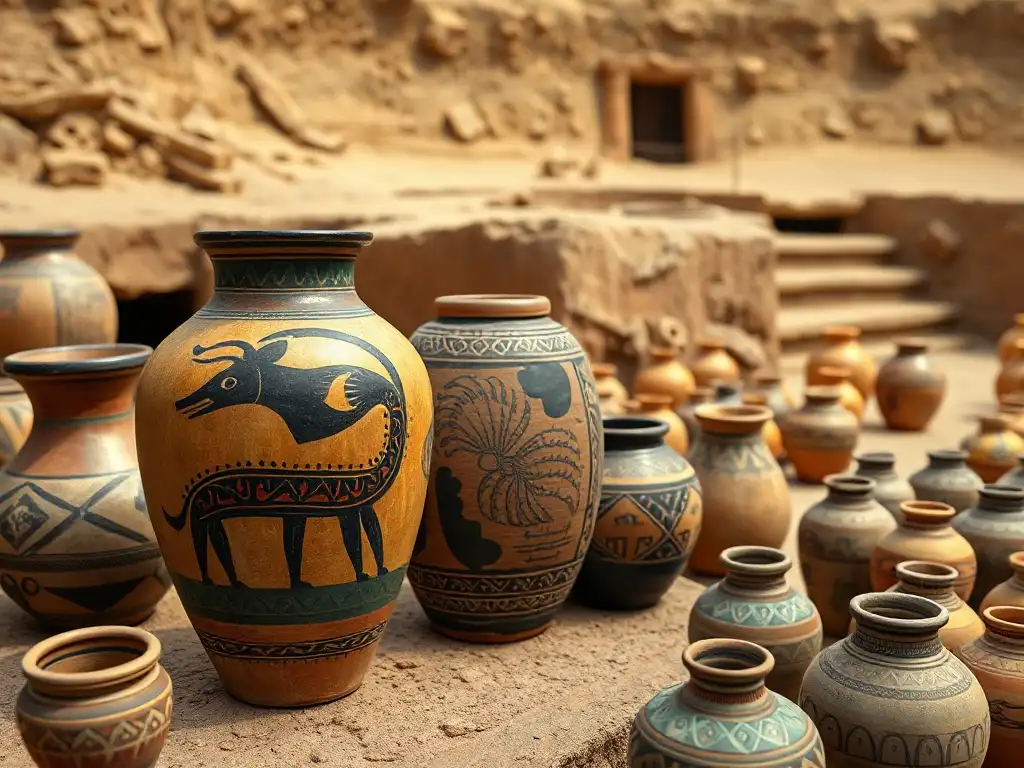
Step into a world lost to time, yet echoing with vibrant artistry and ingenuity. Imagine the sun-baked sands of the Nazca desert whispering tales of a civilization that mastered breathtaking pottery techniques. This is their story. Uncover the secrets of Nazca pottery style evolution — from its humble beginnings to its astonishing heights — and prepare to be amazed by the intricate artistry and technological prowess that defined this remarkable culture. Explore the captivating journey that awaits you.
The Nazca civilization, flourishing along the southern coast of Peru from approximately 100 BCE to 800 CE, left behind a remarkable legacy of artistic expression, most notably in their exquisite pottery. This article delves into the fascinating evolution of Nazca pottery, exploring the stylistic and technical transformations that occurred over centuries. We will journey through the key phases of Nazca ceramic production, examining the development of techniques, iconography, and the overall aesthetic that defines this unique artistic tradition.
Understanding this evolution provides crucial insights into the social, religious, and technological advancements of the Nazca people, allowing us to appreciate the complexity and sophistication of their culture. This exploration of "Nazca pottery style evolution" will reveal how their artistic vision transformed over time, reflecting changing societal values and innovative approaches to ceramic production.
Introduction to Nazca Ceramic Art
Nazca pottery is renowned for its vibrant colors, intricate designs, and diverse forms. Unlike many other ancient Andean cultures, Nazca potters mastered a unique slip-painting technique, achieving remarkable precision and detail in their depictions. The pottery wasn't merely functional; it served a crucial role in religious rituals, social interactions, and daily life. From large storage jars to delicate, miniature vessels, each piece reflects a deep understanding of artistic principles and a remarkable mastery of technical skills.
The evolution of Nazca pottery is a story of continuous innovation and refinement, revealing a dynamic and adaptable society. The range of styles and techniques employed showcases the creativity and skill of Nazca artisans, who consistently pushed the boundaries of their craft. The evolution of their artistry is a testament to the enduring spirit of creativity within the Nazca civilization. We'll explore how these changes reflect the broader cultural developments within the society.
Early Nazca Pottery: Foundations of a Unique Style
The development of the distinctive Nazca pottery style didn't emerge overnight. It built upon pre-existing traditions and gradually evolved over time. Examining the early phases of Nazca ceramic production provides a crucial foundation for understanding later developments.
Proto-Nazca Ceramic Traditions
Before the fully developed Nazca style, several preceding ceramic traditions laid the groundwork. These "Proto-Nazca" styles, while distinct from the later masterpieces, exhibit some shared characteristics, indicating a gradual progression of techniques and artistic sensibilities. These earlier styles often featured simpler designs and less vibrant colors than the later Nazca pottery, but they demonstrate the foundational skills and artistic inclinations that would later flourish. Further research is needed to fully understand the transition between these earlier styles and the fully developed Nazca tradition. [Specific information pending on the exact timeline and stylistic markers of Proto-Nazca pottery]
Initial Nazca Pottery Techniques
The early Nazca potters employed a variety of techniques, including the use of molds for mass production of certain forms. However, even in these early stages, a remarkable level of skill is evident in the painting and finishing of the vessels. The early use of slip painting, while perhaps less refined than later examples, demonstrated a clear understanding of the process and its potential for creating vibrant and detailed designs.
The development of specific pigments and the mastery of their application were key elements in the evolution of Nazca pottery. [Data on the specific types of pigments used in early Nazca pottery is needed].
Early Nazca Iconography and Motifs
The iconography of early Nazca pottery offers valuable insights into the beliefs and values of the society. Early designs often feature simpler representations of animals, plants, and geometric patterns. While some motifs would become more elaborate in later periods, these early examples lay the groundwork for the complex and symbolic imagery that characterizes later Nazca ceramic art.
A comparative analysis of early and later Nazca iconography would reveal the evolution of religious beliefs and cultural practices. [Detailed catalog of early Nazca motifs and their interpretations is needed]. The recurring motifs suggest a structured belief system and possibly a complex social hierarchy.
The Middle Nazca Period: Development of Complex Designs
The Middle Nazca period (c. 100-300 CE) witnessed a significant leap in the sophistication of Nazca pottery. This era is characterized by a dramatic increase in the complexity and intricacy of the designs, reflecting a burgeoning artistic skill and a deeper engagement with symbolic representation. Artists moved beyond simpler motifs and began to incorporate elaborate scenes, often depicting mythical creatures, stylized plants, and complex geometric patterns. The narrative aspect of the pottery gained prominence, with individual vessels telling stories or conveying specific messages. This development suggests a more advanced societal structure with a greater emphasis on artistic expression and perhaps a more formalized system of religious belief. The sheer volume of pottery produced during this time also points to a thriving and organized society capable of supporting a large-scale artistic production. The refinement of techniques, discussed below, further contributed to the remarkable quality and visual impact of Middle Nazca pottery.
Refinement of Nazca Pottery Painting
The Middle Nazca period saw a substantial refinement in the techniques of pottery painting. The application of paint became more precise and controlled, allowing for finer details and smoother transitions between colors. The use of multiple layers of paint, finely applied, allowed for a greater depth and richness of color. Evidence suggests that artists used a variety of brushes, made from different materials, to achieve varying effects—from fine lines to broad strokes.
The development of more sophisticated techniques, such as negative painting (where the background is painted and the design is left unpainted), added depth and complexity to their work. This refinement of painting techniques directly contributed to the increased complexity of the designs themselves, allowing artists to express their artistic vision with unprecedented precision and detail. The overall effect was a significant improvement in the visual appeal and artistic sophistication of the pottery.
Polychrome Pottery of the Middle Nazca
Polychrome, meaning “many-colored,” became a hallmark of Middle Nazca pottery. Artists expertly blended up to ten or more colors in a single vessel, creating vibrant and visually stunning pieces. This mastery of color was not merely aesthetic; the colors themselves likely held symbolic meaning, contributing to the narrative or religious significance of the designs. The careful selection and arrangement of colors demonstrate a deep understanding of color theory and its potential to convey meaning and emotion.
The use of vibrant hues, like reds, yellows, oranges, and blues, created a dynamic and engaging visual experience. The polychrome style is a key characteristic that distinguishes Middle Nazca pottery from earlier periods and highlights the advancements in both artistic skill and technological capabilities. The range of colors and their application suggests a sophisticated understanding of pigments and their properties.
Increased Complexity in Nazca Art Motifs
The motifs depicted on Middle Nazca pottery became increasingly complex and symbolic. Simple geometric shapes gave way to intricate representations of stylized plants, animals (including both realistic and fantastical creatures), human figures (often in highly stylized forms), and complex scenes that seem to depict narratives or religious rituals. These motifs were not randomly arranged; they were carefully composed to create a cohesive and meaningful design.
The increased complexity suggests a more developed system of beliefs and a deeper understanding of the symbolic language used to communicate those beliefs. Researchers continue to decipher the meaning of these intricate designs, but it's clear that they represent a significant step forward in the development of Nazca art and its ability to express complex ideas and narratives. The sheer variety of motifs also points to a rich and diverse cultural landscape.
Late Nazca Pottery: Stylistic Transformations
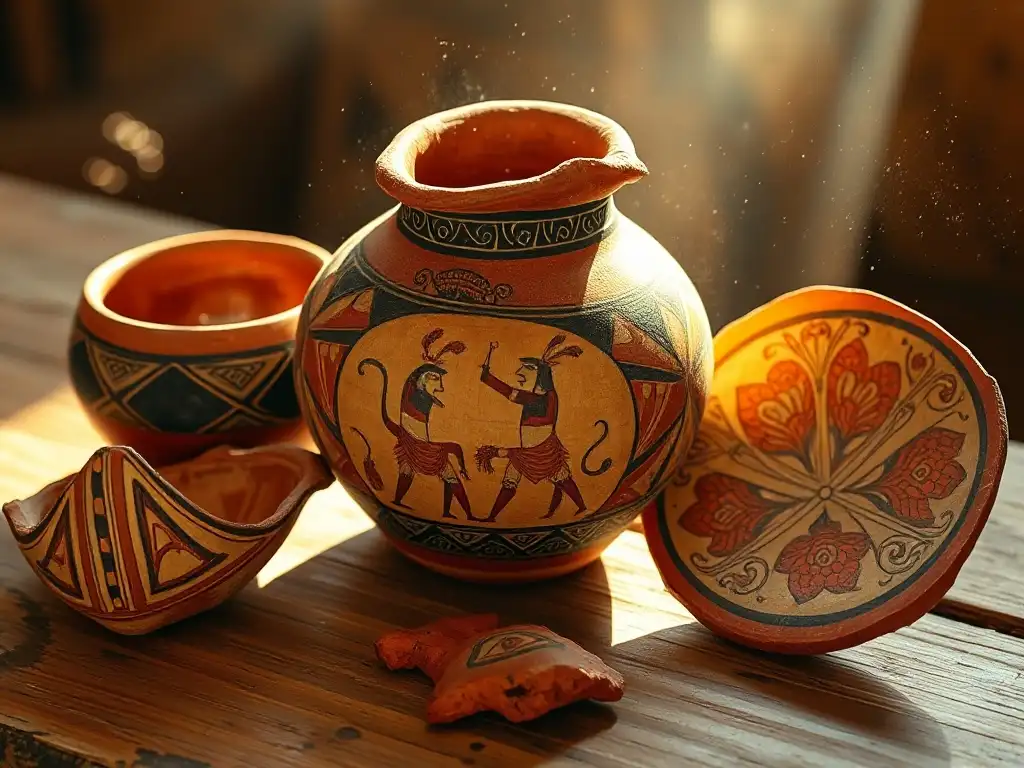
The Late Nazca period (c. 300-500 CE) marked a significant shift in Nazca pottery styles. While maintaining the high level of technical skill evident in the Middle Nazca period, the Late Nazca pottery displays a distinct aesthetic sensibility, characterized by new forms, decorative techniques, and a modified palette. This transformation is not a sudden break but rather a gradual evolution, building upon the achievements of the preceding period while introducing novel elements. The changes reflect a dynamic cultural landscape adapting to shifts in social structures, beliefs, or perhaps even environmental factors.
Changes in Nazca Pottery Forms and Shapes
Late Nazca pottery shows a noticeable shift in the shapes and forms of vessels. While some traditional forms persisted, new shapes emerged, reflecting a greater diversity in function and possibly in social status. Larger, more elaborate vessels became common, suggesting a change in ceremonial or ritual practices.
The introduction of new forms may also reflect influences from other cultures or regions. The variety of shapes and sizes reflects the ingenuity of the potters and their adaptation to evolving societal needs and preferences. Detailed analysis of these forms may reveal insights into the social and economic organization of Late Nazca society.
Evolution of Nazca Ceramic Decoration
The decorative techniques used in Late Nazca pottery also evolved. While the use of polychrome painting continued, there was a noticeable shift towards a greater emphasis on relief decoration and the use of added elements, such as modeled figures and appendages attached to the vessels. This suggests a desire to create more three-dimensional and tactile objects.
The combination of painting and relief sculpture created visually richer and more dynamic surfaces. This evolution may reflect changes in artistic sensibilities or a desire to produce more visually arresting objects for ceremonial or ritual use. The complexity of the decoration continued to be high, showing no decline in artistic skill.
Shift in the use of color in Late Nazca Pottery
A noticeable shift in color palette accompanied the stylistic transformations in Late Nazca pottery. While vibrant polychromy remained, there was a tendency towards the use of darker, more muted colors, particularly in the background. This change in color palette may reflect a change in artistic preferences or possibly a shift in the symbolic meaning attributed to particular colors.
The interplay between vibrant and muted colors created a new aesthetic effect, suggesting a growing sophistication in the use of color as a tool for artistic expression. The reasons for this shift remain a subject of ongoing research, but it undoubtedly contributes to the unique character of Late Nazca pottery.
Nazca Pottery Techniques: A Detailed Look
The remarkable artistry of Nazca pottery is as much a testament to their sophisticated techniques as to their creative vision. Understanding these techniques provides crucial insight into the Nazca worldview and their advanced technological capabilities. The production process was complex, involving several distinct stages, each requiring specialized skill and knowledge passed down through generations. The precision and consistency seen in surviving examples suggest a highly organized and skilled workforce, potentially involving specialized artisans within the larger community. The development and refinement of these techniques over time also reflect the evolution of Nazca society and its artistic expression.
Nazca Pottery Construction Methods
Nazca potters primarily used a coil-building technique. This involved rolling long, thin coils of clay and carefully joining them together, smoothing the seams to create a seamless vessel. The skill lay in controlling the thickness and consistency of the coils to avoid weaknesses and ensure an even wall thickness. Different clay types were likely used, depending on availability and desired properties.
Some evidence suggests the use of temper—inorganic materials added to the clay to improve its workability and reduce shrinkage during firing—though further research is needed to confirm the specific types and frequencies of temper used. The size and shape of the vessels varied greatly, from small, delicate figurines to large, elaborate jars, reflecting the diverse purposes they served. The meticulous construction, indicative of a high level of skill and patience, is a hallmark of Nazca pottery.
The Use of Slips and Pigments in Nazca Ceramics
Once the vessel was shaped, it was often coated with a slip—a liquid clay suspension—to create a smooth surface and improve the adhesion of the paint. The slips themselves could be various colors, ranging from creamy white to reddish-brown, often serving as a base for the vibrant pigments. The pigments, derived from natural minerals and plant materials, were finely ground and mixed with a binding agent, likely a gum or plant sap. The resulting paint was applied with brushes made from natural fibers, creating incredibly fine lines and intricate details.
The range of colors used is striking, with reds, yellows, blacks, and whites being particularly prominent. The exceptional preservation of many Nazca ceramics testifies to the durability and effectiveness of their slip and pigment techniques. Analysis of these pigments continues to reveal insights into the resources available to the Nazca and their technological sophistication.
Firing Techniques Employed by Nazca Potters
The final stage in the production of Nazca pottery was firing. While the precise methods are still under investigation, evidence suggests the use of open-air kilns, possibly simple pits in the ground, which would have been heated to high temperatures. Controlling the temperature and duration of firing was crucial to achieving the desired hardness and color.
The even firing required to prevent cracking or warping demonstrates a high level of skill and experience. The success rate of these firing processes, considering the large number of surviving pots, points towards a well-established and reliable technique. Further archaeological research focusing on kiln remains is crucial to fully understanding the intricacies of Nazca firing methods.
Nazca Pottery Decoration: Exploring the Motifs
The decorative motifs on Nazca pottery are incredibly diverse and complex, providing a rich tapestry of information about their culture, beliefs, and society. The iconography is often highly stylized, yet identifiable, revealing a sophisticated understanding of both natural and supernatural worlds. The careful application of paint, the precision of the lines, and the overall composition all contribute to the aesthetic appeal and cultural significance of these decorated vessels.
Common Nazca Iconographic Elements: Mythical Beings and Natural Forms
Many Nazca pots depict mythical beings, often with hybrid forms combining human, animal, and plant characteristics. These figures frequently appear in dynamic poses, engaged in ritualistic activities or symbolic interactions. Alongside these supernatural entities, representations of animals, plants, and other elements of the natural world are commonly seen.
These depictions are often highly realistic, showcasing a deep understanding of the local flora and fauna. The combination of both mythical and real-world elements reflects the Nazca's worldview, where the supernatural and the natural were interconnected. Specific examples include depictions of stylized hummingbirds, jaguars, and various other animals, often integrated into complex narrative scenes.
Abstract and Geometric Patterns in Nazca Ceramics
In addition to figurative representations, Nazca pottery frequently features abstract and geometric patterns. These designs, often composed of intricate lines, triangles, and other shapes, can be found alongside the figurative motifs or used independently to decorate the vessels. The precision and complexity of these geometric patterns are remarkable, demonstrating a high level of artistic skill and a deep understanding of visual design principles.
The meaning and function of these abstract patterns are still debated, but they likely held symbolic or ritualistic significance. Their repetition across different pots suggests a standardized system of visual communication. The use of both figurative and geometric elements contributes to the visual richness and complexity of Nazca ceramics.
The Significance of Nazca Pottery Motifs: Religious and Social Context
The motifs on Nazca pottery are not merely decorative; they offer crucial insights into the religious and social structures of the Nazca civilization. The repeated appearance of certain motifs, such as specific deities or animals, suggests their importance within their belief system. The depiction of ritual scenes and ceremonies provides glimpses into their religious practices.
Moreover, the variation in style and iconography across different pots may reflect social hierarchies or regional differences. Further research, combining archaeological findings with detailed stylistic analysis, is needed to fully understand the complex interplay between religious beliefs, social structures, and the iconography of Nazca pottery. The study of "Nazca pottery style evolution" is thus crucial to understanding the evolution of their society and beliefs.
Chronological Analysis of Nazca Pottery Style Evolution
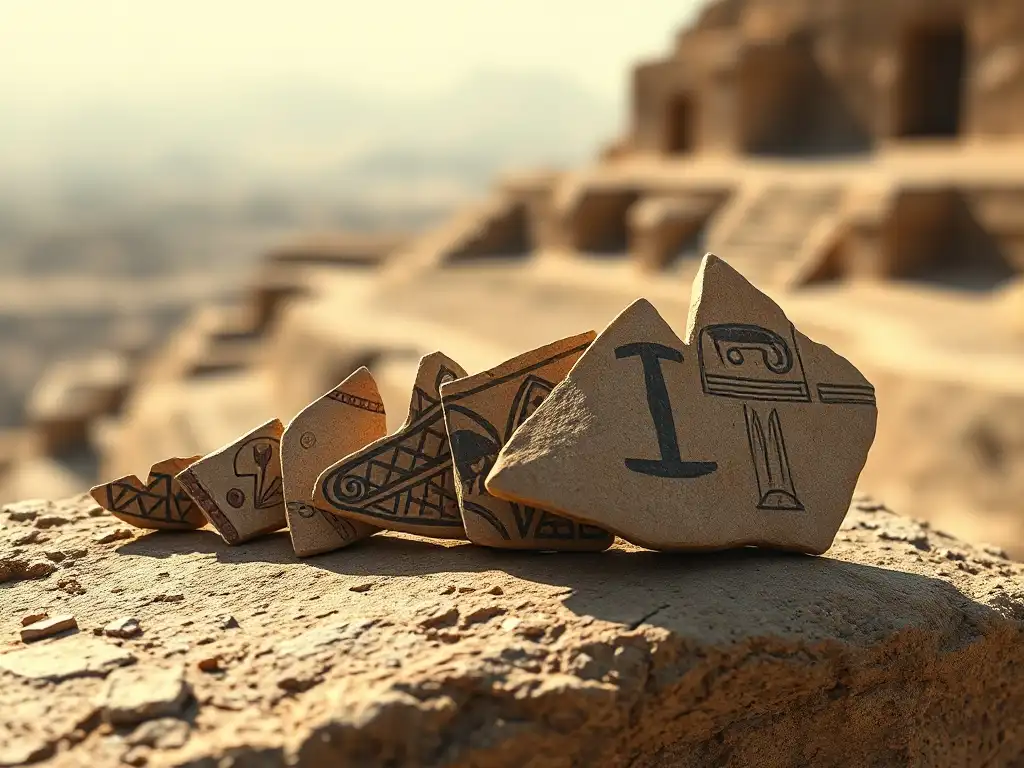
The evolution of Nazca pottery is typically divided into several phases, each characterized by distinct stylistic features and technological advancements. While precise dating remains a subject of ongoing research, archaeologists generally agree on a broad chronological framework. Early Nazca pottery (circa 100-200 CE) is characterized by simpler forms and less elaborate decoration compared to later styles.
The use of slip, a liquid clay coating, was initially less refined, resulting in a less glossy finish. Colors were relatively muted, often featuring earthy tones of red, brown, and beige. The designs were frequently geometric or representational, depicting basic shapes and simple motifs.
As the Nazca culture matured, so did its pottery. The Middle Nazca period (circa 200-400 CE) witnessed a significant increase in the complexity of both form and decoration. Potters mastered the techniques of slip application, achieving a high-gloss finish. The color palette expanded to include vibrant hues such as bright red, orange, yellow, white, and black. The designs became increasingly intricate, featuring elaborate polychrome painting and the depiction of diverse figurative scenes, including mythological beings, animals, and human figures. This period saw the emergence of the iconic Nazca style, known for its dynamic composition and bold use of color.
The Late Nazca period (circa 400-650 CE) saw a continuation of the sophisticated techniques and stylistic elements from the Middle Nazca period, but with some notable variations. While the high-quality craftsmanship persisted, there was perhaps a slight simplification in some decorative motifs. Some scholars argue for a decline in artistic innovation during this final phase, while others believe it represents a natural evolution and adaptation.
Nevertheless, the Late Nazca pottery remains remarkably sophisticated and continues to exemplify the high artistic achievements of the Nazca culture. The transition into the next cultural period marks the end of the distinct Nazca pottery style.
Key Changes in Nazca Pottery Through Time
Several key changes occurred in Nazca pottery styles over time. The most prominent include:
- Refinement of Slip and Glaze: Early Nazca pottery displays a less refined slip application compared to the later periods where a high-gloss finish was achieved. The mastery of slip application was a crucial technological advancement.
- Expansion of Color Palette: The initial muted tones evolved into a vibrant and diverse color palette, encompassing a wide range of reds, oranges, yellows, whites, and blacks, showcasing mastery of pigment production and application.
- Increased Complexity of Designs: Simple geometric and representational designs of the early periods gave way to elaborate polychrome paintings and intricate figurative scenes in the Middle and Late Nazca periods. This reflects a growing artistic sophistication and the development of more complex narrative themes.
- Evolution of Vessel Shapes: While some basic vessel forms persisted, new shapes and sizes emerged over time, reflecting changes in function and aesthetic preferences. This evolution demonstrates adaptation and experimentation within the pottery tradition.
- Development of New Techniques: The Nazca potters continually refined their techniques, experimenting with different painting styles, surface treatments, and methods of firing. This continuous innovation contributed to the dynamism and diversity of Nazca pottery.
Factors Influencing the Nazca Pottery Evolution
Several factors likely influenced the evolution of Nazca pottery styles and techniques. These include:
- Technological advancements: Improvements in kiln technology, pigment production, and slip application techniques directly impacted the quality and complexity of the pottery.
- Cultural exchange: Interaction with neighboring cultures may have introduced new ideas and techniques, influencing the development of Nazca pottery styles.
- Social and political changes: Shifts in social organization and political power within the Nazca society could have affected artistic trends and the production of pottery.
- Religious beliefs: Religious beliefs and practices likely played a significant role in shaping the themes and iconography depicted on Nazca pottery. Mythological figures and rituals may have been represented on the pottery.
- Economic factors: The demand for pottery, whether for ceremonial, domestic, or trade purposes, likely influenced the scale and style of pottery production.
Specific Examples of Pottery Pieces from Different Periods
While specific examples require visual aids (beyond the scope of this text), we can describe typical characteristics. Early Nazca pieces often featured simple, geometric designs painted in muted colors on relatively plain vessels. Middle Nazca pottery showcases elaborate polychrome designs featuring intricate depictions of humans, animals, and mythical creatures on a variety of vessel shapes, including stirrup-spout vessels.
Late Nazca pieces retain the sophistication of the Middle Nazca period, but may show a slight simplification in some designs, while maintaining the high-quality craftsmanship. Further research and access to museum catalogs would allow for a more detailed discussion of specific artifacts and their attributes.
The Legacy of Nazca Pottery: Influence and Importance
The legacy of Nazca pottery is profound and far-reaching. Its influence can be seen in subsequent Andean cultures, and it continues to fascinate and inspire today.
Impact of Nazca Ceramics on Subsequent Andean Cultures
Nazca pottery's sophisticated techniques and artistic styles profoundly influenced subsequent Andean cultures, particularly those in the south coastal regions of Peru. The mastery of polychrome painting and the use of vibrant colors were adopted and adapted by later cultures. Certain decorative motifs and stylistic elements also appear in the pottery of succeeding cultures, demonstrating a clear lineage and continuity in artistic traditions. The innovative techniques developed by Nazca potters left a lasting impact on ceramic production in the Andes.
Nazca Pottery as a Window into Ancient Nazca Society
Nazca pottery offers invaluable insights into the social, religious, and economic aspects of Nazca society. The iconography depicted on the vessels provides clues about their beliefs, rituals, and social structures. The variety of vessel shapes and sizes reflects the different functions of pottery in daily life, from ceremonial uses to domestic storage. The distribution of pottery across different sites sheds light on trade networks and regional interactions. By studying Nazca pottery, we can gain a deeper understanding of this fascinating ancient civilization.
Preservation and Study of Nazca Ceramic Artifacts
The preservation and study of Nazca ceramic artifacts are crucial for understanding this significant culture. Ongoing archaeological excavations and museum collections continue to yield new discoveries, expanding our knowledge of Nazca pottery. Careful preservation techniques are essential to protect these fragile artifacts from deterioration.
Advanced scientific analysis methods are employed to study the composition of pigments, the firing techniques, and other aspects of the pottery's production, providing further insights into the artistry and technology of Nazca potters. The ongoing research and conservation efforts ensure that the legacy of Nazca pottery continues to be appreciated and understood for generations to come.
Conclusion: Understanding the Nazca Pottery Style Evolution
The evolution of Nazca pottery style reflects not only aesthetic changes but also significant shifts in societal structures, beliefs, and technological capabilities. The journey from the early, simpler forms to the incredibly intricate and vibrant pieces of the later periods showcases a remarkable artistic and technological progression. The development of new techniques, such as the mastery of polychromy and the refinement of slip application, demonstrates a dedication to artistic excellence and a sophisticated understanding of ceramic production. This evolution wasn't a linear process; instead, we see periods of experimentation, innovation, and even stylistic regression, reflecting the complex dynamics of Nazca society.
Studying this evolution offers invaluable insights into the cultural beliefs, social hierarchies, and artistic sensibilities of this fascinating civilization. The vibrant imagery, often depicting deities, mythical creatures, and scenes of daily life, provides a window into the worldview and spiritual landscape of the Nazca people. By carefully examining the stylistic changes and technical advancements in Nazca pottery, we gain a deeper appreciation for the ingenuity and artistic prowess of this ancient Andean culture, enriching our understanding of the "Nazca pottery style evolution."
Further research, particularly focusing on the relationship between pottery styles and archaeological contexts, can help refine our understanding of the chronological sequence and the cultural factors driving these changes. The continued study of Nazca pottery remains crucial for piecing together a more complete picture of this remarkable civilization and its artistic legacy. The intricate details and vibrant colors of their pottery continue to captivate and inspire, reminding us of the enduring power of art to reflect and shape cultural identity.
- Introduction to Nazca Ceramic Art
- Early Nazca Pottery: Foundations of a Unique Style
- The Middle Nazca Period: Development of Complex Designs
- Late Nazca Pottery: Stylistic Transformations
- Nazca Pottery Techniques: A Detailed Look
- Nazca Pottery Decoration: Exploring the Motifs
- Chronological Analysis of Nazca Pottery Style Evolution
- The Legacy of Nazca Pottery: Influence and Importance
- Conclusion: Understanding the Nazca Pottery Style Evolution
Frequently Asked Questions
What is the main focus of this article?
This article explores the evolution of Nazca pottery, detailing the changes in style and technique throughout its history. It examines how the artistic expression changed over time, reflecting societal shifts and technological advancements.
How did Nazca pottery styles change over time?
Nazca pottery styles evolved significantly, moving from early simpler forms to more complex and elaborate designs. Changes included variations in colors, motifs, and the techniques used for painting and shaping.
What are some key characteristics of Nazca pottery?
Polychrome painting, depicting mythological creatures, plants, and humans, is a hallmark of Nazca pottery. Feline imagery and the use of geometric patterns are also prominent features.
What techniques did Nazca potters use?
Nazca potters employed various techniques, including slip painting, negative painting, and incising. They skillfully created complex designs using a range of colors and achieved a high level of detail.
How does this article contribute to our understanding of Nazca culture?
By studying the evolution of Nazca pottery, we gain insights into their belief systems, social structures, and artistic traditions. The changes in style reflect the dynamics of Nazca society over time.
Final Reflection: Echoes of a Lost Civilization in Nazca Pottery
The vibrant artistry of Nazca pottery continues to resonate today, a testament to the ingenuity and cultural richness of a civilization lost to time. These intricate designs, bold colors, and innovative techniques offer not only a glimpse into the past but also a powerful reminder of the enduring human capacity for creativity and expression, even in the face of adversity. The meticulous detail and stylistic shifts we've explored highlight the dynamic nature of their society and its ability to adapt and evolve.
The enduring legacy of Nazca pottery is undeniable; its influence can be seen in modern art, design, and even our understanding of ancient cultures. Its impact extends beyond mere aesthetics, offering valuable insights into the social structures, religious beliefs, and daily lives of the Nazca people. The past is never dead. It's not even past.
– William Faulkner. This quote perfectly encapsulates the enduring power of Nazca pottery to connect us to a civilization that existed centuries ago, enriching our understanding of the human experience across time.
Consider the intricate detail, the bold colors, the innovative techniques – these were not merely decorative elements; they were expressions of a vibrant culture. You, the reader, are now equipped with a deeper understanding of this remarkable art form. Take a moment to reflect on the artistry and ingenuity of the Nazca people. How does their story inspire you? How can we, in our own time, strive to create and preserve our own cultural legacies with similar passion and dedication? Let the echoes of their artistry inspire your own creative journey.
Unveil the Artistic Legacy of Nazca Pottery!
Thank you for exploring the fascinating world of Nazca pottery with us! We hope this journey has deepened your appreciation for the intricate styles and techniques developed over centuries. Now, let's take your interest further.
Here are some exciting next steps you can take:
- **Learn traditional pottery techniques** by enrolling in a local class inspired by ancient Nazca artisans. This hands-on experience will bring the artistry to life.
- **Share your newfound passion** with friends and family. Start a conversation about Andean culture, or even host a themed gathering to celebrate its rich heritage!
- Explore **museum and online exhibitions** showcasing rare Nazca pottery. Seeing these remarkable pieces up close will enhance your understanding of their historical context.
What aspect of Nazca pottery most captivated you, and how will you integrate this inspiration into your own creative endeavors?