
Nazca Farming Methods: How They Conquered Arid Landscapes


Unravel the mysteries of a lost world where ingenuity thrived against the odds. Step into the heart of the Andean civilizations and witness the breathtaking ingenuity of the ancient cultures that shaped this remarkable region. But prepare to be astonished by the Nazca's mastery of agriculture; how did they conquer the seemingly barren landscapes of the Peruvian coast? Discover the secrets behind their revolutionary Nazca agriculture techniques and prepare to be amazed by their ability to flourish in one of the world's most challenging environments. Explore the story now, and uncover the answers.
The Nazca civilization, renowned for its enigmatic geoglyphs, thrived in one of the most arid regions of the world—the coastal deserts of southern Peru. This seemingly inhospitable environment, characterized by scarce rainfall and scorching sun, presented a formidable challenge to the Nazca people.
However, far from being defeated by their surroundings, they developed ingenious agricultural techniques that allowed them to not only survive but flourish for centuries. This article delves into the remarkable farming methods employed by the Nazca, showcasing their mastery of water management and their innovative solutions to the problem of cultivating crops in a desert landscape.
We will explore their understanding of the harsh environment, the key techniques they used, and the lasting impact of their agricultural ingenuity, all while examining the keyword "Nazca agriculture techniques" in detail. Their success provides a fascinating case study in human adaptation and resilience, offering valuable insights into sustainable agriculture in challenging environments even today.
The Challenge of Arid Lands: Understanding Nazca Agriculture
The Harsh Environment of the Nazca Region
The Nazca desert is characterized by extremely low rainfall, averaging less than 150 mm annually. High temperatures and intense solar radiation further exacerbate the challenges of agriculture. The soil itself is often sandy and poor in nutrients, requiring specialized techniques to support plant growth. The scarcity of surface water sources made the development of sophisticated water management systems absolutely crucial for Nazca survival. The ingenuity displayed in overcoming these obstacles is a testament to their deep understanding of their environment and their capacity for innovation.
Water Scarcity and its Impact on Nazca Farming
Water scarcity was the primary constraint on Nazca agriculture. Without reliable water sources, crop cultivation was extremely difficult. The lack of consistent rainfall meant that the Nazca could not rely on simple rain-fed agriculture. This necessitated the development of complex irrigation systems capable of capturing, storing, and distributing water efficiently. The success or failure of their agricultural endeavors hinged entirely on their ability to overcome this fundamental challenge. The consequences of drought were severe, potentially leading to famine and societal disruption. Therefore, water management was not merely a matter of convenience but a matter of survival.
Ingenious Nazca Agriculture Techniques
The Nazca people weren't simply passive inhabitants of their environment; they were active modifiers of it, creating innovative solutions to the challenges of arid-land farming. Their success was built on a combination of techniques that worked in synergy to maximize water use and crop yields. Their achievements are particularly impressive considering the tools and materials available to them.
Puquios: Underground Aqueducts of the Nazca
Puquios are perhaps the most remarkable example of Nazca ingenuity. These are underground water channels that tapped into aquifers, bringing water to the surface for irrigation. The construction of these aqueducts involved significant engineering skill and labor, demonstrating a sophisticated understanding of hydrology and subsurface water flow. Their design allowed for the efficient collection and transport of water, minimizing evaporation losses.
How Puquios Functioned: A Detailed Look
The construction of puquios involved digging a series of interconnected shafts and tunnels into the ground, often extending for considerable distances. These shafts were connected to a network of horizontal tunnels that intercepted underground water sources. Ventilation shafts were strategically placed to facilitate air circulation and prevent the collapse of the tunnels. The water flowed through the tunnels by gravity, emerging at carefully chosen points where it could be used for irrigation. The intricate network of puquios demonstrates a level of planning and cooperation rarely seen in other ancient civilizations.
Significance of Puquios for Nazca Irrigation
The puquios played a vital role in the Nazca irrigation system. They provided a reliable source of water throughout the year, even during periods of drought. By accessing underground water sources, the Nazca were able to overcome the limitations of surface water availability. The puquios enabled them to cultivate larger areas of land and produce greater crop yields, supporting a relatively large and dense population. Their impact extended beyond mere irrigation; they also helped maintain soil moisture, preventing erosion and desertification.
Wachaques: Sunken Fields for Water Conservation
Wachaques are another significant element of Nazca agriculture. These are sunken fields, essentially depressions in the ground, that collect rainwater and moisture from the air. The design of wachaques allowed for increased water infiltration into the soil, improving soil moisture retention. This technique was particularly effective in areas where surface water was scarce or unreliable.
Construction and Design of Wachaques
The construction of wachaques involved digging rectangular or oval-shaped pits in the ground. The depth and dimensions of the pits varied depending on the local conditions. The excavated soil was often used to create raised walls around the wachaques, further enhancing water retention. The design of the wachaques was optimized to maximize water collection and minimize evaporation.
Benefits of Wachaques for Crop Cultivation
The use of wachaques provided several benefits for crop cultivation. They improved soil moisture, reduced water loss through evaporation, and provided a more favorable microclimate for plant growth. The sunken fields also protected crops from strong winds and intense solar radiation. The combination of wachaques and puquios provided a highly effective system for maximizing water use and crop yields.
Canals and Reservoirs: Surface Water Management
While puquios tapped into underground water sources, the Nazca also skillfully managed surface water resources. They constructed an extensive network of canals to divert water from rivers and streams to their fields. These canals were strategically designed to minimize water loss and maximize irrigation efficiency. They also built reservoirs to store water during periods of rainfall, ensuring a reliable water supply throughout the year.
Nazca Canal Systems: Distribution and Efficiency
The Nazca canal system was a complex network of channels that extended over considerable distances. These canals were carefully graded to ensure a gentle flow of water, minimizing erosion and water loss. The construction of canals required a high degree of engineering skill and labor, reflecting the importance of irrigation to the Nazca people. The efficiency of their canal systems is evident in their ability to support a thriving agricultural economy in a harsh desert environment.
Storage of Water in Reservoirs: Ensuring Supply
Reservoirs provided a crucial element of water security for the Nazca. By storing water during periods of rainfall, they were able to ensure a reliable supply even during extended dry periods. The construction of reservoirs involved carefully selecting suitable locations and constructing earthen dams to retain water. The reservoirs played a vital role in ensuring the sustainability of Nazca agriculture. Their careful planning and execution of these water storage systems ensured the continuous flow of water necessary for their crops, even during lean times.
Crops Cultivated by the Nazca People
The Nazca people, renowned for their enigmatic lines etched into the desert, were equally skilled in cultivating a surprisingly diverse range of crops in the harsh, arid environment of the southern coast of Peru. Their agricultural ingenuity allowed them to thrive in a landscape seemingly unfit for large-scale farming, a testament to their advanced understanding of water management and plant adaptation. Their success wasn't merely a matter of survival; it laid the foundation for a complex and sophisticated society.
The sheer variety of crops they managed to cultivate speaks volumes about their agricultural expertise and resourcefulness. Understanding the specific crops they cultivated provides crucial insights into their diet, social structure, and overall resilience.
Staple Crops of the Nazca Diet
The Nazca diet was heavily reliant on a few key crops that provided the bulk of their caloric intake and essential nutrients. These staple crops formed the backbone of their agricultural system and were carefully cultivated to ensure sufficient yields. Archaeological evidence, including remnants found in Nazca settlements and burial sites, consistently reveals the prominence of these specific plants in their daily lives.
The focus on these staples suggests a well-organized and efficient agricultural system designed to maximize food production within the limitations of their environment. Further research into the precise quantities of each staple consumed could provide a more detailed picture of Nazca dietary habits.
Corn, Beans, and Squash: Essential Cultivations
Corn ( Zea mays ), beans ( Phaseolus vulgaris), and squash ( Cucurbita spp.) formed the classic "three sisters" agricultural system, a cornerstone of many pre-Columbian Andean societies, including the Nazca. These crops complemented each other synergistically: corn provided carbohydrates, beans added protein and nitrogen to the soil, and squash offered vitamins and minerals.
The intricate planting techniques employed by the Nazca maximized the benefits of this symbiotic relationship, enhancing yields and nutrient density. Evidence suggests that specific varieties of corn, beans, and squash were selected and cultivated to thrive in the Nazca's unique environmental conditions. Understanding the specific genetic variations of these crops would significantly enhance our knowledge of Nazca agricultural practices.
Other Important Crops: Potatoes, Peanuts, and Cotton
Beyond the "three sisters," the Nazca cultivated a wider array of crops, each playing a vital role in their economy and society. Potatoes ( Solanum tuberosum), highly adaptable to varied altitudes and climates, were a significant source of carbohydrates. Peanuts ( Arachis hypogaea) provided valuable oils and proteins.
Cotton ( Gossypium barbadense), crucial for textile production, demonstrates the Nazca's sophisticated understanding of fiber crops and their ability to create intricate textiles. The cultivation of these crops highlights the Nazca's ability to diversify their food sources and produce materials for clothing and other necessities. Further research is needed to determine the precise cultivation techniques used for these crops in the arid Nazca environment.
Adaptation of Crops to Arid Conditions
The success of Nazca agriculture hinged on their remarkable ability to adapt crops to the extremely arid climate. This involved not only selecting drought-resistant varieties but also developing sophisticated irrigation systems and soil management techniques. They strategically chose planting locations, taking advantage of microclimates and water sources. Evidence suggests that they developed specific techniques for water conservation and soil enrichment to maximize crop yields in a challenging environment. [Specific examples of drought-resistant varieties and soil enrichment techniques pending].
Nazca Plant Breeding: Improving Resistance
The Nazca people were likely not passive cultivators; rather, they actively engaged in plant breeding to improve the drought resistance and yield of their crops. Through careful selection and cultivation of desirable traits, they likely developed varieties better suited to the harsh conditions of the Nazca desert. This selective breeding process, passed down through generations, played a critical role in their agricultural success and food security. [Specific examples of Nazca plant breeding techniques pending].
Crop Diversity and Food Security
The remarkable diversity of crops cultivated by the Nazca significantly contributed to their food security. A diversified agricultural system reduced the risk of crop failure due to drought, pests, or disease. The ability to cultivate a wide range of crops ensured a reliable food supply, supporting a relatively large population in a challenging environment. This diversification strategy demonstrates a sophisticated understanding of risk management and resource utilization.
The Impact of Nazca Agricultural Practices
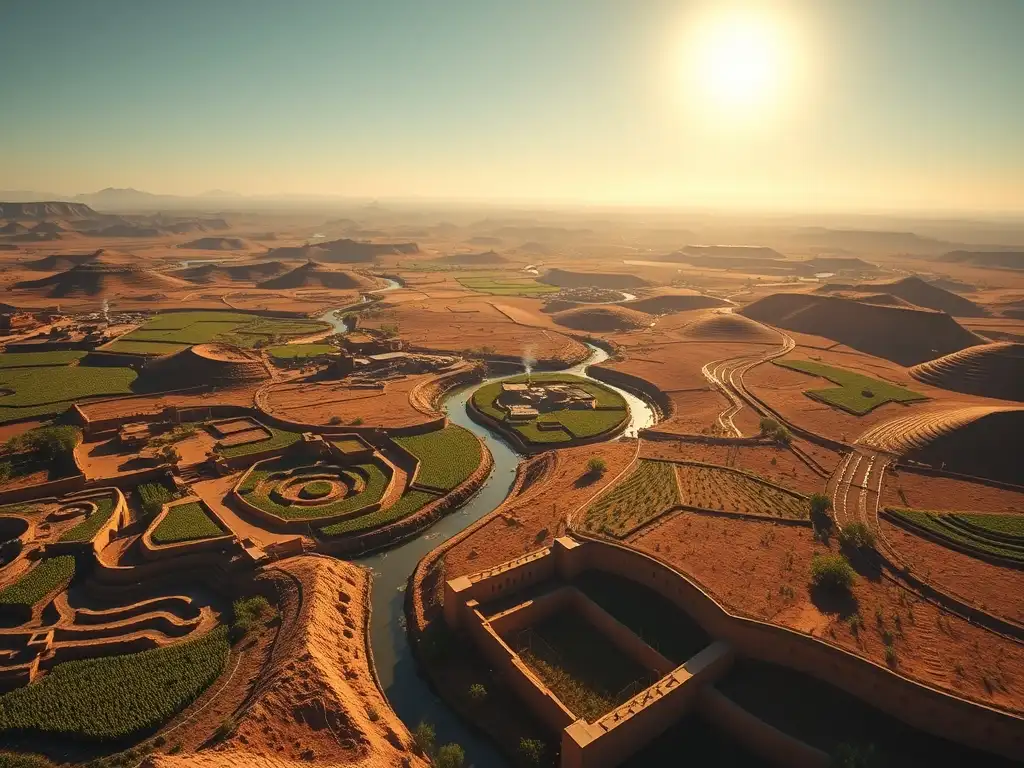
The agricultural practices of the Nazca civilization had a profound impact on their society, shaping its structure, complexity, and longevity. Their innovative farming techniques allowed them to overcome the limitations of their arid environment and create a thriving society. The success of their agricultural system is inseparable from their cultural achievements and social organization.
Sustaining a Large Population in the Desert
The Nazca's agricultural prowess allowed them to sustain a surprisingly large population in a region characterized by extreme aridity. Their ability to produce sufficient food surpluses enabled the development of complex social structures and specialized labor, leading to advancements in other areas, such as art, textiles, and ceramics. This achievement is remarkable considering the environmental challenges they faced.
Nazca Agriculture and Social Complexity
The complexity of Nazca society is intrinsically linked to its successful agricultural system. The need for irrigation, land management, and resource distribution fostered collaboration and social organization. This led to the development of specialized roles and hierarchies, contributing to the social stratification observed in Nazca society. The organization required for large-scale agricultural projects likely played a significant role in the development of their political and social structures.
The Role of Farming in Nazca Civilization
Farming was not merely a means of subsistence for the Nazca; it was central to their entire civilization. It shaped their social organization, religious beliefs, and artistic expressions. The importance of agriculture is reflected in their iconography, where agricultural motifs frequently appear in textiles, ceramics, and other artifacts. Their agricultural success is arguably the foundation upon which their remarkable culture flourished.
Legacy of Nazca Farming Techniques
The Nazca legacy extends beyond their iconic lines; their advanced agricultural techniques left a lasting impact on subsequent Andean cultures. Many of their water management and crop cultivation practices were adopted and adapted by later civilizations, demonstrating the ingenuity and long-term influence of their agricultural innovations. The knowledge and techniques they developed were crucial for the survival and development of succeeding Andean societies.
Lessons from Nazca Agriculture for Modern Times
The Nazca's success in conquering an arid landscape offers valuable lessons for modern agriculture, especially in addressing the challenges of climate change and water scarcity. Their ingenious water harvesting and drought-resistant crop cultivation techniques provide inspiration for developing sustainable agricultural practices in arid and semi-arid regions worldwide. Their approach to resource management and environmental stewardship remains remarkably relevant today.
Modern Applications: Water Harvesting, Drought-Resistant Crop Development
Modern agricultural practices can learn significantly from the Nazca's approach to water harvesting and drought-resistant crop development. Their sophisticated irrigation systems, utilizing natural water sources and minimizing water loss, serve as models for contemporary water-efficient technologies. Similarly, their selection and breeding of drought-resistant crops provide valuable insights for developing crops resilient to climate change impacts. Studying their techniques can contribute to creating more sustainable and resilient agricultural systems.
Conclusion: The Mastery of Nazca Farmers
The Nazca's success in cultivating a flourishing civilization in one of the world's most arid regions stands as a testament to their ingenuity and adaptability. Their mastery of water management, coupled with their understanding of the local environment and the development of innovative farming techniques, allowed them to overcome significant environmental challenges. The Nazca weren't simply farmers; they were hydrological engineers, meticulously planning and executing complex systems to ensure agricultural success.
Their legacy extends beyond their iconic geoglyphs; it's etched into the very landscape they shaped, a legacy of resilience and resourcefulness that continues to inspire awe and wonder. Understanding their methods offers valuable insights into sustainable agriculture, particularly in arid and semi-arid environments facing similar challenges today.
The sophisticated understanding and application of water resources demonstrated by the Nazca civilization remains a crucial area of study for modern agricultural practices. Further research into their techniques could offer crucial solutions for contemporary water management challenges.
The Ingenuity of Nazca Agricultural Systems
The Nazca agricultural system wasn't a single method but a complex interplay of techniques designed to maximize water use in a desert environment. They employed a variety of strategies, including the construction of extensive canal systems, which channeled water from rivers and streams to their fields. These canals, some stretching for kilometers, were carefully engineered to follow the contours of the land and minimize water loss.
Furthermore, they utilized raised fields (waru-waru), platforms of fertile soil built above the surrounding desert floor. These elevated fields provided better drainage and improved soil aeration, promoting crop growth. The ingenious use of subsurface irrigation systems also played a vital role, allowing water to seep slowly into the soil, reducing evaporation and maximizing water retention.
These intricate systems, often integrated with sophisticated terracing on hillsides, represent a remarkable feat of engineering and planning. Evidence suggests the Nazca also employed crop rotation and other agricultural practices to optimize soil fertility and maintain crop yields.
Nazca Agriculture: A Testament to Human Adaptation
The Nazca's agricultural achievements are a powerful example of human adaptation to challenging environmental conditions. Faced with limited water resources and harsh desert conditions, they developed sophisticated techniques to maximize crop yields. Their ingenuity wasn't limited to irrigation; they also selected crops suited to the arid climate, prioritizing drought-resistant varieties. The careful planning and execution of their agricultural projects demonstrate a deep understanding of hydrology, soil science, and ecology.
Their success wasn't a matter of luck but a result of careful observation, experimentation, and a commitment to sustainable practices. The Nazca's ability to thrive in such a challenging environment highlights the potential for human innovation to overcome seemingly insurmountable obstacles. Their legacy serves as a reminder of the importance of understanding and respecting the delicate balance of nature. The Nazca's achievements are particularly relevant today, as many regions face increasing water scarcity and the need for sustainable agricultural practices.
Importance of Preserving Nazca Agricultural Heritage
Preserving the remnants of Nazca agricultural systems is crucial for several reasons. Firstly, these sites offer invaluable insights into ancient agricultural practices and the ingenuity of the Nazca people. Studying these systems can provide valuable lessons for modern agriculture, particularly in arid and semi-arid regions. Secondly, preserving these sites helps protect a unique cultural heritage, connecting us to the past and fostering a deeper appreciation for the achievements of the Nazca civilization.
The archaeological evidence provides critical data for understanding sustainable farming techniques in harsh environments. Finally, preserving these sites helps maintain biodiversity and protect the fragile desert ecosystem. Many of these agricultural features support unique plant and animal life, contributing to the overall ecological health of the region.
Protecting these sites is not merely an act of historical preservation; it is also a crucial step towards ensuring the long-term sustainability of the region's environment. Continued research and conservation efforts are vital to safeguarding this remarkable legacy for future generations. The Nazca's agricultural heritage represents a valuable resource for both historical and scientific study, and its preservation is essential.
- The Challenge of Arid Lands: Understanding Nazca Agriculture
- Ingenious Nazca Agriculture Techniques
- Crops Cultivated by the Nazca People
- The Impact of Nazca Agricultural Practices
- Conclusion: The Mastery of Nazca Farmers
Frequently Asked Questions
What were the main challenges faced by Nazca farmers?
The Nazca people faced the immense challenge of arid landscapes and scarce water resources in the coastal desert of Peru. Their agricultural success depended on overcoming these limitations.
How did the Nazca people obtain water for their crops?
The Nazca developed sophisticated water management systems, including canals, aqueducts, and underground galleries (puquios) to capture and distribute scarce water resources from underground aquifers and rivers.
What were some of the key Nazca agricultural techniques?
Key techniques included terracing, which created level platforms on slopes for farming; extensive canal systems for irrigation; and innovative methods to conserve water and improve soil fertility.
What crops did the Nazca civilization cultivate?
The Nazca cultivated a variety of crops adapted to the arid climate, including cotton, beans, peppers, squash, and maize. Their agricultural diversity was crucial to their survival.
How did Nazca agricultural techniques contribute to their societal development?
Successful Nazca agriculture fueled population growth, supported complex social structures, and allowed for the development of advanced art, architecture, and textile production. Their farming methods were fundamental to their civilization's prosperity.
Final Reflection: The Enduring Legacy of Nazca Ingenuity
The ingenious farming methods of the Nazca people remain a powerful testament to human adaptability and a crucial lesson for sustainable agriculture in our increasingly arid world. Their ability to flourish in one of the driest regions on Earth offers a compelling counterpoint to modern agricultural practices that often deplete resources and damage fragile ecosystems. The Nazca's success wasn't simply a matter of survival; it was a triumph of innovative engineering and a deep understanding of their environment.
The Nazca's legacy extends far beyond their remarkable aqueducts and intricate irrigation systems. Their approach to farming, characterized by careful water management and a deep respect for the land, continues to inspire researchers and agriculturalists today. Their achievements underscore the importance of sustainable practices, a concept that resonates deeply with the growing concerns about climate change and resource scarcity. The earth provides enough to satisfy every man's needs but not every man's greed.
– Mahatma Gandhi. This quote highlights the critical balance the Nazca achieved, a balance we must strive to emulate in our own time.
Consider the ingenuity of the Nazca, their profound connection to their environment, and the lasting impact of their agricultural innovations. You too can cultivate a deeper understanding of sustainable practices. By embracing mindful resource management in your own life, whether it's through reducing water consumption, supporting local and sustainable food systems, or simply appreciating the delicate balance of nature, you can contribute to a future where human ingenuity and environmental stewardship work hand-in-hand, echoing the remarkable achievements of the Nazca civilization.
Unveil Your Farming Potential Today!
Thank you for exploring the fascinating world of Nazca farming! You've learned how these innovative techniques transformed arid lands into thriving fields. Now, let's put that knowledge into practice!
Here are some steps to begin your sustainable farming journey:
- **Embrace local farming methods:** Research traditional farming practices in your region, or explore modern alternatives that share the ingenuity of Nazca techniques.
- **Join a community garden or farming group:** Connecting with fellow enthusiasts provides invaluable support, shared resources, and collective learning experiences crucial for successful cultivation.
- **Implement water-wise landscaping:** Consider water-efficient landscaping techniques to conserve water and create a thriving, sustainable environment.
How will you apply these ancient principles to overcome modern farming challenges in your area? Share your ideas below!