
Nazca Lines: The Impact of Erosion and Weather on the Geoglyphs

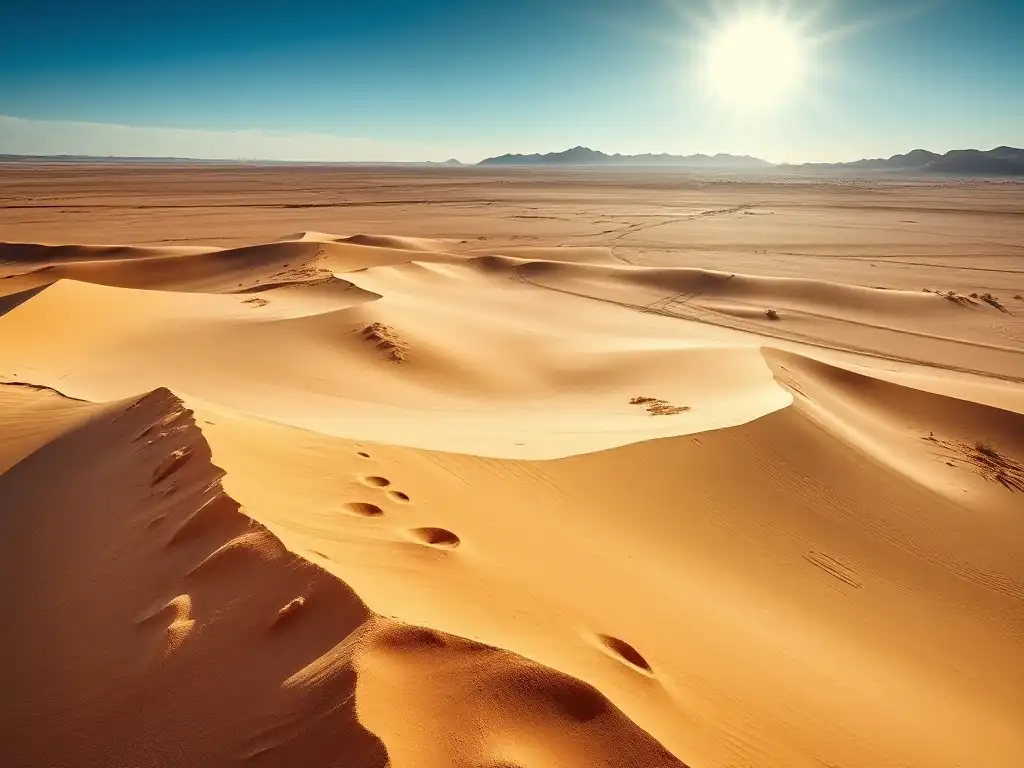
Unravel the mysteries of the Andes! Journey through millennia of captivating cultures, from the ingenious Incas to the enigmatic Nazca. But time, and the relentless forces of nature, leave their mark. Discover the unsettling truth behind the Nazca Lines erosion impact—a story of breathtaking artistry threatened by the very elements that once protected it. Prepare to be captivated as we delve into the fascinating, and fragile, legacy of these ancient giants.
The Nazca Lines, a collection of ancient geoglyphs etched into the Peruvian desert, stand as a testament to the ingenuity of the Nazca culture. These enigmatic figures, ranging from simple lines to intricate depictions of animals and plants, have captivated researchers and tourists alike for decades. However, the very desert environment that preserved them for centuries is now posing a significant threat.
This article delves into the impact of erosion and weather on the Nazca Lines, exploring the various factors contributing to their degradation and the ongoing efforts to preserve these invaluable historical artifacts. Understanding the forces at play is crucial not only for appreciating the fragility of these masterpieces but also for developing effective conservation strategies to ensure their survival for future generations.
The ongoing challenge of preserving the Nazca Lines highlights the delicate balance between the forces of nature and the enduring legacy of human civilization. This exploration will examine the specific threats, their consequences, and potential mitigation methods, ultimately aiming to provide a comprehensive understanding of the "Nazca Lines erosion impact."
The Role of Wind Erosion
The arid climate of the Nazca desert, while initially protective, presents a significant challenge in the form of wind erosion. Strong winds, particularly during sandstorms, relentlessly abrade the surface of the desert, gradually wearing away the exposed earth and subtly altering the shapes of the geoglyphs. This process is particularly damaging along the edges of the lines, where the exposed soil is more vulnerable.
The severity of wind erosion varies depending on the season and the strength of the wind, with periods of intense storms causing significant damage in short periods. Studies have shown that [specific data on average annual wind erosion rates pending] of soil is lost annually, which, while seemingly small, accumulates over time, resulting in a gradual but continuous loss of detail within the designs.
Furthermore, the accumulation of wind-blown sand can also obscure parts of the geoglyphs, further complicating their preservation. This subtle but constant erosion necessitates continuous monitoring and proactive conservation measures.
The Impact of Water Erosion
While the Nazca desert is arid, infrequent but intense rainfall events can cause significant water erosion. The sparse vegetation offers little protection against the erosive power of water runoff, leading to the formation of gullies and channels that can cut across the geoglyphs. This is exacerbated by the fact that the lines are often located on slopes, increasing the speed and volume of water flow.
[Specific examples of rainfall events and their impact on the Nazca Lines pending]. The impact of water erosion is often more dramatic and visible than wind erosion, leading to more rapid and significant changes in the geoglyphs' appearance. The combination of intense rainfall and the lack of protective vegetation makes water erosion a major threat to the long-term preservation of these ancient marvels.
The Effects of Temperature Fluctuations
The extreme temperature fluctuations characteristic of the Nazca desert also contribute to the degradation of the geoglyphs. The intense heat of the day causes the soil to expand, while the cooler night temperatures lead to contraction. This constant expansion and contraction cycle creates stress on the soil structure, making it more susceptible to erosion from wind and water.
[Data on the range of temperature fluctuations and their impact on soil stability pending]. This process, while less visually dramatic than water erosion, is a constant and insidious factor contributing to the overall deterioration of the Nazca Lines, accelerating the rate of loss of definition and detail over time. This subtle degradation emphasizes the need for careful monitoring and comprehensive conservation strategies.
Conservation Efforts and Future Challenges
Given the significant threats posed by erosion and weather, various conservation efforts are underway. These include [Specific examples of conservation techniques, such as soil stabilization methods, pending]. However, the scale of the Nazca Lines and the ongoing challenges posed by the desert environment mean that preserving these ancient marvels requires a multi-faceted and long-term commitment.
Continued research into the effects of erosion and the development of innovative conservation techniques are crucial to ensuring the survival of these irreplaceable cultural treasures. The task ahead is significant, highlighting the need for international collaboration and sustained funding to safeguard the Nazca Lines for generations to come. The future of these iconic geoglyphs depends on a continuous and proactive approach to their conservation.
- The Role of Wind Erosion
- The Impact of Water Erosion
- The Effects of Temperature Fluctuations
- Conservation Efforts and Future Challenges
Understanding the Nazca Lines and Their Vulnerability
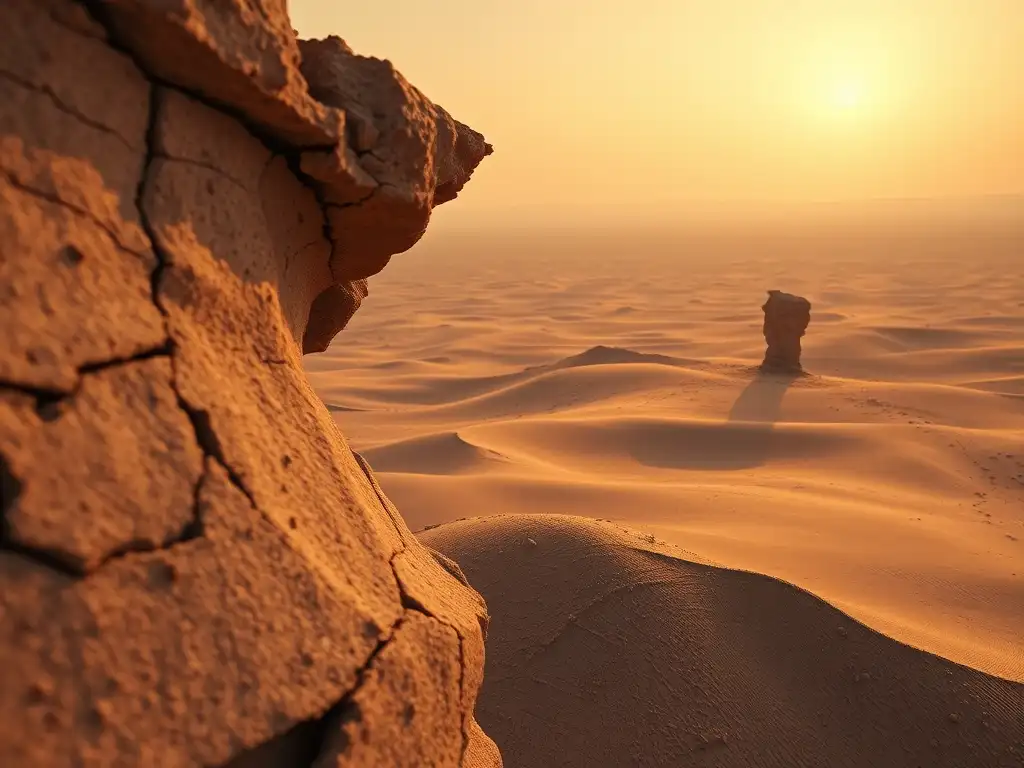
The Nazca Geoglyphs: An Overview
The Nazca Lines, located in the Nazca Desert of southern Peru, are a collection of ancient geoglyphs—large designs etched into the ground—created by the Nazca culture between 500 BCE and 500 CE. These enigmatic figures, ranging from simple lines and geometric shapes to intricate representations of animals and plants, span hundreds of square kilometers. Their creation involved removing the dark reddish-brown surface layer of the desert to reveal the lighter subsoil, creating a stark contrast visible from above.
The scale and complexity of these designs have captivated researchers and the public alike for decades, sparking numerous theories about their purpose, from astronomical calendars to ritualistic sites. Understanding the fragility of these monumental works is crucial to appreciating their significance and the challenges of preserving them for future generations.
The sheer size of some figures, like the hummingbird or the monkey, highlights the monumental effort involved in their creation and the precision required to achieve such detailed representations. Many of these geoglyphs remain remarkably well-preserved, a testament to the arid climate of the Nazca Desert, but this very environment also presents a unique set of challenges to their long-term survival.
Why the Nazca Lines Are at Risk
The Nazca Lines' vulnerability stems primarily from their delicate nature and exposure to the elements. The lines themselves are not deeply etched into the ground; they are, essentially, shallow scratches on the desert surface. This makes them susceptible to a range of environmental factors. While the aridity of the Nazca Desert offers some protection, infrequent but intense rainfall events can cause significant damage.
The lack of vegetation means that the soil is largely unprotected from the forces of erosion, exacerbated by wind and occasional flash floods. Human activity also poses a significant threat. Unauthorized access, including off-road driving, can physically damage the lines, while construction and other development projects near the site can indirectly contribute to erosion and degradation. The impact of tourism, while vital for funding preservation efforts, also presents a delicate balance.
Foot traffic, even on designated paths, can contribute to the gradual wearing away of the lines over time. Therefore, a multi-faceted approach is crucial to mitigate these risks and ensure the long-term survival of this invaluable cultural heritage. Even seemingly minor disturbances can have lasting and cumulative effects on the overall integrity of the geoglyphs.
Environmental Factors Affecting the Nazca Lines
The primary environmental threat to the Nazca Lines is erosion, driven by a complex interplay of factors. Rainfall, while infrequent, can be intense, leading to flash floods that carry away topsoil and damage the delicate lines. Wind erosion, a constant presence in the desert, gradually removes the surface material, blurring the edges of the geoglyphs and potentially obscuring them altogether.
The lack of protective vegetation leaves the soil exposed and vulnerable to these erosive forces. Furthermore, temperature fluctuations contribute to the breakdown of the surface material, making it more susceptible to wind and water erosion. Studies have shown that even subtle changes in climate patterns, such as increased rainfall intensity or frequency, can have a significant impact on the rate of erosion.
This underscores the importance of ongoing monitoring and research to understand the long-term effects of climate change on the Nazca Lines. The effects of "Nazca Lines erosion impact" are multifaceted and require a comprehensive strategy to mitigate the risks and ensure the preservation of this unique cultural treasure. Detailed analysis of these environmental factors is crucial for developing effective preservation strategies, potentially including protective measures like controlled vegetation or innovative soil stabilization techniques.
The Role of Erosion in Shaping the Nazca Lines
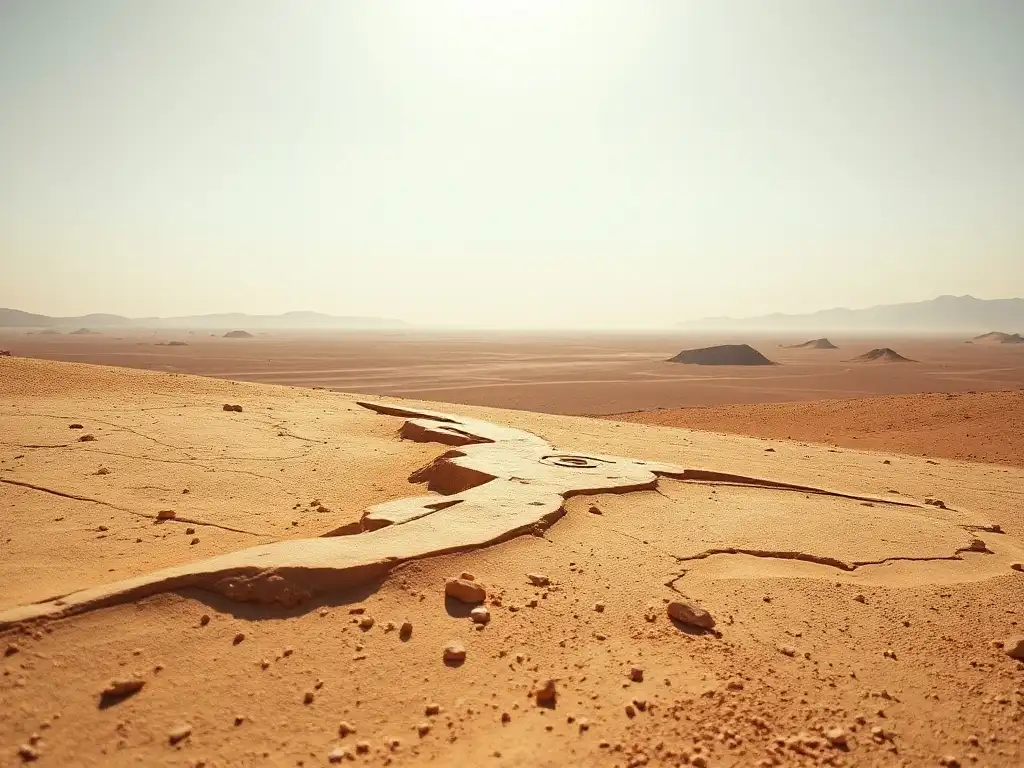
The Nazca Lines, enigmatic geoglyphs etched into the Peruvian desert, are not static monuments. Their preservation is a constant battle against the relentless forces of erosion, a process that has both shaped their current appearance and threatens their long-term survival. Understanding the role of erosion is crucial to appreciating the lines' fragility and the ongoing efforts to protect them.
The impact of erosion on the Nazca Lines is a significant factor in their ongoing study and conservation, highlighting the delicate balance between preserving these ancient marvels and the natural forces that constantly act upon them. The extent of this erosion varies depending on the type of geoglyph and its location within the desert landscape. Studying the various erosional processes reveals the complex interplay between nature and the human legacy imprinted on the desert floor.
This knowledge is critical for developing effective preservation strategies to ensure the Nazca Lines remain a source of wonder for generations to come. The ongoing monitoring and analysis of erosion are key to safeguarding this invaluable cultural heritage site.
Types of Erosion Affecting the Nazca Geoglyphs
Several types of erosion contribute to the degradation of the Nazca Lines. The primary culprits are wind erosion, water erosion, and to a lesser extent, thermal erosion. The arid climate of the Nazca desert might seem to offer protection, but the intense sun, infrequent but powerful rainfall events, and persistent winds all pose significant threats.
The type of erosion affecting a specific geoglyph often depends on its location, orientation, and the surrounding topography. For example, geoglyphs situated in areas exposed to prevailing winds will experience greater wind erosion, while those located in low-lying areas might be more susceptible to water damage. The type of soil and underlying geology also influences the susceptibility of the lines to erosion.
A detailed analysis of these factors is crucial for targeted conservation efforts. The interplay of these forces creates a dynamic and complex system, making the study of Nazca Lines erosion a fascinating and challenging endeavor.
Wind Erosion and its Impact on Nazca Figures
Wind erosion, driven by the strong desert winds, is a major factor in the degradation of the Nazca Lines. These winds, often carrying fine sand particles, act like a sandblaster, gradually wearing away the exposed surface of the geoglyphs. The process is particularly impactful on the shallower lines and those with less defined edges.
[Specific data on the rate of wind erosion on different types of Nazca lines pending]. The direction and intensity of the winds also play a role, with certain areas experiencing more significant erosion than others. This uneven erosion can lead to the distortion of the figures over time, making them less discernible.
Furthermore, the accumulation of wind-blown sand can partially or completely bury sections of the geoglyphs, further obscuring them. The impact of wind erosion is a significant concern for the preservation of these fragile artifacts. This constant abrasion necessitates ongoing monitoring and potentially innovative preventative measures.
Water Erosion: A Threat to the Line Integrity
While the Nazca desert is arid, infrequent but intense rainfall events pose a considerable threat to the Nazca Lines. When rain does fall, it can cause flash floods, carrying sediment and debris that can scour away the surface material of the geoglyphs. The impact of water erosion is often more dramatic and localized than wind erosion.
[Specific data on the impact of major rainfall events on the Nazca Lines pending]. The water runoff can also create gullies and channels, further damaging the lines and altering the surrounding landscape. The limited vegetation in the area offers little protection against this erosive force.
The combination of intense rainfall and the relatively loose soil of the Nazca desert makes the lines vulnerable to significant damage during these events. Understanding the patterns of rainfall and the hydrological characteristics of the region is therefore crucial for developing effective mitigation strategies. The preservation of the Nazca Lines requires a multifaceted approach, considering both the slow, relentless action of wind and the sporadic but devastating impact of water erosion.
Soil Degradation and its Effect on Geoglyph Preservation
Soil degradation significantly impacts the Nazca Lines' preservation. The fragile desert surface, already susceptible to wind and water erosion, is further weakened by human activities and climate change. Overgrazing by livestock, for instance, compacts the soil, reducing its ability to absorb water and increasing runoff. This runoff, carrying sediment, can scour away the lines' defining edges, gradually blurring their intricate designs. The removal of protective vegetation cover also exposes the soil to greater levels of erosion, accelerating the deterioration process. Furthermore, changes in precipitation patterns, potentially intensified by climate change, can lead to flash floods that drastically reshape the landscape, posing a severe threat to the delicate geoglyphs.
These floods not only erode the lines themselves but also deposit layers of sediment, obscuring them from view. The cumulative effect of these factors contributes to a gradual but persistent loss of detail and definition in the Nazca Lines, highlighting the urgent need for conservation efforts. Careful management of land use practices around the geoglyphs, coupled with strategies to mitigate the effects of climate change, are crucial for safeguarding these irreplaceable historical artifacts. Studies are ongoing to better understand the specific types of soil degradation affecting the lines and to develop effective remediation techniques. For example, researchers are investigating the use of bioengineering techniques to stabilize the soil and prevent further erosion.
The long-term preservation of the Nazca Lines hinges on addressing soil degradation effectively. Without intervention, the intricate details of these ancient masterpieces will continue to fade into oblivion. Understanding the precise composition of the soil and its susceptibility to different erosional forces is crucial for designing appropriate conservation strategies. This requires a multidisciplinary approach, combining geological, archaeological, and environmental expertise. The challenge is not only to mitigate existing damage but also to prevent future deterioration, ensuring that these remarkable geoglyphs remain visible for generations to come.
Weather Patterns and Their Influence on the Nazca Lines
The Nazca Lines, enigmatic geoglyphs etched into the Peruvian desert, face a constant battle against the elements. Understanding the impact of weather patterns on their preservation is crucial for appreciating the fragility of this world heritage site and implementing effective conservation strategies. The arid climate of the Nazca desert, while seemingly protective, presents unique challenges that contribute to the slow but steady erosion of these remarkable figures.
The "Nazca Lines erosion impact" is a complex issue involving a confluence of factors, all stemming from the region's unique weather profile. This section will explore the specific weather-related threats facing these ancient marvels.
Climate Conditions in the Nazca Desert
The Nazca desert is characterized by an extremely dry climate, receiving minimal rainfall annually. This hyper-aridity, while initially seeming protective, actually contributes to erosion in unexpected ways. The lack of vegetation leaves the desert floor exposed to the full force of the elements.
Average annual rainfall is less than 15mm, often falling in sporadic, intense bursts. These infrequent downpours, while seemingly insignificant in volume, can cause significant flash floods, capable of scouring away the delicate surface layers of the desert, impacting the Nazca Lines. Furthermore, the high levels of solar radiation and extreme temperature fluctuations exacerbate the effects of these infrequent rains, accelerating the weathering processes.
Detailed studies of precipitation patterns over the last century reveal a slight, but potentially significant, increase in the frequency and intensity of these flash floods, raising concerns about the long-term preservation of the geoglyphs. The lack of consistent moisture also contributes to the fragility of the soil, making it more susceptible to wind erosion.
Intense Sunlight and its Impact
The intense solar radiation in the Nazca desert is another significant factor contributing to the "Nazca Lines erosion impact". The near-constant exposure to powerful UV rays causes photodegradation of the surface materials. The dark stones and pebbles that form the lines, primarily oxidized iron minerals, are particularly susceptible to this type of weathering.
This process leads to the gradual bleaching and fading of the lines, making them less distinct over time. The oxidized iron minerals, responsible for the dark coloration of the geoglyphs, are chemically altered by the intense sunlight, leading to a loss of pigmentation and reduced contrast against the lighter desert background. This subtle, yet continuous, deterioration is a significant concern for the long-term preservation of these invaluable historical artifacts.
Studies using satellite imagery and ground-based spectral analysis are being employed to monitor the extent of this photodegradation and to understand its rate of progression. This ongoing research is vital for developing effective strategies for mitigating the effects of intense sunlight.
Temperature Fluctuations and Their Consequences
The extreme temperature fluctuations experienced in the Nazca desert also play a substantial role in the degradation of the Nazca Lines. Daily temperature swings can exceed 20°C, with scorching highs during the day and significantly cooler temperatures at night. This thermal stress creates microfractures in the surface rocks and pebbles forming the lines, weakening the structure and making them more susceptible to erosion by wind and infrequent rainfall.
The constant expansion and contraction of the materials due to these temperature variations lead to a gradual breakdown of the surface, causing the lines to become less defined and more vulnerable. This thermal weathering process, often overlooked, is a critical element contributing to the overall "Nazca Lines erosion impact".
Monitoring these temperature fluctuations, coupled with detailed analysis of the material properties, is crucial for developing effective conservation strategies that can mitigate this aspect of environmental degradation. The ongoing research involves the use of thermal imaging and advanced material science techniques to better understand the impact of these temperature variations on the long-term stability of the geoglyphs.
The Effect of Rainfall and Humidity
The Nazca Lines' vulnerability to rainfall and humidity is a significant factor in their deterioration. The aridity of the Nazca desert, historically a key to the lines' preservation, is not absolute. While infrequent, periods of heavier-than-usual rainfall can have devastating consequences. The desert's soil, composed primarily of fine sand and clay, is easily eroded when saturated.
This erosion process, exacerbated by the lack of substantial vegetation cover, leads to the gradual washing away of the surface material, obscuring the geoglyphs. The lines, etched into the darker surface layer, revealing the lighter subsoil, are particularly susceptible during these events. The impact isn't merely a matter of surface loss; the shifting sands can also bury sections of the lines, making them harder to discern, and even potentially leading to their complete obliteration in particularly severe events.
Furthermore, high humidity levels, even without significant rainfall, contribute to the degradation process. The increased moisture content in the air can encourage the growth of microscopic organisms, such as lichens and algae, which can colonize the surface of the geoglyphs. These organisms, while seemingly insignificant, gradually break down the surface material through biological weathering, further contributing to the erosion and fading of the lines.
This biological activity is particularly noticeable in areas with slightly higher moisture levels, often associated with microclimates created by nearby hills or changes in elevation. The interplay between rainfall and humidity creates a complex challenge for preservation efforts, highlighting the need for ongoing monitoring and protective strategies.
Understanding the specific effects of varying rainfall amounts and humidity levels on different parts of the lines is crucial for developing targeted conservation measures. Detailed studies tracking these variables alongside observed erosion patterns are essential to predicting future damage and mitigating risks.
Analyzing the Nazca Lines' Current State of Conservation
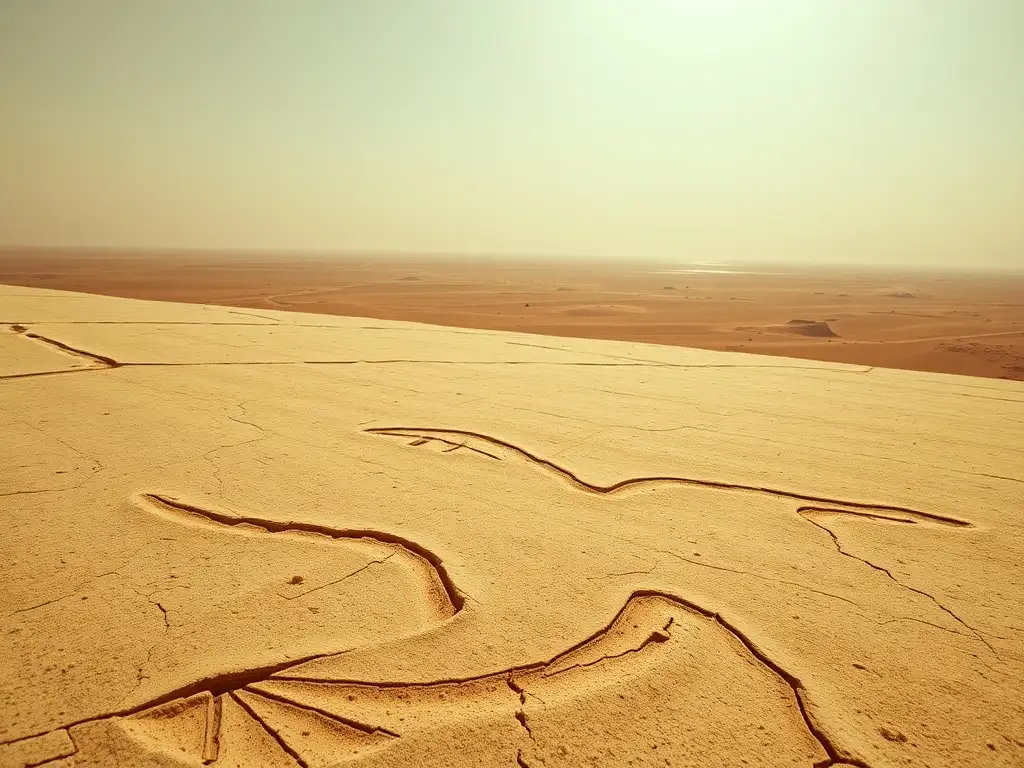
The Nazca Lines, a remarkable collection of geoglyphs etched into the Peruvian desert, face a constant battle against the relentless forces of nature. Understanding the current state of conservation requires a multi-faceted approach, considering the various types of erosion and the specific vulnerabilities of different geoglyphs. The impact of erosion on the Nazca Lines is a significant concern for archaeologists and preservationists alike, demanding ongoing monitoring and proactive conservation strategies.
This section will delve into the visual evidence of erosion, pinpoint the most affected areas, and examine specific examples to illustrate the challenges involved in preserving these ancient wonders. The long-term survival of these invaluable artifacts hinges on a comprehensive understanding of the threats they face, and a commitment to mitigating those threats.
Visual Evidence of Erosion on Nazca Figures
Observing the Nazca Lines reveals a spectrum of erosion effects, ranging from subtle fading to significant loss of detail. The most evident signs include:
- Fading of the lines: Over time, the darker surface material that defines the lines (often exposed darker soil compared to the lighter surrounding surface) gradually fades, reducing contrast and making the geoglyphs less visible. This is particularly noticeable in areas exposed to greater wind and sun.
- Surface cracking and peeling: The desert soil, although seemingly stable, is susceptible to cracking and peeling, especially after periods of intense rainfall or temperature fluctuations. This can disrupt the integrity of the lines, making them less defined.
- Accumulation of sediment: Windblown sand and dust can gradually accumulate over the lines, obscuring them and potentially contributing to their deterioration. This is a particularly significant issue in areas with less vegetation cover.
- Loss of definition: In some areas, significant portions of the lines have been lost entirely, due to a combination of factors including erosion, human activity, and natural processes.
The severity of these effects varies significantly depending on factors such as the orientation of the geoglyphs, the type of soil, and the prevailing weather patterns. Detailed photographic documentation and advanced imaging techniques are crucial for monitoring these changes over time and tracking the progression of erosion. Careful analysis of this visual evidence helps inform conservation efforts and prioritize areas needing immediate attention.
Areas Most Affected by Weathering
The Nazca Lines aren't uniformly affected by weathering. Certain areas exhibit far more significant degradation than others. Factors influencing the degree of erosion include:
- Slope and orientation: Geoglyphs located on steeper slopes or facing prevailing winds tend to experience accelerated erosion due to increased runoff and wind abrasion. The orientation of the lines relative to the sun also impacts the intensity of solar radiation.
- Soil type and composition: Variations in soil composition across the Nazca plain lead to differences in susceptibility to erosion. Areas with less cohesive soil are more vulnerable to wind and water erosion.
- Proximity to human activity: Areas closer to roads or other human activities may suffer additional damage due to increased traffic, construction, or accidental damage. This highlights the importance of controlling access to the geoglyphs and implementing protective measures.
- Rainfall patterns: While the Nazca desert is arid, occasional intense rainfall events can cause significant damage through surface runoff and soil erosion. The frequency and intensity of these rainfall events are impacting the Nazca Lines' degradation.
Mapping these areas of heightened erosion is crucial for prioritizing conservation resources and developing targeted strategies to mitigate further damage. This requires a detailed study of the geological and environmental conditions across the entire Nazca Lines site. The use of GIS technology and remote sensing can greatly aid in this process, providing valuable insights into the spatial distribution of erosion and its underlying causes.
The Hummingbird Geoglyph: Erosion Examples
The Hummingbird geoglyph, a particularly striking example of Nazca artistry, provides a case study for understanding erosion's impact on the lines. This geoglyph, like many others, shows evidence of:
- Fading of the line's darker surface material: The contrast between the lines and the surrounding surface is less pronounced in certain sections of the Hummingbird, indicating a loss of the darker soil that defines the geoglyph.
- Minor surface cracking: Close inspection reveals minor surface cracking in some areas, particularly along the edges of the figure. This cracking increases the vulnerability of the lines to further erosion by wind and water.
- Accumulation of light sediment: In certain areas, a thin layer of sediment has accumulated on top of the lines, slightly obscuring the detail. This accumulation is relatively minor compared to other areas of the Nazca Lines site, but it still contributes to the gradual degradation of the geoglyph.
The Hummingbird, while relatively well-preserved compared to some other geoglyphs, serves as a reminder of the ongoing and subtle processes of erosion that constantly threaten the integrity of the Nazca Lines. Continuous monitoring, coupled with proactive conservation efforts, is essential to preserve this iconic geoglyph and other similar examples for future generations. The challenge is to find innovative and sustainable solutions to minimize the impact of erosion, while respecting the delicate nature of these ancient artworks.
Conservation Efforts and Future Preservation Strategies
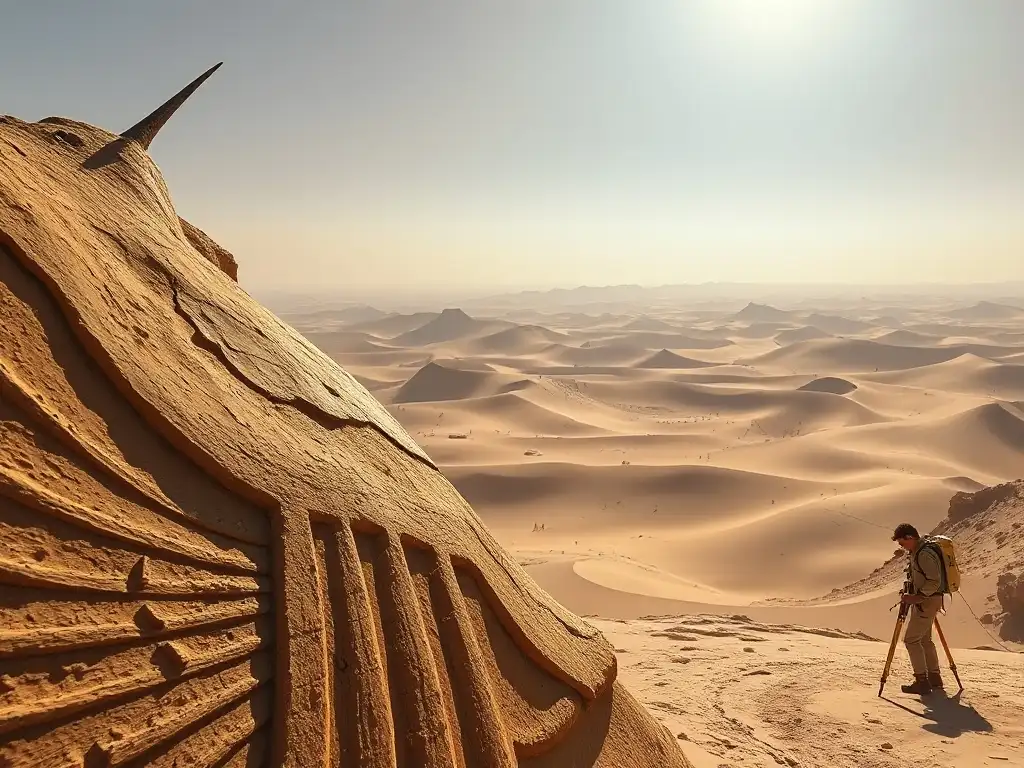
The Nazca Lines, a testament to the ingenuity of the Nazca civilization, face a constant battle against the relentless forces of nature. Understanding the impact of erosion and weather on these geoglyphs is crucial, but equally important are the proactive measures implemented to safeguard this invaluable cultural heritage for future generations. The ongoing challenge requires a multi-pronged approach, combining technological advancements with community engagement and robust research initiatives. The "Nazca Lines erosion impact" is a serious concern, demanding sustained effort to ensure their long-term survival.
Protecting the Nazca Lines from Further Erosion
Protecting the Nazca Lines from further erosion requires a multifaceted strategy. The primary threat is wind erosion, which gradually removes the surface layer of the desert revealing the underlying darker soil, thus diminishing the visibility of the geoglyphs. Rainfall, though infrequent, can cause significant damage through flash floods, carrying away topsoil and impacting the delicate lines. Human activity, including unauthorized access and nearby construction, also contributes to the degradation process.
Several strategies are employed to mitigate these threats. These include:
- Improved access control: Restricting access to the geoglyphs through designated viewing areas and guided tours minimizes foot traffic and potential damage. This also helps to prevent the compaction of the soil, a process which makes it more susceptible to erosion.
- Controlled vegetation management: The growth of vegetation near the lines can destabilize the soil and contribute to erosion. Careful management and removal of encroaching plants is therefore essential.
- Erosion control techniques: This may involve the use of stabilizing materials or techniques to strengthen the soil and prevent further loss of surface material. These methods are often carefully researched and implemented to avoid unintended consequences for the fragile geoglyphs themselves. Specific techniques vary depending on the location and nature of the erosion.
- Public awareness campaigns: Educating the local population and tourists about the fragility of the Nazca Lines and the importance of their preservation is vital. This involves promoting responsible tourism practices and highlighting the long-term consequences of neglecting conservation efforts.
Mitigation Techniques Used for Geoglyph Conservation
The precise techniques used for Nazca Lines conservation are constantly evolving. Researchers are exploring innovative methods to minimize the impact of erosion and other environmental factors. Some examples include:
- Remote sensing technologies: Utilizing aerial photography, satellite imagery, and LiDAR scanning allows for comprehensive monitoring of the geoglyphs and early detection of erosion or damage. This provides crucial data for targeted interventions.
- Soil stabilization: Experiments are underway to test different soil stabilization techniques, including the application of bio-stabilizing agents or protective coatings to enhance the soil's resistance to erosion. The efficacy and long-term effects of these methods are carefully evaluated to ensure they don't harm the ancient artwork.
- 3D modeling and digital archiving: Creating detailed 3D models of the geoglyphs provides a valuable record of their current state and allows researchers to monitor changes over time. This digital archive serves as a crucial resource for future restoration efforts.
- Environmental monitoring: Continuous monitoring of weather patterns, wind speeds, and soil conditions helps to predict potential threats and implement preventative measures. This proactive approach is essential in mitigating the impact of extreme weather events.
The Importance of Research and Monitoring
Continued research and rigorous monitoring are paramount to the long-term preservation of the Nazca Lines. The "Nazca Lines erosion impact" is a complex issue requiring ongoing scientific investigation. Data collected through research informs the development of effective conservation strategies, enabling proactive interventions and preventing irreversible damage.
The following are key aspects of ongoing research and monitoring:
- Geomorphological studies: These studies analyze the geological and climatic factors that contribute to erosion, providing valuable insights into the vulnerability of the geoglyphs.
- Material analysis: Understanding the composition of the soil and the pigments used in creating the geoglyphs is crucial for developing appropriate conservation methods.
- Climate change impact assessment: Investigating the potential effects of climate change on the Nazca Lines is vital for developing long-term preservation strategies. This includes analyzing how altered rainfall patterns and increased temperatures might affect the geoglyphs.
- Collaboration and knowledge sharing: International collaboration among researchers, conservationists, and government agencies is essential for sharing best practices and developing innovative solutions. This collaborative approach is key to addressing the challenges of preserving this unique cultural heritage.
The Nazca Lines are a precious part of world heritage, and their preservation requires a dedicated, ongoing effort. The challenges posed by erosion and weather are significant, but through a combination of advanced technologies, responsible management practices, and collaborative research, we can work towards ensuring their survival for generations to come. 🌍
Drone Monitoring and Mapping for Preservation
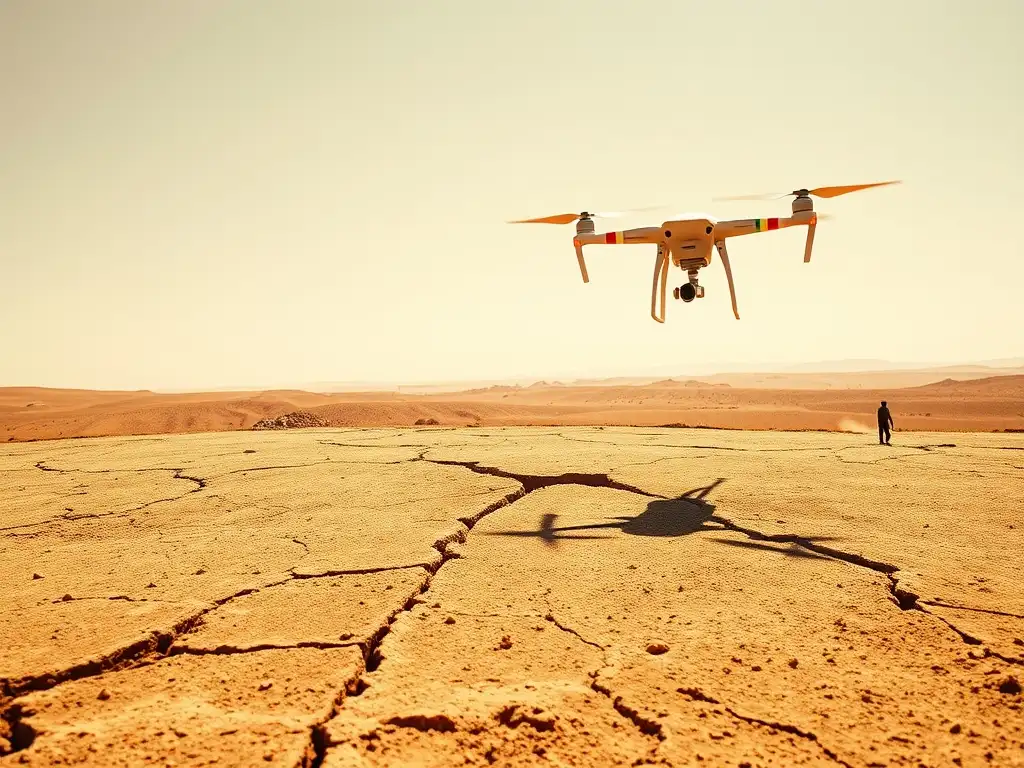
Drone technology offers a revolutionary approach to Nazca Lines preservation. High-resolution aerial imagery, captured by drones equipped with advanced sensors, provides incredibly detailed maps of the geoglyphs. This surpasses the capabilities of traditional aerial surveys, offering unprecedented accuracy in documenting the lines' condition and identifying areas experiencing accelerated erosion. The non-invasive nature of drone surveys is crucial; heavy machinery or ground-based surveys risk causing further damage to the fragile desert surface.
Regular drone flights allow researchers to monitor subtle changes over time, creating a time-lapse record of erosion patterns. This data is invaluable for identifying hotspots of degradation and prioritizing conservation efforts. The ability to generate 3D models from drone data also allows for detailed analysis of the geoglyphs' topography, aiding in understanding the impact of wind, water, and other environmental factors on their integrity.
Furthermore, drone surveys can be conducted more frequently and at lower cost than traditional methods, allowing for more comprehensive and continuous monitoring of the Nazca Lines. This proactive approach enables quicker responses to emerging threats and facilitates more effective, targeted conservation strategies. The detailed mapping provided by drones also allows for the creation of sophisticated digital archives, ensuring that the images and data are preserved for future generations of researchers and the public.
Sustainable Tourism Practices to Mitigate Erosion
The influx of tourists to view the Nazca Lines presents a significant challenge to their preservation. Foot traffic, even in designated areas, contributes to soil compaction and erosion. The implementation of sustainable tourism practices is therefore paramount. This involves carefully managing tourist access, potentially through guided tours with strict adherence to designated pathways and limited group sizes.
Educating tourists about the fragility of the geoglyphs and the importance of responsible behavior is essential. This could involve informational campaigns before and during visits, highlighting the impact of even minor disturbances. Furthermore, sustainable tourism initiatives should focus on minimizing the environmental impact of transportation to and from the viewing sites. Promoting eco-friendly options like electric buses or reducing reliance on individual vehicles can significantly reduce emissions and the associated risks of air pollution and soil degradation.
Investing in infrastructure that minimizes environmental impact, such as improved visitor centers and waste management systems, is also crucial. The aim is to balance the economic benefits of tourism with the long-term preservation of this invaluable cultural heritage. A well-managed tourism strategy can contribute significantly to the long-term health of the Nazca Lines while still allowing the public to appreciate their magnificence.
Advanced Material Application for Stabilization
The application of advanced materials for the stabilization of the Nazca Lines is an area of ongoing research and development. Traditional methods, such as the use of simple coatings, have proven to be inadequate in the long term. Current research explores the use of bio-stabilizing agents, such as naturally occurring polymers, which could help bind the soil particles together without altering the appearance of the geoglyphs.
These materials are designed to be environmentally friendly and biodegradable, minimizing any potential negative impact on the surrounding ecosystem. The use of advanced imaging techniques, such as ground-penetrating radar and hyperspectral imaging, can aid in identifying the best areas for material application, and help ensure that the process is minimally invasive. Careful testing and monitoring are crucial to ensure that the materials used are effective and do not cause unintended consequences.
The development and implementation of these advanced materials represent a promising avenue for long-term preservation, offering a sustainable solution to the challenges of erosion and weathering. Further research and development in this field are essential to refine these techniques and ensure their widespread application.
The Lasting Legacy of the Nazca Lines in the Face of Time
The Nazca Lines, sprawling geoglyphs etched into the Peruvian desert, stand as a remarkable testament to the ingenuity and artistry of the Nazca culture. These enigmatic figures, ranging from simple lines to intricate representations of animals and plants, continue to captivate researchers and visitors alike. Their creation, dating back to 500 BC to 500 AD, remains shrouded in mystery, fueling ongoing debates about their purpose. Were they astronomical calendars?
Religious symbols? Or perhaps something else entirely? Regardless of their exact function, the Nazca Lines' survival through centuries of harsh desert conditions is a feat in itself, highlighting the durability of the ancient techniques employed in their construction.
The lines, primarily created by removing the dark reddish-brown surface stones to reveal the lighter subsoil, prove remarkably resistant to the elements, a testament to the Nazca people’s deep understanding of their environment and their meticulous craftsmanship. The very persistence of these lines against the relentless forces of nature speaks volumes about the cultural significance they held and continue to hold. Understanding the impact of erosion on these invaluable artifacts is crucial to preserving them for future generations.
The Nazca Lines as a Testament to Ancient Ingenuity
The Nazca Lines are not merely superficial markings; they represent a sophisticated understanding of surveying, engineering, and artistic expression. The sheer scale of some of the figures, stretching hundreds of meters in length, demands a level of precision and planning that is truly astonishing. Evidence suggests the Nazca utilized simple tools, possibly wooden stakes and ropes, to create these immense designs.
Their ability to maintain such accuracy over such vast distances is a clear indication of their advanced knowledge of geometry and spatial reasoning. Moreover, the choice of the desert environment itself was a strategic decision, as the arid climate and sparse vegetation minimized the rate of erosion. The Nazca understood the delicate balance of their environment and leveraged it to their advantage in preserving their monumental artwork.
The precise removal of the surface layer, revealing the lighter subsoil, also played a crucial role in the lines' longevity. This technique, coupled with the stable desert conditions, has allowed many of the geoglyphs to endure for millennia. This speaks to a deep understanding of materials and their interaction with the environment, a testament to the advanced technological capabilities of the Nazca civilization.
The Ongoing Battle Against Natural Forces
Despite their inherent resilience, the Nazca Lines are not immune to the relentless forces of nature. Erosion, primarily driven by wind and occasional rainfall, poses a significant threat to their preservation. Wind erosion gradually wears away the exposed lighter subsoil, causing the lines to become fainter and less defined.
Furthermore, infrequent but intense rainfall can trigger flash floods, leading to the displacement of surface materials and potentially damaging the geoglyphs. These natural processes, while slow, are cumulative, and over time, they can significantly alter the appearance and integrity of the lines. Studies analyzing the rate of erosion vary, but there is a consensus that the impact is significant and requires ongoing monitoring and mitigation efforts.
The delicate balance between preserving the lines and minimizing human intervention is a constant challenge. The impact of human activity, such as nearby construction or tourism, also contributes to the erosion process. Finding a balance between allowing access for research and tourism while protecting the fragile lines is a key challenge for preservation efforts.
Ensuring the Preservation of the Nazca Lines for Future Generations
Preserving the Nazca Lines for future generations requires a multi-pronged approach that combines scientific research, conservation strategies, and responsible tourism management. Ongoing monitoring of erosion rates is crucial to identify areas requiring immediate attention. This involves using advanced imaging techniques, such as satellite imagery and drone surveys, to track changes over time. Furthermore, conservation efforts might include stabilizing vulnerable sections of the lines through carefully planned interventions.
This could involve the reintroduction of eroded material or the use of protective coatings, but such methods must be employed with extreme caution to avoid unintended damage. Educating the public about the fragility of the Nazca Lines and promoting responsible tourism practices is equally important. Limiting access to certain areas, implementing guided tours, and discouraging off-trail activities can significantly reduce the impact of human activity on the geoglyphs. The future of the Nazca Lines hinges on a collaborative effort between researchers, conservationists, and local communities.
By integrating scientific knowledge with sustainable practices, we can ensure that this extraordinary cultural heritage remains a source of wonder and inspiration for generations to come. The collaborative effort needed to protect this invaluable historical site requires international cooperation and a long-term commitment to conservation. The Nazca Lines erosion impact is a serious concern that demands continued vigilance and proactive measures.
Frequently Asked Questions
What are the Nazca Lines, and why are they important?
The Nazca Lines are geoglyphs—giant figures and lines etched into the desert surface of southern Peru. They are important because they represent a remarkable feat of ancient engineering and offer clues to the Nazca culture's beliefs and practices. Their creation and purpose remain partially mysterious.
How are the Nazca Lines threatened by erosion?
Erosion from wind and water is a major threat. Natural processes gradually wear away the surface, obscuring the lines. Human activity, such as nearby construction, can also exacerbate erosion.
What is the main impact of weather on the Nazca Lines?
Rainfall is a significant factor in erosion, as it can wash away the surface layer revealing the underlying earth. Extreme temperatures and intense sun also contribute to the deterioration of the geoglyphs over time.
What efforts are being made to protect the Nazca Lines from erosion?
Efforts include limiting access to certain areas, monitoring erosion rates, and implementing conservation strategies. Research into sustainable tourism practices is also crucial for their long-term preservation.
What is the predicted long-term impact of erosion on the Nazca Lines?
Without intervention, continued erosion will eventually lead to the complete loss of many of the lines. The rate of deterioration varies depending on location and factors like rainfall and wind patterns. Preservation efforts are crucial to mitigate this risk.
Final Reflection: A Legacy Etched in Earth, Threatened by Time
The Nazca Lines, ancient marvels etched into the Peruvian desert, stand as a testament to human ingenuity and artistic expression, yet their very existence is threatened by the relentless forces of erosion and climate change. This delicate balance between preservation and decay underscores a critical issue facing our world: the fragility of cultural heritage in the face of environmental pressures. The ongoing impact of wind, water, and human activity on these iconic geoglyphs serves as a stark warning, highlighting the urgent need for proactive conservation efforts.
The Nazca Lines' vulnerability resonates deeply, reminding us that the past is not static; it's a living entity constantly shaped by the present. Their slow but inexorable degradation compels us to confront our responsibility in safeguarding these invaluable historical treasures. The past is never dead. It's not even past.
– William Faulkner. This quote encapsulates the enduring relevance of the Nazca Lines and the ongoing need to understand and mitigate the factors contributing to their erosion. Their story is not just about ancient history; it's a powerful metaphor for the delicate relationship between humanity and the environment, a relationship that demands our careful consideration and proactive engagement.
Consider the impact of your own actions on the world around you. What steps, however small, can you take to contribute to the preservation of cultural heritage and the fight against climate change? From supporting responsible tourism initiatives to advocating for stronger environmental policies, your individual contribution matters. Let the enduring mystery and fragility of the Nazca Lines inspire you to become a guardian of our shared past, ensuring that future generations can marvel at these incredible works of art for centuries to come.
Uncover the Secrets of the Nazca Lines Today!
Thank you for exploring the intricate relationship between the Nazca Lines and the forces of nature. You've gained valuable insights into how erosion and weather affect these ancient geoglyphs, highlighting the delicate balance between history and the environment. Now, it's time to take action! Here are some ways you can help:
- Support a local conservation effort dedicated to preserving these ancient wonders. Even small contributions make a difference.
- Share your knowledge of the Nazca Lines with friends, family, and on social media—inspiring conversations about our shared cultural heritage.
- Plan a visit to the Nazca region to experience these incredible geoglyphs firsthand and witness nature's impact on these remarkable works of art.
Reflecting on the fragility of these geoglyphs, consider your role in preserving these monumental historical treasures for future generations. What actions can you take to ensure their survival?