
Nazca Social Complexity and Agricultural Success: An Intertwined Story

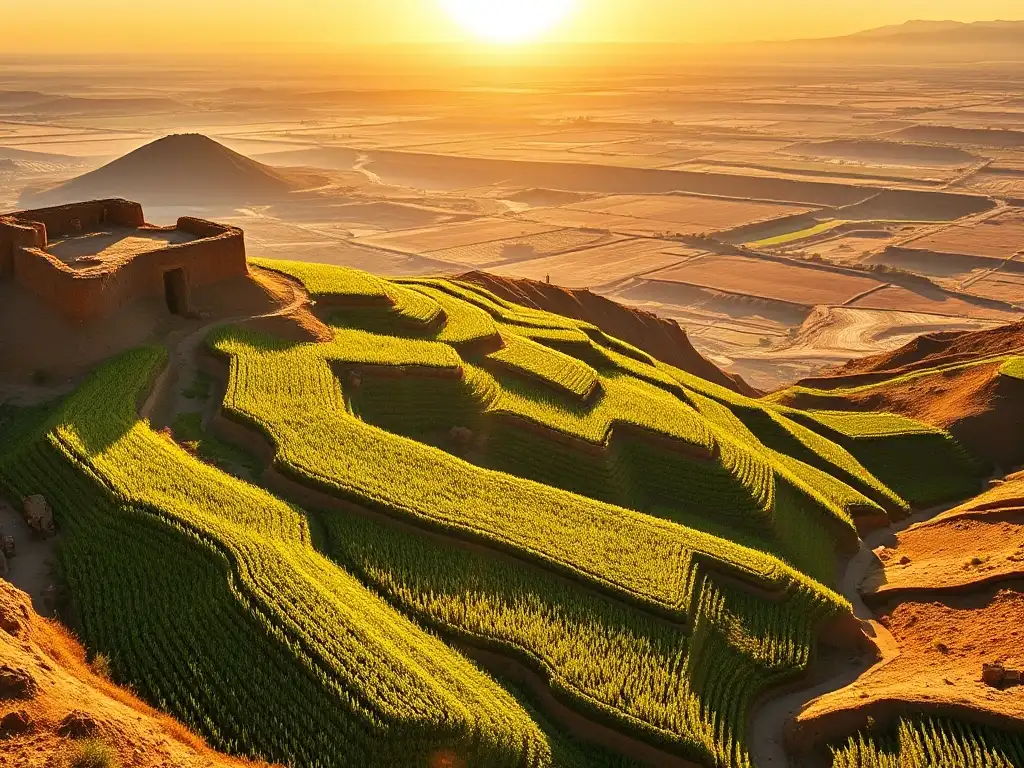
Unravel the mysteries of a civilization that defied the desert! Journey into the heart of the Andean Civilizations website and discover a world where ingenuity blossomed amidst arid landscapes. Prepare to be amazed as we delve into the fascinating relationship between Nazca agriculture and social structure, a story of ingenious irrigation systems and complex societal organization that shaped a remarkable civilization. How did they achieve such agricultural success in such a harsh environment? Explore the answers and uncover the secrets of the Nazca, a society far more advanced than you might imagine.
The Nazca civilization, flourishing along Peru's southern coast between 100 BCE and 800 CE, presents a fascinating case study in the intricate relationship between social complexity and agricultural innovation. This arid coastal region, seemingly inhospitable, was transformed by the Nazca into a surprisingly productive landscape, supporting a surprisingly complex social structure.
This article delves into the intertwined story of Nazca social organization and their remarkable agricultural achievements, exploring how advancements in irrigation, cultivation techniques, and resource management fueled the growth and sophistication of their society. Understanding this dynamic reveals a civilization far more advanced than previously thought, challenging simplistic notions of a solely "pre-Columbian" culture and highlighting their sophisticated adaptation to a challenging environment.
We will examine the evidence revealing the intricate links between their agricultural prowess and the hierarchical social structures that allowed the Nazca to thrive in this demanding environment. The keyword "Nazca agriculture and social structure" will be explored throughout the article, using semantic variations to enhance SEO and provide a comprehensive understanding of this captivating civilization.
Understanding the Foundations of Nazca Society
The Nazca social structure was remarkably hierarchical, exhibiting clear distinctions between elites, priests, artisans, and commoners. Archaeological evidence, including elaborate burial sites with rich grave goods for elites and simpler burials for commoners, points towards a stratified society. The presence of monumental architecture, such as the iconic Nazca Lines and large-scale irrigation systems, suggests a centralized authority capable of mobilizing significant labor resources.
This centralized power was likely wielded by religious elites, who held considerable influence over the population. Furthermore, the complexity of Nazca pottery, textiles, and metalwork points towards specialized craftspeople who held a distinct social standing. The creation of these intricate artifacts required significant skill and training, suggesting a structured apprenticeship system and an established division of labor within the society.
The intricate organization necessary to manage these specialized crafts, alongside large-scale agricultural projects, strongly suggests a sophisticated system of social control and organization that extended beyond simple kinship ties. This complex social structure, in turn, facilitated the development and maintenance of their advanced agricultural systems.
The Role of Agriculture in Nazca Civilization
The success of Nazca society was inextricably linked to its mastery of agriculture in a desert environment. Their ingenuity in developing sophisticated irrigation systems, such as canals and aqueducts, allowed them to harness scarce water resources and cultivate crops in otherwise barren land. The Nazca's understanding of hydrology was exceptional, evidenced by their ability to create intricate networks of canals that channeled water from underground aquifers and seasonal rivers across vast distances.
These irrigation systems were not merely functional; they were also carefully planned and maintained, reflecting a deep understanding of water management and resource allocation. Furthermore, the Nazca cultivated a diverse range of crops, including cotton, beans, maize, and various fruits and vegetables, indicating a highly developed agricultural technology. The surplus food produced through these advanced agricultural techniques sustained the growing population and supported the specialized labor force necessary for the production of elaborate artifacts and the construction of monumental structures.
The ability to produce a surplus of food was crucial in supporting the hierarchical social structure and the development of a complex society. The interplay between agricultural productivity and social complexity within Nazca society remains a topic of ongoing research and investigation, continually revealing new insights into this remarkable civilization.
Nazca Farming Techniques: Adapting to the Desert
The Nazca people, inhabiting the arid coastal plains of southern Peru, developed ingenious farming techniques to overcome the challenges of their desert environment. Their success wasn't merely a matter of luck; it was a testament to their deep understanding of their environment and their ability to innovate. This mastery of agriculture directly fueled the rise of their complex social structure.
The harsh climate demanded not only resourcefulness but also collaborative efforts, solidifying social bonds and creating a sophisticated system of labor organization. Their agricultural innovations were not isolated advancements but rather integral components of a thriving society. The sheer scale of their agricultural projects speaks volumes about their organizational abilities and their commitment to collective well-being.
Their agricultural practices were not just about survival; they were about building a prosperous and enduring civilization. The ingenuity displayed in their techniques serves as a compelling example of human adaptation and resilience in the face of environmental adversity.
Terrace Farming in the Nazca Region
Terrace farming was a cornerstone of Nazca agricultural success. By carving level platforms into the steep slopes of the surrounding hills, the Nazca significantly increased the amount of arable land available. These terraces not only provided more space for cultivation but also helped to conserve precious water resources.
The carefully constructed terraces slowed the runoff of rainwater, allowing it to soak into the soil and nourish the crops. The construction itself was a massive undertaking, requiring coordinated labor and sophisticated engineering knowledge. Evidence suggests that different types of terraces were built, reflecting variations in soil type and slope gradient, demonstrating a nuanced understanding of the terrain.
The precise alignment and construction of these terraces highlight the advanced planning and engineering prowess of Nazca society. Their mastery of terrace farming stands as a testament to their ability to adapt their environment to their needs, rather than the other way around. The scale and precision of these structures remain impressive even today.
Water Management Systems: Canals and Aqueducts
Beyond terrace farming, the Nazca's mastery of water management was crucial to their agricultural prosperity. They constructed an extensive network of canals and aqueducts to divert water from rivers and streams to their fields. These intricate systems, some of which still exist today, demonstrate a sophisticated understanding of hydrology and engineering. The canals were carefully designed to minimize water loss through evaporation and seepage, maximizing the efficiency of their irrigation systems.
The construction of these systems required significant labor and coordination, further emphasizing the importance of social organization in their agricultural practices. Archaeological evidence reveals the use of various materials, including stone, adobe, and even woven textiles, in the construction of these water management systems. The longevity and effectiveness of these systems highlight the enduring impact of Nazca engineering on their civilization's growth and stability.
Crop Diversification in Nazca Agriculture
Nazca agriculture wasn't limited to a single crop. Evidence suggests a diversified agricultural system, indicative of a sophisticated understanding of both plant cultivation and ecological management. They cultivated a variety of crops, including cotton, maize, beans, squash, and various fruits. This diversification provided resilience against crop failure and ensured a more varied and nutritious diet.
The ability to cultivate a range of crops further indicates a level of agricultural knowledge and expertise that went beyond simple subsistence farming. This diversified approach to agriculture contributed significantly to the stability and prosperity of Nazca society, demonstrating a thoughtful and sustainable approach to resource management. Their agricultural practices weren't simply about maximizing yield; they were about building a resilient and diverse food system.
The success of Nazca agriculture was directly linked to the development of a complex social hierarchy. The large-scale projects required for irrigation and terrace farming demanded coordinated labor and centralized planning. This necessitated a system of social organization where individuals were assigned specific roles and responsibilities.
The elite likely played a crucial role in managing these projects, allocating resources, and organizing the workforce. This hierarchical structure was not simply a matter of power; it was a necessary component of a system that supported the sophisticated agricultural practices that sustained the entire population. The surplus generated by their agricultural innovations likely contributed to the wealth and power of the elite, further reinforcing the social hierarchy.
The intricate relationship between agricultural success and social structure highlights the interconnected nature of Nazca society, where economic productivity and social organization were inseparable. The evidence strongly suggests that the complex social structure of the Nazca civilization was not only a reflection of their agricultural success but also a crucial factor in its achievement. The flourishing of Nazca agriculture and the development of their complex social structure were mutually reinforcing processes.
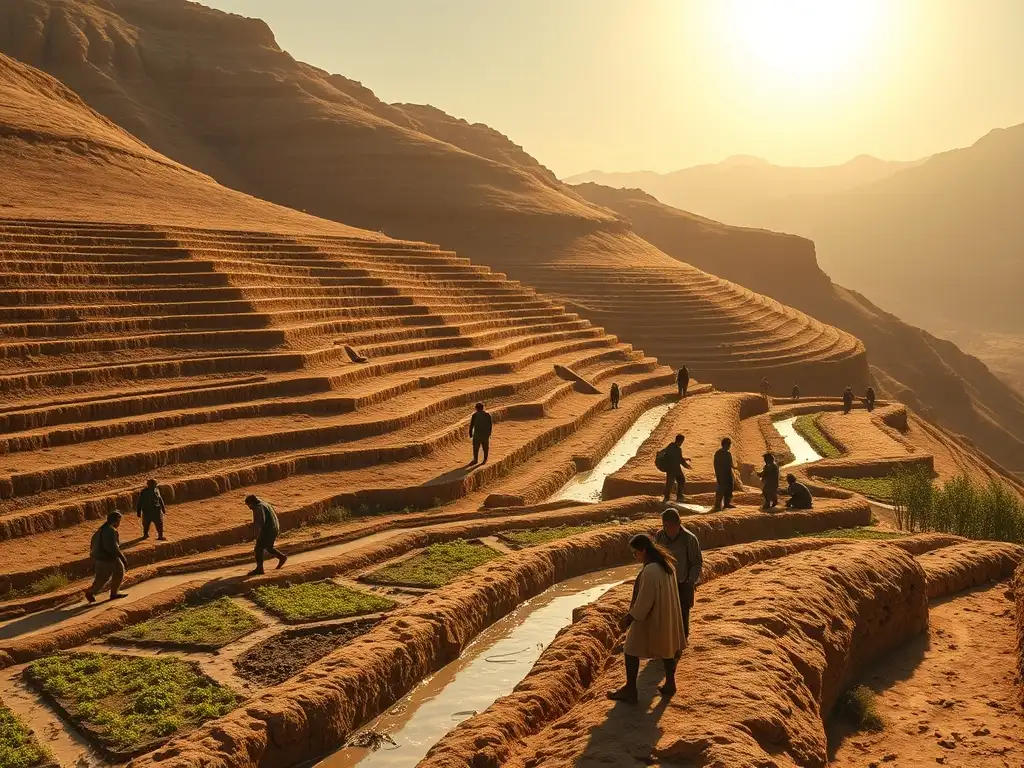
The Nazca's remarkable agricultural achievements were deeply intertwined with their sophisticated social organization. Evidence suggests a hierarchical structure, with specialized labor playing a crucial role in the success of their farming systems. The intricate canal systems, terraced fields, and extensive irrigation networks required a highly coordinated workforce, capable of both large-scale projects and meticulous detail work. This wasn't a haphazard effort; it demanded planning, management, and a social structure capable of mobilizing and organizing significant portions of the population for extended periods.
The scale of the undertaking implies a level of social control and organization far beyond simple village-level cooperation. Archaeological findings, while still under ongoing research and interpretation, point towards a system where different social groups held specific responsibilities in agricultural production, reflecting a complex division of labor. Further research is needed to precisely define the roles of specific social strata in these processes.
The Power of Agricultural Control
Control over water resources and agricultural production was undeniably a source of power within Nazca society. Those who held authority over irrigation systems, land distribution, and the management of agricultural labor likely held significant political and social influence. This control wasn't merely about access to resources; it was about the ability to organize and direct human labor on a massive scale.
The construction and maintenance of the Nazca's extensive irrigation networks represent a monumental task, requiring significant coordination and enforcement. The ability to manage such projects effectively suggests a strong centralized authority, capable of mobilizing and directing the workforce, and potentially resolving disputes over water rights and land allocation. The distribution of agricultural surpluses also likely played a key role in reinforcing social hierarchies and political power.
The Role of the Elite in Agricultural Projects
While communal labor was undoubtedly crucial, the role of the elite in overseeing and directing Nazca agricultural projects cannot be overlooked. Evidence suggests that the elite class played a significant role in planning, organizing, and managing large-scale irrigation projects. Their involvement likely extended beyond simple supervision; they may have held specialized knowledge of hydraulic engineering and agricultural techniques, or perhaps controlled access to vital resources like tools and materials.
The elite's influence is likely reflected in the monumental scale of some agricultural undertakings, suggesting a centralized authority capable of mobilizing and directing significant human and material resources. Further research is needed to fully understand the extent of elite involvement and their specific roles in agricultural production. The relationship between the elite and the common laborers is a complex one, deserving of more in-depth investigation.
Communal Labor and Cooperative Practices
Despite the hierarchical structure, evidence also points to the importance of communal labor and cooperative practices in Nazca agriculture. The construction and maintenance of irrigation canals, for instance, likely involved the participation of numerous individuals and groups working together. This collaborative effort required a high degree of social cohesion and cooperation, reflecting a shared understanding of the importance of agricultural success for the entire community.
This shared responsibility, however, does not negate the hierarchical structure; rather, it suggests a complex interplay between centralized control and decentralized cooperation. The success of Nazca agriculture likely depended on a balance between the organizing power of the elite and the collective efforts of the community. Analyzing the interplay between these two aspects is crucial for a comprehensive understanding of Nazca social and agricultural organization.
The complex social structure of the Nazca civilization profoundly influenced their agricultural practices. The hierarchical organization, with its distinct social strata, shaped the division of labor, resource allocation, and the overall management of agricultural production. The elite's control over resources and their ability to mobilize labor for large-scale projects were essential factors in the success of Nazca agriculture.
However, the system also relied on the cooperation and participation of the broader population, highlighting the importance of communal labor and shared responsibility. This intricate interplay between hierarchical control and communal participation shaped the development and sustainability of Nazca agricultural systems. The remarkable achievements in irrigation and land management reflect not only advanced engineering skills but also a sophisticated social organization capable of planning, executing, and maintaining complex agricultural projects over extended periods.
The intricate relationship between social structure and agricultural practices is a key area of ongoing research for understanding the Nazca civilization's success and longevity. Further study is needed to fully appreciate the nuances of this complex interaction and its impact on Nazca society as a whole.
The Nazca civilization, renowned for its intricate geoglyphs and sophisticated irrigation systems, also exhibited a complex social structure characterized by significant stratification. This wasn't a society of complete equality; rather, it was organized into distinct social tiers, with power and resources unequally distributed. Evidence for this social hierarchy comes from several lines of archaeological inquiry, including the analysis of elite residences, burial practices, and the distribution of goods and resources across settlements.
Understanding this social stratification is crucial to grasping the full picture of Nazca success, particularly in the context of their agricultural achievements. The intricate interplay between social organization and agricultural productivity is a defining characteristic of the Nazca, revealing a sophisticated understanding of resource management and societal control. The level of social organization necessary to manage such a complex irrigation system points to a sophisticated leadership structure and societal organization.
Archaeological Evidence of Elite Residences
Excavations at various Nazca sites have uncovered substantial differences in residential architecture. Elite residences, often significantly larger and more elaborately constructed than the average dwelling, stand out. These structures frequently feature superior building materials, intricate designs, and the inclusion of specialized rooms or patios.
For example, certain compounds at sites like Cahuachi display clear evidence of elite occupation, with larger structures, finer craftsmanship, and the presence of luxury goods. The presence of these elite residential compounds, clearly distinct from the common dwellings, provides compelling evidence of a hierarchical social structure where access to resources and labor facilitated the construction and maintenance of such impressive structures. The scale and complexity of these structures suggest a concentration of wealth and power in the hands of a select few.
Burial Practices and Social Status
Nazca burial practices further illuminate the society's social stratification. Grave goods, the objects buried with the deceased, varied significantly in quality and quantity. Elite burials often contained elaborate textiles, gold ornaments, and finely crafted ceramics, reflecting a high social status and access to luxury items. In contrast, commoner burials contained simpler goods, or sometimes lacked elaborate goods altogether.
This disparity in grave goods strongly indicates a hierarchical society where social status was reflected in funerary rites. The careful study of these burial sites offers invaluable insight into the social standing of individuals within the Nazca society. The differences in burial practices reflect the unequal distribution of wealth and power within the society, further supporting the notion of social stratification.
The Distribution of Resources and Power
The distribution of resources, especially water, within the Nazca society also hints at social stratification. The construction and maintenance of the extensive canal systems required significant organization and labor. Control over access to water, a vital resource in the arid coastal region, likely conferred considerable power.
This control, coupled with the unequal distribution of wealth and luxury goods, supports the conclusion of a hierarchical society where a select group controlled vital resources and exerted considerable influence. The evidence suggests that the elite class held significant power, influencing the distribution of resources and shaping social relations. The ability to control and distribute water effectively was crucial for the success of the Nazca agricultural system and likely reinforced the power of the elite.
The Nazca's remarkable agricultural achievements were inextricably linked to their sophisticated social structure. The construction and maintenance of their extensive irrigation canals, which allowed for intensive agriculture in an otherwise arid environment, required considerable labor coordination and centralized planning. This, in turn, necessitated a level of social organization and control that reinforced existing social hierarchies.
The efficient management of water resources, a key element of Nazca agricultural success, was likely overseen by the elite, who controlled access to this vital resource. Therefore, the impressive Nazca agricultural system wasn't simply a technological feat; it was a product of the society's complex social structure, demonstrating a close relationship between agricultural innovation and social complexity.
The success of their agricultural strategies was directly linked to their capacity to organize labor and manage resources efficiently, highlighting the crucial role of their social structure in their overall prosperity. The Nazca case study beautifully illustrates how advanced agricultural practices and complex social structures were mutually reinforcing, contributing to the civilization's remarkable achievements.
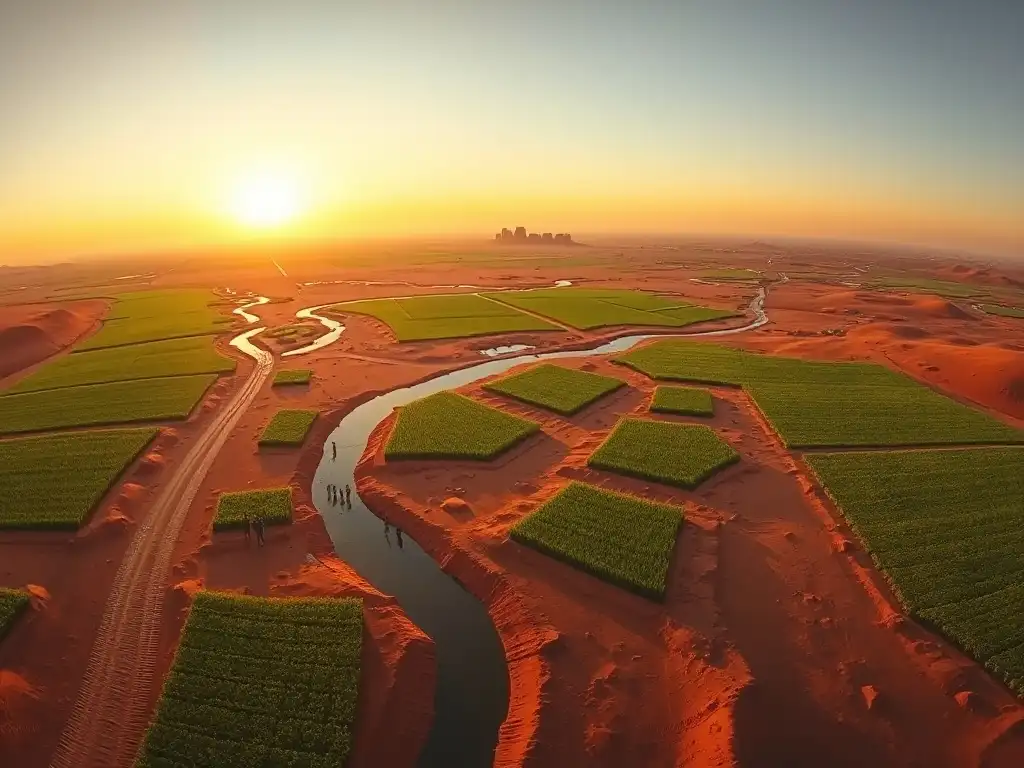
The Nazca's mastery of irrigation techniques, particularly their development of complex canal systems capable of diverting water from rivers to arid coastal plains, resulted in significant agricultural surpluses. This wasn't simply a matter of producing enough food to survive; the surplus played a pivotal role in shaping Nazca society and its complex social structure. The abundance of food allowed for population growth, specialization of labor, and the emergence of a hierarchical social system. The availability of surplus resources freed some individuals from the constant need for food production, allowing them to dedicate their time and energy to other pursuits, such as crafting, religious activities, and the administration of the growing society. The impact of this surplus extended far beyond mere sustenance, profoundly influencing the political and economic landscape of the Nazca civilization. The control and distribution of this surplus likely became a key factor in consolidating power among the elite.
Supporting a Growing Population
The surplus food production directly supported a growing Nazca population. Evidence suggests a significant increase in population density during the Nazca's peak period, likely fueled by the reliable food supply. This population growth wasn't merely a passive consequence; it, in turn, fueled further agricultural expansion and intensification as the demand for food increased.
Archaeological findings, such as increased settlement sizes and the construction of more irrigation canals, reflect this dynamic interplay between agricultural success and population growth. [Specific population figures pending further research]. The ability to sustain a larger population allowed for a greater division of labor and the development of specialized crafts and professions.
Funding Monumental Construction Projects
The surplus agricultural production provided the economic base for the construction of the Nazca's impressive monumental works, most famously the Nazca Lines. These enormous geoglyphs, etched into the desert surface, required a massive coordinated effort, involving thousands of workers and significant resources. The food surplus allowed for the mobilization of labor, providing sustenance for the workers involved in these projects.
Furthermore, the surplus likely generated wealth that could be channeled into funding the project's logistics and management. The construction of these monumental works not only required significant resources but also points to a centralized authority capable of organizing and directing such large-scale undertakings. This suggests a sophisticated social hierarchy with a ruling elite capable of harnessing the resources and manpower necessary for such ambitious endeavors.
Facilitating Trade and Exchange
Beyond supporting the population and monumental construction, the agricultural surplus facilitated extensive trade networks. The Nazca traded surplus agricultural products, such as cotton, beans, and maize, for other goods and resources not available in their environment. This exchange extended beyond the immediate region, connecting the Nazca with other Andean societies. The existence of a surplus created both a need and an opportunity for trade.
The surplus goods served as a valuable commodity, strengthening the Nazca's economic position and fostering diplomatic relations with other groups. Archaeological evidence of imported goods found in Nazca sites confirms the extent of this trade network and its importance to the Nazca economy. The successful management of this trade further underscores the complexity of their social organization.
The eventual decline of Nazca agriculture had significant and far-reaching consequences for Nazca society. While the precise causes remain debated, factors such as climate change, over-exploitation of resources, and potential shifts in river courses likely contributed to a reduced agricultural output. This decline in agricultural productivity resulted in food shortages, which likely led to social unrest and instability.
The intricate social structure, dependent on a reliable food supply, began to unravel as the surplus diminished. The ability to support a large population, fund monumental projects, and maintain extensive trade networks was severely compromised. This period of decline ultimately contributed to the weakening of the Nazca civilization and its eventual absorption or integration into other Andean cultures.
Archaeological studies showing changes in settlement patterns, a reduction in the quality and quantity of artifacts, and a decline in the scale of construction projects, all paint a picture of a society struggling to cope with dwindling resources. The story of the Nazca demonstrates the intricate and often fragile relationship between agricultural success and social complexity. The rise and fall of this civilization highlights the critical role of agriculture in shaping not just the material lives of the Nazca people, but also the very fabric of their society.
Environmental Factors and Agricultural Challenges
The Nazca's remarkable agricultural achievements were not accomplished without facing significant environmental hurdles. The coastal desert of southern Peru, where the Nazca civilization thrived, presents a naturally arid and challenging environment. Water scarcity was a constant concern, demanding ingenious irrigation techniques and a deep understanding of the local hydrology. The success of Nazca agriculture hinged on overcoming these limitations, showcasing their adaptability and innovative spirit.
Their ingenuity is clearly reflected in the sophisticated irrigation systems they developed, which allowed them to cultivate crops in what would otherwise be an uninhabitable landscape. The careful management of water resources was paramount to their survival and prosperity. This wasn't simply a matter of digging canals; it involved a complex understanding of water flow, seasonal variations, and the delicate balance between water availability and crop needs.
The challenges faced by the Nazca underscore the impressive engineering and social organization necessary to support their population. Their ability to overcome these obstacles serves as a testament to their advanced knowledge and resilience. They didn't just survive; they flourished in a harsh environment, leaving behind a legacy of impressive agricultural feats.
Climate Change and Drought
Periods of prolonged drought posed a significant threat to Nazca agriculture. Evidence suggests that fluctuations in rainfall patterns, possibly linked to larger climate shifts, impacted crop yields and overall food security. These droughts were not isolated events but rather recurring challenges that the Nazca had to manage effectively.
The severity and frequency of these droughts likely influenced societal organization and resource management strategies. Archaeological findings, such as changes in settlement patterns and the construction of larger-scale irrigation systems, potentially reflect responses to these climatic pressures. Understanding the impact of climate change on the Nazca is crucial for comprehending the complexities of their social structure and the sustainability of their agricultural practices.
The ability of the Nazca to adapt to these unpredictable climatic conditions is a testament to their sophisticated understanding of their environment and their ability to innovate solutions. This resilience highlights the close relationship between their agricultural practices and their societal development. Their success in mitigating the effects of drought underscores the importance of adaptive strategies in the face of environmental uncertainty.
Soil Degradation and Salinization
The arid climate of the Nazca region contributed to soil degradation and salinization, two major challenges for agricultural production. The lack of rainfall and the use of irrigation systems could have led to the accumulation of salts in the soil, reducing its fertility and hindering crop growth. This process, known as salinization, is a common problem in arid and semi-arid regions where irrigation is employed without careful management.
The Nazca likely employed various techniques to mitigate these issues, perhaps including crop rotation, the use of specific types of soil amendments, or careful selection of salt-tolerant crops. Further research is needed to fully understand the extent of soil degradation and salinization and the strategies implemented by the Nazca to address these problems.
The impact of these soil challenges on Nazca agriculture and social structure requires further investigation, but it's clear that maintaining soil fertility was a critical aspect of their agricultural success. The long-term sustainability of their agricultural practices depended on their ability to manage these soil-related issues effectively.
The Impact of El Niño Events
El Niño events, characterized by unusually warm ocean temperatures in the Pacific, can significantly impact rainfall patterns along the Peruvian coast. These events could lead to both floods and droughts, depending on their intensity and duration, posing a considerable threat to Nazca agriculture. While El Niño events could bring periods of increased rainfall, they could also result in devastating floods that damaged irrigation canals and destroyed crops.
The unpredictable nature of El Niño events likely necessitated flexible agricultural strategies and a robust social organization capable of responding to both surpluses and shortages. The Nazca's ability to cope with the variability introduced by El Niño events demonstrates their resilience and adaptability.
Further research into the frequency and intensity of El Niño events during the Nazca period and their impact on agriculture is crucial for a complete understanding of Nazca societal development and agricultural practices. The interaction between El Niño cycles and Nazca society offers valuable insights into the complex interplay between climate, agriculture, and social organization.
The End of Nazca Society: A Combination of Factors
The decline of the Nazca civilization was not a result of a single event but rather a complex interplay of factors. While environmental challenges, such as prolonged droughts and soil degradation, undoubtedly played a role, other contributing factors likely included internal societal pressures and external influences. Overpopulation, resource depletion, and internal conflicts could have destabilized the society, making it more vulnerable to environmental shocks. Potential shifts in trade routes or interactions with other cultures might have also contributed to the decline.
The exact sequence and relative importance of these factors remain subjects of ongoing research and debate amongst archaeologists. It's crucial to avoid simplistic explanations and recognize the multifaceted nature of societal collapse. The Nazca's impressive achievements in agriculture and social organization highlight their resilience, but their ultimate decline underscores the complex interplay between environmental factors, internal dynamics, and external pressures.
The study of the Nazca collapse offers valuable insights into the fragility of even the most sophisticated societies and the importance of understanding the complex interplay between human actions and environmental forces. The Nazca story serves as a cautionary tale about the importance of sustainable practices and the need for adaptable social structures in the face of environmental variability. Understanding their demise remains a critical area of ongoing research, requiring a multidisciplinary approach to fully unravel the intricacies of their societal collapse.
Lessons from the Nazca: A Case Study in Ancient Agriculture and Society

The Nazca civilization, flourishing along the arid southern coast of Peru from roughly 100 BCE to 800 CE, presents a compelling case study in the intricate relationship between agricultural innovation and social complexity. Their success wasn't simply a matter of luck; it was a direct result of sophisticated water management techniques and a highly organized social structure. The Nazca weren't just farmers; they were engineers, strategists, and community builders, all working in concert to overcome the challenges of their environment.
Their legacy serves as a powerful reminder of human ingenuity and the ability of societies to thrive even in seemingly inhospitable conditions. The development of complex irrigation systems, such as canals and aqueducts, allowed them to cultivate crops in a desert environment, a feat requiring significant planning, labor coordination, and social organization. This wasn't a haphazard effort; it demanded a centralized authority to manage resources and labor effectively, suggesting a hierarchical social structure that enabled large-scale projects.
The success of these systems directly contributed to population growth and the development of a more complex society. The intricate network of canals and aqueducts, for example, required considerable manpower and technical expertise, pointing to a specialized workforce and a sophisticated understanding of hydrology. This level of engineering prowess is a testament to their advanced knowledge and social organization.
Exploring the Legacy of Nazca Farming Methods
The Nazca's agricultural prowess is evident in their remarkably effective farming techniques, which continue to inspire awe and admiration. Their mastery of water management stands out as a key factor in their success. They developed sophisticated irrigation systems, including underground canals ( puquios) that tapped into underground water sources, allowing them to irrigate vast stretches of land. This ingenious system ensured a reliable water supply even during periods of drought.
Beyond irrigation, they also employed techniques such as terracing to create level fields on slopes, maximizing arable land in a challenging terrain. Furthermore, their understanding of crop rotation and soil fertilization helped to maintain soil fertility and optimize yields. These techniques weren't merely practical; they were integral to the social fabric of Nazca society. The construction and maintenance of these systems required collective effort, fostering cooperation and social cohesion.
The successful implementation of these methods resulted in surplus food production, which supported population growth and the development of a complex social hierarchy. The legacy of Nazca farming methods continues to be studied and applied today, demonstrating the enduring value of their innovative approaches to agriculture. Modern agricultural practices in arid and semi-arid regions often draw inspiration from the Nazca's techniques, highlighting the timeless relevance of their achievements. Their innovations provide valuable lessons for sustainable agriculture in challenging environments.
Understanding the social systems of ancient civilizations like the Nazca is crucial to comprehending their achievements in agriculture and other aspects of their culture. The Nazca's sophisticated irrigation systems and agricultural practices weren't solely the product of technological innovation; they were also deeply intertwined with their social organization. A hierarchical society, likely with religious leaders and specialized workers, was necessary to manage the resources and labor required for such large-scale projects. Archaeological evidence suggests a complex social structure with specialized roles, indicating a level of social organization far beyond simple village communities.
The construction and maintenance of the irrigation systems, for instance, required specialized knowledge and coordinated labor, implying a degree of social stratification and centralized control. Moreover, the production of surplus food likely contributed to the growth of a more complex social hierarchy, with elites controlling access to resources and labor. By studying the social structures of the Nazca, we gain insights into how these systems facilitated their agricultural success and, conversely, how their agricultural success shaped their social organization.
The interplay between social complexity and agricultural innovation is a key theme in understanding the rise and fall of ancient civilizations, and the Nazca provide a compelling example of this dynamic relationship. Further research into their social structures is vital for a complete understanding of their remarkable civilization. This understanding also provides valuable context for interpreting other aspects of their culture, such as their art and religious practices.
The remarkable achievements of the Nazca civilization stand as a testament to the intricate interplay between sophisticated social structures and innovative agricultural practices. Their ability to thrive in a seemingly harsh desert environment underscores their ingenuity and adaptability. The intricate canal systems, the sophisticated understanding of water management, and the intensive cultivation techniques weren't simply feats of engineering; they were cornerstones of a complex social order.
The labor required for such massive undertakings necessitates a hierarchical society with effective organization, leadership, and resource allocation. This isn't just about digging canals; it's about coordinating large workforces, managing resources, and resolving conflicts—all crucial aspects of a developed social system.
The Nazca's success wasn't solely dependent on their technological prowess, but also on their social cohesion and ability to adapt to environmental challenges. Their understanding of water management wasn't merely a response to scarcity; it was a proactive strategy that shaped their social and economic structures. This intricate relationship between agriculture and social complexity is clearly visible in the monumental architecture, the elaborate irrigation systems, and the sophisticated artistry found throughout Nazca territory.
The impressive scale of their accomplishments highlights the level of social organization and the efficiency of their systems for resource management and labor distribution. Further research into Nazca society and agriculture promises to uncover even more about their remarkable ability to create a thriving civilization in a challenging environment. Their legacy serves as a compelling example of how human ingenuity and social organization can overcome seemingly insurmountable obstacles, offering valuable insights into the dynamics of early civilizations and their relationship with their surroundings.
Understanding the Nazca's achievements provides a deeper appreciation for the resilience and adaptability of human societies, particularly in the face of environmental limitations. The interconnectedness of their social and agricultural systems stands as a powerful example of sustainable development in a challenging environment, a lesson relevant even today.
- Understanding the Foundations of Nazca Society
- The Role of Agriculture in Nazca Civilization
- Nazca Farming Techniques: Adapting to the Desert
- The Link Between Nazca Agriculture and Social Hierarchy
- Social Organization and Labor in Nazca Farming
- Nazca Social Structure and its Impact on Agricultural Practices
- Evidence of Social Stratification in Nazca Society
- The Interdependence of Nazca Agriculture and Social Complexity
- Nazca Agricultural Surplus and its Social Implications
- The Decline of Nazca Agriculture and its Social Consequences
- Environmental Factors and Agricultural Challenges
- The End of Nazca Society: A Combination of Factors
- Lessons from the Nazca: A Case Study in Ancient Agriculture and Society
- Exploring the Legacy of Nazca Farming Methods
- The Importance of Understanding Ancient Social Systems
- Concluding Thoughts on Nazca Social and Agricultural Achievements
- How did the Nazca people sustain their large population?
- What role did agriculture play in Nazca social structure?
- What evidence exists to support the idea of a complex Nazca social structure?
- How did the Nazca Lines relate to Nazca agriculture and social structure?
- What challenges did Nazca agriculture face, and how were they overcome?
Frequently Asked Questions
How did the Nazca people sustain their large population?
The Nazca's sophisticated agricultural techniques, including canal irrigation and raised fields, were crucial for supporting their large population in the arid coastal region. This efficient water management allowed them to cultivate crops successfully in a challenging environment.
Agriculture was fundamental to Nazca society. Control over water resources and agricultural production likely determined social hierarchy and power dynamics, with elite classes potentially benefiting most from the system. Specialized labor in agriculture also existed.
Archaeological evidence reveals elaborate burial practices, suggesting social stratification. Monumental architecture like the famous Nazca Lines and large-scale irrigation projects points to a well-organized society capable of complex undertaking.
While their exact purpose is debated, some theories suggest the Nazca Lines were related to ceremonial practices connected to agriculture and water sources, reflecting the importance of these resources within their social structure. They may have served as markers for water sources or agricultural cycles.
What challenges did Nazca agriculture face, and how were they overcome?
The Nazca faced challenges such as arid climate and scarce water resources. They overcame these by developing innovative irrigation techniques, such as canals and aqueducts, and adapting their agricultural practices to the harsh environment. Raised fields also helped to increase arable land and water retention.
Final Reflection: The Enduring Legacy of Nazca Ingenuity
The sophisticated agricultural techniques employed by the Nazca civilization remain a testament to human adaptability and ingenuity, offering crucial lessons for sustainable practices in our increasingly resource-constrained world. Their success wasn't merely about survival; it was the foundation upon which a complex society, rich in art and innovation, flourished. Understanding their achievements allows us to appreciate the intricate relationship between environmental mastery and societal development.
The Nazca's ability to thrive in a seemingly harsh desert environment continues to inspire awe and underscores the importance of understanding ancient civilizations' resource management strategies. Their legacy extends beyond impressive aqueducts and intricate irrigation systems; it speaks to the power of collective effort and innovative problem-solving in the face of adversity. The greatness of a nation and its moral progress can be judged by the way its animals are treated.
– Mahatma Gandhi. While not directly about the Nazca, this quote highlights the interconnectedness of societal values and environmental stewardship, a key theme in understanding their success.
Consider the challenges we face today: climate change, dwindling resources, and growing populations. The Nazca's story offers a powerful reminder that sustainable practices are not merely an option, but a necessity for the survival and prosperity of any society. Take a moment to reflect on how their ingenuity can inform your own approach to resource management, community building, and the pursuit of a more sustainable future. Let their legacy inspire you to act, to innovate, and to build a world where ingenuity and environmental responsibility go hand in hand.
Unveil the Secrets of Nazca's Agricultural Brilliance!
Thank you for exploring the fascinating story of Nazca's social complexity and agricultural achievements! This journey through their rich history not only enhances your understanding of ancient civilizations but also reveals the intricate relationship between society and sustainable practices. Let's now consider how we can connect with this remarkable legacy.
Here are some ways to engage further:
- **Explore local farming methods** inspired by Nazca techniques. Consider visiting community gardens or researching sustainable agriculture practices that echo ancient wisdom.
- **Share this article** with friends and fellow history enthusiasts! Let's spread awareness of how ancient societies shaped our understanding of sustainable living and community development.
- **Join our discussion forum** on Andean Civilizations to connect with others passionate about the history and impact of the Nazca people.
How can you apply the ingenuity of the Nazca civilization to your own life or community?