
Nazca Textiles and the Spirit World: Rituals and Shamanic Practices

Step into a world woven with mystery and magic. For centuries, the Nazca people have captivated the world with their breathtaking artistry and enigmatic rituals. Prepare to unravel the secrets behind the vibrant Nazca textiles and their profound connection to shamanic practices – a journey into the heart of the Andean spirit world awaits. Discover the intricate details and hidden meanings woven into these ancient fabrics. Are you ready to delve into the mysteries?
The arid coastal plains of southern Peru hold secrets woven into the very fabric of their history. This article delves into the captivating world of Nazca textiles and their profound connection to shamanic rituals and the spirit world. Far from mere clothing or decoration, Nazca textiles served as powerful conduits to the supernatural, embodying complex beliefs and practices of this enigmatic civilization.
We will explore the intricate designs, vibrant colors, and symbolic representations found in these remarkable artifacts, revealing insights into the spiritual lives and cosmological understanding of the Nazca people. Understanding Nazca textiles provides a crucial lens through which to examine their religious beliefs, social structures, and daily life, offering a unique perspective on the rich tapestry of Andean culture.
This exploration will uncover how these textiles served not only practical purposes but also played a vital role in rituals, ceremonies, and the interaction with the spirit world, solidifying their place as important objects of cultural and spiritual significance. The keyword "Nazca textiles shamanic rituals" will be explored throughout this article, examining the intricate relationship between the two.
Introduction to Nazca Textile Art and its Spiritual Significance
Nazca textile art is renowned for its exceptional craftsmanship and vibrant colors. The textiles, primarily made from cotton and camelid fibers (alpaca and llama), showcase an astonishing array of techniques, including intricate weaving, embroidery, and dyeing. These techniques were not merely aesthetic choices; they held deep spiritual meaning.
The colors themselves—reds, yellows, browns, and blues—were likely symbolic, representing elements of the natural world or spiritual forces. For example, the vibrant red dye, often derived from cochineal insects, may have held particular significance, possibly symbolizing blood, life force, or the sun. Beyond the colors, the motifs woven into the textiles are equally significant.
Geometric patterns, stylized representations of animals (such as birds, felines, and reptiles), and anthropomorphic figures are common, each potentially representing specific deities, ancestral spirits, or cosmological concepts. The complexity and precision of the designs suggest a high level of skill and specialization within Nazca society, indicating that textile production was likely a highly valued and perhaps even ritualistic activity. The creation of these textiles was not simply a craft; it was a sacred act, connecting the weaver to the supernatural realm.
The Role of Textiles in Ancient Nazca Culture
The use of Nazca textiles extended far beyond everyday clothing. Evidence suggests that textiles played a crucial role in various rituals and ceremonies. For example, fragments of textiles have been found in tombs, suggesting that they were used as grave goods, providing the deceased with essential items for their journey into the afterlife. The intricacy and quality of these textiles found in burial contexts further emphasize their spiritual significance.
Moreover, the discovery of textiles associated with shamanic paraphernalia, such as ritual objects and paraphernalia points to their direct involvement in shamanic practices. These textiles may have been used as part of shamanic rituals to communicate with the spirit world, to facilitate healing, or to achieve altered states of consciousness. Some scholars suggest that the complex designs on certain textiles might represent shamanic journeys or visions. The textiles themselves could have acted as a visual representation of these journeys, providing a tangible link between the physical and spiritual realms.
The use of textiles in shamanistic rituals emphasizes the importance of the craft as a means of connecting with the divine, highlighting the deeply spiritual nature of Nazca culture. Further research into the specific motifs and their contexts is needed to fully understand the complex interplay between Nazca textiles and shamanic practices. The precise nature of these rituals and their significance remains partially unknown, however, the available evidence strongly suggests a profound connection between the two.
Nazca Textiles as a Medium of Shamanic Expression
Nazca textiles weren't merely clothing or decorative items; they served as powerful mediums for shamanic expression and communication with the spirit world. The intricate weaving techniques, vibrant colors, and symbolic imagery encoded within these textiles suggest a deep connection to spiritual beliefs and practices. The creation of these textiles itself was likely a ritualistic process, involving specific techniques passed down through generations of skilled artisans. The use of rare dyes, sourced from plants and minerals, further enhanced the spiritual significance of the textiles.
The meticulous detail and precision in the weaving indicate a profound respect for the materials and the spiritual power they embodied. These weren't simply crafted objects; they were imbued with spiritual energy, acting as conduits between the physical and spiritual realms. The act of wearing or possessing such a textile could have conferred spiritual protection or facilitated communication with ancestral spirits.
Depictions of Shamanic Figures and Rituals on Nazca Textiles
The imagery woven into Nazca textiles offers invaluable insights into their shamanic rituals and beliefs. Representations of shamans, often depicted in distinctive attire and engaged in various ritual activities, are frequently found. These depictions provide visual evidence of the importance of shamanism in Nazca society and offer clues to their spiritual practices. The textiles vividly portray shamanic trances, healing ceremonies, and interactions with supernatural beings.
The use of specific colors and patterns may have held symbolic meaning, representing different spirits, deities, or stages of a ritual. Careful analysis of these textiles allows researchers to piece together fragments of a lost cosmology, revealing the complex relationship between the Nazca people and their spirit world. Further research into the specific dyes and their potential psychoactive properties may even shed more light on the altered states of consciousness involved in these rituals.
Identifying Shamanic Imagery in Nazca Weavings
Identifying shamanic imagery in Nazca weavings requires careful observation and interpretation. Key indicators often include the depiction of individuals wearing distinctive headdresses, masks, or ceremonial garments. These figures are frequently shown in postures suggestive of ritual practices, such as meditation, divination, or interaction with supernatural entities. The presence of specific symbols, such as stylized plants, animals, or geometric patterns, can also point towards shamanic contexts.
Comparative analysis with other Nazca artifacts, such as pottery and carvings, can help to confirm the interpretation of these images. For instance, recurring motifs found across different media can establish a consistent symbolic language. The context in which the textiles were found – for example, in tombs or ceremonial sites – further supports the interpretation of their spiritual significance. The development of a comprehensive iconographic system for Nazca textiles is crucial for accurately interpreting these complex and nuanced representations.
The Significance of Animal Motifs in Nazca Shamanism
Animal motifs play a significant role in Nazca shamanic practices, as evidenced by their frequent appearance on textiles. These animals are not merely decorative elements; they often represent powerful spirits or deities with specific roles in the Nazca worldview. For instance, birds of prey might symbolize connection to the upper world, while aquatic creatures could represent the underworld.
The specific animal depicted, its posture, and its association with other symbolic elements all contribute to the overall meaning. Certain animals might have been considered totems or spirit guides for particular shamans or clans. The use of these animal motifs in textiles suggests that these animals held a crucial role in the shamanic rituals and beliefs of the Nazca people.
Further research into the specific behaviors and symbolic meanings of these animals within Nazca culture is needed to fully understand their significance. The interplay between natural and supernatural realms, as represented through these animal figures, is a key aspect of understanding Nazca shamanism.
Depictions of Staff-Bearing Figures and Trophy Heads
The presence of staff-bearing figures and trophy heads on Nazca textiles suggests a complex social and ritual hierarchy. Staff-bearing figures are often interpreted as shamans or high-ranking individuals, possibly leaders or priests, who held significant power and authority within the community. The staffs themselves could represent symbols of power, status, or connection to the supernatural world.
The depiction of trophy heads, on the other hand, indicates the possible practice of ritualistic decapitation and the display of human remains. This practice may have been related to warfare, sacrifice, or shamanic rituals aimed at controlling supernatural forces. The combination of staff-bearing figures and trophy heads on the same textile might suggest a complex interplay between ritual power and social control.
Understanding the specific context in which these figures are depicted – their relationship to other symbols and their placement within the textile – is crucial for interpreting their significance within the broader context of Nazca shamanism. Further study of these textiles, complemented by archaeological evidence, is needed to fully understand these complex ritual practices.
Nazca Textile Techniques and Their Connection to Ritual Practices
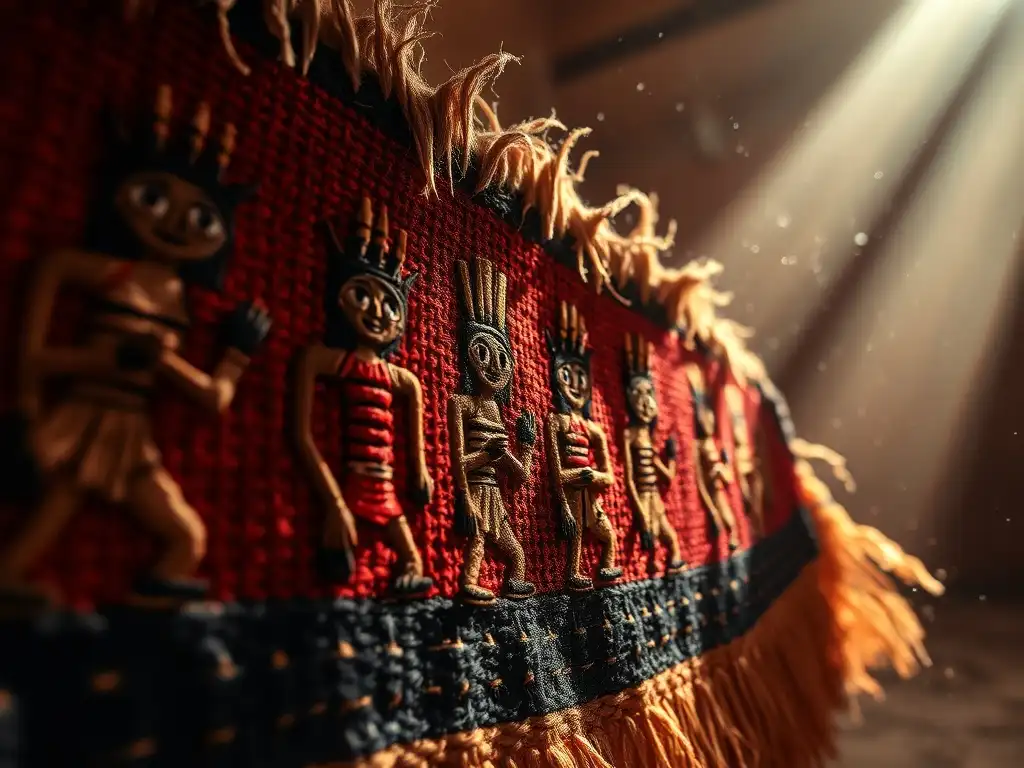
The intricate artistry of Nazca textiles wasn't merely a display of technical skill; it was deeply interwoven with their spiritual beliefs and ritual practices. The creation of these textiles was a sacred process, reflecting a profound understanding of the natural world and their cosmology. The complex techniques employed weren't simply functional; they were symbolic, each step imbued with meaning and contributing to the overall ritual significance of the finished product.
The vibrant colors, intricate patterns, and the very act of weaving were all considered powerful conduits to the spirit world. The meticulous attention to detail evident in surviving examples suggests a dedication far beyond mere craft; it points to a deeply spiritual engagement with the process itself. The textiles were not just clothing; they were active participants in the spiritual realm.
The Intricate Process of Creating Nazca Textiles
Creating a Nazca textile was a labor-intensive undertaking, requiring immense skill and patience. Evidence suggests the use of backstrap looms, a technique that demanded significant physical dexterity and control. The process involved carefully selecting and preparing the fibers, often from camelids like llamas and alpacas. These fibers were then spun into thread, a process that itself likely involved ritualistic elements, given the importance placed on the entire textile production cycle.
The creation of the intricate designs required specialized knowledge of weaving techniques and a deep understanding of symbolic patterns. The complexity of some designs suggests a division of labor, with specialists possibly focusing on specific aspects of the weaving process. The final product wasn't simply a woven cloth but a testament to the skill and dedication of the Nazca artisans.
The Use of Natural Dyes and their Symbolic Meanings
The vibrant colors of Nazca textiles were achieved through the use of natural dyes derived from plants, minerals, and insects. These dyes weren't randomly chosen; they held significant symbolic meaning within the Nazca worldview. For example, specific colors might have been associated with deities, natural elements, or specific ritual contexts.
The careful selection and application of these dyes added another layer of meaning to the textiles, transforming them into potent symbols of spiritual power. The longevity of some of the colors, despite the passage of centuries, speaks to the mastery of the Nazca dyers and their understanding of the properties of natural pigments. Research into the specific plant and mineral sources of these dyes is ongoing, but preliminary findings strongly suggest a sophisticated understanding of botany and chemistry.
Interlocking Weft Techniques in Ritual Garments
Nazca weavers employed a variety of sophisticated techniques, including interlocking weft, to create intricate patterns and textures. This technique, involving the interweaving of multiple weft threads, allowed for the creation of complex designs that were both visually stunning and symbolically rich. The use of interlocking weft was not random; it was often reserved for garments and textiles associated with specific rituals or high-ranking individuals.
The complexity of the technique and the time required to execute it highlight the importance of these items within Nazca society. The precision and skill involved in mastering this technique further underscores the sacred nature of textile production. The surviving examples demonstrate an exceptional level of technical expertise and a deep understanding of the symbolic potential of textile design.
Shamanic Rituals and the Use of Nazca Textiles
Nazca textiles played a crucial role in shamanic rituals, serving as powerful tools for communication with the spirit world. Their vibrant colors, intricate designs, and symbolic meanings were believed to enhance the shaman's ability to access altered states of consciousness and interact with supernatural entities. The textiles were not merely passive observers but active participants in these rituals.
Their presence could have been crucial in creating the appropriate atmosphere for shamanic trance, facilitating communication with spirits and ancestors. The textiles may have been used as ceremonial garments worn by shamans, or they might have served as visual aids during rituals, helping to focus attention and guide the shaman's journey into the spirit world.
Textiles as Sacred Objects in Nazca Ceremonies
Many Nazca textiles were clearly designated as sacred objects, used exclusively in ceremonial contexts. These textiles often featured intricate designs representing deities, mythological creatures, or scenes from the Nazca cosmology. Their use in ceremonies suggests a belief in their power to mediate between the human and spirit worlds. The careful preservation and ritualistic handling of these textiles point to their immense spiritual importance. The discovery of textiles in elite tombs further supports their association with high-status individuals and ceremonial practices. These artifacts were not simply valuable possessions but integral parts of the spiritual life of the Nazca people.
The Connection between Nazca Textiles and the Afterlife
The Nazca people believed in an afterlife, and textiles played a vital role in their funerary practices. The use of textiles in burials suggests a belief that these items would accompany the deceased into the next world, providing comfort and protection. The quality and intricacy of the textiles found in tombs often reflect the social status of the deceased.
Elaborate textiles were frequently included as grave goods, indicating their importance in ensuring a successful transition to the afterlife. The presence of textiles in tombs also suggests a belief that these items had the power to assist the deceased in navigating the spiritual realm.
Textiles as Burial Shrouds and Grave Goods
Nazca textiles served as both burial shrouds and grave goods, providing the deceased with clothing and other necessities for the afterlife. The textiles used as shrouds were often of high quality, reflecting the importance of ensuring a comfortable and dignified passage into the next world. Grave goods, including textiles, often included items that were essential to the deceased's life, suggesting a belief that these items would be needed in the afterlife.
The inclusion of textiles in burials indicates a belief that these items held spiritual significance and could aid the deceased in their journey to the other world. The careful placement and arrangement of these textiles within the tombs suggest a ritualized process reflecting their significance in the funerary rites.
The Spiritual World Reflected in Nazca Textiles Designs
Nazca textiles offer a captivating window into the spiritual beliefs and practices of this enigmatic Andean civilization. The intricate designs woven into these textiles are not mere decorations; they are powerful visual representations of a cosmology deeply intertwined with the natural world and the spirit realm. These textiles were not everyday garments; rather, they served as vital components of rituals, ceremonies, and shamanic practices, acting as conduits between the living and the dead, the earthly and the supernatural.
The vibrant colors, complex patterns, and symbolic motifs all contribute to a rich tapestry of meaning, revealing a sophisticated understanding of the cosmos and the human place within it. Scholars continue to unravel the layers of symbolism embedded within these remarkable artifacts, gaining deeper insights into the worldview of the Nazca people.
The painstaking detail and the evident skill involved in their creation underscore the textiles' significant cultural and spiritual value. Careful examination reveals recurring motifs that suggest a complex system of beliefs and practices surrounding ancestor veneration, shamanic journeys, and the interaction between the human and spiritual worlds.
Symbolism and Cosmology in Nazca Textile Patterns
The patterns found on Nazca textiles are not random; they follow specific conventions and symbolic language. Geometric shapes like triangles, zigzags, and stepped patterns frequently appear, possibly representing mountains, celestial bodies, or the cyclical nature of life and death. These geometric elements are often interwoven with representations of flora and fauna, creating a complex interplay of natural and supernatural imagery.
For instance, the depiction of a stylized hummingbird, a creature associated with shamanic journeys and the spirit world, might be surrounded by geometric shapes symbolizing the cosmos or the shaman's path. The careful arrangement of these elements suggests a deliberate attempt to represent a holistic worldview, where the earthly and the celestial are inextricably linked. Further research is needed to fully decode the precise meaning of each pattern, but the evidence strongly suggests a sophisticated system of symbolic representation.
The use of specific colors also likely held symbolic meaning, with certain dyes possibly representing specific deities, energies, or spiritual concepts. This intricate layering of symbolism within the textile designs demonstrates the depth and complexity of Nazca cosmology.
The Interconnectedness of Nature, Spirits, and Humans in Nazca Beliefs
Nazca cosmology reveals a deep interconnectedness between the natural world, the spirit world, and humanity. Textile designs often depict a harmonious relationship between humans and nature, with representations of plants, animals, and celestial bodies appearing alongside human figures. This portrayal suggests a belief system where humans are not separate from but rather integral parts of the larger cosmos.
Spirits, both benevolent and malevolent, were believed to inhabit the natural world, influencing human lives and destinies. The use of specific plants, animals, and natural elements in the textiles may reflect their roles in rituals and shamanic practices, highlighting their importance in maintaining balance and harmony within this interconnected system.
For example, the depiction of a specific type of cactus might indicate its use in shamanic rituals, while the representation of a particular animal could symbolize a specific spirit or deity. The intricate relationship between these elements, as depicted in the textiles, reveals a holistic worldview that emphasizes the interconnectedness of all aspects of existence.
Depictions of Hummingbirds, Felines, and Mythical Beings
Among the most striking motifs in Nazca textiles are depictions of hummingbirds, felines, and mythical beings. Hummingbirds, with their swift movements and association with the upper world, often symbolize shamanic journeys and the ability to traverse between realms. Felines, often depicted with stylized features, likely represent powerful spirits or deities associated with hunting, warfare, or the underworld. Mythical creatures, often combinations of animal and human features, represent supernatural beings that may have played a significant role in Nazca mythology and rituals.
The artistic representation of these beings, often rendered with remarkable detail and precision, highlights their significance within the spiritual beliefs of the Nazca people. The specific attributes and postures of these creatures likely carry symbolic meaning, revealing further layers of the complex cosmology reflected in the textiles. Further study of these iconographic representations is crucial for a deeper understanding of Nazca shamanic practices and beliefs.
Interpreting the Meaning of Nazca Textiles in Shamanic Contexts
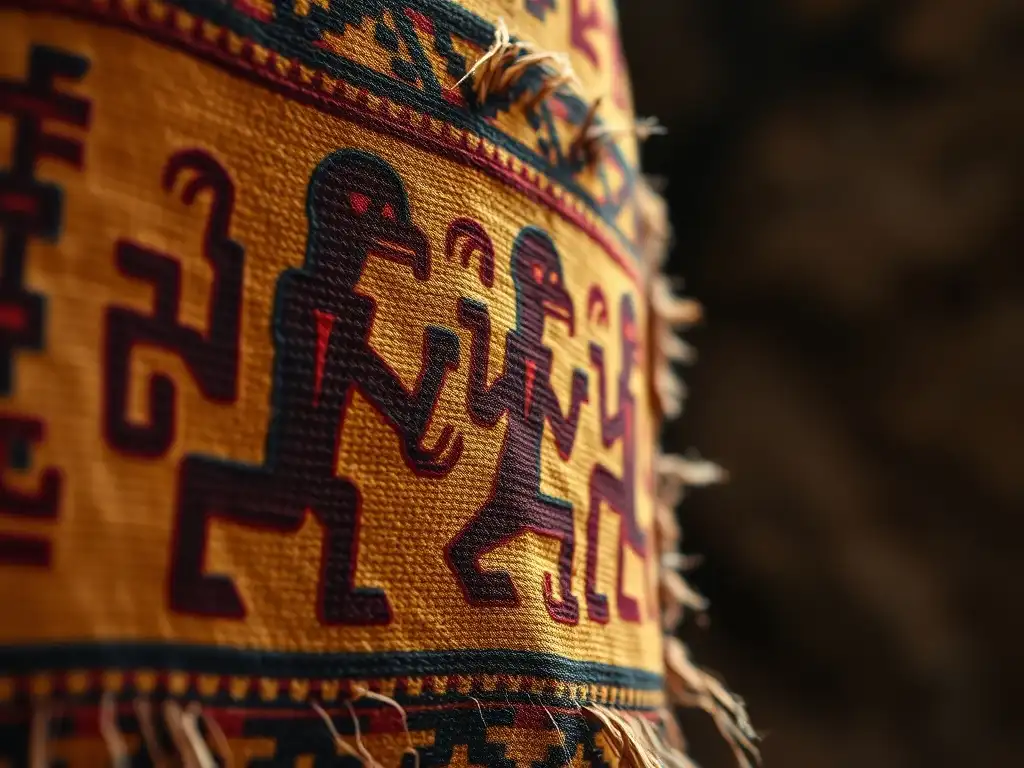
The role of Nazca textiles in shamanic practices is a fascinating area of study. These textiles were not simply decorative items; they were integral parts of rituals and ceremonies, used by shamans to connect with the spirit world and perform healing and divination. The intricate designs and symbolic motifs on the textiles likely served as visual aids during shamanic trances, helping shamans to visualize and interact with spirits.
The vibrant colors and complex patterns may have been used to evoke specific emotions or states of consciousness, enhancing the shamanic experience. The textiles themselves might have been used as ritual objects, worn by shamans during ceremonies or placed on alters as offerings to deities or spirits. Furthermore, the textiles’ construction techniques and materials may also hold symbolic significance, reflecting the shaman's skills and their connection to the natural world.
Analyzing the textiles within their ritual context provides crucial insights into the role of shamanism in Nazca society and the importance of these textiles as mediating tools between the human and spiritual realms. The careful study of these artifacts allows us to piece together a more complete picture of Nazca spiritual life and the crucial role textiles played within their shamanic practices. Further research into the archaeological context of textile discoveries will undoubtedly shed more light on their use in specific rituals and ceremonies.
The Legacy of Nazca Textiles and Shamanic Traditions
The intricate textiles of the Nazca culture offer a captivating glimpse into their complex spiritual beliefs and shamanic practices. These weren't merely functional items; they were imbued with deep symbolic meaning, acting as conduits between the earthly and spiritual realms. The vibrant colors, intricate designs, and the use of specific materials all point to a sophisticated understanding of the cosmos and the power dynamics within their society.
Many designs depict deities, mythical creatures, and scenes from rituals, suggesting a strong connection between textile production and religious ceremonies. The creation of these textiles was likely not just a craft but a sacred act, performed by individuals with specialized knowledge and spiritual authority. The enduring appeal of Nazca textiles lies not only in their aesthetic beauty but also in their capacity to transport us to a world where the boundaries between the living and the dead, the human and the divine, were fluid and interconnected.
The legacy of these textiles continues to inspire awe and wonder, providing invaluable insights into the spiritual lives of the Nazca people. The craftsmanship and artistry involved demonstrate a level of skill and dedication that speaks volumes about the importance of textiles within their culture.
The Enduring Influence of Nazca Art and Spirituality
The impact of Nazca art and spirituality extends far beyond their own civilization. Their aesthetic sensibilities, particularly in textile design, have influenced subsequent Andean cultures and continue to resonate with contemporary artists and designers. The bold geometric patterns, the use of vibrant natural dyes, and the symbolic representations found in Nazca textiles have been interpreted and reinterpreted over the centuries, demonstrating their enduring power and cultural significance.
The motifs and imagery seen in Nazca textiles have been identified in later Andean art forms, suggesting a continuity of spiritual beliefs and artistic traditions. This enduring influence underscores the depth and richness of Nazca culture and its lasting impact on the Andean world.
The vibrant colors and intricate designs continue to inspire artists and designers today, proving the timeless appeal of Nazca aesthetics and the enduring power of their spiritual beliefs. The study of Nazca textiles offers a unique opportunity to understand the evolution of Andean art and spirituality, highlighting the interconnectedness of different cultures and the persistent influence of ancient traditions.
Archaeological Discoveries and Ongoing Research on Nazca Textiles
Archaeological excavations in Nazca sites have yielded a wealth of information about textile production and their role in shamanic rituals. The discovery of well-preserved textiles in tombs and ceremonial contexts has provided crucial evidence for understanding their symbolic meaning and the techniques used in their creation. Ongoing research utilizes advanced techniques like fiber analysis and dye identification to reveal further details about the materials and processes involved.
This allows researchers to reconstruct the social organization of textile production and its links to religious practices. For instance, the discovery of specific textile motifs associated with particular ceremonies or social groups provides insights into the hierarchical structure of Nazca society and the role of textiles in reinforcing social status. Furthermore, studies of the dyes used in Nazca textiles offer clues about trade networks and the access to resources that the Nazca people had.
The ongoing research on Nazca textiles promises to unveil even more about the intricate relationship between textile production, shamanic practices, and the spiritual world of the Nazca civilization. The constant advancements in archaeological techniques and scientific analysis continue to enrich our understanding of this fascinating aspect of Nazca culture.
Conclusion: Nazca Textiles as a Window into the Shamanic World
Nazca textiles serve as a remarkable window into the shamanic world of this ancient Andean civilization. The intricate designs, vibrant colors, and the materials used all speak to a deep understanding of the spiritual realm and the importance of textiles in mediating between the human and divine. By studying these textiles, we gain invaluable insights into the beliefs, practices, and social structures of the Nazca people.
The research on Nazca textiles continues to provide new perspectives on the role of shamanism in Andean cultures and the enduring legacy of their artistic traditions. These textiles are not simply artifacts; they are powerful expressions of a culture deeply connected to the spiritual world, offering a captivating glimpse into a past that continues to fascinate and inspire.
Their intricate designs and vibrant colors continue to captivate researchers and enthusiasts, offering a unique and invaluable source of information about the rich and complex spiritual world of the Nazca civilization. The enduring legacy of Nazca textiles serves as a testament to their enduring cultural and spiritual significance.
- Introduction to Nazca Textile Art and its Spiritual Significance
- The Role of Textiles in Ancient Nazca Culture
- Nazca Textiles as a Medium of Shamanic Expression
- Depictions of Shamanic Figures and Rituals on Nazca Textiles
- Nazca Textile Techniques and Their Connection to Ritual Practices
- Shamanic Rituals and the Use of Nazca Textiles
- The Spiritual World Reflected in Nazca Textiles Designs
- Interpreting the Meaning of Nazca Textiles in Shamanic Contexts
- The Legacy of Nazca Textiles and Shamanic Traditions
- Conclusion: Nazca Textiles as a Window into the Shamanic World
- What role did textiles play in Nazca shamanic rituals?
- How did the Nazca create such intricate textile designs?
- What evidence supports the connection between Nazca textiles and shamanism?
- What types of materials were used in Nazca textile production?
- Where can I learn more about Nazca textiles and shamanic rituals?
Frequently Asked Questions
What role did textiles play in Nazca shamanic rituals?
Nazca textiles were integral to shamanic rituals. They were used as ceremonial garments, offerings to deities, and even as tools for altered states of consciousness. Their intricate designs often depicted spiritual beings and symbols.
How did the Nazca create such intricate textile designs?
The Nazca employed advanced weaving techniques, including backstrap loom weaving, to create incredibly detailed textiles. They used natural dyes from plants and minerals to produce a vibrant range of colors. Exceptional skill and patience were required.
What evidence supports the connection between Nazca textiles and shamanism?
Archaeological discoveries of textiles in elite tombs and ritual contexts strongly suggest their shamanic significance. The imagery depicted on the textiles—such as mythological creatures and hallucinogenic plants—further reinforces this connection.
What types of materials were used in Nazca textile production?
Nazca textiles were primarily made from cotton and camelid fibers (alpaca and llama). These materials were carefully selected and prepared before being woven into complex designs. The choice of materials likely held symbolic meaning.
Where can I learn more about Nazca textiles and shamanic rituals?
You can explore museums with Nazca textile collections and research academic publications on Andean archaeology and anthropology. Many books and articles delve into the complex interplay between textiles and spiritual practices in Nazca culture.
Final Reflection: Weaving the Threads of the Past, Present, and Future
The vibrant artistry of Nazca textiles isn't merely a relic of a bygone era; it's a powerful testament to the enduring human need to connect with the spiritual realm. These intricate weavings, imbued with symbolic imagery and painstaking craftsmanship, continue to resonate with us today, offering a tangible link to a sophisticated shamanic culture that profoundly shaped its worldview. Their enduring power lies in their ability to transcend time, speaking to our innate curiosity about the unseen and our persistent search for meaning.
The influence of Nazca shamanic practices, as reflected in their textiles, continues to shape our understanding of ancient Andean spirituality and its lasting impact on contemporary indigenous cultures. Their intricate designs, often depicting deities, animals imbued with spiritual significance, and scenes of ritualistic practices, offer invaluable insights into a cosmology deeply intertwined with the natural world. The past is never dead. It's not even past.
– William Faulkner. This quote perfectly encapsulates the enduring relevance of Nazca textiles, reminding us that the spiritual beliefs and practices reflected in these artifacts remain potent forces shaping our understanding of the human experience.
Consider the intricate detail, the vibrant colors, the sheer dedication required to create these masterpieces. Now, consider the profound spiritual significance woven into each thread. What can these ancient textiles teach us about our own connection to the spiritual world?
How can we, in our own lives, weave together the threads of our experiences, beliefs, and aspirations to create a richer, more meaningful existence? Let the legacy of the Nazca weavers inspire you to explore your own spiritual journey, to find beauty in the intricate tapestry of life, and to recognize the enduring power of human creativity and spiritual expression.
Unveil the Mysteries of Nazca: Ignite Your Spiritual Journey!
Thank you for exploring the vibrant world of Nazca textiles and their profound connection to the spirit world. You've discovered fascinating rituals and shamanic practices that bridge the physical and spiritual realms—now let's deepen your understanding.
Here are some ways to continue your spiritual journey:
- **Participate in a hands-on workshop** focusing on traditional textile techniques or ancient Andean rituals. Learning from experienced practitioners will offer a unique perspective.
- **Share this article** with friends interested in spirituality or Andean cultures. Exploring these themes together can enrich your understanding and create meaningful connections.
- **Connect with online communities** dedicated to preserving and sharing Andean spiritual traditions. This offers access to valuable insights and fosters a sense of global community.
Which aspects of Nazca spirituality resonate most with you, and how will you integrate these insights into your life?