Nazca Civilization

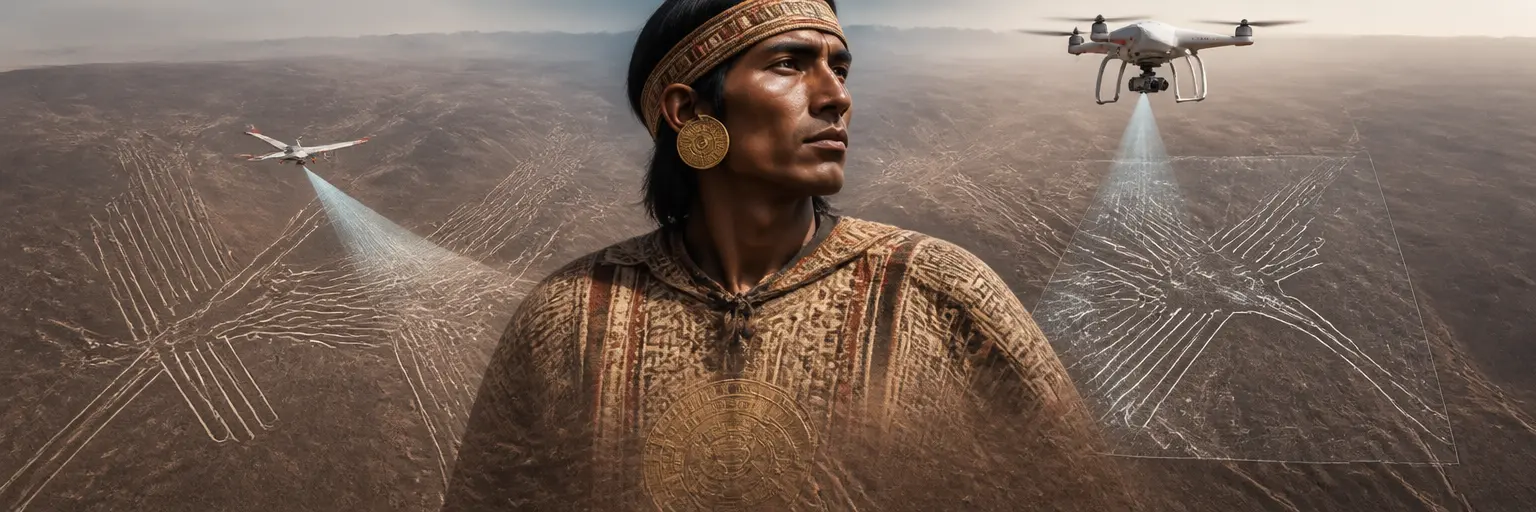
Discover the fascinating Nazca Civilization, renowned for its vibrant art, advanced agricultural techniques, and enduring cultural legacy in ancient Peru. Explore the mysteries of the Nazca Lines, admire distinctive pottery and textiles, and uncover how this remarkable Andean society thrived in one of South America’s most challenging environments.
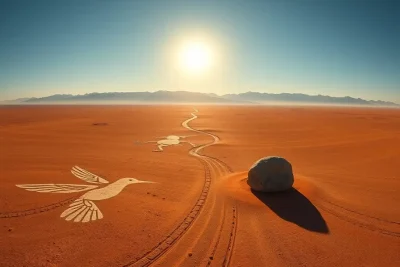
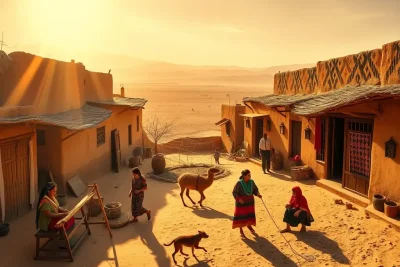
Explore the fascinating world of the Nazca Civilization, one of ancient Peru’s most remarkable cultures. Flourishing along the arid southern coast of the Andes between approximately 200 BCE and 600 CE, the Nazca people created exceptional ceramics, colorful textiles, ceremonial objects, and the famous Nazca Lines. Their achievements reveal a sophisticated society that adapted creatively to one of the world’s driest environments.
This category examines Nazca history, religion, art, engineering, agriculture, and daily life. Discover how the Nazca civilization developed irrigation systems, organized communities, expressed beliefs through powerful imagery, and transformed the desert landscape into a place of ceremony and meaning. Whether you are researching ancient Andean cultures, Peruvian archaeology, or the origins of the Nazca Lines, these resources provide clear historical context and engaging insights.
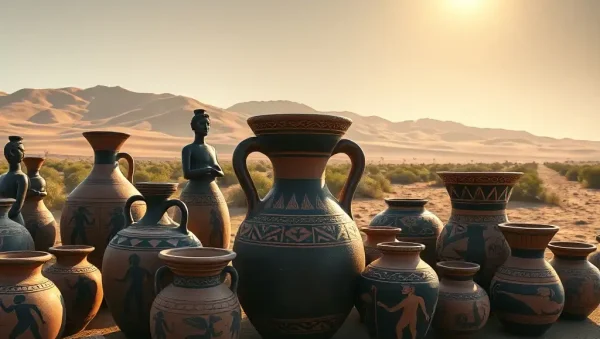
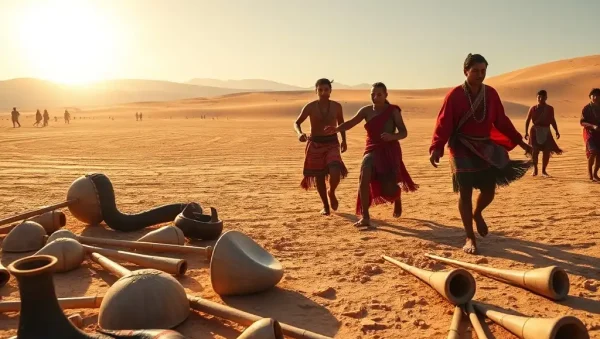
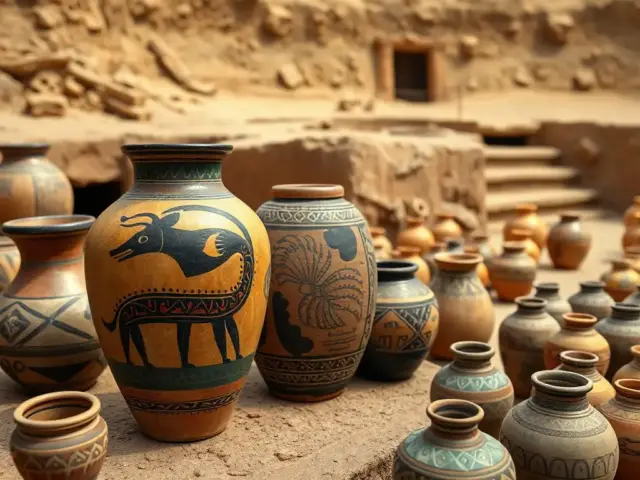
Learn how Nazca artists used pottery and textiles to communicate identity, spirituality, and social status. This section explores the civilization’s distinctive polychrome ceramics, naturalistic figures, mythical beings, plants, animals, and scenes of ritual life. Readers can expect detailed information about Nazca pottery styles, pigments, manufacturing techniques, and archaeological interpretation.
Nazca textiles also offer important evidence about ancient Andean culture. Discover how weaving, embroidery, feathers, and complex patterns reflected religious beliefs and community traditions. These resources explain what surviving fabrics reveal about craftsmanship, trade, clothing, ceremonial practices, and the artistic development of the Nazca people.
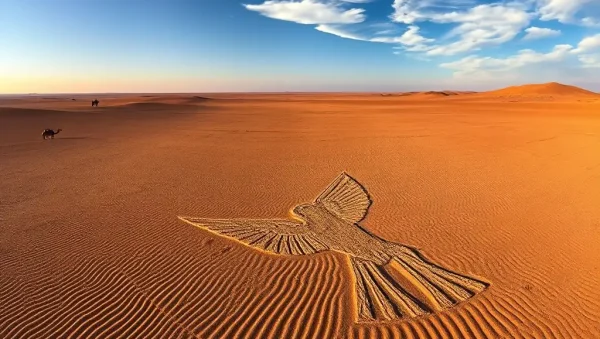
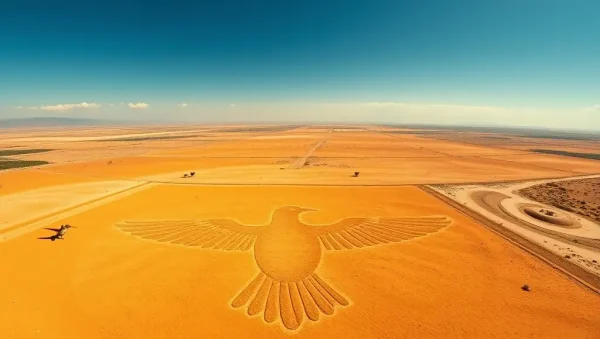
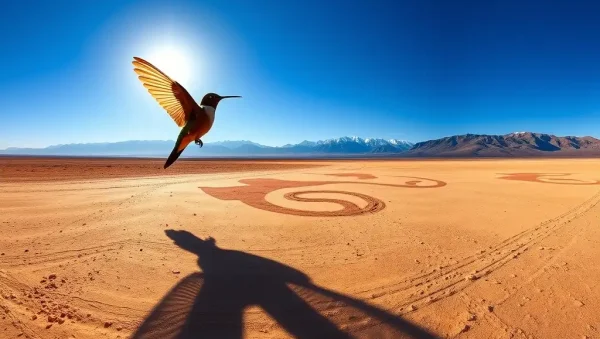
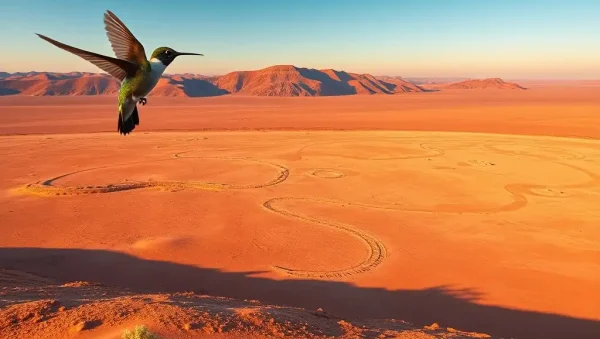
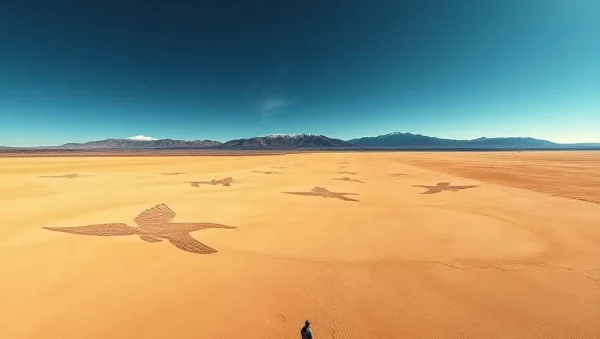
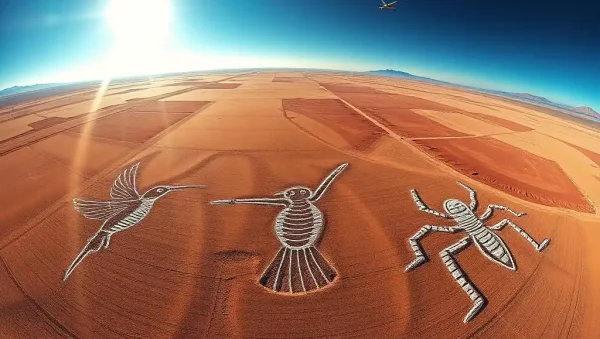
Explore the mystery and meaning of the Nazca Lines, enormous geoglyphs etched into the desert plains of southern Peru. This section covers the famous animal figures, geometric shapes, straight lines, and ceremonial pathways, including representations of hummingbirds, monkeys, spiders, condors, and other forms. Readers will find accessible explanations of how the Nazca Lines were created, preserved, and studied by archaeologists.
Beyond popular theories, discover the archaeological and cultural evidence surrounding these ancient geoglyphs. Learn about their relationship to water, pilgrimage, ritual movement, astronomy, and sacred landscapes while separating credible interpretations from speculation. The section provides valuable context for understanding why the Nazca Lines remain one of the most important archaeological sites in Peru.
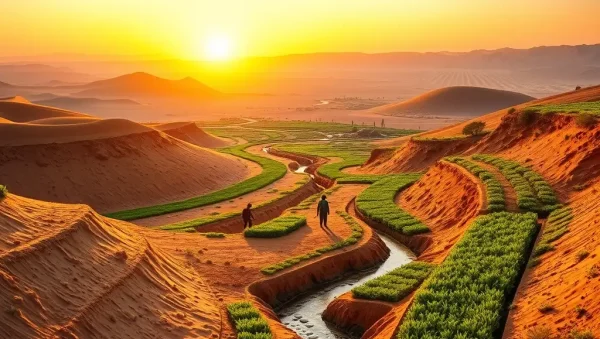
Discover how Nazca communities survived and prospered in a harsh coastal desert environment. This section examines irrigation canals, underground water systems, farming techniques, settlements, food production, and the management of scarce natural resources. Readers can expect insights into Nazca agriculture, water technology, crops, fishing, trade, and environmental adaptation.
The social organization of the Nazca civilization is explored through archaeological evidence from villages, cemeteries, ceremonial centers, and elite burials. Learn how religion, leadership, warfare, craft specialization, and regional exchange shaped Nazca society. These articles also explain how daily life and social hierarchy influenced community organization, economic activity, cultural identity, and religious ceremonies.
The Nazca civilization flourished primarily from around 200 BCE to 600 CE on the southern coast of present-day Peru. Its cultural traditions developed from earlier societies and later influenced regional Andean history.
The Nazca civilization developed in the coastal valleys and desert plains of southern Peru, especially around the Nazca, Ica, Pisco, and Grande River valleys. Its people adapted to an extremely dry climate through irrigation, fishing, farming, and trade.
The exact purpose of the Nazca Lines remains debated. Archaeological evidence suggests that many geoglyphs were connected to ritual processions, water beliefs, sacred geography, and ceremonial activities. Some may also have marked important routes or places of religious significance.
Nazca pottery is renowned for its vivid colors, highly polished surfaces, symbolic imagery, and detailed depictions of humans, animals, plants, mythical creatures, and ceremonies. These objects help researchers understand Nazca religion, social identity, technology, and artistic traditions.
The Nazca used irrigation canals, wells, and underground water channels to support agriculture in arid valleys. They cultivated crops such as maize, beans, cotton, and gourds while combining farming with fishing, gathering, and regional trade to sustain their communities.