Nazca Civilization

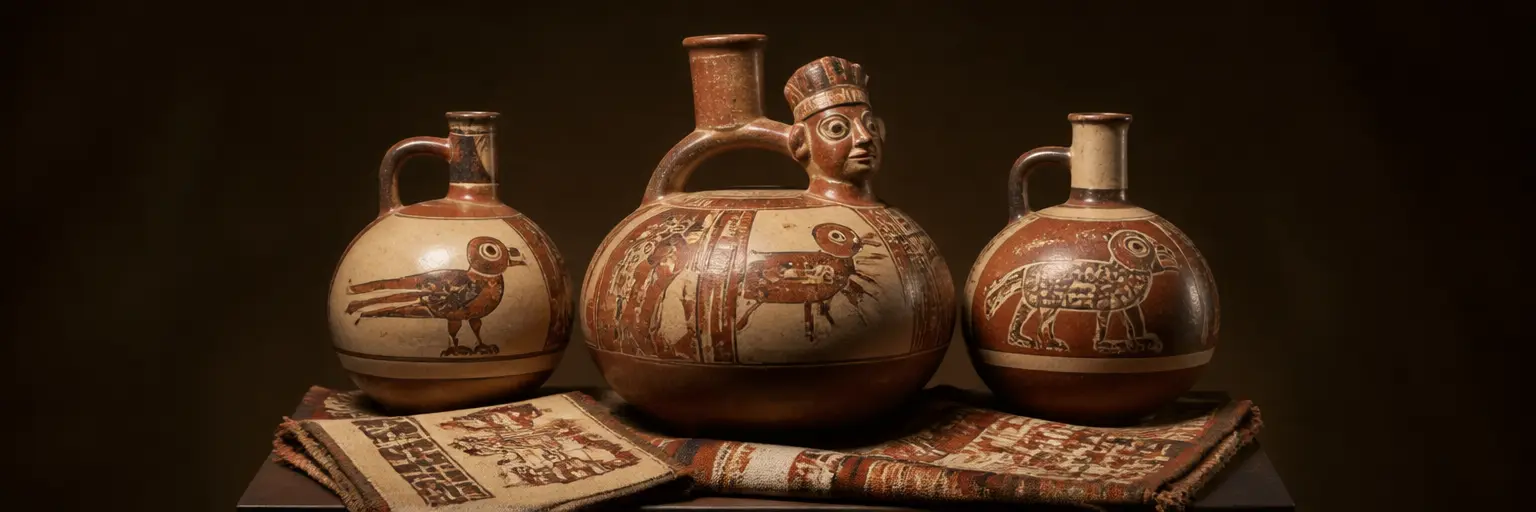
Discover the vibrant artistry of the Nazca Civilization through its remarkable pottery and textiles 🏺🧵. Explore boldly painted ceramics, intricate woven designs, and symbolic motifs that reveal the beliefs, daily life, and advanced craftsmanship of ancient Peru. From colorful vessels featuring animals and supernatural figures to finely crafted fabrics, these enduring treasures offer fascinating insights into Nazca culture and Andean heritage. Uncover the artistry, symbolism, and innovation of Nazca pottery and textiles at Andean Civilizations.
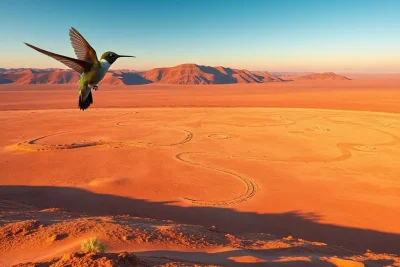
Explore the remarkable world of Nazca pottery and textiles, one of the most distinctive artistic traditions of ancient Peru. Created by the Nazca civilization between approximately 100 BCE and 800 CE, these objects reveal important details about ritual practices, mythology, social organization, agriculture, trade, and everyday life. From brilliantly painted ceramic vessels to finely woven fabrics, Nazca artists combined technical skill with powerful imagery inspired by nature, religion, and the supernatural world. This subcategory on Andean Civilizations offers detailed insights into Nazca art, archaeological discoveries, ancient Peruvian craftsmanship, and the cultural meaning behind these extraordinary artifacts.
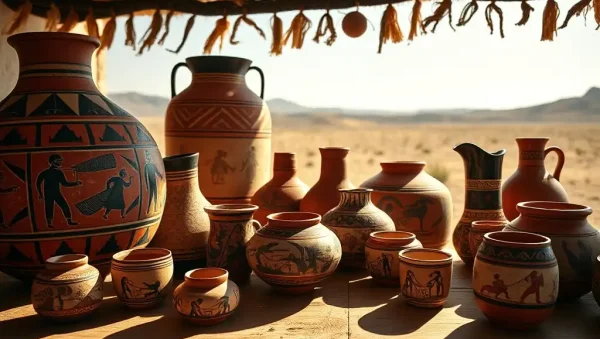
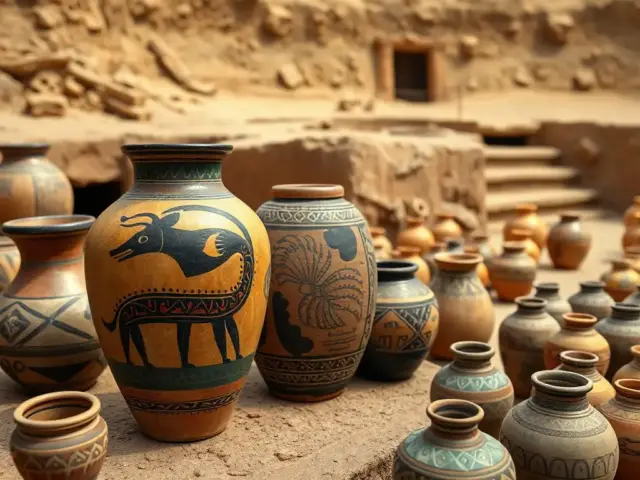
Nazca pottery is famous for its vivid colors, polished surfaces, and complex painted designs. Readers can discover how ancient Nazca potters created bowls, jars, bottles, cups, and ceremonial vessels using carefully shaped clay and mineral-based pigments. Many ceramics feature multiple colors, outlined figures, stylized animals, plants, human faces, and mythical beings, making them valuable sources for understanding Nazca visual culture.
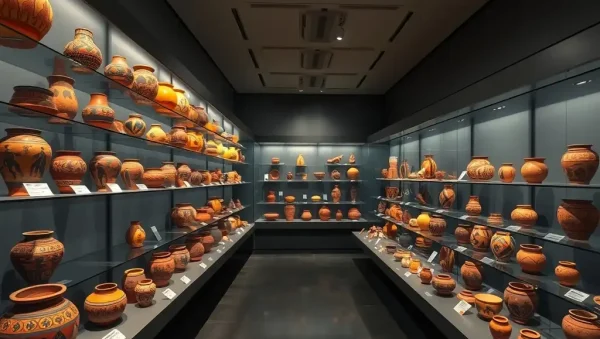
This section explores the forms, techniques, and functions of Nazca ceramics. Learn how pottery was used in domestic settings, burials, offerings, and religious ceremonies, as well as how archaeologists interpret recurring motifs. Detailed discussions of Nazca ceramic iconography, painted vessels, surface decoration, and regional styles help explain why Nazca pottery remains essential to the study of ancient Andean art.
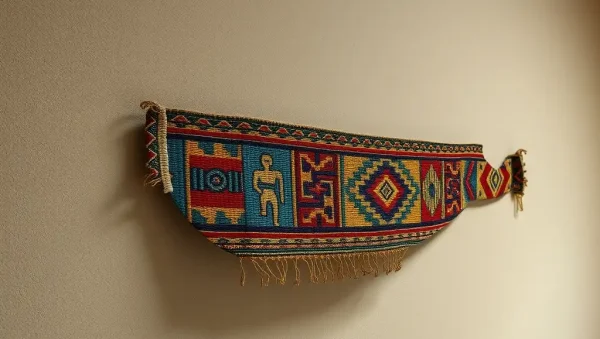
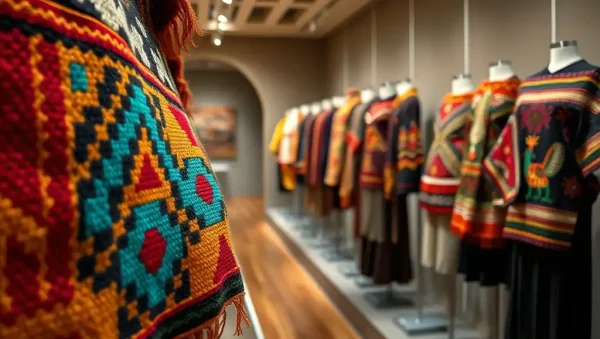
Nazca textiles demonstrate exceptional knowledge of spinning, weaving, dyeing, and embroidery. Readers can learn about the production of cloth from cotton and camelid fibers, including alpaca and llama wool, as well as the tools and methods used by ancient Andean textile makers. Textiles could serve as clothing, ceremonial objects, funerary materials, status symbols, and offerings, reflecting the importance of fabric in Nazca society.
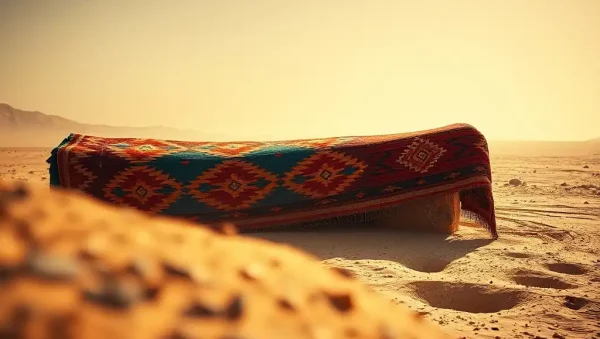
Explore the visual language of Nazca woven textiles, including geometric patterns, colorful borders, embroidered figures, birds, felines, plants, and supernatural characters. This content explains how textile design communicated identity, rank, religious beliefs, and connections between communities. It also examines preservation challenges, archaeological context, and the remarkable craftsmanship that allows surviving Nazca fabrics to reveal details about ancient Peruvian technology.
Nazca artists used a sophisticated range of natural materials to create durable and visually striking works. This section examines the pigments, clays, mineral colors, plant dyes, fibers, and tools associated with Nazca pottery and textiles. Readers can learn how artists achieved bright reds, oranges, yellows, blacks, whites, browns, and other tones, often arranging them in carefully balanced compositions.
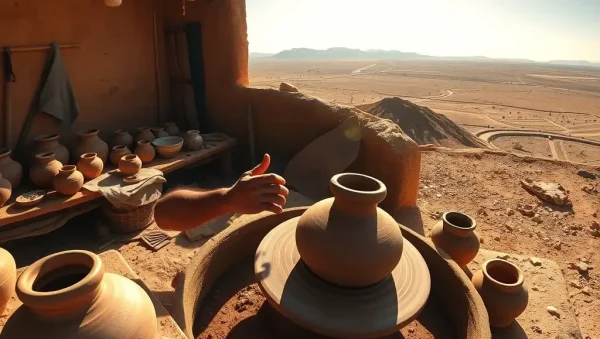
The subcategory also explains key processes such as clay preparation, vessel shaping, polishing, painting, firing, spinning, loom weaving, embroidery, and appliqué. Understanding these methods makes it possible to appreciate the technical innovation of Nazca artisans rather than viewing their creations only as decorative objects. Comparisons between ceramic painting and textile design reveal shared artistic principles throughout Nazca culture.
Nazca pottery and textiles are filled with symbolic representations of animals, plants, humans, ancestors, and supernatural beings. Readers can explore recurring images such as birds, felines, serpents, trophy heads, fish, agricultural plants, and transformed human figures. These motifs are often linked to fertility, water, warfare, harvests, ancestors, and ceremonies connected with the spiritual world.
Because many Nazca images are highly stylized, their meanings continue to be studied and debated by archaeologists and historians. This section presents careful interpretations of Nazca iconography and religious art while recognizing the limits of available evidence. Readers will gain a deeper understanding of how visual symbols may have expressed beliefs about nature, sacred power, social authority, and the relationship between humans and supernatural forces.
Nazca pottery and textiles are frequently found in tombs, burial bundles, ceremonial contexts, and ancient settlements. Learn why these archaeological settings are so important for interpreting the original purpose of artifacts. Objects placed with the dead may provide evidence about social status, occupation, religious identity, family relationships, and beliefs about life after death.
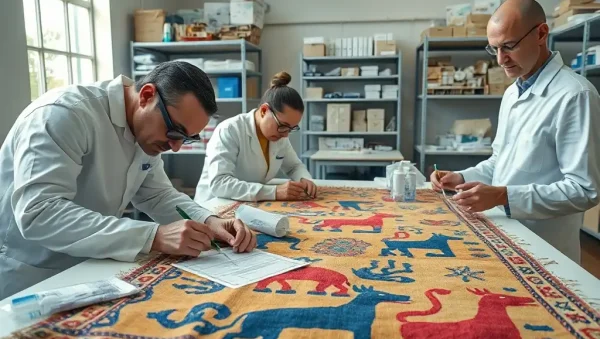
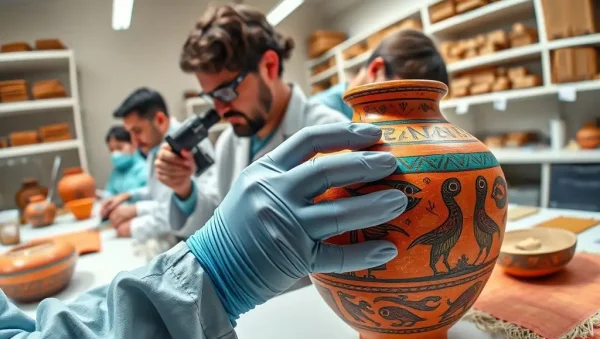
This section also highlights the importance of archaeological documentation and responsible preservation. Readers can discover how researchers analyze vessel forms, textile construction, pigments, wear patterns, burial locations, and associated objects to reconstruct Nazca history. Attention is given to archaeological ethics, cultural heritage protection, and the prevention of looting, which are essential for preserving ancient Peruvian artifacts for future study.
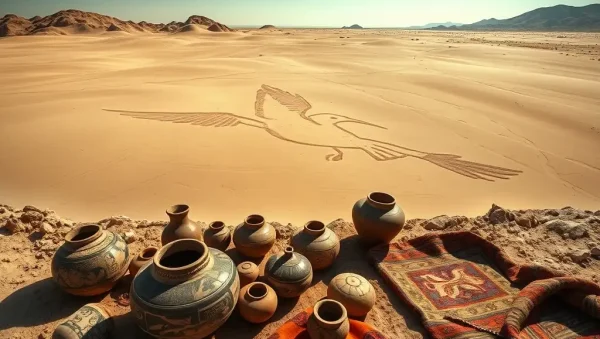
Nazca art developed in the dry coastal valleys of southern Peru, where desert landscapes were shaped by rivers, irrigation, farming, fishing, and regional exchange. Explore how the environment influenced the materials available to Nazca communities and how agricultural concerns may have inspired imagery connected with water, crops, animals, and fertility. Pottery and textiles provide evidence of how people adapted creatively to challenging surroundings.
Readers can also learn what these objects reveal about everyday life, including clothing, food preparation, ceremonies, trade, craft specialization, and community organization. By examining both ordinary and elite artifacts, this subcategory presents Nazca civilization as a complex society with advanced artistic traditions, specialized producers, long-distance connections, and rich cultural practices.
Nazca pottery is best known for its brightly painted surfaces, polished finish, detailed imagery, and wide range of colors. Common designs include animals, plants, human figures, supernatural beings, geometric patterns, and trophy heads. Nazca ceramics were used for daily activities, ceremonies, offerings, and burials, making them important sources for studying ancient Peruvian culture.
Nazca textile makers commonly used cotton for lightweight cloth and camelid fibers, including alpaca and llama wool, for warmer or more decorative fabrics. They also used natural dyes and intricate techniques such as spinning, weaving, embroidery, and appliqué. The quality and design of a textile could communicate social status, ceremonial purpose, or community identity.
Nazca designs may represent animals, plants, ancestors, deities, supernatural beings, agricultural forces, and elements of the natural environment. Their exact meanings are not always certain, but recurring imagery suggests connections with religion, fertility, water, warfare, death, and transformation. Archaeologists interpret these symbols by comparing artifacts, burial contexts, settlement evidence, and other forms of Nazca art.
Nazca artifacts have been found in coastal valleys and archaeological sites across southern Peru, including settlements, ceremonial areas, cemeteries, and burial chambers. Many pieces were recovered from funerary contexts, where vessels and textiles were placed as offerings or personal belongings. Their archaeological location helps researchers understand how each object was used and valued.
Nazca pottery and textiles are important because they preserve evidence of ancient Andean creativity, technology, religion, social organization, and environmental adaptation. They also demonstrate the sophistication of pre-Columbian craftsmanship in Peru. Studying and protecting these artifacts supports archaeological research, strengthens appreciation for Indigenous heritage, and helps future generations understand the history of the Nazca civilization.