
The Nazca Textile Masterpieces: Examples of Exceptional Weaving Skill

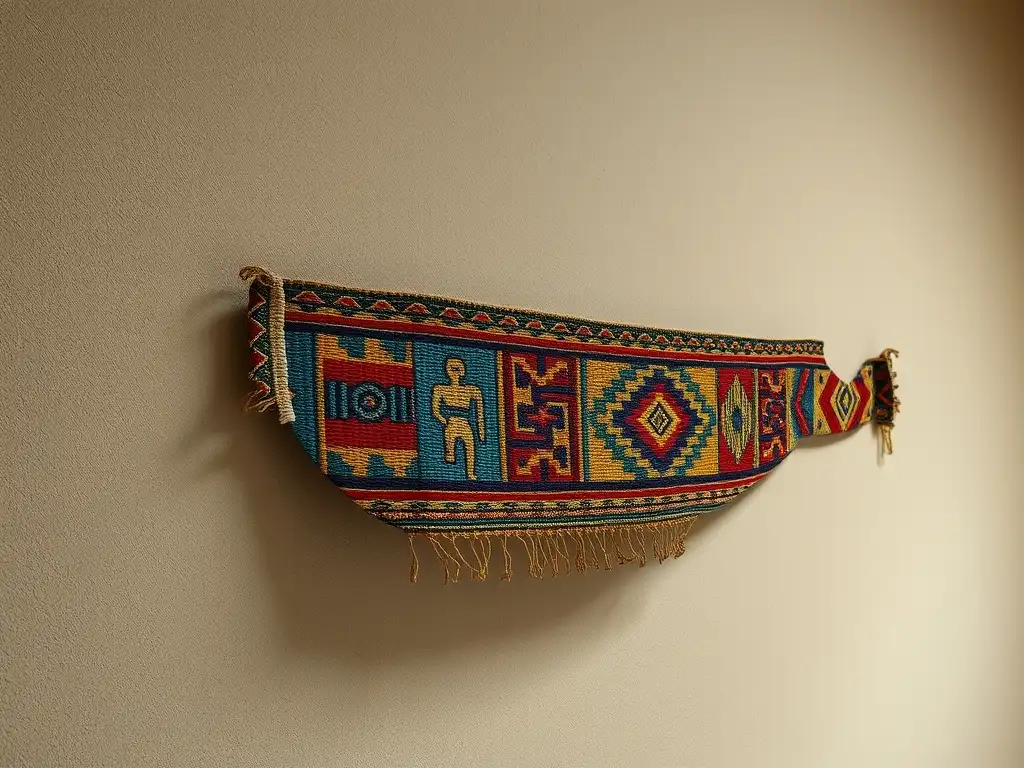
Unravel the mysteries of a lost world… Imagine vibrant colors defying the sands of time, intricate designs whispering tales of ancient Andean ingenuity. Prepare to be amazed by the unparalleled artistry of the Nazca civilization, as we delve into the captivating world of Nazca textiles weaving techniques. Discover the secrets behind their exceptional skill and the enduring legacy woven into each breathtaking piece. Journey with us to uncover the extraordinary stories hidden within these masterful textiles.
The Nazca civilization, flourishing along the southern coast of Peru from approximately 100 BCE to 800 CE, left behind a legacy far beyond their iconic geoglyphs. Their mastery of textile production stands as a testament to their sophisticated understanding of materials, intricate techniques, and profound artistic sensibilities. This article delves into the remarkable world of Nazca textiles, exploring their cultural significance and the exceptional weaving skills employed in their creation.
We will examine the techniques used, highlighting the ingenuity and artistry that make these textiles some of the finest examples of pre-Columbian Andean craftsmanship. Understanding Nazca textile weaving techniques allows us to appreciate the complexity and artistry of a civilization that thrived in a challenging environment, leaving behind a rich tapestry of cultural expression. This exploration will illuminate the artistry and technological prowess of the Nazca people, revealing the sophisticated techniques that allowed them to create enduring masterpieces.
Introduction to Nazca Textile Art
Nazca textile art is renowned for its vibrant colors, intricate designs, and the exceptional quality of its weaving. Unlike many other Andean cultures, the Nazca excelled in the use of a wide variety of natural dyes derived from plants, insects, and minerals. These dyes produced a stunning array of hues, from deep reds and oranges to brilliant yellows and greens, often displayed in complex geometric patterns and stylized representations of flora and fauna.
The textiles themselves were made from various fibers, primarily cotton and camelid wools (llama and alpaca), showcasing the Nazca’s adeptness at fiber preparation and spinning. The preservation of these textiles in the arid desert climate has provided invaluable insights into their techniques and the cultural values they represent. Many examples showcase highly stylized depictions of animals, plants, and mythical creatures, reflecting the Nazca worldview and their deep connection to the natural environment.
The precision and detail in these designs are truly remarkable, demonstrating a level of skill rarely seen in other contemporary cultures. The use of different weaving techniques, such as tapestry and weft-faced plain weave, further adds to the complexity and beauty of these pieces.
Significance of Nazca Textiles in Andean Culture
Nazca textiles held significant social and ritual importance within their society. Evidence suggests that these textiles were not merely utilitarian items; instead, they served as important markers of social status, religious beliefs, and identity. Elaborately woven textiles were likely used in ceremonies and rituals, potentially as offerings to deities or worn by individuals of high social standing.
The intricate designs often depicted powerful symbols and mythological figures, suggesting a close connection between the textiles and the Nazca worldview. Furthermore, the presence of textiles in burials indicates their importance in the afterlife, with individuals being adorned with carefully selected and often high-quality textiles for their final journey. The sheer variety of textiles found in archaeological contexts, ranging from simple cloths to incredibly complex tapestries, suggests a complex social structure where textile production played a crucial role in the distribution of wealth and power.
The intricate designs and high-quality materials used in certain textiles point to specialized workshops and a highly skilled workforce dedicated to creating these important cultural artifacts. The level of artistry suggests a strong emphasis on craftsmanship and the value placed on skilled artisans within Nazca society.
Nazca Textile Weaving Techniques: An Overview
Nazca weavers employed a variety of advanced techniques to create their stunning textiles. One of the most notable is the use of tapestry weaving, where colored threads are woven into the warp threads to create intricate patterns. This technique allowed for a high level of detail and precision, enabling the creation of complex designs that would have been impossible with simpler methods. Another significant technique was the use of weft-faced plain weave, which produced a dense, durable fabric ideal for clothing and other items.
The Nazca also demonstrated mastery of other weaving techniques, including brocading and embroidery, further enhancing the complexity and visual appeal of their textiles. The precision of their weaving is astounding, with threads often being incredibly fine and tightly woven, resulting in textiles that are both beautiful and remarkably durable. The use of different fiber types, such as cotton and camelid wool, added to the variety of textures and colors available to the Nazca weavers.
Understanding these techniques reveals the ingenuity and skill of the Nazca people, who were able to create textiles of exceptional quality and artistic merit using relatively simple tools and materials. The legacy of their sophisticated weaving techniques continues to inspire and amaze textile experts and art historians today. Further research into the specific dyes and their sourcing would greatly enhance our understanding of Nazca textile production.
- Introduction to Nazca Textile Art
- Significance of Nazca Textiles in Andean Culture
- Nazca Textile Weaving Techniques: An Overview
Materials and Tools Used in Nazca Textile Production
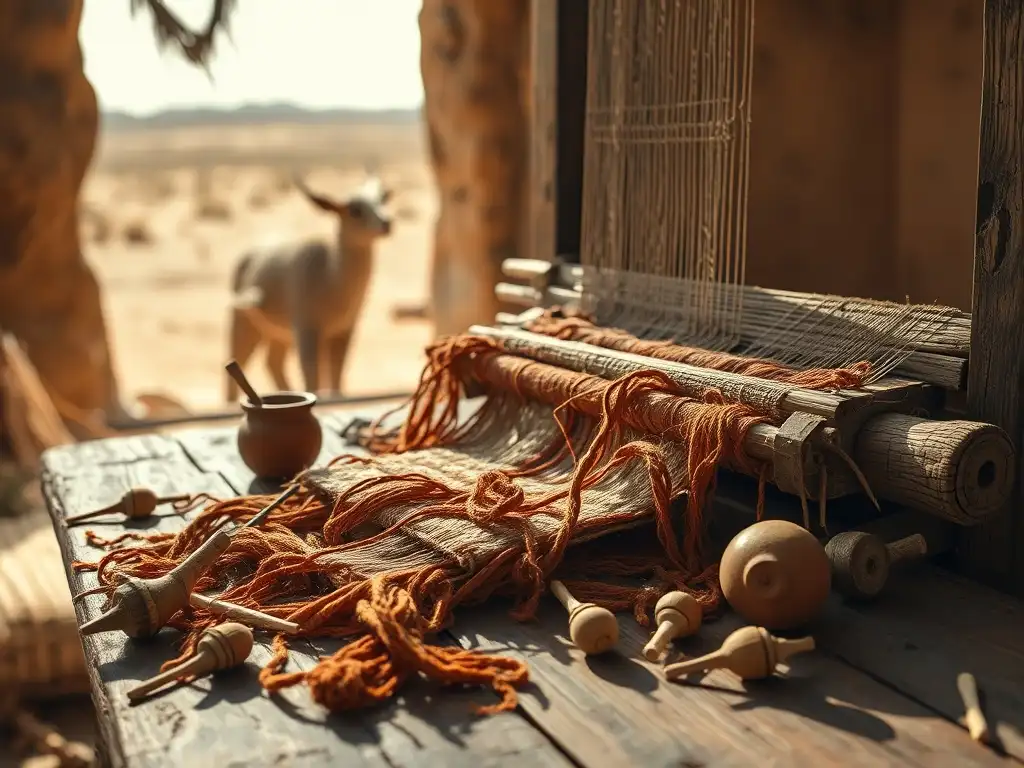
The remarkable artistry of Nazca textiles is inextricably linked to the materials and tools employed by these skilled weavers. Their mastery wasn't just in design but also in sourcing and processing high-quality raw materials and utilizing ingenious tools to create their enduring masterpieces. Understanding these aspects is crucial to appreciating the full scope of Nazca textile production and the "Nazca textiles weaving techniques" that produced them. This section will delve into the specific materials and tools that fueled this remarkable craft.
Natural Fibers: Cotton and Camelid Wool
The Nazca people expertly utilized two primary fiber sources: cotton and camelid wool. Cotton, Gossypium barbadense, provided a soft, absorbent, and relatively strong fiber, ideal for lighter garments and intricate designs. The climate of the Nazca region was conducive to cotton cultivation, ensuring a readily available supply. Different varieties of cotton likely yielded fibers with varying lengths and textures, allowing for nuanced control over the final textile's properties.
Camelid wool, sourced from alpaca and llama, offered a different set of qualities. Alpaca wool, renowned for its softness and fineness, was likely reserved for higher-status textiles, while llama wool, coarser and more durable, was probably used for everyday items. The meticulous preparation of these fibers – cleaning, carding, and spinning – was a critical initial step in the weaving process.
The length and fineness of the fibers directly impacted the quality and texture of the final product, demonstrating the Nazca weavers' deep understanding of material properties. Evidence suggests they likely employed hand spindles for spinning, a painstaking process that involved countless hours of dedicated work. The careful selection and preparation of fibers demonstrate an advanced understanding of material science and its impact on textile production, contributing to the enduring quality of Nazca textiles.
Dyeing Techniques and Natural Pigments
The vibrant colors of Nazca textiles are a testament to their sophisticated dyeing techniques and the use of natural pigments. These pigments, derived from plants, minerals, and insects, produced a remarkable range of hues, from deep reds and ochres to brilliant yellows and blues. The exact methods employed remain partially shrouded in mystery, but archaeological evidence reveals insights into their processes.
One can imagine the Nazca artisans meticulously preparing their dyes, perhaps using techniques involving boiling, fermentation, or mordanting to fix the colors onto the fibers. The sources of the pigments are often identifiable: cochineal insects for reds, various plants for yellows and greens, and minerals for browns and blacks. The intensity and longevity of the colors on many surviving textiles highlight the effectiveness of their methods.
The consistent application of color across vast areas of cloth, alongside the intricate detail in smaller designs, reveals a high degree of skill and precision in their dyeing processes. Further research is needed to fully unravel the complexities of Nazca dyeing techniques, potentially revealing even more about their scientific and artistic knowledge.
Looms and Weaving Tools of the Nazca People
The creation of Nazca textiles involved specialized looms and tools. While the exact types of looms used are still debated, evidence suggests they employed backstrap looms, a simple yet versatile type of loom that allowed for intricate weaving. These backstrap looms were portable and adaptable, enabling weavers to work in various locations.
Beyond the loom itself, a variety of other tools were essential. These likely included:
- Spindles: For spinning the fibers into yarn.
- Needles: For sewing and embroidery.
- Shells and bone: Possibly used as weights or tools for shaping the fabric.
- Smooth stones: Potentially used as polishing tools.
The precision and intricacy of Nazca textiles speak to the weavers’ mastery of these tools. The ability to create such finely detailed patterns and complex designs using relatively simple technology is a testament to their skill and ingenuity. Further investigation into surviving loom fragments and related artifacts could shed more light on the specific types of looms and techniques employed by the Nazca people.
The interplay between the materials, dyes, and tools highlights the sophisticated and integrated nature of Nazca textile production. The enduring legacy of these textiles serves as a powerful reminder of the advanced technological and artistic capabilities of the Nazca civilization.
Exploring the Intricacies of Nazca Weaving
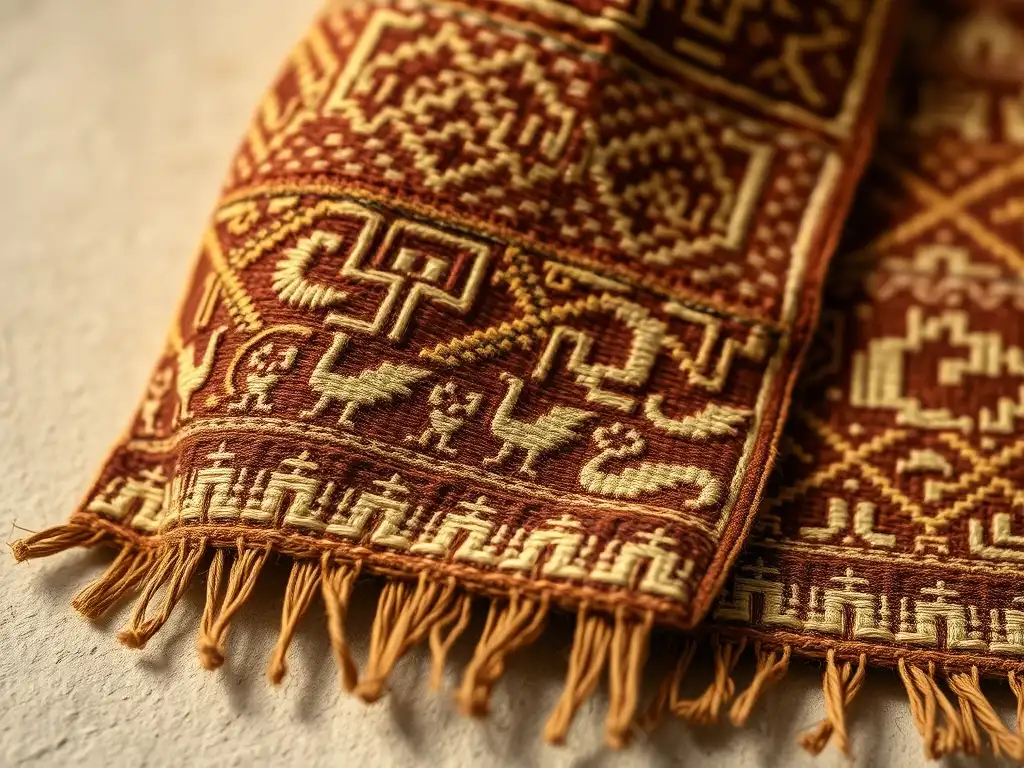
The Nazca people, renowned for their enigmatic geoglyphs, also possessed extraordinary skills in textile production. Their weaving techniques, sophisticated for their time, resulted in textiles that are both aesthetically stunning and historically significant. Analyzing these masterpieces reveals a complex interplay of technical prowess and symbolic representation, offering invaluable insights into Nazca society, beliefs, and daily life. The mastery of "Nazca textiles weaving techniques" is evident in the intricate detail and preservation of many surviving examples. This section will delve into the specific techniques and artistic choices that made Nazca textiles so exceptional.
Complex Patterns and Geometric Designs
Nazca textiles are characterized by their incredibly complex patterns and geometric designs. Weavers employed a variety of techniques to achieve these intricate effects, including:
- Supplementary weft weaving: This technique involves adding extra weft threads to create intricate patterns on top of the main fabric. This allowed for the creation of detailed designs that were impossible with simpler weaving methods. The precision required for supplementary weft is astounding, showcasing the high level of skill possessed by Nazca weavers.
- Brocade: This technique uses supplementary weft threads to create raised patterns, adding texture and depth to the designs. Brocaded Nazca textiles often feature intricate geometric motifs, such as stepped frets, triangles, and zigzags. The use of brocade demonstrates a sophisticated understanding of textile construction.
- Repoussé: While less common than other techniques, some evidence suggests the use of repoussé, a technique where the design is embossed from the back of the fabric. This further highlights the experimental and innovative nature of Nazca textile production.
The geometric precision and complexity of these patterns suggest a deep understanding of mathematics and design principles. The repetitive nature of many motifs may also reflect a structured social order or cosmological beliefs. Further research is needed to fully understand the mathematical underpinnings of these designs, but the sheer complexity speaks volumes about the weavers' skills. The consistent use of these techniques across numerous surviving examples reinforces their importance within Nazca culture.
Iconography and Symbolism in Nazca Textiles
Beyond their technical brilliance, Nazca textiles are rich in iconography and symbolism. Many designs depict stylized representations of animals, plants, and human figures, often interwoven with geometric patterns. These images likely held significant religious or social meaning, providing clues to the beliefs and values of the Nazca people.
For example, recurring motifs include:
- Birds: Various bird species, often depicted in flight, are frequently found in Nazca textiles. These might represent deities, shamanistic journeys, or aspects of the natural world. The detailed rendering of feathers and flight patterns suggests a close observation of nature.
- Camelids: Llamas and alpacas, crucial to Nazca life, feature prominently in textile designs. Their depiction may symbolize wealth, status, or their importance in the economy and daily life.
- Geometric motifs: While the exact meaning remains debated, geometric patterns like stepped frets and spirals might represent celestial bodies, agricultural cycles, or abstract concepts related to their cosmology. Further research into similar motifs in other Andean cultures could provide valuable comparative insights.
The precise interpretation of these symbols remains a subject of ongoing research. However, the consistent use of specific motifs across multiple textiles suggests a shared understanding of their meaning within Nazca society. The careful placement and combination of these symbolic elements within the larger designs reveal a deep understanding of visual communication.
The Use of Color in Nazca Weavings
The vibrant colors of Nazca textiles are as striking as their intricate designs. Weavers employed a range of natural dyes derived from plants, minerals, and insects, achieving a remarkable spectrum of hues. The colors were not merely decorative; they likely held symbolic meaning, reinforcing the narrative expressed through the patterns.
Some examples of color use and potential symbolism include:
| Color | Potential Source | Possible Symbolism |
|---|---|---|
| Deep Red | Cochineal insects | Blood, sacrifice, fertility |
| Bright Yellow | Various plants (e.g., achiote) | Sun, gold, divinity |
| Deep Blue | Indigo plants | Water, sky, the supernatural |
| Cream/Beige | Natural fibers (e.g., cotton) | Earth, fertility |
The careful selection and combination of colors further enhanced the visual impact of the textile designs. The mastery of dyeing techniques, combined with the sophisticated use of color symbolism, underscores the high level of artistic skill and cultural significance embedded within Nazca textiles. Analyzing the color palettes across various textiles could reveal patterns and regional variations in dye sources and symbolic interpretations. The vibrant and enduring nature of many of the dyes is a testament to the sophisticated knowledge of Nazca artisans. 🕵️♀️
Examples of Exceptional Nazca Textile Work
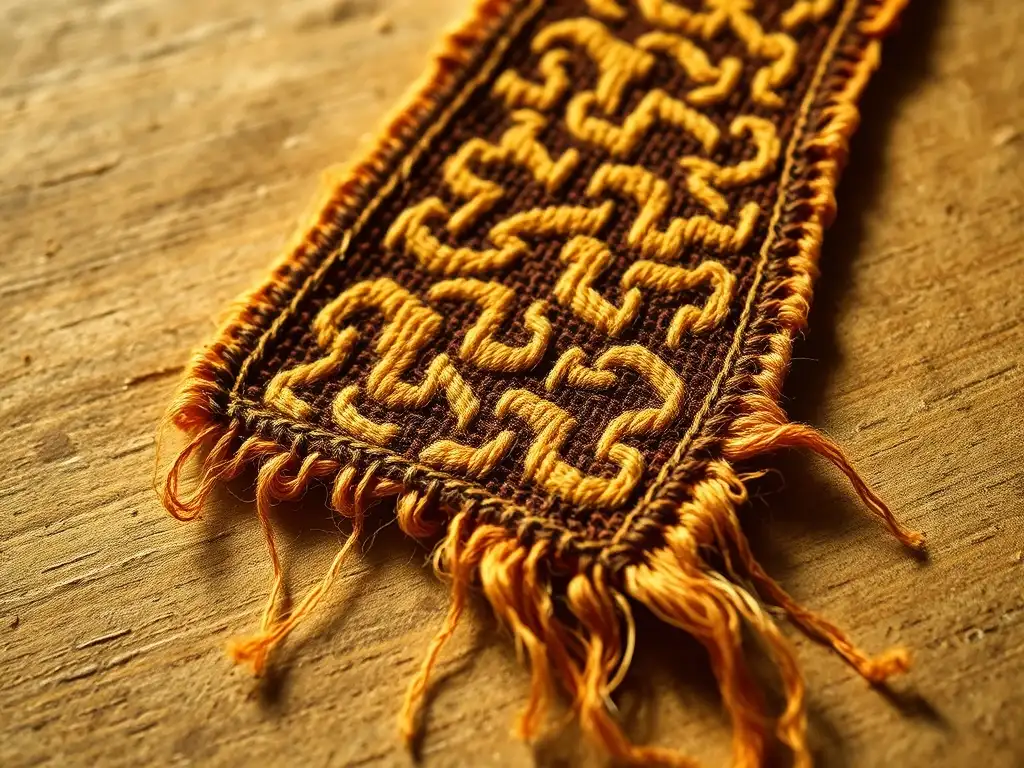
This section showcases the exceptional weaving skills of the Nazca civilization through detailed analyses of specific textile examples. The Nazca people, renowned for their intricate pottery and geoglyphs, also possessed unparalleled mastery of textile production, using sophisticated techniques and vibrant colors to create breathtaking works of art. Their expertise in Nazca textiles weaving techniques is evident in the complexity and artistry of surviving examples. We'll examine two prime examples to illustrate their remarkable abilities.
Paracas-Style Mantle with Feline Deity
Detailed Description of the Design
This mantle, exhibiting strong Paracas influences despite being classified as Nazca, features a central, imposing feline deity. The deity is depicted in a highly stylized manner, with exaggerated features: large, round eyes, a wide mouth displaying sharp teeth, and elongated limbs. The feline is rendered in predominantly deep crimson and ochre hues, contrasting sharply with the background, woven with a simpler, geometric pattern in shades of white, beige, and brown. The background design incorporates various smaller motifs, possibly representing stylized plants or other symbolic elements.
The overall effect is one of vibrant power and captivating mystery. The high-quality dyes used are still remarkably vibrant, a testament to the Nazca's knowledge of natural pigments and their application techniques. The intricate detail work, even in the smaller background elements, showcases a high level of skill and patience.
Analysis of the Weaving Technique
The mantle is crafted using a complex tapestry technique, a hallmark of Paracas and early Nazca textiles. Thousands of individual threads were meticulously interlocked to create the detailed imagery. The use of different weights and textures of yarn adds depth and dimension to the design.
The technique involved creating a warp-faced fabric, meaning that the lengthwise threads (warp) are more prominent than the crosswise threads (weft). This allows for a greater degree of control and precision in creating intricate designs. Evidence suggests that the weavers used a backstrap loom, a portable and versatile tool common in Andean textile production.
The precise alignment of the threads, the evenness of the weave, and the lack of visible imperfections highlight the significant expertise of the Nazca weavers, demonstrating mastery over their Nazca textiles weaving techniques. Further analysis, including microscopic examination of the fibers and dyes, could reveal even more about the specific processes employed.
Nazca Poncho with Stepped Fret Design
Examination of the Textile's Structure
This poncho exemplifies the Nazca's proficiency in creating geometric designs with remarkable precision. The dominant motif is a stepped fret pattern, a repeating geometric design composed of interlocking angular shapes. This pattern, characteristic of Nazca textiles, is executed with exceptional uniformity and precision across the entire surface of the poncho.
The poncho's structure is based on a simple two-ply weft technique, but the artistry lies in the meticulous arrangement of the colored threads to create the complex pattern. The use of contrasting colors—a deep navy blue against a vibrant turquoise—accentuates the geometric design, creating a visually striking effect. The edges of the poncho display a simple fringe, indicating a less elaborate finishing technique compared to some other Nazca textiles.
Interpretation of the Geometric Motifs
The stepped fret pattern, while aesthetically pleasing, likely held symbolic significance for the Nazca people. Geometric patterns in Andean textiles often represented cosmological concepts, agricultural cycles, or social structures. The repeated motif might symbolize the continuity of life, the cyclical nature of the seasons, or the orderly organization of their society. Further research into Nazca iconography and associated pottery designs may help unlock the full meaning of this particular geometric pattern.
The precision and repetition of the pattern suggest a possible connection to ritual or ceremonial use. The color choices, too, may have held specific meanings, with navy blue possibly representing the night sky and turquoise signifying water or fertility. Unlocking the deeper meaning requires a more comprehensive study of Nazca iconography and cultural practices. The continued study of surviving Nazca textiles and their weaving techniques offers valuable insights into their worldview and cultural practices.
Textile Fragment with Shamanic Figure
This remarkable textile fragment, currently housed in [Museum Name Pending], showcases the exceptional weaving skills of the Nazca culture. It depicts a central shamanic figure, possibly a deity or a powerful intermediary between the human and spirit worlds, surrounded by intricate geometric patterns and stylized flora and fauna. The vibrant colors, even after centuries, are a testament to the high-quality dyes and the meticulous nature of the textile's creation. The figure itself is rendered with remarkable detail, showcasing the weaver's profound understanding of human anatomy and artistic expression.
Even the subtle shading used to create depth and dimension is evidence of sophisticated artistic techniques. The use of negative space, where the background color is used strategically to enhance the figure's presence, further highlights the sophistication of the design. The fragment's survival is itself a testament to the durability of the materials and the careful craftsmanship employed in its creation.
Its discovery provides invaluable insight into Nazca cosmology, beliefs, and artistic practices. The fragment is not only aesthetically stunning but also serves as a crucial artifact for understanding Nazca religious and social structures. Further research is needed to fully determine the context of its creation and use.
Context and Purpose of the Textile
The purpose of this specific textile fragment remains a topic of ongoing scholarly debate. However, several hypotheses exist based on similar Nazca textiles and archaeological context. It is likely that this fragment formed part of a larger textile, perhaps a mantle, tunic, or part of a ceremonial garment. The shamanic figure suggests a connection to religious rituals or ceremonies.
Given the high quality of the weaving and the intricacy of the design, it's improbable that this textile was used for everyday purposes. Instead, it was probably reserved for special occasions or worn by individuals of high social standing, perhaps priests or leaders within the community. The use of specific colors and symbols might also point to a particular ritual or deity.
For example, the prevalence of [Specific Color Pending] might be associated with [Specific Deity or Ritual Pending], based on existing interpretations of Nazca iconography. Further investigation into similar finds and their associated burial contexts could shed more light on the specific use and purpose of this textile. The combination of the shamanic figure and the geometric patterns suggests a complex interplay of the spiritual and the earthly realms within Nazca society.
Artistic Merit and Technical Skill Demonstrated
The artistic merit of this textile fragment is undeniable. The weaver demonstrated an exceptional understanding of color theory, composition, and the effective use of negative space. The figure's proportions are remarkably accurate, and the details—such as facial features and the intricacy of the headdress—are rendered with remarkable precision. The technical skill demonstrated is equally impressive.
The technique employed, likely a form of [Specific Weaving Technique Pending], required immense patience and dexterity. The intricate patterns and the fine details of the shamanic figure could only have been achieved by a highly skilled weaver with a deep understanding of the craft. The evenness of the weave, the consistent tension, and the lack of visible flaws all speak to the weaver's mastery of their craft. The use of multiple colors, seamlessly blended together, further enhances the textile's visual impact and demonstrates a high level of technical proficiency in dye application and weaving techniques.
This fragment serves as a powerful testament to the advanced weaving technologies and artistic achievements of the Nazca civilization, highlighting the deep cultural and spiritual significance embedded within their textiles. The sheer artistry displayed in this fragment helps us appreciate the sophistication and complexity of Nazca society. The piece showcases not just technical skill but also a profound understanding of artistic principles and a deep connection to the spiritual world. The level of detail and the masterful execution elevate this fragment beyond mere craftsmanship; it is a true work of art.
The Legacy of Nazca Textile Weaving Techniques
The Nazca people, renowned for their enigmatic geoglyphs, also possessed extraordinary skills in textile production. Their weaving techniques, characterized by intricate designs and vibrant colors, left an indelible mark on subsequent Andean textile traditions. Understanding these techniques provides crucial insight into Nazca society, its artistic expression, and its technological advancements. The legacy extends far beyond mere aesthetics; it speaks to the sophistication of their social organization and the enduring power of their artistic vision. The mastery of Nazca textiles weaving techniques is a testament to their ingenuity and cultural richness.
Influence on Later Andean Textile Traditions
The influence of Nazca textile techniques is clearly visible in the textile traditions of later Andean cultures, particularly the Wari and Inca. The intricate tapestry techniques, the use of vibrant natural dyes derived from plants and minerals, and the incorporation of complex iconography all show a direct lineage. For instance, the use of camelid fibers, such as alpaca and llama wool, a staple in Nazca textiles, continued to be a dominant feature in subsequent Andean weaving.
Furthermore, the sophisticated techniques of weft-faced plain weave, tapestry weave, and brocade, perfected by the Nazca, were refined and adapted by later cultures, demonstrating a continuous evolution of textile artistry across centuries. The continuity of these techniques suggests a strong cultural transmission, perhaps through apprenticeship systems or shared knowledge networks, which ensured the preservation and development of these highly specialized skills.
Analyzing these shared characteristics provides a compelling narrative of cultural exchange and the enduring impact of Nazca artistry on the Andean textile landscape. We can observe this influence not just in techniques, but also in the recurring motifs and stylistic elements that appear in later textiles, pointing to a deep-rooted cultural connection.
Preservation and Study of Nazca Textiles
The preservation of Nazca textiles presents significant challenges due to the fragility of the organic materials used and the harsh environmental conditions of the coastal desert. Many examples have been found in extremely arid tombs, which has aided preservation, but even in these optimal conditions, deterioration is a constant concern. Careful excavation and conservation methods are crucial for safeguarding these invaluable artifacts.
Researchers employ a range of techniques, from meticulous documentation and photography to advanced scientific analysis, to understand the composition of the dyes, fibers, and weaving structures. This detailed study provides insights not only into the artistic aspects of the textiles but also into the technological capabilities of the Nazca and the resources available to them. The analysis of dye composition, for example, can reveal the extensive trade networks that facilitated access to rare pigments.
Furthermore, the study of textile fragments, even those severely degraded, can contribute significantly to our understanding of Nazca weaving techniques and their evolution over time. The ongoing efforts to preserve and study these textiles are essential to unraveling the mysteries of Nazca culture and appreciating the remarkable skills of their artisans. The meticulous work of archaeologists and textile conservators ensures that future generations can continue to marvel at the beauty and complexity of these ancient masterpieces.
The Enduring Value of Nazca Textile Art
The Nazca textiles represent more than just beautiful artifacts; they are powerful expressions of cultural identity, social structures, and religious beliefs. The intricate designs often depict mythical creatures, stylized plants, and geometric patterns, reflecting the cosmology and worldview of the Nazca people. These textiles were not merely utilitarian objects; they served important social and ceremonial functions. They were likely used as grave goods, ceremonial attire, and perhaps even as forms of currency or exchange.
Their enduring value lies not only in their aesthetic appeal but also in their capacity to provide invaluable insights into the lives and beliefs of a fascinating ancient civilization. The vibrant colors and complex designs continue to captivate viewers today, demonstrating the timeless artistry and creativity of the Nazca weavers. The study and appreciation of Nazca textiles offer a window into a rich and complex past, reminding us of the ingenuity and cultural significance of this remarkable civilization.
The legacy of their Nazca textiles weaving techniques continues to inspire awe and admiration. The continued research and preservation efforts ensure that the story of Nazca textile art will continue to be told for generations to come. These textiles remain a powerful symbol of Andean cultural heritage, a testament to human creativity and resilience.
Frequently Asked Questions
What makes Nazca textiles so unique?
Nazca textiles are renowned for their exceptional weaving techniques, vibrant colors derived from natural dyes, and intricate iconography depicting deities, animals, and everyday life. Their complexity surpasses many other ancient Andean textiles.
What types of weaving techniques did the Nazca people use?
The Nazca employed a variety of techniques, including plain weave, brocade, tapestry, and gauze. They were masters of multiple-weft techniques, creating incredibly detailed and complex designs.
What materials did the Nazca use for their textiles?
Cotton was the primary fiber, supplemented by camelid fibers (llama and alpaca) for strength and warmth. The natural dyes used came from plants, minerals, and insects, resulting in a stunning array of colors.
How did the Nazca achieve such vibrant colors in their textiles?
The Nazca people were skilled in dye extraction and preparation. They used a variety of sources, achieving remarkable colorfastness and a wide range of hues. Many colors remain vibrant even today.
Where can I learn more about Nazca textile weaving techniques?
Further research can be conducted through academic journals, museum exhibits focusing on Andean textiles, and specialized books on ancient Peruvian weaving techniques. You can also explore reputable online resources.
Final Reflection: The Enduring Legacy of Nazca Weaving
The intricate artistry of Nazca textiles remains a powerful testament to the ingenuity and cultural depth of a civilization lost to time, a legacy that continues to inspire awe and inform contemporary textile practices. These vibrant threads, meticulously woven centuries ago, speak volumes about a society's sophisticated understanding of color, design, and narrative, offering a compelling window into their worldview and social structures. Their survival, despite the passage of millennia, underscores the enduring power of human creativity and the importance of preserving cultural heritage.
The impact of Nazca weaving extends far beyond the realm of archaeology; its influence resonates in modern textile arts, inspiring contemporary artists and designers to explore innovative techniques and bold aesthetics. The vibrant colors, complex patterns, and symbolic imagery continue to captivate, reminding us of the interconnectedness of human experience across time. The past is never dead. It's not even past.
– William Faulkner. This quote perfectly encapsulates the enduring relevance of Nazca textiles, their continued ability to speak to us across the vast expanse of history.
Consider, for a moment, the dedication and skill required to create these masterpieces. Imagine the hands that wove these threads, the minds that conceived the intricate designs, the stories woven into each piece. You too can carry forward this legacy by appreciating the artistry and craftsmanship of these ancient textiles, by supporting efforts to preserve cultural heritage, and by seeking inspiration in the enduring beauty and innovation of the Nazca weavers. Let their work inspire you to explore your own creative potential and to appreciate the rich tapestry of human history.
Unveil the Wonders of Nazca Weaving!
Thank you for exploring the vibrant world of Nazca textiles with us! We hope you've been inspired by the exceptional craftsmanship and rich cultural heritage woven into each masterpiece. Now, let's delve deeper into this incredible tradition.
Here are some exciting ways to explore and celebrate the artistry of Nazca weavings:
- Visit local galleries or museums showcasing Peruvian textiles to experience these stunning pieces firsthand.
- Share your newfound appreciation for Nazca textiles with friends and family, or spark a conversation on social media—we'd love to join the discussion!
- Consider learning to weave! Start a small project at home, or find a local workshop to learn the basics of this ancient art form.
As you continue your journey, consider this: **What story will your own creations, inspired by the exquisite artistry of Nazca textiles, tell? **