
Unveiling the Nazca Lines: Giant Geoglyphs Etched in Mystery

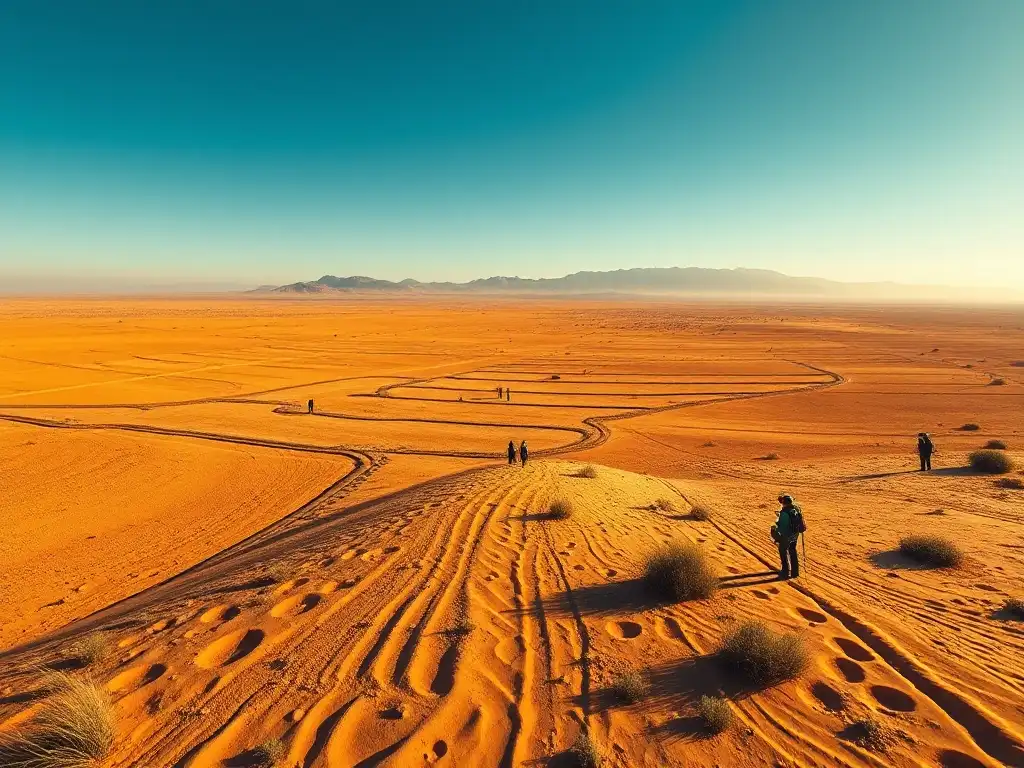
Prepare to be amazed. For centuries, the enigmatic Nazca Lines have defied explanation, sprawling across the Peruvian desert like colossal etchings from another world. Journey with us into the heart of the Nazca Civilization and uncover the secrets behind these giant geoglyphs. What hidden meanings do they hold? Discover the fascinating history and potential interpretations of the Nazca Lines meaning and history – the mystery awaits you.
The Nazca Lines, sprawling across the arid plains of southern Peru, stand as one of the world's most enduring enigmas. These colossal geoglyphs, etched into the earth's surface, depict a bewildering array of animals, plants, geometric shapes, and human-like figures, their scale and precision defying easy explanation.
For centuries, they've captivated archaeologists, historians, and the public alike, sparking countless theories about their creation and purpose. This article delves into the fascinating history and meaning of the Nazca Lines, exploring the prevailing theories and the ongoing research that continues to unravel their secrets, addressing the keyword "Nazca Lines meaning and history" in a comprehensive and engaging manner.
We will examine the techniques used in their creation, the cultural context of the Nazca civilization, and the enduring mystery surrounding these remarkable works of ancient art. Prepare to embark on a journey through time, as we explore one of humanity's most captivating archaeological marvels.
The Nazca Civilization: A Flourishing Society in the Desert
The Nazca Lines weren't created in a vacuum. They are the product of the Nazca culture, a sophisticated civilization that thrived in the harsh desert environment of southern Peru between approximately 100 BCE and 800 CE. This period witnessed significant advancements in irrigation techniques, ceramics, textiles, and social organization, all crucial to understanding the context of the geoglyphs.
The Nazca people developed intricate systems of canals to harness scarce water resources, allowing them to cultivate crops in the otherwise barren landscape. Their mastery of ceramics is evident in their beautifully crafted pottery, often adorned with intricate designs and vibrant colors. The complex social structure of the Nazca civilization, while still under investigation, suggests a hierarchical society with specialized artisans and possibly a ruling elite.
Understanding these aspects of Nazca society provides crucial context for interpreting the meaning and purpose of the Lines. The development of sophisticated weaving techniques also suggests a highly developed aesthetic sense.
Deciphering the Geoglyphs: Animals, Plants, and Geometric Designs
The Nazca Lines encompass a vast array of figures, many of which depict animals like hummingbirds, monkeys, spiders, and lizards, with remarkable accuracy and detail. Other geoglyphs represent stylized plants and geometric shapes, including lines, triangles, and spirals. The sheer size of these figures, some stretching hundreds of meters in length, is breathtaking. The precision with which they were created is also remarkable, suggesting a level of planning and coordination that was extraordinary for the time. Archaeological evidence suggests that the lines were created by removing the dark reddish-brown topsoil to reveal the lighter subsoil beneath, creating a stark contrast that is clearly visible from above. 1 The complexity of some designs, particularly the intricate details of the animal figures, points towards a deep understanding of perspective and a sophisticated artistic vision.
Further Exploration: Specific Examples of Nazca Lines
The Hummingbird geoglyph, for instance, displays remarkable detail in its wings and body, despite its immense size. Similarly, the Spider figure demonstrates a sophisticated understanding of proportion and perspective. The precise nature of the geometric shapes, their possible relationship to astronomical events, and the symbolic significance of the designs remain areas of ongoing research and debate. More detailed analysis of individual geoglyphs is needed to fully understand their meaning.
Theories and Interpretations: Unveiling the Mystery
Numerous theories attempt to explain the purpose of the Nazca Lines. Some suggest they were used for religious ceremonies, perhaps as pathways for processions or pilgrimage routes. Others propose an astronomical connection, hypothesizing that the lines align with celestial events, serving as a giant astronomical calendar or observatory. The "water ritual" theory suggests that the lines were part of rituals connected to water resources, vital to survival in the arid Nazca environment. 2 While no single theory provides a complete explanation, the convergence of evidence suggests a complex interplay of religious, astronomical, and practical considerations. Ongoing research continues to refine our understanding, combining archaeological findings with advanced technologies like aerial photography and satellite imagery. The ongoing debate highlights the complexity and richness of this ancient civilization.
1 [Specific data on construction techniques pending] 2 [Specific supporting evidence for the water ritual theory pending]
The Enduring Legacy: Nazca Lines Today
The Nazca Lines remain a powerful testament to the ingenuity and creativity of the Nazca civilization. Their enduring mystery continues to fascinate and inspire, attracting visitors from around the world and driving ongoing research efforts. The lines also serve as a powerful symbol of Peru's rich cultural heritage and the importance of preserving ancient sites for future generations. Their preservation faces ongoing challenges from erosion, vandalism, and the impact of human activity.
Efforts to protect these invaluable geoglyphs are crucial for ensuring that their secrets continue to be revealed and appreciated by generations to come. The Nazca Lines stand as a powerful reminder of the enduring mystery and fascination held within the world's ancient wonders. 📌
- The Nazca Civilization: A Flourishing Society in the Desert
- Deciphering the Geoglyphs: Animals, Plants, and Geometric Designs
- Theories and Interpretations: Unveiling the Mystery
- The Enduring Legacy: Nazca Lines Today
The Enigma of the Nazca Lines: An Introduction to Ancient Geoglyphs
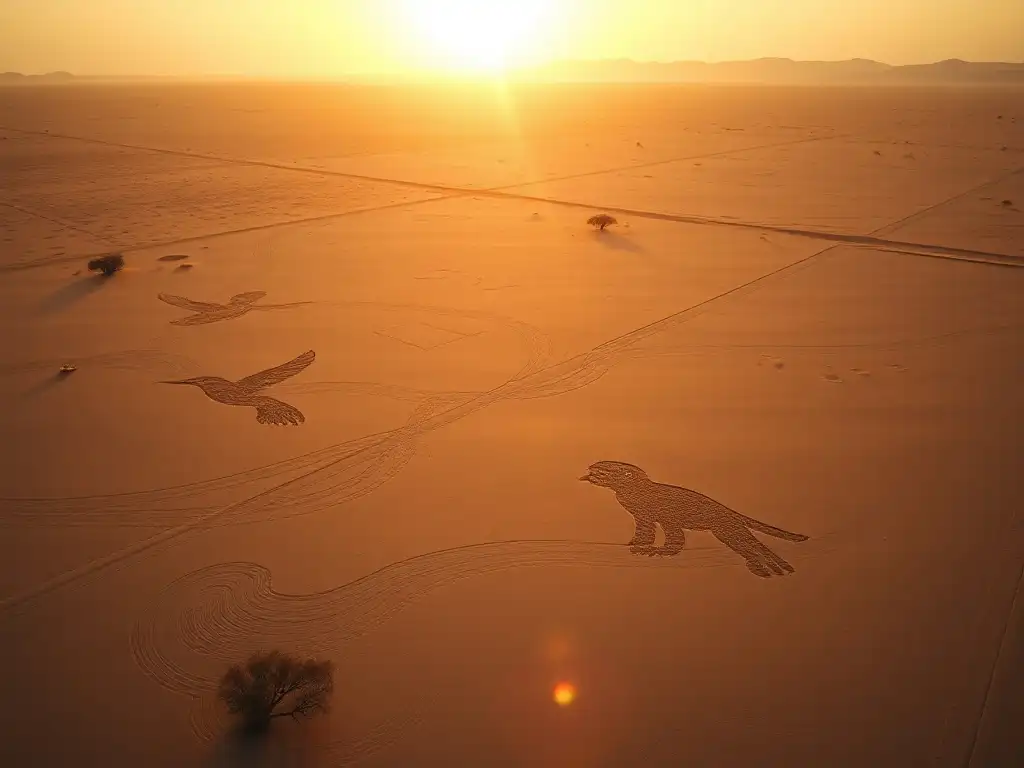
The Nazca Lines, sprawling across the arid Pampas of southern Peru, represent one of the most enduring mysteries of ancient South America. These colossal geoglyphs, etched into the desert surface, depict a bewildering array of figures: animals, plants, geometric shapes, and even humanoid forms. Their sheer scale and the precision of their execution continue to captivate researchers and inspire awe in visitors.
Understanding the Nazca Lines meaning and history requires delving into the meticulous craftsmanship, the challenging environmental conditions, and the diverse interpretations offered by scholars over the decades. This section will explore the initial discoveries and the early theories that attempted to unravel the purpose behind these enigmatic creations, laying the groundwork for a deeper understanding of their significance within the broader context of Nazca culture and Andean civilization.
The scale of the undertaking itself – creating images visible only from the air – challenges our understanding of the capabilities and motivations of the Nazca people. This exploration into the Nazca Lines meaning and history begins with their discovery and early interpretations.
Location and Discovery of the Nazca Lines
The Nazca Lines are located in the Nazca Desert, a coastal plain in southern Peru, characterized by its extremely dry climate and remarkably flat terrain. This unique environment, with its sparse vegetation and stable geological conditions, proved ideal for the preservation of these fragile geoglyphs. The lines themselves are situated within a roughly 450-square-kilometer area, stretching along the valleys of the Nazca and Palpa rivers.
While the Nazca people created the lines between 500 BC and 500 AD, their widespread discovery and recognition didn't occur until the 20th century. Early accounts mentioned some of the larger figures, but it wasn't until the advent of aviation that the full extent of the Nazca Lines became apparent. Toribio Mejía Xespe, a Peruvian archaeologist, is often credited with bringing these enigmatic figures to the wider world's attention in the 1920s.
However, it was aerial photography, beginning in the 1930s, that truly revealed the breathtaking scope and complexity of this ancient artwork. The sheer number of lines, figures, and geometric shapes, visible only from a significant altitude, immediately sparked intense curiosity and debate about their creation and purpose. The discovery prompted immediate questions about the Nazca Lines meaning and history, questions that continue to resonate today.
Initial Theories and Speculations Surrounding the Nazca Lines
Early speculation surrounding the Nazca Lines meaning and history ranged widely, often reflecting the limited understanding of the Nazca culture at the time. Some of the initial, now largely dismissed, theories included:
- Astronomical alignments: Early researchers suggested that the lines might represent constellations or serve as a giant astronomical calendar. While some alignments with celestial bodies have been noted, this theory lacks comprehensive evidence to support it as the primary purpose.
- Water sources: Given the arid climate, another prominent early theory proposed that the lines marked water sources or facilitated irrigation systems. This idea, while plausible in some aspects, fails to account for the intricate animal and human figures.
- Religious ceremonies: The prevalence of animal figures and other symbolic elements led to the suggestion that the lines were integral to religious ceremonies or rituals. This theory, while gaining more traction over time, still lacked detailed evidence.
- Landing strips for extraterrestrial visitors: A more sensational (and now largely discredited) theory posited that the lines served as landing strips for ancient astronauts. This theory, fueled by the lines' visibility from the air, lacked any archaeological or scientific evidence.
These early speculations, while ultimately incomplete, highlighted the sheer mystery of the Nazca Lines and spurred further investigation. The lack of a single, universally accepted explanation underscores the complexity of understanding the Nazca Lines meaning and history, requiring a multifaceted approach integrating archaeological, anthropological, and environmental perspectives. Further research, particularly in the area of Nazca societal structure and religious practices, is crucial to understanding the true purpose of these remarkable geoglyphs. The quest to decipher the Nazca Lines meaning and history continues to be a fascinating journey into the heart of a lost civilization.
Nazca Lines Meaning and History: Decoding the Ancient Art
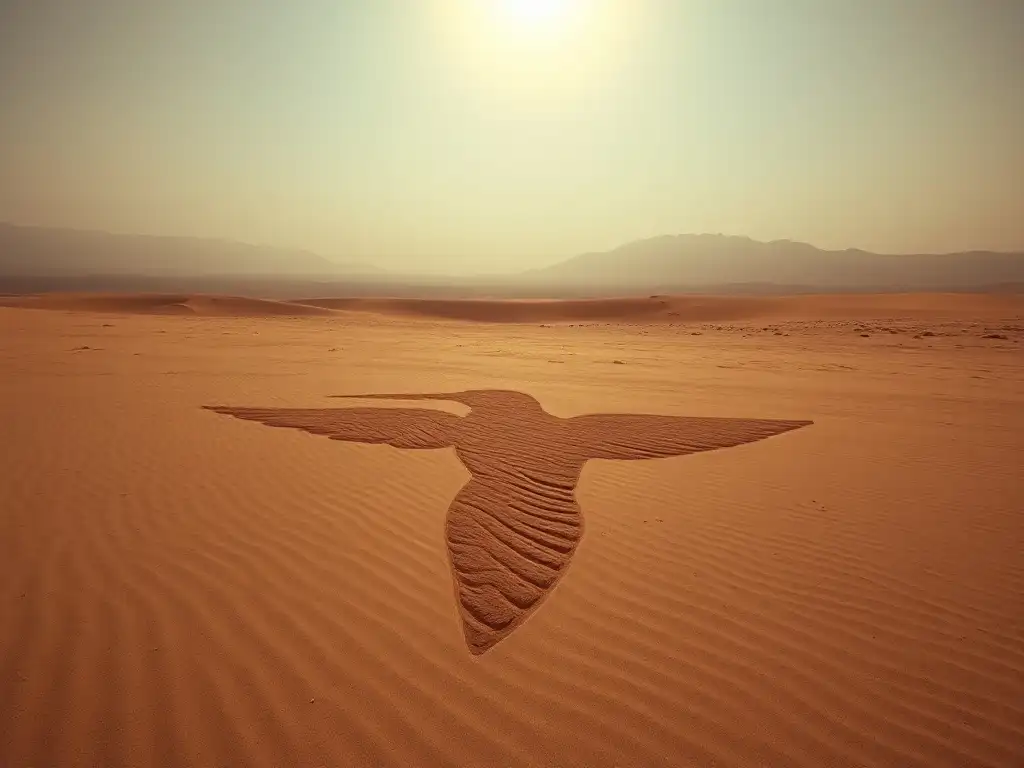
The Nazca Lines, sprawling geoglyphs etched into the Peruvian desert, remain one of archaeology's most enduring mysteries. Their sheer scale and enigmatic nature have fueled countless theories regarding their purpose and meaning, making the phrase "Nazca Lines meaning and history" a frequent search query. This section delves into the leading interpretations, exploring the diverse perspectives on these extraordinary works of ancient art. Understanding their creation, within the broader context of Nazca culture and beliefs, is crucial to grasping their significance.
The Purpose and Function of the Nazca Lines
The most fundamental question surrounding the Nazca Lines is their purpose. While a definitive answer remains elusive, several compelling hypotheses exist. One prominent theory suggests they served as a form of ritualistic pathway, perhaps used in processions or ceremonies. The lines' alignment with certain geographical features, such as rivers and mountains, lends credence to this idea. Imagine the Nazca people, adorned in vibrant textiles, carefully traversing these immense lines as part of a sacred ritual, connecting with their environment and deities.
Another compelling theory proposes a practical function: water management. Some researchers believe the lines might have been related to underground water sources, potentially guiding water flow or marking locations for wells. This hypothesis is supported by the fact that the Nazca civilization thrived in an arid environment, where water management was crucial for survival. The lines, in this context, become not just artistic expressions, but also vital infrastructure for a sophisticated society. Further research focusing on hydrological studies in the region could provide more concrete evidence to support or refute this theory.
Finally, the lines could have served a multifunctional role, combining aspects of ritual, social organization, and practical utility. This multifaceted interpretation allows for a more nuanced understanding of their significance, recognizing that ancient societies often integrated different aspects of life into a single system of beliefs and practices. The lines, therefore, become a tapestry woven from threads of spirituality, practicality, and social cohesion.
Astronomical Significance of the Nazca Lines
The alignment of some Nazca Lines with astronomical events has led to compelling theories about their astronomical significance. Many lines and figures seem to point towards the solstices and equinoxes, suggesting a possible connection to the Nazca people's understanding of the cosmos. This interpretation aligns with evidence of sophisticated astronomical knowledge found in other Andean cultures.
For example, the figure of a hummingbird, one of the most striking geoglyphs, is believed by some scholars to align with certain stellar constellations visible during specific times of the year. This hypothesis suggests that the Nazca Lines served as a giant astronomical calendar, used to track seasonal changes and agricultural cycles. The precision required to create such alignments, given the tools available to the Nazca, is remarkable and underscores the advanced level of their astronomical knowledge. Further investigation into the precise alignments and their correlation with celestial events could provide stronger evidence to support this theory.
Ritualistic and Religious Interpretations of the Nazca Lines
Many scholars believe the Nazca Lines had deep religious and ritualistic significance for the Nazca people. The intricate designs, often depicting animals and mythical creatures, may represent deities, spirits, or other important figures in their cosmology. The act of creating these massive geoglyphs itself could have been a form of ritual, connecting the Nazca people to the earth and the supernatural realm.
The depiction of animals like the hummingbird, spider, and lizard, frequently found in Nazca iconography, suggests a strong connection to the natural world and animistic beliefs. These animals, often depicted in a stylized manner, could represent totems, spirits, or symbols of power and fertility. The scale of the geoglyphs, their location in the vast desert landscape, and the effort involved in their creation all point to a significant ritualistic purpose.
The lines, in this context, become more than mere images; they are tangible expressions of the Nazca people's spiritual world and their relationship with the divine. Further research into Nazca religious beliefs and iconography will help to deepen our understanding of the meaning embedded within these extraordinary creations. 🕵️♂️ The mystery remains, but the quest for understanding the "Nazca Lines meaning and history" continues to fascinate and inspire.
Exploring the Diversity of Nazca Lines Figures
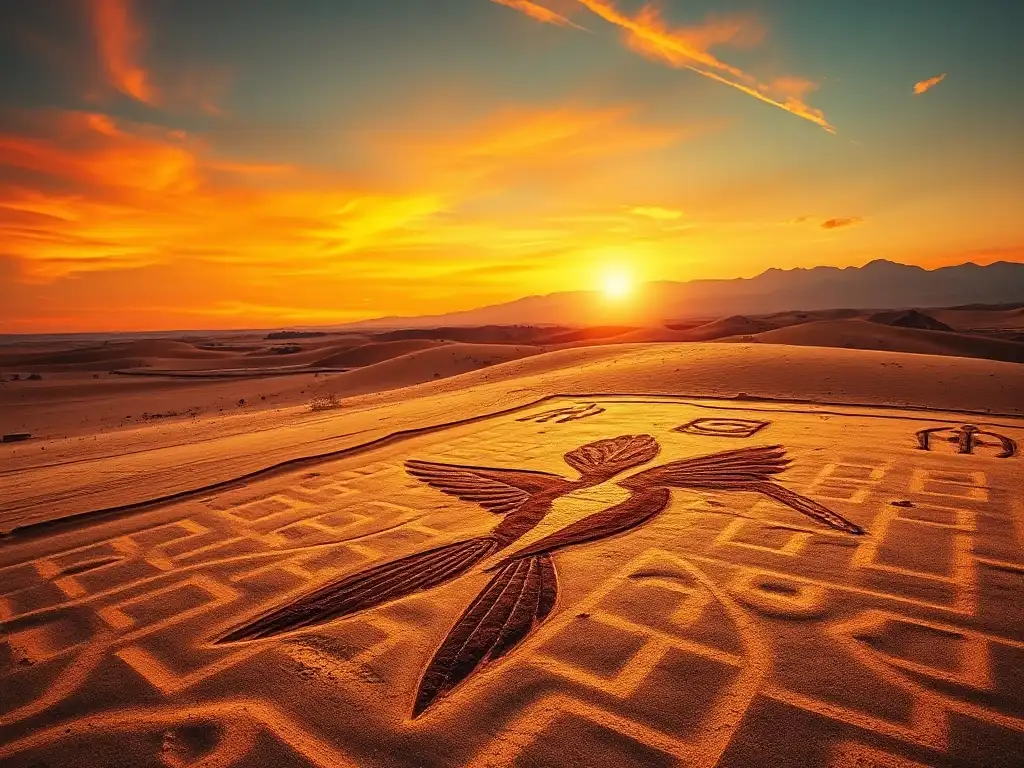
The Nazca Lines, sprawling across the Peruvian desert, are far more than just a collection of etched lines. They represent a breathtaking diversity of figures, hinting at the complex worldview and artistic capabilities of the Nazca culture. Understanding the range of imagery is crucial to deciphering the potential Nazca Lines meaning and history.
While the precise purpose remains debated, the variety of figures themselves offers invaluable insight into the society that created them. The sheer scale and precision of these geoglyphs, visible only from the air, continue to fascinate and challenge researchers today. Let's delve into the different categories of figures found in this extraordinary landscape.
Animal Figures: Iconic Representations in the Nazca Desert
Animal figures constitute a significant portion of the Nazca Lines, showcasing a remarkable range of species native to the region. These aren't simple sketches; they are meticulously crafted representations, capturing the essence of each creature with impressive accuracy. For instance, the iconic hummingbird, with its delicate wings and elongated beak, is depicted with a level of detail that is astonishing given the scale and the tools available to the Nazca. Other prominent animal figures include:
- Birds: Condors, pelicans, and various other avian species are frequently represented, often with incredible attention to detail in their wingspans and body postures. These depictions might reflect the importance of birds in Nazca mythology or daily life. Perhaps they symbolised spiritual connections, or perhaps they were simply celebrated for their beauty and ecological significance.
- Mammals: While less frequent than birds, representations of mammals such as monkeys, llamas, and possibly even jaguars, are also found. These figures likely held symbolic meaning within Nazca society, reflecting their importance in their environment or belief system.
- Reptiles: Lizards and snakes, often depicted with striking realism, are also present. Their inclusion might be related to the desert ecosystem and its importance in the Nazca worldview. Further research is needed to fully understand the symbolic meaning of these reptilian representations.
The size and precision of these animal figures are truly remarkable. Some span hundreds of feet, requiring a level of planning and coordination that is still being investigated. The Nazca Lines meaning and history related to these animal representations is likely multifaceted, encompassing religious beliefs, social structures, and a deep understanding of the natural world.
Geometric Shapes: Precision and Complexity in Nazca Art
Alongside the iconic animal figures, the Nazca Lines also feature a vast array of geometric shapes. These shapes, while seemingly simpler than the animal representations, display an equally impressive level of precision and complexity. They are not haphazard markings; rather, they are carefully planned and executed designs that demonstrate a sophisticated understanding of geometry and spatial relationships. Some examples include:
- Triangles: Various sizes and orientations of triangles are present, often forming intricate patterns and combinations with other shapes.
- Spirals: These swirling designs, some simple and others incredibly complex, are also prevalent across the desert landscape. Their possible meanings remain a subject of ongoing research and debate, with some suggesting a connection to astronomical observations or spiritual beliefs.
- Trapezoids and Rectangles: These shapes often appear in combinations with lines and other geometric forms, creating more complex designs.
The sheer number and variety of geometric shapes suggest a deep-seated interest in abstract design and mathematical principles within Nazca culture. These geometric patterns may represent a form of abstract art, or they may have had a practical or ritualistic purpose, perhaps related to land surveying, astronomical observations, or ceremonial practices. The precise Nazca Lines meaning and history concerning these shapes continues to be explored by researchers.
Humanoid Figures: The Enigmatic Creators of the Nazca Lines
While less numerous than animal or geometric figures, humanoid representations are also present within the Nazca Lines. These figures are often stylized and less detailed than the animal depictions, but they still offer valuable clues into the culture that created them. The limited number of humanoid figures, compared to the abundance of animal and geometric forms, is puzzling. It suggests that the focus of the Nazca Lines may not have been primarily on representing people.
The humanoid figures discovered are often relatively small in size compared to the other geoglyphs, and their features are frequently simplified. This stylistic choice may reflect a deliberate decision to prioritize other forms of representation or a difference in the importance attributed to human figures compared to animals or abstract designs in Nazca society. Further research is needed to understand the Nazca Lines meaning and history related to these figures and to fully interpret their significance within the broader context of Nazca culture.
The scarcity of these figures adds another layer of mystery to the already enigmatic Nazca Lines. Their presence, however, reinforces the idea that the lines were not simply a random collection of markings but rather a complex and carefully planned system of geoglyphs, reflecting a rich and sophisticated culture.
Construction Techniques: How the Nazca Lines Were Made
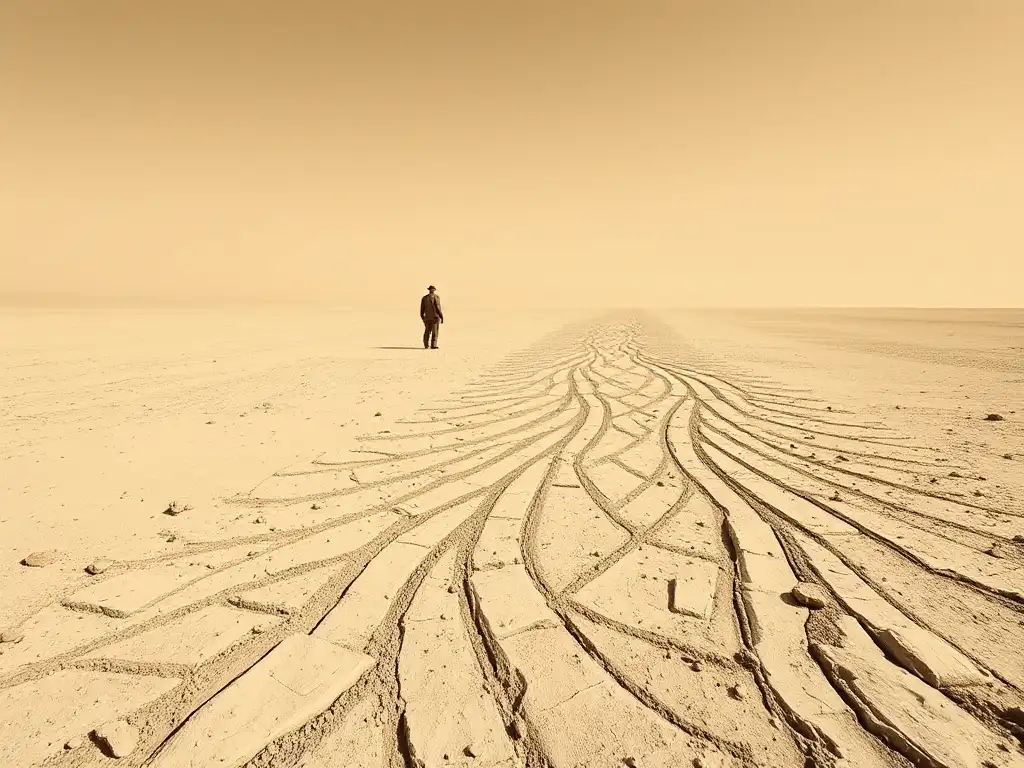
The creation of the Nazca Lines, a feat of ancient engineering, remains a source of fascination and debate. Understanding their construction requires examining the meticulous processes, tools, and sheer scale involved. The Nazca Lines meaning and history are deeply intertwined with the techniques employed in their creation, offering insights into the culture and capabilities of the Nazca people. This section delves into the specifics of how these enigmatic geoglyphs were brought into existence.
The Process of Creating Geoglyphs in the Desert
Creating geoglyphs in the arid Nazca desert presented unique challenges. The process, pieced together from archaeological evidence and careful analysis of the lines themselves, likely involved several key steps. First, the Nazca people would have carefully planned the design, possibly using sketches or models. Then, they would have cleared away the dark reddish-brown surface layer of desert pavement, revealing the lighter-colored subsoil underneath.
This painstaking removal created the contrast that makes the lines visible from the air. Evidence suggests that they may have used simple tools to remove the surface layer, creating shallow trenches. The process would have required immense patience and coordination, especially given the scale of some of the designs. The intricate details in many geoglyphs hint at a high level of skill and planning.
The lines themselves vary in width, suggesting different stages or approaches to the process. Some lines are wider, perhaps indicating initial markings or larger pathways, while others are much finer, denoting the more detailed aspects of the designs. Further research is needed to fully understand the nuanced techniques used to create this remarkable collection of geoglyphs. The precise methods used for creating curves and complex shapes, for example, remain an area of ongoing investigation.
Tools and Materials Used by the Nazca People
While direct evidence of the specific tools used is limited, archaeologists infer from the nature of the lines themselves and the overall technology of the Nazca culture. It is highly probable that simple tools were employed, reflecting the available technology of the time. These likely included wooden stakes for marking out the lines, and simple digging implements such as sharpened sticks or rudimentary shovels made from stone or bone.
The lack of sophisticated metal tools suggests the creation of the lines relied on manpower and ingenuity rather than advanced technology. The removal of the surface layer was likely a laborious process, requiring considerable effort and time. The scale of the project necessitates a significant workforce, possibly organized through a communal effort or directed by a central authority.
Further studies focusing on the analysis of soil samples from the trenches and surrounding areas could provide valuable clues about the specific tools used and the techniques employed. The absence of significant evidence of large-scale earthmoving equipment suggests a relatively low-impact approach, which is remarkable given the magnitude of the project.
The Scale and Precision of Nazca Lines Construction
The sheer scale and precision of the Nazca Lines are truly astonishing. Some of the geoglyphs stretch for hundreds of meters, requiring meticulous planning and execution. The precision with which the lines were created is particularly impressive, especially considering the tools available to the Nazca people. Many lines are remarkably straight, demonstrating a surprising degree of accuracy over long distances.
This level of precision is further enhanced by the fact that many of the designs are complex and intricate, featuring numerous curves, angles, and detailed elements. The creators clearly had a sophisticated understanding of geometry and spatial relationships. The fact that many of the lines are still visible today, despite the harsh desert environment, is a testament to the durability of the construction techniques employed. The Nazca Lines meaning and history are inextricably linked to the impressive engineering skills demonstrated in their construction, showcasing the remarkable capabilities of this ancient civilization.
Further research into the surveying techniques and the organizational structure behind the project is crucial to fully appreciate the monumental achievement represented by the Nazca Lines. The level of precision suggests a strong understanding of both mathematics and surveying techniques. The lines' alignment with astronomical events is also a fascinating area of study, suggesting a sophisticated understanding of the cosmos.
Preservation and Threats to the Nazca Lines
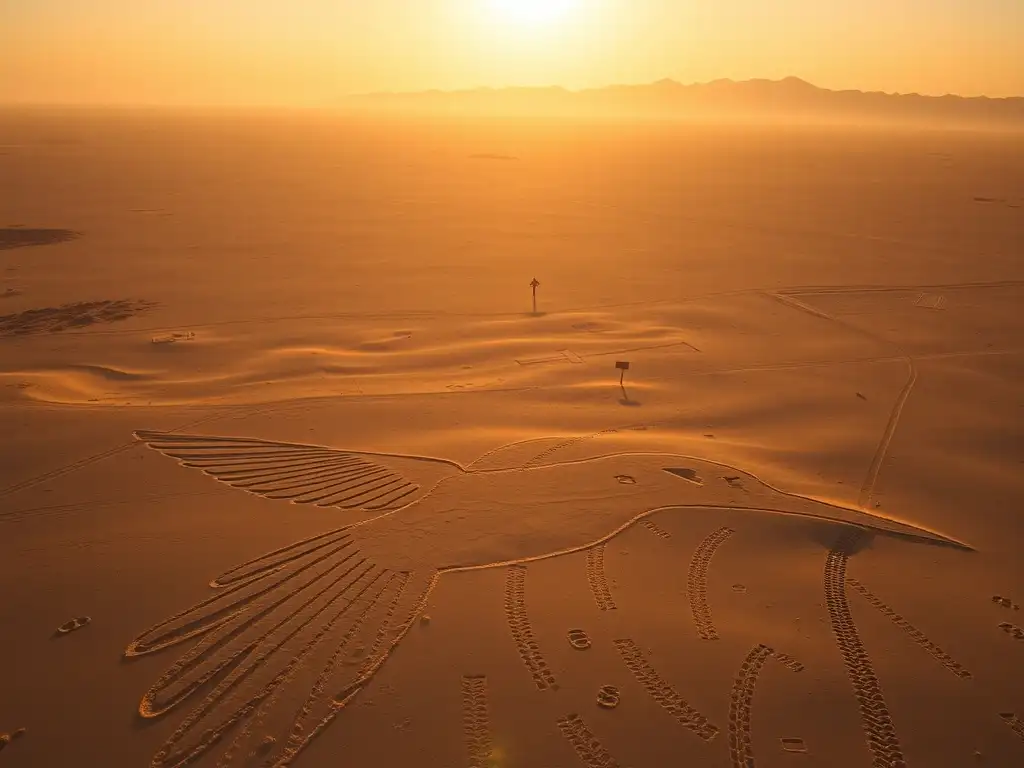
The Nazca Lines, breathtaking examples of ancient geoglyphs etched into the Peruvian desert, face a constant battle for survival. Their fragility, coupled with both natural and human-induced threats, necessitates ongoing and dedicated conservation efforts to ensure their longevity for future generations. Understanding these threats is crucial to developing effective preservation strategies. The meaning and history of the Nazca Lines are intrinsically linked to their physical preservation; without the lines themselves, our understanding would be significantly diminished. This section explores the primary challenges and the ongoing fight to safeguard this invaluable piece of world heritage.
Protecting the Nazca Lines from Environmental Damage
The arid climate of the Nazca desert, while initially protective, presents its own set of challenges. Erosion, caused by wind and infrequent but intense rainfall, is a constant threat. The delicate surface layers, composed of oxidized iron-rich pebbles, are easily dislodged, gradually blurring the lines' intricate details. The subtle changes in color that define the geoglyphs are particularly vulnerable.
Furthermore, natural disasters, such as flash floods, though infrequent, can cause significant damage in a short period. These events can scour away sections of the desert surface, potentially obliterating portions of the geoglyphs. Predicting and mitigating the effects of these natural occurrences requires advanced meteorological monitoring and potentially proactive land management techniques, such as strategically placed barriers or vegetation control. The delicate balance of the desert ecosystem needs careful consideration to avoid unintended consequences.
The Impact of Human Activity on the Geoglyphs
Human activity poses perhaps the most significant and immediate threat to the Nazca Lines. The construction of the Pan-American Highway, which runs relatively close to the geoglyphs, has resulted in increased traffic and vibrations, contributing to soil erosion. Illegal access to the site, either through unauthorized tours or casual trespassing, causes significant damage through foot traffic and the trampling of vegetation.
The impact is not merely aesthetic; the lines' fragility means that even a relatively small amount of disturbance can lead to irreversible damage. Furthermore, the development of nearby infrastructure, including agriculture and urbanization, can indirectly affect the lines by altering drainage patterns and increasing the risk of erosion. The increasing popularity of the Nazca Lines as a tourist destination necessitates strict regulations and sustainable tourism practices to mitigate the negative impacts of human activity.
Careful planning and management of tourist access, coupled with rigorous enforcement of regulations, are essential for the long-term preservation of the geoglyphs. This includes limiting access to certain areas and promoting responsible tourism practices. The delicate balance between accessibility and preservation is a critical challenge for the future.
Conservation Efforts and Future of the Nazca Lines
Numerous organizations and governments are actively involved in preserving the Nazca Lines. These efforts include:
- Monitoring and Research: Continuous monitoring of the geoglyphs using advanced technology, such as satellite imagery and drone surveys, helps to track erosion and other forms of degradation. Research into the composition of the soil and the best conservation techniques is also crucial.
- Infrastructure Improvements: Efforts are underway to improve the infrastructure surrounding the site, including the construction of viewing platforms and improved access roads to minimize the impact of visitor traffic.
- Public Awareness Campaigns: Educating the public about the fragility of the Nazca Lines and the importance of their preservation is a crucial step in ensuring their long-term survival. Promoting responsible tourism practices and discouraging illegal access is paramount.
- Technological Interventions: Innovative methods, like the use of drones for monitoring and even potentially for targeted restoration work, are being explored. However, ethical considerations and the potential for unintended consequences must be carefully considered before implementing any new technologies.
The future of the Nazca Lines depends on a multi-faceted approach that balances the needs of preservation with the desire to share this incredible heritage with the world. Continued investment in research, monitoring, and sustainable tourism practices, along with robust regulatory frameworks and public awareness campaigns, are essential to ensure that the Nazca Lines, and their profound meaning and history, endure for generations to come.
The ongoing challenge is to find a sustainable balance between making these incredible geoglyphs accessible to the world and protecting them from the very forces that threaten their existence. The intricate details and enigmatic nature of the Nazca Lines demand our continued efforts to protect this invaluable part of Peru's, and indeed the world's, cultural heritage.
The Nazca Lines Today: Continuing Research and Fascination
The Nazca Lines, these enigmatic geoglyphs etched into the Peruvian desert, continue to captivate researchers and visitors alike. Decades after their discovery, the mysteries surrounding their creation and purpose remain largely unsolved, fueling ongoing investigation and sparking new theories. The enduring fascination with the Nazca Lines stems from their sheer scale, intricate designs, and the persistent questions they pose about the capabilities and beliefs of the Nazca culture. Understanding their meaning and history is an ongoing process, a testament to the enduring power of these ancient creations.
Modern Discoveries and Ongoing Studies of the Nazca Lines
Modern technology plays a crucial role in furthering our understanding of the Nazca Lines. Advanced aerial photography, satellite imagery, and ground-penetrating radar are employed to uncover new geoglyphs, map existing ones with greater precision, and analyze the surrounding landscape for clues about their creation and purpose. Recent discoveries have revealed previously unknown figures, expanding the known extent of the geoglyph field and adding to the complexity of the overall design.
For example, studies using high-resolution imagery have identified subtle details within existing figures, suggesting a level of artistry and precision previously underestimated. Furthermore, ongoing archaeological excavations in the vicinity of the lines are providing valuable context, shedding light on the daily lives of the Nazca people and their potential relationship to the geoglyphs. Analysis of soil samples and artifacts found near the lines is helping to refine dating techniques and provide further insights into the timeline of their construction.
The integration of these diverse methodologies is crucial to a more complete understanding of these remarkable works. The Nazca Lines meaning and history are constantly being refined through this continuous research.
Nazca Lines and Tourism: Responsible Exploration
The Nazca Lines are a major tourist attraction, drawing visitors from around the globe. This influx of tourism presents both opportunities and challenges. While tourism generates revenue that supports local communities and contributes to the preservation of the site, it also poses a risk of damage to the fragile geoglyphs.
Irresponsible practices, such as unauthorized access to the geoglyph fields or the creation of unofficial viewing points, can lead to erosion and degradation. Therefore, responsible tourism practices are essential for the long-term preservation of this invaluable cultural heritage. This includes promoting guided tours from authorized operators, educating visitors about the fragility of the site, and enforcing strict regulations to minimize environmental impact.
Sustainable tourism initiatives, focused on minimizing the carbon footprint and maximizing the benefits for local communities, are crucial for balancing the economic opportunities with the need for preservation. The ongoing challenge lies in finding a balance between making these incredible works accessible to the world and protecting them for future generations.
The Legacy and Enduring Mystery of the Nazca Lines
The Nazca Lines stand as a testament to the ingenuity and artistic skill of the Nazca people. Their creation represents a remarkable feat of engineering and planning, requiring sophisticated surveying techniques and a deep understanding of the desert landscape. The enduring mystery surrounding their purpose continues to fuel speculation and research.
While various theories have been proposed – from astronomical alignments to ritualistic practices – a definitive answer remains elusive. The lines' lasting impact extends beyond their archaeological significance. They serve as a powerful symbol of cultural heritage, inspiring artists, scientists, and researchers worldwide.
The Nazca Lines’ meaning and history are a continuous source of inspiration, reminding us of the enduring power of human creativity and the mysteries that still lie hidden in our past. Their legacy is not just about their physical existence, but also about the ongoing quest to understand their significance and the enduring questions they pose about the human spirit and our connection to the past. The Nazca Lines represent a powerful reminder of the rich and complex history of the Andean civilizations, a history that continues to unfold with each new discovery.
Frequently Asked Questions
What are the Nazca Lines?
The Nazca Lines are giant geoglyphs etched into the desert plains of southern Peru. These enormous figures and lines, visible only from the air, depict animals, plants, and geometric shapes. They were created by the Nazca culture between 500 BC and 500 AD.
Who created the Nazca Lines and why?
The Nazca people created the lines, but their exact purpose remains a mystery. Leading theories include astronomical calendars, ritual sites, or possibly a combination of factors related to water sources or religious beliefs.
How were the Nazca Lines created?
The Nazca people removed the dark reddish pebbles from the surface of the desert, revealing the lighter earth beneath. This process, meticulously carried out over centuries, created the massive images and lines.
How long did it take to create the Nazca Lines?
The creation of the Nazca Lines spanned several centuries, with different figures and lines likely created over time. The precise timeline remains uncertain, but it represents a significant investment of time and effort by the Nazca culture.
What is the significance of the Nazca Lines' designs?
The designs, including animals like hummingbirds, monkeys, and lizards, along with geometric shapes, are believed to hold religious or ceremonial importance. Their intricate detail and scale showcase the advanced engineering and artistry of the Nazca civilization.
Final Reflection: Echoes Across the Centuries: The Enduring Enigma of the Nazca Lines
The Nazca Lines, vast geoglyphs etched into the Peruvian desert, remain a testament to human ingenuity and the enduring power of mystery. Their continued fascination, fueled by ongoing research and technological advancements, underscores the importance of preserving and understanding our shared human heritage, even when the answers remain elusive. The lines are not just ancient markings; they are a powerful symbol of a civilization's ambition and artistic expression, a legacy that continues to resonate today.
The impact of the Nazca Lines extends far beyond their physical presence; they represent a profound connection to the past, a tangible link to a culture that thrived centuries ago. Their enduring mystery continues to inspire artists, scientists, and archaeologists alike, pushing the boundaries of our understanding. The Nazca Lines are a window into a lost world, a testament to the human spirit's capacity for creativity and innovation.
This sentiment encapsulates the profound effect these enigmatic figures have had, not only on our understanding of ancient civilizations but also on our own sense of wonder and curiosity.
Consider the Nazca Lines not just as historical artifacts, but as a mirror reflecting our own quest for meaning and understanding. What enduring legacies are you creating? What mysteries are you striving to unravel in your own life? Let the enduring enigma of the Nazca Lines inspire you to pursue your passions, to embrace the unknown, and to leave your own unique mark on the world, a mark as enduring and awe-inspiring as those etched in the Peruvian desert.
Unleash Your Curiosity About the Nazca Lines!
Thank you for exploring the captivating world of the Nazca Lines with us! You've uncovered some of the mysteries surrounding these incredible geoglyphs, and now it's time to delve even deeper.
Here's how you can continue your journey of discovery:
- Dive Deeper into the Research: Explore the rich history of the Nazca culture and the various theories surrounding these enigmatic designs. Consider reading a book or watching a documentary that delves into the mysteries of this ancient Andean civilization.
- Share Your Discoveries: Discuss what you've learned with friends, family, or online communities. Let's spread the word about these astonishing works of art!
- Plan a Trip to Peru: If you're captivated by the Nazca Lines, start planning a trip to see them in person! Research tour operators offering flights over the lines for a truly unique perspective.
What aspect of the Nazca Lines most fascinates you, and what are your thoughts on their purpose? Share your ideas in the comments!