
Nazca Pottery Workshops: Tracing the Origins of Ceramic Production

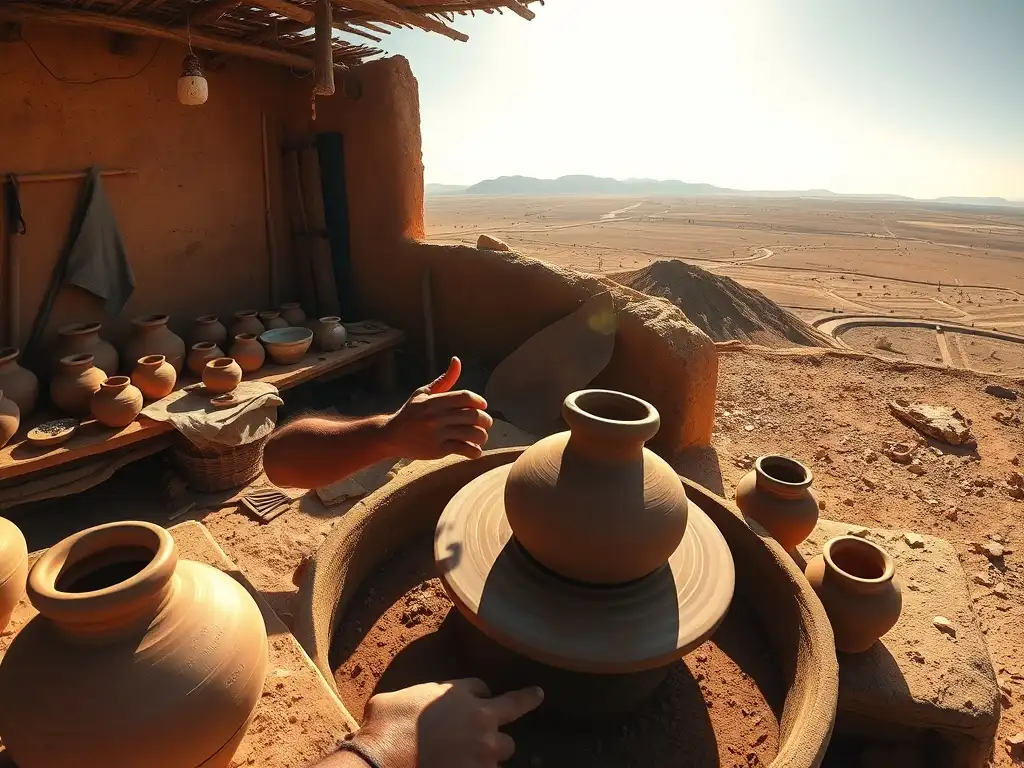
Step into a world lost to time, where artistry and innovation thrived amidst the arid landscapes of the Andes. Imagine the vibrant hues and intricate designs of ancient pottery, born from the skilled hands of Nazca artisans. This is the story of the Nazca pottery workshop history, a fascinating journey into the heart of a civilization that mastered ceramic production with breathtaking ingenuity. Uncover the secrets behind their techniques, the stories etched into clay, and the legacy that continues to captivate us today. Prepare to be amazed.
The Nazca civilization, flourishing along Peru's southern coast between 100 BCE and 800 CE, left behind a remarkable legacy, particularly in their mastery of ceramic artistry. This article delves into the fascinating world of Nazca pottery workshops, exploring the origins and development of their ceramic production, a cornerstone of their vibrant culture and a testament to their sophisticated technological capabilities.
We will examine the evidence suggesting highly organized production processes, specialized labor, and the role these workshops played in the social and economic fabric of Nazca society. Understanding the history of Nazca pottery workshops provides crucial insights into the ingenuity and complexity of this remarkable ancient civilization, shedding light on their artistic expression, social structures, and technological advancements.
The intricate designs and innovative techniques employed in Nazca pottery continue to captivate and inspire, making the study of their production methods a compelling area of archaeological research. This exploration will illuminate the "Nazca pottery workshop history," revealing the secrets behind the creation of these iconic artifacts.
Evidence of Specialized Production
Archaeological excavations have unearthed compelling evidence pointing towards specialized pottery production within designated workshops. The discovery of large quantities of unfinished pottery shards, discarded tools, and pigment residues at specific sites strongly suggests the existence of centralized production facilities.
These workshops weren't simply individual artisans working in isolation; rather, they likely involved a complex division of labor, with specialized artisans focusing on different stages of the production process, from shaping the clay to painting the intricate designs. Analysis of the pottery itself reveals consistent styles and techniques across numerous pieces found at these sites, further supporting the notion of organized workshops.
The sheer volume of pottery produced by the Nazca civilization could not have been achieved without coordinated effort within these specialized centers. Furthermore, the high level of skill and consistency observed in the finished products points to a structured apprenticeship system, ensuring the continuity of knowledge and expertise across generations.
Raw Materials and Techniques
The creation of Nazca pottery involved a meticulous process, beginning with the acquisition and preparation of raw materials. Clay, sourced from specific locations known for their quality, was carefully selected and processed before being shaped into vessels.
The Nazca potters employed various techniques, including modeling, coiling, and molding, to create a range of forms, from simple bowls and jars to elaborate effigy vessels depicting humans, animals, and mythical creatures. The application of slip, a clay-based coating, provided a smooth surface for painting, and the use of diverse pigments allowed for a vibrant array of colors.
Analysis of the pigments reveals the use of both mineral and organic materials, showcasing the potters' deep understanding of their environment and their ability to harness natural resources for artistic expression. The precise methods used in firing the pottery, likely in large kilns, remain a subject of ongoing research, but evidence suggests advanced techniques capable of achieving high temperatures necessary for durable and aesthetically pleasing results.
The existence of Nazca pottery workshops had significant social and economic implications. These workshops likely employed a considerable workforce, contributing to the economic vitality of the civilization. The production and trade of pottery could have generated significant wealth, influencing social hierarchies and power structures.
The intricate designs and high quality of Nazca pottery suggest that they were not merely utilitarian objects but also held symbolic and ritualistic value. Certain types of pottery might have been reserved for elite members of society, reflecting their status and power. The distribution of pottery across wide geographical areas indicates a flourishing trade network, connecting different communities and facilitating cultural exchange.
Further research is needed to fully understand the intricate connections between pottery production, social organization, and economic systems within Nazca society. The role of these workshops in shaping the social landscape and economic prosperity of the Nazca civilization is a fascinating area for future investigation.
The Legacy of Nazca Pottery Workshops
The legacy of Nazca pottery workshops extends far beyond their immediate historical context. Their remarkable artistry and technological innovation continue to inspire awe and admiration. The intricate designs, vibrant colors, and sophisticated techniques employed by Nazca potters have left an enduring mark on the history of art and technology.
The study of Nazca pottery workshops provides valuable insights into the ingenuity and creativity of ancient civilizations, reminding us of the importance of preserving and understanding our shared cultural heritage. The enduring appeal of Nazca pottery is a testament to the skills and artistry of the people who created them, and their workshops stand as a symbol of human ingenuity and cultural achievement. The exploration of "Nazca pottery workshop history" continues to unveil new discoveries, adding to our understanding of this fascinating aspect of Nazca civilization.
- Evidence of Specialized Production
- Raw Materials and Techniques
- Social and Economic Implications
- The Legacy of Nazca Pottery Workshops
- What is the significance of Nazca pottery workshops in the context of the broader Nazca culture?
- How did Nazca potters create their distinctive polychrome pottery?
- Where were the main Nazca pottery workshops located?
- What kind of designs are commonly found on Nazca pottery?
- What can the study of Nazca pottery workshops tell us about Nazca society?
The Dawn of Nazca Ceramic Production: An Overview
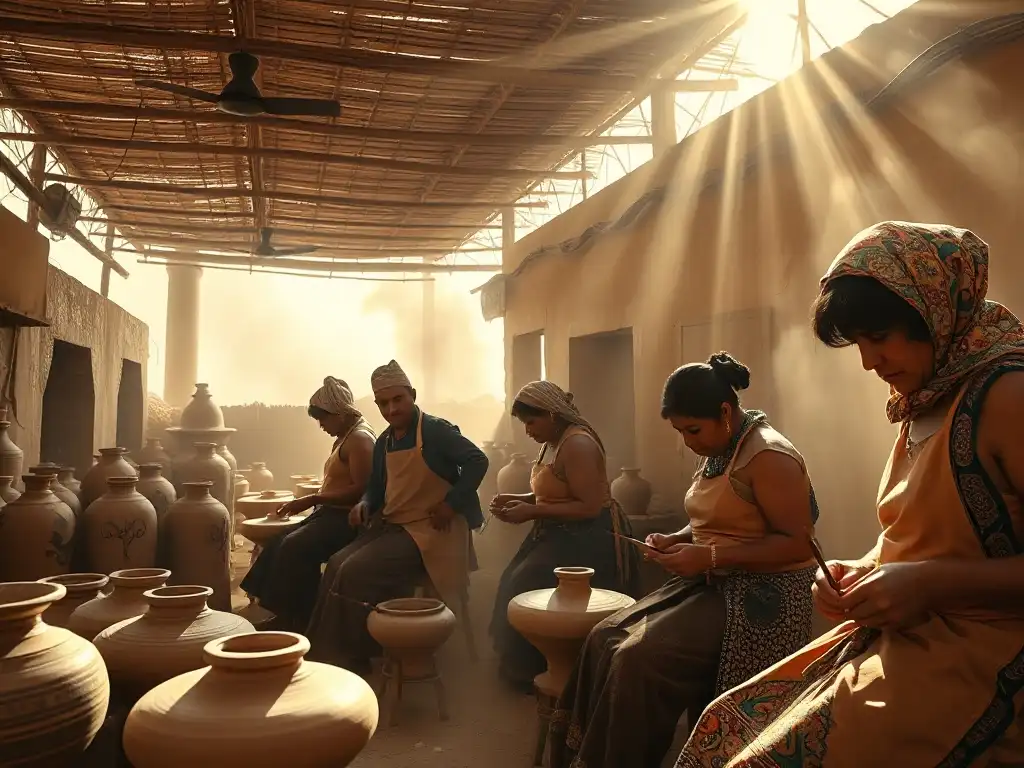
The rise of Nazca pottery production represents a fascinating chapter in Andean ceramic history, significantly different from preceding traditions. While earlier cultures like the Paracas utilized intricate textile techniques, the Nazca people developed a mastery of ceramic artistry that became a defining characteristic of their civilization. This wasn't a spontaneous emergence; rather, it was a gradual evolution, building upon existing techniques and innovations, ultimately leading to the highly stylized and technically advanced pottery we associate with the Nazca culture.
Understanding the origins of this production requires examining both the stylistic developments and the societal structures that facilitated such widespread and sophisticated ceramic work. The keyword "Nazca pottery workshop history" encapsulates the core of this investigation, highlighting the crucial role of organized production centers in shaping Nazca ceramic aesthetics and distribution.
Early Nazca Pottery Styles and Techniques
Early Nazca pottery (circa 100-200 CE) displays a clear departure from the preceding Paracas styles. While Paracas pottery often featured elaborate polychromy and complex iconography, early Nazca pieces show a move towards simpler forms and a more restrained palette. This transition isn't indicative of a decline in skill, but rather a stylistic shift. Early Nazca pottery often features slip-painted designs, with bold geometric patterns and representations of stylized flora and fauna. The use of fine-grained clay and highly polished surfaces became a hallmark of Nazca ceramic production, reflecting a sophisticated understanding of material properties and firing techniques.
The techniques employed were innovative for their time. Evidence suggests the use of molds for creating standardized shapes, particularly for vessels intended for mass production or ceremonial use. This technique allowed for efficiency and consistency in shape and size, crucial for the large-scale production that characterized Nazca workshops.
Furthermore, the mastery of slip painting, involving the application of a thin layer of clay to the surface before firing, allowed for vibrant and durable designs. The control over firing temperatures ensured the creation of strong, durable vessels, capable of withstanding daily use and long-term storage. Detailed analysis of surviving pottery shards reveals the meticulous attention to detail, indicating a high level of skill and specialized training amongst Nazca potters.
The Role of Workshops in Nazca Society
The creation of the exquisite Nazca pottery wasn't a solitary endeavor. Archaeological evidence strongly suggests the existence of specialized workshops, where groups of artisans collaborated on the production of ceramics. These weren't simply individual artisans working in isolation; rather, they were organized production centers, likely playing a significant role in the social and economic structure of Nazca society.
The organization of these workshops is still a subject of ongoing research, but several hypotheses exist. Some scholars suggest a system of specialized labor, with different artisans focusing on specific tasks, such as clay preparation, shaping, painting, and firing. This division of labor would have increased efficiency and allowed for greater specialization in skill development. The presence of standardized forms and consistent stylistic elements across different vessels further supports the idea of organized production, with established norms and quality control measures within the workshops.
The economic significance of these workshops is undeniable. Nazca pottery was not only used for domestic purposes but also played a crucial role in ritual practices and social exchange. The widespread distribution of similar styles across vast geographical areas hints at a complex trade network, with workshops supplying ceramics to different parts of the Nazca territory and potentially beyond.
The economic influence of these workshops likely extended to other aspects of Nazca society, influencing resource management, trade relations, and social hierarchy. Further research, including detailed analysis of workshop sites and the social context of ceramic production, is needed to fully understand the complexity of these vital centers of Nazca culture. The study of "Nazca pottery workshop history" remains a dynamic and evolving field, constantly revealing new insights into the remarkable achievements of this ancient Andean civilization.
Locating Nazca Pottery Workshops: Archaeological Evidence
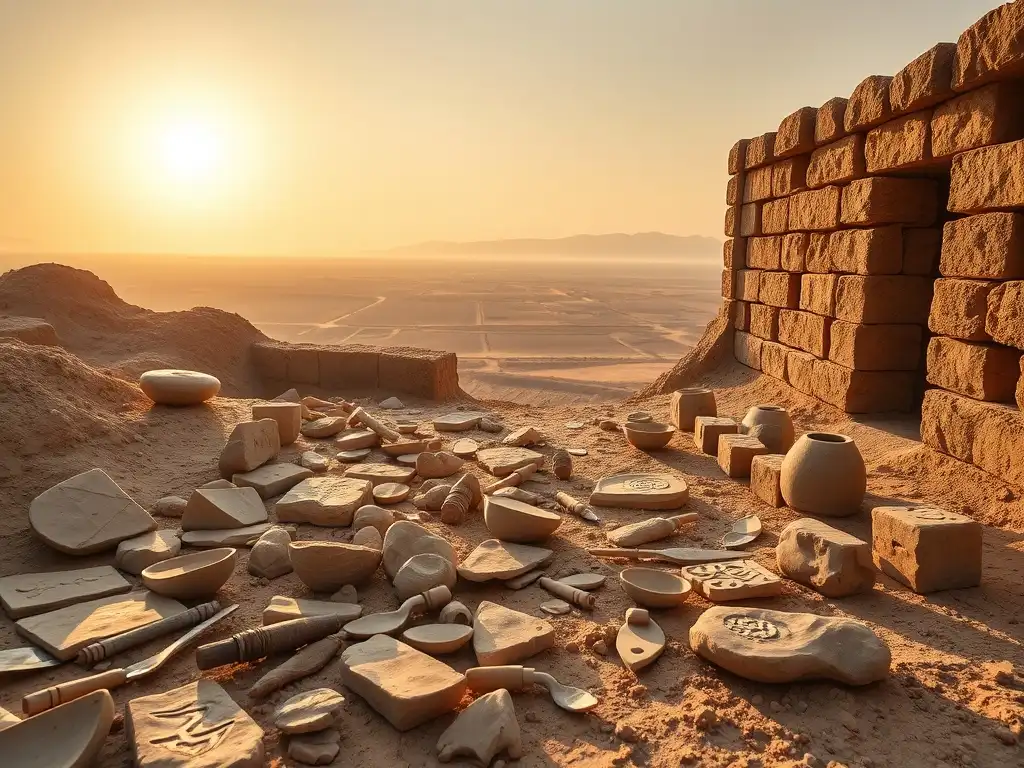
The precise location and organization of Nazca pottery workshops remain a subject of ongoing archaeological investigation. However, significant progress has been made in identifying potential workshop sites through a combination of careful observation, geophysical surveys, and targeted excavations. Understanding the spatial distribution of these workshops is crucial for reconstructing the production process and the social organization of Nazca ceramic production, a key aspect of "Nazca pottery workshop history."
The sheer volume of pottery produced necessitates a sophisticated system of production, and pinpointing workshops helps unveil this system's complexities. Unlike some civilizations which centralized production, evidence suggests Nazca pottery production was more decentralized, with workshops potentially operating in various locations across the Nazca region.
This decentralization may reflect the social structure of the time, with individual families or small groups potentially involved in ceramic production, rather than large, centralized facilities. This contrasts sharply with later Inca production, which was often more centralized and state-controlled.
Identifying Workshop Sites: Clues in the Landscape
Identifying potential Nazca pottery workshop sites relies heavily on recognizing specific landscape features. The presence of large quantities of discarded pottery shards (sherds are fragments of broken pottery), often concentrated in specific areas, is a primary indicator. These "middens," as archaeologists call them, represent waste disposal areas associated with ceramic production.
Furthermore, the proximity to sources of clay and other raw materials is a critical factor. Geochemical analysis of the clay used in pottery can help trace its origin and link specific workshops to particular clay sources. The presence of naturally occurring features such as sheltered caves or rock overhangs could have also served as convenient locations for workshops, offering protection from the elements.
Finally, the presence of water sources is essential for the pottery-making process, influencing the location of workshops. Archaeologists often look for evidence of water management systems or proximity to rivers or streams. The combination of these landscape clues helps narrow down potential workshop locations, guiding subsequent, more intensive investigation.
Excavation Findings: Kilns, Tools, and Raw Materials
Excavations at suspected workshop sites provide the most definitive evidence of ceramic production. The discovery of kilns, the ovens used to fire pottery, is paramount. Nazca kilns varied in design, but often consisted of simple, open-air structures or pits.
The careful analysis of kiln structure, firing techniques, and the types of pottery found within or near them allows archaeologists to learn about the technological capabilities and the production methods employed. Furthermore, the discovery of tools used in pottery making, such as pottery wheels (if used), shaping tools, and paint palettes, provides further confirmation of workshop activity. The types of tools found can also reveal variations in techniques and specialization among different workshops.
Analysis of the raw materials found at the sites, including clay, temper (materials added to clay to improve its properties), and pigments, helps establish the resources utilized and their sourcing. This information, combined with the analysis of the pottery itself, contributes to a deeper understanding of the Nazca pottery production chain, from raw material acquisition to the final product. The detailed study of these elements significantly contributes to a comprehensive understanding of "Nazca pottery workshop history," allowing for a more accurate reconstruction of this vital aspect of Nazca culture.
Nazca Pottery Workshop Organization and Specialization
The remarkable artistry of Nazca pottery wasn't the product of lone artisans working in isolation. Instead, archaeological evidence strongly suggests a sophisticated system of workshop organization and specialization, contributing significantly to the mass production of high-quality ceramics. Understanding this organizational structure is key to appreciating the scale and complexity of Nazca ceramic production, a cornerstone of their culture. This intricate system allowed for the efficient creation of the thousands of vessels we see today, showcasing their unique styles and iconography. The "Nazca pottery workshop history" reveals a complex social and economic structure underpinning this artistic output.
The Division of Labor: Potters, Painters, and Other Artisans
Nazca pottery workshops likely operated with a clear division of labor. While definitive evidence of individual roles is limited due to the nature of archaeological finds, analysis of pottery suggests a specialized workforce. Evidence points towards at least three main groups: potters, painters, and potentially other supporting artisans.
Potters were responsible for the initial shaping and firing of the vessels. This required significant skill in working with clay, creating the basic forms, and managing the high-temperature firing process. The consistency in vessel shapes and sizes across numerous examples suggests standardized techniques and training within this group. We can imagine a hierarchy, with skilled master potters overseeing apprentices, ensuring the quality and efficiency of production.
Painters, on the other hand, were responsible for the intricate and vibrant decoration of the pottery. Their work required a different set of skills, focusing on precision, artistry, and knowledge of pigments and slip painting techniques. The complexity of some designs, featuring multiple colors and fine details, suggests a high level of specialization and perhaps even the existence of specialized painter subgroups focusing on specific motifs or styles. The remarkable consistency in style across many vessels hints at a system of training and quality control for the painters.
Beyond potters and painters, other supporting artisans might have been involved. These could have included individuals responsible for procuring and preparing raw materials (clay, pigments), managing the workshop's logistics, or even performing specialized tasks like preparing the firing kilns or creating molds for mass production. The exact nature and number of these roles remain largely speculative, requiring further archaeological investigation. However, the overall complexity of the pottery and the scale of production strongly suggest a collaborative effort involving a diverse range of specialized skills.
Specialized Techniques: Slip Painting, Firing Processes, and Design Elements
The high quality of Nazca pottery is not only a testament to the artisans' skills but also to their mastery of specific techniques. Slip painting, a key technique, involved applying a liquid clay suspension (slip) of varying colors to the already-formed vessel. This allowed for the creation of the iconic polychrome designs that characterize Nazca pottery.
The precision and control demonstrated in these paintings are remarkable, indicating a deep understanding of the material properties and the painting process. Different slips were likely used to achieve the diverse range of colors and shades seen in the pottery, each requiring specific preparation and application techniques.
The firing process was crucial for achieving the characteristic durability and vibrant colors of Nazca pottery. Archaeological evidence points towards the use of kilns, likely of varying designs and sizes, depending on the scale of production. Controlling the temperature and atmosphere within the kiln was essential to prevent cracking or discoloration, requiring significant technical expertise. Variations in firing techniques might also account for slight variations in the color and texture of the final product. These firing methods, combined with the slip painting techniques, produced the highly durable and visually stunning ceramics.
Finally, the design elements themselves reveal a complex system of artistic conventions and iconography. The recurring motifs, such as stylized animals, plants, and geometric patterns, suggest a codified system of representation. The consistent use of these motifs across different workshops and time periods suggests a degree of standardization and perhaps even a centralized system of design dissemination.
This standardized iconography adds to the overall organization and complexity of Nazca pottery production. The careful attention to detail and the consistency in design elements across numerous vessels further underscore the sophisticated nature of Nazca ceramic workshops and their significant contribution to the cultural identity of the Nazca civilization.
The Evolution of Nazca Pottery Workshops: From Early to Late Periods
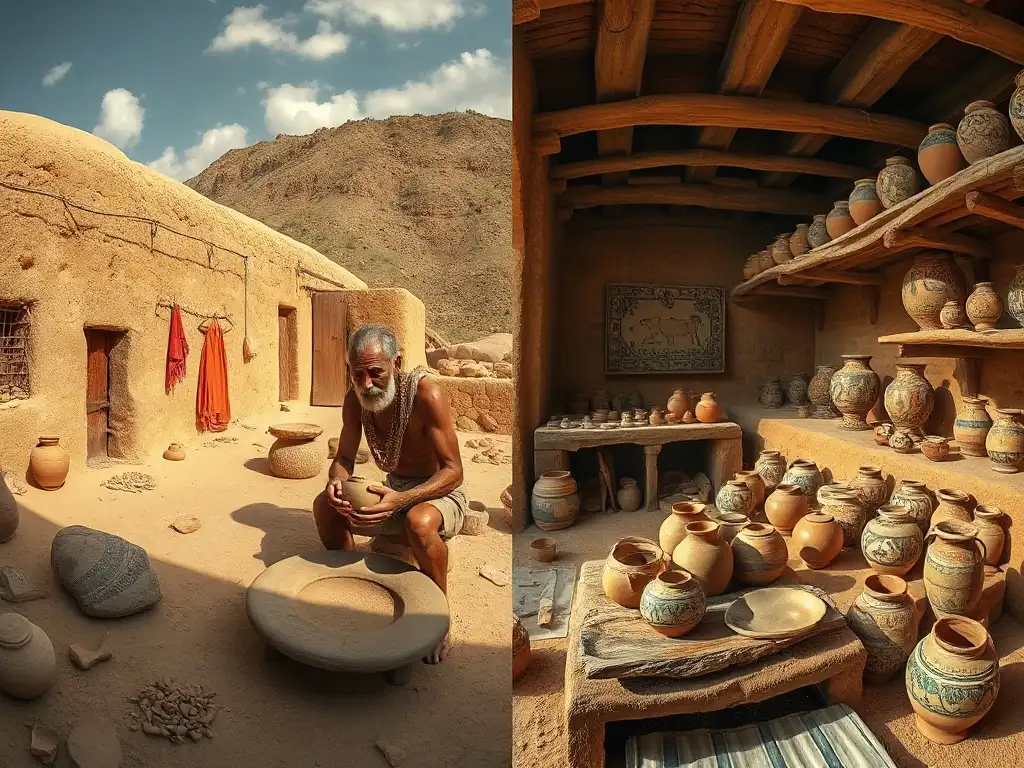
The history of Nazca pottery workshops is a fascinating journey reflecting the evolution of artistic expression and technological innovation within the Nazca civilization. Understanding this evolution requires examining changes in production methods and the societal shifts that influenced ceramic styles over time. The Nazca period, spanning roughly 100 BC to 800 AD, witnessed a remarkable transformation in pottery production, transitioning from smaller, potentially family-based workshops to larger, more specialized centers.
This transition is reflected in the increasing complexity of designs and the wider distribution of Nazca pottery across the region. Archaeological evidence suggests a gradual increase in the scale of production, indicating a shift from primarily utilitarian wares to the mass production of sophisticated, elaborately decorated ceramics. This evolution wasn't solely driven by technological advancements; societal factors played a critical role.
Changes in Production Methods Over Time
Early Nazca pottery workshops, likely smaller and less centralized, employed simpler techniques. Evidence suggests that hand-building techniques were prevalent, with pottery being shaped by hand and then smoothed and fired. The kilns used were likely rudimentary, possibly consisting of simple open-air pits. This contrasts sharply with the later periods.
By the Late Nazca period (around 400-800 AD), the sophistication of production methods had significantly increased. The use of the potter's wheel, although not universally adopted, became more common, leading to a greater standardization of shapes and sizes. More advanced kilns, potentially offering greater control over the firing process, were also employed, allowing for the production of higher-quality, more durable ceramics.
The refinement of techniques, like slip application and the use of pigments, also dramatically improved the quality and vibrancy of the finished products. This increased efficiency in production likely contributed to the wider distribution of Nazca pottery. The shift from simple hand-building to the use of the wheel and more advanced kilns represents a significant technological leap, mirroring a broader societal development and expansion of the Nazca culture.
The Impact of Societal Shifts on Ceramic Styles
The evolution of Nazca pottery styles reflects significant societal shifts. Early Nazca pottery is characterized by simpler, more geometric designs. These designs often feature basic shapes and limited color palettes. However, as Nazca society developed, so did the complexity of the pottery's decoration.
Later Nazca ceramics exhibit elaborate polychrome designs, featuring intricate scenes depicting deities, animals, and mythical creatures. This increase in complexity and detail suggests a growing social hierarchy and the development of specialized craftspeople within the workshops. The evolution of artistic motifs also reflects changes in religious beliefs and social structures. The shift from simpler, geometric patterns to more complex, narrative scenes indicates a growing emphasis on ritual and ceremony.
The increased use of vibrant colors and detailed imagery reflects a growing sophistication in artistic expression. The emergence of specific iconographic styles, like the depiction of stylized birds and mythical beings, can be linked to specific social groups or religious beliefs, further demonstrating the connection between pottery and the broader social and religious fabric of Nazca society. The detailed imagery on late Nazca pottery provides invaluable insight into their cosmology, social organization, and daily life, showcasing the remarkable artistic capabilities of Nazca artisans and the complex social dynamics of their civilization. The study of Nazca pottery, therefore, offers a unique window into the cultural and societal evolution of this enigmatic civilization.
Nazca Pottery Workshop History: A Regional Perspective
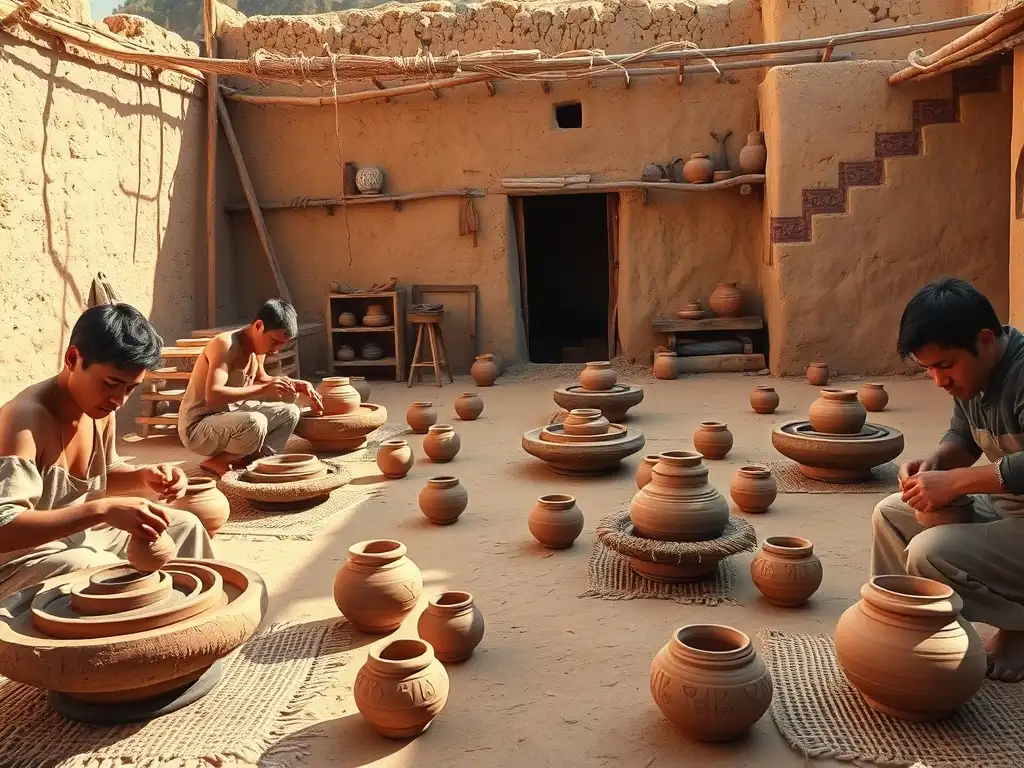
The history of Nazca pottery workshops is intrinsically linked to the geographical and social landscape of the Nazca civilization. Understanding this relationship requires moving beyond a simplistic view of centralized production and acknowledging the diverse range of workshop locations and styles across the Nazca region. This wasn't a monolithic operation; rather, pottery production was a decentralized activity, reflecting both the dispersed nature of Nazca settlements and the nuanced social structures that governed ceramic manufacture and distribution.
The "Nazca pottery workshop history" is therefore best understood not as a single narrative, but as a tapestry woven from numerous localized threads. This section explores the regional variations in workshop locations and styles, and the crucial role of these workshops within broader trade networks.
Regional Variations in Workshop Locations and Styles
The distribution of Nazca pottery workshops wasn't uniform. Archaeological evidence suggests a concentration of workshops near major settlements and along crucial waterways, reflecting access to key resources like clay deposits and water sources crucial for the firing process. For example, research indicates a higher density of workshops near the Rio Grande valley, likely due to its abundance of high-quality clay and ease of transportation. Conversely, areas further from major rivers or settlements show a lower density of workshops, suggesting a more localized or smaller-scale production.
This geographical distribution is further underscored by stylistic variations in the pottery itself. While certain iconographic motifs and techniques are common across the Nazca region, subtle differences in vessel shapes, painting styles, and decorative elements can be observed between workshops located in different areas. These variations might reflect distinct artistic traditions, local preferences, or even the specialization of workshops in producing specific types of pottery for different markets or social groups.
For instance, workshops near coastal areas might have produced pottery with maritime themes, while those in the interior might have focused on depictions of desert fauna and flora. Further research is needed to fully delineate these regional distinctions and understand their implications for Nazca social organization and economic activity. Detailed analysis of chemical composition of the clay used in different workshops could also help pinpoint the sourcing of raw materials and further illuminate regional specializations.
The Connection between Workshops and Trade Networks
Nazca pottery wasn't solely for local consumption; its widespread distribution across the Andes indicates a robust trade network connecting workshops to distant markets. The presence of Nazca pottery in sites far from known workshop locations provides compelling evidence of extensive trade relationships. The exchange of pottery was not merely a commercial activity; it likely played a significant role in social and political interactions between different groups. The prestige associated with certain types of Nazca pottery, particularly those with elaborate designs and high-quality craftsmanship, could have contributed to the development and maintenance of these networks.
The scale and complexity of this trade network remain subjects of ongoing research. However, scholars suggest that a combination of factors, including pack animal transport (llamas), established routes, and possibly even specialized trading groups, facilitated the movement of pottery across significant distances. The discovery of workshops in strategically located areas along major trade routes further supports the hypothesis that pottery production was closely integrated with these networks.
Understanding the role of workshops within these networks is crucial for a comprehensive understanding of Nazca economic organization and its interaction with neighboring cultures. Further investigation into the distribution patterns of different pottery styles could help illuminate the specific routes and mechanisms of this extensive trade. The analysis of traded goods found alongside Nazca pottery at distant sites can also help us better understand the broader economic and social context of these exchanges.
Analyzing Nazca Pottery: Insights from Workshop Practices
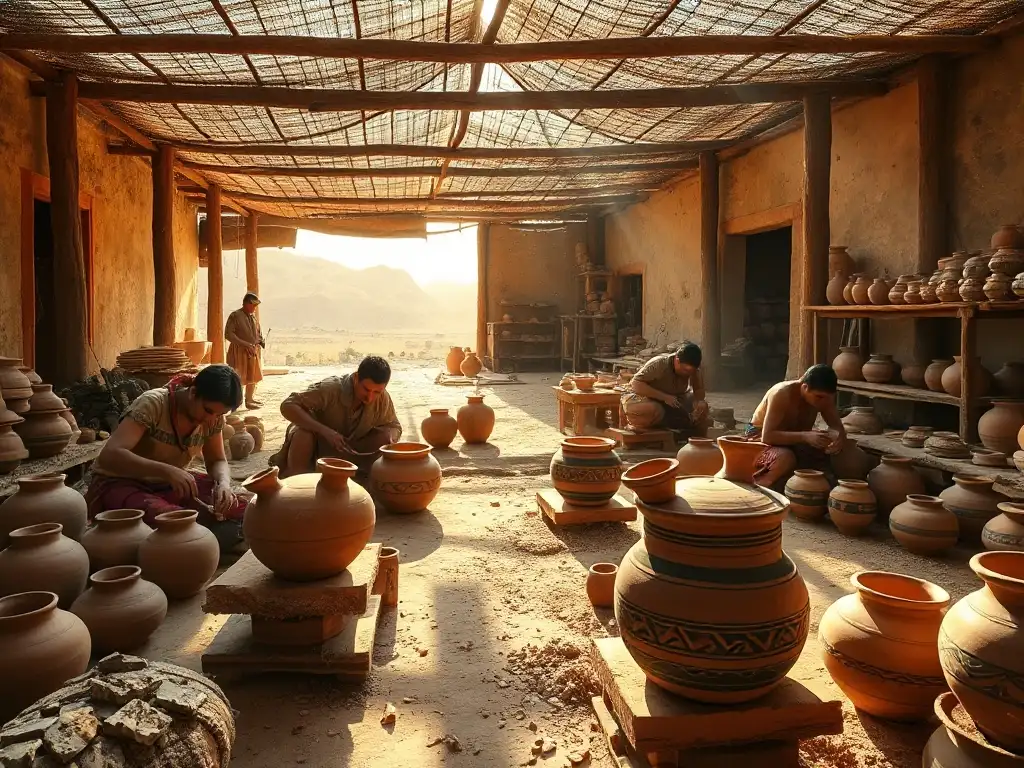
The study of Nazca pottery workshops offers invaluable insights into the production techniques, social organization, and artistic evolution of this remarkable civilization. By examining the archaeological remains of these workshops, researchers can reconstruct the daily lives of the artisans, understand their specialized skills, and trace the development of distinctive ceramic styles over time. This analysis moves beyond simply appreciating the finished products; it delves into the process of creation, revealing a complex and fascinating picture of Nazca society.
The meticulous nature of the archaeological excavations, coupled with careful analysis of the recovered artifacts, provides a unique window into the past. Key aspects of this analysis include the spatial arrangement of workshops, the tools and materials used, and the evidence for specialization of labor.
Understanding Decoration Motifs Through Workshop Analysis
Analyzing decoration motifs within the context of workshop finds allows for a more nuanced understanding of Nazca artistic practices. For example, the presence of numerous incomplete vessels alongside finished pieces suggests a division of labor, with some artisans specializing in shaping the pottery while others focused on decoration. The standardization of certain motifs across multiple workshops could indicate centralized artistic direction or the dissemination of stylistic conventions through apprenticeships.
Conversely, variations in motifs between workshops could point to distinct artistic traditions or regional stylistic differences within Nazca territory. Further research could correlate specific motifs with particular workshops or time periods. This detailed examination helps us to understand not just what was depicted, but how and why, adding depth to our appreciation of Nazca artistry.
The frequency of certain motifs within a single workshop can also help researchers understand shifts in popularity or the adoption of new styles over time. For example, a sudden increase in the depiction of a specific animal or deity might reflect changes in religious beliefs or socio-political structures. The detailed study of these subtle variations provides invaluable data for understanding the cultural context of Nazca pottery.
Dating Nazca Pottery Based on Workshop Stratigraphy
Stratigraphy, the study of the layers of sediment, is a crucial tool for dating Nazca pottery. Within workshop sites, the accumulation of discarded pottery shards and other workshop debris creates a chronological sequence. By carefully excavating and analyzing these layers, archaeologists can establish a relative chronology for the pottery produced within that specific workshop. This allows us to trace the evolution of styles and techniques over time, identifying changes in vessel shapes, decoration techniques, and the types of clay used.
The presence of specific diagnostic artifacts within a given layer can further refine dating estimates. For example, the discovery of a specific type of spindle whorl in association with a particular style of pottery can help to correlate the ceramic production with other aspects of Nazca material culture. However, accurate dating relies on careful excavation techniques and the avoidance of any disruption to the stratigraphic layers, which can compromise the integrity of the chronological sequence.
Further analysis, such as radiocarbon dating of organic material found within the stratigraphic layers, can provide absolute dates, offering a more precise timeline for the pottery production within the workshop. This detailed chronological framework is essential for understanding the broader context of Nazca ceramic production and its place within the wider history of the Nazca civilization. The combination of relative and absolute dating methods provides a robust chronological framework for the study of Nazca pottery workshops.
The Legacy of Nazca Pottery Workshops: Influence and Inspiration
The Nazca pottery workshops weren't merely production centers; they were hubs of innovation and artistic expression, leaving an indelible mark on subsequent Andean cultures. Their legacy extends far beyond the exquisite ceramics themselves, impacting artistic styles, technological advancements, and even the social structures of later civilizations. Understanding this legacy requires examining the ripple effect of their techniques and aesthetics across time and geography.
The Enduring Impact on Andean Art and Craft
The vibrant polychromy and intricate iconography characteristic of Nazca pottery profoundly influenced later Andean artistic traditions. The mastery of ceramic painting techniques, particularly the use of multiple colors and fine brushwork to create detailed scenes, is evident in the pottery of the Wari and Tiwanaku cultures. For instance, the use of negative space and fine linework, techniques perfected in Nazca workshops, are readily apparent in the ceramics of the subsequent Wari state, showcasing a clear lineage of artistic influence.
Moreover, the motifs themselves—depictions of deities, mythical creatures, and everyday life—continued to appear, albeit with stylistic variations, in the art of later Andean societies, demonstrating the enduring power of Nazca imagery. This continuity suggests a cultural transmission, possibly through apprenticeship or migration, that ensured the survival and adaptation of Nazca artistic conventions. The influence wasn't limited to ceramics; similar stylistic elements can be observed in textiles and metalwork, indicating a broader cultural impact.
Analyzing these stylistic similarities provides compelling evidence of the long-lasting influence of Nazca workshops on Andean artistic production. The legacy of these workshops is not just about the objects they produced but also about the artistic language they developed and disseminated.
Modern Interpretations and Reconstructions of Nazca Pottery Techniques
Even today, the sophisticated techniques employed in Nazca pottery workshops continue to fascinate and inspire. Archaeologists and artisans alike strive to understand and replicate the processes used to create these remarkable pieces. Careful study of surviving pottery shards, kiln remains, and pigment analysis provides valuable insights into the materials and techniques used. Modern experiments, attempting to replicate Nazca pottery, have revealed the complexity involved in achieving the vibrant colors and fine detail.
For example, researchers have investigated the specific types of clay used, the preparation methods, and the firing techniques needed to obtain the characteristic high-quality finishes. This painstaking research has not only increased our understanding of ancient technologies but also allowed for the creation of contemporary ceramics inspired by Nazca styles. The meticulous reconstruction of Nazca pottery techniques not only satisfies our curiosity about the past but also contributes to the preservation and appreciation of this unique cultural heritage.
Moreover, this process fosters a deeper understanding of the ingenuity and skill of the Nazca artisans, highlighting their significant contributions to the development of Andean ceramic technology. The ongoing efforts to understand and reproduce Nazca pottery serve as a testament to the enduring legacy of their workshops. The detailed study of their techniques continues to inspire and inform modern ceramic artists, ensuring that the spirit of Nazca artistry lives on.
Frequently Asked Questions
What is the significance of Nazca pottery workshops in the context of the broader Nazca culture?
Nazca pottery workshops were crucial to the social and economic fabric of Nazca society. They were centers of production, trade, and potentially also ritual activity, reflecting the high value placed on ceramics. Their output helped define Nazca identity.
How did Nazca potters create their distinctive polychrome pottery?
Nazca potters employed a complex process of slip painting, applying multiple layers of colored clay slips onto the pottery surface. They used natural pigments and achieved remarkably vibrant and detailed designs. This mastery of technique is unique to the Nazca.
Where were the main Nazca pottery workshops located?
While precise locations of all workshops are still being discovered, evidence suggests many were situated near sources of clay and other materials, often in settlements or close to agricultural areas. This proximity facilitated access to essential resources.
What kind of designs are commonly found on Nazca pottery?
Nazca pottery is renowned for its highly stylized and intricate designs. Common motifs include mythological creatures, plants, humans, and geometric patterns. These designs often tell stories or reflect religious beliefs.
What can the study of Nazca pottery workshops tell us about Nazca society?
Analyzing Nazca pottery workshops reveals insights into social organization, economic systems, and artistic practices. The scale of production, the specialization of labor, and the distribution of pottery suggest a complex and well-organized society. Studying the workshops provides a window into their daily lives.
Final Reflection: Echoes of the Nazca Masters: A Legacy in Clay
The intricate artistry of Nazca pottery continues to resonate today, a testament to the ingenuity and cultural depth of a civilization lost to time. Understanding their techniques, as explored in this article, isn't merely an academic exercise; it's a vital link to understanding the complexities of ancient Andean societies and their enduring impact on our world. The meticulous detail and vibrant colors found in these ceramics offer a window into their beliefs, social structures, and daily lives, a legacy that continues to inspire artists and archaeologists alike.
The enduring power of Nazca pottery lies not just in its aesthetic beauty, but in its ability to connect us to a past that feels both distant and intimately familiar. The passion and skill poured into each piece speak volumes about the human spirit's capacity for creativity and innovation. As the renowned anthropologist, Clifford Geertz, once wrote, Man is an animal suspended in webs of significance he himself has spun.
The Nazca potters, through their art, spun webs of significance that continue to capture our imaginations and challenge our understanding of human potential.
Consider, for a moment, the hands that shaped the clay, the minds that conceived the designs, the communities that supported this vibrant craft. You, too, are part of a continuous thread of human creativity and innovation. Reflect on the skills and passions that drive you, and how you might contribute to a legacy as enduring as that of the Nazca masters. Let the echoes of their artistry inspire you to create, to learn, and to leave your own mark on the world.
Unveil the Art of Nazca Pottery Today!
Thank you for exploring the rich history of Nazca pottery with us! We hope you've gained valuable insights into the artistry and craftsmanship of this unique ceramic tradition. Now, let's continue your journey of discovery.
Here are some exciting next steps:
- **Learn the techniques firsthand** by joining a pottery workshop, either in your area or online.
- Deepen your appreciation by visiting a local museum or cultural center with a collection of Nazca artifacts.
- Share this article with friends and on social media to spread the word about the beauty of Andean ceramics.
What most inspires you about Nazca pottery and its rich cultural heritage?