
Nazca Agricultural Surplus: How They Sustained Their Society

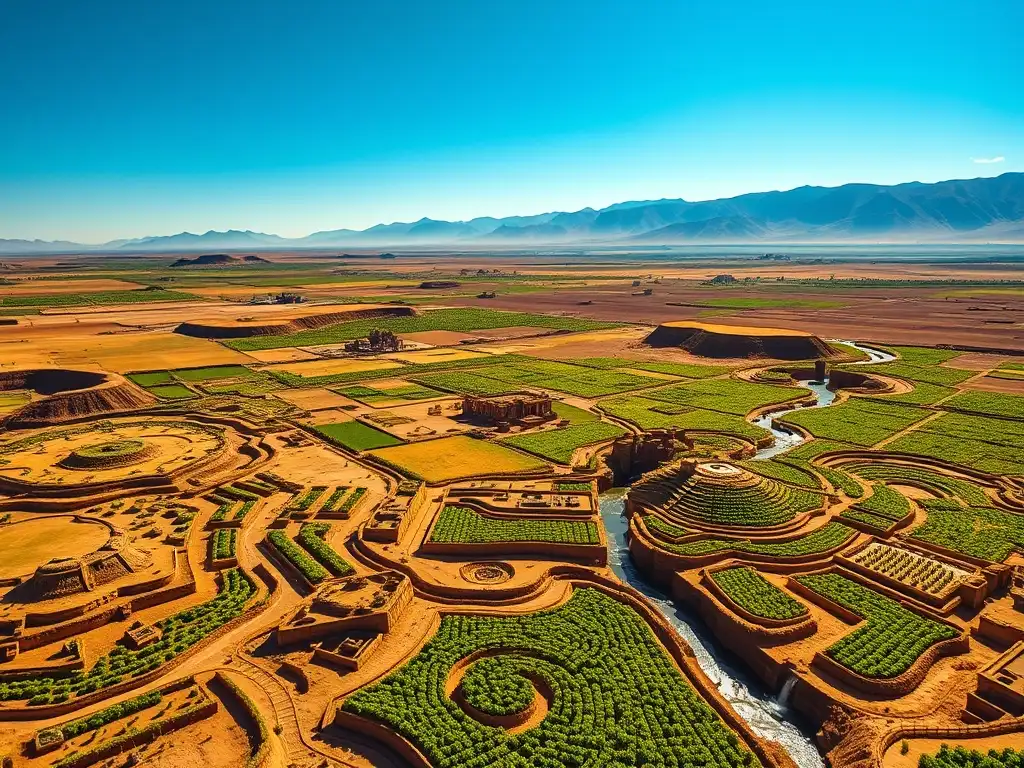
Step into a world lost to time, where ingenuity thrived amidst arid landscapes. Imagine a civilization that defied the desert, flourishing with breathtaking artistry and architectural marvels. Here on Andean Civilizations, we delve into the mysteries of ancient societies, uncovering their secrets and celebrating their achievements. But how did the Nazca, famed for their enigmatic lines, sustain such a complex society? Discover the astonishing ingenuity behind their Nazca agricultural techniques—a story of innovation and resilience that will leave you breathless. Unravel the secrets of their agricultural surplus and explore the fascinating world of the Nazca civilization.
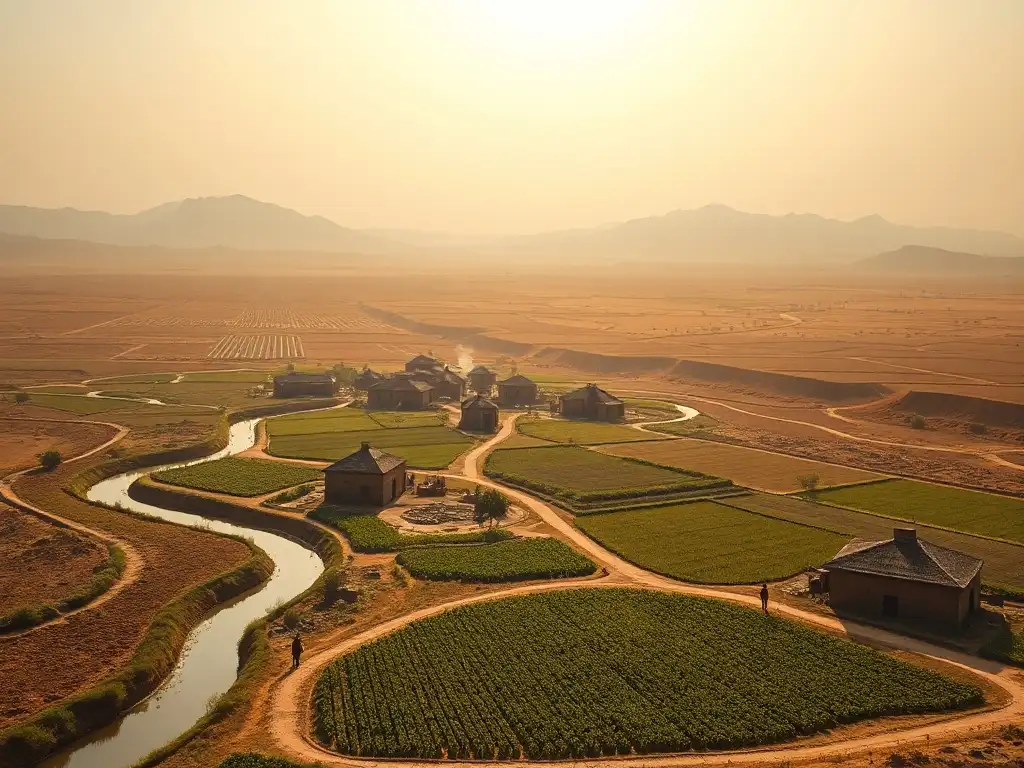
The Nazca civilization, flourishing along the southern coast of Peru from 100 BCE to 800 CE, thrived in one of the world's most arid environments. Their remarkable success wasn't solely due to their iconic geoglyphs; it was fundamentally rooted in their mastery of sophisticated agricultural techniques. This article delves into the ingenious methods the Nazca people employed to achieve agricultural surplus, providing the foundation for their complex social and political structures.
We will explore their innovative water management systems, unique farming practices, and the cultivation of resilient crops, all contributing to a sustainable and productive agricultural system that allowed for population growth and the development of a thriving civilization. Understanding these "Nazca agricultural techniques" provides crucial insight into the resilience and ingenuity of this fascinating ancient culture. The ability to overcome the challenges of their environment is a testament to their advanced understanding of hydrology, engineering, and agricultural science.
The Challenge of Arid Lands: Nazca Environment and Agriculture
The Nazca desert presents a formidable challenge for agriculture. Characterized by extremely low rainfall and scorching sun, the region receives less than 20mm of annual precipitation in many areas. The seemingly barren landscape belies the existence of underground water sources, which the Nazca people expertly tapped into. Their success in cultivating crops in this harsh environment hinged on a deep understanding of their surroundings and an extraordinary ability to adapt and innovate.
The scarcity of water necessitated the development of ingenious irrigation systems and the selection of drought-resistant crops, demonstrating their remarkable agricultural prowess. Their achievement stands as a remarkable example of human adaptation to extreme environmental conditions. The lack of surface water resources made the development of effective water management absolutely crucial for survival.
Innovative Nazca Farming Methods
The Nazca civilization wasn't merely surviving; they were thriving. Their agricultural success wasn't a matter of luck but a result of a complex interplay of carefully planned and executed techniques. These techniques, honed over generations, ensured a reliable food supply that supported their population and allowed for the development of their advanced society. Their agricultural innovations weren't isolated techniques but a fully integrated system designed to maximize water use and yield in a challenging environment. The following sections will detail specific aspects of their impressive agricultural strategies.
Nazca Water Management Systems for Agriculture
The Nazca's mastery of water management is arguably their most significant contribution to their agricultural success. Their understanding of subterranean water flows was exceptional. They built intricate systems to capture, store, and distribute water, effectively transforming a seemingly barren landscape into a productive agricultural region. The efficiency of their systems allowed them to cultivate crops even in the driest parts of the desert, maximizing the limited water resources available. This involved a deep understanding of the local geology and hydrology.
Subterranean Aqueducts: Puquios and Nazca Irrigation
A key element of Nazca water management was the construction of puquios, subterranean aqueducts that channeled water from underground sources to surface fields. These ingenious systems involved digging extensive networks of tunnels and shafts, often extending for kilometers. The puquios not only provided a reliable water supply but also helped to filter and cool the water, improving its quality for irrigation. The construction of these sophisticated systems required advanced engineering knowledge and significant collaborative effort, highlighting the social organization and technological capabilities of the Nazca civilization. [Specific data on the length and depth of the longest puquio system pending]
Nazca Terraced Farming and Soil Conservation
In addition to their water management systems, the Nazca employed terraced farming to maximize arable land and minimize soil erosion. Terracing involved creating level platforms on hillsides, allowing for efficient irrigation and preventing topsoil loss. This technique increased the amount of cultivable land available and reduced runoff, conserving precious water resources. The careful design and construction of terraces demonstrated their understanding of soil conservation principles, contributing significantly to the sustainability of their agricultural system.
Cultivation of Drought-Resistant Crops in Nazca
The Nazca people cultivated a variety of drought-resistant crops ideally suited to their environment. These crops required minimal water and could withstand the harsh conditions of the desert. [Specific list of crops cultivated by Nazca people pending]. Their selection of appropriate crops was crucial to their agricultural success, as it minimized water requirements and ensured a reliable harvest even in years of low rainfall. This understanding of plant biology demonstrates their advanced agricultural knowledge.
Evidence of Nazca Agricultural Intensification
Archaeological evidence suggests that Nazca agriculture was highly intensified, meaning they were able to produce a significant surplus of food per unit of land. This intensification was achieved through a combination of the techniques previously mentioned, enabling them to support a large and complex society. [Specific data on yields and population density pending] The surplus likely allowed for specialization of labor and the development of a more complex social structure beyond simple subsistence farming. The evidence points towards a highly organized and efficient agricultural system.
The Impact of Nazca Agricultural Production
The Nazca's mastery of agriculture was pivotal to their societal development and longevity. Their impressive agricultural output, achieved through ingenious techniques adapted to the arid coastal environment, fueled population growth, supported complex social structures, and facilitated trade networks that extended far beyond their immediate region. Without their agricultural prowess, the iconic Nazca Lines and the sophisticated culture we know today simply wouldn't have existed.
The sheer scale of their agricultural production, considering the challenging environmental conditions, remains a testament to their ingenuity and understanding of their environment. This success wasn't just about survival; it was about creating a surplus that allowed for societal advancement beyond mere subsistence.
Nazca Food Security and Population Growth
A direct consequence of successful Nazca agricultural techniques was enhanced food security. Reliable harvests, even in a desert climate, led to a stable food supply. This stability allowed the population to grow and flourish.
Archaeological evidence suggests a significant population increase during the Nazca period, directly correlated with their agricultural achievements. The ability to consistently produce enough food to feed a larger population laid the foundation for the development of more complex social structures and specialized labor. This wasn't simply a matter of producing enough to survive; it was about building a reliable system that supported population expansion and societal complexity.
Agricultural Surplus and Social Stratification in Nazca
The surplus generated by Nazca agriculture wasn't equally distributed. The existence of elite classes, evidenced by elaborate tombs and sophisticated artifacts, indicates a hierarchical social structure. This stratification likely stemmed, at least in part, from control over the agricultural surplus.
Those who controlled the irrigation systems, the land, or the distribution of food likely held significant power and influence within Nazca society. The surplus provided the resources to support a ruling class, religious leaders, and specialized artisans, all contributing to the complexity of Nazca civilization. Further research is needed to fully understand the precise mechanisms of this distribution and its impact on social dynamics.
Nazca Agricultural Practices and Religious Beliefs
Nazca religious beliefs were deeply intertwined with their agricultural practices. The importance of water, a scarce resource in their environment, is evident in their iconography and ceremonial sites. Many depictions in Nazca pottery and textiles show deities associated with fertility and abundance, highlighting the religious significance of successful harvests. The elaborate rituals and ceremonies likely aimed to ensure the continued success of their agricultural endeavors, demonstrating a close relationship between their spiritual world and their material needs. This connection underscores the centrality of agriculture in all aspects of Nazca life, from the practical to the spiritual.
Nazca Trade Networks and Agricultural Products
The agricultural surplus also facilitated extensive trade networks. The Nazca traded agricultural products, such as cotton, beans, and maize, with neighboring societies. These trade routes connected them to distant regions, expanding their access to resources and fostering cultural exchange. The ability to produce surplus goods allowed the Nazca to participate in a wider economic system, strengthening their position within the Andean region. This trade wasn't merely a matter of economic exchange; it also contributed to the dissemination of Nazca ideas and technologies.
The Importance of Nazca Agriculture in the Civilization's Development
Nazca agriculture was not merely a means of subsistence; it was the cornerstone of their civilization. Their innovative techniques, coupled with their understanding of their environment, allowed them to create a thriving society characterized by population growth, social complexity, and extensive trade networks. Without their agricultural success, the Nazca culture, with its stunning artistic achievements and sophisticated social structures, would likely have been significantly different, possibly even non-existent. Their legacy serves as a powerful example of how agricultural innovation can shape the trajectory of a civilization.
Nazca Agricultural Techniques: A Legacy of Innovation
The Nazca were masters of adapting their agricultural practices to the harsh desert environment. Their ingenuity allowed them to thrive where others might have struggled. Their techniques represent a remarkable achievement in sustainable agriculture, offering valuable lessons for modern-day farming practices.
Comparison with other Andean agricultural practices
Compared to other Andean cultures, the Nazca developed unique techniques suited to their coastal desert location. Unlike the high-altitude terrace farming of the Inca, the Nazca focused on sophisticated irrigation systems to manage scarce water resources. They differed from the Moche, who also utilized irrigation, by their extensive use of underground aqueducts, called puquios, to tap into groundwater sources. These differences highlight the adaptability of Andean agricultural practices to diverse environments.
Lessons from Nazca Sustainable Farming
The Nazca’s approach to agriculture offers valuable lessons in sustainability. Their careful management of water resources, through systems like the puquios, provides a model for water conservation in arid regions. Their understanding of soil management and crop rotation, although details remain to be fully elucidated, likely contributed to long-term soil fertility. Studying their methods can inform modern efforts to develop sustainable agricultural practices in challenging environments.
The enduring impact of Nazca agricultural engineering
The impact of Nazca agricultural engineering extends beyond their own civilization. The puquios, for example, are still used in some areas today, demonstrating the long-term effectiveness of their water management systems. Their ingenuity in creating and maintaining these complex irrigation networks continues to inspire engineers and researchers seeking sustainable solutions for water management in arid and semi-arid regions. Their legacy serves as a testament to the enduring value of innovative and environmentally conscious agricultural practices.
Future research and discoveries regarding Nazca agriculture
Further research is needed to fully understand the complexities of Nazca agriculture. Ongoing archaeological investigations and analysis of existing evidence may reveal new details about their crop rotation techniques, their understanding of soil fertility, and the precise organization of their irrigation systems. Advances in scientific techniques may also shed light on aspects of their agricultural practices that remain currently mysterious. The potential for new discoveries offers exciting opportunities to further appreciate the ingenuity and sophistication of Nazca agriculture.
- The Challenge of Arid Lands: Nazca Environment and Agriculture
- Innovative Nazca Farming Methods
- The Impact of Nazca Agricultural Production
- Nazca Agricultural Techniques: A Legacy of Innovation
- What innovative agricultural techniques did the Nazca use?
- How did the Nazca's agricultural practices contribute to their societal development?
- What role did the Nazca Lines play in their agricultural practices?
- What crops did the Nazca primarily cultivate?
- How did the Nazca's understanding of water management impact their agricultural success?
Frequently Asked Questions
What innovative agricultural techniques did the Nazca use?
The Nazca employed several ingenious techniques, including extensive irrigation systems like canals and aqueducts to channel water from rivers and underground sources to their fields. They also utilized raised fields (waru waru) to improve drainage and soil fertility. These methods maximized crop yields.
How did the Nazca's agricultural practices contribute to their societal development?
The agricultural surplus generated by their innovative techniques allowed for population growth and the development of a complex society. This surplus freed up some people to specialize in crafts, art, and other non-agricultural activities.
What role did the Nazca Lines play in their agricultural practices?
While the exact purpose of the Nazca Lines remains debated, some theories suggest a connection to water management or ceremonial practices related to ensuring successful harvests and agricultural abundance. Further research is needed to confirm this.
What crops did the Nazca primarily cultivate?
The Nazca cultivated a variety of crops suited to their arid environment, including cotton, beans, peppers, squash, and maize. Their irrigation systems allowed them to grow these crops successfully.
How did the Nazca's understanding of water management impact their agricultural success?
The Nazca's deep understanding of water resource management was crucial to their agricultural achievements. Their ability to effectively capture, store, and distribute water allowed them to flourish in a challenging desert environment, producing a significant agricultural surplus.
Final Reflection: The Enduring Legacy of Nazca Ingenuity
The ingenious agricultural techniques employed by the Nazca civilization remain a testament to human adaptability and a powerful reminder of the crucial link between innovation and societal survival. Their ability to flourish in a seemingly inhospitable desert environment offers invaluable lessons for addressing modern challenges related to sustainable food production and resource management in arid regions worldwide. This understanding is more critical now than ever, as climate change intensifies the pressure on global food security.
The Nazca's mastery of water management and their sophisticated understanding of their environment continue to inspire awe and wonder. Their ability to coax life from the desert, using techniques like canal irrigation and raised fields, speaks volumes about their deep connection to the land and their commitment to collective well-being. The desert, once thought to be barren, now reveals its potential to sustain life, a testament to human ingenuity and resilience.
This quote encapsulates the enduring legacy of the Nazca, demonstrating that even in the face of seemingly insurmountable obstacles, human innovation can triumph.
Consider the implications of the Nazca's achievements. Their success wasn't merely about survival; it was about creating a thriving society capable of producing art, architecture, and a complex social structure. You, too, can harness the spirit of Nazca ingenuity in your own life. Think about the challenges you face, and how creative problem-solving, resourcefulness, and a deep understanding of your environment can help you overcome them. Embrace the spirit of innovation, and strive to build a sustainable and thriving future, inspired by the remarkable legacy of the Nazca.
Unleash Your Inner Agrarian Innovator!
Thank you for exploring the fascinating world of Nazca agriculture with us. You've gained valuable insights into sustainable practices by understanding how they thrived in their environment—techniques that remain relevant today. Now, let's put that knowledge to work!
Here’s how you can get involved:
- Start your own small garden: Channel the Nazca spirit by growing your own herbs or vegetables, even in a limited space. Experience the satisfaction of nurturing plants and harvesting your own food!
- Explore sustainable practices: Research ancient and modern agricultural methods that support healthy ecosystems. Consider incorporating permaculture or companion planting into your garden.
- Share your experience: Connect with others who share your interest in sustainable agriculture by sharing your gardening journey on social media or in local community forums. Inspire others to adopt sustainable practices!
How can the ingenuity of ancient agricultural civilizations inform your approach to sustainability today?