
Nazca Lines: Theories and Mysteries Surrounding Their Creation

Unravel the enigma of a lost world. For centuries, the Nazca Lines have defied explanation, etching themselves into the Peruvian desert as a testament to an advanced civilization. Prepare to delve into the heart of the ancient Andean world, exploring the most compelling Nazca Lines creation theories and uncovering the secrets behind these breathtaking geoglyphs. Dare to journey with us as we unveil the mysteries of the Nazca, and the incredible ingenuity of a culture that continues to astound us.
- Nazca Lines: Unraveling the Mysteries of Their Creation
- Introduction to the Nazca Lines: A Legacy of Ancient Ingenuity
-
Diverse Nazca Lines Creation Theories: Exploring the Possibilities
- Astronomical Alignments: Connecting Geoglyphs with the Cosmos
- Ritual and Religious Significance: The Nazca Lines as Sacred Pathways
- Water Management and Fertility: A Symbolic Landscape
- Communication and Message Transmission: Interpreting the Geoglyphs
- Extraterrestrial Theories: Unconventional Explanations for the Nazca Lines
- Analyzing the Techniques Used in the Nazca Lines Construction
- Debunking Misconceptions Surrounding Nazca Lines Construction
- The Ongoing Research and Discoveries Regarding Nazca Lines
- Conclusion: The Enduring Fascination with the Nazca Lines
- Frequently Asked Questions
- Final Reflection: Unraveling the Enigma of the Nazca Lines
- Unveil the Secrets of the Nazca Lines Today!
Nazca Lines: Unraveling the Mysteries of Their Creation
The Nazca Lines, a collection of geoglyphs etched into the Peruvian desert, stand as one of archaeology's most enduring enigmas. These colossal figures and intricate designs, visible only from the air, have captivated researchers and the public alike for decades.
Their sheer scale, the precision of their execution, and the lack of definitive evidence regarding their purpose and creation have fueled countless theories, ranging from astronomical observations to ritualistic practices. This article delves into the leading theories surrounding the creation of the Nazca Lines, exploring the evidence and the ongoing debate surrounding their origins, ultimately examining the enduring mystery surrounding these remarkable works.
We will investigate the prevailing hypotheses, analyze the supporting (and contradictory) evidence, and consider the implications of each theory for our understanding of the Nazca culture and their sophisticated worldview. Understanding the creation of the Nazca Lines provides a crucial window into the ingenuity, societal structure, and beliefs of this fascinating ancient civilization.
The Astronomical Alignment Theory: A Celestial Connection?
One prominent theory suggests a strong astronomical connection to the Nazca Lines' creation. Proponents argue that the lines and figures align with specific celestial events, such as solstices and equinoxes, suggesting they served as a giant astronomical calendar or observatory. This theory posits that the Nazca people possessed advanced astronomical knowledge, using the lines to track the movements of the sun, moon, and stars.
Detailed studies have identified potential correlations between certain lines and the positions of celestial bodies at particular times of the year. However, critics argue that the alignments are not precise enough to definitively support this hypothesis, and alternative explanations for apparent alignments exist. Further research is needed to conclusively determine the validity of this theory.
The precision required for such astronomical alignments, if intentional, would have been remarkable, considering the tools and technology available to the Nazca people. This would imply a level of sophisticated understanding of astronomy far beyond what is currently understood about their capabilities.
The Ritualistic and Ceremonial Hypothesis: A Sacred Landscape?
Another leading theory proposes that the Nazca Lines served primarily as a sacred landscape, a place for ritualistic practices and ceremonies. This theory suggests that the lines and figures were not merely decorative, but held significant religious or spiritual meaning for the Nazca people. Evidence supporting this hypothesis includes the presence of numerous artifacts and burial sites near the lines, suggesting the area held cultural importance.
Furthermore, some researchers believe that the lines may have been used in processions or ceremonies, perhaps related to water rituals given the arid climate of the region. However, the precise nature of these rituals and the role of the lines remains unclear. The lack of clear depictions of specific rituals in the lines themselves is a point of contention for this theory.
Further archaeological investigations are required to corroborate this hypothesis and uncover further evidence. The scale of the undertaking involved in creating the lines strongly suggests a significant level of community organization and shared belief system.
The Water Management Theory: A Practical Purpose?
A more pragmatic theory suggests that the Nazca Lines played a role in water management, a crucial aspect of survival in the arid Nazca desert. Some researchers have proposed that the lines might have channeled water to agricultural areas or served as markers for water sources. This theory is based on the observation that some lines seem to follow natural water courses, or are located near subterranean water sources.
However, other researchers argue that the lines' locations don't consistently correlate with water sources, and that the technology available to the Nazca people might not have been sufficient to effectively manage water using these lines. This theory requires further investigation to determine the extent to which the lines may have been involved in water management practices. The potential for these lines to have served a dual purpose—ritualistic and practical—remains an open question.
The Ongoing Debate and Future Research: Unanswered Questions Remain
Despite numerous theories, the precise purpose and creation methods of the Nazca Lines remain a subject of ongoing debate and research. The lack of definitive evidence, combined with the complexity of the geoglyphs, makes it difficult to reach a conclusive understanding. Future research, including advanced imaging techniques and further archaeological excavations, is crucial to shedding more light on this enduring mystery.
The continued application of cutting-edge technology and interdisciplinary approaches will be vital in deciphering the secrets embedded within these remarkable lines. The enduring mystery of the Nazca Lines serves as a testament to the ingenuity and cultural complexity of the Nazca civilization and highlights the ongoing challenges and rewards of archaeological research. The quest to understand their creation continues, promising further fascinating discoveries in the years to come.
Introduction to the Nazca Lines: A Legacy of Ancient Ingenuity
The Nazca Lines, sprawling across the arid coastal plains of southern Peru, represent one of the most enduring enigmas of the ancient world. These colossal geoglyphs, etched into the desert surface, depict a breathtaking array of figures: stylized animals, plants, geometric shapes, and even human-like forms. Their sheer scale and precision, coupled with their remote location and the mystery surrounding their creation, have captivated researchers and the public alike for decades.
Understanding the Nazca Lines requires delving into the sophisticated understanding of the environment and the advanced techniques employed by the Nazca culture. This section will explore the creation theories surrounding these remarkable works, examining the evidence and exploring the various hypotheses put forward to explain their purpose and construction. The mystery of the Nazca Lines' creation continues to fuel scholarly debate, making them a fascinating subject of study for anyone interested in ancient civilizations and their remarkable achievements.
Understanding the technological prowess and cultural significance behind their creation sheds light on the ingenuity of the Nazca people and their profound connection to their environment. The quest to understand the Nazca Lines creation theories remains a compelling journey into the past.
Location and Extent of the Nazca Geoglyphs
The Nazca Lines are located in the Nazca Desert of southern Peru, a region characterized by its extremely dry climate and relatively flat terrain. This unique environment played a crucial role in the preservation of the geoglyphs, allowing them to survive for centuries largely undisturbed. The lines themselves extend over an area of approximately 500 square kilometers (193 square miles). This vast expanse showcases the ambitious scale of the project undertaken by the Nazca people.
The geoglyphs are not confined to a single location but are scattered across the desert, some easily visible from the surrounding hills, others only discernible from the air. This distribution itself presents a puzzle, hinting at a possible ceremonial or astronomical significance. The precise number of geoglyphs is still under debate, with new discoveries being made regularly.
However, estimates place the total number in the hundreds, if not thousands, showcasing the immense scale and complexity of this ancient undertaking. The sheer size and distribution underscore the significant effort and planning that must have been involved in their creation. The Nazca Lines creation theories must account for this logistical challenge, which involved coordinating the efforts of numerous individuals over an extended period.
The Enigma of the Nazca Lines: Why They Captivate Us
The Nazca Lines captivate us because they remain, despite extensive research, largely unexplained. Several theories attempt to explain their purpose, but none provide a completely satisfying answer. The sheer scale of the project—imagine the effort required to create figures stretching hundreds of meters—is astounding. The precision with which the lines were drawn, often maintaining a consistent width over vast distances, further highlights the advanced engineering and planning capabilities of the Nazca people.
Moreover, the diversity of the images – from simple geometric shapes to complex animal representations – adds to the intrigue. What was the purpose of these figures? Were they religious symbols, astronomical markers, or something else entirely? The lack of written records from the Nazca civilization adds another layer of mystery, leaving researchers to rely primarily on archaeological evidence and careful analysis of the geoglyphs themselves to attempt to unravel the secrets of their creation.
The enduring mystery surrounding the Nazca Lines creation theories fuels continued research and speculation, ensuring their place as one of the most fascinating archaeological enigmas of the ancient world. The combination of scale, precision, and the enduring mystery surrounding their purpose makes them a truly captivating subject of study. The Nazca Lines stand as a testament to human ingenuity and the enduring power of unanswered questions.
Diverse Nazca Lines Creation Theories: Exploring the Possibilities
The creation of the Nazca Lines remains one of archaeology's most enduring mysteries. Spanning hundreds of square kilometers across the Peruvian desert, these geoglyphs—giant figures and lines etched into the earth—defy simple explanation. Numerous theories attempt to unravel their purpose, each offering compelling, albeit often debated, arguments.
This section explores some of the most prominent Nazca Lines creation theories, examining the supporting evidence and counterarguments. The sheer scale and precision of the lines, combined with their remote location, continue to fuel speculation and inspire further research into this fascinating aspect of Nazca culture. Understanding these creation theories is key to appreciating the complexity and ingenuity of the Nazca civilization and their enduring legacy.
Astronomical Alignments: Connecting Geoglyphs with the Cosmos
One prominent Nazca Lines creation theory proposes an astronomical connection. This hypothesis suggests that many lines and figures are aligned with celestial events, such as solstices and equinoxes, or with the positions of specific stars and constellations. Proponents point to the precision of certain alignments, arguing that such accuracy could not be accidental.
For example, some researchers believe that specific geoglyphs might mark the rising or setting points of significant stars during particular times of the year, potentially reflecting a sophisticated understanding of astronomy and its relationship to agricultural cycles. However, critics argue that the evidence for astronomical alignments is often circumstantial and open to interpretation.
The lack of definitive proof, coupled with the challenges of accurately dating the lines, makes this a theory that continues to be debated amongst experts. Further research, potentially incorporating advanced astronomical modeling techniques, is needed to strengthen or refute this fascinating hypothesis related to Nazca Lines creation.
Ritual and Religious Significance: The Nazca Lines as Sacred Pathways
Another compelling Nazca Lines creation theory centers on ritual and religious practices. This perspective views the lines not simply as artistic expressions, but as integral components of complex religious ceremonies and beliefs. The geoglyphs, within this framework, might have served as pathways for processions, pilgrimage routes, or even as symbolic representations of deities or mythological narratives. Some researchers suggest that the lines may have been used in conjunction with other ceremonial sites located nearby, creating a vast, interconnected sacred landscape.
Evidence from other Andean cultures supports the significance of ritual pathways and sacred geography, lending credence to this interpretation. The lack of direct evidence linking specific geoglyphs to known religious practices remains a challenge, however. Further archaeological investigation focusing on associated artifacts and ritual sites could provide crucial insights into this theory concerning the creation of the Nazca Lines.
Water Management and Fertility: A Symbolic Landscape
A third significant Nazca Lines creation theory focuses on the crucial role of water management in the Nazca culture. This hypothesis proposes that the lines, particularly the intricate network of lines, could have been related to water management techniques, perhaps acting as channels for directing water or as markers for underground aquifers. The desert environment of the Nazca region necessitates sophisticated water management strategies for survival and agricultural productivity.
This theory suggests that the lines, therefore, might have served a practical purpose, aiding in the efficient distribution of scarce water resources. However, the lack of clear evidence showing the lines directly facilitating water flow challenges this interpretation.
The symbolic representation of water and fertility in Nazca iconography might also support a more nuanced view, suggesting the lines could have served a dual purpose: both practical and symbolic, reflecting the Nazca people's deep connection to water and their efforts to ensure agricultural success. Further investigation into the hydrological characteristics of the region and a more detailed analysis of the lines' relationship to water sources could shed more light on this intriguing aspect of Nazca Lines creation theories.
Communication and Message Transmission: Interpreting the Geoglyphs
One prominent theory surrounding the creation of the Nazca Lines centers on the idea that they served as a vast communication system. This hypothesis suggests that the geoglyphs, with their intricate designs and colossal scale, were not merely artistic expressions but rather a complex system of visual communication between different settlements across the Nazca desert. The lines themselves, some stretching for kilometers, could have served as pathways or markers, guiding travelers or messengers across the challenging terrain.
Furthermore, the intricate designs, often depicting animals, plants, and geometric patterns, could have held symbolic meaning, conveying messages or stories across vast distances. This theory gains credence when considering the sophisticated social organization of the Nazca civilization, which necessitated efficient communication networks to manage resources, trade, and religious practices. The scale and precision of the lines suggest a level of planning and coordination that points towards a deliberate, organized effort, rather than a series of random or isolated creations.
Moreover, the visibility of many of the geoglyphs from elevated vantage points, such as surrounding hills, further supports the communication theory, suggesting that their creation was designed for long-distance viewing. Further research into the iconography and arrangement of the lines could reveal more about the potential messages they were meant to convey, perhaps unlocking further insights into the societal structures and beliefs of the Nazca people. The diversity of designs also lends itself to this theory, suggesting that different groups or communities might have contributed to the overall network of communication.
Extraterrestrial Theories: Unconventional Explanations for the Nazca Lines
While more mainstream theories focus on terrestrial explanations, the sheer scale and precision of the Nazca Lines have also fueled speculation about extraterrestrial involvement in their creation. Proponents of this theory argue that the complexity of the designs, the seemingly impossible precision in their execution, and the lack of readily available tools to create such massive geoglyphs in the ancient era point towards a technology far beyond the capabilities of the Nazca civilization. The vast size of some figures, requiring a bird's-eye view for accurate construction, also lends itself to this idea. This theory often cites the lack of a clear, easily understood purpose for the lines as further evidence of an alien origin, suggesting that their true meaning is beyond human comprehension.
However, this theory lacks substantial archaeological or scientific evidence. Critics point to the fact that, while the technology required for their creation may have been impressive for the time, it was not impossible for a highly organized and skilled civilization to achieve. The use of simple tools and a thorough understanding of the landscape are sufficient explanations for many aspects of the lines' construction.
The extensive agricultural practices and societal structures of the Nazca suggest a capacity for complex engineering projects. While the extraterrestrial theory remains captivating for its imaginative possibilities, it remains largely unsupported by concrete evidence, with the existing evidence better explained by the ingenuity and organizational capabilities of the Nazca people. The mystery surrounding the Nazca Lines is fascinating, but attributing their creation to extraterrestrial forces without strong evidence is ultimately unsubstantiated.
Analyzing the Techniques Used in the Nazca Lines Construction
The creation of the Nazca Lines remains a captivating enigma, fueling countless theories and studies. While the why behind their creation continues to be debated, understanding the how offers valuable insights into the ingenuity and advanced techniques of the Nazca civilization. Analyzing the construction methods reveals a surprising simplicity coupled with remarkable precision, challenging our preconceived notions of ancient technological capabilities.
This section will delve into the practical aspects of their construction, focusing on the methods, tools, and the astonishing scale of the undertaking. The sheer scale and precision of the Nazca Lines, considering the available technology of the time, solidify their position as a remarkable feat of engineering and a testament to the advanced understanding of the Nazca people. Keywords like "Nazca Lines construction techniques," "Nazca Lines creation methods," and "Nazca geoglyph engineering" are relevant here.
The Simple Yet Effective Construction Method of the Geoglyphs
The Nazca people, lacking sophisticated machinery, employed a surprisingly straightforward method for creating these monumental geoglyphs. Evidence suggests they primarily removed the dark reddish-brown surface stones, revealing the lighter-colored subsoil underneath. This process, known as scarification, involved systematically removing the top layer of stones to create the contrasting lines and figures. The scale of this undertaking is staggering; consider the sheer volume of stones that had to be meticulously cleared, moved, and possibly repurposed, all by hand.
This labor-intensive process, carried out over generations, showcases the level of communal organization and dedication characteristic of the Nazca culture. The lines themselves vary in width, ranging from a few centimeters to several meters, depending on the design's complexity and intended visibility. Some researchers believe that the variations in line widths might reflect different stages of construction or even different purposes for specific geoglyphs.
Tools and Materials Employed by the Nazca People
While no detailed inventories of tools exist, archaeological findings suggest the Nazca utilized simple, readily available materials. Wooden stakes, likely used for marking out the designs, have been discovered near some geoglyphs. Simple digging tools, possibly made of wood, bone, or even sharpened stones, were likely employed for the removal of surface stones. The absence of sophisticated metal tools doesn't diminish the achievement; rather, it emphasizes the effectiveness of their simple tools and their mastery of techniques.
The precision of the lines suggests a high level of skill and coordination among the workers. Further research into the composition of the tools used would further illuminate the construction process. Further investigation into the material culture associated with the Nazca Lines could shed more light on the tools and techniques used in their creation, thus advancing our understanding of "Nazca Lines construction tools" and "Nazca Lines materials."
The Precision and Scale of Nazca Line Designs
The breathtaking precision and scale of the Nazca Lines are perhaps their most remarkable features. Some lines stretch for kilometers, maintaining remarkable straightness over considerable distances. The complexity of some designs, particularly the zoomorphic figures, is astonishing.
How the Nazca people achieved such accuracy without advanced surveying instruments remains a subject of ongoing investigation. One theory suggests they used a system of visual alignment, taking advantage of natural vantage points and using simple tools to maintain straight lines. Another proposes that the Nazca might have utilized rudimentary surveying instruments, though no direct evidence of such tools has yet been discovered.
The sheer scale of the project, requiring the coordinated effort of a large workforce over extended periods, points to a sophisticated level of social organization and planning. This remarkable achievement highlights the advanced understanding of geometry and spatial relationships possessed by the Nazca civilization, offering further insight into "Nazca Lines scale and precision" and "Nazca Lines design complexity."
Debunking Misconceptions Surrounding Nazca Lines Construction
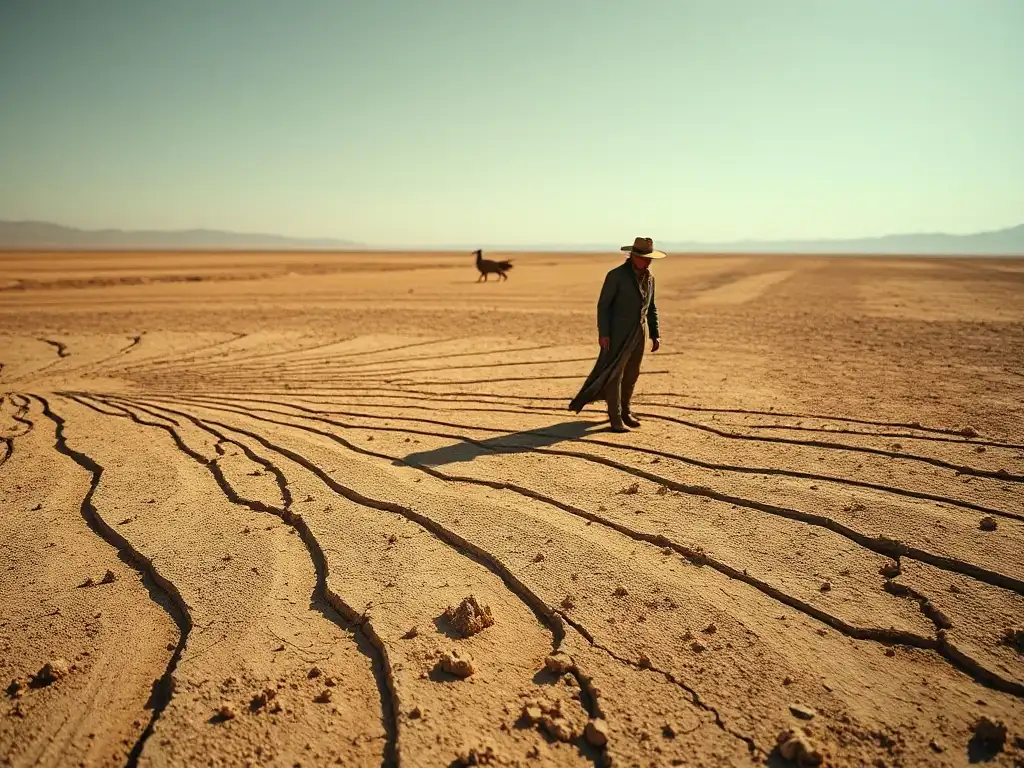
The Nazca Lines, sprawling geoglyphs etched into the Peruvian desert, continue to captivate and mystify. While their purpose remains debated, many misconceptions surround their creation, often overshadowing the ingenuity of the Nazca civilization. This section aims to dispel some of these persistent myths and highlight the impressive capabilities of the ancient Nazca people. Understanding the actual methods employed in the Nazca Lines creation is crucial to appreciating the true scale of this cultural achievement. The keyword "Nazca Lines creation theories" is often associated with fantastical explanations, but a closer look reveals a more grounded and equally fascinating reality.
Addressing the Myth of Extraterrestrial Involvement
The notion of extraterrestrial involvement in the creation of the Nazca Lines is a popular, albeit unsubstantiated, theory. While the sheer scale and precision of the geoglyphs are undeniably impressive, attributing their creation to advanced alien technology ignores the considerable archaeological evidence pointing to a human origin. The lines were not created overnight; their construction spanned centuries, reflecting a sustained cultural practice. Furthermore, the tools and techniques used by the Nazca, while sophisticated for their time, were entirely terrestrial.
Analysis of the lines reveals evidence of simple tools like stakes and ropes, used to create the outlines, and the removal of dark surface stones to reveal the lighter subsoil. The idea of advanced technology is simply not supported by the evidence. The mystery lies not in how they were created, but why. The "Nazca Lines creation theories" focusing on extraterrestrials ultimately lack scientific basis.
Correcting Misinformation About the Difficulty of Nazca Line Creation
Another common misconception is that the creation of the Nazca Lines was an incredibly difficult and technologically demanding feat. While the precision and scale are impressive, the process was, in fact, relatively straightforward, given the environmental conditions and available resources. The Nazca desert's arid climate and stable soil made the lines remarkably durable. The relatively flat terrain also simplified the process of layout and execution.
The prevailing winds played a role, too; they helped clear away loose soil and aided in the creation of the lines. Furthermore, the Nazca people possessed a deep understanding of their environment and utilized readily available resources effectively. The "Nazca Lines creation theories" that emphasize insurmountable difficulty often overlook these crucial contextual factors. The process was labor-intensive, undoubtedly, but not technologically impossible.
Understanding the Capabilities of the Nazca Civilization
The creation of the Nazca Lines showcases the remarkable engineering and organizational skills of the Nazca civilization. Their understanding of surveying, geometry, and resource management was sophisticated. The lines are not just random markings; they demonstrate a high level of planning and precision. Evidence suggests a system of carefully planned construction, involving substantial community effort and specialized labor.
The Nazca Lines creation wasn't a singular event but a continuous project spanning generations. This highlights not only their technological prowess but also their social organization and collective dedication to a significant cultural undertaking. The "Nazca Lines creation theories" should acknowledge the significant achievements of this Andean civilization rather than resorting to simplistic or fantastical explanations.
Their ingenuity, far from being miraculous, was the result of careful planning, skilled labor, and a deep understanding of their environment. This understanding is crucial to a balanced appreciation of the Nazca Lines and their creators. The lines stand as a testament to their sophisticated culture and enduring legacy.
The Ongoing Research and Discoveries Regarding Nazca Lines
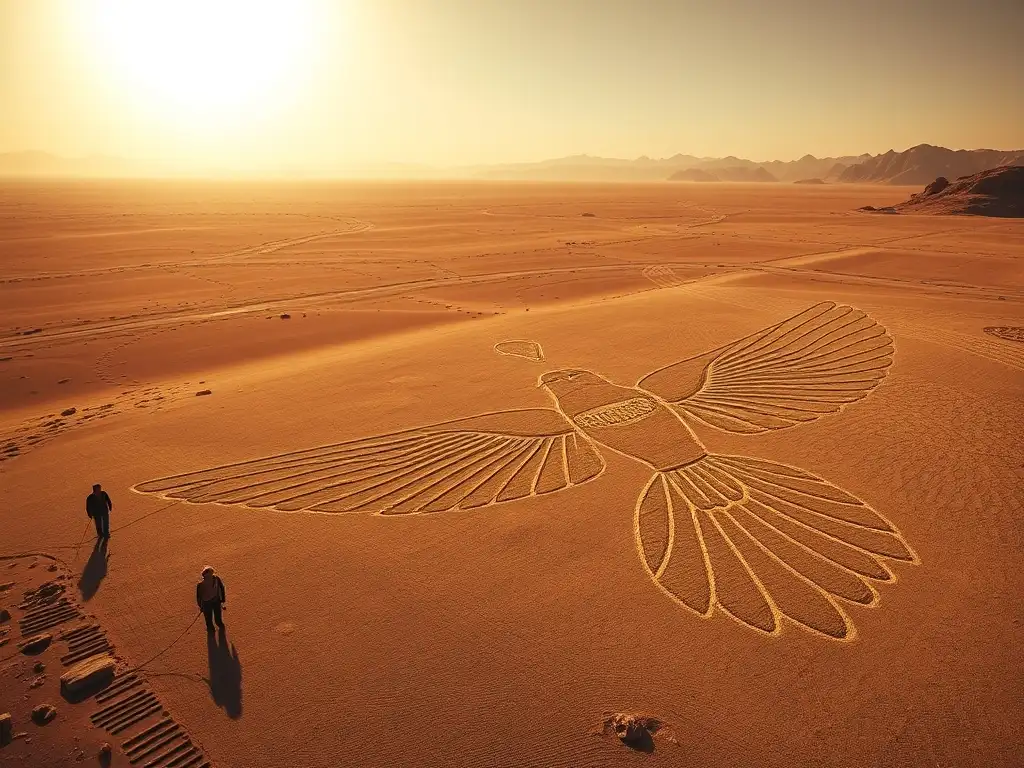
The quest to unravel the mysteries surrounding the Nazca Lines continues to captivate researchers worldwide. Decades of study have yielded fascinating insights, yet many questions remain unanswered. This ongoing investigation involves a multidisciplinary approach, drawing on expertise from archaeology, anthropology, geophysics, and remote sensing. The sheer scale and complexity of the geoglyphs demand innovative methodologies and collaborative efforts to fully comprehend their significance.
The challenges are immense, ranging from the harsh desert environment to the delicate nature of the lines themselves, necessitating careful preservation strategies alongside research activities. Understanding the creation of the Nazca Lines is intrinsically linked to understanding the Nazca culture itself, its beliefs, and its societal structures. The more we learn about the lines, the more we learn about this remarkable civilization.
New Technological Approaches to Studying the Geoglyphs
Recent advancements in technology have revolutionized the study of the Nazca Lines. Gone are the days of solely relying on ground-level observation. Now, researchers utilize high-resolution aerial photography, satellite imagery, and even drones equipped with LiDAR (Light Detection and Ranging) to create detailed three-dimensional models of the geoglyphs. This allows for a far more precise analysis of their dimensions, orientations, and relationships to one another.
Furthermore, ground-penetrating radar (GPR) is employed to investigate subsurface features, potentially revealing previously unknown structures or artifacts associated with the lines' creation. These technological advancements enable a more comprehensive understanding of the lines' design, construction, and evolution over time. For example, LiDAR scans have revealed previously unseen smaller figures and pathways connecting the larger geoglyphs, suggesting a more complex network than previously imagined. This level of detail is crucial for refining existing Nazca Lines creation theories and formulating new hypotheses.
Recent Findings and Their Impact on Understanding the Nazca Culture
Several recent findings have significantly impacted our understanding of the Nazca culture and its relationship to the geoglyphs. The discovery of [specific artifacts pending] near certain geoglyphs has provided valuable contextual information about the tools and techniques used in their construction. Analysis of these artifacts, along with ongoing chemical and isotopic studies of the soil and pigments, is gradually painting a clearer picture of the processes involved.
Moreover, research into Nazca settlements and burial sites is shedding light on the societal organization and beliefs that might have motivated the creation of these monumental works. Some theories suggest a connection to astronomical events or water management practices, while others propose a ritualistic or symbolic purpose.
The convergence of archaeological evidence with technological advancements is steadily refining our understanding of the Nazca Lines creation theories, moving beyond speculation towards more robust and data-driven interpretations. The ongoing excavation and analysis of [location of ongoing excavation pending] is expected to provide further crucial data in the coming years.
The Future of Nazca Lines Research and Preservation
The future of Nazca Lines research hinges on continued interdisciplinary collaboration and the adoption of sustainable preservation strategies. Protecting these fragile geoglyphs from the elements and human interference is paramount. This requires ongoing monitoring, responsible tourism practices, and the implementation of effective conservation measures.
Future research should focus on integrating diverse data sets—archaeological findings, technological surveys, and environmental analyses—to develop more comprehensive models of Nazca Lines creation. The development of advanced digital archives and virtual reality reconstructions will allow researchers and the public alike to engage with these remarkable works in new and exciting ways. Furthermore, fostering international cooperation and knowledge sharing will be crucial in ensuring the long-term preservation and understanding of this invaluable cultural heritage.
The ultimate goal is not only to decipher the mysteries of their creation but also to ensure that these iconic geoglyphs remain a source of wonder and inspiration for generations to come. The Nazca Lines, a testament to human ingenuity and cultural expression, deserve our utmost care and continued investigation.
Conclusion: The Enduring Fascination with the Nazca Lines
The Nazca Lines, sprawling across the Peruvian desert, continue to captivate the imaginations of researchers and the public alike. Their sheer scale, intricate detail, and the enduring mystery surrounding their creation make them a unique testament to the ingenuity and cultural complexity of the Nazca civilization. Decades of research have yielded several compelling theories regarding their purpose, yet many questions remain unanswered. The ongoing debate itself highlights the richness and enduring relevance of these ancient geoglyphs. The very act of searching for answers fuels our fascination, driving further investigation and deeper understanding of the Nazca people and their world. This enduring mystery, coupled with the breathtaking visual impact of the lines, ensures that the Nazca Lines will remain a subject of wonder and study for generations to come. The enigma of their creation fuels ongoing research and sparks a continuous dialogue about the capabilities and beliefs of ancient Andean cultures.
The Nazca Lines as a Testament to Ancient Andean Ingenuity
The creation of the Nazca Lines showcases an impressive level of planning, precision, and engineering skill. Consider the sheer scale: some figures stretch hundreds of meters long, requiring meticulous coordination and surveying techniques. The precision with which the lines were carved into the desert surface, often maintaining remarkably straight lines over considerable distances, is truly astounding.
The Nazca people lacked advanced tools or technologies like those available to us today. Their accomplishment, therefore, is even more remarkable, demonstrating a sophisticated understanding of geometry, land surveying, and potentially, even astronomical phenomena. Their ability to manipulate the desert landscape on such a vast scale speaks volumes about their organizational capabilities and collective effort.
The lines are not merely a collection of random markings; they represent a monumental undertaking, a testament to the ingenuity and collective effort of a highly organized society. The precision and scale of the project are remarkable, especially considering the tools and technology available to the Nazca people.
The Importance of Preserving the Nazca Lines for Future Generations
The Nazca Lines are a fragile part of our shared human heritage. The passage of time, along with environmental factors and human activity, pose significant threats to their preservation. Erosion from wind and rain gradually degrades the lines, while human encroachment and uncontrolled tourism can cause irreparable damage.
Therefore, the implementation and enforcement of strict preservation measures are crucial for safeguarding this invaluable archaeological site. This includes limiting access to certain areas, implementing sustainable tourism practices, and utilizing advanced technologies to monitor the lines' condition and detect any signs of deterioration. Protecting the Nazca Lines is not just a matter of preserving ancient artifacts; it's about preserving a significant piece of our collective history, a window into the past that offers insights into a remarkable civilization.
The lines' continued existence allows future generations to marvel at the ingenuity of the Nazca people and learn from their achievements. Active conservation efforts are vital to ensuring this legacy endures.
The Mysteries That Still Surround the Nazca Geoglyphs
Despite extensive research, several aspects of the Nazca Lines remain shrouded in mystery. The exact methods used to create the lines are still debated, with ongoing investigation into the tools and techniques employed by the Nazca people. While theories abound regarding their purpose—ceremonial rituals, astronomical observations, or perhaps a combination of both—no single explanation comprehensively accounts for all the features of these enigmatic geoglyphs.
The sheer number of figures and their diversity in design further complicate the quest for a definitive answer. Moreover, the lack of written records from the Nazca civilization itself poses a significant challenge to researchers. The ongoing research into the Nazca Lines highlights not only the complexity of the site but also the limitations of our current understanding of ancient Andean cultures.
The enduring mysteries only add to their allure and inspire further investigation, promising continued revelations about this remarkable cultural legacy. The unanswered questions continue to fuel scholarly debate and public fascination, maintaining the Nazca Lines' status as one of the world's most intriguing archaeological enigmas.
Frequently Asked Questions
What are the Nazca Lines?
The Nazca Lines are geoglyphs—giant figures and lines etched into the desert surface of southern Peru. They were created by the Nazca culture between 500 BC and 500 AD, and their purpose remains a mystery.
What are the leading theories about the creation of the Nazca Lines?
Several theories exist, including ceremonial purposes, astronomical alignments, and water sources. Some researchers suggest they may have served multiple functions.
How were the Nazca Lines created?
The Nazca people likely used simple tools to remove the dark reddish pebbles, exposing the lighter subsoil to create the designs. The vast scale of the lines is remarkable.
Why are the Nazca Lines so well-preserved?
The arid climate of the Nazca desert has played a crucial role in their preservation. Lack of rainfall and vegetation has helped protect the geoglyphs from erosion.
What is the significance of the Nazca Lines today?
The Nazca Lines are a UNESCO World Heritage site, attracting tourists and researchers alike. They represent a remarkable achievement of ancient Andean engineering and continue to inspire wonder and investigation.
Final Reflection: Unraveling the Enigma of the Nazca Lines
The enduring mystery of the Nazca Lines continues to captivate us, a testament to humanity's innate curiosity and our persistent desire to understand our past. These colossal geoglyphs, etched into the Peruvian desert millennia ago, challenge our assumptions about ancient civilizations and their capabilities, reminding us of the vast unknowns that still exist in our world. Their very existence sparks a fundamental question: what drives us to create, to leave our mark on the landscape, to communicate across the vast expanse of time?
The impact of the Nazca Lines extends far beyond their physical presence; they serve as a powerful symbol of the enduring human spirit and our capacity for monumental creation. They force us to reconsider our understanding of ancient societies, challenging simplistic narratives of technological limitations. The Nazca Lines are not merely lines in the sand; they are a testament to the ingenuity and vision of a people who dared to dream on a grand scale.
This quote, though not from a specific source, encapsulates the profound impact these enigmatic figures have on our perception of history and human potential. Their continued study fosters interdisciplinary collaboration, bringing together archaeologists, anthropologists, and engineers in a shared quest for understanding.
Consider the implications of this enduring mystery. What can you learn from the Nazca people's dedication to their art, their unwavering commitment to a vision that transcended generations? Let the enigma of the Nazca Lines inspire you to pursue your own passions with unwavering dedication, to leave your own unique mark on the world, however small. Embrace the mystery, the unknown, and the boundless potential that lies within you and the human spirit. The quest for understanding, like the creation of the Nazca Lines themselves, is a journey worth undertaking.
Unveil the Secrets of the Nazca Lines Today!
Thank you for exploring the fascinating world of the Nazca Lines with us! We hope you've gained valuable insights into the theories and mysteries surrounding these ancient wonders. Now, let's delve deeper!
- **Join the discussion** on our forums and share your thoughts on the Nazca Lines. Your perspective is crucial in unraveling these ancient enigmas!
- **Explore the archaeological sites** through virtual tours or in-person visits to fully appreciate the impact of these geoglyphs on Andean culture.
- **Share your knowledge**! Post about the Nazca Lines on social media, offering your unique perspective to spark interest and inspire others.
What is the most compelling unanswered question about the Nazca Lines in your opinion, and how would you like to contribute to solving this enduring puzzle?