
Nazca Textiles and the Cycle of Life: Birth, Death, and Rebirth in Weaving

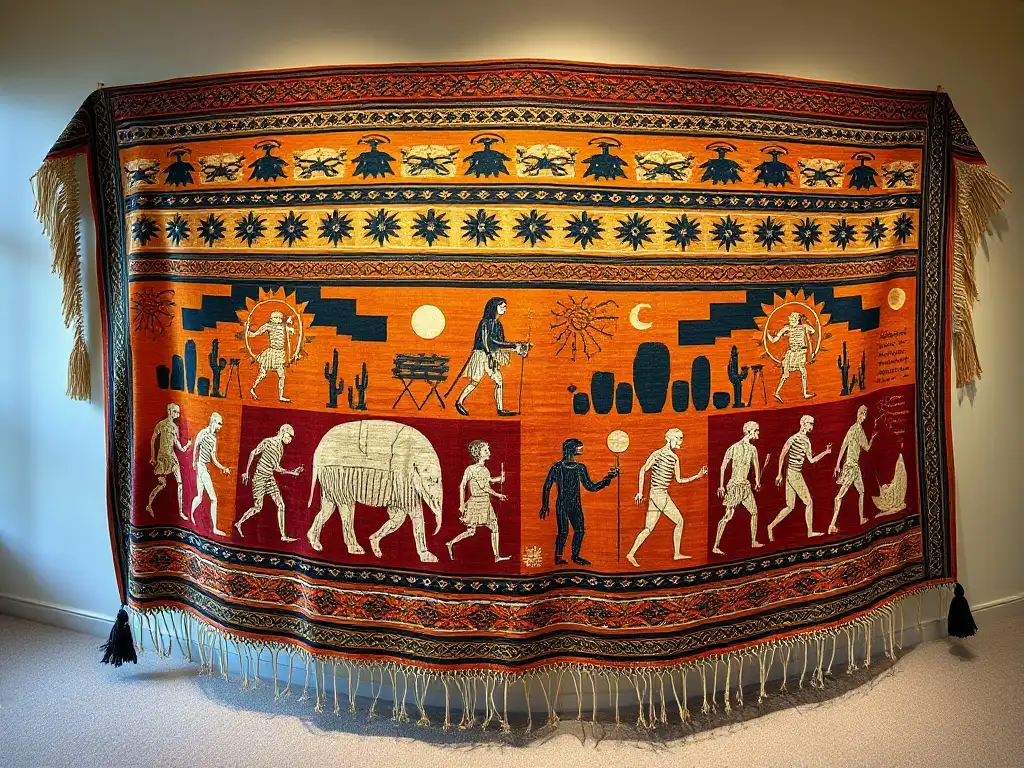
Step into a world lost to time, yet vibrantly alive in its legacy. Journey with us through the breathtaking tapestry of Andean civilizations, uncovering their remarkable achievements in art, technology, and societal structures. But prepare to be captivated by the intricate secrets woven into the Nazca textiles, where threads of vibrant color tell a profound story of life, death, and rebirth. Discover the hidden symbolism within these ancient masterpieces and unlock the mysteries they hold— a journey into the heart of the Nazca civilization awaits.
The Nazca civilization, flourishing along Peru's southern coast from approximately 100 BCE to 800 CE, left behind a legacy far beyond their enigmatic geoglyphs. Their mastery of textile production is particularly striking, revealing a sophisticated understanding of weaving techniques and a deeply symbolic worldview interwoven into the very fabric of their creations.
This article delves into the intricate world of Nazca textiles, exploring how their vibrant colors, complex patterns, and unique motifs reflect a profound understanding of the cycle of life—birth, death, and rebirth—a cosmological concept central to their culture. We will examine how specific symbols and designs within Nazca textiles provide crucial insights into their beliefs and rituals, offering a compelling window into the spiritual and social fabric of this remarkable civilization.
The rich symbolism embedded within these textiles provides a unique lens through which to understand Nazca cosmology and its profound influence on their artistic expressions. This exploration will illuminate the significance of Nazca textiles symbolism and its lasting impact on our understanding of Andean art and culture.
The Birth Motif: Fertility and Renewal in Nazca Weaving
Nazca textiles frequently depict imagery associated with fertility and renewal, reflecting the civilization's dependence on the unpredictable desert environment and their deep reverence for the forces of nature. These representations often feature stylized representations of plants, particularly cacti and beans, crucial elements in their agricultural economy. The vibrant colors, often reds, yellows, and greens, further emphasize the vitality and abundance associated with life's beginnings.
Many textiles include depictions of animals, such as hummingbirds and camelids, known for their reproductive capabilities and symbolic association with life-giving forces. The intricate weaving techniques themselves, demonstrating exceptional skill and patience, can be interpreted as a metaphor for the slow and careful process of nurturing life.
Detailed analysis reveals that certain patterns, repeated across numerous textiles, may represent specific plants or animals with significant cultural meaning, highlighting the importance of preserving and transmitting knowledge across generations. Further research is needed to fully decipher the nuanced meanings embedded in these depictions, but the overall message of fertility and renewal is undeniable.
Death and the Underworld: Representations of the Afterlife in Nazca Textiles
While birth and renewal are prominent themes, Nazca textiles also grapple with the concept of death and the afterlife. Unlike some cultures that shy away from depictions of death, the Nazca seem to have embraced it as an integral part of the cyclical nature of life. Certain textiles feature imagery that may represent the underworld, often characterized by darker colors and more abstract designs.
These designs, while complex and often difficult to interpret definitively, often incorporate motifs that might represent spirits or deities associated with the realm of the dead. The presence of skulls, or stylized representations of skulls, in some textiles further supports this interpretation.
The use of specific color palettes, such as deep blues and blacks, might also symbolically represent the darkness and mystery associated with the underworld. The careful and deliberate inclusion of these motifs suggests that the Nazca viewed death not as an end, but as a transition to another stage of existence within their cyclical worldview.
Rebirth and Cyclical Renewal: Weaving Together the Threads of Existence
The Nazca worldview, as evidenced by their textiles, emphasizes the cyclical nature of existence. Death, therefore, is not a finality but a necessary stage in a continuous process of renewal and rebirth. This concept is often symbolized through the juxtaposition of imagery associated with both life and death within a single textile.
For instance, a textile might feature vibrant depictions of plants and animals alongside more somber imagery representing the underworld. This interplay suggests a continuous cycle, where death nourishes the earth, leading to renewed growth and abundance. The use of specific weaving techniques, such as the incorporation of multiple colors and textures, might also symbolically represent the intertwining of life and death, highlighting the interconnectedness of these seemingly opposing forces.
The intricate patterns, often mirroring the cyclical nature of the seasons or the celestial movements, further reinforce this idea of continuous renewal and the cyclical nature of existence. The remarkable preservation of these textiles provides invaluable insights into the sophisticated cosmology of the Nazca civilization.
Further Research Areas
Further research into the specific symbolism of individual motifs within Nazca textiles is crucial to a complete understanding of their cosmology. This includes a more detailed analysis of color symbolism, weaving techniques, and the potential relationship between textile designs and other forms of Nazca art, such as pottery and geoglyphs. Comparative studies with other Andean cultures could also provide valuable context and shed further light on the unique characteristics of Nazca textile symbolism.
- The Birth Motif: Fertility and Renewal in Nazca Weaving
- Death and the Underworld: Representations of the Afterlife in Nazca Textiles
- Rebirth and Cyclical Renewal: Weaving Together the Threads of Existence
- What is the main focus of this article about Nazca textiles?
- How did the Nazca people use textiles?
- What kind of symbols are commonly found in Nazca textiles related to the cycle of life?
- What materials did the Nazca use to create their textiles?
- Where can I learn more about the symbolism in Nazca textiles?
The Enduring Legacy of Nazca Textile Art
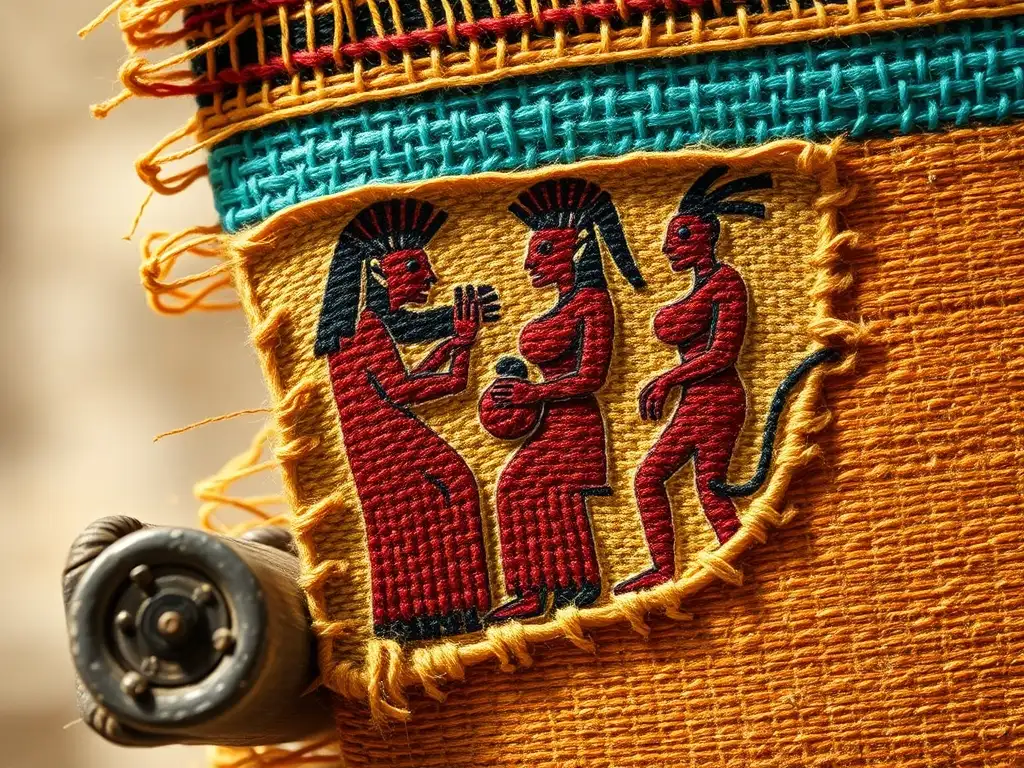
Introduction to Nazca Culture and Textile Production
The Nazca culture, flourishing on the southern coast of Peru from approximately 100 BCE to 800 CE, left behind a remarkable legacy, not only in their iconic geoglyphs but also in their exquisite textiles. These weren't merely functional items; Nazca textiles were imbued with profound symbolic meaning, reflecting their intricate worldview and sophisticated understanding of the natural world. Their mastery of textile production, using readily available resources like cotton and camelid fibers (alpaca and llama), showcases advanced techniques like tapestry weaving, brocade, and embroidery.
The vibrant colors, achieved through natural dyes derived from plants, minerals, and insects, further highlight the artistry and technical skill involved. Archaeological evidence reveals that textile production was likely a specialized craft, with individuals or groups dedicated to creating these elaborate pieces. The complexity of the designs and the sheer volume of surviving textiles suggest a significant investment of time and effort, underscoring the importance of textiles within Nazca society.
The preservation of these textiles, often found in burial contexts, provides invaluable insights into their cultural significance and the beliefs surrounding life, death, and the afterlife. Analyzing the "Nazca textiles symbolism" present in these artifacts allows us to better understand their complex social structures and religious practices.
The Significance of Weaving in Ancient Nazca Society
Weaving in Nazca society transcended mere utilitarian function; it was deeply intertwined with their spiritual beliefs and social structures. The act of weaving itself may have been seen as a sacred ritual, connecting the craftspeople to the cosmic order. Many researchers suggest that the intricate patterns and motifs found on Nazca textiles represent a complex system of symbolism related to their cosmology, agriculture, and social hierarchy. For example, representations of stylized animals, such as birds, felines, and snakes, are frequently encountered.
These animals weren't merely decorative elements; they likely held significant religious or shamanistic importance, possibly embodying specific deities or representing key aspects of the Nazca worldview. Furthermore, the use of specific colors likely carried symbolic weight, with certain hues associated with particular deities or events. The meticulous detail and precision in the execution of these designs highlight the high value placed upon textile production and its social and religious significance within the Nazca culture. The creation of these textiles wasn't simply a craft; it was a powerful means of expressing their beliefs and transmitting their cultural heritage.
Understanding the intricate "Nazca textiles symbolism" is crucial for deciphering the complex narratives woven into these remarkable artifacts. Further research into the specific dyes and their sources could shed even more light on the symbolic meanings embedded within the textiles. The study of Nazca textiles provides a unique window into the minds and beliefs of this fascinating ancient civilization, revealing a sophisticated and complex society with a deep connection to the natural and spiritual worlds. The enduring legacy of Nazca textile art continues to inspire awe and wonder, offering valuable insights into the rich tapestry of Andean civilization.
Nazca Textiles Symbolism: Unveiling the Meaning
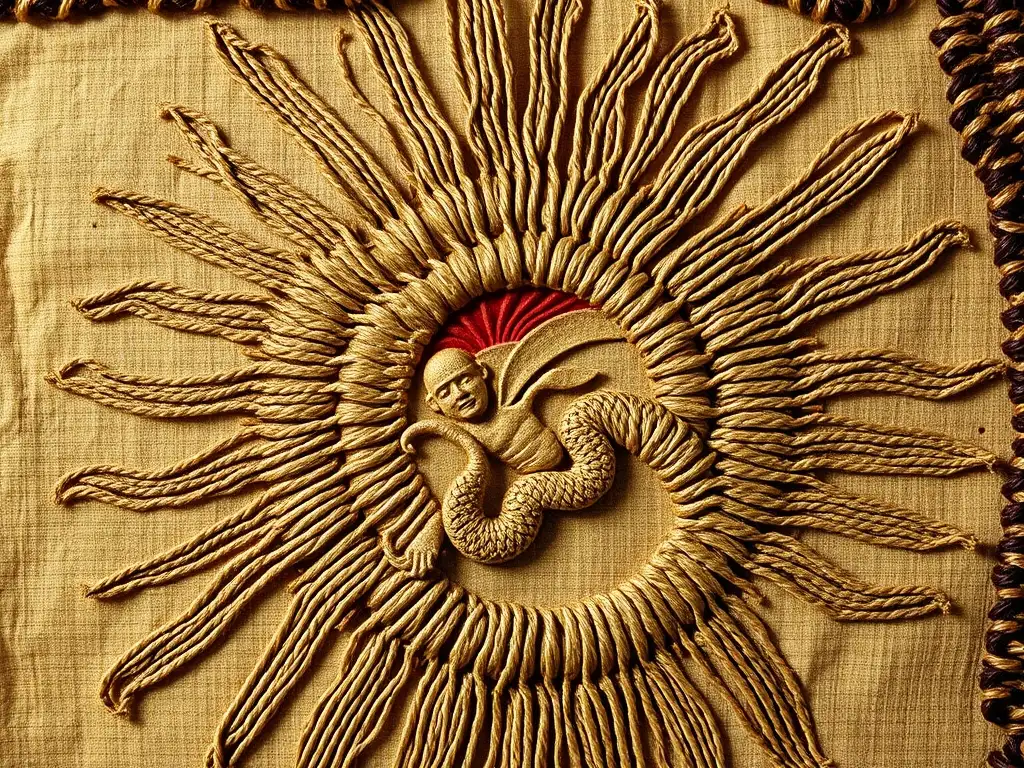
The intricate artistry of Nazca textiles offers a captivating window into the worldview of this remarkable Andean civilization. More than mere adornment, these woven masterpieces served as powerful carriers of symbolic meaning, reflecting their complex beliefs about life, death, and the cyclical nature of existence. Understanding the symbolism embedded within Nazca textiles provides invaluable insight into their social structures, religious practices, and cosmological understanding. The study of "Nazca textiles symbolism" reveals a sophisticated system of visual communication, rich in layers of meaning waiting to be deciphered.
Decoding the Motifs: Animals, Plants, and Mythological Figures
Nazca textiles are teeming with vibrant depictions of animals, plants, and figures that appear to be mythological in nature. These motifs are not randomly placed; rather, they are carefully arranged to convey specific messages. For example, the frequent appearance of birds, such as condors and hummingbirds, likely relates to their spiritual significance. Condors, with their ability to soar to great heights, might have symbolized connection to the gods or the spirit world. Hummingbirds, known for their swiftness and vibrant colors, could have represented agility, beauty, or perhaps even shamanic powers.
Similarly, depictions of plants, such as cacti and flowers, likely held symbolic value related to fertility, abundance, and the cyclical nature of life and death. The arid coastal environment of the Nazca region made water and plant life precious resources, imbuing them with profound symbolic weight. The careful rendering of botanical details suggests a deep understanding and appreciation of the natural world.
Furthermore, the presence of anthropomorphic figures, often depicted in elaborate headdresses and ceremonial attire, hints at a complex mythology involving deities or powerful shamans. These figures, frequently presented alongside animal and plant motifs, may represent interactions between the human and supernatural realms. The specific iconography of these figures remains a subject of ongoing research, but their prominent role in Nazca textile designs points to a rich and intricate belief system.
Analyzing the positioning and interaction of these various motifs within a single textile provides further clues to their intended meaning. For example, a textile showing a condor perched atop a flowering cactus might represent the union of the spiritual and earthly realms, or the cyclical renewal of life sustained by nature's bounty.
The Role of Color in Nazca Textile Iconography
Color plays a crucial role in interpreting the symbolism of Nazca textiles. The Nazca people utilized a range of natural dyes derived from plants and minerals, creating a striking palette of vibrant hues. Each color likely held specific symbolic meaning, contributing to the overall message conveyed by the textile.
For instance, red, a prominent color in many Nazca textiles, might have represented blood, fertility, or perhaps even the life-giving power of the sun. White, often associated with purity and sanctity in many cultures, could have signified spiritual aspects or the connection to the ancestors. The combination of colors within a single design further expands the potential interpretations. A textile featuring a red bird against a white background might symbolize the union of life and spirituality.
The careful selection and arrangement of color provides an additional layer of complexity to the visual language of Nazca textiles. Further research is needed to fully understand the nuanced meanings associated with each color and their various combinations. Detailed chemical analysis of the dyes used could provide further evidence to support or refute existing hypotheses regarding color symbolism.
Interpreting Geometric Patterns in Nazca Weavings
Beyond the representational motifs, geometric patterns form a significant component of Nazca textile designs. These patterns, often composed of intricate stripes, triangles, and zigzags, are far from random. They likely hold symbolic meanings related to cosmology, social organization, or perhaps even mathematical concepts. The precision and complexity of these geometric patterns demonstrate the advanced weaving techniques employed by Nazca artisans.
The repetition of certain patterns across multiple textiles suggests a standardized system of visual communication. This standardization could indicate the existence of specific social groups or clans, each with its own distinct visual language. The arrangement and variation of these geometric patterns might also encode information about social status, lineage, or religious affiliation. The study of geometric patterns in Nazca textiles represents an ongoing challenge for researchers, as deciphering their meaning requires a deep understanding of the broader cultural context.
Comparative analysis with other Andean textile traditions might shed light on the potential meanings of these abstract designs. Careful documentation and cataloging of these patterns is crucial for furthering our understanding of Nazca textile symbolism. The development of a comprehensive database of Nazca textile designs would be a valuable resource for future research in this field.
The Cycle of Life Reflected in Nazca Textiles
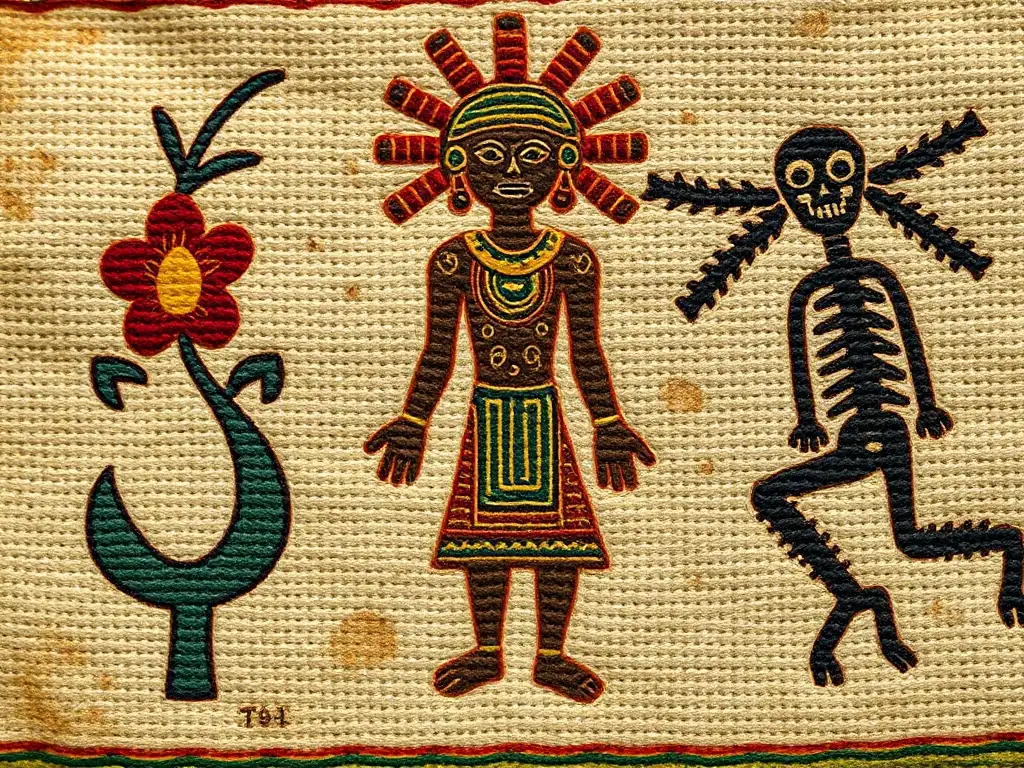
The intricate textiles of the Nazca civilization, renowned for their vibrant colors and complex designs, offer a captivating window into their worldview. Far from mere decorative items, these woven masterpieces served as powerful mediums for expressing profound beliefs about life, death, and the cyclical nature of existence. The symbolism embedded within Nazca textiles provides invaluable insights into their cosmology and social structures, enriching our understanding of "Nazca textiles symbolism".
Analyzing these patterns reveals a sophisticated understanding of the natural world and its influence on their lives. The recurring motifs, meticulously crafted into the fabrics, tell a story of continuous renewal, mirroring the Andean landscape's cycles of growth and decay.
Birth and Creation: Symbolism of Fertility and New Beginnings
Nazca textiles frequently depict scenes celebrating fertility and new beginnings. Representations of stylized plants, especially cacti and maize – vital to their subsistence – abound. These aren't simply botanical renderings; they symbolize abundance, prosperity, and the continuous cycle of life.
The vibrant colors, often deep reds and greens, further emphasize this theme of flourishing life. For example, a common motif shows a stylized cactus plant with multiple arms, each bearing a fruit, suggesting prolific growth and a bountiful harvest. This is intrinsically linked to the survival and continuity of the Nazca people.
Furthermore, anthropomorphic figures, often depicted with exaggerated reproductive features, are prevalent, reinforcing the emphasis on fertility and the continuation of the lineage. The careful arrangement of these figures within the textile's overall design suggests a deliberate intention to convey the importance of procreation and the renewal of life. The use of specific colors, such as the deep red often associated with blood and life force, emphasizes this connection.
Life and Transformation: Representations of Daily Life and Rituals
Beyond the themes of birth and creation, Nazca textiles also vividly portray aspects of daily life and ritual practices. Detailed depictions of hunting scenes, agricultural activities, and ceremonial events offer a glimpse into the social organization and religious beliefs of the Nazca. The weaving techniques themselves, often involving intricate tapestry or brocade, mirror the complexity of their society.
For example, a textile might show a procession of figures carrying offerings, suggesting a religious ceremony. The careful rendering of details, from the clothing of the figures to the objects they carry, speaks to the importance of these events in their cultural landscape. The use of geometric patterns, intertwined with representations of animals and plants, possibly reflects the integration of the natural and spiritual worlds in Nazca society.
The variety in these scenes, observed across numerous surviving textiles, points to a dynamic and diverse cultural life, offering a rich tapestry of daily activities and beliefs. The intricate detail and precision of these depictions are testament to the skill and artistry of the Nazca weavers.
Death and Rebirth: Funerary Textiles and the Afterlife
Nazca textiles played a significant role in funerary practices, reflecting beliefs about the afterlife and the cyclical nature of existence. Many textiles have been discovered in tombs, often wrapped around the deceased or accompanying grave goods. These funerary textiles frequently feature motifs associated with death and transformation, such as stylized representations of skulls and skeletons, alongside images of birds and other creatures often associated with the spirit world in Andean cultures.
The colors used in these funerary textiles often shift from the vibrant hues of life-affirming textiles to a palette of muted earth tones, reflecting a transition to the underworld. While the imagery might seem somber, it's crucial to understand it within the context of Andean cosmology, where death is not an end but a transformation into another realm. The continued use of intricate weaving techniques demonstrates the enduring importance of these textiles even in the context of death.
The presence of these textiles in funerary contexts reinforces the idea of a continuous cycle, where death is merely a transition leading to rebirth or transformation in the afterlife. The inclusion of such textiles suggests that the Nazca believed these woven narratives would accompany the deceased into the next phase of their existence.
Techniques and Materials in Nazca Textile Creation
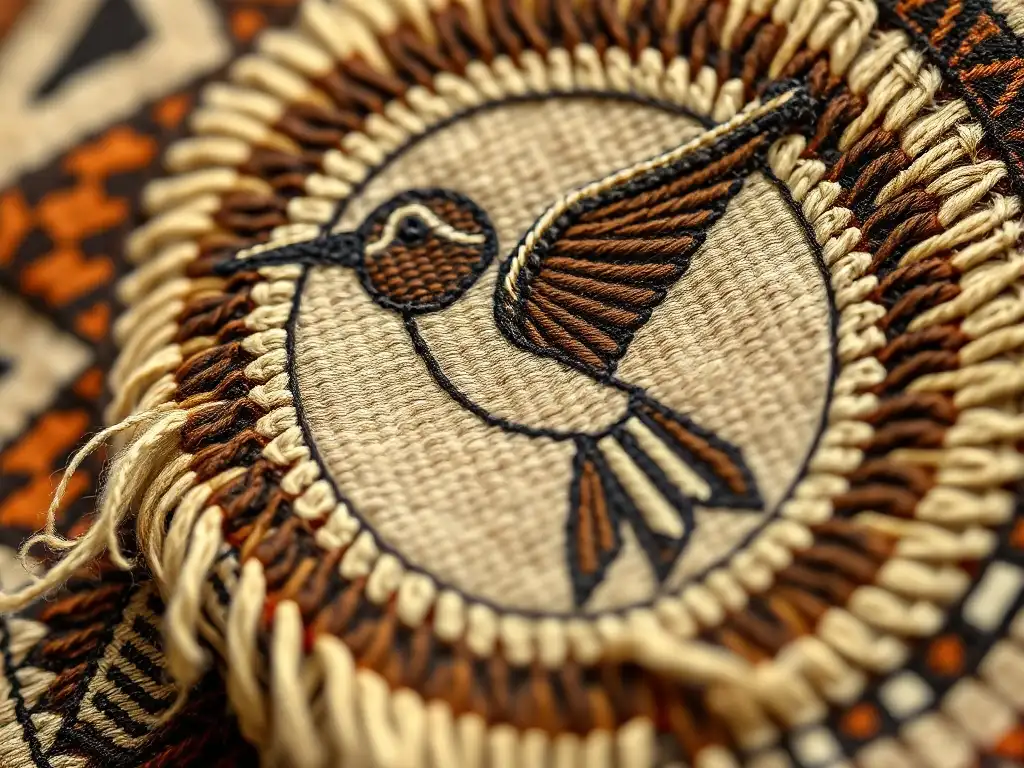
The intricate artistry of Nazca textiles is inseparable from the techniques and materials employed by their creators. Understanding these aspects reveals a deep connection between the Andean worldview and the practicalities of textile production, offering a richer understanding of the symbolism woven into each piece. The remarkable preservation of many examples allows for detailed analysis, revealing sophisticated techniques and a keen understanding of natural resources. This section delves into the specific methods and materials, highlighting their significance within the context of Nazca culture and the overall "Nazca textiles symbolism".
The Art of Andean Weaving: Looms and Weaving Methods
Andean weaving, particularly during the Nazca period, was a highly skilled craft passed down through generations. While the exact types of looms used by the Nazca are still being studied, evidence suggests the prevalence of backstrap looms—simple yet versatile tools allowing for intricate designs. These looms, often portable, enabled weaving in various locations, potentially connecting the act of weaving to specific rituals or geographical significance.
The backstrap loom's limitations in width dictated the creation of narrower textiles, often joined together to create larger pieces. This technique itself may hold symbolic meaning, representing the interconnectedness of life or the joining of different aspects of the community. The precision and consistency seen in many Nazca textiles point to a high level of skill and mastery of the backstrap loom technique.
Further research on surviving loom weights and fragments of loom structures is needed to fully understand the specific nuances of Nazca weaving technology. The complexity of some designs, however, suggests that more advanced loom types may have also been employed, although this requires more archaeological evidence.
Natural Dyes and the Vibrant Palette of Nazca Textiles
The striking colors of Nazca textiles are a testament to the Andean mastery of natural dyes derived from plants, insects, and minerals. The vibrant reds, yellows, browns, and blues found in many surviving examples are the result of meticulous processes, often involving complex preparation and multiple dyeing steps. For instance, the rich reds were likely obtained from cochineal insects, while yellows originated from various plants like achiote.
The precise recipes and techniques remain largely unknown, but the consistent quality and intensity of the colors across numerous textiles showcase a sophisticated understanding of dyeing chemistry. The careful selection and application of these dyes extended beyond mere aesthetics; the colors themselves likely held symbolic meaning within the Nazca worldview, possibly representing specific deities, elements of nature, or stages of life.
The permanence of some dyes further underscores their importance, indicating a desire to maintain the integrity of the color and, by extension, the symbolism it conveyed through time. The variation in color intensity and shades across different textiles also reveals a level of artistry and individual expression within the standardization of the dyeing practices.
Materials Used: Cotton, Camelid Fibers, and Their Significance
Nazca textiles are predominantly crafted from cotton and camelid fibers—alpaca and llama wool. The selection of these materials was not arbitrary; they held deep cultural and practical significance. Cotton, prized for its softness and absorbency, was likely cultivated in the fertile valleys, reflecting the importance of agriculture in Nazca society. The use of camelid fibers, sourced from the animals crucial to the Andean economy, further highlights the integration of textile production within the broader social and economic structure.
The careful selection and preparation of these fibers influenced the final texture and durability of the textiles. The combination of cotton and camelid fibers, sometimes within the same garment, may have represented the integration of different aspects of the Nazca environment and its resources or the blending of the earthly and spiritual realms. The use of specific fiber types in particular contexts, such as funerary textiles versus everyday garments, may reveal additional layers of symbolic meaning.
Further research is needed to fully characterize the fiber sources and to understand the precise techniques used in preparing the fibers for spinning and weaving. The careful consideration given to the choice of materials clearly demonstrates the profound connection between the Nazca people and their environment, and underscores the importance of textiles within their socio-cultural context. This attention to detail contributes significantly to our understanding of "Nazca textiles symbolism".
Nazca Textile Preservation and Modern Interpretation
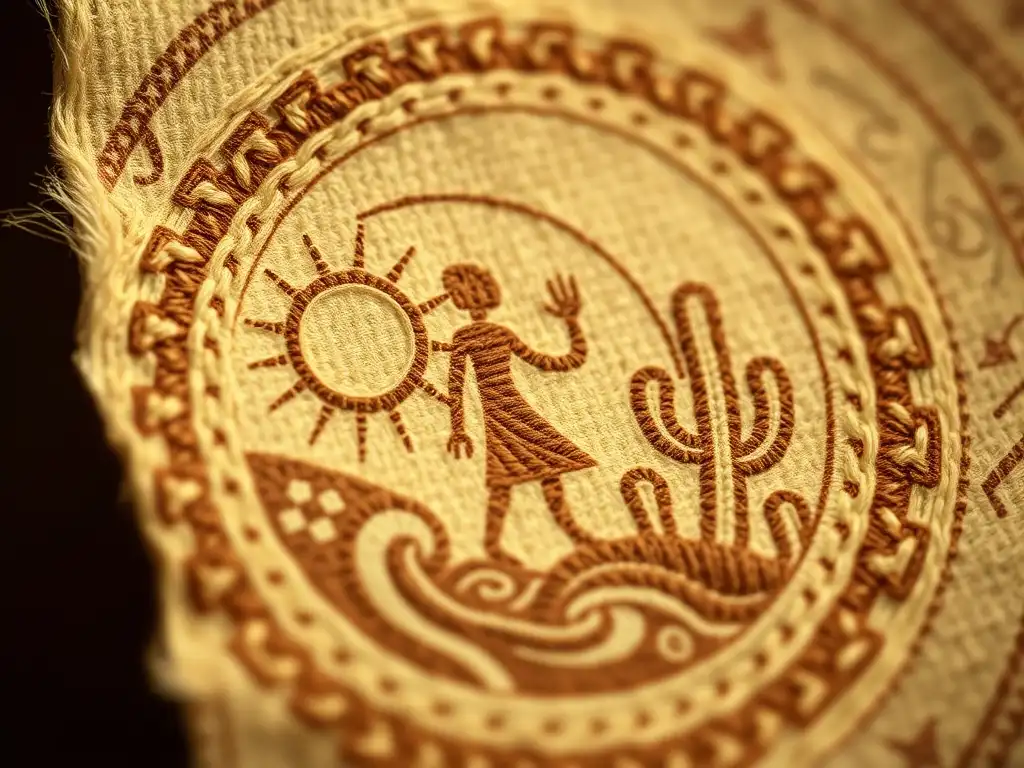
The fragility of Nazca textiles presents significant challenges to their long-term preservation. These delicate artifacts, often made from camelid fibers like alpaca and llama wool, are susceptible to a range of detrimental factors. Understanding these threats is crucial for effective conservation strategies aimed at safeguarding this irreplaceable cultural heritage. The keyword "Nazca textiles symbolism" is intrinsically linked to preservation efforts, as the accurate interpretation of the designs relies on the textiles' survival.
Challenges in Preserving Ancient Nazca Textiles
The primary challenge lies in the inherent vulnerability of the materials themselves. Years of exposure to the harsh desert climate, including extreme temperature fluctuations and aridity, have caused significant damage. The fibers have become brittle and prone to breakage, while the dyes, often derived from natural sources, have faded or deteriorated.
Furthermore, the textiles are susceptible to infestations by insects and microorganisms, which can further compromise their structural integrity. Another significant threat comes from improper handling and storage practices. Lack of awareness regarding appropriate conservation methods in the past has resulted in irreversible damage to many valuable textiles.
For instance, the use of unsuitable cleaning agents or exposure to excessive light can lead to irreversible color loss and fiber degradation. Detailed documentation of current preservation techniques and ongoing research on improved methods are urgently needed to minimize further damage and better preserve the existing collection of Nazca textiles for future generations. This is critical to understanding the rich tapestry of Nazca textiles symbolism.
Modern Studies and Research on Nazca Textile Art
Modern research on Nazca textiles combines scientific analysis with art historical interpretation to unravel the complexities of their symbolism and production techniques. Scientists employ advanced imaging techniques, such as microscopy and spectroscopy, to analyze the dyes and fibers, providing insights into the materials used and the methods of production. This detailed analysis sheds light on the sophisticated artistry of the Nazca weavers and offers further understanding of the "Nazca textiles symbolism" embedded within the designs.
Art historians, meanwhile, delve into the iconography, identifying recurring motifs and analyzing their potential meanings within the broader context of Nazca culture and beliefs. Comparative studies with other Andean textile traditions help contextualize Nazca textile art and highlight its unique characteristics. The integration of scientific and art historical approaches is essential for a comprehensive understanding of these remarkable artifacts.
For example, recent studies have revealed the use of specific dye plants, revealing insights into the Nazca's knowledge of their environment and their sophisticated understanding of color production. This interdisciplinary approach offers a deeper understanding of the intricate "Nazca textiles symbolism" than previously possible.
The Continuing Relevance of Nazca Textile Symbolism Today
The enduring power of Nazca textile symbolism lies in its ability to connect us to a vibrant ancient culture. The intricate designs, often depicting mythical creatures, deities, and scenes from daily life, offer a valuable window into the beliefs, values, and social structures of the Nazca people. The research into "Nazca textiles symbolism" continues to reveal new interpretations and insights, challenging established narratives and expanding our understanding of this fascinating culture.
The motifs found on these textiles—birds, stylized plants, and geometric patterns—often carry symbolic weight related to fertility, death, rebirth, and the cyclical nature of life. Modern interpretations of these symbols enrich our understanding of Andean cosmology and highlight the enduring relevance of these ancient narratives. Furthermore, the study of Nazca textile symbolism contributes to a broader understanding of textile traditions across the Andes, highlighting the continuity and evolution of artistic expression and cultural beliefs throughout the region.
The ongoing research into Nazca textiles serves not only to preserve this unique cultural heritage but also to illuminate its enduring significance in our understanding of the human experience. The study of "Nazca textiles symbolism" provides a compelling avenue for exploring the rich cultural heritage of the Nazca civilization and its lasting impact on subsequent Andean cultures.
Conclusion: The Eternal Message of Nazca Weaving
The intricate artistry of Nazca textiles offers a captivating glimpse into the worldview of this remarkable Andean civilization. More than mere clothing or adornment, these woven masterpieces served as powerful mediums for expressing complex beliefs about life, death, and rebirth. By meticulously analyzing the symbolism woven into their designs, we gain a deeper understanding of Nazca cosmology, social structures, and daily life.
The vibrant colors, intricate patterns, and symbolic motifs all contribute to a rich tapestry of meaning, revealing a sophisticated understanding of the natural world and their place within it. The enduring legacy of Nazca textiles lies not only in their aesthetic beauty but also in their ability to connect us to a past that continues to resonate with profound significance. Understanding the Nazca textiles symbolism is crucial to appreciating the depth and complexity of this ancient culture.
Nazca Textiles: A Window into a Complex Worldview
The vibrant hues and intricate designs found in Nazca textiles are not random; they reflect a deeply ingrained cosmology and a sophisticated understanding of the natural world. Researchers have identified recurring motifs, such as stylized birds, feline figures, and geometric patterns, which are believed to represent deities, ancestors, and important aspects of their environment. For instance, the frequent depiction of hummingbirds might symbolize swiftness, agility, and connection to the spiritual realm.
Similarly, the recurring presence of snakes could represent fertility, water sources, and the underworld. The careful arrangement of these elements within the textile's design suggests a deliberate attempt to communicate complex narratives and beliefs. Analysis of these patterns reveals a society deeply connected to its environment and acutely aware of the cyclical nature of life and death, a theme powerfully reflected in the use of colors.
For example, the use of deep reds and oranges might represent the sun's life-giving energy, while darker blues and greens could symbolize the earth and the underworld, reflecting the cyclical nature of their worldview. Further research into the specific dyes and their sources could provide even more detailed insights into the Nazca understanding of their environment and its symbolic representation in their textiles. The complexity of this worldview is further emphasized by the variety of techniques employed in weaving, demonstrating a high level of technical skill and artistic sophistication.
The Enduring Power of Symbolism in Ancient Andean Art
The symbolism embedded within Nazca textiles is not unique to this particular culture. It's part of a broader tradition of symbolic representation found throughout ancient Andean art. From the monumental structures of Tiahuanaco to the intricate pottery of the Moche, symbolic imagery played a central role in expressing religious beliefs, social hierarchies, and cosmological understandings.
The continuity of these themes across different Andean cultures highlights the enduring power of symbolism as a means of transmitting knowledge and beliefs across generations. This shared symbolic language reflects a common thread connecting diverse Andean societies, suggesting a level of cultural exchange and shared ideological frameworks. The analysis of Nazca textile symbolism, therefore, should not be considered in isolation but within the broader context of ancient Andean artistic traditions.
Understanding this broader context enriches our interpretation of Nazca textiles and provides a deeper understanding of the cultural landscape of the Andean region. The repetition of certain motifs across different media and cultures strengthens the hypothesis that these symbols held significant cultural and religious meaning.
The Importance of Preserving Nazca Heritage
The preservation of Nazca textiles is crucial for understanding this remarkable civilization. These fragile artifacts are susceptible to damage from environmental factors and human intervention. Efforts to conserve these textiles, through careful preservation techniques and responsible research practices, are essential for safeguarding this invaluable part of our shared cultural heritage.
The study of Nazca textiles symbolism relies heavily on the preservation of these artifacts. Furthermore, engaging local communities in preservation efforts is crucial; their knowledge and connection to their ancestral heritage are invaluable in ensuring the long-term protection of these significant pieces of history. Investing in research, conservation, and community engagement programs is not just about protecting artifacts; it's about preserving knowledge, understanding, and appreciation for the rich cultural legacy of the Nazca people.
The ongoing efforts to understand and preserve these textiles contribute to a broader appreciation of the achievements of Andean civilizations and their enduring impact on world culture. The protection of Nazca textiles is paramount for future generations to appreciate and learn from the rich tapestry of their cultural heritage.
Frequently Asked Questions
What is the main focus of this article about Nazca textiles?
This article explores the symbolism within Nazca textiles, focusing on how weaving patterns represent the cycle of life, encompassing birth, death, and rebirth. It connects the designs to the Andean worldview.
How did the Nazca people use textiles?
Nazca textiles served various purposes, from everyday clothing and ceremonial garments to funerary offerings. Their intricate designs held significant cultural and spiritual meaning.
Common symbols include depictions of animals, plants, and human figures, often arranged to represent stages of life and the cyclical nature of existence. Geometric patterns also play a significant role.
What materials did the Nazca use to create their textiles?
Nazca textiles were primarily made from cotton and camelid fibers, such as alpaca and llama wool. The dyeing techniques they used produced vibrant and long-lasting colors.
Where can I learn more about the symbolism in Nazca textiles?
This article provides a starting point. For further research, explore academic journals focusing on Andean archaeology and textile studies, and museums with collections of Nazca textiles.
Final Reflection: Weaving the Threads of Time and Meaning
The vibrant artistry of Nazca textiles isn't merely a relic of the past; it's a powerful testament to the enduring human experience of birth, death, and rebirth, a cycle as relevant today as it was centuries ago. The intricate designs, the carefully chosen colors, and the very act of weaving itself speak to a profound understanding of life's cyclical nature, a wisdom that resonates deeply with our modern understanding of impermanence and renewal.
The enduring influence of Nazca textile symbolism on our understanding of ancient Andean culture is undeniable. Their imagery continues to inspire artists, scholars, and spiritual seekers alike, prompting us to contemplate the interconnectedness of all things. The threads of our lives are interwoven, just as the threads of a Nazca textile are intricately connected, forming a tapestry of existence.
This quote, though not from a historical source, captures the essence of the profound interconnectedness revealed through the study of these remarkable artifacts. The motifs of animals, plants, and mythical beings, far from being mere decoration, serve as potent symbols that guide us towards a deeper appreciation of the cyclical nature of life and the delicate balance between creation and destruction.
Consider the intricate patterns, the vibrant colors, the sheer skill involved in creating these textiles. Now, consider your own life, your own journey. What threads are you weaving into the tapestry of your existence? What symbols resonate with you, and what stories are you telling through your actions and choices? Let the legacy of the Nazca weavers inspire you to live a life rich in meaning, purpose, and a profound appreciation for the cyclical nature of life, death, and rebirth. Embrace the beauty of impermanence, and weave your own unique and vibrant pattern into the grand tapestry of humanity.
Embrace the Cycle: Weave Your Journey Today!
Thank you for exploring the fascinating world of Nazca textiles! You've discovered the deep connection between weaving and the cycles of life, a world rich in symbolism and cultural significance. Now, let that inspiration enrich your own life.
Here are some ways to begin your own journey:
- Start a weaving project: Whether you're an experienced weaver or a complete beginner, gather some yarn and let your creativity guide you. Consider incorporating symbols or themes inspired by what you've learned about Nazca textiles.
- Support local artisans: Connect with your community by supporting local weavers and artisans. Discover their unique stories and techniques, and contribute to the ongoing cycle of creativity.
- Share your knowledge: Join online forums or local groups dedicated to textile arts. Sharing your insights and experiences fosters enriching conversations and a deeper understanding of this ancient craft.
How does the weaving cycle resonate with you personally, and how do you see its reflection in your own life?