
Nazca Lines: Exploring the Trapezoids and Rectangles

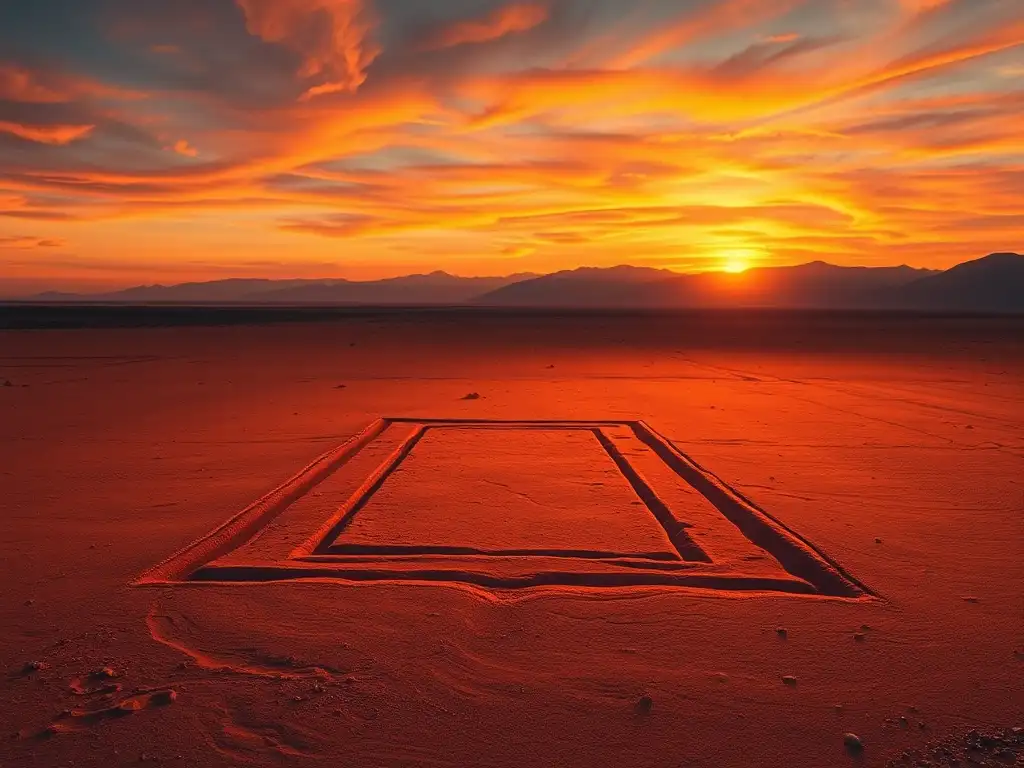
Unravel the mysteries of the Andes! Journey through millennia of captivating cultures, from the intricate artistry of the Moche to the awe-inspiring engineering of the Incas. But what secrets lie hidden within the enigmatic Nazca Lines? This website delves into the heart of Andean civilization, and we begin with an exploration of the perplexing Nazca Lines trapezoid meaning – a puzzle that continues to baffle and fascinate researchers to this day. Dare to discover the answers?
- Nazca Lines: Decoding the Mysteries of Trapezoids and Rectangles
- Nazca Lines Trapezoid Meaning: Purpose and Interpretation
- Rectangular Geoglyphs: Similarities and Differences
- Construction Techniques of Nazca Trapezoids and Rectangles
- The Cultural Context of Nazca Geometric Shapes
- Analyzing Specific Examples of Trapezoids and Rectangles
- The Enduring Legacy of Nazca Lines
- Frequently Asked Questions
- Final Reflection: Unraveling the Enigma of the Nazca Trapezoids
- Uncover the Secrets of the Nazca Lines!
Nazca Lines: Decoding the Mysteries of Trapezoids and Rectangles
The Nazca Lines, etched into the Peruvian desert, stand as one of humanity's most enduring enigmas. While the iconic depictions of animals and plants are widely recognized, the vast expanse of geometric figures—particularly the numerous trapezoids and rectangles—remain a subject of ongoing scholarly debate and fascination.
This article delves into the world of these geometric Nazca geoglyphs, exploring their potential meanings and significance within the broader context of Nazca culture. We will examine the intricate details of these shapes, considering their possible astronomical, ritualistic, or social functions, and assess the current state of research on this captivating aspect of the Nazca Lines.
Understanding the meaning behind these trapezoids and rectangles is crucial to unlocking a deeper comprehension of the Nazca people's worldview and their remarkable artistic and engineering capabilities. The quest to decipher their purpose continues to inspire awe and drive ongoing research, pushing the boundaries of our understanding of this ancient civilization.
Introduction to Nazca Geoglyphs: Beyond the Figures
The Nazca Lines are far more than just the instantly recognizable images of animals and plants. Spanning hundreds of square kilometers across the arid Pampa Colorada and surrounding plains, the geoglyphs encompass a vast array of shapes and designs. While the zoomorphic and anthropomorphic figures often steal the spotlight, the sheer number and complexity of the geometric forms—primarily trapezoids and rectangles, but also triangles, spirals, and lines—are equally impressive and arguably even more mysterious. These geometric designs, often arranged in complex patterns and formations, were created by removing the dark reddish-brown surface layer of the desert to reveal the lighter subsoil. This process, requiring immense precision and effort, highlights the sophisticated understanding of engineering and planning inherent in Nazca society. The sheer scale of these geometric figures, some stretching hundreds of meters, is breathtaking, prompting questions about the tools, techniques, and organizational structures necessary for their creation.
The creation of these geoglyphs involved meticulous planning and execution. Archaeological evidence suggests the use of simple tools such as stakes and ropes to lay out the designs, but the precision achieved remains astonishing. The choice of location, on the flat, stable desert floor, further highlights the careful consideration given to the creation and preservation of these monumental works. The impact of the desert environment on preservation is also a key factor, with the arid climate acting as a natural preservative, allowing these intricate designs to survive for centuries.
The Significance of Geometric Shapes in Nazca Art
The pervasive presence of trapezoids and rectangles within the Nazca Lines raises important questions about their symbolic meaning. While definitive conclusions remain elusive, several theories have been proposed. Some researchers suggest a possible connection to astronomical events, with the shapes aligning with celestial bodies or marking significant points in the solar cycle. Others hypothesize a ritualistic purpose, perhaps relating to ceremonies or pilgrimage routes. The precise arrangement and orientation of these geometric shapes could hold clues to their meaning, potentially indicating a complex system of symbolic communication or a sophisticated understanding of spatial relationships.
Furthermore, the size and scale of these geometric forms are significant. The largest trapezoids and rectangles extend for hundreds of meters, demonstrating a level of planning and coordination that suggests a highly organized society. This organizational capacity suggests a complex social structure, perhaps with specialized roles and responsibilities dedicated to the creation and maintenance of the geoglyphs. The intricate detail and precision evident in these designs also point to a high level of artistic skill and technical expertise within the Nazca civilization. The study of these geometric forms, therefore, offers a window into the social, religious, and technological aspects of Nazca culture, providing valuable insights into the lives and beliefs of this remarkable ancient civilization. Further research, employing advanced technologies and interdisciplinary approaches, is crucial to uncovering the full significance of these enigmatic geometric designs. The mystery surrounding the Nazca Lines' trapezoids and rectangles continues to fuel our curiosity and inspire further investigation into this fascinating aspect of Andean archaeology.
Nazca Lines Trapezoid Meaning: Purpose and Interpretation
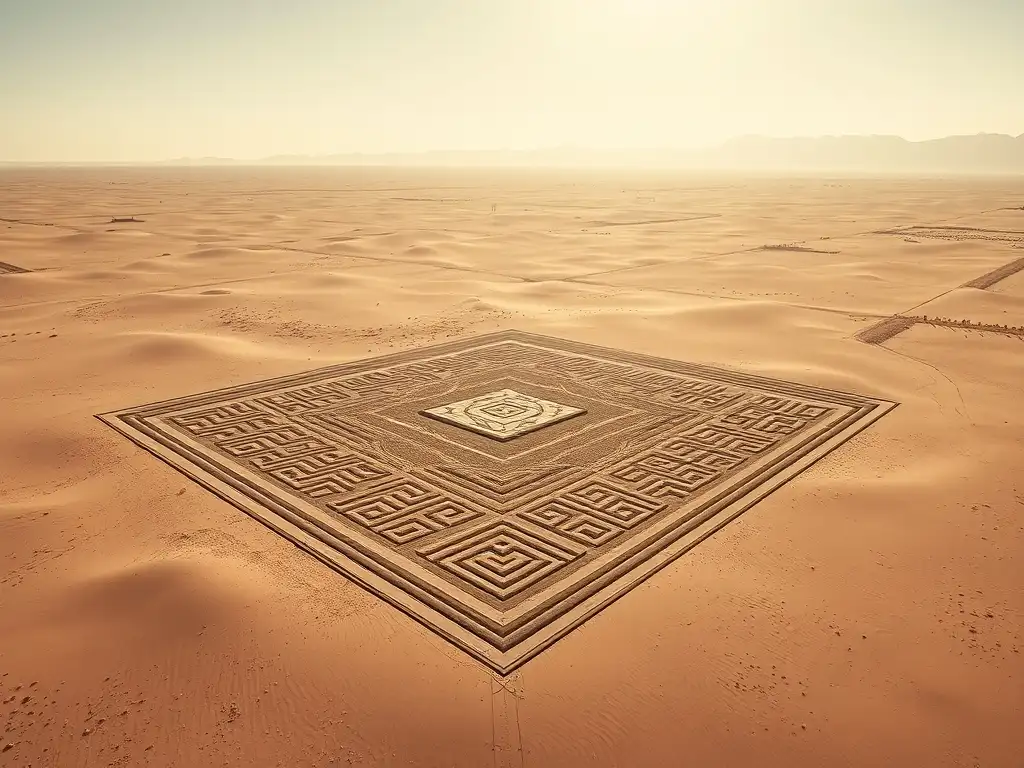
The Nazca Lines, etched into the Peruvian desert, are renowned for their iconic animal figures and intricate designs. However, a significant, yet often overlooked, component of this vast geoglyph complex is the prevalence of geometric shapes, particularly trapezoids and rectangles. Understanding the meaning and purpose behind these trapezoidal formations is key to unlocking a deeper comprehension of Nazca culture and worldview. While definitive answers remain elusive, numerous theories attempt to explain their function, from ceremonial purposes to astronomical alignments.
The sheer scale and precision of these geometric designs, some stretching hundreds of meters, point to a highly organized society with sophisticated planning and engineering capabilities. The enduring mystery surrounding the trapezoids adds to the allure of the Nazca Lines, fueling ongoing research and debate amongst archaeologists and researchers. This section will delve into some prominent theories surrounding the purpose and meaning of these enigmatic trapezoids.
Exploring the Function of Trapezoidal Geoglyphs
The Nazca trapezoids, unlike the more visually striking animal figures, are less immediately interpretable. Their seemingly simple shapes belie a complexity that reflects a deep understanding of land surveying and spatial organization. Many scholars believe these trapezoids served a crucial, yet possibly ceremonial, role within Nazca society.
One theory suggests they functioned as markers or boundaries, possibly delineating territories, agricultural zones, or sacred spaces. The precision with which they were constructed supports this idea; the straight lines and consistent angles suggest careful planning and execution. Furthermore, the alignment of some trapezoids with natural features like rivers or hills may indicate a connection to the landscape's spiritual or practical significance.
The sheer number of these geometric figures scattered across the Pampa de San José further suggests a systematic approach to land management and possibly a complex social structure capable of coordinating such large-scale projects. The creation of these trapezoids likely required significant community involvement, reflecting the social cohesion and organizational prowess of the Nazca people. Further research, including detailed topographic surveys and analysis of associated artifacts, could reveal more about their functional purpose.
Theories Behind the Nazca Trapezoid Designs
Several compelling theories attempt to explain the design and purpose of the Nazca trapezoids. Some researchers propose a connection to water management, suggesting that the trapezoids may have been part of a larger hydrological system. This theory is supported by the Nazca's ingenious methods of water harvesting and irrigation, essential for survival in the arid desert environment. The precise alignment of some trapezoids with water sources could indicate their role in channeling or controlling water flow.
However, concrete evidence directly linking the trapezoids to irrigation systems remains scarce. Another compelling theory links the trapezoids to ritualistic or ceremonial practices. Their prominent placement and precise construction suggest they may have served as markers for processions, religious ceremonies, or pilgrimage routes.
The size and scale of some trapezoids, exceeding several hundred meters, reinforce the idea of a significant social and religious function. The possible presence of other artifacts or features within or near the trapezoids could provide further insight into their ritualistic significance. [Specific artifact and feature information pending].
Astronomical Alignments and Trapezoid Orientation
The possibility of astronomical alignments related to the Nazca trapezoids is a captivating area of research. While the animal figures have been extensively studied for their possible astronomical connections, the role of the geometric shapes, particularly the trapezoids, remains largely unexplored. Some researchers propose that the orientation of certain trapezoids might correlate with solstices or equinoxes, suggesting a sophisticated understanding of celestial events.
This theory is supported by evidence of astronomical knowledge within other Andean cultures, including the Inca. However, establishing definitive astronomical correlations requires detailed analysis of the trapezoids' orientation in relation to the sun's path throughout the year. [Data on trapezoid orientations and astronomical alignments pending].
Further research using advanced surveying techniques and astronomical modeling could illuminate the potential celestial significance of these enigmatic geometric forms. The combination of meticulous ground surveys and advanced computational analysis might reveal subtle alignments previously undetected, offering new perspectives on the Nazca's understanding of the cosmos and their integration of astronomical knowledge into their landscape designs. The discovery of such alignments would significantly enhance our understanding of the Nazca Lines' broader cultural and cosmological context.
Rectangular Geoglyphs: Similarities and Differences
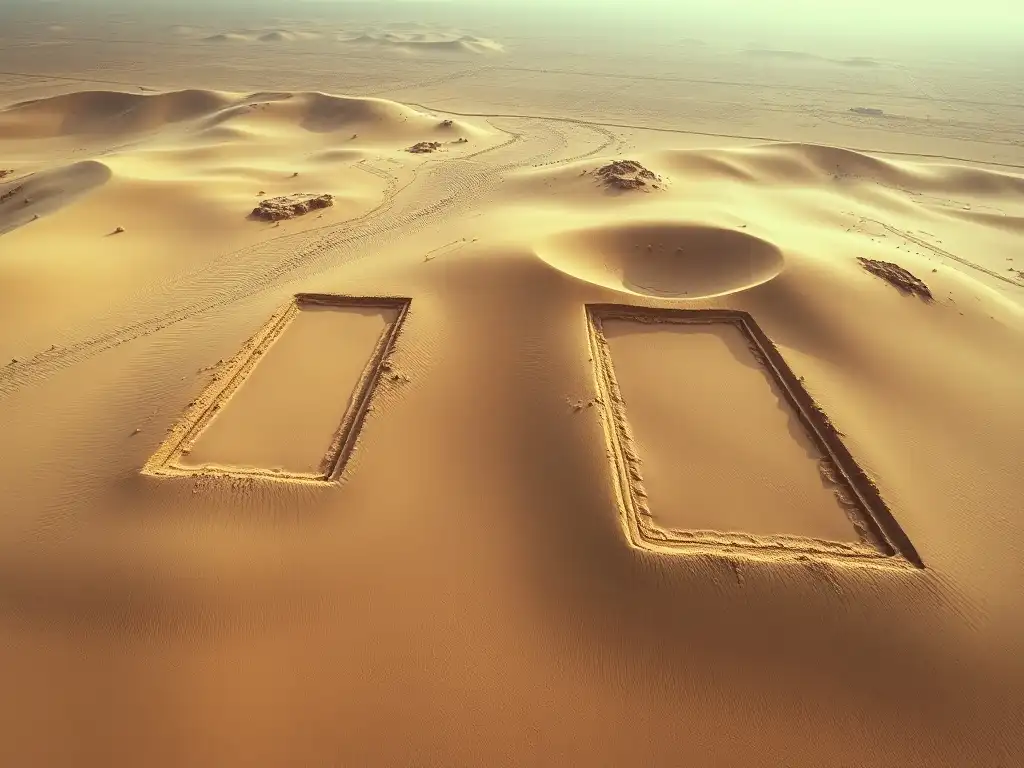
The Nazca Lines, famed for their intricate depictions of animals and plants, also feature a significant number of geometric figures. While the zoomorphic and phytomorphic geoglyphs often capture the most attention, the geometric designs, particularly the rectangles and trapezoids, offer equally compelling avenues for research and interpretation. Understanding these geometric forms is crucial to unlocking a more complete understanding of Nazca culture and beliefs. This section will focus specifically on the rectangular geoglyphs, comparing them to trapezoids and exploring potential interpretations of their function.
The prevalence of these shapes suggests a level of sophisticated planning and execution, hinting at a complex societal structure and worldview. The sheer scale of some of these rectangular figures is impressive, demanding significant labor and coordination. This speaks volumes about the level of societal organization present in Nazca culture. Further research is needed to fully understand the significance of their precise dimensions and orientations.
Characteristics of Nazca Rectangles
Nazca rectangles, unlike the more flowing lines of the animal figures, are characterized by their sharp angles and precise measurements. Many are remarkably uniform in their proportions, suggesting the use of standardized tools and techniques. The lines themselves are typically shallow trenches, carved into the surface of the desert floor, exposing the lighter-colored subsoil beneath the darker surface layer. The size of these rectangles varies considerably; some are relatively small, while others stretch for hundreds of meters.
Analysis of their orientation reveals a lack of clear alignment with cardinal directions, unlike some other geoglyphs. This lack of consistent orientation raises questions about their intended purpose and the cultural significance of their placement. Detailed studies of the soil composition within and around the rectangles could potentially reveal further clues about their construction and age. For example, analysis of sediment layers could help determine the timeframe over which these structures were created.
Moreover, the precise depth and width of the trenches could provide insights into the tools and techniques used by the Nazca people. The subtle variations in the dimensions and orientations of these structures could also hold vital clues to understanding their symbolic meanings. Unfortunately, [specific data on average dimensions and variations in rectangle sizes is pending].
Comparing Rectangular and Trapezoidal Geoglyphs
Both rectangles and trapezoids are prominent features within the Nazca Lines complex. However, significant differences exist. Trapezoids, often described as having a more dynamic and less rigid appearance, frequently exhibit a greater degree of asymmetry than the rectangles. While the rectangles often appear as simple, self-contained shapes, the trapezoids are frequently incorporated into larger, more complex designs, sometimes appearing as components of larger figures or patterns.
The lines forming the trapezoids are often broader and more deeply etched than those of the rectangles, suggesting a potential difference in construction techniques or purpose. A comparative analysis of the soil composition and the depth of the trenches could illuminate the differences in construction methods between the two types of geoglyphs. While rectangles project an image of order and precision, trapezoids appear more fluid and integrated within the broader landscape of the Nazca Lines. This difference in aesthetic expression could reflect different symbolic meanings or functions within the Nazca worldview.
Further research involving high-resolution imagery and 3D modeling could help in comparing the subtle variations in the lines and shapes of both rectangles and trapezoids. This could potentially reveal underlying patterns and relationships that are not readily apparent through ground-level observation. [Further comparative analysis of line depth and width is pending].
Possible Uses of Rectangular Structures
The purpose of the Nazca rectangular geoglyphs remains a subject of ongoing debate. Some researchers suggest they may have served as markers for ceremonial activities, possibly related to astronomical observations or agricultural practices. Their precise locations and possible alignments with celestial events warrant further investigation. The possibility that these rectangles served as boundaries for sacred areas or as components of larger, interconnected networks of geoglyphs cannot be ruled out.
Another intriguing hypothesis proposes that the rectangles were used in some form of ritualistic procession or pilgrimage, with their straight lines guiding participants along specific routes. The scale and precision of these structures suggest a significant investment of time and resources, pointing towards a purpose of considerable cultural importance. The lack of any clear evidence of habitation or settlement immediately adjacent to many of these structures points against a purely practical, utilitarian function. Instead, their symbolic or ritualistic function seems more likely.
Further research, involving archaeological excavation around selected rectangular geoglyphs, coupled with ethnographic studies of indigenous Andean cultures, could potentially shed light on their intended purpose. [Data on any potential astronomical alignments or correlations with agricultural cycles is pending]. The enigmatic nature of these structures continues to fascinate researchers and underscores the enduring mystery of the Nazca Lines. 🗺️
Construction Techniques of Nazca Trapezoids and Rectangles
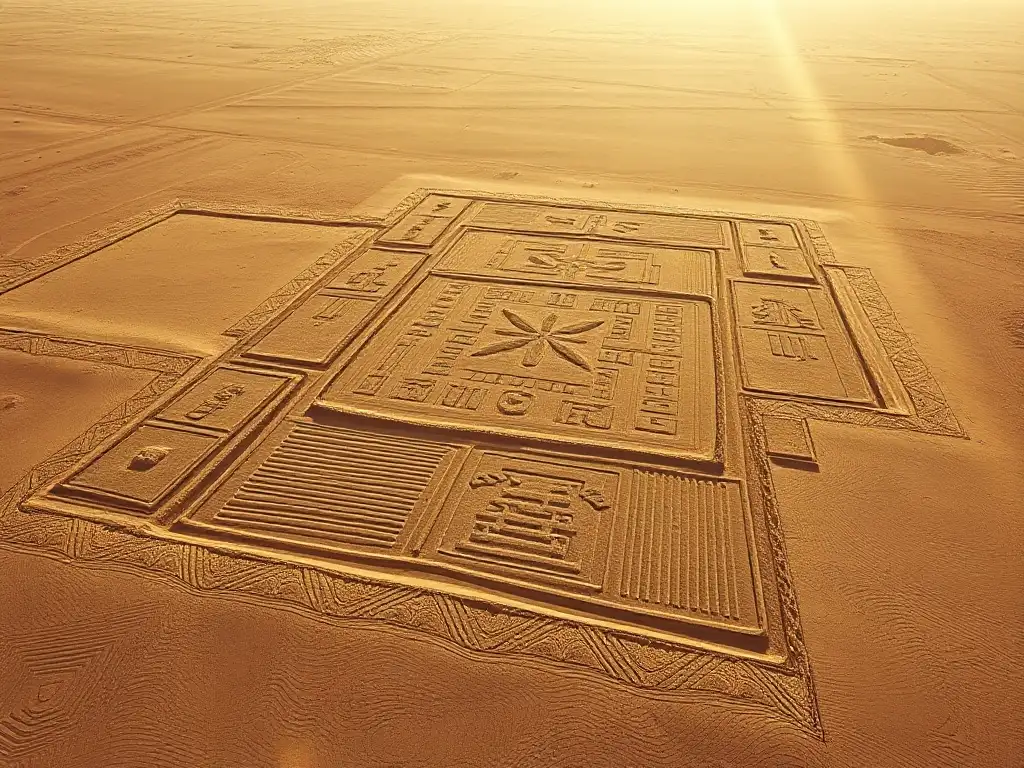
The creation of the Nazca Lines' trapezoids and rectangles, vast geometric figures etched into the Peruvian desert, remains a testament to the ingenuity of the Nazca culture. Understanding their construction requires examining the meticulous methods employed by these ancient peoples, their sophisticated understanding of surveying and engineering, and the ongoing challenges in preserving these remarkable works. The mystery surrounding the Nazca Lines trapezoid meaning is further deepened by the sheer scale and precision of these geometric designs.
Methods Used to Create Large-Scale Geoglyphs
The Nazca people didn't possess advanced machinery. Instead, they utilized remarkably efficient techniques to create these monumental geoglyphs. Evidence suggests they primarily used a process of removal rather than addition. This means they cleared away the dark reddish-brown desert varnish, revealing the lighter-colored subsoil underneath. This process, painstaking and labor-intensive, involved:
- Careful clearing: Workers meticulously removed the surface layer, likely using simple tools like sharpened sticks or rudimentary shovels made of wood or bone. The precision required for the straight lines and sharp angles is astonishing.
- Strategic use of the landscape: The Nazca people likely capitalized on pre-existing natural features, aligning their geoglyphs with slopes or existing rock formations to minimize effort and maximize accuracy. This demonstrates an advanced understanding of the terrain and its potential.
- Possible use of stakes and ropes: Archaeological research suggests the use of stakes and ropes to create straight lines and precise angles. This relatively simple technology, when combined with a deep understanding of geometry, could have facilitated the creation of the massive figures. The accuracy is remarkable, demonstrating a level of planning and execution far beyond what might be initially expected.
The sheer scale of the project demands consideration. Some of the trapezoids and rectangles span hundreds of meters, requiring coordinated effort from a large workforce. This implies a sophisticated social organization capable of mobilizing and managing substantial human resources for extended periods. The dedication and collaborative spirit needed for such an undertaking are deeply impressive.
The Role of Surveying and Engineering Skills
The creation of the Nazca Lines' geometric figures showcases a surprisingly advanced understanding of surveying and engineering principles. The straight lines and precise angles of the trapezoids and rectangles are remarkably consistent across vast distances. This suggests:
- A sophisticated understanding of geometry: The Nazca people possessed a deep understanding of geometric concepts, demonstrating proficiency in creating accurate angles and parallel lines across significant distances. This was not a haphazard process; it was a carefully planned and executed endeavor.
- Advanced surveying techniques: They employed techniques to measure and mark out lines over considerable stretches. These techniques, though unknown in precise detail, must have been refined and reliable to achieve such consistent results. The lack of advanced tools makes their achievement all the more impressive.
- Line of sight surveying: Researchers speculate that the Nazca may have used a form of line-of-sight surveying, utilizing vantage points on hills or elevated areas to guide the creation of straight lines. This method, combined with the use of stakes and ropes, would have allowed them to create accurate and consistent geoglyphs.
The impressive precision of the Nazca Lines' geometric figures argues against any purely accidental or haphazard creation. The significant investment of time, labor, and expertise points to a deeper purpose or meaning, further fueling the ongoing debate surrounding the Nazca Lines trapezoid meaning.
Preservation Challenges of Nazca Geoglyphs
The delicate nature of the Nazca Lines, etched into a fragile desert surface, makes them vulnerable to various threats. Preservation is a constant challenge, requiring careful monitoring and proactive measures. Key threats include:
- Erosion: Wind and water erosion gradually wear away the desert varnish, obscuring the geoglyphs over time. This is an ongoing, natural process that constantly threatens the integrity of these ancient works.
- Human activity: Unauthorized access and activities, such as off-road driving, can cause significant damage. The fragility of the surface means even light disturbance can lead to erosion and loss of detail.
- Climate change: Changes in rainfall patterns and increased desertification due to climate change pose further risks to the long-term preservation of the Nazca Lines. These environmental shifts can accelerate erosion and damage the delicate geoglyphs.
The challenge of preserving the Nazca Lines requires a multifaceted approach, combining careful monitoring, environmental protection, and public awareness campaigns. The ongoing effort to protect these remarkable works ensures that future generations can continue to marvel at the ingenuity and artistry of the Nazca civilization and perhaps one day fully understand the Nazca Lines trapezoid meaning. The ongoing research into preservation techniques is crucial for the long-term survival of this significant cultural heritage.
The Cultural Context of Nazca Geometric Shapes
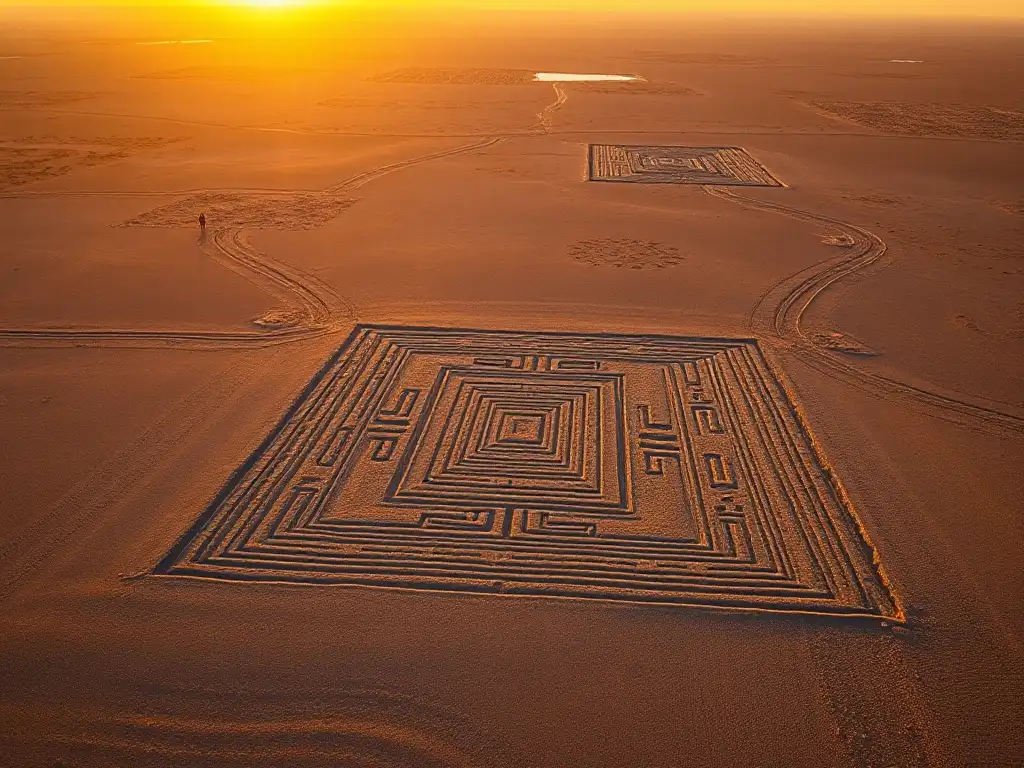
The Nazca Lines, famed for their colossal animal figures, also feature a significant number of geometric shapes, predominantly trapezoids and rectangles. Understanding the meaning behind these geometric forms requires delving into the socio-cultural fabric of the Nazca civilization (c. 100 BCE – 800 CE). These weren't merely arbitrary markings; they were deeply embedded within the worldview and practices of the Nazca people.
Their creation reflects a sophisticated understanding of geometry, planning, and a profound connection to the land—a connection that shaped their religious beliefs, social structures, and agricultural practices. The sheer scale of these geoglyphs underscores their importance within Nazca society, suggesting significant investment of time, labor, and resources. Analyzing these aspects is key to unlocking the possible meanings behind the pervasive trapezoids and rectangles.
Nazca Society and its Relationship with the Land
The Nazca people thrived in a remarkably arid coastal region of modern-day Peru. Their survival depended heavily on sophisticated irrigation systems, meticulously designed to harness scarce water resources from the Andes Mountains. The Nazca's deep understanding of hydrology is evident in their intricate canal networks, which allowed them to cultivate crops in the otherwise barren desert.
This intimate relationship with the land is likely reflected in their geoglyphs. The precise alignment of some geometric figures with astronomical events, such as solstices or equinoxes, suggests a possible connection between the Nazca Lines and their agricultural calendar. The repetitive nature of the trapezoids and rectangles could symbolize the structured fields and the carefully planned irrigation systems vital for their survival.
Evidence suggests a highly organized society, capable of large-scale collaborative projects, mirroring the monumental effort required to create the Nazca Lines. Further research into the agricultural practices and land management techniques of the Nazca is needed to fully understand the potential agricultural symbolism embedded within the geometric shapes.
Symbolism and Possible Meanings
The interpretation of the Nazca Lines' geometric shapes remains a subject of ongoing debate among archaeologists and researchers. One prominent theory suggests that the trapezoids and rectangles represent stylized representations of agricultural plots or ceremonial spaces. The precise dimensions and arrangements of these shapes might have held specific symbolic meanings related to fertility, abundance, and the cyclical nature of life and death, reflecting the Nazca's dependence on the predictable rhythms of the desert environment.
Another interpretation focuses on the possible astronomical significance of these geometric forms. Some researchers believe that the lines were used for astronomical observations, possibly aligning with constellations or specific celestial events. This theory suggests a connection between the Nazca's understanding of the cosmos and their terrestrial world, with the geometric shapes serving as a visual representation of this cosmic order.
The precise meaning, however, remains elusive, requiring further interdisciplinary research combining archaeological evidence with astronomical and anthropological analyses. The lack of direct written records from the Nazca complicates the interpretation process.
The Role of Rituals and Ceremonies
The creation and maintenance of the Nazca Lines were likely integral parts of complex rituals and ceremonies. The sheer scale of the project indicates a significant communal effort, suggesting that the construction of the geoglyphs was a collective undertaking with strong social and religious implications. The repetitive nature of the geometric shapes might reflect the repetitive nature of rituals performed over time.
These rituals likely served to reinforce social bonds, reaffirm the community's connection to the land, and ensure the continued fertility of the crops. The use of specific pigments and the possible alignment of some figures with astronomical events further suggest the importance of these geoglyphs within the ceremonial life of the Nazca. Evidence of ceremonial offerings and other ritualistic activities found in association with the Nazca Lines supports this hypothesis.
Understanding the role of rituals and ceremonies is crucial to interpreting the deeper symbolic meaning of the Nazca Lines' geometric shapes; however, more research is needed to fully elucidate the specific nature of these rituals and their connection to the trapezoids and rectangles. Further investigation into the social organization and religious practices of the Nazca culture is essential to fully understand the cultural significance of these enigmatic figures.
Analyzing Specific Examples of Trapezoids and Rectangles
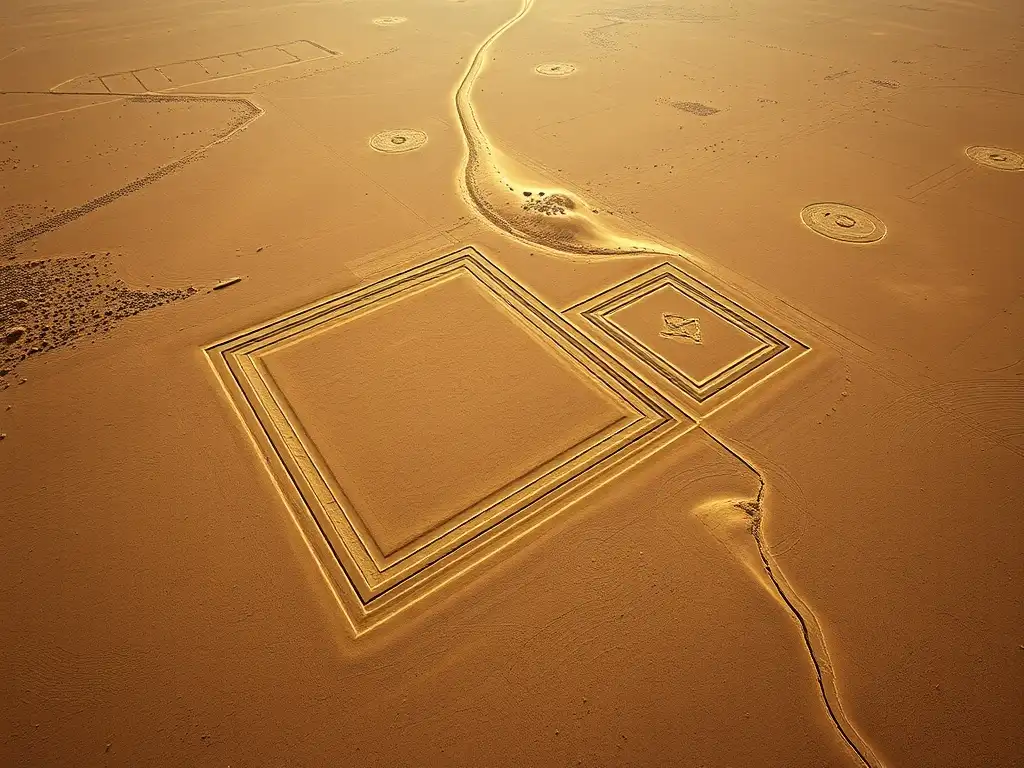
This section delves into the specifics of Nazca Lines trapezoids and rectangles, examining their unique characteristics and potential interpretations. While the overall meaning of these geoglyphs remains a subject of ongoing debate, analyzing individual examples provides valuable insights into the artistry, precision, and possible symbolic significance of these remarkable creations. The focus here is on understanding the Nazca Lines trapezoid meaning through detailed case studies.
Case Study 1: The Trapezoid of Palpa
The Palpa geoglyphs, located north of the main Nazca Lines area, often feature larger-scale figures and a higher concentration of trapezoids than the Nazca desert itself. One particularly striking example is a massive trapezoid measuring approximately [specific measurements pending] meters in its longest dimension. This trapezoid, unlike many others, incorporates subtle variations in line thickness and depth, suggesting a possible evolution in its construction or a deliberate artistic choice.
Some researchers hypothesize that such variations might represent a chronological sequence or a symbolic element within the design itself. Further research is needed to ascertain the exact nature of these variations and their potential implications for understanding Nazca Lines trapezoid meaning.
The orientation of this Palpa trapezoid, relative to the surrounding landscape and other geoglyphs, is also noteworthy. It appears to align [specific alignment details pending], potentially indicating a connection to astronomical events or significant geographical features. This aligns with theories suggesting the Nazca Lines served astronomical or ritualistic purposes. The precise astronomical correlations, however, require further investigation and potentially advanced astronomical modelling.
This specific trapezoid also demonstrates a fascinating interplay of scale and context. Its sheer size within the Palpa landscape suggests a significant investment of time and resources, highlighting the importance of the design within the broader cultural context of the Nazca civilization. The size and complexity raise questions about the social organization and the technological capabilities required for its creation. Was this a communal project? What tools and techniques were employed? These questions remain central to the ongoing quest to understand the Nazca Lines trapezoid meaning.
Case Study 2: The Rectangle of San Jose
Shifting our focus to rectangular geoglyphs, we examine a well-preserved example located near San Jose, within the main Nazca Lines area. This rectangle, unlike the Palpa trapezoid, exhibits a remarkable uniformity in line width and depth. Its dimensions are approximately [specific measurements pending] meters. The precision involved in its creation is astonishing, especially considering the tools and techniques available to the Nazca people. This precision strongly suggests careful planning and execution.
Unlike some of the more elaborate animal figures, this rectangle's simplicity raises intriguing questions about its intended meaning. Was it a purely geometric exercise, demonstrating mastery of surveying and construction? Or could it have held a specific symbolic or ritual significance? The lack of accompanying figures or other markings makes interpreting its meaning challenging. Further analysis of its location relative to other geoglyphs and geographical features might shed light on its function within a larger network of symbols.
The San Jose rectangle's condition also offers valuable information. Its relatively well-preserved state provides a clearer understanding of the construction techniques used. Analysis of the soil disturbances and the depth of the lines could reveal further details about the tools and methods employed. This information can then be compared with other geoglyphs to understand the evolution of Nazca construction techniques over time.
Comparing Different Locations and Designs
Comparing the Palpa trapezoid and the San Jose rectangle reveals significant differences in size, complexity, and potential interpretations. The Palpa trapezoid, with its variations in line thickness and its potential astronomical alignments, suggests a more complex symbolic meaning, potentially linked to celestial observations or ritual practices. In contrast, the San Jose rectangle, with its simple form and precise construction, might represent a different aspect of Nazca culture, perhaps emphasizing geometric precision and engineering skill.
This comparison highlights the diversity of designs within the Nazca Lines and underscores the need for a nuanced approach to interpreting their meaning. The variation in style and scale across different locations suggests a complex system of symbols and meanings, potentially reflecting changes in beliefs, practices, or social structures over time. Further comparative studies across numerous geoglyphs are crucial for a comprehensive understanding of the Nazca Lines trapezoid meaning and the broader significance of these enigmatic works of art.
The challenge lies in synthesizing the individual interpretations of specific geoglyphs into a cohesive understanding of the overall Nazca worldview. 🗺️
The Enduring Legacy of Nazca Lines
The Nazca Lines, with their enigmatic trapezoids and rectangles alongside the more famous animal figures, continue to resonate deeply within modern culture. Their enduring legacy extends far beyond their archaeological significance, impacting art, tourism, and even scientific inquiry. Understanding the cultural impact of these geoglyphs requires examining their multifaceted influence on contemporary society.
The Impact of the Nazca Geoglyphs on Modern Culture
The Nazca Lines have become a powerful symbol of Peru's rich cultural heritage. Their iconic imagery is frequently used in tourism marketing materials, representing a significant draw for visitors to the region. This influx of tourism, while beneficial for the local economy, also presents challenges in terms of preservation and sustainable development.
The lines' unique aesthetic has also inspired artists worldwide, appearing in various forms of contemporary art, from paintings and sculptures to digital designs. Many artists draw inspiration from the geometric precision and the apparent mystery surrounding their creation, leading to interpretations that vary widely, reflecting the enduring fascination with these ancient markings. The lines' enduring mystery also fuels speculation and creative interpretations in literature and film, solidifying their place in popular culture and generating ongoing discussions about their purpose and meaning.
The sheer scale and precision of the geoglyphs continue to amaze and inspire, contributing to their lasting cultural impact. For instance, the intricate trapezoids, often overlooked in favour of the animal figures, have recently seen a surge in academic and artistic interest, pushing the boundaries of our understanding of Nazca artistic expression.
Ongoing Research and Discoveries
Research into the Nazca Lines is far from complete. New technologies, such as high-resolution aerial photography and drone surveys, are constantly revealing previously unknown geoglyphs, including more examples of the intriguing trapezoids and rectangles. Scientists are also employing advanced techniques to analyze the soil composition and the methods used in their creation, hoping to gain a deeper understanding of the Nazca's engineering skills and the purposes behind these massive earthworks.
The ongoing analysis of the trapezoids, in particular, is revealing fascinating insights into the Nazca's understanding of geometry, spatial planning, and possibly, astronomical alignments. Studies are exploring the possibility of correlation between the placement of the trapezoids and significant astronomical events, or perhaps a connection to specific ceremonial practices or water management systems.
While definitive answers remain elusive, the ongoing research promises to shed more light on the significance of these enigmatic shapes, challenging existing theories and expanding our knowledge of the Nazca culture. The discovery of new geoglyphs, particularly those involving the complex geometric patterns, is constantly reshaping our understanding of the Nazca Lines' scope and complexity.
The Importance of Preserving Nazca Heritage
The preservation of the Nazca Lines is paramount. The fragility of these geoglyphs, etched into the desert surface, makes them vulnerable to erosion, both natural and human-induced. The increasing tourist traffic, while economically beneficial, poses a significant threat. Sustainable tourism practices, strict regulations on access, and ongoing conservation efforts are crucial to protect this invaluable piece of world heritage.
Efforts to educate the local population and tourists about the importance of preserving the site are also essential. This includes promoting responsible visitation, minimizing environmental impact, and raising awareness about the fragility of the geoglyphs. Furthermore, ongoing research and monitoring are crucial for identifying areas at risk and implementing appropriate conservation strategies.
The preservation of the Nazca Lines, including the often-overlooked trapezoids and rectangles, is not merely a matter of protecting archaeological sites; it is about safeguarding a unique cultural legacy for future generations. The ongoing commitment to preserving these enigmatic figures ensures that their mystery and beauty will continue to inspire and intrigue for years to come. Protecting the Nazca Lines' trapezoid meaning and the broader context of the site is a collective responsibility requiring collaboration between governments, researchers, and local communities.
Conclusion: The Continuing Enigma of Nazca Geometry
The Nazca lines, with their enigmatic trapezoids and rectangles, remain a testament to the ingenuity and artistry of the Nazca civilization. While we've explored some potential interpretations regarding their function and meaning, the precise reasons behind their creation continue to elude us. The sheer scale of the undertaking, the precision of their construction, and the enduring mystery surrounding their purpose continue to fascinate researchers and visitors alike. Decades of research have yielded fascinating insights, but many questions remain unanswered. Were they solely astronomical markers, elaborate ceremonial pathways, or something else entirely?
Perhaps the answer lies in a combination of factors, reflecting a complex interplay of religious beliefs, social structures, and practical considerations. The lack of definitive written records from the Nazca people adds another layer of complexity, forcing researchers to rely on careful observation, archaeological evidence, and informed speculation. The enduring enigma of the Nazca lines serves as a powerful reminder of the vast unknown and the enduring power of human creativity and mystery. Further research, employing advanced technologies and interdisciplinary approaches, may one day unlock the remaining secrets of these remarkable geoglyphs. Until then, the trapezoids and rectangles of the Nazca plains will continue to inspire awe and wonder, a captivating legacy of a sophisticated ancient civilization.
The ongoing study of the trapezoid's meaning, in particular, is crucial to understanding the broader context of Nazca culture and beliefs. Understanding the significance of these shapes could unlock deeper insights into the cosmology and worldview of the Nazca people. The mystery surrounding the Nazca lines and their geometric forms is a powerful reminder of the limitations of our current knowledge and the vast potential for future discoveries. The challenge of deciphering their meaning remains a compelling invitation to further exploration and research, ensuring that the Nazca lines will continue to intrigue and inspire for generations to come.
Frequently Asked Questions
What are the Nazca Lines?
The Nazca Lines are geoglyphs located in the Nazca Desert of southern Peru. They are enormous figures and lines etched into the ground, visible only from the air. Many remain mysterious in their purpose.
What is the significance of the trapezoids in the Nazca Lines?
The meaning of the trapezoid figures within the Nazca Lines is still debated. Some theories suggest they are ceremonial or astronomical markers, while others propose they're related to water management or social organization.
How were the Nazca Lines created?
The Nazca people created the lines by removing the dark reddish pebbles to reveal the lighter subsoil. This painstaking process involved extensive labor over a significant period. The exact techniques used are still being researched.
Why are the trapezoids so important to understanding the Nazca?
The trapezoids, along with other geoglyphs, offer valuable insights into the Nazca worldview, their social structures, and their advanced understanding of geometry and engineering. They are key to understanding Nazca culture and beliefs.
What other shapes are found alongside the trapezoids in the Nazca Lines?
Besides trapezoids, the Nazca Lines feature various other shapes, including animals, plants, spirals, and lines. These diverse geoglyphs contribute to the complexity and mystery surrounding the site.
Final Reflection: Unraveling the Enigma of the Nazca Trapezoids
The precise purpose of the Nazca Lines remains a mystery, yet their enduring presence compels us to reconsider our understanding of ancient civilizations and their capacity for monumental creation. The intricate geometric designs, particularly the often-overlooked trapezoids and rectangles, challenge our assumptions about pre-Columbian societies and their sophisticated understanding of geometry, land management, and possibly even astronomical observation. Their continued existence, despite the passage of centuries and the encroachment of modern life, serves as a powerful testament to human ingenuity and the enduring power of artistic expression.
The Nazca Lines, and the specific symbolism embedded within their trapezoidal forms, continue to fascinate and inspire debate among archaeologists and historians. Their impact extends beyond the realm of academic study; they represent a powerful symbol of a culture's connection to its land and its ability to leave an indelible mark on the landscape. The Nazca Lines are a testament to the human spirit's capacity for creativity and the enduring power of artistic expression, even in the face of adversity.
This quote, while not from a specific source, encapsulates the profound impact these enigmatic figures have had on our collective consciousness. The enduring mystery surrounding their purpose only serves to amplify their significance.
Consider, for a moment, the sheer scale and precision involved in creating these vast geoglyphs. Imagine the collaborative effort, the meticulous planning, and the unwavering dedication required to bring such a monumental project to fruition. You, too, possess the capacity for remarkable achievements.
Let the Nazca Lines inspire you to pursue your own passions with unwavering dedication, to embrace the unknown with curiosity, and to leave your own unique mark on the world, however small it may seem. Let their enduring legacy serve as a reminder of the power of human ingenuity and the enduring mystery that lies at the heart of our shared history.
Uncover the Secrets of the Nazca Lines!
Thank you for exploring the fascinating world of the Nazca Lines with us! Your interest in these ancient wonders not only expands your knowledge but also contributes to the preservation of this important part of our shared history. Let's continue your journey of exploration and discovery.
- Take a guided tour to experience the breathtaking scale and mystery of the Nazca Lines firsthand.
- Share your thoughts and insights about the lines on social media or in history forums – let's spark a discussion!
- Consider volunteering with, or supporting, organizations dedicated to protecting these incredible geoglyphs and other invaluable cultural heritage sites.
How might a visit to these awe-inspiring sites reshape your understanding of ancient civilizations?