
Nazca Lines: The Connection to the Nazca Culture's Belief System

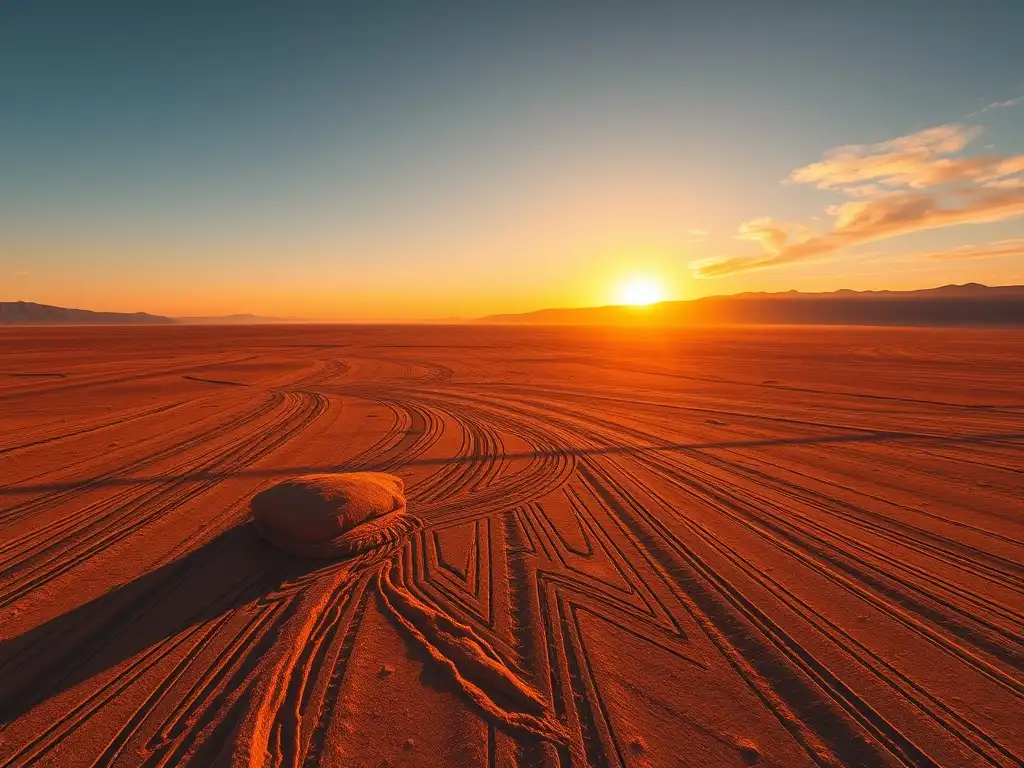
Step into a world lost to time, where the arid plains whisper secrets of a vanished empire. Imagine sprawling geoglyphs etched into the earth, a monumental testament to a culture shrouded in mystery. Uncover the enigma of the Nazca Lines: their meaning and beliefs, and delve into the captivating heart of the Nazca civilization. Prepare to be amazed as we unravel the threads of this ancient Andean tapestry—a journey into a breathtaking past awaits.
-
Nazca Lines: Unveiling the Connection to Nazca Culture's Belief System
- Understanding the Nazca Lines: Beyond Simple Geoglyphs
- The Nazca People and Their Worldview: A Foundation for Understanding the Lines
- Decoding the Nazca Lines Meaning: Rituals, Deities, and Cosmic Beliefs
- Nazca Lines and Astronomy: Alignments and Celestial Observations
- Nazca Lines Construction Techniques: A Reflection of Their Cultural Values
- The Legacy of the Nazca Lines: A Testament to Nazca Spirituality
- The Societal Impact of the Nazca Lines: Ritual and Community Cohesion
- Ongoing Research and Evolving Interpretations of the Nazca Lines
- Frequently Asked Questions
- Final Reflection: Unraveling the Enigma of the Nazca Lines
- Unveil the Mysteries of the Nazca Lines!
Nazca Lines: Unveiling the Connection to Nazca Culture's Belief System
The Nazca Lines, sprawling geoglyphs etched into the Peruvian desert, stand as one of the world's most enduring enigmas. For decades, their purpose has fueled speculation, ranging from extraterrestrial contact to astronomical calendars. However, a deeper understanding reveals a compelling connection between these monumental earthworks and the complex belief system of the Nazca culture.
This article delves into the fascinating relationship between the Nazca Lines' meaning and the beliefs of the people who created them, exploring the intricate tapestry of cosmology, ritual, and societal structure that likely shaped their creation. We will move beyond simplistic interpretations and examine the lines within the broader context of Nazca society, considering their possible roles in religious ceremonies, water management, and the expression of their unique worldview.
Understanding the Nazca Lines requires not just analyzing their physical form, but also deciphering the cultural and spiritual landscape that gave rise to them. This exploration will shed light on the significance of these enigmatic figures, revealing a glimpse into the rich and complex spiritual life of the Nazca people.
Understanding the Nazca Lines: Beyond Simple Geoglyphs
The Nazca Lines are not merely a collection of random etchings; they represent a vast and meticulously planned system of geoglyphs. These figures, ranging from simple lines and geometric shapes to intricate depictions of animals and plants, extend over hundreds of square kilometers. Their creation involved the removal of the dark reddish-brown desert varnish, exposing the lighter-colored subsoil to create the striking visual effect we see today.
The scale of the undertaking is staggering, requiring significant planning, labor, and a deep understanding of the landscape. Archaeological evidence suggests that their creation spanned centuries, with different lines and figures being added over time. Early theories proposed astronomical alignments or functions related to water management, but recent research points towards a more complex interplay of factors, heavily influenced by the Nazca worldview.
The lines were not created in isolation; their arrangement and the selection of specific motifs suggest a deliberate and meaningful organization. Analyzing their spatial relationships and contextualizing them within the broader Nazca cultural landscape is crucial to understanding their true purpose. The precision and scale of the lines alone testify to the sophisticated knowledge and organization of the Nazca society.
The Nazca People and Their Worldview: A Foundation for Understanding the Lines
To comprehend the meaning of the Nazca Lines, we must first understand the worldview of the Nazca people. Their society was deeply rooted in a complex system of beliefs centered around fertility, water, and ancestor veneration. Evidence from their art, pottery, and textiles reveals a rich cosmology filled with supernatural beings, mythical creatures, and powerful deities. The Nazca people lived in a harsh desert environment, where access to water was crucial for survival.
Their sophisticated irrigation systems testify to their ingenuity and ability to adapt to their challenging surroundings. It is likely that their religious beliefs were closely intertwined with their ability to harness and manage this vital resource. The lines themselves may have served as a powerful visual representation of this connection between the earthly and spiritual realms. Some researchers suggest that the lines served as pilgrimage routes or locations for ritual ceremonies, connecting the Nazca people to their deities and ancestors.
The depiction of animals, such as hummingbirds and lizards, may have held symbolic significance related to fertility, rainfall, and the natural world. The Nazca worldview, therefore, provides a critical framework for interpreting the lines not merely as abstract designs, but as powerful expressions of their spiritual beliefs and societal values. Further research into Nazca mythology and religious practices is essential to unlock the full meaning of these enigmatic geoglyphs. The integration of archaeological findings with anthropological interpretations offers the most promising path to understanding the deep connection between the Nazca Lines and their cultural beliefs.
Decoding the Nazca Lines Meaning: Rituals, Deities, and Cosmic Beliefs
The Nazca lines, a sprawling collection of geoglyphs etched into the Peruvian desert, remain one of archaeology's greatest enigmas. While their precise purpose continues to be debated, a strong case can be made for their profound connection to the Nazca people's complex belief system. Scholars suggest the lines served as a vital component of elaborate rituals, reflecting a deep-seated cosmology intertwined with deities, ancestor veneration, and a profound understanding of the cosmos.
The sheer scale of the undertaking implies a highly organized society, capable of mobilizing significant resources and manpower for a project with seemingly religious significance. The creation of these massive figures likely involved meticulous planning, specialized tools, and a collective effort spanning generations.
This monumental task speaks volumes about the importance of the lines within the Nazca worldview. The effort invested suggests a belief system that placed immense value on these representations, whether as offerings to deities, expressions of communal identity, or a combination of both.
Nazca Geoglyphs as Pathways to the Divine: Religious Interpretations
Many researchers interpret the Nazca lines as pathways or conduits connecting the earthly realm to the spiritual world. The act of creating the lines themselves might have been considered a sacred ritual, a form of communication with the divine. The procession of individuals involved in their creation could have been viewed as a pilgrimage, reinforcing the lines' spiritual significance.
The specific designs, particularly the depictions of deities or mythical creatures, would have further emphasized the lines' role in religious practices. The lines' location in a geographically isolated and harsh environment might itself have contributed to their sacred status, transforming the desert into a sacred landscape. The meticulous precision and scale of the designs also suggest a deep reverence for the process of creation itself, highlighting the importance of ritual and meticulous craftsmanship in their culture.
Animal Representations in Nazca Art: Symbolism of Power and Nature
The prevalence of animal figures among the Nazca lines is striking. From hummingbirds and monkeys to lizards and killer whales, the depictions showcase a remarkable understanding of the natural world. These animals, however, were not merely realistic portrayals; they held deep symbolic meaning within the Nazca culture. For example, certain animals, like the condor, might have represented power, strength, and connection to the upper world.
Others, like the hummingbird, might have symbolized agility, grace, and connection to the floral world. The size and prominence of specific animal figures within the geoglyphs could reflect their relative importance in the Nazca worldview. This intricate symbolism points to a sophisticated understanding of the natural world and its integration into their spiritual beliefs. The careful execution of these animal representations further emphasizes the importance of accurate representation, potentially signaling the significance of these animals within their culture's spiritual landscape.
Geometric Figures and Their Possible Purposes: Beyond Literal Interpretation
Beyond the iconic animal figures, the Nazca lines also include a significant number of geometric shapes: triangles, trapezoids, spirals, and lines stretching for kilometers. The precise meaning of these shapes remains elusive, but their presence suggests a complex system of symbolic representation. Some scholars suggest they represent abstract concepts, perhaps related to celestial bodies, calendrical systems, or specific rituals.
Others propose they could have served as markers for ceremonial processions or acted as boundaries between sacred and profane spaces. The potential interplay between geometric and animal figures further complicates the interpretation, suggesting a multifaceted system of meaning that is yet to be fully understood. The sheer scale and precision of these geometric designs point to advanced mathematical and engineering skills, perhaps highlighting another aspect of the Nazca people's sophisticated understanding of the world.
The Role of Water in Nazca Beliefs: Connection to the Geoglyphs
The Nazca region is characterized by an arid climate and scarce water resources. Water, therefore, held immense importance in the Nazca worldview, deeply impacting their religious beliefs and agricultural practices. Some researchers propose a connection between the lines and water management, suggesting the lines might have played a role in channeling water or marking important water sources.
Others believe that the lines' creation was tied to rituals aimed at ensuring rainfall and a bountiful harvest. The depiction of certain animals, like the whale or fish, might further reinforce the significance of water in their religious practices. Analyzing the lines' relationship to water sources and underground aquifers could potentially shed further light on their function and meaning within the context of Nazca societal needs and beliefs.
Nazca Lines and Astronomy: Alignments and Celestial Observations
The alignment of several Nazca lines with celestial events has led to speculation about the lines' astronomical significance. The intricate knowledge of astronomy displayed in their creation suggests a deep understanding of the cosmos and its influence on their lives. This astronomical connection adds another layer of complexity to the understanding of the Nazca Lines' meaning and purpose.
The precision of the alignments suggests a level of astronomical observation far beyond simple naked-eye astronomy. This advanced understanding of celestial movements could have been crucial for agricultural planning, religious ceremonies, and their overall understanding of the cosmos. The interplay between astronomical knowledge and their religious beliefs further complicates the interpretation, suggesting a holistic worldview where the earthly and the celestial were deeply intertwined.
Solar Alignments: Evidence of Astronomical Knowledge
Several lines appear to align with the solstices and equinoxes, suggesting that the Nazca people were keenly aware of the sun's annual movements. This knowledge would have been crucial for agricultural planning, as the solstices marked important points in the agricultural cycle. The precision of these alignments is remarkable, indicating advanced observational skills and a sophisticated understanding of celestial mechanics.
The creation of these alignments might have served as a way to mark significant astronomical events, reinforcing their importance within their calendar and religious practices. The alignment with solar events further underscores the sophisticated astronomical knowledge of the Nazca civilization and its potential influence on their religious beliefs and social organization.
Nazca Lines and Star Constellations: Mapping the Night Sky
Beyond solar alignments, some researchers suggest that certain lines might represent constellations or other celestial phenomena. This interpretation proposes that the Nazca lines served as a kind of celestial map, reflecting their understanding of the night sky. The identification of specific constellations represented in the lines would require further research and analysis, but the possibility remains a compelling area of study.
The potential connection between the lines and star constellations adds yet another layer to the already multifaceted nature of their meaning and purpose. This interpretation would further highlight the sophistication of their astronomical knowledge and its integration into their cultural and religious practices. The meticulous nature of the lines strongly suggests that the mapping of the night sky was an important practice for the Nazca people.
Nazca Lines Construction Techniques: A Reflection of Their Cultural Values
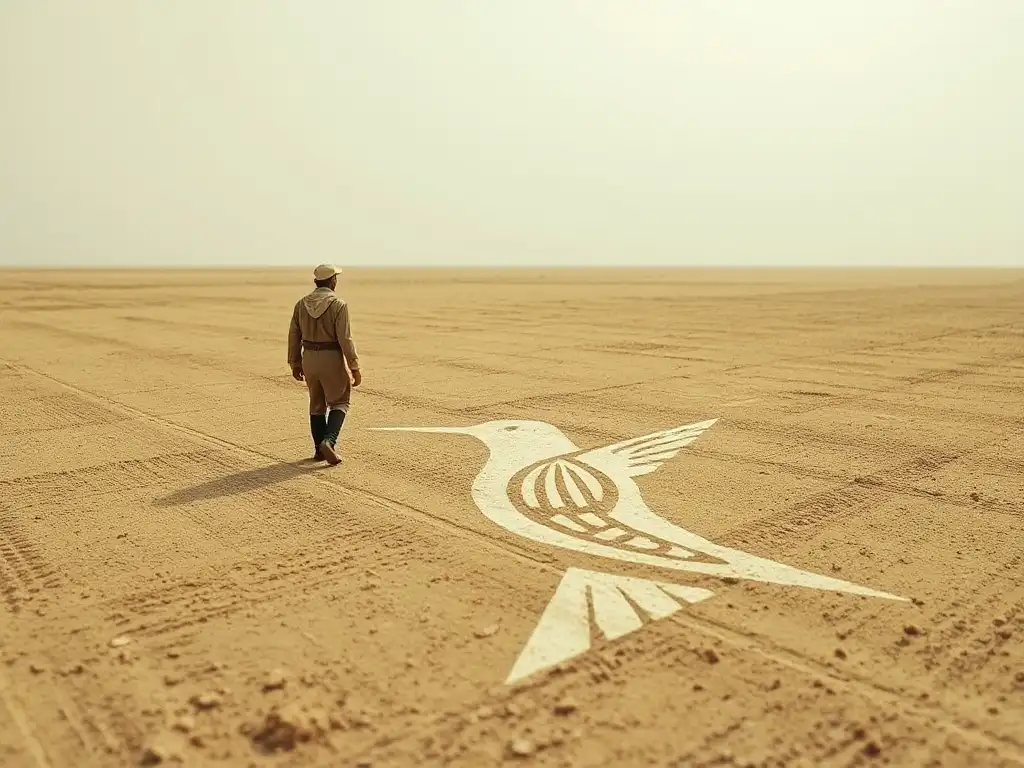
The creation of the Nazca Lines wasn't a haphazard undertaking; it was a meticulously planned and executed project reflecting the Nazca people's deep-seated cultural values. The sheer scale of the endeavor, involving the removal of dark reddish-brown pebbles and exposing the lighter-colored subsoil to create the geoglyphs, demands a level of societal organization and commitment rarely seen in pre-Columbian societies. The precision and artistry displayed in the lines suggest a high level of skill and planning, further highlighting the importance placed on this activity within their society.
The lines themselves aren't just random markings; they are complex representations, possibly connected to astronomical events, water sources, or spiritual beliefs, all contributing to their significance within the Nazca worldview. The dedication to this monumental task speaks volumes about their societal structure and the importance of collective action in achieving a shared cultural goal.
The lines themselves are a testament to their sophisticated understanding of geometry, spatial planning, and their dedication to expressing their beliefs through this unique medium. The effort invested in their creation points towards a culture that deeply valued communal effort and artistic expression.
Labor and Community Effort: Organizing the Construction of the Geoglyphs
Creating the Nazca Lines required a significant mobilization of labor. While the exact methods of organization remain a subject of ongoing research, evidence suggests a highly structured system. It is unlikely that a single individual or small group could have undertaken such a massive project.
Instead, scholars hypothesize the involvement of large teams, possibly organized by kinship groups or religious institutions. The coordination needed to remove vast quantities of surface material, maintain consistent line widths, and achieve the overall design requires a sophisticated level of planning and communication. This points to a strong sense of community and shared purpose within Nazca society, where individuals collaborated towards a collective artistic and possibly spiritual goal.
The success of this massive undertaking emphasizes the importance of social cohesion and cooperation within the Nazca culture. Further research into the social organization of the Nazca people is needed to fully understand the logistics of this monumental effort.
Materials and Tools Used: The Ingenuity of Nazca Engineers
The Nazca Lines were not created with advanced technology, but rather with simple tools and materials readily available in their environment. The primary tool used was likely a wooden stake or similar implement to remove the dark pebbles, exposing the lighter subsoil. The ingenuity lies not in the sophistication of the tools, but in the precision and scale of the work accomplished with them.
The Nazca people demonstrated a profound understanding of their environment and the properties of the materials at their disposal. Their ability to create such elaborate designs with such rudimentary tools underscores their skill and patience. The materials, primarily the desert surface itself, were used in a way that maximized contrast and visibility.
The careful selection of the materials and the mastery of simple tools suggest a deep understanding of the landscape and a practical approach to achieving their artistic vision. This ingenuity is a testament to their resourcefulness and adaptability.
The Legacy of the Nazca Lines: A Testament to Nazca Spirituality
The Nazca Lines are more than just impressive geoglyphs; they are a powerful testament to the Nazca people's spiritual beliefs and worldview. While their precise meaning remains a subject of debate, the lines likely served a multifaceted purpose, intertwining religious practices, astronomical observations, and perhaps even water management. The scale and precision of the designs suggest a profound connection to the cosmos and a deep understanding of celestial movements.
Some believe the lines represent constellations or pathways to the spirit world. Others suggest they were used in rituals related to water, a precious resource in the arid Nazca desert. Regardless of their specific function, the lines represent a significant investment of time, energy, and communal effort, reflecting the central role of spirituality in Nazca society.
The enduring mystery surrounding their purpose only adds to their allure and highlights their importance as a lasting legacy of a remarkable civilization. The lines continue to inspire awe and wonder, offering a glimpse into the spiritual landscape of the ancient Nazca.
Preservation Efforts: Protecting the Nazca Cultural Heritage
The fragility of the Nazca Lines makes their preservation a crucial undertaking. The lines are vulnerable to erosion from wind and rain, as well as damage from human activity. Therefore, substantial efforts are dedicated to protecting this unique cultural heritage. These efforts include limiting access to certain areas, monitoring the lines for signs of deterioration, and implementing sustainable tourism practices.
The Peruvian government, along with international organizations and researchers, are actively involved in preservation programs aimed at safeguarding the lines for future generations. These efforts involve scientific monitoring, educational initiatives, and the implementation of stricter regulations to protect the site from further degradation. The ongoing commitment to preserving the Nazca Lines highlights the global recognition of their cultural significance.
The Nazca Lines Today: Inspiring Wonder and Research
Today, the Nazca Lines remain a source of wonder and inspiration, captivating both researchers and tourists alike. They continue to be a subject of intense scientific investigation, with ongoing research seeking to unlock their secrets. The lines' enduring mystery fuels ongoing studies into their creation, purpose, and cultural significance within the broader context of Nazca society. Their continued existence serves as a testament to the resilience of the Nazca culture and their ability to leave a lasting mark on the world.
The lines stand as a potent symbol of human ingenuity, cultural expression, and the enduring power of ancient mysteries. Their continued study promises to reveal further insights into the beliefs and practices of this remarkable civilization. The Nazca Lines remain a powerful reminder of the rich and complex history of the Andean region.
The Societal Impact of the Nazca Lines: Ritual and Community Cohesion
The creation of the Nazca Lines was undoubtedly a massive undertaking, requiring significant coordination and labor. This collaborative effort likely played a crucial role in strengthening social bonds and reinforcing community cohesion within Nazca society. The sheer scale of the project, demanding the participation of numerous individuals over extended periods, fostered a sense of shared purpose and collective identity. We can imagine a system of communal organization, perhaps involving specialized work groups or rotating teams, contributing to the construction and maintenance of these monumental geoglyphs.
The lines themselves may have served as a powerful symbol of unity, representing the collective strength and shared beliefs of the Nazca people. Furthermore, the process of creating the lines likely involved rituals and ceremonies, further solidifying social ties and reinforcing the spiritual significance of the project. Archaeological evidence, while still limited in directly linking specific rituals to the lines' construction, points towards the importance of ceremonial practices within Nazca culture.
The precision and artistry displayed in the geoglyphs suggest a deep understanding of geometry and astronomy, indicating a sophisticated level of knowledge and organization within the society. This level of social organization would be necessary to execute a project of this magnitude. The enduring legacy of the Nazca Lines suggests their significance extended far beyond mere aesthetics, functioning as a powerful symbol of social unity and cultural identity.
Ongoing Research and Evolving Interpretations of the Nazca Lines
Research into the Nazca Lines continues to evolve, with new technologies and methodologies constantly refining our understanding. High-resolution aerial photography, coupled with advanced geographic information systems (GIS), provides increasingly detailed images and analysis of the geoglyphs, revealing subtle features previously unseen. Ground-penetrating radar and other geophysical techniques are used to investigate the subsurface structure of the lines, shedding light on construction methods and the potential presence of associated features. Furthermore, ongoing archaeological excavations in the Nazca region are providing valuable context, uncovering artifacts and settlements that help illuminate the cultural practices and beliefs of the Nazca people.
These discoveries are contributing to more nuanced and complex interpretations of the lines' meaning and purpose. For example, recent research suggests that the lines might not have been solely focused on astronomical observations, but also served other purposes, such as marking water sources or facilitating pilgrimage routes. The ongoing debate surrounding the interpretation of the Nazca Lines highlights the dynamic nature of archaeological research and our ever-evolving understanding of the past.
As new data emerges and analytical techniques improve, our comprehension of these enigmatic geoglyphs continues to deepen, challenging previous assumptions and leading to more comprehensive explanations of their significance within the Nazca cultural landscape. The Nazca lines meaning and beliefs are therefore not static, but are constantly being refined by ongoing research. The future holds the promise of even more exciting discoveries, further enriching our appreciation of this remarkable cultural heritage.
Frequently Asked Questions
What are the Nazca Lines?
The Nazca Lines are geoglyphs—giant figures and lines etched into the desert surface of southern Peru. They were created by the Nazca culture between 500 BC and 500 AD and are only truly visible from the air. Their precise purpose remains a mystery.
What is the most popular theory about the meaning of the Nazca Lines?
Many believe the lines served a ceremonial or ritualistic purpose, possibly connected to water sources, astronomical events, or religious practices. Some theories suggest they were pilgrimage routes or part of a larger complex belief system.
How did the Nazca people create the Nazca Lines?
The Nazca people removed the dark reddish pebbles from the surface, revealing the lighter subsoil to create the images. The creation process involved massive amounts of labor and sophisticated planning. The tools used are still being debated.
What role did the Nazca Lines play in the Nazca culture's belief system?
Their significance likely involved spiritual and religious beliefs, reflecting the Nazca worldview and their relationship with the environment. They may have represented deities, ancestors, or mythical creatures, playing a crucial role in rituals and ceremonies.
Are there any other theories about the purpose of the Nazca Lines?
Yes, other theories propose connections to astronomical alignments, water management systems, or a combination of factors. However, no single theory fully explains all aspects of these enigmatic geoglyphs.
Final Reflection: Unraveling the Enigma of the Nazca Lines
The Nazca Lines remain a powerful testament to the ingenuity and spiritual depth of the Nazca culture, a legacy that continues to resonate with us today. Their enduring mystery, far from diminishing their significance, only amplifies their impact, challenging our understanding of ancient civilizations and their complex relationship with the cosmos. The intricate designs, painstakingly etched into the desert floor, whisper stories of a people deeply connected to their environment and their beliefs.
The enduring mystery of the Nazca Lines forces us to confront our own limitations in understanding the past, reminding us that not all answers are readily available. The past is a foreign country; they do things differently there.
This quote, while referring to a different context, perfectly encapsulates the challenge of interpreting the Nazca Lines. Their meaning remains partially obscured, yet their very existence speaks volumes about the Nazca people's sophisticated understanding of astronomy, engineering, and their profound spiritual beliefs. Their creation was a monumental undertaking, reflecting a societal commitment to a shared vision and a deep connection to the unseen world.
Consider the scale of the undertaking, the dedication required, and the enduring impact these lines have had on our understanding of ancient civilizations. You, the reader, are now part of this ongoing conversation. Take a moment to reflect on the power of belief, the enduring legacy of human creativity, and the mysteries that still await discovery. Let the Nazca Lines inspire you to seek deeper meaning in the world around you, to appreciate the ingenuity of past cultures, and to continue the quest for understanding the human spirit's enduring connection to the earth and the heavens.
Unveil the Mysteries of the Nazca Lines!
Thank you for exploring the fascinating world of the Nazca Lines and their deep connection to the Nazca culture. We hope you've gained a deeper understanding of how these incredible geoglyphs reflect the rich spiritual and cultural landscape of this ancient civilization. Now, let's delve even further!
Here are some ways to continue your exploration:
- Visit Peru and experience the Nazca Lines firsthand. Seeing their grandeur from the air will profoundly enhance your understanding.
- Share the wonder of the Nazca Lines. Discuss these ancient mysteries with friends, family, or online communities, sparking conversations about this captivating culture.
- Connect with fellow enthusiasts. Join online forums or local groups dedicated to archaeology or Andean civilizations to exchange ideas and learn from others about the profound meanings behind this remarkable artwork.
What aspect of the Nazca culture most captivates you, and how do you believe their beliefs shaped their creations?