
The Enigmatic Nazca: Exploring Their Complex Social Structures


Step into a world lost to time, a realm of breathtaking artistry and enigmatic societies: the Andes. This is where the legendary Incas, the masterful Moche, and the mysterious Nazca flourished. But what truly shaped their power? Unravel the secrets of the Nazca social structure, a complex web of influence and innovation that continues to baffle researchers today. Prepare to be captivated by a civilization whose legacy whispers from the desert sands, urging you to delve deeper into its astonishing story.
The Nazca civilization, flourishing along the southern coast of Peru from approximately 100 BC to 800 AD, remains one of the most intriguing and enigmatic cultures of the ancient Andes. While renowned for their breathtaking geoglyphs etched into the desert landscape, the Nazca's sophisticated social structures are equally captivating and deserve deeper exploration.
This article delves into the complexities of Nazca society, examining their hierarchical organization, specialized labor, and the intricate interplay of power and resources that shaped their unique civilization. Understanding their social structure provides crucial insight into how they managed to thrive in a challenging environment and create a rich cultural legacy that continues to fascinate us today.
We will uncover the evidence archaeologists have unearthed, piecing together a picture of this remarkable society and addressing the ongoing debates surrounding its intricacies. The keyword "Nazca social structure" will be explored throughout this article, with the aim of providing a comprehensive understanding of this fascinating topic.
Archaeological excavations at various Nazca sites reveal clear evidence of social stratification. The distribution of grave goods, the size and construction of dwellings, and the presence of elite residential areas all point towards a hierarchical society. For instance, burials containing elaborate textiles, gold ornaments, and finely crafted pottery are indicative of an elite class, contrasting sharply with the simpler burials of commoners. The presence of large, well-constructed structures, often situated in prominent locations, suggests the existence of a powerful ruling class controlling resources and labor.
Furthermore, the complexity of Nazca irrigation systems hints at a centralized authority capable of organizing large-scale public works projects. Analysis of skeletal remains also provides insights into dietary differences and health disparities, potentially reflecting social inequalities. The variation in access to nutritious food might also mirror the different social standing of individuals within the Nazca society.
Specialized Labor and Craftsmanship in Nazca Culture
The remarkable artistry and technological achievements of the Nazca people demonstrate a high degree of specialized labor. The creation of their iconic geoglyphs, for example, required significant planning, coordination, and specialized knowledge of surveying and land management. Similarly, the production of intricate textiles, finely crafted pottery, and gold ornaments points to the existence of skilled artisans and specialized workshops.
Evidence suggests that these artisans held a respected position within society, as reflected in the quality of their work and the prestige associated with their craft. The organization and management of these specialized workshops likely involved a complex system of social organization and resource allocation, further highlighting the sophistication of Nazca social structures. The intricate designs on the textiles and pottery also suggest specialized knowledge passed down through generations.
Religion played a significant role in shaping Nazca social structures. The elaborate iconography found on their pottery and textiles suggests a complex belief system with a pantheon of deities and supernatural beings. The construction of monumental structures, such as platform mounds and temples, indicates the importance of ritual and religious practices in their society. These structures may have served as centers for religious ceremonies, reinforcing social hierarchies and solidifying the power of the ruling elite.
The elaborate rituals and ceremonies may have also served to maintain social cohesion and order within the community. Further research into the religious beliefs of the Nazca is crucial to fully understanding their social structures. The discovery of new artifacts may shed further light on this significant element of their civilization.
The Nazca Political System: Centralized or Decentralized?
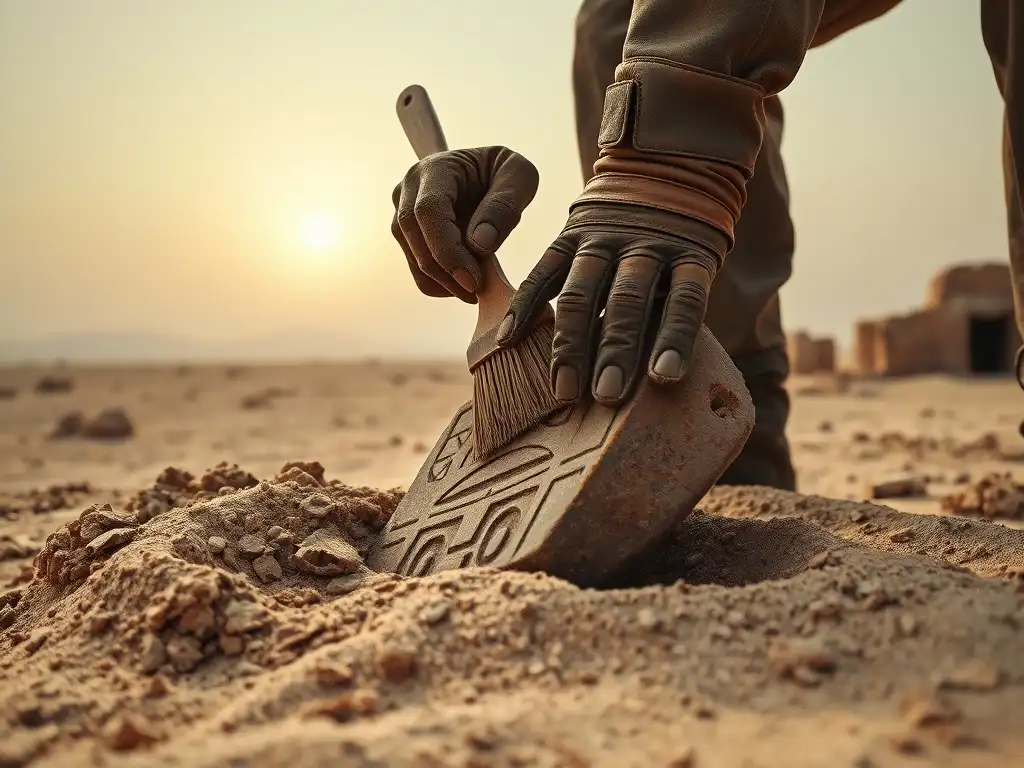
The exact nature of Nazca political organization remains a subject of debate among scholars. While evidence suggests a degree of centralized authority, reflected in the large-scale public works projects and the apparent social stratification, some argue for a more decentralized system with regional variations in power structures. The absence of a clearly defined capital city or a single dominant power center complicates this interpretation.
Further research focusing on the distribution of power and authority across different Nazca settlements is necessary to clarify this aspect of their social organization. Analyzing the administrative strategies used in managing large-scale projects, such as irrigation canals, may provide valuable insights into their political dynamics. More detailed studies of settlement patterns and regional variations in material culture could help resolve this ongoing scholarly debate.
The reasons behind the eventual decline and collapse of the Nazca civilization are still not fully understood. However, factors such as environmental changes, internal conflicts, or external pressures may have contributed to its demise. The impact of these factors on Nazca social structures needs further investigation. Did the existing social hierarchies exacerbate or mitigate the effects of these challenges?
Did the collapse lead to a reorganization of power structures or a complete breakdown of social order? Understanding the collapse of Nazca society provides crucial insights into the resilience and vulnerability of complex societies in the face of adversity, offering valuable lessons for our understanding of social dynamics in general. Further research is needed to fully assess the consequences of the collapse on the social fabric of the Nazca civilization.
- Evidence of Social Stratification in Nazca Society
- Specialized Labor and Craftsmanship in Nazca Culture
- The Role of Religion and Ritual in Nazca Social Organization
- The Nazca Political System: Centralized or Decentralized?
- The Collapse of Nazca Society: Implications for Social Structure
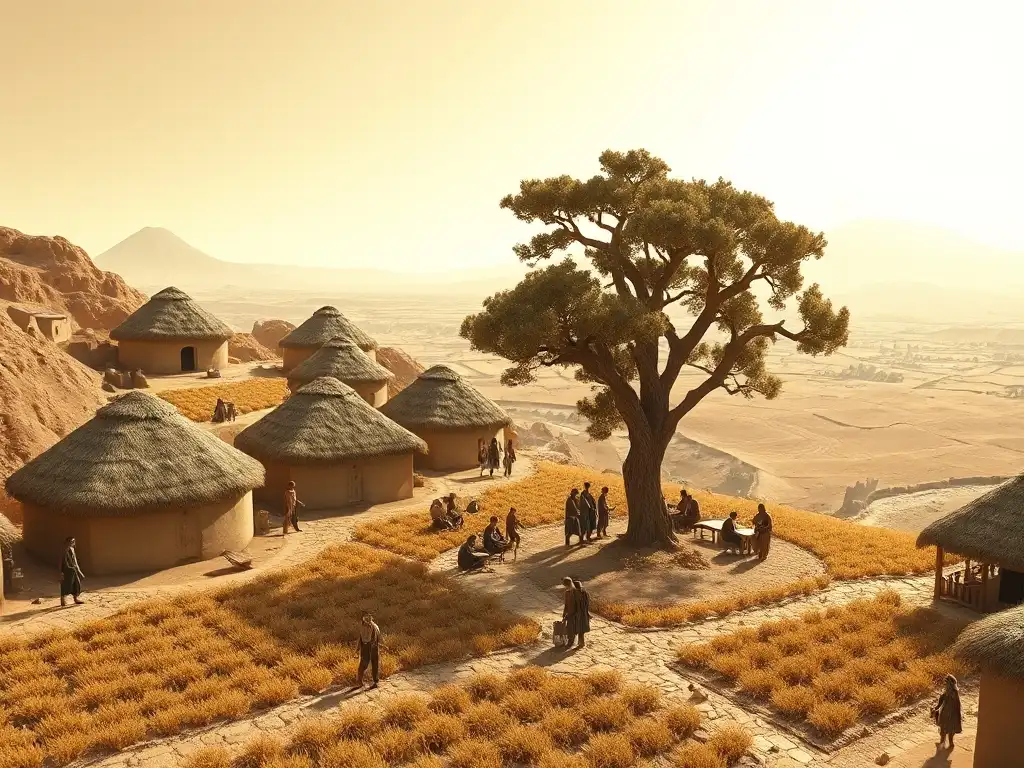
The Nazca, renowned for their iconic geoglyphs, also possessed a sophisticated and surprisingly complex social structure. While not as extensively documented as that of the Inca, archaeological evidence reveals a hierarchical society with distinct social strata, reflecting a stratified system of power and labor organization. Understanding this social structure is key to deciphering their remarkable achievements in agriculture, engineering, and artistry. The degree of social stratification within Nazca society is a subject of ongoing research and debate, with new discoveries continuously refining our understanding.
However, a clear hierarchical system is evident, shaped by factors such as access to resources, religious authority, and specialized skills. This system, while hierarchical, wasn't static; it likely fluctuated based on economic prosperity and political stability. The intricacies of their societal organization are gradually being unveiled through meticulous analysis of burial sites, settlement patterns, and the artifacts discovered within them.
The Nazca social structure was undeniably hierarchical, with a clear distinction between elites and commoners. Evidence suggests the existence of a ruling class, possibly composed of priests and/or chiefs, who held significant political and religious power. These elites likely controlled the distribution of resources, oversaw major public works projects (like the construction of irrigation canals), and mediated religious ceremonies.
Their elevated social status is reflected in their lavish burials, often containing elaborate grave goods such as gold ornaments, finely crafted ceramics, and textiles. These artifacts, far beyond the possessions of ordinary citizens, underscore the significant wealth and power concentrated within the elite class.
Furthermore, the size and complexity of Nazca settlements provide further evidence of this hierarchy. Larger settlements, often located near prime agricultural land or water sources, likely housed the elite and their associated administrators and specialists. Smaller settlements, scattered across the landscape, probably housed the majority of the population, largely engaged in agriculture and craft production. The spatial distribution of settlements, combined with the analysis of burial goods, strengthens the argument for a clearly stratified society. The disparity in resources and living conditions between these different settlement types points to a rigid social hierarchy.
Several key elements contributed to the stratification within Nazca society:
- Access to Resources: Control over vital resources, particularly water, was crucial for maintaining power and social status. The sophisticated irrigation systems developed by the Nazca suggest a centralized authority managing water distribution, further emphasizing the role of elites in controlling access to this essential resource. This control directly impacted agricultural productivity and, consequently, the overall wealth and influence of those in power.
- Religious Authority: Religion played a significant role in Nazca society. The presence of elaborate temples and ceremonial centers suggests a powerful priestly class, likely holding considerable influence over the population. The religious elite may have wielded authority through their control over rituals, prophecies, and the interpretation of religious symbols. Their status was likely reinforced by their role in mediating between the human and supernatural worlds, providing a framework for social order and cohesion.
- Specialized Skills: The Nazca were skilled artisans, producing intricate textiles, pottery, and goldwork. These specialized skills likely contributed to social stratification, with skilled artisans holding a higher status than those engaged in simpler tasks. The complexity of Nazca ceramics, for instance, indicates a high level of specialization and potentially a dedicated class of artisans who were highly valued within the society. The production of these elaborate artifacts required specialized training and knowledge, placing those individuals in a higher social standing.
The interplay of these factors – access to resources, religious authority, and specialized skills – shaped the distinct social strata within Nazca society, resulting in a complex and dynamic social organization that continues to fascinate researchers today. Further research, particularly focusing on the analysis of commoner burials and settlements, will likely illuminate further nuances and complexities within this enigmatic civilization's social structure. The ongoing investigation of Nazca social structure promises to reveal even more about this fascinating culture.
The Nazca social structure, while not as rigidly hierarchical as some other Andean civilizations, displayed clear distinctions in power and authority. Understanding the Nazca elite is crucial to grasping the complexities of their society and the mechanisms that maintained social order. The absence of monumental architecture comparable to that of the Incas or the monumental pyramids of other cultures initially led some researchers to underestimate the degree of social stratification within Nazca society.
However, recent archaeological findings and analyses of material culture paint a more nuanced picture of a sophisticated system of social control. The Nazca elite, while not necessarily possessing the absolute power of a divine emperor, exerted significant influence over resources, religious practices, and potentially even aspects of agricultural production. Their power stemmed from a combination of factors, including control over resources, religious authority, and likely, kinship ties.
The Role of Nazca Leadership and Governance
The exact nature of Nazca leadership and governance remains a topic of ongoing research and debate amongst experts in Nazca social structure. Evidence suggests a decentralized system, perhaps organized around smaller, regional centers of power rather than a single, centralized empire. The absence of large-scale palaces or administrative buildings indicates a different approach to governance than seen in other contemporaneous Andean societies.
Instead of a centralized bureaucracy, leadership may have been more localized, with powerful individuals or lineages holding sway within specific regions. This is supported by the distribution of elite burials and the variations in material culture across different Nazca sites.
We can hypothesize that these regional leaders, perhaps acting as intermediaries between the populace and the supernatural realm, played a vital role in organizing communal activities, resolving conflicts, and managing resource allocation. Further research is needed to fully elucidate the complexities of Nazca governance, perhaps focusing on the analysis of iconography in textiles and ceramics to identify symbols of authority and leadership.
Evidence of Elite Status in Nazca Burial Practices
Archaeological excavations of Nazca burials provide compelling evidence of social stratification. Elite burials, often containing elaborate grave goods such as finely crafted ceramics, gold ornaments, textiles, and even offerings of food and other valuable items, are starkly different from the simpler burials of the common population. These differences aren't merely about quantity; the quality of the grave goods speaks volumes about the social standing of the deceased.
For instance, the presence of intricately woven textiles, depicting complex iconography and representing significant amounts of labor, strongly indicates an elite status. Similarly, the use of rare materials like gold and spondylus shells—which had to be imported from distant locations—further emphasizes the elevated social standing of those interred with them.
The meticulous craftsmanship and the symbolic meaning embedded in these artifacts suggest a system where social status was visually communicated through funerary practices and material possessions. The careful placement of bodies and grave goods indicates a deliberate ritualistic process, underscoring the importance of these individuals in the Nazca social structure.
Control of Resources and Influence of the Nazca Elite
The Nazca elite's power was inextricably linked to their control over crucial resources. Access to water, essential for the success of their intensive agriculture in the arid coastal region, likely played a significant role. Control over irrigation systems, water storage facilities, and potentially even access to fertile land, would have given the elite considerable influence over the wider population.
Furthermore, the production and distribution of prestige goods, such as the finely crafted ceramics and textiles found in elite burials, provided another avenue for consolidating power. The elite likely controlled workshops and specialized artisans, ensuring the production of these highly valued items, which could be used to reward loyal followers or strengthen alliances. The control over these resources, combined with their potential religious authority, cemented the elite's position within Nazca society.
The precise mechanisms of resource control remain an area for further research, but the correlation between elite burials and access to key resources is undeniable, providing crucial insights into the dynamics of Nazca power. Analyzing the distribution patterns of agricultural products and high-status artifacts could reveal more about the ways in which the elite maintained their influence and control.
The Nazca Working Class: Labor and Daily Life
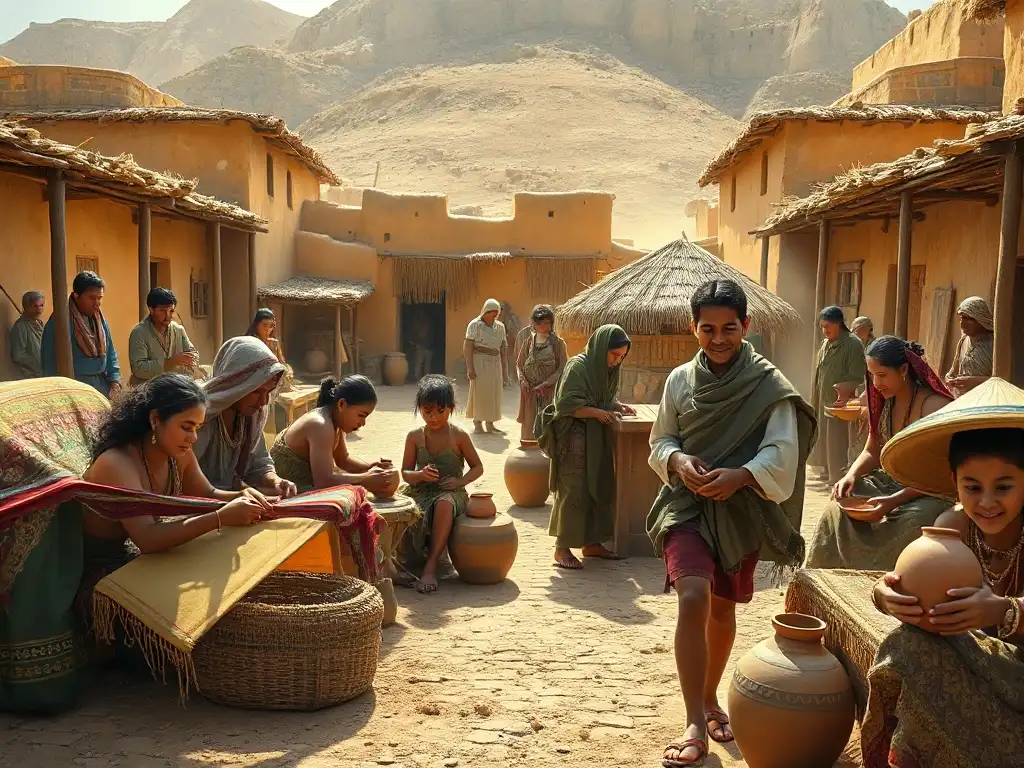
The Nazca social structure wasn't solely comprised of elites and religious figures. A substantial portion of the population constituted the working class, whose daily lives revolved around agriculture, craft production, and the maintenance of the complex irrigation systems that sustained the civilization. Understanding their roles is crucial to grasping the full complexity of Nazca society and its impressive achievements. The "Nazca social structure" wasn't a rigid hierarchy, but rather a dynamic system where labor and social standing were intricately linked.
Agricultural Practices and the Nazca Labor Force
The backbone of Nazca society was undoubtedly agriculture. The arid coastal environment demanded sophisticated irrigation techniques, which required a considerable workforce. Evidence from archaeological digs suggests a highly organized system of canals and aqueducts, meticulously maintained by teams of laborers.
These weren't simply unskilled workers; they possessed specialized knowledge of water management, surveying, and construction. Their understanding of hydrology allowed them to cultivate crops in a challenging environment, demonstrating a remarkable level of engineering skill. The cultivation of cotton, maize, beans, and other crops required significant labor, from planting and weeding to harvesting and processing.
This agricultural labor force likely worked in communal groups, possibly organized by family units or ayllus (a traditional Andean community structure), reflecting the collaborative nature of Nazca society. We can infer the importance of this agricultural labor through the extensive irrigation networks and the variety of crops cultivated, showcasing the Nazca people's mastery of their environment. Further research into pollen analysis and the distribution of agricultural tools could provide more specific details about the division of labor within the agricultural sector.
Craft Specialization and Skilled Labor in Nazca Society
Beyond agriculture, the Nazca working class also included skilled artisans. The Nazca were renowned for their intricate textiles, pottery, and metalwork, all requiring specialized skills and training. The creation of the famous Nazca lines also required considerable labor, suggesting a dedicated workforce responsible for their construction and maintenance.
Archaeological finds reveal a high level of craftsmanship, indicating a system of apprenticeship or specialized training within the community. The production of textiles, for instance, involved various stages, from preparing the cotton to spinning the yarn and weaving intricate designs. Similarly, pottery production involved the creation of molds, the firing of ceramics, and the application of intricate painted designs.
The production of these goods wasn't solely for local consumption; evidence suggests a significant level of trade, implying a substantial workforce dedicated to fulfilling these demands. Understanding the organization of this skilled labor within the broader Nazca social structure requires further investigation into workshop sites and the analysis of craft production techniques.
While the Nazca social structure wasn't rigidly stratified like some other Andean civilizations, distinct social roles existed within the community. The working class, while not holding high political or religious positions, played a vital role in maintaining the social and economic fabric of Nazca society. Their contributions, both in agriculture and craft production, were essential for the survival and prosperity of the civilization.
Evidence suggests a degree of social mobility, although the extent of this mobility remains a topic of ongoing research. The system likely involved a complex interplay of kinship, reciprocity, and communal cooperation. Further investigation into burial practices and the analysis of grave goods could shed more light on the social standing of individuals within the working class and the potential for social mobility within the Nazca social structure.
The absence of clear-cut social markers in some burials suggests a more fluid system than initially perceived, challenging previous models of a strictly hierarchical Nazca society. The study of daily life, expressed through the remains of houses and tools, offers a more nuanced understanding of this complex and dynamic social organization.
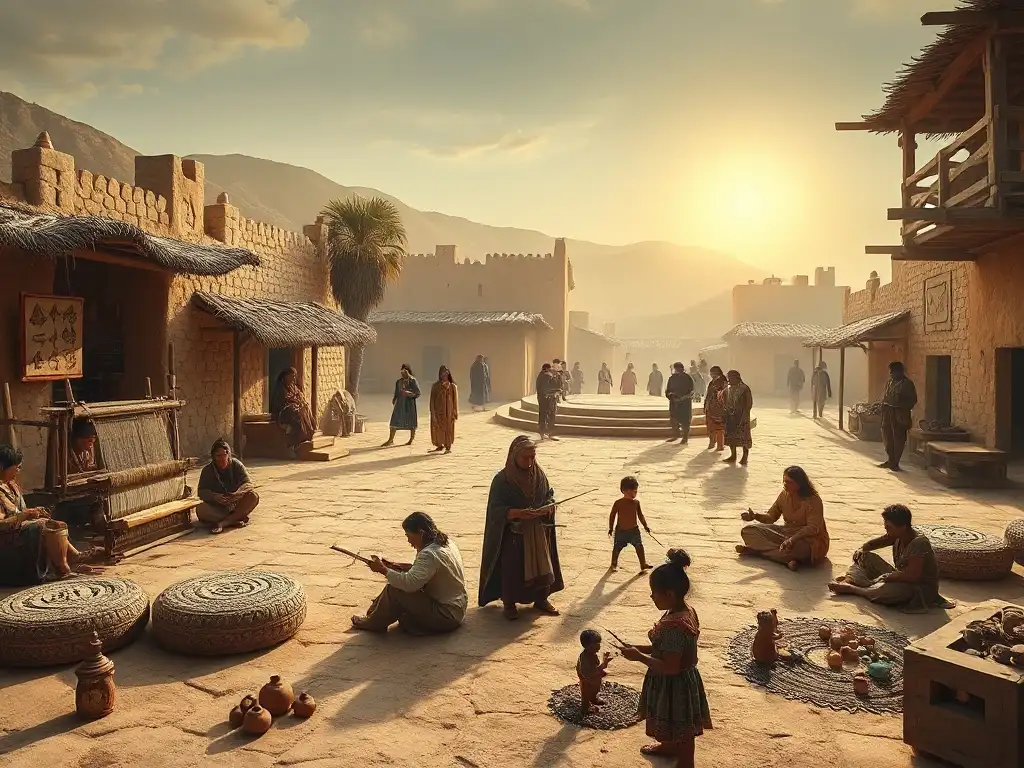
The Nazca social structure, while still holding many unanswered questions, reveals a complex society with intricate social dynamics and diverse interactions. Understanding these interactions requires examining evidence from various sources, including settlement patterns, burial practices, and artistic representations. The intricate interplay between different social groups shaped Nazca society, influencing everything from resource distribution to religious practices. Analyzing these dynamics provides crucial insights into the complexity of this fascinating civilization and helps us better understand their remarkable achievements. The keyword "Nazca social structure" is central to interpreting the various facets of their daily lives and societal organization.
Archaeological excavations of Nazca settlements offer compelling evidence of social interaction. The layout of settlements, the distribution of housing types, and the presence of communal spaces all suggest a degree of social organization and interaction. For example, the presence of large, elaborate structures alongside smaller residential units might indicate a hierarchical social structure, with elites occupying larger, more prestigious dwellings.
Furthermore, the discovery of workshops and specialized craft areas in some settlements indicates a degree of occupational specialization and interdependence between different social groups. Analysis of artifacts found in these settlements, such as pottery and textiles, can reveal patterns of exchange and interaction between different communities. The styles and decorations of these objects can indicate social status and possibly even alliances between different groups.
Further research, including detailed analysis of settlement stratigraphy and artifact distribution, is needed to fully understand the complexities of Nazca settlement patterns and their implications for social interaction. This research could provide a more complete picture of how different social groups interacted within and between settlements, contributing significantly to our understanding of Nazca social structure.
The Significance of Rituals and Ceremonies in Nazca Society
Rituals and ceremonies played a crucial role in shaping Nazca social interactions. Evidence from monumental architecture, such as the famous Nazca Lines, and from burial practices suggests that religious beliefs and practices were central to Nazca society. Elaborate burial sites, often containing rich grave goods, indicate a hierarchical social structure where some individuals held greater prestige and power than others.
The presence of ritual objects, such as ceremonial vessels and textiles, in both elite and commoner burials suggests that religious practices were widespread throughout society, although the nature and intensity of participation might have varied across different social groups. The intricate iconography found on Nazca pottery and textiles provides insights into their religious beliefs and cosmology, revealing a complex system of deities, mythical beings, and ritual practices.
The shared participation in these rituals and ceremonies could have fostered social cohesion and strengthened social bonds within the Nazca population. Understanding the significance of these rituals is vital to unraveling the dynamics of Nazca social structure, as they served as important mechanisms for social control, conflict resolution, and the reinforcement of social hierarchies.
Family Structures and Kinship Ties within the Nazca Population
While the exact nature of Nazca family structures remains debated, evidence suggests a complex system of kinship ties that played a significant role in their social organization. Analysis of burial sites, particularly the distribution of individuals within tombs, can provide clues about family relationships. The presence of multiple individuals buried together, along with the inclusion of grave goods that might suggest familial relationships, offers insights into kinship patterns.
However, further research is needed to determine the precise nature of these relationships and the extent to which kinship ties influenced social organization. The role of women in Nazca society is also a subject of ongoing investigation. While some researchers suggest a relatively egalitarian society, others point to evidence of gender hierarchies.
Further analysis of archaeological data, including the study of female burials and the representation of women in Nazca art, is necessary to reach a comprehensive understanding of gender roles and their influence on Nazca family structures and kinship ties. This nuanced understanding of family structures and kinship is essential for a complete picture of the Nazca social structure. The interplay between family units and broader social structures needs further investigation to fully appreciate the complex social fabric of this ancient civilization.
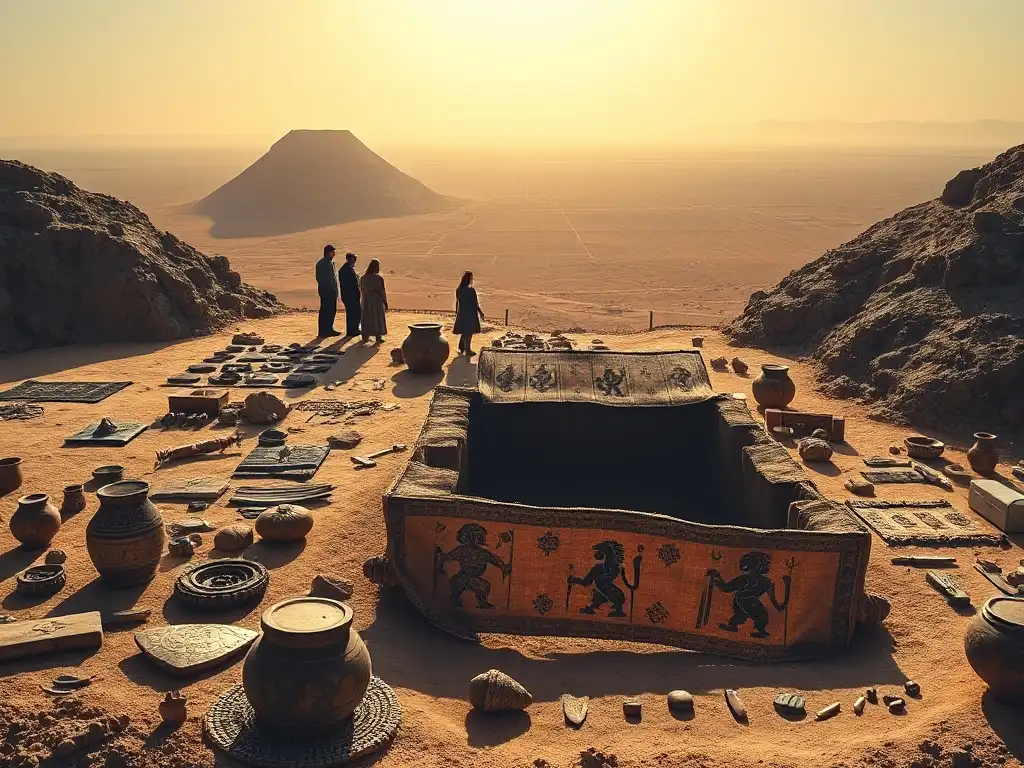
The Nazca social structure, a topic of ongoing scholarly debate, reveals a complex society far beyond the simplistic notion of a purely hierarchical system. While evidence points to a stratified society, the precise nature of social mobility and the fluidity of social categories remain areas of active research. Understanding the Nazca social system requires a multi-faceted approach, integrating insights from various archaeological findings.
The absence of monumental architecture comparable to that of the Inca or the monumental pyramids of other Andean cultures initially posed challenges to understanding their organizational complexity. However, a closer examination of their settlement patterns, burial practices, and artistic representations reveals a sophisticated social organization. The Nazca's mastery of irrigation and agriculture, detailed below, played a crucial role in supporting this complex society.
This section will explore key aspects of the Nazca social system, focusing on the insights provided by pottery, settlement patterns, and burial analysis. The “Nazca social structure” is thus revealed through careful consideration of these diverse archaeological findings.
Nazca pottery, renowned for its vibrant polychromy and intricate designs, offers invaluable insights into the social structure. The depiction of various individuals and activities provides a visual narrative of daily life and social interactions. Detailed analysis of ceramic styles and motifs reveals a degree of social differentiation.
For example, certain pottery styles, characterized by elaborate designs and high-quality materials, might have been associated with the elite or privileged members of society. Conversely, simpler pottery styles might represent the artifacts of commoners. The presence of distinct iconographic elements, such as specific clothing styles or headdresses, further reinforces this differentiation, suggesting the existence of various social groups or classes.
Further analysis of Nazca iconography reveals potential representations of religious figures or leaders. These figures, often depicted in elaborate costumes and surrounded by symbolic elements, might represent individuals holding significant social and religious authority. The repetition of certain motifs across multiple pottery pieces suggests the standardization of certain visual cues, possibly indicating the existence of a shared cultural understanding of social hierarchy and status.
The presence of specific symbols on pottery, such as stylized animals or plants, could also represent clan affiliations or social groups. However, further research is needed to confirm these interpretations definitively. The rich iconography of Nazca pottery, therefore, provides an invaluable window into the complexities of their social structure.
The spatial distribution of Nazca settlements offers compelling evidence for social differentiation. Archaeological surveys reveal a range of settlement sizes and complexities, suggesting the existence of varied social groupings. Larger, more centralized settlements, often located near significant water sources or agricultural lands, likely housed the elite or administrative centers. These settlements might have housed specialized craftsmen, religious leaders, and individuals associated with the management of resources.
Smaller, dispersed settlements, on the other hand, likely represented the residences of commoners or agricultural workers. The varying sizes and architectural features of dwellings within these settlements also suggest a degree of social stratification, with larger, more elaborate structures possibly belonging to individuals of higher status. The spatial arrangement of settlements, with larger settlements dominating the landscape, suggests a hierarchical social organization, with power concentrated in specific localities. The analysis of settlement patterns, therefore, provides crucial spatial evidence supporting the existence of a complex and stratified social system in Nazca society.
Reconstructing the Nazca social hierarchy requires a careful synthesis of evidence from various sources, including pottery, settlements, and burial practices. While a rigid, pyramidal hierarchy similar to the Inca is not clearly evident, a stratified system is strongly suggested by the archaeological record. At the top of the social hierarchy likely resided religious leaders or individuals holding significant political authority. These individuals would have controlled access to resources and exerted considerable influence over the population. The presence of elaborate burials, containing valuable grave goods, suggests the existence of an elite class enjoying privileged access to resources and status.
Below the elite, there likely existed a diverse range of social groups, including specialized craftsmen, farmers, and other skilled workers. These individuals would have played essential roles in maintaining the social and economic functioning of Nazca society. The evidence suggests a degree of social mobility, although the extent and mechanisms of such mobility remain uncertain.
Further research, particularly focusing on the analysis of isotopic ratios in human remains, might provide insights into dietary differences and social status. The reconstruction of the Nazca social hierarchy remains a work in progress, requiring further investigation to refine our understanding of the intricacies of their social organization and the dynamics of social power. This ongoing research continues to shed light on the fascinating complexities of the “Nazca social structure”.
The Nazca social structure, while still partially enigmatic, profoundly impacted their cultural achievements and overall societal development. Understanding this intricate system is crucial to appreciating the impressive feats of engineering, artistic expression, and agricultural innovation that characterize the Nazca civilization. Evidence suggests a hierarchical society, likely led by a priestly elite who controlled resources and religious practices. This structure fostered specialization of labor, allowing for the development of sophisticated technologies and artistic styles.
The hierarchical nature of Nazca society directly influenced the production of their remarkable art and technology. The specialized labor force, likely organized by the ruling class, allowed for the creation of intricate textiles, stunning ceramics, and the iconic Nazca Lines. Consider the immense undertaking of creating the geoglyphs: the precise planning and execution required a coordinated effort, suggesting a centralized authority capable of mobilizing significant manpower and resources.
This centralized control also likely facilitated the development of advanced irrigation systems, essential for their survival in the arid coastal region. The intricate designs found on their pottery, often depicting ritual scenes or mythological figures, reflect the importance of religious beliefs within the social structure, suggesting a strong link between religious authority and societal organization. Further research into the distribution of artifacts and the construction techniques employed could provide more concrete evidence of this relationship.
The skilled artisans, likely belonging to specific social groups, were able to refine their techniques over generations, leading to the distinctive style and quality of Nazca art. This suggests a system of apprenticeship or inheritance of skills within specific social strata.
The sophisticated social organization of the Nazca civilization left a lasting legacy on subsequent Andean cultures. Their hierarchical structure, with its specialized labor and centralized authority, served as a model for later societies. While the exact mechanisms of power and social mobility remain debated, the evidence suggests a system that effectively managed resources and maintained social order for centuries.
The influence of Nazca social structures can be seen in the organization of later Andean empires, particularly the Inca. The Inca's highly structured state, with its complex bureaucracy and specialized roles, bears some resemblance to the societal organization observed in Nazca culture. Further comparative studies are needed to fully understand the extent of this influence and to identify any specific mechanisms of cultural transmission.
The advanced irrigation techniques developed by the Nazca also had a lasting impact on subsequent agricultural practices in the Andes, demonstrating the long-term implications of their societal organization and technological advancements. This sustainable agricultural system contributed to the stability and prosperity of the Nazca civilization and influenced the agricultural practices of later Andean communities.
Comparing the Nazca social structure with those of other Andean cultures reveals both similarities and differences. While many Andean societies exhibited hierarchical structures, the specific characteristics varied. For example, the Moche civilization, contemporary to the Nazca, also displayed a hierarchical society with evidence of elite burials and specialized crafts.
However, the extent of centralized control and the specific social divisions might have differed. The Tiahuanaco culture, known for its large-scale urban planning and monumental architecture, also presented a complex social structure, but their system of governance and social hierarchy might have differed significantly from that of the Nazca. Further research comparing burial practices, artifact distribution, and iconography can shed light on the nuances of social organization within these different Andean cultures.
A comparative analysis of these societies, focusing on the interplay between social structures, technological advancements, and religious beliefs, will provide a more nuanced understanding of Andean societal development. The differences and similarities observed can illuminate the diverse paths of societal evolution in the Andes, providing valuable insights into the complex historical dynamics of the region. A detailed analysis, including [specific information pending on comparative studies of elite burials], would provide a more comprehensive picture.
Frequently Asked Questions
The Nazca social structure was likely hierarchical, with a ruling elite at the top, followed by priests, craftspeople, farmers, and laborers. The system was supported by intensive agriculture and specialized labor.
How did the Nazca elite maintain their power?
The Nazca elite likely maintained power through a combination of religious authority, control of resources, and potentially, military force. Monumental architecture and elaborate ceremonies also played a key role.
Evidence for the Nazca social hierarchy comes from elaborate burial sites containing rich grave goods for elites, contrasting with simpler burials for commoners. Architectural differences in settlements also hint at social stratification.
Yes, archaeological evidence strongly suggests a multi-tiered social structure within Nazca society. The differences in burial practices, housing, and access to resources indicate distinct social classes.
The specialized labor evident in Nazca art and technology, such as textiles, ceramics, and irrigation systems, reflects their complex social organization. Elite patronage likely played a crucial role in supporting these endeavors.
Final Reflection: Unraveling the Threads of Nazca Society
The intricate social structures of the Nazca civilization, once shrouded in mystery, continue to resonate with us today, offering valuable insights into the complexities of human organization and societal development. Their sophisticated irrigation systems, monumental architecture, and intricate textiles are not merely artifacts of a bygone era; they are testaments to a society that mastered its environment and fostered a complex social hierarchy, leaving behind a legacy that continues to inspire awe and scholarly debate.
The enduring power of the Nazca's legacy lies not only in their impressive achievements but also in the questions they leave unanswered. Their unique blend of artistry, engineering, and social organization challenges our preconceived notions about ancient societies and forces us to reconsider our understanding of societal progress. The past is never dead. It's not even past.
– William Faulkner. This quote perfectly encapsulates the ongoing relevance of studying the Nazca, as their story continues to unfold with each new discovery and interpretation. Their sophisticated social structure, with its interwoven layers of power and community, reminds us of the diverse ways humans have organized themselves throughout history.
Consider the intricate details of Nazca society – the roles of religious leaders, artisans, farmers, and the common people. Reflect on how their achievements in water management and agricultural innovation shaped their social fabric. You, the reader, are now equipped with a deeper understanding of this fascinating civilization.
Take this knowledge and apply it to your own understanding of social structures, past and present. How can we learn from the Nazca's successes and challenges to build more equitable and sustainable communities today? The legacy of the Nazca is not just a historical record; it is a call to action, urging us to explore the complexities of human interaction and strive for a better future.
**Unveil the Mysteries of the Nazca Civilization! **
Thank you for exploring the fascinating world of the Nazca! Your interest in their complex social structures reveals a keen appreciation for a civilization rich in history and cultural significance. Let's delve deeper into the wonders of this Andean culture through a more interactive experience!
Here's how you can continue your journey:
- **Expand your knowledge** by reading our article on the Nazca geoglyphs and discover how these enigmatic figures relate to their society.
- **Share your insights** with friends and on social media to spark engaging conversations about ancient civilizations.
- Join our **online community** where you can ask questions, exchange ideas, and connect with other history enthusiasts.
What aspect of Nazca culture captivates you most, and how does it influence your understanding of ancient societies?