
The Enigmatic Nazca Iconography: Decoding the Symbols and Their Meanings

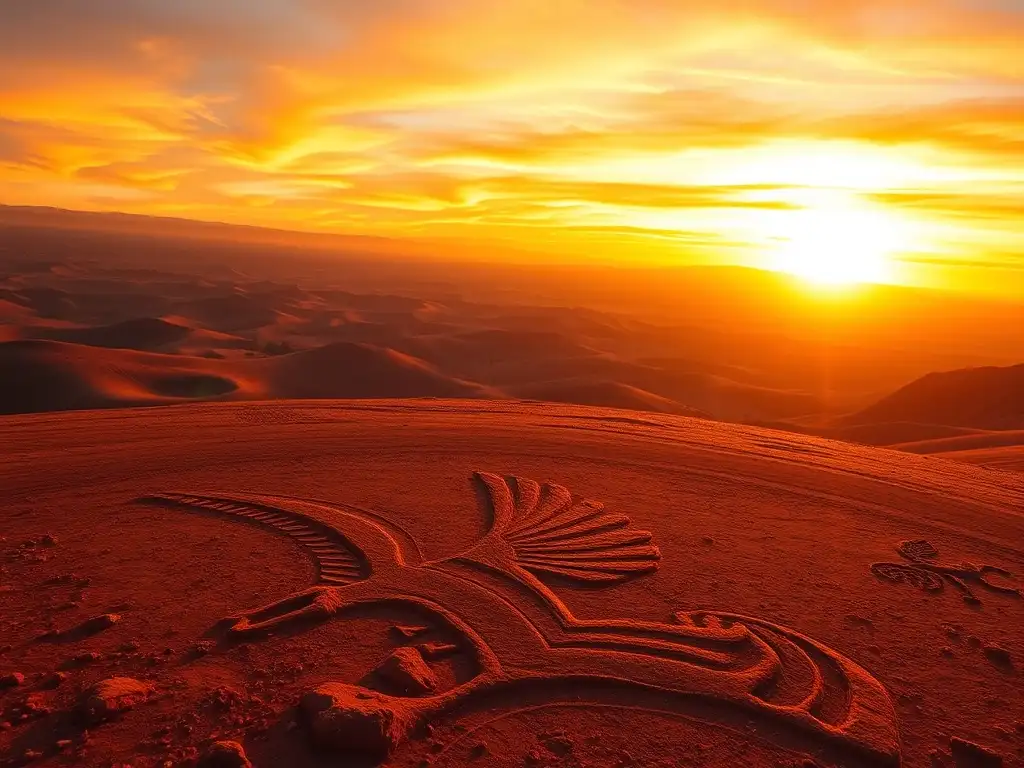
Unravel the mysteries hidden within the sands of Peru. For centuries, the Nazca Lines have captivated the world with their enigmatic scale and intricate designs. Journey with us as we delve into the fascinating world of Andean civilizations, exploring the breathtaking artistry and advanced technology of cultures like the Incas, Moche, and Tiahuanaco. But first, let's unlock the secrets behind the Nazca lines meaning and symbols, a puzzle that continues to challenge and inspire us. Prepare to be amazed...
The Nazca civilization, flourishing along the southern coast of Peru from approximately 100 BCE to 800 CE, left behind a legacy of intricate artistry and enigmatic symbols that continue to captivate researchers and enthusiasts alike. This article delves into the fascinating world of Nazca iconography, exploring the meanings behind the intricate designs found on their pottery, textiles, and most famously, the colossal geoglyphs etched into the desert floor—the Nazca Lines. We will unravel the complex symbolism woven into these artifacts, examining potential interpretations and shedding light on the cultural and religious beliefs of this remarkable Andean culture.
Understanding the Nazca lines meaning and symbols offers a crucial window into their worldview, revealing insights into their societal structure, agricultural practices, and spiritual beliefs. Prepare to embark on a journey through time, deciphering the secrets embedded within the captivating artistry of the Nazca people.
Introduction to Nazca Art and Symbolism
Nazca art is characterized by its vibrant colors, intricate designs, and highly stylized depictions of both the natural and supernatural worlds. Pottery, textiles, and even the geoglyphs themselves are replete with recurring motifs, including stylized animals (such as hummingbirds, monkeys, and lizards), mythical creatures, and geometric patterns. These symbols weren't merely decorative; they were imbued with deep cultural and religious significance, reflecting the Nazca's understanding of their environment and their place within the cosmos.
The recurring themes often relate to fertility, water, and the forces of nature, vital concerns in a desert environment. Detailed studies of Nazca pottery, for instance, reveal complex narratives and iconographic systems that provide clues to their beliefs and practices. The precision and detail in their work highlight a sophisticated understanding of artistic techniques and a deep connection to their symbolic language.
Many symbols remain debated, but careful analysis, combining art historical methods with anthropological insights, allows us to piece together a richer understanding of their meaning. We can see, for instance, how certain motifs reappear in different contexts, hinting at underlying connections and shared beliefs.
The Nazca Lines: More Than Just Geoglyphs
The Nazca Lines, arguably the most famous aspect of Nazca culture, are a collection of massive geoglyphs etched into the desert surface. These enormous figures, ranging from simple geometric shapes to complex representations of animals and plants, stretch for miles across the arid landscape. Their sheer scale and precision are astounding, prompting countless theories about their creation and purpose. While the exact techniques used to create the lines remain a subject of ongoing research, it's clear that considerable planning and effort were involved.
The lines themselves are not just simple scratches; they are carefully carved trenches, often several feet wide and deep, designed to contrast with the surrounding desert floor. The striking visibility from the air, however, has led to many misconceptions about their purpose. It is highly unlikely that they were designed to be seen from above, given that aerial technology was not available to the Nazca.
Understanding the Purpose of the Nazca Lines
The purpose of the Nazca Lines remains a subject of much debate. While some theories propose astronomical alignments or ceremonial purposes, the most widely accepted hypotheses suggest that the lines played a significant role in Nazca religious and ritual practices. The lines may have served as pathways for processions, marking out sacred spaces or facilitating rituals related to water and fertility. The representation of animals, such as the hummingbird and the spider, may also reflect the importance of these creatures in Nazca mythology and cosmology.
Further research is needed to fully elucidate their function, and new discoveries continue to challenge existing interpretations. The lack of written records presents a significant challenge, making the interpretation of the Nazca lines a complex and fascinating puzzle. The sheer scale of the undertaking suggests a highly organized society capable of mobilizing significant resources and labor.
Nazca Lines Meaning: Beyond the Simple Shapes
Beyond the immediately visible animal and plant figures, the Nazca lines also feature a multitude of geometric shapes and lines. These simpler elements, while seemingly less dramatic than the large figures, are arguably equally important to understanding the overall meaning and purpose of the lines. They might represent pathways, boundaries, or even abstract concepts related to Nazca cosmology or spirituality.
The arrangement and interplay of these geometric elements with the larger figurative designs create a complex visual tapestry, hinting at a nuanced understanding of space, time, and the interconnectedness of different aspects of the Nazca worldview. Detailed mapping and analysis of these intricate patterns are essential for unlocking a deeper understanding of the Nazca lines' significance.
The meticulous nature of the designs, even in the simplest elements, speaks to the dedication and cultural significance of this vast undertaking. The Nazca lines, therefore, are not just visually striking; they are a testament to the advanced understanding and complex beliefs of a remarkable ancient culture.
Deciphering Nazca Iconography: Key Motifs and Figures
The Nazca people, renowned for their enigmatic geoglyphs, also left behind a rich legacy of iconography expressed through their pottery and textiles. Understanding these symbols is crucial to deciphering their worldview, beliefs, and societal structures. Many motifs recur across various mediums, suggesting a consistent system of symbolic representation.
Scholars have dedicated years to studying these images, proposing various interpretations based on stylistic analysis, comparative studies with other Andean cultures, and contextual clues gleaned from archaeological excavations. The complexity and sophistication of Nazca iconography are evident in the detailed depictions of both realistic and mythical creatures, alongside abstract patterns and geometric designs. The vibrant colors and intricate details further enhance the symbolic power of these images, hinting at a deep understanding of the natural world and the spiritual realm.
While definitive interpretations remain elusive for some motifs, the recurring nature of certain symbols suggests their importance in Nazca society. Further research, incorporating interdisciplinary approaches, is needed to fully unlock the secrets embedded within Nazca iconography.
The Hummingbird in Nazca Art: Symbolism and Interpretation
The hummingbird, a creature of remarkable agility and vibrant plumage, holds a prominent position within Nazca iconography. Its depiction in pottery and textiles often showcases its characteristic hovering flight and iridescent colors. The hummingbird's swift movements and ability to access nectar from high-altitude flowers may have linked it to concepts of speed, agility, and access to spiritual realms. Some scholars suggest its association with shamanic practices and the ability to traverse different planes of existence.
The hummingbird's presence in Nazca art might also represent aspects of fertility and abundance, given its role in pollination. Detailed analyses of the hummingbird's portrayal in various contexts—alone, within complex scenes, or accompanied by other symbolic elements—are essential for a more nuanced understanding of its significance in Nazca culture. The subtle variations in its depiction across different artifacts further highlight the richness and complexity of its symbolic meaning.
The Spider Motif: Unveiling Its Significance
The spider, a creature often associated with creation, weaving, and intricate networks, appears frequently in Nazca art. Its depiction varies, ranging from realistic representations to stylized versions that emphasize its multiple legs and web-spinning capabilities. The spider's association with weaving is particularly relevant, given the Nazca's mastery of textile production. The intricate patterns of Nazca textiles might be seen as reflections of the spider's web, symbolizing the interconnectedness of the social fabric and the cosmic order.
Furthermore, the spider's ability to create intricate structures could have been interpreted as a symbol of craftsmanship, creativity, and the power to shape reality. The spider's presence in Nazca art, therefore, likely held multifaceted meanings, encompassing creation, craftsmanship, and the intricate web of life itself. Further investigation into the context in which spider motifs appear could reveal additional layers of meaning.
The Monkey Figure: Its Role in Nazca Iconography
The monkey, a creature often associated with playfulness, intelligence, and agility, is another recurring motif in Nazca art. Representations range from naturalistic depictions to stylized versions that emphasize certain features, like the monkey's expressive face and long limbs. The monkey's presence in Nazca iconography may reflect its ecological significance, its role in seed dispersal, or its association with certain plants or fruits.
However, the monkey's playful nature could also symbolize aspects of human behavior, such as social interaction, communication, and even trickery. The context in which monkeys are depicted—whether interacting with other animals, humans, or within specific scenes—is crucial to understanding the full range of their symbolism within Nazca culture. More research is needed to fully grasp the various meanings associated with this fascinating creature.
The Killer Whale and Other Marine Creatures: Representations in Nazca Culture
The Nazca coastline provided a rich source of inspiration for their artistic representations. Killer whales, dolphins, and other marine creatures appear frequently in Nazca pottery and textiles. The powerful presence of the killer whale, a top predator in the marine environment, likely held significant symbolic weight. Its depiction might represent strength, power, and mastery over the ocean.
Other marine creatures, such as fish and seabirds, may have symbolized abundance, fertility, or the interconnectedness of marine and terrestrial ecosystems. Detailed studies of these marine representations, taking into account their stylistic variations and contextual placement, are crucial for unraveling their symbolic meanings within the broader context of Nazca worldview. The presence of these creatures in Nazca art suggests a deep understanding and appreciation for the marine environment and its resources.
Anthropomorphic Figures: Deities and Rituals
Nazca iconography frequently features anthropomorphic figures, figures with both human and animal characteristics. These figures often appear in complex scenes, potentially depicting deities, shamans, or participants in rituals. The combination of human and animal traits suggests a blending of the human and spiritual worlds, possibly representing deities with specific powers or attributes.
Some anthropomorphic figures are depicted wearing elaborate headdresses or costumes, indicating their social status or ritual role. Analyzing the details of these figures, such as their attire, accessories, and accompanying symbols, is crucial for interpreting their function and meaning within Nazca society. The presence of these figures within ritual contexts, as suggested by the archaeological evidence, further strengthens the hypothesis of their religious or ceremonial significance.
Nazca Pottery: Vessels as Canvases of Symbolic Expression
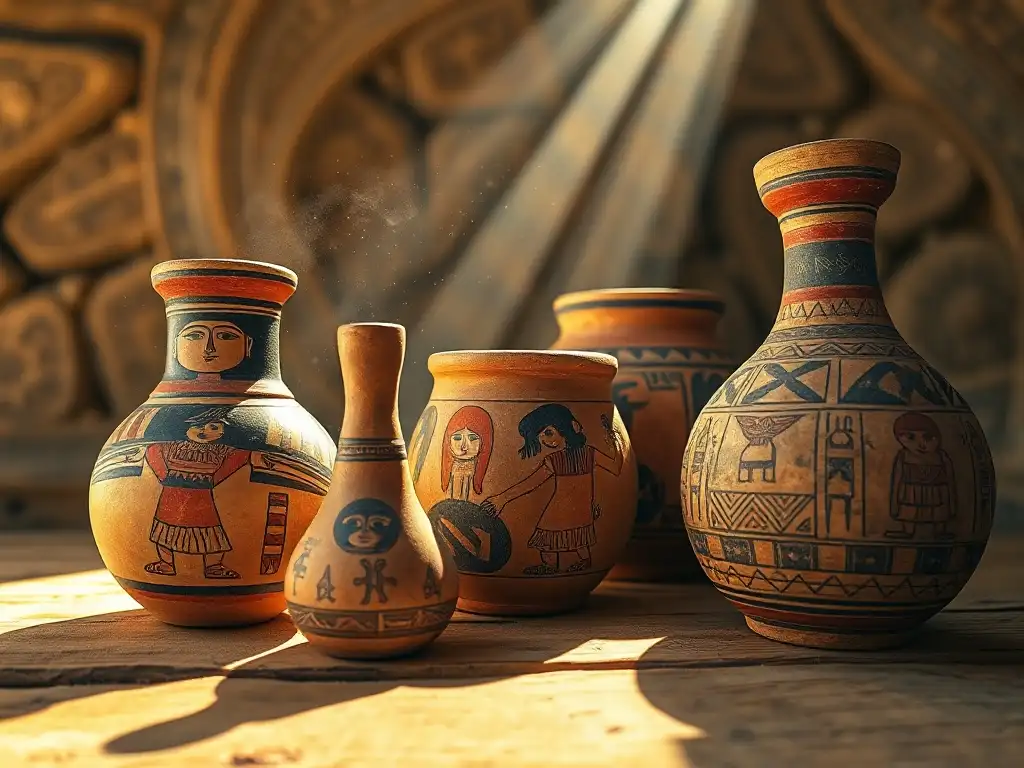
Nazca pottery serves as a remarkable repository of their artistic and symbolic expressions. The intricate designs and vibrant colors applied to these vessels reveal much about their beliefs, rituals, and worldview. The pottery's functionality as containers for liquids and food doesn’t diminish its artistic and symbolic importance; rather, it elevates it, suggesting that even everyday objects were imbued with spiritual or symbolic meaning.
The variety of forms and decorative techniques employed by Nazca potters further highlights the sophistication of their artistic skills and the depth of their symbolic language. The careful selection of colors and the precise application of designs showcase the potters' mastery of their craft and their commitment to creating aesthetically pleasing and symbolically rich objects.
The Use of Color in Nazca Pottery Decoration
The vibrant and diverse palette of colors used in Nazca pottery is a defining characteristic of their artistic style. Red, white, black, and various shades of brown and yellow are commonly employed, often in intricate combinations to create complex and visually stunning patterns. The use of color may have held symbolic significance, with certain colors being associated with specific deities, rituals, or natural elements.
For example, red might represent blood, fertility, or the sun, while white could signify purity or the moon. The careful application of these colors, often in thin, precise lines, demonstrates a high level of skill and artistic precision. The durability of the pigments used ensures that the vibrant colors have survived for centuries, allowing us to appreciate the artistic mastery of Nazca potters and the symbolic significance of their color choices.
Recurring Motifs on Nazca Ceramics
Certain motifs recur frequently on Nazca ceramics, suggesting their profound symbolic importance. These include stylized depictions of plants, animals, and human figures, as well as geometric patterns and abstract designs. The repetition of these motifs across different vessels and contexts suggests a standardized system of symbolic representation, shared and understood by the Nazca people.
The precise execution of these recurring motifs, often with minute details and variations, indicates a high level of artistic skill and a deep understanding of the symbolic language employed. The study of these recurring motifs provides valuable insights into Nazca beliefs, rituals, and social structures, offering a glimpse into the rich tapestry of their cultural heritage.
The Double Spout and Bridge Vessel: Symbolism and Function
The double-spout and bridge-handled vessel is arguably the most iconic type of Nazca pottery. This distinctive form, with its two spouts connected by a bridge, has fascinated scholars for decades. While its precise function remains debated, many believe it was used in ritual contexts, possibly for pouring libations or ceremonial drinks. The symbolic meaning of this vessel is equally intriguing.
Some scholars suggest that the two spouts represent duality, such as the opposition between the earthly and spiritual realms, or the balance between male and female principles. The bridge connecting the spouts could symbolize the connection between these opposing forces. The intricate designs that often adorn these vessels further enhance their symbolic richness. The double-spout and bridge vessel, therefore, represents not only a remarkable achievement in pottery craftsmanship but also a powerful symbol of Nazca cosmology and religious beliefs.
Nazca Textiles: Weaving Stories Through Symbols
Nazca textiles are renowned for their vibrant colors, intricate designs, and the rich symbolism woven into their very fabric. These textiles, often discovered in burial contexts, offer invaluable insights into the worldview and beliefs of the Nazca people. The intricate patterns are not merely decorative; they tell stories, convey social status, and reflect the spiritual significance of various motifs.
Careful analysis of these textiles reveals a complex system of symbols that, when deciphered, illuminate aspects of Nazca society previously unknown or poorly understood. The preservation of these textiles, often found in remarkably good condition due to the arid climate of the Nazca region, allows for detailed study and interpretation. The sheer diversity of motifs and the consistent use of specific symbols across various textile pieces suggest a standardized system of visual communication, vital to understanding the Nazca worldview.
Further research continues to uncover new interpretations and deepen our understanding of these remarkable artifacts. The meticulous craftsmanship evident in these textiles is a testament to the skill and artistry of Nazca weavers, whose work serves as a window into a fascinating and complex culture.
Techniques and Materials Used in Nazca Textile Production
The creation of Nazca textiles was a complex process requiring considerable skill and knowledge. Weavers primarily used cotton, a readily available resource in the region, though other fibers, like camelid wool, were also incorporated, likely based on the intended use and social standing of the recipient. The cotton was carefully prepared, spun into thread, and then dyed using natural pigments derived from plants, minerals, and insects.
These pigments produced a remarkable range of vibrant colors, which have remarkably endured over centuries. The weaving techniques employed were sophisticated, including various types of plain weave, tapestry weave, and even forms of brocade. The intricate designs found in Nazca textiles often required multiple colors and a high level of precision, showcasing the expertise of the artisans.
The use of specific techniques, like supplementary weft, allowed for the creation of detailed patterns and intricate motifs. The quality of the textiles varies, suggesting different levels of skill and possibly social stratification among the weavers. Evidence suggests specialized workshops or production centers may have existed, contributing to the consistency and quality of many surviving examples.
Symbolism Embedded in Nazca Textile Patterns
The patterns and motifs found on Nazca textiles are far from random; they represent a rich tapestry of symbols that carry deep meaning. Common motifs include stylized depictions of animals, such as birds, felines, reptiles, and marine life, each potentially holding religious or symbolic significance. Geometric shapes, such as triangles, zigzags, and stepped patterns, are also prevalent, possibly representing abstract concepts or cosmological ideas.
The placement and combination of these motifs within a textile often seem to tell a story or convey a specific message. For instance, a combination of a specific bird and a geometric pattern might indicate a particular ritual or social status. Scholars have proposed various interpretations, some suggesting connections to agricultural cycles, astronomical observations, or shamanic practices.
Further research is needed to fully unravel the meaning behind the intricate symbolism embedded in Nazca textile patterns. The complexity of these designs and the consistent use of certain symbols across different textiles suggest a shared understanding and a highly structured system of visual communication within Nazca society. This suggests a level of social organization and cultural complexity far beyond what was initially assumed.
Analysis of the Trophy Head Motif in Nazca Textiles
The trophy head motif is a recurring and particularly striking feature in Nazca textiles. Depictions of severed heads, often stylized and sometimes adorned with elaborate headdresses or other embellishments, are found across a wide range of textile pieces. The presence of this motif suggests the significance of headhunting or ritualistic decapitation in Nazca society.
The stylistic variations in the depiction of trophy heads may indicate different social contexts or levels of significance. Some are highly detailed and realistically rendered, while others are more stylized and symbolic. The inclusion of the trophy head motif within larger, more complex patterns suggests its integration into a broader cosmological or ritualistic framework.
Interpretations vary, with some scholars suggesting that the trophy heads represent conquered enemies, while others argue that they symbolize power, ancestor veneration, or participation in ritualistic practices. Further research is needed to determine the precise meaning and significance of this powerful and unsettling motif within Nazca culture. The frequency and prominence of the trophy head motif in Nazca textiles highlight its importance in understanding the beliefs and practices of this ancient Andean civilization.
The Religious and Ritualistic Context of Nazca Symbols
The symbols found in Nazca iconography, whether on textiles, pottery, or the famous ground drawings, are deeply intertwined with the religious and ritualistic practices of the culture. Understanding these symbols requires considering their context within the broader framework of Nazca beliefs and rituals. Many motifs appear to be connected to the natural world, reflecting the importance of agriculture and the cyclical nature of life and death.
The depiction of specific animals, plants, and celestial bodies suggests a close relationship between the Nazca people and their environment. The presence of certain symbols in specific contexts, such as burial sites or ceremonial centers, further emphasizes their ritual significance.
The complex interplay of different symbols within a single artifact or design suggests a layered system of meaning, reflecting the complexity of Nazca religious beliefs. Evidence suggests a close connection between religious beliefs and social organization, with religious leaders playing a crucial role in maintaining social order and mediating relations between the human world and the supernatural realm.
The Relationship Between Nazca Iconography and Religious Beliefs
The relationship between Nazca iconography and religious beliefs is complex and multifaceted, with symbols often representing abstract concepts related to cosmology, ancestor veneration, and shamanic practices. The frequent depiction of deities or supernatural beings, often anthropomorphic or zoomorphic in nature, indicates a belief in a pantheon of gods and spirits. The intricate designs found on textiles and pottery may represent narratives of creation, journeys to the underworld, or shamanic experiences.
The symbolic representation of the natural world, including plants, animals, and celestial bodies, suggests a deep connection between the Nazca people and their environment. This connection is further evidenced by the agricultural themes found in many Nazca designs, reflecting the importance of agriculture in their daily lives and religious beliefs.
The use of specific colors and patterns may have held symbolic meaning, related to specific deities or rituals. Analysis of the iconography in conjunction with archaeological evidence, such as burial practices and ceremonial structures, provides a more comprehensive understanding of the Nazca religious worldview.
Ritual Practices and Their Connection to Nazca Art
Nazca art is inextricably linked to ritual practices, with many artifacts serving as both aesthetic objects and ritual tools. The careful placement and arrangement of artifacts in burial contexts suggest elaborate funerary rituals. The inclusion of specific symbols on grave goods may indicate beliefs about the afterlife or the journey of the soul.
Ceremonial centers, likely used for ritual gatherings and offerings, have yielded numerous artifacts decorated with symbolic motifs, further emphasizing the role of art in religious practice. Evidence suggests the use of hallucinogenic substances during certain rituals, which may explain the highly stylized and often surreal nature of some Nazca art.
The creation of textiles and pottery may have been part of ritual processes themselves, with artisans acting as intermediaries between the human and supernatural worlds. The integration of art and ritual provides crucial insights into the beliefs and practices of Nazca society, offering a glimpse into their spiritual world.
The Role of Shamans and Priests in Nazca Society
The role of shamans and priests in Nazca society is evident in the iconography and archaeological record. Many motifs suggest a belief in shamanic practices, with depictions of individuals engaging in trance-like states or interacting with supernatural beings. Shamans likely played an important role in mediating between the human and supernatural worlds, conducting rituals, and interpreting omens.
Priests, possibly holding higher positions within the social hierarchy, may have been involved in organizing and overseeing religious ceremonies. The creation of certain artifacts, such as intricately decorated textiles or pottery vessels, may have been reserved for individuals with religious authority. The presence of specific symbols on these objects could indicate the power and status of the individuals who used them.
Further research is needed to fully understand the complex social hierarchy and the roles of different religious figures within Nazca society. Analyzing the iconography in conjunction with archaeological data offers valuable insights into the religious organization and the importance of religious leaders in influencing social and political structures.
Theories and Interpretations of Nazca Iconography
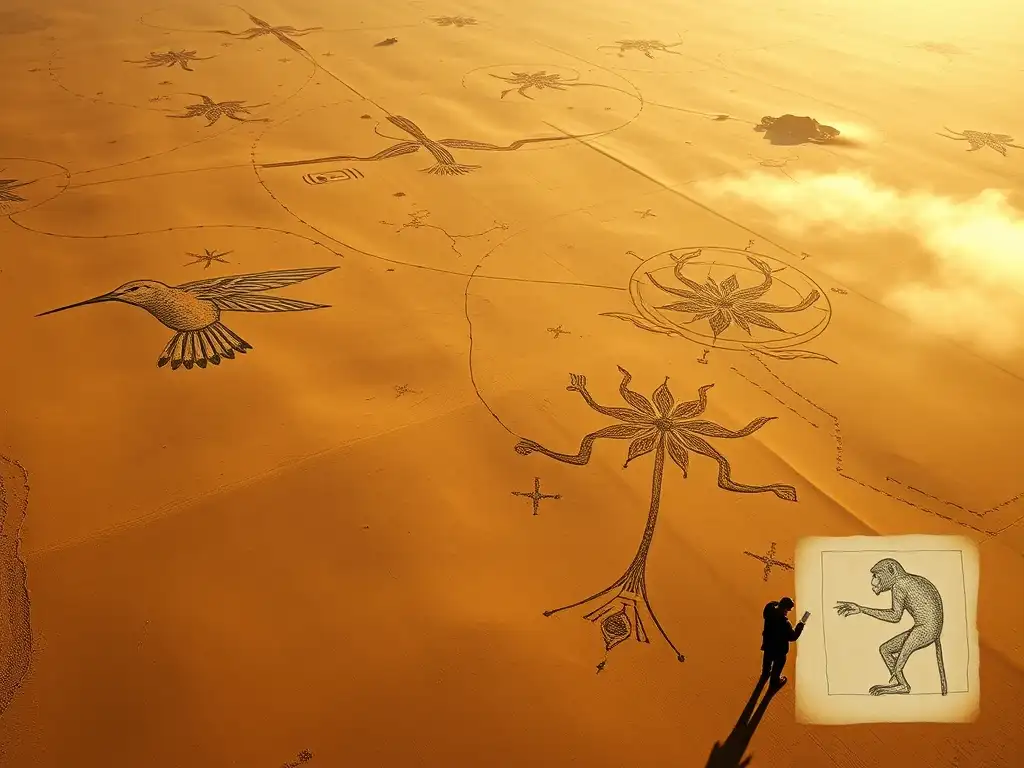
The intricate designs adorning Nazca pottery and textiles, alongside the monumental Nazca Lines, have captivated scholars and enthusiasts for decades. Numerous theories attempt to decipher their meaning, ranging from astronomical observations to complex social and religious beliefs. The lack of written records from the Nazca culture presents a significant challenge, forcing researchers to rely heavily on iconographic analysis, comparative studies with other Andean cultures, and contextual archaeological evidence.
This interpretive process is inherently complex, and multiple interpretations often coexist, reflecting the multifaceted nature of Nazca society and its beliefs. Understanding these interpretations requires careful consideration of the diverse approaches and the limitations imposed by the scarcity of direct evidence. The very act of interpreting these symbols is an ongoing process of scholarly debate and refinement, with new discoveries continually shaping our understanding.
Astronomical Interpretations of the Nazca Lines and Symbols
Some researchers propose that the Nazca Lines and certain motifs found in Nazca art reflect astronomical knowledge and practices. The alignment of some lines with solstices or equinoxes suggests a possible connection to the celestial calendar. Specific symbols, like those depicting celestial bodies or constellations, could represent astronomical events or deities associated with the cosmos. This theory posits that the Nazca people possessed advanced astronomical understanding, using the lines and symbols for ritualistic or calendrical purposes.
However, this interpretation is not universally accepted, and further research is needed to definitively confirm the astronomical significance of all the lines and symbols. The complexity of the geoglyphs and the lack of clear evidence linking specific symbols to specific astronomical events remain significant challenges to this theory. Nevertheless, the potential link between Nazca iconography and astronomical observations remains a compelling area of ongoing investigation.
Fertility and Agricultural Symbolism in Nazca Art
A prevalent theme in Nazca iconography is the representation of plants, animals, and deities associated with fertility and agriculture. The arid coastal environment of Nazca demanded sophisticated irrigation techniques and agricultural practices. The depiction of stylized plants, such as maize and beans, and animals crucial for agriculture, like llamas and camelids, strongly suggests the importance of these elements in Nazca society.
Many anthropomorphic figures are shown carrying agricultural implements or adorned with plant motifs, further emphasizing the centrality of agriculture to their worldview. The abundant imagery of water sources, such as rivers and wells, underscores the vital role of water management in ensuring successful harvests. These recurring motifs suggest that Nazca art served as a visual representation of their dependence on, and reverence for, the natural world and its capacity to provide sustenance.
Social and Political Interpretations of Nazca Iconography
Beyond agricultural themes, Nazca iconography also provides clues about the social and political organization of the culture. The depiction of elaborate headdresses, costumes, and weaponry suggests a stratified society with distinct social classes. Certain symbols may represent clan affiliations or political power. The presence of recurring motifs in different contexts allows researchers to speculate about the potential role of these symbols in social interactions and political displays.
However, interpreting these social dynamics requires careful consideration of the context in which the symbols appear. The meaning of a specific symbol might vary depending on its location, the associated figures, and the overall composition of the artwork. While we can infer social hierarchies from the iconography, the exact nature of Nazca social and political structures remains a subject of ongoing debate and research. Further archaeological discoveries and refined analytical techniques are crucial for a more comprehensive understanding.
The Legacy of Nazca Symbolism: Insights into an Ancient Culture
The enduring power of Nazca symbolism lies in its ability to transcend time and continue to fascinate and inspire. The intricate designs and enigmatic meanings embedded within Nazca pottery, textiles, and the monumental lines offer a glimpse into the beliefs, practices, and social structures of this remarkable ancient civilization. Studying Nazca iconography provides invaluable insights into their worldview, their relationship with their environment, and their artistic skills.
While many questions remain unanswered, ongoing research continues to shed light on the intricacies of Nazca culture. The legacy of Nazca symbolism serves as a testament to the creativity and ingenuity of this ancient society, leaving a lasting impact on our understanding of Andean civilization and its rich cultural heritage.
The study of Nazca lines meaning and symbols continues to be a vibrant field, with new discoveries and interpretations constantly enriching our knowledge. The enigmatic nature of the symbols ensures that the fascination with Nazca culture will endure for generations to come.
Conclusion: The Enduring Mystery of Nazca Iconography
The Nazca lines and their associated iconography continue to fascinate and challenge researchers. While significant progress has been made in understanding some of the symbols, many remain enigmatic, fueling ongoing debate and speculation. The lack of written records from the Nazca civilization itself presents a major hurdle. We must rely on careful analysis of the artifacts, their context, and comparative studies with other Andean cultures to piece together a more complete picture.
The interpretations offered here, while based on current scholarly consensus, are subject to revision as new evidence emerges and methodologies evolve. The very nature of the Nazca lines, their scale, and the apparent effort involved in their creation, suggest a deep-seated cultural significance extending beyond simple decoration or ritualistic practices. Further research into the social structures, beliefs, and astronomical knowledge of the Nazca people is crucial to unlocking the full meaning of their iconic imagery. Ultimately, the enduring mystery of Nazca iconography is a testament to the ingenuity and complexity of this remarkable ancient civilization, a civilization that continues to inspire awe and wonder centuries after its demise.
The ongoing efforts to decipher these symbols remind us of the power of art to transcend time and offer glimpses into the lives, beliefs, and worldview of a people lost to history, yet whose legacy remains vividly etched into the landscape. The quest to understand the Nazca lines and their symbols is not just an academic pursuit; it is a journey into the heart of a captivating culture, a journey that promises to reveal further secrets as we continue to explore and interpret this extraordinary heritage. The Nazca lines and their associated iconography stand as a powerful reminder of the enduring human fascination with symbolism and the enduring power of art to communicate across millennia. Understanding their meaning is a continuous process, a testament to the richness and complexity of the Nazca civilization and its legacy.
- Introduction to Nazca Art and Symbolism
- The Nazca Lines: More Than Just Geoglyphs
- Deciphering Nazca Iconography: Key Motifs and Figures
- Nazca Pottery: Vessels as Canvases of Symbolic Expression
- Nazca Textiles: Weaving Stories Through Symbols
- The Religious and Ritualistic Context of Nazca Symbols
- Theories and Interpretations of Nazca Iconography
- The Legacy of Nazca Symbolism: Insights into an Ancient Culture
- Conclusion: The Enduring Mystery of Nazca Iconography
Frequently Asked Questions
What are the Nazca Lines?
The Nazca Lines are geoglyphs, enormous figures and lines etched into the Peruvian desert by the Nazca culture. They are best viewed from the air and their purpose remains a mystery.
What kinds of symbols are depicted in the Nazca Lines?
The Nazca Lines feature a wide variety of symbols, including animals (hummingbirds, monkeys, lizards), plants, geometric shapes, and humanoid figures. Their precise meanings are still debated.
What is the most popular theory about the meaning of the Nazca Lines?
A leading theory suggests the lines served as a form of ritual or religious expression, possibly related to water sources or astronomical observations. Other theories involve territorial markers or pilgrimage routes.
Are there any deciphered symbols in the Nazca Lines?
While no complete "decipherment" exists, researchers have made progress in understanding some symbols through comparisons with other Nazca artifacts and by considering their context within the landscape.
How were the Nazca Lines created?
The Nazca people likely created the lines by removing the dark surface stones to reveal the lighter subsoil. The process involved extensive labor and a sophisticated understanding of the landscape.
Final Reflection: Unraveling the Enigma: A Legacy Etched in Earth
The Nazca Lines, far from being mere ancient curiosities, remain a potent symbol of humanity's enduring quest for meaning and expression. Their enigmatic nature continues to fascinate and challenge us, prompting ongoing research and sparking endless speculation about their purpose and the sophisticated civilization that created them. The enduring mystery surrounding these geoglyphs underscores the power of art to transcend time and culture, leaving a legacy that resonates deeply even today.
The impact of the Nazca Lines extends far beyond the arid plains of Peru; they represent a powerful testament to human ingenuity and the enduring desire to leave a mark on the world. Their continued study forces us to confront our own biases and assumptions about ancient civilizations, reminding us that our understanding of the past is constantly evolving. The past is never dead. It's not even past.
- William Faulkner. This quote perfectly encapsulates the ongoing relevance of the Nazca Lines, as their meaning continues to be debated and reinterpreted by each generation.
Consider the intricate detail, the sheer scale, and the enduring mystery of these ancient symbols. What can you learn from the dedication and artistry of the Nazca people? How can you apply their spirit of innovation and creative expression to your own life? Let the enigmatic beauty of the Nazca Lines inspire you to pursue your own passions with unwavering dedication, leaving your own unique mark on the world, however small it may seem. Embrace the mystery, and let it fuel your own quest for meaning and understanding.
Unveil the Mysteries of Nazca: Take Action Today!
Thank you for exploring the fascinating world of Nazca iconography with us! We hope you've gained a deeper understanding of these ancient symbols and their rich history. Now, let's put your newfound knowledge into action and delve further into the wonders of Andean cultures.
Here are a few ways you can continue your exploration:
- Experience the Nazca Lines: Take a virtual tour or, even better, plan a trip to Peru to witness the majesty of these geoglyphs firsthand. The breathtaking scale and mystery of these ancient creations are truly unforgettable.
- Join the Conversation: Connect with other enthusiasts online to share your thoughts and interpretations of the Nazca symbols. Many online forums and social media groups provide vibrant communities dedicated to exploring these fascinating images.
- Create Your Own Inspired Work: Let the symbols inspire you! Create art, write a story, or develop a digital project that reflects your unique understanding and appreciation of Nazca culture.
How can understanding Nazca iconography broaden our appreciation of ancient civilizations? We'd love to hear your perspectives!