
Threads of Mystery: Exploring the Intricate Designs of Nazca Textiles

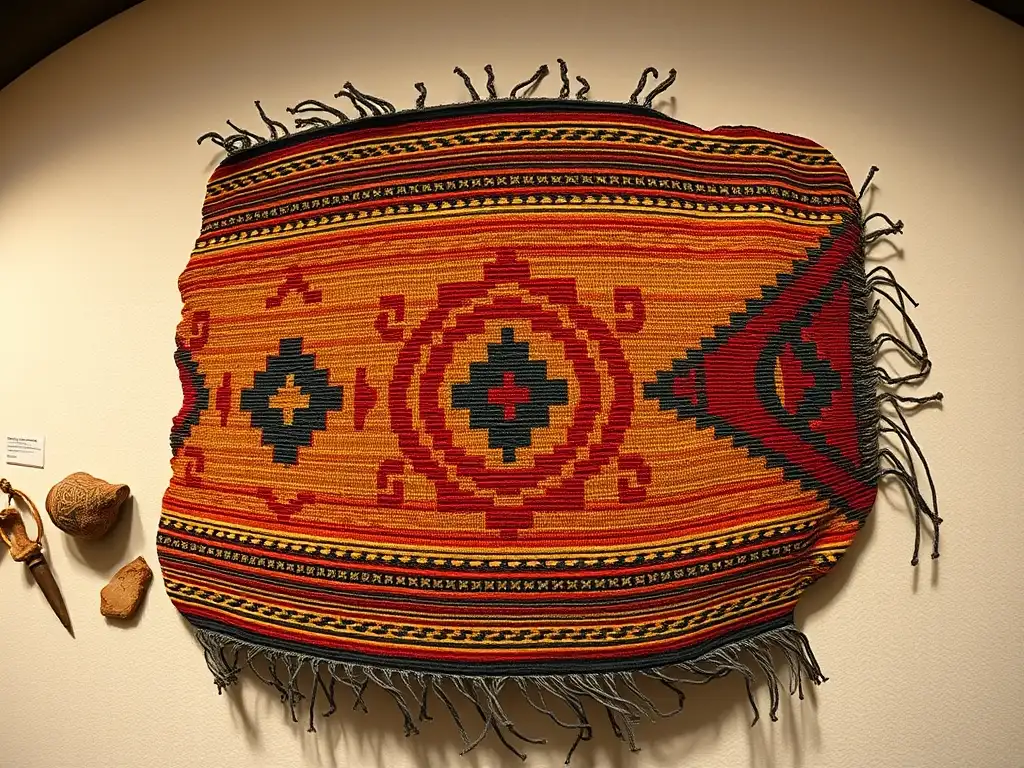
Step into a world lost to time, where vibrant threads whisper tales of a civilization shrouded in mystery. Dive into the captivating world of the Andean civilizations, uncovering their remarkable achievements in art, technology, and culture. But prepare to be truly amazed by the Nazca textiles design history: intricate patterns woven into fabrics that defy explanation. What secrets do these ancient designs hold? Unravel the enigma and discover the breathtaking artistry of the Nazca people – your journey begins now.
The Nazca civilization, famed for its enigmatic geoglyphs etched into the Peruvian desert, also left behind a rich legacy of intricate textiles. These aren't merely pieces of cloth; they are vibrant tapestries woven with threads of history, social status, and spiritual belief. This article delves into the fascinating world of Nazca textile design, exploring the techniques, symbolism, and historical significance embedded within these remarkably preserved artifacts.
We will uncover the secrets woven into their complex patterns, revealing insights into the daily lives, religious practices, and artistic mastery of this captivating pre-Columbian culture. Understanding Nazca textiles design history provides a crucial window into the sophisticated society that thrived in the arid coastal plains of southern Peru. Prepare to be amazed by the artistry and ingenuity of a people who transformed humble fibers into breathtaking works of art.
Unraveling the Techniques: From Fiber to Fabric
The creation of Nazca textiles was a complex process, demanding considerable skill and patience. The artisans, likely women, began by harvesting and preparing natural fibers, primarily cotton and camelid wools (llama and alpaca). Evidence suggests they employed advanced spinning techniques, creating incredibly fine and strong threads. The dyeing process was equally sophisticated, utilizing natural pigments derived from plants, minerals, and insects to achieve a stunning array of colors.
These colors, often incredibly vibrant even after centuries, included deep reds, rich browns, brilliant yellows, and various shades of blue and green. The actual weaving techniques employed varied, with some textiles showcasing intricate tapestry weaving, while others utilized simpler techniques like plain weave or brocade. The precision and complexity of the designs, regardless of the technique, is a testament to the weavers' mastery. Analysis of surviving textiles reveals astonishing levels of detail, with motifs often smaller than a centimeter in size.
Decoding the Symbolism: Unveiling the Meaning Behind the Motifs
The motifs found in Nazca textiles are far from random; they are rich with symbolic meaning, reflecting the worldview and beliefs of the Nazca people. Common motifs include stylized animals such as birds (particularly hummingbirds and condors), felines, reptiles, and marine creatures. These weren't simply decorative elements; they likely represented deities, shamans, or held significance within their cosmology. Geometric patterns, often complex and interwoven, may have represented celestial bodies, agricultural cycles, or abstract concepts related to their spiritual beliefs.
Furthermore, the placement and combination of motifs within a textile could have conveyed deeper, layered meanings, only now slowly being deciphered by researchers. Much remains unknown, but ongoing research constantly reveals new interpretations of these ancient symbols. For example, the recurring motif of a stylized “double-headed serpent” might represent duality or the cyclical nature of life and death.
The quality and complexity of Nazca textiles varied considerably, suggesting a connection to social status. Elaborately woven garments, adorned with intricate designs and rare dyes, were likely reserved for the elite members of society, perhaps priests, rulers, or high-ranking officials. Simpler textiles, using less complex designs and common dyes, were probably worn by the general population.
This difference in textile production highlights the sophisticated social structure of the Nazca civilization and underscores the importance of textiles as markers of social standing. The discovery of complete textile ensembles in elite burials further supports this hypothesis, indicating that these garments were not merely everyday clothing but significant symbols of power and prestige. The careful preservation of these textiles in tombs suggests their enduring cultural value, even beyond the lifespan of their owners.
Nazca Textiles and Their Lasting Legacy: A Continuing Source of Fascination
The intricate designs of Nazca textiles continue to fascinate and inspire researchers and art enthusiasts alike. Their exceptional preservation, due in part to the arid climate of the region, has allowed us to gain invaluable insights into the artistic, technological, and spiritual aspects of this remarkable culture. The ongoing study of these textiles, combined with advancements in archaeological techniques, promises to further enhance our understanding of Nazca society and their remarkable contribution to the rich tapestry of Andean civilization.
The enduring beauty and complexity of Nazca textiles serve as a testament to the ingenuity and creativity of a people who, despite their relatively modest size, left an indelible mark on history. Their legacy lives on, not only in the stunning artifacts they left behind, but also in the ongoing quest to unravel the mysteries woven into their threads.
- Unraveling the Techniques: From Fiber to Fabric
- Decoding the Symbolism: Unveiling the Meaning Behind the Motifs
- Social Status and Textile Production: A Hierarchy of Threads
- Nazca Textiles and Their Lasting Legacy: A Continuing Source of Fascination
Unveiling the Secrets of Ancient Nazca Textile Art
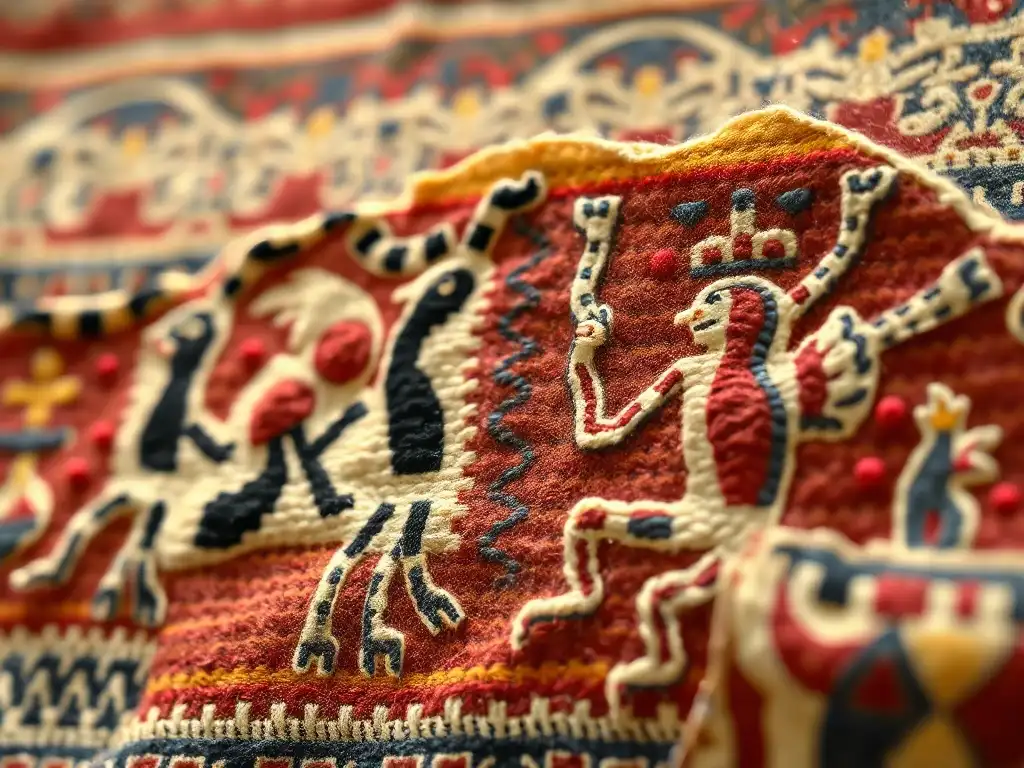
This section delves into the captivating world of Nazca textiles, exploring their intricate designs and the rich history behind their creation. We will examine the historical context of their production, the materials used, and the sophisticated weaving techniques employed by these skilled artisans. Understanding these aspects provides invaluable insight into the social structures, beliefs, and daily lives of the Nazca people. The enduring legacy of Nazca textiles design history continues to fascinate researchers and textile enthusiasts alike.
The Historical Context of Nazca Textile Production
The Nazca culture, flourishing along the southern coast of Peru from approximately 100 BC to 800 AD, left behind a remarkable legacy of artistic expression. Their textiles, often discovered in burial sites, offer a unique window into their society. The production of these textiles wasn't a simple craft; it was deeply interwoven with their social and religious practices. Evidence suggests that textile production was likely a specialized activity, possibly undertaken by women within specific social groups.
The complexity of some designs and the high quality of the materials used point to a level of skill and expertise that was highly valued within Nazca society. Analysis of burial contexts indicates that textiles were not simply utilitarian items; rather, they held significant symbolic meaning and were often associated with status and ritual practices. The intricate designs found on these textiles frequently depict deities, mythical creatures, and scenes from daily life, providing valuable clues about their cosmology and beliefs.
Further research into burial patterns and associated artifacts could potentially reveal more about the social organization of textile production and its significance within the Nazca worldview. Understanding the historical context illuminates the artistry not just as aesthetic achievement, but as a reflection of a vibrant and complex culture. The meticulous nature of the Nazca textiles design history reveals a deep commitment to craftsmanship and symbolic representation.
Materials and Techniques in Nazca Textile Weaving
Nazca weavers demonstrated remarkable ingenuity in their choice of materials and mastery of weaving techniques. Their primary fiber source was cotton, cultivated extensively in the fertile valleys of the Nazca region. Different types of cotton were likely used, each with its unique properties influencing the texture and drape of the finished textile. The vibrant colors achieved in Nazca textiles are a testament to their understanding of natural dyes. These dyes, extracted from plants, insects, and minerals, were meticulously prepared and applied to the cotton fibers before weaving.
The range of colors, from deep reds and oranges to subtle yellows and blues, showcases the Nazca's sophisticated knowledge of natural pigments and their ability to create lasting, brilliant hues. The weaving techniques employed by Nazca artisans were equally impressive. They mastered various techniques, including plain weave, tapestry weave, and weft-faced techniques, allowing them to create intricate patterns and designs with remarkable precision. Evidence suggests that some textiles incorporated multiple weaving techniques within a single piece, demonstrating a high level of skill and creativity.
The use of supplementary weft techniques allowed them to create detailed figures and complex geometric patterns. Analyzing the specific techniques used in individual textiles provides insights into the level of skill of the weaver and the social status of the individual for whom the textile was made. The enduring quality and complexity of the Nazca textiles design history is a testament to the mastery of these ancient weaving traditions. The use of diverse materials and techniques contributes to the uniqueness and aesthetic appeal of these remarkable artifacts.
Decoding the Symbolic Language of Nazca Textile Designs
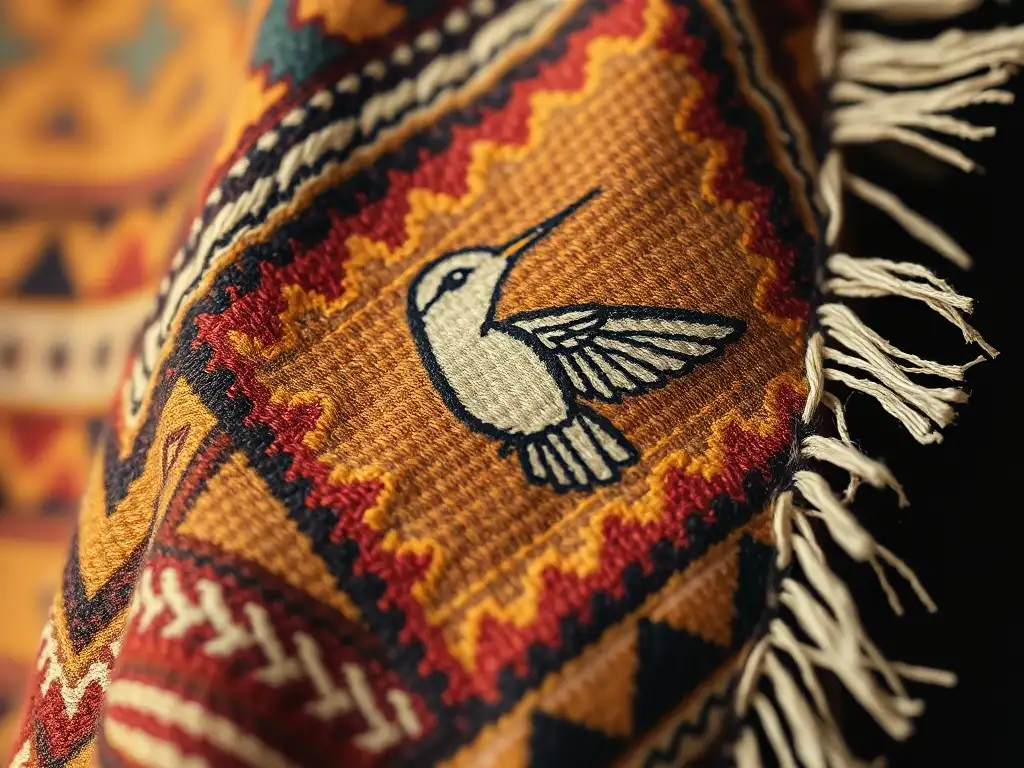
The intricate designs adorning Nazca textiles represent far more than mere aesthetic embellishment; they are a rich tapestry woven with symbolic language, reflecting the cosmology, social structures, and daily life of this fascinating Andean civilization. Understanding these designs requires careful consideration of their motifs, the context in which they were found, and the potential meanings embedded within their complex iconography. Analyzing Nazca textile design history reveals a sophisticated system of visual communication, offering valuable insights into the worldview of the Nazca people.
The vibrant colors, the precision of the weaving techniques, and the careful selection of motifs all contribute to the powerful impact of these ancient textiles. Researchers continue to unravel the mysteries hidden within these threads, gradually piecing together a more complete understanding of their cultural significance. The persistence of certain motifs across different textiles suggests a shared understanding of their meaning within the Nazca community.
Nazca Textile Motifs: From Geometric Patterns to Naturalistic Depictions
Nazca textile motifs range from simple geometric patterns to remarkably naturalistic depictions of flora, fauna, and even mythical beings. Geometric designs, such as stripes, zigzags, and chevrons, often form the background or border elements of the textiles. These seemingly simple patterns may hold deeper significance, potentially representing cosmological concepts or social divisions. For example, certain color combinations or arrangements of geometric shapes might have signified status or clan affiliation.
More complex motifs, however, often depict recognizable elements from the Nazca environment. Naturalistic representations of animals, such as hummingbirds, snakes, and jaguars, are frequently found, meticulously rendered with remarkable detail. These animal depictions likely held symbolic importance, representing either specific deities, totems, or aspects of the Nazca worldview.
The inclusion of specific animals in particular designs may also reflect the importance of these creatures in Nazca society, perhaps relating to hunting practices, agricultural cycles, or shamanistic rituals. The meticulous detail in the depiction of these animals, including the accurate representation of their features and postures, further emphasizes their significance. The use of different weaving techniques to create texture and depth in these images adds another layer of complexity to the designs.
The Meaning Behind Nazca Textile Iconography
Interpreting the meaning behind Nazca textile iconography is a complex and ongoing process. While many motifs can be identified and their potential significance suggested, the precise meaning often remains elusive. Scholars utilize a multidisciplinary approach, combining archaeological evidence with ethnographic studies of later Andean cultures to infer possible meanings. The use of specific colors, for example, might have held symbolic significance, with certain hues associated with particular deities or events. The placement of motifs within the overall design of a textile could also indicate their relative importance.
For instance, a central, large depiction of a mythical being might be interpreted as a representation of a powerful deity or ancestor, while smaller, surrounding motifs might represent associated symbols or attributes. The context of discovery is also crucial. Textiles found in elite tombs might bear different symbolic meanings compared to those found in everyday contexts.
Further research is needed to fully understand the complex interplay of these factors, and to clarify the symbolic language employed in Nazca textiles. Careful documentation of the textiles and their associated artifacts is essential for future studies, helping to build a more comprehensive understanding of Nazca textile design history.
Depictions of Mythical Beings, Animals, and Plants in Nazca Textiles
Nazca textiles frequently feature depictions of mythical beings, alongside realistic representations of animals and plants. These mythical creatures, often depicted with hybrid features combining elements of different animals or humans, are thought to represent powerful deities or supernatural entities. The presence of such beings in textiles suggests their vital role in Nazca religious beliefs and practices. These depictions are not merely decorative; they likely served to reinforce religious narratives, communicate spiritual beliefs, and perhaps even to facilitate ritual practices.
The inclusion of realistic representations of animals and plants alongside these mythical beings suggests a close connection between the supernatural world and the natural environment in Nazca cosmology. Animals depicted often include those with significance in Nazca society, such as the jaguar, which might represent power and strength, or the hummingbird, which might symbolize agility and speed. The meticulous detail used to depict these animals further underscores their cultural importance.
Plants, too, hold potential symbolic significance, perhaps representing agricultural bounty or shamanistic practices. The careful study of these intricate designs offers a fascinating glimpse into the complex religious and cosmological beliefs of the Nazca civilization, revealing the richness and depth of their cultural heritage. Further analysis of these motifs, in conjunction with other archaeological evidence, is crucial for a deeper understanding of Nazca worldview and their rich tapestry of beliefs.
Nazca Textiles: A Window into Their Culture and Beliefs
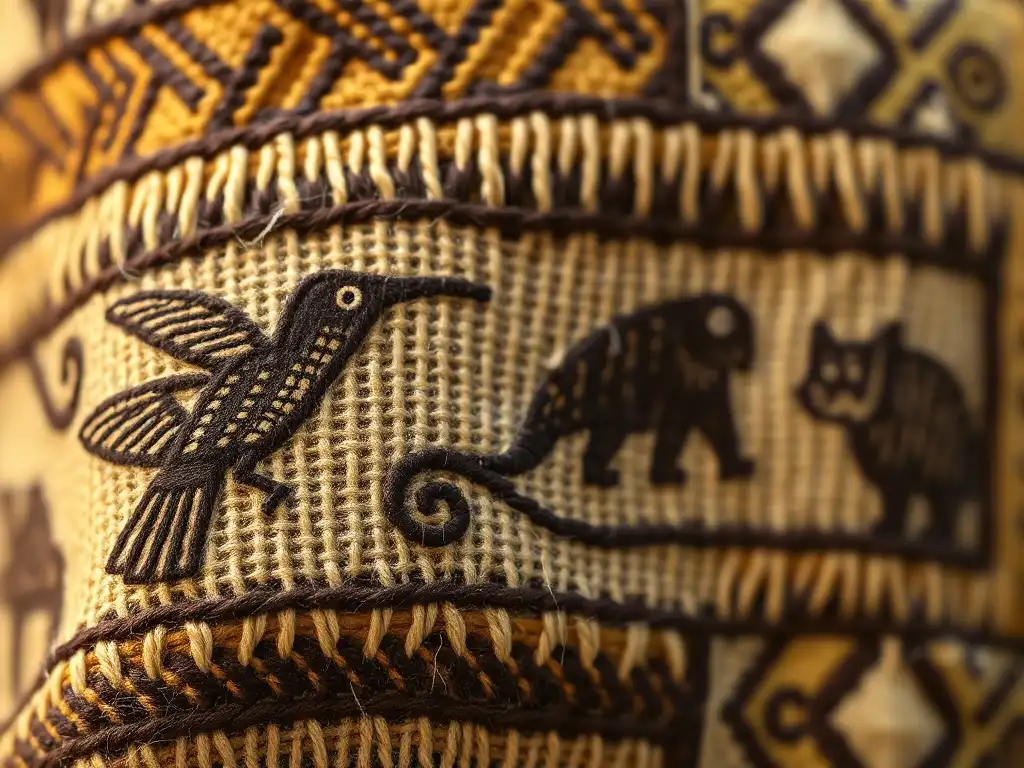
This section delves into the fascinating world of Nazca textiles, exploring their significance within the broader context of Nazca society and beliefs. The intricate designs woven into these textiles weren't merely decorative; they served as powerful mediums for expressing social structures, religious beliefs, and cosmological understandings. Analyzing Nazca textile design history reveals a rich tapestry of symbolism and artistry that continues to captivate researchers today. The vibrant colors, complex patterns, and high-quality craftsmanship speak volumes about the skill and dedication of the Nazca artisans.
These textiles provide invaluable insights into a civilization that flourished in the arid coastal plains of southern Peru, leaving behind a legacy of breathtaking artistry and enigmatic culture. Understanding the context of these textiles is crucial to appreciating their true artistic and historical merit. The seemingly simple act of weaving became a powerful act of cultural preservation and expression.
The Role of Textiles in Nazca Society
Textiles played a multifaceted role in Nazca society, extending far beyond mere clothing. They were integral to everyday life, serving practical functions as well as symbolic ones. Evidence suggests that textiles were used for a variety of purposes:
- Clothing: From simple tunics to elaborate mantles, textiles provided essential protection from the harsh desert climate. The styles and materials used varied according to social status, with elite members of society wearing finer, more intricately designed garments. The use of specific dyes and weaving techniques further signified social standing.
- Household items: Textiles were also used to create bags, mats, and other household items. These objects, often decorated with intricate patterns, reflect the importance of textiles in daily Nazca life.
- Trade and exchange: The production and trade of textiles likely played a significant role in the Nazca economy. High-quality textiles might have been traded for other goods or used as forms of payment. The distribution of certain textile motifs across different sites suggests a network of exchange and interaction within the region.
- Social status markers: The complexity of the designs, the quality of the materials, and the specific techniques employed in weaving all served as indicators of social status. Elaborate textiles, adorned with rare dyes and complex patterns, were likely reserved for the elite, while simpler textiles were worn by the common people. This system of visual communication was integral to the social hierarchy of the Nazca civilization.
The intricate weaving techniques and the use of rare dyes speak to the high level of skill and artistry among Nazca weavers. Further research is needed to fully understand the economic and social implications of textile production and exchange. [Specific data on trade routes and economic impact pending].
Nazca Textiles as Ritual and Ceremonial Objects
Beyond their practical applications, Nazca textiles served crucial roles in religious ceremonies and rituals. Many textiles unearthed from burial sites feature intricate designs that appear to depict mythological beings, celestial bodies, and other symbolic imagery. These textiles were not simply worn; they were integral components of ritual practices, possibly used to adorn deities, cover offerings, or serve as offerings themselves.
The use of specific colors and motifs in ritual textiles likely held significant religious meaning. For instance, the prevalence of certain bird motifs might reflect the importance of birds in Nazca cosmology. [Specific examples of color symbolism and their religious interpretations pending]. The discovery of textiles within elite burials further emphasizes their significance in ceremonial contexts.
These textiles were often found alongside other prestigious grave goods, highlighting their value and importance within the social and religious landscape. The careful preservation and intricate designs of these textiles point to their sacred status and their role in the afterlife beliefs of the Nazca people. Furthermore, the sheer number of textiles found in these contexts suggests a significant investment of time and resources into their creation, reinforcing their importance.
Mantles and Tunics Found in Burials at Cahuachi
The ceremonial center of Cahuachi yielded a remarkable collection of Nazca textiles, particularly mantles and tunics found within elite burials. These textiles often feature exceptionally intricate designs, showcasing the highest level of craftsmanship. The elaborate designs, often incorporating multiple colors and weaving techniques, are believed to represent important religious and social symbols. Many of these textiles depict stylized representations of animals, plants, and mythological figures. The use of rare and vibrant dyes further enhances the visual impact of these garments.
| Textile Type | Description | Notable Features | Significance |
|---|---|---|---|
| Mantle | Large, rectangular textile, often worn over tunics | Complex geometric patterns, vibrant colors, rare dyes | High social status, likely used in rituals |
| Tunic | Shorter garment, worn as everyday or ceremonial attire | Simpler designs compared to mantles, still detailed | Indicates social rank, reflects cultural beliefs |
The discovery of these textiles in elite burials at Cahuachi provides crucial evidence for understanding the social hierarchy and religious practices of the Nazca civilization. The meticulous craftsmanship and symbolic imagery displayed on these textiles highlight their importance as both status symbols and ritual objects. Continued research into these finds will undoubtedly shed further light on the rich tapestry of Nazca culture and beliefs.
The analysis of these artifacts, combined with further investigation into Nazca textile design history, promises a deeper understanding of this remarkable civilization. The careful study of these textiles, alongside other archaeological evidence, is essential for unraveling the mysteries surrounding this fascinating ancient society.
The Enduring Legacy of Nazca Textile Design History
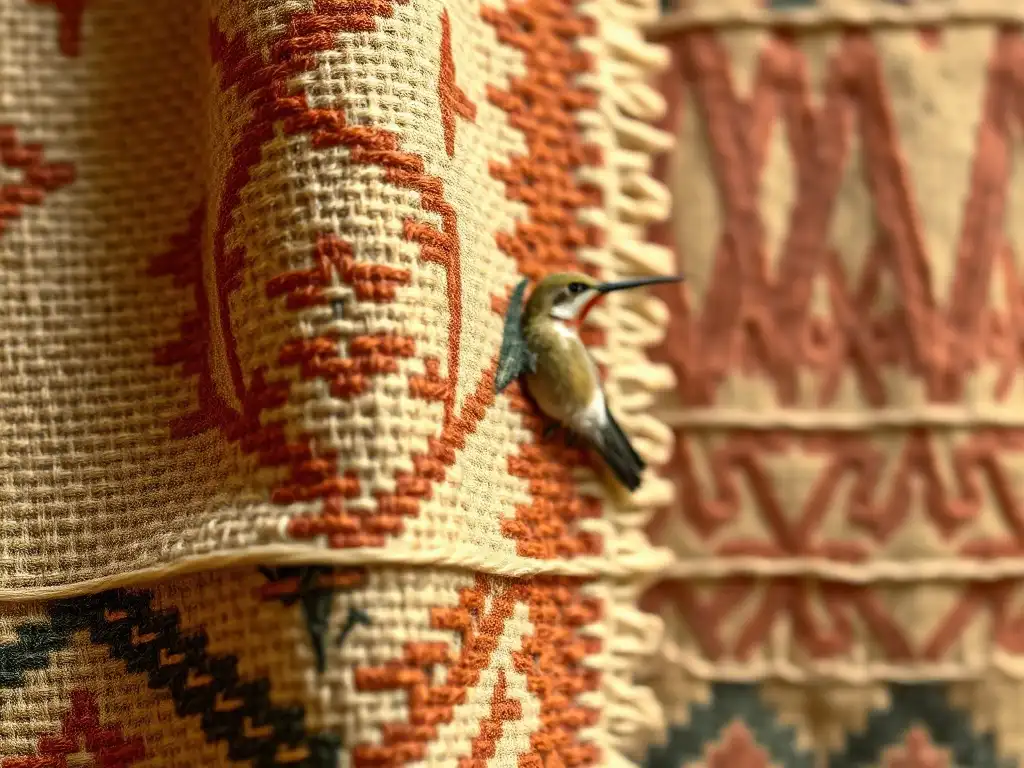
The vibrant and intricate designs of Nazca textiles represent a significant chapter in Andean textile history, leaving an undeniable mark on subsequent cultures. Their unique aesthetic, characterized by bold geometric patterns, stylized figures, and the innovative use of color, continued to inspire textile artists for centuries. Understanding the legacy of Nazca textile design history requires examining its influence not just on immediately succeeding cultures, but also on the broader trajectory of Andean textile production.
The sophisticated techniques employed—from intricate weaving methods to the use of natural dyes—were passed down and adapted, shaping the artistic landscape of later Andean civilizations. This enduring influence is evident in the recurring motifs and stylistic elements found in textiles from the Wari, Tiwanaku, and even Inca periods, demonstrating a continuous thread of artistic inspiration across millennia. The persistence of certain design elements, such as the use of stepped-fret patterns or stylized camelids, highlights the deep cultural significance and continuity of these artistic traditions.
The Nazca legacy serves as a powerful testament to the enduring power of artistic innovation and its ability to transcend time and cultural boundaries. Further research into the dissemination of Nazca design elements could reveal even more nuanced connections and influences, enriching our understanding of Andean textile art as a whole.
Influence of Nazca Textile Art on Later Andean Cultures
The impact of Nazca textile design on subsequent Andean cultures is undeniable. Many motifs and techniques found in Nazca textiles reappear in the textiles of later periods, suggesting a direct lineage or at least a strong cultural influence. For instance, the characteristic stepped-fret patterns, frequently found in Nazca cloth, are also evident in the textiles of the Wari and Tiwanaku cultures.
Similarly, the stylized representations of animals, especially camelids, persist as common themes throughout Andean textile traditions. While the specific styles and techniques evolved over time, reflecting the distinct artistic sensibilities of each culture, the underlying influence of Nazca design is clear. Analyzing the evolution of these shared motifs allows researchers to trace the transmission of artistic ideas and techniques across different Andean societies, highlighting the interconnectedness of these cultures.
The continuity of certain design elements indicates the deep cultural significance of these motifs and their enduring appeal across generations. Further research is needed to fully document the extent of this influence and to unravel the complex network of cultural exchange that shaped Andean textile art. This study requires a comparative analysis of textiles from different periods and cultures, focusing on the similarities and differences in design, technique, and symbolic meaning.
Preserving and Studying Ancient Nazca Textiles Today
Preserving and studying ancient Nazca textiles presents significant challenges due to the fragility of the materials and the effects of time and environmental factors. Many textiles are severely degraded, requiring meticulous conservation efforts to prevent further deterioration. This involves careful cleaning, stabilization of the fibers, and the implementation of appropriate storage conditions to minimize damage from light, humidity, and insects.
Furthermore, the study of Nazca textiles requires advanced analytical techniques to understand their composition, manufacturing processes, and symbolic meaning. Researchers utilize a range of scientific methods, including microscopic analysis, fiber identification, and dye analysis, to uncover valuable information about the materials and techniques used by Nazca weavers. The careful documentation and cataloging of these textiles are also crucial for future research and for ensuring the preservation of this invaluable cultural heritage.
Ethnographic studies of contemporary Andean weaving traditions can also provide valuable insights into the techniques and symbolism employed in ancient Nazca textiles. The collaborative efforts of archaeologists, textile conservators, and scientists are essential for ensuring the long-term preservation and study of these remarkable artifacts.
The Use of Radiocarbon Dating and Microscopic Analysis in Nazca Textile Research
Radiocarbon dating and microscopic analysis are crucial tools in Nazca textile research, providing valuable insights into the age and production techniques of these artifacts. Radiocarbon dating allows researchers to determine the age of the organic materials used in the textiles, such as cotton or llama wool, providing a chronological framework for understanding the development of Nazca textile production. This technique helps establish a timeline for different weaving styles and decorative motifs, revealing the evolution of Nazca textile design.
Microscopic analysis, on the other hand, allows researchers to examine the structure of the fibers, the type of dyes used, and the weaving techniques employed. This detailed examination reveals valuable information about the technological skills of Nazca weavers and their mastery of complex weaving techniques. By combining radiocarbon dating with microscopic analysis, researchers can gain a comprehensive understanding of the production process, from the selection of raw materials to the final stages of weaving and finishing.
The integration of these scientific methods with art historical analysis provides a more complete picture of Nazca textile design history and its place within the broader context of Andean culture. This interdisciplinary approach is essential for unlocking the secrets held within these remarkable artifacts and for enriching our understanding of Nazca civilization.
Understanding the Intricacies of Nazca Textile Color and Dyeing
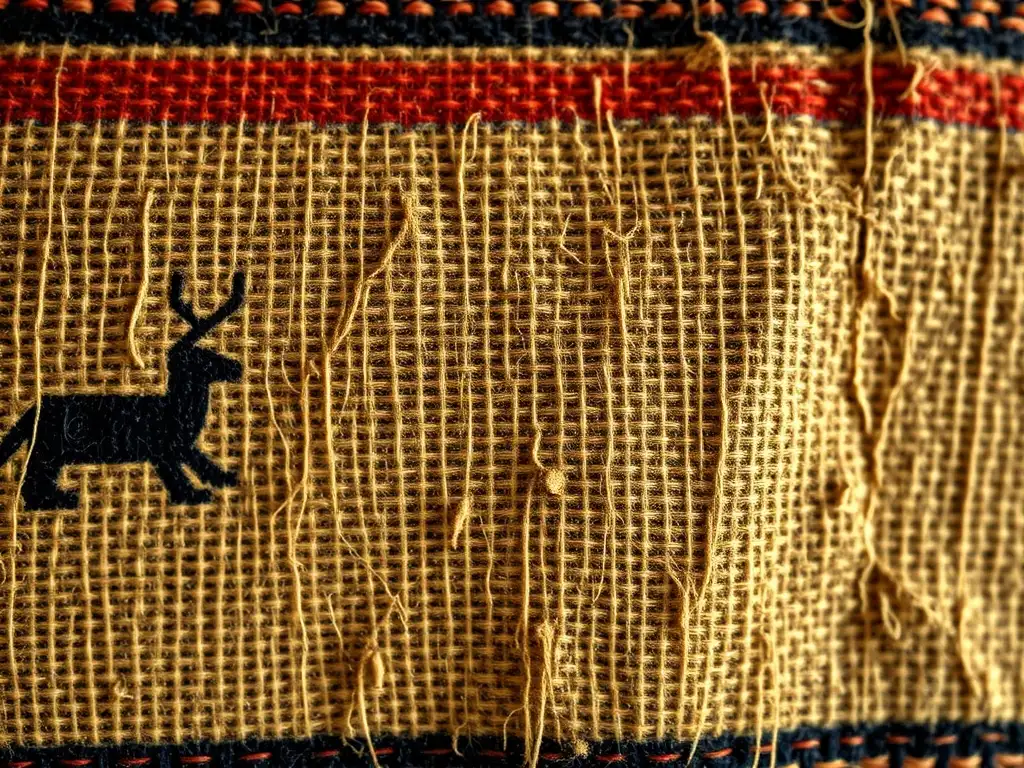
The vibrant hues of Nazca textiles are a testament to the sophisticated knowledge and artistry of the ancient Nazca people. Their mastery of natural dyes and pigments, combined with their understanding of color symbolism, resulted in textiles that are both aesthetically stunning and historically significant. Understanding the intricacies of their color palettes provides crucial insight into their worldview and cultural practices.
This section delves into the techniques and symbolism behind the remarkable colors found in surviving Nazca textiles, offering a glimpse into the ingenuity of this pre-Columbian civilization. The study of Nazca textiles design history reveals a complex system of color application and meaning.
Natural Dyes and Pigments Used in Nazca Textile Craftsmanship
Nazca artisans skillfully utilized a variety of readily available natural resources to create their striking array of colors. Evidence from archaeological excavations suggests a sophisticated understanding of botanical and mineral sources. For example, red hues were frequently obtained from the cochineal insect, Dactylopius coccus, a parasitic insect that feeds on prickly pear cacti. This insect produces carminic acid, a powerful red dye that produces remarkably vibrant and long-lasting colors. The intensity of the red could be varied by altering the processing methods, resulting in subtle shades ranging from deep crimson to a lighter, almost pinkish red.
Yellows, often associated with fertility and the sun, were likely derived from various plant sources, including achiote ( Bixa orellana) seeds. Achiote produces a rich, orange-yellow pigment that could be intensified through specific preparation techniques. Other yellow dyes may have come from different plants, the precise identification of which requires further research. [Specific plant sources for yellow dyes pending further analysis].
Blues, symbolic of water and the sky, were more challenging to achieve. While the exact source for Nazca blue dyes remains a subject of ongoing research, possibilities include indigo plants or certain mineral sources. The rarity and complexity of producing blue dyes likely contributed to its special significance within Nazca iconography. The subtle variations in shades of blue found in surviving textiles suggest a high level of technical skill and a nuanced understanding of dye chemistry.
The Significance of Color in Nazca Textile Art
Color in Nazca textile art wasn't merely decorative; it held profound cultural and symbolic meaning. The careful selection and application of specific colors in different patterns and contexts reveal a complex system of visual communication. Colors likely conveyed social status, religious beliefs, and narratives related to their cosmology and environment. The precise interpretation of color symbolism requires further detailed study and cross-referencing with other archaeological findings, such as pottery and iconography.
The Use of Red for Power, Yellow for Fertility, and Blue for Water in Nazca Textiles
While the exact meanings of colors remain a subject of ongoing research, several prevalent associations have emerged from the analysis of Nazca textile design history. Red, as mentioned previously, is often associated with power and authority, possibly signifying elite status or religious importance. Intricate red patterns are frequently found on textiles associated with high-ranking individuals.
Yellow, with its association with the sun and agriculture, was likely linked to themes of fertility, abundance, and the life-giving forces of nature. Its presence in textiles may have been used to represent prosperity, harvest cycles, or even specific deities associated with fertility.
Blue, given its rarity and association with the sky and water sources in the arid Nazca landscape, likely carried symbolic weight related to water, the lifeblood of the region. This color might have represented rain, rivers, or even spiritual connections to the celestial realm. The careful placement of blue motifs in specific areas of the textiles hints at a complex system of coded messaging. Further research is needed to fully understand the intricate interplay of these colors and their symbolic significance within the broader context of Nazca culture and beliefs. 🎈
Comparing Nazca Textiles with Other Andean Textile Traditions
Contrasting Nazca Weaving Techniques with Moche and Paracas Textiles
Nazca textiles, renowned for their vibrant colors and intricate designs, stand apart from those of other Andean cultures like the Moche and Paracas, despite sharing some broad similarities. While all three civilizations employed advanced weaving techniques, subtle yet significant differences exist in their approaches. For instance, Nazca textiles often showcase a preference for plain weave structures, though they were certainly capable of more complex techniques.
This contrasts with the Moche, who frequently utilized more elaborate structures like warp-faced plain weave and float weaves to achieve a wider range of textures and effects. Paracas textiles, known for their exceptional fineness and detail, employed a wider variety of techniques, including tapestry weave, which is rarely found in surviving Nazca examples.
The use of color also presents a key distinction. While all three cultures employed natural dyes, the vibrancy and range of colors in Nazca textiles are often described as particularly striking. Further research into the specific dyes and mordants used would be beneficial in understanding the longevity and brilliance of Nazca colors compared to those of Moche and Paracas textiles.
[Specific dye analysis data pending]. The Moche, for example, favored earth tones and less bright hues in many of their textiles. The Paracas, on the other hand, displayed a wider spectrum of colors, but often with a softer, less saturated look compared to the intense vibrancy of Nazca pieces.
| Culture | Dominant Weave Structures | Color Palette | Complexity of Design |
|---|---|---|---|
| Nazca | Plain weave, some tapestry weave | Vibrant, intense hues | High, geometric and figurative motifs |
| Moche | Warp-faced plain weave, float weaves | Earth tones, muted colors | Moderate to high, often narrative scenes |
| Paracas | Tapestry weave, other complex weaves | Wide range, often softer, less saturated | Very high, intricate and detailed designs |
Unique Characteristics of Nazca Textile Design
The distinctive style of Nazca textile design is characterized by a remarkable combination of geometric and figurative motifs. Geometric patterns, including intricate triangles, zigzags, and stepped designs, are prevalent, often arranged in complex, layered compositions. These patterns are seamlessly integrated with depictions of human figures, stylized animals (like hummingbirds and felines), and mythical creatures.
The precision and detail in these designs are astonishing, suggesting a high level of skill and planning. The use of negative space is also a notable feature, contributing to the overall elegance and balance of the compositions. Many designs appear to incorporate symbolic elements related to Nazca cosmology and religious beliefs, adding a layer of cultural significance to their aesthetic appeal.
Furthermore, the remarkable preservation of many Nazca textiles allows for detailed study of their design elements. The use of resist dyeing techniques, where certain areas are prevented from taking up dye, is clearly evident in many examples. This technique, combined with the sophisticated weaving techniques, allowed Nazca artisans to create textiles of exceptional complexity and visual impact. The textiles' survival, often found within the arid coastal environment, provides invaluable insights into the artistry and technology of the Nazca civilization.
Differences in Weaving Techniques and Motif Complexity Across Andean Cultures
The Andean region boasts a rich tapestry of textile traditions, each with its unique characteristics. While Nazca textiles are renowned for their intricate designs and vibrant colors, other cultures, such as the Wari and Tiwanaku, developed their own distinct styles. The Wari, for example, favored more muted color palettes and simpler geometric designs compared to the elaborate figurative motifs of the Nazca. Their textiles often featured stripes and bands of color, creating a different visual effect.
The Tiwanaku, known for their monumental architecture, also developed a sophisticated textile tradition. However, their textiles often exhibit a greater emphasis on symbolic and ritualistic designs. [Specific examples of Tiwanaku textile designs and their interpretations pending]. The complexity of their weaving techniques might have been comparable to Nazca in some cases, but the overall aesthetic and stylistic choices differ greatly.
Understanding these differences requires a comparative analysis of surviving textiles, taking into account both the technical aspects of weaving and the cultural context of the designs themselves. The study of Nazca textiles within this broader Andean context enhances our appreciation of the diversity and sophistication of ancient Andean artistry. The evolution of weaving techniques and design motifs across different Andean cultures reflects a dynamic interplay of technological innovation and cultural expression over centuries. The Nazca textile design history is but one fascinating thread in this larger, vibrant narrative.
Frequently Asked Questions
What makes Nazca textiles so unique?
Nazca textiles are renowned for their exceptional craftsmanship and vibrant colors that have endured for centuries. The intricate designs and complex weaving techniques are unparalleled in their artistry.
What are some common motifs found in Nazca textile designs?
Common motifs include stylized animals like birds and felines, geometric patterns, and anthropomorphic figures. These designs often reflect religious beliefs and daily life of the Nazca people.
How were Nazca textiles created?
Nazca weavers used a variety of techniques, including backstrap loom weaving, to create their masterpieces. They employed natural dyes derived from plants and minerals to achieve their brilliant hues.
What is the significance of Nazca textile designs in understanding their culture?
Textile designs offer invaluable insights into Nazca social structures, religious practices, and daily activities. They represent a visual record of their worldview and achievements.
Where can I learn more about the history of Nazca textile design?
You can explore museums with Nazca textile collections, research academic publications on Andean textile history, and visit websites dedicated to ancient Peruvian cultures. The Andean Civilizations website is a great starting point!
Final Reflection: Unraveling the Legacy of Nazca Textiles
The intricate designs woven into Nazca textiles remain a powerful testament to a lost civilization, speaking volumes about their artistry, beliefs, and societal structures, a legacy that continues to inspire awe and ignite scholarly debate today. These vibrant threads, unearthed from the arid Peruvian landscape, offer a window into a complex culture that flourished centuries ago, challenging our understanding of ancient Andean societies and their remarkable achievements. Their enduring beauty and the mysteries they hold continue to captivate us, urging further exploration and appreciation.
The impact of Nazca textile design extends far beyond the archaeological record; it resonates deeply within contemporary art, fashion, and cultural heritage preservation. Their bold geometric patterns, vibrant colors, and symbolic imagery continue to inspire artists and designers, demonstrating the timeless appeal of their aesthetic. The meticulous craftsmanship and innovative techniques employed by Nazca weavers serve as a powerful reminder of human ingenuity and the enduring power of artistic expression. The past is never dead. It's not even past.
- William Faulkner. This quote perfectly encapsulates the ongoing relevance of Nazca textiles, their enduring presence in our collective consciousness, and their ability to inform and inspire us even across millennia.
Consider the intricate details, the vibrant hues, the stories woven into each thread. You too can become a weaver of understanding, connecting with the past through the lens of these remarkable artifacts. Take a moment to appreciate the artistry, the skill, and the enduring legacy of the Nazca people. Let their creations inspire you to explore the rich tapestry of human history and to seek out the hidden narratives woven into the fabric of our world. By engaging with the past, we enrich our present and shape a more informed future.
Unravel the Secrets of Nazca Textiles!
Thank you for exploring the fascinating world of Nazca textiles with us! We hope you enjoyed discovering the intricate designs and rich history behind these remarkable artifacts. Now that you've experienced their beauty, let's deepen your connection to this ancient Andean civilization.
Here are a few ways to continue your journey:
- Explore Further: Visit our online gallery to see an exclusive collection of Nazca textiles and their stunning patterns.
- Share Your Discoveries: Tell your friends and family about what you've learned! Share this article on social media to spark others' interest in this captivating culture.
- Join the Discussion: Join our online community—leave a comment below or visit our forum to share your thoughts on Nazca artistry and history.
What aspect of Nazca textiles surprised you the most and shifted your perspective? Let's discuss!