
Nazca Lines and Water: Rituals, Beliefs, and the Desert's Lifeblood

Welcome to Andean Civilizations, where the echoes of ancient empires whisper secrets across millennia. Prepare to be captivated by the ingenuity and mystery of these remarkable cultures. But first, a puzzle awaits: what intricate connection did the Nazca lines have with vital water rituals? Unravel the enigma of the desert's lifeblood and discover the profound beliefs that shaped a civilization in our in-depth exploration of the Nazca lines water rituals. Journey with us to uncover the answers.
The arid coastal plains of southern Peru, a seemingly desolate landscape, hold a secret etched into the earth: the enigmatic Nazca Lines. These colossal geoglyphs, sprawling across the desert, have captivated researchers and the public imagination for decades. However, understanding their purpose requires delving beyond the aesthetic marvel and recognizing the crucial role water played in the Nazca worldview.
This article explores the intricate relationship between the Nazca Lines, water rituals, and the beliefs of this remarkable pre-Columbian civilization, revealing how the lifeblood of the desert shaped their culture and left an enduring legacy in the form of these awe-inspiring designs. We will examine the evidence suggesting a deep connection between the lines, water management systems, and the spiritual practices of the Nazca people, shedding light on the possible meanings behind these iconic symbols.
The combination of meticulous archaeological findings and anthropological interpretations helps paint a picture of a society deeply intertwined with its environment, where water wasn't just a necessity for survival, but a central element in their religious and social fabric. The exploration of "Nazca lines water rituals" reveals a sophisticated civilization that faced significant environmental challenges, yet flourished through ingenuity and a profound understanding of their environment.
The Enigma of the Nazca Lines: A Desert Canvas
The Nazca Lines themselves are a testament to the ingenuity and artistry of the Nazca people. These massive figures and intricate designs, ranging from stylized animals and plants to geometric patterns, were created by removing the dark reddish-brown surface stones to reveal the lighter subsoil beneath. Their sheer scale is breathtaking; some figures stretch hundreds of meters in length, only truly visible from the air. For centuries, their purpose remained shrouded in mystery, leading to a plethora of theories, ranging from astronomical calendars to landing strips for extraterrestrial visitors.
However, recent research increasingly points towards a connection between the lines and the Nazca's intricate water management systems and religious beliefs. The precision and complexity of the lines themselves suggest a sophisticated understanding of engineering and surveying, capabilities that were likely essential for their successful water management techniques in the harsh desert environment. Detailed analysis of the lines' locations relative to water sources and agricultural areas strengthens the argument for their practical and ritual significance.
The meticulous planning and execution required for their creation highlight the Nazca's advanced societal organization and the importance placed on communal efforts. The enigmatic nature of the lines, however, continues to fascinate, prompting ongoing research and debate. We are still uncovering new details about their creation and purpose, slowly unraveling the mysteries embedded within these remarkable desert creations.
Water Scarcity and the Nazca People: A Constant Struggle
The Nazca civilization thrived in one of the driest regions on Earth. Water scarcity was a constant and significant challenge, shaping their social structures, technological innovations, and religious practices. To overcome the limitations imposed by the arid environment, the Nazca developed sophisticated underground canal systems ( puquios) to capture and distribute scarce water resources. These ingenious systems allowed them to cultivate crops and sustain a relatively large population in a seemingly inhospitable environment.
This mastery of hydraulic engineering is a crucial element in understanding the significance of water in Nazca culture. The puquios weren't merely practical solutions; they were integral to the social and religious fabric of Nazca society. Evidence suggests that the construction and maintenance of these systems were communal efforts, reinforcing social cohesion and cooperation. Furthermore, the ritualistic aspects of water management are evident in archaeological discoveries, including offerings found near water sources and depictions of water deities in Nazca art.
The precarious balance between survival and the unpredictable nature of water in the desert likely fostered a deep reverence for this precious resource, shaping their religious beliefs and influencing their artistic expressions. The constant struggle for water fostered resilience and innovation, ultimately contributing to the unique cultural identity of the Nazca people and their lasting impact on the landscape. The intricate interplay between water management, societal organization, and religious beliefs is key to comprehending the true significance of the Nazca Lines. The desert's lifeblood was not only essential for survival, but also deeply intertwined with their spirituality and worldview.
- The Enigma of the Nazca Lines: A Desert Canvas
- Water Scarcity and the Nazca People: A Constant Struggle
- What is the connection between the Nazca Lines and water?
- Were the Nazca Lines used for astronomical observations related to water cycles?
- How did the limited water resources influence Nazca culture and the creation of the lines?
- What specific rituals or ceremonies are believed to have involved the Nazca Lines and water?
- What role did the Nazca's understanding of water play in their overall worldview?
Nazca Water Rituals: Seeking the Precious Liquid
The Nazca Lines, those enigmatic geoglyphs etched into the Peruvian desert, are inextricably linked to the region's most precious resource: water. While the precise purpose of the lines remains a subject of ongoing debate, the crucial role of water in Nazca society is undeniable. Understanding Nazca water rituals provides crucial insight into their worldview, their sophisticated engineering prowess, and their deep spiritual connection to the harsh desert environment.
The scarcity of water in the Nazca desert fostered a culture deeply reliant on meticulous water management and infused their religious beliefs with profound reverence for this life-giving substance. This section delves into the intricate relationship between the Nazca Lines, water rituals, and the broader context of Nazca culture, exploring how their unique understanding of water shaped their society and its enduring legacy. The keyword phrase "Nazca lines water rituals" is central to understanding this fascinating civilization.
Ancient Nazca Water Management: Ingenious Solutions
The arid Nazca desert presented immense challenges for survival. The Nazca people, however, developed remarkably sophisticated techniques for water harvesting and management. Their ingenuity is evident in the intricate network of canals, aqueducts, and subterranean galleries they constructed to capture and channel scarce rainwater and subsurface water flows.
These systems, some still functioning today, demonstrate a deep understanding of hydrology and engineering. The construction of these systems was a collective effort, requiring significant labor and coordination, highlighting the importance of water within their social structure. Evidence suggests that maintaining these vital water resources was a communal undertaking, perhaps even linked to specific rituals and ceremonies, further blurring the lines between practical necessities and spiritual practices.
The efficiency of these systems is a testament to the Nazca's practical knowledge and adaptive capabilities in the face of environmental adversity. Their mastery of water management allowed them to cultivate crops and sustain a relatively large population in an otherwise inhospitable environment, a feat which underscores their profound understanding of their environment and their ability to harness its resources.
The Role of Water in Nazca Cosmology
Water wasn't merely a practical necessity for the Nazca; it held profound cosmological significance. Their worldview likely perceived water as a vital force connecting the earthly realm with the celestial. This is suggested by the frequent depiction of water-related motifs in Nazca iconography, including ceramics, textiles, and even potentially within the designs of the lines themselves.
While interpretations vary, many scholars believe that certain lines may represent rivers, canals, or even celestial waterways. The intricate designs, often mirroring patterns found in nature, suggest a deep symbolic connection between the earthly and spiritual worlds, with water serving as a powerful mediating force. Further research into the astronomical alignments of the lines may shed more light on this complex relationship.
The symbolic representation of water in Nazca art and the potential astronomical significance of some lines reinforce the idea that water was not just a physical resource but a central element in their spiritual beliefs. Understanding this cosmological perspective is key to deciphering the meaning behind the Nazca Lines and their rituals.
Nazca Religious Beliefs and Water Deities
The Nazca pantheon likely included deities associated with water, fertility, and the life-giving properties of this precious resource. While specific names and attributes of these deities remain largely unknown, the prevalence of water imagery in their art suggests a significant role for water-related divinities in their religious practices. Rituals centered around water may have been performed to ensure bountiful harvests, to appease the water deities, or to invoke rainfall during periods of drought.
These rituals likely involved offerings, sacrifices, and possibly processions along the canals and aqueducts, further emphasizing the importance of water in their daily lives and spiritual beliefs. The scarcity of written records presents a challenge in reconstructing the specifics of these rituals, but archaeological evidence, such as the discovery of ceremonial objects near water sources, offers valuable clues.
Further research, including detailed analysis of Nazca iconography and the careful excavation of ritual sites, is needed to gain a more comprehensive understanding of their religious practices and the role of water deities within their belief system. The study of "Nazca lines water rituals" requires an interdisciplinary approach combining archaeology, anthropology, and astronomy to fully appreciate the profound significance of water in this ancient civilization.
The Nazca Lines as Ritual Spaces: Connecting with the Divine
The Nazca Lines, those enigmatic geoglyphs etched into the Peruvian desert, weren't merely artistic expressions; they served as crucial components of a complex ritual system deeply intertwined with water, a lifeblood in the arid coastal region. Understanding the Nazca Lines necessitates examining them not just as visual phenomena, but as sacred spaces where cosmological beliefs and practical concerns about water converged. The lines themselves, along with associated features like ceremonial pathways, formed a landscape of ritual significance, reflecting the Nazca's profound reverence for water and their sophisticated understanding of its management.
Analysis of their construction techniques further reinforces this interpretation, revealing a deliberate and symbolic approach to creating these monumental works. The very act of creation, a monumental undertaking in itself, can be interpreted as a ritual act aimed at influencing the capricious desert environment and ensuring the continued flow of water.
Geoglyphs and Their Connection to Water Sources
Many of the Nazca Lines appear to be strategically positioned in relation to known water sources, such as underground aquifers or seasonal streams. While definitive proof of a direct causal relationship remains elusive – more archaeological investigation is needed – the proximity of several geoglyphs to oases and water channels suggests a symbolic link.
Some researchers propose that the lines themselves represent stylized depictions of rivers, canals, or even the flow of underground water, reflecting a deep-seated desire to control and harness this precious resource. The intricate designs, often incorporating zoomorphic and anthropomorphic figures, might symbolize deities associated with water or fertility, reinforcing the ritualistic connection between the lines and the life-giving water.
Furthermore, the orientation of certain lines towards specific celestial events, such as solstices or equinoxes, suggests a complex calendrical system potentially linked to the seasonal availability of water. This intricate interplay between astronomical observations, water management, and the creation of the geoglyphs points towards a sophisticated cosmological understanding deeply rooted in the Nazca's survival.
Beyond the geoglyphs themselves, evidence suggests the existence of ceremonial pathways and associated structures near the lines. These pathways, potentially used during processions or rituals, may have led to specific water sources or served as conduits for ritual offerings related to water. Excavations near some geoglyphs have uncovered evidence of ritual deposits, including pottery shards and other artifacts, further supporting the hypothesis of ritual activities connected to water management.
The Nazca people may have used these pathways to perform ceremonies aimed at ensuring the continued flow of water, appeasing water deities, or requesting bountiful harvests. Some researchers suggest that the pathways themselves were designed to mimic the flow of water, creating a symbolic representation of the life-giving force they so revered.
The precise nature of these rituals remains a subject of ongoing research; however, the presence of pathways provides further evidence of the lines' role within a larger ritual landscape focused on water. The evidence suggests a sophisticated understanding of water's spiritual and practical significance.
Nazca Line Construction Techniques and Water Symbolism
The very process of creating the Nazca Lines involved a profound understanding of the desert environment, especially its limited water resources. The lines themselves were not simply scratched into the ground; they were meticulously cleared of dark surface stones, revealing the lighter subsoil. This painstaking process required significant labor and planning, suggesting a communal effort driven by shared beliefs and ritualistic practices.
The choice of materials and techniques employed in constructing the lines may also hold symbolic significance related to water. For instance, the use of stones removed from the surface might represent a symbolic offering to the earth or a ritual purification of the landscape. Additionally, the meticulous precision of the lines, some stretching for kilometers, speaks to the Nazca's advanced surveying techniques and their ability to manage even the most minute details.
This level of precision further underscores the ritualistic importance of the lines, highlighting the dedication and meticulous attention to detail characteristic of their religious practices concerning water. The combination of scale, precision, and the context of a water-scarce environment strongly suggests that the creation of the Nazca lines was itself a ritual.
Interpreting Nazca Geoglyphs: A Water-Centric Perspective
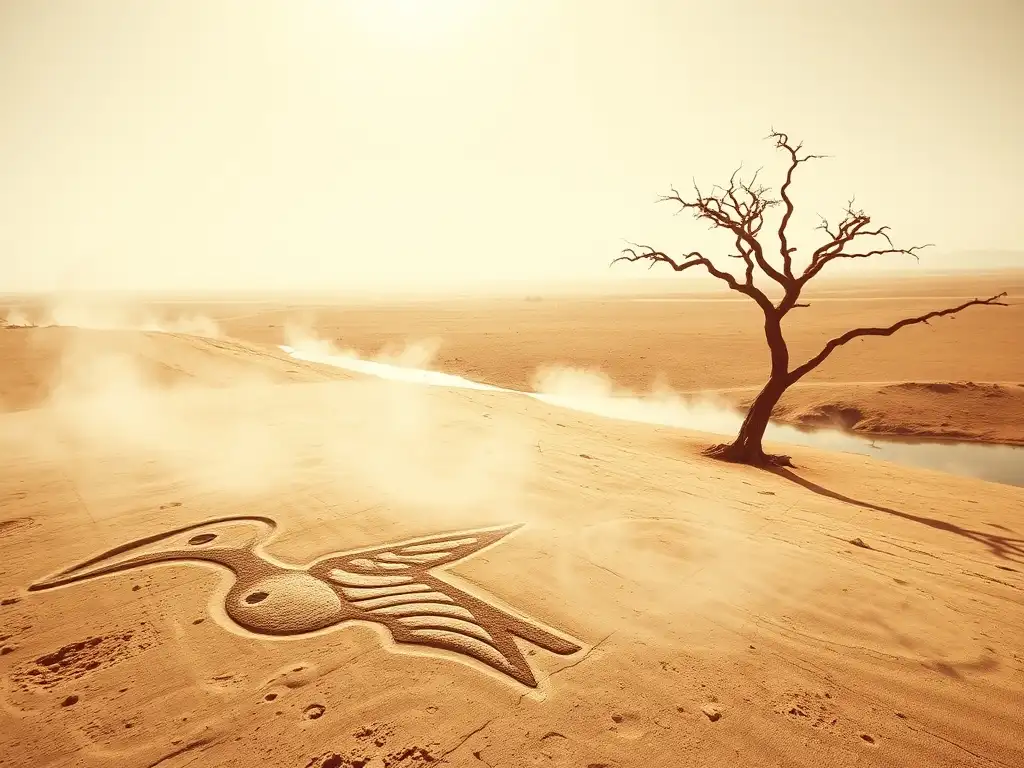
The Nazca Lines, sprawling across the arid Peruvian desert, remain one of archaeology's greatest enigmas. While various theories exist regarding their purpose, a compelling argument centers on their connection to water—a precious, life-giving resource in this harsh environment. This perspective suggests that the geoglyphs were not merely artistic expressions but integral components of complex rituals and beliefs deeply intertwined with the cyclical nature of water availability.
This section will explore specific geoglyphs and analyze their potential relationship to water management, religious practices, and the overall worldview of the Nazca people. Understanding the Nazca lines water rituals requires a nuanced approach, considering both the symbolic and practical aspects of water in their society. The scarcity of water in the region makes the connection between the lines and water management practices even more significant.
Animal Representations and Their Association with Water
Many of the Nazca Lines depict animals—birds, fish, reptiles, and mammals—that are intrinsically linked to water sources or aquatic environments. For instance, the numerous bird geoglyphs, including pelicans, condors, and hummingbirds, could represent deities associated with rain, rivers, or the ocean—vital sources of life in the desert. The presence of fish, such as the stylized depictions of the "Orca" geoglyph, directly points to a connection to water. These aren't simply random animal choices; their careful depiction suggests a deliberate symbolic association with water's crucial role in Nazca society.
The size and precision of these animal figures further reinforce their significance. Their monumental scale suggests a communal effort, indicating the importance of these representations within the broader Nazca worldview. Moreover, the meticulous execution of the geoglyphs, considering the challenges of the desert landscape, underlines the profound reverence for the animals and their connection to water.
Further research is needed to definitively link specific animal geoglyphs to specific water sources or rainfall patterns, but the circumstantial evidence strongly suggests a correlation. The selection of these animals was not arbitrary; they were carefully chosen to reflect the importance of water in the Nazca worldview.
Geometric Figures and Their Possible Link to Water Cycles
Beyond the zoomorphic figures, the Nazca Lines also feature numerous geometric shapes: spirals, triangles, trapezoids, and lines stretching for kilometers. These geometric forms, while seemingly abstract, may represent abstract concepts related to water cycles, celestial movements, or even underground water channels. For example, the spirals could symbolize the cyclical nature of rainfall and the flow of water, while straight lines might represent canals or underground aquifers.
Some researchers suggest that the geometric patterns might reflect the constellations visible in the Nazca sky, potentially aligning with specific times of the year crucial for water availability. This astronomical connection could have informed agricultural practices and water management strategies, with the lines serving as a large-scale calendar or map related to water resources. While much remains speculative, the complexity and precision of these geometric figures suggest a sophisticated understanding of both terrestrial and celestial phenomena, strongly linked to the management and reverence for water.
Further investigation into the precise alignments and relationships between these geometric forms and astronomical events is needed to solidify this hypothesis. The potential link between the geometric Nazca lines and water cycles is a captivating area of ongoing research.
The Hummingbird Geoglyph and its Water Interpretation
The hummingbird geoglyph, with its delicate detail and vibrant energy, stands out among the Nazca Lines. Hummingbirds, known for their association with flowers and nectar, are often linked to fertility and renewal. In the context of the arid Nazca environment, this association can be interpreted as a symbolic representation of life-giving water and the flourishing of vegetation after rainfall. The hummingbird, a creature dependent on nectar from flowers, directly symbolizes the dependence of life on water.
The precise positioning of the hummingbird geoglyph, relative to other lines and potential water sources, requires further study. However, its prominent placement and intricate design strongly suggest a significant role in Nazca rituals and beliefs related to water. The hummingbird, as a symbol of renewal and life, could have been a central figure in ceremonies aimed at ensuring the availability of water.
More research is needed to fully understand the specific rituals associated with this geoglyph, but its clear connection to water is undeniable. The symbolic weight of the hummingbird geoglyph in the context of Nazca lines water rituals is significant and merits further investigation.
The Impact of Climate Change on Nazca Water Resources
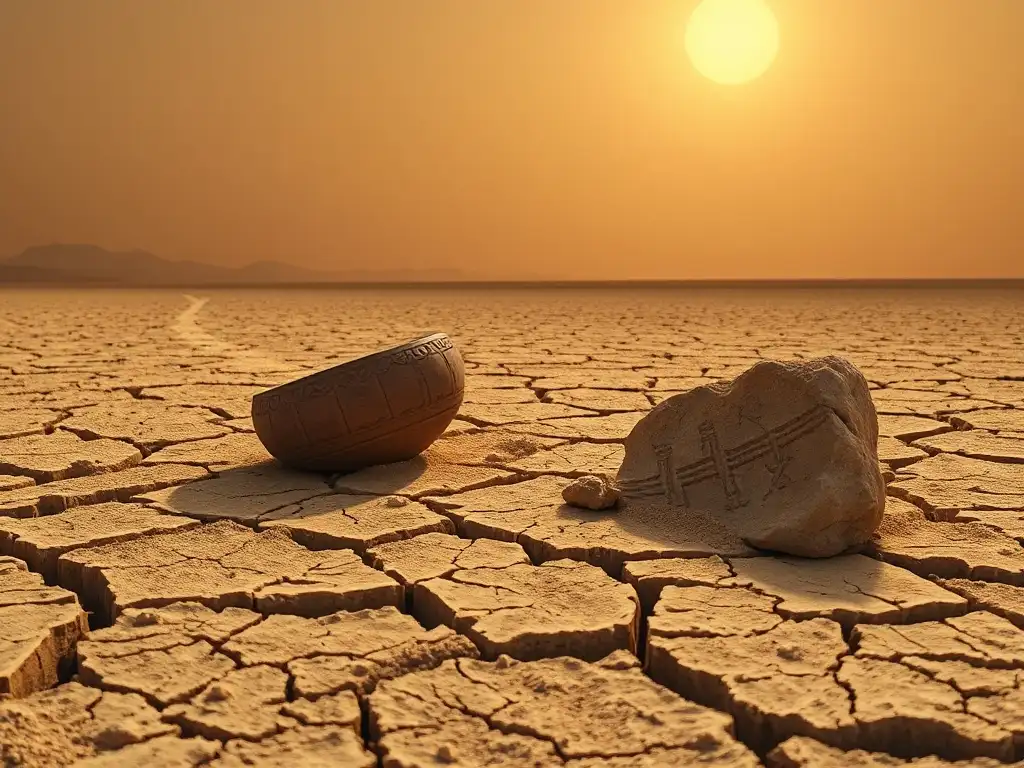
The Nazca Lines, iconic geoglyphs etched into the Peruvian desert, are inextricably linked to the region's fragile water resources. Understanding the impact of climate change on these resources is crucial to preserving both the lines and the cultural heritage they represent. The Nazca civilization's ingenuity in harnessing scarce water sources is a testament to their adaptation, but modern challenges pose unprecedented threats.
The delicate balance between human activity, environmental pressures, and the survival of the Nazca Lines is increasingly precarious. The Nazca lines water rituals were deeply connected to the availability of water, and climate change disrupts this ancient relationship.
Current Environmental Challenges in the Nazca Region
The Nazca region faces several significant environmental challenges exacerbated by climate change. Declining rainfall is a major concern. Data from the last 20 years shows a consistent downward trend in annual precipitation, leading to prolonged droughts and impacting groundwater levels. This directly affects agriculture, a vital aspect of the region's economy and a key factor in the preservation of the surrounding landscape.
Furthermore, increased evaporation rates due to rising temperatures further deplete already scarce water resources. The desertification process accelerates, threatening the very integrity of the desert floor where the Nazca Lines are etched. This isn't merely an aesthetic concern; the erosion of the desert surface poses a direct risk to the geoglyphs themselves.
Another critical issue is the unsustainable extraction of groundwater. While the Nazca people developed sophisticated techniques for water management, modern agricultural practices often prioritize short-term gains over long-term sustainability. Over-extraction of groundwater leads to depletion of aquifers and land subsidence, further destabilizing the delicate ecosystem and potentially damaging the lines.
The impact of these factors is not solely environmental; it has profound socio-economic consequences for local communities that rely on these resources for survival. The interplay between water scarcity, agricultural practices, and the preservation of the Nazca Lines highlights the urgency of addressing these issues. Understanding the historical context of Nazca lines water rituals can inform current conservation strategies.
The Importance of Conservation Efforts for Nazca
Conserving the Nazca Lines requires a multifaceted approach that prioritizes sustainable water management. Implementing efficient irrigation techniques in agriculture is paramount. This includes adopting drip irrigation systems and promoting water-wise farming practices to minimize water consumption. Furthermore, stricter regulations on groundwater extraction are necessary to prevent further depletion of aquifers. Investing in research to better understand the region's hydrological systems and the impact of climate change is crucial for developing effective conservation strategies. This includes monitoring groundwater levels, studying rainfall patterns, and predicting future water availability.
Community engagement is equally important. Educational programs can raise awareness among local communities about the importance of water conservation and its direct link to the preservation of the Nazca Lines. Promoting sustainable tourism practices that minimize environmental impact is also essential. This includes limiting the number of visitors to sensitive areas and encouraging responsible behavior.
The preservation of the Nazca Lines is not merely a matter of protecting an archaeological wonder; it's about safeguarding a unique ecosystem and the cultural heritage of a remarkable civilization. The legacy of Nazca lines water rituals underscores the deep connection between the ancient inhabitants and their environment, a connection that must be honored and protected for future generations. A holistic approach, integrating scientific research, sustainable practices, and community involvement, is the only way to ensure the long-term survival of both the Nazca Lines and the precious water resources that sustain the region.
Legacy of Nazca Water Practices: Lessons from the Past
The Nazca Lines, those enigmatic geoglyphs etched into the Peruvian desert, are often discussed in terms of their astronomical significance or ritualistic purpose. However, understanding their creation and the civilization that produced them necessitates exploring the crucial role water played in their lives – a lifeblood that shaped their beliefs, rituals, and engineering ingenuity. The arid coastal plains of southern Peru presented a formidable challenge, forcing the Nazca to develop sophisticated water management systems to survive and thrive. Their ingenuity in harnessing scarce water resources provides valuable insights into their worldview and offers surprising parallels to contemporary water challenges.
Understanding their water management is key to deciphering the true meaning behind the Nazca Lines and their cultural legacy. The Nazca weren't just drawing in the desert; they were actively engaging with and managing its most precious resource. Their legacy extends far beyond the striking images etched into the earth.
Contemporary Water Management Practices Inspired by Nazca
The Nazca's remarkable ability to extract and distribute water in such a harsh environment offers valuable lessons for modern water management. Their sophisticated canal systems, canales, often built using intricate underground aqueducts ( puquios) to tap into underground water sources, demonstrate an understanding of hydrology far ahead of their time. These systems not only provided water for agriculture but also for domestic use and potentially contributed to the creation of the lines themselves.
Consider the puquios: These ingenious structures involved digging shafts into the earth to reach underground water tables, then channeling the water to surface reservoirs and irrigation systems. The construction required detailed knowledge of geology and hydrology, precise engineering, and significant community effort. The efficiency of these systems allowed the Nazca to cultivate crops in an otherwise inhospitable environment, supporting a relatively large population.
Modern engineers and hydrologists are studying these ancient systems to gain insights into sustainable water management techniques, especially in arid and semi-arid regions. The principles of subsurface water capture and efficient distribution, employed by the Nazca centuries ago, hold immense relevance for addressing contemporary water scarcity issues across the globe.
Their ingenuity serves as a powerful reminder that effective water management is not merely a technical challenge but also a cultural and societal imperative. The Nazca's success in managing their water resources demonstrates that even in the face of extreme environmental challenges, innovative solutions can lead to sustainable development.
The Enduring Relevance of Nazca Water Wisdom
The Nazca's understanding of water wasn't limited to practical engineering. Water, for them, held profound spiritual significance. It was not simply a resource; it was a life-giving force, deeply intertwined with their religious beliefs and rituals.
This spiritual connection is likely reflected in the Nazca Lines themselves, suggesting a possible link between the geoglyphs and water rituals. The lines may have served as markers for water sources, pilgrimage routes to sacred springs, or even as a means to connect with the powerful forces of nature that controlled their survival. This holistic approach to water – recognizing its intrinsic value, both practical and spiritual – offers a valuable perspective for contemporary societies grappling with water scarcity and environmental degradation.
The Nazca's legacy of water wisdom transcends their impressive engineering feats. Their deep respect for water, coupled with their remarkable ingenuity in managing it, provides a compelling model for sustainable water management in the 21st century. Their sophisticated systems, along with their integrated approach to water as both a physical resource and a spiritual force, offer valuable insights that can inform contemporary water policies and practices.
The Nazca Lines, therefore, are not only impressive works of art and engineering but also a testament to the enduring power of human ingenuity and the critical importance of respecting the delicate balance between humanity and nature, especially regarding our most precious resource: water. Learning from the Nazca’s deeply ingrained relationship with water offers a path towards a more sustainable and harmonious future. The enduring relevance of their water wisdom is a powerful lesson for us all.
Frequently Asked Questions
What is the connection between the Nazca Lines and water?
The Nazca Lines are strongly believed to be connected to water rituals and ceremonies. The Nazca people relied heavily on water for survival in the arid desert, and the lines may have played a role in their religious practices related to water sources.
Some theories suggest the lines' alignment could indicate knowledge of astronomical events important for predicting seasonal rainfall or water availability. More research is needed to confirm this hypothesis.
How did the limited water resources influence Nazca culture and the creation of the lines?
The scarcity of water in the Nazca desert was a defining factor in their culture. The lines might reflect a deep-seated spiritual connection with water, seen as essential for survival and prosperity.
What specific rituals or ceremonies are believed to have involved the Nazca Lines and water?
While we can't definitively describe specific rituals, evidence suggests that water offerings and processions might have taken place along or near the lines. This connected the lines to the sacred landscape.
What role did the Nazca's understanding of water play in their overall worldview?
Water was central to Nazca cosmology and religion, representing life, fertility, and the power of the gods. The lines likely served as a visual manifestation of their beliefs and relationship with this precious resource.
Final Reflection: The Enduring Mystery of Water and the Nazca Lines
The intricate relationship between the Nazca Lines and water remains a potent symbol of humanity's enduring quest for survival and spiritual connection. The arid landscape of the Nazca desert, seemingly barren, reveals a profound story of ingenuity, reverence, and the desperate need to appease the forces that control life's most precious resource. This understanding transcends mere archaeological curiosity; it speaks to our own anxieties about climate change and the fragility of our relationship with the natural world.
The Nazca people's sophisticated understanding of water management, as evidenced by their intricate irrigation systems, stands in stark contrast to the seemingly enigmatic nature of the geoglyphs themselves. Their rituals, likely intertwined with the lines, highlight a deep-seated belief in the power of water to sustain life and connect the earthly realm with the spiritual. Water is life's matter and matrix, mother of substance, necessity of life and navigability.
– Albert Szent-Györgyi. This quote resonates deeply with the Nazca's apparent reverence for water, a reverence that continues to inspire awe and wonder centuries later. Their story reminds us of the vital importance of respecting and protecting our precious water resources.
Consider, for a moment, the profound implications of the Nazca's dedication to water. What can their story teach us about our own relationship with this vital resource? How can we, in our modern world, emulate their ingenuity and reverence for water, adapting their wisdom to address the challenges of climate change and water scarcity? Let the mystery of the Nazca Lines inspire you to reflect on your own water footprint and to actively participate in the preservation of this precious lifeblood for future generations.
Dive Deeper into the Mysteries of the Nazca Lines!
Exploring the fascinating link between the Nazca Lines and water resources reveals a profound connection between ancient culture and the environment. Now, let's put your newfound knowledge to good use!
Here are some ways to further explore the wonders of the Nazca civilization:
- **Join a local archaeological society or online community** to discuss and expand your understanding of the Nazca Lines and their significance. Engaging with others who share your interest can lead to new perspectives and insights.
- **Visit a museum or exhibition** showcasing Nazca culture and artifacts for an immersive historical experience. Seeing these ancient objects firsthand can bring the past to life.
- **Share this article with friends and family** to spark conversations about the rich history of the Nazca Lines and their intricate relationship with water management. Inspiring others to learn about this fascinating topic can be incredibly rewarding.
What new understandings have you developed concerning the interplay between environmental resources and cultural practices? Share your thoughts below!