
Beyond Decoration: The Ritualistic Significance of Nazca Pottery

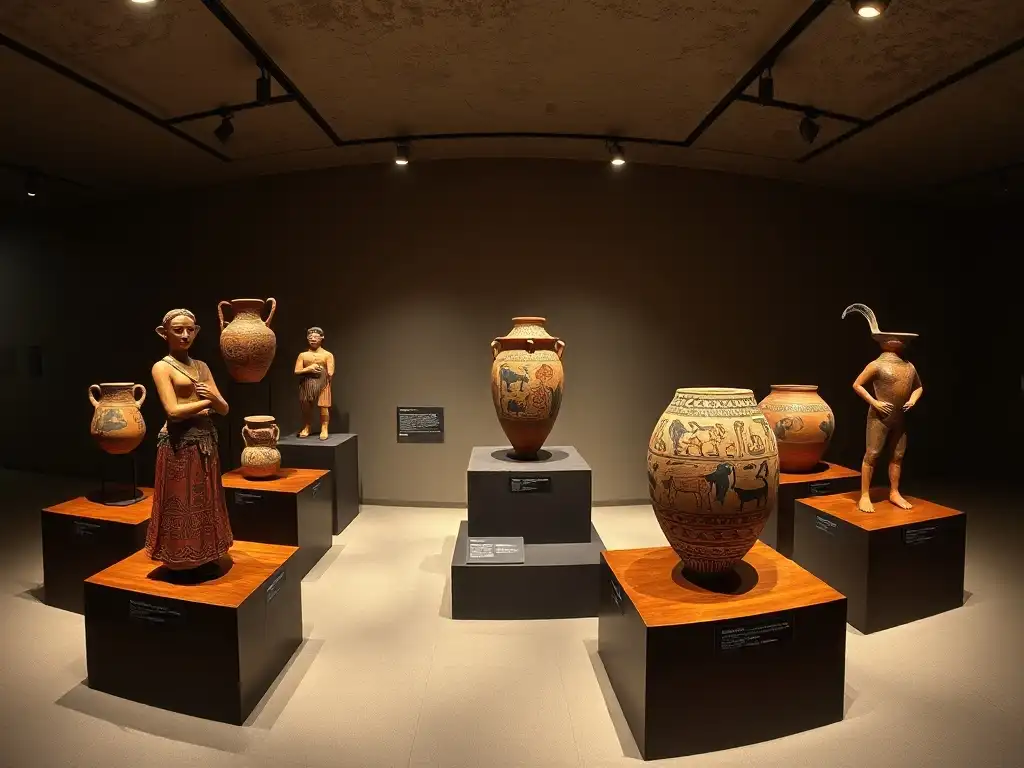
Dive into a world lost to time, yet echoing with vibrant life. Imagine uncovering the secrets held within the intricate designs of Nazca pottery. This isn't just decoration; it's a window into a complex spiritual world, a tangible link to the beliefs and rituals of one of the Andes' most enigmatic civilizations. Unravel the mysteries surrounding the ritual significance of Nazca pottery and discover a story far richer than you ever imagined. Prepare to be captivated.
- Beyond Decoration: Unveiling the Ritualistic Significance of Nazca Pottery
- Nazca Pottery: More Than Just Art
- The Ritualistic Purpose Behind Nazca Ceramics
- Interpreting Nazca Pottery Motifs and Iconography
- Nazca Pottery and its Connection to Shamanic Practices
- Understanding the Production and Distribution of Nazca Pottery
- Nazca Pottery: A Window into Ancient Andean Beliefs
- Conclusion: The Profound Ritualistic Meaning of Nazca Pottery
- Frequently Asked Questions
- Final Reflection: Unearthing the Enduring Legacy of Nazca Pottery
- Uncover the Mysteries Behind Nazca Pottery!
Beyond Decoration: Unveiling the Ritualistic Significance of Nazca Pottery
The arid plains of southern Peru hold secrets whispered through millennia – secrets etched onto the enigmatic lines of the Nazca desert and meticulously painted onto the vibrant ceramics of the Nazca culture (c. 100-800 CE). While the Nazca lines captivate with their aerial artistry, the Nazca pottery offers a closer, more intimate glimpse into the beliefs, rituals, and daily life of this fascinating civilization.
This article delves beyond the aesthetic beauty of Nazca pottery, exploring its profound ritualistic significance and the multifaceted role it played within their society. We'll examine the symbolism embedded in the imagery, the materials used, and the contexts in which these vessels were found, revealing how they served as integral components of religious practices, social interactions, and even funerary rites.
Understanding the ritualistic significance of Nazca pottery unlocks a deeper appreciation for the complexity and sophistication of this ancient Andean culture, adding crucial layers to our understanding of their worldview and societal structures. Prepare to journey into a world where pottery transcended mere utility, becoming a powerful conduit for spiritual expression and social cohesion.
The Iconography of Belief: Decoding Nazca Pottery Designs
Nazca pottery is renowned for its stunning polychrome designs, featuring a vibrant palette of colors applied with remarkable precision. But these weren't simply decorative flourishes; each motif holds symbolic weight, narrating stories of mythical beings, deities, and cosmological concepts. Commonly depicted are stylized figures of humans, animals (often depicted in dynamic poses), and fantastical creatures, often intertwined with intricate geometric patterns.
These images are not randomly arranged; careful analysis reveals a structured system of representation, with specific motifs recurring across different vessels, suggesting a standardized iconography linked to specific rituals or beliefs. For instance, the recurring image of a deity with feline features, often associated with shamanistic practices, points to the importance of such practices in Nazca society. Furthermore, the depiction of specific plants and animals likely reflects the importance of agriculture and the natural world in their cosmology.
The intricate detail and careful composition suggest a deep understanding of symbolic language and its power to communicate complex religious concepts. The vibrant colors themselves may also hold symbolic meaning, with specific hues associated with particular deities or rituals.
Beyond the Surface: Materials and Production Techniques
The creation of Nazca pottery was far from a casual endeavor; it was a meticulous process requiring specialized knowledge and skill. The potters utilized local clays, often mixing different types to achieve specific colors and textures. The meticulous craftsmanship is evident in the thin, elegant walls of many vessels, demonstrating a sophisticated understanding of ceramic technology. The application of paint involved multiple stages, with layers of slip and pigment carefully applied and fired to create the vibrant and enduring colors. The complexity of the production process itself suggests a level of social organization and specialization within Nazca communities. The creation of pottery was likely not solely the domain of a single individual but rather involved a collaborative effort, with specialized artisans contributing to different stages of production. The high quality and consistency of Nazca pottery across numerous sites suggest established techniques and possibly even formalized training processes within the community.
Contextual Clues: Archaeological Discoveries and Ritual Practices
The true significance of Nazca pottery is further illuminated by its archaeological context. Vessels have been found in a variety of settings, providing crucial insights into their usage. Many have been unearthed in tombs, often accompanying the deceased, suggesting a vital role in funerary rituals.
The types of vessels found in these contexts, and the specific imagery depicted, vary depending on the status of the individual buried, hinting at social hierarchies and beliefs about the afterlife. Other vessels have been discovered in residential sites, indicating their use in daily life, particularly in connection with food and drink offerings. The presence of certain motifs on these domestic vessels may reveal connections between daily life and religious beliefs, while others found in ceremonial contexts provide further evidence of their use in ritual practices.
The analysis of residue found within some vessels has even provided chemical evidence of the substances contained within them, further enriching our understanding of their use in both secular and sacred contexts. The study of these contexts, combined with the analysis of the pottery itself, paints a rich and nuanced picture of the role of Nazca pottery in the lives of its creators.
Nazca Pottery and the Study of Andean Religion: A Continuing Dialogue
The study of Nazca pottery continues to be a vital area of research for scholars seeking to understand Andean religion and cosmology. The iconography, materials, and archaeological contexts all contribute to a complex and evolving understanding of this culture.
New discoveries and advancements in analytical techniques continuously refine our interpretations, adding layers to the narrative embedded within these ancient vessels. The ongoing investigation of Nazca pottery provides not only valuable insights into the specific beliefs and practices of the Nazca people but also offers a broader perspective on the development of religious and artistic traditions within the wider Andean region.
The ongoing research demonstrates the enduring power of these objects to communicate across time, providing a tangible link to a vibrant and complex past. The study of Nazca pottery is a testament to the enduring fascination with this enigmatic culture and the ongoing quest to decipher the messages encoded within their art.
Nazca Pottery: More Than Just Art
Introduction to Nazca Ceramic Art and Its Context
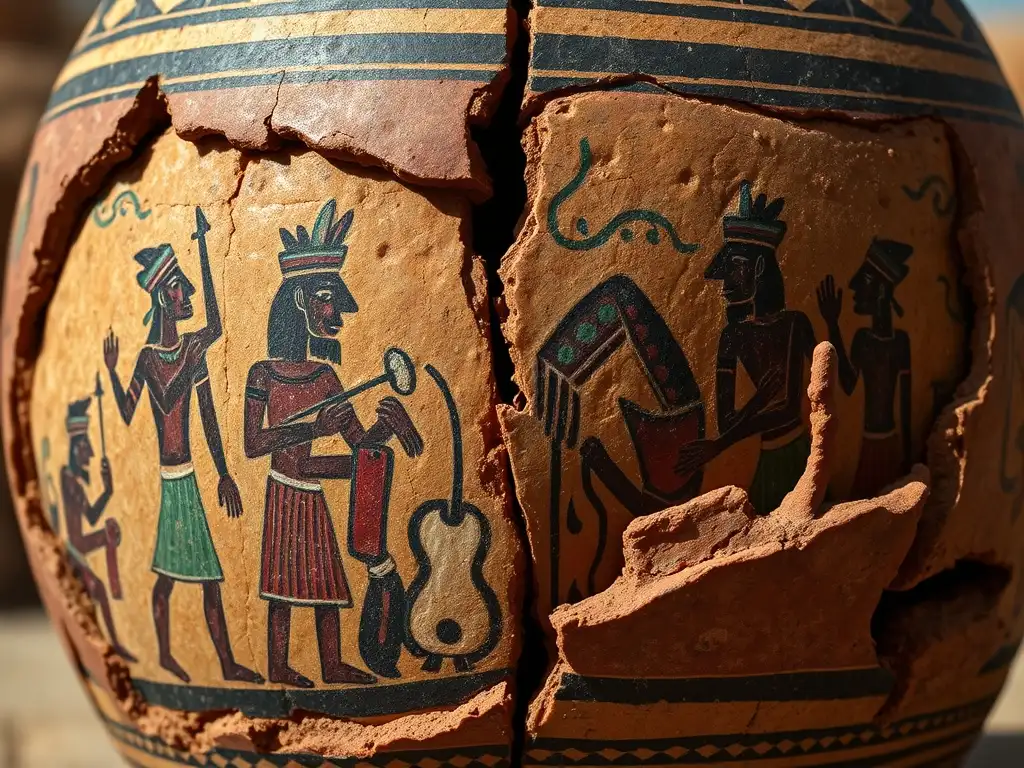
Nazca pottery, renowned for its vibrant polychromy and intricate iconography, stands as a testament to the artistic prowess of the Nazca civilization (c. 100 BCE – 800 CE). These aren't merely decorative objects; a deep dive into their creation and discovery reveals a complex system of beliefs and rituals central to Nazca society. The sheer volume of pottery unearthed—thousands of pieces in various shapes and sizes—indicates a widespread and deeply ingrained ceramic tradition.
The production techniques, involving meticulous slip application and firing processes, showcase advanced technological skills. The artistry wasn't limited to elite classes; evidence suggests widespread participation in pottery creation, reflecting its importance in daily life and religious practices. Understanding the ritual significance of Nazca pottery requires appreciating the broader cultural context in which it was produced and used.
This includes analyzing the motifs depicted, the materials used, and the contexts of their discovery within archaeological sites. The intricate designs, often featuring stylized animals, mythical beings, and geometric patterns, are far from random; they are carefully chosen symbols imbued with potent religious meaning.
The vibrant colors—reds, yellows, oranges, blacks, and whites—were achieved through the skillful use of natural pigments, a testament to the Nazca's understanding of mineralogy and chemistry. This technological mastery is further evidenced by the sophisticated firing techniques used to ensure the pottery's durability and the vibrancy of the colors. The shapes themselves—from simple bowls and jars to elaborate effigy vessels depicting humans and animals—also hold symbolic meaning, reflecting the diverse roles pottery played in Nazca society.
The Archaeological Significance of Nazca Pottery
The archaeological significance of Nazca pottery extends far beyond its aesthetic appeal. The discovery of pottery within specific contexts—graves, temples, and domestic settings—provides invaluable insights into Nazca beliefs and practices. For example, the presence of certain motifs on vessels found in tombs suggests their use in funerary rituals. Similarly, the discovery of pottery fragments within ceremonial centers illuminates their role in public religious ceremonies. The detailed analysis of these contexts, combined with stylistic and iconographic studies, allows archaeologists to reconstruct aspects of Nazca worldview and social structure.
The imagery itself is crucial. Recurring motifs like the hummingbird, the feline, and various mythical creatures are interpreted as representing deities, shamans, or ancestral figures. These figures are often depicted in dynamic poses, suggesting ritual actions or transformations. The arrangement of these figures on the vessels, as well as their relationship to other elements in the composition, can reveal hidden narratives and symbolic meanings. Furthermore, the presence of specific plants and animals can provide clues about the environment and the agricultural practices of the Nazca.
Consider, for instance, the frequent depiction of stylized plants and agricultural scenes. This points towards the vital role of agriculture in Nazca society and the likely connection between agricultural fertility and religious beliefs. The discovery of pottery shards with traces of food residues further strengthens this association, allowing researchers to understand the dietary habits of the Nazca and their relationship with the natural world.
By meticulously analyzing the Nazca pottery ritual significance, archaeologists can reconstruct a comprehensive picture of this fascinating civilization and its complex relationship with the supernatural. The intricate details, the carefully chosen colors, and the strategic placement of motifs all contribute to a deeper understanding of the Nazca pottery ritual significance. Further research, including advanced scientific analysis of pigments and residues, promises to reveal even more about the significance of these remarkable artifacts.
The Ritualistic Purpose Behind Nazca Ceramics
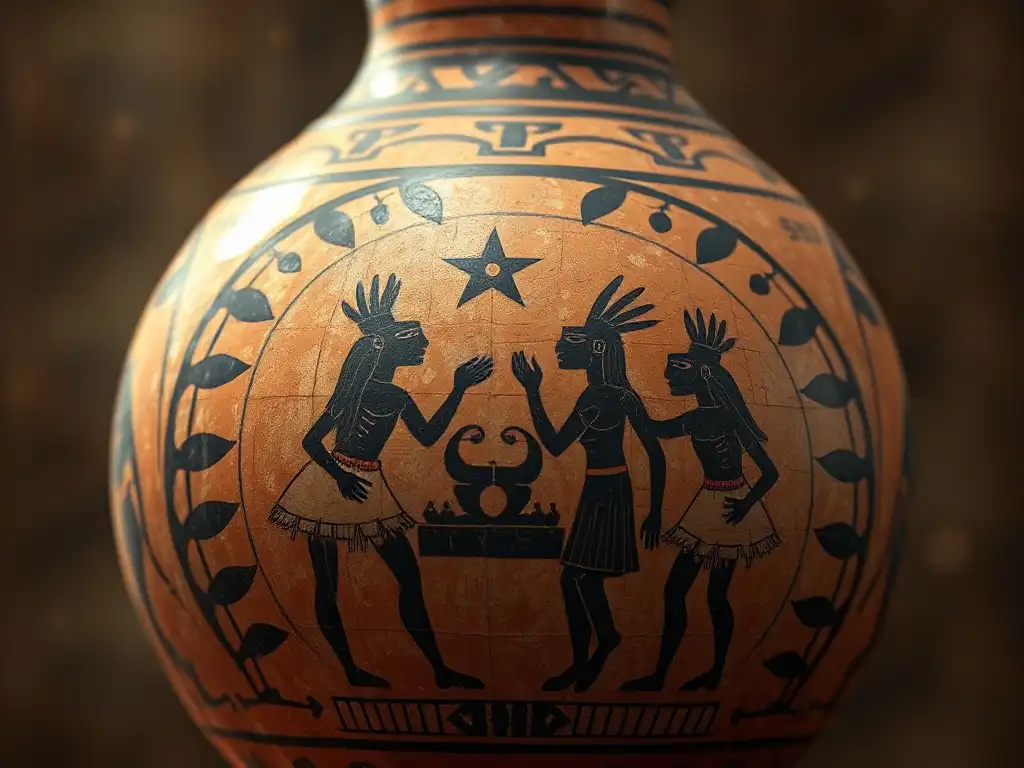
The vibrant and intricate designs adorning Nazca pottery weren't merely decorative; they served crucial ritualistic purposes deeply intertwined with the worldview and religious practices of the Nazca culture. Understanding this ritualistic significance unlocks a deeper appreciation for the artistry and societal structure of this fascinating civilization. The meticulous detail and symbolic imagery found on these vessels reveal a complex cosmology and a society deeply connected to its spiritual beliefs.
Analysis of archaeological findings consistently demonstrates the importance of pottery in various ritual contexts, extending beyond simple utilitarian functions. This section will delve into specific examples illustrating the multifaceted ritualistic roles of Nazca ceramics.
Nazca Pottery as Vessels for Ritual Offerings
Many Nazca vessels were clearly designed and used for ritual offerings. Archaeological excavations frequently uncover pottery fragments within ceremonial contexts, often alongside other offerings like food remains, textiles, and precious objects. The types of vessels themselves provide clues.
For example, small, delicately painted jars, often featuring depictions of deities or supernatural beings, might have contained offerings of chicha (a fermented corn beverage) or other sacred substances. Larger vessels, sometimes with spouts or intricate pouring mechanisms, could have been used for libations or pouring offerings during ceremonies. The presence of residue analysis on some of these vessels further supports this hypothesis, although more research is needed to definitively identify all the substances used in these rituals.
The careful craftsmanship and artistic detail invested in these vessels highlight their importance beyond mere functionality. They were active participants in sacred events, not simply passive containers. The choice of vessel shape, size, and decorative motifs likely held specific symbolic meanings related to the nature of the offering and the deity or spirit being honored.
Depictions of Deities and Supernatural Beings on Nazca Pottery
A significant portion of Nazca pottery features depictions of deities, supernatural beings, and mythological creatures. These representations weren't random; they were carefully chosen and executed to reflect specific aspects of Nazca religion and cosmology. The iconography is remarkably consistent across many vessels, suggesting a shared understanding of these figures and their roles within the culture.
For instance, certain stylized figures, often depicted with exaggerated features or specific headdresses, are recurrently associated with fertility or shamanistic practices. The intricate details of these depictions, including the use of specific colors and patterns, further enhance their ritual significance. Some scholars suggest that the act of creating and using these vessels was itself a ritualistic act, a way of connecting with the supernatural world.
The painted imagery served as a visual representation of the unseen, making the divine tangible and accessible. The careful study of these representations offers invaluable insights into the beliefs and practices of the Nazca people. Further research into the specific iconography and its variations could illuminate the nuances of their religious system.
Nazca Pottery and its Role in Funerary Practices
Nazca pottery played a vital role in funerary rites. Tombs and burial sites often contain a significant number of ceramic vessels, frequently placed alongside the deceased. These vessels are not always broken or damaged, suggesting they were intended to accompany the individual into the afterlife.
The types of vessels found in burials vary, but often include those depicting scenes of the underworld or figures associated with death and rebirth. This suggests a belief that these vessels provided the deceased with sustenance, companionship, or access to the spiritual realm. The arrangement of the pottery within the tomb might also hold symbolic meaning, reflecting the social status of the deceased or the specific rituals performed during the burial ceremony.
The presence of specific types of pottery in particular burial contexts could provide further insights into the social hierarchy and funerary practices of the Nazca. Unfortunately, [specific information pending] regarding the systematic analysis of pottery distribution within different types of Nazca burials. This would significantly enhance our understanding of the funerary ritual's complexity and its relationship to Nazca social structure.
Interpreting Nazca Pottery Motifs and Iconography
Decoding the Symbolic Language of Nazca Pottery Designs
The intricate designs adorning Nazca pottery are far from mere decoration; they represent a complex system of symbolic language reflecting the worldview and religious beliefs of the Nazca culture. Understanding this language requires careful consideration of various elements, including the specific motifs depicted, their arrangement, and the colors used. Scholars have proposed numerous interpretations, often debated and refined as new discoveries are made. For example, the recurring motif of a stylized bird, often depicted in flight, might represent a shamanistic journey to the spirit world or the connection between the terrestrial and celestial realms.
Similarly, representations of mythical creatures, like the feline-headed deity frequently found on Nazca ceramics, highlight the importance of zoomorphic deities in their pantheon. The positioning of these motifs is also crucial. A central, large figure might indicate a principal deity or ancestor, while smaller, surrounding figures could represent supporting elements or attendants.
The lack of standardized iconography presents a challenge, with interpretations often depending on the context of the specific piece and the overall collection of artifacts. Further research is needed to fully decode the nuances of the Nazca visual language, but preliminary findings strongly suggest a deep connection between the artistry and the spiritual beliefs of the Nazca people. The study of Nazca pottery ritual significance is therefore crucial to understanding their culture.
Common Motifs in Nazca Ceramics: Animals, Plants, and Anthropomorphic Figures
Nazca pottery showcases a remarkable diversity of motifs, with animals, plants, and anthropomorphic figures dominating the repertoire. Animal representations are particularly prominent, reflecting the importance of the natural world in Nazca cosmology. Commonly depicted animals include birds (both realistic and stylized), felines, snakes, lizards, and various marine creatures. These aren't simple depictions; the way they're portrayed often hints at symbolic meaning.
A stylized hummingbird, for instance, might symbolize swiftness, agility, or a connection to the spirit world. Conversely, a large, menacing feline could represent power, predation, or a supernatural force. Plant motifs, including stylized cacti, flowers, and fruits, likely reflect the importance of agriculture and the cyclical nature of life in the desert environment. Anthropomorphic figures, often depicted in elaborate headdresses and costumes, likely represent deities, shamans, or ancestors.
These figures, frequently shown engaging in ritualistic activities, provide valuable insights into Nazca religious practices. The frequency and variations of these motifs across different pottery pieces suggest a complex system of classification and meaning, demanding further in-depth analysis. The detailed study of these motifs is key to understanding the Nazca pottery ritual significance.
The Significance of Color in Nazca Pottery
Color plays a crucial role in the ritualistic significance of Nazca pottery. The Nazca artisans employed a vibrant palette of colors, including reds, blacks, whites, yellows, and browns, often derived from natural pigments like minerals and plant extracts. The choice of color wasn't arbitrary; different colors likely held specific symbolic meanings. Red, for example, might have represented blood, life force, or the sun, while black could have symbolized the underworld or night.
White often symbolizes purity or sacredness, frequently associating with important deities or ritualistic objects. The skillful blending and layering of colors further enhanced the symbolic impact of the designs, creating depth and visual complexity. The combination of colors and motifs, therefore, carries a layered meaning, often providing multiple levels of interpretation.
For example, a red hummingbird on a white background could represent a connection between the life-giving sun (red) and a pure, spiritual realm (white). Unfortunately, the precise meaning of specific color combinations remains largely speculative, requiring more extensive research and comparative analysis of surviving artifacts. The meticulous application of color in Nazca pottery underscores the significance of this aspect in unlocking the deeper understanding of the Nazca pottery ritual significance.
Nazca Pottery and its Connection to Shamanic Practices
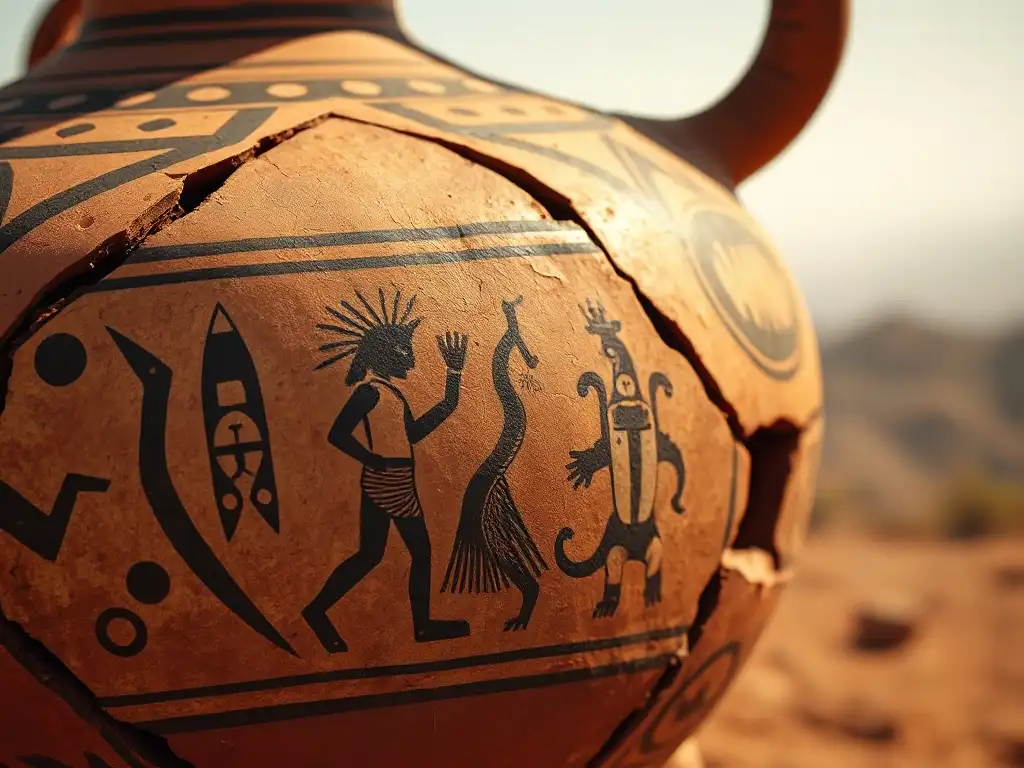
The vibrant and enigmatic world of Nazca pottery reveals far more than just artistic skill; it offers a compelling window into the deeply spiritual and ritualistic practices of the Nazca civilization. A significant portion of Nazca pottery's enduring fascination stems from its apparent connection to shamanic practices, a belief system deeply intertwined with the supernatural and the pursuit of altered states of consciousness.
The intricate designs, often depicting supernatural beings, fantastical creatures, and scenes suggestive of ritual ceremonies, strongly suggest a profound religious context far beyond simple decoration. Analyzing these artifacts allows us to piece together a richer understanding of their cosmology and the role of shamans within their society.
The recurring motifs and stylistic choices in Nazca ceramics provide compelling evidence of a culture deeply invested in shamanic rituals and their significance in their daily lives and worldview. This section delves into the specific aspects of Nazca pottery that support this interpretation, examining the evidence for shamanic rituals, the role of hallucinogens, and the pottery's function as tools for shamanic transformation.
Evidence of Shamanic Rituals in Nazca Ceramics
Numerous examples of Nazca pottery depict scenes that strongly suggest shamanic rituals. These depictions aren't merely decorative; they are carefully rendered narratives, often featuring figures in ritualistic poses, adorned with elaborate headdresses and regalia. One common motif is that of a shaman, often depicted in a trance-like state, interacting with supernatural beings or participating in ceremonies involving offerings or sacrifices.
These scenes are meticulously detailed, with specific objects and actions consistently repeated across different vessels, implying a standardized ritualistic framework. For example, the recurring presence of stylized feline figures, often associated with deities or supernatural forces, emphasizes their importance in Nazca shamanic beliefs. The complex iconography, including the use of symbolic colors and patterns, further supports the interpretation of these scenes as representations of ritual practices.
Furthermore, the presence of specific objects, such as ceremonial staffs or ritual paraphernalia, adds another layer of evidence to the ritualistic significance of these depictions. Analyzing the distribution of these motifs across different pottery styles and time periods could potentially reveal further insights into the evolution of Nazca shamanic practices and their connection to societal structures. Detailed studies of these ceramics are crucial to understanding the complex religious beliefs of the Nazca people.
The Use of Hallucinogens and Their Depiction in Nazca Art
The use of hallucinogens, particularly San Pedro cactus and possibly other plants, is strongly suspected to have played a crucial role in Nazca shamanic practices. The depiction of plant-like forms and stylized figures exhibiting characteristics consistent with altered states of consciousness frequently appear in Nazca pottery. Many researchers believe that these images represent shamanic experiences induced by hallucinogenic substances.
The imagery often includes surreal and abstract motifs, mirroring the reported effects of hallucinogens, such as distorted perceptions and vivid hallucinations. The recurring appearance of certain plant motifs, like the San Pedro cactus, further strengthens the connection between hallucinogens and Nazca shamanic rituals as depicted in their pottery. The intricate detail and precision of these depictions suggest a deep understanding and familiarity with the effects of these substances, underscoring their importance within the cultural context.
Further research into the chemical analysis of residues on some of these pottery pieces could provide conclusive evidence supporting this hypothesis. The connection between hallucinogenic use and the artistic expression found in Nazca pottery provides a profound insight into the spiritual world of this ancient civilization.
Nazca Pottery as Tools for Shamanic Transformation
Nazca pottery was not merely a passive medium for depicting shamanic rituals; it likely served as an active tool within these practices. The creation of the pottery itself may have been a ritualistic act, imbued with symbolic meaning and intended to facilitate shamanic experiences. The meticulous craftsmanship and attention to detail suggest a process far beyond mere functionality.
The vessels themselves may have been used in ceremonies, perhaps containing offerings, hallucinogenic brews, or other ritual substances. Furthermore, the act of viewing and interacting with these intricately decorated vessels could have been a means of inducing altered states of consciousness or facilitating communication with the spirit world. The potent imagery and symbolic language embedded within the pottery could have acted as a catalyst for shamanic journeys and transformative experiences.
The pottery's role extended beyond mere representation; it was integral to the performance and efficacy of shamanic rituals. The interplay between the creation, use, and interpretation of Nazca pottery reveals a sophisticated understanding of the power of ritual objects to shape spiritual experiences. The study of Nazca pottery offers a unique opportunity to understand the intricate relationship between art, ritual, and shamanic practice in a pre-Columbian Andean culture.
Understanding the Production and Distribution of Nazca Pottery
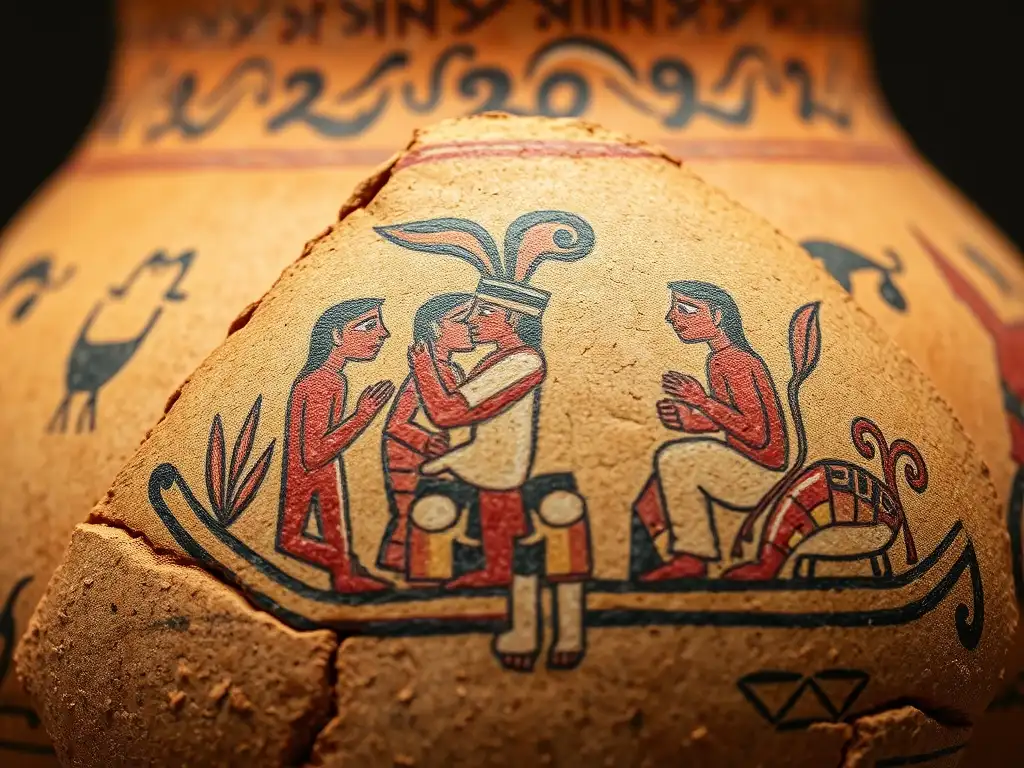
The creation and dissemination of Nazca pottery wasn't a haphazard process; it was deeply intertwined with the social fabric and religious beliefs of the Nazca civilization. Understanding its production and distribution reveals much about their societal structure, economic systems, and worldview. The meticulous craftsmanship evident in surviving pieces suggests a specialized workforce, likely organized and overseen by a powerful elite.
The sheer volume of pottery produced, and its widespread geographic distribution, points to a sophisticated system of production, trade, and possibly even ritualistic exchange. Further research into the specific locations of pottery workshops and the analysis of clay sources could illuminate the intricacies of this complex system. The study of Nazca pottery ritual significance is therefore crucial to understanding the broader culture.
Techniques Used in the Making of Nazca Pottery
Nazca potters were masters of their craft, employing advanced techniques to create their iconic vessels. The process began with the careful selection and preparation of clay, often sourced from specific locations known for their quality. Evidence suggests that different clay types were sometimes blended to achieve desired properties. The clay was then meticulously shaped using various tools, ranging from simple hand-tools to more specialized implements.
The creation of the elaborate polychrome designs involved multiple stages. First, a slip (a clay-based liquid) was applied to the vessel, providing a smooth surface and a base for the vibrant paints. These paints, made from natural pigments like minerals and plant extracts, were applied with precision using brushes made from animal hair or possibly reeds.
The final step often involved a polishing process to enhance the luster and durability of the finished product. This level of skill and artistry underscores the high value placed on Nazca pottery, reflecting its ritual importance within the society. The intricate designs themselves often required considerable skill and planning, further emphasizing the specialized nature of the craft.
The production of Nazca pottery had significant social and economic implications. The specialized skills required to create these vessels likely resulted in a hierarchical structure within the craft, with master potters holding positions of prestige and influence. The distribution network, which extended across a considerable geographic area, suggests a complex system of trade and exchange.
Pottery likely served as a form of currency or tribute, solidifying political alliances and reinforcing social hierarchies. Analyzing the types of pottery found in different contexts – burials, elite residences, commoner dwellings – can reveal clues about the social stratification of Nazca society. The relative abundance or scarcity of specific types of pottery in various locations can also shed light on trade routes and economic power dynamics.
Further investigation into the potential role of pottery in ritual exchange and gift-giving could provide a more comprehensive understanding of the socio-economic impact of Nazca pottery production. The sheer scale of production implies a substantial investment of labor and resources, hinting at a well-organized and potentially centralized system of production and distribution.
Geographic Distribution of Nazca Pottery and Its Significance
The geographic distribution of Nazca pottery is remarkably widespread, extending far beyond the immediate Nazca region. This widespread presence is not simply a matter of trade; it reveals crucial insights into the cultural influence and reach of the Nazca. The discovery of Nazca pottery in sites distant from the main production areas suggests established trade networks, possibly facilitating the exchange of goods, ideas, and perhaps even religious beliefs.
The styles and types of pottery found in different locations may also reflect regional variations, offering insights into local adaptations and cultural interactions. Analyzing the distribution patterns of specific pottery types can help identify key trade routes and potentially uncover evidence of inter-regional alliances or conflicts. The presence of Nazca pottery in tombs and ceremonial contexts in distant locations underscores its ritual significance, suggesting that these objects played a vital role in religious practices across a broad geographical area.
The study of this widespread distribution is essential to understanding the broader context of Nazca pottery ritual significance and its role in shaping the cultural landscape of ancient Peru. The detailed mapping of these discoveries, coupled with further analysis of the stylistic variations, will undoubtedly enrich our understanding of this fascinating aspect of Nazca culture.
Nazca Pottery: A Window into Ancient Andean Beliefs
The Worldview Reflected in Nazca Ceramic Art
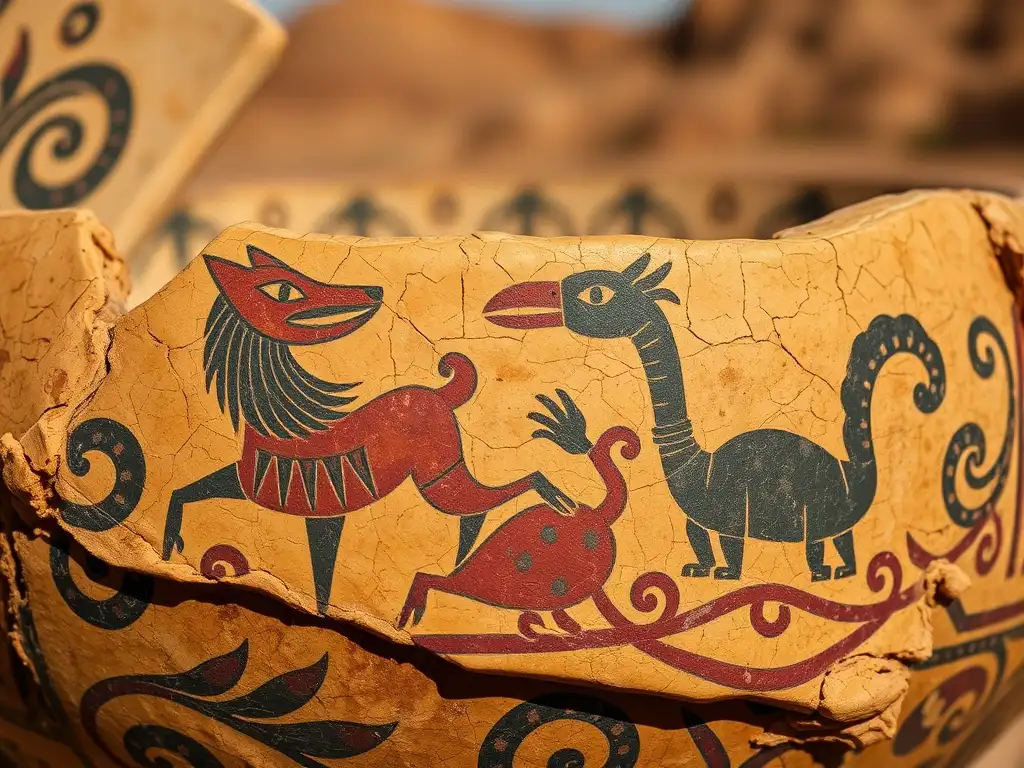
Nazca pottery, renowned for its vibrant polychromy and intricate designs, offers invaluable insights into the worldview of this ancient Andean civilization. The imagery consistently depicts a complex interplay of deities, mythical creatures, and symbolic representations of the natural world. Analyzing these motifs reveals a deep connection to the environment and a sophisticated cosmology.
For example, the frequent depiction of stylized birds, such as condors and hummingbirds, reflects their importance in Nazca mythology, possibly representing intermediaries between the earthly and spiritual realms. Similarly, the recurring presence of feline-like figures, often portrayed with exaggerated features, suggests a reverence for these animals, perhaps embodying power, ferocity, or shamanistic abilities.
The use of color itself is far from arbitrary. Scholars have noted specific color palettes associated with particular deities or events. The meticulous application of pigments, often using a complex layering technique, highlights the sacred nature of the pottery. The precision and detail in the execution suggest a highly ritualized process, where the creation of each vessel was a significant act in itself, imbued with spiritual meaning.
Further research into the specific pigments used, their sources, and the techniques employed could reveal even more nuanced aspects of Nazca beliefs and practices. The meticulous nature of the artwork itself, with its intricate details and vibrant colors, suggests a strong emphasis on precision and ritual in the creation process. This attention to detail speaks volumes about the importance placed on these artifacts within Nazca society.
Nazca Pottery as a Source of Information about their Culture
Beyond the artistic merit, Nazca pottery acts as a primary source of information about their culture, providing glimpses into their daily life, social structures, and rituals. Representations of agricultural activities, such as planting and harvesting, illustrate the centrality of agriculture in their society. Depictions of elaborate feasts and ceremonies reveal details about their social gatherings and rituals.
The presence of specific tools or instruments in some vessels may indicate the importance of certain crafts or occupations. Furthermore, the stylistic variations observed in Nazca pottery across different time periods and regions suggest the existence of distinct social groups or even specialized workshops.
Analysis of the iconography has revealed potential links between the pottery and specific social hierarchies. Certain motifs, or the use of particular colors or techniques, may have been reserved for elite members of society, highlighting social stratification within the Nazca culture. The discovery of pottery within tombs provides valuable context, allowing researchers to connect specific artifacts with burial rituals and the beliefs surrounding death and the afterlife.
For example, the presence of specific vessels within a tomb might suggest the social status of the deceased, or the nature of the funerary rites performed. Detailed studies of the chemical composition of the clays and pigments used may also reveal information about trade networks and resource management.
The Enduring Legacy of Nazca Pottery
The enduring legacy of Nazca pottery is undeniable. These artifacts continue to fascinate and inspire, serving as a testament to the artistic skill and cultural richness of the Nazca civilization. Their intricate designs and vibrant colors have captivated audiences for centuries.
Museums worldwide showcase these remarkable pieces, highlighting their historical and artistic importance. The study of Nazca pottery continues to be a vibrant field of research, with ongoing efforts to decipher the meanings behind the enigmatic symbols and motifs. New discoveries and technological advancements regularly shed new light on these ancient artifacts, enriching our understanding of the Nazca civilization.
The continued interest in Nazca pottery underscores its lasting impact, ensuring that the cultural legacy of this remarkable civilization endures. The enduring appeal of Nazca pottery is a testament to the artistry and cultural significance of this ancient Andean civilization. Their legacy continues to inspire artists and researchers alike, ensuring that their stories will be told for generations to come.
Conclusion: The Profound Ritualistic Meaning of Nazca Pottery
The intricate designs and vibrant colors of Nazca pottery weren't merely decorative; they served as powerful conduits for religious beliefs and ritual practices. This detailed analysis reveals the profound ritualistic significance woven into every vessel, from the simplest forms to the most complex masterpieces. The careful selection of motifs, the meticulous execution of the designs, and the specific contexts in which the pottery was found all point to a deeply embedded religious and ceremonial function within Nazca society.
Understanding this significance provides a crucial window into the worldview and spiritual life of this fascinating ancient culture. The persistent presence of specific iconography, such as feline deities, plant and animal motifs, and stylized human figures, underscores the importance of these symbols within the Nazca cosmology. The vibrant colors themselves, achieved through sophisticated techniques, likely held symbolic meaning, further enriching the ritualistic context of the pottery.
The study of Nazca pottery, therefore, moves beyond mere aesthetic appreciation, revealing a complex tapestry of beliefs and practices central to Nazca life. The meticulous craftsmanship and the clear intentionality behind the designs demonstrate a deep connection between the artisans and the spiritual realm they sought to represent.
Summarizing the Importance of Nazca Pottery
Nazca pottery's importance extends far beyond its artistic merit. It acts as a primary source for understanding Nazca religion, social structure, and daily life. The pottery's imagery provides invaluable insights into their mythology, depicting deities, mythical creatures, and scenes of ritual ceremonies. The stylistic variations in pottery, from the simple to the highly elaborate, might reflect social hierarchies or specialized craft guilds.
Furthermore, the discovery of pottery within specific contexts, like tombs or ceremonial sites, sheds light on burial rites and ritual practices. The presence of certain motifs on vessels associated with specific rituals provides further evidence of their symbolic significance. For example, the frequent depiction of stylized plants might indicate the importance of agriculture and fertility within Nazca society.
The analysis of chemical residues on the pottery surfaces could also reveal information about the contents of the vessels, providing clues about their use in rituals and daily life. In essence, Nazca pottery offers a multifaceted lens through which we can examine and understand the complexity of this ancient Andean civilization. The careful study of its iconography and contextual findings provides a unique perspective on their beliefs, practices, and societal organization.
The Continuing Study of Nazca Ceramic Art
Research into Nazca pottery continues to evolve, with new discoveries and analytical techniques constantly refining our understanding. Ongoing excavations at Nazca sites are uncovering new examples of pottery, expanding our knowledge base and potentially revealing previously unknown aspects of their culture. Advanced imaging techniques, such as X-ray fluorescence (XRF) and 3D scanning, are allowing researchers to analyze the chemical composition of pigments and the internal structure of the pottery, unveiling details invisible to the naked eye.
This detailed analysis provides crucial insights into the manufacturing techniques employed by Nazca artisans and the symbolic meaning embedded in the materials used. The development of new databases and digital archives is facilitating collaborative research and wider access to information about Nazca pottery, fostering international collaborations and accelerating the pace of discovery.
Furthermore, interdisciplinary approaches, combining archaeology, anthropology, and chemistry, are providing a holistic understanding of the role of Nazca pottery in their society. The ongoing efforts to preserve and protect existing collections are also crucial for future research and the long-term preservation of this invaluable cultural heritage.
Advances in Scientific Analysis of Nazca Pottery
Recent advances in scientific analysis have significantly enhanced our understanding of Nazca pottery's creation and use. Techniques like X-ray diffraction (XRD) are used to identify the clay minerals used in the pottery's production, providing clues about the sourcing of raw materials and the possible geographic origins of the pottery. Gas chromatography-mass spectrometry (GC-MS) analysis of organic residues found on pottery shards can identify food and drink remains, providing insights into diet and ritual practices.
Isotopic analysis of human remains found alongside pottery can help determine the origins and mobility of Nazca populations. Furthermore, the application of advanced imaging techniques, such as multispectral imaging, allows researchers to detect subtle variations in pigments and designs that are often invisible to the naked eye. These advancements have revolutionized the study of Nazca pottery, offering unprecedented levels of detail and precision.
The combination of traditional archaeological methods with advanced scientific techniques provides a more comprehensive and nuanced understanding of the role of Nazca pottery within their society. This integrated approach is essential for unlocking the full potential of these remarkable artifacts as sources of historical and cultural information. Future research will undoubtedly continue to refine these methods, leading to even greater discoveries concerning the "Nazca pottery ritual significance".
Frequently Asked Questions
What is the main purpose of this article?
This article explores the ritualistic significance of Nazca pottery, moving beyond its aesthetic appeal to understand its role in ancient Nazca society. It delves into the religious beliefs and practices reflected in the pottery's designs and production.
Why is Nazca pottery considered ritually significant?
Nazca pottery wasn't merely decorative; it served crucial roles in religious ceremonies and rituals. Many pieces depict deities, mythical creatures, and scenes of offerings, suggesting their use in shamanistic practices and ancestor veneration.
What specific rituals involved Nazca pottery?
The exact nature of all rituals is debated, but evidence suggests use in funerary rites, offerings to deities, and potentially in shamanistic practices. The pottery's presence in tombs and ceremonial contexts supports this.
What are some common motifs found on ritually significant Nazca pottery?
Common motifs include anthropomorphic figures, zoomorphic representations (often of birds and felines), and plant and geometric designs. These symbols likely held deep religious meaning within Nazca culture.
How does the article contribute to our understanding of Nazca culture?
By examining the iconography and context of Nazca pottery, the article sheds light on their complex religious beliefs, social structures, and daily life. It helps us understand the importance of ritual in shaping their society.
Final Reflection: Unearthing the Enduring Legacy of Nazca Pottery
The intricate designs adorning Nazca pottery are not mere decoration; they are vibrant windows into a sophisticated cosmology, a testament to a civilization's profound spiritual beliefs that continue to resonate today. These ancient vessels, meticulously crafted centuries ago, offer us a powerful glimpse into a worldview deeply connected to the natural world and the cyclical rhythms of life and death, a connection we are increasingly seeking to rediscover in our own time.
The enduring influence of Nazca pottery extends far beyond the museum walls; it permeates our understanding of ancient Andean cultures and challenges our anthropocentric perspectives. The meticulous detail and symbolic richness embedded within each piece speak volumes about the importance of ritual and community in Nazca society. The past is never dead. It's not even past.
– William Faulkner. This quote rings true when considering the ongoing relevance of Nazca pottery in shaping our understanding of pre-Columbian societies and their enduring legacy. Their artistic expression continues to inspire contemporary artists and researchers alike, prompting us to question our own relationship with the natural world and the spiritual dimensions of human existence.
Consider the intricate details, the vibrant colors, the stories whispered in the imagery. Let the legacy of the Nazca people inspire you to seek deeper meaning in your own life, to connect with the natural world around you, and to appreciate the enduring power of artistic expression as a conduit for spiritual understanding. You, too, can become a custodian of this ancient knowledge, carrying forward the echoes of a civilization that understood the profound connection between art, ritual, and the human spirit.
Uncover the Mysteries Behind Nazca Pottery!
Thank you for exploring the fascinating world of Nazca pottery! You've discovered the intricate designs and rich cultural significance that extend far beyond simple decoration. Now, let's build on this knowledge.
Here are some ways to continue your journey:
- **Create your own Nazca-inspired pottery:** Unleash your creativity by designing pottery inspired by the vibrant motifs and styles of Nazca art. Experiment with different clay types and techniques to bring your artistic vision to life.
- **Connect with fellow enthusiasts:** Share your insights and passion for Nazca pottery with others online or through local art groups. Discussions with like-minded individuals can deepen your appreciation of Andean cultures and artistic traditions.
- **Delve deeper into Nazca culture:** Visit museums featuring Nazca artifacts or explore online resources dedicated to the civilization. You'll be amazed by the breadth and depth of their artistic legacy and its enduring impact.
Which aspects of Nazca pottery have captivated you the most, and how will you translate that inspiration into your own creative projects?