
The Art of Repetition: Examining Patterns and Motifs in Nazca Art


Step into a world lost to time, yet vividly etched into the desert sands. Prepare to be amazed by the intricate artistry of the ancient Andean civilizations. This journey begins with the enigmatic Nazca art patterns and motifs, a testament to a culture whose ingenuity continues to baffle and inspire. Discover the secrets hidden within these mesmerizing designs – their meaning, their creation, and their enduring legacy. Unravel the mysteries and delve deeper into the captivating world of Nazca art.
The Nazca civilization, flourishing along Peru's southern coast between 100 BCE and 800 CE, left behind a legacy far beyond their famed geoglyphs. Their mastery of pottery and textiles reveals a sophisticated visual language, rich with intricate patterns and motifs that communicate meaning, status, and cosmology. This article delves into the captivating world of Nazca art, focusing on the deliberate and symbolic use of repetition in their designs.
We will explore how recurring patterns and motifs provide insights into their artistic techniques, social structures, and spiritual beliefs, offering a deeper understanding of the rich cultural tapestry woven into every piece of Nazca pottery and textile. Understanding these repetitive elements is key to unlocking the secrets embedded within the vibrant colors and complex designs of this remarkable civilization.
This exploration will illuminate how the repetition of specific motifs served not merely as aesthetic choices, but as powerful communicative tools within Nazca society. Prepare to be amazed by the ingenuity and artistry of a culture that harnessed repetition to create truly breathtaking works of art.
Introduction to Nazca Art and its Visual Language
Nazca art is characterized by its vibrant colors, bold designs, and intricate details. Pottery, in particular, showcases a remarkable range of techniques, from the use of slip painting to the incorporation of polychrome designs. The palettes used were incredibly diverse, ranging from earthy tones of red, brown, and yellow to striking blues, greens, and even blacks.
These colors were not randomly applied; they often held symbolic meanings within the Nazca worldview. The motifs themselves are equally varied, frequently depicting stylized representations of animals (such as hummingbirds, jaguars, and monkeys), plants (like cacti and beans), and mythical creatures. Geometric patterns, including triangles, zigzags, and stepped frets, are also prominent, often interwoven with figurative representations to create complex and visually stunning compositions.
The use of repetition in these designs is a crucial element, enhancing their visual impact and reinforcing their symbolic significance. For example, the repeated depiction of a specific animal might suggest its importance in Nazca mythology or its role in their daily lives. The careful arrangement and repetition of these motifs further suggest a deep understanding of visual communication and artistic intentionality.
Understanding Repetition in Ancient Art
Repetition in ancient art wasn't simply a matter of convenience or aesthetic preference; it served a multitude of purposes. In many cultures, repeated motifs held symbolic weight, often representing cyclical processes in nature, the continuity of life, or the power of deities. The Nazca were no exception. The repeated appearance of certain animals, plants, and geometric patterns likely served to reinforce their significance within the cultural context.
Furthermore, the act of repetition itself could have been a ritualistic practice, with the creation of each repeated motif acting as a form of prayer or affirmation. Consider the meticulous repetition in Nazca textile designs – the painstaking effort involved suggests a deep connection between the artisan and the creation, a process imbued with spiritual significance. The sheer precision and consistency seen in many examples of Nazca art highlight the high level of skill and dedication among their artisans. This commitment to precise repetition also points towards a highly structured and organized society, capable of maintaining artistic standards across different workshops and generations.
The consistency in style and motif across different pieces of pottery and textiles suggests a strong cultural identity and shared artistic vision. The study of these repeated motifs helps us to understand not only the aesthetic preferences of the Nazca, but also the underlying social and religious structures that shaped their art. The repetition wasn't just decorative; it was communicative, ritualistic, and deeply symbolic.
Nazca Art Patterns and Motifs: An Overview
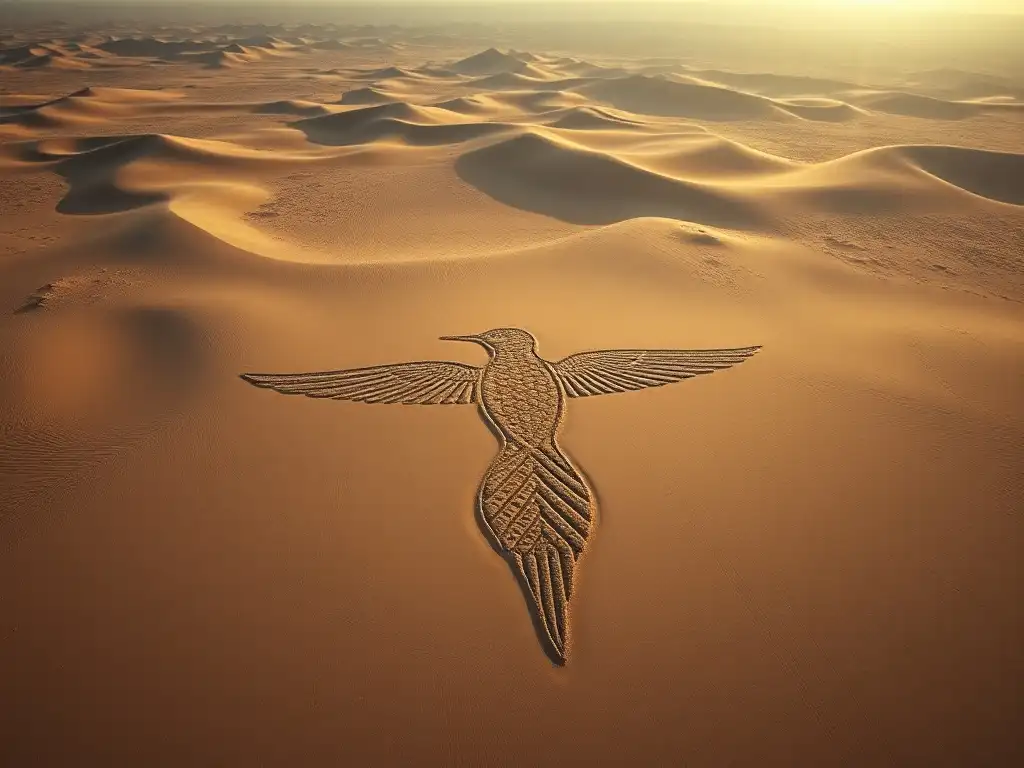
The Nazca civilization, renowned for its enigmatic geoglyphs, also produced a breathtaking array of pottery and textiles rich in intricate patterns and motifs. Understanding these recurring designs provides crucial insights into their cosmology, social structures, and daily life. The repetitive nature of these motifs suggests a deep-seated cultural significance, reflecting a worldview that emphasized order, continuity, and the cyclical nature of life and the cosmos.
Analyzing the prevalent patterns and motifs in Nazca art helps us decipher their symbolic language and appreciate the artistry and sophistication of this remarkable ancient culture. The study of Nazca art patterns and motifs reveals a complex system of visual communication, far beyond mere decoration.
Geometric Patterns in Nazca Ceramics
Geometric patterns are ubiquitous in Nazca ceramics, frequently adorning the surfaces of vessels with striking precision. These patterns aren't simply random arrangements; they are meticulously planned and executed, showcasing a remarkable understanding of geometry and design principles. Common geometric motifs include:
- Triangles: Often arranged in interlocking or radiating patterns, symbolizing mountains, perhaps reflecting the Andean landscape's influence on their worldview.
- Step patterns: These stepped designs, resembling stairways or terraced fields, might represent agricultural practices or social hierarchies.
- Zigzags: Representing possibly lightning, water, or the interconnectedness of the world. Their dynamic energy contrasts with the more static forms.
- Bands and stripes: Simple yet effective, these patterns often act as borders or separators, structuring the overall design. Variations in width and color add further complexity.
The use of color in Nazca geometric patterns is also significant. Vibrant hues, achieved through sophisticated mineral pigments, were carefully chosen to enhance the visual impact and possibly convey symbolic meaning. For instance, red might represent blood or fertility, while yellow could symbolize the sun. The precise arrangement of colors within the geometric patterns could further amplify their symbolic significance. Further research is needed to fully decipher the nuanced meanings embedded within these color combinations. Analysis of surviving examples reveals a remarkable consistency in the application of these patterns, suggesting a standardized system of design and production.
Common Animal Motifs in Nazca Designs
Beyond geometric patterns, Nazca art is characterized by a profusion of animal motifs, often depicted with a remarkable level of detail and realism. These animals, integral to their daily lives and possibly their spiritual beliefs, are frequently stylized yet easily recognizable. Some of the most common animal motifs include:
- Birds: Condor, hummingbirds, and various other avian species are frequently portrayed, possibly representing shamanic journeys or celestial connections. The way they are depicted, sometimes in flight or perched, changes the meaning subtly.
- Reptiles: Snakes and lizards, symbolizing perhaps earth energies or underworld deities, appear frequently in various forms. Their portrayal frequently involves intricate detailing of scales and textures.
- Mammals: Camelids (llamas and alpacas), crucial to their economy, are often depicted, highlighting their importance in Nazca society. The depiction of these animals could signify wealth, social status, or fertility.
- Fish: Representing water sources and potentially abundance, these are less common but still significant, indicating the importance of water access in the arid Nazca environment.
The repetitive use of these animal motifs, often in combination with geometric patterns, suggests a complex interplay of symbolic meanings. Further research, including comparative analysis with other Andean cultures, could shed more light on their precise interpretations. The level of detail and accuracy in the representation of these animals point to keen observation skills and a deep understanding of the natural world. This attention to detail is a hallmark of Nazca artistry.
The Significance of Repetitive Motifs in Nazca Textiles
Nazca textiles, often made from cotton and camelid fibers, exhibit a similar emphasis on repetitive patterns and motifs as their pottery. However, the scale and complexity are often even greater, reflecting the intricate weaving techniques employed. The repetitive nature of these designs in textiles likely served multiple functions:
- Social Status: Elaborate textile designs, with their intricate patterns, could have indicated social status or membership in specific groups.
- Ritual Significance: Certain patterns might have held specific ritual meanings, used in ceremonies or worn by individuals with specific roles.
- Narrative Function: The repetition of certain motifs, particularly animal figures, might have served a narrative function, telling stories or conveying myths.
- Structural Integrity: Repetitive patterns might have also aided in the structural integrity of the textiles, distributing tension and improving their durability.
The variety of colors and intricate weaving techniques used in Nazca textiles further enhance their visual appeal and symbolic depth. The use of different knotting techniques and fiber types could have also added to the meaning and significance of these textiles. Many examples showcase an astonishing level of skill and patience, demonstrating the high value placed on textile production within Nazca society.
Unfortunately, many textiles have not survived the passage of time, limiting our understanding of the full range of patterns and motifs employed. Further archeological discoveries and analysis of surviving fragments are essential to deepening our knowledge of this aspect of Nazca culture.
Analyzing Specific Nazca Art Patterns
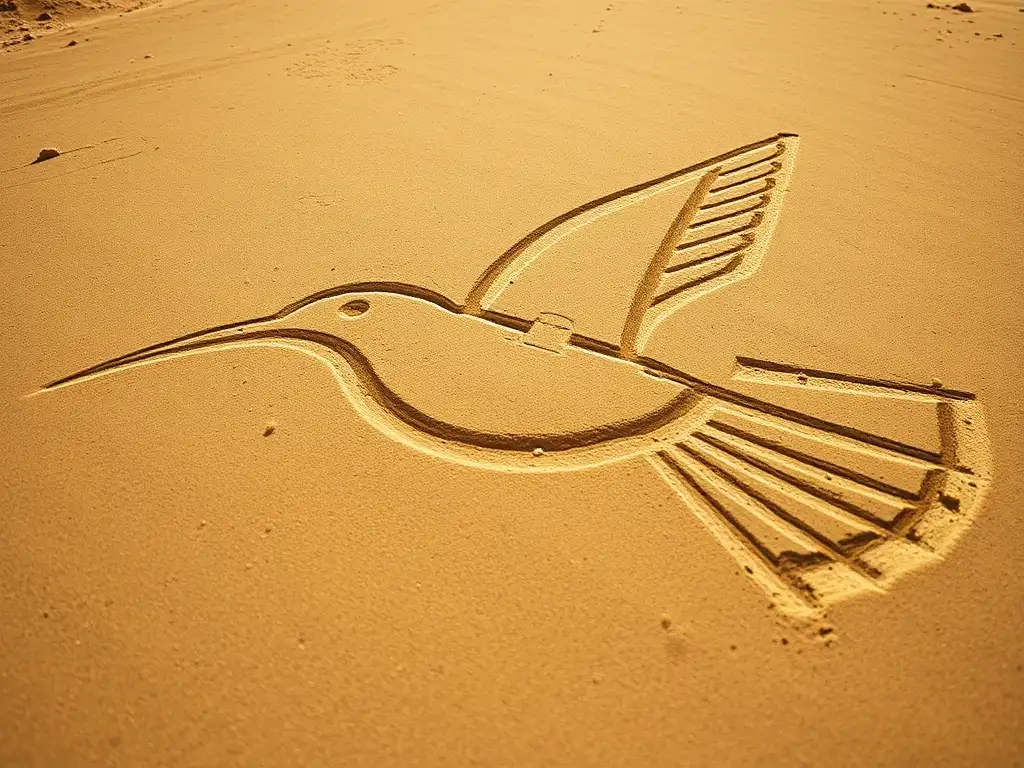
This section delves into the intricate world of Nazca art, focusing on recurring patterns and motifs that define their aesthetic. We will explore how these repeated elements contributed to the overall narrative and symbolic meaning within their pottery and textiles. The consistent use of specific patterns and motifs suggests a deeply ingrained cultural significance, reflecting their cosmology, social structures, and daily life.
Understanding these patterns provides crucial insights into the Nazca worldview and artistic practices. The analysis below focuses on three key motifs: the step pattern, feline imagery, and avian representations, particularly hummingbirds. The skillful repetition and variation of these motifs showcase the Nazca artisans' mastery and creative ingenuity.
The Repetition of the Step Pattern in Nazca Pottery
The "step pattern," a geometric motif characterized by a series of interconnected, stepped trapezoids, is ubiquitous in Nazca pottery. This pattern isn't merely decorative; its repeated presence points to a deeper symbolic meaning. Some scholars suggest it represents agricultural terraces, mirroring the ingenious irrigation systems crucial to Nazca survival in the arid coastal region. The precise repetition of this pattern, sometimes across the entire surface of a vessel, could symbolize the ordered structure of their society, the cyclical nature of agriculture, or even their understanding of the cosmos.
The step pattern’s variations are also noteworthy. While the basic structure remains consistent, the size, color, and spacing of the trapezoids change, creating subtle yet impactful visual differences. For instance, some pots feature a bolder, more prominent step pattern, while others display a more delicate and intricate version. This variation suggests a level of artistic freedom and individual expression within the established conventions of Nazca art. Further research is needed to fully understand the nuanced meanings associated with these variations. [Specific data on color variations and their potential significance pending].
The Use of the Feline Motif in Nazca Art
Feline imagery, particularly depictions of jaguars and pumas, holds a prominent position within the Nazca artistic canon. These powerful predators are not simply realistic representations; they often appear stylized and symbolic, imbued with supernatural attributes. The repeated use of feline motifs in Nazca pottery and textiles suggests a connection to their mythology and religious beliefs. These creatures may have represented deities, shamanic power, or even earthly forces.
The repetition of the feline motif is not uniform. Some depictions are highly detailed, showcasing the animal's musculature and features with impressive accuracy. Others are more abstract, emphasizing symbolic elements over realistic representation. For example, some feline figures are depicted with exaggerated features, such as elongated bodies or disproportionately large heads, highlighting their mystical significance. This careful balance between realistic portrayal and symbolic abstraction is a hallmark of Nazca artistic skill. The repeated use, in varied styles, emphasizes the deep cultural significance of these powerful animals.
Examining the Hummingbird and other Bird Motifs
Birds, particularly hummingbirds, frequently appear in Nazca art. Their depiction often involves intricate details and vibrant colors, highlighting the artisans' keen observation of nature and their masterful technical skills. The hummingbird, with its rapid flight and association with the sun and flowers, might symbolize vitality, fertility, and the cyclical nature of life. The repetition of this motif, alongside other bird species, further strengthens the connection between Nazca art and their understanding of the natural world.
The variety of bird species depicted in Nazca art is quite remarkable. While hummingbirds are prominent, other birds, such as condors and owls, also feature regularly, each likely carrying its own symbolic weight. [Specific data on the frequency of different bird species in Nazca art pending].
The repeated use of these avian motifs, combined with the detailed representations, suggests a deep appreciation for the avian world and its symbolic significance within their culture. The consistent presence, and the variations within the representations, allows for further research into the specific meanings attributed to each bird species within the Nazca worldview. The stylistic choices—the level of detail, the color palette, and the positioning within the overall design—all contribute to the rich tapestry of meaning woven into Nazca art.
The Symbolic Meaning of Repetitive Designs
The prevalence of repetitive patterns and motifs in Nazca art is not merely a stylistic choice; it holds deep symbolic meaning rooted in the culture's worldview and spiritual practices. The deliberate repetition of designs across various mediums, from intricate textiles to elaborately decorated pottery, suggests a profound connection between the visual and the spiritual realms. Understanding these repeated designs requires examining their context within the broader framework of Nazca society and belief systems.
Analyzing the frequency and placement of these motifs further illuminates their significance, revealing a complex system of visual communication. The consistent use of certain elements points towards a standardized system of representation, suggesting a highly organized and structured society. This section will delve into the possible interpretations of these repetitive elements, focusing on their role in ritual, cosmology, and overall communication.
Repetition as a Tool for Ritual and Ceremony
Repetitive patterns in Nazca art frequently appear on objects associated with ritual and ceremonial practices. The meticulous repetition found on ceremonial textiles, for instance, suggests a connection between the act of weaving and the performance of sacred rites. The creation of these intricate designs may have been itself a ritualistic process, involving communal participation and specific ceremonial gestures.
The highly structured nature of the repeated motifs could represent a symbolic mirroring of the structured nature of Nazca society and its hierarchical power structures. Consider, for example, the frequent use of geometric shapes like zigzags and stepped frets. These may symbolize the structured layers of the Andean landscape or the ordered organization of their social hierarchy.
The repetition itself may have served to amplify the symbolic power of these shapes, reinforcing their significance within the ritual context. Further research into the archaeological context surrounding the discovery of these artifacts would help to confirm this hypothesis. We also need more research on the specific materials and techniques used in creating these objects to fully understand the ritual aspect of their production.
The Role of Repetition in Nazca Cosmology
The repetitive nature of many Nazca designs may reflect their cosmological beliefs. The frequent depiction of stylized animals, plants, and celestial bodies, often repeated in rhythmic sequences, might represent a cyclical understanding of time and the cosmos. The repetition could symbolize the continuous cycle of life, death, and rebirth, mirroring the cyclical nature of agriculture and the Andean environment.
The precision and regularity of these patterns suggest a deep understanding of mathematical principles and a sophisticated system for representing their cosmos. For instance, the consistent repetition of bird motifs could represent their importance in mythology and their connection to the spirit world. Similarly, the repetition of plant motifs might reflect the importance of agriculture and the reverence for the bounty of the land.
More detailed analysis of the iconography, particularly concerning the orientation and arrangement of repeated elements, is needed to fully explore this connection. This would allow us to better understand the underlying cosmological principles represented in the art.
Interpreting the Message Behind the Repeated Motifs
Deciphering the specific meaning behind each repeated motif requires a multi-faceted approach, combining stylistic analysis with archaeological context and anthropological interpretations. While a definitive interpretation for every design remains elusive, we can identify recurring themes and potential symbolic meanings. The repetition itself serves as a powerful visual cue, drawing the viewer's attention and reinforcing the importance of the depicted elements. It's crucial to consider the specific context in which these motifs appear.
For example, a repeated design on a funerary textile may hold a different meaning than the same design on a ceramic vessel used in daily life. The use of color also plays a significant role. Specific color combinations may have held different meanings, further enriching the symbolic complexity of the repeated patterns. Analyzing the frequency of certain motifs across different artifacts and time periods can reveal changing cultural values and beliefs over time.
A more comprehensive database of Nazca artifacts, meticulously documented with their associated contexts, is essential for advancing our understanding of these intricate symbolic systems. The careful study of these patterns promises to reveal further insights into the rich tapestry of Nazca beliefs and practices. The continued investigation of Nazca art patterns and motifs offers exciting possibilities for future research.
Nazca Art Techniques and the Creation of Patterns
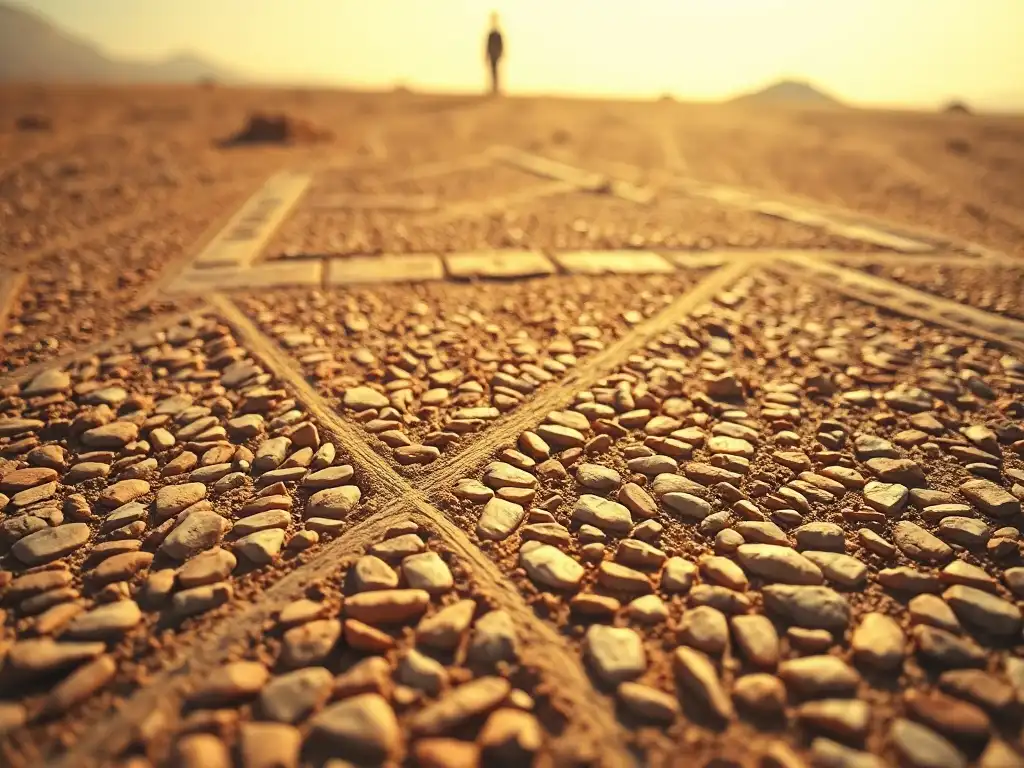
The distinctive visual language of Nazca art, celebrated for its intricate patterns and motifs, was achieved through a combination of meticulous techniques and a deep understanding of design principles. The artisans' mastery of these techniques allowed them to create visually stunning and symbolically rich works that continue to fascinate and inspire us today.
Analyzing these techniques reveals not only the artistic skill involved, but also insights into the cultural values and beliefs of the Nazca people. The recurring themes and precise execution in Nazca art patterns and motifs highlight their sophisticated artistic capabilities and the significance placed on visual representation.
The Use of Symmetry and Asymmetry in Nazca Designs
Nazca artists expertly employed both symmetry and asymmetry in their designs, creating a dynamic interplay between balance and visual interest. Symmetrical patterns, often featuring mirrored images or repeating elements, conveyed a sense of order and stability. Think of the iconic Nazca lines, some of which exhibit remarkable symmetry across vast distances. This precise mirroring suggests a deep understanding of geometry and a desire to create visually harmonious compositions.
However, the Nazca didn't limit themselves to strict symmetry. Asymmetry was used strategically to inject dynamism and visual excitement into their works. In pottery, for instance, asymmetrical arrangements of motifs could create a sense of movement and narrative, drawing the viewer's eye across the surface. The careful placement of asymmetrical elements within a largely symmetrical framework demonstrates a sophisticated understanding of visual weight and balance.
The interplay between these opposing principles enriched the aesthetic impact of Nazca art patterns and motifs, creating a captivating visual experience. Further research is needed to fully understand the symbolic meaning behind the specific choices of symmetry and asymmetry in different contexts. [Specific information pending: Detailed analysis of the frequency of symmetrical vs. asymmetrical patterns in different types of Nazca artifacts].
Methods for Creating Repetitive Patterns in Ceramics
The creation of repetitive patterns on Nazca ceramics involved a multi-step process demanding considerable skill and precision. Potters first shaped their vessels, often using molds to achieve consistent forms. Then, the surface was meticulously prepared, smoothed, and sometimes burnished to create a suitable base for painting. Paints, made from natural pigments and binders, were applied using fine brushes or possibly even reeds or other natural tools. The application of these paints required a steady hand and a keen eye for detail, to ensure the accurate replication of patterns across the entire surface of the pottery.
The repetitive patterns themselves were often achieved through the use of stencils or stamps, allowing for efficient replication of complex designs. Evidence suggests that some patterns were freehand, demonstrating the exceptional skill of individual artists. The precision and consistency of the patterns on many Nazca ceramics suggest the existence of standardized designs and possibly even apprenticeships, where techniques were passed down through generations. This remarkable consistency in the execution of Nazca art patterns and motifs highlights the importance of shared artistic traditions within the Nazca culture. The use of negative space, also, contributed to the overall visual effect.
Textile Weaving Techniques and Repetitive Design
Nazca textiles, like their ceramics, are renowned for their intricate and repetitive patterns. The techniques used in weaving allowed for the creation of complex geometric designs, often incorporating multiple colors and textures. The weavers utilized various techniques, including tapestry weaving, where different colored threads were interlaced to create intricate patterns. This method allowed for greater control over the design and the creation of fine details. Other techniques, such as brocade and embroidery, were also employed to add further complexity and embellishment to the textiles.
The repetitive nature of these textile designs was integral to their aesthetic and likely their symbolic meaning. The precise replication of motifs across the fabric created a sense of continuity and rhythm, enhancing the overall visual effect. The use of repetitive patterns in Nazca textiles, as in their pottery, likely served both aesthetic and ritualistic purposes.
[Specific information pending: A more detailed analysis of different weaving techniques used in Nazca textiles and their relationship to specific patterns]. The study of Nazca art patterns and motifs in textiles provides crucial insights into the social and economic structures of the Nazca civilization, revealing intricate details about their daily lives and beliefs. The vibrant colors and complex designs found in these textiles are a testament to the skill and ingenuity of Nazca artisans.
Variations and Regional Differences in Nazca Art Motifs
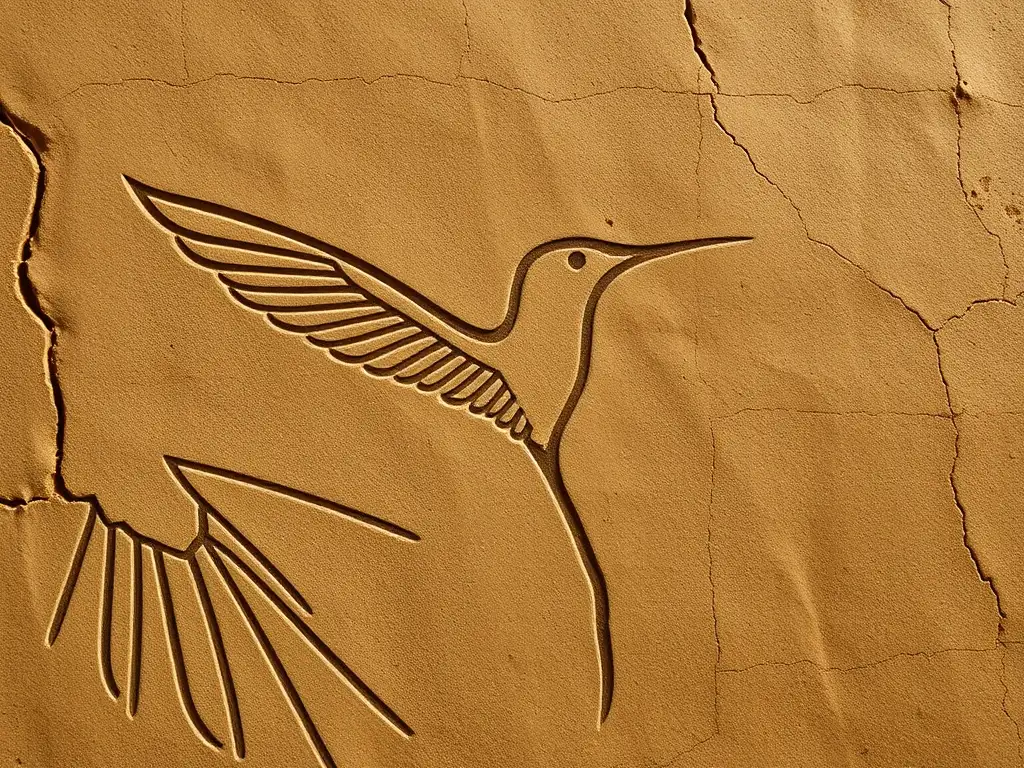
The vibrant and intricate designs characterizing Nazca art are not monolithic. Significant variations exist both chronologically and geographically, reflecting the dynamic nature of Nazca society and its interaction with the diverse Andean environment. Understanding these nuances is key to appreciating the complexity and richness of Nazca artistic expression, offering a deeper understanding of their "Nazca art patterns and motifs." Analyzing these variations allows us to move beyond simple categorization and delve into the social, economic, and perhaps even spiritual factors that shaped their artistic output.
Variations in Nazca Pottery Patterns Across Time
Stylistic shifts in Nazca pottery patterns are evident across the different phases of the culture's development. Early Nazca pottery (ca. 100-200 CE) often features simpler geometric designs, with bold lines and limited color palettes. These early "Nazca art patterns and motifs" frequently include triangles, zigzags, and stepped patterns, often in shades of red, black, and white.
Later Nazca pottery (ca. 200-400 CE), however, displays a remarkable increase in complexity. The designs become more intricate, incorporating anthropomorphic and zoomorphic figures, along with highly stylized plant motifs. The use of color also expands, with the introduction of yellows, oranges, and greens adding vibrancy to the already detailed scenes depicted.
This evolution suggests a growing artistic sophistication and possibly a shift in societal values or beliefs reflected in their artistic choices. For example, the increased depiction of mythical creatures in later periods could indicate a heightened interest in religious or shamanistic practices. Further research is needed to fully understand the socio-cultural context of these stylistic changes. Detailed comparative studies of pottery shards from different stratigraphic layers are crucial for accurately mapping these temporal shifts in Nazca art patterns and motifs.
Differences in Textile Motifs from Different Nazca Regions
While Nazca pottery is widely studied, the textiles offer a distinct perspective on their artistic expression. Unfortunately, the preservation of textiles is significantly less robust than pottery, leading to a less complete understanding of regional variations in textile motifs. However, existing evidence suggests significant differences in the designs used in different Nazca regions.
For example, textiles from the coastal regions tend to feature marine motifs, such as stylized fish, birds, and waves, reflecting their proximity to the Pacific Ocean. In contrast, textiles discovered in the highland areas tend to depict more terrestrial animals, such as camelids and felines, and geometric designs that might reflect the landscape's characteristics. The limited availability of well-preserved textiles from different Nazca regions hinders a comprehensive analysis of regional variations.
More archaeological excavations and advanced preservation techniques are necessary to shed more light on these patterns and their significance. The existing data, however, already suggests that the environment significantly influenced the choice of motifs in Nazca textiles, underscoring the close relationship between the Nazca people and their surroundings.
Regional Interpretations of Common Nazca Art Motifs
Even common motifs found across different Nazca regions and time periods can be interpreted differently depending on the context. For instance, the recurring depiction of stylized birds might represent different species or carry different symbolic meanings in various locations. Similarly, geometric designs, while seemingly simple, could encode complex information related to cosmology, social structures, or agricultural practices specific to that region.
The challenge lies in deciphering these regional nuances. This requires a multidisciplinary approach, combining archaeological evidence with anthropological interpretations and ethnohistorical studies of later Andean cultures that may have preserved some aspects of Nazca beliefs and practices. The careful examination of the context in which these motifs are found – the type of artifact, the associated grave goods, and the location of the discovery – is crucial for understanding these regional interpretations.
Furthermore, the development of a comprehensive database documenting all known Nazca art patterns and motifs, categorized by region and time period, would significantly advance our ability to identify regional variations and their underlying meanings. This would offer a more complete picture of the rich tapestry of Nazca artistic expression, illuminating the diverse perspectives and cultural practices within this remarkable civilization.
The Legacy of Nazca Art and its Enduring Patterns
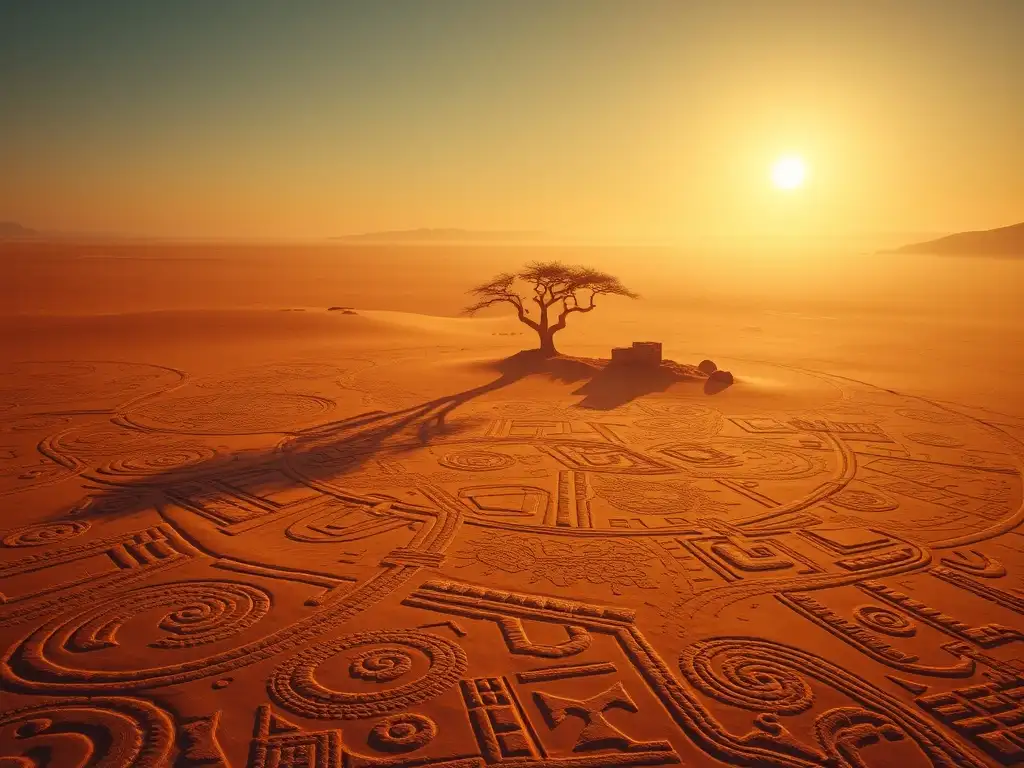
The Nazca civilization, famed for its enigmatic geoglyphs, also left behind a rich legacy in pottery and textiles, characterized by the striking repetition of patterns and motifs. These weren't merely decorative; the consistent use of specific designs likely held deep cultural and religious significance, reflecting a worldview deeply connected to the natural world and their cosmology. The vibrant colors, intricate details, and consistent repetition within their art forms create a visual language that continues to fascinate and inspire scholars and artists today.
Understanding the meaning behind the repetition is key to unlocking the secrets of Nazca culture. The persistence of these patterns across various mediums – from intricately woven textiles to elegantly shaped ceramics – suggests a strong cultural cohesion and a deeply ingrained artistic tradition.
The repetition itself, far from being monotonous, contributes to the overall aesthetic impact, creating a sense of rhythm and visual harmony that is undeniably captivating. We can see echoes of this approach in later Andean cultures, demonstrating the lasting influence of Nazca artistic principles.
Influence of Nazca Patterns on Later Andean Art
The impact of Nazca art patterns and motifs extends far beyond the civilization's own lifespan. Many subsequent Andean cultures, including the Wari and Inca, incorporated elements of Nazca artistic styles into their own works. While not direct copies, these later iterations demonstrate a clear lineage and adaptation of established Nazca aesthetics.
For example, certain zoomorphic motifs – such as stylized birds, feline figures, and mythical creatures – appear repeatedly in both Nazca and later Andean pottery and textiles, albeit with variations in style and execution. The use of geometric patterns, like the frequent use of triangles, stepped frets, and zigzags, also shows continuity. This borrowing and reinterpretation weren't simply acts of imitation; they represent a cultural dialogue, reflecting the enduring influence of Nazca artistic conventions and their integration into the evolving artistic landscape of the Andes.
Analyzing these similarities and differences allows us to trace the transmission of artistic ideas and the evolution of stylistic elements across different Andean cultures. Further research is needed to fully understand the complex interplay between Nazca aesthetics and the art of subsequent Andean civilizations. [Specific examples of cross-cultural influences pending further research].
The Continued Appreciation of Nazca Art's Repetitive Designs
The enduring appeal of Nazca art lies, in part, in the hypnotic effect of its repetitive designs. The consistent recurrence of motifs creates a visual rhythm that is both calming and stimulating. This effect is amplified by the rich color palettes and the intricate details woven into each repeated element.
Even today, the precision and artistry displayed in Nazca textiles and pottery continue to evoke wonder and admiration. Museums worldwide showcase examples of Nazca art, attracting visitors fascinated by the civilization's unique aesthetic. The intricate designs, often featuring repetitive patterns of stylized animals, plants, and geometric shapes, are instantly recognizable and have become iconic representations of Andean art.
The repetition itself is not seen as a flaw, but rather as a key element contributing to the overall artistic impact. It's a testament to the skill and dedication of the Nazca artisans who meticulously crafted these pieces, demonstrating a mastery of their craft and a deep understanding of the visual impact of repetition. The consistent quality and stylistic coherence across numerous artifacts further underscore the importance of these repetitive designs within Nazca society.
Modern Interpretations and Studies of Nazca Motifs
Modern scholars and artists continue to study and reinterpret Nazca motifs, seeking to decipher their meaning and appreciate their aesthetic value. Anthropologists analyze the patterns for clues about Nazca cosmology, social structures, and daily life. Art historians explore the stylistic evolution of these motifs and their relationship to other Andean art forms.
Moreover, contemporary artists draw inspiration from Nazca designs, incorporating them into their own works. This renewed interest reflects a growing appreciation for the sophisticated artistry and cultural significance of Nazca art. The use of digital technologies allows for detailed analysis of the patterns, revealing subtle variations and complexities previously unseen.
Furthermore, cross-disciplinary approaches involving anthropology, archaeology, and art history are proving crucial in shedding light on the meaning and function of these repeated designs. The study of Nazca art patterns and motifs is a dynamic and evolving field, with new discoveries and interpretations constantly emerging, enriching our understanding of this remarkable civilization. The enduring legacy of Nazca art is a testament to its artistic merit and cultural significance, and its continued study promises to uncover even more insights into the rich tapestry of Andean history.
Conclusion: The Enduring Power of Nazca Repetition
The intricate patterns and motifs found in Nazca art are not merely decorative elements; they represent a profound understanding of visual communication and artistic expression. The consistent repetition of these designs, across diverse media like pottery and textiles, speaks to a deeply ingrained cultural significance. This deliberate repetition wasn't simply a matter of efficiency; it served a powerful purpose, contributing to the creation of visually stunning and symbolically rich artifacts. By analyzing the frequency and variations of these repeated motifs, we gain valuable insights into the worldview, beliefs, and social structures of the Nazca civilization. The enduring power of Nazca repetition lies in its ability to connect us to a lost culture, offering a glimpse into their artistic genius and the enduring legacy of their creative spirit. Understanding the nuances of these repeated elements allows for a more complete appreciation of the sophisticated artistry and cultural depth of the Nazca.
Key Takeaways on Nazca Art Patterns and Motifs
Several key takeaways emerge from the study of Nazca art patterns and motifs. Firstly, the repetition isn't random; it's carefully considered and executed. The consistent recurrence of specific designs, like the stylized birds, geometric shapes, and anthropomorphic figures, suggests a strong symbolic value attached to these images. Secondly, subtle variations within the repeated motifs hint at a complex system of classification or hierarchy.
Perhaps certain patterns held more religious or social significance than others, reflected in their placement or frequency on different artifacts. Thirdly, the sheer technical skill involved in reproducing these intricate designs across various media highlights the advanced craftsmanship of Nazca artisans. The precision and consistency are remarkable, showcasing the dedication and expertise passed down through generations.
Finally, the continued fascination with Nazca art patterns and motifs today speaks to their timeless aesthetic appeal and enduring cultural relevance. Their intricate designs continue to inspire artists and researchers alike, demonstrating the enduring impact of this ancient civilization's artistic legacy. Further research into the specific meanings of various motifs could unlock even deeper insights into Nazca culture and beliefs.
The Importance of Studying Repetition in Ancient Art
Studying repetition in ancient art, specifically within the context of Nazca art patterns and motifs, provides a crucial window into understanding the cultural and social dynamics of past civilizations. The deliberate replication of visual elements isn't just an aesthetic choice; it often reflects deeper societal values and beliefs. Repetition can signal:
- Religious significance: Repeated motifs might represent deities, sacred symbols, or ritual practices.
- Social status: Specific patterns could indicate social hierarchy or membership in particular groups.
- Narrative structures: Repeated elements might contribute to storytelling or the transmission of myths and legends.
- Technological advancements: The consistent replication of intricate designs demonstrates the level of technological proficiency and artistic skill within the society.
By analyzing the patterns of repetition, we can identify key themes and concepts that were central to the Nazca worldview. For example, the frequent depiction of stylized birds might point to their importance in Nazca cosmology or mythology. The systematic repetition of geometric designs could reflect an underlying mathematical or cosmological understanding.
Therefore, the study of repetition in Nazca art, and ancient art in general, is not merely an exercise in aesthetics; it's a vital tool for uncovering the rich tapestry of human history and culture. The precision and consistency seen in Nazca textiles, in particular, demand a deeper investigation into the techniques employed and their cultural significance.
Final Thoughts on the Artistic Mastery of the Nazca
The Nazca people demonstrated an unparalleled artistic mastery, evident in the meticulous execution and consistent repetition of their patterns and motifs. This wasn't just about creating beautiful objects; it was about expressing complex ideas and beliefs through carefully chosen visual languages. The remarkable precision and consistency across different media, from the delicate lines on pottery to the intricate weaving of textiles, showcase the high level of skill and dedication of Nazca artisans.
Their work speaks to a deep understanding of design principles, color theory, and technical proficiency that is truly impressive. The enduring appeal of Nazca art lies in its ability to transcend time and culture, continuing to captivate and inspire audiences centuries later. Further research into specific pigments and weaving techniques used would greatly enhance our understanding of their artistic processes and the cultural significance behind their choices.
The legacy of Nazca art continues to resonate, reminding us of the remarkable achievements and artistic ingenuity of this ancient civilization. The meticulous repetition, far from being monotonous, serves to highlight the artistry and the profound cultural significance embedded within each piece. It is a testament to their dedication and skill, and a valuable source of information for understanding their world.
Frequently Asked Questions
What are the most common patterns found in Nazca art?
Nazca art is characterized by its geometric patterns, including triangles, trapezoids, and zigzags, often arranged in complex and repetitive designs. These are frequently combined with stylized representations of plants and animals.
How did the Nazca create their intricate designs?
The Nazca people used a variety of techniques, including painting and carving, to create their art. They employed natural pigments derived from minerals and plants, and often worked on a massive scale, creating geoglyphs visible only from the air.
What are the main motifs depicted in Nazca art?
Common motifs include stylized animals such as birds, monkeys, and lizards, as well as plant forms and geometric designs. These elements often appear repeatedly within a larger composition, emphasizing repetition and symmetry.
What is the significance of the repetition in Nazca art patterns?
The repetitive nature of Nazca designs likely held ritual or symbolic meaning. It may have been related to their religious beliefs or served a purpose in social organization or communication.
What is the relationship between Nazca art and the Nazca Lines?
While both involve complex designs and a sophisticated understanding of geometry, the Nazca Lines are large-scale geoglyphs created on the ground, while Nazca art is found on textiles, ceramics, and other artifacts. Both showcase the remarkable artistic skills of the Nazca culture.
Final Reflection: Echoes Across Millennia: The Enduring Power of Nazca Art
The intricate patterns and motifs of Nazca art remain a potent testament to human creativity, echoing across millennia and continuing to inspire awe and wonder in the modern world. Their enduring appeal lies not only in their aesthetic beauty but also in the profound questions they raise about the beliefs, rituals, and societal structures of the Nazca civilization. Understanding these ancient designs offers a unique window into a lost culture, reminding us of the universality of human expression and the enduring power of artistic legacy.
The impact of Nazca art extends far beyond the arid plains of Peru; its influence can be seen in contemporary art, design, and even fashion. The bold lines, geometric precision, and symbolic imagery continue to resonate with artists and designers today, proving the timeless quality of these ancient creations. The past is never dead. It's not even past.
- William Faulkner. This quote perfectly encapsulates the enduring relevance of Nazca art, demonstrating how its legacy continues to shape our understanding of art history and human creativity. Its continued study allows us to connect with a civilization separated from us by centuries, fostering a deeper appreciation for the richness and diversity of human experience.
Consider the intricate detail, the sheer scale, and the enduring mystery surrounding the creation of these geoglyphs. What can you learn from the perseverance and artistry of the Nazca people? How can you apply their dedication to craft and expression in your own life?
Let the vibrant legacy of Nazca art inspire you to pursue your own creative passions, to embrace the power of repetition in your own endeavors, and to appreciate the enduring beauty of human expression across time and cultures. Let the echoes of their artistry resonate within you, prompting a deeper understanding of both the past and the potential of the future.
Thank you for exploring the fascinating world of Nazca art with us! You've discovered the intricate designs and symbols that reveal the rich history of this vibrant civilization. Now, let's delve even deeper.
Here are some ways to further your understanding and appreciation of Nazca culture:
- Share your knowledge: Discuss the fascinating motifs you've learned about with friends, family, or online communities. Use #NazcaArt to connect with other enthusiasts!
- Expand your exploration: Visit a local museum or explore online resources featuring Nazca artifacts to immerse yourself in the beauty and complexity of their art. Consider researching specific examples like the hummingbird or the spider designs to understand their significance within the culture.
- Unleash your creativity: Design your own Nazca-inspired motif! This is a fun way to connect with their artistic spirit and express your own creativity.
Which Nazca motif captivated you the most, and what do you think it reveals about the Nazca people and their beliefs? Let's discuss in the comments below!