
Nazca Lines Decoded: Exploring the Purpose Behind the Desert Drawings


Step into a world lost to time, where colossal figures etched into the desert floor whisper secrets of a vanished civilization. Unravel the enigma of the Andean world, a realm of breathtaking artistry, sophisticated engineering, and enduring mystery. Prepare to embark on a journey of discovery as we delve into the Nazca Lines purpose exploration, uncovering potential explanations behind these awe-inspiring geoglyphs. Are they astronomical calendars, religious symbols, or something far more profound? Dare to explore the possibilities...
The Nazca Lines, etched into the Peruvian desert, stand as one of archaeology's most enduring mysteries. These colossal geoglyphs, visible only from the air, depict a bewildering array of animals, plants, geometric shapes, and human-like figures. For decades, scholars and enthusiasts alike have pondered their purpose, leading to a multitude of theories ranging from astronomical calendars to landing strips for extraterrestrial visitors.
This exploration delves into the current understanding of the Nazca Lines, examining the leading hypotheses and the ongoing research aimed at unlocking the secrets behind these enigmatic desert drawings. We will explore the evidence supporting various proposed functions, considering the cultural context of the Nazca civilization and the meticulous techniques used to create these monumental works of art.
Understanding the purpose of the Nazca Lines is crucial to gaining a deeper appreciation for the ingenuity, beliefs, and sophisticated understanding of their creators. This exploration will navigate through the complexities of deciphering these ancient symbols, highlighting the ongoing debate and the advancements in research that continue to shed light on this fascinating aspect of the Nazca civilization.
Astronomical Significance: A Celestial Calendar?
One prominent theory suggests the Nazca Lines served as a vast astronomical calendar. The alignment of certain lines with solstices and equinoxes has led some researchers to believe they were used to track celestial events and predict agricultural cycles. This hypothesis is supported by the fact that the Nazca people were highly attuned to the rhythms of nature, their survival heavily reliant on successful harvests.
Detailed analysis of the lines' orientations and their correlations with solar and lunar movements is still ongoing, with researchers using modern technology like GIS mapping and astronomical software to test the validity of this theory. However, this theory alone cannot fully explain the diversity of images depicted, leaving room for other interpretations. The complexity of the astronomical calculations needed to create such a calendar, if indeed that was their purpose, speaks volumes about the advanced understanding of astronomy possessed by the Nazca civilization.
Ritual and Ceremony: Pathways to the Gods?
Another compelling hypothesis proposes that the Nazca Lines were integral to ritual and ceremonial practices. Some researchers suggest the lines may have served as pathways for processions or pilgrimages, connecting sacred sites within the Nazca landscape. The sheer scale of the geoglyphs could have amplified the spiritual significance of these rituals, creating a powerful visual impact on participants.
This theory is bolstered by the discovery of evidence of ceremonial activity at various locations near the lines, including offerings and artifacts. Further investigation into the spatial relationships between the lines and other archaeological sites is crucial to fully evaluate the validity of this hypothesis. The ceremonial aspect, however, doesn't necessarily negate the astronomical one; the lines might have served multiple purposes simultaneously.
Water Management and Irrigation: A Practical Application?
While often overlooked in favor of more mystical interpretations, the possibility that the Nazca Lines played a role in water management and irrigation cannot be dismissed. The Nazca region is extremely arid, and the ingenious irrigation systems developed by the Nazca people were essential for their survival. Some researchers believe that certain lines might have been related to underground water sources or aqueducts, guiding water flow or marking important points in the irrigation network.
This is supported by the discovery of sophisticated canal systems in the Nazca region, indicating a deep understanding of hydrology and water management techniques. Further research is needed to investigate the potential correlation between specific lines and the known irrigation systems. This practical approach complements the more spiritual theories, showing the Nazca's multifaceted approach to life and survival.
The Ongoing Debate and Future Research: Unraveling the Enigma
Despite decades of research, the true purpose of the Nazca Lines remains a subject of ongoing debate. The complexity of the geoglyphs, coupled with the limited surviving written records from the Nazca civilization, makes definitive conclusions challenging. However, advancements in technologies like aerial photography, satellite imagery, and ground-penetrating radar are continually providing new data and insights.
Future research will likely focus on integrating these new findings with existing archaeological evidence, employing interdisciplinary approaches that combine astronomical, anthropological, and hydrological expertise. The mystery surrounding the Nazca Lines serves as a testament to the enduring power of human creativity and the enduring quest for knowledge. The ongoing exploration promises to further illuminate this captivating chapter in Andean history.
- Astronomical Significance: A Celestial Calendar?
- Ritual and Ceremony: Pathways to the Gods?
- Water Management and Irrigation: A Practical Application?
- The Ongoing Debate and Future Research: Unraveling the Enigma
Unveiling the Mysteries of the Nazca Lines: An Introduction
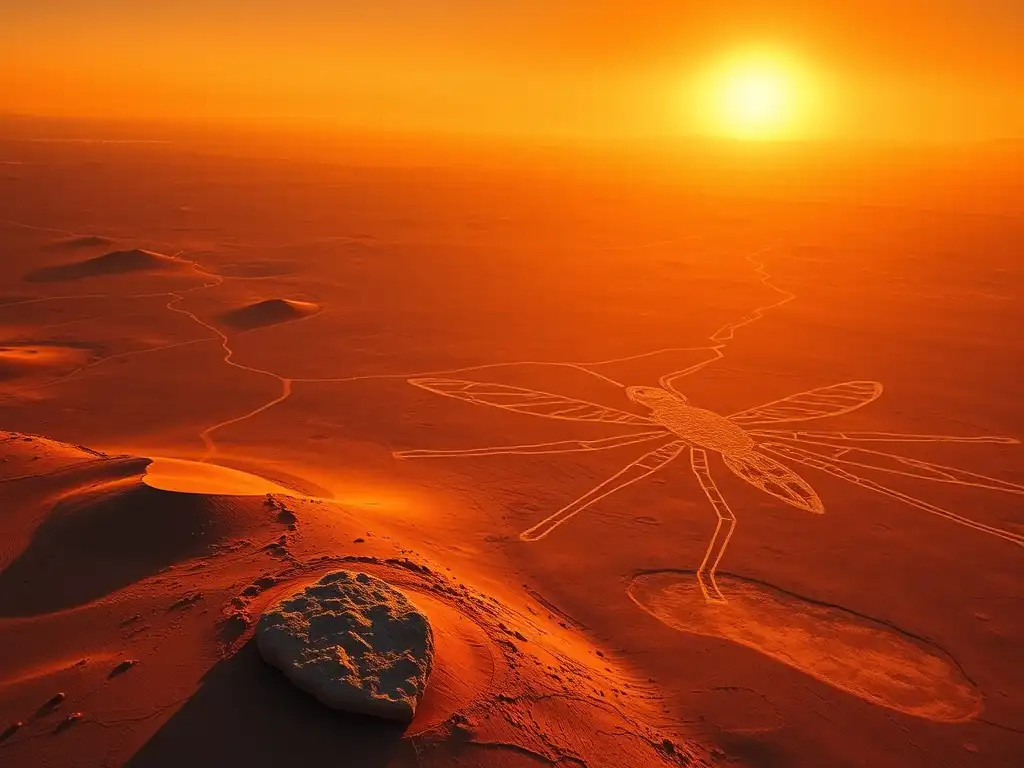
The Nazca Lines, etched into the Peruvian desert, represent one of archaeology's most enduring enigmas. For centuries, these vast geoglyphs—gigantic figures and lines carved into the earth—have captivated researchers and sparked countless theories about their purpose. This exploration delves into the current understanding of the Nazca Lines, examining the various hypotheses surrounding their creation and meaning, focusing specifically on the ongoing Nazca Lines purpose exploration.
We will analyze the scale, complexity, and potential significance of these remarkable desert drawings, considering both established theories and more recent discoveries. The quest to understand the Nazca Lines isn't just about deciphering ancient symbols; it's about gaining a deeper understanding of the Nazca civilization and their sophisticated worldview.
The Enigma of the Nazca Geoglyphs: A Brief Overview
The Nazca Lines are not simply scratches in the desert; they are meticulously planned and executed geoglyphs, ranging from simple lines to complex zoomorphic and anthropomorphic figures. These include iconic depictions of animals such as hummingbirds, monkeys, lizards, and spiders, as well as geometric shapes and stylized plants. The sheer scale of these figures is breathtaking, with some extending over hundreds of meters.
Their creation involved removing the dark reddish-brown surface layer of the desert to reveal the lighter subsoil, creating a stark contrast visible from above. This deliberate technique suggests a level of planning and execution that speaks volumes about the Nazca people's engineering skills and understanding of their environment.
The precise methods employed in their creation remain a subject of ongoing Nazca Lines purpose exploration, with ongoing research focusing on the tools and techniques used by the Nazca people. Early theories often focused on astronomical alignments, but more recent research suggests a more complex interplay of social, religious, and possibly even practical purposes.
Locating the Nazca Lines: The Peruvian Desert Landscape
The Nazca Lines are situated in the arid coastal plains of southern Peru, specifically within the Nazca desert. This unique landscape, characterized by its extremely dry climate and stable geological conditions, has played a crucial role in the preservation of these ancient markings. The relatively flat terrain and the lack of significant erosion have allowed the geoglyphs to endure for centuries, albeit with some degradation over time. The desert's unique soil composition, consisting of layers of different colors, further facilitated the creation of the contrasting lines.
The location itself, along with the prevailing winds and infrequent rainfall, provides significant clues in the ongoing Nazca Lines purpose exploration. The strategic placement of certain geoglyphs in relation to water sources or significant geographical features is a key area of current research. The aridity of the region, while contributing to preservation, also presents challenges for archaeological investigation.
The Scale and Diversity of Nazca Desert Drawings
The sheer scale and diversity of the Nazca Lines are truly remarkable. Estimates suggest the existence of over 10,000 individual lines, geometric shapes, and figures spread across an area of approximately 500 square kilometers. This vast expanse underlines the significant investment of time and resources by the Nazca people. The variety of designs, from the simple lines to the intricate animal representations, suggests a complex system of symbolism and meaning.
The sizes vary dramatically; some lines are only a few meters long, while others stretch for hundreds of meters. The complexity of some figures, such as the hummingbird or the spider, demonstrates a sophisticated understanding of perspective and proportion. The creation of these intricate designs required careful planning, precise execution, and a deep understanding of the landscape.
The ongoing Nazca Lines purpose exploration constantly uncovers new details, highlighting the astonishing scale and sophistication of the Nazca people's artistic and engineering achievements. Further analysis of the geoglyphs, combined with advancements in remote sensing technology, promises to shed further light on their purpose and meaning in the years to come. Detailed mapping and 3D modeling are crucial tools in this ongoing investigation.
Theories Surrounding the Nazca Lines Purpose Exploration
The Nazca Lines, etched into the Peruvian desert, remain one of archaeology's greatest mysteries. Their sheer scale and enigmatic nature have fueled countless theories about their purpose, sparking intense "Nazca Lines purpose exploration" among researchers for decades. While a definitive answer remains elusive, several compelling hypotheses attempt to unravel the enigma. This section delves into some of the most prominent theories, examining the evidence and considering their strengths and weaknesses. We will explore the possibility of astronomical alignments, ritualistic pathways, and connections to water and fertility cults.
Astronomical Alignments: Connecting the Lines to the Sky
One prominent theory suggests that the Nazca Lines are a vast astronomical calendar or observatory. This "Nazca Lines purpose exploration" focuses on the precise alignment of certain lines and figures with celestial events, such as solstices and equinoxes. Proponents of this theory point to the apparent correlation between the lines' orientation and the movements of the sun and stars. For instance, some lines seem to align perfectly with the rising and setting points of specific constellations at particular times of the year.
However, this theory faces challenges. The precision required to achieve these alignments, considering the limitations of Nazca technology, is debated. Further complicating matters, many lines don't appear to have any obvious astronomical connection. While some alignments might be coincidental, further research involving sophisticated astronomical modeling and ground-penetrating radar could offer more conclusive evidence. The lack of definitive proof leaves the astronomical alignment theory as one piece of a larger, more complex puzzle in the ongoing "Nazca Lines purpose exploration".
Ritualistic Pathways: The Nazca Lines as Sacred Pilgrimage Routes
Another compelling hypothesis proposes that the Nazca Lines served as ritualistic pathways for religious processions or pilgrimages. This "Nazca Lines purpose exploration" suggests that the lines and figures weren't merely visual representations but rather integral parts of sacred ceremonies. The sheer scale of the lines and figures could have been intended to awe and inspire participants in these rituals, emphasizing their religious significance.
This theory gains credence from the discovery of evidence of human activity along certain lines, including remnants of settlements and offerings. However, the exact nature of these rituals and the purpose of the specific figures remain unclear. Did the lines represent a journey to a sacred site? Were they used for specific ceremonies tied to the agricultural cycle or other important events? These questions require further investigation, which is crucial for a complete "Nazca Lines purpose exploration". More archaeological excavations and analysis of artifacts found near the lines are essential to strengthening this theory.
Water and Fertility Cults: Interpreting the Lines as Symbolism
A significant aspect of "Nazca Lines purpose exploration" centers on the arid environment in which the lines were created. The Nazca people lived in a desert characterized by scarce water resources. Therefore, it's plausible that the lines are connected to water and fertility cults, symbolizing the life-giving power of water and the desire for bountiful harvests. Many of the figures depicted in the lines – such as birds and plants – could represent deities or symbols associated with water and fertility.
This interpretation aligns with the Nazca civilization's known focus on water management and irrigation systems. Their sophisticated techniques for capturing and distributing water were crucial for their survival. The lines, then, could be a visual manifestation of their deep-seated reverence for water and the hope for abundant rainfall. Further "Nazca Lines purpose exploration" could involve a detailed analysis of the figures and their possible symbolic connections to water sources, agricultural practices, and religious beliefs. This would require interdisciplinary research incorporating anthropological, archaeological, and hydrological perspectives.
The mystery of the Nazca Lines continues to captivate researchers. While no single theory fully explains their purpose, the exploration of astronomical alignments, ritualistic pathways, and water and fertility cults offers valuable insights into the beliefs and practices of the Nazca civilization and provides a fascinating glimpse into their world. Further research and interdisciplinary collaboration are essential to unraveling this ancient enigma and enriching our understanding of "Nazca Lines purpose exploration."
Societal Organization: The Role of the Lines in Nazca Culture
The intricate Nazca Lines, sprawling across the Peruvian desert, weren't merely artistic expressions; they likely played a significant role in the societal organization and worldview of the Nazca people. Understanding their purpose requires considering the lines within the broader context of Nazca culture, a civilization known for its sophisticated irrigation systems, advanced pottery, and complex social structures. One compelling theory suggests the lines served as a visual representation of the Nazca's social hierarchy and power dynamics.
The sheer scale and precision of the geoglyphs could have been a demonstration of the centralized power and organizational capabilities of the ruling elite, showcasing their ability to mobilize vast labor forces and coordinate intricate projects. The creation of the lines, a monumental undertaking, would have solidified social bonds and reinforced the authority of the leaders who oversaw their construction.
This is further supported by evidence of specialized labor divisions within Nazca society, indicating a well-structured system capable of handling such a large-scale project. The lines, in this view, served as a powerful symbol of collective identity and social cohesion.
Further evidence supporting this theory comes from the distribution of the lines themselves. While some are concentrated near major settlements, others are located in more remote areas, potentially suggesting a connection to territorial control or the demarcation of sacred or ritual spaces. The lines might have served as markers of pilgrimage routes, connecting different communities and reinforcing a shared cultural identity.
The creation and maintenance of these lines would have required significant community participation, further cementing social bonds and reinforcing the importance of collective action within Nazca society. This collaborative effort, essential for the construction and preservation of the lines, strengthens the theory that they were deeply integrated into the fabric of Nazca social life. The monumental scale of the project, demanding coordinated effort and resources, likely served as a powerful symbol of social unity and collective achievement within Nazca society.
The lines, therefore, not only represent artistic expression but also a tangible manifestation of Nazca societal organization and the power dynamics within their culture. More research is needed to fully understand the nuances of this intricate relationship, but the evidence suggests a far more complex interplay between the lines and Nazca society than previously assumed. This interpretation challenges the notion of the lines as purely artistic creations and positions them as crucial elements in the socio-political landscape of the Nazca civilization.
Analyzing the Construction Techniques of the Nazca Lines
The creation of the Nazca Lines remains a testament to the ingenuity of the Nazca people, a feat of engineering and artistry accomplished without modern tools. Understanding their construction techniques provides valuable insight into their worldview and societal organization. The "Nazca Lines purpose exploration" hinges significantly on understanding how these monumental works were even possible. This section delves into the methods and precision involved in their creation.
How Were the Nazca Geoglyphs Created?
The prevailing theory suggests the Nazca utilized a relatively simple, yet remarkably effective, method. They cleared away the dark reddish-brown desert varnish, exposing the lighter-colored subsoil to create the striking contrasts visible from above. This was achieved by removing the surface stones and topsoil, revealing the underlying lighter sand.
Evidence suggests they didn't use sophisticated tools; instead, they likely employed basic implements such as stakes, ropes, and possibly simple digging tools made from wood or bone. The process would have been laborious and time-consuming, requiring considerable manpower and meticulous planning. Imagine hundreds, perhaps thousands, of individuals working collaboratively across vast stretches of desert terrain.
This collaborative effort speaks volumes about the social structure and organization of Nazca society, their ability to mobilize resources, and their shared commitment to this monumental undertaking. The sheer scale of the project, encompassing hundreds of figures and lines spanning miles, points to a highly organized and coordinated society, capable of sustained collective effort. Further research is needed to fully understand the logistical challenges they overcame, such as water sourcing and workforce management in the harsh desert environment.
The lack of written records unfortunately limits our understanding of their exact methods, leaving much open to interpretation and further investigation. However, the evidence strongly suggests a remarkable level of planning and execution.
The Precision of the Nazca Lines: Techniques and Tools
The astonishing precision of the Nazca Lines is a key element in the "Nazca Lines purpose exploration". The lines, some stretching for kilometers, maintain remarkable straightness and consistency, a feat that continues to baffle researchers. How did they achieve such accuracy without advanced surveying techniques?
One theory proposes the use of simple sighting techniques, possibly using stakes placed at intervals along the intended path, to guide the removal of the surface material. The vastness of the desert provided a natural, relatively flat canvas. The consistent width of the lines further suggests a methodical approach, indicating a standardized process and a deep understanding of geometry.
While we may not know the exact tools used, we can infer a high level of skill and precision in their application. The intricate details of many figures, such as the hummingbird or the monkey, further highlight this remarkable level of craftsmanship.
This precision wasn't just a matter of aesthetic preference; it points to a sophisticated understanding of spatial relationships and geometric principles, far exceeding what might be initially expected of a pre-Columbian civilization. Further analysis of the geoglyphs themselves may reveal more about the tools and techniques used, potentially through microscopic examination of the excavated material.
Preserving the Nazca Drawings: The Desert Climate's Role
The remarkably preserved state of the Nazca Lines is largely due to the unique environmental conditions of the Nazca Desert. The extremely dry climate, characterized by minimal rainfall and strong winds, has played a crucial role in their preservation over centuries. The aridity inhibits the growth of vegetation, which would otherwise obscure or damage the geoglyphs. The lack of moisture also prevents erosion, allowing the lines to remain relatively intact. This natural preservation is a factor crucial to the continued "Nazca Lines purpose exploration".
The desert's stability has been key to the longevity of these fragile works. However, this natural protection is not absolute. Modern human activities, such as vehicular traffic and construction, pose significant threats to their preservation.
Therefore, ongoing conservation efforts are vital to ensure that these extraordinary works of art and engineering remain accessible for future generations to study and appreciate. Understanding the delicate balance between the natural preservation offered by the desert climate and the threats posed by human activity is essential for the continued protection and study of these ancient marvels. The ongoing challenge is to balance the need for research and tourism with the imperative to protect this invaluable cultural heritage for posterity.
The Nazca Lines and Their Animal Representations
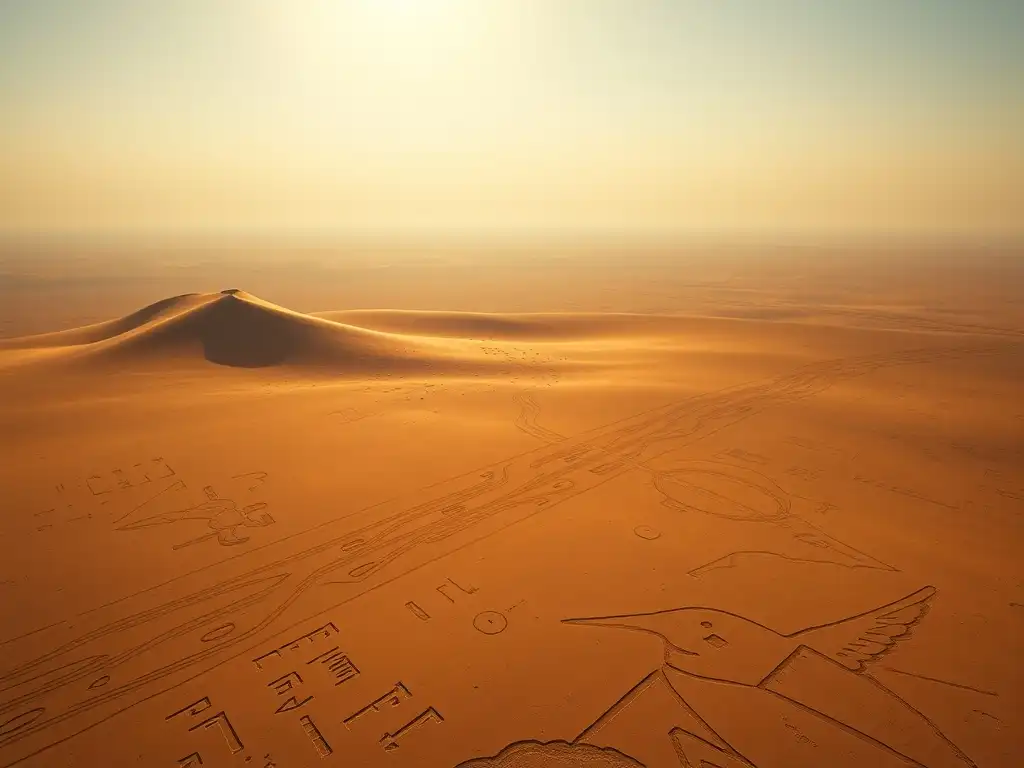
The Nazca Lines, sprawling across the Peruvian desert, are renowned for their enigmatic geoglyphs. While their overall purpose remains a subject of ongoing debate and Nazca Lines purpose exploration continues to fascinate researchers, a significant portion of these massive drawings depict a diverse array of animals. These animal representations, far from being random, likely held deep cultural and religious significance for the Nazca people.
Their meticulous execution, often spanning hundreds of meters, underscores their importance within the society. The sheer scale of these works, visible only from the air, challenges our understanding of the Nazca's technological capabilities and organizational prowess. The precise methods used to create these geoglyphs, involving the removal of the reddish-brown desert surface to reveal the lighter subsoil, are still being investigated, adding to the mystery surrounding their creation and the Nazca Lines purpose exploration.
Decoding the Animal Figures: Meanings and Symbolism
Interpreting the symbolism behind the Nazca animal figures requires a multi-faceted approach. While definitive answers remain elusive, several theories attempt to unravel their meaning within the context of Nazca cosmology and beliefs. Many scholars suggest a connection between the depicted animals and the Nazca's agricultural practices, with certain animals representing deities associated with fertility, rain, and harvest cycles.
For example, the depiction of a large hummingbird, a creature associated with pollination and the arrival of rain, might symbolize a prayer for successful crops. Furthermore, the prominence of certain animals, such as the condor and the lizard, could reflect their importance in the Nazca worldview, possibly representing powerful spirits or ancestral figures.
The sheer variety of animals represented – from the easily identifiable to the more ambiguous – suggests a rich tapestry of beliefs and practices. Further research into Nazca mythology and iconography is crucial for a more complete understanding of these intricate animal representations and their contribution to the broader Nazca Lines purpose exploration.
The Spider, Monkey, Hummingbird: Common Motifs in the Nazca Lines
Several animal motifs appear repeatedly within the Nazca Lines, suggesting their particular significance. The spider, for instance, is a frequently recurring image. Its intricate design and multiple legs often require immense precision in its creation.
Some researchers propose that the spider represents a powerful deity or shamanic figure, potentially linked to weaving, a crucial aspect of Nazca society. The monkey, another frequently depicted animal, could represent a connection to the forest, or perhaps symbolize agility, cunning, and adaptability. The hummingbird, as mentioned earlier, is strongly associated with fertility and rainfall, its depiction acting as a potent symbol of hope for successful harvests.
The consistent appearance of these three animals—the spider, monkey, and hummingbird—suggests a complex interplay of religious, social, and environmental factors shaping the Nazca worldview, and further complicates the ongoing Nazca Lines purpose exploration. The repetition of these symbols across different geoglyphs may also indicate a standardized system of visual communication, further emphasizing their importance within Nazca culture. More research into the specific details and variations within these repeated motifs is needed to fully understand their meaning.
The Condor, Lizard, and Other Animal Geoglyphs
Beyond the spider, monkey, and hummingbird, the Nazca Lines also feature numerous other animal geoglyphs, each potentially carrying distinct symbolic weight. The condor, a majestic bird of prey, is a particularly prominent figure, often depicted with impressive size and detail. Its representation likely reflects the bird's position as a powerful symbol within Andean cultures, possibly associated with the sun, the sky, or the realm of the gods.
The lizard, another common motif, could symbolize fertility, transformation, or the connection between the earth and the underworld. Other animals, including fish, snakes, and various mammals, are also depicted, each potentially representing specific aspects of the Nazca worldview. Detailed analysis of these less-frequent animal figures, combined with comparative studies of similar iconography from other Andean cultures, can contribute significantly to the ongoing Nazca Lines purpose exploration.
The diversity of animal representations underscores the richness and complexity of Nazca culture and highlights the need for further interdisciplinary research. A more thorough investigation into the specific characteristics and contexts of these lesser-known animal geoglyphs is essential for a more complete understanding of the Nazca Lines' overall meaning and purpose.
The Nazca Lines: A Cultural and Historical Significance
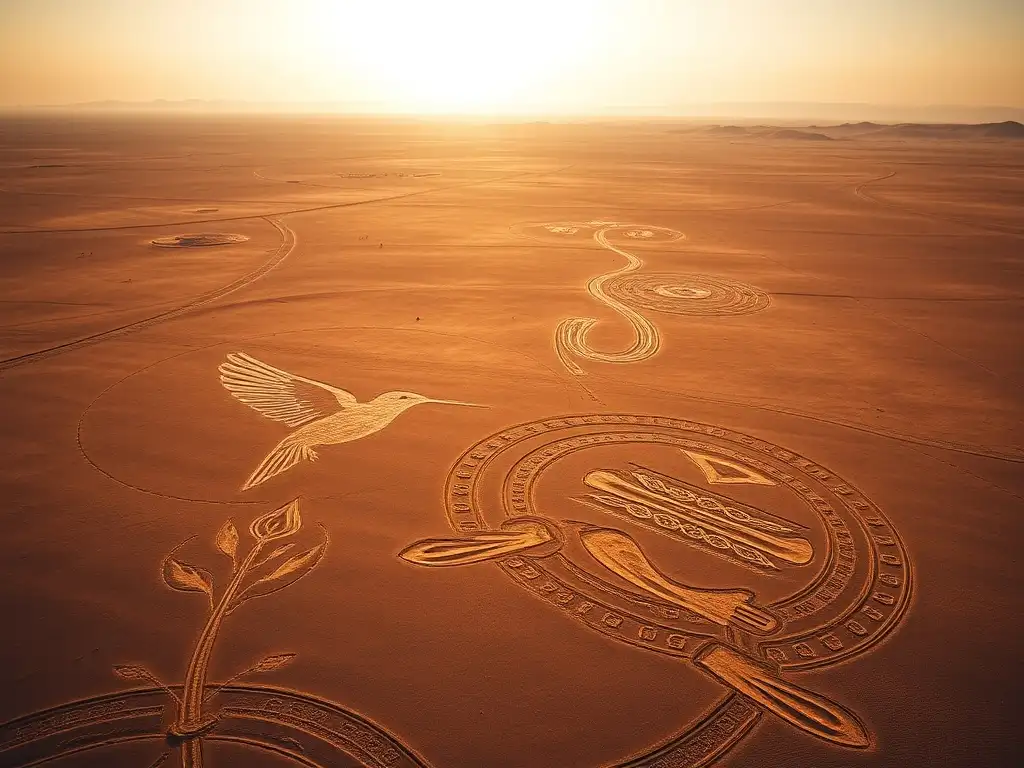
The Nazca Lines, etched into the Peruvian desert, represent a monumental achievement of the Nazca civilization, a culture flourishing between 100 BCE and 800 CE. Their creation involved immense logistical planning and execution, reflecting a sophisticated understanding of engineering and societal organization. The sheer scale of the geoglyphs—some stretching over a kilometer in length—is breathtaking, and their preservation over centuries speaks to the aridity of the Nazca desert, a key factor in their survival.
Understanding the Nazca Lines' cultural significance requires considering their context within the broader Nazca worldview. While the precise purpose remains debated (a topic explored in subsequent sections), their creation was undoubtedly a significant cultural undertaking, reflecting the values, beliefs, and societal structures of the Nazca people. The effort involved in their construction suggests a highly organized society, capable of mobilizing substantial labor and resources for a project of such magnitude.
This speaks to a powerful centralized authority or a deeply held collective belief that justified such a massive investment of time and energy. The lines themselves, regardless of their ultimate purpose, represent a powerful symbol of the Nazca's ingenuity and cultural identity. They are a testament to their advanced understanding of surveying, land management, and potentially, astronomical observation.
The Nazca Lines as a Legacy of the Nazca Civilization
The Nazca Lines are not simply enigmatic drawings; they are a powerful testament to the Nazca civilization's sophisticated understanding of their environment and their place within it. The lines themselves are an integral part of the broader Nazca cultural landscape, which includes intricate pottery, textiles, and elaborate burial practices. The geoglyphs are interwoven with the Nazca people's relationship with their desert environment—a harsh but ultimately productive landscape.
Many scholars believe that the lines served a ritualistic purpose, possibly connected to water management, fertility rites, or astronomical observations. The Nazca were masters of irrigation, developing complex canal systems to cultivate crops in the arid desert. Some theories suggest that the lines played a role in these water management practices, perhaps marking water sources or pathways for ritual processions.
This intricate connection between the lines and the Nazca's practical and spiritual life underscores their profound cultural significance, far exceeding their purely aesthetic value. The legacy of the Nazca Lines is not just about the lines themselves, but also the glimpse they offer into the complex beliefs, practices, and societal organization of a remarkable ancient civilization. Their creation and preservation, spanning centuries, cemented their place as a central element of Nazca identity and a lasting symbol of their ingenuity.
The Ongoing Research and Preservation Efforts
Research into the Nazca Lines continues, employing increasingly sophisticated technologies. Archaeologists and researchers utilize aerial photography, satellite imagery, and ground-penetrating radar to study the lines in greater detail, mapping their extent and uncovering new features. This ongoing research is crucial not only for understanding the lines' purpose but also for their preservation.
The fragility of the geoglyphs makes them vulnerable to erosion and human activity. Preservation efforts are focused on mitigating these threats, including limiting access to sensitive areas and implementing sustainable tourism practices. The Peruvian government, along with international organizations, invests significantly in protecting the site.
These efforts are vital for ensuring that future generations can appreciate and learn from this extraordinary cultural heritage. The challenges are considerable, balancing the need for access and research with the imperative to minimize environmental impact and safeguard the lines for posterity. The ongoing work is a testament to the global recognition of the Nazca Lines' importance and the commitment to preserving them for future "Nazca Lines purpose exploration".
The Nazca Lines' impact on modern understanding of ancient Andean cultures
The Nazca Lines have significantly impacted our understanding of ancient Andean cultures, challenging previously held assumptions and expanding our knowledge of the capabilities and complexities of these societies. Their discovery and subsequent study have revolutionized our understanding of the Nazca civilization, revealing a level of sophistication and planning previously underestimated. The lines serve as a powerful counterpoint to the simplistic narratives often associated with ancient cultures.
They demonstrate a capacity for large-scale engineering projects, intricate planning, and a profound understanding of their environment. This impacts our understanding not just of the Nazca, but also of the broader Andean cultural landscape, highlighting the interconnectedness of different civilizations and the exchange of ideas and technologies across vast geographical areas. The lines' continued study offers opportunities for further discovery and a deeper understanding of the social, religious, and environmental factors that shaped Andean societies.
Furthermore, the ongoing research and preservation efforts have fostered international collaboration, showcasing the importance of cultural heritage preservation and the power of shared knowledge in protecting these invaluable sites for future generations. The Nazca Lines continue to inspire awe and wonder, serving as a potent symbol of human ingenuity and a testament to the enduring power of ancient cultures.
Alternative Interpretations and Unresolved Questions
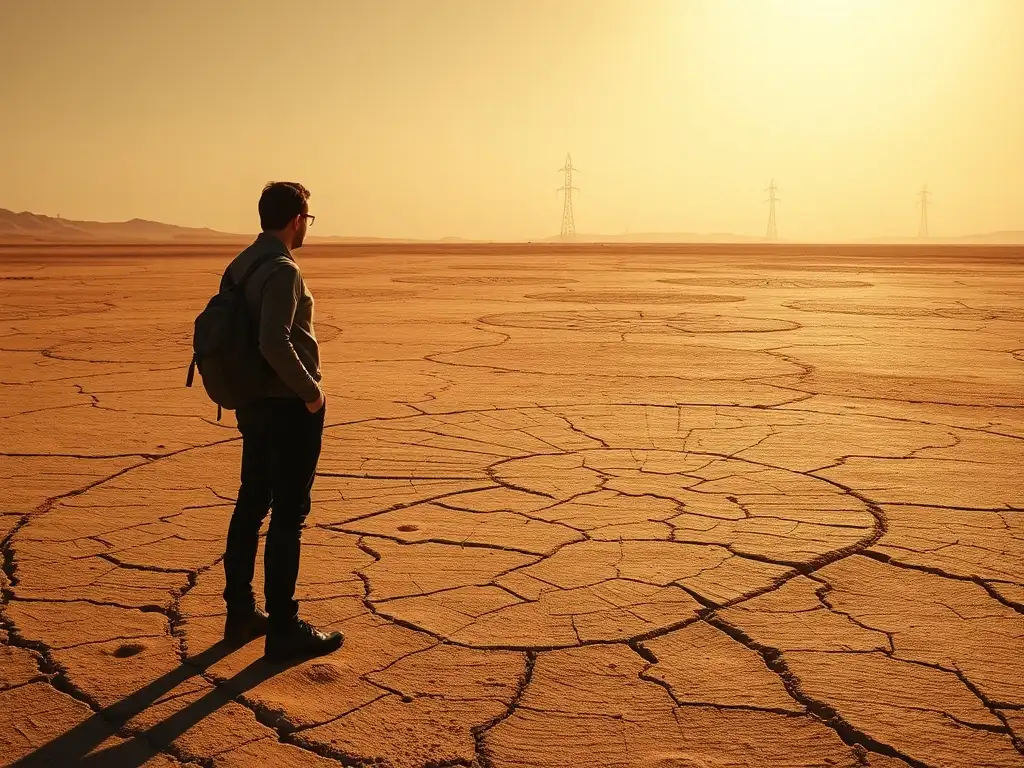
The prevailing theories regarding the purpose of the Nazca Lines, while compelling, don't fully explain all the observed features. This section explores alternative interpretations and persistent mysteries surrounding these enigmatic geoglyphs, furthering our "Nazca Lines purpose exploration". The sheer scale and complexity of the lines continue to inspire debate and challenge established assumptions. We must acknowledge that a single, all-encompassing explanation may be insufficient to capture the multifaceted nature of this ancient phenomenon.
Beyond the Conventional: Challenging Established Theories
Many scholars question the sole focus on astronomical alignments and ritualistic purposes. Some propose that the lines served a more practical function, potentially related to water management in the arid Nazca desert. This hypothesis suggests that certain lines might have guided water flow, facilitating irrigation or directing water sources to settlements. The precision and extensive network of lines certainly lend themselves to such an interpretation.
Further research into ancient Nazca water management techniques could shed light on this possibility. For example, analysis of soil samples along the lines could reveal evidence of past water flow. Moreover, the potential correlation between the lines' locations and known water sources requires more thorough investigation. This detailed examination could potentially reveal previously unseen patterns and relationships.
Another intriguing theory posits that the lines served as pathways for ceremonial processions or pilgrimages, connecting different settlements or sacred sites. The scale of some geoglyphs supports the notion of large-scale community involvement. However, concrete evidence to support this idea remains limited. We need more robust archaeological evidence, possibly through the discovery of artifacts or settlements along these pathways, to strengthen this theory.
The Unexplained Aspects of the Nazca Lines
Despite decades of research, several aspects of the Nazca Lines remain unexplained. The sheer number of geoglyphs, their diversity in design, and the precision of their construction continue to puzzle researchers. Why were such immense resources dedicated to their creation? What specific techniques did the Nazca people employ to achieve such accuracy?
The precise methods used to create these vast designs, often stretching for kilometers, are still debated. Did they use simple tools or more sophisticated instruments? [Specific information pending] on the tools used in the creation of the lines. Furthermore, the apparent lack of a centralized planning system, given the scattered nature of the geoglyphs, raises questions about the social organization and collaborative efforts involved in their creation.
The ephemeral nature of some lines, which have faded or been damaged over time, also presents a challenge for researchers seeking to understand their full extent and original appearance. The impact of natural erosion and human activity on the lines' preservation needs further study. This highlights the urgency of conservation efforts to protect these invaluable historical artifacts.
Future Research Directions for the Nazca Geoglyphs
Future research should focus on a multidisciplinary approach, integrating archaeological fieldwork, remote sensing technologies, and advanced analytical techniques. The use of drones and satellite imagery can provide high-resolution images and 3D models of the geoglyphs, allowing for more detailed analysis of their features and relationships. Furthermore, advanced geochemical analysis of soil samples could reveal clues about the construction techniques and the materials used.
A more comprehensive understanding of the Nazca Lines requires a deeper investigation into the broader context of Nazca society and culture. This includes studying their social organization, religious beliefs, and technological capabilities. By combining archaeological evidence with ethnohistorical accounts and anthropological insights, we can gain a more complete picture of the purpose and significance of these extraordinary geoglyphs.
The integration of digital technologies offers tremendous potential for collaboration and data sharing among researchers worldwide, fostering a more collaborative and efficient "Nazca Lines purpose exploration". This collaborative effort is crucial to address the many unresolved questions surrounding these enigmatic desert drawings. The continued study of the Nazca Lines promises to unveil further insights into the ingenuity and complexity of this remarkable ancient civilization, enriching our understanding of human history and cultural expression.
Concluding Thoughts on the Nazca Lines Purpose Exploration
The exploration of the Nazca Lines' purpose remains a captivating and complex endeavor. While definitive answers remain elusive, the convergence of astronomical alignments, ritualistic practices, and the sheer scale of the geoglyphs strongly suggests a multifaceted significance far beyond simple decoration. The Nazca Lines were not merely drawn; they were created, representing a monumental investment of time, effort, and societal organization. This speaks volumes about the advanced societal structure and technological capabilities of the Nazca culture, a testament to their ingenuity and spiritual depth.
The ongoing debate surrounding their purpose fuels further research and encourages a deeper appreciation for the ingenuity of this ancient civilization. The mystery itself, in many ways, is as compelling as any potential solution. The search for the "Nazca Lines purpose exploration" continues to drive archaeological investigation and inspires awe in all who encounter these enigmatic desert drawings.
The Nazca Lines: A Timeless Archaeological Wonder
The Nazca Lines stand as a powerful symbol of human creativity and cultural expression. Their longevity, surviving centuries of environmental challenges and human intervention, is a testament to their robust construction and the enduring nature of the Nazca people's legacy. These geoglyphs represent a unique blend of artistry, engineering, and possibly, religious devotion.
The meticulous planning and execution required to create such intricate designs across vast expanses of desert landscape are truly remarkable. Consider the logistics alone: the transportation of materials, the precise surveying techniques, and the sheer manpower needed to accomplish this monumental task. The precision of the lines, some stretching for hundreds of meters, speaks to a level of advanced understanding of geometry and spatial awareness.
The lines themselves are not just simple lines; they are complex representations of animals, plants, and geometric patterns, demonstrating a profound understanding of design and symbolism that continues to fascinate researchers and the public alike. The Nazca Lines are, therefore, not just ancient drawings; they are tangible expressions of a rich and sophisticated culture, a timeless archaeological wonder that continues to reveal new aspects of its significance.
The Importance of Continued Study and Protection
The preservation of the Nazca Lines is paramount. These fragile geoglyphs are vulnerable to the elements, erosion, and human activity. Continued research, utilizing advanced technologies such as aerial photography and satellite imagery, is crucial for monitoring their condition and understanding their evolution over time.
Furthermore, responsible tourism practices are essential to minimize the impact of visitors on the fragile desert environment. Protecting these irreplaceable artifacts ensures that future generations can appreciate and learn from this extraordinary cultural heritage. The development of sustainable tourism strategies, coupled with rigorous conservation efforts, is vital for safeguarding this unique and invaluable piece of human history.
The future of the Nazca Lines depends on our collective commitment to their preservation and responsible stewardship. Investing in research and conservation efforts is not just a matter of preserving historical artifacts; it is about safeguarding a crucial part of our shared human legacy. This commitment to the "Nazca Lines purpose exploration" must extend beyond academic curiosity to encompass robust protective measures.
Reflecting on the Legacy of Nazca Art and Culture
The Nazca Lines represent far more than just enigmatic desert drawings; they are a window into the vibrant and complex culture of the Nazca people. Their artistic achievements, as evidenced by the intricate geoglyphs and other artifacts, demonstrate a remarkable level of skill and creativity. The sophisticated irrigation systems, intricate pottery, and complex social structures all contribute to a more complete understanding of Nazca society.
The lines themselves, regardless of their precise purpose, provide invaluable insight into the worldview and spiritual beliefs of this ancient civilization. Studying the Nazca Lines allows us to connect with a lost culture, to appreciate their artistic brilliance, and to reflect on their enduring legacy. Their artistry and cultural achievements serve as a reminder of the diversity and richness of human civilization and the importance of preserving our cultural heritage for future generations.
The enduring legacy of Nazca art and culture continues to inspire awe and wonder, prompting ongoing investigation and appreciation of this remarkable civilization. The "Nazca Lines purpose exploration" should always be viewed within the broader context of understanding the Nazca culture in all its fascinating complexity.
Frequently Asked Questions
What is the main purpose of this article?
This article aims to explore the various theories surrounding the purpose of the Nazca Lines, examining the evidence and arguments presented by different researchers. It focuses on the mystery and ongoing debate surrounding these enigmatic geoglyphs.
What are the Nazca Lines?
The Nazca Lines are giant geoglyphs etched into the Peruvian desert. These massive designs, depicting animals, plants, and geometric shapes, are only fully visible from the air. Their precise creation and purpose remain a mystery.
Why are the Nazca Lines so important to study?
Studying the Nazca Lines provides valuable insights into the advanced knowledge and engineering capabilities of the Nazca culture. They also offer a unique window into the religious beliefs and cosmological understandings of this ancient civilization.
What are some of the leading theories about the purpose of the Nazca Lines?
Several theories exist, including ceremonial purposes, astronomical alignments, and water rituals. However, no single theory has been definitively proven.
Where can I learn more about the Nazca Lines and Andean civilizations?
You can find more information on the Andean Civilizations website, exploring the rich history, culture, art, and technology of the Incas, Moche, Nazca, and Tiahuanaco. Further research into archaeological findings and scholarly articles is also recommended.
Final Reflection: Unraveling the Enigma of the Nazca Lines
The enduring mystery of the Nazca Lines continues to resonate today, a powerful testament to humanity's enduring quest for meaning and connection with the past. These colossal geoglyphs, etched into the Peruvian desert millennia ago, challenge our understanding of ancient civilizations and their capabilities, forcing us to reconsider our assumptions about their societal structures and spiritual beliefs. The sheer scale and precision of the lines remain awe-inspiring, prompting ongoing investigation and debate.
The exploration of the Nazca Lines' purpose offers a profound insight into the human drive to create, to leave a mark on the world, and to communicate across vast stretches of time. Their existence speaks to a sophisticated understanding of geometry and engineering, far exceeding what was previously attributed to the Nazca culture. The Nazca Lines are not just lines; they are a window into a lost world, a testament to the ingenuity and spiritual depth of a civilization that continues to fascinate and inspire.
This quote encapsulates the enduring power of these enigmatic figures, their ability to transcend time and continue to spark our curiosity and wonder.
Consider the implications of this exploration. What can we learn from the Nazca's dedication to creating such monumental works? How can we apply their ingenuity and perseverance to the challenges we face today? I urge you to reflect on the enduring power of human creativity and the importance of preserving and understanding our shared history. Let the Nazca Lines serve as a reminder of the enduring mysteries that surround us and the boundless potential of the human spirit to create, innovate, and leave an indelible mark on the world.
Unveil the Mysteries of the Nazca Lines Today!
Thank you for exploring the fascinating world of the Nazca Lines with us! You've already discovered valuable insights into these ancient wonders—now let's delve deeper into how you can continue your exploration.
Take the next step and expand your knowledge of Andean civilizations by engaging in these activities:
- Attend a local workshop or lecture on ancient Peruvian cultures; immerse yourself in discussions about their remarkable history.
- Share your newfound knowledge with friends—spark a conversation about the enduring influence of ancient civilizations on modern society.
- Explore our website for more articles on Andean cultures and uncover the secrets of the past!
What aspect of the Nazca Lines captivates you most, and how does it inspire you to learn more about our shared human history?