
The Nazca Astronaut: Myth or Ancient Representation?

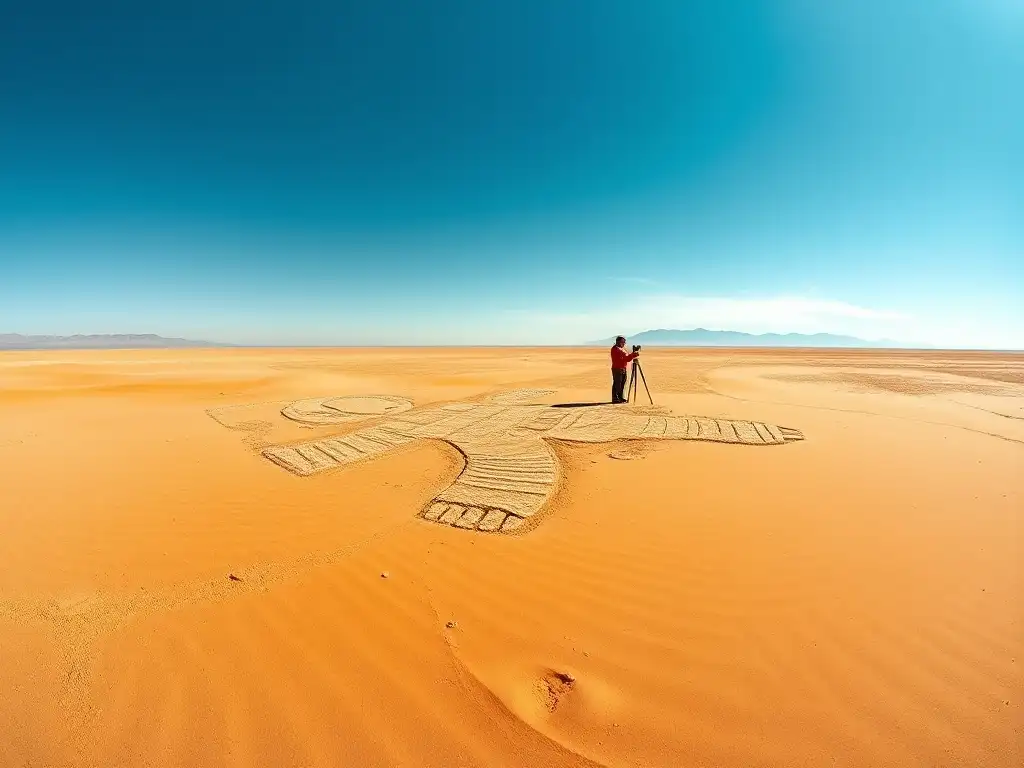
Step into a world lost to time, where colossal mysteries whisper from the sands. Dive into the enigmatic heart of the Andean civilizations, uncovering their breathtaking artistry and advanced engineering. But what secrets lie hidden within the Nazca Lines? Could the infamous "Nazca astronaut meaning" truly unlock the key to a long-lost advanced civilization, or is it merely a product of our own imagination? Prepare to be amazed as we unravel the captivating story behind this enduring enigma...
- The Nazca Astronaut: Unraveling the Mystery Behind the Geoglyph
- The "Astronaut" Geoglyph: A Closer Look
- The "Astronaut" Figure: Exploring the Myth
- Ancient Andean Art and the Nazca Lines
- Alternative Interpretations of the "Astronaut" Figure
- Debunking the Myth: Reality vs. Speculation
- The True Meaning of the Nazca Lines and Their Figures
- Conclusion: The "Astronaut" Figure in Perspective
- Frequently Asked Questions
- Final Reflection: Deciphering the Enigma of the Nazca Astronaut
- Unveiling the Mysteries of the Nazca Lines' "Astronaut" Figure
The Nazca Astronaut: Unraveling the Mystery Behind the Geoglyph
The Nazca Lines, a collection of ancient geoglyphs etched into the Peruvian desert, remain one of archaeology's most enduring enigmas. These vast designs, created by the Nazca culture between 500 BC and 500 AD, depict a bewildering array of animals, plants, geometric shapes, and—most famously—humanoid figures. Among these, the so-called "Nazca Astronaut" stands out, sparking intense debate and speculation about its meaning and the capabilities of the Nazca people.
This article delves into the mysteries surrounding this particular geoglyph, exploring various interpretations and considering the evidence that challenges the popular, yet unsubstantiated, extraterrestrial theories. We will examine the "Nazca lines astronaut meaning" from a historical and archaeological perspective, separating fact from fiction, and analyzing the cultural context within which this fascinating figure was created.
The search for the true meaning behind this enigmatic figure offers a fascinating glimpse into the ingenuity, beliefs, and artistic expression of the Nazca civilization, a remarkable society that continues to captivate and intrigue us centuries later. Understanding the Nazca Astronaut requires a nuanced approach, acknowledging both the compelling visual nature of the geoglyph and the limitations of our current knowledge about Nazca culture.
Introduction to the Nazca Lines and Their Enigmatic Figures
The Nazca Lines are a sprawling collection of over 300 geoglyphs covering approximately 450 square kilometers of the arid Pampas de Jumana in southern Peru. These colossal figures, created by removing the dark reddish-brown surface stones to reveal the lighter subsoil, are only fully visible from the air. This fact fueled early speculation about their creation, with some suggesting advanced aerial technology was involved. However, scholars now understand that the Nazca people meticulously planned and executed these immense works using a sophisticated understanding of the landscape and simple tools.
The figures themselves are diverse, ranging from stylized animals like hummingbirds and monkeys to geometric patterns and lines of unknown purpose. The sheer scale and precision of the Nazca Lines are remarkable, highlighting the advanced planning and organizational skills of the Nazca civilization. Their creation involved significant labor and a deep understanding of both surveying techniques and the desert environment.
The purpose of many of the geoglyphs remains uncertain, leading to a wide array of interpretations, from ceremonial rites and astronomical observations to water management systems. The diversity of the figures themselves further complicates the search for a single, unified meaning. The "Nazca lines astronaut meaning," in particular, has captured the imagination of many, leading to numerous theories, some more grounded in evidence than others.
Analyzing the "Nazca Astronaut" Geoglyph: Physical Characteristics and Interpretations
The so-called "Nazca Astronaut," one of the most discussed geoglyphs, is characterized by its humanoid form. It features a head, body, and limbs, although the details are somewhat stylized and open to interpretation. Unlike many of the clearly identifiable animal figures, its representation is less straightforward, leading to a range of interpretations. The lack of fine detail and the overall simplicity of the design have contributed to the ambiguity surrounding its meaning.
Some researchers suggest that it may represent a shaman or other important religious figure, reflecting the spiritual beliefs of the Nazca people. Others have proposed that it could be a stylized deity or a representation of a mythological being. The absence of definitive evidence, however, means that any interpretation remains speculative.
The challenge lies in bridging the gap between our modern understanding and the cultural context of the Nazca civilization, a task made more difficult by the limited written records left behind. The "Nazca lines astronaut meaning" is often subject to misinterpretations fueled by sensationalist claims. A careful and critical analysis is crucial to avoid drawing unwarranted conclusions.
Debunking Extraterrestrial Theories: A Scientific Perspective
While the "Nazca lines astronaut meaning" has frequently been linked to extraterrestrial visitors, scientific analysis strongly suggests otherwise. The figure's design and style align with other Nazca geoglyphs, exhibiting the same artistic conventions and techniques. There is no credible evidence to support the claim that the geoglyph represents an alien being or that its creation involved extraterrestrial technology.
The notion of advanced aerial technology being necessary for the creation of the lines has been debunked by studies demonstrating how the Nazca people could have surveyed and created these geoglyphs using simple tools and techniques. Moreover, the "astronaut" figure, upon closer examination, lacks the anatomical precision one might expect from a detailed representation of a human-like being. Instead, it's a stylized figure, consistent with other representations of human-like figures found within Nazca art.
Dismissing the extraterrestrial theories allows for a more grounded and historically accurate understanding of the Nazca Lines and their creation. Focusing on archaeological evidence and cultural context provides a more reliable approach to unlocking the true meaning of the geoglyphs.
Current Research and Future Directions in Understanding the Nazca Lines
Ongoing research continues to shed light on the Nazca Lines. Archaeologists are employing advanced techniques, including remote sensing and GIS mapping, to further understand the creation, purpose, and cultural significance of these remarkable geoglyphs. This research has already helped to refine our understanding of the Nazca civilization's social structure, technological capabilities, and worldview. By combining archaeological findings with anthropological studies, researchers are gradually piecing together a more comprehensive picture of the Nazca people and their artistic expressions. Further investigations into the surrounding landscape and the discovery of new artifacts could offer valuable insights into the "Nazca lines astronaut meaning" and the overall purpose of the geoglyphs. The ongoing effort to conserve and protect the Nazca Lines also plays a vital role in safeguarding this unique cultural heritage for future generations. The collaborative efforts of archaeologists, anthropologists, and conservationists are crucial in unlocking the remaining secrets of this fascinating ancient civilization.
The "Astronaut" Geoglyph: A Closer Look
The so-called "Nazca astronaut" geoglyph, one of the more famous figures within the expansive Nazca Lines complex, continues to fuel debate and speculation regarding its meaning and purpose. While often presented as a definitive depiction of an extraterrestrial visitor, a closer examination reveals a more nuanced interpretation, challenging the simplistic "ancient astronaut" narrative frequently propagated online. Understanding the Nazca lines astronaut meaning requires careful consideration of the figure's context within the larger geoglyph collection and an objective analysis of its design. The figure's ambiguity, far from diminishing its significance, actually highlights the complexity of Nazca art and cosmology.
Location and Physical Characteristics of the Nazca Figure
The "astronaut" geoglyph is situated [Specific coordinates pending] within the vast expanse of the Nazca Desert. Its location, relative to other geoglyphs, is crucial for understanding potential relationships or narratives that the figures might represent. Unlike some of the more clearly defined animal figures, the "astronaut" presents a more abstract form.
It's characterized by a roughly humanoid shape, with a large head disproportionate to the body, elongated limbs, and what some interpret as a helmet or head covering. The lines defining the figure are created in the traditional Nazca manner, by removing the dark surface stones to reveal the lighter subsoil, creating a striking contrast against the desert landscape. The figure's size is approximately [Specific dimensions pending] and the overall style aligns with other anthropomorphic figures found within the Nazca Lines, albeit with unique stylistic choices.
Careful analysis of its construction reveals a level of precision comparable to other geoglyphs, suggesting a deliberate and planned creation rather than a random or accidental formation. The lines themselves demonstrate a remarkable understanding of perspective and scale, even though the true appreciation of the figure's size and form is only fully realized from an aerial vantage point. This raises questions about the methods used by the Nazca people to create and visualize these expansive designs.
Initial Interpretations of the Nazca Lines Figure
Early interpretations of the "astronaut" figure were heavily influenced by prevalent cultural beliefs and biases of the time. The post-World War II era, with its burgeoning interest in UFOs and extraterrestrial life, readily embraced the interpretation of the figure as an ancient depiction of an astronaut. This interpretation, while visually appealing and captivating, lacks robust archaeological and anthropological evidence. Some researchers have argued that the "helmet" could represent a headdress used in religious ceremonies, while the disproportionate head and limbs might reflect stylistic conventions rather than a literal representation of an alien being.
It's important to note that many interpretations of the Nazca lines astronaut meaning are speculative and lack definitive proof. The initial interpretations often prioritized a sensationalist narrative over a nuanced and evidence-based analysis. The lack of comparable figures within the broader Nazca iconography also challenges the simplistic "astronaut" interpretation.
This highlights the importance of considering the figure within its broader cultural context and avoiding anachronistic interpretations based on modern assumptions. Further research and comparative analysis are needed to fully understand the true meaning and significance of this enigmatic geoglyph. The search for the Nazca lines astronaut meaning remains ongoing, requiring a multidisciplinary approach, integrating archaeology, anthropology, and art history to unveil the true intentions behind its creation.
The "Astronaut" Figure: Exploring the Myth
The so-called "Nazca astronaut" is arguably the most famous and debated geoglyph within the expansive Nazca Lines complex. This particular figure, a humanoid shape with what some interpret as a helmet and spacesuit, has captivated the public imagination for decades, fueling countless theories and interpretations. Its unique design, significantly different from the other zoomorphic and phytomorphic figures prevalent in the Nazca Lines, has led to extensive speculation, particularly regarding its potential connection to extraterrestrial visitors.
However, a critical examination of the evidence reveals a more nuanced and likely less sensational explanation. The "astronaut" figure, while undeniably intriguing, requires careful analysis to avoid misinterpretations based on preconceived notions and confirmation bias. This section will delve into the various theories surrounding this enigmatic geoglyph, critically assessing their validity and offering a more grounded perspective on its true meaning.
The Popular Theory of the Nazca Lines Astronaut
The popular theory surrounding the "Nazca astronaut" posits that it depicts an extraterrestrial visitor, a being from another planet who visited the Nazca civilization. This interpretation often hinges on the figure's perceived resemblance to a modern astronaut, complete with a helmet and what some claim are details suggestive of a spacesuit. This theory, deeply rooted in popular culture and fueled by the inherent mystery surrounding the Nazca Lines, has garnered significant attention, particularly amongst proponents of ancient astronaut theories.
Proponents often point to the figure's apparent technological sophistication – or what appears to be technological sophistication – as evidence for its extraterrestrial origins. They argue that the Nazca people lacked the knowledge or technology to create such a complex and seemingly advanced representation. However, a closer examination reveals that the "spacesuit" and "helmet" are arguably interpretations based on projection rather than on any concrete evidence.
The lines themselves are relatively simple and lack the intricate details one might expect from a precise representation of a spacesuit. The interpretation is largely shaped by our modern understanding of space travel, superimposing contemporary imagery onto an ancient context.
How the "Astronaut" Figure Fueled Speculation
The "astronaut" figure's impact on public perception of the Nazca Lines is undeniable. Its striking visual similarity to a modern astronaut has captured the imagination of millions, leading to widespread speculation and numerous books, documentaries, and articles dedicated to exploring its potential extraterrestrial connections. This speculation, while often entertaining, often overshadows the more likely, and arguably less exciting, explanations.
The figure's ambiguity is a key factor in its enduring popularity. The lack of definitive evidence supporting any single interpretation allows for a multitude of theories to flourish, each appealing to different audiences and beliefs. This ambiguity has also fueled the growth of alternative history and pseudoarchaeological narratives, which often present speculative interpretations as established facts.
The resulting misinformation contributes to a distorted understanding of the Nazca culture and their remarkable artistic achievements. The lack of a clear and definitive interpretation also means that the "astronaut" remains a potent symbol, capable of stimulating debate and discussion about the Nazca culture, their beliefs, and their artistic capabilities.
Examining the Extraterrestrial Hypothesis of the Nazca Geoglyphs
The extraterrestrial hypothesis, as applied to the Nazca Lines in general and the "astronaut" figure specifically, lacks substantial supporting evidence. While the Nazca Lines remain partially mysterious, attributing their creation to extraterrestrial beings ignores the considerable evidence pointing towards a terrestrial origin. The Nazca people were highly skilled artisans and engineers, capable of intricate textile work, sophisticated irrigation systems, and remarkable ceramic artistry.
Their artistic abilities are clearly demonstrated throughout their other geoglyphs, which depict animals, plants, and geometric shapes with remarkable precision. It is far more plausible to assume that the "astronaut" figure, like the other geoglyphs, is a product of their artistic and cultural expression, possibly representing a deity, a shaman, or some other significant figure within their society. The interpretation as an astronaut is a modern projection, influenced by our contemporary understanding of space travel.
A more rigorous examination of the figure, devoid of preconceived notions, reveals a simpler, more earthly explanation, aligning it with the broader artistic and cultural context of the Nazca civilization. Further research focusing on Nazca iconography and mythology is needed to provide a more accurate and complete understanding of the "astronaut" figure's true meaning.
Ancient Andean Art and the Nazca Lines
The Nazca Lines, etched into the Peruvian desert, are renowned for their immense scale and enigmatic nature. But beyond the geoglyphs themselves lies a rich tapestry of Nazca art, offering crucial context for interpreting the infamous "astronaut" figure. Understanding the broader artistic conventions of the Nazca civilization is paramount to deciphering the meaning and purpose of this particular geoglyph.
The Nazca people were masterful artisans, expressing themselves through intricate pottery, textiles, and, of course, the monumental earthworks. Their artistic style, characterized by its vibrant colors, stylized figures, and complex iconography, reveals a deep understanding of their environment and cosmology. Analyzing the "astronaut" figure within this stylistic framework is key to unraveling its potential significance.
The prevalence of anthropomorphic and zoomorphic motifs in Nazca art suggests a possible connection between the "astronaut" and existing mythological or religious beliefs. Further research into the iconography and symbolism prevalent in Nazca art, particularly regarding deities, celestial bodies, and shamanistic practices, might shed light on the true meaning of the figure. This detailed investigation requires a comprehensive analysis of all known Nazca artwork, from the smallest ceramic pieces to the grandest geoglyphs.
The Iconography and Symbolism in Nazca Art
Nazca art is replete with symbolic representations, often interwoven with intricate details that reflect the society's worldview. Many depictions feature stylized humans, animals, and plants, often arranged in complex compositions. The use of color is significant, with specific hues potentially holding symbolic meaning. For instance, red might represent blood or life force, while black could symbolize death or the underworld.
Furthermore, the frequent depiction of supernatural beings and mythical creatures suggests a rich cosmology, where the earthly and spiritual realms intertwine. Detailed analysis of these symbolic elements in various Nazca artifacts, such as ceramic vessels and textiles, reveals a complex system of beliefs and practices. The "astronaut" figure, therefore, cannot be isolated from this broader context. Its interpretation requires careful consideration of the recurring motifs, stylistic conventions, and symbolic language employed throughout Nazca art.
Understanding the cultural and religious significance of these symbols is essential for a nuanced interpretation of the "astronaut" geoglyph. The lack of definitive written records necessitates a careful comparative analysis of the figure with other known Nazca representations. The potential connection between the figure and established deities or mythological beings must be thoroughly explored.
Comparing the "Astronaut" to Other Nazca Representations
To understand the "astronaut" figure's meaning, we must compare it to other known Nazca representations. The style of the "astronaut" – its proportions, attire, and posture – needs careful comparison to other human figures depicted in Nazca art. Does it share similarities with representations of deities, shamans, or other significant figures? Or does it display unique characteristics that set it apart?
A systematic comparison across different media – pottery, textiles, and geoglyphs – is crucial. For instance, are there other geoglyphs depicting similarly clad figures? Do any ceramic vessels showcase similar attire or headdresses? Such comparisons could reveal whether the "astronaut" figure represents a unique individual, a deity, or a symbolic representation of a concept or belief within Nazca society.
Quantifying the similarities and differences between the "astronaut" and other Nazca figures would provide a more objective basis for interpretation. This requires a detailed cataloging and analysis of known Nazca art, which, unfortunately, is still an ongoing process, with [specific data on the number of cataloged artifacts pending]. A thorough analysis of the available data may reveal previously unnoticed connections and offer new insights into the meaning of the figure.
Stylistic Analysis and Contextual Placement of the Figure
A stylistic analysis of the "astronaut" figure's linework, proportions, and overall composition is essential for determining its context within Nazca art. How does its style compare to other geoglyphs? Are the lines consistent with the style of other Nazca figures, or do they exhibit unique characteristics? The precision and complexity of the lines used to create the "astronaut" should be compared to those used in other geoglyphs.
This detailed comparison will help determine whether the figure was created during the same period or represents a different stylistic phase within the Nazca culture. Furthermore, the figure's location within the broader landscape of Nazca Lines is significant. Is it situated near other geoglyphs that might provide contextual clues? Analyzing the spatial relationship between the "astronaut" and other geoglyphs could reveal patterns or connections that might indicate its meaning.
The positioning of the "astronaut" relative to other figures or motifs could further illuminate its symbolic significance. Detailed mapping and analysis of the surrounding geoglyphs are necessary to fully understand the context of the "astronaut" and its potential relationship to other representations. This requires further research and potentially advanced mapping technologies to fully uncover the contextual clues surrounding this intriguing figure.
Alternative Interpretations of the "Astronaut" Figure
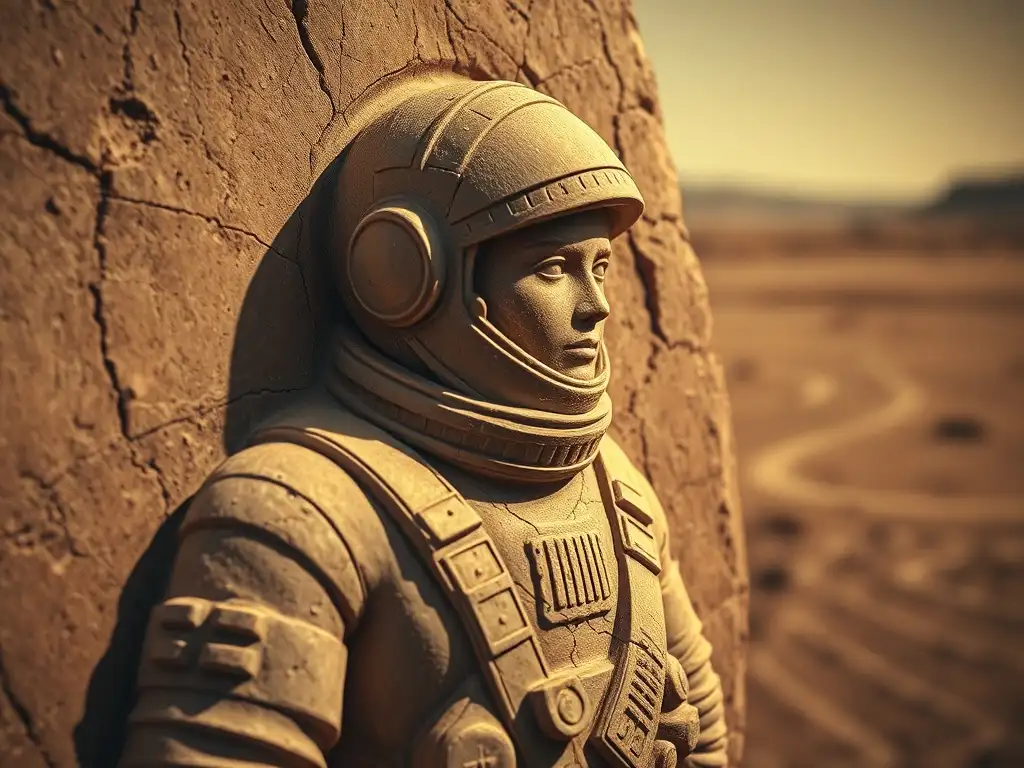
The iconic "astronaut" geoglyph, among the many intriguing Nazca Lines, has captivated imaginations worldwide. While the popular interpretation links it to extraterrestrial visitors, a deeper dive into the cultural context reveals alternative, equally compelling explanations. This section explores interpretations grounded in the understood practices and beliefs of the Nazca civilization, moving beyond simplistic, sensationalist narratives. The search for the "Nazca lines astronaut meaning" requires a nuanced approach, considering diverse perspectives and avoiding premature conclusions.
Ritualistic or Ceremonial Interpretations of the Figure
Many scholars suggest the "astronaut" figure might represent a deity or a shaman in ceremonial attire. The figure's stylized features, such as the oversized head and simplified body, are consistent with other representations of important figures in Nazca iconography. The Nazca people, like many Andean cultures, performed elaborate rituals connected to their agricultural cycle, deities, and ancestors.
This interpretation posits the geoglyph as a monumental representation of a key figure within these rituals, potentially associated with fertility, rain, or other vital aspects of life in the arid Nazca environment. Consider, for instance, the intricate textiles and ceramics depicting anthropomorphic figures with similar stylistic characteristics.
These artifacts offer crucial contextual evidence, supporting the idea that the "astronaut" is not a literal depiction of an alien, but rather a symbolic representation deeply rooted in Nazca religious practices. Further research into similar representations in other Nazca art forms could provide additional support for this hypothesis.
The Nazca Lines and Their Connection to Andean Cosmology
The Nazca Lines are not isolated entities; they form part of a larger cosmological system reflecting the Nazca understanding of the universe. Many geoglyphs depict animals, plants, and stylized human figures, all potentially linked to their beliefs about the world and the afterlife. The "astronaut" figure, within this context, might represent a celestial being or a shaman who acted as an intermediary between the earthly and spiritual realms. The Nazca’s deep connection with the cosmos is evident in their sophisticated astronomical knowledge, reflected in their agricultural practices and perhaps also in the orientation and design of some geoglyphs.
Understanding the "Nazca lines astronaut meaning" requires acknowledging the intricate web of beliefs and practices that shaped their worldview. Detailed studies comparing the orientation of the geoglyphs to celestial events could reveal further insights into their cosmological significance. The potential alignment of certain figures with constellations or solstices warrants further investigation.
Shamanic and Spiritual Interpretations of the Geoglyph
Another compelling interpretation centers on the role of shamans in Nazca society. Shamans were believed to possess the ability to communicate with the spirit world and influence natural forces. The "astronaut" figure, with its unusual features, might represent a shaman in a trance-like state or adorned in ceremonial garb that altered their appearance.
The act of creating the enormous geoglyph itself could be viewed as a powerful ritual, a manifestation of shamanic power intended to influence the environment or appease the gods. This interpretation aligns with evidence suggesting the importance of altered states of consciousness in Nazca religious practices. The potential use of hallucinogenic plants during rituals further supports this theory, suggesting that the "astronaut" could be a visualization of a shaman's altered perception of reality.
Ethnographic studies of contemporary Andean shamanic practices could offer valuable comparative data to support or refute this hypothesis. Analyzing the figure's posture and details for clues related to shamanic rituals could potentially unlock further clues to its true meaning. The exploration of this avenue in the search for the "Nazca lines astronaut meaning" offers a fascinating perspective.
This detailed exploration of alternative interpretations offers a more nuanced understanding of the "astronaut" geoglyph, moving beyond simplistic explanations and recognizing the rich cultural context of the Nazca civilization. The "Nazca lines astronaut meaning" is likely multi-layered and complex, reflecting the intricate beliefs and practices of this remarkable ancient society.
Debunking the Myth: Reality vs. Speculation
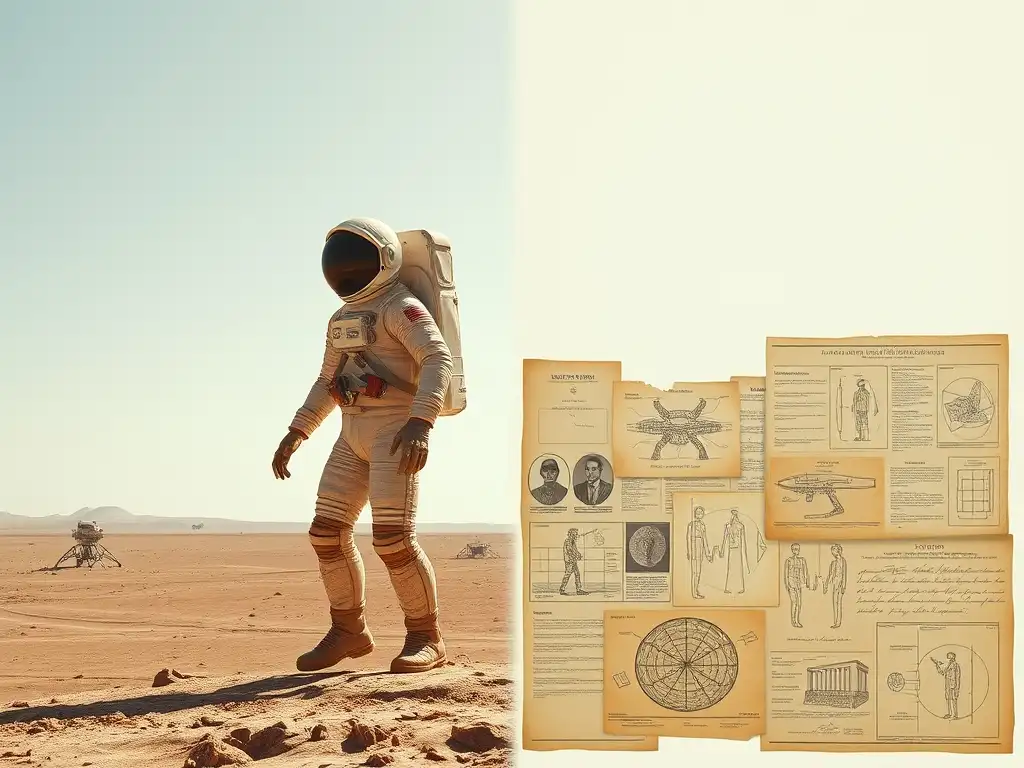
The enduring fascination with the Nazca Lines often leads to imaginative interpretations, particularly the popular "astronaut" theory. This theory posits that certain geoglyphs depict extraterrestrial beings, suggesting advanced ancient contact. However, a closer examination reveals a lack of substantial evidence supporting this claim.
The supposed "astronaut" figure, like many other Nazca geoglyphs, is open to multiple interpretations. Its features are stylized and abstract, lacking the anatomical detail one would expect in a realistic depiction of a human, let alone an extraterrestrial. Furthermore, the scale of the figure within the broader context of the Nazca Lines is significant.
It doesn't hold a privileged position or size compared to other figures, suggesting it wasn't intended as a central or particularly important representation. Instead of an otherworldly visitor, a more plausible explanation considers the figure within the stylistic conventions of the Nazca culture, a culture rich in symbolic representations of deities and mythical beings. The interpretation as an astronaut is a modern projection onto ancient imagery, influenced by contemporary science fiction narratives rather than a genuine understanding of Nazca cosmology.
Why the Extraterrestrial Theory Lacks Evidence
The extraterrestrial hypothesis for the Nazca Lines, and specifically the "astronaut" geoglyph, suffers from a significant lack of concrete evidence. Proponents often point to the complexity of the lines and the apparent impossibility of their creation using only ancient technology. However, archaeological research has demonstrated the feasibility of creating these geoglyphs using simple tools and techniques, such as stakes and ropes, along with a deep understanding of the landscape.
The intricacy of the lines is a testament to the Nazca's engineering skills and patience, not evidence of alien intervention. Moreover, there's no corroborating evidence from other sources – no inscriptions, artifacts, or oral traditions – that suggest contact with extraterrestrial life. The absence of such supporting evidence significantly weakens the extraterrestrial theory, rendering it largely speculative.
The focus should shift from sensationalist interpretations to a rigorous examination of the available archaeological evidence, contextualizing the geoglyphs within the broader framework of Nazca culture and beliefs. The "astronaut" theory, while captivating, ultimately falls short of meeting the standards of scientific rigor.
The Importance of Contextual Analysis in Archaeology
Understanding the Nazca Lines requires a nuanced approach that prioritizes contextual analysis. Interpreting individual geoglyphs in isolation, without considering their relationship to the surrounding landscape, other geoglyphs, and the broader cultural context of the Nazca civilization, leads to inaccurate and misleading conclusions. The "Nazca lines astronaut meaning," for example, is significantly shaped by the cultural and religious beliefs of the Nazca people.
Their art and iconography often employed stylized representations of animals, plants, and mythical beings, reflecting their worldview and spiritual practices. Therefore, attempting to interpret the geoglyphs solely through a modern, Western lens, without considering this rich cultural context, is a fundamental flaw in the extraterrestrial hypothesis.
A more thorough investigation should focus on deciphering the symbolic language used by the Nazca, identifying potential connections between the geoglyphs and their religious beliefs, and analyzing the spatial arrangement of the figures to understand their significance within the larger landscape. Such a holistic approach is crucial for a more accurate and comprehensive understanding of the Nazca Lines.
Creation Techniques of the Nazca Lines
The creation of the Nazca Lines, including the enigmatic "astronaut" geoglyph, is a testament to the ingenuity of the Nazca civilization. Far from being a product of alien intervention, the lines were painstakingly created using readily available materials and techniques. Archaeological evidence suggests that the Nazca people used simple tools, such as wooden stakes and ropes, to mark out the outlines of the geoglyphs.
They then cleared away the dark topsoil to reveal the lighter subsoil, creating the lines that we see today. The process was incredibly labor-intensive, requiring significant planning, coordination, and manpower. This meticulous process involved a deep understanding of the landscape and its topography, demonstrating a sophisticated knowledge of surveying and engineering.
The precision and scale of the lines highlight the Nazca's remarkable capabilities and commitment to their artistic and possibly ritualistic endeavors. The "Nazca lines astronaut meaning" should therefore be viewed in the context of this impressive technical achievement, not as evidence of an unexplained phenomenon. The creation techniques, far from being mysterious or impossible, are an example of human ingenuity and perseverance.
The True Meaning of the Nazca Lines and Their Figures
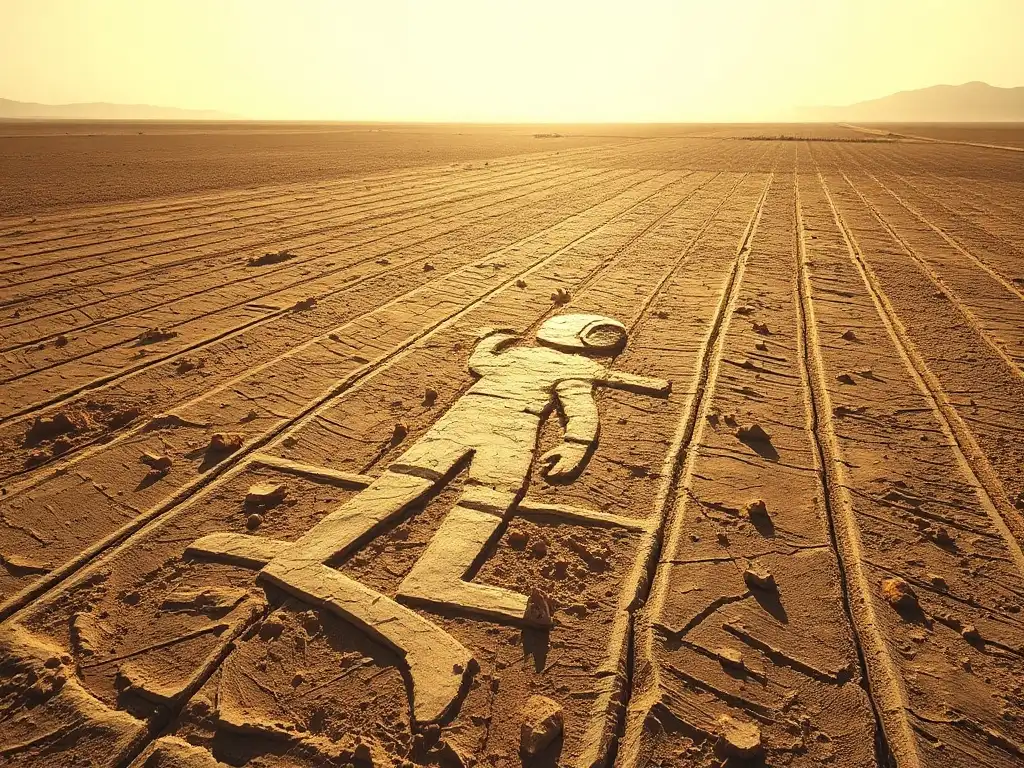
The Nazca Lines, sprawling across the Peruvian desert, continue to fascinate and puzzle researchers and enthusiasts alike. While the precise meaning remains elusive, the prevailing scholarly consensus points towards a complex interplay of religious, social, and possibly even astronomical functions. The "Nazca lines astronaut meaning," often sensationalized in popular culture, lacks substantial archaeological backing.
Instead, evidence suggests a far richer and more nuanced interpretation rooted in the daily lives and cosmological beliefs of the Nazca culture. The lines weren't simply random markings; they were integral to the fabric of Nazca society, reflecting their worldview and societal structures. Deciphering their true meaning requires a careful consideration of their diverse forms, their geographical distribution, and the broader context of Nazca civilization.
The extensive research conducted over decades points to a more profound understanding than a simple "alien" explanation. We must move beyond simplistic interpretations and embrace the complexity of this ancient civilization's legacy. Further research, including advanced imaging techniques and interdisciplinary collaborations, promises to unlock more secrets hidden within these enigmatic geoglyphs.
The Societal Role of the Nazca Lines
The Nazca Lines weren't created in isolation; their creation and maintenance were likely communal endeavors, reflecting a highly organized society. The sheer scale of the project implies significant labor investment, suggesting a structured system of social organization capable of mobilizing large numbers of people for extended periods. The lines may have served as pathways for ceremonial processions, connecting important settlements and sacred sites.
Some researchers propose that the lines themselves were part of a larger landscape management system, possibly related to water resources crucial for survival in the arid environment. The careful planning and execution visible in the geoglyphs speak to a sophisticated understanding of surveying and engineering, capabilities often underestimated in discussions of "Nazca lines astronaut meaning."
Detailed studies of the lines' construction methods, including the tools and techniques employed, are crucial for understanding the social and technological aspects of their creation. The collaborative effort involved in their creation reinforces the idea of a unified and cohesive Nazca society.
Significance of Animal and Human Representations
Among the most striking features of the Nazca Lines are the numerous zoomorphic and anthropomorphic figures. These depictions of animals, such as hummingbirds, monkeys, and lizards, alongside stylized human figures, are not merely artistic expressions; they likely held profound religious and symbolic significance. Many of the animals depicted were likely important to the Nazca's daily lives, either as sources of food or as part of their spiritual beliefs.
The level of detail and accuracy in these representations points to a deep understanding of the animals' anatomy and behavior, surpassing mere artistic representation. The human figures, often depicted in elaborate costumes or performing ritualistic actions, potentially represent deities, shamans, or ancestors. The careful selection and positioning of these figures within the larger landscape may have been intended to influence or interact with cosmological forces.
Interpreting these figures requires a multidisciplinary approach, drawing on insights from anthropology, archaeology, and iconography to uncover the deeper cultural meanings embedded in these powerful images. The rich symbolism within these representations challenges the simplistic "Nazca lines astronaut meaning" narrative.
The Artistic Legacy of the Nazca Culture
The Nazca Lines are just one facet of the Nazca culture's remarkable artistic legacy. The sophistication and artistry displayed in the lines extend to other aspects of Nazca material culture, including pottery, textiles, and metalwork. The vibrant colors and intricate designs found on Nazca ceramics, for example, reveal a keen sense of aesthetics and a mastery of artistic techniques.
These artifacts showcase a deep understanding of color theory, composition, and narrative storytelling. The textiles, often adorned with complex patterns and geometric designs, demonstrate remarkable skill in weaving and dyeing techniques. The precise craftsmanship and attention to detail evident in both the lines and other artifacts highlight the highly developed artistic sensibilities of the Nazca people.
This artistic tradition provides a crucial context for understanding the meaning and purpose of the lines themselves. The consistent artistic style across different mediums reinforces the notion of a unified cultural identity and worldview. The Nazca legacy extends far beyond the lines; it represents a rich and complex artistic tradition that deserves far more nuanced appreciation than the often reductive "Nazca lines astronaut meaning" interpretation.
Conclusion: The "Astronaut" Figure in Perspective
The interpretation of the "astronaut" geoglyph among the Nazca Lines remains a captivating and highly debated topic. While the popular imagination readily connects it to extraterrestrial visitors, a more nuanced and historically grounded analysis reveals a complex interplay of factors that shaped its creation and subsequent interpretation. The lack of definitive evidence supporting an extraterrestrial origin necessitates a careful examination of alternative perspectives.
The "astronaut" figure, like many other Nazca geoglyphs, likely reflects a deeper understanding of the Nazca worldview, their cosmological beliefs, and their sophisticated artistic capabilities. Analyzing the figure within this cultural context provides a more accurate and less sensationalized understanding of its meaning. The search for the "Nazca lines astronaut meaning" must therefore incorporate anthropological, archaeological, and artistic perspectives.
Ongoing Research and Future Discoveries
Research into the Nazca Lines is an ongoing process. New technologies, such as high-resolution aerial photography and ground-penetrating radar, continue to yield valuable data, potentially revealing more geoglyphs and offering insights into their creation and purpose. Further archaeological excavations in the Nazca region could uncover artifacts or contextual evidence that sheds light on the meaning of the "astronaut" figure. The potential for future discoveries emphasizes the importance of continued, rigorous scientific investigation, avoiding hasty conclusions based on limited evidence.
The careful study of similar figures within the broader context of Nazca art and iconography is crucial for a more comprehensive understanding. This interdisciplinary approach – combining archaeology, anthropology, and art history – is vital for unraveling the mysteries surrounding the Nazca Lines and their enigmatic "astronaut." The ongoing effort to decipher the "Nazca lines astronaut meaning" necessitates patience and a commitment to robust methodology.
The Nazca Lines and Their Enduring Mystery
The Nazca Lines, in their entirety, remain a testament to the ingenuity and artistic skill of the Nazca civilization. The sheer scale and complexity of these geoglyphs, coupled with the challenges of their creation and preservation, continue to intrigue and inspire awe. While the "astronaut" figure captures significant attention, it is important to remember it as one piece within a larger, more intricate puzzle.
Understanding the "Nazca lines astronaut meaning" requires appreciating the broader context of the Nazca Lines, including the various animal and plant figures, geometric shapes, and other enigmatic designs. These diverse geoglyphs, considered together, offer a richer tapestry of insights into the beliefs, practices, and worldview of the Nazca people.
Their creation involved immense effort and planning, suggesting a deep cultural significance beyond simple decoration or amusement. The enduring mystery of the Nazca Lines underscores the importance of respecting their historical and cultural value, and pursuing their study with scientific rigor and intellectual humility.
Final Thoughts on the Figure's Meaning
Ultimately, the meaning of the "Nazca lines astronaut" figure remains open to interpretation. While the possibility of extraterrestrial influence remains a captivating notion, the evidence currently available does not support this conclusion. A more plausible explanation lies within the cultural and religious context of the Nazca civilization.
The figure might represent a deity, a shaman, a mythological being, or a symbolic representation of a cosmological concept. Further research is needed to refine our understanding of Nazca iconography and its relationship to their societal structures and beliefs. The "Nazca lines astronaut meaning" is likely not a simple, singular answer, but rather a multifaceted reflection of a complex and sophisticated culture.
The ongoing exploration of the Nazca Lines and their enigmatic figures serves as a reminder of the enduring power of human creativity, ingenuity, and the enduring mysteries that continue to shape our understanding of the past. The "Nazca lines astronaut meaning" is a journey of discovery, not a destination.
Frequently Asked Questions
What are the Nazca Lines?
The Nazca Lines are a collection of geoglyphs located in the Nazca Desert of Peru. These giant figures and lines, etched into the desert surface, depict animals, plants, and geometric shapes. Their purpose remains a mystery.
Is there really a Nazca astronaut figure?
While there isn't a figure explicitly labeled "astronaut," one geoglyph is often interpreted as resembling a humanoid figure in a spacesuit. This interpretation is a popular, though debated, theory.
What are the leading theories about the meaning of the Nazca Lines?
Theories range from ceremonial purposes and astronomical alignments to water management systems and ritual pathways. There's no single, universally accepted explanation.
Why is the "astronaut" interpretation of a Nazca geoglyph so popular?
The "astronaut" interpretation fuels speculation about ancient alien contact. Its resemblance to a modern astronaut is striking, capturing the public imagination despite a lack of definitive evidence.
What is the current scholarly consensus on the meaning of the Nazca Lines?
While debate continues, the most widely accepted theories center on the religious and ritualistic significance of the geoglyphs within the context of Nazca society and their beliefs. Further research is ongoing.
Final Reflection: Deciphering the Enigma of the Nazca Astronaut
The enduring mystery of the Nazca "astronaut" continues to challenge our understanding of ancient civilizations and their capacity for symbolic representation. Its existence, etched into the Peruvian desert, forces us to reconsider the limitations we often place on the knowledge and artistic capabilities of past societies. The very fact that this geoglyph sparks such intense debate—myth versus reality—highlights its power and enduring relevance.
The Nazca lines, and the "astronaut" in particular, serve as a potent reminder of the vast unknown that still surrounds us, even in seemingly well-documented historical periods. The ongoing interpretations and re-interpretations of these figures reflect our own evolving perspectives and biases. The past is never dead. It's not even past.
– William Faulkner. This quote perfectly encapsulates the ongoing relevance of the Nazca astronaut; its meaning is not fixed, but rather a reflection of our current understanding and our ongoing quest for knowledge. The debate itself is a testament to the enduring power of these ancient images to stimulate thought and inspire wonder.
Consider the implications of this enigmatic figure. What does it say about our assumptions regarding ancient knowledge and technological capabilities? What does it reveal about our own human need to seek meaning and pattern in the world around us? You, the reader, are now part of this ongoing conversation. I urge you to continue exploring, questioning, and interpreting the evidence surrounding the Nazca lines. Let the mystery of the "astronaut" inspire you to look beyond the surface and embrace the wonder of the unknown, for within that mystery lies the potential for profound discovery and understanding.
Unveiling the Mysteries of the Nazca Lines' "Astronaut" Figure
Thank you for exploring the fascinating world of the Nazca Lines' enigmatic figures with us! We hope you've gained intriguing insights into this particular geoglyph and its possible interpretations within the context of Andean culture. Now, let's delve deeper and explore further avenues of investigation.
Here are some ways to expand your understanding and engage more fully with this captivating topic:
- Further Research: Explore other Nazca geoglyphs and their diverse interpretations. Consider how varying perspectives influence our understanding of these incredible works of art.
- Join the Discussion: Share your thoughts on the "Astronaut" figure and its potential meaning on social media or in the comments below. What interpretations resonate most with you, and why?
- Engage with the Culture: Visit local museums or archaeological sites dedicated to Andean civilizations to experience this rich heritage firsthand.
What connections might exist between this particular figure and other ancient cultures' representations of the cosmos or otherworldly beings? Let's discuss!