
Preserving the Past: The Conservation of Nazca Pottery and Textiles

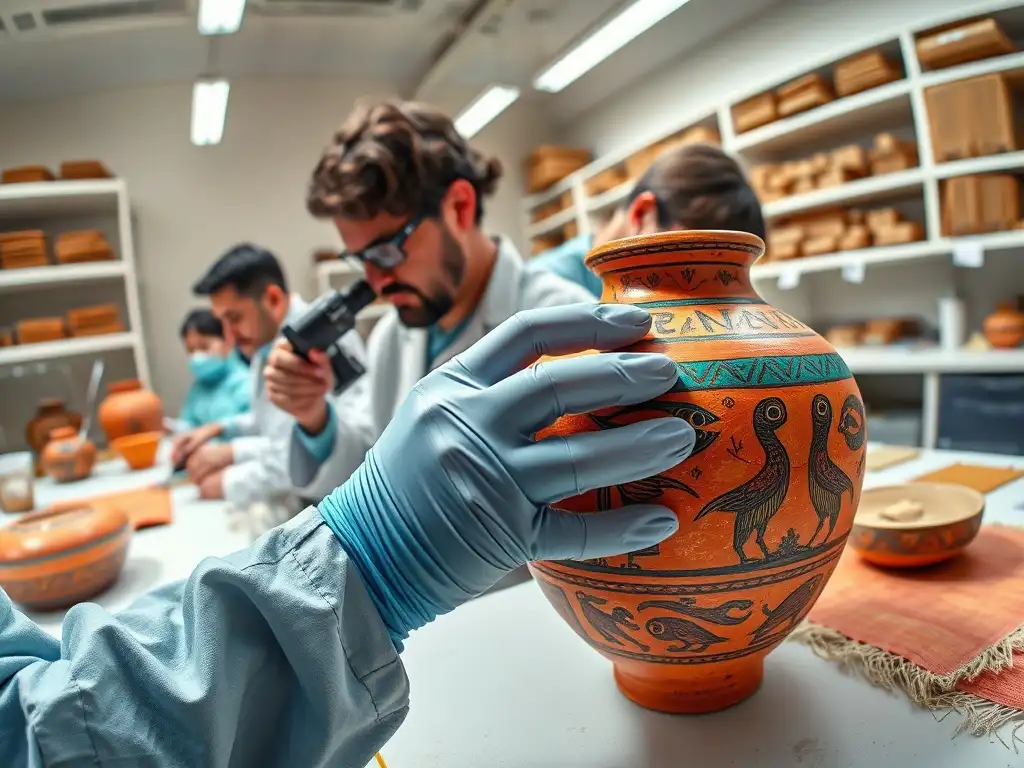
Step into a world lost to time, yet echoing with vibrant artistry and ingenuity. Imagine the intricate designs of Nazca pottery, painstakingly crafted centuries ago. But how do we ensure these breathtaking relics endure? This site delves into the fascinating world of Andean civilizations, exploring their remarkable achievements. Uncover the secrets behind Nazca pottery conservation methods and discover the challenges and triumphs in preserving their legacy for generations to come. Prepare to be amazed.
The Nazca civilization, renowned for its enigmatic geoglyphs and intricate artistry, left behind a remarkable legacy of pottery and textiles. These artifacts, fragile remnants of a vibrant culture flourishing on the southern coast of Peru between 100 BCE and 800 CE, offer invaluable insights into their daily lives, religious beliefs, and sophisticated technological achievements.
However, the passage of time, exposure to the elements, and the inevitable effects of looting and improper handling have significantly compromised the integrity of many surviving pieces. This article delves into the crucial work of Nazca pottery and textile conservation, exploring the challenges faced and the methods employed to safeguard this irreplaceable cultural heritage for future generations.
We will examine the specific techniques used to preserve these delicate artifacts, highlighting the importance of their preservation for our understanding of this fascinating civilization and the broader context of Andean history. Understanding the complexities of Nazca pottery conservation methods is paramount to ensuring these treasures remain accessible and informative for years to come.
Introduction to Nazca Artifact Conservation
Nazca pottery and textiles present unique conservation challenges. The arid climate of the Nazca region, while contributing to the survival of some artifacts, also presents its own set of problems. The extreme dryness can lead to embrittlement and cracking of the pottery, while the organic materials used in the textiles are susceptible to degradation and insect infestation. Furthermore, the pigments used in both pottery and textile decoration are often unstable and prone to fading or flaking.
Conservation efforts, therefore, require a multi-faceted approach, combining scientific analysis with meticulous craftsmanship. This involves a careful assessment of the artifact’s condition, followed by the implementation of appropriate cleaning, stabilization, and restoration techniques. The process is often painstaking and time-consuming, requiring specialized skills and knowledge. For instance, the removal of salts accumulated over centuries necessitates delicate techniques to avoid further damage.
Similarly, the consolidation of fragile fragments requires the use of appropriate adhesives and consolidants that are both effective and reversible. The goal is not to alter the original artifact but to arrest further deterioration and ensure its long-term survival. Careful documentation of each step of the process is crucial, allowing future researchers to understand the interventions undertaken.
The Importance of Conserving Nazca Cultural Heritage
Conserving Nazca pottery and textiles is not merely a matter of preserving aesthetically pleasing objects; it is about safeguarding a vital part of human history. These artifacts are primary sources of information, providing tangible evidence of the Nazca people's artistic skills, social structures, and cosmological beliefs. The vibrant polychrome pottery, often depicting intricate scenes of daily life and ritual practices, offers unparalleled insights into their worldview.
Similarly, the meticulously woven textiles, with their complex designs and use of diverse materials, reveal sophisticated techniques and artistic sensibilities. The loss of these artifacts would represent an irreplaceable loss of knowledge about a significant Andean civilization. Moreover, the preservation of these artifacts contributes to the broader understanding of Andean cultural heritage and its continuity through time.
By studying these objects, we gain a deeper appreciation for the ingenuity and cultural richness of the Andean civilizations and their lasting impact on the region. The continued study and preservation of Nazca pottery and textiles will continue to enrich our understanding of this remarkable civilization for generations to come. Protecting this legacy is not just a responsibility of archaeologists and conservators; it is a responsibility shared by all who value the richness and diversity of human history.
Understanding Nazca Pottery and Textiles
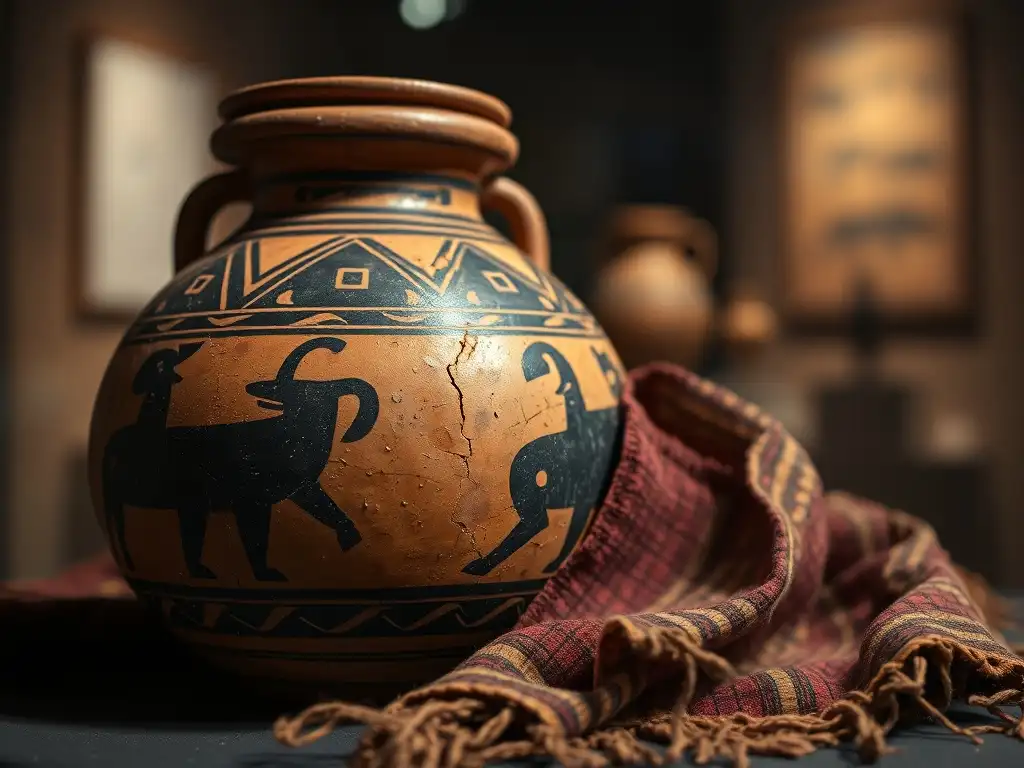
This section delves into the unique characteristics of Nazca pottery and textiles, providing insights into their production techniques, artistic styles, and cultural significance. Understanding these aspects is crucial for effective conservation strategies aimed at preserving these fragile artifacts for future generations. The delicate nature of these objects necessitates specialized approaches to their preservation, making the study of their original construction vital to developing appropriate conservation methodologies for Nazca pottery conservation methods.
Characteristics of Nazca Pottery
Nazca pottery is renowned for its vibrant colors, intricate designs, and exceptional craftsmanship. These ceramic pieces represent a significant artistic achievement of the Nazca culture, reflecting their advanced technological capabilities and sophisticated aesthetic sensibilities. The unique qualities of Nazca pottery contribute significantly to its fragility and necessitate specific conservation techniques.
Nazca Ceramic Techniques and Styles
Nazca potters employed a variety of techniques to create their stunning vessels. The most common method involved using a wheel-thrown technique, although hand-building was also practiced. They used a slip-and-paint technique, applying layers of different colored slips (liquid clay) before adding intricate painted designs. The mastery of negative space and fine lines is a hallmark of Nazca pottery.
Styles varied across time and location, with some periods showcasing more naturalistic depictions of flora and fauna, while others emphasized geometric patterns and stylized figures. The precision and detail evident in their work highlight the skill and artistry of the Nazca ceramicists. Analyzing these techniques is key to understanding the materials used and their vulnerability to deterioration. Furthermore, understanding the firing process is critical in developing appropriate methods for long-term preservation.
Common Motifs in Nazca Pottery
Nazca pottery frequently depicts a wide array of motifs, including stylized representations of plants, animals, and humans. Common themes include birds, especially hummingbirds and other avian species; marine creatures like fish and crustaceans; and intricate geometric designs. These motifs often appear in complex compositions, with multiple figures and patterns interwoven to create visually stunning effects.
The symbolic meaning of these motifs is still debated, but they undoubtedly played a role in the religious and social life of the Nazca people. Understanding these symbolic representations is essential for appreciating the cultural context of the pottery and for developing sensitive and informed conservation strategies. The delicate nature of the pigments used – often vulnerable to light and humidity – requires specific handling and storage conditions as part of effective Nazca pottery conservation methods.
Characteristics of Nazca Textiles
Nazca textiles, while less abundant than their pottery counterparts, display equally impressive craftsmanship and artistry. These textiles provide valuable insights into the daily lives, religious beliefs, and social structures of the Nazca people. Their complexity and fragility require equally specialized conservation techniques.
Nazca Weaving Techniques and Materials
Nazca weavers utilized a variety of techniques, including plain weave, tapestry weave, and even some forms of embroidery. They employed different types of fibers, primarily cotton, but also possibly camelid fibers such as alpaca or llama wool. The quality of the weaving and the intricacy of the designs showcase advanced technological skills and a deep understanding of textile production.
The specific fibers used and their deterioration over time are crucial factors for developing effective conservation methods. Accurate identification of these materials is paramount for choosing the right preservation techniques, and more research is needed to fully understand the range of fibers and dyes employed.
Nazca Textile Designs and Symbolism
Nazca textile designs, like their pottery counterparts, feature a rich array of motifs, including geometric patterns, stylized representations of animals and plants, and occasionally human figures. The colors used are often bold and vibrant, although time and environmental factors have faded many pieces. Interpreting the symbolism of these designs presents a significant challenge for researchers, but they likely played a crucial role in social and religious contexts.
These textiles, often used for clothing, ceremonial purposes, or burial shrouds, provide unique insights into Nazca society. The fragility of the dyes and fibers necessitates careful handling and specialized environmental control as part of a comprehensive approach to textile conservation.
Further research into the dyes and their chemical composition is needed to inform the development of robust Nazca pottery conservation methods, applicable to textiles as well. The preservation of these irreplaceable artifacts depends on a multidisciplinary approach, combining archaeological research, material science, and art conservation expertise.
Challenges in Nazca Artifact Conservation
The conservation of Nazca pottery and textiles presents unique challenges due to the fragility of the materials and the harsh environmental conditions of the coastal deserts of southern Peru where they were created and are often found. Effective preservation requires a multi-faceted approach addressing both environmental factors and the inherent degradation processes affecting these irreplaceable artifacts. Understanding these challenges is crucial for developing effective and sustainable Nazca pottery conservation methods.
Environmental Factors Affecting Nazca Pottery
The arid climate of the Nazca region, while seemingly protective, presents subtle yet significant threats to the longevity of its pottery. Fluctuations in temperature and humidity, coupled with exposure to sunlight and salt deposits, contribute to the deterioration of these delicate artifacts.
Damage from Humidity and Temperature Fluctuations
Extreme temperature swings between scorching days and cool nights, combined with infrequent but intense periods of high humidity, cause significant stress on the pottery. These fluctuations lead to the expansion and contraction of the clay, creating microscopic cracks (microfractures) within the ceramic matrix. Over time, these microfractures can propagate, weakening the pottery and potentially leading to complete fragmentation.
Studies have shown that even seemingly minor fluctuations can accelerate the degradation process, highlighting the importance of stable storage environments for long-term preservation. For example, a study on a collection of Nazca stirrup-spout vessels revealed a significant increase in micro-cracking after a period of unusually high humidity. This underscores the need for precise environmental controls in storage facilities.
Effects of Sunlight and Salt Deposits
Direct sunlight, especially ultraviolet (UV) radiation, degrades the pigments used in Nazca pottery, causing fading and discoloration. This not only diminishes the aesthetic value of the pieces but also erodes crucial information about the original artistic techniques and cultural practices. Furthermore, the presence of salt deposits, often found in the soil where the pottery is unearthed, can contribute to efflorescence – the formation of salt crystals on the surface of the pottery.
These crystals can physically damage the pottery as they grow and expand, further weakening the structure and causing unsightly blemishes. The careful removal of salt deposits is therefore a crucial step in Nazca pottery conservation, requiring specialized techniques to avoid further damage. This often involves meticulous cleaning and stabilization processes tailored to the specific composition of the salt and the pottery itself.
Environmental Factors Affecting Nazca Textiles
Nazca textiles, often made from cotton or camelid fibers, face their own set of preservation challenges. The delicate nature of the fibers, combined with the effects of insects, light exposure, and the inherent degradation of organic materials, necessitates specialized conservation strategies.
Damage from Insects and Pests
Insects and pests pose a significant threat to Nazca textiles. Moths, beetles, and other insects can feed on the fibers, causing irreparable damage and weakening the structural integrity of the cloth. The use of preventative measures, such as controlled environments with low humidity and temperature, and the application of appropriate insecticides (where ethically and scientifically justified), are crucial for protecting these vulnerable artifacts.
Regular monitoring for infestation is also essential for early detection and intervention. A detailed inventory and photographic record allows for the tracking of any changes, enabling timely action to prevent further damage. The use of environmentally friendly pest control methods is paramount to preserve both the textiles and the environment.
Degradation from Light Exposure
Exposure to light, particularly UV radiation, causes significant damage to Nazca textiles. UV light can degrade the dyes, leading to fading and discoloration, and weaken the fibers themselves, making the textiles brittle and prone to tearing. Therefore, minimizing light exposure through controlled storage conditions, such as dark storage in archival-quality containers, is crucial for preserving the vibrancy and structural integrity of these precious artifacts. The use of UV-filtering materials in display cases further protects textiles on exhibition, ensuring their long-term preservation for future generations. Careful consideration must be given to the balance between public access and preservation needs.
Handling and Storage Concerns
The preservation of fragile Nazca pottery and textiles presents significant challenges, primarily stemming from improper handling and inadequate storage. These artifacts, often thousands of years old, are incredibly susceptible to damage from even the slightest mishandling. The delicate nature of the materials, combined with the effects of time and environmental factors, necessitates meticulous care at every stage, from excavation to display.
Poor handling practices can lead to irreversible damage, eroding the historical and cultural value of these invaluable pieces. The weight of the artifacts themselves, combined with their often brittle condition, makes them particularly vulnerable to breakage during transport and handling. Even seemingly minor impacts can cause irreparable cracks or fractures, especially in thinner, more delicate pieces.
Furthermore, the presence of organic residues, such as pigments or adhesives, adds another layer of complexity to conservation efforts, since these can be sensitive to changes in temperature and humidity. Understanding the potential risks associated with each handling process is crucial for minimizing damage and ensuring the longevity of these archaeological treasures. The development and implementation of standardized handling protocols, specifically tailored to the unique characteristics of Nazca artifacts, are paramount.
Risks Associated with Inappropriate Handling
Inappropriate handling of Nazca pottery and textiles poses a multitude of risks, potentially leading to significant and irreversible damage. For example, gripping pottery too firmly can cause stress fractures, especially along already weakened areas. Similarly, improper cleaning techniques can remove or damage delicate surface decorations. The use of harsh chemicals or abrasive materials during cleaning is particularly detrimental.
Textiles are even more vulnerable, easily subject to tearing, fraying, and discoloration from improper handling. Even seemingly innocuous actions, such as prolonged exposure to direct sunlight or fluctuating temperatures, can contribute to deterioration. The risk of accidental breakage is high during transportation, particularly if inadequate packaging or handling methods are used. Furthermore, the lack of trained personnel handling these artifacts further increases the likelihood of damage.
Without specialized knowledge and training, individuals may unintentionally cause harm during routine tasks such as cataloging, photographing, or transferring the artifacts. Therefore, strict adherence to established handling protocols and comprehensive training programs for all personnel involved are essential for mitigating these risks and preserving the integrity of the collection. The consequences of inappropriate handling can be devastating, leading to the loss of irreplaceable historical and cultural information.
The Need for Proper Storage Conditions
Maintaining proper storage conditions is equally crucial for the long-term preservation of Nazca pottery and textiles. Fluctuations in temperature and humidity are particularly damaging, leading to the expansion and contraction of the materials, which can cause cracking, warping, and deterioration. Exposure to direct sunlight and ultraviolet (UV) radiation causes fading and degradation of pigments and fibers. Furthermore, the presence of pests, such as insects and rodents, poses a significant threat, as they can consume or damage the artifacts directly.
The accumulation of dust and other particulate matter can also contribute to degradation, obscuring details and accelerating deterioration. Therefore, ideal storage conditions for these artifacts involve maintaining a stable, cool, and dry environment with controlled humidity levels and minimal exposure to light. The use of acid-free storage materials, such as archival-quality boxes and containers, is essential to prevent chemical reactions and further deterioration. Regular monitoring of environmental conditions and pest control measures are also crucial to ensure the long-term preservation of these valuable artifacts.
Investing in climate-controlled storage facilities specifically designed for the preservation of delicate artifacts is a necessary step in safeguarding the Nazca heritage for future generations. The cost of implementing such measures is far outweighed by the immeasurable value of preserving these irreplaceable cultural treasures. Proper storage is not merely a logistical concern; it is an integral component of effective Nazca pottery conservation methods.
Nazca Pottery Conservation Methods
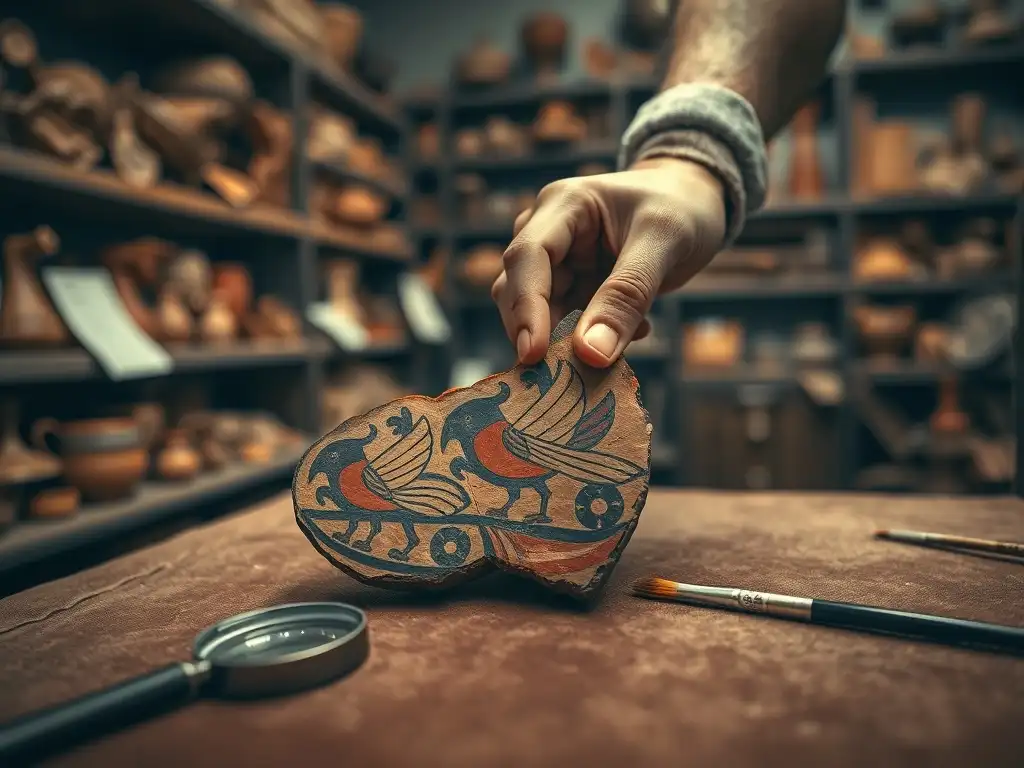
The preservation of fragile Nazca pottery and textiles presents unique challenges due to the arid climate of the region, the materials used, and the age of the artifacts. Effective conservation requires a multifaceted approach, combining careful cleaning, meticulous repair, and preventative measures to ensure these irreplaceable pieces of history endure for future generations. This section delves into the specific methods employed in Nazca pottery conservation, highlighting the complexities and delicate nature of the work.
Understanding these techniques is crucial to appreciating the dedication and expertise involved in safeguarding this invaluable cultural heritage. The focus on appropriate Nazca pottery conservation methods is paramount to preventing further deterioration.
Cleaning Techniques for Nazca Ceramics
The initial stage of Nazca pottery conservation involves a careful and controlled cleaning process. The goal is to remove accumulated dirt, grime, and any surface deposits without causing damage to the fragile ceramic surface. This process requires a delicate touch and a deep understanding of the materials.
Removing Surface Dirt and Debris
Surface dirt and debris are often removed using soft brushes, such as sable hair brushes, and carefully applied compressed air. The choice of brush depends on the texture and fragility of the pottery. For particularly delicate pieces, extremely gentle techniques, such as the use of micro-brushes, may be necessary. In some cases, low-pressure water jets may be utilized, but only with extreme caution and after careful assessment of the pottery's condition.
The use of chemical solvents is generally avoided due to the potential for damage to the original pigments and the underlying ceramic material. Precise documentation of each cleaning step is essential to track the process and assess its effectiveness. This meticulous approach, focusing on minimal intervention, is key to successful Nazca pottery conservation.
Stabilizing Loose Fragments of Pottery
Before any attempt at reconstruction, loose fragments must be stabilized to prevent further deterioration and loss. This often involves the careful consolidation of powdery or friable areas using appropriate consolidants. These consolidants, usually acrylic resins or similar materials, are applied in a controlled manner to bind the loose particles together, strengthening the overall structure of the fragment. The selection of the consolidant is crucial and depends on several factors, including the type of ceramic material, the extent of damage, and the presence of any original pigments.
The application process usually involves the use of fine brushes or syringes to ensure even distribution and prevent excessive build-up. The goal is to strengthen the fragment without altering its appearance or compromising its integrity. This step is critical in preparing the pottery for subsequent repair and reconstruction efforts, ensuring the long-term preservation of these incredibly fragile artifacts.
Repairing Damaged Nazca Pottery
Repairing damaged Nazca pottery requires specialized knowledge and skill. The aim is to restore the pottery to its original form, as far as possible, while ensuring the repairs are reversible and do not compromise the integrity of the original artifact.
Adhesives and Fillers Used in Ceramic Restoration
A variety of adhesives and fillers are employed in the restoration of damaged Nazca pottery. The choice of adhesive depends on the type of break and the material of the pottery. Common adhesives include Paraloid B-72, a reversible acrylic resin, and other compatible synthetic resins. These are chosen for their strength, reversibility (allowing for future removal if necessary), and minimal impact on the original material.
Fillers, such as finely ground clay matching the original pottery's composition, are used to fill gaps and losses in the pottery. The application of both adhesive and filler requires extreme precision to ensure a seamless and invisible repair. Each step is carefully documented, often with photographic records, to track the repair process and understand the materials used. The preservation of the original artifact is the ultimate goal, and all interventions are designed to minimize any alteration of the original piece.
Reconstructing Broken Nazca Vessels
Reconstructing broken Nazca vessels is a particularly challenging task requiring patience, skill, and a deep understanding of the pottery's structure. The process begins with careful cleaning and stabilization of each fragment. Then, the fragments are meticulously fitted together, often using a combination of adhesives and supports.
Small fragments may need to be carefully consolidated before being rejoined. The use of jigs or custom-made supports can aid in aligning fragments and maintaining their position during the drying process. Once the reconstruction is complete, any remaining gaps may be filled using appropriate fillers, ensuring a stable and visually appealing repair.
The entire process is painstaking and time-consuming, underscoring the importance of preventative measures to minimize the need for extensive repairs. The final outcome should be a structurally sound and aesthetically pleasing reconstruction, preserving as much of the original artifact as possible. This approach prioritizes the preservation of the cultural significance of Nazca pottery, ensuring its continued study and appreciation.
Preventive Conservation for Nazca Pottery
Preventive conservation focuses on minimizing further deterioration of Nazca pottery by controlling its environment and handling. This proactive approach is crucial, as it's often more cost-effective and less invasive than restorative treatments. The goal is to maintain the pottery's current state and slow down the aging process. This involves a multi-pronged strategy encompassing several key areas. Careful handling and storage are paramount, minimizing the risk of physical damage from accidental drops or impacts. We'll explore these crucial aspects in detail below.
Implementing Optimal Storage Conditions
Optimal storage conditions are paramount for the long-term preservation of Nazca pottery. This involves controlling temperature, humidity, and light exposure. Fluctuations in temperature and humidity can cause significant stress on the fragile pottery, leading to cracking, flaking, and even disintegration. Ideal storage conditions generally involve a relatively stable temperature between 68-72°F (20-22°C) and a humidity level of around 50%.
The storage environment must also be free from pollutants such as dust, smoke, and corrosive gases which can accelerate deterioration. Individual pieces should be stored in acid-free boxes or archival-quality containers, ideally separated by acid-free tissue paper to prevent abrasion. The use of climate-controlled storage facilities is highly recommended, particularly for larger collections or highly valuable pieces.
Regular monitoring of environmental conditions within the storage area is essential to ensure that these optimal parameters are consistently maintained. Failure to do so could lead to irreversible damage. The implementation of a robust environmental monitoring system, including temperature and humidity sensors, is a critical aspect of long-term preservation strategies.
Monitoring Environmental Impact on Nazca Artifacts
Monitoring the environmental impact on Nazca artifacts is crucial for effective preventive conservation. This involves regular checks of temperature, humidity, and light levels within the storage and display areas. Changes in these parameters can directly affect the condition of the pottery, leading to potential damage. For instance, excessive humidity can encourage the growth of mold and fungi, while fluctuations in temperature can cause stress fractures.
Similarly, prolonged exposure to strong ultraviolet (UV) light can cause fading of pigments and deterioration of the clay itself. Advanced monitoring systems can provide continuous data logging, allowing for proactive adjustments to the storage environment. This data can also be used to identify potential problems early on, preventing major damage. Regular visual inspections of the pottery are also necessary, looking for signs of deterioration, such as cracking, flaking, or discoloration.
Detailed documentation of these observations, including photographs and written notes, helps to track changes over time and assess the effectiveness of conservation measures. This systematic monitoring process allows conservators to make informed decisions and implement appropriate interventions to mitigate environmental risks and ensure the long-term preservation of these invaluable artifacts. The use of specialized software for data analysis can further enhance the effectiveness of this monitoring strategy.
Nazca Textile Conservation Methods
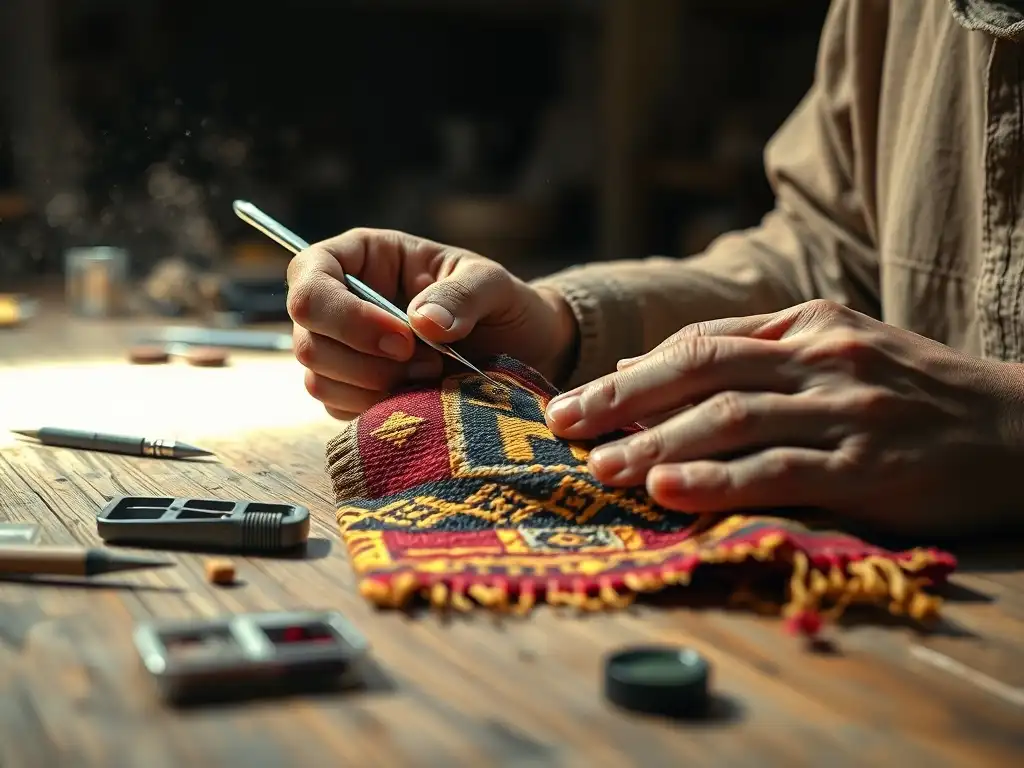
The preservation of Nazca textiles presents unique challenges due to the fragility of the materials and the effects of time and environmental exposure. These intricate woven fabrics, often adorned with vibrant colors and complex designs, require specialized conservation methods to ensure their longevity. Effective Nazca pottery conservation methods often overlap with textile conservation, highlighting the interconnectedness of the archaeological discoveries. Understanding the specific techniques employed is crucial for safeguarding this invaluable cultural heritage.
Cleaning Techniques for Nazca Textiles
Careful cleaning is paramount in Nazca textile conservation. Aggressive methods can irreparably damage the delicate fibers. The process requires a delicate balance between removing accumulated dirt and preserving the original fabric structure.
Removing Dust and Surface Soil
Initial cleaning focuses on removing loose dust and surface soil. This is typically achieved using soft brushes, such as sable hair brushes, with gentle strokes following the direction of the weave. Vacuuming with a low-suction, specialized nozzle can also be employed, but only after a thorough assessment of the textile's stability. The goal is to minimize any potential abrasion or damage to the fibers. Extremely delicate textiles may only require careful removal of loose debris using a clean, soft, dry brush. Documentation of each cleaning step is essential, noting the methods used and any observations regarding the textile's condition.
Safe Washing and Cleaning Procedures
In some cases, a more thorough cleaning may be necessary. However, washing Nazca textiles is a high-risk procedure, only undertaken when absolutely necessary and by highly trained conservators. The choice of cleaning agent is critical.
Often, deionized water is used, sometimes with the addition of a very mild, pH-neutral detergent at extremely low concentrations. The washing process is usually carried out by immersion in a carefully controlled environment, with the textile supported to prevent stress on the fibers. Following the wash, the textile is carefully rinsed with deionized water and gently blotted, never rubbed, to remove excess moisture.
The entire process is meticulously documented, including the type and concentration of cleaning agents used, the duration of immersion, and any observations during and after the cleaning. Drying is also carefully controlled, often using a slow, controlled air-drying method to prevent shrinkage or warping. The entire process is a delicate balancing act; the preservation of the textile's integrity is paramount.
Repairing Damaged Nazca Textiles
Many Nazca textiles have suffered damage over centuries, resulting in tears, holes, and fragile areas. Repairing these damages requires specialized skills and techniques.
Mending Tears and Holes in Nazca Fabrics
Mending tears and holes is a complex process that demands precision and patience. Conservators often use techniques such as patching or infilling. Patches are made from materials that are as close as possible to the original fabric in terms of fiber type, color, and weave structure. These patches are carefully sewn onto the damaged area using extremely fine needles and strong but flexible threads.
Infilling, on the other hand, involves filling small holes with a material that stabilizes the fabric without being visually obtrusive. The choice of infill material depends on the nature of the damage and the textile itself. The goal is to strengthen the weakened areas without obscuring the original design or altering the textile's appearance. The entire process emphasizes minimal intervention, focusing on stabilizing the damaged areas rather than creating a visually perfect repair.
Stabilizing Fragile Areas of Textiles
Many Nazca textiles show signs of significant fragility, particularly in areas where the fibers have weakened over time. The goal of stabilization is to prevent further deterioration and loss of material. This often involves the application of consolidants, which are special adhesives that strengthen the fibers without altering their appearance or flexibility.
The selection of a suitable consolidant requires careful consideration, as some consolidants can cause discoloration or damage the fibers over time. The application of the consolidant is usually a delicate process, often done using fine brushes or syringes, ensuring even coverage and avoiding pooling or excessive build-up. The consolidated areas are then allowed to dry slowly in a controlled environment.
Regular monitoring is crucial to assess the effectiveness of the treatment and to detect any potential adverse effects. This meticulous approach ensures the long-term preservation of these invaluable artifacts, allowing future generations to appreciate the artistry and cultural significance of Nazca textiles.
Preventive Conservation for Nazca Textiles
Preventive conservation of Nazca textiles focuses on minimizing further deterioration before any active intervention is necessary. This proactive approach is crucial because these ancient textiles are incredibly fragile, susceptible to damage from a multitude of environmental factors and handling. The goal is to create a stable environment that slows down or halts the degradation processes, extending the lifespan of these invaluable artifacts. This strategy often proves more effective and cost-efficient in the long run than constant restorative treatments.
Careful planning and consistent monitoring are key to successful preventive conservation. We must remember that even seemingly minor environmental changes can have significant cumulative effects over time. For instance, fluctuations in temperature and humidity can cause the fibers to expand and contract, leading to weakening and breakage. Similarly, exposure to light, even low levels, can cause fading and discoloration.
Using Appropriate Storage Materials
The choice of storage materials is paramount in protecting Nazca textiles from further damage. Materials must be inert, meaning they won't react chemically with the textiles and cause deterioration. Acid-free materials are essential; paper, cardboard, and boxes should be specifically designed for archival purposes, ensuring they are pH-neutral. Textiles should ideally be stored individually, ideally in acid-free tissue paper envelopes, to prevent abrasion and fiber-to-fiber damage.
The use of cotton or linen textiles for wrapping is also acceptable, provided they are clean and appropriately treated. Furthermore, the storage containers themselves must provide protection against pests, such as insects and rodents, which can cause irreparable damage by feeding on the fibers. Therefore, airtight, sealed containers are generally preferred.
Regular inspection of the stored textiles and their containers is crucial to identify potential problems early on and prevent further damage. This may include checking for signs of pest infestation, mold growth, or changes in the textiles' condition. Documentation of these inspections is vital for long-term monitoring and understanding the impact of the storage environment on the artifacts.
Controlling Light Exposure and Humidity
Light exposure is a major threat to the longevity of Nazca textiles. Ultraviolet (UV) radiation, in particular, causes significant fading and weakening of the fibers. Therefore, textiles should be stored in dark or dimly lit areas, ideally with UV-filtering glass or coverings. The ideal level of light exposure is minimal; prolonged exposure to even low levels of light can still cause cumulative damage. Regular monitoring of the light levels is recommended.
Humidity control is equally important. Excessive humidity can lead to mold growth, while low humidity can cause the fibers to become brittle and prone to breakage. Maintaining a stable relative humidity (RH) level, typically between 40% and 50%, is crucial. The use of climate-controlled storage facilities is ideal, but in cases where this is not feasible, the use of humidity-control devices or careful placement within the storage environment can help mitigate the risks.
Regular monitoring of temperature and humidity levels using reliable instruments is necessary to ensure the stability of the storage environment. The data collected should be meticulously documented to track environmental conditions over time and to assess the effectiveness of the conservation strategy. This meticulous approach ensures the long-term preservation of these irreplaceable cultural treasures.
Case Studies in Nazca Artifact Conservation
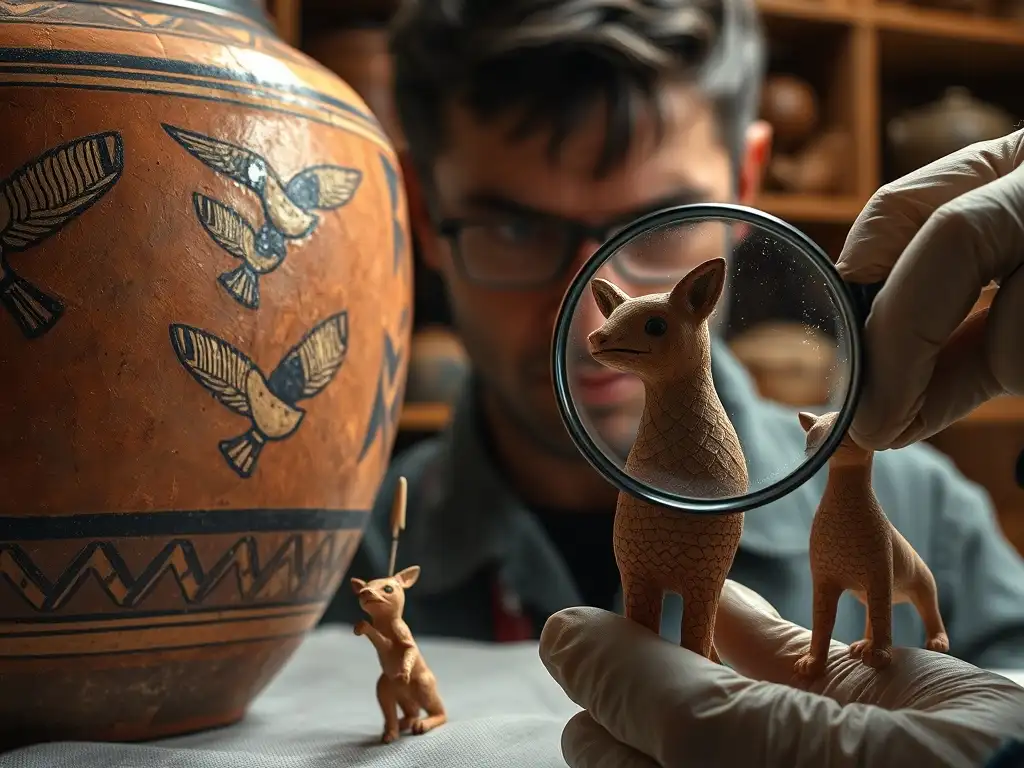
This section details specific examples of successful Nazca pottery and textile conservation, showcasing the techniques and challenges involved in preserving these fragile artifacts for future generations. Understanding these case studies provides crucial insights into the complexities of Nazca pottery conservation methods and the importance of adopting best practices. The examples presented highlight the need for meticulous attention to detail and the ongoing evolution of conservation science in this field.
The Conservation of a Nazca Polychrome Bowl
This case study focuses on the conservation of a fragmented Nazca polychrome bowl, a significant example of Nazca artistic skill. The bowl, discovered in a poorly preserved state, presented numerous challenges related to its reconstruction and long-term preservation. Its vibrant polychrome decoration, typical of Nazca artistic expression, was particularly vulnerable to further deterioration.
The Challenges of Reconstructing Fragmented Ceramics
The bowl arrived in the conservation lab in numerous fragments, some extremely small and delicate. Many pieces exhibited significant losses due to past damage and weathering. The challenge lay not only in physically reassembling the pieces but also in ensuring the structural integrity of the reconstructed artifact. Careful documentation, including detailed photography and 3D scanning, was vital for planning the reconstruction process. This meticulous approach is crucial for effective Nazca pottery conservation methods. The fragility of the ceramic material, exacerbated by age and environmental exposure, required the use of specialized tools and techniques.
The Use of Paraloid B-72 Adhesive in Reconstruction
Paraloid B-72, a commonly used acrylic resin adhesive in artifact conservation, proved invaluable in this case. Its properties, including its reversibility and compatibility with ceramic materials, made it the ideal choice for joining the fragmented pieces. The adhesive was carefully applied in small amounts, ensuring that it did not penetrate the surface of the pottery and affect its visual appeal.
The application process was slow and meticulous, requiring patience and precision to avoid damaging the already fragile fragments. The success of this stage hinged on the conservator's expertise in handling delicate materials and their understanding of the adhesive's properties within the context of Nazca pottery conservation methods.
The Successful Reassembly and Stabilization of the Bowl
After painstaking reassembly, the bowl was consolidated to enhance its structural stability. This involved the careful application of a consolidant to strengthen the weakened ceramic material. The entire process demanded a combination of technical skill, artistic sensibility, and a deep understanding of Nazca pottery conservation methods. The final result was a successfully stabilized and reconstructed bowl, preserving a significant piece of Nazca cultural heritage for future study and appreciation. The bowl now stands as a testament to the effectiveness of careful and informed conservation practices.
The Preservation of a Large Nazca Mantle
This case study focuses on the preservation of a large Nazca mantle, a significant example of Nazca textile production. The mantle, woven from fine cotton fibers and adorned with intricate designs, presented unique challenges related to its fragility and vulnerability to light and environmental factors.
The Challenges of Deterioration from Light Exposure
Light exposure is a major threat to the long-term preservation of textiles. The mantle's vibrant colors, characteristic of Nazca textile art, were particularly vulnerable to fading and degradation caused by UV radiation. The degradation process was visible as areas of color loss and weakening of the textile fibers. The challenge was to mitigate this damage while ensuring the continued accessibility of the artifact for research and display. This underscores the importance of implementing appropriate light management strategies in Nazca pottery conservation methods, though this example uses textiles.
The Use of Low-Light Display and Archival Storage
To address the light sensitivity, a multi-pronged approach was adopted. This included minimizing exposure to light during display by using low-intensity, filtered lighting. Furthermore, the mantle was stored in archival-quality conditions, shielded from light and environmental fluctuations, during periods when it wasn't on display. This strategy, a key element of Nazca pottery conservation methods (adapted for textiles), significantly reduces the rate of deterioration and helps maintain the mantle's visual integrity.
The Long-Term Preservation of the Textile's Vibrant Colors
The combination of controlled light exposure and archival storage proved highly effective in slowing the deterioration of the textile. Regular monitoring and condition assessments are crucial for ensuring the ongoing preservation of the mantle's vibrant colors and intricate designs. This ongoing preservation effort exemplifies the commitment to safeguarding Nazca cultural heritage using appropriate and effective Nazca pottery conservation methods (again, adapted for textiles). The mantle's preservation ensures that future generations can appreciate the artistry and technical skill of Nazca textile production.
The Future of Nazca Artifact Preservation
The preservation of fragile Nazca pottery and textiles presents ongoing challenges. However, advancements in scientific understanding and technological capabilities offer promising avenues for ensuring their longevity. The future of Nazca artifact preservation hinges on a multi-pronged approach, combining cutting-edge technology with responsible stewardship and community engagement.
Effective strategies will require significant investment and collaboration between researchers, museums, local communities, and government agencies. This will ensure the safeguarding of this irreplaceable cultural heritage for generations to come. The long-term goal is not simply to maintain the status quo, but to proactively enhance the preservation of these artifacts, mitigating the effects of time and environmental factors.
Advances in Conservation Technology
Significant strides are being made in the development and application of advanced conservation technologies for Nazca artifacts. These advancements offer more precise and less invasive methods for treating damaged pottery and textiles. For instance, the use of multispectral imaging allows for a detailed analysis of the artifacts without physically touching them, identifying areas of weakness or deterioration.
This non-invasive approach is crucial for fragile textiles, minimizing the risk of further damage. Furthermore, advanced materials science is contributing to the development of new, more stable adhesives and protective coatings that are specifically designed to be compatible with the unique chemical composition of Nazca materials. These coatings help to prevent further degradation caused by humidity, light exposure, and pollutants.
The application of laser cleaning techniques is also showing promise in the gentle removal of surface contaminants from pottery without causing damage to the underlying material. These technologies, while expensive, represent a significant shift towards a more proactive and sustainable approach to Nazca pottery conservation methods.
The Role of Cultural Institutions in Preservation
Museums and other cultural institutions play a pivotal role in the long-term preservation of Nazca artifacts. Their responsibilities extend beyond simply displaying these treasures; they must actively participate in their conservation and research. This involves investing in state-of-the-art facilities, employing skilled conservators, and collaborating with researchers to develop new and improved conservation techniques. Furthermore, these institutions must develop and implement rigorous preventative conservation strategies.
This includes maintaining stable environmental conditions within storage facilities, controlling humidity and temperature levels, and minimizing exposure to light and pollutants. Proper documentation and cataloging of artifacts are also crucial for effective long-term management. A comprehensive database detailing the condition, treatment history, and provenance of each artifact is essential for informed decision-making and future conservation efforts. Finally, cultural institutions are responsible for educating the public about the importance of Nazca heritage and the challenges involved in preserving it.
Public Awareness and the Importance of Nazca Heritage
Public awareness is paramount to successful Nazca pottery conservation methods. Educating the public about the significance of these artifacts and the threats they face is crucial for fostering a sense of responsibility and ownership. This can be achieved through various channels, including museum exhibitions, educational programs, and public outreach initiatives. By highlighting the cultural and historical value of Nazca pottery and textiles, we can inspire a greater appreciation for this unique heritage and encourage support for its preservation.
Furthermore, raising awareness about the challenges of conservation can help to mobilize support for funding research and improving conservation practices. The involvement of local communities is also essential. Engaging local populations in preservation efforts helps to foster a sense of pride in their cultural heritage and ensures that these artifacts are protected not just by experts, but by those who share a direct connection to them. Ultimately, the long-term success of Nazca artifact preservation depends on the collective commitment of researchers, institutions, and the public alike.
The preservation of Nazca heritage is not merely a matter of archiving the past; it is an investment in the future. This collaborative effort will ensure that future generations can continue to appreciate and learn from these remarkable achievements of Andean civilization. The ongoing study and application of Nazca pottery conservation methods are vital to this endeavor.
Conclusion: Ensuring the Longevity of Nazca Art
The preservation of Nazca pottery and textiles is not merely a matter of maintaining artifacts; it's about safeguarding a vital part of human history and cultural heritage. The fragility of these objects, coupled with the challenges posed by environmental factors and the passage of time, necessitates a multifaceted approach to conservation. Successful long-term preservation requires a commitment to ongoing research, the development of innovative conservation techniques, and international collaboration.
This collaborative effort should include archaeologists, conservators, scientists, and local communities—all stakeholders invested in the future of Nazca cultural heritage. Only through a holistic strategy that combines scientific rigor with a deep respect for cultural significance can we ensure the longevity of this extraordinary artistic legacy for generations to come. The meticulous work undertaken today will directly impact the ability of future generations to appreciate and learn from the artistry and ingenuity of the Nazca people.
Failure to prioritize these efforts risks the irreversible loss of invaluable knowledge and aesthetic beauty. Therefore, continued investment in research, training, and the implementation of best practices in Nazca pottery and textile conservation is not just advisable, but absolutely crucial. The legacy of the Nazca civilization deserves nothing less.
Frequently Asked Questions
What are the biggest challenges in conserving Nazca pottery?
The biggest challenges include environmental factors like humidity and temperature fluctuations, which can cause cracking and deterioration. Biological factors, such as insect infestation and fungal growth, also pose significant threats.
What materials are used in the conservation of Nazca artifacts?
Conservators often utilize specialized adhesives for mending broken pieces and consolidation materials to strengthen weakened areas. Protective coatings are also applied to help prevent further damage.
How do conservators clean Nazca pottery?
Cleaning is a delicate process, often involving gentle brushing to remove loose dirt and debris. Specialized cleaning solutions are sometimes used, but only after careful testing to avoid damaging the artifact's surface.
What are some preventative measures for preserving Nazca pottery?
Proper storage conditions are crucial, maintaining stable temperature and humidity levels. Minimizing handling and using protective display cases are also vital preventative measures.
Where can I learn more about Nazca pottery conservation methods?
You can explore academic journals focusing on archaeology and conservation science. Many museums with Nazca collections also offer information on their conservation practices and research.
Final Reflection: Echoes of a Lost Civilization, Whispers of a Future Preserved
The meticulous preservation of Nazca pottery and textiles isn't merely an academic pursuit; it's a vital act of cultural stewardship, ensuring that the voices of a vanished civilization continue to resonate across millennia. The fragility of these artifacts, coupled with the relentless march of time and the damaging effects of environmental factors, necessitates a constant vigilance and innovative approach to conservation. Without dedicated efforts, these irreplaceable treasures would be lost forever, silencing a rich tapestry of human history and artistic expression.
The enduring power of Nazca artistry continues to captivate and inspire, shaping our understanding of ancient Andean societies and their complex relationship with the natural world. Their intricate designs and vibrant colors speak to a sophisticated culture, a testament to human ingenuity and creativity. The past is never dead. It's not even past,
wrote William Faulkner, and this rings profoundly true when considering the ongoing relevance of Nazca artifacts. Their preservation allows us to connect with a past that informs our present and shapes our future, fostering a deeper appreciation for the diverse expressions of human civilization.
Consider the legacy you wish to leave behind. What steps can you take, in your own sphere of influence, to protect and preserve the cultural heritage that surrounds you? Let the dedication to conserving Nazca pottery and textiles serve as a powerful example, inspiring you to champion the preservation of your own community's history and artistic treasures. By actively engaging in the preservation of our shared past, we ensure that future generations can learn from, be inspired by, and connect with the rich tapestry of human experience.
Embrace Your Heritage: Take Action for Nazca Conservation!
Thank you for exploring the rich tapestry of Nazca culture with us. Your engagement deepens your understanding of this fascinating civilization and underscores the vital importance of preserving its legacy for future generations. Now, let's translate that appreciation into action!
- **Support conservation efforts** by volunteering with or donating to local organizations dedicated to protecting Nazca artifacts and sites. Consider contributing your time or resources to help preserve this invaluable heritage.
- **Share your enthusiasm**—discuss the beauty and significance of Nazca art and its cultural context with friends, family, and online communities. Inspire others to learn about and appreciate this remarkable civilization.
- **Immerse yourself further** by visiting museums and exhibitions that showcase Nazca art and textiles. These experiences offer a deeper connection to the vibrant history and artistry of this ancient culture.
What steps will you take to help ensure the enduring legacy of Nazca culture?