
Nazca Art: Decoding Symbolic Meanings in Ceramics and Textiles

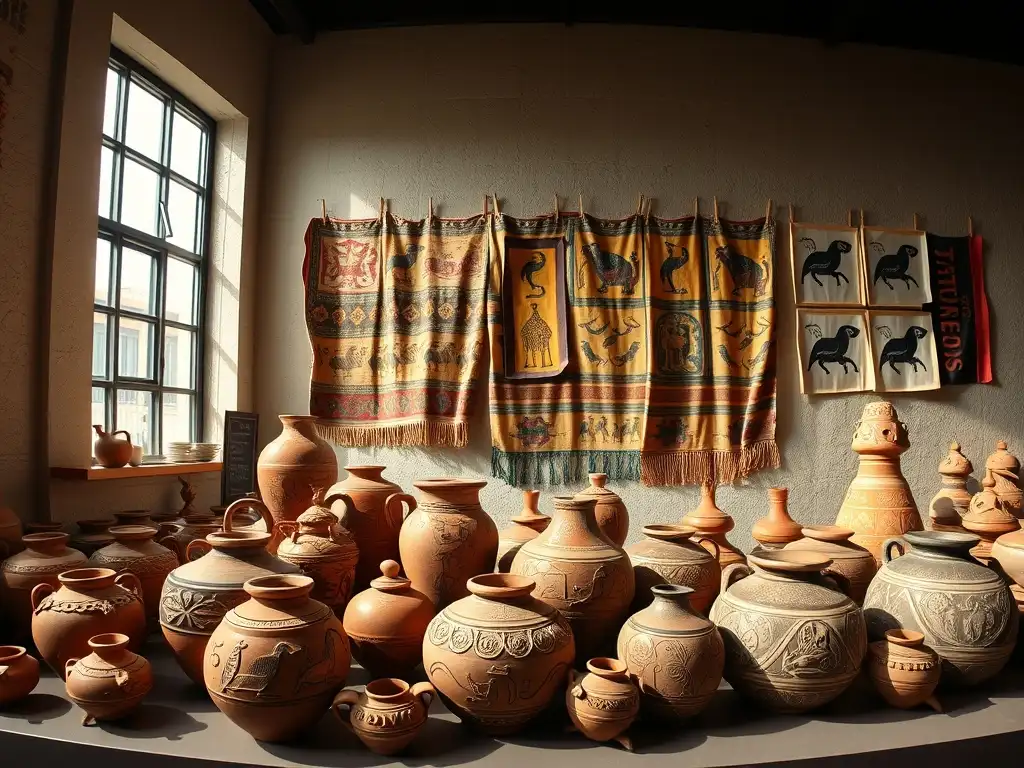
Step into a world lost to time, yet whispering secrets through vibrant hues and intricate designs. Dive into the captivating realm of Andean civilizations, where the echoes of the Incas, Moche, and Nazca still resonate. But what stories do the enigmatic symbols etched onto Nazca pottery truly tell? Uncover the hidden meanings behind this ancient art form and unlock the mysteries of the Nazca pottery symbolic meaning in our exploration of Nazca culture. Prepare to be amazed.
The Nazca civilization, flourishing along Peru's southern coast between 100 BCE and 800 CE, left behind a remarkable legacy of intricate art, particularly in their ceramics and textiles. These artifacts aren't merely aesthetically pleasing; they serve as invaluable windows into the Nazca worldview, beliefs, and social structures.
This article delves into the symbolic meanings embedded within Nazca pottery and textiles, exploring the rich iconography and motifs that offer insights into their complex culture. Understanding the symbolism within these artifacts allows us to move beyond simply appreciating their beauty and to engage with the profound spiritual and social significance they held for the Nazca people.
We will explore the diverse forms of their ceramic vessels, analyze recurring iconographic motifs, and ultimately attempt to interpret the symbolic meanings behind these captivating designs, providing a clearer understanding of the "Nazca pottery symbolic meaning". This exploration will unveil a fascinating glimpse into the beliefs and practices of this enigmatic civilization.
Introduction to Nazca Art and its Significance
Nazca art is renowned for its exceptional craftsmanship and vibrant colors. Unlike many other ancient Andean cultures, Nazca artists employed a sophisticated polychrome painting technique, resulting in stunningly detailed and richly colored ceramics and textiles. These weren't simply decorative items; they played crucial roles in religious rituals, social interactions, and daily life. The meticulous detail and symbolic complexity embedded within these artifacts point to a highly developed artistic tradition deeply interwoven with the Nazca people's spiritual and social fabric.
The symbolic language employed in Nazca art offers a unique perspective on their cosmology, their relationship with the environment, and their social hierarchy. Understanding this symbolic language is key to understanding the Nazca civilization itself. The intricate designs found on Nazca pottery, for example, often depict deities, mythical creatures, and scenes from daily life, all contributing to a complex tapestry of meaning.
Nazca Pottery: Unveiling Symbolic Meanings
Nazca pottery stands out for its exceptional quality and the intricate detail of its designs. The use of vibrant colors, often incorporating up to ten different hues, is a hallmark of their artistic style. These colors were derived from natural pigments, meticulously ground and mixed to achieve the desired shades.
The pottery itself was typically made from fine clay, carefully shaped and then painted with incredible precision. The pieces range from simple utilitarian vessels to elaborately decorated ceremonial objects, each with its own unique symbolic significance. The sheer variety of forms and designs reflects the complexity of Nazca society and their rich spiritual beliefs.
The Diverse Forms of Nazca Ceramic Vessels
Nazca potters crafted a wide array of vessels, each serving a specific purpose and often reflecting its function through its form and decoration. These included:
- Stirrup-spouted vessels: These iconic vessels, characterized by their distinctive stirrup-shaped spouts, were used for various purposes, from storing liquids to participating in rituals. The designs on these vessels often featured elaborate scenes and figures.
- Beaker-shaped vessels: Simpler in form, these vessels were likely used for everyday purposes, though some were also decorated with intricate designs.
- Globular jars: These large jars, often undecorated or featuring simpler designs, were probably used for storage.
- Small effigy vessels: These vessels were shaped to resemble human figures, animals, or mythical beings, highlighting their symbolic importance.
The variety in shapes and sizes demonstrates the versatility of Nazca pottery and its integral role in various aspects of their lives.
Iconography and Motifs in Nazca Pottery
The iconography of Nazca pottery is remarkably diverse and complex. Recurring motifs include:
- Mythical creatures: Many vessels depict fantastical beings, possibly representing deities or spirits. These often combine features of different animals, creating hybrid forms with symbolic meaning.
- Human figures: Representations of humans, often engaged in activities like dancing or ritual ceremonies, are frequently found. The clothing, posture, and accompanying objects provide clues about social status and roles.
- Geometric patterns: Complex geometric designs, often arranged in intricate patterns, adorn many vessels. The precise meaning of these patterns remains a subject of ongoing research, but they likely held significant symbolic weight.
- Plant and animal motifs: Depictions of plants and animals, such as birds, monkeys, and cacti, likely reflect the importance of the natural world to the Nazca people and their relationship with their environment.
The combination and arrangement of these motifs create complex narratives and symbolic layers within each piece.
Interpreting the Symbolic Meaning of Nazca Pottery Designs
Interpreting the symbolic meaning of Nazca pottery designs requires a multidisciplinary approach, combining art historical analysis with anthropological and archaeological insights. While definitive interpretations remain elusive for many designs, scholars have made significant progress in understanding some recurring themes. For example, certain creatures may represent deities associated with specific natural forces or agricultural cycles. Geometric patterns might symbolize cosmological concepts or social structures.
The careful study of these designs allows us to piece together a clearer picture of the Nazca worldview and their spiritual beliefs. Further research, combining advanced imaging techniques with ethnographic studies, is crucial to continue unlocking the secrets held within these remarkable artifacts. The ongoing efforts to understand the "Nazca pottery symbolic meaning" promise to reveal even more about this fascinating culture.
Nazca Textiles: Woven Stories and Symbolic Language
Nazca textiles represent a remarkable achievement in ancient Andean artistry, rivaling the sophistication and symbolic richness of their famed pottery. These textiles, often fragments discovered in burial contexts, offer invaluable insights into Nazca worldview, social structures, and religious practices. The vibrant colors, intricate designs, and the sheer technical skill involved in their creation speak volumes about the advanced textile traditions of the Nazca culture.
Unlike the pottery, which often depicts narrative scenes, the textiles frequently employ abstract motifs and geometric patterns that, though initially enigmatic, have yielded significant interpretations through careful study and comparison with other archaeological findings. The preservation of these textiles, often found in arid desert conditions, has allowed researchers to analyze their composition, techniques, and symbolic meaning in unprecedented detail, revealing a fascinating tapestry of cultural expression.
The fragility of the textiles, however, necessitates careful conservation efforts to preserve this irreplaceable record of Nazca artistry for future generations. Many researchers believe that the textiles, due to their intimate connection with personal adornment and burial rituals, offer a more intimate and personal glimpse into Nazca society than the more public-facing pottery.
The Techniques and Materials of Nazca Textile Production
The production of Nazca textiles involved a complex process requiring considerable skill and expertise. The primary materials included cotton, camelid fibers (such as alpaca and llama), and various plant dyes derived from local flora. The dyes were meticulously prepared and applied using techniques that ensured their vibrancy and longevity, a testament to the Nazca people's understanding of natural pigments and their ability to create fast colors.
Weaving techniques varied depending on the intended use and the desired effect. Simple plain weave was used for everyday items, while more complex techniques like tapestry weaving, brocade, and gauze were employed for finer garments and ceremonial textiles. Evidence suggests the use of specialized tools, including spindles, looms, and various types of needles, all indicative of a well-established and organized textile industry.
The precision and complexity of the designs found on many Nazca textiles point to a high level of specialization within the craft, with individual weavers likely possessing distinct expertise and possibly working within a hierarchical system of production. Further research into the specific tools and techniques is needed to fully understand the level of skill involved in the creation of these exquisite works.
Symbolic Motifs and Patterns in Nazca Textiles
The symbolic motifs and patterns found in Nazca textiles are remarkably diverse and rich in meaning. Common motifs include stylized representations of animals (such as birds, felines, and reptiles), geometric designs (such as triangles, zigzags, and stepped patterns), and anthropomorphic figures. These motifs are not randomly arranged but are carefully placed within the textile's overall composition, often creating complex and layered narratives.
Many scholars believe that these patterns encoded information about social status, religious beliefs, and cosmological concepts. For instance, certain animal motifs might represent clan affiliations or shamanistic powers, while geometric patterns could symbolize astronomical events or agricultural cycles. The interpretation of these motifs remains an ongoing process of scholarly debate, with new discoveries and analyses continually refining our understanding of their significance.
Detailed studies comparing textile motifs with those found in Nazca pottery and other artifacts are crucial for a holistic interpretation of their symbolic language. The development of a comprehensive iconographic dictionary for Nazca textiles would greatly aid future research in this area.
The Role of Textiles in Nazca Society and Rituals
Nazca textiles played a multifaceted role in Nazca society, extending beyond their utilitarian function as clothing and household items. Textiles were integral to religious rituals and ceremonies, serving as offerings to deities, used in funerary practices, and worn by shamans and other important figures. The elaborate designs and high-quality materials found in many textiles suggest that they held significant symbolic and social value.
The presence of textiles in elite burials highlights their importance as markers of social status and power. The textiles found in tombs often accompanied other precious artifacts, reinforcing their role as objects of ritual significance. The use of textiles in funerary contexts suggests that they served as a means of ensuring a successful transition to the afterlife, providing the deceased with necessary garments and symbolic protection.
Furthermore, the diversity of textile types and designs indicates a complex social organization, with different groups possibly specializing in the production of certain types of textiles for specific purposes. Further analysis of burial contexts and associated artifacts is needed to fully elucidate the role of textiles in Nazca ritual practices.
The comparison of Nazca pottery and textiles reveals both striking similarities and intriguing contrasts in their symbolic expression. While distinct in medium and production techniques, both art forms share a common visual language, suggesting a shared cultural understanding of symbolism and representation. This shared language helps researchers decipher the complex narratives embedded within each medium. Analyzing both pottery and textiles together provides a more complete picture of Nazca beliefs and practices.
Similarities in Iconography Across Different Art Forms
A significant overlap exists in the iconography found on both Nazca pottery and textiles. Many of the animal and plant motifs, as well as geometric patterns, appear in both art forms, suggesting a consistent symbolic system across different media. For example, the stylized representations of birds, often depicted in flight, appear frequently on both pottery and textiles, likely representing spiritual or shamanistic concepts.
Similarly, feline imagery, often associated with power and predation, is found in both contexts, perhaps indicating a similar social or religious significance across the two media. The recurrence of these motifs across different media underscores their importance within the Nazca worldview. Further comparative analysis is needed to identify the full range of shared symbolic motifs and their variations across pottery and textiles.
Contrasts in Medium and Symbolic Expression
Despite shared iconography, Nazca pottery and textiles exhibit distinct differences in their symbolic expression. Pottery often depicts narrative scenes, providing more direct representations of events or myths. In contrast, textiles more frequently employ abstract motifs and geometric patterns, potentially encoding information in a more symbolic and less literal manner. The difference in medium also influences the scale and detail of the imagery.
Pottery allows for larger-scale representations with greater detail, while textiles often rely on smaller, more intricate designs. These differences may reflect distinct social or ritual contexts for each art form. Pottery might have served as a more public medium for expressing narratives and beliefs, while textiles might have functioned as more personal or intimate forms of symbolic expression. The relationship between the two art forms, therefore, is far from simple, representing a complex interplay of public and private symbolic expressions within Nazca society.
The Connection between Nazca Art and Nazca Society
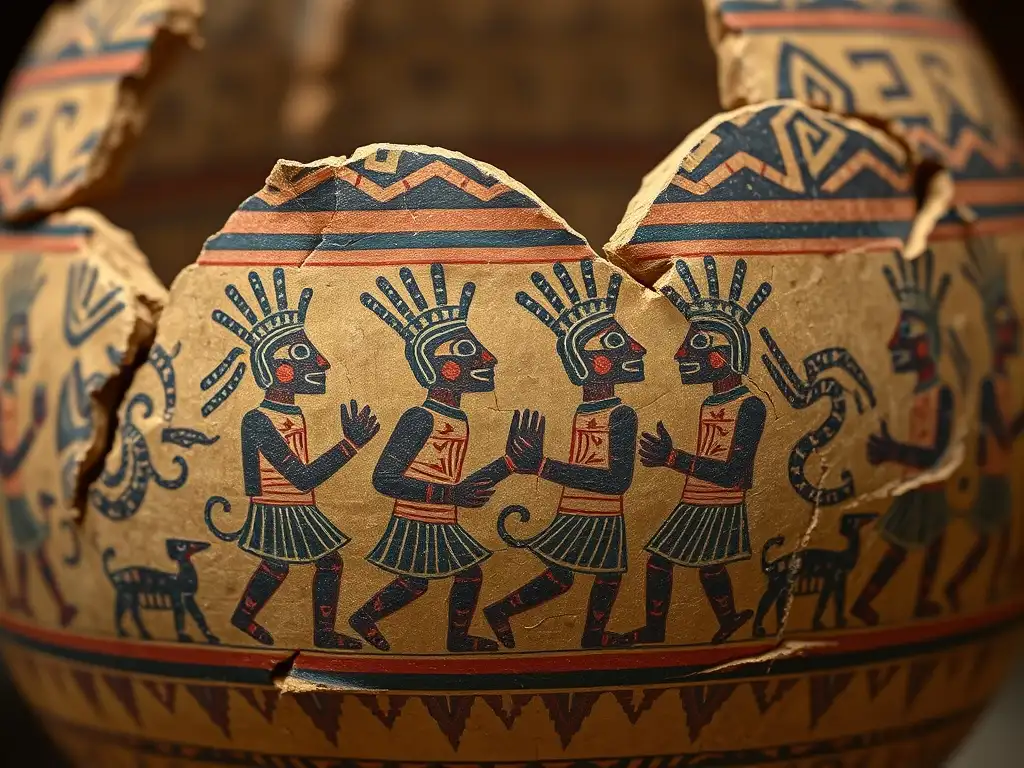
The vibrant and intricate art of the Nazca civilization wasn't merely decorative; it served as a powerful reflection of their society, beliefs, and daily life. Analyzing Nazca pottery, textiles, and other artistic expressions reveals a complex interplay between artistic production and social structures. The meticulous detail and consistent stylistic elements across numerous artifacts suggest a high degree of societal organization and specialized craftsmanship.
Pottery production, for instance, wasn't a haphazard activity but a carefully managed process, likely involving specialized workshops and a division of labor. The consistent themes and iconography found across different artistic mediums further underscore the importance of shared cultural values and beliefs within Nazca society. The widespread distribution of similar artistic motifs across different regions suggests a cohesive cultural identity that transcended geographical boundaries.
This interconnectedness, visible through art, points towards a sophisticated system of communication and social interaction within the Nazca civilization. The sheer volume of surviving artifacts also speaks to the scale of artistic production, indicating its significance within the broader social and economic fabric of Nazca life.
Art as a Reflection of Nazca Religious Beliefs
Nazca religious beliefs are profoundly intertwined with their artistic creations. Many ceramic vessels and textiles depict deities, mythical creatures, and scenes that appear to represent rituals or ceremonies. These representations offer valuable insights into the cosmology and spiritual practices of the Nazca people.
For example, the frequent depiction of anthropomorphic figures with exaggerated features, often associated with specific symbols, suggests a complex pantheon of gods and spirits. The presence of recurring motifs, such as stylized birds, feline figures, and geometric patterns, hints at the importance of these symbols within their religious system. The careful execution and placement of these symbols within the artwork suggest a deep understanding of their religious significance.
Furthermore, the use of specific colors and materials might have held ritualistic importance, further highlighting the connection between art and religious practice. Scholars continue to debate the precise meaning of many symbols, but the pervasiveness of religious imagery in Nazca art demonstrates its central role in their worldview.
Nazca Art and its Connection to Agriculture and Fertility
The arid coastal environment of the Nazca region necessitated sophisticated irrigation systems for successful agriculture. This dependence on agriculture is clearly reflected in their art. Many Nazca ceramics depict scenes of agricultural activities, such as planting, harvesting, and irrigation.
The frequent appearance of stylized plants, especially beans and maize, underlines the importance of these crops to their sustenance and economy. Furthermore, the depiction of animals, like camelids and birds, also connected to agriculture, suggests their role in supporting Nazca livelihoods. These depictions are not merely realistic representations but often stylized and symbolic, possibly relating to fertility rites and prayers for bountiful harvests.
The emphasis on fertility symbols, such as stylized flowers and sprouting plants, further reinforces the significance of agriculture in Nazca culture and its integration into their artistic expressions. The connection between art and agriculture showcases the deep understanding and reverence the Nazca had for the natural world and its impact on their survival.
The Social and Political Context of Nazca Art
Nazca art wasn't created in a vacuum; it was deeply influenced by the social and political structures of the time. While the exact nature of Nazca political organization remains debated, the consistency in artistic styles across vast geographical areas suggests a degree of centralized control or at least a shared cultural identity. The production of elaborate ceramic vessels and finely woven textiles likely involved specialized artisans, indicating a stratified society with distinct social roles.
The presence of elite burials containing lavish grave goods, including intricately decorated pottery and textiles, further supports the existence of a hierarchical social structure. The use of specific artistic motifs or styles might have been restricted to certain social groups, reflecting their status and power within the society.
Further research into the distribution of artistic artifacts and their contexts could shed more light on the relationship between Nazca art and social stratification and political power dynamics. Analyzing the iconography and styles found in different contexts – elite versus commoner burials, for example – could reveal further insights into this complex relationship.
Deciphering the Nazca Artistic Legacy
The remarkable artistic achievements of the Nazca civilization continue to fascinate and inspire researchers and art enthusiasts alike. Their legacy is not only visible in the surviving artifacts but also in their lasting influence on subsequent Andean cultures. The intricate techniques used in pottery and textile production, such as the use of negative space and polychromy, were refined and adapted by later cultures.
The stylistic elements and iconographic motifs found in Nazca art can be traced in the artistic traditions of later Andean societies, demonstrating a clear continuity and evolution of artistic practices. Understanding the Nazca artistic legacy requires a detailed study of their techniques, materials, and stylistic conventions, as well as their impact on the development of Andean art throughout history. This involves comparing Nazca art with that of later cultures to identify points of continuity and divergence.
The Enduring Influence of Nazca Art on Later Andean Cultures
The impact of Nazca art extends far beyond its own time period. Many subsequent Andean cultures, including the Wari and Inca, drew inspiration from Nazca artistic styles and techniques. The use of polychrome pottery, for instance, a hallmark of Nazca art, continued to be a dominant feature in later ceramic traditions. Specific motifs, such as stylized birds and feline figures, also reappeared in the art of later cultures, suggesting the persistence of certain symbolic meanings and artistic conventions.
This enduring influence highlights the importance of Nazca art within the broader context of Andean artistic development. The adoption and adaptation of Nazca artistic elements by later cultures demonstrate the lasting cultural significance of their artistic achievements. Further research could reveal more specific examples of Nazca influence on later artistic traditions, including identifying the channels through which these artistic ideas were transmitted.
Modern Interpretations and Research on Nazca Art
Modern interpretations and research on Nazca art have greatly expanded our understanding of this fascinating civilization. Advances in archaeological techniques and analytical methods allow for more precise dating and analysis of artifacts. The use of scientific methods, such as chemical analysis of pigments and materials, has also shed light on the techniques employed by Nazca artisans. Furthermore, cross-cultural comparisons with other contemporary societies have provided valuable insights into the social and cultural context of Nazca art.
Ongoing research continues to refine our understanding of the symbolic meanings embedded within Nazca art, as well as their role within Nazca society. The development of new technologies and interdisciplinary approaches promises to further enhance our appreciation of this remarkable artistic legacy. The ongoing study of Nazca art remains an active and dynamic field of research, with new discoveries and interpretations constantly emerging.
The Importance of Preserving Nazca Artistic Heritage
The preservation of Nazca artistic heritage is crucial for understanding this significant civilization and its contribution to Andean culture. The fragility of many artifacts necessitates careful conservation efforts to protect them from deterioration. Furthermore, the protection of archaeological sites from looting and damage is essential for preserving the context in which these artifacts were created.
Educational initiatives aimed at raising awareness about the importance of Nazca art are also crucial for promoting its appreciation and ensuring its long-term preservation. These efforts are not only important for academic research but also for promoting cultural tourism and generating economic opportunities for local communities.
The preservation of Nazca art is a shared responsibility that requires collaborative efforts from researchers, government agencies, and local communities to ensure that this rich cultural heritage is protected for future generations. Sustainable tourism practices that minimize environmental impact and benefit local communities are also essential for the long-term preservation of Nazca archaeological sites and their artistic legacy.
Conclusion: The Enduring Power of Nazca Symbolic Art
The intricate artistry of Nazca ceramics and textiles, far from being mere decorative embellishments, served as powerful vehicles for communicating complex social, religious, and cosmological beliefs. By meticulously analyzing the recurring motifs—the stylized figures, geometric patterns, and zoomorphic representations—we gain invaluable insights into the worldview of this fascinating civilization. The vibrant colors, the precision of the execution, and the sheer abundance of surviving artifacts underscore the profound importance placed on these artistic expressions.
The enduring appeal of Nazca art lies not only in its aesthetic beauty but also in its capacity to transport us across millennia, allowing us to connect with the beliefs and values of a people who, despite their distance in time, still resonate with us today. The continued study and interpretation of Nazca pottery, with its rich symbolic meaning, promises to reveal even more about their sophisticated society and culture. Further research, especially incorporating interdisciplinary approaches with anthropology, archaeology, and art history, is crucial to unlock the remaining mysteries hidden within these breathtaking works of art.
The continued discovery of new artifacts and the application of advanced analytical techniques can only deepen our understanding of the profound significance of Nazca symbolic art. Ultimately, the legacy of Nazca art is a testament to the enduring human desire to create and communicate meaning through visual expression, a legacy that continues to inspire awe and wonder in viewers centuries later. The study of "Nazca pottery symbolic meaning" remains a vibrant field, constantly evolving with new discoveries and interpretations.
- Introduction to Nazca Art and its Significance
- Nazca Pottery: Unveiling Symbolic Meanings
- Nazca Textiles: Woven Stories and Symbolic Language
- Comparing Nazca Pottery and Textiles: Shared Symbolism
- The Connection between Nazca Art and Nazca Society
- Deciphering the Nazca Artistic Legacy
- Conclusion: The Enduring Power of Nazca Symbolic Art
Frequently Asked Questions
What is the significance of Nazca pottery?
Nazca pottery is incredibly important for understanding their culture. The vibrant colors and intricate designs on the pottery provide valuable insights into their beliefs, rituals, and daily life. It offers a direct window into their symbolic world.
What are the common symbols found in Nazca pottery?
Common symbols include stylized animals like birds, felines, and reptiles, as well as geometric patterns and anthropomorphic figures. These symbols often represent deities, mythical beings, or aspects of their worldview. Interpretations are ongoing and debated.
What is the symbolic meaning of the Nazca hummingbird in pottery?
The hummingbird, frequently depicted, is often interpreted as a symbol of speed, agility, and the power of the gods. It's associated with both the earthly and spiritual realms, embodying a connection between these two planes. Its symbolism is complex and multifaceted.
How did Nazca artists create their distinctive pottery styles?
Nazca artists used a unique slip-and-paint technique, employing multiple layers of paint to create intricate designs. They also perfected the use of natural pigments derived from minerals and plants, resulting in the vibrant colors that characterize their work.
Where can I learn more about the symbolic meaning of Nazca pottery?
Further research can be undertaken by exploring academic journals and museum collections focusing on Andean archaeology and Nazca culture. Many books delve into the subject, offering detailed analyses of Nazca iconography and its interpretations.
Final Reflection: Unraveling the Whispers of the Nazca
The intricate artistry of the Nazca people continues to resonate today, a testament to the enduring power of human expression and the enduring mysteries of a vanished civilization. Their ceramics and textiles, vibrant with symbolic imagery, offer a captivating glimpse into a worldview profoundly different from our own, yet surprisingly relevant to our contemporary understanding of storytelling, spirituality, and the human connection to the natural world. The enduring fascination with Nazca pottery, fueled by ongoing research and discoveries, ensures that their legacy remains a potent source of inspiration and scholarly debate.
The enduring impact of Nazca art lies not only in its aesthetic beauty but also in its capacity to challenge our assumptions about ancient cultures and their sophisticated understanding of the cosmos. Their symbolic language, woven into the fabric of their daily lives and expressed through their exquisite craftsmanship, speaks volumes about their social structures, religious beliefs, and intimate relationship with their arid environment. The art of the Nazca is not merely decoration; it is a visual language that speaks to the heart of their culture.
This quote encapsulates the profound significance of their artistic legacy, a legacy that continues to inspire artists, archaeologists, and anyone captivated by the mysteries of the past.
Consider the intricate designs, the vibrant colors, the sheer dedication to craft that went into each piece. What stories do these artifacts whisper to you? What parallels can you draw between the symbolic expressions of the Nazca and the ways we communicate meaning in our own lives?
I encourage you to delve deeper, to explore the wealth of resources available, and to engage with the enduring mystery and beauty of Nazca art. Let their legacy inspire you to find your own voice, to express your own unique story, and to appreciate the enduring power of human creativity across time and cultures.
Unveil the Rich Symbolism of Nazca Art Today!
Thank you for exploring the fascinating world of Nazca art with us! We hope you've discovered the profound meanings behind these stunning ceramics and textiles. Now, let's delve even deeper into this captivating aspect of Andean civilization.
Here are some ways to continue your exploration:
- Immerse yourself in the world of Nazca art by researching the motifs that intrigue you. Visit museums and galleries to experience these artworks firsthand.
- Share your passion with friends and family! Start a discussion, or share your insights on social media to inspire others to appreciate Nazca symbolism.
- Consider taking a workshop or online course focusing on Andean art techniques. You might even be inspired to create your own artwork based on Nazca designs!
What symbol or motif from Nazca art resonates most with you, and why? Share your thoughts in the comments below!