
The Power of Imagery: Animals and Mythological Creatures in Nazca Art

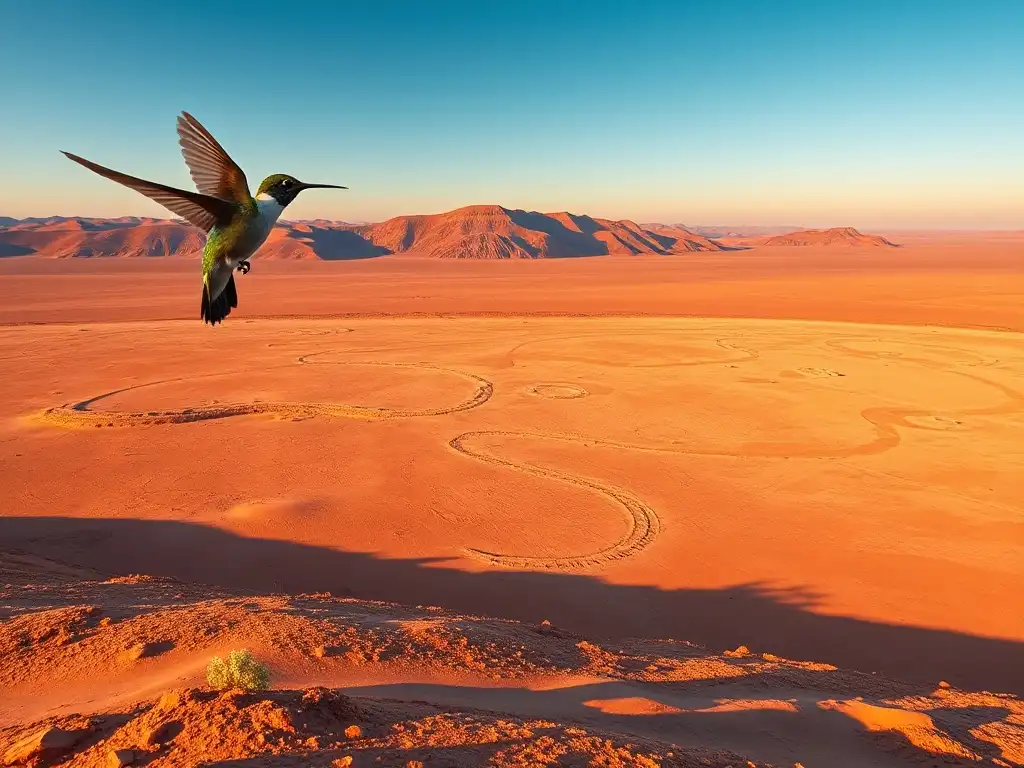
Step into a world lost to time, yet echoing with vibrant life. Imagine soaring over the Peruvian desert, witnessing the colossal figures of the Nazca Lines etched into the earth. This is the realm of the Andean civilizations, where mysterious artistry meets breathtaking innovation. But what secrets do the enigmatic animal imagery of Nazca art truly hold? Uncover the hidden meanings behind these powerful symbols and delve into the captivating world of Nazca art animal imagery meaning – your journey begins now.
The Nazca civilization, flourishing on the southern coast of Peru from approximately 100 BCE to 800 CE, left behind a legacy of breathtaking artistry. While their famed geoglyphs etched into the desert floor capture global attention, the intricate and vibrant imagery found on Nazca pottery and textiles offers a profound glimpse into their worldview, beliefs, and societal structures.
This article delves into the captivating world of Nazca art, specifically exploring the powerful symbolism embedded within their depictions of animals and mythological creatures. Understanding the meaning behind these images provides crucial insights into the complex religious and social life of this remarkable Andean culture, enriching our understanding of "Nazca art animal imagery meaning."
We will explore the diverse range of creatures represented, analyzing their possible interpretations and the techniques used to bring them to life on these enduring artifacts. The analysis will reveal how these seemingly simple representations are, in fact, complex expressions of a sophisticated cosmology.
The Dominant Fauna: Realism and Symbolism in Nazca Animal Depictions
Nazca pottery and textiles are teeming with representations of animals native to their environment. From the graceful flight of hummingbirds to the powerful presence of jaguars and the intricate details of marine life, these depictions are remarkably realistic, showcasing the artists' keen observational skills. However, the realism is not simply aesthetic; each animal holds symbolic significance within the Nazca worldview.
For example, the hummingbird, often depicted with vibrant colors and meticulous detail, might symbolize speed, agility, and the connection between the earthly and spiritual realms. Similarly, the jaguar, a powerful predator, could represent strength, authority, and perhaps even shamanic power. The meticulous rendering of marine creatures like fish and seabirds underscores the importance of the ocean to the Nazca economy and spiritual beliefs.
Detailed studies of these representations, comparing them across different artifacts, are crucial for a deeper understanding of their nuanced meanings. Further research is needed to fully uncover the subtle differences in representation that might indicate variations in social status or ritual contexts.
Mythological Creatures: Guardians and Guides in the Nazca Cosmos
Beyond the depiction of real-world animals, Nazca art features a fascinating array of hybrid and mythological creatures. These fantastical beings, often combining features of different animals or incorporating human-like elements, likely held significant roles in Nazca mythology and religious practices. One frequently encountered motif is a creature with the body of a feline and the head of a bird, possibly representing a powerful intermediary between the earthly and celestial realms.
Another recurring image is a two-headed serpent, a symbol that appears across various Andean cultures and likely relates to concepts of duality, fertility, and the cyclical nature of life and death. The complex iconography of these creatures suggests a rich tapestry of beliefs and rituals that are still being deciphered by scholars today.
Analyzing their stylistic variations across different pottery styles and textile techniques could shed further light on their evolving significance within Nazca society. The precise meaning of many of these creatures remains a subject of ongoing debate and research, highlighting the enduring mystery and complexity of Nazca art.
Artistic Techniques and Their Significance: More Than Just Decoration
The remarkable skill of Nazca artisans is evident not only in the imagery itself but also in the sophisticated techniques they employed. The vibrant colors achieved through the use of natural pigments, the precision of the lines, and the mastery of textile weaving all contribute to the power and impact of these artworks. The choice of colors, for example, might have held symbolic meaning, with certain hues associated with specific deities or rituals.
The intricate details in the textile weaving, often incorporating multiple colors and complex patterns, indicate a high level of skill and social organization within the Nazca communities. A detailed analysis of the techniques employed, combined with comparative studies of other Andean art forms, can provide valuable insights into the social structures, technological advancements, and artistic traditions of the Nazca civilization.
Understanding the artistry is just as important as understanding the imagery itself, for it reveals the depth of their cultural achievements. This further enhances our comprehension of "Nazca art animal imagery meaning," showing that the message is conveyed not only through the subject matter but also through the artistry itself.
Interpreting the Legacy: Nazca Art and its Enduring Influence
The enduring power of Nazca art lies in its ability to transport us across millennia, offering a glimpse into the beliefs, values, and daily life of a fascinating ancient culture. By studying the animal and mythological imagery found on their pottery and textiles, we gain a deeper appreciation for the complexity and sophistication of their worldview. The vibrant colors, intricate details, and symbolic power of these artifacts continue to inspire awe and wonder, reminding us of the rich cultural heritage of the Andean region.
The continuing research and interpretation of Nazca art offers a testament to the enduring legacy of this civilization and its contribution to our understanding of human creativity and spirituality. The ongoing decipherment of "Nazca art animal imagery meaning" will continue to reveal new layers of understanding about this captivating civilization.
- The Dominant Fauna: Realism and Symbolism in Nazca Animal Depictions
- Mythological Creatures: Guardians and Guides in the Nazca Cosmos
- Artistic Techniques and Their Significance: More Than Just Decoration
- Interpreting the Legacy: Nazca Art and its Enduring Influence
- What is the significance of animal imagery in Nazca art?
- Why are animals depicted in such detail in Nazca geoglyphs?
- What are some common animals featured in Nazca art?
- How did the Nazca people create such large-scale animal geoglyphs?
- What is the connection between Nazca animal imagery and their mythology?
Understanding Nazca Art and Its Symbolic Language
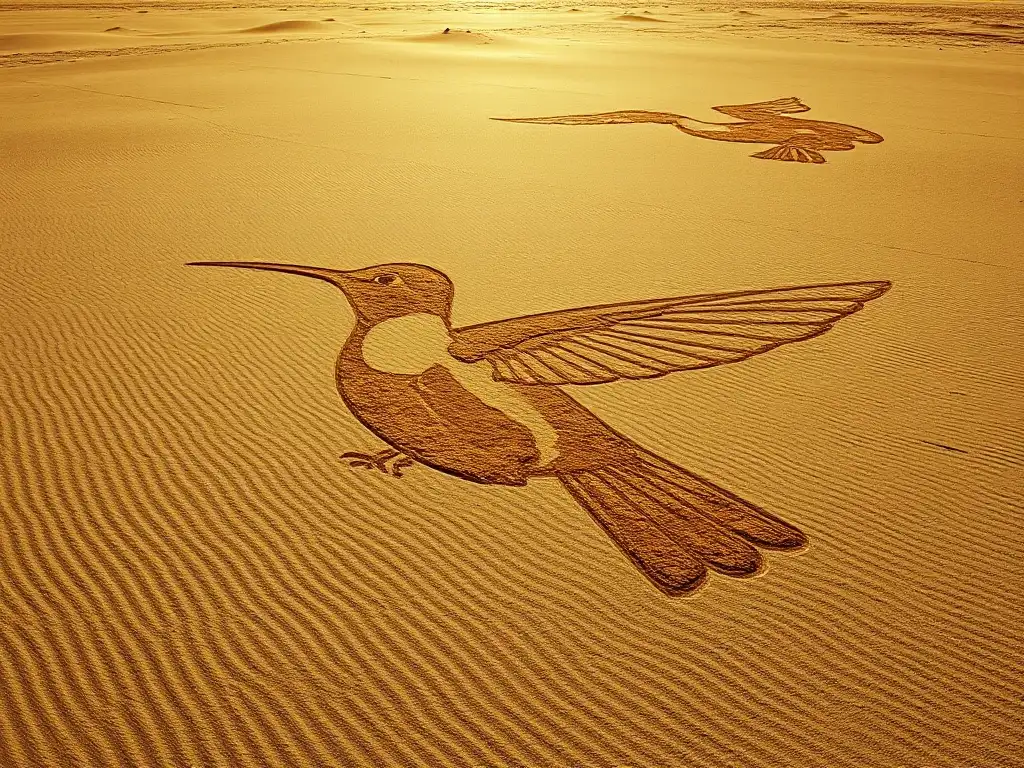
Introduction to Nazca Culture and Artistic Expression
The Nazca culture, flourishing along the southern coast of Peru from approximately 100 BC to 800 AD, left behind a remarkable legacy of artistic expression. Their arid environment, characterized by scarce resources and challenging terrain, profoundly influenced their worldview and artistic output. Nazca art, particularly their pottery and textiles, is renowned for its vibrant colors, intricate designs, and symbolic imagery. Understanding their art requires delving into their socio-political structures, religious beliefs, and daily life.
The sophisticated techniques employed in creating these artifacts – from the skillful use of pigments to the precise weaving of textiles – speaks volumes about their advanced technological capabilities and artistic mastery. Analyzing the recurring motifs and their potential meanings allows us to interpret the richness and complexity of Nazca society. Their artistic choices weren't arbitrary; they served a purpose, reflecting their values, beliefs, and interactions with the world around them.
The careful observation of Nazca pottery and textiles reveals a civilization deeply connected to its environment and imbued with a rich spiritual life. The vibrant colors, often derived from natural sources, and intricate designs were not merely decorative; they carried profound symbolic weight within their culture. This deep connection between art and life is a key element in understanding the power of imagery in Nazca society.
The Role of Imagery in Ancient Nazca Society
Imagery in Nazca art served multiple crucial functions within their society. It wasn't just about aesthetic beauty; it was a powerful tool for communication, storytelling, and the expression of religious beliefs. Animal imagery, in particular, holds a central place in Nazca art, often depicting both realistic and stylized representations of local fauna. These depictions weren't simply accurate portrayals; they were imbued with symbolic meaning, often associated with specific deities, rituals, or social structures.
For example, the frequent depiction of predatory birds, such as the hummingbird and the condor, might signify power, dominance, or connection to the spirit world. Similarly, representations of marine life, such as fish and seabirds, could be linked to fertility, abundance, and the cyclical nature of life and death. Analyzing the context in which these images appear – on pottery vessels used in rituals, textiles worn by elites, or murals adorning ceremonial buildings – provides crucial insights into their intended meaning.
The positioning of animals within a composition, their size relative to other elements, and the use of color all contribute to a richer understanding of the symbolism at play. Further research into Nazca iconography is needed to fully decipher the meanings behind specific combinations of animal images and their relationship to other symbolic elements. This deeper understanding will unlock a wealth of information about Nazca cosmology and social dynamics.
Overview of Nazca Art Forms: Pottery and Textiles
Nazca pottery and textiles represent two significant artistic mediums that showcase the culture's sophisticated craftsmanship and symbolic language. Nazca pottery is characterized by its highly polished surfaces, often featuring intricate polychrome designs. These designs frequently include stylized representations of plants, animals, and humans, often arranged in complex compositions. The use of multiple colors, achieved through the application of pigments derived from minerals and plants, adds another layer of complexity to the artistic expression. The careful execution of these designs, even on relatively small vessels, highlights the skill and precision of the Nazca artisans.
Furthermore, the types of vessels themselves—from simple bowls to elaborate jars—suggest different functions, potentially indicating their use in various rituals or social contexts. Analyzing the specific motifs found on different types of vessels provides valuable clues to their intended use and symbolic significance. Similarly, Nazca textiles, often made from cotton and camelid fibers, exhibit exceptional weaving techniques and intricate designs. These textiles often feature geometric patterns, alongside realistic and stylized representations of animals and mythical creatures.
The high quality of the textiles, and the complexity of the designs, point towards specialized artisans and a strong social hierarchy. The presence of certain motifs on textiles worn by specific social groups could reveal details about social status and roles within Nazca society. Both pottery and textiles, therefore, offer valuable insights into the rich visual culture and symbolic language of the Nazca civilization, providing crucial evidence for understanding their beliefs, practices, and worldview. The study of both forms, in conjunction, significantly enhances our understanding of Nazca art animal imagery meaning.
Animal Representations in Nazca Art: Decoding the Symbolism
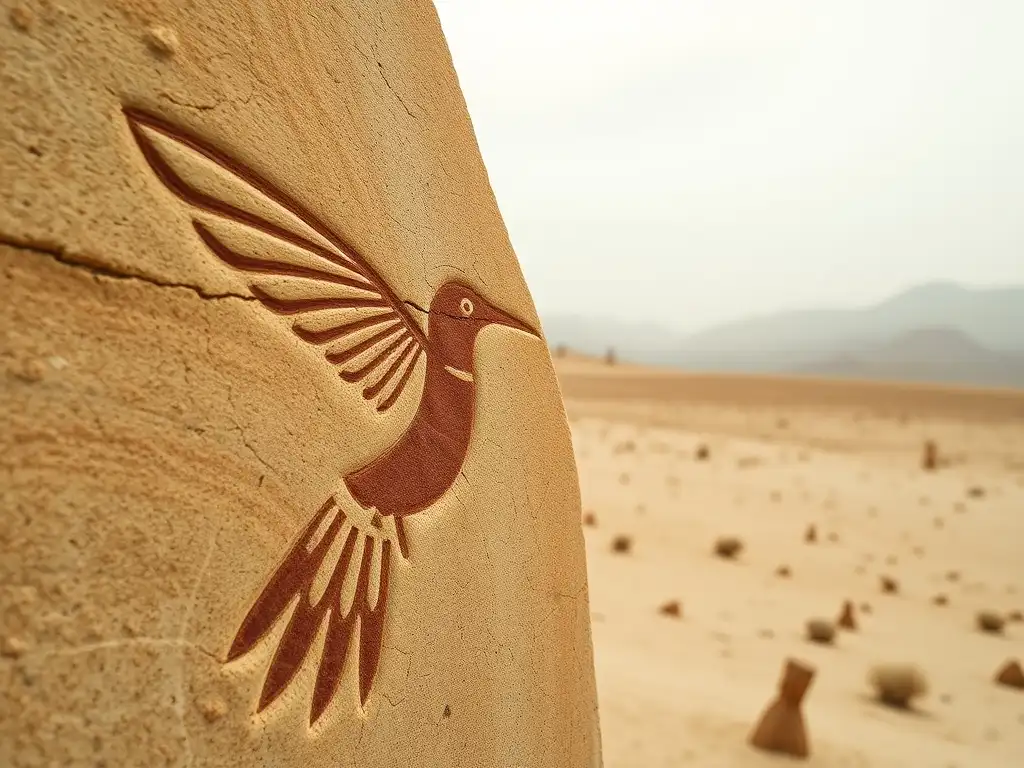
The Nazca civilization, renowned for its enigmatic geoglyphs, also produced a vibrant and complex body of art, primarily manifested in pottery and textiles. A significant portion of this artistic expression features a diverse array of animal representations, imbued with deep symbolic meaning reflecting the Nazca worldview and their relationship with the natural world. Understanding the imagery in Nazca art, particularly the animal motifs, offers a fascinating glimpse into their cosmology, social structures, and daily life.
This section delves into the significance of specific animal representations in Nazca pottery and textiles, exploring their potential meanings within the broader context of Nazca culture. Analyzing the recurring motifs and their stylistic variations provides valuable insights into the cultural values and beliefs of this remarkable civilization.
The prevalence of animal imagery in Nazca art showcases the deep connection between the people and their environment, where animals were not just observed but deeply integrated into their spiritual and social fabric. This exploration of Nazca art animal imagery meaning will unveil the rich tapestry of symbolism embedded within these captivating artistic expressions.
The Significance of Birds in Nazca Iconography
Avian motifs dominate Nazca art, reflecting the importance of birds in their daily lives and spiritual beliefs. The arid coastal landscape of the Nazca region was likely a crucial factor in shaping their reverence for these creatures. The ability of birds to traverse vast distances and soar above the desert likely connected them to the spiritual realm, symbolizing power, freedom, and communication with the supernatural. Specific bird species held unique meanings, with variations in depiction conveying different nuances of these symbolic interpretations.
The Hummingbird: A Symbol of Fertility and Power
The hummingbird, with its dazzling speed and vibrant plumage, is frequently depicted in Nazca art. Its rapid movements and ability to hover were likely associated with the dynamic forces of nature, specifically fertility and the renewal of life. The hummingbird's small size belies its symbolic significance; its representation in Nazca pottery and textiles often suggests a connection to the vitality of the land and the abundance of resources.
Many examples show hummingbirds depicted amidst flowering plants, reinforcing this association with fertility and the life-giving power of nature. The intricate details in the depictions, even on small vessels, demonstrate the high regard in which these creatures were held.
The Condor: Messenger of the Gods
The condor, a majestic bird of prey, occupies a prominent place in Nazca iconography. Its soaring flight and dominion over the high altitudes likely linked it to the realm of the gods and the spiritual world. The condor's depiction often suggests a connection to shamanistic practices and communication with the supernatural. The size and prominence given to condors in many pieces of Nazca art suggest their importance in conveying messages between the earthly and spiritual realms. Analysis of the stylistic variations in condor representations across different pottery pieces suggests possible regional or clan-based differences in beliefs and practices.
Other Avian Motifs: Owls and Pelicans
Beyond hummingbirds and condors, other avian species appear in Nazca art, each potentially carrying its own symbolic weight. Owls, for instance, might represent wisdom or nocturnal aspects of the world, while pelicans, with their association with water and fishing, could symbolize abundance and sustenance. Further research is needed to fully elucidate the meaning of these less frequently depicted birds. [Specific information pending on the symbolic meaning of owls and pelicans in Nazca culture]. Detailed comparative analysis of different depictions of these birds across various artifacts could illuminate their specific symbolic roles within the broader context of Nazca cosmology.
Terrestrial Animals in Nazca Designs
While birds are prominent, terrestrial animals also feature significantly in Nazca art, often intertwined with the avian motifs to create complex narratives and symbolic systems. These depictions provide insights into the Nazca's relationship with their environment and their understanding of the natural world. The choice of animal, its posture, and the details of its representation all contribute to the overall meaning of the artistic piece.
The Feline: Jaguar and Puma Symbolism in Nazca Culture
Felines, particularly jaguars and pumas, appear frequently, embodying power, strength, and predatory prowess. Their inclusion in Nazca art likely reflects their significance in the Nazca worldview. These powerful predators could represent the forces of nature, or perhaps even embody shamanic attributes, given the association of felines with supernatural abilities in other Andean cultures. The stylistic variations in the depiction of felines across different pieces suggest possible regional or stylistic preferences. [Further research is needed to analyze the specific iconographic variations and their significance].
The Monkey: A Symbol of the Rainforest and Fertility
The presence of monkeys, often depicted in playful or energetic poses, is intriguing, considering the Nazca's arid environment. Their depiction may suggest a connection to distant rainforests, either through trade networks or symbolic representations of life-giving water and fertility. The energetic and dynamic poses of these monkeys often contrast with the more static depictions of other animals, suggesting a different symbolic role. [Data on the frequency of monkey depictions in Nazca art is needed for a more comprehensive analysis].
The Fox: Trickster and Protector
The fox, a cunning and adaptable creature, is sometimes represented, potentially symbolizing both trickery and resourcefulness. The fox's presence in Nazca art could reflect the importance of adaptability and survival in the challenging desert environment. Further research is needed to fully understand the multifaceted symbolism associated with the fox in Nazca culture. The specific contexts in which foxes are depicted could provide further clues about their symbolic meaning. [Analysis of the contextual placement of fox imagery in Nazca art is pending].
Marine Life Depictions in Nazca Art
The Nazca people, renowned for their intricate geoglyphs etched into the desert landscape, also displayed a remarkable understanding and appreciation for marine life in their pottery and textiles. Their artistic representations of ocean creatures weren't merely decorative; they conveyed deep symbolic meaning related to their worldview, beliefs, and relationship with the Pacific Ocean, a vital source of sustenance and spiritual significance. The vibrant colors and detailed depictions found on Nazca ceramics and woven fabrics offer a fascinating glimpse into their understanding of the marine ecosystem and its importance in their culture.
Analysis of these artifacts reveals a sophisticated knowledge of marine biology, with surprisingly accurate representations of various species. The careful observation and artistic skill involved suggest a deep connection between the Nazca people and the sea, reflecting their dependence on its resources and the spiritual power they attributed to its inhabitants.
The prevalence of marine imagery in Nazca art underscores its importance in their cosmology and daily life. Further research into the context of these artistic representations—including their location in tombs, domestic settings, and ceremonial contexts—could reveal even deeper layers of meaning.
The Orca: Power and Protection of the Seas
Among the most striking marine depictions in Nazca art is the orca, a powerful predator of the ocean. The orca's representation in Nazca pottery often portrays it in dynamic poses, emphasizing its strength and agility. The creature's imposing size and predatory nature likely led the Nazca to associate it with power, protection, and perhaps even a connection to the supernatural.
Some scholars suggest the orca's portrayal might symbolize the protection of coastal communities from dangers at sea, or perhaps represent a powerful spirit guardian watching over the waters. The detailed rendering of the orca’s distinctive markings and body shape in Nazca art showcases the artists' keen observational skills and artistic talent. The use of vibrant colors further enhances the orca's presence, suggesting its importance within the Nazca worldview.
Further investigation into the specific contexts in which orca imagery appears could shed light on its precise symbolic meaning within Nazca society. The consistent appearance of the orca across different Nazca artifacts, from large vessels to smaller figurines, suggests its widespread cultural significance.
Fish and Shellfish: Abundance and Sustenance
Fish and shellfish feature prominently in Nazca art, reflecting their crucial role as a primary source of food for the coastal communities. Depictions of various fish species, often rendered with remarkable accuracy, appear frequently on pottery and textiles. These representations are not only aesthetically pleasing but also provide valuable insights into the Nazca diet and their understanding of marine ecology.
The variety of fish depicted indicates a diverse fishing practice, encompassing different species and fishing techniques. The abundance of fish and shellfish imagery in Nazca art might also symbolize prosperity, fertility, and the bounty of the sea. The meticulous detail given to the scales, fins, and other features of the fish reveals the artist's close observation of nature and their skill in capturing the essence of these creatures.
The frequent pairing of fish and shellfish imagery alongside other symbols, such as plants or human figures, suggests a complex interplay of meanings related to sustenance, ritual, and social structure within Nazca culture. Studying these combinations could reveal additional layers of meaning related to “Nazca art animal imagery meaning”. The prevalence of these images indicates the crucial role the sea played in sustaining the Nazca civilization.
Mythological Creatures and Supernatural Beings in Nazca Art
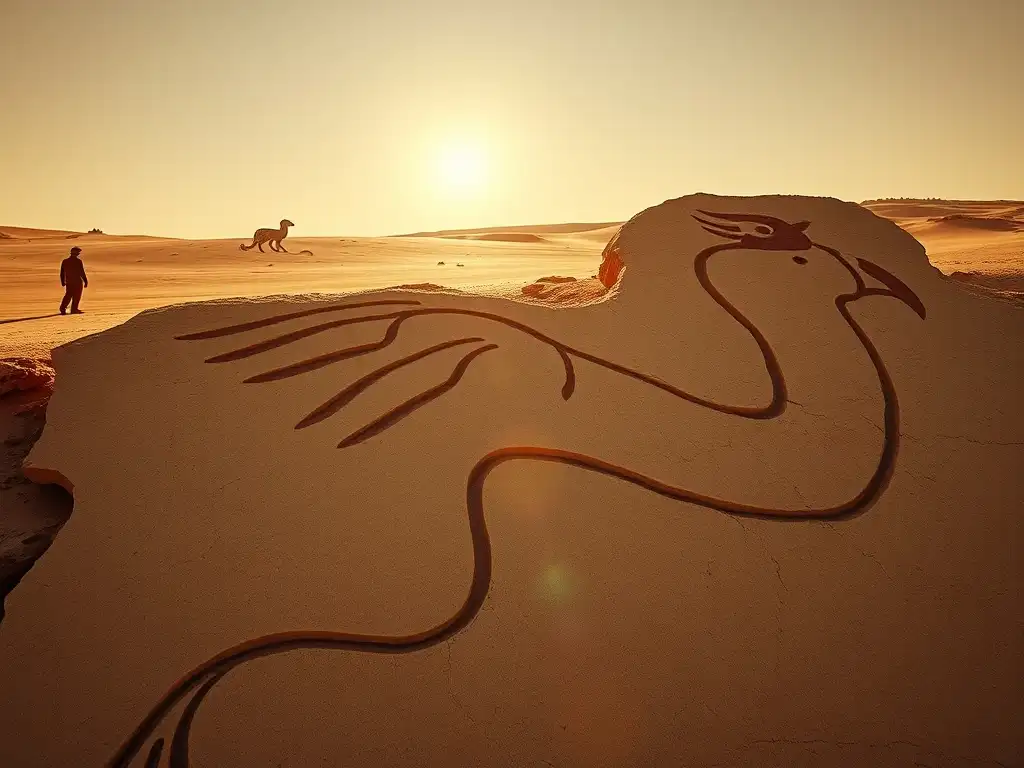
The Nazca people, renowned for their enigmatic geoglyphs, also produced a vibrant array of pottery and textiles teeming with fascinating imagery. While depictions of realistic animals are prevalent, a significant portion of Nazca art focuses on mythological creatures and supernatural beings, reflecting a complex cosmology and spiritual worldview. These representations offer invaluable insights into their beliefs, rituals, and societal structures.
Understanding the symbolism within these images helps us unlock the secrets of Nazca art animal imagery meaning. The unique blend of realistic animal forms with fantastical elements showcases the creative ingenuity and spiritual depth of Nazca artists. Analyzing these depictions reveals much about the cultural significance of animals within Nazca society and their integration into the supernatural realm.
The Anthropomorphic Mythical Being: A Common Motif
A recurring motif in Nazca art is the anthropomorphic mythical being—a creature with human-like features combined with animalistic characteristics. These figures often feature human bodies with animal heads, wings, or tails. The specific animal represented often dictates the creature's perceived attributes and role within the Nazca worldview.
For instance, a figure with the head of a feline might symbolize power, agility, and nocturnal mystery, drawing on the inherent qualities associated with that animal in Nazca culture. Conversely, a bird-headed figure could represent qualities linked to the sky, such as freedom, speed, and connection to the divine. The combination of human and animal elements suggests a blurring of boundaries between the human and supernatural worlds, reflecting a belief system where humans interacted with, and possibly even possessed, supernatural powers.
The precise meaning of these anthropomorphic figures is still debated, but ongoing research continues to shed light on their significance within the larger context of Nazca iconography and cosmology. Further analysis of the context in which they appear—on pottery vessels, textiles, or other artifacts—is essential to fully understand their diverse symbolic meanings.
Composite Creatures: Blending Animals and Humans
Beyond anthropomorphic beings, Nazca artists frequently depicted composite creatures, merging elements from different animals into single, fantastical forms. These imaginative beings often combine features from multiple species, creating hybrid creatures with unique symbolic meanings. For example, a creature with the head of a serpent, the body of a jaguar, and the wings of a bird would combine the power and cunning of the serpent, the strength and ferocity of the jaguar, and the freedom and spiritual connection of the bird.
These combinations are not arbitrary; rather, they reflect a carefully considered integration of symbolic attributes, creating a complex and nuanced representation of supernatural power. The skillful blending of animal characteristics demonstrates the sophisticated artistic abilities and cosmological understanding of the Nazca people.
The complexity of these composite creatures underscores the richness and depth of their mythological system and the importance of animals in their spiritual beliefs. The careful observation of these composite creatures allows for a deeper understanding of Nazca art animal imagery meaning.
Depiction of Supernatural Entities with Animal Attributes
The integration of animal attributes into the depiction of supernatural entities further highlights the significance of the animal kingdom in Nazca spirituality. Many deities or spirits are portrayed with animalistic features, such as feathered wings, clawed hands, or animal masks. These features imbue the supernatural beings with the associated powers and characteristics of those animals.
For example, a deity with a jaguar mask might be associated with power, hunting, and the night. Similarly, a spirit with feathered wings might be associated with the sky, flight, and a connection to the divine. The use of these animal attributes provides a visual shorthand for conveying complex spiritual concepts, making them readily accessible to the Nazca people.
Analysis of the specific animals used and their placement within the overall composition offers valuable insights into the hierarchy of powers within the Nazca pantheon and the relationship between the human and supernatural worlds. Careful study reveals how the Nazca integrated their understanding of the natural world with their spiritual beliefs, resulting in a rich and complex system of symbolism. The careful study of these details helps unravel the mysteries surrounding Nazca art animal imagery meaning.
The Role of Mythological Figures in Nazca Beliefs
The Nazca people, renowned for their enigmatic geoglyphs, also imbued their pottery and textiles with a rich tapestry of mythological figures. These weren't mere decorative elements; they were integral to their worldview, reflecting their beliefs about the cosmos, the natural world, and the supernatural. The presence of these figures suggests a complex religious system, where deities and mythical creatures played crucial roles in daily life, agricultural cycles, and societal structure. Understanding the role of these figures requires careful analysis of their iconography, recurring motifs, and their placement within the broader context of Nazca art.
One prominent aspect of Nazca mythology, as depicted in their art, is the strong connection between the human and supernatural realms. Many figures seem to blend human and animal characteristics, creating hybrid beings that embody both earthly and spiritual power.
This blurring of boundaries suggests a worldview where the line between the tangible and intangible was fluid, where the gods and spirits could actively participate in the lives of the Nazca people. The power and influence of these mythical beings are often emphasized through their size, prominence, and the intricate detail with which they are rendered on the pottery and textiles.
Furthermore, the consistent depiction of specific mythological figures across numerous artifacts indicates a shared understanding and reverence for these entities within Nazca society. This uniformity suggests the existence of established myths, legends, and rituals surrounding these figures.
The repetition of certain motifs, such as specific headdresses, postures, or accompanying symbols, reinforces their symbolic significance and underscores their importance in Nazca religious practices. While the exact nature of their beliefs remains partially shrouded in mystery, the consistent portrayal of these figures provides invaluable insight into the cosmology and spiritual life of the Nazca civilization.
Further research, particularly the careful study of newly discovered artifacts and a deeper understanding of the context in which these pieces were found, is crucial to unraveling the intricate details of Nazca mythology. The careful examination of stylistic variations across different regions and time periods within the Nazca culture will also offer more nuanced understanding of the role of these figures in specific communities.
Nazca Art Animal Imagery Meaning and Interpretations
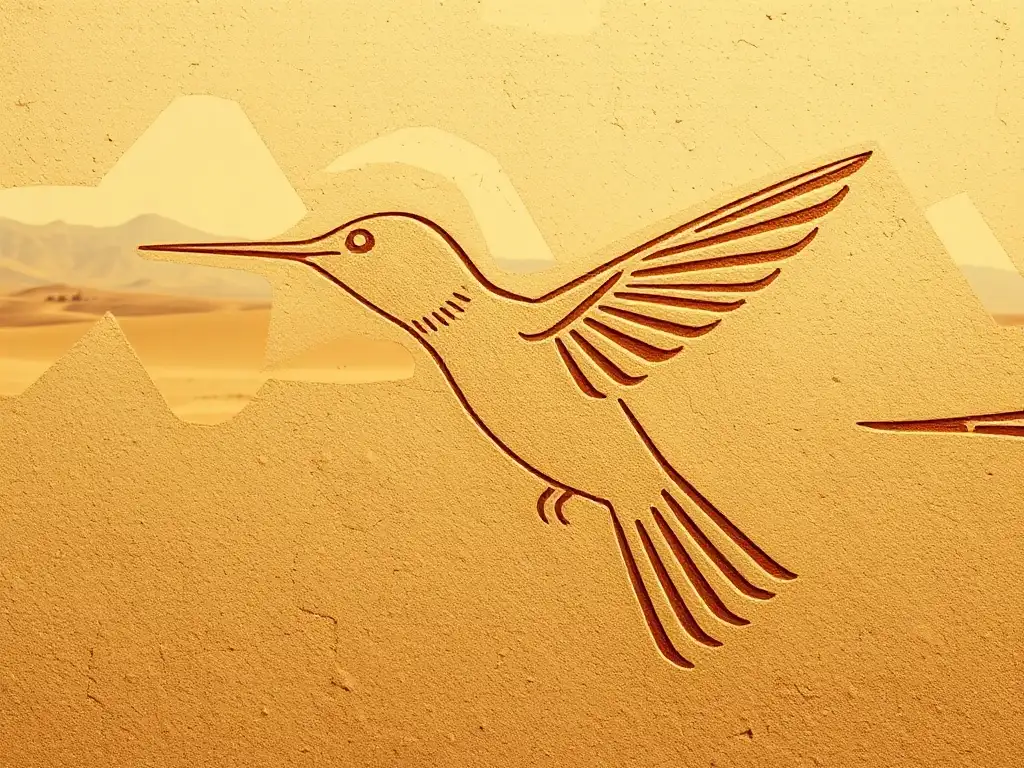
The vibrant and enigmatic Nazca art, particularly their pottery and textiles, is replete with animal imagery. Understanding the meaning behind these depictions requires a nuanced approach, considering the socio-religious context of the Nazca culture. While definitive interpretations remain elusive, scholarly research suggests a complex interplay of shamanic practices, ritualistic significance, and possibly even astronomical observations influencing the choice and representation of specific animals. The recurring motifs are not merely decorative; they are powerful symbols conveying deep cultural and spiritual meanings.
Analyzing the Nazca art animal imagery meaning requires looking beyond surface aesthetics to delve into the heart of Nazca cosmology. The frequency and prominence of certain animals suggest their importance within their belief system. For example, the prevalence of hummingbirds, condors, and jaguars hints at their symbolic role in Nazca mythology and possibly their connection to different aspects of the natural world and the spirit realm.
Contextual Analysis of Animal Motifs in Nazca Art
Analyzing Nazca animal motifs requires careful consideration of their stylistic choices and the context in which they appear. The style itself, characterized by its distinctive lines and vibrant colors, contributes to the overall effect and meaning. Animals are rarely depicted realistically; instead, they are stylized, often with exaggerated features, emphasizing specific aspects of the creature.
A hummingbird, for instance, might be depicted with disproportionately large eyes, suggesting its keen observation or spiritual insight within Nazca cosmology. The choice of colors also plays a significant role. Certain colors might be associated with specific animals or deities, further enriching the symbolic meaning.
For example, the use of red might symbolize blood, vitality, or a connection to the underworld, while yellow could represent the sun or a celestial element. Further research is needed to fully understand the subtle nuances of color symbolism in Nazca art, and its contribution to the overall Nazca art animal imagery meaning.
Furthermore, the location of the animal motifs within a larger composition is crucial. On textiles, for instance, the positioning of animals might relate to narratives or myths, while on pottery, they might be associated with specific rituals or ceremonies. The size and prominence of the animal within the piece also contributes to its interpretation.
A large, centrally located animal might represent a powerful deity or a crucial element of a myth. Detailed studies of individual artifacts are needed to uncover the specific meanings of these contextual cues. The meticulous detail applied to some animals, versus the more schematic representation of others, suggests a hierarchy of importance within the Nazca worldview.
Shamanic Practices and Animal Transformation
Many scholars believe that shamanic practices played a crucial role in shaping the Nazca art animal imagery meaning. The frequent depiction of hybrid creatures—part-human, part-animal—strongly suggests beliefs in shape-shifting and animal transformations. These hybrid figures often appear in ritual contexts, suggesting that shamans might have undergone transformative experiences, embodying animal spirits during ceremonies. The presence of these supernatural creatures, therefore, reflects the Nazca belief in the interconnectedness of the human and animal worlds, and the shaman's ability to navigate between them.
The depiction of animals in states of motion or in dynamic poses also supports the theory of shamanic influence. For example, a stylized condor in flight might represent the shaman's journey to the spirit world, while a jaguar leaping might symbolize power, agility, and the shaman's ability to overcome obstacles. The use of hallucinogenic plants, which is evidenced by archaeological findings, likely further enhanced the shamanic experiences and influenced the visual representations of these transformations. Understanding the role of shamanism is essential in decoding the deeper symbolic layers within Nazca art.
The Connection Between Nazca Art and Rituals
The close relationship between Nazca art and ritual practices is undeniable. Many artifacts, including pottery vessels and textiles, clearly show evidence of ritual usage or association. Animal imagery frequently appears on vessels used in ceremonies, suggesting that the animals represented played a crucial role in the rituals themselves. The presence of specific animals on burial objects further supports this connection, indicating a belief in the continued significance of these animals in the afterlife.
The Nazca art animal imagery meaning is often linked to specific rituals, such as offerings to deities or ancestor veneration. The animals depicted might represent the spirits or messengers of these deities, or they might symbolize the desired outcomes of the rituals. For instance, the depiction of a hummingbird, associated with fertility and abundance, on a vessel used in an agricultural ritual would suggest a prayer for a bountiful harvest.
Detailed studies of the archaeological context in which these artifacts are found are crucial for fully understanding this intricate relationship between art and ritual. Further investigation into the specific rituals and their associated artifacts is needed to fully unravel the multifaceted Nazca art animal imagery meaning. The study of Nazca art provides a rich tapestry of symbols and beliefs, offering fascinating glimpses into the spiritual world of this ancient civilization.
The Meaning of Repetition and Variation in Nazca Imagery
The Nazca people weren't shy about repetition in their art. Certain animals, like the hummingbird, the monkey, and the feline, appear repeatedly across different pottery vessels and textiles. This repetition isn't simply a matter of artistic laziness; it speaks volumes about the cultural significance of these creatures. The consistent depiction suggests a deep-seated reverence or a connection to powerful forces represented by these animals.
The repetition reinforces the importance of these motifs within the Nazca worldview. Perhaps it served to solidify the identity of the community or to transmit essential beliefs across generations. The repeated imagery could have been used in rituals, reinforcing the spiritual significance of these animals during ceremonies. Further research into the context of discovery of these artifacts could provide more insight into their intended use and the significance of their repetition.
However, the repetition is rarely exact. Careful observation reveals variations in posture, detail, and even color schemes within the repeated imagery. These subtle differences might indicate distinct clans, individual artistic styles, or perhaps even shifts in the understanding or significance of the animal over time.
For instance, a hummingbird depicted with outstretched wings might represent a different aspect of the creature's symbolism compared to one shown perched or in flight. These nuances offer a fascinating glimpse into the dynamism of Nazca culture and the evolving interpretations of these crucial symbols. Analyzing these variations alongside the patterns of repetition provides a richer understanding of the subtle meanings embedded within Nazca art.
The combination of constancy and change in the imagery reflects a society that was both stable in its core beliefs and adaptable to evolving circumstances. Further study comparing different examples of the same animal from various sites could illuminate the geographical and temporal variations in their depiction. This would significantly contribute to our understanding of the evolution of Nazca artistic conventions and beliefs.
The Lasting Legacy of Nazca Animal Imagery
The vibrant and enigmatic animal imagery of Nazca art continues to resonate powerfully, even millennia after its creation. Its enduring legacy is not just a testament to the artistic skill of the Nazca people, but also a window into their complex worldview, religious beliefs, and societal structures. The meticulous detail and expressive style present in these depictions offer valuable insights into the natural environment the Nazca inhabited and their relationship with the animals within it.
From the soaring condor, a symbol of power and the Andean landscape, to the humbler hummingbird, representing agility and grace, each animal held a specific meaning within their cosmology. Understanding this significance unlocks a deeper appreciation for the artistry and the culture it represents. The sheer variety of animals depicted – jaguars, monkeys, snakes, fish, and many more – underscores the richness and diversity of the Nazca ecosystem and its importance in their daily lives.
The enduring appeal of this imagery also lies in its aesthetic qualities; the dynamic lines, vibrant colors, and expressive poses continue to captivate modern audiences. This enduring appeal speaks to a universal appreciation for art's ability to transcend time and culture.
Preservation and Study of Nazca Art
The preservation of Nazca art, particularly the fragile textiles and pottery, presents significant challenges. The arid climate of the Nazca region has, in some ways, been beneficial, helping to protect artifacts from decay. However, factors like exposure to the elements, looting, and the inherent fragility of the materials themselves pose ongoing threats. Scientists and conservators employ various techniques to preserve these invaluable pieces of history, including careful cleaning, stabilization of materials, and controlled environmental conditions.
The study of Nazca art is a multidisciplinary endeavor, drawing upon the expertise of archaeologists, art historians, anthropologists, and chemists. Advanced imaging techniques, like X-ray fluorescence spectroscopy (XRF), are used to analyze the pigments and materials used in creating the artwork, revealing details about the artistic process and the resources available to the Nazca artisans. Furthermore, detailed stylistic analysis helps researchers identify different artistic workshops or periods, providing a more nuanced understanding of the evolution of Nazca art and its relationship to social and political changes within the society.
Careful documentation and cataloging of existing artifacts are also crucial for future research and preservation efforts. This ongoing work is essential to ensure that the legacy of Nazca animal imagery is preserved for generations to come. The meticulous efforts in preservation ensure the continued availability of data for "Nazca art animal imagery meaning" research.
Influence of Nazca Motifs on Contemporary Art
The striking imagery of Nazca art has had a significant and enduring influence on contemporary art. Modern artists continue to be captivated by the unique style, vibrant colors, and symbolic power of these ancient motifs. Many contemporary artists draw inspiration from Nazca animal imagery, incorporating its distinctive features into their own work.
This influence is evident across various art forms, including painting, sculpture, textile design, and even digital art. The bold lines, stylized forms, and powerful compositions of Nazca art frequently appear in modern interpretations, often infused with a contemporary sensibility. This reinterpretation not only celebrates the artistic heritage of the Nazca but also demonstrates the continuing relevance and enduring power of their artistic legacy.
The incorporation of Nazca motifs into modern design also reflects a growing interest in indigenous art and its contribution to the broader history of art. The use of Nazca-inspired designs in fashion, jewelry, and other commercial products further underscores the widespread appreciation for this ancient artistic tradition. The continued relevance of Nazca animal imagery in contemporary art proves its lasting impact on artistic expression and cultural appreciation.
Future Research Directions
Future research on Nazca art and its animal imagery should focus on several key areas. Further investigation into the precise meaning and symbolism of individual animals and their arrangement within compositions is crucial. By combining archaeological findings with ethnohistorical studies and comparative analyses of other Andean cultures, researchers can gain a deeper understanding of the cultural context and significance of these depictions.
Advanced scientific techniques, such as DNA analysis of pigments and materials, can provide additional insights into the artistic processes and the resources used by Nazca artisans. Moreover, exploring the potential connections between Nazca art and other contemporary Andean cultures will shed light on the broader cultural landscape of the time. Investigating the potential social and ritual functions of the artifacts, including their use in ceremonies or as markers of social status, is also a critical area for future study.
Finally, collaborative research involving archaeologists, art historians, anthropologists, and scientists is essential to achieve a comprehensive and nuanced understanding of Nazca art and its lasting legacy. Continued research will undoubtedly deepen our understanding of "Nazca art animal imagery meaning" and its place within the rich tapestry of Andean civilization.
Frequently Asked Questions
What is the significance of animal imagery in Nazca art?
Animal imagery in Nazca art is highly significant, often representing mythological creatures and deities vital to their worldview. These depictions provide insights into their beliefs, societal structure, and relationship with the natural world. Ceremonial and ritualistic significance is also heavily implied.
Why are animals depicted in such detail in Nazca geoglyphs?
The detailed depictions in Nazca geoglyphs likely served a ritualistic purpose, possibly linked to water sources and fertility. The scale and precision suggest a great level of societal organization and shared belief system. The precise execution also suggests advanced understanding of land surveying.
What are some common animals featured in Nazca art?
Common animals include hummingbirds, condor, spiders, lizards, and orcas. The presence of these specific animals may reflect their importance in their daily lives, or a symbolic representation of natural forces. They are not simply random depictions.
How did the Nazca people create such large-scale animal geoglyphs?
The creation of the geoglyphs remains somewhat mysterious, but it likely involved extensive planning and labor, utilizing simple tools and a deep understanding of the landscape. The scale and precision are testament to their advanced engineering and societal organization.
What is the connection between Nazca animal imagery and their mythology?
The connection between Nazca animal imagery and mythology is deeply intertwined. Animals likely represented powerful forces, deities, or ancestors. The imagery's symbolic meaning is a key to understanding their complex belief system and cosmology.
Final Reflection: Deciphering the Whispers of the Nazca Lines
The enduring mystery of the Nazca Lines continues to captivate us, a testament to the power of human expression and the enduring legacy of a vanished civilization. These intricate geoglyphs, particularly the depictions of animals and mythical creatures, offer a window into a complex worldview, challenging our understanding of art, religion, and the human relationship with the natural world. Their continued existence, despite the passage of centuries, underscores the timeless power of imagery to transcend cultural boundaries and speak directly to the human spirit.
The impact of Nazca art extends far beyond the arid plains of Peru; its influence resonates in contemporary art, inspiring artists and researchers alike to explore the profound connection between symbolism and visual representation. The sheer scale and precision of these creations are awe-inspiring, prompting questions about the technology, beliefs, and social structures that allowed for their creation. The Nazca Lines are not merely lines on the ground; they are a testament to the human capacity for creativity and the enduring power of myth.
This quote encapsulates the enduring fascination with these enigmatic figures, demonstrating how their meaning continues to evolve with each new interpretation.
Consider the intricate details of a hummingbird or the majestic sweep of a condor. What stories do these images whisper to you? Take a moment to reflect on the power of imagery in your own life – how do the images you encounter shape your understanding of the world, and how might you use the power of visual storytelling to express your own unique perspective? Let the Nazca Lines inspire you to explore the depths of your own creativity and to appreciate the enduring legacy of human expression across time and cultures.
**Unveil the Mythical: Dive Deeper into Nazca Art! **
Thank you for exploring the fascinating world of Nazca art with us! We hope this article has inspired you to appreciate the rich tapestry of animal and mythological imagery that brings these ancient civilizations to life. Now, let's delve even further!
Here are a few engaging next steps:
- **Visit a local museum** featuring exhibits on Andean cultures to experience their artistic expressions firsthand. Many museums offer incredible displays of artifacts and artwork that will bring the Nazca lines and their creators to life.
- **Join our community:** Sign up for our newsletter to receive exclusive insights, information on upcoming events, and opportunities to participate in discussions about Andean civilizations.
- **Share your artistic inspiration! ** Post a photo or drawing of your favorite Nazca-inspired mythological creature or animal on social media and tag us! We'd love to see your creative interpretations.
Which animal or mythical creature do you believe best embodies the spirit of the Nazca culture, and how does its imagery resonate with you today? Let's discuss!