
Nazca Resource Management: How They Utilized Available Resources

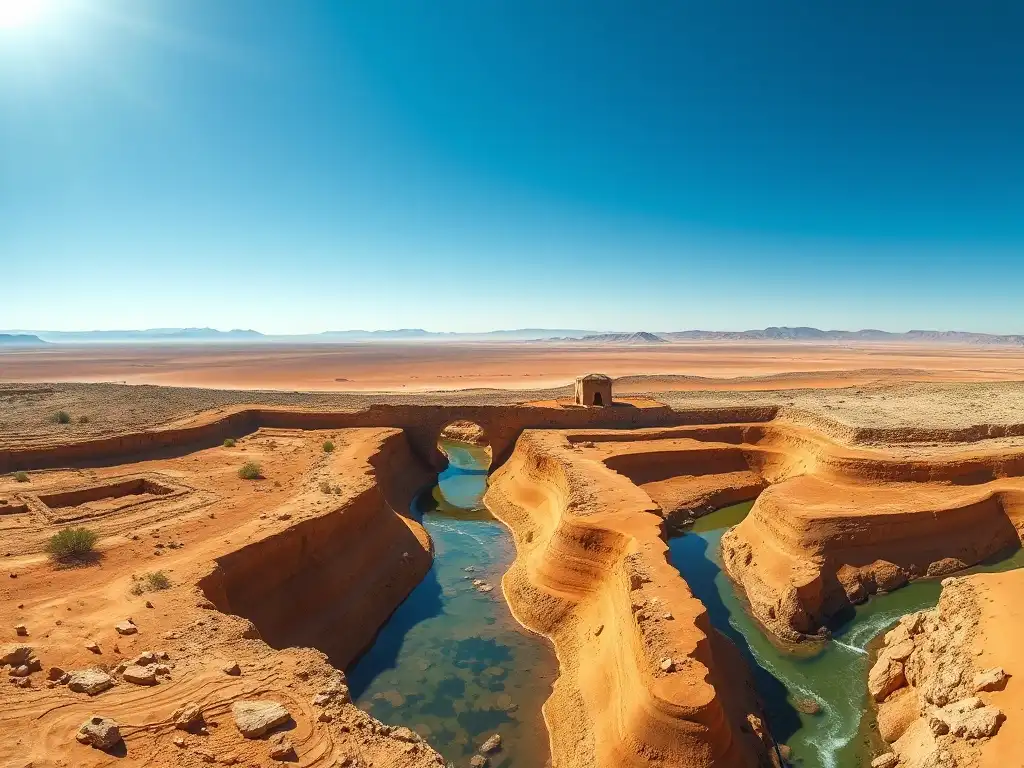
Dive into the enigmatic world of the Andean civilizations! Prepare to be amazed by the ingenuity and artistry of cultures that thrived in the challenging landscapes of the Andes. But first, unravel the secrets behind the Nazca's remarkable water management techniques – a testament to their advanced understanding of resource utilization and a crucial factor in their societal success. Discover how this seemingly arid environment supported a flourishing civilization, and prepare to be captivated by the story of their ingenuity. Explore further to unearth more fascinating details about their achievements.
The Nazca civilization, flourishing along the southern coast of Peru from approximately 100 BC to 800 AD, stands as a testament to human ingenuity and adaptation. This article delves into the remarkable resource management strategies employed by the Nazca, focusing particularly on their innovative approaches to water management—a critical factor in their survival and prosperity within the harsh desert environment. We will explore how their understanding of their surroundings, coupled with their technological advancements, allowed them to thrive in a seemingly inhospitable landscape, leaving behind a legacy of sophisticated irrigation systems and agricultural practices that continue to fascinate and inspire today.
Understanding the Nazca's resourcefulness provides valuable insights into their societal structure, technological capabilities, and enduring connection to their environment. This exploration of Nazca water management techniques will reveal the ingenuity and resilience of this remarkable ancient civilization.
Introduction to Nazca Resourcefulness
The Nazca people weren't simply survivors in a harsh desert; they were masters of their environment. Their success wasn't due to luck but to a deep understanding of the available resources and a remarkable capacity to adapt and innovate. This resourcefulness extended beyond water management, encompassing sophisticated agricultural techniques, the efficient use of limited building materials, and a complex social organization designed to support the needs of the population.
While their famous geoglyphs captivate the world, the true marvel of the Nazca civilization lies in their ability to thrive in a challenging landscape. Their achievements in resource management, especially their mastery of water, are critical to comprehending their cultural and societal achievements. The ingenuity displayed in their solutions to aridity provided the foundation for their vibrant civilization.
The Arid Landscape of the Nazca Region
The Nazca region is characterized by an extremely arid climate, receiving minimal rainfall annually. The coastal desert, punctuated by occasional oases and river valleys, presented significant challenges to human settlement. High temperatures, intense sunlight, and the scarcity of water posed constant threats to agriculture and daily life. This challenging environment necessitated the development of sophisticated techniques to capture, store, and distribute the limited water resources.
The ingenuity of the Nazca people is evident in their ability to transform this seemingly barren land into a productive agricultural landscape. Their innovative solutions serve as a powerful example of human adaptation to extreme environmental conditions. The success of their water management systems directly correlates to the prosperity and longevity of the Nazca civilization.
Understanding the Challenges of the Nazca Environment
The Nazca faced several interconnected environmental challenges. The scarcity of surface water was a primary obstacle. Rainfall was unpredictable and insufficient for sustained agriculture. Furthermore, the high rate of evaporation in the desert climate meant that any collected water needed to be carefully conserved.
The porous nature of the soil also presented difficulties in water retention. These challenges required a multi-faceted approach, encompassing efficient water collection systems, sophisticated irrigation techniques, and careful water management practices to ensure the survival of the population. The Nazca's response to these challenges showcases a deep understanding of hydrology and a remarkable ability to engineer solutions to complex environmental problems. Their ingenuity in overcoming these difficulties is a testament to their technological prowess and their resilience in the face of adversity.
- Introduction to Nazca Resourcefulness
- The Arid Landscape of the Nazca Region
- Understanding the Challenges of the Nazca Environment
- What were the most significant challenges faced by the Nazca in terms of resource management?
- How did the Nazca people overcome water scarcity?
- Can you explain the Nazca aqueducts in more detail?
- What were puquios, and what role did they play in Nazca water management?
- What is the significance of Nazca water management techniques for understanding their civilization?
Nazca Water Management Techniques: A Core Element of Survival
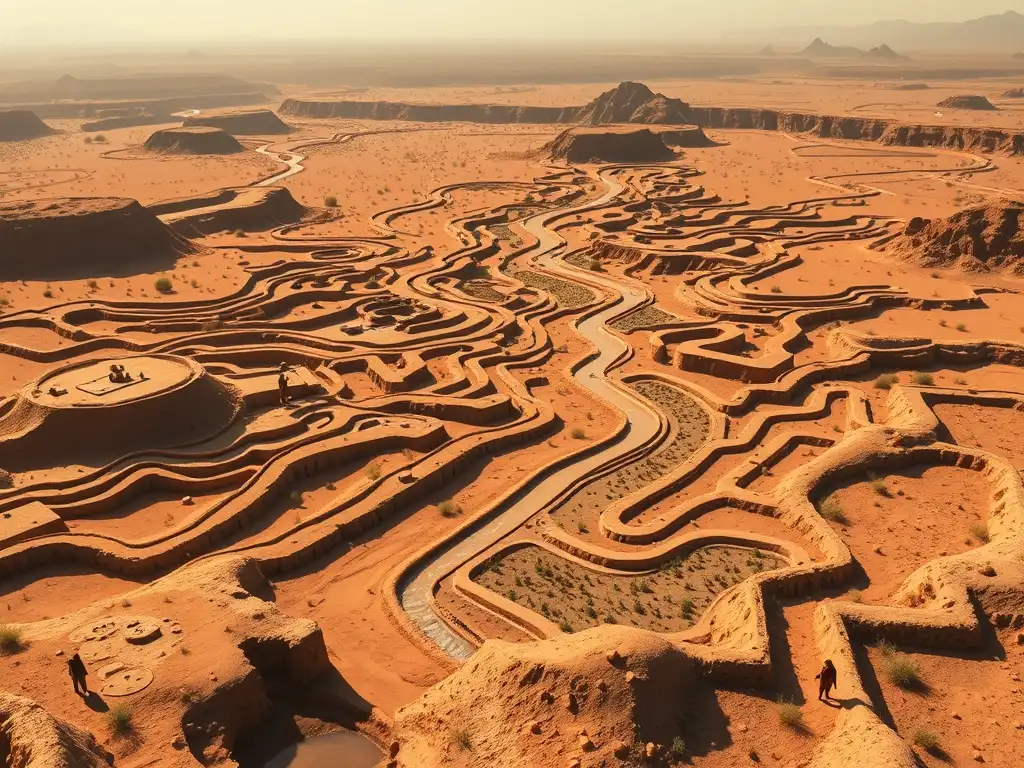
The Nazca civilization, flourishing on the arid southern coast of Peru between 100 BCE and 800 CE, achieved remarkable feats of engineering and social organization, largely due to their sophisticated water management techniques. Their survival in such a harsh desert environment hinged on their ability to harness scarce water resources effectively.
This section explores the ingenious systems they developed to collect, filter, store, and distribute water, revealing the ingenuity and foresight that allowed this culture to thrive for centuries in one of the world's driest regions. Understanding their Nazca water management techniques provides crucial insights into their societal structure and agricultural practices.
Ingenious Nazca Water Collection Systems
The Nazca people didn't passively rely on infrequent rainfall; they actively sought out and managed every available water source. Their success stemmed from a complex interplay of understanding the local hydrology and developing innovative infrastructure. This involved a multi-pronged approach encompassing surface water collection and the exploitation of underground aquifers. Their mastery of water management ensured the success of their agriculture, the foundation of their society.
Puquios: Underground Aqueducts for Water Access
One of the most impressive achievements of Nazca engineering was the construction of puquios, intricate underground aqueducts. These weren't simply tunnels; they were carefully designed systems involving shafts, galleries, and drainage channels that tapped into underground water sources. The puquios channeled water from aquifers to surface reservoirs, providing a reliable water supply even during prolonged droughts.
The construction of these intricate systems involved significant labor and expertise, demonstrating a high level of societal organization and technical skill. Evidence suggests that the puquios' construction involved a deep understanding of the geological formations and water flow patterns in the region. The precise location of shafts and galleries was likely determined by careful observation and potentially by trial and error, refined over generations.
Filtration and Storage Methods in Nazca Water Systems
The Nazca water management system wasn't just about collection; it also incorporated sophisticated filtration and storage methods. Once collected, the water wasn't directly used. Instead, it often passed through natural or man-made filters before reaching storage facilities. These filters, sometimes made of layers of gravel and sand, removed sediment and impurities, ensuring a cleaner and safer water supply.
The storage systems themselves varied. Some involved large reservoirs carved into the ground, while others utilized smaller, strategically placed cisterns. The choice of storage method likely depended on factors such as water availability, terrain, and the size of the community being served. The effectiveness of these filtration and storage techniques contributed significantly to the health and well-being of the Nazca population.
The Significance of Water in Nazca Culture and Agriculture
Water wasn't merely a resource for the Nazca; it held profound cultural and religious significance. Their sophisticated water management systems weren't just practical achievements; they were deeply intertwined with their worldview. The availability of water directly impacted their agricultural practices, shaping their social structures and beliefs.
The Nazca's ability to cultivate crops in the desert was a testament to their understanding of water's importance and their ingenuity in harnessing it. Their agricultural success, in turn, fueled their societal development, allowing for population growth and the creation of a complex social hierarchy. The development of Nazca water management techniques was therefore crucial not only for their survival but also for the flourishing of their civilization.
The impressive scale and complexity of their water management systems underscore the central role water played in their lives and their culture. Further research is needed to fully understand the intricate relationship between their water management practices and their religious beliefs, but existing evidence strongly suggests a deep connection. The Nazca's legacy serves as a powerful example of human resilience and adaptation in the face of environmental challenges.
Nazca Agricultural Practices in a Desert Environment
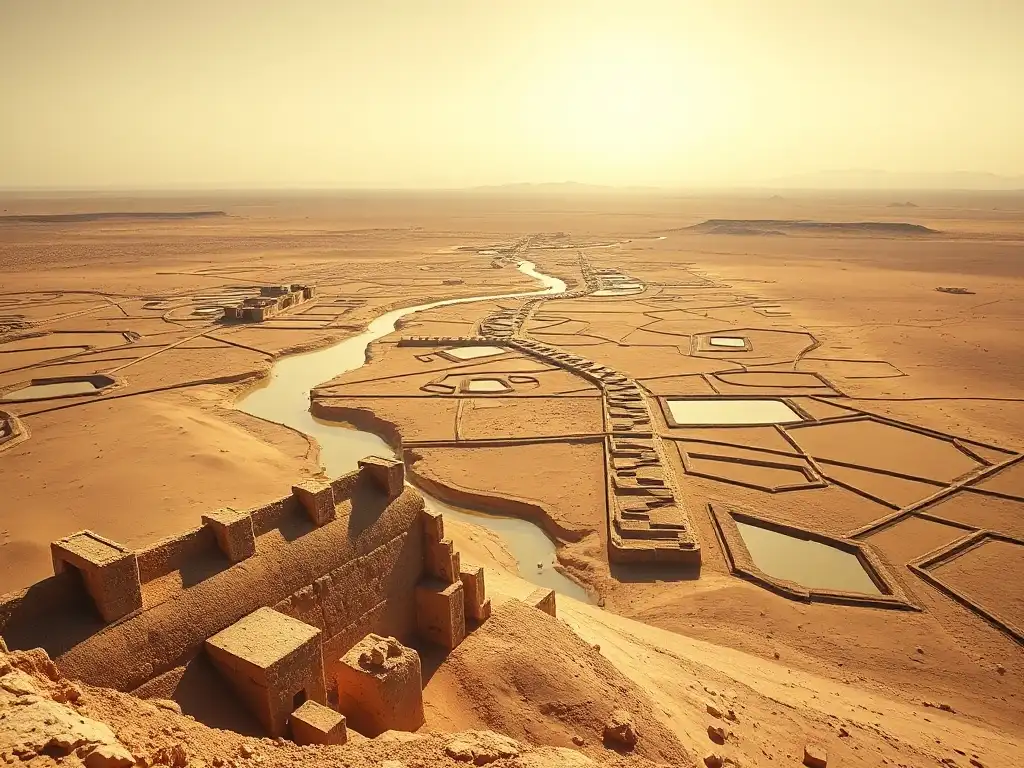
The Nazca civilization, renowned for its enigmatic geoglyphs, thrived in one of the most arid regions of the world—the coastal desert of southern Peru. Their remarkable success wasn't solely due to artistic ingenuity; it was fundamentally rooted in sophisticated and ingenious Nazca water management techniques and agricultural practices meticulously adapted to their challenging environment. This section will delve into the key strategies employed by the Nazca to cultivate food and sustain their population in such a harsh climate.
Understanding their resourcefulness offers valuable insights into their societal organization and resilience. The scarcity of water and fertile land necessitated innovative solutions, pushing the limits of agricultural technology for the time.
Adapting to the Nazca Climate: Farming Strategies
The Nazca desert receives minimal rainfall, making traditional agriculture impossible. The Nazca people overcame this hurdle through a combination of strategies focused on water harvesting and conservation. Their understanding of the local hydrology was crucial.
They observed natural water sources, such as underground aquifers and occasional flash floods, and developed systems to capture and store this precious resource. This involved constructing extensive networks of canals, aqueducts, and reservoirs. These weren't simple ditches; they were carefully engineered systems, often incorporating sophisticated techniques like subterranean channels to minimize evaporation.
Evidence suggests that the Nazca also employed techniques to improve soil fertility, such as composting and the use of guano (bird droppings) as fertilizer – a testament to their understanding of soil science in the context of their arid environment. The success of their farming methods is evidenced by the relatively large population supported by the Nazca culture, indicating a high level of agricultural productivity despite the arid conditions. Their innovative solutions to water scarcity serve as a compelling example of human adaptation to environmental challenges.
Terraced Agriculture and Efficient Land Use
To maximize limited arable land, the Nazca cleverly utilized terraced agriculture on the slopes of valleys and hillsides. This technique involved creating a series of flat, step-like platforms on sloping terrain. These terraces served multiple purposes.
Firstly, they slowed the runoff of rainwater, allowing it to soak into the soil and irrigate the crops more effectively. Secondly, they increased the total area available for cultivation, optimizing land use in a region where every square meter counted. Thirdly, the terraces helped to prevent soil erosion, a significant concern in the arid and often windy conditions of the Nazca desert.
The construction of these terraces was a labor-intensive undertaking, requiring careful planning and coordinated effort, reflecting the sophisticated level of social organization within Nazca society. The precision and scale of some of these terraced fields are truly impressive, showcasing the Nazca’s engineering prowess and their commitment to sustainable agriculture. The meticulous construction and effective functionality of these terraces further support the notion of advanced Nazca water management techniques.
Crop Diversification in Nazca Farming
Key Nazca Crops: Maize, Beans, Squash, Cotton
The Nazca diet wasn't limited to a single crop. They practiced crop diversification, cultivating a variety of plants to ensure food security and nutritional balance. Key crops included maize (corn), beans, squash, and cotton. Maize, a staple crop across many Andean civilizations, provided carbohydrates. Beans, rich in protein, complemented maize in a nutritionally balanced diet.
Squash, a versatile vegetable, provided additional nutrients and could be stored for extended periods. Cotton, besides its use in textiles, also provided food. This diverse agricultural strategy minimized the risk of crop failure due to pests, disease, or adverse weather conditions. The Nazca’s understanding of plant ecology, combined with their water management skills, allowed them to successfully cultivate these diverse crops in the challenging desert environment. Archaeological evidence, including remnants of these crops found in Nazca sites, supports the diversity and success of their agricultural practices.
The cultivation of cotton, in particular, highlights their ability to adapt to the unique conditions of the desert. The meticulous planning and execution of their farming strategies reflect the sophistication of Nazca society and their deep understanding of their environment. Their success in cultivating diverse crops in such a harsh landscape is a testament to their agricultural ingenuity and resilience. Furthermore, the successful integration of these crops points to a sophisticated understanding of crop rotation and soil management, further enhancing their efficient Nazca water management techniques.
The Role of Irrigation in Nazca Agriculture
The Nazca's remarkable agricultural achievements in the arid coastal plains of southern Peru stand as a testament to their ingenuity and understanding of their environment. Their success hinged heavily on sophisticated Nazca water management techniques, primarily focused on irrigation. The seemingly barren landscape belied a complex network of canals, aqueducts, and subterranean channels that channeled precious water from rivers and underground sources to their fields. This wasn't simply a matter of diverting water; the Nazca demonstrated a deep understanding of hydrology, topography, and soil conditions.
They carefully planned their irrigation systems to maximize efficiency and minimize water loss, adapting their techniques to the specific characteristics of different terrains and water sources. The scale of these projects was impressive, with some canals stretching for kilometers, showcasing a level of societal organization and engineering skill rarely seen in other contemporaneous cultures. The success of their irrigation systems allowed the Nazca to cultivate a diverse range of crops, including cotton, maize, beans, and squash, supporting a relatively large and dense population in an otherwise inhospitable environment. This efficient water management was not only crucial for agriculture but also contributed to the overall stability and prosperity of Nazca society.
The intricate network of canals also served as a vital communication and transportation route, further highlighting its importance in their daily lives. Without effective irrigation, the flourishing Nazca civilization, known for its intricate textiles and iconic geoglyphs, would not have been possible. The ingenuity of their water management directly contributed to their cultural and artistic achievements.
The effectiveness of Nazca irrigation systems stemmed from several key factors. Firstly, their understanding of subsurface water sources was crucial. They located and exploited aquifers and underground streams, utilizing techniques that are still not entirely understood today. Secondly, the construction of canals was a highly skilled undertaking.
They employed sophisticated techniques to build durable channels that could withstand the harsh desert conditions, including erosion and seasonal flooding. The use of materials like stone, clay, and possibly even bitumen, suggests a careful selection process based on the specific needs of each canal section. Thirdly, the maintenance of these systems was an ongoing communal effort, requiring constant monitoring and repair. Evidence suggests that communities collaboratively managed and maintained the irrigation infrastructure, reflecting a strong sense of shared responsibility and cooperation.
The organization and coordination required for this level of communal effort underscore the advanced social structure of Nazca society. Finally, their mastery of water distribution ensured that water reached even the most remote fields, maximizing the arable land available for cultivation. This efficient distribution system played a key role in sustaining the large population of the Nazca culture.
Understanding the complexities of Nazca irrigation systems is vital for comprehending the overall success of their civilization. It demonstrates their remarkable adaptation to a challenging environment and their advanced understanding of engineering and social organization. Further research into their techniques could provide valuable insights for modern water management strategies, particularly in arid and semi-arid regions facing water scarcity.
The legacy of the Nazca's irrigation systems serves as a powerful reminder of the importance of sustainable water resource management and the ingenuity of human adaptation. Their sophisticated approach to water management not only enabled agricultural productivity but also played a vital role in shaping their social structure, culture, and ultimately, their history.
Nazca Material Resource Utilization

The Nazca's impressive achievements weren't solely based on their innovative water management techniques; their mastery extended to the efficient utilization of readily available materials. Their ability to adapt and innovate with local resources is a testament to their sophisticated understanding of their environment and a key element of their societal success. This section will delve into the Nazca's resourcefulness, examining their construction techniques, material sourcing, and ceramic production. Understanding their material culture provides crucial insight into their societal organization and technological prowess.
Construction Techniques and Material Sourcing
The Nazca civilization cleverly utilized the readily available materials of their arid coastal and highland environment. Their building practices demonstrate an impressive level of engineering skill, particularly considering the challenges posed by the desert landscape. Two prominent examples highlight this: adobe construction and the use of local stone.
Adobe Construction and Its Advantages
Adobe, a sun-dried brick made from clay and other organic materials, was a cornerstone of Nazca architecture. The prevalence of adobe in Nazca structures underscores its practicality and efficiency. The process involved mixing clay soil with water, often incorporating organic materials like straw or dung to improve its strength and stability. The mixture was then molded into brick shapes and left to dry in the sun. This simple yet effective technique allowed for the construction of a wide variety of structures, from modest dwellings to large ceremonial platforms.
The advantages of adobe were numerous. Firstly, its constituent materials were readily available throughout the Nazca region. Secondly, the construction process was relatively straightforward, requiring minimal specialized tools or skills. Thirdly, adobe provided excellent insulation, helping to moderate internal temperatures in the harsh desert climate. Finally, adobe is a sustainable building material, readily biodegradable and easily sourced. This aligns with the understanding that the Nazca were mindful of their resource management, prioritizing sustainability in their building practices.
Local Stone Quarrying and Usage
While adobe was prevalent, the Nazca also skillfully utilized local stone in their constructions. Evidence suggests they quarried stone from nearby sources, shaping and fitting them with remarkable precision. This is evident in some of their monumental structures, where carefully cut and fitted stones form intricate walls and foundations.
The type of stone used varied depending on the location and availability; however, the selection and placement reflect a keen awareness of the material's properties and structural capabilities. The precision and skill displayed in stonework indicate a specialized workforce, possibly reflecting a degree of social stratification within Nazca society. Their expertise in stonework is further evidenced by the construction of aqueducts and canals – a testament to their mastery of both water management techniques and stone construction.
Nazca Ceramic Production: Materials and Techniques
Nazca ceramics are renowned for their intricate designs and vibrant colors. The production of these remarkable artifacts involved a sophisticated understanding of materials and firing techniques. The primary material was clay, sourced from local deposits. The quality and type of clay likely varied depending on the location, influencing the characteristics of the final product. The Nazca developed techniques for refining and preparing the clay, ensuring the consistency and quality of their ceramics. This involved removing impurities and adding tempering agents, such as crushed rock or shell, to improve strength and reduce cracking during firing.
The shaping of the vessels involved a range of techniques, including hand-building, modeling, and the use of molds. Once shaped, the vessels were decorated with intricate designs, often using multiple colors and techniques such as slip painting and negative painting. These designs frequently depict stylized animals, plants, and human figures, reflecting the importance of these elements in Nazca cosmology and society.
The firing process was crucial, with the Nazca likely employing kilns, which allowed for higher temperatures and more consistent results. The mastery of these techniques resulted in the creation of durable and aesthetically pleasing ceramics, a hallmark of Nazca craftsmanship and a testament to their skillful resource management. The variety of ceramic styles and the prevalence of ceramic artifacts across Nazca sites further highlights the importance of ceramics in their daily lives and rituals.
Textile Production: Natural Fibers and Dyes
The Nazca people were master textile artisans, renowned for their intricate weaving techniques and vibrant colors. Their expertise in textile production was deeply intertwined with their effective resource management strategies, particularly concerning the acquisition and utilization of natural fibers and dyes. The arid coastal environment of southern Peru presented unique challenges, yet the Nazca ingenuity shone through in their ability to overcome these limitations.
The primary fiber source for Nazca textiles was cotton, specifically the Gossypium barbadense species, known for its long, strong fibers, ideal for creating fine and durable fabrics. Cultivating cotton in the desert required a sophisticated understanding of irrigation and water management—a testament to their advanced Nazca water management techniques.
Archaeological evidence suggests that they developed intricate irrigation systems to channel water from rivers and underground aquifers to their cotton fields, ensuring a consistent and reliable supply of this crucial resource. The careful planning and maintenance of these systems underscore their profound respect for water and their ability to harness it for productive purposes.
Beyond cotton, the Nazca also utilized other plant fibers, though less extensively. Evidence suggests the use of other native plants, possibly including certain cacti species, for rope making and coarser textiles. However, cotton remained the dominant fiber, reflecting its superior qualities and the Nazca people’s ability to cultivate it successfully within their challenging environment.
The vibrant colors of Nazca textiles are equally impressive, achieved through the skillful use of natural dyes derived from various plant and mineral sources. These dyes were not simply aesthetically pleasing; they also held symbolic meaning, often representing social status, religious beliefs, or specific events. The process of extracting, preparing, and applying these dyes required a detailed understanding of plant properties and chemical processes—further demonstrating the Nazca's advanced technological knowledge.
For example, cochineal insects, native to the region, provided a rich crimson dye, while certain plants offered yellows, browns, and other shades. The precise recipes and techniques used in dye preparation remain partially obscured by time, but surviving textiles offer glimpses into the complexity and sophistication of their color palettes. The remarkable preservation of some Nazca textiles, even after centuries, is a testament to the durability of both the fibers and the dyes used.
The vibrant hues, even today, showcase the Nazca's mastery of both resource management and artistic expression. The longevity of these textiles speaks to the effectiveness of their resource management strategies, ensuring the availability of high-quality materials for generations.
Nazca Resource Management and Societal Organization
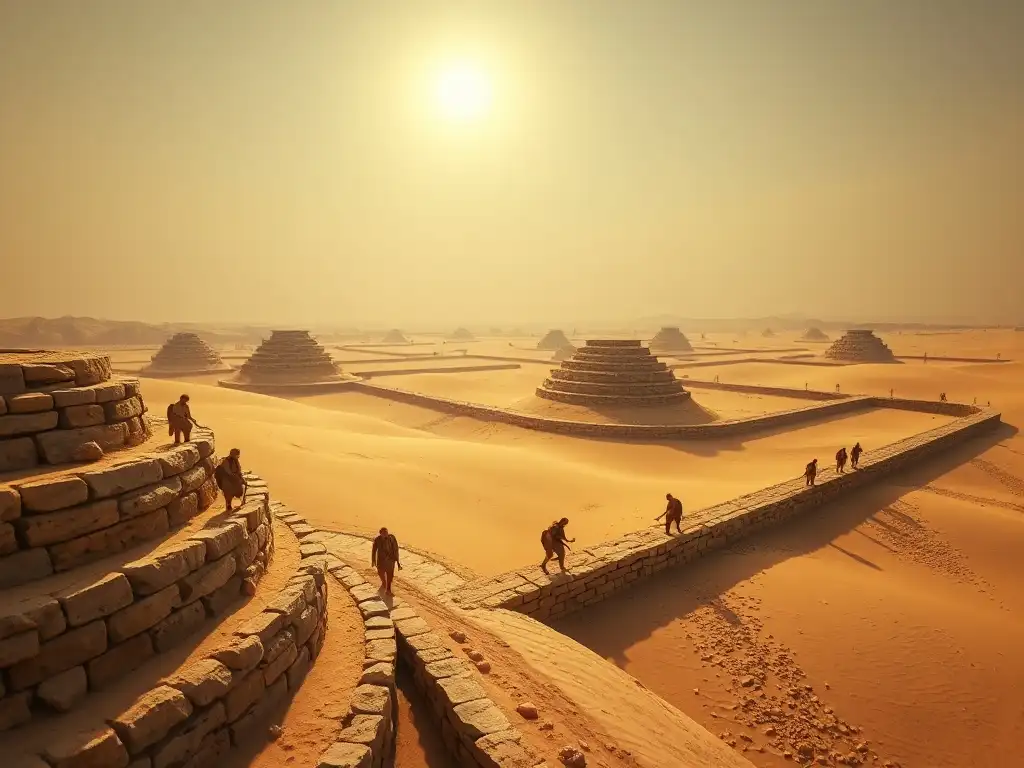
The Nazca's remarkable achievements in agriculture and infrastructure were underpinned by sophisticated resource management techniques, especially concerning water in the arid coastal region of Peru. Their success wasn't solely due to technological innovation; it was inextricably linked to their societal structure and the effective allocation of resources. Understanding their resource management strategies requires examining the interplay between technological prowess and social organization.
This intricate relationship ensured the survival and prosperity of the Nazca civilization for centuries. The ability to effectively manage scarce resources like water was crucial for their survival and the flourishing of their complex society. This section will explore how the Nazca's societal organization facilitated their efficient resource management.
The Role of Leadership in Resource Allocation
The Nazca civilization, while lacking a centralized, unified state like the Inca, possessed a hierarchical social structure with influential leaders playing a crucial role in resource allocation. Evidence suggests that these leaders, likely priests or chiefs, were responsible for overseeing the construction and maintenance of crucial infrastructure like canals and aqueducts. Their authority facilitated the coordination of labor and the equitable (or at least, relatively equitable) distribution of water resources.
This centralized, albeit localized, control was essential for preventing conflicts over access to precious water sources. The intricate network of canals and subsurface channels, some spanning kilometers, required significant manpower and coordination, pointing to the existence of a well-defined leadership structure capable of organizing and directing large-scale projects.
The success of these projects hinges on effective communication and organization, indicative of a sophisticated system of social control and power. Further research is needed to [specific information pending] fully understand the extent and nature of this leadership's authority concerning resource management.
Evidence of Planned Resource Management Strategies
The Nazca's ingenuity in managing water resources is clearly demonstrated by their extensive irrigation systems. These weren't haphazard constructions; rather, they display meticulous planning and execution. The construction of underground canals, known as puquios, is a prime example.
These ingenious systems tapped into underground aquifers, bringing water to the surface for agricultural use. The puquios weren't simply dug; they involved careful engineering to ensure a consistent water flow and to prevent collapse. The precise location of these canals, often following natural water courses and strategically placed to maximize water capture, showcases an advanced understanding of hydrology and a commitment to long-term planning.
Furthermore, the construction of elevated aqueducts, though less common than puquios, highlights their ability to transport water across challenging terrain. These systems were not built overnight; they represent a sustained investment of labor and resources over generations, indicative of a long-term vision for water management. The remarkable preservation of some of these structures, even today, is a testament to the quality of their construction and the careful planning that went into their design.
| Structure Type | Description | Evidence of Planning | Challenges Overcome |
|---|---|---|---|
| Puquios | Underground canals tapping into aquifers | Precise placement, complex engineering | Maintaining water flow, preventing collapse, aquifer depletion |
| Aqueducts | Elevated channels transporting water across terrain | Carefully chosen routes, robust construction | Terrain challenges, material availability, maintenance |
| Reservoirs | [Specific information pending] | [Specific information pending] | [Specific information pending] |
The Impact of Resource Management on Nazca Prosperity
The Nazca's sophisticated water management techniques were fundamental to their societal prosperity. The ability to cultivate crops in an otherwise arid environment allowed for a relatively stable food supply, supporting a larger and more complex population. This surplus of food likely contributed to the development of specialized crafts, intricate textiles, and elaborate artistic expressions. Their advanced agricultural practices sustained a population density significantly higher than that of their neighboring groups.
This increased population density, in turn, fueled economic growth and social complexity. The surplus agricultural production freed up labor for other activities, leading to advancements in pottery, weaving, and metalworking. The iconic Nazca Lines, though their purpose remains debated, also point to a society with sufficient resources and leisure time to undertake such massive projects.
Therefore, the effective management of water resources was not merely a matter of survival; it was a catalyst for the remarkable cultural and technological achievements of the Nazca civilization. The Nazca’s success serves as a powerful example of how effective resource management can lay the foundation for a flourishing and complex society. Their legacy continues to inspire awe and admiration, demonstrating the incredible ingenuity and adaptability of human beings facing environmental challenges.
Conclusion: The Legacy of Nazca Resourcefulness
The Nazca's remarkable achievements in resource management, particularly their sophisticated water management techniques, stand as a testament to their ingenuity and adaptability. Their ability to thrive in a seemingly harsh desert environment highlights the importance of understanding and working with nature, rather than against it. The Nazca weren't simply passive inhabitants of their environment; they were active participants, shaping it to meet their needs through careful planning and innovative solutions.
This wasn't merely a matter of survival; it was a sophisticated system that allowed for complex social structures and the flourishing of a unique culture, evident in their iconic geoglyphs and intricate pottery. Their legacy continues to inspire awe and provides valuable lessons for modern societies facing similar challenges of resource scarcity and environmental sustainability.
Lessons from the Nazca Civilization’s Approach to Resource Management
The Nazca's success in managing scarce resources offers several key takeaways applicable even today. Their understanding of hydrology, demonstrated by their extensive canal systems and subterranean aqueducts, is a prime example. This wasn't a haphazard approach; it involved detailed knowledge of water flow, soil types, and seasonal variations.
They understood the importance of water conservation and employed techniques like terracing to maximize water retention in agriculture. Furthermore, their resource management wasn't solely focused on water; they also carefully managed their limited arable land, employing techniques optimized for the arid climate. This holistic approach, integrating various aspects of resource management, is crucial for sustainable development.
We can learn from their integrated approach, emphasizing efficient resource use and minimizing waste, principles vital for facing modern challenges like climate change and population growth. The Nazca's careful planning and long-term vision in resource management should serve as a model for sustainable practices. Their success wasn't just about immediate needs; it was about building a resilient society capable of enduring for centuries.
Nazca Innovations and their Relevance Today
The Nazca's innovations in water management, such as their intricate network of canals and underground aqueducts, remain impressive feats of engineering. These systems, built centuries ago, demonstrate a deep understanding of hydraulic principles and a remarkable ability to manipulate the landscape. The precision and scale of these projects suggest sophisticated planning and organizational capabilities. The relevance of these innovations extends beyond mere historical interest.
Their techniques of water harvesting and storage offer valuable insights for modern arid and semi-arid regions struggling with water scarcity. Modern engineers and researchers continue to study Nazca water management techniques to inform contemporary water resource management strategies. For instance, the principles of subsurface irrigation, employed by the Nazca, are being re-evaluated and applied in modern sustainable agriculture practices. The Nazca's ingenuity in adapting to their environment offers a powerful example of sustainable resource management, highlighting the importance of understanding local conditions and employing appropriate technologies.
Their legacy serves as a reminder that sustainable development is not just about technological advancement, but also about understanding and respecting the environment. The enduring impact of Nazca ingenuity underlines the importance of learning from past civilizations to address present-day challenges. The study of their techniques provides valuable lessons for creating more sustainable and resilient societies in the face of increasing environmental pressures. The Nazca's remarkable achievements in water management continue to inspire and inform solutions for the future.
Frequently Asked Questions
What were the most significant challenges faced by the Nazca in terms of resource management?
The Nazca civilization faced the challenge of arid climate and scarce water resources in the coastal desert of Peru. Their survival depended on ingenious methods to manage the limited water available.
How did the Nazca people overcome water scarcity?
The Nazca developed sophisticated water management techniques, including aqueducts, canals, and underground galleries (puquios) to collect, store, and distribute water from underground sources and seasonal rivers.
Can you explain the Nazca aqueducts in more detail?
Nazca aqueducts were surface channels that transported water over long distances, often using gravity and carefully graded slopes to bring water to their settlements and fields. They were essential for irrigation.
What were puquios, and what role did they play in Nazca water management?
Puquios were ingenious underground water channels that tapped into underground aquifers. These systems allowed the Nazca to access a reliable water source even during dry periods. They were crucial for agriculture and daily life.
What is the significance of Nazca water management techniques for understanding their civilization?
The sophistication of Nazca water management highlights their advanced engineering skills and profound understanding of hydrology. These techniques were critical to their survival and allowed for the development of a complex society in a harsh environment.
Final Reflection: The Enduring Legacy of Nazca Water Wisdom
The ingenious water management techniques employed by the Nazca civilization remain a potent reminder of humanity's capacity for innovation in the face of environmental challenges. Their sophisticated systems, developed centuries ago in a seemingly inhospitable desert, offer invaluable lessons for contemporary societies grappling with water scarcity and sustainable resource management. This is particularly relevant today, as climate change exacerbates water stress globally.
The Nazca's ability to thrive in such a harsh environment, relying on their understanding of subsurface water sources and intricate canal systems, is a testament to their deep connection with their land and their remarkable ingenuity. Their achievements underscore the importance of understanding and respecting the delicate balance of ecosystems. The desert, though seemingly barren, holds secrets for those who know where to look.
This quote, though not directly from a Nazca source, aptly captures the essence of their resourcefulness and the hidden potential within seemingly arid landscapes.
Consider the implications of the Nazca's achievements. Their methods, though ancient, offer a blueprint for sustainable practices that we can adapt and apply today. You can contribute to a more sustainable future by learning from their example – by supporting initiatives promoting water conservation, advocating for responsible water management policies, and fostering a deeper understanding of the interconnectedness of our environment. Let the legacy of the Nazca inspire you to become a steward of our precious water resources.
Unveil the Secrets of Sustainable Resource Management!
Thank you for exploring the fascinating world of sustainable resource management! You've uncovered valuable insights into how resourceful civilizations creatively utilized available resources to thrive in challenging environments. Now, it's time to put your knowledge into action!
Here are some empowering steps you can take:
- **Explore local sustainability initiatives in your community:** Identify organizations dedicated to resource conservation and consider volunteering your time or skills to support their efforts. Perhaps you could help with a local recycling program or participate in a community garden.
- **Share your knowledge:** Discuss sustainable practices with friends, family, and colleagues. Raising awareness about responsible resource use can inspire positive change.
- **Conduct a resource audit at home:** Assess your personal consumption of water, energy, and other resources. Look for opportunities to reduce waste and adopt more sustainable habits, such as switching to energy-efficient appliances or reducing your reliance on single-use plastics.
How do you plan to apply the principles of sustainable resource management in your daily life or community? We'd love to hear your ideas!