
Nazca Farming Tools: Uncovering the Technology of Ancient Agriculture

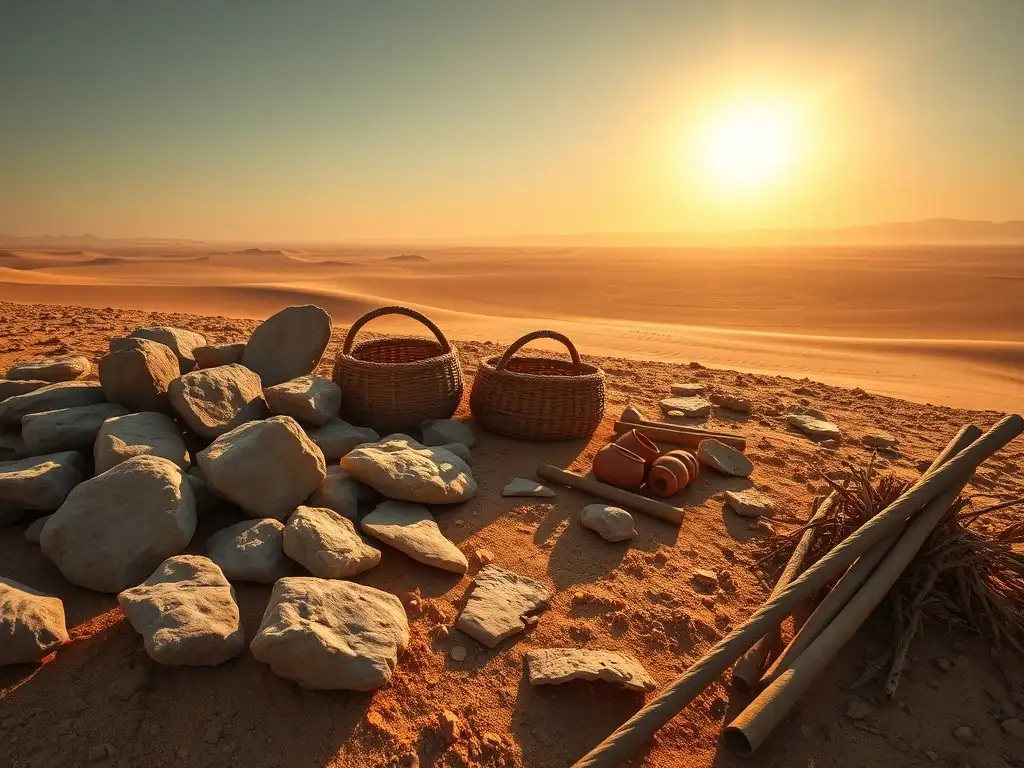
Step into a world lost to time, where ingenuity thrived amidst the arid landscapes of the Andes. Prepare to be amazed by the remarkable advancements of ancient Andean civilizations, their intricate societies, and breathtaking artistry. But first, let's delve into the fascinating world of Nazca agriculture tools – ingenious inventions that defied the harsh desert and allowed a thriving civilization to flourish. Discover how these tools shaped a landscape and a legacy, and unlock the secrets behind their remarkable agricultural success. Their story is waiting to be unearthed...
The Nazca civilization, renowned for its enigmatic geoglyphs, also possessed a sophisticated understanding of agriculture, essential for their survival in the arid coastal plains of southern Peru. This article delves into the ingenious farming tools and techniques employed by the Nazca people, showcasing their remarkable adaptability and ingenuity in harnessing scarce resources to cultivate a thriving society.
We'll explore the innovative tools they developed, the challenges they overcame, and the lasting impact of their agricultural practices on the region. Understanding their agricultural technology provides crucial insight into the complexity and resilience of this fascinating ancient culture, revealing a level of sophistication often overlooked amidst the fame of their iconic desert art.
This exploration will shed light on how the Nazca people, facing harsh environmental conditions, managed to develop sustainable farming methods, leaving behind a legacy that continues to intrigue and inspire researchers today. This investigation into Nazca agriculture tools will highlight the intricate relationship between the Nazca people and their environment, demonstrating their profound understanding of their surroundings and their ability to manipulate it for their benefit.
Introduction to Nazca Agricultural Practices
The Nazca people, inhabiting a geographically challenging landscape characterized by arid deserts and limited water resources, developed remarkably effective agricultural techniques. Their success wasn't solely reliant on sheer determination; it stemmed from a deep understanding of their environment and the creation of ingenious tools and irrigation systems. Unlike many other ancient civilizations that relied heavily on rainfall, the Nazca cleverly adapted to their environment by constructing intricate canal systems to channel water from rivers and underground aquifers to their fields.
This allowed them to cultivate crops in areas that would otherwise have been barren. They also employed sophisticated terracing techniques on hillsides to maximize arable land and prevent soil erosion.
These practices, combined with their innovative tools, allowed them to cultivate a variety of crops, including cotton, maize, beans, squash, and gourds, forming the backbone of their economy and sustenance. The ingenuity of their agricultural practices is a testament to their advanced understanding of hydrology and soil management.
The Nazca's mastery of agriculture was not simply a matter of survival; it was deeply intertwined with their religious and social structures. Evidence suggests that agricultural rituals and ceremonies played a significant role in their society, underscoring the importance of successful harvests for their well-being and prosperity.
The careful management of water resources and the cultivation of diverse crops demonstrate a level of social organization and planning that reflects a highly developed and sophisticated society. Archaeological findings continuously reveal new insights into the complexity of their agricultural practices, highlighting the sophistication of their techniques and the importance of agriculture in shaping their culture.
The Importance of Agriculture in Nazca Society
Agriculture formed the very foundation of Nazca society, providing sustenance, raw materials for textiles and construction, and a basis for economic and social organization. The success of their farming directly impacted their ability to support a relatively large population density in a challenging environment. The surplus generated through efficient agricultural practices likely contributed to the development of specialized crafts and the creation of elaborate artistic expressions, such as the famous Nazca Lines.
The availability of food surpluses also allowed for the development of a complex social hierarchy and the emergence of specialized roles within the community, leading to a more structured and organized society. The centrality of agriculture is evident in the numerous archaeological sites that reveal extensive irrigation canals, terraced fields, and the remains of storage facilities, all pointing to a well-organized and efficient agricultural system.
Furthermore, the cultivation of cotton was particularly crucial to the Nazca economy. Cotton was used to produce textiles, which were not only essential for clothing but also played a significant role in trade and social status. The production and trade of cotton textiles likely contributed to the economic prosperity of the Nazca civilization and facilitated interactions with other societies in the region.
The intricate designs and high quality of Nazca textiles are a testament to their advanced weaving techniques and the importance of cotton cultivation in their society. The relationship between agriculture and the development of other aspects of Nazca culture, such as art and trade, highlights the profound impact of their agricultural achievements. The study of Nazca agriculture provides a holistic understanding of this fascinating civilization, extending beyond the iconic geoglyphs to reveal a complex and sophisticated society intricately connected to its environment.
Understanding the Nazca Environment and its Challenges
The Nazca civilization thrived in a geographically challenging environment along the southern coast of Peru. The coastal desert is characterized by arid conditions, scarce rainfall, and unpredictable weather patterns. Successful agriculture required innovative techniques and specialized tools to overcome these limitations.
The Nazca people weren't just dealing with a lack of rain; they also faced issues with sandy soil, strong winds that could damage crops, and the ever-present threat of flash floods from infrequent but intense rainfall in the Andes mountains. Their agricultural success is a testament to their ingenuity and deep understanding of their environment. They developed sophisticated irrigation systems, including canals and underground aqueducts, to capture and distribute scarce water resources.
This intricate water management, coupled with their advanced farming tools, allowed them to cultivate crops in this otherwise inhospitable landscape. The Nazca's mastery of their environment is crucial to understanding the context of their agricultural technology. Without understanding these challenges, the ingenuity of their tools might be overlooked.
Key Nazca Agriculture Tools and Their Functions
The Nazca people developed a diverse range of tools specifically designed for their unique agricultural challenges. These tools were crafted from readily available materials, primarily wood, stone, and bone, reflecting their adaptive approach to resource management. The tools were not merely functional; they were carefully designed and crafted, reflecting the importance of agriculture to Nazca society. Their effectiveness stemmed from a combination of simple yet ingenious design and a deep understanding of soil mechanics and plant growth.
The variety of tools indicates a sophisticated agricultural system involving various stages of cultivation, from soil preparation to harvesting. The following sections will delve deeper into some of the most important tools used by the Nazca farmers. The level of sophistication in their toolmaking speaks volumes about their societal organization and agricultural expertise.
The Chaquitaclla: The Andean Foot Plow
The chaquitaclla, a foot-operated plow, is arguably one of the most iconic Andean agricultural tools. This ingenious device consisted of a T-shaped wooden frame with a sharp stone or metal point attached to the bottom. By placing their foot on the crossbar, farmers could leverage their body weight to loosen the soil, making planting easier. The chaquitaclla’s effectiveness lay in its ability to efficiently till the relatively hard soil of the Nazca region without the need for animal power.
Its design allowed for precise control and minimized soil disturbance, preserving soil structure and moisture. The widespread use of this tool across various Andean cultures highlights its efficiency and adaptability to diverse terrains. Archaeological evidence suggests variations in the chaquitaclla's design across different regions and time periods, suggesting ongoing refinement and adaptation.
Digging Sticks: Versatile Tools for Cultivation
Digging sticks, simple yet effective tools, played a crucial role in Nazca agriculture. These were typically long, pointed sticks made from hardened wood or bone. They were used for a variety of tasks, including digging holes for planting seeds, weeding, and loosening compacted soil. Their versatility made them indispensable tools for Nazca farmers.
The length and point shape varied depending on the specific task. For example, longer sticks might have been used for deeper planting, while shorter, stouter sticks might have been better suited for weeding. The simplicity of their construction allowed for easy replacement and widespread use. Evidence suggests these were common tools used by both men and women in agricultural activities.
Stone Hoes: Breaking Ground and Preparing Soil
Stone hoes were essential for preparing the soil for planting. These tools consisted of a flat, sharp stone blade attached to a wooden handle. The blade's shape and size varied, depending on the type of soil and the task at hand. Some were designed for breaking up hard soil, while others were used for smoothing the surface before planting.
The stone hoes were durable and effective in working the relatively hard and often rocky soil of the Nazca region. The manufacturing process likely involved careful selection of suitable stone, shaping, and then securely attaching it to the wooden handle, a process that would have required considerable skill. The effectiveness of these tools highlights the Nazca's understanding of the properties of different stones and their ability to shape them into functional implements.
Planting Tools: Precision and Efficiency in Sowing
Planting tools ensured precise and efficient sowing of seeds. While specific designs for Nazca planting tools are not extensively documented, it is reasonable to assume they used simple implements like pointed sticks or small, specialized digging sticks to create individual holes for seeds. The need for precision would have been critical in the arid environment to maximize water and nutrient use.
The spacing and depth of planting would have been crucial for optimal crop growth. Although specific artifact examples are limited in readily available sources, the importance of precise planting in their agricultural system is undeniably significant. Further research and archaeological discoveries could reveal more about the specific tools employed for sowing.
Harvesting Implements: Gathering the Bounty
Harvesting implements were crucial for gathering the crops. Simple tools, likely made from wood or bone, were used to cut and collect the mature plants. Sickles or similar cutting tools would have been essential for harvesting crops like cotton and maize. The design of these tools would have been influenced by the specific crops being harvested and the characteristics of the plants themselves.
While detailed information on the specific types of harvesting tools remains limited, their importance in the overall agricultural cycle is clear. The efficiency of the harvest would have directly impacted the survival and prosperity of the Nazca people. Further research into Nazca agricultural practices could shed more light on the specific tools used for harvesting.
Materials Used in the Construction of Nazca Farming Tools
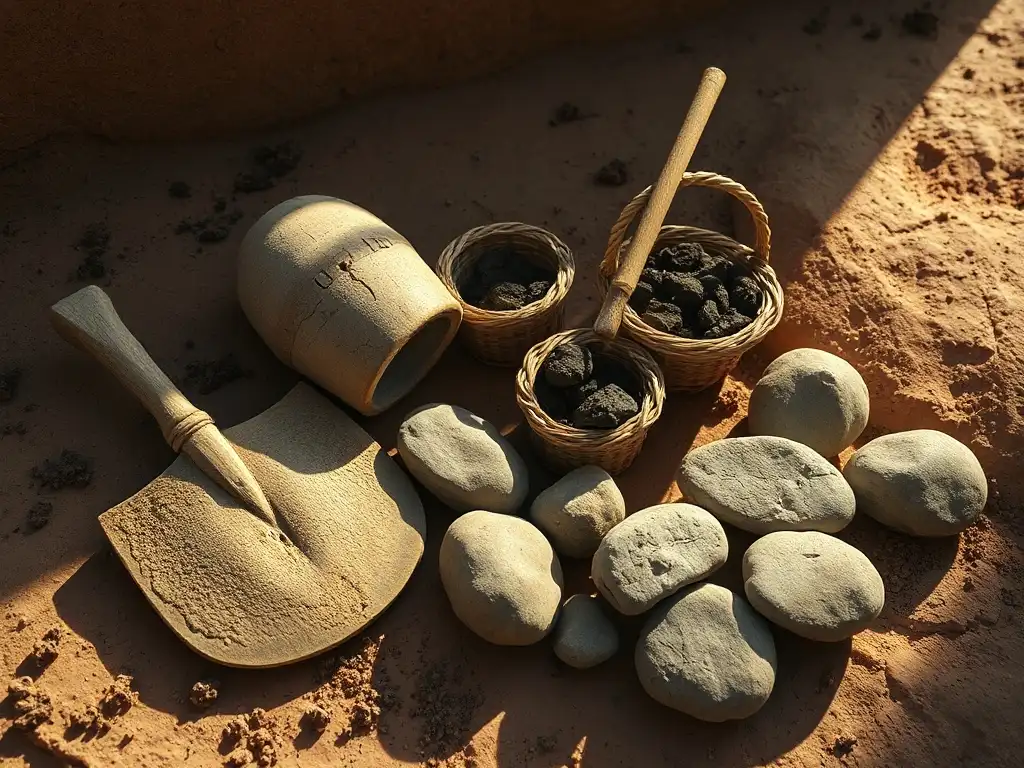
The ingenuity of the Nazca people is clearly reflected in the materials they selected for their agricultural tools. Their choices were dictated by the readily available resources in their arid environment and the specific needs of their farming practices. The Nazca weren't simply using whatever they could find; they carefully considered the properties of each material to maximize its effectiveness for a particular task.
This careful selection demonstrates a sophisticated understanding of material science and its application to agriculture. Their tools weren't just functional; they were carefully crafted to optimize efficiency and longevity within the constraints of their environment. The durability and effectiveness of these tools played a crucial role in the success of their agricultural endeavors.
Local Stone: Shaping Durable Tools
Stone, abundant in the Nazca region, formed the backbone of many of their farming tools. Hard, volcanic stones like andesite and basalt were particularly prized for their resistance to wear and tear. These stones were meticulously shaped and ground using other stones, a process requiring considerable skill and patience. The resulting tools, such as hoes and grinding stones, were remarkably durable, capable of withstanding years of intensive use in the challenging Nazca terrain.
Archaeological evidence reveals a variety of stone tools, each designed for a specific purpose, highlighting the Nazca's advanced understanding of tool design and the properties of different stone types. The precision with which these tools were crafted is a testament to the skill and dedication of the Nazca artisans. Furthermore, the careful selection of stone types indicates a deep understanding of material science and its application to tool-making.
Wood and Bone: Lightweight and Functional Options
While stone provided strength and durability, wood and bone offered lighter, more easily manipulated alternatives. The Nazca utilized readily available woods, likely from local trees and shrubs, to create handles for tools like hoes and digging implements. The use of wood provided a comfortable grip and reduced fatigue during prolonged use.
Bone, often from camelids, served as a versatile material for crafting smaller tools and implements. Its relative lightness and ease of shaping made it ideal for creating specialized tools such as awls and needles for weaving and textile production, which indirectly supported agricultural activities. The combination of stone, wood, and bone in tool construction showcases the Nazca's practical approach to material selection, balancing strength, weight, and ease of use for optimal agricultural efficiency.
The Use of Cordage in Tool Construction
Cordage, primarily made from cotton and other plant fibers, played a crucial role in Nazca tool construction. It was not merely used for binding; it was integrated into the design of many tools to enhance functionality and durability. For example, cordage might have been used to secure stone blades to wooden handles, creating a strong and reliable connection.
This demonstrates a sophisticated understanding of engineering principles and material science, demonstrating resourcefulness and advanced technological understanding. Moreover, the production of high-quality cordage itself required specialized knowledge and skills, highlighting the interconnectedness of different aspects of Nazca society and their support for agricultural practices. The use of cordage further emphasizes the resourcefulness and advanced technological capabilities of the Nazca people.
The Impact of Nazca Farming Tools on Agricultural Productivity
The effectiveness of Nazca farming tools significantly influenced their agricultural productivity and shaped their societal development. The tools weren't just simple implements; they were carefully designed and crafted instruments that facilitated efficient farming techniques, directly impacting the success of their agricultural practices. Their innovation in tool design and material selection allowed them to overcome the challenges of their arid environment and cultivate crops successfully. The impact of these tools can be seen in several key areas.
Advanced Irrigation Systems and Their Relation to Tools
The Nazca's remarkable irrigation systems are a testament to their engineering prowess and understanding of water management. These systems, often involving complex networks of canals and aqueducts, required specialized tools for construction and maintenance. Stone tools were likely used to dig and shape canals, while cordage may have been used to reinforce structures. The effectiveness of these irrigation systems was directly linked to the quality and availability of the tools used in their creation and upkeep. Without the appropriate tools, the construction and maintenance of these extensive irrigation networks would have been significantly more challenging, if not impossible.
Increased Crop Yields and Food Security
The improved efficiency provided by their tools directly translated into increased crop yields. The ability to cultivate crops effectively in a harsh desert environment was a remarkable achievement, and their tools played a central role in this success. Higher yields ensured food security for the Nazca population, contributing to the stability and growth of their society. This increased food production supported a larger population and allowed for specialization of labor, contributing to the overall development of Nazca civilization. The impact on food security was profound, enabling the development of a complex and sophisticated society in a challenging environment.
Sustainable Agricultural Practices of the Nazca People
Despite the arid conditions, the Nazca developed sustainable agricultural practices. Their carefully designed tools and efficient farming techniques minimized environmental impact and maximized resource utilization. The durability of their tools reduced the need for frequent replacement, minimizing resource consumption. Their irrigation systems, while extensive, were carefully managed to conserve water.
This combination of advanced technology and sustainable practices allowed the Nazca to thrive for centuries in a challenging environment. This demonstrates a remarkable understanding of the delicate balance between human needs and environmental sustainability, a lesson relevant even today. Their approach provides a valuable case study in sustainable resource management.
Archaeological Evidence of Nazca Agriculture Tools
Excavation Sites and Tool Discoveries
Archaeological digs at various Nazca sites have yielded a wealth of information regarding their agricultural tools. Excavations at locations like Cahuachi, a major ceremonial center, and numerous smaller settlements scattered across the Nazca desert, have unearthed a variety of tools. These discoveries often occur within the context of domestic dwellings, suggesting their everyday use. The tools are frequently found alongside other artifacts related to agriculture, such as storage containers and irrigation canals, providing valuable context for their function.
Detailed records meticulously document the location, orientation, and associated artifacts of each tool discovery, crucial for understanding their use within the broader agricultural system. Further analysis is often needed to fully understand the context and significance of the finds. For instance, the proximity of certain tools to irrigation channels might suggest specific roles in water management.
Analysis of Tool Marks and Usage Patterns
Analysis of tool marks on unearthed artifacts, particularly on agricultural implements and the remains of processed plants, offers insights into tool usage and the techniques employed by Nazca farmers. Microscopic examination of wear patterns on tools reveals information about the materials worked, the force applied, and the specific actions performed. For instance, the presence of scratches on a digging implement might indicate its use in breaking up compacted soil, while polished surfaces could suggest repeated use for smoothing or grinding tasks.
The study of these microscopic traces is crucial for reconstructing the complete picture of Nazca agricultural practices. Furthermore, the study of plant remains, particularly those displaying evidence of tool use, can provide additional information about the techniques used in harvesting and processing crops. The combination of tool analysis and plant residue analysis provides a comprehensive picture of Nazca agricultural technology.
Preserved Tools in Museum Collections
Many Nazca agricultural tools are housed in museum collections around the world, providing researchers with invaluable opportunities for study. These collections contain a wide variety of tools, including hoes, digging sticks, and grinding stones, often in various states of preservation. Detailed documentation accompanying these collections, including photographs, drawings, and excavation reports, allows researchers to reconstruct the tools' original appearance and function.
The preservation of these tools is crucial for understanding Nazca technology, and ongoing research continues to shed light on their design, manufacturing techniques, and use. Careful conservation efforts are essential to ensure the long-term preservation of this irreplaceable heritage. The study of these artifacts allows for comparisons across different time periods and geographical regions, helping to build a more comprehensive understanding of Nazca agricultural practices.
Comparing Nazca Agriculture Tools with Other Andean Cultures
Similarities and Differences in Tool Design
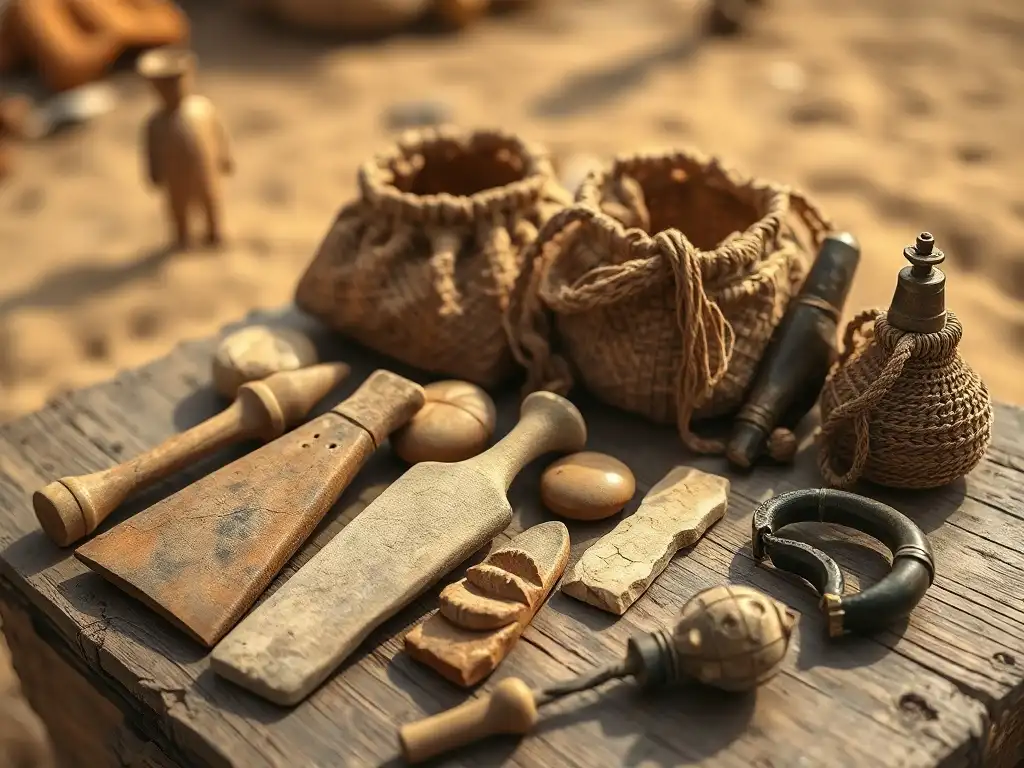
Comparing Nazca agricultural tools with those of other Andean cultures reveals both similarities and striking differences. While many basic tools, such as digging sticks and grinding stones, were common across various Andean societies, specific designs and materials varied significantly. The Nazca, for instance, demonstrated a particular proficiency in the creation of finely crafted tools from stone and bone, showing a higher level of sophistication in some tool designs compared to their contemporaries in other regions.
This difference may be attributed to factors such as access to specific raw materials or unique technological innovations. Further research is needed to fully understand the reasons behind the variations in tool design across different Andean cultures. A detailed comparative analysis of tool types and manufacturing techniques can illuminate the unique aspects of Nazca agricultural technology.
Adaptations to Local Environments
The Nazca culture's tools reflect remarkable adaptations to their arid environment. Unlike cultures in more humid regions, the Nazca had to contend with extremely dry conditions and poor soil quality. Their tools reflect these challenges; for example, the design of their digging implements might suggest adaptations for working with compacted desert soils.
The materials used in tool construction also likely reflect local availability. The comparison with other Andean societies’ tools highlights the ingenuity and adaptability of the Nazca in developing tools suited to their specific environmental constraints. This adaptation demonstrates a remarkable understanding of their environment and the ability to develop effective tools to overcome the challenges of desert agriculture.
Technological Exchange and Innovation
The similarities and differences in agricultural tools across Andean cultures suggest a complex interplay of technological exchange and independent innovation. While some tool types were shared across different cultures, variations in design and material suggest independent adaptations to local conditions and the development of unique technological solutions. The Nazca culture, while sharing some tools with neighboring cultures, also exhibited innovations in tool design and manufacturing techniques.
Analyzing the geographical distribution of specific tool types can help to trace patterns of technological exchange and diffusion across the Andes. This exchange and innovation underscore the dynamic nature of technological development in the ancient Andean world. Further research into trade routes and cultural interactions can illuminate the extent of technological exchange and the factors that drove innovation within the Nazca culture.
The Legacy of Nazca Farming Techniques and Tools
The ingenuity of Nazca agricultural practices continues to resonate even today. Their sophisticated understanding of water management, evidenced by their intricate canal systems, remains a testament to their advanced technological capabilities for the time. These systems, meticulously designed to maximize water distribution across arid landscapes, allowed for intensive agriculture in a challenging environment. The effectiveness of these techniques is remarkable, and their impact on the landscape is still visible centuries later.
Studying these systems provides valuable insights into sustainable water management strategies applicable in modern-day agriculture, particularly in regions facing water scarcity. The Nazca's ability to cultivate crops in such a harsh climate offers a valuable lesson in resourcefulness and adaptation. Their methods weren't simply about survival; they demonstrated a deep understanding of their environment and a commitment to optimizing their agricultural output. Understanding their techniques offers modern-day farmers valuable insights into water conservation and efficient irrigation.
Lessons for Modern Sustainable Agriculture
The Nazca's success in agriculture offers valuable lessons for modern sustainable agriculture practices. Their sophisticated water management techniques, including the construction of extensive canal systems and the use of raised fields, provide models for efficient irrigation and water conservation. Modern agricultural practices often prioritize high yields, frequently at the expense of environmental sustainability.
The Nazca, however, show that high yields can be achieved while minimizing environmental impact through careful planning and resource management. Their approach, focused on working with the environment rather than against it, is a crucial lesson for today's farmers striving for sustainable practices.
For example, the study of Nazca raised fields can inform the design of modern agricultural systems that minimize soil erosion and enhance water retention, leading to more resilient and environmentally friendly farming practices. The principles of sustainable agriculture exemplified by the Nazca are more relevant than ever in the face of climate change and growing concerns about water scarcity.
Preservation of Traditional Knowledge
The preservation of traditional knowledge related to Nazca farming tools and techniques is crucial for understanding and appreciating the sophistication of their agricultural practices. This knowledge, passed down through generations, provides invaluable insights into sustainable agriculture and resource management. Efforts to document and preserve this knowledge are essential for future generations. Archaeological research plays a vital role in uncovering and understanding these practices, but equally important is the collaboration with local communities who may still possess traditional knowledge about Nazca farming techniques.
This collaboration ensures that the knowledge is not only preserved but also remains relevant and accessible. Furthermore, preserving this knowledge can help us understand the cultural significance of agriculture within Nazca society and its connection to their worldview. The preservation of this knowledge is not just an academic exercise; it is a crucial step in understanding and appreciating the rich cultural heritage of the Nazca people.
The Enduring Ingenuity of the Nazca People
The Nazca people demonstrated remarkable ingenuity in developing and adapting their farming tools and techniques to the challenging environmental conditions of the coastal desert. Their ability to cultivate crops in a seemingly inhospitable environment is a testament to their innovative spirit and deep understanding of their surroundings. The creation of complex irrigation systems, the use of sophisticated tools, and the adaptation of crops to the arid climate all point to a remarkable level of technological advancement.
This ingenuity wasn't limited to the tools themselves; it extended to their agricultural practices, which were designed to maximize yields while minimizing environmental impact. Their success is a powerful example of human adaptability and innovation, showing how a civilization can thrive even in the face of seemingly insurmountable challenges. The Nazca legacy serves as inspiration for modern-day engineers and agriculturalists who face similar challenges in resource-scarce environments.
Conclusion: The Significance of Nazca Agriculture Tools
The study of Nazca agriculture tools provides valuable insights into the technological sophistication and resourcefulness of this ancient civilization. Their tools weren't simply implements; they were integral components of a complex agricultural system designed to thrive in a harsh desert environment. The effectiveness of their water management techniques and the ingenuity of their tools demonstrate a deep understanding of ecological principles and a remarkable ability to adapt to the challenges of their environment.
The enduring legacy of Nazca agriculture continues to inspire and inform modern approaches to sustainable agriculture. By studying their methods, we can gain valuable lessons in resource management, water conservation, and the importance of working in harmony with the environment.
Understanding the significance of Nazca agriculture tools helps us appreciate not only their technological achievements but also the cultural and social fabric of this remarkable ancient civilization. The knowledge gleaned from these studies contributes to a broader understanding of human ingenuity and adaptation across various cultures and time periods.
- Introduction to Nazca Agricultural Practices
- The Importance of Agriculture in Nazca Society
- Understanding the Nazca Environment and its Challenges
- Key Nazca Agriculture Tools and Their Functions
- Materials Used in the Construction of Nazca Farming Tools
- The Impact of Nazca Farming Tools on Agricultural Productivity
- Archaeological Evidence of Nazca Agriculture Tools
- Comparing Nazca Agriculture Tools with Other Andean Cultures
- The Legacy of Nazca Farming Techniques and Tools
- Conclusion: The Significance of Nazca Agriculture Tools
- What types of tools did the Nazca use for agriculture?
- How did Nazca agriculture tools differ from those of other Andean cultures?
- What materials were used to make Nazca farming tools?
- What was the significance of irrigation in Nazca agriculture?
- Where can I learn more about Nazca agricultural technology?
Frequently Asked Questions
What types of tools did the Nazca use for agriculture?
The Nazca employed a variety of tools, including simple digging sticks, stone hoes, and irrigation canals. These tools, combined with their advanced understanding of water management, allowed them to thrive in a desert environment.
How did Nazca agriculture tools differ from those of other Andean cultures?
While sharing some similarities with other Andean cultures, Nazca tools show adaptations to their specific arid environment. Their focus on irrigation and water conservation is particularly distinctive.
What materials were used to make Nazca farming tools?
Nazca tools were primarily made from wood, stone, and bone. These readily available materials were shaped and sharpened to perform specific agricultural tasks.
What was the significance of irrigation in Nazca agriculture?
Irrigation was absolutely crucial to Nazca agriculture. Their sophisticated canal systems allowed them to cultivate crops in the otherwise barren desert, supporting a large population.
Where can I learn more about Nazca agricultural technology?
You can explore further by researching Nazca archaeological sites, consulting academic journals, and visiting museums with collections of Andean artifacts. Many online resources also offer in-depth information.
Final Reflection: Echoes of Innovation in the Nazca Desert
The ingenuity of the Nazca people in developing sophisticated agricultural techniques, despite the harsh desert environment, remains a powerful testament to human adaptability and resourcefulness. Their mastery of water management and tool creation, as detailed in this article, continues to inspire awe and serves as a potent reminder of the importance of sustainable practices in the face of environmental challenges. We can learn much from their successes and failures.
The impact of the Nazca's agricultural innovations extends far beyond their own civilization. Their understanding of water conservation and efficient farming methods offers valuable lessons for modern agriculture, particularly in arid and semi-arid regions facing water scarcity. The past is never dead. It's not even past.
– William Faulkner. This quote rings true when considering the enduring relevance of the Nazca's agricultural knowledge; their techniques, though centuries old, still hold the potential to inform and improve contemporary practices.
Consider the challenges facing our world today: climate change, desertification, and food security. The Nazca's story reminds us that innovation and resilience are not merely abstract concepts but essential tools for survival and prosperity. You too can contribute to a more sustainable future by exploring innovative solutions to environmental challenges in your own community, however small. Let the ingenuity of the Nazca inspire you to think creatively and act decisively in the face of adversity.
Unearth Your Own Agricultural Journey!
Thank you for exploring the fascinating world of Nazca farming tools and their remarkable technological advancements. We hope you've been inspired by the ingenuity of these ancient farmers and their commitment to sustainable practices. Now, let's translate that inspiration into action by exploring the rich agricultural heritage around us.
Here are some ways to deepen your understanding and connection with agriculture:
- Gain hands-on experience with sustainable farming by joining a local community garden.
- Share your newfound knowledge and appreciation for innovative ancient farming techniques with friends, family, or online communities.
- Connect your gardening to ancient traditions by researching and using heirloom seed varieties still cultivated today.
What aspects of ancient agriculture resonate most with you, and how will you integrate those principles into your own gardening or farming practices?