
Nazca Lines: A Look at the Animals Depicted and Their Meaning

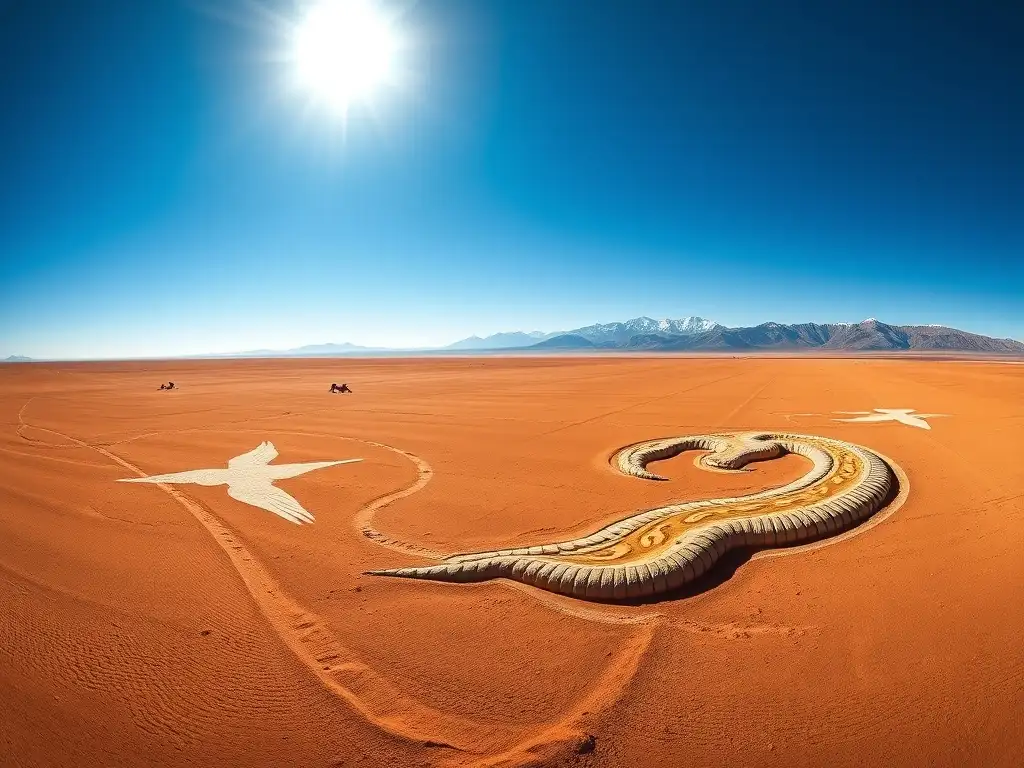
Unravel the mysteries of a lost world. For centuries, the enigmatic Nazca Lines have captivated imaginations, their colossal animal figures etched into the Peruvian desert. But what secrets do these ancient geoglyphs hold? Dive into the fascinating world of Nazca lines animal meanings and discover the possible interpretations behind these awe-inspiring creations—a journey into the heart of the Nazca civilization awaits.
- Nazca Lines: Unveiling the Animal Figures and Their Symbolic Significance
-
Nazca Lines Animal Depictions: A Detailed Analysis
- The Hummingbird: A Symbol of Fertility and Energy in Nazca Art
- The Spider: Representing Water and the Cycle of Life
- The Monkey: A Playful Figure with Possible Shamanic Connections
- The Condor: A Powerful Andean Icon of the Sky and Spirituality
- The Pelican: Depictions of Coastal Life and Their Significance
- The Lizard: A Ground Dwelling Animal Representing the Earth
- Decoding the Purpose of Nazca Animal Imagery
- The Importance of Preserving the Nazca Lines and Their Animal Representations
- Frequently Asked Questions
- Final Reflection: Unraveling the Enigma of the Nazca Animals
- **Unveil the Mysteries of the Nazca Lines! **
Nazca Lines: Unveiling the Animal Figures and Their Symbolic Significance
The Nazca Lines, etched into the Peruvian desert, remain one of archaeology's most enduring mysteries. These colossal geoglyphs, created by the Nazca culture between 500 BC and 500 AD, depict a vast array of figures, with animals forming a significant portion. Understanding the animal representations within these enigmatic lines offers a glimpse into the cosmology, beliefs, and societal structures of this advanced pre-Columbian civilization.
This article delves into the diverse fauna depicted in the Nazca Lines, exploring the potential meanings and interpretations surrounding these awe-inspiring creations. We will examine the various theories surrounding their purpose, focusing specifically on the symbolic significance attributed to the animals themselves, and how their depiction contributes to our understanding of Nazca culture and its relationship with the natural world. The keyword "Nazca lines animal meanings" will be explored throughout the article, providing insights into the rich tapestry of symbolism embedded within these ancient masterpieces.
Introduction to the Nazca Geoglyphs and Their Mysterious Origins
The Nazca Lines are not merely artistic expressions; they are a complex network of geoglyphs covering hundreds of square kilometers of the arid coastal plain of southern Peru. These immense figures, created by removing the reddish-brown surface stones to reveal the lighter subsoil, are best viewed from the air, a fact that has fueled much speculation about their purpose. While some lines are geometric patterns – straight lines, triangles, and spirals – many others depict animals and plants.
The sheer scale of these creations, some stretching hundreds of meters in length, is astonishing. Their creation required meticulous planning and execution, suggesting a sophisticated understanding of surveying and engineering. The precise methods employed by the Nazca people to create these geoglyphs remain partially unknown, adding another layer of intrigue to this enduring enigma.
Theories regarding their creation range from ceremonial rituals to astronomical observations, with the most prominent theories focusing on their role in religious or spiritual practices. Further research and analysis are continuously refining our understanding of these remarkable works, but many questions still surround their purpose and meaning. The mystery surrounding their creation only enhances their captivating allure.
Exploring the Diverse Fauna of the Nazca Lines
The Nazca Lines boast a remarkable diversity of animal depictions, showcasing the rich biodiversity of the region and perhaps reflecting the Nazca people's deep connection with the natural world. Among the most prominent animal figures are:
- Hummingbird: This delicate creature, often depicted in flight, might symbolize the swiftness, grace, and spiritual connection to the divine. Its presence could indicate a reverence for nature's delicate balance.
- Spider: The large spider figure is among the most recognizable, its intricate details meticulously rendered. Its symbolic meaning remains debated, with theories ranging from representations of a powerful deity to a reflection of the importance of weaving in Nazca society. 🐒
- Monkey: The monkey, a relatively rare depiction, might represent a connection to distant lands or a symbolic representation of agility and intelligence.
- Whale: Although the ocean was relatively far from the Nazca lines, the whale's inclusion may highlight the significance of trade or a spiritual connection to this powerful aquatic mammal.
- Llama: The llama, a crucial animal in Andean life, is also depicted, potentially reflecting its importance as a source of food, transport, and wool. Its inclusion could also be indicative of their importance in their spiritual beliefs.
The diversity of animals depicted in the Nazca lines, and the precision of their execution, highlights the sophisticated understanding of the natural world and remarkable artistic skills of the Nazca civilization. Further research is needed to fully understand the precise meanings behind each animal representation, but their presence undoubtedly provides valuable insight into the beliefs, values, and worldview of the ancient Nazca people. The continued study of these majestic geoglyphs promises to further unveil the secrets of this fascinating civilization.
Nazca Lines Animal Depictions: A Detailed Analysis
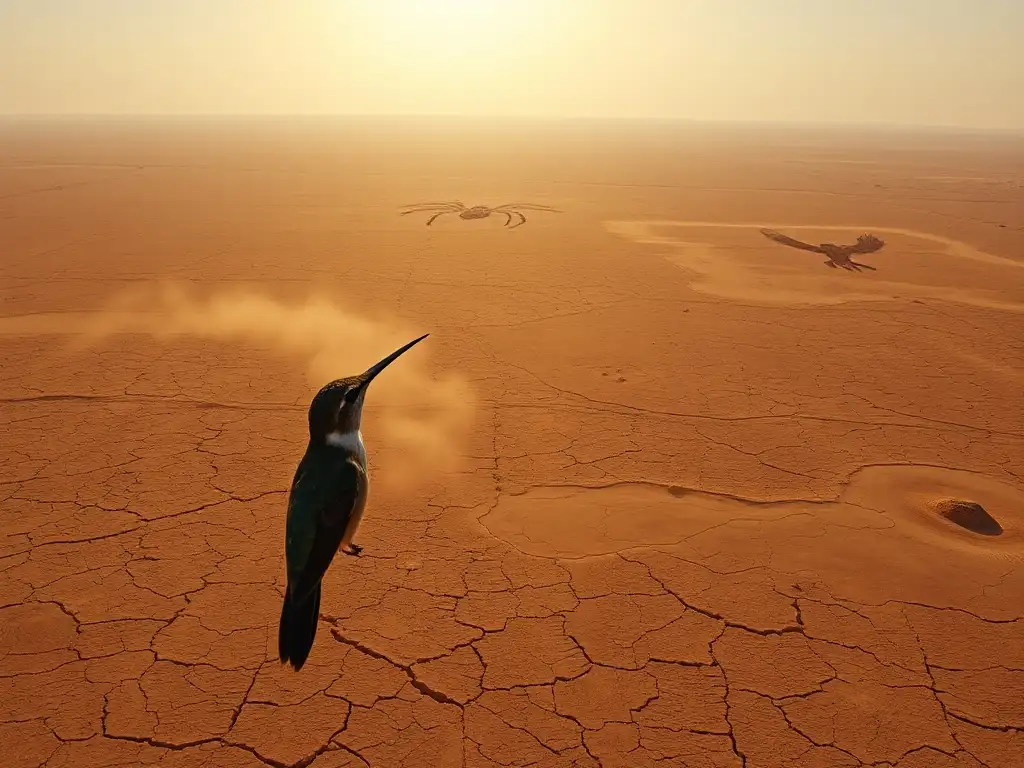
This section delves into the specific animal representations found within the enigmatic Nazca Lines and explores their potential symbolic meanings. While the exact interpretations remain a subject of ongoing scholarly debate, analyzing the characteristics of each animal and its cultural significance within the Nazca worldview offers valuable insights into their creation and purpose.
The sheer scale and precision of these geoglyphs, coupled with the rich iconography of Nazca art, suggest a profound connection between the animals depicted and the cosmological beliefs of the Nazca people. Understanding these connections helps us approach the Nazca lines animal meanings with a more nuanced perspective.
The Hummingbird: A Symbol of Fertility and Energy in Nazca Art
The hummingbird, a creature of incredible speed and agility, frequently appears in Nazca Lines. Its depiction is often remarkably detailed, capturing the delicate features of its wings and slender body. This attention to detail suggests its importance within Nazca culture. Beyond its aesthetic appeal, the hummingbird held significant symbolic weight. In many Andean cultures, hummingbirds were associated with fertility, renewal, and the vibrant energy of life itself. Their rapid movements and ability to hover were likely seen as manifestations of powerful, almost supernatural energy.
The presence of hummingbird geoglyphs within the larger Nazca Lines complex could be interpreted as a representation of the cyclical nature of life and the constant regeneration of the natural world. The hummingbird, therefore, acts as a potent symbol of the life-giving forces that sustain the Nazca ecosystem.
Further research into Nazca textile art and pottery reveals similar representations of hummingbirds, reinforcing their cultural significance and supporting the interpretation of these geoglyphs as powerful symbols of fertility and renewal. The vibrant colors often associated with hummingbirds in Nazca art also suggest a connection to the sun and its life-giving energy.
The Spider: Representing Water and the Cycle of Life
The spider, a creature often associated with creation myths and the web of life, is another prominent figure in Nazca Lines. Unlike the hummingbird's association with the sun and air, the spider's connection to the earth and its resources, particularly water, is more prominent. In the arid Nazca desert, water was a precious and life-sustaining resource. The spider's intricate web, capable of trapping moisture and sustenance, could have symbolized the complex systems necessary for survival in this challenging environment.
The spider's eight legs, representing multiplicity and interconnectedness, might also symbolize the intricate relationships within the Nazca ecosystem and the delicate balance necessary for its survival. Furthermore, the spider's ability to both create and destroy (through its web and venom) could represent the cyclical nature of life and death, mirroring the constant interplay of creation and destruction observed in the desert environment.
The size and detail of the spider geoglyphs suggest that this creature held a position of significant importance within Nazca cosmology, potentially representing the life-giving power of water and the interconnectedness of all living things. The spider's presence, therefore, adds another layer to our understanding of the Nazca lines animal meanings, highlighting the importance of water and the cyclical nature of life in the Nazca worldview.
The Monkey: A Playful Figure with Possible Shamanic Connections
The depiction of monkeys in the Nazca Lines is less frequent than that of hummingbirds or spiders, but no less intriguing. While their exact symbolic meaning remains a matter of ongoing debate among researchers, several interpretations are worth considering. Monkeys, with their playful nature and agility, could have symbolized aspects of human behavior, particularly the playful, mischievous, or unpredictable aspects of human nature. Their arboreal lifestyle could also have linked them to the spiritual realm, as trees were often considered sacred in Andean cultures.
Furthermore, some researchers suggest a possible connection between monkeys and shamanic practices. Monkeys are often associated with trickery and illusion in various cultures, and this quality might have resonated with the shaman's ability to manipulate reality through altered states of consciousness. The playful, almost mischievous nature of the monkey could therefore have been seen as a representation of the shaman's power to move between worlds.
The limited number of monkey geoglyphs, compared to other animals, could indicate a more specialized or esoteric meaning, reserved for those with knowledge of shamanic practices. Further investigation into Nazca shamanistic traditions is crucial for a more complete understanding of the Nazca lines animal meanings, specifically the symbolism associated with the monkey. The scarcity of monkey representations adds a layer of mystery, highlighting the need for further research to fully unravel the secrets hidden within these ancient geoglyphs.
The Condor: A Powerful Andean Icon of the Sky and Spirituality
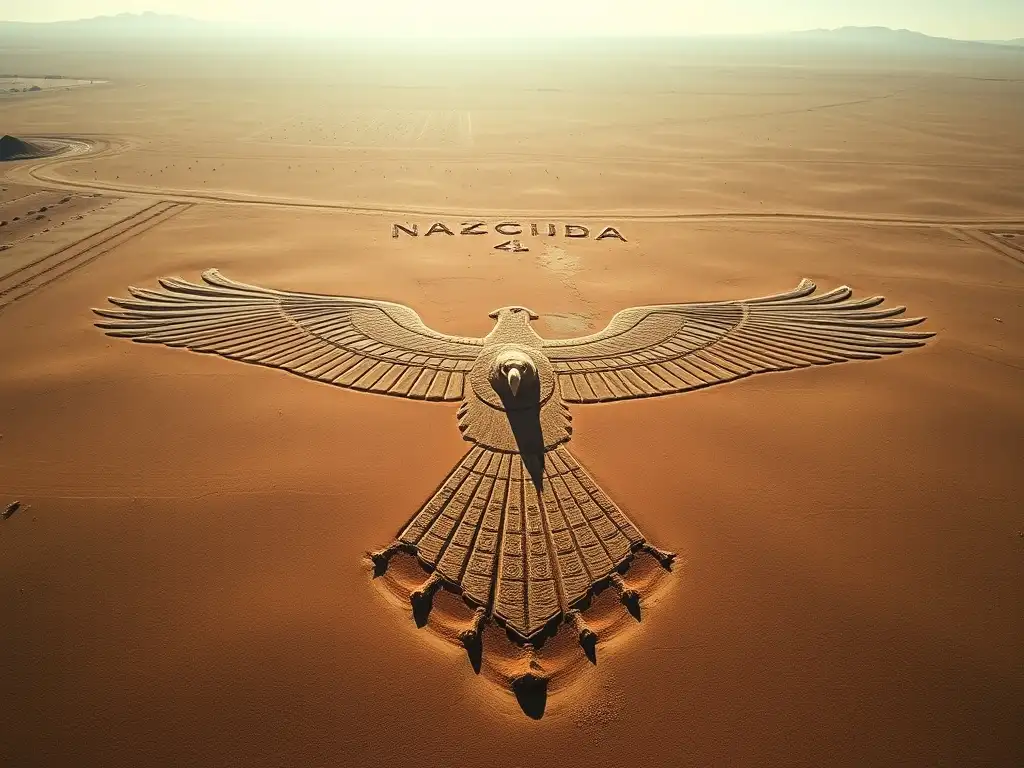
The condor, a majestic bird of prey, features prominently in Nazca Lines animal meanings. Its depiction in the geoglyphs isn't simply a representation of the animal itself; it holds deep symbolic significance within Andean cosmology. Condors, with their soaring flight and ability to reach incredible heights, were often associated with the sun, the sky, and the upper world—the realm of the gods and spirits.
In many Andean cultures, the condor symbolized power, strength, and spiritual connection. The size of the condor geoglyph, often significantly larger than other animals, further emphasizes its importance and the reverence in which it was held. The precise details within the Nazca condor depictions, like the intricate rendering of feathers and the powerful outstretched wings, suggest a careful and deliberate process, highlighting the profound respect for this creature.
The meticulous craftsmanship further supports the idea that the condor representation wasn't merely decorative, but served a ritualistic or spiritual purpose. Scholars continue to debate the exact meaning, but it's clear that the condor's presence in the Nazca Lines reflects a deeply ingrained cultural belief system. The powerful imagery likely served to connect the Nazca people with the spiritual realm and the forces of nature.
The Pelican: Depictions of Coastal Life and Their Significance
The presence of pelicans in the Nazca Lines provides valuable insight into the Nazca civilization's relationship with its coastal environment. Unlike the condor’s high-altitude symbolism, the pelican, a coastal bird, represents the life and bounty of the Pacific Ocean. The Nazca lines are located in a desert environment, yet the inclusion of a pelican suggests a significant connection to the coast, perhaps indicating trade routes, fishing practices, or a dependence on marine resources.
The size and detail of the pelican geoglyphs, while perhaps less grand than the condor, are still remarkably precise. This attention to detail suggests that the pelican, though representing a different aspect of the Nazca worldview than the condor, was equally important in their cultural understanding. Unlike the more readily apparent spiritual symbolism of the condor, the pelican’s meaning is arguably more grounded in the practical realities of daily life.
Its inclusion in the Nazca lines might be interpreted as a representation of sustenance, abundance, or a connection to the sea as a source of life and resources. Further research into the pelican's role in Nazca culture and the specific details of its depiction in the geoglyphs could unlock a deeper understanding of their coastal interactions and dependencies.
The Lizard: A Ground Dwelling Animal Representing the Earth
The lizard, in contrast to the soaring condor and the coastal pelican, represents the earth and the terrestrial world in the Nazca Lines animal meanings. Its depiction in the geoglyphs might symbolize fertility, abundance, or the connection to the land. Lizards, as ground-dwelling creatures, are closely tied to the earth and its cycles.
Their presence in the lines could therefore be interpreted as a representation of the Nazca people's dependence on the land for sustenance and survival. Unlike the more overtly spiritual representations of the condor, or the practical representation of the pelican, the lizard's role is more subtle, yet equally important. The specific species of lizard depicted, if identifiable, could provide further insights into the specific ecological context of the Nazca civilization.
The attention to detail in the lizard geoglyphs, though perhaps less striking than in other animals, still demonstrates the high level of skill and precision involved in creating these monumental works of art. This meticulous craftsmanship underscores the importance of this seemingly humble creature within the Nazca worldview and the broader landscape of their cultural beliefs. Further study of the lizard's symbolic significance in other Andean cultures might offer additional context and understanding.
Decoding the Purpose of Nazca Animal Imagery
The Nazca lines, etched into the Peruvian desert, are renowned for their colossal geoglyphs depicting a diverse array of animals. While the precise purpose remains a mystery, understanding the animal meanings within these enigmatic figures offers valuable insight into Nazca culture and beliefs. The sheer scale and complexity of these creations suggest a significant investment of time, resources, and societal organization, hinting at a deeper, symbolic purpose beyond mere artistic expression.
Researchers continue to debate the intended function of these lines, with leading theories focusing on astronomical alignments, ritualistic practices, and shamanic visions. The meticulous detail and the variety of animals represented – from hummingbirds to monkeys, lizards to whales – strongly suggest a complex system of symbolism deeply embedded in Nazca worldview. Analyzing the specific animals and their potential meanings helps us piece together a more complete picture of this fascinating civilization.
Astronomical Alignments and the Nazca Lines Animal Figures
One prominent theory posits that the Nazca lines, including the animal figures, served astronomical purposes. Some researchers suggest that certain lines and animal geoglyphs align with solstices or equinoxes, potentially marking important dates in the Nazca calendar or related to agricultural cycles. For example, the apparent alignment of the hummingbird geoglyph with the rising sun at the summer solstice could indicate a connection between the hummingbird's symbolic association with life and renewal, and the agricultural bounty that followed.
However, this theory remains controversial, with some arguing that any apparent alignments are coincidental given the vast number of lines and the potential for error in dating and measurement. Further research is needed, including more precise astronomical dating and a more comprehensive analysis of all the animal figures in relation to celestial events. The lack of definitive proof, however, doesn't diminish the intriguing possibility of this astronomical connection to the Nazca lines animal meanings.
More detailed studies comparing the geoglyphs' orientation with solar and lunar cycles are needed to strengthen this hypothesis. This would involve advanced digital mapping techniques and detailed astronomical calculations.
Ritualistic Practices and the Animal Glyphs
The scale and precision of the Nazca lines strongly suggest a ritualistic component. The immense effort required to create these geoglyphs points towards a highly organized society with a strong belief system. Many scholars believe that the animal figures played a vital role in these rituals, perhaps representing deities, ancestors, or powerful forces of nature.
The depiction of specific animals, such as the condor (a symbol of power and the upper world) or the serpent (associated with fertility and the underworld), might indicate the importance of these creatures in Nazca religious beliefs. Furthermore, the lines themselves may have been used as pathways for processions or ceremonies, with the animal figures serving as focal points. Evidence of offerings and other ritualistic objects found near some of the lines supports this theory.
The precise nature of these rituals, however, remains largely unknown, necessitating further archaeological investigation to uncover more physical evidence of these ceremonial practices and their link to the Nazca lines animal meanings. Detailed studies of the surrounding areas are crucial to understand the context of these gigantic figures.
Shamanic Visions and the Interpretation of Animal Forms
Another compelling interpretation links the animal figures to shamanic practices. Some researchers suggest that the Nazca lines were created by shamans who entered altered states of consciousness and then translated their visions onto the desert floor. The hallucinogenic properties of certain plants native to the region could have played a significant role in these shamanic experiences.
The often-surreal and seemingly abstract nature of some of the animal figures might support this interpretation. The combination of highly detailed realism in some geoglyphs and the more stylized, almost abstract rendering in others, might reflect different levels of altered consciousness or different types of shamanic visions. Interpreting these animal forms through a shamanic lens could reveal hidden meanings and connections between the depicted animals, their symbolic representations, and the Nazca worldview.
Further research into the ethnobotanical aspects of Nazca culture, including the use of potentially hallucinogenic plants, would be beneficial in furthering this aspect of the Nazca lines animal meanings. This would involve interdisciplinary collaboration between archaeologists, botanists, and anthropologists.
The Relationship between Nazca Culture and the Natural World
The Nazca lines, sprawling across the Peruvian desert, are a testament to the profound connection between the Nazca people and their environment. Their artistry wasn't merely an abstract expression; it was deeply intertwined with their understanding and reverence for the natural world. The arid landscape, while seemingly harsh, provided sustenance through carefully managed irrigation systems and resourceful agriculture. The animals depicted in the geoglyphs—hummingbirds, monkeys, spiders, lizards—were not randomly chosen; they were integral parts of their ecosystem, holding significant ecological and possibly spiritual importance.
The meticulous detail in the representations suggests a keen observation of the animals' behavior, anatomy, and place within the broader web of life. This intimate knowledge, reflected in the lines, speaks to a sophisticated understanding of the delicate balance within their environment and their dependence upon it for survival. The Nazca's mastery of water management, evident in their aqueducts and agricultural techniques, further underscores their deep respect for and understanding of their natural surroundings. Their ability to thrive in such a challenging environment is directly related to their keen observation skills and appreciation for the intricate relationships within their ecosystem, a connection beautifully mirrored in the enigmatic animal figures etched into the desert floor.
The choice of specific animals, their size and positioning within the overall landscape, likely held symbolic meaning deeply rooted in their understanding of the natural world's rhythms and cycles. Further research into the Nazca's agricultural practices and their relationship with specific animal species could unlock more profound insights into the meaning behind these remarkable geoglyphs. The preservation of these lines, despite the passage of centuries and the harsh desert conditions, is a testament to both the skill of the Nazca artisans and the enduring power of their connection to the natural world.
The Importance of Preserving the Nazca Lines and Their Animal Representations
The Nazca Lines, with their enigmatic animal geoglyphs, represent a significant part of Peru's cultural heritage and global archaeological legacy. Preserving these fragile masterpieces is paramount not only for understanding the Nazca culture but also for safeguarding a unique piece of human history. The intricate details of the animal figures, their scale, and their placement within the vast desert landscape highlight the sophistication of Nazca engineering and artistic capabilities.
Their preservation is crucial for future generations to appreciate and learn from this remarkable achievement. The loss of even a small portion of these lines would represent an irreplaceable loss to our collective understanding of ancient civilizations and artistic expression. Furthermore, the continued study of these geoglyphs may yet reveal new insights into Nazca society, beliefs, and practices.
The lines themselves are a tangible link to the past, providing invaluable data for ongoing research and interpretation. Their preservation is therefore not merely a matter of aesthetics, but a crucial step in safeguarding our shared human heritage. The intricate detail in the hummingbird, for example, showcases a level of precision that continues to amaze researchers.
Threats to the Nazca Lines and Conservation Efforts
The Nazca Lines face numerous threats, primarily stemming from human activity and environmental factors. Erosion from wind and rain naturally degrades the lines over time, but human intervention significantly accelerates this process. Unauthorized access, including off-road driving, causes significant damage by disturbing the surface and obscuring the delicate lines. Construction activities near the site, as well as the expansion of agricultural lands, also pose a considerable risk.
Furthermore, the impact of climate change, including increasingly erratic weather patterns, poses a growing threat to the long-term preservation of these ancient marvels. However, significant conservation efforts are underway. These include implementing stricter access controls, promoting responsible tourism practices, and conducting regular monitoring and maintenance of the site.
Researchers are also exploring innovative technologies to better understand and protect the lines from the elements. The use of drones for monitoring and the development of new preservation techniques are examples of this ongoing commitment to safeguard these invaluable historical treasures. The delicate nature of the figures, especially the spider and the monkey, makes preservation particularly challenging.
Research into the Nazca Lines and their animal representations continues to yield exciting discoveries. New geoglyphs are still being identified, particularly with the aid of advanced aerial imaging techniques. These discoveries are expanding our understanding of the sheer scale and complexity of the Nazca project.
Furthermore, ongoing analysis of the soil composition and the construction techniques used in creating the lines is shedding light on the engineering prowess of the Nazca people. Researchers are also exploring different interpretations of the animal figures, challenging previous assumptions and broadening our understanding of their symbolic meaning. For instance, recent studies suggest that some of the animals depicted may have had a significant role in Nazca mythology and religious practices.
The ongoing use of LiDAR (Light Detection and Ranging) technology is proving invaluable in revealing previously unknown figures, significantly adding to the known inventory of Nazca animal geoglyphs. This ongoing research, coupled with technological advancements, promises further exciting revelations in the years to come.
The Legacy of the Nazca Lines and Their Cultural Impact
The Nazca Lines hold a significant place in both Peruvian and global culture. They are a powerful symbol of Peru's rich and diverse history, showcasing the ingenuity and artistic expression of a remarkable ancient civilization. Their enduring mystery and visual impact continue to fascinate and inspire people worldwide, driving tourism and fostering a deeper appreciation for ancient cultures.
The lines serve as a powerful reminder of humanity's capacity for creativity and innovation, even under challenging circumstances. The Nazca Lines' cultural significance extends beyond Peru’s borders; they are recognized globally as a testament to human ingenuity and a remarkable achievement in ancient art and engineering. Their enduring legacy is secured not only through active preservation efforts but also through their continued study and interpretation, ensuring that their story continues to resonate with generations to come.
The enduring mystique surrounding the lines, particularly the depictions of the condor and the lizard, contributes to their lasting global appeal. The Nazca Lines are a powerful example of how ancient civilizations left behind lasting legacies, shaping our world and our understanding of history.
Conclusion: The Enduring Mystery of the Nazca Lines Animal Meanings
The Nazca lines, with their enigmatic animal representations, continue to captivate and challenge researchers. While we've explored some leading theories regarding the meanings behind these colossal geoglyphs, many questions remain unanswered. The precise interpretations of the animals depicted, and their relationship to broader Nazca cosmology and societal structures, are still subjects of ongoing debate and investigation. The lack of surviving written records from the Nazca civilization directly explaining the lines adds a significant layer of complexity to deciphering their purpose.
However, the very mystery surrounding these ancient creations adds to their allure. The ongoing research and the diverse interpretations offered only serve to highlight the rich tapestry of possibilities inherent in these extraordinary works of art. The Nazca lines animal meanings are not simply a matter of identifying the species; they are a window into a complex, sophisticated culture that continues to inspire wonder and fascination centuries later.
Further archaeological discoveries, advanced technological analyses, and interdisciplinary collaborations are crucial to unraveling the remaining secrets of these iconic geoglyphs. The enduring mystery itself underscores the importance of their preservation for future generations, ensuring that the opportunity to learn more about this remarkable civilization remains. The task of understanding the Nazca lines animal meanings is a testament to the enduring power of human curiosity and the enduring legacy of a remarkable ancient culture.
Frequently Asked Questions
What are the Nazca Lines?
The Nazca Lines are geoglyphs—giant figures and lines etched into the desert surface of southern Peru. They were created by the Nazca culture between 500 BC and 500 AD and their purpose remains a mystery. Many are depictions of animals.
What animals are depicted in the Nazca Lines?
Many animals are represented, including a hummingbird, a spider, a monkey, a lizard, and a condor. The scale and precision of these images are remarkable. Some are quite large, stretching hundreds of meters in length.
What is the significance of the animal figures?
The exact meaning of the animals remains unknown. However, theories suggest they may have been related to religious beliefs, rituals, or astronomical observations. Further research is needed to fully understand their significance.
Why are the Nazca Lines so well-preserved?
The arid climate of the Nazca desert is largely responsible for their preservation. The lack of rain and vegetation has helped to protect the lines from erosion over centuries. Their location in a remote area has also helped.
Are there any other similar geoglyphs besides the Nazca Lines?
While the Nazca Lines are the most famous, similar geoglyphs exist in other parts of the world, including the Palpa Lines in Peru, which are also believed to be related to the Nazca culture. Other examples can be found in different cultures and regions around the globe, although none on the same scale.
Final Reflection: Unraveling the Enigma of the Nazca Animals
The enduring mystery of the Nazca Lines continues to captivate us, offering a powerful testament to the ingenuity and spiritual depth of a long-lost civilization. Their intricate depictions of animals, far from being mere artistic expressions, serve as a window into a complex worldview, a cosmology woven into the very landscape. Understanding these animal representations allows us to connect with a culture that, despite the passage of centuries, still resonates with profound significance.
The impact of the Nazca Lines extends far beyond the arid plains of Peru; they represent a timeless exploration of humanity's relationship with nature and the divine. Their enduring presence challenges our understanding of ancient societies and their capacity for monumental creation. The Nazca Lines are a testament to the power of human imagination and the enduring mystery of the past.
This quote, while simple, encapsulates the awe-inspiring nature of these geoglyphs and their continued ability to inspire wonder and scholarly debate. The animals depicted – the hummingbird, the spider, the monkey – each carry symbolic weight, reflecting a deep understanding of the natural world and its interconnectedness.
Consider the intricate detail, the sheer scale of these creations. Imagine the dedication, the planning, the collective effort required to bring these colossal images to life. You, the reader, are now part of this ongoing conversation. Take a moment to reflect on the enduring power of human creativity and the mysteries that still remain unsolved. Let the Nazca Lines inspire you to seek out the hidden meanings in the world around you, to appreciate the artistry and ingenuity of past civilizations, and to continue the quest for understanding the rich tapestry of human history.
**Unveil the Mysteries of the Nazca Lines! **
Thank you for exploring the fascinating world of the Nazca Lines with us! We hope you've uncovered the intriguing significance of the animal figures and their cultural importance to the Nazca civilization. Now, let's continue your journey of discovery.
Here are a few engaging next steps:
- **Dive deeper:** Research the historical symbolism of a particular animal depicted in the Nazca Lines, such as the hummingbird or the monkey. Consider the cultural context and what these creatures might have represented to the Nazca people.
- **Share your findings:** Discuss your insights with friends, family, or on social media. Spark conversations and ignite curiosity about these ancient wonders!
- **Explore the region:** Consider planning a trip to Peru to see the Nazca Lines in person. Experiencing the scale and majesty of these geoglyphs firsthand is truly unforgettable.
Which Nazca Lines animal resonates most with you, and why do you think it holds such significance in Nazca culture? Share your thoughts in the comments below!