
Nazca Lines: An Ancient Marvel of Engineering and Design

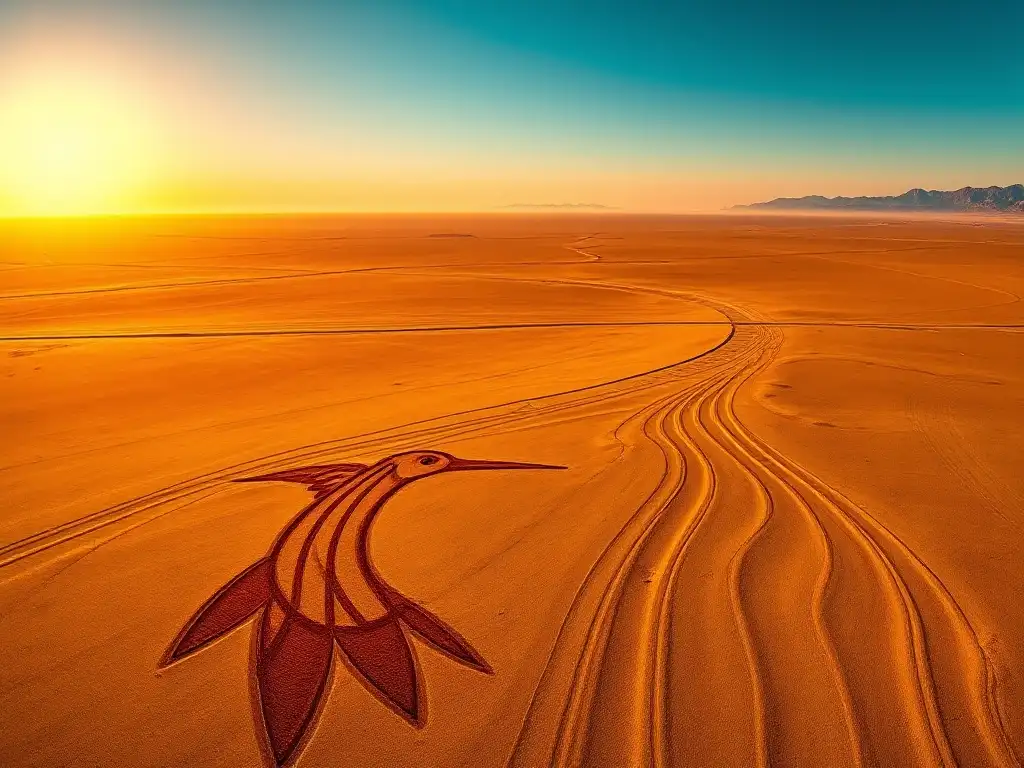
Unravel the mysteries of a lost world. For centuries, the enigmatic Nazca Lines have captivated imaginations, defying easy explanation. Journey with us into the heart of Andean civilization, where breathtaking artistry and advanced engineering converge. Discover the hidden history and meaning behind these colossal geoglyphs—a testament to a culture that continues to inspire awe. Prepare to be amazed.
The arid plains of southern Peru hold a secret whispered across millennia: the Nazca Lines. These enigmatic geoglyphs, etched into the desert surface, represent one of the most perplexing and fascinating archaeological discoveries of the 20th century. Stretching for hundreds of kilometers, these colossal figures and intricate designs—depicting animals, plants, geometric shapes, and even humanoids—continue to captivate researchers and inspire awe in visitors.
This article delves into the history and meaning of the Nazca Lines, exploring their geographical context and the enduring mysteries surrounding their creation and purpose. We will examine the prevailing theories, the challenges of their preservation, and the ongoing efforts to understand this remarkable testament to the ingenuity and cultural richness of the Nazca civilization.
Understanding the Nazca Lines offers a unique window into the advanced understanding of geometry, engineering, and symbolic expression possessed by this ancient Andean culture. Prepare to journey back in time and unravel some of the secrets held within these breathtaking geoglyphs.
Introduction to the Nazca Lines: A Glimpse into the Past
The Nazca Lines were first brought to widespread attention in the early 20th century, thanks to the advent of aviation. Before air travel, these enormous figures remained largely unseen, hidden within the vastness of the Peruvian desert. Their sheer scale is staggering; some of the animal figures stretch over 200 meters in length!
The lines themselves are not simply scratched into the surface; rather, the Nazca people meticulously removed the reddish-brown topsoil to reveal the lighter-colored subsoil, creating a stark contrast that is best appreciated from above. This process, the precision involved, and the sheer number of lines (estimated to be over 10,000) demonstrate a sophisticated understanding of planning and execution. Early theories suggested astronomical significance, while others proposed ritualistic or ceremonial purposes.
However, the true meaning remains a topic of ongoing debate and research. The lines are a testament to the advanced knowledge and societal organization of the Nazca culture. Their creation required a coordinated effort involving significant labor and resources, reflecting a highly developed social structure.
The Geographical Context of the Nazca Geoglyphs
The Nazca Lines are located in the Nazca Desert, a remarkably arid region characterized by its unique geological features. The desert's extremely dry climate and stable soil have played a crucial role in the preservation of the geoglyphs over centuries. The fine, gravelly soil, known as *reg, * is easily eroded by wind and water, but the relatively infrequent rainfall in the region has helped to maintain the integrity of the lines.
The flat, expansive terrain of the desert provided an ideal canvas for the creation of these massive figures. The location also suggests a connection to the Nazca's water management systems, with some theories linking the lines to underground water sources or channels. The precise alignment of certain lines with astronomical events has also been suggested, though this remains a subject of ongoing research and analysis.
Further complicating the understanding is the seemingly random placement of some geoglyphs alongside the more obvious animal figures and geometric designs. The complexity of the geographical context underscores the depth of the Nazca's understanding of their environment and its role in shaping their culture and artistic expression.
Nazca Lines History and Meaning: Unveiling the Mysteries
The creation of the Nazca Lines is estimated to have spanned several centuries, from approximately 500 BCE to 500 CE. This period coincides with the flourishing of the Nazca civilization, known for its remarkable achievements in pottery, textiles, and irrigation systems. While the precise reasons behind the creation of the geoglyphs remain uncertain, several theories attempt to explain their purpose.
Some researchers suggest that the lines served as a form of ritualistic pilgrimage or ceremonial pathways. Others propose that they were linked to astronomical observations, possibly marking solstices or equinoxes. A fascinating theory suggests that the lines were part of a complex system of water management, with some figures potentially aligned with underground water sources.
The diversity of the geoglyphs—from simple geometric shapes to complex animal and humanoid figures—suggests a multifaceted purpose, possibly encompassing religious, astronomical, and practical functions. The ongoing research utilizes a variety of techniques, including aerial photography, ground-penetrating radar, and detailed analysis of the soil composition, to further investigate the lines and unveil their secrets. The enduring mystery surrounding the Nazca Lines continues to fuel scientific inquiry and public fascination, solidifying their place as a remarkable achievement of a lost civilization.
- Introduction to the Nazca Lines: A Glimpse into the Past
- The Geographical Context of the Nazca Geoglyphs
- Nazca Lines History and Meaning: Unveiling the Mysteries
The Creation of the Nazca Lines: Techniques and Methods
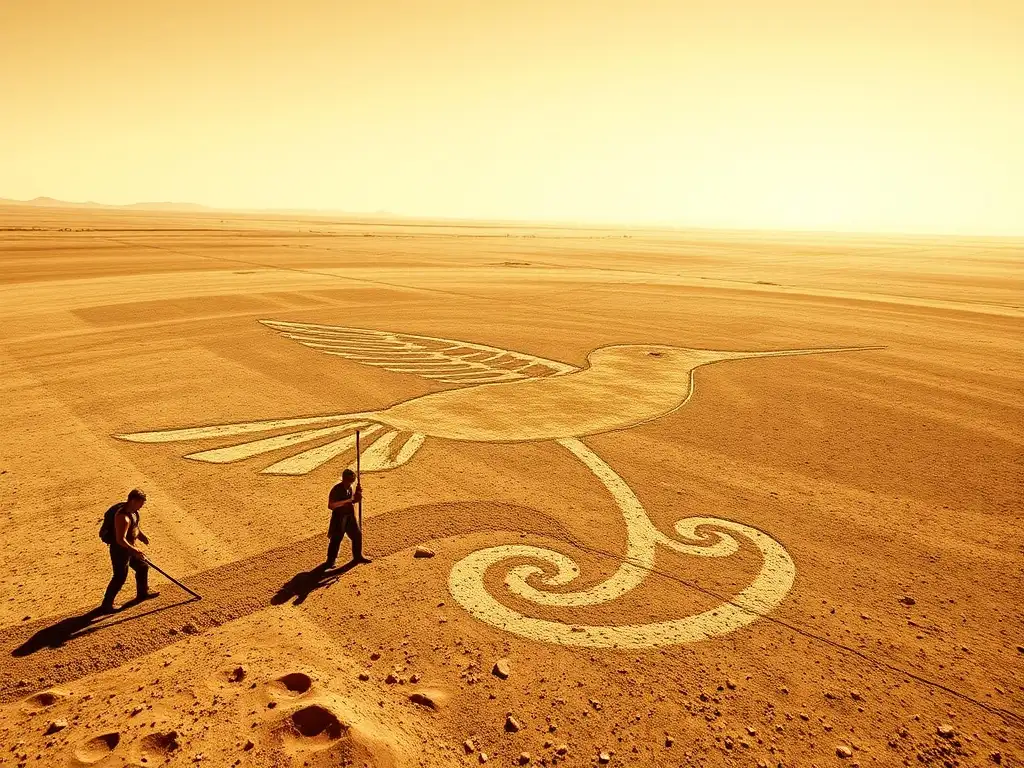
The creation of the Nazca Lines remains a subject of ongoing fascination and scholarly debate. While the precise methods employed by the Nazca culture are still being unravelled, archaeological evidence and careful analysis provide a compelling picture of their remarkable engineering prowess. Understanding the Nazca Lines history and meaning requires appreciating the ingenuity of their construction. The immense scale and precision of these geoglyphs speak volumes about the society that created them, highlighting their advanced understanding of surveying, planning, and execution.
Nazca Lines Construction: How Were They Made?
The most widely accepted theory suggests that the Nazca Lines were created through a process of removal, not addition. Instead of piling up materials to form the lines, the Nazca people meticulously cleared away the dark reddish-brown desert varnish—a thin coating of iron oxides and manganese—revealing the lighter-colored subsoil underneath. This process created a stark contrast, making the lines visible from above.
The removal process itself likely involved several techniques. Evidence suggests the use of simple tools, such as stakes and ropes to mark out the designs, acting as rudimentary surveying equipment. Then, workers painstakingly scraped away the surface layer, potentially using wooden or stone tools, perhaps even sharpened shells. The scale of the undertaking suggests a well-organized workforce, possibly involving large teams working collaboratively over extended periods.
Precise methods for maintaining straight lines over such vast distances, however, remain a subject of ongoing research. Some theories suggest the use of sighting points on distant hills or mountains to guide the construction. Other researchers propose the use of simple measuring devices, or even a combination of techniques. The level of precision achieved is truly astounding, with lines stretching for kilometers often deviating only slightly from perfect straightness.
Materials and Tools Used in the Creation of Nazca Geoglyphs
The primary "materials" involved were the desert surface itself and the tools used to manipulate it. While no specific tools have been definitively linked to the creation of every single line, archaeological finds in the Nazca region suggest potential implements. These include:
- Wooden stakes: Used for marking out the design and establishing reference points.
- Ropes: To ensure straight lines and accurate measurements.
- Stone and/or wooden scrapers: To remove the desert varnish.
- Possibly sharpened shells or other implements: Further research is needed to definitively identify all tools used.
The lack of metal tools in the Nazca culture suggests the entire process was incredibly labor-intensive, relying on meticulous handwork and a keen eye for detail. The scale of the undertaking necessitates a highly organized and skilled workforce, a testament to the social structure and engineering capabilities of the Nazca civilization. Further analysis of the soil composition and the depth of the removed varnish could reveal more information about the techniques used.
The Scale and Precision of Nazca Line Construction
The sheer scale of the Nazca Lines is breathtaking. Some lines extend for kilometers, while the figures themselves can span hundreds of meters. The precision involved is equally remarkable. Many lines remain remarkably straight, demonstrating a sophisticated understanding of geometry and surveying. The figures themselves, though often simplified, are rendered with surprising accuracy, considering the tools and techniques available to the Nazca. For example, the hummingbird geoglyph, with its intricate details, stands as a powerful testament to their artistry and skill.
The creation of the Nazca Lines was not a haphazard effort; it was a carefully planned and executed project. The lines’ alignment with celestial events, such as solstices and equinoxes, has also led to speculation about their astronomical significance. However, the primary purpose of the lines remains a mystery, with theories ranging from ritualistic practices to astronomical observations, or even a combination of both.
Further research, combining archaeological analysis with advanced surveying and imaging techniques, will continue to shed light on the Nazca Lines history and meaning and the fascinating civilization that created them. The enduring mystery of their creation only adds to their allure and their status as one of the world’s most remarkable archaeological sites.
Interpreting the Nazca Lines: Diverse Theories and Perspectives

The Nazca Lines, a collection of geoglyphs etched into the Peruvian desert, remain one of archaeology's most enduring mysteries. Their sheer scale and enigmatic nature have fueled countless theories regarding their purpose and meaning. While a definitive answer remains elusive, exploring the various interpretations offers a fascinating glimpse into the ingenuity and beliefs of the Nazca culture. Understanding the Nazca Lines history and meaning requires considering diverse perspectives, ranging from astronomical alignments to complex religious rituals and even sophisticated communication systems. The debate continues, enriching our understanding of this ancient civilization with each new hypothesis and piece of evidence.
Astronomical Alignments and the Nazca Lines
One prominent theory suggests that the Nazca Lines possess astronomical significance. Some researchers believe that certain lines and figures align with solstices and equinoxes, or with the positions of specific stars and constellations. This theory posits that the Nazca people used the geoglyphs as a giant calendar or observatory, reflecting a deep understanding of celestial movements. For example, the "Hummingbird" geoglyph's orientation has been suggested to correspond with the heliacal rising of certain stars.
However, this hypothesis is not without its challenges. Precise alignments are difficult to definitively prove, and the erosion of the desert surface over centuries could have altered the original positioning of the lines. Further research, including detailed astronomical modeling and ground-penetrating radar surveys, is needed to fully assess the validity of this astronomical interpretation of Nazca Lines history and meaning. The complexity of the celestial events and their potential correlation with the lines require more rigorous analysis to substantiate this claim.
Religious and Ritualistic Significance of Nazca Geoglyphs
Another compelling theory centers on the religious and ritualistic significance of the Nazca Lines. Many believe that the geoglyphs served as part of complex religious ceremonies or rituals, potentially linked to water, fertility, or ancestor veneration. The Nazca people faced a harsh desert environment, making water a precious resource. Some researchers propose that the lines were associated with rituals aimed at ensuring plentiful rainfall or successful harvests.
This perspective is supported by the discovery of various artifacts and evidence of ritual activity near some of the geoglyphs. The intricate designs, often depicting animals and mythical creatures, might represent deities or powerful spirits central to the Nazca worldview. The sheer effort required to create these enormous figures suggests a deep commitment to religious practices, emphasizing their profound importance within Nazca society.
Further investigation into the iconography and symbolism embedded within the geoglyphs could provide crucial insights into the religious beliefs and practices of the Nazca people. The uncovering of additional artifacts in proximity to the lines would further strengthen this hypothesis.
Nazca Lines as a Form of Communication
A less explored, yet intriguing, theory proposes that the Nazca Lines served as a sophisticated form of communication. The vast scale of the geoglyphs and their visibility from elevated vantage points suggest the possibility of long-distance signaling or communication between different settlements. Perhaps the designs represented messages, symbols, or markers used to guide travelers or convey information across the vast Nazca landscape.
This theory raises questions about the social organization and communication networks of the Nazca civilization. Did different geoglyphs represent specific messages or codes understood only by certain groups? Could the lines have functioned as a kind of early form of visual telegraphy? Further research into Nazca social structures and communication practices is necessary to explore this hypothesis fully.
The investigation should include a comparative analysis of similar large-scale communication systems from other ancient cultures. The potential for decoding the "messages" within the Nazca Lines, if they indeed exist, presents a fascinating challenge for future research. Unlocking this aspect of Nazca Lines history and meaning could significantly change our understanding of this civilization.
The Most Famous Nazca Lines: Exploring Iconic Figures
The Nazca Lines, etched into the Peruvian desert, present a captivating puzzle for archaeologists and history enthusiasts alike. While thousands of lines, geometric shapes, and figures grace the landscape, some stand out due to their size, complexity, and potential symbolic significance. Understanding the history and meaning behind these iconic figures provides crucial insight into the Nazca culture and their sophisticated understanding of geometry and engineering.
This section explores some of the most renowned figures, delving into their potential interpretations and the enduring mystery surrounding their creation. The study of Nazca Lines history and meaning continues to evolve as new research emerges, offering exciting possibilities for future discoveries.
The Hummingbird: A Nazca Icon
The hummingbird figure is one of the most striking and instantly recognizable Nazca Lines. This delicate depiction of the bird, with its outstretched wings and long beak, showcases the Nazca's remarkable ability to render complex forms on a massive scale. The precision involved in creating this figure, considering its size and the limitations of the tools available at the time, is truly astounding. The hummingbird, known for its speed and agility, might symbolize numerous concepts within the Nazca worldview.
Some scholars suggest it represents a connection to the spiritual world, given the bird's association with lightness and swiftness, possibly representing a messenger or a shamanic guide. Other interpretations focus on its ecological importance within the Nazca ecosystem, linking it to the vital role of pollination and the interconnectedness of life. Further research is needed to fully decipher the hummingbird's meaning within the context of Nazca beliefs and practices.
The intricate details, such as the feathery texture suggested by the lines, highlight the artist's keen observation skills and mastery of their craft. The sheer scale of the hummingbird, stretching over several hundred feet, further emphasizes the monumental nature of the project and the commitment of the Nazca people to this artistic expression. The ongoing analysis of the hummingbird's orientation relative to the sun and other celestial bodies may also reveal astronomical significance.
The Monkey: A Symbol of the Nazca Culture
Another iconic figure among the Nazca Lines is the monkey. Unlike the hummingbird, the monkey's depiction is more stylized, yet no less impressive. Its characteristic features—a curved back, long tail, and expressive face—are clearly discernible, even from a distance. This suggests a deliberate focus on symbolic representation rather than strict realism, a common theme in Nazca art.
The monkey, in many cultures, is associated with mischief, intelligence, and adaptability. Within the context of the Nazca Lines, this interpretation could signify several things. It could represent a deity, a shamanistic figure, or simply a reflection of the animal's importance in the local ecosystem. The Nazca Lines history and meaning are often intertwined with the environment, and the monkey's inclusion could reflect the Nazca's understanding of their surroundings and the creatures that inhabited them.
Detailed analysis of the surrounding geoglyphs might reveal additional context. For example, the proximity of the monkey figure to other geoglyphs could suggest a narrative or a thematic connection. Further research into Nazca mythology and iconography is crucial to fully understanding the monkey's symbolic weight. [Specific information pending] regarding the precise dating of the monkey figure could also contribute to our understanding of its place within the evolution of Nazca art.
The Spider: Intricacies of Nazca Art
The spider figure, with its eight legs radiating outwards, is among the most complex and detailed of the Nazca geoglyphs. The intricate design, encompassing numerous fine lines and subtle variations in width, showcases the Nazca's advanced understanding of perspective and their remarkable artistic skills. The spider, a creature often associated with weaving, creation, and mystery, holds potential symbolic significance within the Nazca culture. It could represent a goddess, a shaman, or a symbol of the interconnectedness of life.
The spider’s numerous legs might symbolize the various aspects of the Nazca worldview or the diverse elements that make up their society. The Nazca Lines history and meaning often involve such multifaceted interpretations, requiring careful consideration of various factors. The spider's position relative to other geoglyphs and its orientation towards the surrounding landscape also merit further investigation.
[Additional data needed] on the materials used to create the lines and their preservation techniques could enhance our knowledge of the Nazca's technological capabilities. The enduring mystery surrounding the creation and purpose of the spider figure, alongside its remarkable artistic execution, continues to fascinate researchers and inspire awe in visitors to the Nazca desert. 🕷️ The scale of the spider, along with its intricate details, underscores the immense effort and planning involved in its creation, a testament to the Nazca's dedication to their artistic vision.
The Condor: A Powerful Nazca Representation
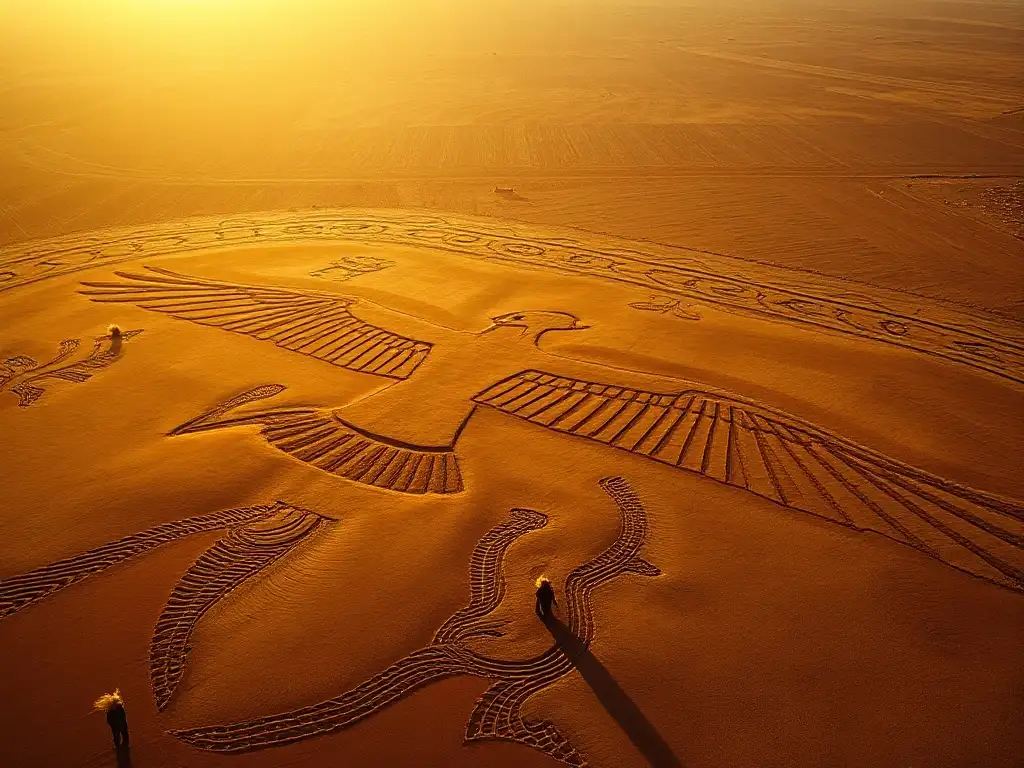
The condor, a majestic bird of prey found high in the Andes Mountains, holds significant cultural and symbolic importance for many Andean cultures, and the Nazca were no exception. Depicted in the Nazca Lines as a truly colossal figure, this representation is arguably one of the most recognizable and awe-inspiring. Its immense wingspan, meticulously etched into the desert floor, speaks volumes about the Nazca's engineering prowess and their deep reverence for this powerful creature.
The condor's inclusion in the Nazca Lines likely reflects its role as a symbol of power, strength, and perhaps even a connection to the spiritual realm. Some interpretations suggest the condor’s depiction represents a messenger between the earthly and spiritual worlds, carrying prayers or offerings to the gods. The precise meaning, however, remains a subject of ongoing scholarly debate, with researchers continually uncovering new clues through careful analysis of the lines' design and surrounding archaeological context.
The sheer scale of the condor geoglyph, visible only from the air, further emphasizes its monumental significance within the Nazca cosmology. The meticulous detail in its portrayal, from the curve of its wings to the subtle shading, showcases the Nazca's advanced understanding of geometry and their remarkable ability to manipulate the landscape on such a grand scale. This remarkable feat of engineering and artistic expression serves as a powerful testament to the sophistication of Nazca culture.
The Dog: Another Notable Nazca Figure
Another prominent figure among the Nazca Lines is the dog, a creature also deeply embedded in the cultural tapestry of the Nazca civilization. Unlike the soaring condor, the dog geoglyph often presents a more stylized and less realistic representation. However, this simplification doesn't diminish its importance; instead, it highlights the Nazca’s ability to convey meaning through abstraction.
The size and positioning of the dog figures within the broader landscape of the Nazca Lines suggest a significant role within their cultural practices, possibly relating to hunting, domestication, or even spiritual beliefs. Some theories propose that the dogs represented guardian spirits or guides to the afterlife. This interpretation is supported by the discovery of canine remains in Nazca burial sites, suggesting a close relationship between humans and these animals.
The varying styles of the dog geoglyphs, however, suggest a potential evolution in artistic expression or perhaps a representation of different dog breeds or spiritual interpretations over time. Further research, including the detailed analysis of the lines' composition and the surrounding archaeological evidence, is essential to fully understand the multifaceted meaning of the dog figures within the context of the Nazca Lines. The precise breed of dog depicted, and the nuances in its representation across different geoglyphs, remain areas of ongoing scholarly discussion.
The Hands: Geometric Shapes of the Nazca Lines
Among the many fascinating geoglyphs of the Nazca Lines, the "Hands" stand out for their unique geometric design. Unlike the representational figures of animals, the Hands are abstract forms, composed of large, stylized hands. Their size and positioning within the landscape, like other Nazca Lines, remain a source of ongoing discussion. The lack of clear, readily identifiable symbolic associations with other known Nazca iconography makes their interpretation particularly challenging.
However, several theories attempt to explain their purpose and meaning. One prominent theory suggests a ritualistic or ceremonial significance, possibly relating to fertility, offering, or a connection to the supernatural. The open palm, a common motif across various ancient cultures, often represents openness, acceptance, or even supplication. The precise meaning within the Nazca context, however, remains a topic of ongoing debate and research.
Detailed analysis of the Hands' design, in relation to other geoglyphs and accompanying archaeological findings, is crucial to unlocking their secrets. The scale and precision of the Hands, similar to other Nazca Lines, demonstrate the advanced engineering and planning capabilities of the Nazca civilization. The intriguing mystery surrounding their purpose continues to captivate researchers and visitors alike, adding to the enduring allure of the Nazca Lines.
Preservation and Conservation of the Nazca Lines
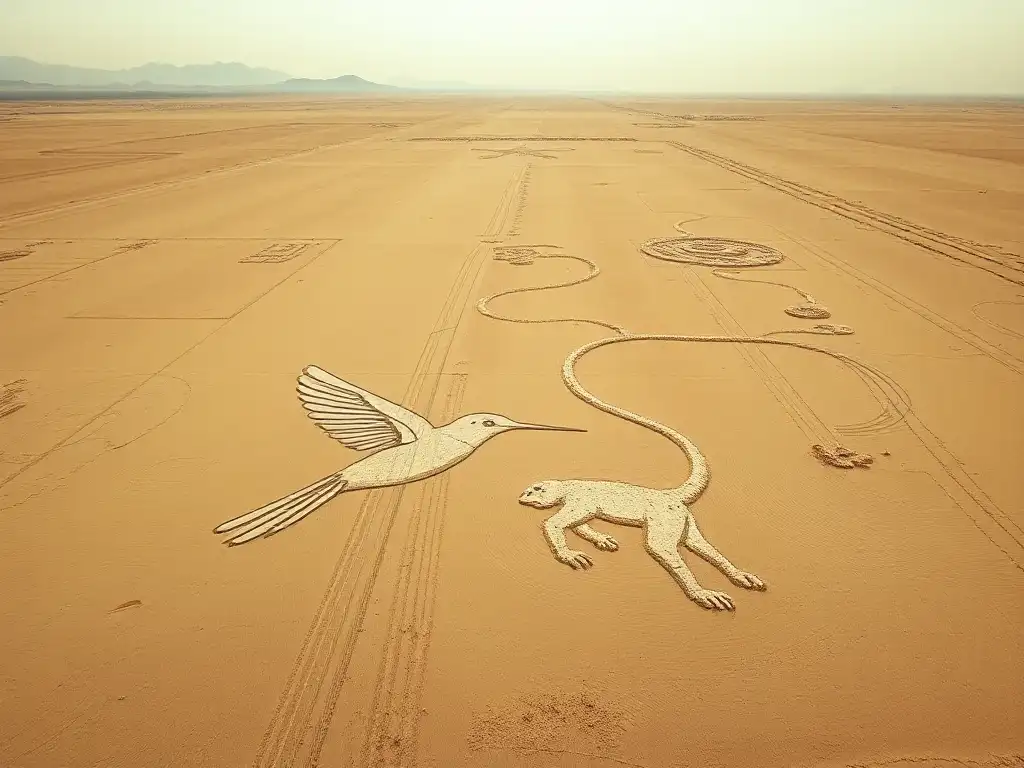
The Nazca Lines, a UNESCO World Heritage site, face numerous challenges to their long-term preservation. Understanding these threats and the ongoing conservation efforts is crucial to ensuring these enigmatic geoglyphs remain a source of wonder for future generations. The delicate nature of the lines, coupled with the harsh environmental conditions and the increasing human impact, necessitates a multi-faceted approach to their protection.
This section will delve into the specific threats and the innovative strategies employed to safeguard this invaluable cultural legacy. The keyword "Nazca Lines history and meaning" is intrinsically linked to their ongoing survival; understanding the preservation efforts is key to comprehending their enduring significance.
Threats to the Nazca Lines: Environmental and Human Impact
The Nazca Lines' survival is threatened by a combination of environmental and human factors. The arid climate of the Nazca desert, while contributing to their longevity, also presents challenges. Natural erosion from wind and occasional flash floods gradually wears away the surface, subtly altering the lines' shape and definition. Changes in groundwater levels, potentially exacerbated by human activity, could also contribute to instability in the desert floor.
Human impact, however, poses the most significant threat. Illegal off-road driving, both by vehicles and pedestrians, directly damages the fragile surface of the geoglyphs. The lines are extremely sensitive to disturbance; even a single footprint can cause irreversible damage over time. Furthermore, construction projects and the expansion of infrastructure near the site risk encroaching upon the protected area, potentially leading to further degradation. The growth of tourism, while beneficial for the local economy, also presents a challenge if not managed sustainably. Unsustainable tourist practices, such as littering and disregarding designated viewing areas, exacerbate the threat of damage.
We can visualize this impact with a simple table:
| Threat Type | Specific Impact | Mitigation Strategy |
|---|---|---|
| Environmental | Wind erosion, flash floods, groundwater changes | Improved monitoring, controlled water management |
| Human Impact (Tourism) | Off-road driving, littering, unauthorized access | Stricter regulations, educational campaigns |
| Human Impact (Development) | Infrastructure expansion, construction near the site | Careful planning, sustainable development practices |
The delicate balance between preservation and economic development necessitates careful planning and collaboration between governmental agencies, local communities, and international organizations.
Efforts to Protect and Maintain the Nazca Geoglyphs
Several initiatives are underway to protect the Nazca Lines. These include enhanced monitoring of the site using advanced technologies like satellite imagery and drones to detect early signs of damage. Stricter regulations and enforcement against unauthorized access and off-road driving are crucial. Educational programs targeting both tourists and local communities aim to increase awareness of the fragility of the lines and the importance of responsible behavior. The development of sustainable tourism practices, including designated viewing areas and guided tours, helps minimize environmental impact.
Furthermore, research into the soil composition and the best methods for stabilization is ongoing. This research aims to develop effective, yet minimally invasive, techniques to protect the lines from further erosion. International collaboration is key; sharing best practices and resources with other countries facing similar challenges in preserving archaeological sites is essential. The long-term preservation of the Nazca Lines depends on a coordinated and sustained effort. The success of these efforts will determine the legacy of this remarkable cultural heritage for future generations.
The Future of Nazca Lines Research and Conservation
The future of Nazca Lines research and conservation involves a multipronged approach. Continued technological advancements, such as improved remote sensing technologies and advanced material analysis techniques, will allow for more accurate monitoring and assessment of the lines' condition. Further research into the creation and purpose of the lines is also vital to enhancing our understanding of Nazca culture and its ingenuity. This research can inform conservation strategies and ensure that the preservation efforts are aligned with the broader historical and cultural significance of the site.
Moreover, the development of innovative conservation methods, potentially utilizing bio-remediation or other sustainable techniques, warrants investigation. Strengthening community engagement and participation in conservation efforts is also crucial. By empowering local communities to act as stewards of their heritage, we can foster a sense of ownership and responsibility towards the preservation of the Nazca Lines.
The future of these ancient marvels relies on a continued commitment to research, innovation, and collaboration, ensuring their survival for millennia to come. The preservation of the Nazca Lines is not merely a matter of protecting ancient artifacts; it's a commitment to safeguarding a significant part of human history and understanding the "Nazca Lines history and meaning" for future generations. 🌎
The Legacy of the Nazca Lines: Inspiring Awe and Wonder
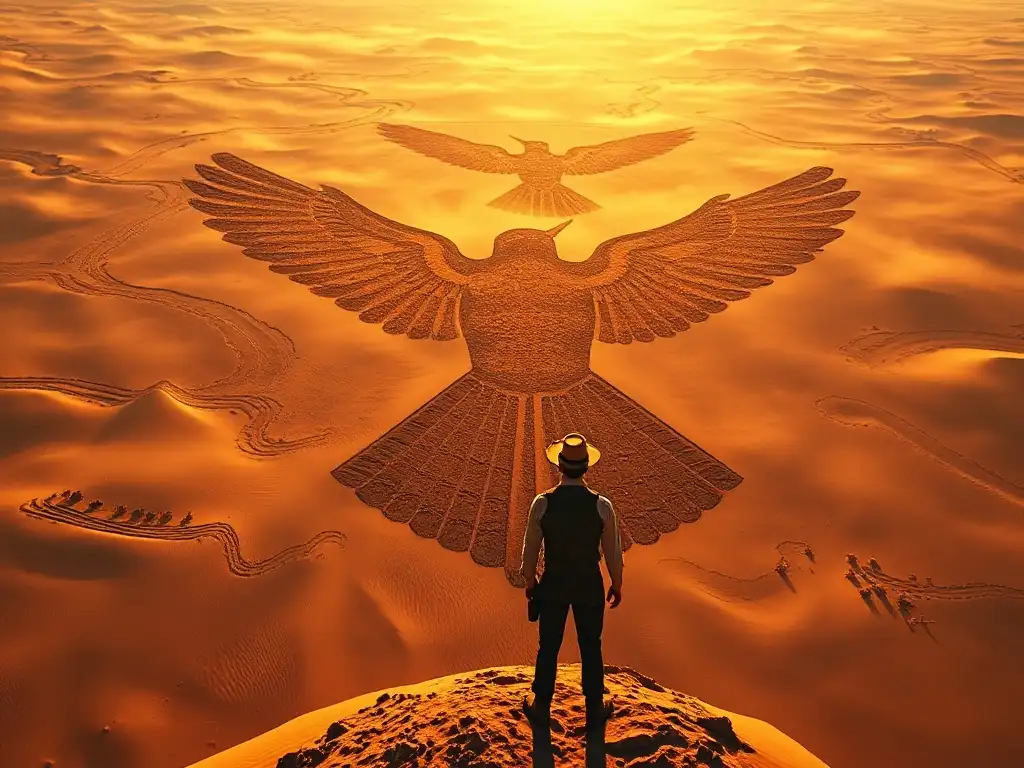
The Nazca Lines, etched into the Peruvian desert millennia ago, continue to resonate profoundly in the modern world. Their sheer scale and enigmatic nature have sparked countless interpretations and fueled ongoing research, establishing a legacy that extends far beyond archaeology. This enduring impact is evident in various fields, from artistic inspiration to scientific inquiry, solidifying their place as a global cultural icon. The mystery surrounding their creation and purpose continues to captivate, generating a significant amount of tourism and contributing significantly to Peru's economy.
The lines themselves represent a remarkable feat of engineering and planning, showcasing the advanced understanding of geometry and surveying possessed by the Nazca culture. Their preservation, despite the harsh desert environment, is a testament to the durability of the geoglyphs and the dedication of those involved in their ongoing protection. Understanding this legacy requires exploring both their tangible and intangible impacts on modern society.
Nazca Lines Impact on Modern Art and Design
The striking imagery of the Nazca Lines has served as a powerful muse for artists and designers across the globe. Their unique style, characterized by clean lines and bold forms, has influenced various artistic movements and design aesthetics. For example, the minimalist aesthetic prevalent in contemporary graphic design often echoes the simplicity and power of the geoglyphs.
Many contemporary artists directly incorporate the Nazca Lines' motifs into their work, reimagining the ancient designs within a modern context. This appropriation reflects not only an appreciation for the artistry of the Nazca people but also a recognition of the lines' universal appeal. We can see this influence in textiles, ceramics, and even architectural designs – a testament to the enduring aesthetic power of these ancient creations.
The Nazca Lines' influence transcends mere imitation; they inspire a creative dialogue between past and present, fostering new interpretations and artistic expressions based on their enduring symbolism. The precise geometric patterns and intricate animal figures have been incorporated into various products, from clothing and jewelry to furniture and home decor, showcasing the enduring impact of the Nazca Lines on global design trends.
The Enduring Mystery of the Nazca Lines
Despite extensive research, the true purpose of the Nazca Lines remains shrouded in mystery. While theories abound – ranging from astronomical alignments to ritualistic practices – no single explanation has gained universal acceptance. This enduring enigma is precisely what fuels continued fascination with the site.
The lack of definitive answers allows for diverse interpretations, fostering ongoing debate and stimulating further investigation. The sheer scale of the project, the precision of the lines, and the absence of clear evidence regarding their creation process only add to the intrigue. Some researchers suggest the lines were used for astronomical observations, aligning with celestial events; others propose they served as pilgrimage routes or were part of complex religious ceremonies.
The debate continues, and new evidence and interpretations emerge regularly, ensuring the Nazca Lines will remain a focus of research and discussion for years to come. This persistent mystery highlights the limitations of our current understanding and underscores the importance of continued research to uncover the secrets held within the desert sands. The ongoing investigation also highlights the importance of preserving the lines for future generations, so that future researchers can potentially unveil more about their history and meaning.
Understanding the Nazca Lines within the Context of Andean Civilizations
The Nazca Lines cannot be fully appreciated without understanding their place within the broader context of Andean civilizations. The Nazca culture, flourishing between 100 BCE and 800 CE, was part of a long and complex history of societal development in the Andes. Their creation of the lines reflects their advanced understanding of engineering, mathematics, and social organization.
The lines demonstrate a sophisticated level of planning and execution, suggesting a highly organized society capable of mobilizing significant resources for a large-scale project. This understanding of the Nazca Lines' social context helps us to appreciate not only their technical achievements but also the cultural and spiritual beliefs that underpinned their construction. Comparing the Nazca Lines to similar geoglyphs found in other Andean cultures, such as the Paracas or Tiwanaku, can provide valuable insights into the broader trends and patterns of artistic expression and ritual practices across the region.
By placing the Nazca Lines within this wider Andean framework, we gain a richer and more nuanced understanding of their significance and their place in the history of human civilization. Further research into the social structures, religious beliefs, and technological capabilities of the Nazca people is crucial to fully unravel the mysteries surrounding these remarkable geoglyphs and their enduring legacy.
Nazca Lines and their relationship with the Paracas Culture
The Nazca Lines, those enigmatic geoglyphs etched into the Peruvian desert, didn't spring into existence in a vacuum. Understanding their history and meaning necessitates exploring their connection to preceding cultures, particularly the Paracas. While the Nazca are credited with the creation of the majority of the lines we see today, evidence suggests a possible evolution from earlier traditions. The Paracas culture, known for its elaborate textiles and mummification techniques, flourished in the same region centuries before the Nazca.
Some scholars hypothesize that certain stylistic elements or even rudimentary forms of geoglyphs might have existed within Paracas artistry, providing a foundational influence on the later, more ambitious Nazca creations. The precise nature of this influence remains a subject of ongoing debate among archaeologists. Further research focusing on comparative iconography and stylistic analysis of Paracas textiles and pottery alongside the Nazca Lines could reveal crucial connections. The similarities in certain motifs, for example, might point to shared beliefs or cosmological understandings that informed both cultures' artistic expressions.
Analyzing settlement patterns and identifying potential overlaps in geographical distribution could also shed light on the possible transmission of knowledge and practices between these two significant Andean societies. The exploration of this cultural lineage is crucial to a complete understanding of the Nazca Lines' history and meaning, enriching our comprehension of their creation and purpose. This intricate relationship underscores the importance of considering the broader cultural context when deciphering the mysteries surrounding these ancient marvels.
Recent LiDAR Research and Discoveries about the Nazca Lines
Recent advancements in technology, specifically the use of Light Detection and Ranging (LiDAR), have revolutionized our understanding of the Nazca Lines. LiDAR, which uses lasers to create highly detailed three-dimensional maps of the landscape, has penetrated the surface vegetation and revealed previously unknown features associated with the geoglyphs. This technology has uncovered a vast network of lines, geometric shapes, and even figural representations that were previously obscured by centuries of erosion and vegetation growth. One remarkable discovery involves the identification of numerous smaller, less prominent geoglyphs surrounding the more famous large figures.
These smaller designs offer valuable insights into the evolution and complexity of the Nazca Lines' creation. The sheer volume of newly discovered features suggests a far more extensive and elaborate system than previously imagined, challenging existing theories about their purpose and creation. Analysis of these new discoveries, combined with existing archaeological data, may provide fresh perspectives on the Nazca Lines’ history and meaning. For example, the identification of previously unknown settlements or pathways in proximity to the geoglyphs could reveal crucial information about the social and logistical organization involved in their construction and use.
The integration of LiDAR data with other forms of archaeological investigation, such as ground-penetrating radar and detailed surface surveys, promises to unlock further secrets about this captivating ancient legacy. The ongoing application of LiDAR technology continues to reshape our understanding of the Nazca Lines, promising a deeper appreciation of their significance within the broader context of Andean civilization. This technological advancement is a testament to the ongoing evolution of archaeological research methods and their potential to unearth compelling new insights into the past.
Frequently Asked Questions
What are the Nazca Lines?
The Nazca Lines are geoglyphs—giant designs etched into the desert surface of southern Peru. They depict animals, plants, and geometric shapes, and were created by the Nazca culture between 500 BC and 500 AD.
How were the Nazca Lines created?
The Nazca people removed the dark reddish pebbles from the surface, exposing the lighter-colored subsoil to create the images. The scale and precision are remarkable, given the tools available at the time.
What is the purpose of the Nazca Lines?
The exact purpose remains a mystery. Theories range from ceremonial rituals and astronomical observatories to water sources and marking territory. There's no single, universally accepted answer.
How big are the Nazca Lines?
Some of the figures are hundreds of feet long, making them only truly visible from the air. Their immense size is a testament to the planning and effort involved in their creation.
What is the significance of the Nazca Lines' history and meaning?
The Nazca Lines provide invaluable insight into the sophisticated culture and engineering skills of the Nazca people. They are a significant archaeological site, attracting researchers and tourists alike.
Final Reflection: Unraveling the Enigma of the Nazca Lines
The enduring mystery of the Nazca Lines continues to captivate us today, a testament to the ingenuity and cultural depth of a civilization lost to time. These colossal geoglyphs, etched into the Peruvian desert millennia ago, challenge our understanding of ancient engineering and artistic expression, prompting ongoing research and sparking endless speculation about their purpose. Their sheer scale and precision remain astonishing, a feat of human achievement that transcends geographical boundaries and resonates deeply with our modern fascination with the past.
The impact of the Nazca Lines extends far beyond their physical presence; they represent a powerful symbol of human creativity and our innate desire to leave a lasting mark on the world. Their continued existence, despite the ravages of time and the elements, speaks to the enduring power of human expression. The Nazca Lines are a powerful reminder that even in the face of seemingly insurmountable challenges, human beings are capable of extraordinary achievements.
This sentiment, though not a direct quote from a specific source, encapsulates the profound impact these lines have on our understanding of human potential and the enduring legacy of past civilizations. Their continued study and preservation are crucial to understanding not only the Nazca culture but also the broader human story.
Consider, for a moment, the sheer scale of the undertaking, the dedication and precision required to create these immense figures. Now, imagine the lives and beliefs of the people who conceived and executed this monumental project. You, too, possess the capacity for extraordinary creation and lasting impact.
Let the Nazca Lines inspire you to pursue your passions, to leave your own unique mark on the world, however small it may seem. Embrace your creativity, and strive to build something that will endure, something that will resonate with future generations, just as the Nazca Lines continue to resonate with us today.
Unveil the Mysteries of the Nazca Lines!
Thank you for exploring the incredible world of the Nazca Lines with us! You've discovered a fascinating blend of ancient engineering and artistry that continues to captivate people worldwide. Now, let's deepen your connection to this remarkable heritage.
- Take a guided tour to witness the breathtaking scale of the Nazca Lines and experience their majesty firsthand.
- Share this article with friends and family to spark conversations about the wonders of ancient civilizations.
- Learn more about the possible symbolic meanings of the lines and their historical context on our website.
What aspect of the Nazca Lines most fascinates you, and how do you think their creation influenced the culture of the time?