
Nazca Lines: The Importance of the Site for Andean Heritage

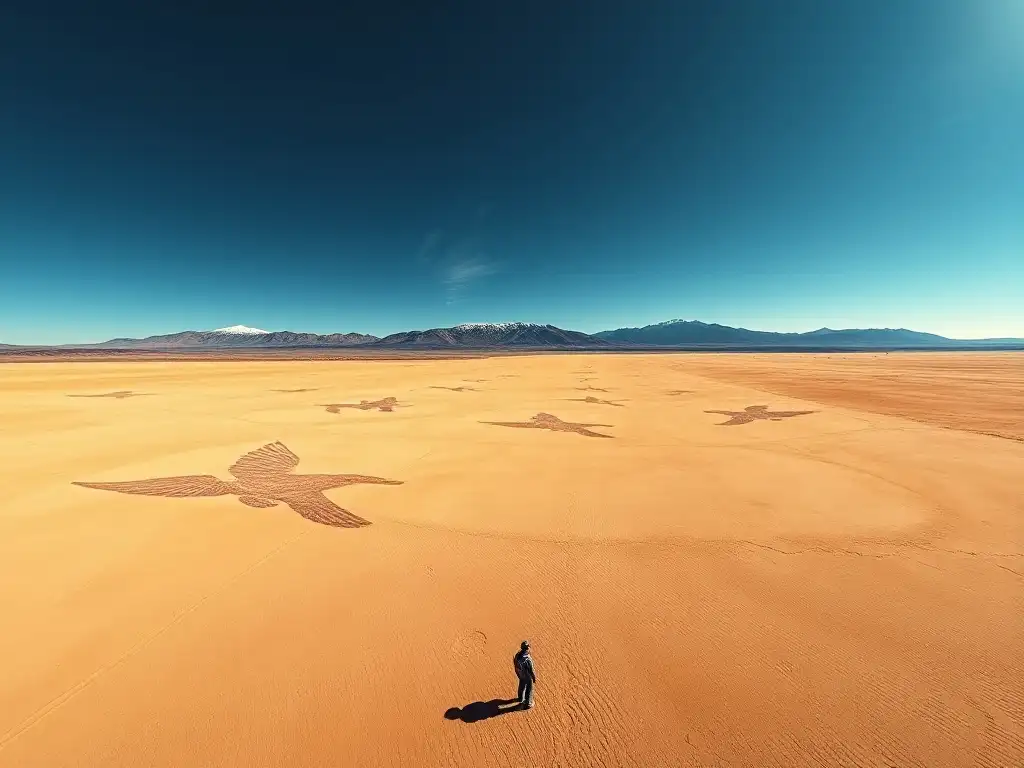
Unravel the mysteries of a lost world. For centuries, the enigmatic Nazca Lines have captivated imaginations, defying easy explanation. But what is their true historical significance within the broader tapestry of Andean heritage? Journey with us as we delve into the fascinating world of the Nazca civilization and uncover the secrets hidden within these awe-inspiring geoglyphs. Prepare to be amazed by the ingenuity and artistry of a culture that continues to puzzle and inspire.
The Nazca Lines, sprawling geoglyphs etched into the Peruvian desert, stand as a monumental testament to the ingenuity and cultural depth of the Nazca civilization. This article delves into the profound historical significance of these enigmatic figures, exploring their creation, purpose, and lasting impact on our understanding of Andean heritage. Far from mere curiosities, the Nazca Lines offer a captivating window into the beliefs, societal structures, and advanced engineering capabilities of a pre-Columbian society.
Understanding their historical significance requires examining not only the lines themselves, but also the broader context of Nazca culture and its place within the rich tapestry of Andean civilizations. We will explore various theories surrounding their creation and purpose, while emphasizing the enduring legacy these lines hold for understanding the complexities of Andean history and cultural expression.
The Nazca Lines' impact extends beyond archaeology, influencing art, tourism, and even inspiring ongoing scientific research. This exploration will highlight the lines' role as a crucial component of the Andean cultural narrative, enriching our appreciation for this fascinating and mysterious civilization.
Understanding the Nazca Lines: An Introduction to Geoglyphs
The Nazca Lines are a collection of over 300 geoglyphs—large designs or symbols created on the ground—located in the Nazca Desert of southern Peru. These colossal figures depict animals, plants, geometric shapes, and even human-like forms, ranging in size from a few meters to over 200 meters in length. They were created by removing the dark reddish-brown surface stones to reveal the lighter subsoil, a painstaking process requiring immense precision and planning.
The sheer scale of the designs is astonishing, and their visibility is best appreciated from the air, leading to much speculation about their intended audience and purpose. The Nazca people, who flourished between 100 BCE and 800 CE, mastered the techniques of creating these intricate designs, showcasing a level of engineering and artistic skill that remains impressive even today. The creation of the lines involved a sophisticated understanding of surveying, geometry, and large-scale earthwork management, demonstrating a high level of societal organization and planning.
This impressive feat of engineering, coupled with the artistic expression evident in the geoglyphs, makes them a unique and significant contribution to Andean art and technology. Furthermore, the arid climate of the Nazca desert has been crucial in preserving these remarkable works for centuries, allowing us to study them today.
Nazca Lines Historical Significance: A Deep Dive into Andean History
The historical significance of the Nazca Lines extends far beyond their artistic merit. They offer invaluable insights into the cosmology, religious beliefs, and social structures of the Nazca civilization. While the exact purpose remains debated, leading theories suggest that the lines served as ritual pathways, astronomical calendars, or markers for water sources in this arid landscape. Some researchers believe they were used in connection with ceremonies or rituals, perhaps related to water management or fertility rites, given the region's dependence on scarce water resources.
The lines' alignment with certain celestial bodies further supports the theory of their astronomical significance. The intricate designs, depicting diverse flora and fauna, may represent a complex system of beliefs and symbols reflecting the Nazca people's understanding of their environment and their place within it. Moreover, the sheer scale of the undertaking highlights the level of social organization and collective effort required, providing clues about the Nazca society's political and economic systems.
The Nazca Lines therefore stand as a powerful symbol of human ingenuity and cultural achievement, providing a unique window into the fascinating world of a pre-Columbian Andean civilization, and its lasting contribution to our understanding of "Nazca Lines historical significance". The meticulous planning and execution of these works reflect a complex society with advanced knowledge and a deep connection to their environment. Their enduring presence continues to inspire awe and wonder, prompting further research and enriching our appreciation for the rich heritage of the Andean region.
The Purpose and Creation of the Nazca Geoglyphs
The creation of the Nazca Lines remains one of archaeology's most enduring mysteries. These colossal geoglyphs, etched into the desert surface of the Nazca plateau in southern Peru, depict a vast array of figures: animals (hummingbirds, monkeys, lizards, spiders), plants, geometric shapes, and even human-like forms. Their sheer scale is breathtaking; some figures stretch for hundreds of meters.
Scholars believe the lines were created by the Nazca culture, flourishing between 200 BC and 700 AD. The process likely involved removing the dark reddish-brown desert varnish from the lighter subsoil, revealing the contrasting color underneath. This meticulous work, requiring significant manpower and coordination, suggests a highly organized society with a shared purpose behind this monumental undertaking.
The precise tools used remain debated, but simple implements like stakes and ropes are widely considered sufficient, given the seemingly straightforward nature of the line creation. The vastness of the project and the precision involved in their creation point to a highly developed understanding of geometry and spatial planning. The scale of the undertaking, combined with the lack of readily available water and the arid climate, highlights the impressive engineering and organizational capabilities of the Nazca people.
Diverse Interpretations of the Nazca Lines' Meaning
The meaning and purpose of the Nazca Lines have been the subject of countless theories and debates. No single explanation fully satisfies all the evidence, leading to a fascinating array of interpretations. Some early theories suggested extraterrestrial involvement, attributing their creation to ancient astronauts.
However, this hypothesis lacks credible scientific support. More plausible, though still debated, are theories focusing on the lines' significance within Nazca culture. The sheer volume of research dedicated to unraveling their meaning underscores their enduring importance to our understanding of Andean civilization.
The complexity of the geoglyphs and the lack of contemporaneous written records make definitive conclusions challenging. The many diverse interpretations demonstrate the richness and complexity of this enigmatic site, highlighting the need for continued research and interdisciplinary collaboration to shed further light on their significance. The enduring mystery surrounding their purpose fuels ongoing research and continues to captivate the imaginations of scientists and the public alike.
Astronomical Alignments and the Nazca Lines
One prominent theory suggests that the Nazca Lines possess astronomical significance. Some researchers propose that certain lines and figures align with celestial events like solstices and equinoxes. This theory suggests that the Nazca people used the lines for astronomical observations, possibly relating them to their agricultural calendar or religious rituals. Detailed studies have examined the alignments of specific geoglyphs with the sun's position at specific times of the year. While some alignments seem to correlate with astronomical events, the extent of this connection remains debated. The complexity of the lines and the lack of definitive proof make it difficult to establish a conclusive link between the lines and astronomical observation. Further research is needed to confirm or refute the hypothesis that the Nazca Lines served as a sophisticated astronomical observatory. The ongoing debate reflects the multifaceted nature of the site and the challenges in interpreting ancient cultures without written records.
Religious and Ritualistic Aspects of the Nazca Figures
Many scholars believe the Nazca Lines had significant religious and ritualistic importance. The figures themselves, particularly the animal representations, may have symbolized deities or held symbolic meaning within Nazca cosmology. The immense scale of the project suggests a collective effort, possibly reflecting communal religious practices or rituals. The lines may have been used as pilgrimage routes, or the creation of the lines might have been the ritual itself.
The lack of direct evidence to support these theories, however, leaves much open to interpretation. The potentially sacred nature of the lines is supported by the fact that they were created in a remote, inhospitable environment, suggesting a level of commitment and devotion beyond mere practicality. The possibility that the figures represented deities or held symbolic meaning within Nazca cosmology is supported by the presence of similar imagery in other Nazca artifacts.
Water Management and the Nazca Lines
Another intriguing theory connects the Nazca Lines to water management. Some scholars suggest that certain lines might have been related to underground water sources or canals. The arid climate of the Nazca region would have necessitated sophisticated water management techniques. It is hypothesized that the lines could have been used to guide water flow or mark important points along subterranean aqueducts.
However, the evidence linking the lines directly to water management is limited. The connection between the lines and water management remains a topic of ongoing research and debate, highlighting the multifaceted nature of the Nazca Lines and the need for further investigation. The arid environment of the Nazca region, and the sophisticated water management systems known to have been employed by the Nazca people, make this a plausible, albeit still unproven, theory.
The Unique Artistry and Techniques of Nazca Geoglyph Creation
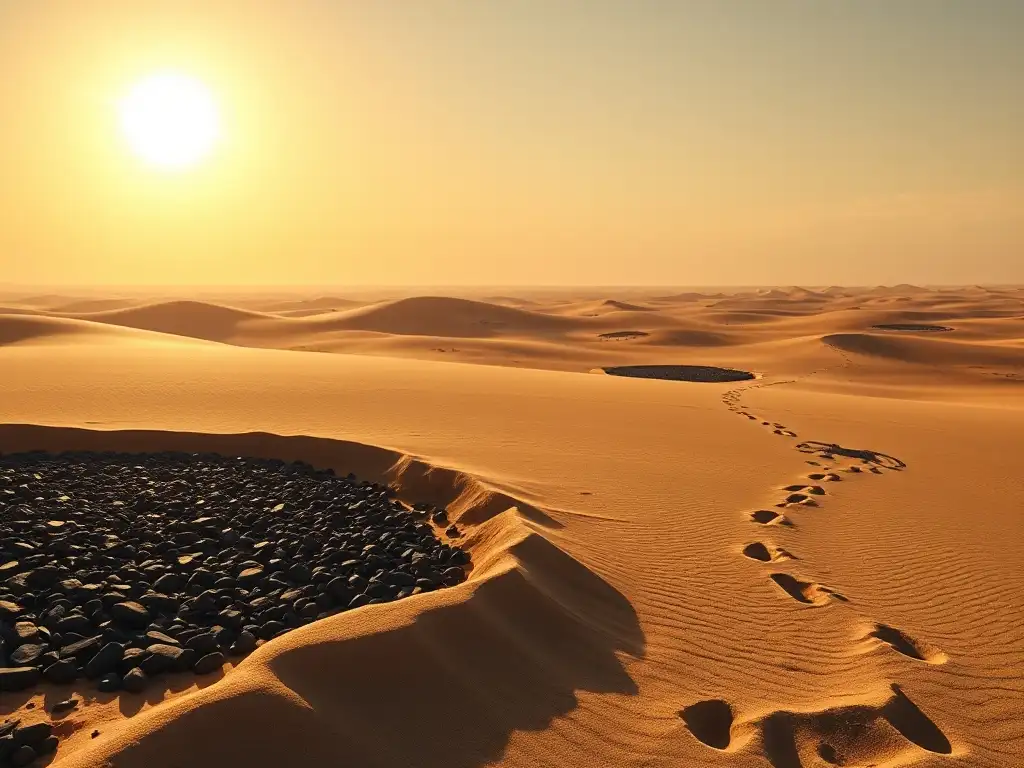
The creation of the Nazca Lines represents a remarkable feat of engineering and artistic skill, showcasing the advanced understanding of geometry and spatial planning possessed by the Nazca culture. These geoglyphs, ranging from simple lines to complex figures of animals and plants, were not haphazardly etched into the desert floor. Instead, they involved meticulous planning and execution, reflecting a deep understanding of the landscape and its properties. The Nazca people utilized a sophisticated process, likely involving the removal of the dark reddish-brown surface stones to reveal the lighter subsoil, creating the stark contrast that makes the lines visible from above.
This process required an extensive workforce, coordinated effort, and a deep understanding of the land's composition and its response to environmental factors such as wind and sun exposure. The precision and scale of the designs are astonishing, particularly considering the lack of sophisticated tools available to them. Recent research suggests that the Nazca may have used simple tools like wooden stakes and ropes to create the lines, demonstrating their ingenuity in adapting available resources to achieve remarkable results.
The sheer scale of some of the figures, spanning hundreds of meters, speaks to the immense organizational capabilities and collective effort involved in their creation. The artistry is not merely in the scale, but also in the subtle details and dynamic representation of the creatures depicted. These aspects highlight the Nazca’s advanced understanding of perspective and their ability to translate three-dimensional forms onto a two-dimensional plane.
Conservation Challenges and Threats to the Nazca Lines
The Nazca Lines, a testament to the ingenuity and artistry of the Nazca civilization, face significant threats to their long-term preservation. The delicate nature of the geoglyphs, coupled with the harsh environmental conditions and human activities, poses a constant challenge to their continued existence. These challenges require a multifaceted approach to conservation, involving both scientific research and public awareness campaigns.
The impact of modern development and tourism, coupled with natural erosion and climate change, necessitates a proactive and comprehensive strategy to ensure the survival of this invaluable cultural heritage for future generations. The fragility of the lines necessitates careful management and protection from further degradation. Without robust conservation efforts, these breathtaking masterpieces risk being lost forever.
Natural Erosion and Environmental Impact on Nazca Geoglyphs
The arid climate of the Nazca desert, while contributing to the preservation of the geoglyphs for centuries, also presents a significant challenge. Natural erosion caused by wind and occasional rainfall gradually wears away the exposed lighter subsoil, blurring the lines and diminishing their clarity. The infrequent but intense rainfall events can cause significant damage, washing away the exposed soil and altering the surface contours. Furthermore, the shifting sands can gradually bury sections of the geoglyphs, obscuring them from view.
Climate change, with its potential for increased rainfall intensity and frequency, further exacerbates this threat. The subtle shifts in wind patterns and the increased intensity of storms can accelerate the rate of erosion, demanding innovative solutions for mitigating these natural processes. Studies monitoring the rate of erosion are crucial for developing effective conservation strategies.
Human Activities and Damage to the Nazca Site
Human activity poses perhaps the most immediate and significant threat to the Nazca Lines. The construction of roads and other infrastructure near the site, as well as the presence of unauthorized vehicles and foot traffic, causes physical damage to the geoglyphs. Off-road driving, in particular, can severely damage the delicate lines, obliterating sections and making them irretrievable.
Furthermore, the increasing number of tourists visiting the site, while contributing to the local economy, also poses a risk. Inappropriate behavior such as walking on the geoglyphs or littering can cause gradual deterioration. The construction of unauthorized pathways and the encroachment of settlements near the site also pose a threat.
These pressures necessitate strict regulations and effective monitoring of human activities in the area to minimize damage and ensure the long-term preservation of the lines. Balancing the needs of the local community with the preservation of this invaluable cultural heritage is a crucial aspect of any conservation strategy.
Efforts to Preserve the Nazca Lines
Numerous initiatives are underway to protect and preserve the Nazca Lines. These efforts involve a combination of scientific research, technological advancements, and community engagement. Researchers are constantly monitoring the condition of the lines, using advanced imaging technologies such as aerial photography and satellite imagery to detect changes and assess the extent of damage.
Conservation strategies include stabilizing eroded areas, removing encroaching vegetation, and educating local communities and tourists about the importance of protecting the site. The implementation of stricter regulations and improved monitoring systems are crucial for managing tourism and controlling access to sensitive areas. Furthermore, international collaborations and the sharing of best practices are vital in ensuring the long-term preservation of this unique cultural heritage.
These collaborative efforts are essential for securing the future of the Nazca Lines and ensuring that they remain a source of wonder and inspiration for generations to come. The ongoing investment in research, technology, and community involvement underscores the global commitment to safeguarding this remarkable archaeological treasure.
Nazca Lines and Their Role in Andean Identity and Culture
The Nazca Lines represent a crucial element in understanding Andean identity and cultural continuity. These enigmatic geoglyphs, etched into the desert floor centuries ago, offer a unique window into the worldview and spiritual beliefs of the Nazca culture. While their precise meaning remains a subject of ongoing debate among scholars, the sheer scale and artistry of the lines suggest a profound connection to the land and a sophisticated understanding of cosmology.
The figures, depicting animals, plants, and geometric shapes, may have served as part of a complex ritualistic system, perhaps related to water, fertility, or ancestor veneration. Their continued existence and enduring fascination contribute significantly to Peru's national identity and tourism, solidifying their place within the broader narrative of Andean heritage. The lines serve as a powerful symbol of a civilization's ingenuity and connection to its environment, resonating with modern Peruvians and attracting global interest in their rich cultural past.
The enduring mystery surrounding their creation only adds to their cultural importance, fueling ongoing research and inspiring countless interpretations. Their role in modern Peruvian culture, as a source of national pride and a major tourist attraction, further underscores their profound historical significance.
The Nazca Lines as a UNESCO World Heritage Site
The Nazca Lines' recognition as a UNESCO World Heritage Site in 1994 underscores their exceptional universal value. This designation acknowledges the site's outstanding significance in terms of both cultural and historical criteria. The UNESCO inscription highlights the lines' unique artistic and technological achievements, showcasing the remarkable engineering skills and societal organization required for their creation.
The site's preservation is a crucial aspect of the UNESCO designation, emphasizing the importance of protecting this fragile landscape from the threats of erosion, vandalism, and unsustainable tourism practices. The World Heritage status brings international attention, promoting conservation efforts and responsible tourism management. Furthermore, the designation fosters collaboration among international organizations, governmental bodies, and local communities to ensure the long-term preservation of this invaluable cultural heritage for future generations.
The lines' protected status ensures ongoing research and study, allowing for a deeper understanding of the Nazca civilization and its place within the broader context of Andean history. This ongoing preservation work is essential for maintaining the Nazca Lines' "Nazca Lines historical significance" for years to come.
Exploring the Landscape Surrounding the Nazca Lines
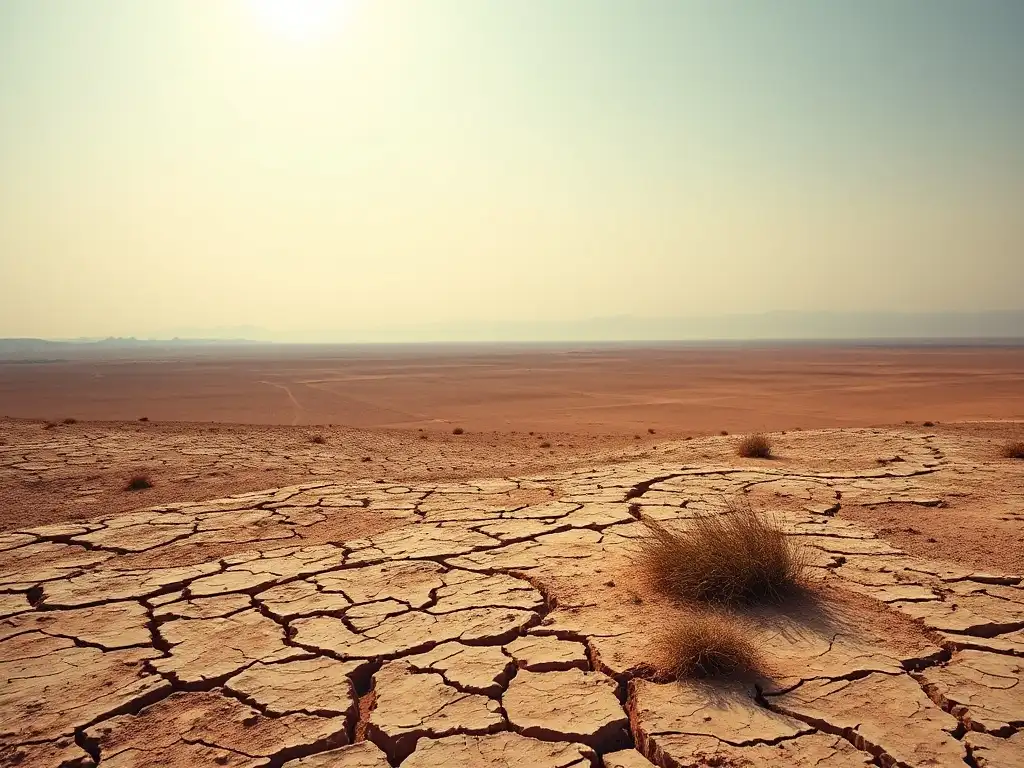
The Nazca Lines are not isolated phenomena; their significance is deeply intertwined with the surrounding landscape of the Nazca Desert. The desert's unique environmental conditions, coupled with the archaeological richness of the region, provide crucial context for understanding the lines' creation and purpose.
The Nazca Desert and Its Unique Characteristics
The Nazca Desert's aridity and its remarkably stable geological formations played a key role in the preservation of the geoglyphs. The lack of significant rainfall and vegetation has minimized erosion, allowing the lines to endure for centuries. The desert's expansive, flat terrain provided an ideal canvas for creating the massive figures. The unique soil composition and the absence of significant wind erosion further contributed to their preservation.
This combination of factors created a unique environment perfectly suited for the creation and longevity of these incredible works of art. Understanding the characteristics of this desert environment is essential to understanding both the creation and preservation of the Nazca Lines. The desert's unique characteristics offer a valuable case study in the interplay between human activity and environmental factors in shaping cultural landscapes.
Related Archaeological Sites Near the Nazca Geoglyphs
The Nazca Lines are not isolated; they are part of a broader archaeological landscape. Numerous settlements, cemeteries, and irrigation systems are located near the geoglyphs, providing valuable insights into the Nazca civilization's daily life, social structures, and technological advancements. These sites, often containing intricate pottery, textiles, and other artifacts, offer crucial complementary information to the enigmatic lines themselves. The proximity of these sites suggests a complex relationship between the geoglyphs and the daily lives of the Nazca people.
Studying these related sites allows for a more comprehensive understanding of the Nazca culture and the context in which the lines were created, enhancing the overall understanding of their "Nazca Lines historical significance". Further research and excavation at these nearby sites hold the potential to unlock even more secrets about this fascinating civilization. The interconnectedness of these sites highlights the importance of considering the Nazca Lines within a broader archaeological context.
The Ongoing Research and Discoveries at the Nazca Lines
Research into the Nazca Lines continues to this day, revealing new insights into their creation and purpose. Archaeologists and researchers employ a variety of techniques, including aerial photography, ground-penetrating radar, and advanced satellite imagery, to uncover more about these enigmatic geoglyphs. Recent studies have focused on understanding the environmental conditions during the lines' creation, analyzing soil samples to determine the methods used in their construction. For example, some research suggests the use of simple tools and techniques, while other findings hint at a more sophisticated understanding of surveying and land management.
The ongoing analysis of the lines themselves is also crucial, with researchers meticulously documenting the deterioration of the figures due to erosion and human activity. This detailed documentation helps in conservation efforts and provides valuable data for understanding the long-term impact of environmental factors on the site. Furthermore, the discovery of new geoglyphs, often through improved imaging technology, continues to expand our understanding of the Nazca Lines' extent and complexity. These new finds often reveal previously unknown figures and patterns, prompting further investigation into their symbolic meaning and societal function.
The ongoing research is not only about discovering new lines, but also about deepening our understanding of the existing ones, using cutting-edge technology to reveal subtle details previously unseen. This multifaceted approach ensures a holistic understanding of the Nazca Lines' historical significance. The combination of archaeological investigation, technological advancements and environmental analysis is essential to unraveling the mysteries surrounding this incredible site.
Nazca Lines: A Legacy for Future Generations
The Nazca Lines represent a significant legacy for future generations, serving as a testament to the ingenuity and cultural expression of the Nazca civilization. Their enduring presence underscores the importance of preserving cultural heritage sites for the benefit of future research and education. The site's preservation faces ongoing challenges, including natural erosion, human impact, and the effects of climate change. However, significant efforts are underway to mitigate these challenges and ensure the long-term survival of the Nazca Lines.
These efforts involve the implementation of sustainable tourism practices, the development of protective measures against erosion, and ongoing monitoring of the site's condition. Moreover, the Nazca Lines serve as a powerful symbol of cultural pride for Peru and inspire ongoing research and educational initiatives. The site's inclusion on the UNESCO World Heritage List further emphasizes its global importance and underscores the international commitment to its preservation. Educational programs and public awareness campaigns play a vital role in fostering appreciation for the Nazca Lines and promoting responsible stewardship of this invaluable cultural resource.
By educating future generations about the historical significance and fragility of the site, we ensure that the Nazca Lines continue to inspire wonder and awe for centuries to come. The ongoing commitment to preserving this unique historical treasure will guarantee its place as a vital component of Andean heritage for generations to appreciate and learn from. It's crucial to remember that the Nazca Lines are more than just intriguing images; they are a window into a sophisticated civilization and a vital part of Peru's cultural identity. Their preservation is not merely a matter of historical preservation, but also a responsibility to future generations.
- Understanding the Nazca Lines: An Introduction to Geoglyphs
- Nazca Lines Historical Significance: A Deep Dive into Andean History
- The Purpose and Creation of the Nazca Geoglyphs
- Diverse Interpretations of the Nazca Lines' Meaning
- The Unique Artistry and Techniques of Nazca Geoglyph Creation
- Conservation Challenges and Threats to the Nazca Lines
- Nazca Lines and Their Role in Andean Identity and Culture
- The Nazca Lines as a UNESCO World Heritage Site
- Exploring the Landscape Surrounding the Nazca Lines
- The Ongoing Research and Discoveries at the Nazca Lines
- Nazca Lines: A Legacy for Future Generations
Frequently Asked Questions
What is the historical significance of the Nazca Lines?
The Nazca Lines hold immense historical significance as they offer crucial insights into the religious beliefs, astronomical knowledge, and social organization of the Nazca culture (c. 100 BCE – 800 CE). Their creation reveals a sophisticated understanding of engineering and planning.
Who created the Nazca Lines and why?
The Nazca people are believed to have created the lines, likely for ceremonial or ritualistic purposes, potentially linked to water rituals, ancestor veneration, or astronomical observations. The exact reasons remain a subject of ongoing research.
What makes the Nazca Lines unique?
Their immense scale and complexity, combined with their precise execution in the arid desert landscape, make them unique. The geoglyphs' longevity and mystery surrounding their creation further add to their significance.
How were the Nazca Lines created?
The Nazca Lines were created by removing the dark reddish pebbles and exposing the lighter subsoil, revealing the designs. The methods used and the sheer scale of the undertaking demonstrate advanced planning and community involvement.
What is the ongoing debate surrounding the Nazca Lines?
Ongoing debates center on their precise purpose and meaning. While the religious and astronomical interpretations are prevalent, some theories propose other explanations, highlighting the enduring mystery surrounding these remarkable geoglyphs.
Final Reflection: Unraveling the Enduring Legacy of the Nazca Lines
The Nazca Lines remain a potent symbol of Andean ingenuity and cultural resilience, a testament to a civilization that continues to fascinate and inspire us today. Their intricate designs, etched into the desert landscape millennia ago, offer a profound glimpse into a sophisticated society capable of monumental feats of engineering and artistic expression. The enduring mystery surrounding their purpose only adds to their captivating allure, fueling ongoing research and sparking the imagination of countless individuals worldwide.
The impact of the Nazca Lines extends far beyond their physical presence; they represent a crucial link to a rich and complex past, shaping our understanding of Andean heritage and its enduring influence. Their preservation is not merely a matter of archaeological significance but a vital act of cultural guardianship, ensuring that the voices of the Nazca people resonate through time. The past is never dead. It's not even past.
- William Faulkner. This quote perfectly encapsulates the enduring power of the Nazca Lines to connect us to a vibrant civilization and challenge our understanding of history.
Consider the intricate artistry and the sheer scale of the undertaking. Imagine the dedication and collaborative effort required to create these breathtaking geoglyphs. Now, let that inspire you. What monumental tasks are you undertaking in your own life? What legacy do you wish to leave behind? The Nazca Lines serve as a powerful reminder that human ingenuity and cultural expression can endure for millennia, leaving an indelible mark on the world. Let their enduring legacy inspire you to create your own lasting impact, however small, on the world around you.
**Unveil the Mysteries of the Nazca Lines! **
Thank you for exploring the fascinating world of the Nazca Lines and their importance to Andean heritage. We hope you've gained a deeper understanding of this enigmatic site and its significance for comprehending ancient cultures. Now, let's further explore these historical wonders!
Here are some ways to continue your journey:
- **Delve deeper! ** Visit our dedicated section on Andean civilizations to uncover the rich history and explore the many theories surrounding the Nazca Lines.
- **Share your discoveries! ** Discuss what you've learned with friends and family—you might inspire them to learn more about, or even visit, this incredible site!
- **Connect with others! ** Consider participating in local heritage events or online forums dedicated to Andean culture and history.
Which aspect of the Nazca Lines' history captivated you the most, and how do you think they continue to illuminate our understanding of ancient societies?