
Nazca Lines: The Mystery of the Unexplained Geoglyphs

Prepare to be amazed. For centuries, the enigmatic Nazca Lines have defied explanation, whispering tales of a lost civilization's ingenuity and leaving behind a legacy of unanswered questions. Journey with us into the heart of the Andean mystery, delving into the Nazca Lines meaning and mystery—a story etched into the desert itself, waiting to be unveiled. Discover the secrets held within these colossal geoglyphs and uncover the breathtaking artistry of the Nazca civilization. Dare to explore the unknown.
- Nazca Lines: The Meaning and Mystery of the Unexplained Geoglyphs
- Deciphering the Nazca Lines Meaning: Theories and Interpretations
- Nazca Lines Construction Techniques: How Were They Made?
- The Enigma of the Nazca Lines: Unanswered Questions
- Frequently Asked Questions
- Final Reflection: Unraveling the Enduring Enigma of the Nazca Lines
- Unveil the Secrets of the Nazca Lines Today!
Nazca Lines: The Meaning and Mystery of the Unexplained Geoglyphs
The Nazca Lines, enigmatic geoglyphs etched into the Peruvian desert, stand as one of the world's greatest archaeological mysteries. These colossal figures and lines, stretching for miles across the arid landscape, have captivated researchers and the public alike for decades. Their sheer scale, intricate detail, and inexplicable purpose continue to fuel speculation and debate, prompting countless theories about their creation and meaning.
This article delves into the fascinating world of the Nazca Lines, exploring their location, the culture responsible for their creation, and the enduring mystery surrounding their purpose. We will examine the prevailing theories and unanswered questions related to the "Nazca Lines meaning and mystery," aiming to shed light on this captivating enigma of ancient Peruvian history. Understanding these enigmatic lines offers a profound insight into the ingenuity and spiritual beliefs of the Nazca civilization, a culture that continues to fascinate and intrigue us.
Introduction to the Nazca Lines: An Ancient Puzzle
The Nazca Lines are a collection of over 300 geoglyphs—large designs or symbols created on the ground—located in the Nazca Desert of southern Peru. These figures range dramatically in size and complexity, depicting animals such as hummingbirds, monkeys, and lizards, alongside geometric shapes and lines that stretch for kilometers. What makes these geoglyphs truly remarkable is their scale; many are only fully visible from the air, leading to speculation about their purpose and the technology used in their creation.
The Nazca Lines were not created all at once; evidence suggests that their creation spanned centuries, with different figures and lines being added over time. This extended period of creation further adds to the complexity and mystery surrounding their significance. The precise methods employed by the Nazca people remain a subject of ongoing investigation.
The creation of these massive figures required careful planning, precise execution, and a deep understanding of the landscape. The mystery deepens when considering how these designs could have been created without aerial perspective, a technology unavailable to the Nazca. This ancient puzzle continues to challenge our understanding of human ingenuity and cultural expression.
Location and Extent of the Nazca Geoglyphs
The Nazca Lines are located in the Nazca Desert, a coastal plain in southern Peru characterized by its arid climate and extremely dry conditions. This unique environment has played a crucial role in the preservation of these fragile geoglyphs over centuries. The lines themselves are not merely scratches in the earth; rather, they are created by removing the dark reddish-brown surface stones to expose the lighter subsoil.
The area encompasses approximately 50 square kilometers, with the geoglyphs extending across a vast expanse of desert. The sheer scale of the undertaking is astonishing, especially considering the tools and technology available to the Nazca people. The location itself, a remote and challenging environment, adds another layer to the mystery, highlighting the dedication and effort involved in creating these monumental works.
The precise boundaries of the geoglyph area are still being mapped, with new discoveries being made regularly, further expanding our understanding of the extent of this remarkable site. The vastness and precision of the lines are testament to the advanced planning and organizational capabilities of the Nazca civilization.
Who Created the Nazca Lines? Exploring the Nazca Culture
The Nazca Lines are attributed to the Nazca culture, a pre-Columbian civilization that flourished in southern Peru from approximately 100 BCE to 800 CE. This advanced society developed sophisticated irrigation systems, impressive pottery, and intricate textiles, showcasing their creativity and engineering prowess. However, the motivations behind the creation of the Nazca Lines remain a subject of intense debate.
Archaeological evidence suggests a strong connection between the lines and the Nazca people's religious and ceremonial practices. Some researchers propose that the geoglyphs served as a form of astronomical calendar, aligning with celestial events. Others suggest they had a ritualistic purpose, perhaps related to water sources or fertility rites, given the importance of water in the arid desert environment.
While the exact meaning remains elusive, understanding the Nazca culture's beliefs and practices provides crucial context for interpreting these enigmatic figures. Further research, combining archaeological findings with advanced imaging technologies, continues to unravel the secrets behind this significant cultural achievement. The Nazca culture's legacy extends far beyond the lines, leaving behind a rich tapestry of art, technology and spiritual practices that continues to fascinate and inspire.
Deciphering the Nazca Lines Meaning: Theories and Interpretations
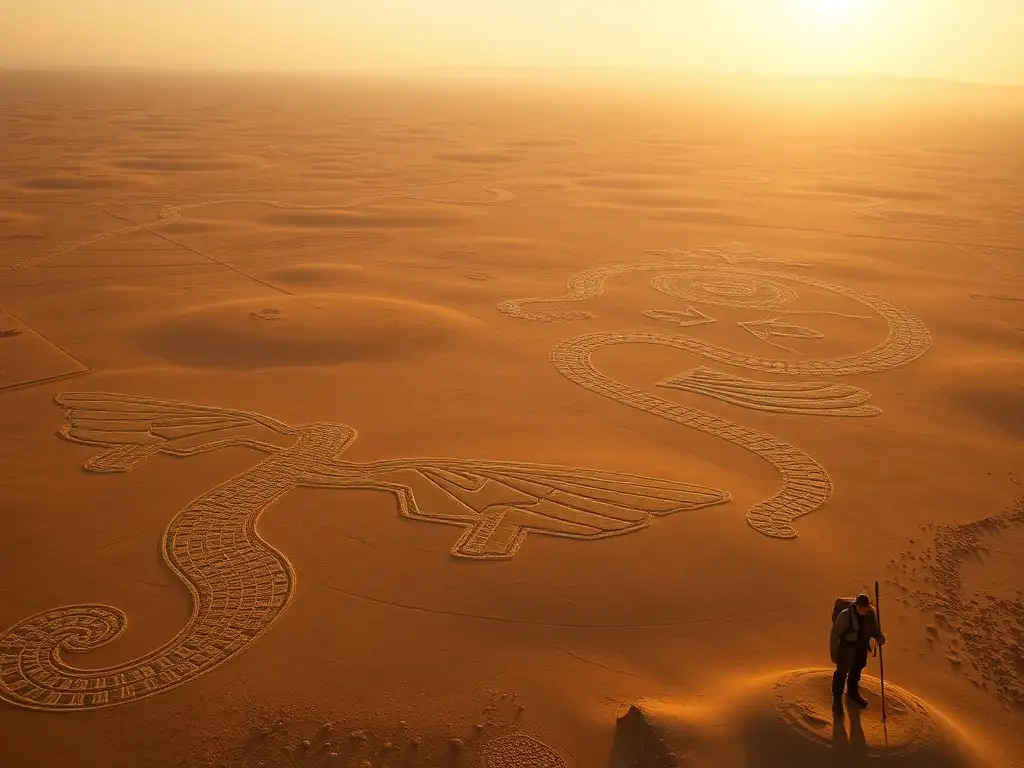
The Nazca Lines, etched into the Peruvian desert, remain one of archaeology's most enduring mysteries. Their sheer scale and enigmatic nature have sparked countless theories about their purpose and meaning. While a definitive answer remains elusive, research suggests a complex interplay of astronomical alignments, ritual practices, and potentially a sophisticated communication system. Understanding the Nazca Lines meaning requires a multifaceted approach, acknowledging the diverse perspectives and evidence available. The "Nazca Lines meaning and mystery" continues to captivate researchers and the public alike, driving ongoing investigation and debate.
The Astronomical Significance of the Nazca Lines
Many researchers believe that the Nazca Lines hold significant astronomical importance. The alignment of certain geoglyphs with solstices and equinoxes suggests a sophisticated understanding of celestial movements. For instance, the "Hummingbird" geoglyph is believed to align precisely with the summer solstice sunrise. This precision, considering the lack of advanced tools, points towards a deep understanding of astronomy, potentially used for agricultural planning or religious ceremonies.
Further research into the precise alignments of various geoglyphs and their correlation with astronomical events is crucial for understanding this aspect of their "Nazca Lines meaning and mystery." The possibility of predicting seasonal changes, vital for survival in the arid Nazca environment, is a compelling aspect of this theory. Detailed analysis of the astronomical alignments, incorporating modern astronomical software and data, is needed to fully explore this hypothesis.
Nazca Lines as Ritual Pathways and Sacred Spaces
Another prominent theory proposes that the Nazca Lines served as ritual pathways and sacred spaces. Evidence suggests that the lines were not merely drawn but were actively used in ceremonies and processions. The presence of artifacts and evidence of human activity near some geoglyphs supports this interpretation. The lines might have connected sacred sites or served as a route for pilgrimage, with the geoglyphs acting as markers or symbolic representations along the way.
This interpretation aligns with the rich religious and ritualistic traditions of the Nazca culture, as evidenced by their elaborate pottery and other artifacts. Further investigation into the geographical distribution of the geoglyphs and their proximity to known ceremonial sites is essential to better understand their potential use as ritual pathways. The “Nazca Lines meaning and mystery” might be unlocked by considering the social and religious context of the Nazca civilization.
The Function of the Nazca Geoglyphs: A Communication System?
A less explored but equally intriguing theory suggests that the Nazca Lines functioned as a vast communication system. The intricate designs and their precise placement might have encoded messages, possibly conveying information between different settlements or groups. This theory posits a level of sophistication in Nazca communication that transcends simple visual representation. The possibility of deciphering symbolic meanings within the geoglyphs, much like ancient writing systems, remains a fascinating area of research.
However, this hypothesis requires further investigation into the potential symbolic meanings of the various figures and their interrelationships. The development of a comprehensive catalog of geoglyphs, including detailed descriptions and analyses of their stylistic variations, would contribute significantly to exploring the "Nazca Lines meaning and mystery" from this communication perspective. The potential use of aerial observation and advanced image processing techniques could also help unlock any hidden patterns or codes within the lines.
Nazca Line Animals and Figures: Symbolism and Representation
The most striking features of the Nazca Lines are undoubtedly the enormous depictions of animals and figures etched into the desert floor. These geoglyphs, ranging from hummingbirds and spiders to stylized humanoids and plants, have captivated researchers and sparked countless theories about their meaning and purpose. The sheer scale of these creations, some stretching hundreds of meters in length, is breathtaking, and their preservation over centuries is a testament to the arid climate of the Nazca desert.
One prominent theory suggests that these animal and human figures represent deities or powerful figures within Nazca cosmology. The hummingbird, for example, might symbolize a connection to the spiritual world or represent a specific deity associated with fertility or rain. The spider, with its multiple legs, could represent a powerful, earthbound entity, perhaps connected to the earth's resources or the underworld.
Evidence from other Nazca artifacts, such as pottery and textiles, featuring similar iconography, lends some credence to this interpretation, showing recurring motifs that might connect to the lines' symbolism. However, the exact correspondence between these artifacts and the lines themselves remains a subject of ongoing debate.
Another perspective considers these figures as part of a larger narrative, perhaps telling a story or depicting a mythological event. The arrangement of the figures in relation to each other, their sizes, and the overall composition of the landscape could be seen as elements of a complex visual narrative, only partially understood today. However, establishing a coherent narrative from the limited data available remains a significant challenge. Further research is needed to examine the potential relationships between different geoglyphs and to explore the possibility of a larger, interconnected narrative.
The detailed representation of the animals, particularly their anatomical accuracy, is remarkable. Researchers have noted the precision with which the Nazca artists captured the characteristics of each creature, suggesting a deep understanding of the animal kingdom and a sophisticated artistic skill. This level of detail supports the idea that the lines were not simply random markings but rather carefully planned and executed works of art with profound symbolic meaning.
However, the exact processes used to create these lines, and the tools employed, remain areas needing further study. The precision of the lines, considering the lack of advanced technology available to the Nazca people, points to a highly organized and skilled workforce.
Finally, the interpretation of these figures also involves considering the cultural context of the Nazca civilization. Understanding their social structures, religious beliefs, and daily lives is crucial to deciphering the meaning of these enigmatic images. Further archaeological discoveries and interdisciplinary research, bringing together insights from anthropology, archaeology, and art history, are essential to unraveling the mysteries surrounding the Nazca Lines’ animal and human figures. The challenge lies in piecing together fragmented evidence to construct a holistic understanding of their significance within the broader context of Nazca culture.
Nazca Lines Construction Techniques: How Were They Made?
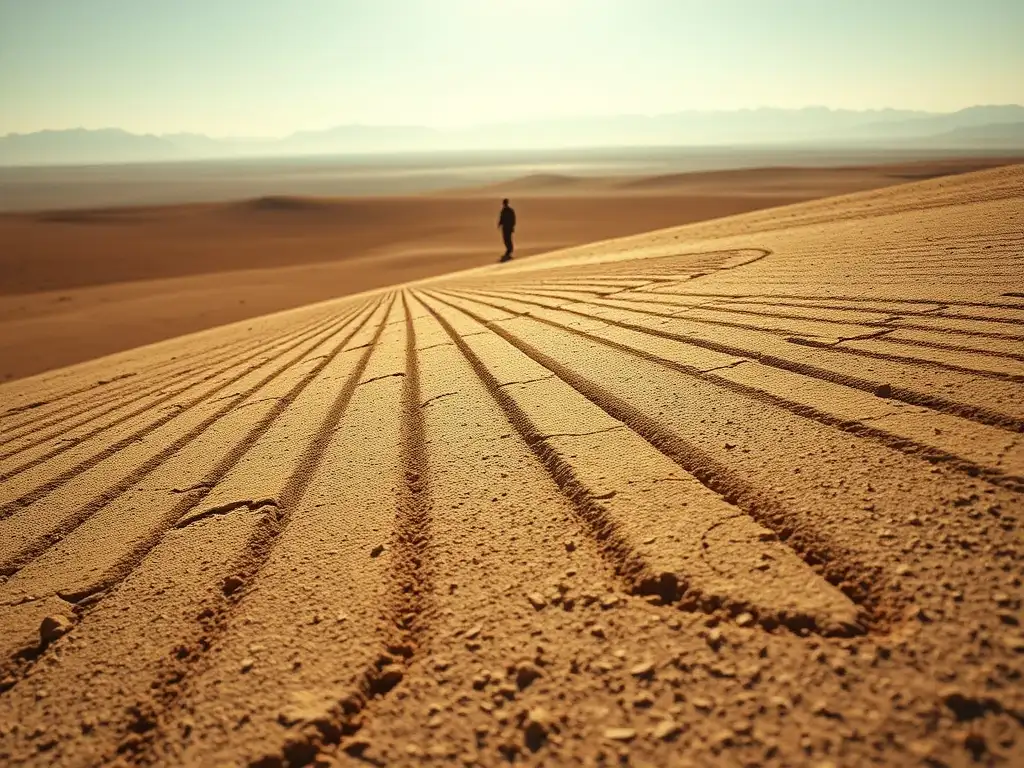
The creation of the Nazca Lines remains a source of fascination and debate, prompting ongoing research into the ingenious techniques employed by the Nazca culture. While the precise methods remain partially shrouded in mystery, archaeological evidence and analysis provide compelling insights into their construction. Understanding these techniques is key to appreciating the scale and sophistication of this remarkable achievement, a testament to the Nazca's advanced understanding of surveying, engineering, and resource management. The Nazca Lines meaning and mystery are intrinsically linked to how they were physically created.
Surveying and Planning the Nazca Geoglyphs
The sheer scale and precision of the Nazca Lines suggest a sophisticated level of planning and surveying far beyond simple guesswork. Archaeologists hypothesize that the Nazca utilized a combination of techniques to accurately lay out their designs across the vast desert plain. This likely involved a system of visual referencing, potentially using stakes or markers placed at strategic points to guide the creation of the lines.
The use of elevated vantage points, such as nearby hills or natural formations, may have aided in maintaining straight lines and ensuring the overall design's accuracy. Evidence suggests that the Nazca understood basic geometric principles, enabling them to create complex shapes and figures with remarkable precision. Further research into the possible use of simple instruments, like plumb bobs or sighting devices, is ongoing.
The remarkable alignment of some geoglyphs with celestial events hints at a possible astronomical significance to their planning, adding another layer to the Nazca Lines meaning and mystery. The planning phase undoubtedly involved significant community effort and collaboration, reflecting the Nazca's social organization and shared vision.
The Materials and Tools Used in Creating Nazca Lines
The construction of the Nazca Lines involved the removal of the dark desert varnish, a thin layer of manganese and iron oxides, which reveals the lighter-colored earth beneath. This process, far from being a simple scraping, involved careful and meticulous work. Archaeological studies have identified various tools likely used in this process.
These include simple implements such as sharpened stones, wooden stakes, and possibly rudimentary metal tools. The nature of the soil, a relatively soft and easily worked surface, aided in the process. The dark varnish itself was removed using a combination of techniques; perhaps scraping, brushing, and even the use of small picks, carefully revealing the underlying sediment.
The lines themselves vary in width and depth, suggesting different techniques and levels of effort were employed depending on the specific geoglyph and its design. Further research is needed to fully understand the variations in tool use and the nuances of the construction process. This meticulous removal of the surface material is a testament to the Nazca people's patience, skill, and the importance they placed on this monumental undertaking.
Preserving the Nazca Lines: Challenges and Conservation Efforts
The Nazca Lines, a fragile legacy of a lost civilization, face ongoing challenges to their preservation. Natural elements, such as wind erosion and flash floods, pose a constant threat. Human activity, including unauthorized access and construction, has also contributed to their degradation. The Nazca Lines meaning and mystery are at risk due to these threats.
To mitigate these threats, several conservation efforts are underway. These include implementing strict access controls, monitoring the geoglyphs' condition through satellite imagery and ground surveys, and educating local communities and visitors about the importance of preserving this unique cultural heritage. Efforts are also focused on stabilizing vulnerable areas and implementing sustainable land management practices in the surrounding region.
The long-term preservation of the Nazca Lines requires a concerted and ongoing effort involving international collaboration, technological advancements, and a deep understanding of the environmental factors affecting their survival. The success of these efforts hinges on a collective commitment to safeguarding this invaluable part of human history for future generations. The Nazca Lines meaning and mystery deserve protection for future generations to discover.
The Enigma of the Nazca Lines: Unanswered Questions
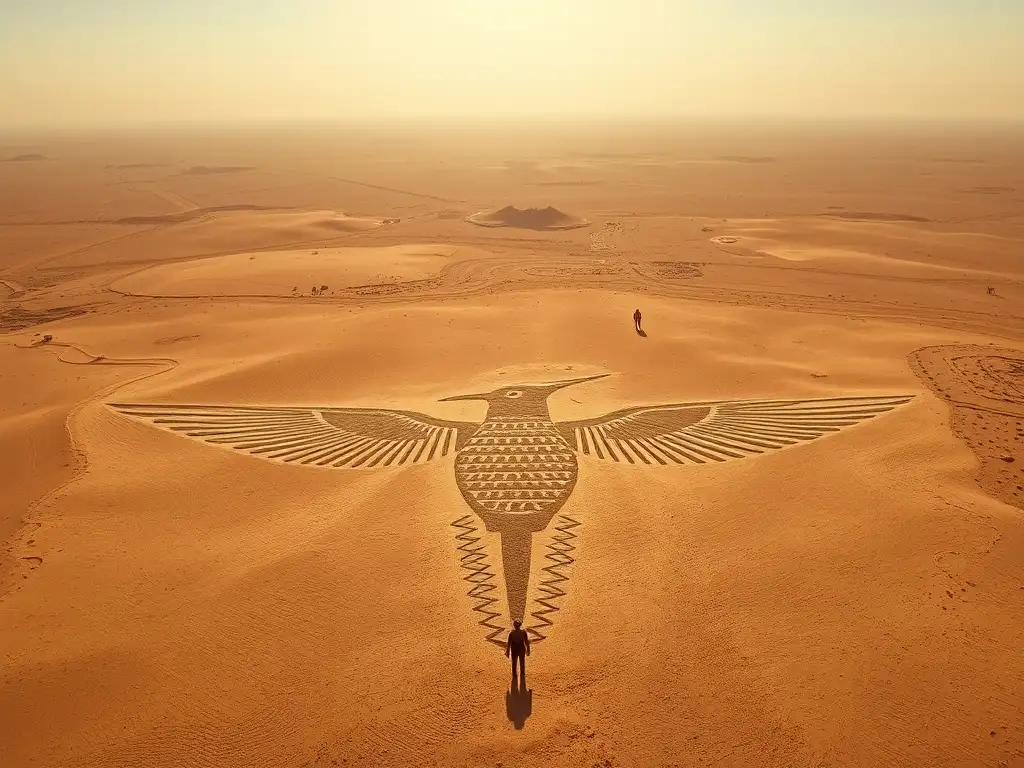
The Nazca Lines, etched into the Peruvian desert, remain one of archaeology's most enduring mysteries. While we have learned much about their creation and the Nazca culture that produced them, crucial questions surrounding their meaning and purpose continue to elude definitive answers. Decades of research have yielded fascinating insights, but the core mystery persists: why were these immense geoglyphs created?
What was their function, their significance to the Nazca people? The sheer scale of the undertaking, the precision of the designs, and the lack of readily apparent practical uses fuel ongoing speculation and scholarly debate.
Understanding the Nazca Lines requires grappling with these unanswered questions, acknowledging the limitations of current knowledge, and embracing the possibility that some aspects of their creation may forever remain shrouded in the sands of time. The enduring mystery of the Nazca Lines is, in itself, a testament to the ingenuity and complexity of the ancient Andean civilizations.
The Purpose of the Nazca Lines: A Continuing Debate
Theories regarding the purpose of the Nazca Lines are numerous and varied. Some propose a ritualistic or religious function, suggesting the lines served as pathways for processions or were linked to celestial observations. Others posit a connection to water management, with the lines potentially influencing water flow or marking underground aquifers.
The diversity of the geoglyphs—from simple lines and geometric shapes to intricate depictions of animals and plants—further complicates the search for a singular explanation. Recent research focusing on the Nazca Lines meaning has explored the possibility of a multi-faceted purpose, suggesting the lines may have served multiple functions simultaneously. For example, certain lines might have been used for ceremonial purposes, while others served practical roles in agriculture or water management.
This hypothesis attempts to reconcile the diverse nature of the geoglyphs with the limited resources and technology available to the Nazca people. The lack of conclusive evidence, however, leaves the question of their primary purpose unresolved. Further investigation, including advanced remote sensing techniques and detailed analysis of the surrounding environment, is needed to shed more light on this intriguing aspect of Nazca culture.
Nazca Lines and Ancient Astronaut Theories: Examining the Speculations
While mainstream archaeology focuses on terrestrial explanations, the Nazca Lines have also attracted significant attention from proponents of ancient astronaut theories. These theories often posit that the lines were created by extraterrestrial visitors, utilizing advanced technology beyond the capabilities of the Nazca people. Such claims often cite the precision and scale of the geoglyphs as evidence of otherworldly intervention.
However, these speculations lack rigorous scientific backing and are largely unsupported by archaeological evidence. The precision of the lines can be explained by the Nazca people's sophisticated understanding of surveying and land management techniques. Their knowledge of the terrain and their ability to utilize simple tools effectively are often overlooked in these alternative explanations.
While the mystery surrounding the Nazca Lines is undeniable, it's crucial to evaluate claims critically, grounding interpretations in established archaeological methodologies and evidence. The appeal of ancient astronaut theories lies partly in the inherent enigma of the lines, but a responsible approach demands a rigorous examination of all evidence before accepting extraordinary claims. Dismissing terrestrial explanations without sufficient evidence risks perpetuating misconceptions and hindering genuine scientific inquiry.
Future research on the Nazca Lines promises exciting possibilities. Advances in remote sensing technologies, such as LiDAR and hyperspectral imaging, offer the potential to uncover previously unseen geoglyphs and gain a deeper understanding of the lines' construction techniques. Further archaeological excavations in the surrounding areas could provide additional clues about the Nazca culture and its relationship to the geoglyphs.
Interdisciplinary approaches, integrating archaeological data with geographical, astronomical, and anthropological perspectives, are crucial for developing a more comprehensive understanding. The application of advanced dating techniques could also refine our understanding of the timeline of the lines' creation, potentially revealing new insights into the evolution of Nazca culture and the significance of the geoglyphs within their broader societal context.
The ongoing research and exploration surrounding the Nazca Lines highlight the dynamic nature of archaeological investigation and the potential for future discoveries to reshape our understanding of this fascinating chapter in Andean history. The mystery of the Nazca Lines is far from solved, but continued research promises to unravel more of their secrets, enriching our understanding of the Nazca civilization and its remarkable legacy.
Frequently Asked Questions
What are the Nazca Lines?
The Nazca Lines are giant geoglyphs etched into the desert surface of southern Peru. These enigmatic figures depict animals, plants, and geometric shapes, visible only from the air.
When were the Nazca Lines created?
Most scholars believe the Nazca Lines were created between 500 BC and 500 AD by the Nazca culture. The exact methods and reasons for their creation remain a subject of debate.
Why were the Nazca Lines created?
The purpose of the Nazca Lines is still unclear. Theories range from ceremonial rituals and astronomical observations to water sources marking and territorial claims.
How were the Nazca Lines created?
The Nazca people likely created the lines by removing the dark reddish pebbles from the surface, revealing the lighter subsoil underneath. Simple tools were probably used to achieve this monumental task.
What is the mystery surrounding the Nazca Lines?
The scale and precision of the Nazca Lines, combined with their inaccessibility from the ground, have fueled speculation for centuries. Their true purpose remains one of archaeology's greatest unsolved mysteries.
Final Reflection: Unraveling the Enduring Enigma of the Nazca Lines
The Nazca Lines remain a potent symbol of humanity's enduring quest for meaning, a testament to the power of mystery to captivate and inspire across millennia. Their continued existence, defying easy explanation, forces us to confront the limitations of our understanding and the vastness of human ingenuity, even in the distant past. The very fact that we are still debating their purpose speaks volumes about their enduring significance.
The impact of the Nazca Lines extends far beyond the arid plains of Peru; they represent a powerful metaphor for the mysteries that continue to shape our world. Their enigmatic nature fuels our curiosity, driving scientific inquiry and sparking countless imaginative interpretations. The mystery of the Nazca Lines is not just about deciphering their purpose, but about understanding the human impulse to create, to leave a mark on the world, even if that mark remains shrouded in enigma.
This quote encapsulates the deeper significance of these geoglyphs – a reflection of our own innate desire to leave a legacy, to communicate across time, even if the message remains partially obscured.
Consider the Nazca Lines not just as ancient markings on the desert floor, but as a mirror reflecting our own ongoing search for meaning. What enduring mark will you leave on the world? What mysteries will you strive to unravel, not just in the realm of archaeology, but in your own life? Embrace the spirit of inquiry, the passion for discovery, and the enduring power of the unexplained – for within these mysteries lies the potential for profound understanding and lasting inspiration.
Unveil the Secrets of the Nazca Lines Today!
Thank you for exploring the captivating world of the Nazca Lines with us! We hope you've gained a deeper understanding of these remarkable geoglyphs and the enduring mysteries they present. Now, let's delve further into this fascinating heritage!
- **Plan a trip** to Peru to witness the Nazca Lines' grandeur firsthand and enrich your understanding of Andean history. Seeing them from the air is particularly breathtaking.
- Share this article with friends and family to spark their curiosity about these ancient wonders and inspire them to learn more.
- **Join an online community** dedicated to archaeology and ancient civilizations. Connecting with fellow enthusiasts provides opportunities for insightful discussions and shared discoveries.
What aspect of the Nazca Lines most captivates your imagination, and how do you believe they reflect the ingenuity and beliefs of their creators? We'd love to hear your thoughts!