
The Nazca Artist's Toolkit: Tools and Materials Used in Pottery and Textile Production

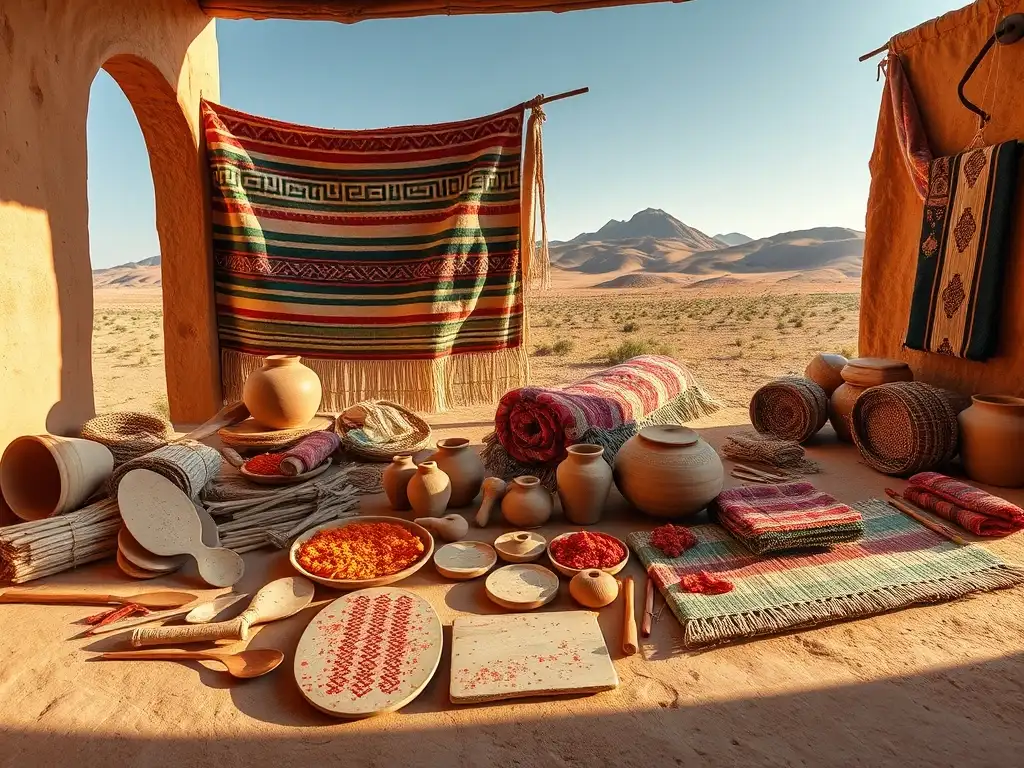
Unravel the mysteries of a lost world. Step into the vibrant heart of the Andean civilizations and discover a legacy unlike any other. But first, prepare to be amazed by the ingenuity of the Nazca people – their mastery of Nazca pottery and textile tools reveals secrets of artistry and innovation that will leave you breathless. Journey with us to uncover the techniques and materials that shaped their breathtaking creations... Are you ready to explore?
The Nazca civilization, renowned for its enigmatic geoglyphs and sophisticated artistry, left behind a remarkable legacy in pottery and textiles. This article delves into the fascinating world of Nazca craftsmanship, exploring the tools and materials employed in the creation of their iconic ceramics and intricately woven fabrics. We'll examine the processes involved, from sourcing raw materials to the final stages of decoration and firing, providing insights into the ingenuity and skill of Nazca artisans.
Understanding these techniques allows us to appreciate the artistry and cultural significance embedded within each piece of Nazca pottery and textile, offering a deeper understanding of "Nazca pottery and textile tools" and the civilization's remarkable achievements. This exploration will reveal the surprisingly complex toolkit and techniques that enabled the creation of these enduring works of art, highlighting the resourcefulness and technical prowess of the Nazca people.
Introduction to Nazca Craftsmanship: Pottery and Textiles
Nazca pottery and textiles are instantly recognizable for their vibrant colors, intricate designs, and high level of technical skill. These artifacts weren't merely functional items; they served crucial roles in religious rituals, social status, and everyday life. The production of both pottery and textiles involved a complex interplay of specialized tools, meticulous techniques, and readily available natural resources.
The artisans demonstrated remarkable proficiency in manipulating clay and fibers, resulting in objects that are both aesthetically pleasing and historically significant. The following sections will detail the specific tools and methods used in the creation of these exquisite works, offering a glimpse into the daily lives and artistic practices of the Nazca people. We will explore the key differences and similarities in the tools used for each craft, highlighting the ingenuity of the Nazca in adapting their techniques to different materials.
Nazca Pottery Production: Tools and Techniques
The creation of Nazca pottery was a multi-stage process requiring specialized tools and considerable skill. From sourcing the raw materials to the final firing, each step contributed to the unique characteristics of Nazca ceramics.
Clay Sourcing and Preparation for Nazca Ceramics
Nazca potters sourced clay from local deposits, likely selecting specific types based on their properties. The clay was then carefully processed to remove impurities and achieve the desired consistency. This likely involved techniques such as grinding, sieving, and tempering with additives like sand or crushed rock to improve the clay's workability and prevent cracking during firing. The precise methods of clay preparation remain partially unknown, but archaeological evidence suggests a careful and meticulous approach. [Specific information pending on the types of temper used and their geographic source].
Shaping Techniques: Coil Building and Mold Use in Nazca Pottery
Two primary shaping techniques were employed: coil building and mold use. Coil building involved rolling out long, thin coils of clay and layering them to create the desired form. This method allowed for great flexibility in creating diverse shapes and sizes. Molds, on the other hand, offered a more efficient way to produce multiple identical vessels. These molds could be made of various materials, possibly including clay or carved wood. [Further research is needed to determine the prevalence of each technique and the types of molds used].
Nazca Pottery Decoration: Pigments, Brushes, and Application Methods
The vibrant colors of Nazca pottery are a testament to the artisans' mastery of pigments and painting techniques. A wide range of pigments, derived from natural sources such as minerals and plants, were used to create intricate designs. These pigments were likely ground into fine powders and mixed with a binding agent, perhaps a natural gum or resin. Brushes made from plant fibers or animal hair were used to apply the pigments, creating both fine lines and broad areas of color. The application techniques, including negative space painting and the use of stencils, are still being studied by archaeologists.
Firing Nazca Ceramics: Open-Air Firing Processes
The final stage involved firing the pottery in open-air kilns. These kilns were likely simple structures, possibly consisting of pits or mounds, where the pottery was arranged and fired using fuel such as wood or dung. The firing process required careful control of temperature and airflow to ensure even cooking and prevent cracking or deformation. The high temperatures achieved in these open-air kilns contributed to the durability and characteristic appearance of Nazca ceramics. [Data on average firing temperatures and duration needs further investigation].
Nazca Textile Production: Tools and Materials
The Nazca people, renowned for their intricate textiles, relied on readily available resources for their craft. Fiber sourcing was crucial, with cotton being a primary material, cultivated in the fertile valleys. Camelid fibers, such as alpaca and llama wool, were also highly valued, providing warmth and durability.
These fibers underwent a meticulous preparation process, involving careful cleaning, carding, and spinning to create strong and even yarns. The tools used in this process were simple yet effective. Spindles, often made from wood or bone, were used for spinning, while combs and other hand tools aided in carding and separating the fibers.
The careful preparation of these fibers was essential for creating the high-quality textiles that characterize Nazca artistry. The quality of the fiber directly impacted the final product, influencing its texture, strength, and suitability for different weaving techniques. Different fibers lent themselves to various weaving patterns and designs, requiring careful consideration in the selection process.
Fiber Sourcing and Preparation for Nazca Textiles
The Nazca relied on both cultivated and wild resources for their textile production. Cotton, a staple crop in the region, provided a soft and absorbent fiber, ideal for warmer garments. The cultivation of cotton involved meticulous planting, irrigation, and harvesting techniques, reflecting the Nazca's deep understanding of agriculture. Camelid fibers, sourced from alpacas and llamas, offered a coarser, more durable fiber, perfect for creating sturdy textiles for everyday use. The preparation of these fibers was a labor-intensive process.
After harvesting, the cotton bolls were opened, and the seeds removed, often using simple hand tools. The fibers were then cleaned, removing any impurities or debris. Camelid fibers required a similar cleaning process, often involving washing and combing to remove excess lanolin and prepare them for spinning. Spindles, typically made from wood or bone, were used to spin the fibers into yarn, a process requiring considerable skill and patience.
Nazca Weaving Techniques: Backstrap Looms and Weaving Tools
The backstrap loom was the primary tool used by Nazca weavers. This portable loom, consisting of a warp held taut using a backstrap and a heddle, allowed for intricate weaving patterns. The weaver controlled the tension of the warp using their body weight and the backstrap, a testament to their physical dexterity and control.
In addition to the backstrap loom, a variety of other tools were employed in the weaving process. These included simple wooden shuttles for carrying the weft yarn, bone or wooden needles for detailed work, and various types of weights to maintain tension on the warp threads. The heddle, a crucial component of the loom, allowed weavers to lift and lower groups of warp threads, creating intricate patterns.
The complexity of the designs woven on these looms showcases the advanced skills and knowledge of Nazca weavers. Different types of looms may have been used for different types of textiles, depending on the desired fabric width and complexity of the pattern.
Nazca Textile Decoration: Techniques and Motifs
Once woven, Nazca textiles were often further embellished with a variety of decorative techniques. Dyeing was a crucial aspect, with vibrant colors derived from natural sources like plants and minerals. These dyes were applied using various methods, including resist dyeing techniques, where portions of the fabric were protected to prevent dye absorption, creating intricate patterns. Embroidery, using fine needles and colored threads, added delicate details and intricate motifs.
The motifs themselves were rich in symbolism, often depicting mythological creatures, geometric patterns, and scenes of daily life. These motifs provide valuable insights into Nazca beliefs, social structures, and artistic sensibilities. The combination of weaving techniques and decorative embellishments resulted in textiles of remarkable beauty and complexity. The precision and artistry involved suggest a highly developed aesthetic sense and a deep understanding of textile production.
The Importance of Nazca Pottery and Textile Tools
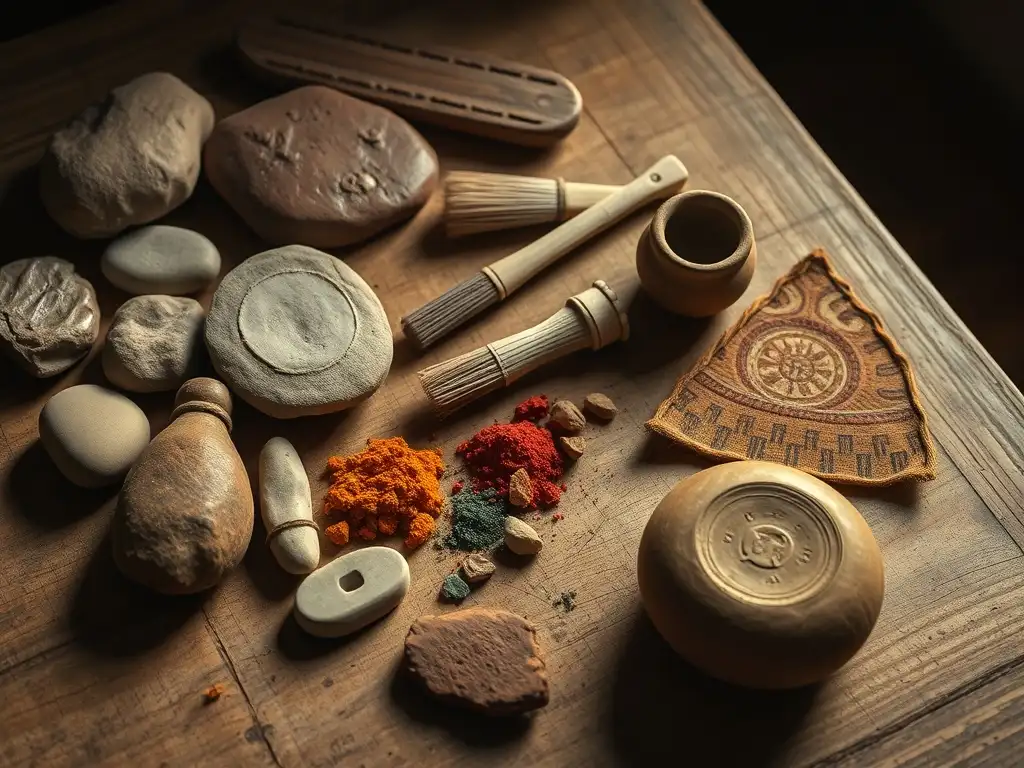
The tools used in Nazca pottery and textile production were not merely functional instruments; they were integral to the cultural and artistic expression of the society. The craftsmanship evident in both pottery and textiles reflects a deep understanding of materials and techniques, passed down through generations. The tools themselves represent a sophisticated level of technological development, showcasing the Nazca's ingenuity and ability to adapt available resources to create complex and beautiful objects.
The meticulous care taken in the creation of these tools, as evidenced by their design and craftsmanship, highlights their cultural significance. The tools were not disposable items; rather, they were valued possessions, reflecting the importance of craft in Nazca society.
The Role of Tools in Nazca Artistic Expression
The tools used in Nazca pottery and textile production were essential in shaping their distinctive artistic styles. The precision of the tools, combined with the skill of the artisans, allowed for the creation of intricate designs and complex patterns. The quality of the tools directly impacted the quality of the finished product. For instance, the sharpness of a pottery tool influenced the precision of the lines and the smoothness of the surface.
Similarly, the quality of the weaving tools affected the evenness and intricacy of the textile patterns. The relationship between the tool, the artisan's skill, and the resulting artwork showcases the interconnectedness of these elements in Nazca artistic expression. The tools were not simply instruments; they were extensions of the artist's creativity and skill.
Understanding Nazca Culture Through Their Craftsmanship Tools
The study of Nazca tools offers a unique window into their culture and society. The types of materials used, the techniques employed in their manufacture, and the sophistication of their design all provide valuable insights into Nazca technology, social organization, and worldview. The tools reflect the Nazca's intimate relationship with their environment, their ability to adapt resources to their needs, and their deep understanding of materials and processes. By analyzing the tools, archaeologists can reconstruct aspects of Nazca daily life, economic activities, and artistic practices.
The tools serve as tangible evidence of the ingenuity, skill, and cultural richness of the Nazca civilization. The meticulous craftsmanship evident in these tools underscores the importance of craft and artistry within their society. Furthermore, the distribution and variation of tools across different sites can reveal information about regional differences and trade networks.
Preservation and Study of Nazca Artifacts
The preservation of fragile Nazca artifacts, particularly textiles and pottery, presents significant challenges. The arid climate of the Nazca desert, while initially seeming beneficial, can lead to unexpected deterioration. Sudden changes in humidity, even minor fluctuations, can cause textiles to become brittle and break down. Similarly, pottery, while seemingly durable, can suffer from cracking and surface erosion due to salt deposits and temperature shifts.
Therefore, careful excavation techniques are crucial, employing specialized tools and meticulous documentation to minimize damage. Once unearthed, artifacts undergo a rigorous cleaning and stabilization process in controlled environments, often involving the use of specialized chemicals and conservation techniques. This meticulous work ensures the longevity of these invaluable pieces for future study and appreciation.
Researchers often employ non-invasive techniques like X-ray fluorescence (XRF) spectroscopy and infrared spectroscopy (FTIR) to analyze the pigments and materials used in the creation of these artifacts without causing further damage. This detailed analysis provides insights into the artistic practices and technological capabilities of the Nazca artisans. The ongoing efforts in preservation are vital for understanding the rich cultural heritage of the Nazca civilization.
Archaeological Findings of Nazca Pottery and Textile Tools
Archaeological excavations at various Nazca sites have yielded a wealth of information about the tools used in pottery and textile production. Sites like Cahuachi, a major ceremonial center, have revealed numerous workshops and associated tools. These findings include spindle whorls of various sizes and materials, suggesting a range of textile techniques.
Evidence also points to the use of simple but effective tools for pottery creation, such as wooden modeling tools, bone spatulas, and various types of stone implements for smoothing and shaping the clay. Pottery kilns, though not always directly preserved, are often inferred from the presence of fired clay fragments and the arrangement of artifacts within the sites. The analysis of these tools reveals not only the techniques employed but also insights into the social organization of Nazca production, possibly indicating specialized workshops or craft guilds.
Furthermore, the discovery of tools alongside unfinished pottery and textiles allows researchers to reconstruct the production process step-by-step, offering a fascinating glimpse into the daily lives of Nazca artisans. The careful study of these tools has significantly advanced our understanding of Nazca technology and artistry.
Museums Showcasing Nazca Artifacts
Several museums worldwide house significant collections of Nazca pottery and textiles, providing invaluable opportunities for the public to appreciate these masterworks and learn about the tools used in their creation. The Museo Arqueológico Antonini in Nazca, Peru, naturally holds a prominent collection showcasing locally excavated artifacts, including a diverse array of pottery and textiles, alongside the tools used in their production. Many other museums throughout Peru, such as the Museo Nacional de Arqueología, Antropología e Historia del Perú in Lima, also hold substantial collections of Nazca artifacts.
International museums, recognizing the importance of this civilization, also possess impressive collections, though often smaller than those in Peru. These museums not only display the finished products but also, increasingly, exhibit the tools themselves, offering a more complete understanding of the artistic process.
The careful curation and presentation of these artifacts and tools in museums play a vital role in educating the public and preserving the legacy of Nazca artisans for future generations. Visiting these museums provides a unique opportunity to connect directly with the remarkable craftsmanship and ingenuity of the Nazca people.
Conclusion: The Legacy of Nazca Artisans and Their Tools
The study of Nazca pottery and textile tools reveals a sophisticated understanding of materials and techniques far exceeding simple craftsmanship. These artisans, using relatively simple tools, produced remarkably intricate and durable artifacts that have survived for centuries. The ingenuity and skill demonstrated in the creation of these objects, from the meticulous preparation of the clay to the intricate weaving of textiles, speaks to a deep understanding of their materials and the processes involved.
The legacy of Nazca artisans extends beyond the beauty of their creations; their tools provide a tangible link to their lives and their artistic practices. The continued research and preservation efforts are essential in ensuring that their remarkable achievements are appreciated and understood for generations to come.
The study of these tools allows us to appreciate not only the artistry of the Nazca people but also their remarkable technological skills and their enduring contribution to the tapestry of Andean civilization. The sophisticated techniques and enduring quality of Nazca pottery and textiles stand as a testament to the skill and creativity of their artisans, a legacy preserved through the careful study of the tools they used.
- Introduction to Nazca Craftsmanship: Pottery and Textiles
- Nazca Pottery Production: Tools and Techniques
- Nazca Textile Production: Tools and Materials
- The Importance of Nazca Pottery and Textile Tools
- Preservation and Study of Nazca Artifacts
- Conclusion: The Legacy of Nazca Artisans and Their Tools
- What tools did Nazca potters use to create their distinctive pottery?
- What materials did Nazca artisans use for their pottery?
- How did Nazca textile production differ from their pottery techniques?
- What types of designs are commonly found on Nazca pottery and textiles?
- Where can I learn more about Nazca pottery and textile tools?
Frequently Asked Questions
What tools did Nazca potters use to create their distinctive pottery?
Nazca potters utilized a variety of tools, including simple hand tools like sponges, brushes, and spatulas for shaping and painting. They also employed carving tools to create intricate designs. Modeling tools were crucial for shaping the clay.
What materials did Nazca artisans use for their pottery?
The primary material was clay, sourced locally. They also used natural pigments derived from minerals and plants for vibrant colors. Slip, a clay-based liquid, provided a smooth surface for painting.
How did Nazca textile production differ from their pottery techniques?
While both used natural materials, textile production involved spinning and weaving fibers like cotton and camelid wool. Tools included spindles, looms, and needles, contrasting with the pottery-making techniques. Dyeing techniques were also crucial for textiles.
What types of designs are commonly found on Nazca pottery and textiles?
Both Nazca pottery and textiles frequently feature geometric patterns, stylized animals, and mythological figures. Human representations are also common, often depicted in ritual contexts. The designs are incredibly detailed and varied.
Where can I learn more about Nazca pottery and textile tools?
You can explore museums with collections of Nazca artifacts, such as the Larco Museum in Lima, Peru, and research academic journals and books focusing on Andean archaeology and textile history. Many online resources are also available.
Final Reflection: Echoes of the Nazca: A Legacy in Clay and Fiber
The intricate artistry of the Nazca people, revealed through their pottery and textiles, continues to resonate today, a testament to human ingenuity and cultural resilience. Their sophisticated techniques, born from readily available materials, offer a powerful reminder of how resourcefulness can lead to breathtaking creativity. The tools they employed, simple yet effective, speak volumes about their deep understanding of their environment and their unwavering commitment to artistic expression.
The enduring legacy of Nazca artistry is not merely aesthetic; it's a window into a complex society, their beliefs, and their daily lives. Their mastery of color, design, and technique continues to inspire contemporary artists and researchers alike. The precision and detail evident in their work are astonishing, a testament to the skill and dedication of the artisans. The past is never dead. It's not even past.
– William Faulkner. This quote perfectly encapsulates the ongoing relevance of Nazca art, its continued ability to speak to us across millennia.
Consider the ingenuity of these ancient artisans. Imagine the patience and skill required to create such intricate designs with the limited tools at their disposal. You too possess the power to create, to innovate, to leave your own mark on the world. Reflect on the resourcefulness of the Nazca and let it inspire you to find creative solutions to the challenges you face. Embrace your own unique talents and contribute to the rich tapestry of human expression, just as the Nazca artisans did centuries ago.
Uncover the Secrets of Nazca Artistry Today!
Thank you for exploring the fascinating world of Nazca pottery and textiles with us! You've gained insights into the tools and techniques that shaped this incredible civilization's artistic expressions. Now, it's time to **deepen your appreciation of Nazca art**!
Here are a few ways you can continue your journey of discovery:
- **Experiment with your own creative projects**, using natural materials—you might be surprised at what you create!
- **Share your passion with others**! Organize a small workshop or create an online presentation to inspire friends and family with the artistry of the Nazca civilization.
- **Connect with fellow enthusiasts** by joining an online forum or group dedicated to ancient Andean art. Exchange ideas and experiences with others who share your interest.
What aspect of Nazca artistry most inspires you? Let's discuss!