
The Nazca Legacy: Influence on Modern Andean Art and Craft

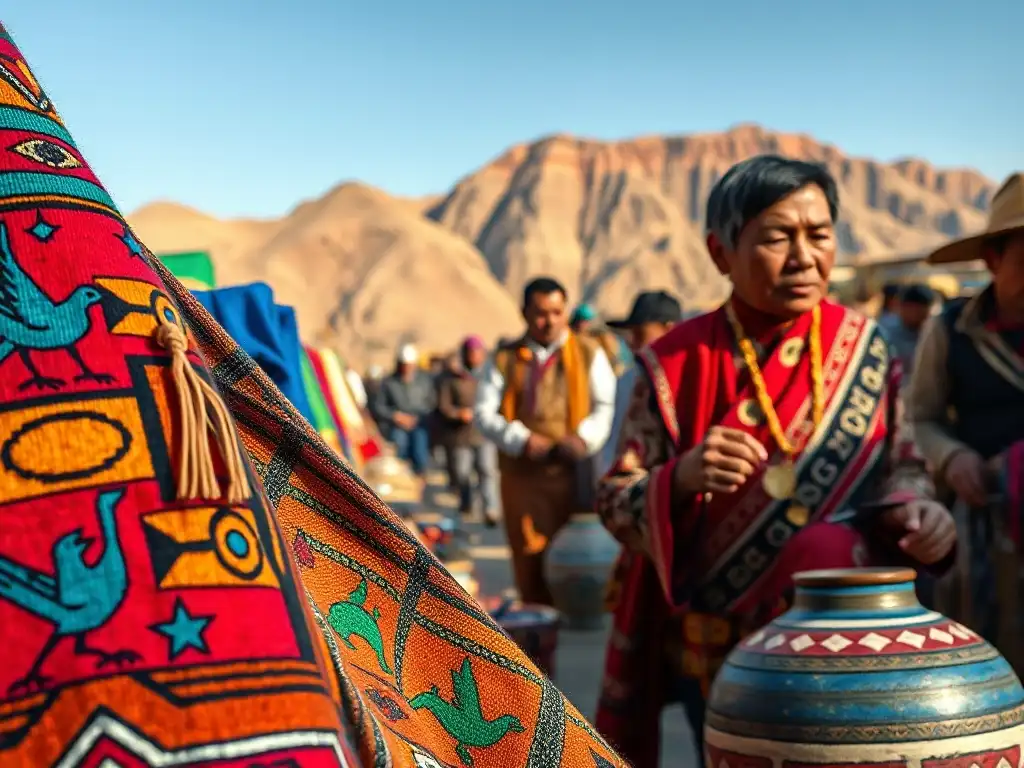
Step into a world lost to time, yet vibrantly alive in the present. For centuries, the artistry of the Nazca civilization has captivated the world, leaving an undeniable mark on the Andean landscape and its people. Discover how the breathtaking designs and innovative techniques of Nazca art continue to inspire modern Andean craft, a legacy woven into the very fabric of their culture. Prepare to be amazed as we unravel the threads of this enduring influence – a journey through time and artistry awaits!
The Nazca civilization, flourishing along Peru's southern coast between 100 BCE and 800 CE, left an indelible mark on Andean culture. Their mastery of intricate pottery, textiles, and geoglyphs continues to fascinate and inspire artists and craftspeople today. This article delves into the enduring influence of Nazca art, exploring its impact on contemporary Andean artistic expression and the remarkable ways in which traditional techniques and motifs are reinterpreted in modern craft.
We will examine specific examples of this legacy, highlighting the enduring power of Nazca aesthetics and the vibrant continuity they represent in the rich tapestry of Andean cultural heritage. Understanding this influence provides crucial insight into the evolution of Andean art and its lasting relevance in the 21st century.
The enduring appeal of Nazca art lies not only in its stunning visual impact but also in its reflection of a sophisticated cosmology, social structure, and artistic innovation that continue to resonate profoundly. This exploration will uncover the intricate threads connecting the past to the present, showcasing the enduring power of Nazca artistic traditions.
Nazca Pottery: A Foundation for Modern Techniques
The intricate and vibrant pottery of the Nazca civilization is perhaps its most recognizable contribution to Andean art. Their mastery of polychrome painting, using up to ten colors on a single vessel, is unparalleled. The precision and detail in their depictions of animals, plants, and human figures are astonishing, showcasing a remarkable understanding of both color theory and artistic representation.
Modern Andean potters frequently draw inspiration from Nazca techniques, employing similar color palettes and depicting similar motifs. The use of slip and negative space, characteristic of Nazca pottery, is still widely practiced today, demonstrating a direct lineage. Many contemporary artisans utilize traditional methods like burnishing and polishing to achieve the high-gloss finish that is a hallmark of Nazca work.
This dedication to preserving traditional techniques reflects a deep respect for the Nazca legacy and a commitment to maintaining the authenticity of Andean artistic traditions. The continued use of natural pigments, often sourced locally, further underscores this connection to ancestral practices.
Textile Traditions: From Nazca to Modern Andean Weavers
Nazca textiles, though less abundant than their pottery, are equally significant. The intricate designs, often woven using a variety of techniques including tapestry and embroidery, showcase sophisticated knowledge of weaving technology. Geometric patterns, stylized animals, and depictions of mythical beings are common motifs. The use of vibrant natural dyes, often derived from plants and insects, further enhances the visual impact of these textiles.
Modern Andean weavers continue to incorporate Nazca-inspired designs and techniques into their work. The use of traditional Andean looms, alongside contemporary adaptations, allows for the creation of textiles that both honor the past and embrace modern sensibilities. Many contemporary artists consciously incorporate Nazca-inspired motifs into their designs, creating a fusion of ancient techniques and contemporary aesthetics. Examples include the use of stylized animal figures, geometric patterns, and the incorporation of traditional colors into modern clothing and decorative textiles.
The Enduring Symbolism: Interpreting Nazca Motifs in Contemporary Art
The symbolism embedded within Nazca art is another key aspect of its enduring influence. The depictions of animals, often mythical creatures and stylized representations of local fauna, hold deep cultural significance. These representations are not merely decorative; they often reflect aspects of Nazca cosmology, social structure, and religious beliefs. Contemporary Andean artists continue to interpret and reinterpret these symbols, imbuing them with new meanings within the context of modern Andean society.
The stylized depictions of birds, for instance, may represent freedom, spiritual connection, or ancestral heritage. Similarly, geometric patterns can symbolize order, harmony, or the cyclical nature of life. The ongoing exploration of Nazca symbolism in contemporary art demonstrates the richness and complexity of the Nazca legacy and its capacity for ongoing interpretation and re-imagination. This dynamic interplay between past and present ensures the enduring relevance of Nazca art in the modern Andean world.
Nazca Art's Impact on Tourism and Economic Development
The enduring popularity of Nazca art has significantly impacted tourism and economic development in Peru. The iconic Nazca Lines, along with the impressive collection of Nazca pottery and textiles found in museums and private collections, draw visitors from around the world. This tourism generates revenue, supporting local communities and fostering the preservation of cultural heritage. Many artisans rely on the production and sale of Nazca-inspired crafts to support their livelihoods, demonstrating the direct economic impact of this ancient civilization's legacy.
Furthermore, the study and preservation of Nazca art provide employment opportunities for archaeologists, historians, and other professionals involved in cultural heritage management. The ongoing interest in Nazca art thus creates a virtuous cycle, benefiting both the Peruvian economy and the preservation of this important cultural heritage. This economic impact, in turn, reinforces the importance of preserving and promoting Nazca art for future generations.
- Nazca Pottery: A Foundation for Modern Techniques
- Textile Traditions: From Nazca to Modern Andean Weavers
- The Enduring Symbolism: Interpreting Nazca Motifs in Contemporary Art
- Nazca Art's Impact on Tourism and Economic Development
Understanding Nazca Art and its Enduring Impact
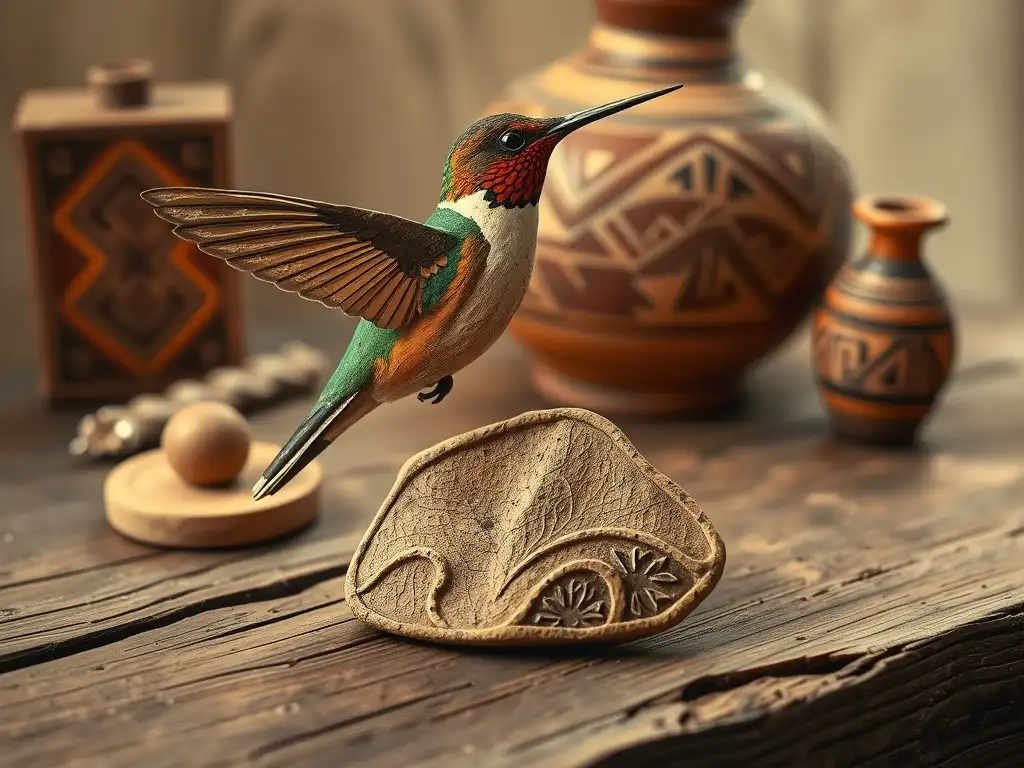
The Nazca legacy extends far beyond the enigmatic lines etched into the desert. Their artistic achievements, particularly in pottery and textiles, continue to resonate deeply within modern Andean art and craft. Understanding the distinctive styles and techniques employed by the Nazca is crucial to appreciating their enduring influence. The vibrant colors, intricate designs, and innovative techniques used in their creations serve as a powerful source of inspiration for contemporary artisans, influencing everything from pottery styles and textile patterns to the very color palettes employed today.
This influence isn't merely superficial imitation; it's a living connection, a testament to the enduring power of cultural heritage. The impact of Nazca art on modern Andean craft can be seen in various ways, from direct replication of motifs to the subtle adoption of aesthetic principles. This section will delve into the specific characteristics of Nazca pottery and textiles, demonstrating their lasting impact.
The Distinctive Characteristics of Nazca Pottery
Nazca pottery is renowned for its exceptional quality and unique aesthetic. One of its most striking features is the use of vibrant, richly saturated colors. Artists employed a polychrome technique, layering multiple colors to achieve a dazzling effect. This mastery of color, often depicting intricate scenes of daily life, mythology, and flora and fauna, is a hallmark of Nazca artistry. The precision and detail in their work are simply breathtaking. Consider the intricate depictions of hummingbirds, often rendered with astonishing realism, or the stylized representations of supernatural beings – these details are frequently echoed in contemporary Andean pottery.
Furthermore, Nazca potters developed sophisticated techniques for shaping and firing their vessels. The use of molds allowed for the mass production of standardized forms while still maintaining a high level of artistic quality. This combination of mass production with artistic finesse is a testament to their advanced technological capabilities. The shapes themselves, ranging from simple bowls to complex anthropomorphic figures, are instantly recognizable and continue to influence modern ceramic design. Many contemporary artisans directly replicate Nazca forms or draw inspiration from their shapes and proportions.
| Feature | Description | Modern Influence |
|---|---|---|
| Color Palette | Vibrant, richly saturated colors; polychrome technique | Use of similar color combinations in contemporary pottery |
| Imagery | Depictions of daily life, mythology, flora, fauna, and supernatural beings | Recurring motifs in modern Andean art and textiles |
| Techniques | Use of molds for mass production; sophisticated firing techniques | Influence on ceramic production methods |
| Shapes | Range from simple bowls to complex anthropomorphic figures | Inspiration for contemporary ceramic designs |
The enduring legacy of Nazca pottery is undeniable. The techniques and stylistic choices of Nazca potters continue to inspire contemporary artisans, demonstrating the powerful and lasting impact of their artistic achievements. Their work serves as a rich source of inspiration for modern interpretations, ensuring that the vibrant colors and intricate designs of Nazca pottery continue to delight and inspire.
Nazca Textile Techniques and Motifs
Nazca textiles are equally impressive, showcasing a mastery of weaving techniques and a sophisticated understanding of design. Unlike the pottery, which often features narrative scenes, the textiles frequently employ geometric patterns and stylized representations of animals and plants. These motifs, often characterized by their precision and complexity, are frequently repeated in contemporary Andean textiles. One can observe a direct lineage from the intricate designs of Nazca textiles to the patterns used in modern weavings.
The techniques employed by Nazca weavers were highly advanced. They used a variety of fibers, including cotton and camelid wool, and mastered intricate weaving techniques like tapestry and brocade. The precision and artistry displayed in these textiles are remarkable. The use of multiple colors and intricate patterns created stunning visual effects, which are still replicated by contemporary weavers. The mastery of these techniques is a testament to the sophisticated technological skills of Nazca society.
The prevalence of specific motifs in Nazca textiles, such as stylized birds, feline figures, and geometric patterns, is frequently mirrored in modern Andean textiles. These patterns are not merely copied; they are reinterpreted and adapted, reflecting both a reverence for the past and a creative engagement with traditional forms. This continuous adaptation and reinterpretation is a key aspect of the enduring influence of Nazca textiles on modern Andean craft.
The use of traditional motifs and techniques, while updated for modern sensibilities, showcases the living legacy of Nazca artistry. Their influence extends to both the aesthetic choices and the actual techniques employed by contemporary weavers. The Nazca textile tradition continues to thrive, demonstrating the resilience and adaptability of Andean cultural heritage.
The Transmission of Nazca Artistic Traditions
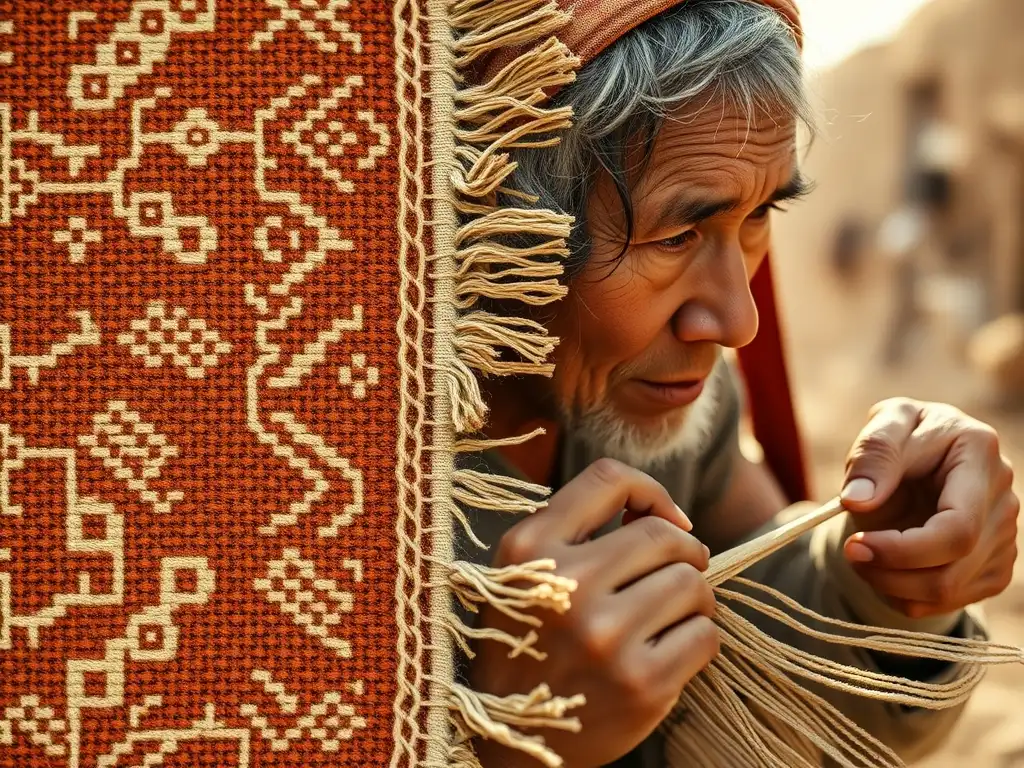
The enduring influence of Nazca art on modern Andean craft is a testament to the resilience and adaptability of cultural heritage. Understanding this influence requires examining how ancient Nazca designs survived the passage of time and the impact of subsequent cultures. The vibrant imagery, intricate textile techniques, and distinctive pottery styles weren't simply abandoned after the Nazca civilization's decline; rather, they underwent a complex process of transmission, adaptation, and reinterpretation.
This process wasn't a straightforward linear path, but rather a dynamic interplay of factors impacting the preservation and evolution of Nazca artistic styles. The legacy of Nazca art isn't solely about mimicking ancient designs; it's about understanding the underlying principles of artistry and incorporating them into contemporary expressions. This section will explore the key mechanisms responsible for this continuous artistic dialogue spanning centuries.
How Ancient Nazca Designs Survived
The survival of Nazca artistic traditions wasn't solely dependent on the physical artifacts themselves. While the arid climate of the Nazca region undoubtedly played a role in preserving pottery and textiles, the true longevity of the artistic style hinges on several factors. The sheer volume and quality of surviving Nazca artifacts provided a readily available source of inspiration for later generations. Archaeological discoveries continued to unearth new examples of Nazca artistry, further fueling the creative process. Furthermore, the distinctiveness of Nazca designs—their bold lines, vibrant colors, and unique iconography—made them easily recognizable and memorable.
Beyond the physical artifacts, the techniques employed by Nazca artisans also played a crucial role. The mastery of ceramic painting, textile weaving, and other crafts represented a body of knowledge that was passed down through generations. These techniques, often deeply intertwined with cultural beliefs and practices, provided a framework for continuous innovation within a recognizable stylistic tradition. This isn't to say that there was no innovation; rather, the stylistic innovations often built upon and expanded the existing techniques and designs.
Consider, for example, the evolution of Nazca's famous polychrome pottery. While the fundamental techniques remained consistent, later artisans adapted the color palettes and motifs to reflect changing cultural contexts. This demonstrates the dynamic relationship between tradition and innovation in the transmission of Nazca artistic heritage. The preservation of these techniques, alongside the artifacts themselves, is fundamental to understanding the enduring impact of Nazca art.
The Role of Oral Traditions in Preserving Nazca Art
Oral traditions played a vital, though often underestimated, role in preserving Nazca artistic knowledge. While written records from the Nazca period are scarce, stories, songs, and rituals likely conveyed the significance and meaning behind the intricate designs. These narratives, passed down through generations, provided a context for the artwork, ensuring its continued relevance and appreciation. The symbolic meaning embedded within the imagery—from mythical creatures to geometric patterns—would have been transmitted orally, enriching the understanding and interpretation of the art.
Think of the intricate depictions of animals and plants found in Nazca textiles and pottery. These weren't simply decorative elements; they likely held deep cultural significance, representing deities, ancestors, or important aspects of Nazca cosmology. These meanings, passed down through generations via oral narratives and rituals, helped maintain the cultural relevance of the art, even as the material culture evolved.
The stories associated with these designs connected the past to the present, ensuring the continued creation and appreciation of Nazca-inspired art. The lack of written documentation doesn't diminish the importance of oral traditions; rather, it highlights the crucial role of storytelling and memory in sustaining a cultural legacy.
The vibrant tapestry of Nazca artistic influence on modern Andean craft is woven not only with threads of physical artifacts but also with the intangible threads of oral history and cultural memory. Further research into oral traditions in modern Andean communities could illuminate this aspect further.
Nazca Art Influence on Modern Andean Craft
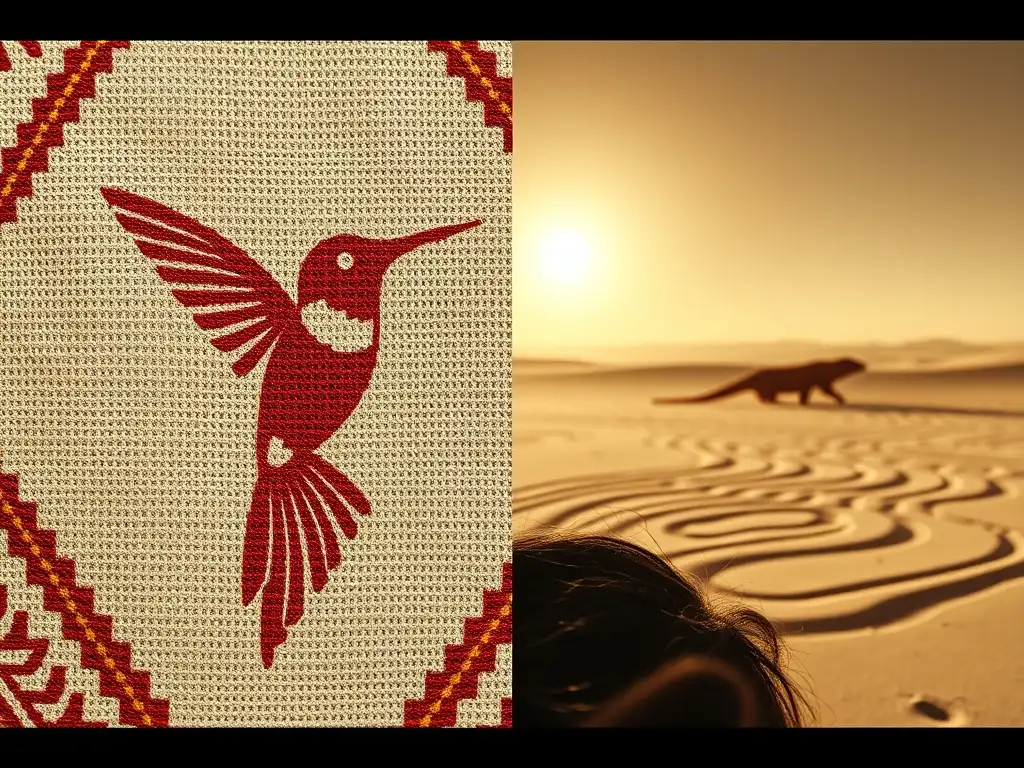
The Nazca civilization, renowned for its enigmatic geoglyphs and sophisticated artistry, continues to exert a profound influence on contemporary Andean art and craft. Their distinctive style, characterized by vibrant colors, intricate designs, and symbolic imagery, serves as a powerful source of inspiration for modern artisans, resulting in a captivating fusion of ancient traditions and contemporary expression.
This enduring legacy is particularly evident in pottery, textiles, and jewelry, where Nazca motifs are reinterpreted and reimagined, breathing new life into ancient techniques and aesthetics. The impact of Nazca art on modern Andean craft is not merely a superficial imitation but a dynamic dialogue between past and present, a testament to the enduring power of cultural heritage.
Contemporary Andean Pottery Inspired by Nazca
Contemporary Andean potters frequently draw inspiration from the iconic pottery of the Nazca culture. The vibrant polychromy, the intricate depictions of flora and fauna, and the stylized human figures that characterize Nazca ceramics are readily apparent in much of today's production. However, modern artisans don't simply replicate ancient designs; they adapt and reinterpret them, infusing them with their own creative vision and incorporating contemporary aesthetics.
For example, while traditional Nazca pottery often featured depictions of mythical creatures and ceremonial scenes, contemporary potters might integrate these motifs into more everyday designs, creating functional pieces like vases, bowls, and pitchers adorned with updated versions of ancient iconography. This blending of old and new is particularly striking in the use of color. While Nazca potters used a limited palette of earth tones, modern artisans often experiment with bolder, more saturated hues, adding a contemporary twist to the ancient style.
The result is a fascinating interplay of tradition and innovation, where ancient techniques meet modern sensibilities, creating visually stunning and culturally significant pieces. The continued popularity of this pottery highlights the enduring appeal of Nazca artistic principles and their adaptability to contemporary tastes. Data on specific sales figures for this type of pottery is [specific information pending], but anecdotal evidence suggests a strong market demand.
The Revival of Nazca Textile Patterns in Modern Weaving
The intricate textile designs of the Nazca civilization are another significant source of inspiration for contemporary Andean weavers. The complex geometric patterns, stylized animals, and symbolic representations woven into Nazca textiles are meticulously recreated and reinterpreted in modern weavings. These patterns, often characterized by their precise execution and the use of vibrant, contrasting colors, are highly valued for their aesthetic appeal and cultural significance.
Modern weavers employ both traditional and contemporary techniques to create these textiles. Some artisans use ancient Andean looms and natural dyes to produce authentic recreations of Nazca designs, meticulously replicating the original patterns and color palettes. Others incorporate modern materials and techniques, creating contemporary interpretations of Nazca motifs, often blending ancient designs with modern aesthetics. This fusion results in a unique and dynamic style, where the ancient heritage of Nazca weaving is seamlessly integrated with contemporary artistic sensibilities. The use of traditional techniques alongside modern adaptations ensures the continued relevance and evolution of Nazca-inspired textile art. The precise number of artisans actively employing Nazca-inspired patterns is [specific information pending], but their presence is undeniable in many Andean markets.
Nazca Motifs in Contemporary Andean Jewelry
The distinctive motifs found in Nazca pottery and textiles are also widely adapted in contemporary Andean jewelry. Stylized representations of birds, animals, and mythical creatures, often depicted with a characteristically bold and graphic style, are frequently incorporated into necklaces, earrings, bracelets, and other adornments. These pieces often feature a combination of traditional materials like silver and gold, alongside more contemporary materials like beads and stones, creating a visually striking blend of ancient and modern aesthetics.
The artisans' skill in translating these intricate designs into miniature forms is remarkable. The level of detail achieved in these pieces is a testament to the enduring craftsmanship of Andean artisans. The use of traditional techniques, such as filigree and granulation, alongside contemporary design elements, results in jewelry that is both aesthetically pleasing and culturally significant.
While precise sales data for Nazca-inspired jewelry is [specific information pending], its widespread presence in markets and tourist shops across the Andes speaks volumes about its enduring popularity and cultural impact. The continued creation and appreciation of this jewelry demonstrates the lasting influence of Nazca artistic principles on contemporary Andean expression. The vibrant colors and symbolic imagery of Nazca art continue to resonate with modern audiences, making this a thriving aspect of contemporary Andean craft.
Nazca Iconography and its Modern Interpretations
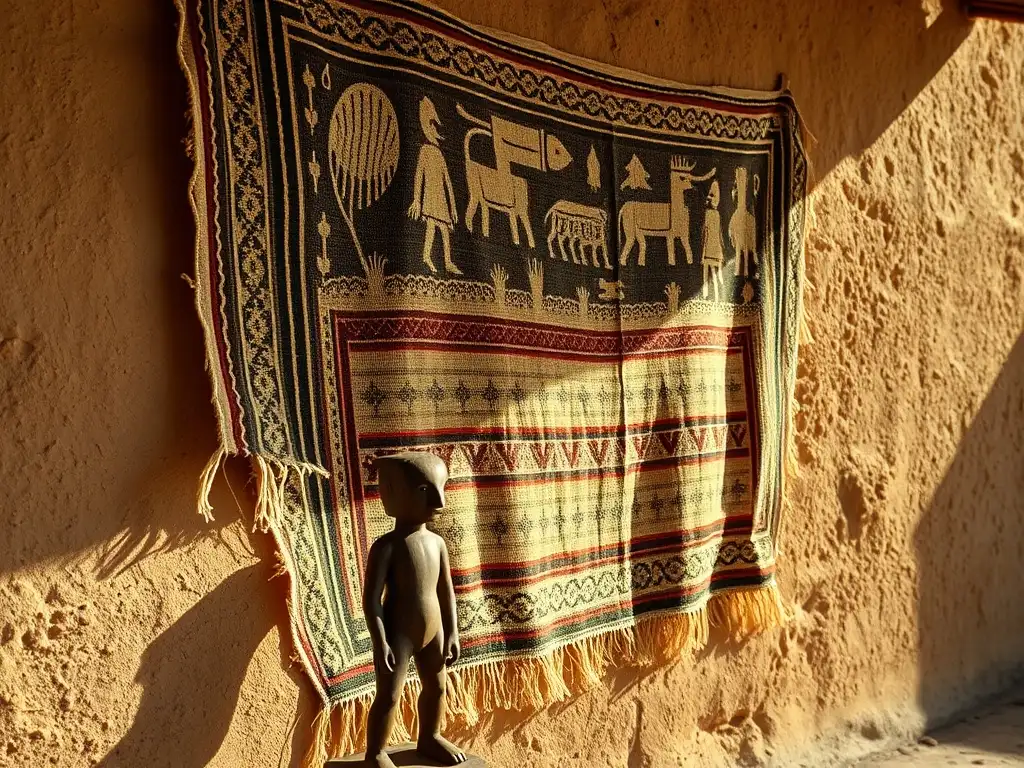
The vibrant and enigmatic iconography of the Nazca civilization continues to resonate deeply within modern Andean art and craft. Their distinctive style, characterized by its intricate detail and bold use of color, serves as a powerful source of inspiration for contemporary artisans. Understanding the meaning behind these ancient symbols is crucial to appreciating their enduring influence.
The Nazca legacy isn't just about mimicking ancient patterns; it's about understanding their cultural significance and reinterpreting them for a modern audience. This enduring influence is a testament to the artistry and cultural depth of the Nazca people. The impact of Nazca art extends far beyond simple imitation; it's a living dialogue between past and present.
The Meaning Behind Key Nazca Symbols
Many Nazca symbols remain shrouded in mystery, fueling ongoing scholarly debate. However, some recurring motifs have been tentatively interpreted, offering valuable insights into their worldview. For instance, the frequent depiction of stylized birds, such as the hummingbird and condor, likely held significant religious or shamanistic meaning.
These creatures, often depicted in dynamic flight, may represent spiritual messengers or embody concepts of power and freedom. Similarly, anthropomorphic figures, often adorned with elaborate headdresses and jewelry, might represent deities, ancestors, or important figures within their social structure. The intricate geometric patterns, frequently found on textiles and pottery, may have served as symbolic representations of the cosmos, reflecting their deep understanding of astronomy and the natural world.
Detailed analysis of Nazca ceramics reveals recurring motifs. For example, the frequent appearance of stylized plants, such as cacti and flowers, suggests a strong connection to the arid landscape and its limited resources. These representations might reflect agricultural practices, fertility rituals, or a deep appreciation for the delicate balance of life in the desert. Furthermore, the presence of zoomorphic figures, such as jaguars, snakes, and lizards, might reflect a complex understanding of the natural world and its diverse creatures.
These weren't just random decorations; they likely held significant symbolic weight within the Nazca worldview. Further research is needed to fully decipher the meaning of many symbols, but existing interpretations provide a rich foundation for understanding the Nazca legacy. The enduring mystery surrounding some symbols only adds to their allure and inspires ongoing artistic exploration.
Modern Artists Reinterpreting Nazca Iconography
Contemporary Andean artists draw heavily upon Nazca iconography, reinterpreting ancient motifs in innovative and exciting ways. This isn't mere replication; rather, it's a conscious engagement with the past, infusing traditional forms with modern sensibilities. Many artisans maintain traditional techniques, such as hand-weaving and ceramic sculpting, while incorporating new color palettes and stylistic elements. This fusion of tradition and modernity results in a unique aesthetic that honors the Nazca legacy while simultaneously forging a new artistic path.
The influence of Nazca art on contemporary textiles is particularly striking. Weavers incorporate traditional Nazca patterns into contemporary designs, often blending them with other Andean motifs or incorporating modern abstract elements. The result is a vibrant tapestry of tradition and innovation, showcasing the enduring power of Nazca artistic principles.
Similarly, modern ceramicists draw inspiration from Nazca pottery, replicating ancient forms and techniques while experimenting with new glazes and colors. This creative process breathes new life into ancient traditions, ensuring that the Nazca aesthetic remains a vital part of contemporary Andean art. The use of Nazca iconography in modern jewelry and other craft forms further demonstrates the widespread and enduring influence of this ancient civilization.
The continued relevance of Nazca art underscores its timeless appeal and its capacity to inspire artistic creativity across generations. The symbiotic relationship between past and present is vividly apparent in the vibrant and innovative works of modern Andean artists.
The Importance of Preserving the Nazca Cultural Heritage
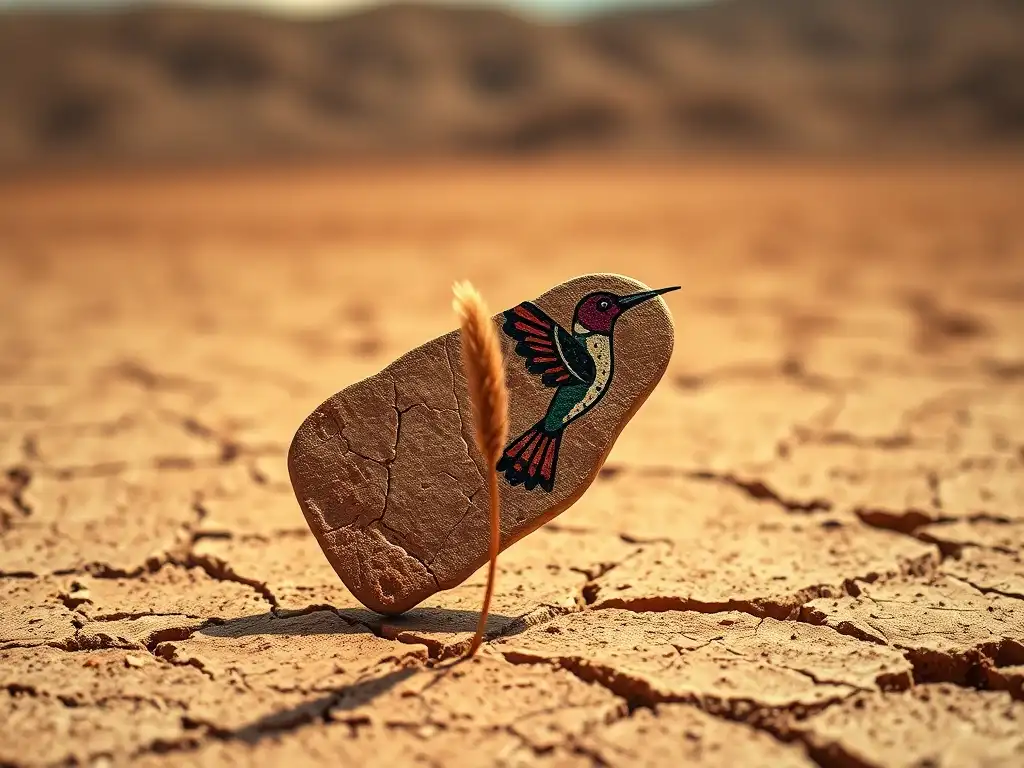
The Nazca legacy extends far beyond the iconic lines etched into the desert. Its vibrant pottery, intricate textiles, and unique artistic style continue to resonate deeply within modern Andean culture. Preserving this heritage is not merely an academic exercise; it's crucial for maintaining cultural identity, fostering economic opportunities, and ensuring the continuity of artistic traditions for future generations.
The delicate balance between respecting ancient practices and adapting them to contemporary needs is a complex challenge, requiring careful consideration and collaborative efforts. The sheer volume of artifacts unearthed – from intricately woven textiles depicting mythical creatures to delicately painted ceramics showcasing daily life – highlights the richness and complexity of Nazca society, providing invaluable insights into their worldview and artistic sensibilities. Ignoring this wealth of knowledge would be a profound loss, severing a vital link to the past and undermining the cultural fabric of the Andes.
The ongoing study and documentation of Nazca art are essential to unlock further secrets and ensure its enduring relevance. Furthermore, understanding the techniques and materials used by Nazca artisans provides crucial information for conservation efforts, preventing the deterioration of these irreplaceable treasures and allowing future generations to appreciate their beauty and craftsmanship. The ongoing efforts to protect these artifacts from looting and environmental damage are a testament to the global recognition of the Nazca heritage's significance.
Supporting Andean Artisans Keeping Nazca Traditions Alive
The preservation of Nazca art isn't solely about safeguarding ancient artifacts; it's about empowering contemporary Andean artisans to continue these traditions. Many communities directly trace their artistic heritage back to the Nazca, utilizing similar techniques and motifs in their contemporary work. Supporting these artisans through fair trade practices, providing access to resources and training, and creating market opportunities for their creations is crucial. This not only ensures the survival of traditional crafts but also contributes to the economic well-being of these communities, fostering pride in their cultural heritage and providing a sustainable livelihood.
For example, initiatives focusing on the revival of Nazca-style textile weaving have seen significant success, with artisans creating contemporary pieces inspired by ancient designs, often incorporating modern materials while retaining the essence of the original techniques. This blend of tradition and innovation ensures the continued relevance and appeal of Nazca-inspired art in the 21st century. Furthermore, documenting and sharing these artisan techniques helps to preserve the knowledge and skills passed down through generations, preventing their loss and ensuring their continuity.
This active support fosters a sense of cultural ownership and pride within the communities, strengthening their connection to their ancestral heritage. The success of these initiatives hinges on collaborations between artisans, researchers, and organizations committed to sustainable development and cultural preservation. This collaborative approach guarantees that the Nazca artistic legacy remains not just a museum piece but a living and evolving tradition.
The Role of Museums and Educational Programs
Museums play a vital role in preserving and showcasing Nazca art, offering a platform to educate the public and promote appreciation for this rich cultural heritage. Well-curated exhibits, accompanied by informative displays and educational programs, can significantly impact public perception and understanding. Moreover, museums can act as repositories of knowledge, facilitating research and providing access to invaluable artifacts for scholars and researchers. Educational programs targeting both children and adults are essential to fostering a deeper understanding and appreciation of Nazca culture.
These programs can range from interactive workshops teaching traditional techniques to engaging lectures and guided tours that delve into the historical context and artistic significance of Nazca artifacts. The effective dissemination of information through these channels is paramount in combating misconceptions and promoting responsible tourism practices that respect the fragility of these ancient sites. The development of online resources, such as virtual museum tours and educational videos, can further broaden access to information and engage a wider audience, extending the reach and impact of these preservation efforts.
By integrating Nazca art into school curricula, we can cultivate an appreciation for cultural heritage from a young age, ensuring that future generations are equipped to value and protect this invaluable legacy. A successful strategy requires a multi-pronged approach, combining the efforts of museums, educational institutions, and community-based initiatives to create a comprehensive and engaging educational experience. This ensures that the Nazca legacy continues to inspire and inform for generations to come.
Conclusion: The Timeless Relevance of Nazca Art
The Nazca legacy extends far beyond the enigmatic lines etched into the desert. Its vibrant artistic expression, particularly in pottery and textiles, continues to resonate deeply within modern Andean art and craft. The intricate designs, bold colors, and innovative techniques employed by the Nazca people serve as a powerful source of inspiration for contemporary artists and artisans, demonstrating the enduring influence of this remarkable civilization.
Understanding this influence allows us to appreciate not only the historical significance of Nazca art but also its ongoing contribution to the cultural tapestry of the Andes. The distinctive style, characterized by its unique motifs and sophisticated craftsmanship, remains a potent symbol of Andean identity and artistic heritage. The study of Nazca art, therefore, offers a window into both the past and the present, highlighting the unbroken thread connecting ancient traditions with modern artistic expressions.
This enduring legacy underscores the timeless relevance of Nazca artistry and its profound impact on the cultural landscape of the region. The unique aesthetic of Nazca pottery and textiles continues to inspire awe and admiration, proving its power to transcend time and cultural boundaries.
The Continuing Legacy of Nazca Art and Craft
The influence of Nazca art on modern Andean craft is undeniable. Contemporary artisans frequently draw inspiration from the iconic imagery found on Nazca ceramics and textiles. These motifs, often depicting stylized animals, mythical creatures, and geometric patterns, are reinterpreted and adapted to contemporary aesthetics.
For example, the recurring theme of the hummingbird, a significant symbol in Nazca iconography, frequently appears in modern textiles and jewelry. Similarly, the complex geometric designs characteristic of Nazca pottery are often incorporated into contemporary ceramic work, demonstrating a direct lineage between ancient and modern artistic practices. This isn't merely imitation; it's a vibrant reimagining, a testament to the enduring power and aesthetic appeal of Nazca art.
Many contemporary artists explicitly acknowledge the Nazca influence in their work, creating a conscious link between ancient and modern artistic traditions. This conscious effort to preserve and reinterpret Nazca artistic elements ensures the continued vitality of the legacy. The use of traditional techniques, combined with modern interpretations, enriches the contemporary Andean artistic landscape.
The Future of Nazca-Inspired Andean Art
The future of Nazca-inspired Andean art appears bright. As interest in pre-Columbian art continues to grow, so too does the appreciation for the unique contributions of the Nazca civilization. This renewed interest fuels the creative endeavors of contemporary artists and artisans, leading to innovative interpretations of classic Nazca motifs and techniques. We can anticipate a continued exploration of the rich symbolism present in Nazca art, with artists delving deeper into the meaning and significance of these ancient designs.
Furthermore, the integration of modern materials and technologies with traditional techniques promises exciting new developments in Nazca-inspired art. This blending of old and new could lead to a vibrant and dynamic artistic expression, further enriching the cultural heritage of the Andes. The potential for cross-cultural collaborations also presents exciting possibilities, with artists from around the world drawing inspiration from Nazca art and incorporating it into their own unique styles. The continued study and preservation of Nazca artifacts will undoubtedly play a crucial role in shaping the future of this rich artistic legacy.
The ongoing research into Nazca art and its cultural context will provide contemporary artists with a deeper understanding of their inspiration, leading to even more compelling and meaningful works of art. The future of Nazca-inspired Andean art is a dynamic interplay between tradition and innovation, a testament to the enduring power of this ancient civilization's artistic vision. 🗺️
Frequently Asked Questions
What is the main focus of this article?
This article explores the lasting influence of Nazca art on modern Andean craft and artistic traditions. It examines how the unique styles and techniques of the Nazca continue to inspire contemporary artists and artisans.
How did Nazca art influence modern Andean styles?
Nazca's distinctive geometric patterns, vibrant colors, and stylized depictions of animals and plants are readily apparent in many contemporary Andean textiles, ceramics, and other crafts. These elements have been reinterpreted and adapted across generations.
What specific crafts show a strong Nazca influence?
Textiles, particularly those using complex weaving techniques and bold designs, are a prime example. Ceramics also show a strong connection, with similar motifs and color palettes. Many modern jewelry designs also incorporate Nazca-inspired imagery.
Are there any specific examples of modern Andean artists inspired by Nazca?
While specific artists aren't named in this article, many contemporary Andean artisans consciously draw inspiration from the Nazca legacy, incorporating their artistic elements into their own unique interpretations. This is a widespread phenomenon across various craft traditions.
Where can I learn more about the Nazca's artistic legacy?
Further research into Nazca pottery, textiles, and geoglyphs will reveal more about their artistic techniques and the lasting impact on Andean art. Museums and online resources dedicated to Andean archaeology and art offer extensive information.
Final Reflection: Echoes of the Nazca: A Living Legacy
The vibrant artistry of the Nazca culture continues to resonate powerfully in contemporary Andean art and craft, a testament to the enduring power of cultural heritage. Its intricate designs, bold colors, and symbolic imagery, once etched into the desert sands, now adorn textiles, ceramics, and jewelry, proving that the legacy of this ancient civilization is far from dormant. The influence is not merely stylistic; it represents a profound connection to ancestral roots and a vibrant expression of Andean identity.
The enduring impact of Nazca aesthetics on modern Andean art is a powerful reminder of the interconnectedness of time and culture. The motifs, techniques, and even the spiritual significance behind the ancient designs are actively reinterpreted and reimagined by contemporary artists, demonstrating a living tradition. Art washes away from the soul the dust of everyday life.
– Pablo Picasso. This quote, while not directly about Nazca art, perfectly encapsulates the enduring power of artistic expression to connect us to something larger than ourselves, something that transcends time and space, just as Nazca art does.
Consider the intricate details, the bold colors, the stories whispered in the lines of a modern textile inspired by Nazca pottery. Reflect on the continuity of artistic expression across millennia. You, too, can become a part of this legacy. Seek out Andean art, learn its stories, and appreciate the profound connection between the past and the present. Support artists who honor this rich heritage, and let the echoes of the Nazca inspire your own creative journey.
Unveil Your Creative Journey Inspired by the Nazca Legacy!
Thank you for exploring the rich tapestry of Nazca culture with us! We've examined how this ancient civilization continues to inspire modern Andean art and craft, influencing artists across generations. Now, it's your turn to embrace this influence and unleash your creativity!
Here are some ways to connect with this vibrant heritage:
- **Create Your Own Artwork:** Channel the essence of Nazca's intricate designs by creating artwork that reflects their distinctive style. Experiment with bold colors and geometric patterns, drawing inspiration from their iconic lines and forms.
- **Participate in Andean Craft Workshops:** Search for local workshops offering instruction in Andean crafting techniques. Learn from experienced artisans and gain hands-on experience with traditional methods.
- **Share Your Creative Journey:** Post your artwork or workshop experiences on social media using the hashtag #NazcaInspires. Let's celebrate and share the beauty of Andean traditions!
As you begin this creative exploration, consider how you can integrate the history and artistry of the Nazca people into your personal artistic expression. What aspects resonate most with you, and how can you translate that feeling into your own work?