
The Mystery of Nazca Pottery Kilns: Unearthing the Technology of Firing

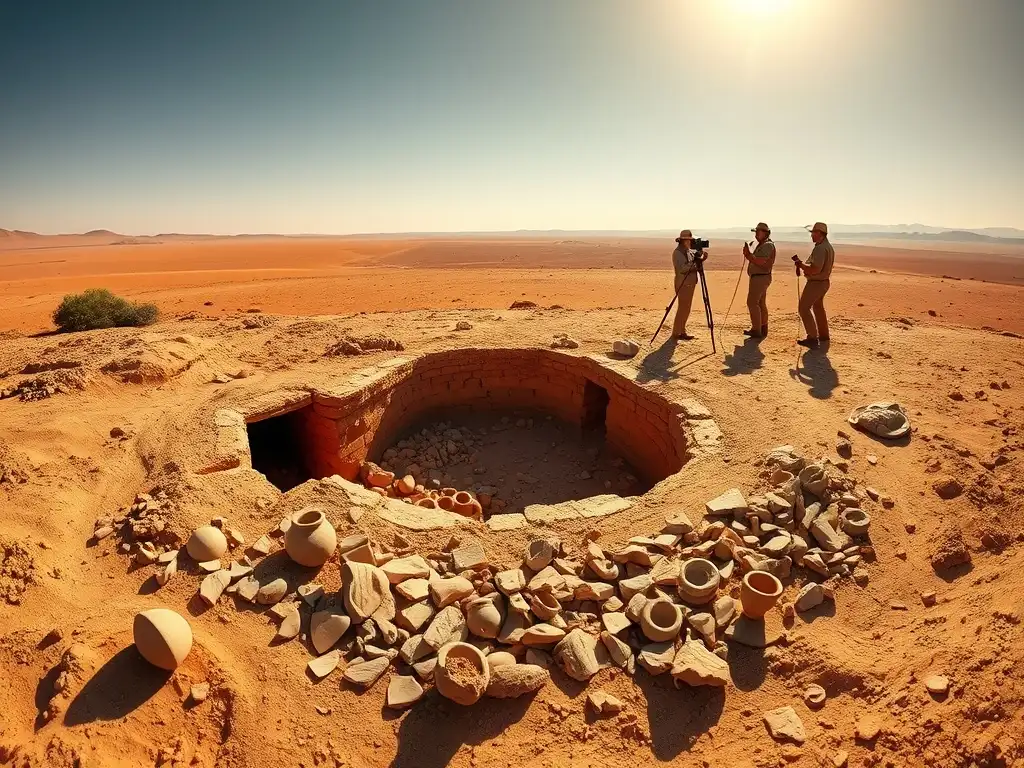
Step into a world lost to time, where the echoes of ancient empires still resonate. The Andean Civilizations website unveils the secrets of remarkable cultures, from the Incas' majestic cities to the enigmatic Nazca lines. But today, we delve into a particularly fascinating enigma: Nazca pottery kiln technology. Prepare to be amazed as we uncover the ingenious methods these master artisans used to create their breathtaking ceramics. Are you ready to unearth the mysteries of their firing techniques? Let's begin.
The Nazca civilization, renowned for its enigmatic geoglyphs etched into the Peruvian desert, also left behind a remarkable legacy in the form of its vibrant and sophisticated pottery. This article delves into the fascinating world of Nazca pottery kiln technology, exploring the ingenious methods employed by these ancient artisans to create their iconic ceramics.
We will unravel the mysteries surrounding their firing techniques, examining the archaeological evidence and piecing together the processes that allowed them to produce such durable and aesthetically pleasing vessels. Understanding Nazca pottery kiln technology provides crucial insights into their societal structures, technological advancements, and the broader context of Andean ceramic traditions.
This exploration will reveal not only the technical aspects of their craft but also the cultural significance embedded within each meticulously crafted pot. The unique challenges presented by the arid Nazca environment further enhance the intrigue surrounding their ceramic production, making this a compelling area of study for archaeologists and enthusiasts alike.
Introduction to Nazca Ceramic Production and Kilns
Nazca pottery production was a complex process, requiring specialized skills and knowledge passed down through generations. The creation of these ceramics began with the selection and preparation of clay. Archaeological evidence suggests that Nazca potters utilized local clays, often mixing them with tempering agents like sand or crushed rock to improve the pot's workability and prevent cracking during firing.
The shaping of the vessels involved a variety of techniques, including hand-building, molding, and the use of pottery wheels (although the extent of wheel use is still debated among researchers). The intricate designs and vibrant colors characteristic of Nazca pottery were applied using various pigments, often derived from natural minerals and plant materials. Once decorated, the pots were ready for the crucial stage of firing – a process that determined their final durability and aesthetic qualities.
The design of Nazca kilns remains a subject of ongoing research, with limited direct evidence of the kilns themselves being discovered. However, inferences can be made based on the characteristics of the pottery and comparative studies with other Andean cultures. The overall process was clearly refined and efficient, leading to a large volume of high-quality pottery.
Understanding the Importance of Nazca Pottery in Andean Culture
Nazca pottery wasn't merely utilitarian; it held profound cultural significance. These vessels served a wide range of purposes, from everyday use for storage and cooking to ceremonial and funerary contexts. The intricate imagery found on Nazca pottery provides invaluable insights into their religious beliefs, social structures, and daily life.
Depictions of deities, mythical creatures, plants, and animals reveal a rich cosmology and a deep connection to the natural world. The stylistic variations observed in Nazca pottery – different painting styles, vessel shapes, and decorative motifs – may reflect social hierarchies, regional differences, or specific ceremonial functions. The presence of pottery in elite burials underscores its status as a valuable commodity and a symbol of power and prestige.
Analyzing the distribution of pottery types across different archaeological sites helps archaeologists reconstruct trade networks and interaction patterns within the Nazca region and beyond. The sheer volume of surviving Nazca pottery speaks to its importance in their society and its enduring impact on our understanding of this fascinating civilization. Furthermore, the exceptional craftsmanship displayed in their pottery highlights the advanced skills and artistic talent of Nazca artisans.
The Enigma of Nazca Pottery Firing Techniques
The precise techniques employed by Nazca potters for firing their ceramics remain a significant mystery. While we know they used kilns, the exact design and operation of these kilns are still being investigated. The lack of well-preserved kiln structures hinders a definitive understanding. Analysis of the pottery itself offers some clues.
The even firing of many Nazca pots suggests a controlled firing environment, possibly achieved through carefully designed kilns that maintained consistent temperatures. However, some variations in firing temperatures and atmospheres are evident, resulting in a range of surface finishes and colors. Researchers speculate on the use of different fuel sources, like wood or dung, and different kiln designs, including open-air kilns or more enclosed structures.
The challenge lies in distinguishing between variations resulting from intentional techniques and those caused by incidental factors like fuel type or wind conditions. Further research, including detailed analysis of kiln residues and experimental archaeology, is needed to fully elucidate the secrets of Nazca pottery kiln technology. Understanding these firing techniques is critical to appreciating the remarkable skills and ingenuity of the Nazca potters and to gaining a more complete picture of their technological achievements.
- Introduction to Nazca Ceramic Production and Kilns
- Understanding the Importance of Nazca Pottery in Andean Culture
- The Enigma of Nazca Pottery Firing Techniques
- Archaeological Evidence of Nazca Kilns
- Location of Nazca Kilns in Relation to Settlements
- The Kilns of Cahuachi: A Major Ceramic Production Center
- Insights from Ceramic Analysis: Understanding Firing Practices
- Reconstructing Firing Cycles: Temperature and Time
- Kiln Design and Fuel Sources: Engineering the Firing Process
Exploring Nazca Pottery Kiln Technology
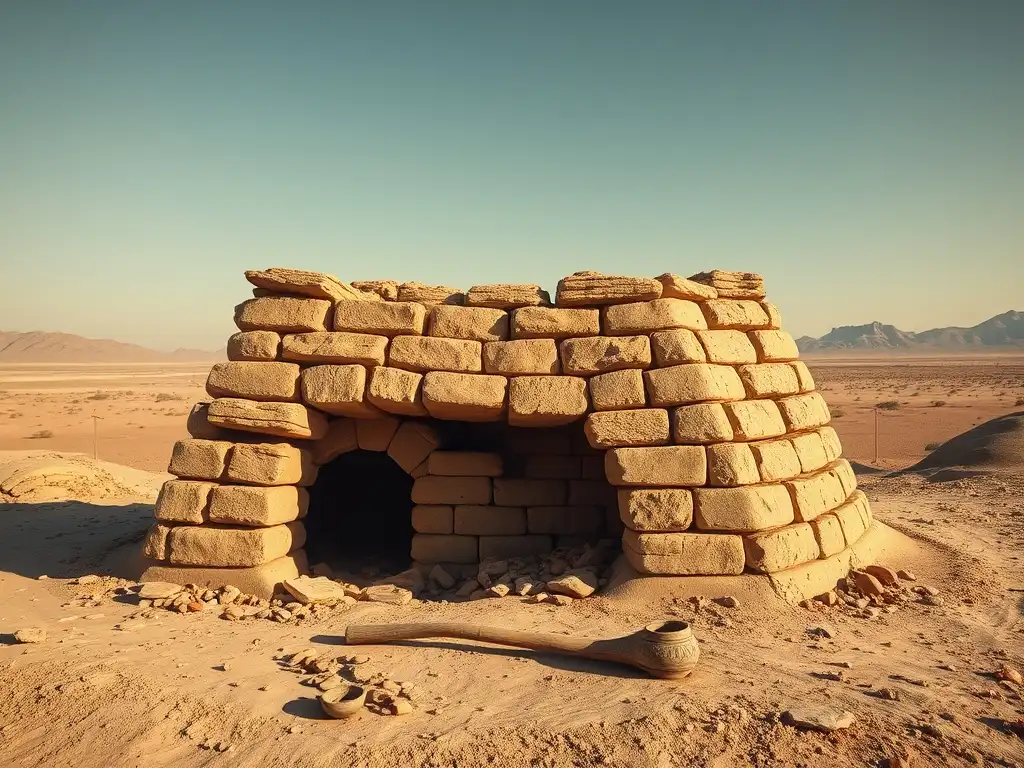
This section delves into the fascinating world of Nazca pottery kiln technology, a crucial aspect of their advanced ceramic production. Understanding the techniques employed by the Nazca allows us to appreciate the ingenuity and sophistication of their civilization, particularly their mastery in creating vibrant and intricate pottery. The precise methods used remain partially shrouded in mystery, but archaeological discoveries continually shed light on this remarkable aspect of their culture.
The study of Nazca pottery kiln technology provides invaluable insights into their social organization, economic practices, and artistic capabilities. The sophisticated firing techniques allowed for the creation of durable, high-quality ceramics that were integral to their daily lives and religious practices.
Types of Nazca Kilns: A Classification
Archaeological evidence suggests the Nazca utilized various types of kilns, reflecting a potential evolution in their firing techniques or adaptations to different contexts. While a comprehensive typology is still under development, preliminary classifications point to at least two main types:
- Open Kilns: These simpler kilns, often characterized by their relatively small size and open construction, likely involved direct firing. Pottery was placed directly on the kiln floor, exposed to the flames. This method, while less efficient in terms of fuel consumption, might have been suitable for smaller-scale production or specific firing requirements. The exact fuel source remains a topic of ongoing research, but evidence points towards the use of local plant materials such as dried shrubs and grasses. Further research is needed to determine if there were variations within this category based on size or construction.
- Closed Kilns: More complex than open kilns, these structures likely offered better temperature control and fuel efficiency. They may have incorporated features like chambers or enclosed spaces, allowing for a more controlled atmosphere during the firing process. The design might have incorporated preheating chambers or draft systems to improve the efficiency of the process. The discovery of larger kiln structures supports the theory of more complex kilns being used for mass production of pottery. [Specific examples of closed kiln designs pending further research and analysis of archaeological data].
The development and use of different kiln types likely reflect a nuanced understanding of firing processes and a response to evolving needs of the Nazca society. Further research, including detailed analysis of kiln remains and associated pottery fragments, is needed to refine this classification and understand the full range of Nazca kiln technology. The variation in kiln types may also correlate with different pottery styles and the social status of the potters themselves.
The Design and Structure of Nazca Pottery Kilns
Nazca kilns, regardless of type, generally shared some common design features. Archaeological findings consistently reveal evidence of carefully constructed structures, indicating a level of planning and expertise. The kilns were not haphazardly built but rather designed with a functional understanding of heat distribution and fuel efficiency.
The kilns' construction often involved creating a base, usually made of compacted earth or stone, which helped to maintain the heat during the firing process. The placement of the pottery within the kiln was crucial for even firing. Potters likely used various methods to prevent direct contact between the flames and the pottery, possibly using supports or separators made of clay or other materials.
The positioning of the fuel source was also vital to achieving the desired temperature and preventing uneven heating. [Detailed diagrams of kiln structures pending]. Analysis of the surviving kiln remains suggests a remarkable understanding of thermal dynamics, enabling the Nazca to achieve the high temperatures needed for effective firing.
Construction Materials Used in Nazca Kiln Building
The materials used in constructing Nazca kilns were predominantly locally sourced, reflecting a practical approach to resource management. The most common materials included:
- Clay: Abundantly available in the Nazca region, clay likely served as the primary building material for many kiln structures, particularly for open kilns. The specific type of clay used might have varied depending on its availability and properties. [Specific clay types used pending further geochemical analysis].
- Stone: Stone, especially readily available river stones, was likely used in the construction of more robust kilns, particularly for bases and structural supports. The selection of stones might have been influenced by their thermal properties and durability.
- Earth: Compacted earth was frequently used as a foundation or infill material, providing stability and insulation. The use of earth also suggests a sustainable and readily available building method.
The choice of materials likely depended on factors such as kiln type, size, and the specific environment in which the kiln was built. Further research into the material properties and sourcing strategies employed by Nazca potters would enhance our understanding of their kiln construction techniques and resource management practices. The durability of the kilns, reflected in some of the well-preserved remains, speaks to the effectiveness of their construction methods and material selection. 🌍
Variations in Nazca Kiln Design Across Different Periods
The Nazca civilization, spanning from approximately 100 BCE to 800 CE, wasn't monolithic in its pottery production techniques. Archaeological evidence suggests significant evolution and diversification in kiln design across its various periods. Early Nazca kilns, for example, often show simpler constructions, perhaps reflecting a less sophisticated understanding of heat control and efficiency.
These early kilns might have been smaller, less refined structures, potentially utilizing readily available materials like adobe bricks and local clays. The firing process in these early kilns likely resulted in a higher degree of variability in the final pottery products, with inconsistencies in firing temperature and atmosphere affecting the quality and color of the finished pieces.
Later Nazca periods witnessed a notable shift towards more complex and efficient kiln designs. Evidence points to an increase in the size and sophistication of kilns, suggesting a growing understanding of the optimal conditions for firing. This might involve the incorporation of improved insulation techniques, more controlled airflow, and the use of different firing chambers to achieve a more consistent and higher-quality firing.
The construction materials might have also evolved, with the use of more durable and heat-resistant materials becoming more prevalent. These advancements likely led to a greater consistency in the color and quality of the pottery produced, contributing to the characteristic vibrancy and precision seen in later Nazca ceramics. The transition reflects a refinement of knowledge passed down through generations of potters, a testament to the ongoing development of Nazca kiln technology.
Detailed analysis of kiln remains from different sites and periods is crucial for understanding this evolution. Further research could reveal specific changes in construction materials, dimensions, and ventilation systems, offering a clearer picture of the technological advancements within the Nazca pottery tradition. The differences, even subtle ones, reveal much about the social and economic organization of Nazca society, indicating the specialization of labor and the potential for skilled artisans to control and refine this crucial aspect of their ceramic production.
The Firing Process in Nazca Pottery Kilns
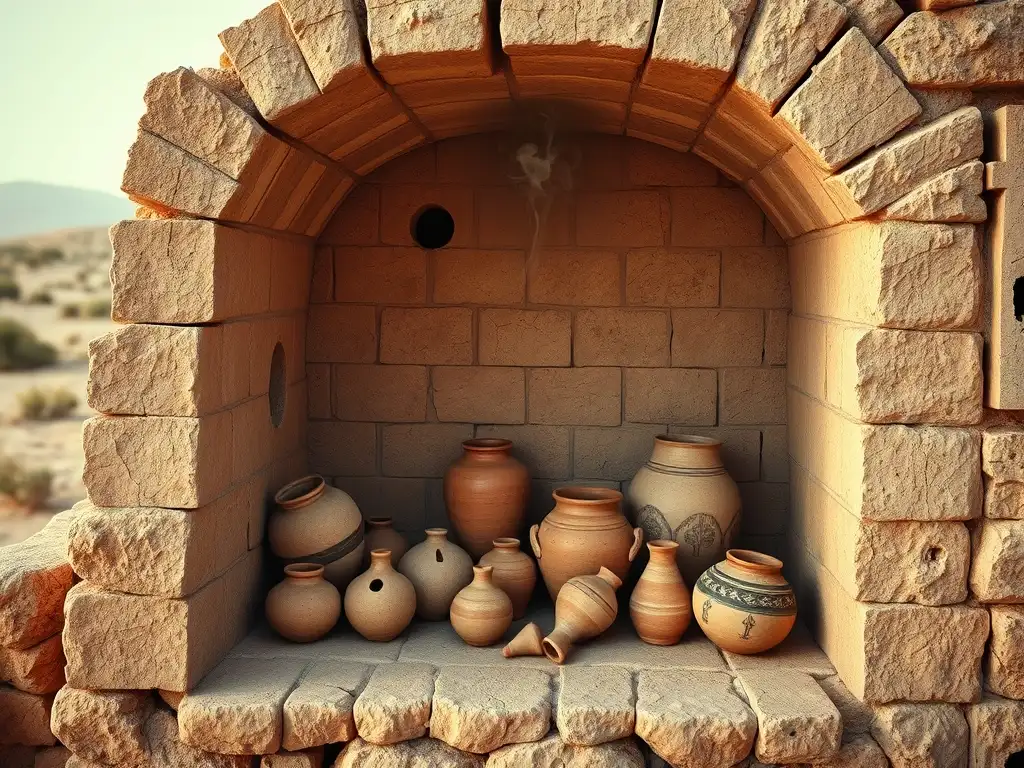
The creation of the iconic Nazca pottery, renowned for its vibrant colors and intricate designs, was a complex process culminating in the firing stage within specialized kilns. Understanding Nazca pottery kiln technology reveals a sophisticated understanding of material science and engineering by this pre-Columbian civilization. This section delves into the key aspects of the firing process, shedding light on the techniques employed to achieve the desired results.
The precise methods varied depending on the type of pottery and the desired aesthetic outcome, but consistent elements provide insight into their advanced technological capabilities. The efficiency and control demonstrated in their kiln technology highlight the ingenuity of Nazca artisans. Their success in achieving consistent, high-quality results speaks volumes about their mastery of the firing process.
Analysis of archaeological remains, including kiln structures and the pottery itself, allows us to reconstruct, albeit imperfectly, the steps involved. Further research is needed, particularly in areas of precise temperature measurement and airflow analysis, to fully understand the nuances of their technology.
Fuel Sources for Nazca Ceramic Firing
The fuel used in Nazca pottery kilns significantly impacted the firing process and the final product. Archaeological evidence suggests a variety of organic materials were employed, with the most common being wood and possibly dung. The availability of these resources dictated the kiln's location and size. Areas with abundant wood resources, likely near river valleys or forested regions, may have supported larger kilns capable of firing larger quantities of pottery. Conversely, areas with limited wood might have necessitated smaller kilns or different firing strategies.
The type of wood also likely influenced the firing process. Different woods burn at different temperatures and produce varying amounts of smoke and ash. This variability could have been exploited by Nazca artisans to create specific firing atmospheres for different types of pottery. For example, hardwoods might have been preferred for higher-temperature firings, while softer woods could have been used for lower-temperature processes.
The precise composition of the fuel used remains an area of ongoing research, requiring further analysis of kiln residues and contextual archaeological data. Understanding this aspect of Nazca pottery kiln technology is crucial to fully appreciating the ingenuity and adaptability of their methods. Analyzing charcoal remains from kiln sites could provide crucial information on the specific tree species used.
Temperature Control in Nazca Pottery Kilns
Precise temperature control was crucial for achieving the desired properties in Nazca pottery. Too low a temperature resulted in underfired pottery, which would be porous and weak. Too high a temperature could lead to melting or deformation. While direct temperature measurement is impossible without modern instruments, the consistent quality of surviving Nazca pottery suggests a high degree of control over the firing process.
Several methods may have been employed to regulate temperature. The kiln's design itself likely played a significant role. The size and shape of the firing chamber, the placement of the fuel, and the presence of any insulation materials would all have influenced the temperature distribution within the kiln. Observations of surviving kiln structures suggest that some may have had multiple firing chambers, potentially allowing for simultaneous firing at different temperatures.
Moreover, the artisans may have controlled the airflow and the amount of fuel added to the fire to regulate the temperature. This would have required careful observation and experience, building on generations of accumulated knowledge. Further research on kiln construction and the analysis of the fired pottery itself could reveal more about their temperature control techniques.
The Role of Airflow in Nazca Pottery Firing
The control of airflow within Nazca pottery kilns was essential for achieving the desired oxidation or reduction firing atmospheres. These atmospheres are crucial for the development of specific colors and properties in the fired pottery. An oxidizing atmosphere, characterized by plentiful oxygen, typically results in brighter, more vibrant colors. A reducing atmosphere, with limited oxygen, can produce darker colors and unique surface effects. The skillful manipulation of airflow would allow the artisans to achieve a variety of aesthetic results.
Nazca kilns likely incorporated features to control airflow, such as strategically placed vents or openings. These openings could be adjusted to regulate the amount of oxygen entering the firing chamber, allowing for precise control over the atmosphere. The location and design of these vents could have been carefully considered to achieve optimal temperature and atmosphere control. The precise nature of these airflow control mechanisms remains largely unknown and requires further investigation.
Detailed analysis of kiln structures, combined with experimental archaeology, could shed light on the sophisticated airflow management techniques employed by Nazca potters. This aspect of Nazca pottery kiln technology demonstrates their advanced understanding of chemical processes and their ability to manipulate these processes to achieve artistic and functional goals. The complexity of the firing process underscores the high level of skill and knowledge possessed by the Nazca artisans.
Duration of Nazca Ceramic Firing Processes
Determining the precise duration of the Nazca ceramic firing processes remains a challenge for archaeologists. The lack of direct written records from the Nazca culture necessitates reliance on indirect evidence, such as analysis of kiln structures, pottery shard characteristics, and experimental archaeology. Current research suggests that firing times likely varied depending on several factors, including the size and type of pottery being fired, the kiln's design, and the fuel used.
Several studies have attempted to reconstruct the firing process through experimentation. These experiments, often utilizing replicas of Nazca kilns and pottery, provide valuable insights, though they aren't without limitations. The controlled environment of an experiment might not perfectly replicate the conditions of a Nazca kiln, potentially leading to variations in firing time. Nevertheless, these experiments consistently point towards a firing process that spanned several hours, possibly even exceeding a full day for larger pieces or complex kiln designs. The slow, gradual heating and cooling cycles deemed necessary to prevent cracking and ensure proper vitrification would naturally extend the duration.
The fuel source also played a crucial role. While the precise types of fuel employed by Nazca potters are not definitively known, it's likely they relied on readily available materials such as wood, dung, or dried plant matter. The type and quantity of fuel would directly impact both the temperature and the duration of the firing process.
A less efficient fuel source, for example, might require longer firing times to reach and maintain the necessary temperatures for vitrification. Further research into the types of fuel used and their combustion properties is crucial for a more precise estimation of firing times. Analyzing the chemical composition of pottery shards might reveal clues about the fuel sources used, providing a more concrete understanding of the firing process.
Furthermore, the size and thickness of the pottery pieces would have significantly affected the firing duration. Larger, thicker vessels would require longer firing times to ensure even heating and complete vitrification throughout the entire piece. Smaller, thinner pieces, on the other hand, could potentially be fired more quickly.
The variation in pottery sizes and forms within Nazca ceramic production further complicates the attempt to establish a single, definitive firing time. Analyzing a large sample of Nazca pottery, correlating their size and thickness with potential firing marks or chemical signatures, could help refine our understanding of the relationship between pottery characteristics and firing durations. This requires further detailed analysis of existing collections and ongoing excavations.
Types of Kilns Used in Nazca Pottery Production
The Nazca people employed a variety of kiln designs for firing their ceramics, reflecting an adaptive and innovative approach to pottery production. While the specific details of each kiln type are still being uncovered, archaeological evidence reveals a range of structures adapted to different needs and scales of production.
One commonly identified type is the simple, open-air kiln, characterized by a shallow pit lined with stones or clay. These kilns were likely used for smaller-scale production or for firing less delicate pieces. The lack of a fully enclosed structure implies a less controlled firing environment, potentially leading to greater variations in the final product.
However, the simplicity of their construction suggests ease of building and maintenance, making them a practical choice for individual potters or small workshops. Analysis of the distribution of these kilns across Nazca settlements could shed light on the organization of pottery production within the society.
More complex kiln designs, featuring enclosed chambers, were also employed. These structures provided a more controlled environment, allowing for greater precision in the firing process and potentially higher quality results. The enclosed chambers facilitated more even heat distribution and better control over temperature fluctuations, reducing the risk of cracking or uneven firing. The construction of these more sophisticated kilns likely required specialized knowledge and labor, suggesting a higher level of organization within the pottery industry. The size and complexity of these kilns varied, indicating different production scales and possibly specialized roles within the pottery-making communities.
The materials used in the construction of Nazca kilns also varied. Common materials included locally available stones, clay, and possibly other materials like reeds or other organic matter for insulation. The choice of materials would have impacted the kiln's efficiency and durability, influencing the firing process and the overall cost of production.
Analyzing the materials used in different kiln types can provide insights into the technological capabilities and resource management strategies of Nazca potters. Further investigation into the construction techniques and materials used could unlock a deeper understanding of the technological sophistication of Nazca kiln design. The relationship between kiln design, fuel efficiency, and the resulting quality of the pottery is a crucial area for future research.
Analyzing Nazca Pottery Kiln Remains
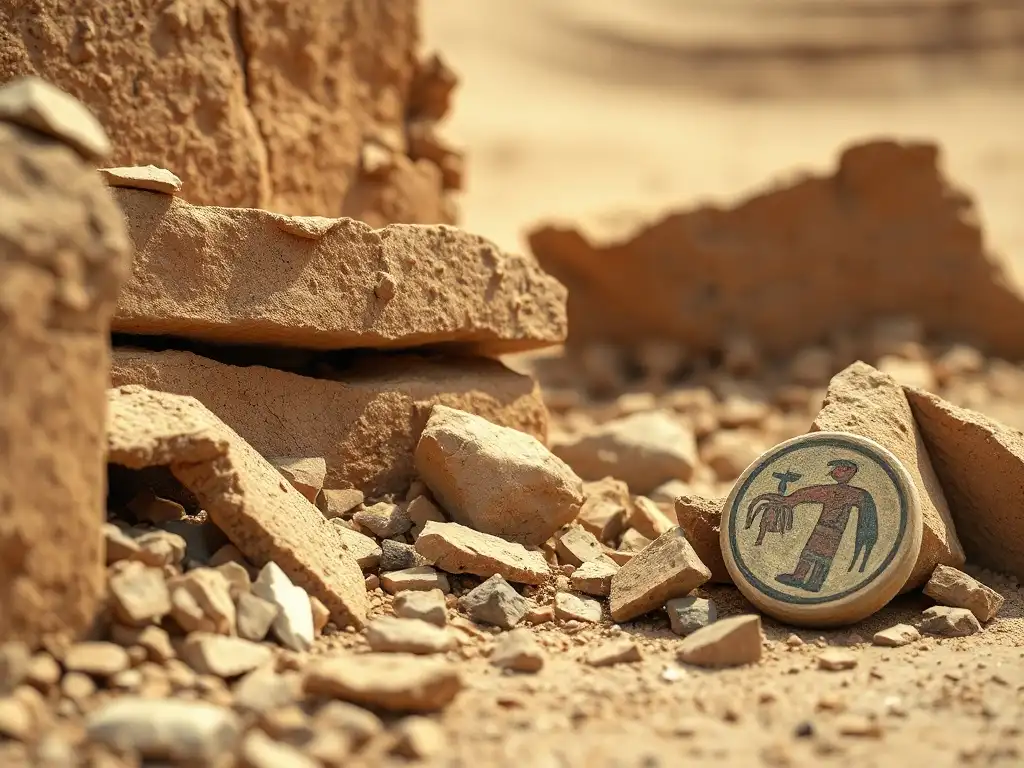
This section delves into the fascinating world of Nazca pottery kiln technology, specifically analyzing the physical remains discovered by archaeologists. Understanding these remains is crucial to reconstructing the firing processes employed by Nazca artisans, offering insights into their sophisticated ceramic production techniques. The study of Nazca pottery kiln technology provides a window into the social organization and economic activities of this remarkable civilization.
Archaeological Evidence of Nazca Kilns
Archaeological excavations across the Nazca region have unearthed a variety of evidence related to pottery kiln technology. The most common finds include fragments of kiln structures, often made of adobe bricks and stones. These fragments, though sometimes fragmented and deteriorated over centuries, reveal crucial information about kiln design and construction.
For example, the presence of fire-cracked clay and soot deposits indicates the location of the firing chamber, while the arrangement of bricks suggests the overall structure of the kiln. Analysis of these fragments, combined with the study of associated pottery shards, allows researchers to refine their understanding of the firing temperatures and techniques employed. Furthermore, the discovery of tools such as ceramic supports and fire stokers provides further evidence of the sophisticated methods utilized in the Nazca ceramic production process.
Careful documentation of the spatial arrangement of these artifacts within the kiln's remains is vital for interpreting the firing process. Detailed studies of the chemical composition of the kiln structures and the pottery itself can also provide insights into the materials used and the firing processes. This multi-faceted approach helps to build a comprehensive picture of Nazca pottery kiln technology.
Location of Nazca Kilns in Relation to Settlements
The spatial distribution of Nazca kilns offers valuable insights into the organization of ceramic production and its relationship to settlement patterns. While some kilns have been found within settlements, suggesting a decentralized production model where households produced their own pottery, many others are situated outside settlements, often clustered in specific locations. This suggests the existence of specialized ceramic workshops or production centers.
Analyzing the distance between kilns and settlements, along with the size and complexity of the kiln structures, can shed light on the scale and organization of ceramic production, as well as the social and economic roles of the individuals involved. For instance, the proximity of kilns to major roadways or water sources might indicate logistical considerations in the production and distribution of pottery.
Further research is needed to establish a more comprehensive understanding of the relationship between kiln location and settlement patterns, particularly in relation to the different types of pottery produced. This analysis, however, can significantly contribute to the understanding of Nazca social structure and the division of labor.
The Kilns of Cahuachi: A Major Ceramic Production Center
Cahuachi, a large ceremonial center in the Nazca region, is believed to have been a significant hub for ceramic production. The discovery of numerous kilns within and around the site provides compelling evidence for this hypothesis. These kilns are often larger and more complex than those found in smaller settlements, suggesting a higher level of specialization and organization of labor.
The presence of a wide variety of pottery types at Cahuachi, ranging from utilitarian wares to elaborate ceremonial vessels, further supports the notion of a major production center. The sheer scale of ceramic production at Cahuachi implies a significant investment of resources and labor, suggesting a centralized system of production and distribution likely overseen by a powerful elite. Analysis of the kilns at Cahuachi, including their size, construction, and the types of pottery produced, can shed light on the economic and social organization of the Nazca civilization, and help to refine our understanding of Nazca pottery kiln technology within the context of a large-scale production center.
Further investigation into the specific techniques used at Cahuachi, compared to other smaller kiln sites, could provide valuable insights into the evolution of Nazca ceramic technology and its role in the broader social and political landscape of the Nazca civilization. The study of Cahuachi's kilns offers a unique opportunity to understand the complexities of large-scale ceramic production within an ancient Andean context.
Insights from Ceramic Analysis: Understanding Firing Practices
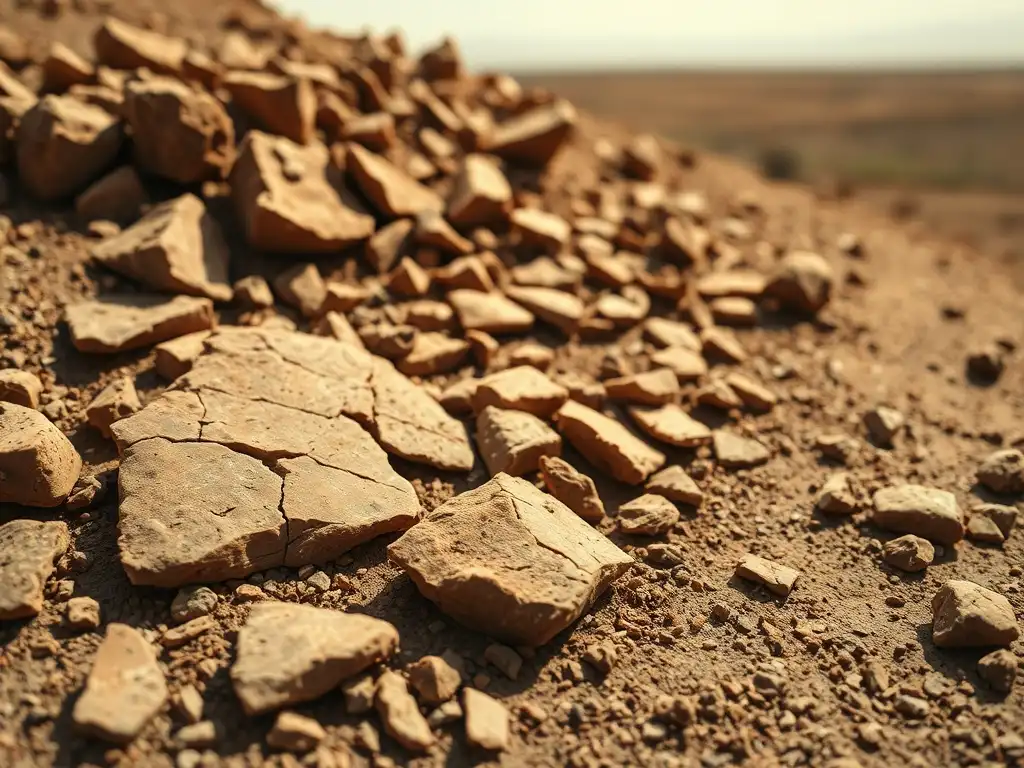
Analyzing the chemical composition and microstructure of Nazca pottery offers invaluable insights into the firing processes employed. Careful examination reveals variations in clay sources and the presence of tempering materials, which likely influenced firing temperatures and techniques. For instance, the inclusion of sand or crushed rock as temper could have affected the rate of heat transfer during firing, potentially leading to variations in the final product's porosity and strength. Researchers have identified different types of clays used across different Nazca periods, suggesting shifts in either available resources or deliberate choices in material selection based on desired ceramic properties.
This careful selection of materials points to a sophisticated understanding of material science within Nazca society. Furthermore, the presence of specific minerals within the clay matrix can be used to infer the firing atmosphere – whether oxidizing or reducing – which in turn affects the color and durability of the finished pottery. Studies comparing the chemical makeup of different shards from the same kiln, and across various kilns, reveal subtle variations reflecting differences in firing conditions, even within a single site. Such detailed analysis allows for a more nuanced understanding of the consistency and potential variability in Nazca pottery production.
The identification of specific firing flaws, such as warping or uneven coloration, provides further evidence of the challenges faced by Nazca potters and offers clues about the control they exerted over the firing process. This detailed investigation of the pottery itself is crucial to complement the archaeological evidence gleaned from kiln remains. By combining these approaches, a more complete picture of Nazca kiln technology emerges.
Reconstructing Firing Cycles: Temperature and Time
Determining the precise firing cycles utilized by Nazca potters is a complex challenge, but several lines of evidence can shed light on this aspect of their technology. Experimental archaeology, involving the construction and firing of replica kilns using traditional techniques and materials, offers a valuable approach. By carefully monitoring temperature and time during experimental firings, researchers can compare the results with the characteristics of actual Nazca pottery, thereby inferring likely firing parameters. The analysis of the microstructure of the ceramic itself offers clues.
For example, the size and distribution of the pores within the pottery can indicate the rate of heating and cooling, reflecting the duration and intensity of the firing cycle. Furthermore, the presence of specific mineral phases within the clay can be sensitive indicators of the peak temperature reached during firing. By combining these microstructural analyses with experimental data, researchers can create more accurate models of Nazca firing cycles.
While precise temperature ranges and durations remain debated, evidence suggests that Nazca potters likely employed multiple firing stages, with controlled temperature increases and decreases to achieve the desired results. This points to a sophisticated understanding of the relationship between firing parameters and the final properties of the ceramic. The variation observed in firing effects across different pieces of pottery suggests that precise control over the firing process may have been challenging, but the overall consistency in the quality of Nazca pottery points to the mastery of at least a basic level of control.
Kiln Design and Fuel Sources: Engineering the Firing Process
The design of Nazca kilns themselves reveals crucial aspects of their firing technology. Although many kilns are poorly preserved, archaeological excavations have unearthed sufficient remains to allow for reconstruction and analysis. Evidence suggests that Nazca potters used a variety of kiln designs, potentially adapted to local resources and specific production needs. Some kilns appear to have been simple, open-air structures, while others were more complex, possibly incorporating features designed to control airflow and temperature.
The size and shape of the kilns would have influenced the heat distribution within the firing chamber. Furthermore, the positioning of the pottery within the kiln likely played a crucial role in achieving even firing. Analysis of charcoal and ash residues found within and around kiln structures provides valuable information on the types of fuel used. Evidence suggests that Nazca potters likely utilized readily available local fuels, such as wood, brush, and possibly dung.
The type of fuel used would have influenced the firing temperature and atmosphere, which in turn affected the ceramic's properties. The efficiency of the kilns, in terms of fuel consumption and temperature control, would have been influenced by various factors, including kiln design, fuel type, and the skill of the potters. Understanding these aspects provides a deeper appreciation for the ingenuity and practicality of Nazca pottery kiln technology. The optimization of kiln design and fuel use represents a significant technological achievement, reflecting an advanced understanding of material science and engineering within this ancient society.
The Significance of Nazca Kiln Technology
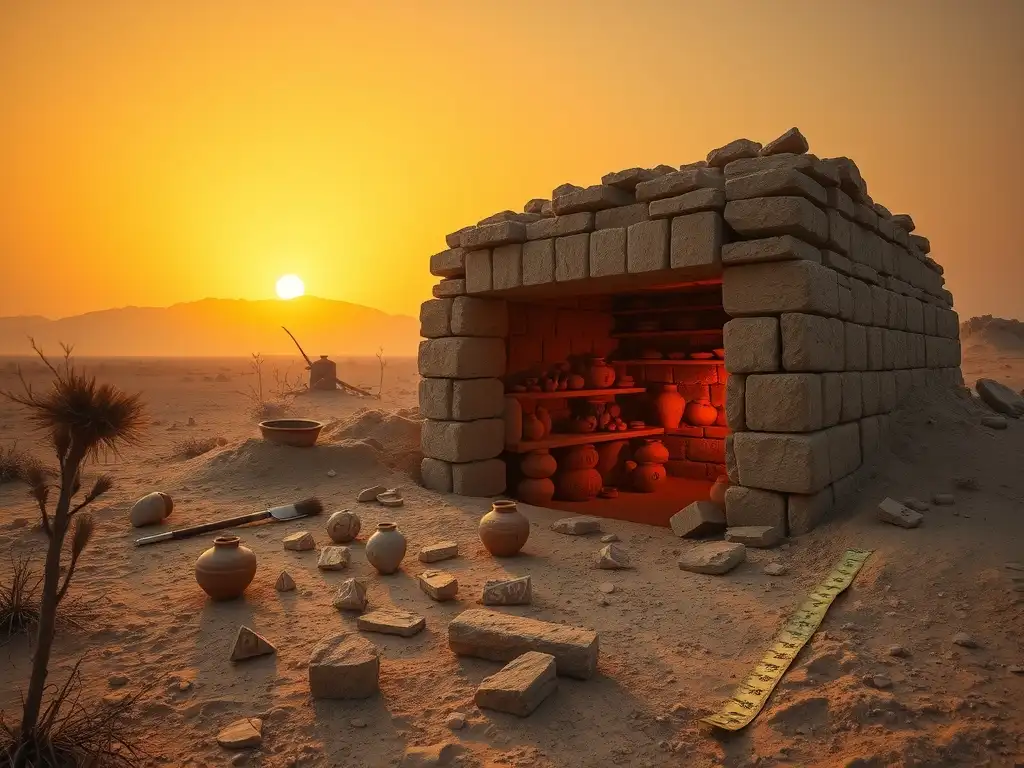
The development of sophisticated kiln technology was crucial to the flourishing of Nazca ceramic artistry. Understanding Nazca pottery kiln technology provides a window into the ingenuity and advanced knowledge of this pre-Columbian culture. Without a deep understanding of the firing process, we cannot fully appreciate the artistry and complexity of their pottery. The intricacies of their designs, the vibrant colors, and the durability of their wares all speak to a refined and controlled firing process, a testament to the skill and innovation of Nazca artisans.
This section will explore the technological advancements, social implications, and artistic influence of these remarkable kilns. The unique characteristics of Nazca pottery, particularly its strength and vibrant hues, are directly attributable to the mastery of their kiln technology. This mastery represents a significant technological achievement within the broader context of Andean civilization.
Technological Advancements in Nazca Pottery Firing
The Nazca people did not rely on simple open-air fires for pottery firing. Evidence suggests the use of more sophisticated kilns, allowing for greater control over the firing temperature and atmosphere. This control was key to achieving the characteristic high-quality results seen in surviving examples of Nazca pottery. Archaeological findings indicate various kiln types, ranging from simple pit kilns to more complex structures. These advancements likely involved experimentation and iterative improvements over time, reflecting a gradual accumulation of technological knowledge within the community.
Analysis of recovered pottery shards shows evidence of controlled oxidation and reduction firing techniques. This suggests that Nazca potters understood how to manipulate the kiln atmosphere to achieve specific colors and effects. For instance, the characteristic red hues in many Nazca vessels were likely achieved through carefully controlled oxidation processes.
Conversely, the presence of black and grey tones indicates the use of reduction firing, where the oxygen supply is limited. This level of control over the firing process was not commonplace in other contemporaneous Andean cultures, highlighting the Nazca's advanced understanding of materials science and thermal engineering. Further research is needed to fully understand the precise construction and operation of various Nazca kiln types, but the existing evidence clearly points to a remarkable level of technological sophistication for its time.
The construction and operation of Nazca kilns had significant social and economic implications. The construction of even simple kilns required communal effort and specialized knowledge, suggesting a degree of social organization and cooperation within the Nazca society. Pottery production was likely not solely an individual endeavor but rather a collaborative activity involving multiple individuals with specialized roles. This social aspect is further evidenced by the stylistic consistency found across numerous pottery pieces, indicating standardized techniques and shared knowledge within the community.
Furthermore, the production and trade of Nazca pottery played a vital role in the Nazca economy. High-quality pottery was likely a valuable commodity, both within the Nazca region and potentially beyond. The widespread distribution of Nazca pottery suggests a thriving trade network, with skilled potters and kiln operators occupying a significant position within the social hierarchy. The economic success of Nazca pottery production contributed to the overall prosperity and social stability of the Nazca civilization. The demand for high-quality pottery likely stimulated further innovation and refinement in kiln technology. [Specific data on trade routes and economic impact pending].
Nazca Kiln Technology and its Influence on Ceramic Art
The technological advancements in Nazca kiln technology directly influenced the development of their unique ceramic art. The ability to control firing temperatures and atmospheres allowed Nazca potters to achieve a remarkable range of colors, textures, and surface finishes. This technical mastery allowed them to express their artistic vision with unprecedented freedom and precision. Their distinctive polychrome style, characterized by the use of multiple vibrant colors, was only possible through sophisticated kiln control.
The durability of Nazca pottery, a direct result of the firing process, also played a significant role in its artistic expression. The strength and longevity of their vessels allowed for the creation of intricate designs and delicate forms without compromising the structural integrity of the pieces. The iconic Nazca pottery, with its complex iconography and elaborate designs, represents not only artistic skill but also a deep understanding of materials science and the capabilities of their kiln technology.
The remarkable preservation of many Nazca pottery pieces is a testament to the effectiveness and efficiency of their firing techniques. The interplay between technology and artistry in Nazca pottery offers a compelling case study in the dynamic relationship between innovation and creative expression. The legacy of Nazca pottery, a stunning example of pre-Columbian artistry, is inextricably linked to the sophisticated kiln technology that made its production possible.
Comparing Nazca Kiln Technology with Moche Culture
The Nazca and Moche cultures, while geographically proximate and contemporaneous to a significant degree, displayed distinct approaches to pottery production, particularly in kiln technology. While both cultures produced sophisticated ceramics, understanding their differences reveals nuanced aspects of their technological advancements and societal structures. The Moche, known for their elaborate portraiture and highly detailed narrative vessels, often utilized larger, more complex kilns, suggesting a potentially more centralized and organized pottery production system.
Archaeological evidence points to larger kiln structures, capable of firing a greater quantity of pottery simultaneously. This might indicate specialized potter communities or workshops supplying a larger population or elite class.
In contrast, Nazca kiln technology, while sophisticated in its own right, often involved smaller, more dispersed kilns. This suggests a more decentralized production system, potentially with a greater number of individual potters or smaller workshops operating independently. The smaller scale of the Nazca kilns might also reflect a different emphasis in pottery production.
While the Moche prioritized large-scale, highly decorated pieces, Nazca pottery, while aesthetically impressive with its intricate painted designs, often featured smaller vessels, perhaps reflecting different ritualistic or domestic uses. The precise fuel sources used in both Moche and Nazca kilns remain a subject of ongoing research, but the differing sizes and structures likely influenced the firing processes and the resulting ceramic properties. Further comparative studies focusing on the chemical analysis of the pottery and the residues found within kiln structures could provide valuable insights into these distinct technological approaches.
This comparison highlights how seemingly minor differences in kiln design can reveal significant differences in the organization of production and the social dynamics of these ancient Andean societies. The varying scales of production may reflect differing societal structures, economic systems, and the overall demand for ceramic goods within each culture.
Conclusions: The Legacy of Nazca Pottery Kiln Technology
The study of Nazca pottery kiln technology offers a fascinating glimpse into the ingenuity and sophistication of this ancient Andean civilization. Their mastery of firing techniques, evidenced by the vibrant colors and durable nature of surviving ceramics, speaks volumes about their understanding of materials science and heat control. While much remains unknown, the evidence unearthed suggests a nuanced and evolving approach to kiln construction and firing processes, adapting to available resources and aesthetic preferences across different periods and regions within Nazca territory.
The remarkable preservation of numerous examples of their pottery, despite the passage of centuries, is a testament to the effectiveness of their methods. Further research promises to shed even more light on this remarkable aspect of Nazca culture, potentially revealing insights into their social structures, economic practices, and artistic development.
Understanding their kiln technology is crucial for a complete understanding of Nazca civilization and its significant contribution to Andean cultural heritage. The enduring quality and aesthetic appeal of Nazca pottery continue to inspire artists and researchers alike, highlighting the lasting legacy of their advanced ceramic production.
Key Takeaways About Nazca Firing Methods
Several key takeaways emerge from the analysis of Nazca pottery kiln technology. Firstly, the evidence points towards a diversity of firing techniques, not a single standardized method. This suggests adaptation based on factors like available fuel (likely wood and possibly dung), the size and type of pottery being fired, and even regional variations in resources and traditions. Secondly, careful control of temperature and atmosphere within the kilns was crucial.
The vibrant colors and lack of significant firing defects in many surviving pieces indicate a sophisticated understanding of oxidation and reduction processes. This level of control suggests specialized knowledge passed down through generations of potters. Thirdly, the construction of the kilns themselves varied, ranging from simple open-air pits to more complex structures, perhaps reflecting the scale of production or the specific needs of different pottery workshops.
Finally, the remarkable preservation of many vessels indicates the effectiveness of the firing process in creating durable and long-lasting ceramics. Analyzing the chemical composition of the clay and the firing residues within and around kiln sites provides further valuable data for reconstructing these ancient practices. This intricate interplay of factors – material selection, kiln design, firing techniques, and artistic skill – resulted in the distinctive and highly prized Nazca pottery we admire today.
The Continued Research and Study of Nazca Kilns
Ongoing research into Nazca pottery kiln technology is crucial for a more complete picture of their ceramic production. Future studies should focus on several key areas. First, more extensive archaeological excavations are needed to uncover more complete kiln structures and associated artifacts.
This includes meticulous documentation of kiln features, the arrangement of pottery within the kilns, and the analysis of the surrounding sediments for clues about firing practices. Second, advanced scientific techniques, such as petrographic analysis of pottery shards and residue analysis within the kilns, can provide detailed information about the types of clay used, firing temperatures, and atmospheric conditions during firing. Third, comparative studies of kiln technology across different Andean cultures can help to understand the uniqueness of Nazca methods and their potential influence on neighboring societies.
Finally, collaboration between archaeologists, material scientists, and ceramic experts is essential to integrate different types of evidence and develop a comprehensive understanding of this fascinating aspect of Nazca technology. By combining traditional archaeological methods with advanced scientific techniques, we can significantly improve our understanding of Nazca pottery kiln technology and its place within the broader context of Andean civilization.
The Enduring Importance of Nazca Ceramics
Nazca ceramics hold enduring importance for several reasons. First, they represent a remarkable achievement in ancient technology, demonstrating a sophisticated understanding of materials science and heat control. The vibrant colors and intricate designs of many pieces showcase the artistic talent and creativity of Nazca potters. Second, the pottery provides invaluable insights into various aspects of Nazca culture, including their religious beliefs, social structures, and economic practices.
The iconography depicted on the vessels often reflects mythological figures, ritual practices, and daily life, offering rich visual data for understanding their worldview. Third, the survival of countless pieces of Nazca pottery allows us to appreciate the artistic legacy of this civilization. These artifacts continue to inspire artists and researchers alike, reminding us of the ingenuity and creativity of the Nazca people.
Finally, the study of Nazca ceramics contributes to a broader understanding of Andean civilization and its cultural connections with other societies in the region. The enduring beauty and historical significance of Nazca pottery ensure its continued relevance in understanding the rich tapestry of Andean cultural heritage. The meticulous craftsmanship and vibrant colors continue to capture the imagination, reminding us of the sophisticated technology and artistic vision of this remarkable civilization.
Frequently Asked Questions
What is the main focus of this article?
This article explores the technology used by the Nazca civilization for firing their renowned pottery, delving into the mysteries surrounding their kiln designs and techniques. It aims to shed light on the innovative processes employed.
What makes Nazca pottery unique?
Nazca pottery is celebrated for its vibrant colors, intricate designs, and high-quality craftsmanship. The firing process was crucial in achieving these distinctive characteristics.
What kind of kilns did the Nazca use?
The exact types of kilns used remain a subject of ongoing research. However, evidence suggests a range of designs, likely including open-air and enclosed kilns, varying in size and complexity to meet the demands of mass production and diverse pottery styles.
How did the Nazca achieve such vibrant colors in their pottery?
The Nazca's mastery of pigments and their firing techniques were key. The precise control of temperature and atmosphere within the kilns allowed for the creation of the vibrant and enduring colors seen in their pottery.
Where can I learn more about Nazca kiln technology?
Further research on this topic can be found in archaeological publications and museum exhibits focused on the Nazca civilization. You can also search for academic papers on ancient Andean technologies and pottery production.
Final Reflection: Echoes of Ancient Fire: The Enduring Legacy of Nazca Kiln Technology
The ingenious kiln technology employed by the Nazca people remains a testament to their advanced understanding of materials science and engineering, a legacy that continues to inspire innovation in contemporary ceramics. Understanding their methods not only sheds light on their artistic achievements but also offers valuable insights into sustainable practices and resource management that are critically relevant in our era of environmental concern.
The meticulous craftsmanship evident in Nazca pottery, achieved through a sophisticated understanding of firing techniques, continues to fascinate and inspire artists and archaeologists alike. Their mastery of heat control and atmospheric manipulation within their kilns allowed for the creation of vibrant, durable pieces that have survived for millennia. The past is never dead. It's not even past.
- William Faulkner. This quote rings true when considering the enduring impact of Nazca kiln technology; its echoes resonate in our present-day understanding of ceramic production and the importance of preserving cultural heritage.
Consider the ingenuity of these ancient artisans, their intimate knowledge of their environment, and their ability to transform humble clay into breathtaking works of art. You too can appreciate the enduring power of human creativity and innovation by exploring the principles of sustainable practices and resource management, perhaps even experimenting with your own creative endeavors, inspired by the legacy of the Nazca. Let the mystery of their kilns ignite your own curiosity and inspire you to explore the boundless possibilities of human ingenuity.
**Unveil the Secrets of Ancient Nazca Pottery! **
Thank you for exploring the fascinating world of Nazca pottery with us! Understanding their innovative firing techniques provides a deeper appreciation for Andean craftsmanship. Now, let's delve even further into this remarkable aspect of ancient civilization.
Here's how you can continue your exploration:
- **Experiment with Pottery:** Try a small pottery project at home, researching traditional firing methods to put your newfound knowledge into practice.
- **Connect with Other Enthusiasts:** Join an online forum or workshop to share insights on ancient and modern pottery techniques with fellow enthusiasts.
- **Share Your Discoveries:** Discuss the surprising aspects of Nazca firing technology with friends or on social media. What most fascinated you about their methods?
What innovative solutions might ancient potters have developed to adapt their techniques to the diverse properties of different clays?