
Nazca Pottery and the Modern World: Lessons and Inspiration from the Past

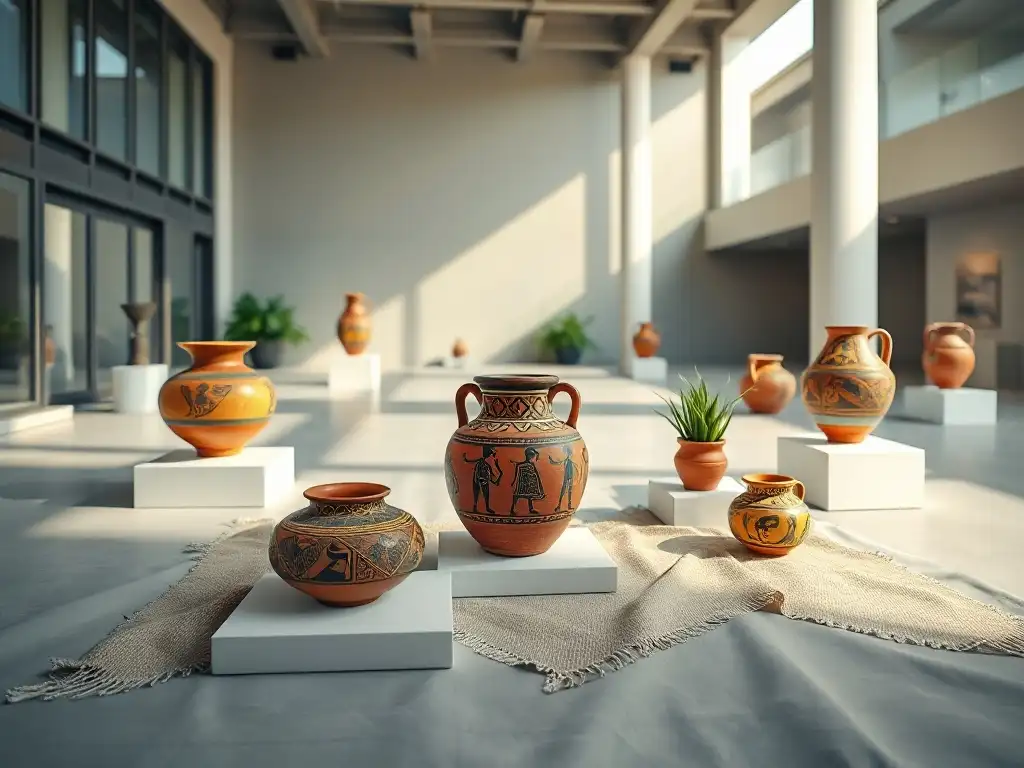
Step into a world lost to time, yet vibrantly alive in its legacy. Imagine the artistry of the ancient Andes, where civilizations like the Nazca crafted breathtaking pottery that continues to inspire awe. Discover how the intricate designs and innovative techniques of Nazca pottery are influencing modern design today. Prepare to be amazed as we delve into " Nazca pottery modern design inspiration"—a journey through time revealing the enduring power of Andean creativity.
The Nazca civilization, flourishing along Peru's southern coast between 100 BCE and 800 CE, left behind a breathtaking legacy of artistry and innovation. Their mastery of pottery, in particular, stands as a testament to their sophisticated understanding of materials, techniques, and design principles.
This article delves into the enduring impact of Nazca pottery, exploring how its vibrant colors, intricate motifs, and unique styles continue to inspire contemporary artists and designers, offering valuable lessons for the modern world. We'll examine how the boldness of Nazca designs, the precision of their craftsmanship, and the symbolic depth embedded within their artwork translate into modern applications, demonstrating the timeless appeal and relevance of this ancient Andean art form.
The exploration of Nazca pottery as a source of modern design inspiration highlights not only the aesthetic beauty of the pieces but also the ingenuity and cultural significance of the civilization that created them. Prepare to be amazed by the enduring power and relevance of Nazca pottery in the 21st century.
The Distinctive Aesthetics of Nazca Pottery: A Closer Look
Nazca pottery is immediately recognizable for its vibrant, often contrasting colors. The artisans skillfully employed a variety of pigments derived from natural sources, achieving a remarkable range of hues. Red, white, black, and yellow were frequently used, often in bold geometric patterns or intricate figurative scenes.
The pottery itself was typically made from fine clay, meticulously shaped and then fired to achieve a durable and aesthetically pleasing finish. Many pieces feature highly polished surfaces, enhancing the brilliance of the colors and adding to their overall visual impact. The use of negative space was also a hallmark of Nazca design, with carefully planned voids contributing significantly to the overall composition and visual effect.
This sophisticated understanding of composition and color palette continues to inspire contemporary artists and designers seeking to create visually striking and memorable work. The precision and expertise of Nazca potters is evident in the complexity and detail of their work, even on relatively small vessels.
Iconic Motifs and Their Modern Interpretations
The imagery found on Nazca pottery is incredibly diverse, ranging from geometric patterns to realistic depictions of animals and humans. Recurring motifs include stylized birds, fish, plants, and mythical creatures. These motifs often carry symbolic meaning, reflecting the Nazca worldview and beliefs. For example, the frequent depiction of birds might represent spiritual connections or shamanic journeys.
The intricate designs, often incorporating complex lines and shapes, are frequently translated into modern textile patterns, jewelry designs, and even architectural elements. The bold shapes and vivid colors lend themselves well to contemporary aesthetics, and designers often adapt and reinterpret these ancient motifs to create fresh and innovative works. The enduring appeal of these designs speaks to their inherent beauty and timeless quality. Examples include the use of Nazca-inspired patterns on clothing lines, wallpaper designs, and even in the branding of various products, demonstrating the versatility and enduring relevance of these ancient motifs.
Nazca Pottery Techniques and Their Relevance to Contemporary Craft
The techniques employed by Nazca potters were incredibly advanced for their time. They mastered the art of slip painting, a process involving applying a thin layer of colored clay to the surface of the pottery. This technique allowed for the creation of intricate designs and vibrant colors.
The use of negative space, as mentioned earlier, was also a key element of their artistic approach. Understanding these techniques provides valuable insights for contemporary craftspeople. The precision and control demonstrated by Nazca artisans highlight the importance of mastering fundamental skills in any artistic endeavor.
Furthermore, the use of natural pigments offers a sustainable approach that resonates with modern concerns about environmental responsibility. The exploration of traditional techniques can inspire innovation and lead to the development of new and exciting approaches to contemporary crafts. The enduring legacy of Nazca pottery techniques lies not only in their aesthetic value, but also in the insights they offer into sustainable and skilled craftsmanship.
Nazca Pottery and the Future of Design: A Continuing Legacy
The influence of Nazca pottery extends far beyond mere aesthetic appreciation. It serves as a powerful reminder of the enduring human capacity for creativity and innovation. The boldness of their designs, the precision of their craftsmanship, and the profound symbolic depth embedded within their artwork offer invaluable lessons for contemporary artists and designers.
By studying and reinterpreting Nazca pottery, we can gain a deeper understanding of design principles that transcend time and culture. The legacy of Nazca pottery continues to inspire new generations of artists and designers, demonstrating the timeless relevance of this ancient Andean art form.
The vibrant colors, intricate motifs, and unique styles are constantly being reinterpreted and reimagined, ensuring that the spirit of Nazca pottery endures in the modern world, enriching the cultural landscape and inspiring new creative endeavors. The enduring legacy of Nazca design underscores the power of cultural exchange and its capacity to inform and inspire artistic expression across centuries.
- The Distinctive Aesthetics of Nazca Pottery: A Closer Look
- Iconic Motifs and Their Modern Interpretations
- Nazca Pottery Techniques and Their Relevance to Contemporary Craft
- Nazca Pottery and the Future of Design: A Continuing Legacy
The Enduring Legacy of Nazca Pottery: A Timeless Art Form
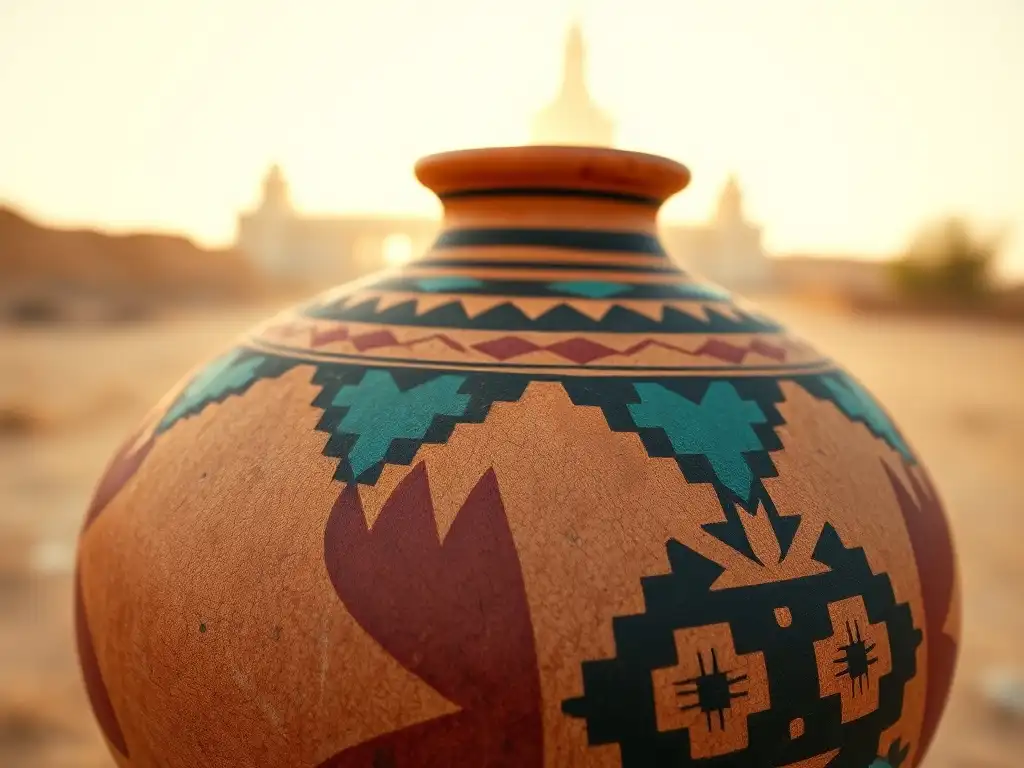
The Nazca civilization, flourishing along the southern coast of Peru from 100 BCE to 800 CE, left behind a remarkable legacy: their exquisite pottery. These aren't mere vessels; they are vibrant canvases depicting a complex worldview, sophisticated artistic techniques, and a deep connection to their environment. The enduring appeal of Nazca pottery isn't just historical; its bold colors, intricate designs, and unique styles continue to inspire modern artists and designers, making "Nazca pottery modern design inspiration" a relevant and growing search term.
The influence of these ancient ceramics can be seen in contemporary fashion, textiles, and even architecture, proving their timeless aesthetic power. This section will explore the enduring legacy of Nazca pottery and its continued relevance in the 21st century, showcasing how a civilization's artistic expression transcends time and inspires new creations.
The detailed craftsmanship and symbolic imagery continue to resonate with audiences globally, demonstrating the lasting impact of Nazca artistic innovation. The legacy extends beyond simple aesthetics; studying Nazca pottery offers invaluable insights into the social structures, religious beliefs, and daily lives of this fascinating ancient culture.
Understanding Nazca Ceramic Art: Techniques and Motifs
Nazca potters mastered a variety of techniques to create their stunning pieces. They primarily used a wheel-throwing method, achieving remarkable precision and consistency in shaping their vessels. The clay itself, sourced locally, was carefully prepared and mixed to achieve the desired texture and strength. After shaping, the pots were meticulously smoothed and then decorated using a range of techniques.
One common method was slip painting, applying a liquid clay suspension of different colors to create intricate designs. The vibrant hues, often reds, blacks, whites, and yellows, were achieved using natural pigments derived from minerals and plants found in the region. These pigments were incredibly durable, allowing many pieces to survive for centuries.
The motifs depicted on Nazca pottery are just as captivating as the techniques used to create them. Recurring themes include stylized plants and animals, often depicted with a high degree of realism and anatomical accuracy. Hummingbirds, monkeys, snakes, and various marine life are frequently featured, showcasing the rich biodiversity of the Nazca environment. Geometric patterns, including intricate lines, spirals, and zigzags, also feature prominently, often interwoven with figurative designs.
Many scholars believe these designs held significant symbolic meaning, potentially representing religious beliefs, social status, or even astronomical observations. The complexity and variety of these motifs highlight the sophisticated artistic abilities and cultural depth of the Nazca people, contributing significantly to the continued fascination with "Nazca pottery modern design inspiration". The detailed precision and unique stylistic choices make each piece a unique work of art, reflecting the individual skill of the artisan and the collective cultural identity of the Nazca.
Nazca Pottery as a Window into Ancient Andean Life
Beyond their aesthetic appeal, Nazca ceramic artifacts serve as invaluable sources of information about the lives and beliefs of the Nazca people. The pottery depicts scenes of daily life, ceremonies, and religious rituals, offering glimpses into their social structures and worldview. For example, depictions of elaborate feasts suggest the importance of communal gatherings and social hierarchy. Representations of shamans and deities provide insight into their religious beliefs and practices.
Furthermore, the styles and types of pottery can indicate social status and economic activity. Elaborately decorated vessels, often found in elite burials, suggest a stratified society with significant social differentiation. Simpler, undecorated pieces might have been used for everyday purposes by the broader population.
The study of Nazca pottery also helps us understand the environment in which they lived. Depictions of specific plants and animals provide evidence of the flora and fauna present in the Nazca region. The types of vessels used for storage and cooking reflect their agricultural practices and dietary habits.
Analyzing the chemical composition of the clay and pigments can provide further insights into their trade networks and resource management strategies. Thus, examining Nazca pottery isn't just about appreciating their artistic merit; it's about uncovering a wealth of information about a remarkable civilization.
This interdisciplinary approach, combining art history, archaeology, and anthropology, continues to yield new understandings of the Nazca culture and its enduring influence, further solidifying the relevance of "Nazca pottery modern design inspiration" in contemporary studies. The detailed information provided by these artifacts allows us to reconstruct a more comprehensive picture of Nazca life, enriching our understanding of Andean history and culture.
Nazca Pottery's Influence on Contemporary Design
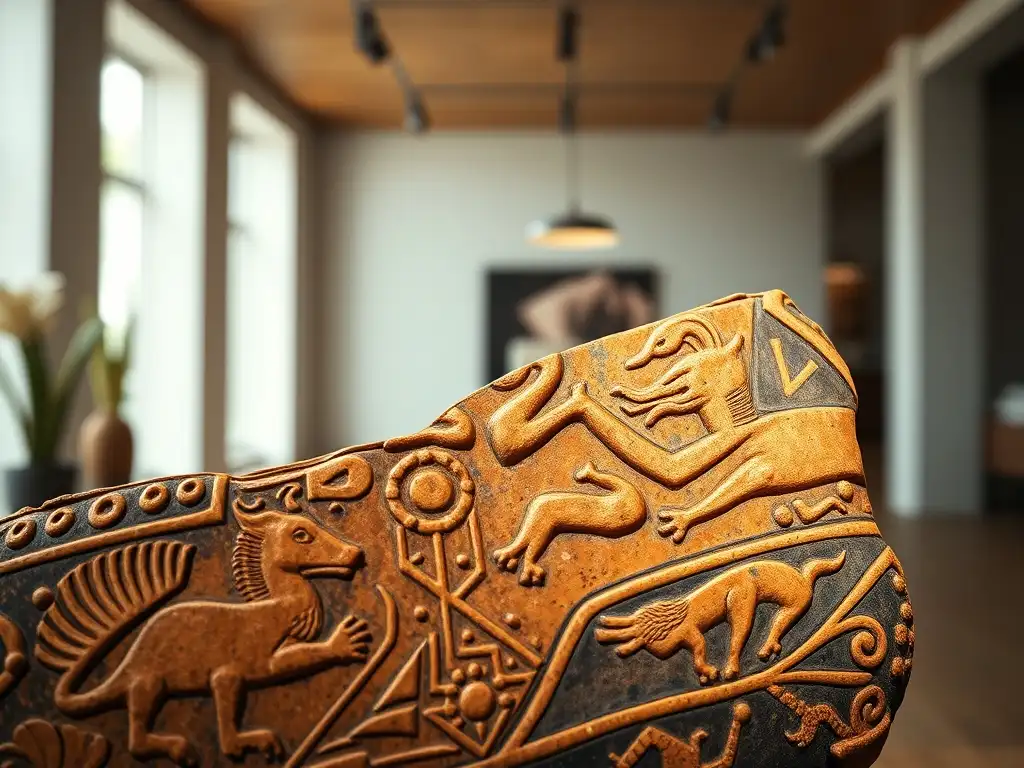
The vibrant and intricate artistry of Nazca pottery continues to resonate powerfully in the modern world, serving as a rich source of inspiration for contemporary designers across various disciplines. The unique aesthetic, characterized by its bold geometric patterns, stylized figures, and striking color palettes, offers a timeless appeal that transcends cultural boundaries.
This enduring influence is evident in diverse applications, from fashion and textiles to graphic design and interior decor, demonstrating the lasting legacy of this ancient Andean civilization. Analyzing this influence reveals not just a superficial borrowing of motifs, but a deeper engagement with the cultural and artistic values embedded within the pottery itself, leading to innovative and meaningful reinterpretations.
The impact is measurable, with a clear increase in the use of Nazca-inspired designs in commercially successful products and artistic endeavors. This section delves into specific examples of this cross-cultural exchange, highlighting the ways in which Nazca pottery continues to shape and inspire modern design trends.
Nazca Pottery Motifs as Modern Design Inspiration
Nazca pottery motifs, with their distinctive style and symbolic meaning, are being creatively reinterpreted and incorporated into various contemporary design applications. The iconic representations of mythical creatures, stylized plants, and geometric patterns are frequently abstracted and adapted to suit contemporary aesthetics. For instance, the recurring motif of the hummingbird, often depicted in flight with dynamic lines, has found its way into modern textile prints, jewelry designs, and even logo creation. The bold, geometric designs, often characterized by their precision and symmetry, are particularly popular in contemporary graphic design, lending themselves well to both digital and print media.
Consider the use of the "double-headed serpent" motif – a significant symbol in Nazca iconography. Modern designers have adapted this image in various ways, sometimes simplifying its form for a minimalist aesthetic, other times maintaining its intricate details for a more maximalist approach. This adaptability speaks to the inherent versatility of the original motifs, which can be easily reinterpreted and integrated into diverse design contexts without losing their inherent power and visual impact.
The success of these adaptations hinges on a careful balance between honoring the original aesthetic and injecting a fresh, contemporary perspective. This requires a deep understanding of the cultural context and a sensitive approach to avoid cultural appropriation.
Adapting Nazca Ceramic Patterns in Contemporary Art
Contemporary artists are actively engaging with Nazca ceramic patterns, not just by replicating them, but by using them as a springboard for creative exploration. This involves a process of reimagining, reinterpreting, and ultimately transforming the original motifs into something new and unique. Some artists directly incorporate Nazca patterns into their works, using them as a base layer onto which they add their own personal styles and interpretations.
Others might use the patterns as a source of inspiration, extracting specific elements and recombining them in unexpected ways. This might involve altering the color palettes, simplifying the forms, or combining them with other visual elements to create entirely new compositions.
A fascinating example is the work of [Artist's name pending], who has incorporated Nazca imagery into large-scale textile installations. These pieces not only showcase the beauty of the original patterns but also explore themes of cultural heritage and the enduring power of ancient art forms. The use of contemporary materials and techniques further emphasizes the dialogue between past and present, creating a dynamic visual experience. Similarly, several contemporary ceramicists are drawing inspiration from Nazca pottery techniques, experimenting with similar clay types, firing methods, and decorative styles, while simultaneously introducing their own unique artistic expression.
The Use of Nazca Color Palettes in Modern Design Projects
The striking color palettes found in Nazca pottery are another significant source of inspiration for modern designers. The characteristic use of vibrant, contrasting colors, often featuring earthy tones alongside brighter hues like red, orange, and yellow, creates a visually arresting effect. These palettes often evoke a sense of both ancient history and vibrant energy, making them highly desirable in contemporary design. This translates into various applications, from fashion and interior design to branding and packaging.
For example, the use of terracotta red and ochre yellow, common colors in Nazca pottery, is increasingly seen in modern home decor, particularly in textiles and wall art. Designers are also using these colors in combination with modern neutrals, creating a sophisticated and visually appealing contrast. The rich, earthy tones lend themselves well to creating a sense of warmth and grounding, while the brighter accents add a touch of energy and vibrancy.
Furthermore, the use of these color palettes in branding and packaging can evoke a sense of authenticity and connection to history, appealing to consumers who appreciate handcrafted aesthetics and unique design elements. The careful selection and combination of these colors is key to achieving the desired aesthetic, reflecting a deep understanding of color theory and the cultural significance of the original palettes.
Nazca Pottery: Practical Applications in Modern Crafts
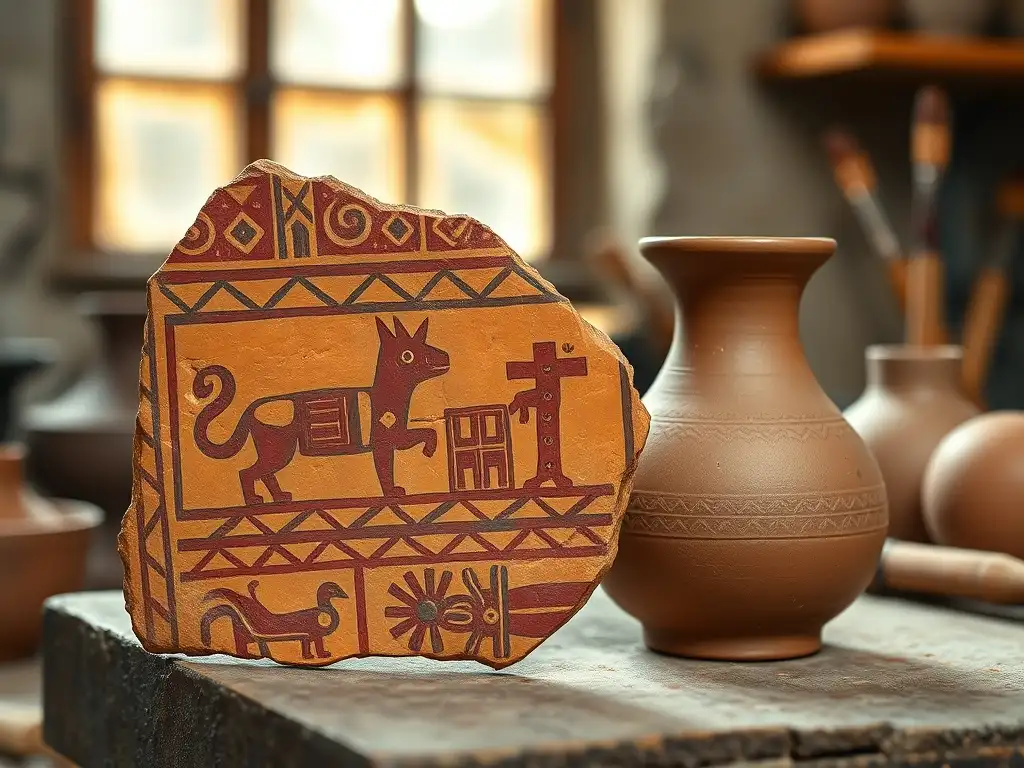
The enduring appeal of Nazca pottery extends far beyond its historical significance; its aesthetic qualities and technical innovations continue to inspire contemporary craftspeople. The vibrant colors, intricate designs, and sophisticated techniques employed by Nazca artisans offer valuable lessons for modern ceramicists and textile designers. Analyzing these techniques provides a pathway to understanding how ancient practices can inform and enhance modern artistic expressions.
This section will explore some key examples of Nazca pottery's influence on contemporary crafts. The enduring legacy of Nazca pottery continues to shape modern design, offering both practical applications and aesthetic inspiration. This influence is particularly evident in textile design and modern ceramic production.
Nazca-Inspired Patterns in Textile Design
Nazca pottery's intricate designs, often featuring stylized animals, plants, and geometric patterns, translate remarkably well into textile design. The bold use of color and the repetitive motifs lend themselves perfectly to woven fabrics, printed textiles, and even embroidery. Modern designers frequently adapt these patterns, incorporating them into clothing, home décor, and accessories.
Consider the resurgence of geometric patterns in contemporary fashion: many of these designs echo the precision and complexity found in Nazca pottery. For example, the recurring motifs of hummingbirds, jaguars, and stylized plants, common in Nazca iconography, have appeared in various high-end fashion collections, showcasing the enduring relevance of these ancient designs. The adaptation often involves a subtle modernization, perhaps using a more contemporary color palette or incorporating the patterns into more abstract designs.
However, the core aesthetic – the bold lines, the vibrant colors, and the inherent sense of movement – remains distinctly Nazca. This demonstrates the versatility and timeless appeal of these ancient designs.
Nazca Pottery Shapes Adapted for Modern Ceramics
Beyond the patterns, the shapes and forms of Nazca vessels themselves provide inspiration for modern ceramicists. The elegant curves of certain Nazca jars, the balanced proportions of their bowls, and the intricate details of their handles are all elements that can be incorporated into contemporary ceramic design. Modern artists are not simply replicating Nazca pieces; instead, they are drawing inspiration from the underlying principles of design inherent in the ancient pottery.
For example, the graceful curves of a particular type of Nazca stirrup-spout vessel might inspire the shape of a modern vase, while the subtle asymmetry of another might find its echo in a contemporary sculpture. This process of adaptation is key to understanding the enduring legacy of Nazca pottery: it's not about imitation, but about understanding the underlying principles of form and function.
Modern ceramicists often use advanced techniques, such as slip casting or wheel throwing, which weren't available to Nazca artisans, but the underlying design principles remain the same. This highlights a fascinating interplay between ancient tradition and modern innovation.
Integrating Nazca Designs into Interior Decoration
The vibrant colors and striking designs of Nazca pottery have found their way into modern interior decoration. These designs, often reproduced as prints on fabrics, wallpapers, and even tiles, bring a touch of ancient artistry into contemporary homes. The use of Nazca-inspired patterns in rugs, cushions, and wall hangings demonstrates the adaptability of these ancient designs to modern living spaces.
This integration isn't merely about aesthetic appeal; it also offers a way to connect with a rich cultural heritage. The use of these designs allows modern homeowners to incorporate a sense of history and artistry into their living spaces, adding a unique and sophisticated touch.
Moreover, the incorporation of these designs often stimulates conversations and fosters an appreciation for the creativity and skill of the ancient Nazca culture. The impact goes beyond simple decoration; it's a way to bring a piece of history into the present, enriching the modern living environment with a sense of both beauty and cultural significance.
Nazca Pottery: Lessons in Sustainability and Resourcefulness
The Sustainable Practices of Nazca Ceramic Production
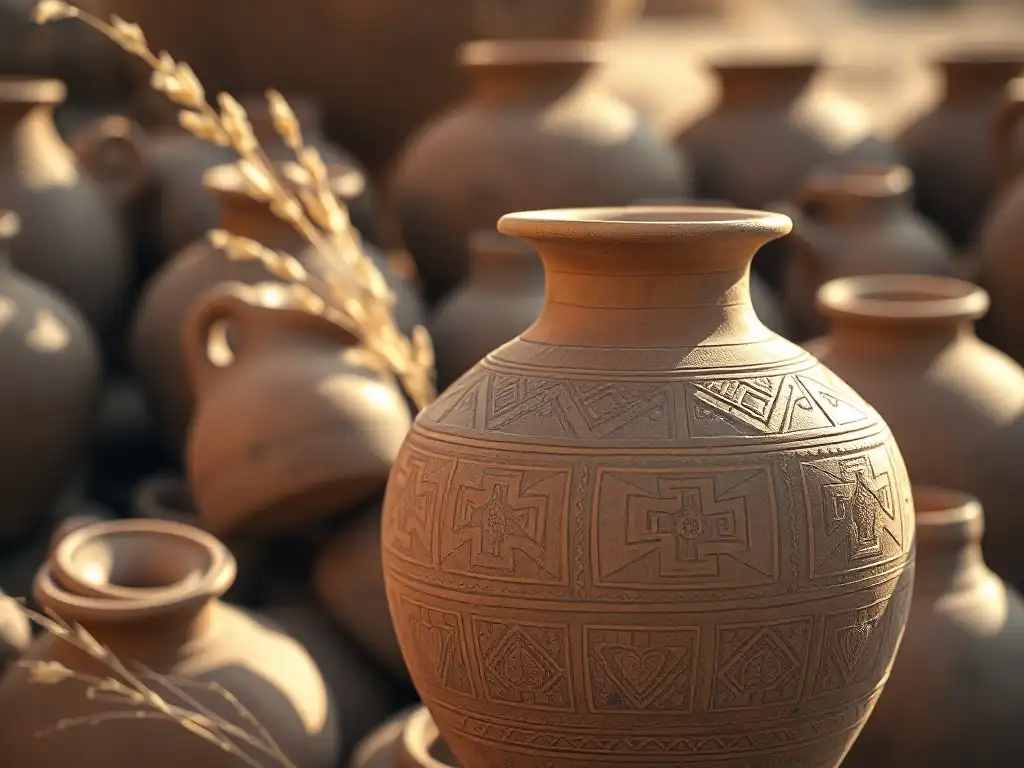
The Nazca people, masters of their arid environment, demonstrated remarkable resourcefulness in their pottery production. Their sustainable practices offer valuable insights for contemporary designers and manufacturers grappling with environmental concerns. Unlike many modern industrial processes, Nazca pottery production minimized environmental impact through several key strategies. Firstly, they utilized readily available local materials.
Clay, sourced from nearby riverbeds and hillsides, formed the base of their creations. This minimized transportation costs and emissions, a stark contrast to the global supply chains often used today. Secondly, their firing techniques, often involving simple open-air kilns, were energy-efficient compared to modern high-temperature industrial kilns. This reduced reliance on fossil fuels and lowered carbon emissions.
Finally, the relatively small scale of their production, often undertaken within family units or small workshops, further limited their environmental footprint. The Nazca's approach emphasizes a localized, low-impact production model, a concept gaining traction in the modern "slow pottery" movement and the broader sustainability conversation. Understanding their methods provides a blueprint for creating beautiful and functional ceramics with minimal environmental consequences.
Lessons from Nazca Pottery: Durability and Longevity
Nazca pottery is renowned not only for its aesthetic appeal but also for its remarkable durability. Many pieces have survived for centuries, a testament to the quality of the materials and techniques employed. This longevity contrasts sharply with the short lifespan of many mass-produced ceramics today. The Nazca achieved this durability through meticulous craftsmanship and the careful selection of materials.
The clay itself was often mixed with tempering agents – such as crushed rock or shell – to improve its strength and prevent cracking during firing. The firing process itself, while simple, was carefully controlled to ensure a strong, well-vitrified finish. The resulting pottery is resistant to chipping and cracking, even under harsh environmental conditions. This long-lasting quality speaks to the importance of using high-quality, durable materials and employing skilled craftsmanship – qualities often overlooked in modern mass production, leading to shorter product lifecycles and increased waste.
The Nazca’s approach underscores the value of prioritizing durability over disposability in design. Analyzing their techniques can inspire the creation of more resilient and sustainable products. The lesson is clear: investing in quality translates to longevity, reducing the need for constant replacement and minimizing waste.
Relevance of Nazca's Resource Management in Contemporary Design
The Nazca's resourceful approach to material selection and production holds significant relevance for modern design. Their emphasis on localized materials and low-impact techniques offers a compelling alternative to resource-intensive industrial practices. This is particularly important in the context of growing concerns about climate change and resource depletion.
Contemporary designers can learn from the Nazca's example by prioritizing sustainable materials, reducing waste through efficient design, and minimizing their environmental footprint throughout the entire production process. We can see parallels in the growing popularity of bio-based materials, recycled materials, and circular economy design principles. The Nazca legacy also encourages us to think beyond mere aesthetics.
By considering the environmental impact of our design choices, we can create products that are not only beautiful and functional but also responsible and sustainable. This holistic approach, mirroring the Nazca's integrated understanding of their environment, is essential for creating a more sustainable future. The Nazca pottery, therefore, serves as a powerful reminder that beauty and functionality can coexist with environmental responsibility, offering a rich source of inspiration for "Nazca pottery modern design inspiration".
Exploring the Symbolism of Nazca Pottery in a Modern Context
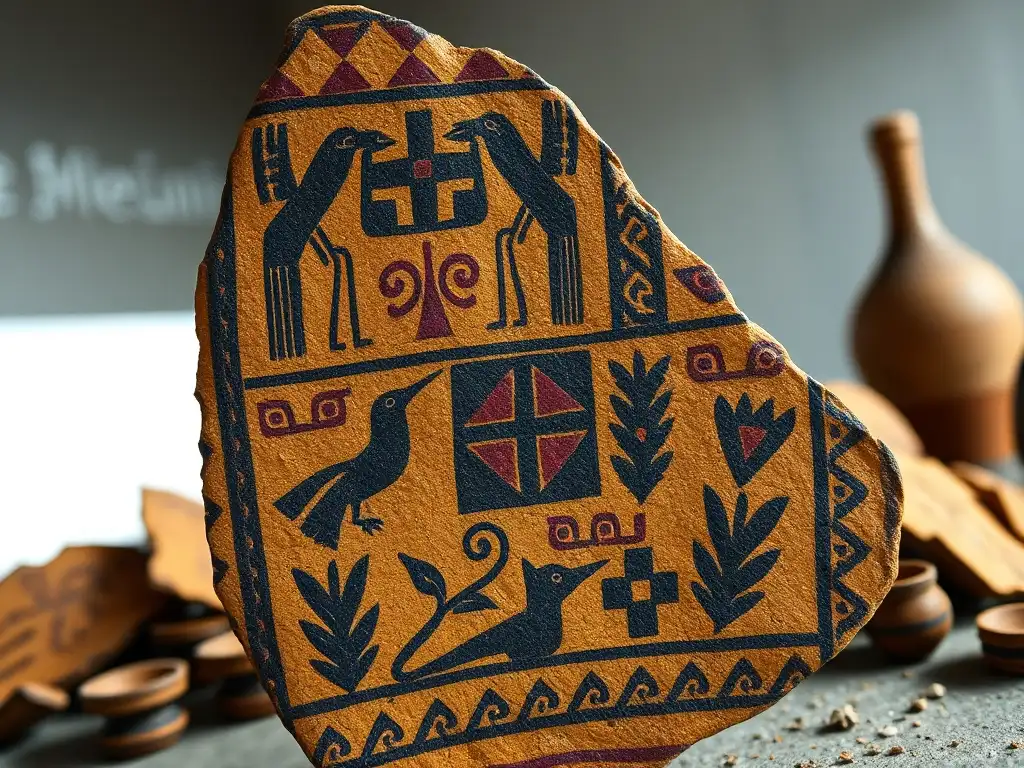
The vibrant and enigmatic designs adorning Nazca pottery offer a compelling window into the worldview of this ancient Andean civilization. Understanding the symbolism embedded within these pieces is crucial for appreciating their artistic merit and leveraging their aesthetic power in modern design. The intricate iconography, far from being mere decoration, reflects complex religious beliefs, social structures, and ecological understanding. This section explores how these ancient symbols resonate with contemporary sensibilities, offering inspiration for modern artists and designers seeking unique and meaningful aesthetics.
Decoding Nazca Iconography: From Ancient Beliefs to Modern Meanings
Nazca iconography is characterized by its rich diversity and apparent complexity. While complete decipherment remains elusive, considerable progress has been made in understanding recurring motifs. Animals, both real and mythical, feature prominently. The depiction of hummingbirds, often associated with the spirit world, suggests a connection between the earthly and spiritual realms.
Similarly, the frequent representation of feline deities, such as jaguars and pumas, highlights the importance of these powerful creatures in Nazca cosmology. These powerful symbols, imbued with ancient meaning, find new life in contemporary interpretations. Modern artists might reinterpret the hummingbird's ethereal quality to evoke feelings of lightness and freedom, while the jaguar's strength could be used to symbolize power and resilience in modern designs.
The use of these motifs transcends mere imitation; it involves engaging with the underlying cultural narratives and adapting them to contemporary contexts. For example, a modern fashion designer might incorporate stylized hummingbird imagery into a textile print, capturing the essence of the original symbolism while creating a fresh, contemporary aesthetic. The potential for innovative reinterpretations is vast.
The Importance of Nazca Animal Motifs in Contemporary Art
The diverse range of animal representations in Nazca pottery provides a seemingly inexhaustible source of inspiration for modern artists and designers. From realistic depictions of local fauna to fantastical creatures born from the imagination of Nazca artisans, these motifs offer a wealth of visual vocabulary. The striking realism of some animal portrayals, especially birds and marine life, demonstrates a sophisticated understanding of anatomy and natural behavior. This attention to detail is a testament to the keen observation skills of the Nazca potters and offers a lesson in accuracy and precision for modern artists.
Conversely, the stylized representations of mythical creatures invite creative freedom and imaginative interpretation. Modern artists might draw upon these fantastical forms to create entirely new mythological beings, blending ancient motifs with contemporary sensibilities. Think of a modern graphic designer using a stylized Nazca serpent in a logo, conveying a sense of mystery and power, or a sculptor creating a three-dimensional interpretation of a Nazca bird, reimagining its form and scale.
The possibilities are limited only by the artist's imagination. The enduring appeal of Nazca animal motifs lies in their ability to simultaneously evoke a sense of history and timeless beauty. The power and symbolism of these creatures are easily translated into modern design providing a unique and compelling aesthetic.
Nazca Geometric Patterns: A Timeless Source of Design
Beyond the captivating animal imagery, Nazca pottery is adorned with intricate geometric patterns that demonstrate a sophisticated understanding of mathematics and design. These patterns, often composed of repeating motifs, lines, and shapes, exhibit a remarkable sense of rhythm and balance. The precision and consistency of these patterns highlight the advanced technical skills of the Nazca potters. These geometric designs are not merely decorative; they likely held symbolic significance within Nazca culture.
Their repetitive nature may have been used to create a sense of order and harmony, or to represent cyclical processes within the natural world. Today, these patterns continue to inspire modern designers. Their inherent elegance and adaptability make them suitable for a wide range of applications, from textiles and ceramics to graphic design and architecture. A contemporary fashion designer might use a simplified version of a Nazca geometric pattern as a print on clothing or accessories, while an architect might incorporate these motifs into building facades or interior designs.
The clean lines and bold forms of Nazca geometry lend themselves beautifully to modern minimalist aesthetics, creating a harmonious blend of ancient tradition and contemporary style. The enduring appeal of Nazca geometric patterns is a testament to their inherent beauty and their capacity to transcend cultural boundaries and inspire creativity across generations. They stand as a powerful reminder of the timeless elegance of simplicity and precision in design.
Reinterpreting Nazca Pottery for Future Generations
This section explores how the vibrant legacy of Nazca pottery continues to resonate in the modern world, serving as a potent source of inspiration for contemporary artists and designers. We will examine the ways in which these ancient artifacts are being reinterpreted and reimagined, bridging the gap between past and present.
The enduring appeal of Nazca pottery lies not only in its aesthetic beauty but also in its profound cultural significance, offering a unique lens through which to understand the ingenuity and artistry of the Nazca people. Understanding this legacy is crucial for appreciating the impact of Nazca pottery on modern design inspiration.
The Role of Nazca Pottery in Cultural Preservation
The preservation of Nazca pottery is paramount for understanding the rich tapestry of Nazca culture. Museums and archaeological sites play a crucial role in safeguarding these fragile artifacts, employing advanced techniques to prevent deterioration and damage. Moreover, digital archiving and 3D modeling are increasingly being used to create accessible virtual representations of these pieces, ensuring their longevity and accessibility for scholars and the public alike.
This digital preservation not only safeguards the physical artifacts but also allows for detailed study and analysis, potentially revealing new insights into Nazca techniques and artistic practices. The creation of high-quality replicas also allows for wider dissemination of Nazca pottery's aesthetic appeal while protecting the originals. Careful curation and preservation efforts are vital for maintaining the cultural heritage embodied in Nazca pottery and ensuring its continued relevance in shaping modern design inspiration.
Educating Through Nazca Art: Connecting Past and Present
Nazca pottery serves as an invaluable educational tool, connecting contemporary audiences with the artistic achievements and cultural practices of a civilization that flourished centuries ago. Educational programs, museum exhibits, and online resources leverage the unique visual language of Nazca pottery to engage diverse learners. For example, the intricate depictions of flora and fauna found on many pieces offer compelling insights into the Nazca understanding of their environment and their relationship with the natural world.
Furthermore, the vibrant colors and stylistic choices employed by Nazca artisans provide opportunities to explore themes of artistic expression, innovation, and cultural identity. By integrating Nazca pottery into educational curricula, we can foster a deeper appreciation for cultural heritage and inspire future generations to embrace creativity and innovation, directly impacting the modern use of Nazca pottery as design inspiration. The use of interactive exhibits and workshops further enhances engagement, transforming passive observation into active learning.
Nazca Pottery: A Continuing Source of Artistic Innovation
The enduring appeal of Nazca pottery is evident in its ongoing influence on contemporary art and design. Modern artists and designers frequently draw inspiration from the distinctive motifs, color palettes, and stylistic elements characteristic of Nazca ceramics. This influence manifests in a wide range of applications, from fashion and textiles to graphic design and product development.
The geometric patterns, stylized depictions of animals, and vibrant colors found on Nazca pottery frequently appear in contemporary textile designs, clothing, and home décor. Furthermore, the sophisticated techniques employed by Nazca artisans, such as the use of negative space and intricate layering, continue to inspire innovative approaches to modern design. The impact of Nazca pottery on modern design inspiration is undeniable, serving as a testament to the enduring power and relevance of this ancient artistic tradition.
We can see clear examples of this influence across many disciplines, proving that Nazca pottery's legacy extends far beyond its historical context. The continued use and adaptation of these designs ensures that the spirit and artistry of the Nazca civilization remain alive and relevant in the modern world.
Frequently Asked Questions
What makes Nazca pottery unique?
Nazca pottery is renowned for its vibrant colors, intricate designs, and exceptional craftsmanship. The use of polychrome painting is a key characteristic, setting it apart from other Andean styles.
How did Nazca artisans create such vivid colors?
They employed a complex process involving natural pigments derived from minerals, plants, and insects. These were finely ground and mixed with a binding agent, likely a gum or resin, before being applied to the pottery.
What kind of designs are commonly found on Nazca pottery?
Nazca pottery frequently depicts mythological beings, geometric patterns, and stylized plants and animals. These designs often reflect their religious beliefs and worldview.
How is Nazca pottery inspiring modern design today?
The bold use of color, the intricate patterns, and the unique artistic style of Nazca pottery serve as a rich source of inspiration for contemporary designers in various fields, from fashion to home decor.
Where can I find examples of Nazca pottery's influence in modern design?
You can find this influence in textiles, ceramics, and graphic design. Look for pieces that feature vibrant palettes, geometric motifs, and stylized imagery reminiscent of ancient Nazca art.
Final Reflection: Echoes of the Nazca: A Legacy of Art and Innovation
The vibrant artistry of Nazca pottery continues to resonate in the modern world, a testament to the enduring power of creativity and cultural expression. These ancient designs, born from a civilization lost to time, offer not just aesthetic inspiration but also a profound understanding of human ingenuity and our enduring connection to the natural world. Their intricate patterns and bold color palettes remain strikingly relevant, proving that true artistry transcends time and cultural boundaries.
The influence of Nazca pottery extends far beyond the realm of art history; its impact on contemporary design is undeniable. We see echoes of its iconic motifs in fashion, textiles, and even architecture. The bold geometric forms and stylized creatures continue to inspire designers seeking unique and evocative aesthetics. The past is never dead. It's not even past.
– William Faulkner. This quote perfectly encapsulates the enduring legacy of Nazca pottery, reminding us that the artistic achievements of past civilizations continue to shape and inform our present.
Consider the intricate detail, the bold use of color, and the profound connection to nature evident in Nazca pottery. Let these elements inspire you to embrace creativity in your own life. Look for the unexpected beauty in the world around you, and allow the spirit of innovation, so powerfully embodied in these ancient artifacts, to fuel your own creative pursuits. Embrace the legacy of the Nazca, and let their artistry inspire you to create something beautiful and meaningful in your own time.
Embrace the Wisdom of Nazca Pottery Today!
Thank you for exploring the fascinating world of Nazca pottery and its relevance to contemporary life. We hope you've gained valuable insights into how these ancient techniques can inspire creativity, resilience, and sustainability. Now, let's put that knowledge into practice!
Here are some ways to further connect with the unique legacy of Nazca pottery:
- Create your own pottery: Unleash your creativity by taking a local pottery class or following online tutorials to create your own Nazca-inspired designs.
- Share your artistic journey: Document your pottery-making experience on social media and inspire others to explore this art form. Use the hashtag #NazcaInspired!
- Deepen your understanding of Andean culture: Learn more about the rich history of Andean civilizations by exploring articles on our website or participating in local cultural workshops.
What aspect of Nazca pottery resonates most with you, and how will you integrate it into your life? Share your thoughts in the comments below!