
Nazca Lines: The Most Famous and Intriguing Figures

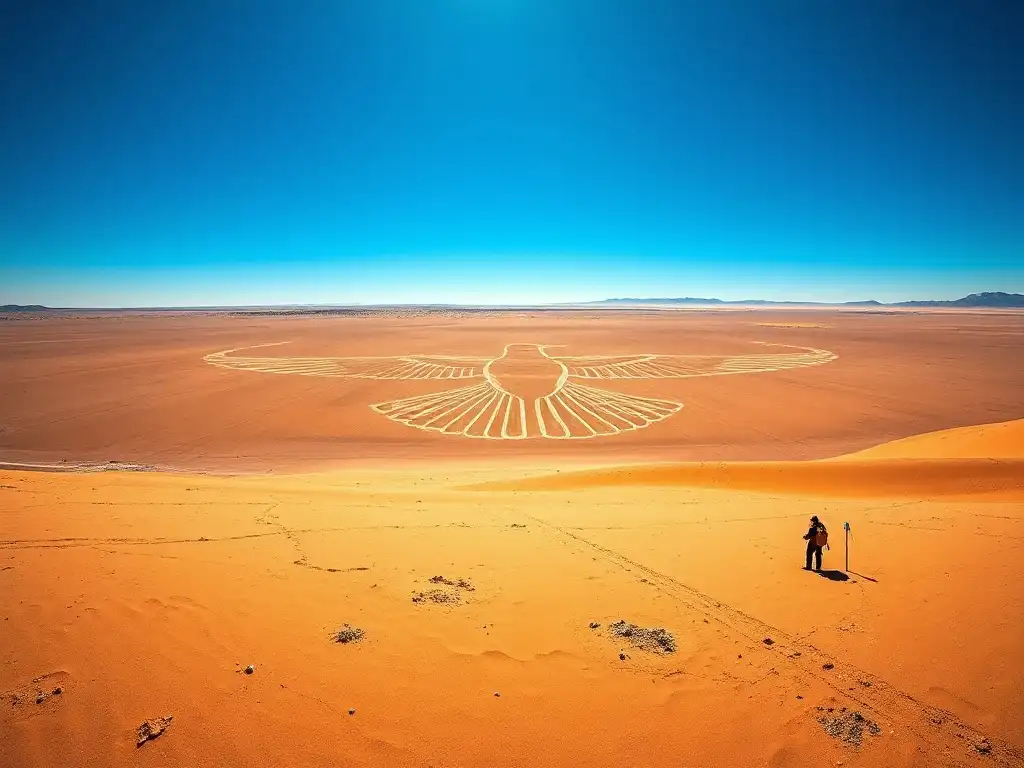
Dive into the enigmatic world of the Andean civilizations! From the towering heights of Inca ingenuity to the breathtaking artistry of the Moche, a tapestry of ancient wonders awaits. But prepare to be captivated by the most perplexing mystery of them all: the Nazca Lines. What secrets do these colossal geoglyphs hold? Uncover the meaning and history behind these awe-inspiring figures and embark on a journey through time. Explore the mysteries, unravel the clues, and discover the truth behind the Nazca Lines – your adventure starts now!
- Nazca Lines: Unveiling the Mystery of Ancient Geoglyphs
- The Meaning and Purpose Behind the Nazca Lines
- The History and Creation of the Nazca Lines
- Types of Nazca Lines and Their Iconography
- Preservation and Modern Research of the Nazca Lines
- The Nazca Lines and Their Legacy
- Frequently Asked Questions
- Final Reflection: Unraveling the Enigma of the Nazca Lines
- Unveil the Secrets of the Nazca Lines!
Nazca Lines: Unveiling the Mystery of Ancient Geoglyphs
The Nazca Lines, enigmatic geoglyphs etched into the Peruvian desert, stand as a testament to the ingenuity and artistry of the Nazca culture. For centuries, these colossal figures—depicting animals, plants, and geometric shapes—have captivated researchers and the public alike, sparking countless theories about their purpose and meaning.
This exploration delves into the history and significance of the Nazca Lines, examining their geographical context, the challenges of their creation, and the enduring mysteries surrounding their existence. Understanding the Nazca Lines offers a crucial window into the advanced civilization that created them, revealing their sophisticated understanding of engineering, astronomy, and possibly, even religious practices.
This article aims to unravel some of these mysteries, providing a comprehensive overview of the Nazca Lines’ meaning and history, focusing on their most famous and intriguing figures. Prepare to be amazed by the scale and complexity of this ancient marvel, a legacy that continues to inspire awe and wonder.
Introduction to the Nazca Lines: An Overview
The Nazca Lines are a collection of over 300 geoglyphs, enormous designs carved into the surface of the Nazca Desert in southern Peru. These figures, ranging from simple geometric shapes to intricate representations of animals and plants, are so immense that they can only be truly appreciated from the air. Created by the Nazca people between 500 BC and 500 AD, these lines remain one of the greatest archaeological enigmas of the world.
Their creation involved painstakingly removing the reddish-brown topsoil to reveal the lighter subsoil, a process that required immense labor and precision. The scale of the undertaking is staggering, with some figures extending over several hundred meters in length. The sheer size and complexity of these geoglyphs immediately raise questions about their purpose, leading to a variety of hypotheses, from astronomical observatories to ceremonial sites, or even landing strips for extraterrestrial visitors.
The mystery surrounding their creation and purpose continues to fuel intense debate and research, making them an endlessly fascinating subject of study. We'll explore some of the most prominent theories later in this article.
The Geographical Location of the Nazca Lines
The Nazca Lines are located in the Nazca Desert, a coastal plain in southern Peru characterized by its arid climate and extremely stable geological conditions. This remarkably dry environment has been crucial in preserving the geoglyphs for centuries. The desert's unique characteristics, including its lack of rainfall and minimal wind erosion, have helped protect these fragile figures from degradation. The lines themselves are situated along a narrow coastal strip, stretching for approximately 50 kilometers.
This specific geographical location, along with the unique geological composition of the desert, played a significant role in both the creation and preservation of these remarkable works of art. The precise location in the Nazca Desert was strategically chosen – likely due to its flat terrain and visibility, maximizing the impact of the designs. The geographical context is therefore integral to understanding the creation, preservation, and even the potential purpose of the Nazca Lines.
Exploring the Nazca Desert: The Canvas of Ancient Art
The Nazca Desert, far from being a barren wasteland, provided the perfect "canvas" for the Nazca people to create their monumental artwork. The distinct layers of soil—a reddish-brown topsoil overlying a lighter subsoil—allowed for the creation of high-contrast images. The process likely involved removing the darker topsoil to reveal the lighter layer below, creating the lines and figures we see today.
The vastness of the desert itself allowed for the creation of incredibly large-scale designs, far exceeding the capabilities of any other ancient civilization. The arid climate, with its minimal rainfall and wind erosion, has been instrumental in preserving these delicate designs for centuries, allowing them to survive to this day. Understanding the environment in which the Nazca Lines were created is crucial to appreciating the scale of the undertaking and the ingenuity of the Nazca people.
The desert's unique characteristics are inextricably linked to the existence and enduring mystery of these remarkable geoglyphs. The desert itself is a key component of the Nazca Lines' story, a silent witness to a remarkable feat of ancient engineering and artistry.
The Meaning and Purpose Behind the Nazca Lines
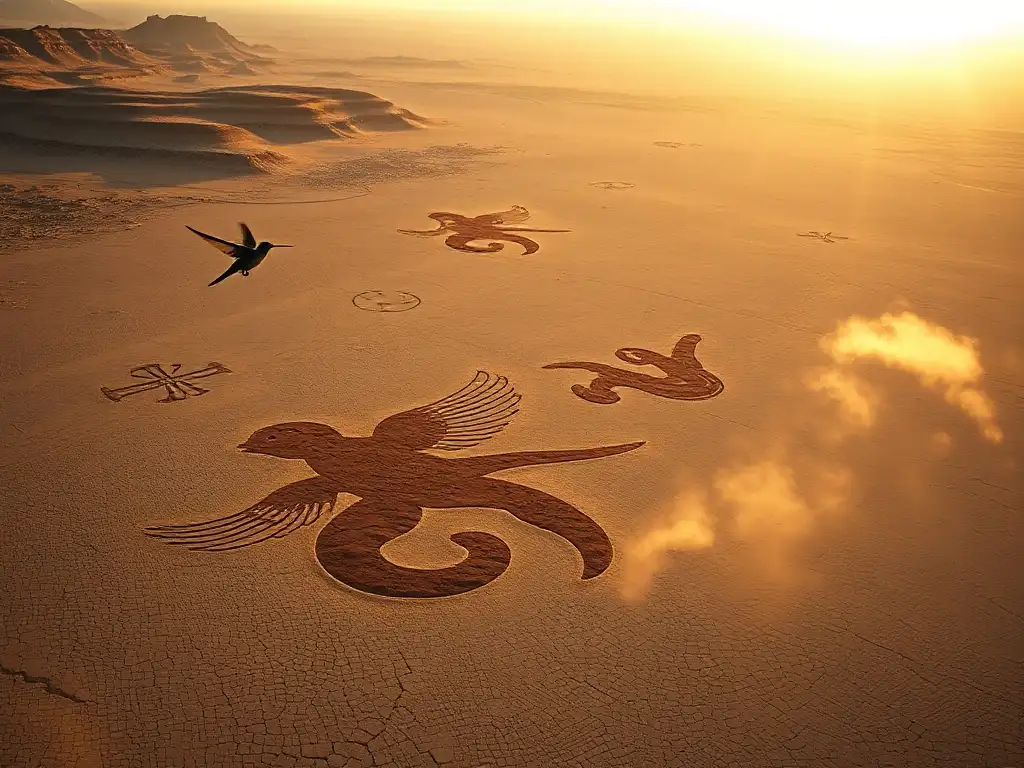
The Nazca Lines, sprawling across the arid Pampas de Jumana in southern Peru, remain one of archaeology's greatest enigmas. Their sheer scale and intricate detail continue to fascinate and inspire countless theories regarding their meaning and purpose. While a definitive answer eludes us, research suggests a complex interplay of factors contributing to their creation, encompassing cosmological beliefs, ritual practices, and potentially even practical considerations.
Understanding the Nazca Lines meaning requires exploring multiple perspectives and piecing together fragmented evidence. The quest to decipher their true significance is an ongoing process, with new discoveries constantly challenging existing interpretations and enriching our understanding of this remarkable cultural phenomenon. This section delves into the leading theories surrounding the Nazca Lines meaning and purpose, analyzing the available evidence and considering the broader context of Nazca society and beliefs.
Deciphering the Nazca Lines Meaning: Theories and Interpretations
Numerous theories attempt to explain the Nazca Lines meaning. Some propose astronomical alignments, suggesting the lines served as a giant astronomical calendar or observatory. This theory points to the potential correlation between certain lines and the solstices or equinoxes. However, precise astronomical alignments haven't been definitively proven for the majority of the figures.
Another prevalent theory emphasizes the lines' role in religious rituals and ceremonies. The vast scale of the geoglyphs and their location in a remote, almost inaccessible desert region suggest a significant ritualistic purpose, perhaps involving pilgrimages or ceremonial processions. The figures themselves, often depicting animals, plants, and stylized humanoids, may have represented deities, shamans, or other figures of religious importance. Furthermore, some researchers suggest a possible connection between the lines and water sources, proposing that certain lines might have guided water flow or marked significant oases.
This hypothesis is supported by the Nazca culture's sophisticated understanding of water management in a desert environment. The complexity of the lines and the variety of interpretations highlight the multifaceted nature of their meaning, likely encompassing aspects of astronomy, religion, and practicality. The lack of definitive written records from the Nazca people presents a significant challenge, leaving researchers to rely on indirect evidence and careful analysis of the lines themselves.
The Nazca People's Worldview and Its Connection to the Geoglyphs
Understanding the Nazca Lines meaning requires understanding the Nazca worldview. The Nazca people lived in a harsh desert environment, where water was a precious resource. Their sophisticated irrigation systems and intricate pottery designs suggest a deep understanding of and reverence for the natural world.
Their worldview likely incorporated a complex cosmology, with celestial bodies and natural phenomena playing a significant role in their religious beliefs. This is evident in their pottery, which often features depictions of celestial events and mythical creatures. The Nazca Lines, in this context, could be interpreted as a tangible manifestation of this worldview, a vast outdoor canvas expressing their cosmological beliefs and spiritual practices.
The figures themselves might represent key elements of their mythology, illustrating their understanding of the universe and their place within it. Further research into Nazca iconography and religious practices is crucial for a more complete understanding of the connection between their worldview and the creation of the geoglyphs. The intricate details of the figures, their stylized representations, and their sheer scale all contribute to the profound mystery and enduring allure of the Nazca Lines, reflecting the rich and complex culture of the Nazca people.
Religious and Ritual Significance of the Nazca Figures
The specific figures depicted in the Nazca Lines—from the hummingbird and spider to the monkey and lizard—likely held significant religious and ritual meaning for the Nazca people. The choice of these particular animals and the stylized manner in which they are depicted suggest a connection to Nazca mythology and beliefs. These figures might have represented deities, shamans, or ancestral spirits, playing a crucial role in their religious ceremonies and rituals. The creation of the lines themselves might have been a ritualistic act, a form of worship or communication with the supernatural.
The immense scale of the undertaking, the precision of the designs, and the challenging desert environment all point towards a significant religious or spiritual motivation. Further research is needed to fully decipher the specific religious meaning of each figure. For example, the frequent depiction of birds might symbolize the connection between the earth and the sky, reflecting the Nazca people's understanding of the cosmos.
Similarly, the representation of animals associated with water sources could relate to their dependence on water and their rituals related to rain and fertility. The religious and ritual significance of the Nazca Lines remains a fascinating area of study, offering valuable insights into the spiritual beliefs and practices of this enigmatic ancient civilization. The intricate details and symbolic representations within the figures continue to challenge researchers, inspiring ongoing investigations into the deeper meaning of these extraordinary works.
Astronomical Alignments and the Nazca Lines: A Connection to the Cosmos
The Nazca Lines' precise purpose remains a mystery, fueling countless theories. One compelling hypothesis centers on their astronomical significance. Researchers have meticulously studied the lines' orientation, discovering potential correlations with celestial events. Some lines seem to align with the solstices and equinoxes, suggesting a sophisticated understanding of the sun's movement across the sky. This alignment isn't random; the precision involved points towards intentional design, possibly for marking important astronomical dates within the Nazca calendar.
Further investigation reveals that certain geoglyphs may represent constellations or specific stars, further strengthening the astronomical interpretation. The intricate knowledge of astronomy required to create these alignments highlights the advanced astronomical understanding of the Nazca culture. This understanding wasn't merely theoretical; it likely played a crucial role in their agricultural practices, religious beliefs, and societal organization. The ability to predict seasonal changes, for example, would have been vital for planning crops and managing water resources in the arid Nazca desert. The astronomical significance of the lines, therefore, may represent a profound connection between the Nazca people and the cosmos, reflecting their worldview and their deep understanding of the natural world.
The ongoing research into these astronomical correlations continues to shed light on the complex relationship between the Nazca culture and the stars, enriching our understanding of the Nazca Lines' meaning and history. The precision of these alignments suggests a level of sophistication surpassing many contemporary civilizations. This theory, while not definitively proven, offers a compelling explanation for the lines' arrangement and potential purpose, adding another layer to the fascinating enigma of the Nazca Lines. Further research and analysis are undoubtedly needed to fully understand the extent of this astronomical connection.
The History and Creation of the Nazca Lines
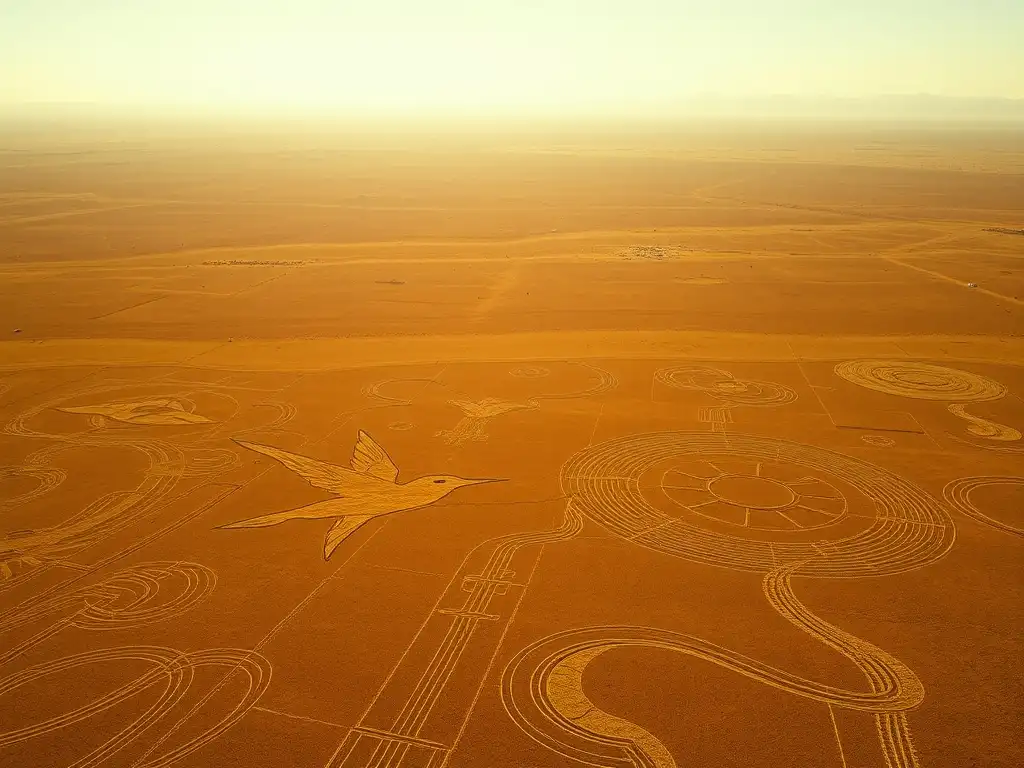
The Nazca Lines, a collection of geoglyphs etched into the Peruvian desert, remain one of archaeology's most enduring mysteries. Their sheer scale and enigmatic nature have captivated researchers and the public alike for decades, sparking countless theories about their purpose and meaning. Understanding their history and creation requires examining the cultural context of the Nazca people and the remarkable techniques they employed.
The Nazca Lines meaning and history are intrinsically linked, with the lines reflecting the beliefs, rituals, and societal structures of this sophisticated pre-Columbian civilization. This section delves into the meticulous process of their creation, exploring the timeline, techniques, and materials used.
The Timeline of Nazca Lines Construction: Dating the Geoglyphs
Pinpointing the exact timeframe for the creation of all the Nazca Lines is challenging. Archaeological evidence, however, suggests a gradual development spanning several centuries. The earliest geoglyphs are believed to date back to the early centuries CE, possibly coinciding with the Paracas culture's influence.
The majority of the lines, however, were created during the Nazca culture's flourishing period, roughly between 200 BCE and 700 CE. This extended period of construction suggests a continuous process of creation and modification, perhaps reflecting evolving religious beliefs or societal changes. Further research, including advanced dating techniques, is needed to refine these estimates and establish a more precise chronological sequence for the creation of individual geoglyphs.
Some researchers believe that the construction continued even after the Nazca culture's decline, possibly by subsequent cultures that revered the Nazca legacy. This ongoing debate highlights the complexity of understanding the Nazca Lines meaning and history within a precise chronological framework.
Techniques Used in Creating the Nazca Lines
The creation of the Nazca Lines was a remarkably precise and labor-intensive undertaking. The Nazca people didn't carve into the desert floor; instead, they removed the dark reddish-brown surface stones, revealing the lighter-colored subsoil. This process, known as descabezamiento, involved meticulous removal of pebbles and stones to create the distinct lines and figures.
The scale of the undertaking is breathtaking; some lines stretch for kilometers, requiring significant coordination and planning. Evidence suggests that the Nazca utilized a system of stakes and ropes to guide their work, ensuring straight lines and accurate shapes. The remarkable precision of the geoglyphs, considering the available tools and technology, points to a sophisticated understanding of geometry and spatial planning.
The creation of the elaborate figures, such as the hummingbird or the monkey, demanded an even higher level of skill and collaboration. This intricate process underlines the deep cultural significance attributed to the Nazca Lines meaning and history.
Materials and Tools Employed by the Nazca Culture
The tools used by the Nazca people in creating their monumental geoglyphs were surprisingly simple. Archaeological findings indicate that they primarily used wooden stakes, ropes made from plant fibers, and simple digging tools, likely made from wood, bone, or stone. There's no evidence of sophisticated metal tools, which further emphasizes the remarkable skill and dedication required to achieve such precision.
The removal of the surface stones was a painstaking process, requiring significant manpower and a deep understanding of the desert environment. The selection of the lighter-colored subsoil as the basis for the lines also suggests an understanding of the desert's composition and its ability to maintain the contrast between the lighter subsurface and the darker surface stones over centuries.
This careful consideration of materials and tools speaks volumes about the Nazca's ingenuity and their deep connection to their environment. The simplicity of their tools underscores the importance of human skill and collective effort in the creation of the Nazca Lines, enriching our understanding of the Nazca Lines meaning and history.
The Scale and Dimensions of the Nazca Lines: A Monumental Feat
The sheer scale of the Nazca Lines is breathtaking. These geoglyphs, etched into the coastal desert of southern Peru, stretch across hundreds of square kilometers. They are not small, delicate designs; rather, they are monumental works, demanding immense effort and planning. Many of the figures, such as the hummingbird or the spider, span hundreds of meters in length. Consider the colossal condor, its wings stretching for over 100 meters—imagine the precision required to create such a vast image on the ground.
The lines themselves, while appearing simple from the air, represent a significant undertaking, requiring the painstaking removal of the dark reddish-brown surface stones to reveal the lighter subsoil. This process, repeated countless times across the vast expanse of the desert, reveals the monumental effort invested in their creation. The sheer volume of material moved to create even a single figure is staggering, a testament to the advanced organizational skills and manpower of the Nazca culture. Estimates of the workforce needed to create these lines vary, but it is clear that a large and organized society was necessary to complete this monumental project. The scale of the undertaking underscores the profound importance these lines held for the Nazca people.
Their creation wasn't a casual endeavor; it was a massive, coordinated project reflecting a complex social structure and belief system. The dimensions of the lines, therefore, are not just a matter of physical size, but also a reflection of the Nazca's societal capabilities and their deep-seated cultural values. The sheer magnitude of the project continues to inspire awe and wonder, highlighting the ingenuity and ambition of this ancient civilization. To fully grasp the Nazca Lines' significance, understanding their immense scale is crucial to appreciating the dedication and resources invested in their creation. The monumental feat of engineering and social organization involved in creating the lines is a key element in understanding their meaning and history.
Types of Nazca Lines and Their Iconography
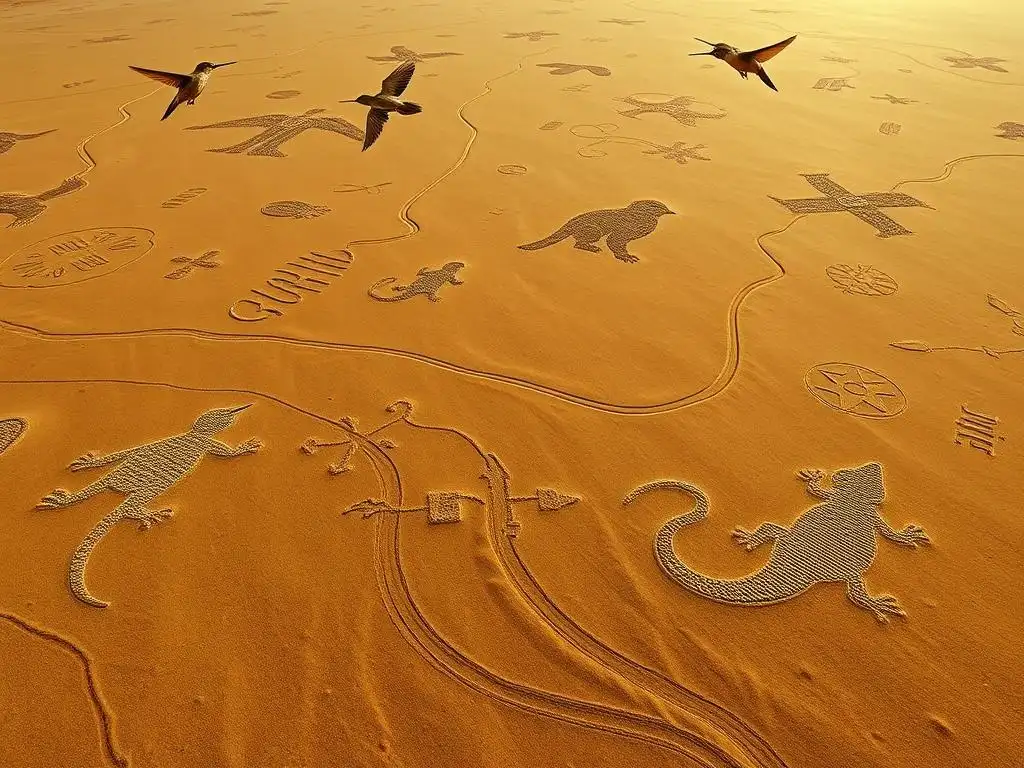
The Nazca Lines, etched into the Peruvian desert, are a breathtaking testament to the ingenuity and artistic vision of the Nazca culture. Understanding their meaning requires examining the diverse range of figures represented. While the precise purpose remains debated, analyzing the iconography offers valuable insights into the Nazca worldview and societal structures.
The sheer scale and complexity of these geoglyphs, coupled with their enigmatic nature, continue to fascinate researchers and inspire awe in visitors. The most prominent categories are zoomorphic, phytomorphic, and geometric figures, each carrying potential symbolic weight. Understanding the diversity of these representations is key to unlocking the secrets of the Nazca Lines meaning and history.
Zoomorphic Figures: Animals Depicted in the Nazca Lines
Zoomorphic figures constitute a significant portion of the Nazca Lines. These representations of animals are remarkably detailed, capturing the essence of the creatures with impressive accuracy. The scale of some of these figures is astounding, stretching hundreds of meters across the desert floor. This level of precision in design and execution speaks volumes about the advanced planning and sophisticated understanding of geometry possessed by the Nazca people.
Several hypotheses attempt to explain the prevalence of zoomorphic figures. Some scholars suggest they may represent animals significant to Nazca mythology or religious beliefs. Others propose a connection to the natural environment, with the animals depicted reflecting the fauna of the Nazca region. The diversity of animals represented is striking, including:
- Hummingbirds 🐦
- Spiders 🕷️
- Monkeys 🐒
- Lizards 🦎
- Fish 🐠
- Birds of prey (e.g., condors) 🦅
The intricate details, such as the feathers of birds or the legs of spiders, suggest a profound understanding of the animals' anatomy and behavior. Further research is needed to definitively determine the specific meaning and significance of each animal depicted, but their sheer number and detailed representation undeniably reflect a deep connection between the Nazca people and the animal kingdom. The meticulous rendering of these creatures, particularly their scale and accuracy, challenges our understanding of the technological capabilities of the Nazca civilization, adding another layer to the Nazca Lines meaning and history.
Phytomorphic Figures: Plant Representations in the Nazca Lines
Beyond the captivating animal figures, the Nazca Lines also feature representations of plants. These phytomorphic figures, though less prevalent than zoomorphic ones, offer valuable insights into the agricultural practices and ecological understanding of the Nazca culture. The arid climate of the Nazca region necessitates careful water management, making the depiction of plants potentially symbolic of their importance to survival and prosperity.
While the identification of specific plants remains challenging due to stylistic conventions and the degradation of some lines, some interpretations suggest the representation of:
- Cacti 🌵
- Trees 🌳
- Possibly specific crops crucial to their diet [specific information pending]
The inclusion of plant life in the Nazca Lines adds another layer of complexity to their overall meaning. These depictions likely held symbolic value, possibly representing fertility, abundance, or the cycle of life and death. The careful observation of the natural world reflected in these representations underscores the Nazca people's deep connection to their environment, a crucial aspect of their survival in a harsh desert landscape. Further investigation into the specific plant species represented is crucial to fully understanding the significance of these phytomorphic figures within the broader context of Nazca Lines meaning and history.
Geometric Shapes and Lines: Patterns and Their Significance
A significant portion of the Nazca Lines comprises geometric shapes and lines. These range from simple lines and triangles to complex spirals and trapezoids. Unlike the zoomorphic and phytomorphic figures, the meaning of these geometric patterns is even more elusive. However, their prevalence suggests they played a crucial role in Nazca culture.
Several theories attempt to explain their purpose:
- Calendrical markers: Some researchers suggest that the geometric figures might be linked to astronomical observations, acting as a type of calendar or astronomical observatory.
- Ritual pathways: Others propose that the lines served as pathways for ritual processions or ceremonies, guiding participants through a sacred landscape.
- Land division: A less prevalent theory suggests that the geometric designs might have been used to demarcate land boundaries or agricultural plots.
The sheer scale and precision of these geometric figures are remarkable. The lines are remarkably straight, spanning vast distances with minimal deviation. This level of engineering accuracy demonstrates a sophisticated understanding of surveying and measurement techniques, far more advanced than previously thought possible for the time period.
Further research, including advanced surveying and satellite imagery analysis, is needed to explore the potential astronomical alignments and to fully understand the role of geometric shapes in the Nazca Lines meaning and history. The mystery surrounding these patterns adds to the overall enigma of the Nazca Lines, making them a subject of ongoing fascination and research.
Anthropomorphic Figures: Human Forms in the Nazca Geoglyphs
Anthropomorphic figures, depicting human-like forms, represent a significant portion of the Nazca Lines' iconography. These figures are incredibly diverse, ranging from relatively simple representations to highly detailed and complex designs. Some are depicted in profile, with clearly defined heads, limbs, and sometimes even clothing or adornments. Others are more abstract, with stylized features and less emphasis on realistic anatomical accuracy. The size variation is also striking; some anthropomorphic figures span hundreds of feet, while others are considerably smaller. This diversity suggests a complex system of meaning and representation, possibly reflecting different social roles, deities, or even mythological narratives.
The level of detail in some of these figures is truly remarkable. Researchers have painstakingly documented intricate details such as headdresses, ornaments, and even what appear to be stylized weapons or tools. These details provide valuable insights into the clothing, adornment, and possibly even the social hierarchy of the Nazca culture. For example, some figures wear elaborate headdresses, suggesting a high social status or religious significance. Others may depict individuals engaged in specific activities, offering glimpses into their daily life and rituals.
One particularly interesting aspect of the anthropomorphic figures is their apparent connection to other motifs found in Nazca art. Many of the features and styles observed in the geoglyphs are mirrored in textiles, ceramics, and other artifacts discovered in Nazca sites. This cross-referencing allows researchers to build a more comprehensive understanding of the cultural context and potential meaning behind these human-like representations.
The recurring motifs, such as specific headdresses or body adornments, suggest a standardized system of symbolic representation, possibly linked to specific clans, lineages, or religious beliefs. The study of these parallels between the geoglyphs and other art forms is crucial in deciphering the messages encoded within the Nazca Lines.
Further research is needed to fully unravel the complex tapestry of meanings embedded within these enigmatic figures. The ongoing analysis of the anthropomorphic figures, combined with the study of other Nazca art forms, promises to reveal more about the beliefs, rituals, and social structures of this fascinating ancient civilization.
Preservation and Modern Research of the Nazca Lines
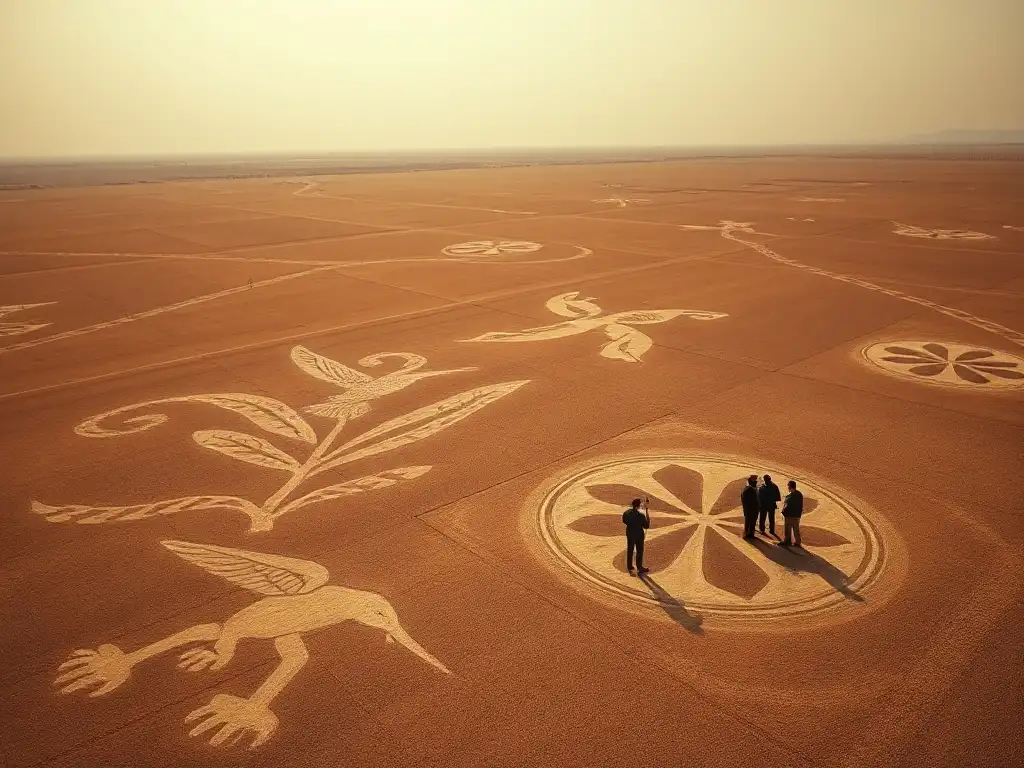
The Nazca Lines, a UNESCO World Heritage site, face numerous threats that jeopardize their long-term preservation and understanding. Their fragility, coupled with the impact of human activity and natural phenomena, necessitates ongoing and innovative conservation efforts. Understanding the meaning and history of these enigmatic figures requires a multi-faceted approach, combining careful preservation with cutting-edge research methodologies.
The significance of the Nazca Lines, both as a testament to the ingenuity of the Nazca culture and as a globally recognized archaeological marvel, demands a robust and proactive preservation strategy. The continued study of the Nazca Lines is crucial not only for understanding their history but also for safeguarding this irreplaceable cultural heritage for future generations.
Challenges in Preserving the Nazca Lines
Preserving the Nazca Lines presents a unique set of challenges. The geoglyphs themselves are incredibly delicate, etched into the surface of the desert pavement. Even subtle changes in the environment, such as wind erosion, can gradually degrade the lines, obscuring their intricate details. Furthermore, the lines' location in a relatively arid region makes them vulnerable to flash floods, which can cause significant damage in a short period. Human activity also poses a substantial threat.
Unauthorized access, off-road driving, and even the construction of nearby infrastructure can disturb the delicate surface and compromise the integrity of the geoglyphs. The subtle nature of the markings makes them highly susceptible to damage from even minor disturbances. For example, foot traffic, while seemingly harmless, can compact the soil and alter the appearance of the lines over time. This necessitates strict access control and ongoing monitoring to mitigate human impact.
The increasing tourism to the region, while beneficial for local economies, also presents a significant challenge. Without adequate regulation and management, the sheer number of visitors can lead to environmental degradation and damage to the geoglyphs. Balancing the economic benefits of tourism with the need to preserve the Nazca Lines is a crucial aspect of their long-term protection. Finding a balance that permits responsible tourism while minimizing environmental impact is a constant challenge.
Modern Research Methods and Technologies Used in Studying the Geoglyphs
Modern researchers employ a range of sophisticated methods to study the Nazca Lines, moving beyond traditional archaeological techniques. High-resolution aerial photography, including drone imagery, provides detailed views of the geoglyphs, allowing researchers to identify previously unknown figures and analyze their features with unprecedented accuracy. Ground-penetrating radar (GPR) is used to investigate the subsurface layers, revealing information about the construction techniques and the possible existence of buried structures associated with the lines.
Geographic Information Systems (GIS) are employed to create detailed maps and models of the site, facilitating the analysis of spatial relationships between the geoglyphs and their surrounding environment. Furthermore, advanced image processing techniques are used to enhance the visibility of the lines and identify subtle variations in soil color and texture.
The analysis of soil samples from the site provides valuable insights into the materials used in constructing the geoglyphs and the environmental conditions at the time of their creation. This interdisciplinary approach, combining archaeological methods with advanced technologies, is essential for a comprehensive understanding of the Nazca Lines' meaning and their history. The use of these technologies allows researchers to unlock new details about the creation, purpose, and significance of these remarkable figures. Recent studies using spectral analysis have even revealed previously unseen details in the lines, highlighting the ongoing potential for new discoveries.
Conservation Efforts to Protect the Nazca Lines
Numerous conservation efforts are underway to protect the Nazca Lines from further degradation. These efforts involve a combination of preventative measures, such as restricting access to sensitive areas, and active interventions, such as soil stabilization and erosion control. Regular monitoring of the site is crucial to identify any signs of damage or deterioration promptly. This allows for swift intervention to mitigate the impact of natural events or human activity.
Educational initiatives are also vital in raising public awareness about the importance of preserving the Nazca Lines. By educating visitors and local communities about the fragility of the site and the importance of responsible behavior, conservation efforts can be more effective. These educational programs strive to instill a sense of stewardship, encouraging responsible tourism and discouraging activities that could harm the geoglyphs.
Furthermore, international collaboration plays a significant role in conservation efforts. The sharing of knowledge, resources, and expertise between researchers and organizations worldwide helps to ensure the long-term preservation of this important cultural heritage. The collaborative nature of the preservation efforts emphasizes the global significance of the Nazca Lines and underscores the need for a unified approach to safeguarding this unique archaeological treasure.
Continued funding and support are crucial to the success of these ongoing projects, ensuring that future generations can appreciate the history and meaning behind these awe-inspiring figures. The ongoing commitment to preserving the Nazca Lines represents a global effort to protect our shared cultural heritage.
The Nazca Lines and Their Legacy
The Nazca Lines, etched into the Peruvian desert, stand as a testament to the ingenuity and artistry of the Nazca culture. Their creation, spanning centuries, represents a significant achievement in geoglyph construction and presents a fascinating puzzle for modern researchers.
Understanding the Nazca Lines meaning and history requires considering not only their creation but also their lasting impact on the world. Their enduring mystery continues to fuel scientific inquiry, inspire artistic interpretations, and drive tourism to the region, solidifying their place as a globally recognized cultural icon.
The lines themselves, a vast collection of geoglyphs depicting animals, plants, and geometric shapes, are a powerful symbol of the Nazca people's sophisticated understanding of their environment and their unique worldview. The legacy of the Nazca Lines extends far beyond their physical presence in the desert; they represent a continuous dialogue between past and present, a legacy that continues to shape our understanding of ancient civilizations and their enduring contributions.
The Impact of the Nazca Lines on Modern Culture
The Nazca Lines have profoundly impacted modern culture, transcending their geographical boundaries and resonating with people worldwide. Their enigmatic nature has sparked countless interpretations, from astronomical alignments to ritualistic practices, fueling ongoing debates and research. This enduring mystery has made them a prominent subject in popular culture, appearing in documentaries, books, and even fictional works.
Furthermore, their unique aesthetic has influenced contemporary art, inspiring artists to explore similar themes of scale, perspective, and the interplay between nature and human creation. The lines' enduring appeal is further evidenced by their presence in popular media, often used as symbols of mystery, ancient wisdom, and the enduring power of human creativity. The continued fascination with the Nazca Lines highlights their significance not merely as archaeological artifacts but as powerful cultural symbols that continue to inspire and intrigue.
For instance, the distinctive imagery of the hummingbird or the monkey frequently appears in modern art and design, drawing inspiration from these ancient geoglyphs. This cultural diffusion underscores the lines' profound and lasting impact on modern artistic expression and cultural consciousness.
The Nazca Lines as a UNESCO World Heritage Site
In 1994, the Nazca Lines were designated a UNESCO World Heritage Site, recognizing their outstanding universal value and the need for their preservation. This designation underscores the international importance of the site and emphasizes the need for careful management and protection against the threats of erosion, vandalism, and unsustainable tourism. The UNESCO status provides a framework for international cooperation in the conservation and promotion of this invaluable cultural heritage.
The designation ensures that the Nazca Lines are not only preserved for future generations but also made accessible to researchers and visitors in a responsible and sustainable manner. This recognition also translates to increased funding and support for research and conservation efforts, contributing significantly to a better understanding of the Nazca Lines meaning and history.
The rigorous standards and guidelines set by UNESCO ensure the long-term protection of these fragile geoglyphs, safeguarding them for future generations to appreciate and study. The UNESCO World Heritage status is a testament to the significance of the Nazca Lines as a unique and irreplaceable part of humanity's cultural heritage.
Visiting the Nazca Lines: Tourism and Accessibility
Tourism plays a significant role in the Nazca Lines' preservation and economic development of the surrounding region. However, managing this influx of visitors sustainably is crucial. The fragility of the geoglyphs necessitates careful planning and responsible tourism practices. Accessibility is primarily achieved through aerial tours, offering a unique perspective of the vast scale and intricate detail of the lines.
These flights provide a memorable experience for tourists, while also contributing to the local economy. However, ground-based viewing points are also available, providing alternative perspectives and potentially less impactful options. Balancing the benefits of tourism with the need for conservation is an ongoing challenge that requires careful management and collaboration between local communities, government agencies, and tourism operators.
Sustainable tourism practices, such as limiting visitor numbers and promoting responsible behavior, are essential to ensuring the long-term preservation of this incredible site. The future of the Nazca Lines hinges on responsible tourism management, striking a delicate balance between economic development and environmental protection. Careful consideration of the environmental impact and the development of sustainable tourism strategies are crucial for the preservation of this invaluable cultural heritage for future generations.
Unsolved Mysteries and Future Research Directions
The Nazca Lines, despite decades of research and study, continue to hold many unsolved mysteries. The precise methods used in their creation remain a subject of debate. While we understand the basic principles—clearing the dark desert varnish to reveal the lighter subsoil—the tools and techniques employed, especially for the larger and more intricate figures, require further investigation.
Did they use simple digging tools, or were more sophisticated instruments involved? The sheer scale of some designs, spanning hundreds of meters, suggests a level of organization and planning that is still not fully understood. Further research into the societal structure and labor organization of the Nazca culture is crucial to understanding how such monumental projects were undertaken.
Another ongoing mystery is the true purpose of the lines. While the most popular theories involve astronomical alignments, ritualistic practices, and water management systems, conclusive evidence remains elusive. Some researchers suggest that the lines may have served multiple purposes, evolving over time and reflecting changing cultural needs and beliefs.
Advanced geophysical surveys, combined with detailed cartographic analyses, could reveal subtle features or patterns currently hidden from view, potentially providing new insights into their function. The use of advanced imaging techniques, such as satellite imagery and aerial photography with enhanced resolution, promises to unveil further details of the lines' construction and potential relationships between various figures and geoglyphs.
The impact of environmental factors on the preservation of the lines is another area needing further study. Erosion, both natural and human-induced, poses a significant threat to these fragile monuments. Research into effective conservation strategies, considering climate change and the increasing tourist footfall, is vital for ensuring the long-term preservation of this unique cultural heritage.
Understanding the composition of the desert varnish and the underlying soil layers is crucial to developing effective strategies for protection and remediation. This includes studying the effects of wind, rain, and human activity on the degradation process and developing innovative methods to mitigate these factors. The development of non-invasive monitoring techniques, combined with predictive modelling, could significantly enhance our ability to manage and preserve the Nazca Lines for future generations.
This interdisciplinary approach, involving archaeologists, geologists, climatologists, and conservation experts, is essential to understanding and protecting this iconic site. The Nazca Lines, a testament to the ingenuity and artistic expression of the Nazca culture, continue to inspire awe and wonder, prompting continued research and exploration into their meaning and history.
Frequently Asked Questions
What are the Nazca Lines?
The Nazca Lines are geoglyphs—giant figures and lines etched into the desert surface of the Nazca plateau in southern Peru. They were created by the Nazca culture between 500 BC and 500 AD.
What do the Nazca Lines depict?
The lines depict a variety of images, including animals (like monkeys, birds, and lizards), plants, geometric shapes, and human-like figures. Their exact purpose remains a mystery.
Why were the Nazca Lines created?
Theories abound, ranging from ceremonial purposes to astronomical alignments and even water sources. No single theory is universally accepted.
How were the Nazca Lines created?
The Nazca people created the lines by removing the dark reddish pebbles from the surface, revealing the lighter-colored earth beneath. This process created the striking contrast we see today.
What is the significance of the Nazca Lines' meaning and history?
The Nazca Lines are significant for their scale, complexity, and mystery. They represent a remarkable feat of engineering and offer valuable insight into the beliefs and practices of the Nazca culture. Their continued study helps us understand ancient Andean civilizations.
Final Reflection: Unraveling the Enigma of the Nazca Lines
The enduring mystery of the Nazca Lines continues to captivate us, a testament to the ingenuity and spiritual depth of a civilization lost to time. Their sheer scale and enigmatic nature remain a powerful reminder of humanity's capacity for both monumental creation and profound spiritual expression, a legacy that resonates deeply even in our modern world. The precise meaning behind these geoglyphs may forever remain elusive, but their existence itself speaks volumes.
The Nazca Lines' impact extends far beyond the arid plains of Peru; they serve as a potent symbol of cultural preservation and the importance of understanding our shared past. Their continued study and preservation efforts highlight the ongoing dialogue between past and present, a conversation that enriches our understanding of human civilization. The past is never dead. It's not even past.
– William Faulkner. This quote perfectly encapsulates the enduring relevance of the Nazca Lines, reminding us that the echoes of ancient cultures continue to shape our present.
Consider, for a moment, the sheer effort and dedication required to create these colossal figures. What can we learn from the Nazca people's commitment to their beliefs and artistic vision? Let the mystery of the Nazca Lines inspire you to seek out the hidden wonders in your own life, to appreciate the enduring power of human creativity, and to strive for a deeper understanding of the world and its rich tapestry of cultures. Embrace the unknown, for within it lies the potential for profound discovery and a renewed appreciation for the enduring legacy of human ingenuity.
Unveil the Secrets of the Nazca Lines!
Thank you for exploring the fascinating world of the Nazca Lines with us! We hope you've gained a deeper understanding of these remarkable geoglyphs and their enduring mysteries. Now, let's delve even further into this incredible history!
Here are some ways you can continue your exploration:
- **Learn about the Nazca Lines' UNESCO World Heritage status. ** Research their inscription on this prestigious list and the implications for their preservation.
- **Plan a visit to the Nazca Lines. ** Experience their grandeur firsthand or explore the many immersive online tours available, offering detailed views of these ancient marvels.
- **Share your knowledge! ** Discuss these captivating images with friends, family, or on social media, inspiring others to learn about the fascinating Andean civilizations that created them.
What aspect of the Nazca Lines has captivated you the most, and how would you like to deepen your understanding?