
Nazca Lines: The Intricate Details of the Geoglyph Designs

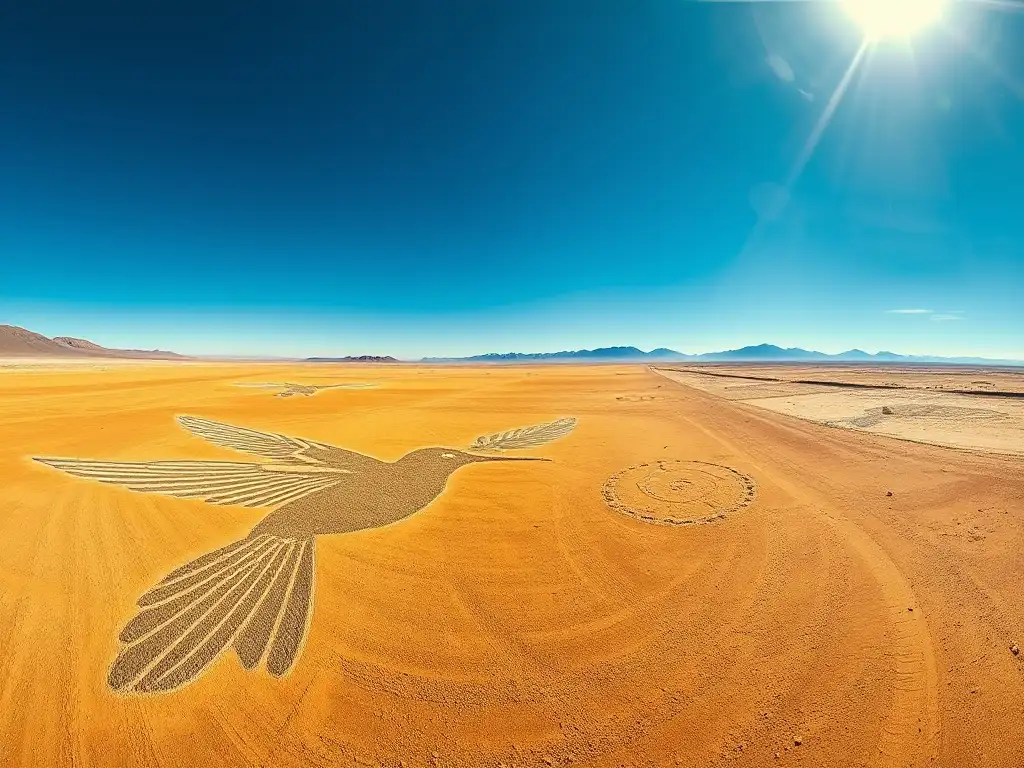
Step into a world lost to time, where the desert whispers secrets of a vanished empire. Imagine colossal creatures and intricate designs etched into the earth, defying explanation for millennia. This is the enigma of the Nazca Lines, and here at Andean Civilizations, we delve into the intricate details of their geoglyph design. Uncover the mysteries behind these awe-inspiring creations – prepare to be amazed.
The Nazca Lines, etched into the Peruvian desert, represent one of the most enduring mysteries of the ancient world. These colossal geoglyphs, sprawling across hundreds of square kilometers, depict a bewildering array of animals, plants, geometric shapes, and human figures.
This article delves into the intricate details of these designs, exploring their complexity, potential meanings, and the remarkable engineering feat their creation represents. We will examine the specific characteristics of various geoglyphs, analyzing their stylistic variations and offering insights into the techniques used by the Nazca culture to create these awe-inspiring works of art.
Understanding the intricate details of the Nazca lines geoglyph designs allows us to appreciate the sophistication and artistry of this ancient civilization and to ponder the enduring questions surrounding their purpose and creation. This exploration will move beyond simple descriptions, focusing on the nuances that make each geoglyph unique and contribute to the overall enigma of the Nazca Lines.
Diverse Iconography of the Nazca Lines
The Nazca Lines boast an astonishing diversity of designs. While some are easily recognizable representations of animals like the hummingbird, monkey, spider, and lizard, others are more abstract and challenging to interpret. Many depict stylized birds, often in flight, showcasing a remarkable understanding of avian anatomy and movement. The scale of these representations is breathtaking; some geoglyphs stretch for hundreds of meters, demanding a level of precision and planning that is still debated by researchers today. The geometric designs, including triangles, trapezoids, and spirals, add another layer of complexity, further fueling speculation about their significance. The careful observation of these forms reveals subtle variations in line thickness, curvature, and even the use of negative space, all contributing to the unique character of each geoglyph. Further research into the stylistic variations between different animal representations, for example, could reveal clues about the cultural beliefs and social structures of the Nazca people.
The Engineering Marvel of Geoglyph Construction
The sheer scale and precision of the Nazca Lines raise compelling questions about their construction. How did the Nazca people, lacking advanced technology, manage to create such intricate designs across such vast distances? Evidence suggests they used simple tools, possibly stakes and ropes, to mark out the lines, carefully clearing away the dark surface stones to reveal the lighter subsoil. The process must have been incredibly laborious, requiring meticulous planning and coordination among a large workforce.
The remarkable accuracy of the lines, even across long distances, speaks to the Nazca’s advanced understanding of surveying and geometry. Further investigation into the tools and techniques employed, along with a detailed analysis of the geoglyph construction process, could shed light on the organizational capabilities and social structure of Nazca society. [Specific information pending on the exact number of people involved in the construction].
Interpretations and Theories Surrounding the Nazca Lines Geoglyph Designs
The purpose of the Nazca Lines remains a subject of ongoing debate. While some researchers suggest they served as astronomical calendars or ceremonial pathways, others propose they were related to water rituals or even served as a form of communication with the gods. The intricate details of the designs themselves offer clues, but their precise meaning remains elusive.
The symbolic significance of the animals and plants depicted, for example, is still under investigation. Some scholars suggest that the geoglyphs represent a complex system of beliefs and rituals, while others focus on their potential role in marking territorial boundaries or water sources. The lack of definitive written records from the Nazca civilization further complicates the interpretation process.
Future research should focus on cross-referencing the geoglyphs with other archaeological findings to gain a more complete understanding of their context and meaning. More detailed analysis of similar patterns found in other ancient Andean cultures might provide additional insights.
The Ongoing Research and Preservation Efforts
The Nazca Lines are a fragile treasure, vulnerable to the elements and human impact. Ongoing research and preservation efforts are crucial to protect these invaluable historical artifacts. Scientists use a variety of techniques, including aerial photography and satellite imagery, to study and document the geoglyphs. Efforts are also underway to mitigate the impact of tourism and environmental degradation.
The implementation of sustainable tourism practices, combined with advanced preservation techniques, is essential for ensuring the long-term survival of these incredible works of art. Furthermore, continuing research into the geoglyphs’ composition and deterioration rates will be essential for developing effective conservation strategies. [Specific details on current preservation techniques and funding sources pending].
- Diverse Iconography of the Nazca Lines
- The Engineering Marvel of Geoglyph Construction
- Interpretations and Theories Surrounding the Nazca Lines Geoglyph Designs
- The Ongoing Research and Preservation Efforts
Understanding the Nazca Geoglyphs: An Overview
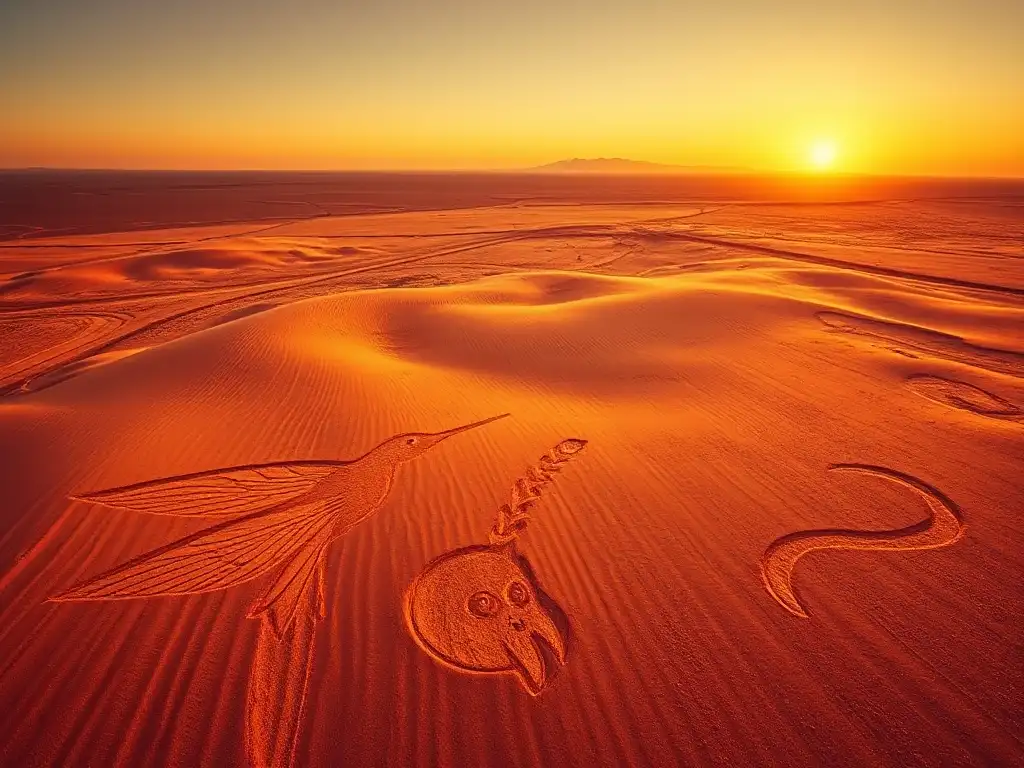
This section delves into the intricacies of Nazca geoglyph design, exploring the fascinating details that continue to captivate researchers and visitors alike. We'll move beyond general descriptions to examine the specific techniques, motifs, and possible meanings embedded within these enigmatic earthworks. Understanding the Nazca lines geoglyph design details requires a multi-faceted approach, combining archaeological findings with anthropological interpretations. The sheer scale and precision of these designs are remarkable, prompting ongoing investigation into their creation and purpose. The complexity of the lines themselves, coupled with the surrounding landscape, presents a unique challenge to deciphering their significance.
The Location and Scope of the Nazca Lines
The Nazca Lines are located in the Nazca Desert of southern Peru, a coastal plain characterized by its aridity and exceptionally flat terrain. This unique geography played a crucial role in the preservation of the geoglyphs, shielding them from the erosive forces of wind and rain. The lines themselves stretch across an area of approximately 500 square kilometers, a vast expanse showcasing hundreds of figures, ranging from simple lines and geometric shapes to complex representations of animals, plants, and anthropomorphic forms.
The scale of the undertaking is truly awe-inspiring; some of the larger geoglyphs, such as the hummingbird or the spider, measure hundreds of meters in length. The sheer size necessitates viewing them from a significant altitude, a fact which fuelled early speculation about their purpose. Detailed mapping and surveying efforts continue to reveal new geoglyphs, expanding our understanding of the scope and complexity of this remarkable project.
The precise number of geoglyphs remains a subject of ongoing research, with new discoveries regularly being made. Many smaller designs and lines are only visible through aerial photography or advanced digital imaging techniques.
Historical Context of the Nazca Culture and Geoglyphs
The Nazca culture flourished in the southern coastal region of Peru from approximately 100 BCE to 800 CE. Their sophisticated irrigation systems, advanced pottery, and intricate textiles reflect a high level of societal organization and artistic skill. The creation of the Nazca Lines is believed to have occurred during the height of the Nazca civilization, although precise dating remains a challenge due to the nature of the geoglyphs themselves. The lines were not created all at once but rather over several centuries, suggesting a continuous process of creation and modification.
Anthropological research suggests a strong connection between the geoglyphs and the Nazca people's religious beliefs and practices. Some scholars propose that the lines served as pathways for ceremonial processions or were part of rituals related to water and fertility, crucial elements in the arid Nazca environment. The intricate designs themselves may represent deities, animals with sacred significance, or symbols connected to the Nazca worldview.
The lack of written records from the Nazca period means that much of the interpretation remains speculative, relying on careful analysis of the geoglyphs in conjunction with other archaeological evidence such as pottery, textiles, and burial sites. Ongoing research continues to shed light on the cultural context of these enigmatic lines, providing a richer understanding of the Nazca civilization and their relationship with their environment. The meticulous craftsmanship involved in the creation of these geoglyphs speaks volumes about the engineering skills and societal organization of the Nazca people.
Decoding the Nazca Lines Geoglyph Design
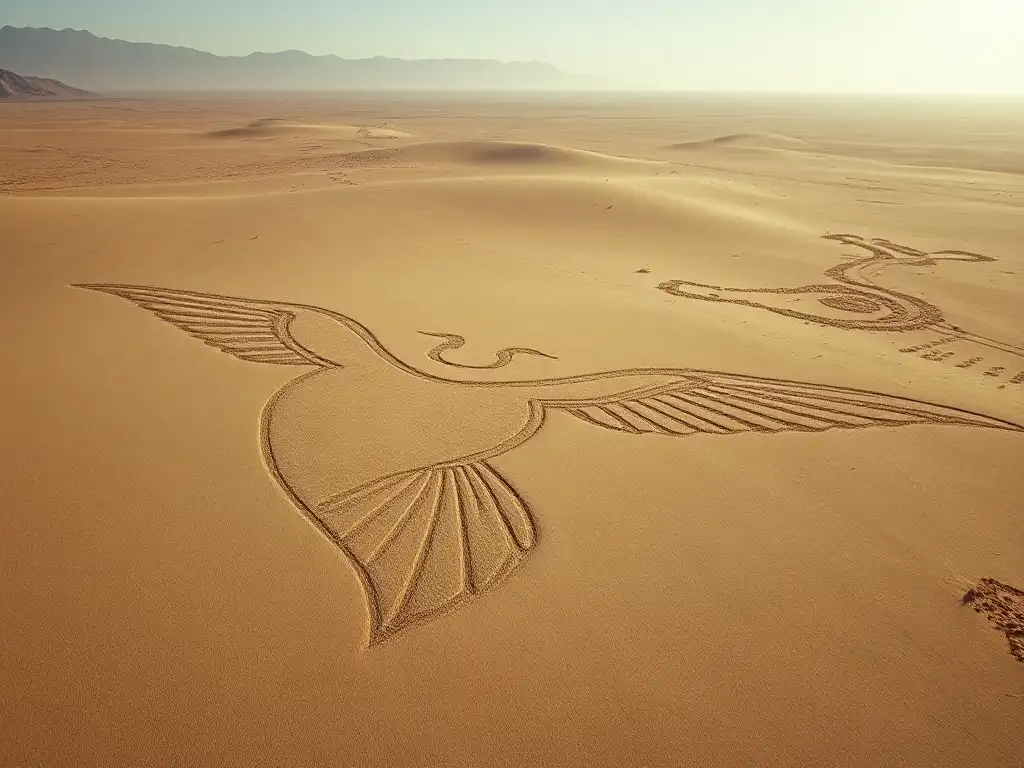
The Nazca lines, etched into the Peruvian desert, represent a monumental feat of engineering and artistic expression. Understanding the Nazca lines geoglyph design details requires a multi-faceted approach, considering the vast range of motifs, the precision of their execution, and the potential meanings embedded within. While the precise purpose remains debated, analyzing the intricate details of the geoglyphs offers significant insights into the Nazca worldview and their sophisticated understanding of their environment.
The sheer scale of the undertaking, coupled with the aridity of the landscape, underscores the dedication and technological prowess of the Nazca culture. This section delves into the diverse motifs, focusing on the geometric forms, zoomorphic representations, and the intriguing complexity of their design.
The Variety of Nazca Geoglyph Motifs
The Nazca lines are not a homogenous collection of images. Instead, they encompass a remarkably diverse range of motifs, broadly classified into geometric shapes, zoomorphic figures (animals), and phytomorphic representations (plants). This incredible variety suggests a rich symbolic language, potentially reflecting a complex cosmology or a record of societal structures and beliefs. Some geoglyphs are simple, consisting of basic lines and shapes, while others are incredibly detailed and intricate, showcasing the artists' mastery of scale and perspective.
The sheer number of geoglyphs discovered—hundreds, with more potentially undiscovered—further emphasizes the scope of this artistic and cultural phenomenon. Researchers continue to debate the exact number, as new geoglyphs are occasionally revealed through erosion or technological advancements like aerial surveys and satellite imagery. This ongoing discovery process continually adds to our understanding of the Nazca lines geoglyph design details, revealing new layers of complexity and prompting further investigation into their significance. The variety itself is a significant element, suggesting a complex social and symbolic system far exceeding simple decoration.
Geometric Shapes and Patterns in Nazca Designs
A significant portion of the Nazca geoglyphs consists of geometric shapes and patterns. These range from simple lines and triangles to more complex designs incorporating spirals, trapezoids, and other geometric forms. The precision with which these shapes are executed is astonishing, especially considering the tools and techniques available to the Nazca people. Many of these designs are characterized by their remarkable straightness, suggesting the use of sophisticated surveying techniques.
| Shape | Frequency (Estimate) | Potential Significance |
|---|---|---|
| Straight Lines | Very High | Possibly paths, boundaries, or astronomical alignments. |
| Triangles | High | Symbolic representations; possibly related to deities. |
| Spirals | Moderate | Possibly representing water sources or cyclical processes. |
| Trapezoids | Moderate | Possibly architectural representations or land divisions. |
The arrangement of these geometric shapes within larger compositions further enhances their complexity. Some designs incorporate multiple geometric forms interwoven to create intricate patterns, while others utilize simple shapes to create powerful visual effects. The interplay between these simple and complex forms highlights the sophisticated understanding of geometry and design possessed by the Nazca civilization. Further research is needed to fully understand the mathematical principles underlying these designs and their potential symbolic meanings.
Zoomorphic Figures: Animals in Nazca Geoglyphs
Perhaps the most striking and widely recognized Nazca geoglyphs are the zoomorphic figures—depictions of animals. These range from relatively simple representations of birds and reptiles to highly detailed portrayals of mammals, such as monkeys and felines. The scale of these animal figures is often immense, with some stretching hundreds of meters in length. The level of detail, particularly in the rendering of anatomical features, is remarkable. For example, the hummingbird geoglyph showcases incredible precision in its depiction of the bird's delicate wings and slender body.
The selection of animals depicted also provides valuable clues to the Nazca worldview. Many of the animals represented, such as condors, snakes, and lizards, are native to the region. This suggests a close connection between the Nazca people and their environment, with the animals possibly holding spiritual or symbolic importance.
However, some of the depicted animals are less common or even extinct, prompting speculation about the possible influences of other cultures or the existence of mythical creatures in the Nazca belief system. The Nazca lines geoglyph design details in these zoomorphic representations are not merely artistic; they could represent a complex system of beliefs and traditions. Further investigation into the symbolism of these animals and their cultural significance is crucial for a deeper understanding of the Nazca civilization.
Anthropomorphic Representations within the Nazca Lines
Anthropomorphic figures, depicting human-like forms, constitute a significant portion of the Nazca lines geoglyph designs. These figures are not simply stick figures; they exhibit a surprising level of detail and complexity, considering the scale and the tools available to the Nazca people. Many show stylized features, such as exaggerated heads, limbs, and clothing. The level of detail varies considerably; some are quite simple, while others are remarkably intricate, with elaborate headdresses, adornments, and even what appear to be gestures or postures. The size of these anthropomorphic figures also varies greatly, ranging from relatively small representations to colossal figures stretching hundreds of meters in length.
This diversity suggests a potential range of meanings or purposes for these geoglyphs, possibly representing deities, ancestors, or shamanistic figures. Scholars continue to debate the precise meaning of these representations, analyzing their postures, attire, and accompanying symbols to unlock their secrets. The study of these figures is ongoing, with new discoveries and interpretations constantly emerging. Careful analysis of the lines' curvature, the use of negative space, and the relationship between different elements within the design provides crucial insights into the Nazca worldview and artistic techniques.
Further research into the context of these figures, such as their proximity to other geoglyphs or settlement sites, is needed to shed more light on their significance. The sheer scale and artistic sophistication of these anthropomorphic figures stand as a testament to the advanced engineering and artistic capabilities of the Nazca culture. The enduring mystery surrounding their purpose continues to fascinate and inspire researchers today. Detailed photographic records and high-resolution mapping are crucial for the continued study and preservation of these fragile and invaluable pieces of history.
Techniques Used in Creating the Nazca Geoglyphs
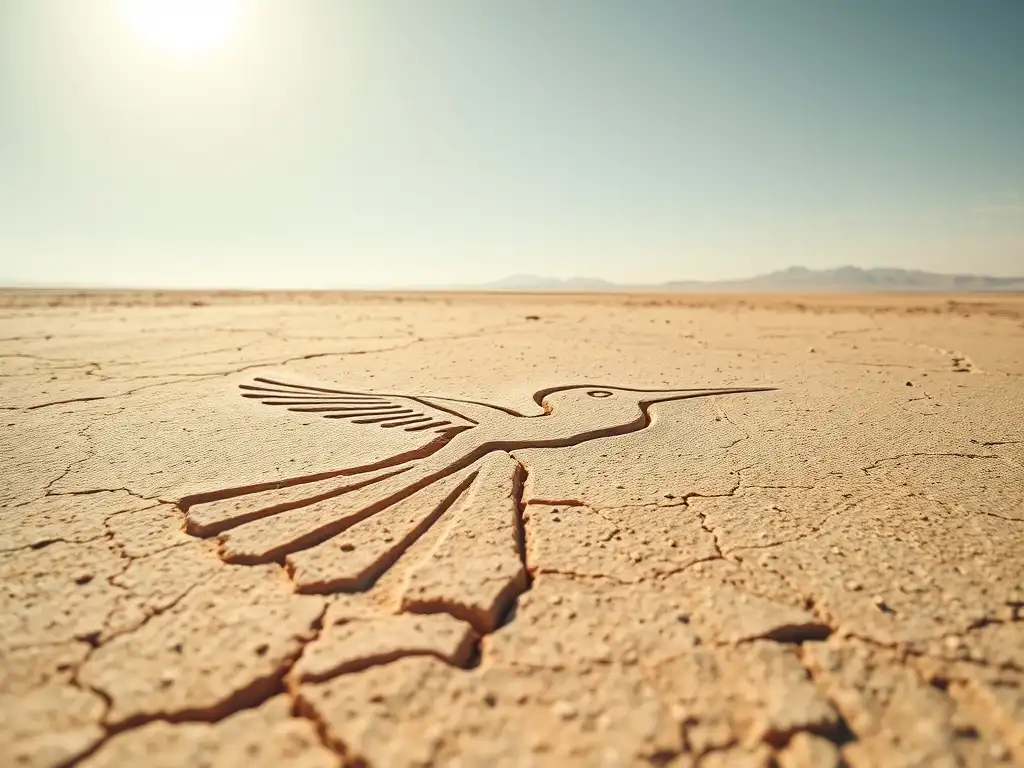
The creation of the Nazca lines, a breathtaking collection of geoglyphs etched into the Peruvian desert, remains a testament to the ingenuity and precision of the Nazca culture. Understanding the techniques employed requires examining the interplay of several factors: careful surveying, efficient construction methods, and an impressive grasp of scale and precision. The Nazca lines geoglyph design details reveal a sophisticated understanding of geometry and spatial relationships, far exceeding what was previously attributed to pre-Columbian societies. This section delves into the intricacies of these techniques, offering a glimpse into the remarkable engineering feats achieved by the Nazca people.
Construction Methods of Nazca Geoglyphs
The prevailing theory suggests that the Nazca lines were primarily created through the removal of the dark reddish-brown desert varnish that covers the lighter-colored subsoil. This varnish, a thin coating of iron and manganese oxides, was meticulously cleared away to reveal the contrasting lighter surface beneath, thereby creating the visible lines. Evidence suggests that this was accomplished using simple tools, likely wooden stakes and digging sticks. There's no evidence of advanced metal tools being used on a large scale in this process.
The process likely involved:
- Clearing the Varnish: Removing the desert varnish layer required considerable effort, particularly for the larger and more complex figures. This suggests a well-organized workforce, possibly involving communal labor or specialized groups.
- Defining the Lines: The remarkable straightness of many of the lines implies the use of some form of sighting or alignment technique. While the exact methods remain debated, it's plausible that simple surveying techniques, potentially involving stakes and lines of sight, were employed.
- Maintaining Precision: The consistency in line width and the intricate details within some geoglyphs point to a high degree of skill and attention to detail among the Nazca artisans. This suggests a level of standardization and possibly apprenticeship systems for passing down knowledge. The maintenance of such precision across vast distances is particularly noteworthy.
The sheer scale of the undertaking, encompassing hundreds of figures spread across vast expanses of desert, further underscores the organizational abilities of Nazca society. More research is needed to fully understand the logistical challenges and workforce organization required for such a massive project.
Precision and Scale in Nazca Geoglyph Designs
The Nazca lines are not merely lines; they are intricate representations of animals, plants, and geometric shapes. The scale of these geoglyphs is astounding. Some figures span hundreds of meters in length, requiring incredible precision in their execution. The hummingbird, for instance, is remarkably detailed despite its immense size. This level of precision in the Nazca lines geoglyph design details is particularly striking considering the tools available to the Nazca people.
The accuracy of the lines, even across large distances, is remarkable. Many lines maintain a constant width for hundreds of meters, indicating a sophisticated understanding of geometry and spatial relationships. The curves in many of the figures are also remarkably smooth and consistent. This precision suggests a meticulous approach to planning and execution, possibly utilizing some form of surveying or alignment techniques. Analyzing the geoglyphs' dimensions and comparing them to other Nazca artifacts could yield further insights into their creation process.
The Role of Surveying in Nazca Line Creation
The creation of the Nazca lines required a sophisticated understanding of surveying and alignment techniques. The straight lines, sometimes stretching for kilometers, couldn't have been produced without a system for ensuring accuracy. While the exact methods are still debated, several theories propose different strategies employed by the Nazca people.
- Line of Sight: One plausible method involved using simple surveying techniques, like aligning stakes to create a straight line of sight across the landscape. This would have allowed the workers to maintain a consistent direction while clearing the desert varnish.
- Natural Landmarks: The Nazca may have used prominent natural landmarks, such as mountains or hills, as reference points for aligning their geoglyphs. This would have provided a framework for creating larger-scale designs.
- Shadow Casting: Another possibility involves using the sun's position to cast shadows and align the lines. This would have required a deep understanding of the sun's movement throughout the year. Further investigation into the astronomical knowledge of the Nazca culture could shed light on this possibility.
The sophistication of the surveying techniques employed in creating the Nazca lines remains a topic of ongoing research. Further study could reveal more about the methods used, potentially uncovering additional clues about the Nazca people's understanding of geometry and mathematics. The incredible precision of these geoglyphs continues to fascinate and challenge our understanding of ancient civilizations. The Nazca lines geoglyph design details are a testament to their advanced capabilities.
Analyzing the Purpose and Meaning of Nazca Geoglyphs
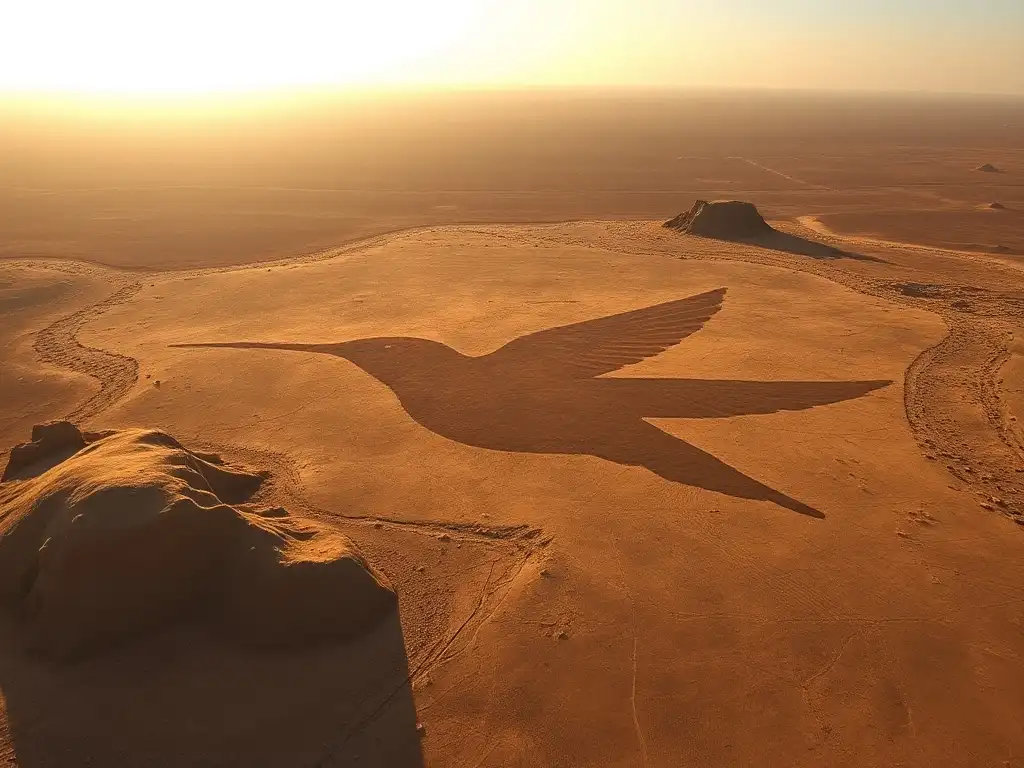
The Nazca lines, sprawling across the Peruvian desert, remain one of archaeology's most enduring mysteries. While their precise purpose continues to elude definitive explanation, researchers have proposed several compelling theories regarding the meaning and function of these intricate geoglyph designs. The sheer scale and complexity of the figures, combined with their remote location, have fueled numerous interpretations, ranging from astronomical calendars to elaborate ritual sites. Analyzing these diverse perspectives is crucial to understanding the cultural significance of this remarkable feat of ancient engineering. The precise Nazca lines geoglyph design details remain a subject of ongoing debate and research.
Astronomical Interpretations of Nazca Line Alignments
One prominent theory suggests that the Nazca lines served as a sophisticated astronomical calendar. Some researchers believe that certain lines and figures are aligned with specific celestial events, such as solstices and equinoxes. This hypothesis is supported by the observation that some geoglyphs appear to point towards the rising or setting positions of significant stars or constellations.
For instance, the alignment of certain lines with the winter solstice sun could indicate a connection to agricultural cycles and the timing of planting and harvesting. However, this theory is not universally accepted, as alternative explanations for these alignments exist, and further research is needed to definitively establish a direct astronomical function.
The precision of the alignments, however, is undeniably impressive and warrants further investigation into the potential astronomical knowledge of the Nazca culture. Detailed analysis of the angles and positions of the geoglyphs in relation to celestial bodies is crucial to further testing this hypothesis.
Ritual and Ceremonial Significance of Nazca Designs
Another compelling interpretation centers on the ritual and ceremonial significance of the Nazca lines. Many researchers propose that the geoglyphs were part of elaborate religious practices, possibly involving pilgrimages, offerings, and other ceremonial activities. The immense scale of the designs suggests a significant investment of time and labor, implying a profound cultural importance. The presence of certain motifs, such as stylized animals and plants, could represent deities, ancestors, or other spiritually significant entities.
Furthermore, the remote location of the lines, away from major settlements, suggests a deliberate effort to create a sacred space dedicated to religious practices. The creation itself could have been a ritual act, with the process of carving the lines into the earth holding symbolic meaning. The lack of clear evidence of habitation near the geoglyphs strengthens the hypothesis of their primarily ritualistic function.
Theories on the Function of the Nazca Geoglyphs
Beyond astronomical and ritualistic interpretations, several other theories attempt to explain the function of the Nazca geoglyphs. Some suggest that the lines served as markers for water sources or trade routes, guiding travelers across the arid landscape. Others propose that they were used for territorial demarcation or to delineate different clan or tribal boundaries. Yet another theory suggests that the lines were created as part of a complex system of irrigation canals, assisting with water management in the challenging desert environment.
The diversity of these interpretations highlights the complexity of the Nazca lines and the need for continued research to unravel their mysteries. The lack of written records from the Nazca civilization further complicates the process of understanding the meaning and function of these enigmatic geoglyphs. Further investigation into the social structure, religious beliefs, and technological capabilities of the Nazca people is crucial to fully understanding the context in which these remarkable designs were created. The ongoing research continues to uncover new insights, slowly painting a clearer, though still incomplete, picture of this ancient civilization's achievements.
While many questions remain unanswered, the Nazca lines stand as a testament to the ingenuity and cultural richness of the Nazca civilization, leaving a lasting impact on our understanding of ancient Andean societies and their complex relationship with their environment. The ongoing efforts to decipher the Nazca lines geoglyph design details promise to reveal more secrets of this fascinating and enigmatic culture.
The Preservation of the Nazca Lines
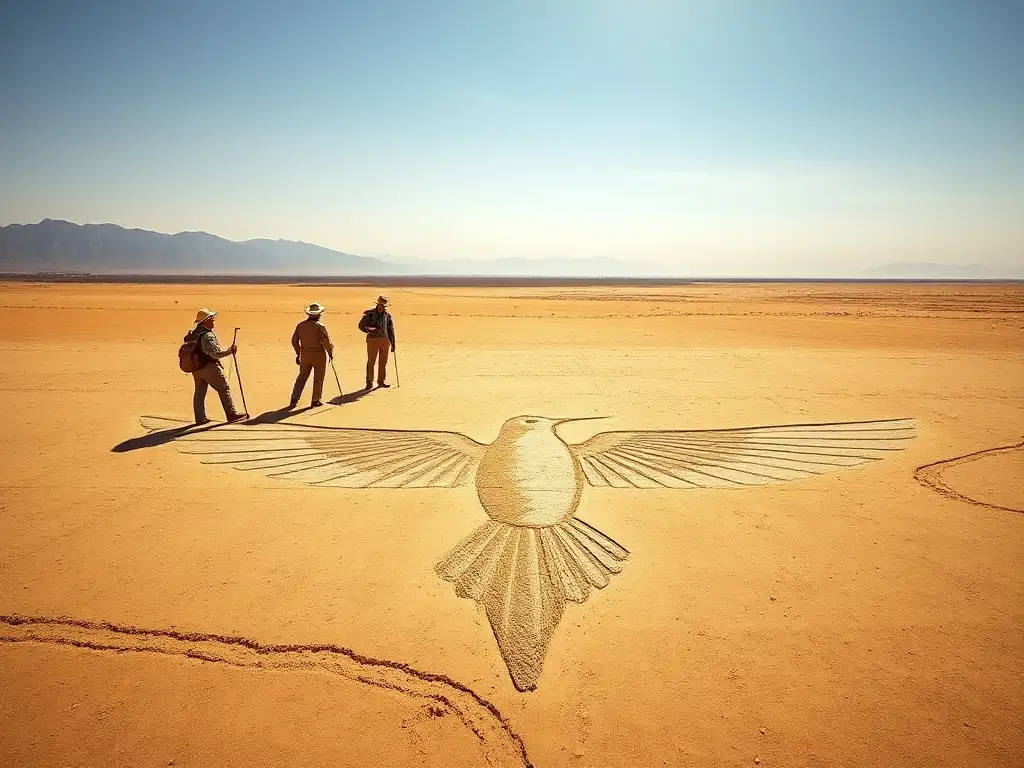
The Nazca Lines, a breathtaking collection of geoglyphs etched into the Peruvian desert, face ongoing challenges to their preservation. Understanding these threats and the efforts to mitigate them is crucial to ensuring these ancient wonders remain visible for future generations. The delicate nature of the lines, coupled with the impact of human activity and environmental factors, necessitates a multi-pronged approach to conservation.
This section will delve into the specific threats and the ongoing strategies employed to protect these unique expressions of Nazca culture. The detailed analysis of the Nazca lines geoglyph design details is intrinsically linked to understanding the challenges of preserving them.
Threats to the Nazca Geoglyphs: Natural and Human
The Nazca Lines are vulnerable to both natural and human-induced deterioration. Natural threats include erosion caused by wind and occasional flash floods. The arid climate, while contributing to their longevity, also means that the lines are susceptible to damage from infrequent but intense rainfall events. These events can wash away the surface layer, obscuring the geoglyphs. Furthermore, seismic activity in the region poses a significant, albeit unpredictable, risk to the integrity of the lines.
Human activity presents an even greater threat. The construction of roads and other infrastructure near the geoglyphs has led to habitat disruption and soil erosion. Off-road driving, although restricted in designated areas, continues to cause damage. Furthermore, illegal activities, such as looting and vandalism, pose a constant threat.
The very act of tourism, while economically beneficial to the region, can contribute to wear and tear if not managed responsibly. For example, foot traffic, even on designated paths, can gradually compact the soil, obscuring the delicate lines over time. The impact of climate change, with its potential for increased rainfall and extreme weather events, further exacerbates these threats. Effective preservation requires a concerted effort to address these multiple challenges.
Conservation Efforts and Protection of the Nazca Lines
Significant efforts are underway to protect the Nazca Lines. These include the establishment of a protected area, limiting access to certain sections, and implementing strict regulations concerning construction and activities within the designated zone. Monitoring programs utilize advanced technologies, such as aerial photography and satellite imagery, to track changes and identify areas requiring immediate attention. These technologies allow for the precise assessment of the Nazca lines geoglyph design details and their condition over time. Furthermore, educational initiatives aim to raise awareness among local communities and tourists about the importance of preserving this invaluable cultural heritage.
Research efforts focus on understanding the materials used in the creation of the geoglyphs and the processes of weathering and degradation. This knowledge informs the development of targeted conservation strategies. For example, researchers are investigating the use of bio-stabilization techniques to reinforce the soil and prevent further erosion. Collaboration between Peruvian authorities, international organizations, and researchers is crucial for effective conservation. A coordinated approach is needed to ensure the long-term survival of these enigmatic marvels.
The Future of the Nazca Lines: Research and Monitoring
The future of the Nazca Lines hinges on continued research, innovative conservation strategies, and robust monitoring programs. Ongoing research is exploring new technologies to assist in the preservation process. This includes the use of drones for detailed surveys and the development of advanced modeling techniques to predict future threats. Continuous monitoring will be critical to detecting early signs of degradation and implementing timely interventions. The development of sustainable tourism practices is also crucial. This includes limiting visitor numbers, promoting responsible tourism, and ensuring that tourism revenue contributes directly to conservation efforts.
Furthermore, fostering a sense of ownership and responsibility among local communities is essential. By engaging local populations in conservation efforts and highlighting the economic benefits of preserving the Lines, we can build a stronger foundation for long-term protection. The preservation of the Nazca Lines is not merely a matter of safeguarding historical artifacts; it is a testament to our commitment to preserving cultural heritage for future generations.
The meticulous study and understanding of the Nazca lines geoglyph design details will continue to inform and shape these ongoing conservation efforts. The challenge lies in balancing the need for access and appreciation with the imperative to protect this irreplaceable treasure.
Key Takeaways: Nazca Lines Geoglyph Design Details
This section summarizes key findings regarding the intricate designs of the Nazca Lines geoglyphs, focusing on their characteristics and the enduring mysteries surrounding their creation and purpose. We'll delve into the specifics of their design, exploring the complexity and diversity found within this remarkable collection of ancient artwork. Understanding these details is crucial to appreciating the full scope of the Nazca culture's artistic and engineering achievements. The analysis presented here contributes to a deeper understanding of the "Nazca lines geoglyph design details."
Summary of Nazca Geoglyph Characteristics
The Nazca Lines are renowned for their scale and complexity. Hundreds of geoglyphs—figures and lines etched into the desert surface—stretch across the Pampa de San José in southern Peru. These designs vary dramatically in size, ranging from relatively small figures to colossal representations of animals, plants, and geometric shapes. A key characteristic is their creation method: the removal of the dark reddish-brown surface layer of the desert to reveal the lighter subsoil, creating a stark contrast that is best viewed from the air.
The animal geoglyphs are particularly striking. The hummingbird, spider, monkey, and condor are among the most famous, each exhibiting remarkable detail considering their immense scale. These figures often incorporate intricate patterns and shading techniques, suggesting a sophisticated understanding of design and perspective.
Many geoglyphs are not merely outlines but feature internal details, such as the plumage of birds or the legs of animals. The level of precision involved in their creation is truly astonishing, especially given the tools and technologies available to the Nazca people. Precise measurements and careful planning must have been involved in the creation of these massive Nazca lines geoglyph design details.
Geometric designs also form a significant part of the Nazca Lines. These include straight lines, spirals, triangles, and trapezoids, some extending for kilometers. The purpose of these geometric forms remains a subject of ongoing debate, but their sheer scale and precision are undeniable. Their creation involved extensive surveying and planning, highlighting the advanced mathematical and engineering skills of the Nazca civilization. Analysis of these lines reveals subtle variations in width and curvature, hinting at a level of sophistication beyond simple markings.
The Enduring Mystery of the Nazca Designs
Despite extensive research, the precise purpose of the Nazca Lines remains a compelling mystery. While theories abound, ranging from astronomical alignments to ritualistic practices, a definitive answer remains elusive. The sheer scale of the undertaking, the level of precision achieved, and the lack of clear written records all contribute to the enigma. Further complicating matters is the diversity of designs, hinting at a multifaceted purpose that may not be easily explained by a single theory.
One prominent theory suggests an astronomical connection, linking certain geoglyphs to celestial events. However, this theory hasn't been definitively proven, and other designs lack any clear astronomical correlation. Alternative explanations propose a ritualistic or ceremonial purpose, with the lines serving as pathways for processions or sites for religious ceremonies. The intricate details within the geoglyphs themselves, such as the fine shading and internal patterns, seem to support this theory, suggesting a symbolic or spiritual significance beyond mere visual representation. The mystery of the Nazca lines geoglyph design details continues to drive research and debate.
The lack of contemporaneous written records presents a significant challenge to researchers. Understanding the Nazca worldview and beliefs is crucial to interpreting the lines' meaning. Archaeological findings provide some clues, but the absence of direct documentation leaves much open to interpretation. The ongoing research into the Nazca culture and its artistic practices may eventually shed more light on this enduring mystery.
Further Exploration of the Nazca Culture and Lines
The Nazca Lines are not isolated phenomena but rather a testament to the sophisticated culture that created them. Further research into Nazca society, art, and technology is crucial to understanding the context in which the geoglyphs were created. Investigating their irrigation systems, pottery, textiles, and other artifacts can provide valuable insights into their worldview and the possible meanings behind the lines.
Studying the evolution of Nazca art and its relationship to earlier and later Andean cultures can provide a broader perspective on the geoglyphs' significance. Analyzing the materials used in their creation, the tools employed, and the techniques applied can reveal the level of expertise and planning involved. The ongoing research into the Nazca lines geoglyph design details promises to further illuminate the rich tapestry of this ancient civilization.
The more we learn about the Nazca's society, the better we can understand the context and purpose behind their remarkable creations. This interdisciplinary approach, combining archaeological findings with advanced imaging techniques and other scientific methodologies, offers the best hope for unlocking the secrets of the Nazca Lines and enriching our understanding of this fascinating civilization.
Frequently Asked Questions
What are the Nazca Lines?
The Nazca Lines are massive geoglyphs etched into the Peruvian desert. These ancient figures and lines, created by the Nazca culture, are only fully visible from the air.
What kind of designs are depicted in the Nazca Lines?
The designs include animals (like hummingbirds, monkeys, and lizards), plants, geometric shapes, and humanoid figures. The scale and complexity are truly remarkable.
How were the Nazca Lines created?
The Nazca people removed the dark reddish pebbles from the surface, revealing the lighter subsoil to create the images and lines. The precise methods used remain a subject of ongoing research.
Why were the Nazca Lines created?
The purpose of the Nazca Lines remains a mystery. Theories range from ceremonial or ritualistic purposes to astronomical alignments or even water management systems.
What is the significance of the geoglyph designs in understanding Nazca culture?
The geoglyphs provide invaluable insights into the artistic skills, cosmological beliefs, and societal structures of the Nazca civilization. Studying them helps us understand their worldview and relationship with their environment.
Final Reflection: Unraveling the Enigma of the Nazca Lines
The intricate artistry of the Nazca Lines remains a testament to human ingenuity and a powerful symbol of the enduring mysteries that continue to captivate us today. These colossal geoglyphs, etched into the Peruvian desert millennia ago, challenge our understanding of ancient civilizations and their capacity for monumental creation. Their sheer scale and precision continue to inspire awe and wonder, prompting ongoing research and debate about their purpose and creation.
The Nazca Lines' enduring influence extends far beyond the arid landscape of southern Peru; they represent a powerful symbol of cultural heritage and the enduring human quest for meaning. Their enigmatic nature has sparked countless interpretations, from astronomical calendars to ritualistic pathways, fueling our collective imagination and reminding us of the vast unknown that still surrounds us. The Nazca Lines are a profound reminder of the limitations of our understanding of the past, and the boundless capacity of the human spirit to create and leave behind enduring legacies.
This quote encapsulates the profound impact these ancient markings have had and continue to have on our understanding of history and human potential.
Consider the meticulous detail, the sheer scale of the undertaking, and the enduring mystery surrounding their creation. What can you learn from the dedication and vision of the Nazca people? Let the Nazca Lines inspire you to appreciate the power of human creativity, the importance of preserving our cultural heritage, and the enduring allure of the unsolved mysteries that continue to shape our world. Embrace the wonder, and let the enigma of the Nazca Lines fuel your own curiosity and exploration.
**Unveil the Mysteries of the Nazca Lines! **
Thank you for joining us on this fascinating journey exploring the intricate designs of the Nazca Lines. You've gained valuable insights into a remarkable aspect of Andean civilization. Now, let's delve even deeper into this intriguing world.
Here are some ways to further explore the wonders of the Nazca Lines:
- **Experience the Lines firsthand:** Plan a trip to the Nazca region in Peru and see these geoglyphs from above on a scenic flight tour. The scale and artistry are truly breathtaking when viewed from the air.
- **Share your fascination:** Discuss your newfound knowledge with friends, family, or online communities. Inspire others to learn about the rich history of the Nazca Lines!
- **Connect with fellow enthusiasts:** Join online forums or local groups dedicated to ancient civilizations or archaeology. Connecting with others who share your passion can lead to exciting discoveries and discussions.
What aspect of the Nazca Lines captivates you most, and how has this exploration broadened your understanding of ancient cultures?