
The Nazca Weaver's Loom: Tools and Techniques of Textile Production


Step into a world lost to time, yet vividly preserved in thread. Imagine the intricate artistry of the Nazca, a civilization that mastered textile production with astonishing skill. This website unveils the secrets of the Andean civilizations, from the towering Incan empire to the enigmatic Nazca lines. But our journey begins with the Nazca textile production techniques, a captivating story woven into existence thread by painstaking thread. Unravel the mysteries of their looms and discover the ingenuity behind their breathtaking textiles – are you ready to explore?
- Nazca Textile Production: An Overview of Tools and Techniques
- Understanding the Nazca Weaver's Loom
- Key Tools in Nazca Textile Weaving
- Nazca Textile Production Techniques: A Detailed Look
- Materials Used in Nazca Textile Art
- Decoding Nazca Textile Patterns and Motifs
- Preservation of Nazca Textile Heritage
- Conclusion: The Legacy of Nazca Textile Production
- Frequently Asked Questions
- Final Reflection: Weaving a Legacy: The Enduring Power of Nazca Textiles
- Unveil the Wonders of Andean Textiles!
Nazca Textile Production: An Overview of Tools and Techniques
The Nazca civilization, flourishing along Peru's southern coast from approximately 100 BC to 800 AD, left behind a remarkable legacy beyond their iconic geoglyphs. Their mastery of textile production stands as a testament to their advanced technological skills and artistic sensibilities. This article delves into the intricate world of Nazca textile production, exploring the tools and techniques employed to create the vibrant and complex textiles that are renowned worldwide.
We will examine the ingenuity of their loom designs, the diverse materials used, and the sophisticated dyeing processes that resulted in the breathtaking textiles we admire today. Understanding these techniques provides crucial insight into the social structure, religious beliefs, and daily life of the Nazca people, enriching our comprehension of this fascinating ancient civilization.
This exploration will focus specifically on the tools and techniques used in weaving, providing a detailed look at the craftsmanship behind these remarkable artifacts. The sheer complexity and artistry displayed in Nazca textiles underscore their importance not just as functional items but also as powerful expressions of cultural identity and spiritual beliefs.
Introduction to Nazca Weaving and Textile Art
Nazca textiles are celebrated for their vibrant colors, intricate designs, and exceptional quality. Unlike many other ancient cultures, Nazca weavers employed a variety of techniques, resulting in a diverse range of textile types, from simple cloths for everyday use to elaborate ceremonial garments adorned with complex iconography. The textiles weren't merely functional; they served crucial roles in social status, ritual practices, and even burial ceremonies.
The use of specific colors and motifs often held symbolic meaning, providing valuable clues about the Nazca worldview and societal structures. Archaeological discoveries reveal the presence of specialized workshops and potentially a division of labor, suggesting a complex and organized system of textile production. The survival of numerous examples, often found in remarkably well-preserved condition within tombs, offers us a unique opportunity to study and appreciate their remarkable skill and artistry.
The use of natural dyes derived from plants, minerals, and insects, further highlights the sophisticated knowledge of the Nazca people regarding both botany and chemistry. The process of obtaining and applying these dyes was undoubtedly labor-intensive, underlining the significant value placed upon these meticulously crafted textiles.
The Nazca Backstrap Loom: A Closer Look
The backstrap loom was the primary tool used by Nazca weavers. This portable and relatively simple loom consisted of a warp beam (the lengthwise threads), a heddle (a device to separate the warp threads), and a backstrap that allowed the weaver to control the tension of the warp. The weaver would typically sit on the ground, attaching one end of the warp to a stationary object, and the other to a backstrap worn around their waist.
This ingenious design allowed for the creation of textiles of varying widths and lengths. The intricate designs woven onto these textiles involved a high degree of skill and patience, reflecting the dedication of the Nazca weavers. While seemingly simple in its basic construction, the backstrap loom allowed for a surprising level of complexity and control in the weaving process, facilitating the production of both finely woven cloths and richly patterned garments.
The variations in loom construction and technique across different Nazca sites suggest regional differences in weaving traditions and stylistic preferences. Further research is needed to fully understand the nuances of these regional variations.
Materials and Dyeing Techniques: A Palette of Natural Resources
The Nazca weavers skillfully utilized a range of readily available natural resources. Cotton, a staple crop in the region, provided the primary fiber for many textiles. However, other materials, such as camelid fibers (alpaca and llama wool), were also incorporated, contributing to the varied textures and qualities of Nazca textiles.
The dyeing process involved a complex and sophisticated understanding of natural pigments. Plants, minerals, and insects provided a diverse palette of colors. For instance, cochineal insects yielded vibrant reds, while various plants provided yellows, browns, and other hues.
The precise methods of preparing and applying these dyes remain a subject of ongoing research, but the resulting colors are remarkably durable and vibrant, even after centuries. The mastery of these dyeing techniques speaks to the Nazca's deep understanding of their environment and their ability to harness its resources for artistic expression. The consistent quality and vibrancy of the dyes across different textiles suggests a standardized process, or at least a high level of skill and knowledge shared amongst the weavers.
Analyzing Nazca Textile Designs: Symbolism and Iconography
The intricate designs woven into Nazca textiles are far from random. They are rich with symbolism and iconography, reflecting the religious beliefs, social structures, and daily life of the Nazca people. Common motifs include stylized animals (birds, felines, reptiles), geometric patterns, and anthropomorphic figures.
These designs are often intricately interwoven, creating complex and visually stunning tapestries. Researchers continue to decipher the meaning behind these symbols, often drawing parallels with other forms of Nazca art, such as pottery and geoglyphs. The consistent recurrence of certain motifs across different textiles suggests a shared cultural understanding and possibly a standardized system of representation.
The complexity of the designs, combined with the technical skill required to execute them, underscores the high status and prestige associated with the craft of weaving within Nazca society. Further research, combining textile analysis with anthropological and archaeological data, is crucial for a deeper understanding of the cultural significance of these remarkable designs.
Understanding the Nazca Weaver's Loom
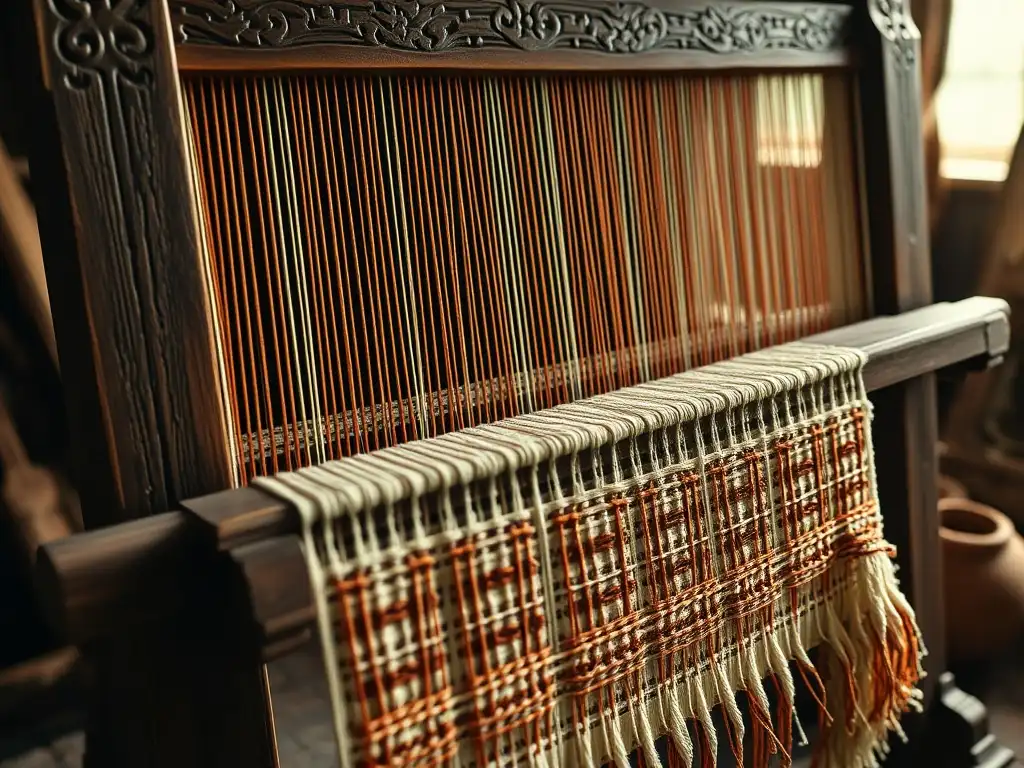
This section delves into the fascinating world of Nazca textile production techniques, focusing specifically on the tools and methods employed by these skilled artisans. The Nazca people, renowned for their intricate geoglyphs, also possessed remarkable expertise in weaving, creating textiles of exceptional quality and beauty. Their mastery lay not only in their artistic designs but also in their innovative use of readily available materials and their sophisticated loom technology.
Understanding their loom is key to appreciating the complexity and artistry of Nazca textile production. The precision and ingenuity evident in their textiles are a testament to their advanced understanding of weaving techniques. This detailed examination of their tools and techniques will illuminate the remarkable achievements of Nazca weavers and enhance our understanding of "Nazca textile production techniques".
The Structure of the Nazca Loom: Basic Components
The Nazca loom, while varying slightly in design depending on the specific textile being created, shared common fundamental components. These components, meticulously crafted from readily available materials like wood, reeds, and cotton cords, demonstrate a sophisticated understanding of engineering principles. The basic structure typically consisted of:
- Warp Beams: These horizontal beams held the lengthwise warp threads under tension. The tension was crucial for maintaining evenness and preventing distortion during weaving. Evidence suggests that these beams were often made from lightweight yet strong wood, possibly sourced from local trees. The size of the warp beams would vary based on the size of the textile being woven, from small pieces for clothing to much larger ones for ceremonial items.
- Hess: This was a crucial element, acting as a heddle, separating the warp threads to allow the weft threads to pass through. While specific details about the Nazca heddle construction remain somewhat elusive due to limited surviving artifacts, analysis of extant textiles suggests a likely use of simple heddles, possibly made from reeds or even carefully prepared plant fibers. The precision required to create even and consistent textiles speaks to the high level of skill possessed by the Nazca weavers.
- Weft: The weft threads, woven horizontally across the warp threads, created the intricate patterns and designs characteristic of Nazca textiles. These threads were often made from cotton, alpaca, or llama fibers, sometimes employing multiple colors and textures to achieve stunning visual effects. The weft's manipulation was key to the creation of complex designs.
- Warp Threads: The vertical threads, stretched between the warp beams, formed the foundation of the textile. The number of warp threads dictated the fineness and density of the fabric. Careful preparation and tensioning of these threads were essential for creating high-quality textiles.
- Batten: Used to beat down the weft threads, compacting the woven fabric and creating a dense, durable textile. The batten's design likely varied, but its function was fundamental to the final product's strength and appearance.
Types of Looms Used in Nazca Textile Creation
While the precise types of looms used by the Nazca remain a subject of ongoing research and debate, evidence suggests the use of at least two primary types: backstrap looms and possibly also simpler forms of ground looms.
- Backstrap Looms: This portable loom type, often associated with Andean cultures, allowed for great flexibility and portability. The weaver used a strap around their waist to control the tension of the warp threads. The backstrap loom's adaptability allowed for the creation of textiles of varying sizes and complexities. Its portability would have been particularly advantageous for nomadic groups or those working in diverse terrains.
- Ground Looms (Potential): While less direct evidence exists for the use of ground looms, the scale of some Nazca textiles suggests the potential use of a more stationary loom type. Further research and archaeological discoveries are needed to definitively confirm the presence and prevalence of ground looms in Nazca textile production. The potential use of ground looms would indicate a more established and possibly specialized approach to textile creation. Further investigation into the size and scale of workshops could provide additional insights into this aspect of Nazca "Nazca textile production techniques".
The complexity and variety of Nazca textiles demonstrate a remarkable level of skill and innovation in their weaving techniques. The looms they employed, though largely reconstructed through careful study of surviving textiles and archaeological evidence, represent a significant technological achievement that contributed to the rich cultural legacy of the Nazca civilization. The continued study of these techniques offers a deeper appreciation for the ingenuity and artistry of these ancient Andean peoples.
Key Tools in Nazca Textile Weaving

The remarkable textiles of the Nazca civilization, known for their vibrant colors and intricate designs, were the product of sophisticated weaving techniques and specialized tools. Understanding these tools is crucial to appreciating the artistry and skill involved in Nazca textile production techniques. The creation of these stunning pieces wasn't simply a matter of weaving threads; it involved a complex process, starting from fiber preparation and culminating in the finished textile.
The ingenuity of Nazca weavers is evident in the tools they employed and the mastery they demonstrated in their use. This section will delve into the key tools that shaped Nazca textile production.
Spindles and Their Role in Yarn Production
The journey of a Nazca textile began long before the threads touched the loom. The process started with the preparation of the raw materials, primarily cotton and camelid fibers (alpaca and llama). These fibers needed to be spun into yarn, a task accomplished using simple yet effective spindles. Nazca spindles, often made from wood or bone, were essentially weighted sticks used to twist fibers into yarn. The weaver would hold the spindle and carefully roll the fibers onto it, creating a continuous thread.
The design and weight of the spindle directly influenced the quality and thickness of the yarn produced. Heavier spindles created thicker yarns, ideal for heavier fabrics, while lighter spindles resulted in finer yarns suitable for more delicate textiles. Evidence suggests that Nazca weavers experimented with different spindle weights and materials to achieve the desired yarn characteristics for their specific projects. This meticulous attention to detail is a testament to their understanding of the relationship between raw materials, tool design, and the final product. Variations in spindle design also likely reflected regional differences in Nazca textile production techniques.
The Use of Needles and Other Specialized Tools
Beyond spindles, a range of other tools played vital roles in Nazca textile production. Needles, for example, were essential for tasks such as sewing and embroidery. While many needles were made of bone, some were crafted from metal, showcasing their sophisticated metalworking skills. The size and shape of the needles varied, suggesting their use in different weaving techniques and fabric types. Fine needles were likely used for intricate embroidery, while sturdier needles were better suited for sewing seams.
In addition to needles, other specialized tools likely aided in the weaving process. These might include tools for separating fibers, smoothing yarn, or preparing the warp threads (the lengthwise threads on the loom). Unfortunately, [specific information pending] regarding the precise nature and prevalence of these tools, further research is needed to fully understand their function in Nazca textile production techniques. The scarcity of these tools in archaeological finds presents a challenge to comprehensive analysis.
Natural Dyes and Dyeing Techniques in Nazca Textiles
The vibrant colors that characterize Nazca textiles are a testament to their advanced knowledge of natural dyes. The Nazca people skillfully extracted dyes from various plant and mineral sources, achieving a remarkable range of hues. Cochineal insects, for example, provided a rich crimson, while various plants yielded yellows, browns, and greens. [Specific plant sources and their resulting colors pending].
The dyeing process itself was likely a complex procedure involving multiple steps. The fibers were likely prepared before dyeing, perhaps through a process of cleaning or mordanting (treating the fibers to improve dye uptake). The dyeing techniques themselves might have involved immersion, painting, or resist dyeing, allowing for intricate patterns and color variations. The remarkable color fastness of many Nazca textiles suggests a high level of expertise in both dye selection and application, highlighting the sophisticated nature of Nazca textile production techniques.
The enduring vibrancy of these colors, after centuries of burial, is a testament to their mastery of this craft. Further research into the chemical composition of the dyes could reveal even more about their methods. The study of Nazca textile production techniques continues to reveal fascinating insights into the ingenuity and artistry of this ancient civilization.
Nazca Textile Production Techniques: A Detailed Look
This section delves into the sophisticated techniques employed by Nazca weavers, showcasing their mastery and innovation in textile production. Their artistry wasn't just about creating functional fabrics; it was about crafting intricate narratives and vibrant expressions of their worldview, all achieved with remarkable technical skill. The Nazca's expertise in textile production is a testament to their advanced understanding of materials and processes, resulting in textiles that are both aesthetically stunning and remarkably durable, even after centuries.
Understanding their techniques provides a deeper appreciation for the complexity and artistry inherent in Nazca textile production. Analysis of surviving fragments reveals a surprising level of sophistication in their approach to fiber preparation, weaving methods, and decorative techniques.
Weaving Techniques: Plain Weave and Beyond
The foundation of Nazca textile production was the plain weave, a simple but versatile technique where warp and weft threads interlace in a basic over-under pattern. However, the Nazca weavers didn't limit themselves to this basic structure. They expertly manipulated the plain weave to create variations in texture and density, achieving subtle shifts in opacity and visual interest.
This control over the plain weave allowed them to create both fine, delicate fabrics and heavier, more robust textiles, each suited to a specific purpose. Analysis of surviving examples reveals a wide range of thread counts, indicating a deliberate choice based on the intended use of the cloth. For example, finer weaves were likely used for garments, while coarser weaves may have served as bags or other utilitarian items.
Furthermore, beyond the plain weave, Nazca weavers mastered more complex techniques. Evidence suggests the use of techniques like:
- Rep weave: Creating patterns by manipulating the tension and arrangement of the weft threads.
- Float weave: Leaving lengths of warp or weft threads unwoven to create decorative effects.
- Supplementary weft: Adding extra weft threads to create raised patterns or decorative details.
These advanced techniques, in combination with their mastery of plain weave, allowed for remarkable versatility and artistic expression in their textiles. The precision and consistency seen in many surviving examples demonstrate a high degree of skill and training passed down through generations of Nazca weavers.
Brocading and Other Decorative Techniques in Nazca Textiles
The vibrant colors and intricate designs of Nazca textiles are a testament to their advanced decorative techniques. Brocading, a supplementary weft technique, was a favorite. This involved inserting extra weft threads to create intricate patterns that stood out from the background fabric. This technique allowed for the creation of highly detailed designs, often depicting figures, animals, and geometric motifs. The precise placement of these supplementary weft threads required significant skill and patience.
Beyond brocading, Nazca weavers employed several other decorative techniques, including:
- Embroidery: Adding decorative stitches to the surface of the fabric.
- Appliqué: Attaching pieces of fabric onto a base cloth to create designs.
- Resist dyeing: Using a resist technique to create intricate patterns by preventing dye from penetrating certain areas of the fabric.
The use of multiple colors and the skillful blending of different techniques resulted in textiles that were richly ornamented and aesthetically stunning. The use of natural dyes, sourced from plants and minerals, further contributed to the vibrancy and longevity of these textiles. Analysis of dye components from surviving artifacts reveals a sophisticated understanding of plant-based pigments and their application methods.
The Intricacies of Nazca Tapestry Weaving
Nazca tapestry weaving represents the pinnacle of their textile production techniques. This complex technique involves weaving two or more layers of fabric simultaneously, creating a richly textured and visually striking final product. The warp threads of each layer are interlocked, creating a unified whole. The use of different colors and patterns in each layer adds to the complexity and visual richness of the final textile. This technique allowed for the creation of highly detailed and complex designs that would have been impossible with simpler weaving methods.
The creation of Nazca tapestries required a high degree of skill and coordination. Weavers had to carefully plan and execute the design, ensuring that the different layers of fabric aligned perfectly to create the desired effect. The surviving examples of Nazca tapestry weaving demonstrate a remarkable level of precision and artistry.
The intricate designs, often featuring mythological scenes or representations of the natural world, showcase the weavers' deep understanding of their culture and their world. The use of tapestry weaving in Nazca textiles highlights the sophisticated level of technological and artistic development achieved by this civilization. Further research into the specific tools and processes employed in tapestry weaving would greatly enhance our understanding of Nazca textile production.
Materials Used in Nazca Textile Art
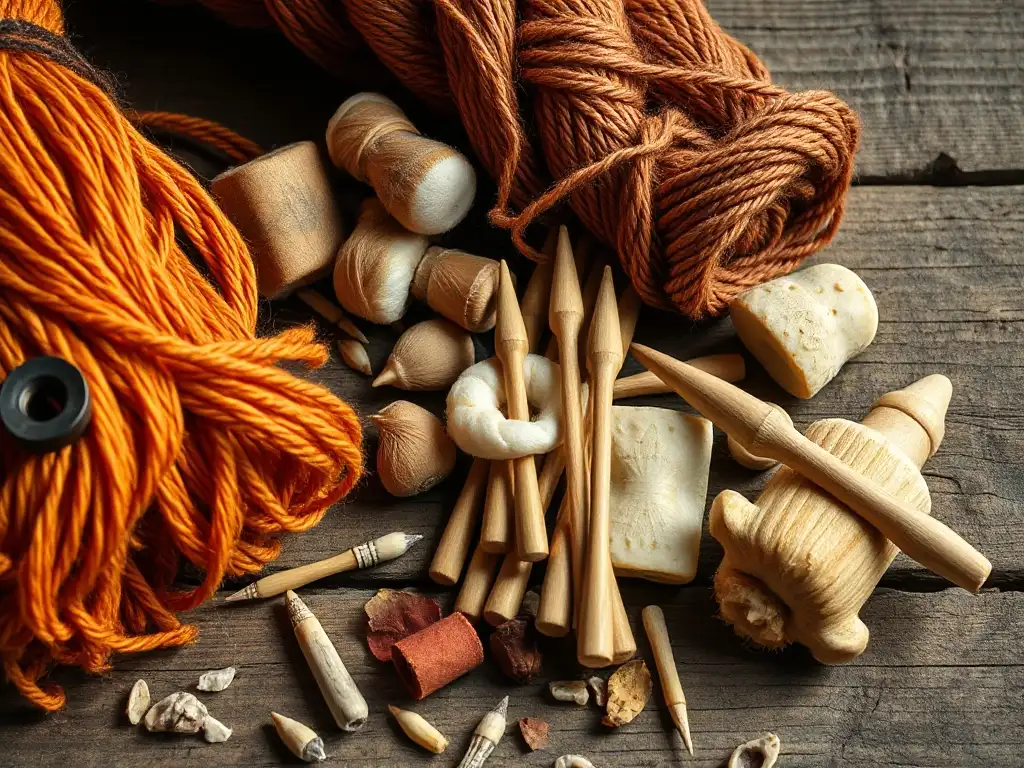
The remarkable textiles of the Nazca civilization, renowned for their vibrant colors and intricate designs, were the product of skilled artisans employing sophisticated techniques and carefully selected materials. Understanding the materials used is crucial to appreciating the artistry and technological prowess of Nazca textile production techniques. The choice of fibers, their preparation, and the dyes used all contributed to the unique characteristics of Nazca cloth. This section will delve into the specific materials that formed the foundation of this significant aspect of Nazca culture.
Cotton and Camelid Fibers Utilized by Nazca Weavers
Nazca weavers primarily utilized two main fiber sources: cotton and camelid fibers (alpaca and llama). Cotton, grown extensively in the coastal valleys, provided a soft, absorbent, and relatively easy-to-work-with fiber, ideal for creating lightweight and comfortable garments. The quality of Nazca cotton textiles demonstrates a high level of cultivation and processing expertise. Analysis of surviving textiles reveals the use of different cotton varieties, possibly selected for their specific properties like fiber length and strength. This suggests a sophisticated understanding of plant domestication and agricultural practices.
Camelid fibers, on the other hand, offered strength, durability, and warmth, making them suitable for creating heavier textiles for blankets, ponchos, and other items intended for protection against the harsh Andean climate. Alpaca fiber, known for its softness and fineness, was likely prized for its luxurious feel and appearance. Llama fiber, while coarser, provided greater strength and resilience, suitable for items subjected to more wear and tear.
The combination of cotton and camelid fibers allowed Nazca weavers to create textiles with a wide range of textures and functionalities, tailored to specific needs and purposes. The skillful blending of these fibers further showcases their technical proficiency. The precise proportions of each fiber type in different textiles remains a topic of ongoing research, with [specific information pending] on the exact ratios employed in various Nazca textile production techniques.
Sources and Preparation of Nazca Textile Fibers
The process of obtaining and preparing fibers for weaving was a complex and labor-intensive undertaking. Cotton bolls were harvested, the seeds removed, and the fibers carefully separated and cleaned. This process likely involved manual methods, with the use of simple tools to facilitate the task. The resulting cotton fibers were then spun into thread, a process requiring considerable skill and patience. The thickness and twist of the thread would have varied depending on the intended use of the textile.
Camelid fibers were obtained by shearing the animals, a practice likely integrated into their seasonal cycles. The raw fibers were then cleaned and sorted, potentially using techniques such as combing or carding to align the fibers and remove impurities. Spinning camelid fibers into yarn required a different approach than cotton, reflecting the variations in fiber length and texture. This process likely involved specialized tools and techniques, [specific information pending] on the exact methods used.
The preparation of both cotton and camelid fibers directly impacted the quality and characteristics of the final textile, highlighting the importance of these preliminary steps in Nazca textile production techniques. The meticulous care taken in fiber preparation underscores the high value placed on these textiles within Nazca society. The surviving textiles bear testament to the effectiveness of these ancient methods.
Decoding Nazca Textile Patterns and Motifs
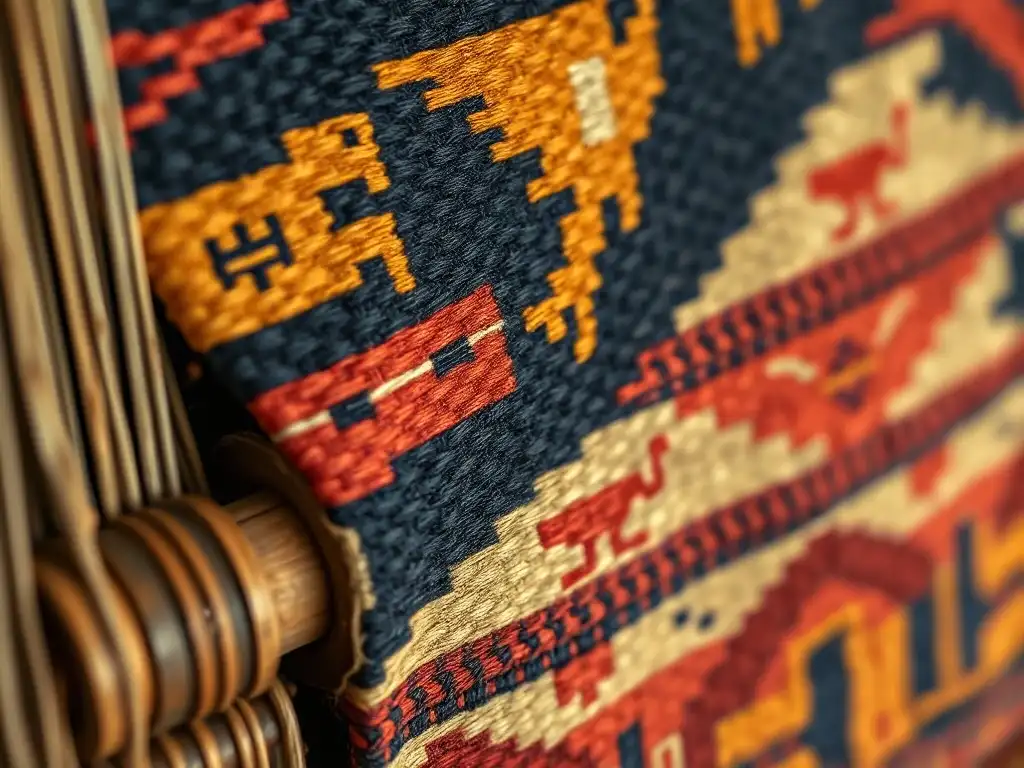
The intricate textiles of the Nazca civilization are renowned for their vibrant colors and complex designs. Understanding these patterns requires moving beyond simple aesthetic appreciation and delving into the symbolic meanings woven into the very fabric of their society. Analyzing Nazca textile production techniques reveals a sophisticated understanding of both artistic expression and practical application. The motifs weren't merely decorative; they conveyed narratives, social status, and religious beliefs.
Symbolic Meanings of Nazca Textile Designs
Nazca textile designs frequently feature stylized representations of animals, plants, and supernatural beings. These weren't random choices. For example, the recurring motif of the hummingbird, a creature associated with agility and swiftness, likely symbolized speed, power, or perhaps even shamanic journeys to the spirit world.
Similarly, the depiction of felines, such as pumas and jaguars, powerful predators in the Andean ecosystem, might represent strength, leadership, or a connection to the supernatural realm. The presence of specific plants, like cacti or maize, could indicate agricultural cycles, fertility, and abundance, reflecting the importance of agriculture in Nazca society. Further research is needed to fully understand the nuanced symbolism embedded within each design, as many motifs remain partially or completely undeciphered.
Detailed iconographic studies, coupled with archaeological context, are crucial for interpreting these fascinating images. The use of color also held symbolic weight; vibrant reds might have represented blood or life force, while blues could have symbolized water or the sky. This complex interplay of imagery and color created a rich tapestry of meaning woven into the textiles themselves, revealing a sophisticated understanding of visual communication.
The Importance of Textile Art in Nazca Culture
Nazca textile art wasn't just a decorative pursuit; it held significant cultural and social importance. Textiles served practical purposes, such as clothing, blankets, and bags. However, the level of artistry and the intricate designs suggest that they also played a crucial role in religious ceremonies, social interactions, and the expression of individual and collective identities.
Elaborately decorated textiles were likely worn by elite members of society, signifying their status and power. Furthermore, the presence of textiles in burials suggests that they were considered valuable possessions, even essential items for the afterlife. The sheer amount of time and skill invested in creating these textiles points to their high value within Nazca society.
The complex weaving techniques, the use of rare dyes, and the intricacy of the designs all contribute to the evidence that textile production was a highly specialized and respected craft, possibly even controlled by a specialized guild or class. Further investigation into the social organization of Nazca textile production could reveal more about the societal structures and power dynamics of this fascinating civilization. The careful consideration of both the artistic and social contexts reveals the profound cultural significance of Nazca textiles within their society.
The study of Nazca textile production techniques offers a unique window into the cultural beliefs, social structures, and artistic capabilities of this remarkable civilization. The intricate patterns and vibrant colors are not merely aesthetic choices but rather a rich tapestry of symbolic meanings, revealing a sophisticated understanding of visual communication and artistic expression. Further research into Nazca textile production techniques promises to illuminate even more aspects of this compelling Andean culture.
Preservation of Nazca Textile Heritage
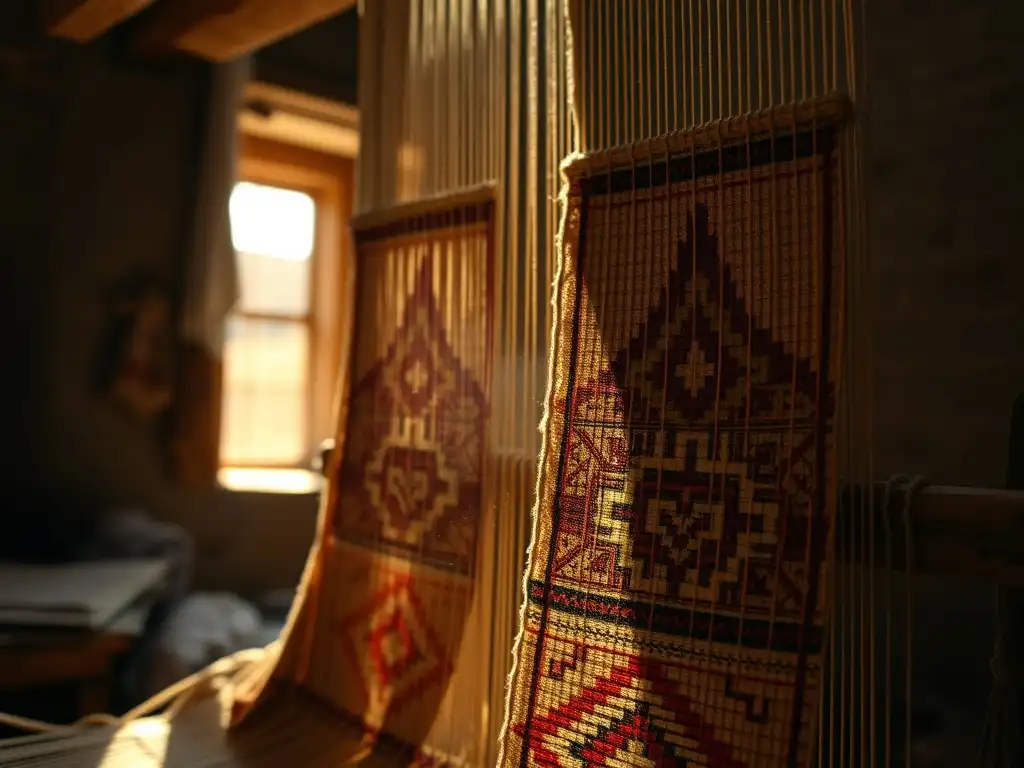
The preservation of Nazca textiles presents unique and significant challenges. These fragile artifacts, often made from natural fibers like cotton and camelid wool, are susceptible to a variety of degradation processes. Understanding these threats is crucial for developing effective preservation strategies and ensuring that future generations can appreciate the artistry and technical skill of Nazca weavers. The keyword "Nazca textile production techniques" is inherently linked to the preservation of the resulting artifacts. Without careful preservation, our understanding of these techniques would be severely hampered.
Challenges in Preserving Ancient Nazca Textiles
The arid climate of the Nazca region, while initially seeming beneficial, presents a complex interplay of factors that contribute to textile deterioration. While dryness inhibits microbial growth, fluctuations in humidity can cause significant damage. Sudden changes can lead to expansion and contraction of the fibers, weakening the fabric structure and potentially causing irreparable damage.
Furthermore, the very materials used in Nazca textiles – natural fibers – are inherently vulnerable. Cotton, for example, is susceptible to degradation from exposure to light, particularly ultraviolet (UV) radiation, which breaks down the cellulose molecules. Camelid wool, while more resilient, is still prone to damage from pests, such as insects, and the effects of prolonged exposure to atmospheric pollutants.
Another major challenge is the handling and storage of these delicate artifacts. Improper handling can lead to physical damage, such as tears and abrasions. Storage conditions are equally critical; fluctuations in temperature and humidity, inadequate pest control, and exposure to light can all accelerate deterioration.
Many historical textiles were stored improperly for years, resulting in significant damage before modern preservation techniques were implemented. The impact of past practices on existing collections underscores the need for rigorous, standardized, and scientifically informed approaches to preservation. This includes the implementation of strict environmental controls, the use of archival-quality storage materials, and the avoidance of direct handling whenever possible.
The preservation of these textiles is not simply a matter of aesthetics; it's a crucial step in preserving our understanding of Nazca textile production techniques and the broader cultural heritage of the Nazca civilization. The loss of these artifacts would represent an irreplaceable loss of knowledge.
Modern Research and Analysis of Nazca Weaving
Modern scientific techniques play a vital role in understanding and preserving Nazca textiles. Non-invasive methods, such as X-ray fluorescence (XRF) spectroscopy, allow researchers to analyze the dyes and pigments used without causing damage to the textiles. This helps us understand the materials and techniques employed by Nazca weavers, providing valuable insights into their technological sophistication. Furthermore, advanced imaging techniques, such as multispectral imaging, can reveal details invisible to the naked eye, such as faded designs or underlying layers of weaving.
Analysis of fiber structure and dye composition provides further insights into Nazca textile production techniques. Microscopic examination can reveal details about the type of fibers used, the spinning techniques, and the weaving structures. This information, combined with analyses of dye components, allows researchers to reconstruct the entire process, from fiber preparation to the creation of the final textile.
This detailed analysis helps us understand the skill and expertise of Nazca weavers and their deep understanding of natural materials. For example, recent research has revealed sophisticated techniques in preparing fibers and creating intricate patterns, showcasing the advanced level of technology in Nazca textile production. The ongoing research continually adds to our understanding, refining our knowledge of Nazca textile production techniques and contributing to more effective preservation strategies.
The combination of careful conservation and advanced analytical tools is essential for protecting and interpreting these invaluable pieces of history. Each new discovery enhances our understanding of the Nazca civilization and its remarkable achievements.
Conclusion: The Legacy of Nazca Textile Production
The intricate and vibrant textiles produced by the Nazca civilization stand as a testament to their advanced technological capabilities and artistic vision. Their mastery of textile production, evident in the surviving examples, showcases a sophisticated understanding of materials, techniques, and design. Understanding Nazca textile production techniques offers a profound insight into their social structure, religious beliefs, and daily life. The precision and complexity of their work highlight a level of skill rarely seen in other contemporaneous cultures.
The legacy of Nazca textile production extends far beyond the artifacts themselves; it represents a significant contribution to the broader understanding of Andean textile traditions and their evolution. The techniques employed, the materials utilized, and the designs created continue to inspire awe and admiration, serving as a powerful reminder of the ingenuity and artistry of this remarkable ancient civilization. The vibrant colors, intricate patterns, and durable fabrics speak volumes about the dedication and expertise of the Nazca weavers.
Their work remains a source of fascination and research for scholars and enthusiasts alike, offering a window into the vibrant cultural landscape of ancient Peru. Analyzing these textiles allows us to understand not only their technical prowess but also their social and religious contexts. The motifs woven into the fabrics often depict deities, animals, and ceremonial scenes, providing valuable insights into their beliefs and practices.
The Enduring Influence of Nazca Textile Techniques
The techniques developed by Nazca weavers left a lasting impact on subsequent Andean cultures. Many of the methods they pioneered, such as the use of specific dyes derived from natural sources, complex weaving structures, and intricate decorative elements, continued to be employed and refined by later civilizations. The sophisticated understanding of fiber manipulation and the creation of durable fabrics directly influenced the textile traditions of cultures such as the Wari and Inca, demonstrating a remarkable continuity in Andean textile production.
Even today, certain aspects of Nazca techniques are still appreciated and studied by contemporary textile artists and researchers. The vibrant colors obtained from natural dyes, for example, remain a source of inspiration and investigation, highlighting the enduring relevance of Nazca textile production methods. Their legacy is not just historical; it's a living tradition that continues to resonate in the work of modern artisans.
The study of Nazca textiles provides valuable insights into the evolution of textile technologies in the Andes, demonstrating the interconnectedness of different cultures and the enduring power of ancient techniques. 🧶
Potential Future Research in Nazca Textile Studies
Further research into Nazca textile production techniques could significantly enhance our understanding of this fascinating aspect of their civilization. Areas requiring further investigation include: a more comprehensive analysis of the dyes used, including a detailed study of their chemical composition and sources; a more detailed examination of the tools employed in the weaving process, including the types of looms and other implements; a deeper understanding of the social organization of textile production, including an investigation into the roles of different individuals and groups involved in the process; and a more thorough investigation of the symbolic meanings embedded within the textile designs, drawing upon interdisciplinary perspectives from anthropology, archaeology, and art history. The application of advanced scientific techniques, such as spectroscopy and microscopy, could provide valuable new insights into the composition of the fibers and dyes used, allowing for a more precise reconstruction of the production process.
Furthermore, comparative studies with textiles from other contemporaneous and subsequent Andean cultures could help to illuminate the unique aspects of Nazca textile production and its influence on later traditions. By combining traditional archaeological methods with cutting-edge scientific techniques, future research promises to reveal even more about the remarkable achievements of Nazca weavers and their enduring legacy. This interdisciplinary approach will undoubtedly unveil new and exciting discoveries, enriching our understanding of this crucial aspect of Nazca culture and its place within the wider context of Andean history.
The potential for new discoveries is immense, promising to further illuminate the remarkable achievements of the Nazca civilization. 🔎
Frequently Asked Questions
What unique techniques did Nazca weavers employ?
Nazca weavers were masters of textile production, utilizing techniques like gauze weaving, double-faced cloth, and complex tapestry weaving to create incredibly intricate and colorful textiles. Their mastery of these techniques is unmatched.
What materials did Nazca textile artisans use?
The Nazca primarily used cotton and camelid fibers (alpaca and llama) for their textiles. They skillfully prepared these fibers before weaving them into their distinctive designs. Dye plants provided a vibrant range of colors.
How did the Nazca create their intricate designs?
The Nazca's meticulous planning and execution are evident in their textiles. They used various techniques including pre-weaving patterning and carefully planned color arrangements to achieve their complex designs. Warp and weft manipulation played a crucial role.
What tools did Nazca weavers use for their craft?
While many tools are lost to time, evidence suggests they utilized simple backstrap looms and spindles for spinning. Bone, shell, and wood likely formed the basis of their tools. Needles were also vital.
Where can I learn more about Nazca textile production techniques?
To further your knowledge of Nazca textile production techniques, explore reputable sources like academic journals, museum exhibits focused on Andean textiles, and books specializing in pre-Columbian art and archaeology. The Andean Civilizations website is also a good starting point.
Final Reflection: Weaving a Legacy: The Enduring Power of Nazca Textiles
The intricate artistry of Nazca textile production continues to resonate today, a testament to the ingenuity and cultural depth of a civilization lost to time. These vibrant threads, meticulously woven centuries ago, offer not just a glimpse into the past but a powerful reminder of the enduring human capacity for creativity and innovation. The techniques employed, from the preparation of the fibers to the complex designs, remain a source of fascination and inspiration for textile artists and researchers alike.
The impact of Nazca textile production extends far beyond the realm of archaeology; it speaks to the universal human need for self-expression and the power of art to transcend generations. The bold colors, intricate patterns, and symbolic imagery woven into these textiles offer a window into the beliefs, social structures, and daily lives of the Nazca people. The past is never dead. It's not even past.
– William Faulkner. This quote perfectly encapsulates the enduring relevance of Nazca textiles; they are not merely relics of a bygone era but living artifacts that continue to inform and inspire us.
Consider the legacy of the Nazca weavers. Their skill and dedication have left behind a treasure trove of knowledge and beauty. You too can weave your own legacy, not necessarily with threads and looms, but through your own unique contributions to the world. Take a moment to reflect on your own creative endeavors, your own passions, and how you might leave a lasting impact on the world around you, just as the Nazca weavers did centuries ago. Let their artistry inspire you to create, innovate, and leave your own indelible mark.
Unveil the Wonders of Andean Textiles!
Thank you for exploring the rich tradition of Nazca weaving with us! You've discovered the intricate tools and techniques used in textile production that have shaped the cultural tapestry of the Andes. Now, let's delve even deeper into this fascinating world.
Here's how you can continue your journey:
- Visit a local textile workshop or museum exhibition: Witness the artistry firsthand and support the artisans who are preserving this invaluable heritage.
- Share your newfound appreciation: Discuss the beauty and significance of these indigenous textiles with friends, family, or online communities. Inspire others to learn more!
- Take a weaving class: Experience the art of Andean textile creation personally and create your own unique piece.
How will you incorporate the stunning artistry of these textile traditions into your life or community?