
Nazca Lines and Animal Spirits: The Symbolic Power of Desert Creatures

Unravel the mysteries of the ancient Andes! Prepare to be captivated by a world of breathtaking artistry and enigmatic rituals. Journey with us into the heart of the Nazca desert, where colossal figures etched into the earth whisper tales of power and spirituality. Discover the profound Nazca lines animal symbolism and unlock the secrets behind these awe-inspiring geoglyphs – their creation, their purpose, and their enduring legacy. Dare to decipher the ancient language of the desert and embark on an extraordinary exploration of the Nazca civilization's profound connection to the animal kingdom.
The Nazca Lines, etched into the Peruvian desert millennia ago, remain one of archaeology's greatest enigmas. These colossal geoglyphs, visible only from the air, depict a bewildering array of figures: stylized plants, geometric shapes, and, most captivatingly, a menagerie of animals.
This article delves into the fascinating world of animal symbolism within the Nazca Lines, exploring the potential spiritual and cultural significance these desert creatures held for the Nazca people. We will examine specific examples, considering the artistic techniques used and the possible interpretations of these powerful representations, providing insights into the beliefs and worldview of this remarkable ancient civilization.
Understanding the symbolic power of these animal figures offers a crucial key to unlocking the deeper meaning behind the Nazca Lines themselves, moving beyond simple speculation and into a more nuanced appreciation of their cultural context. The intricate details and sheer scale of these animal depictions suggest a profound connection between the Nazca people and the natural world surrounding them, a connection we will attempt to unravel.
The Predominant Animal Figures: A Closer Look
The Nazca Lines feature a diverse range of animals, but some species appear more frequently than others. These recurring motifs likely held significant symbolic importance within Nazca society. Detailed analysis reveals meticulous craftsmanship in rendering these creatures. For example, the hummingbird, often depicted with remarkable accuracy, showcases the Nazca's keen observation skills and artistic prowess.
Similarly, the monkey, with its characteristic posture and facial features, demonstrates a deep understanding of animal anatomy. The size and placement of these animal geoglyphs also warrant consideration; some occupy vast stretches of the desert, suggesting a heightened symbolic value. Further research is needed to fully understand the selection criteria for the specific animals represented. [Specific data on the frequency of each animal depiction pending].
Interpreting the Symbolism: Religion, Myth, and Ritual
Interpreting the symbolism of the Nazca Lines' animal figures requires considering the broader context of Nazca religion and mythology. While definitive answers remain elusive, several compelling theories exist. Some scholars suggest the animals represented deities or powerful spirits, integral to Nazca cosmology. The carefully planned placement of the lines may have served as a ritual pathway or a sacred landscape, connecting earthly realms with the spiritual world.
It is hypothesized that the creation of the lines themselves was a ritualistic act, a form of communication with the supernatural. The animals might have represented totems, signifying specific clans or communities within Nazca society. Further research into Nazca iconography and religious practices is crucial for a more comprehensive understanding. [Further details on specific religious practices and their connection to the animal figures pending].
The Role of Water and Fertility: A Life-Giving Connection
Many of the animals depicted in the Nazca Lines are associated with water sources or fertility. The importance of water in the arid Nazca environment cannot be overstated. The presence of creatures like the lizard, often linked to rain and moisture in other Andean cultures, suggests a possible connection between the lines and the crucial role of water in sustaining life. Similarly, animals associated with agricultural bounty, such as the llama, might represent the hope for successful harvests and the prosperity of the Nazca communities.
The meticulous depiction of these animals, particularly their details, indicates a deep appreciation for their role in the ecosystem and their symbolic connection to life itself. Analyzing the distribution of these animal figures in relation to water sources could yield valuable insights. [Data on the correlation between animal depictions and water sources pending].
The Nazca Lines and Animal Symbolism: A Continuing Mystery
Despite ongoing research, the symbolic power of the animals in the Nazca Lines remains a captivating mystery. The scale, precision, and diversity of these geoglyphs continue to fascinate and inspire awe. The animals depicted are not mere illustrations; they are powerful symbols that offer a glimpse into the beliefs, rituals, and worldview of the Nazca civilization.
Further interdisciplinary research involving archaeology, anthropology, and art history is needed to unlock the full significance of these remarkable creations. The ongoing exploration of these ancient mysteries promises to reveal more about the rich and complex culture of the Nazca people and their profound connection to the animals of their desert environment. 🦙 🎉
- The Predominant Animal Figures: A Closer Look
- Interpreting the Symbolism: Religion, Myth, and Ritual
- The Role of Water and Fertility: A Life-Giving Connection
- The Nazca Lines and Animal Symbolism: A Continuing Mystery
The Enigma of Nazca Geoglyphs: An Introduction to Animal Symbolism
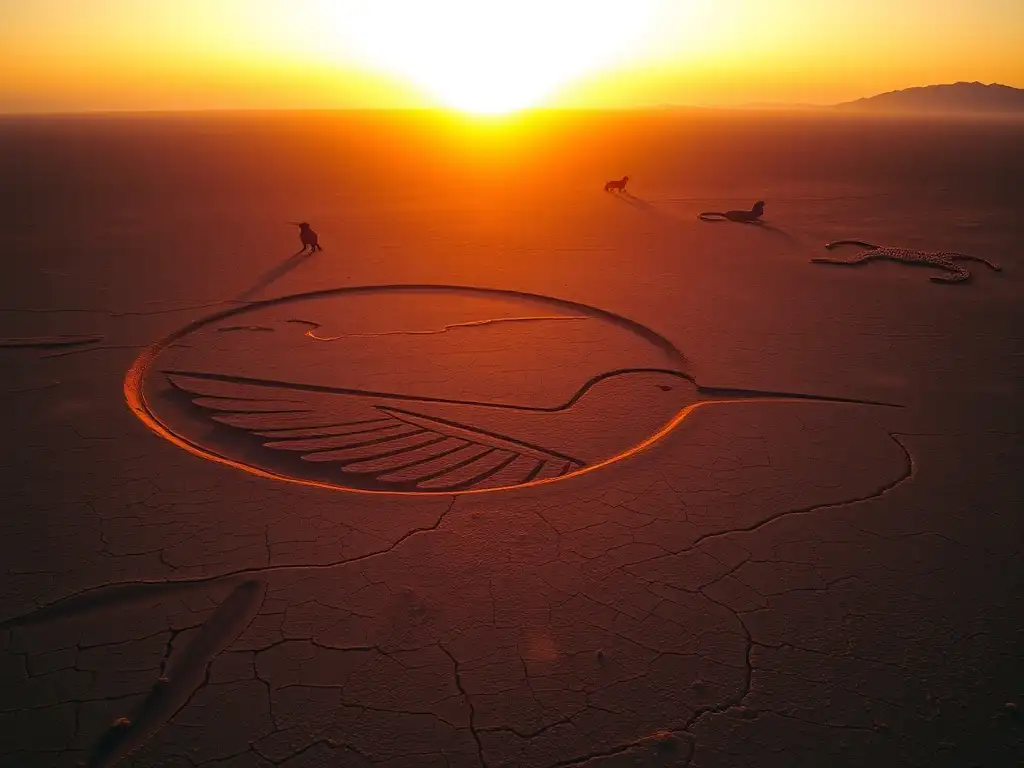
The Nazca Lines, etched into the Peruvian desert, remain one of archaeology's most enduring mysteries. While their precise purpose continues to be debated, the prominent depiction of animals within the geoglyphs offers compelling evidence of their symbolic significance. This section delves into the animal symbolism embedded within these colossal earthworks, exploring their potential connection to Nazca cosmology, spirituality, and their relationship with the harsh desert environment.
Understanding the intricate animal representations is key to unlocking a deeper understanding of Nazca culture and their worldview, a worldview deeply intertwined with the forces of nature and the spirit world. The prevalence of animal figures—from the hummingbird to the spider monkey—suggests a rich tapestry of beliefs and rituals centered around the powerful symbolism these creatures held for the Nazca people. This analysis will focus on the prevalent animal motifs and their possible interpretations within the broader context of Nazca society.
The sheer scale and precision of these geoglyphs, coupled with the enigmatic nature of their creation, only serves to heighten the intrigue surrounding their meaning and purpose. The quest to decipher the Nazca lines animal symbolism is a journey into the heart of a fascinating and enigmatic ancient civilization.
Understanding the Geographical Context of the Nazca Lines
The Nazca Lines are located in the arid coastal plains of southern Peru, a landscape characterized by its extreme dryness and seemingly barren terrain. This geographical context is crucial to understanding the Nazca people's relationship with their environment and the symbolic importance they placed on the animals that thrived, or survived, within it. The Nazca Lines weren't created in isolation; they are intrinsically linked to the surrounding desert. The stark contrast between the pale desert floor and the dark lines themselves enhances their visibility, particularly from elevated viewpoints.
This suggests a deliberate consideration of the landscape's topography in the design and execution of the geoglyphs. The choice of animals depicted—often creatures adapted to the harsh desert conditions—further strengthens this connection. For example, the frequent portrayal of birds, such as condors and hummingbirds, highlights the importance of avian life in a region where water sources are scarce.
The survival strategies of these creatures, their resilience in the face of environmental challenges, might have held deep spiritual meaning for the Nazca. The very act of creating these colossal figures in such a challenging environment speaks volumes about the dedication and beliefs of the Nazca culture. The lines are not simply abstract designs; they are a powerful testament to the people's intimate understanding and connection with their desert home.
The Significance of Animal Representations in Ancient Peruvian Cultures
Animal symbolism was widespread throughout ancient Andean cultures, preceding the Nazca by centuries. The Nazca inherited and adapted these symbolic traditions, imbuing them with their own unique interpretations. Many animals featured in Nazca iconography, such as the feline, serpent, and bird, also held significant roles in the belief systems of earlier civilizations like the Paracas and Chavín. However, the Nazca's distinctive artistic style and the sheer scale of their geoglyphs set their animal representations apart.
While further research is needed to fully elucidate the nuances of Nazca animal symbolism, preliminary analysis suggests that these creatures were not simply decorative elements. They likely represented powerful forces of nature, deities, or shamanic entities. Some scholars suggest that the animals depicted in the lines might have played a role in rituals related to fertility, water, or hunting.
The meticulous detail in some of the animal geoglyphs, particularly the representations of monkeys and lizards, hints at a deep understanding of the animals' anatomy and behavior. This suggests a level of observation and respect that transcends mere artistic representation. The study of comparative iconography from other Andean cultures can provide valuable insights into the interpretation of Nazca animal symbolism, offering a richer understanding of the broader cultural context.
Nazca Culture's Connection to the Desert Environment
The Nazca civilization thrived in a seemingly inhospitable environment, developing sophisticated irrigation systems to cope with the scarce water resources. This intimate relationship with the desert is reflected in their art and iconography, with animals deeply ingrained in their worldview. The animals depicted in the Nazca Lines—birds, reptiles, mammals—were not randomly selected. They were creatures intimately tied to the survival and prosperity of the Nazca people.
The condor, for example, a powerful and majestic bird, likely held a significant spiritual role, representing strength, freedom, and perhaps even connection to the heavens. Similarly, the depiction of lizards and snakes might have reflected the importance of these creatures in the desert ecosystem and their association with fertility and renewal. The Nazca's ability to create such intricate geoglyphs in this challenging environment showcases their mastery of engineering and their profound connection to the land.
The lines themselves might have served as a form of ritual landscape, a visual manifestation of the Nazca's spiritual beliefs and their harmonious coexistence with the harsh desert environment. This intricate interplay between human ingenuity and the natural world is a defining characteristic of the Nazca culture, making the interpretation of their animal symbolism even more compelling. The meticulous study of the Nazca lines animal symbolism allows us to appreciate the depth and complexity of this remarkable civilization and its unique adaptation to its challenging environment.
Decoding the Animal Figures of the Nazca Lines
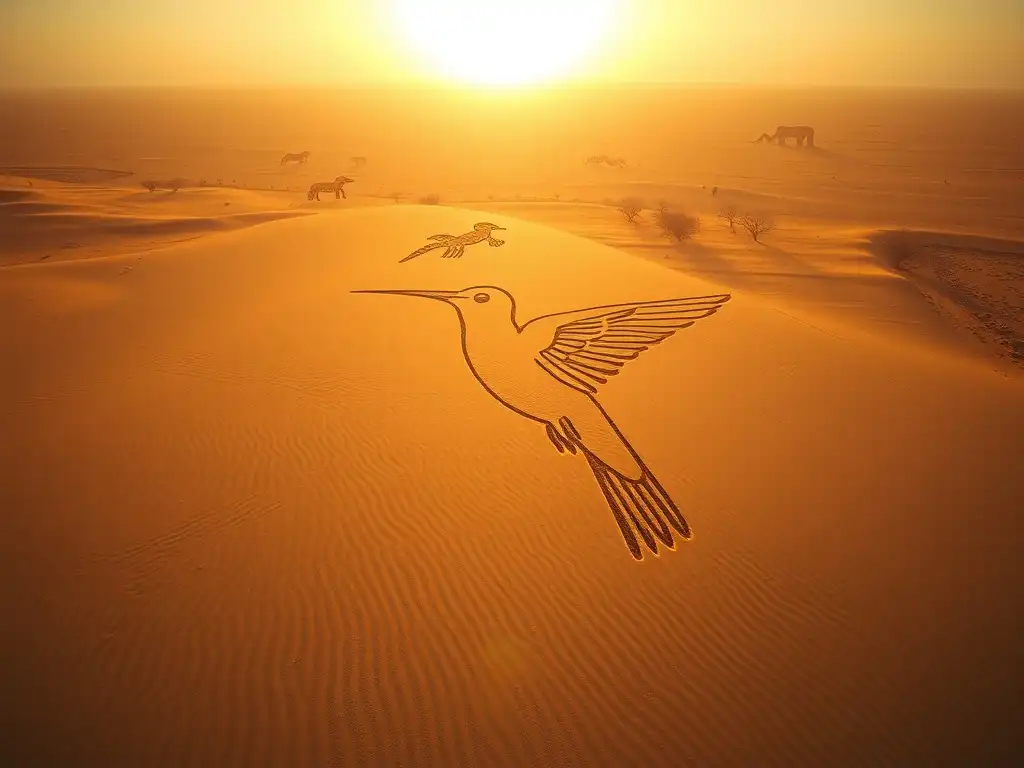
The Nazca lines, etched into the Peruvian desert millennia ago, remain one of archaeology's greatest enigmas. While their purpose continues to be debated, the prevalence and diversity of animal figures offer compelling insights into the Nazca worldview and their sophisticated understanding of their environment. The sheer scale of these geoglyphs, some stretching hundreds of meters, speaks to the immense effort invested in their creation, highlighting their profound symbolic significance.
This section explores the symbolism embedded within some of the most prominent animal figures, focusing on the intricate relationship between the Nazca people and the creatures inhabiting their arid landscape. Analyzing the Nazca lines animal symbolism reveals a complex tapestry of beliefs regarding fertility, cosmic order, and the interconnectedness of life.
The meticulous detail and artistic skill employed in their creation further underscores their importance as powerful representations of Nazca spirituality. The study of these geoglyphs offers a unique window into the cosmology and beliefs of this fascinating ancient civilization, enriching our understanding of Nazca lines animal symbolism.
The Hummingbird: Symbol of Fertility and Renewal
The hummingbird, a creature of dazzling speed and vibrant color, frequently appears within the Nazca lines. Its depiction is not merely a realistic representation; rather, it carries deep symbolic weight within the context of Nazca culture. The hummingbird's rapid flight and ability to hover are likely associated with the cyclical nature of life, death, and rebirth.
Its association with nectar-rich flowers further reinforces this symbolism, connecting the hummingbird to fertility and the renewal of the earth. The Nazca people depended heavily on agriculture in a harsh environment; therefore, the hummingbird, a creature linked to the life-giving processes of nature, held a prominent place within their spiritual beliefs. The intricate detail in the hummingbird geoglyphs, including the precise rendering of its wings and delicate beak, emphasizes the importance placed upon this particular animal within the Nazca cosmology.
Detailed studies of the hummingbird figures reveal a nuanced understanding of its anatomy and behavior, hinting at a keen observation of the natural world. The presence of multiple hummingbird geoglyphs further emphasizes the significance of this symbol within the broader context of the Nazca lines.
The Monkey: A Representation of Strength and Adaptability
Unlike the hummingbird, the monkey figure in the Nazca lines embodies strength, agility, and adaptability. The monkey, a creature known for its dexterity and intelligence, likely represented these qualities within the Nazca worldview. Its portrayal in the geoglyphs might reflect the Nazca people's own resilience in navigating the challenges of their desert environment.
The precise depiction of the monkey's limbs and facial features suggests a profound understanding of primate anatomy. This attention to detail further enhances the symbolic power of the figure, indicating that the creation of the geoglyph wasn't a casual undertaking but a deliberate act imbued with deep meaning. The choice of the monkey as a subject for a geoglyph could also reflect the animal's importance within the broader ecosystem, highlighting its role in the delicate balance of nature within the Nazca desert.
Further research into the specific context of the monkey geoglyphs—their location relative to other figures and their size—could provide additional insights into their significance. We need [specific information pending] on the frequency of monkey depictions compared to other animals to better understand their relative importance within the Nazca pantheon.
The Spider: Symbolism of Weaving and Cosmic Order
The spider, a creature associated with weaving and intricate networks, holds a particularly intriguing position within the Nazca lines animal symbolism. The spider's ability to create complex webs is likely linked to the Nazca people's mastery of textile production. The Nazca were renowned for their sophisticated weaving techniques, producing textiles of remarkable beauty and complexity.
Therefore, the spider's depiction in the geoglyphs may symbolize the connection between earthly craftsmanship and the cosmic order. The spider's eight legs, often meticulously rendered in the geoglyphs, could also represent the eight directions or the cardinal points, linking the creature to a broader cosmological framework. The intricate detail in the spider figures mirrors the complexity of Nazca textiles, suggesting a close relationship between the symbolic representation and the practical skills of the people.
Analysis of the spider's position within the overall arrangement of the Nazca lines could reveal further clues about its significance within the broader context of the site. The size and placement of the spider geoglyphs, along with [specific information pending] on associated symbols, could provide deeper insights into its symbolic meaning. The spider, therefore, serves as a powerful representation of the interconnectedness of the natural world and the human capacity for creativity and order.
The Condor: Connecting the Terrestrial and Celestial Realms
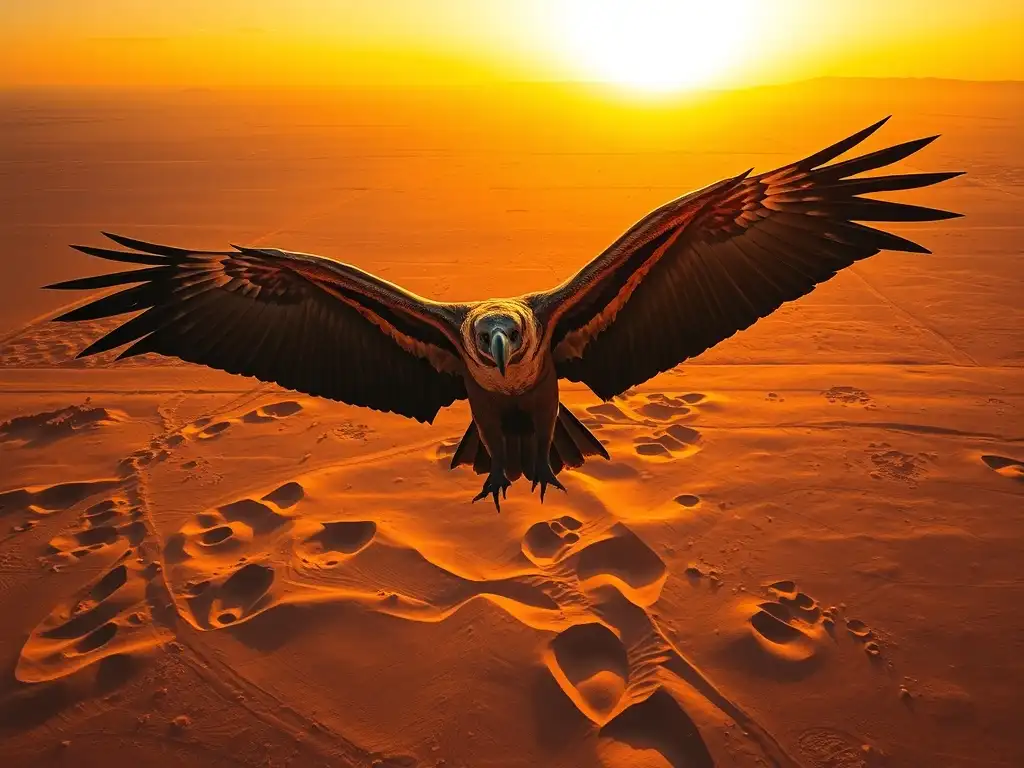
The condor, a majestic bird soaring high above the Andes Mountains, holds immense symbolic significance in Andean cultures, and its representation in the Nazca Lines is no exception. These colossal geoglyphs depict condors with remarkable detail, their wingspans stretching across vast stretches of the desert floor. The Nazca people, masters of observation and intricate artistry, understood the condor's unique position as a creature bridging the earthly and spiritual realms. Its ability to fly to incredible heights, disappearing into the clouds, connected it directly to the sun and celestial deities.
This powerful symbolism is reflected in the Nazca Lines' portrayal of the condor, suggesting a connection between the earthly world of the Nazca and the powerful, unseen forces of the cosmos. The sheer size of the condor geoglyphs further emphasizes its importance, indicating its elevated status within Nazca cosmology. The intricate details, like the precise rendering of feathers and the powerful curve of the beak, demonstrate the Nazca's deep understanding and reverence for this magnificent creature.
Scholars suggest that the condor's presence in the Nazca Lines may represent a connection to shamanic practices, where the bird served as a guide or intermediary between the human and spiritual worlds. Indeed, the condor's role in Andean mythology is rich and complex, encompassing themes of power, leadership, and spiritual insight, all of which likely contributed to its prominence in the Nazca Lines. The careful placement of the geoglyph within the landscape further suggests a deliberate intention to harness the power and symbolism of this magnificent creature.
The Orca: A Link to Power and the Marine World
While the Nazca Lines are predominantly known for their terrestrial animal representations, the presence of marine creatures like the orca presents a fascinating puzzle. The depiction of this powerful predator of the ocean speaks volumes about the Nazca's understanding of the wider world beyond their desert environment. The orca, with its sleek form and commanding presence, represents power, strength, and mastery over the marine world. Its inclusion in the Nazca Lines suggests a connection to the Pacific Ocean, a vital source of sustenance and possibly a source of spiritual significance for the Nazca people.
Unlike some of the other animal figures, the orca's presence might represent a less direct connection to everyday life and more of a symbolic representation of power and the unknown depths of the ocean. Unlike the readily visible condor, the orca's image is a representation of a powerful force largely beyond the direct experience of the Nazca people, further emphasizing its mysterious and awe-inspiring qualities. The precise meaning of the orca geoglyph remains a subject of ongoing research and debate, but its inclusion among the terrestrial animals highlights the Nazca's broad perspective and their capacity to incorporate diverse elements into their complex symbolic system.
It's possible that the orca represents a connection to distant trade routes or a broader cosmological vision that encompassed both terrestrial and marine realms. The sheer scale of the orca geoglyph, comparable to some of the largest terrestrial animals depicted, further underscores its importance within the overall symbolic landscape of the Nazca Lines. The deliberate choice to include this powerful marine creature among the terrestrial animals reinforces the complex and multi-layered nature of Nazca symbolism.
Nazca Lines Animal Symbolism: Deeper Meanings and Interpretations
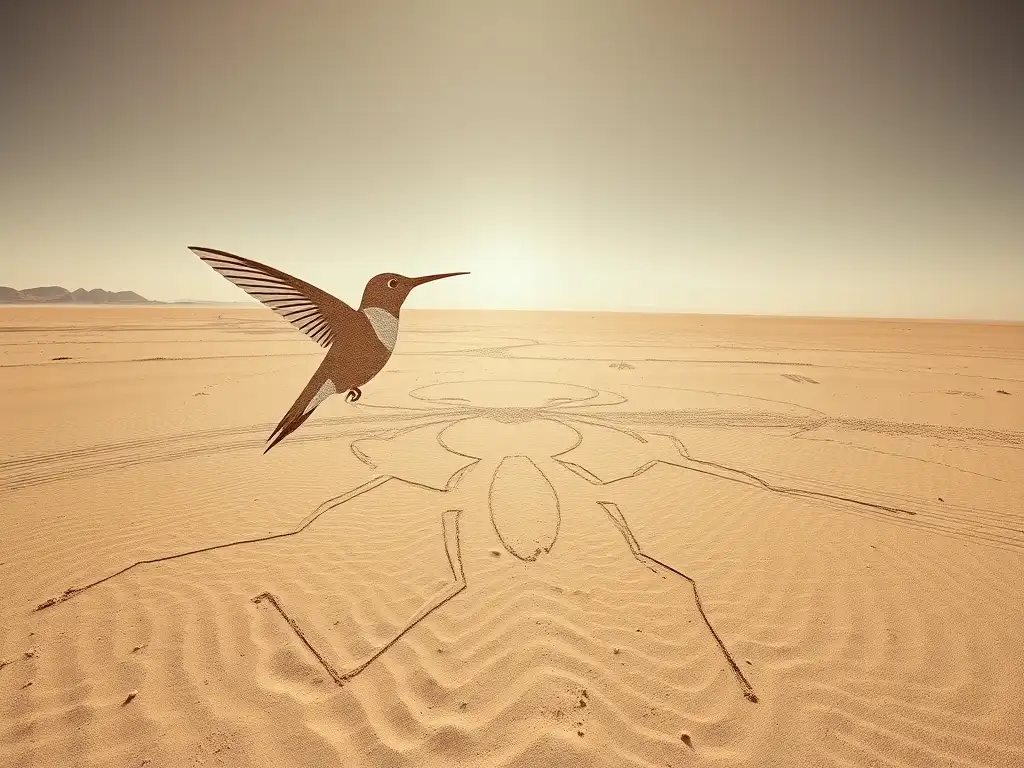
The Nazca lines, sprawling across the Peruvian desert, are more than just intricate geoglyphs; they're a complex tapestry woven with the threads of ancient Andean cosmology, deeply rooted in animal symbolism. Understanding the Nazca lines animal symbolism requires moving beyond simple depictions and delving into the rich cultural context of the Nazca civilization. The animals represented—hummingbirds, monkeys, spiders, lizards, and many more—weren't randomly chosen; they held profound spiritual significance, reflecting the Nazca worldview and their relationship with the natural world.
This section explores the multifaceted interpretations of animal symbolism within the context of Nazca culture, shedding light on their beliefs and practices. The intricate detail and sheer scale of these geoglyphs suggest a level of societal organization and dedication far beyond simple artistic expression. Instead, they represent a powerful visual language reflecting a sophisticated understanding of their environment and the forces shaping their lives.
The careful selection of animals depicted, their size and orientation within the landscape, all contribute to a complex system of meaning waiting to be deciphered. Further research into the specific pigments and materials used in associated artifacts could reveal additional clues about the intended symbolism.
The Role of Ritual Practice in Nazca Art
The creation of the Nazca lines was undoubtedly a complex and labor-intensive process, requiring significant community involvement. This points towards a strong connection between the geoglyphs and ritual practice. The Nazca people were deeply involved in ritualistic activities, evidenced by their intricate pottery, textiles, and burial practices. It's highly probable that the creation of the lines themselves was a ritualistic act, a way of engaging with the supernatural world and reinforcing their beliefs.
The meticulous planning and execution suggest a highly structured social system capable of mobilizing large groups of people for a shared purpose. The repetition of certain animal motifs across various mediums—pottery, textiles, and the geoglyphs themselves—reinforces the idea of a unified symbolic system central to their culture. For example, the frequent depiction of the hummingbird, a creature associated with agility, speed, and the spirit world, suggests its importance in their cosmology.
Similarly, the presence of predatory animals like the feline figures might represent power, protection, or perhaps even a connection to the underworld. The exact nature of these ritual practices remains a topic of ongoing research, but their importance in understanding the deeper meaning of the Nazca lines is undeniable. Analysis of the surrounding landscape and the possible alignment of some geoglyphs with celestial events could further illuminate the ritualistic aspects of their creation.
Animal Spirits and the Nazca Concept of Duality
The Nazca worldview appears to have embraced a concept of duality, reflecting the interplay of opposing forces in nature. This duality is subtly, yet powerfully, expressed in their animal symbolism. For example, the presence of both predatory and prey animals within the geoglyphs suggests a recognition of the interconnectedness of life and death, predator and prey. This isn't simply a depiction of the natural world; it's a reflection of their understanding of the cyclical nature of existence and the balance between opposing forces.
Furthermore, the use of certain colors in the geoglyphs, though faded over time, may have also held symbolic meaning related to this duality. For instance, [specific color analysis pending] could reveal further insights into the dualistic nature of their symbolism. The representation of both terrestrial and aerial animals also hints at a cosmological understanding that encompassed both the earth and the sky.
This holistic perspective is further emphasized by the inclusion of mythical creatures, blending real and imagined beings in a complex symbolic system. The careful consideration of these details suggests a sophisticated understanding of the natural world and its spiritual implications, far exceeding a simple artistic endeavor. Understanding this duality is key to unlocking the true meaning behind the Nazca lines’ animal symbolism.
Ceremonial Use of the Geoglyphs for Agricultural Purposes
While the spiritual significance of the Nazca lines is undeniable, it's also important to consider their possible practical applications. The Nazca civilization relied heavily on agriculture in a challenging desert environment. Some researchers suggest that the geoglyphs, particularly those depicting animals associated with fertility or water, might have played a role in ceremonial practices related to agriculture. The lines themselves might have served as a focus for rituals aimed at ensuring bountiful harvests.
The presence of specific animals, like the spider or the lizard, both associated with water and the earth, could point towards their importance in agricultural rituals. Furthermore, [specific information pending on the alignment of geoglyphs with water sources]. This could indicate that the lines were not only artistic expressions but also served as a practical guide for managing water resources in a harsh environment.
The possible connection between the lines and water management practices highlights the practical aspect of Nazca culture and underscores the holistic nature of their worldview, where spirituality and practicality were intertwined. The annual cycles of planting and harvesting may have been intrinsically linked to the symbolic significance of certain geoglyphs, creating a calendar of sorts integrated into the landscape itself. The Nazca lines, therefore, may not simply be enigmatic art, but a sophisticated system reflecting a deep understanding of their environment and a complex interplay between spiritual beliefs and agricultural practices.
The Relationship Between Nazca Lines and Water Management
The Nazca lines, while famously depicting animals and geometric figures, may also hold a crucial connection to the civilization's sophisticated water management systems. The arid coastal plains of southern Peru, where the Nazca culture thrived, presented a significant challenge: obtaining and conserving water for agriculture and survival. Evidence suggests the lines weren't solely for ceremonial or religious purposes but also played a practical role in understanding and managing their precious water resources.
One theory posits that certain lines, particularly those forming channels or seemingly mimicking riverbeds, might have served as visual representations of underground water sources or aquifers. By meticulously mapping these subterranean water veins, the Nazca could have optimized their agricultural practices, ensuring the success of their crops even in such a harsh environment. This hypothesis is supported by the discovery of sophisticated irrigation canals and underground aqueducts constructed by the Nazca, indicating a deep understanding of hydrology. The precise alignment of some lines with seasonal water flows further strengthens this connection.
Furthermore, the intricate designs themselves, particularly those involving animals associated with water (such as birds or marine creatures), could be symbolic representations of the life-giving properties of water. These depictions, therefore, might not only have held religious significance but also served as a practical reminder of the importance of water conservation and efficient management within the Nazca community.
The combination of astronomical knowledge, sophisticated engineering, and symbolic representation demonstrates a holistic approach to water resource management, far surpassing what one might expect from a seemingly "primitive" culture. Further research into the geological formations beneath the lines and the correlation between line placement and known water sources is needed to fully elucidate this fascinating relationship.
It's a testament to the Nazca's ingenuity and their ability to integrate practical needs with their profound spiritual beliefs. The intertwining of these elements is a key aspect of understanding the "Nazca lines animal symbolism" in its entirety.
Comparing Animal Motifs in Other Andean Cultures
Parallels in Paracas and Tiwanaku Art
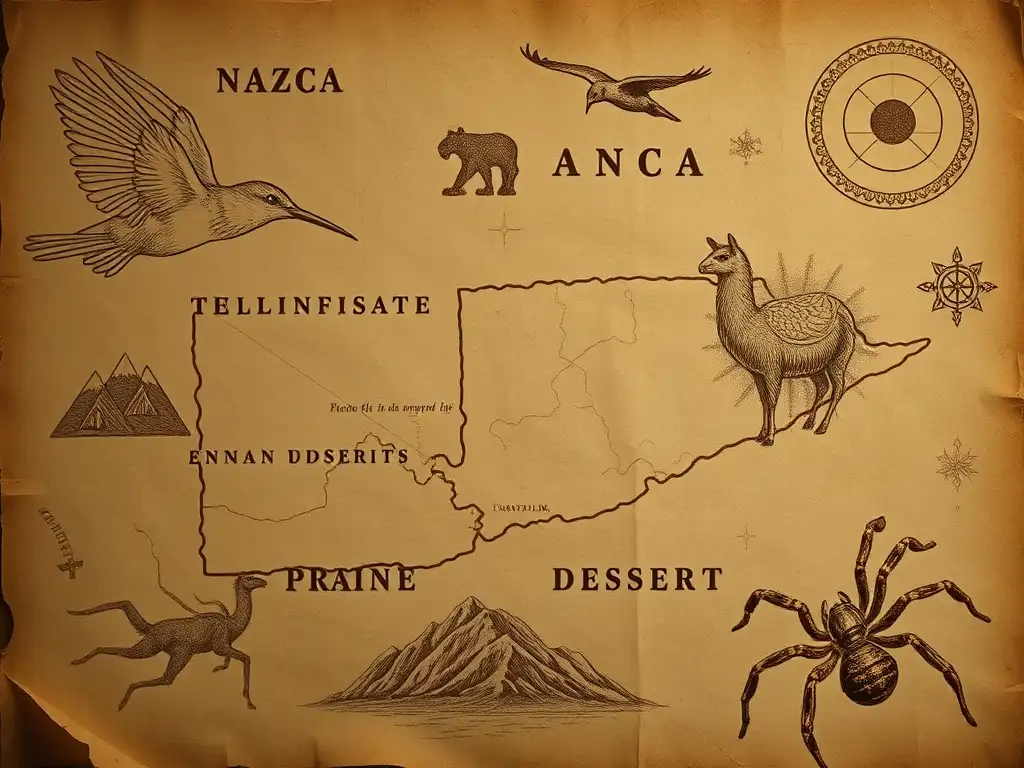
The Nazca lines' animal representations, while unique in their scale and execution, share thematic parallels with other Andean cultures. Examining similar motifs in contemporaneous societies reveals potential influences and cross-cultural exchanges. The Paracas culture, preceding the Nazca, also featured prominent animal imagery in their textiles.
These textiles, often incredibly intricate and colorful, depict a wide array of creatures, including birds, felines, and marine life, demonstrating a deep connection with the natural world, a sentiment clearly echoed in the Nazca lines. While the stylistic approaches differ significantly—Paracas art is known for its vibrant, highly detailed weaving, contrasting with the Nazca lines’ stark simplicity—the choice of animals and their symbolic importance suggest shared cultural roots or at least similar cosmological perspectives.
Further north, the Tiwanaku civilization, flourishing during a similar period, also incorporated animal motifs extensively in their stone carvings and ceramics. However, the Tiwanaku animal representations often possess a more stylized, almost abstract quality compared to the relatively naturalistic depictions found in both Paracas textiles and the Nazca lines. Notable examples include depictions of stylized felines and birds, often integrated into complex iconographic systems that reflect Tiwanaku's sophisticated religious beliefs.
Analyzing these similarities and differences helps us understand the broader context of Nazca animal symbolism within the wider Andean cultural landscape. The presence of similar creatures across these cultures suggests a shared understanding of the symbolic power associated with specific animals, even if their artistic expression varied greatly. Further research into the specific iconography of each culture is needed to fully understand the nuances of these shared motifs.
Andean Cosmovision and the Significance of Animal Totems
The prevalence of animal imagery in Andean art, including the Nazca lines, reflects a deeply rooted animistic worldview. Andean cosmovision, a complex system of beliefs connecting the human and natural worlds, often integrated animals as powerful totems or intermediaries between the earthly and spiritual realms. Animals weren’t simply depicted; they were imbued with spiritual significance, often representing specific deities, natural forces, or ancestral spirits.
For example, the condor, frequently depicted in Nazca lines and other Andean art, often symbolized power, altitude, and connection to the sun god. Similarly, the serpent, another recurring motif, might represent water, fertility, or the underworld. Understanding the Andean cosmovision is crucial to interpreting the symbolic meaning of the animals represented in the Nazca lines.
The choice of specific animals wasn't arbitrary; it reflected a carefully considered system of beliefs and rituals. This is evidenced by the careful placement and orientation of some of the geoglyphs, suggesting a deliberate connection to specific celestial events or geographic features. More research is needed to definitively link specific Nazca lines animals to specific deities or cosmological concepts.
Unique Stylistic Aspects of Nazca Animal Depictions
While sharing thematic similarities with other Andean cultures, the Nazca lines' animal depictions possess unique stylistic features. The sheer scale of the geoglyphs is unparalleled, making them instantly recognizable. Unlike the intricate detail found in Paracas textiles or the stylized forms of Tiwanaku art, the Nazca lines emphasize bold outlines and simplified forms.
This minimalist approach allows for effective visualization from the air, highlighting the unique perspective from which they were likely intended to be viewed. The choice to create these massive images in the desert landscape speaks to the Nazca's profound connection to their environment and their ability to manipulate the landscape to convey powerful symbolic messages. This remarkable feat of engineering and artistic vision underscores the importance of these animal representations within Nazca society.
Further investigation into the tools and techniques used to create these lines could shed light on the social organization and technical expertise of the Nazca people. The precise methods used to create these enormous images, with their remarkable accuracy and longevity, still remain partially mysterious, making them even more fascinating examples of ancient Andean ingenuity. The unique stylistic choices of the Nazca artists, contrasting with the artistic styles of their contemporaries, highlight the distinctive character of Nazca culture and its enduring legacy.
Comparison with Paracas textiles and their use of similar motifs
The Nazca lines' animal representations find compelling parallels in the vibrant textile art of the Paracas culture, a preceding Andean civilization. Paracas textiles, renowned for their intricate designs and vibrant colors, frequently depict similar creatures, albeit in a different medium. The stylistic differences are significant, reflecting the distinct artistic sensibilities of each culture. While the Nazca lines utilize a stark, geometric style defined by the vast scale of the desert canvas, Paracas textiles employ a more fluid, organic approach, often incorporating complex weaving techniques and rich embroidery.
However, the shared iconography is undeniable. Both cultures frequently depict hummingbirds, spiders, lizards, and various marine animals. The representation of these creatures suggests a shared understanding of their symbolic importance within the Andean worldview. For example, the hummingbird, a symbol of swiftness and agility in both cultures, might have represented a connection to the spirit world or the power of the gods. Similarly, the spider, often associated with creativity and weaving in Andean mythology, could have held a similar significance for both the Nazca and Paracas peoples.
Detailed analysis of both the Nazca lines and Paracas textiles reveals subtle variations in the depiction of these creatures. While the Nazca lines emphasize the outline and overall form of the animal, the Paracas textiles often incorporate more detail, showing feathers, scales, or other anatomical features. These differences, however, do not negate the underlying similarities in the chosen motifs and their probable symbolic meanings.
Further research comparing specific animal representations across both cultures could shed more light on the evolution and continuity of Andean animal symbolism. The study of these shared motifs helps us understand the broader context of Nazca line animal symbolism within the larger tapestry of Andean artistic and religious traditions. The enduring presence of these themes across different Andean cultures underscores their deep-rooted significance in the region's cosmology and spiritual beliefs.
The Legacy of Nazca Lines Animal Symbolism
The Nazca lines, sprawling across the Peruvian desert, are more than just impressive feats of engineering; they represent a profound connection between the Nazca people and the animal world. The animal geoglyphs, etched into the earth's surface, are not merely decorative. They hold deep symbolic meaning, reflecting the cosmological beliefs, societal structures, and spiritual practices of this enigmatic civilization.
Understanding the legacy of Nazca lines animal symbolism requires delving into the intricate relationship between the Nazca culture and the animals that surrounded them. This legacy continues to inspire awe and wonder, fueling ongoing research and preservation efforts. The sheer scale and precision of these creations speak to a sophisticated understanding of geometry, surveying, and a profound reverence for the natural world, particularly its animal inhabitants.
The enduring power of these images highlights the lasting impact of Nazca culture on our understanding of ancient civilizations and their complex relationship with their environment. The vibrant depictions of hummingbirds, monkeys, lizards, and other creatures are not just artistic representations; they are powerful symbols imbued with spiritual significance, reflecting the Nazca worldview.
Modern Interpretations and Ongoing Research by Archaeologists
Modern interpretations of Nazca lines animal symbolism are multifaceted and often debated. While definitive conclusions remain elusive, archaeologists and researchers have proposed several compelling theories. Some suggest that the animals depicted were revered as totems or spiritual guides, representing different clans or social groups within Nazca society. Others posit that the geoglyphs served as pilgrimage routes, with the animals marking significant points along the way.
The positioning of some geoglyphs in relation to astronomical events further strengthens the argument for their ritualistic or cosmological significance. Ongoing research continues to refine our understanding of the lines, using advanced technologies like aerial photography, satellite imagery, and ground-penetrating radar to uncover new details. For example, recent studies have revealed subtle variations in the markings within some geoglyphs, suggesting a deeper layer of symbolism yet to be fully deciphered.
These ongoing efforts are crucial for preserving this invaluable cultural heritage and enhancing our understanding of Nazca cosmology and social structures. The continued application of scientific methods promises to unveil further insights into the profound symbolism embedded within these remarkable earthworks. Detailed analysis of the styles, sizes, and locations of the animal figures is providing ever more nuanced interpretations of their meaning.
Preservation Efforts and the Challenges of Climate Change
Preserving the Nazca lines presents significant challenges, primarily due to the fragility of the geoglyphs and the impact of environmental factors. The delicate lines are susceptible to erosion from wind, rain, and human activity. The increasing severity of climate change, with its unpredictable weather patterns and extreme events, exacerbates the threat. Efforts to protect these invaluable historical sites involve a multi-pronged approach.
This includes restricting access to certain areas, implementing sustainable tourism practices, and undertaking careful restoration work where necessary. Monitoring systems that track erosion patterns and environmental changes play a vital role in guiding preservation strategies. The implementation of protective barriers and the development of innovative conservation techniques are also crucial aspects of these ongoing efforts. However, the long-term preservation of the Nazca lines necessitates a global commitment to mitigating climate change and reducing human impact on this fragile ecosystem.
The fight against climate change is directly linked to the survival of these precious historical sites. Further research into sustainable materials and methods is essential to ensure the longevity of the Nazca lines for future generations. The need for international collaboration and sustained funding is paramount in ensuring the successful preservation of this unique cultural heritage.
The Enduring Fascination with Nazca Animal Geoglyphs
The enduring fascination with Nazca animal geoglyphs stems from their sheer scale, mystery, and artistic merit. These enigmatic figures continue to captivate researchers, tourists, and the public alike, sparking curiosity and inspiring countless interpretations. Their unique aesthetic qualities, combining simplicity and grandeur, contribute to their enduring appeal. The mystery surrounding their creation and purpose fuels ongoing research and scholarly debate, keeping the Nazca lines firmly in the public consciousness.
The geoglyphs' evocative power transcends geographical boundaries, inspiring artists, writers, and filmmakers to explore their symbolic richness. Their enduring legacy is a testament to the creativity and ingenuity of the Nazca people, and their profound connection to the animal world. The Nazca lines serve as a powerful reminder of the enduring human fascination with ancient mysteries and the quest for understanding our shared past.
The continued exploration of their symbolism ensures that the Nazca lines remain a compelling subject of study and a source of inspiration for years to come. The remarkable survival of these geoglyphs against the ravages of time and the elements speaks to their enduring significance and the powerful cultural legacy of the Nazca civilization. ✈️
Recent discoveries and their impact on our understanding
Recent archaeological expeditions and advancements in remote sensing technologies have significantly impacted our understanding of Nazca lines animal symbolism. For instance, the discovery of previously unknown geoglyphs, often partially obscured by sand or vegetation, has expanded the known repertoire of animal representations. These new findings challenge existing theories about the purpose and creation of the lines, suggesting a more complex and nuanced system of symbolism than previously imagined. The application of high-resolution aerial photography and LiDAR (Light Detection and Ranging) scanning has allowed researchers to identify subtle details within the geoglyphs, revealing intricate features that were invisible to the naked eye.
These details, such as variations in line thickness and the presence of smaller, ancillary markings, provide further insights into the artistry and symbolic intent behind the animal figures. The analysis of these newly discovered features, coupled with ongoing research into the cultural context of the Nazca civilization, is continuously refining our interpretation of the animal symbolism embedded within the lines. The integration of advanced technologies with traditional archaeological methods promises to unlock even more secrets hidden within the vast desert landscape, further enriching our understanding of the Nazca Lines and their profound significance.
Furthermore, studies into the soil composition and the techniques used to create the geoglyphs are providing valuable clues about the time frame of their creation and the potential social organization required for such a massive undertaking. This multi-faceted approach to research is essential for a comprehensive understanding of the Nazca lines' animal symbolism, moving beyond simple visual interpretations to explore the deeper cultural and social meanings embedded within these remarkable works of art. The ongoing discoveries underscore the dynamic and evolving nature of our understanding of this ancient civilization and its remarkable legacy.
Frequently Asked Questions
What is the main focus of the Nazca Lines?
The Nazca Lines primarily depict geoglyphs, many of which are stylized representations of animals. These enormous figures, etched into the desert floor, are a testament to the sophisticated culture of the Nazca people. Their purpose remains a mystery, although animal symbolism is a prominent theory.
What animals are commonly depicted in the Nazca Lines?
The Nazca Lines feature a wide variety of animals, including birds, such as hummingbirds and condors, mammals like monkeys and llamas, and reptiles like lizards and snakes. The precise symbolism behind each animal is still being researched.
What is the significance of animal symbolism in the Nazca culture?
Animal symbolism in Nazca culture likely held religious or ritualistic importance. Animals were probably seen as powerful totems connected to the earth, gods, and the natural world. Further research continues to uncover their deeper meanings.
How were the Nazca Lines created, considering their scale?
The creation of the Nazca Lines involved the removal of the dark reddish pebbles and stones from the surface, exposing the lighter-colored earth beneath. This process, carried out over a considerable period, reveals a remarkable level of precision and planning.
Why is the interpretation of the Nazca Lines' animal symbolism challenging?
Interpreting the Nazca Lines' animal symbolism is challenging due to the lack of written records from the Nazca civilization. Scholars rely on comparative studies with other Andean cultures and analysis of the geoglyphs themselves, making definitive conclusions difficult.
Final Reflection: Echoes of the Desert, Whispers of the Soul
The enduring mystery of the Nazca Lines continues to resonate today, not merely as an archaeological puzzle, but as a powerful testament to the human spirit's enduring need to connect with the natural world and express profound beliefs through art. These ancient geoglyphs, etched into the Peruvian desert millennia ago, offer a window into a worldview deeply intertwined with the animal kingdom, a connection that remains strikingly relevant in our increasingly disconnected modern age.
The symbolic power of the Nazca Lines' animal figures—the hummingbird, the spider, the lizard—continues to fascinate and inspire, prompting ongoing scholarly debate and artistic interpretation. Their enduring presence speaks volumes about the lasting impact of cultural expression and the importance of understanding diverse perspectives. The past is never dead. It's not even past.
– William Faulkner. This quote perfectly encapsulates the timeless relevance of the Nazca Lines; they are not simply relics of the past, but living symbols that continue to shape our understanding of ancient civilizations and their relationship with the environment.
Consider the profound implications of these ancient images. What stories do they whisper to you? What connections can you draw between the reverence for nature expressed in the Nazca Lines and your own relationship with the natural world? I urge you to explore this further, to seek out the echoes of the desert in your own life, and to discover the enduring power of animal symbolism in shaping our understanding of ourselves and the world around us. Let the mystery of the Nazca Lines inspire you to find your own unique connection to the ancient wisdom they embody.
Unveil the Mysteries of the Nazca Lines Today!
Thank you for exploring the fascinating world of the Nazca Lines and their rich symbolism! We hope you've discovered the powerful history and meaning woven into these magnificent geoglyphs. Now, let's delve deeper into this captivating heritage!
Here's how you can continue your exploration:
- Explore online resources: Immerse yourself in the world of the Nazca Lines through virtual museum exhibits and online galleries dedicated to Andean art and culture.
- Share your discoveries: Discuss your newfound knowledge with friends and family, or share your insights on social media. Inspiring others to appreciate these ancient symbols helps to foster a greater understanding and appreciation of Andean cultures.
- Connect with fellow enthusiasts: Join online communities or local groups dedicated to Andean civilizations to exchange ideas and perspectives on the spiritual significance of the Nazca Lines.
What resonates with you most about the imagery and symbolism of the Nazca Lines, and how does it relate to your own worldview? Share your thoughts below!