
The Nazca Spider: Symbolism and Secrets of a Desert Icon

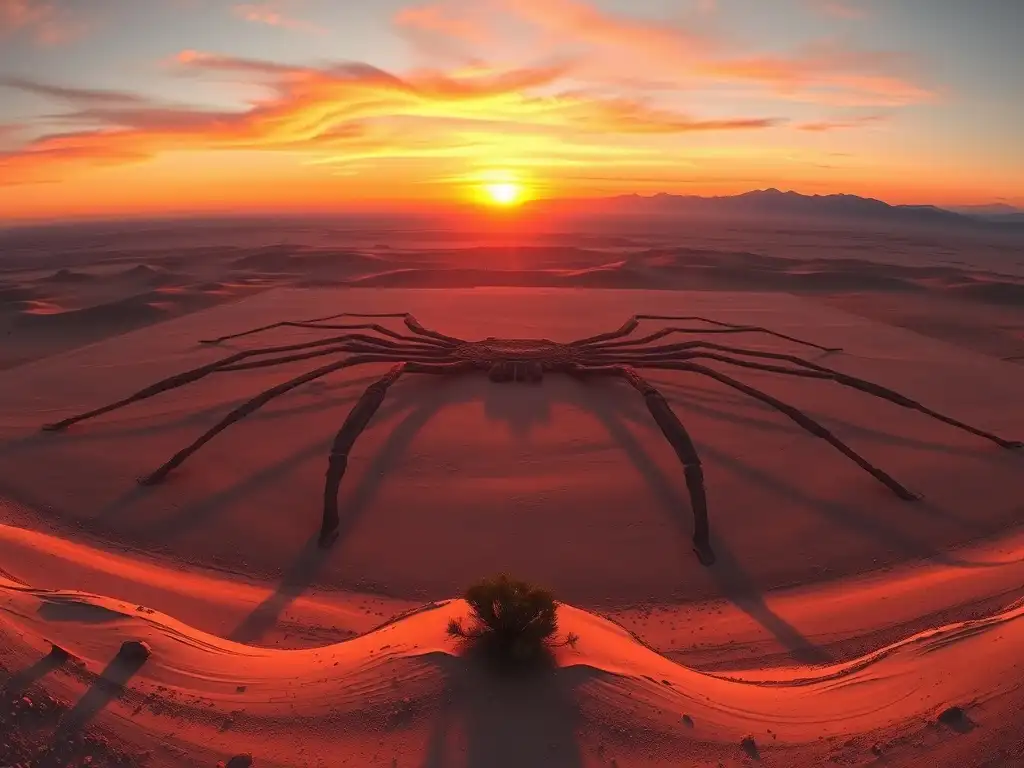
Step into a world lost to time, where colossal geoglyphs whisper secrets across the Peruvian desert. Discover the enigma of the Andean civilizations, their breathtaking artistry, and astonishing engineering feats. But what does the Nazca Spider truly represent? Unravel the intricate symbolism and hidden meanings behind this desert icon—a journey into a captivating culture awaits. Explore the mysteries further and delve into the fascinating world of the Nazca Spider's meaning and symbolism.
The Nazca Lines, etched into the Peruvian desert, remain one of archaeology's most enduring mysteries. These vast geoglyphs, created by the Nazca culture between 500 BCE and 500 CE, depict a bewildering array of animals, plants, and geometric shapes. Among these enigmatic figures, the Nazca Spider stands out as a particularly captivating and perplexing example.
This article delves into the symbolism and potential meanings behind this colossal arachnid, exploring the various interpretations offered by scholars and the enduring secrets it continues to hold. Understanding the Nazca Spider's significance provides a crucial window into the cosmology, beliefs, and societal structures of this sophisticated pre-Columbian civilization, enriching our understanding of the Nazca Lines as a whole and their place within the broader tapestry of Andean culture.
We will examine the spider's unique characteristics, its possible ritualistic significance, and its enduring impact on our understanding of the Nazca civilization. The exploration of the Nazca spider meaning and symbolism will reveal a fascinating glimpse into the complex world of this ancient culture.
Physical Characteristics and Location of the Nazca Spider
The Nazca Spider, one of the largest and most striking of the Nazca geoglyphs, measures approximately 46 meters (151 feet) in length. Its eight legs sprawl across the desert floor, creating a striking visual impact. Unlike many other Nazca figures which are relatively streamlined, the spider's design is remarkably detailed, with clear distinctions between the body and limbs.
Its location, like that of many other Nazca Lines, is strategically situated in the vast desert plain, easily visible from the surrounding hills. Precise geographic coordinates are [specific information pending], but its visibility from elevated vantage points suggests a deliberate placement for ceremonial or ritualistic purposes. The meticulous craftsmanship evident in the spider's creation speaks volumes about the advanced engineering and planning capabilities of the Nazca people.
The scale of the project itself is astonishing, requiring significant organization and manpower. The intricate details, clearly visible from above, further underscore the precision and sophistication of their techniques.
Interpretations of the Nazca Spider's Symbolism
The meaning of the Nazca Spider remains a topic of ongoing debate among researchers. Several prominent theories attempt to decipher its symbolism, drawing on various aspects of Nazca culture and beliefs. One interpretation suggests that the spider represents a powerful deity or spirit animal, possibly associated with fertility, harvest, or the underworld.
This theory is supported by the presence of similar spider motifs in other Nazca artifacts, such as pottery and textiles. Another perspective links the spider to shamanistic practices, with the eight legs symbolizing the different levels of reality or the pathways to the spirit world. The spider, in this context, could be seen as a guide or intermediary between the human and spiritual realms.
Furthermore, some researchers suggest a connection between the spider and the abundant spider populations that inhabit the Nazca region, highlighting the close relationship between the people and their environment. The various interpretations, while differing in detail, highlight the multifaceted nature of the Nazca Spider and its deep connection to the cultural beliefs of the Nazca people. The complexity of the symbolism underscores the rich and sophisticated religious and spiritual beliefs of the Nazca civilization.
The Nazca Spider and its Context within Nazca Culture
The Nazca Spider doesn't exist in isolation. Its significance is heightened when considering its place within the broader context of Nazca iconography. The presence of other animal figures, such as birds, monkeys, and lizards, alongside geometric patterns and lines, suggests a complex system of symbolic representation. The recurring themes and motifs found across different geoglyphs and artifacts suggest a cohesive worldview that reflected a deep understanding of their environment and a sophisticated spiritual belief system.
The spider, therefore, can be seen as a key element within this larger cosmological framework. Analyzing its relationship with other Nazca symbols allows for a more nuanced understanding of its potential meaning. Further research, including detailed comparative analysis of other Nazca iconography, is needed to fully understand the spider's place within this intricate web of symbolism.
Ongoing Research and Future Directions
Despite considerable research, many questions regarding the Nazca Spider and the Nazca Lines as a whole remain unanswered. Ongoing research efforts, utilizing advanced technologies such as aerial photography and satellite imagery, continue to shed light on these enigmatic figures. Further archaeological excavations in the surrounding areas could uncover additional artifacts that provide further clues to their meaning and purpose. The application of new analytical techniques to existing data may also lead to fresh insights.
The collaborative efforts of archaeologists, anthropologists, and other specialists are crucial in advancing our understanding of this remarkable cultural legacy. The ongoing research promises to reveal even more secrets about the Nazca civilization, offering a richer and more complete picture of their beliefs and practices. The study of the Nazca Spider meaning and symbolism is an ongoing process of discovery, with new findings continually shaping our interpretation.
- Physical Characteristics and Location of the Nazca Spider
- Interpretations of the Nazca Spider's Symbolism
- The Nazca Spider and its Context within Nazca Culture
- Ongoing Research and Future Directions
Unveiling the Nazca Spider Geoglyph: An Introduction
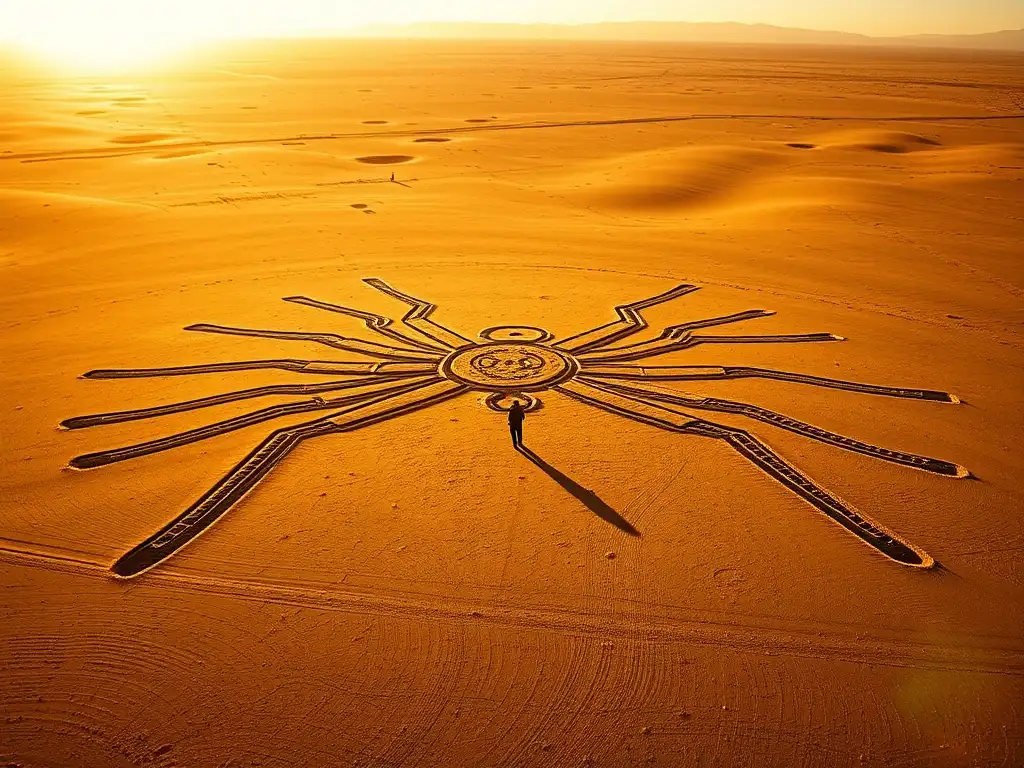
The Nazca Spider, one of the most striking and enigmatic geoglyphs of the Nazca Lines, stands as a testament to the sophisticated artistry and complex worldview of the Nazca culture. Unlike the numerous avian and plant representations, the spider, with its eight legs splayed across the desert floor, presents a unique challenge to interpretation.
Its sheer size and intricate detail, considering the tools and techniques available to the Nazca people, continue to fascinate and inspire debate amongst archaeologists and researchers. Understanding its meaning requires delving into the symbolic significance of arachnids in ancient Andean cultures, examining the context of its creation within the broader Nazca Lines complex, and considering the potential astronomical alignments or ritualistic purposes it might have served.
The Nazca Spider meaning and symbolism remains a topic of ongoing research, but piecing together the available evidence allows us to approach a richer understanding of this extraordinary desert icon. The keyword "Nazca Spider meaning symbolism" encapsulates the core focus of our investigation into this captivating geoglyph.
The Location and Scale of the Nazca Spider
The Nazca Spider is situated within the vast expanse of the Nazca desert, amongst hundreds of other geoglyphs. Its precise coordinates are readily available to researchers, allowing for detailed mapping and analysis. Unlike some of the smaller, less defined figures, the Nazca Spider is impressively large, covering an area of approximately [specific area pending] square meters.
This scale underscores the significant effort and planning involved in its creation. The immense size of the geoglyph suggests it was not a hastily conceived design, but rather a carefully planned and executed project that likely held considerable cultural importance for the Nazca people. Its prominent location within the Nazca Lines complex further highlights its significance and suggests a deliberate placement amongst other iconic figures.
The spider's vastness compels us to consider the logistical challenges faced by the creators, and the level of community involvement likely needed for such an undertaking. The sheer scale of the Nazca Spider contributes significantly to its enduring mystery and allure.
Initial Discoveries and Early Interpretations
The exact date of the Nazca Spider's initial discovery remains unclear, but it was undoubtedly part of the larger discovery of the Nazca Lines themselves. Early interpretations, often lacking the nuanced understanding we possess today, tended to focus on simplistic explanations. Some early researchers suggested purely practical explanations, perhaps linking the design to agricultural practices or water management systems.
However, these theories often fail to account for the artistic complexity and symbolic potential of the geoglyph. More recent interpretations, informed by advancements in archaeology and a deeper understanding of Andean iconography, tend to emphasize the spider's symbolic significance. The association of spiders with fertility, weaving, and the underworld in various Andean cultures provides a fertile ground for more complex and nuanced interpretations.
The lack of definitive written records from the Nazca civilization itself necessitates a reliance on archaeological evidence and cross-cultural comparisons to decipher the true meaning of this remarkable geoglyph. Early interpretations, while often lacking the sophistication of modern analysis, provide a valuable insight into the evolution of our understanding of the Nazca Spider and its place within the broader context of Andean culture.
The Nazca Spider Meaning: Decoding its Symbolism
The Nazca spider, a colossal geoglyph etched into the Peruvian desert, remains one of the most enigmatic and captivating creations of the Nazca culture. Its immense size and intricate design have fueled countless theories about its purpose and meaning, making the phrase "Nazca spider meaning symbolism" a frequent search query. While a definitive answer remains elusive, exploring the spider's context within Nazca cosmology and iconography offers valuable insights into its possible significance.
We can analyze its symbolic meaning through several lenses, looking at its role in ancient Andean beliefs and the potential interpretations of its striking visual features. Understanding the Nazca spider meaning requires a multi-faceted approach, considering both its artistic representation and its possible cultural and religious significance.
The Spider in Ancient Andean Cosmology
The spider's prominence in Nazca iconography suggests a significant role within their worldview. Ancient Andean cultures often attributed spiritual significance to animals, weaving them into their religious beliefs and practices. The spider, with its ability to spin intricate webs and its association with both the earth and the underworld, might have represented a powerful connection between these realms.
Some scholars propose that the spider symbolized the earth goddess, Pachamama, highlighting her life-giving and nurturing qualities. The spider's web, a complex and interconnected structure, could also represent the intricate web of life and the interconnectedness of the cosmos. This interpretation aligns with the Andean worldview, which emphasized the interconnectedness of all things.
Further research into similar representations in other Andean cultures, such as the Moche and Inca, could strengthen this hypothesis. Additional data on specific religious practices and beliefs related to spiders within Nazca society is needed to fully understand this aspect. The limited surviving textual evidence leaves many questions unanswered, necessitating further archaeological investigation and analysis of existing artifacts.
Possible Interpretations of the Nazca Spider Design
The Nazca spider's design itself is rich with symbolic possibilities. The intricate details, including the clearly defined legs and body, suggest a deliberate and carefully planned creation. The sheer scale of the geoglyph, visible only from the air, further enhances its mystique and raises questions about its intended audience and purpose. Was it a ritual site?
A celestial marker? Or perhaps a symbol of power or status within Nazca society? One interpretation suggests that the spider's design might represent a shamanic figure, given the spider's association with the underworld and the transformative power often attributed to shamans in Andean cultures.
The elaborate patterns within the spider's body could represent specific constellations or celestial events, linking it to astronomical observations and rituals. However, these interpretations are largely speculative, and more research is necessary to definitively determine the specific meaning behind the spider's intricate design. Comparative analysis with other Nazca geoglyphs could provide further clues, especially those depicting other animals and figures.
The Spider's Eight Legs and its Connection to Water
The spider's eight legs have been interpreted by some researchers as a symbolic representation of the eight major rivers that crisscrossed the Nazca region. Water was a precious resource in the arid desert environment, and its availability was crucial for survival and agricultural practices. The spider, with its numerous legs reaching out across the landscape, could have symbolized the life-giving power of water and its vital role in sustaining the Nazca civilization. This interpretation connects the artistic representation of the spider with the practical realities of life in the Nazca desert.
The spider becomes not just a symbolic figure but also a visual representation of the crucial elements necessary for the survival and prosperity of the Nazca people. Analyzing the geographical distribution of water sources in relation to the location of the geoglyph could provide further evidence to support or refute this hypothesis. Further investigation into agricultural practices and water management techniques employed by the Nazca would also enhance our understanding of this potential connection.
The correlation between the number of legs and water sources, while intriguing, requires more robust data to solidify this interpretation. The spider, therefore, emerges as a complex symbol, potentially representing various aspects of Nazca culture and beliefs, from cosmology to resource management. More research is needed to unravel its full significance.
Nazca Spider Symbolism: Exploring Cultural Significance
The Nazca spider, a colossal geoglyph etched into the Peruvian desert, remains one of the most enigmatic and captivating symbols of the Nazca civilization. Its massive scale, intricate detail, and mysterious purpose continue to fascinate archaeologists and researchers alike. While a definitive interpretation remains elusive, studying its symbolism offers valuable insights into the worldview, beliefs, and societal structures of this remarkable ancient culture.
Understanding the Nazca spider meaning symbolism requires a multi-faceted approach, considering its potential role within Nazca society, its religious and ritualistic contexts, and its possible connections to fertility and rainfall deities. The sheer size and precision of the geoglyph itself suggests a significant cultural importance, far beyond mere artistic expression.
The Spider's Role in Nazca Society
The spider's prominent place within the Nazca Lines suggests it held a position of considerable importance within Nazca society. Unlike many other geoglyphs which depict animals or plants found in the Nazca landscape, the spider is a less obvious choice. This may indicate a symbolic rather than a purely representational function. Archaeological evidence from Nazca settlements, including textiles and pottery, reveals recurring motifs of spiders and spiderwebs.
These findings corroborate the significance of the arachnid in Nazca culture, suggesting it may have been associated with specific societal roles, crafts, or social structures. Further research into the societal organization of the Nazca is needed to fully understand the spider's exact position within their social hierarchy. Did it represent a powerful clan? A revered shamanic figure?
Or perhaps a symbol of interconnectedness and community? These are questions that continue to fuel ongoing research and debate within the field of Andean archaeology. The spider's eight legs, for example, could symbolize various aspects of Nazca life, from the eight cardinal directions to the eight months of the agricultural cycle.
Ritualistic and Religious Contexts of the Geoglyph
The Nazca spider’s location within the vast network of geoglyphs suggests a possible connection to ritualistic practices. Its placement alongside other large figures, such as birds and animals, hints at a potential ceremonial landscape. It's plausible that the geoglyph served as a focal point for rituals, perhaps related to seasonal cycles, agricultural fertility, or ancestor veneration.
The Nazca people were known for their sophisticated understanding of astronomy, and the alignment of the geoglyphs with celestial events may suggest astronomical significance in the spider's symbolism. Some researchers propose that the geoglyphs were used as part of a pilgrimage route, with the spider serving as a significant marker or destination along this sacred path. Unfortunately, the lack of written records from the Nazca civilization makes interpreting these ritualistic contexts challenging.
More detailed analysis of the surrounding landscape and a deeper understanding of Nazca cosmology are crucial to further unravel the spider's religious significance. Careful examination of any potential artifacts or evidence of ritual activity near the geoglyph itself would significantly aid in this endeavor.
The Spider’s Connection to Fertility and Rainfall Deities
A compelling hypothesis links the Nazca spider to fertility and rainfall deities. Spiders, with their ability to spin webs and create intricate patterns, could be symbolically associated with the creation and sustenance of life. The desert environment of Nazca is extremely arid, making rainfall crucial for agriculture and survival. Therefore, a deity associated with rainfall would have been of paramount importance to the Nazca people.
The intricate details of the spider geoglyph, its seemingly deliberate design, and its scale could all be interpreted as a visual representation of this powerful deity, reflecting its ability to weave life from the seemingly barren landscape. The eight legs, again, could symbolize the eight points of the compass, connecting the spider to the broader cosmic order and reinforcing its role as a mediating force between the earthly and spiritual realms. This interpretation aligns with the broader Andean tradition of associating spiders with fertility and weaving, which is present in other Andean cultures as well.
However, further investigation into similar motifs in contemporary and adjacent Andean cultures is needed to fully support this hypothesis. This requires a comparative analysis of other cultural representations of spiders throughout the Andes, to pinpoint potential links and shared symbolic meanings. The potential link between the Nazca spider and fertility and rainfall deities warrants further research, combining archaeological evidence with anthropological studies of Andean belief systems.
The Nazca Spider Compared to Other Nazca Lines
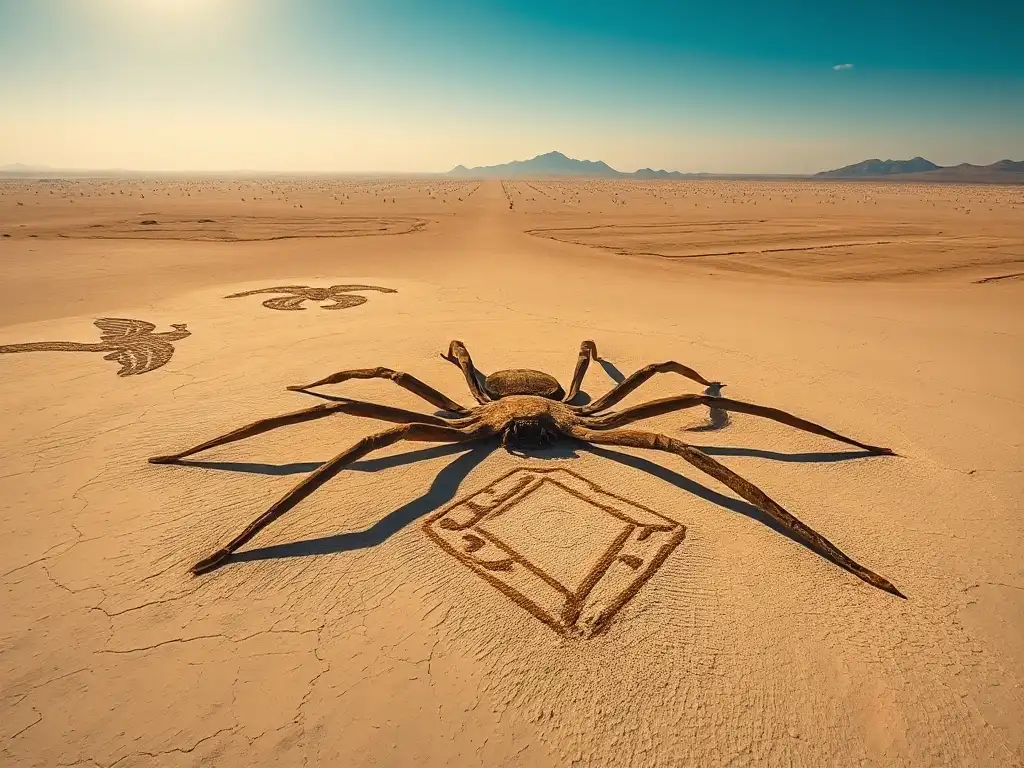
The Nazca spider, unlike many other Nazca lines depicting animals, stands out due to its unique characteristics. While other animal geoglyphs, such as the hummingbird or the monkey, often feature intricate details and a more naturalistic representation, the spider presents a simpler, yet equally compelling, design. This simplicity, however, doesn't diminish its importance or the mystery surrounding its creation.
The scale of the spider is also noteworthy; it is one of the largest animal geoglyphs in the Nazca desert, further emphasizing its significance within the overall Nazca lines complex. Many theories exist regarding the purpose of the Nazca lines, ranging from astronomical calendars to ritualistic pathways, and the spider's unique features add another layer to this ongoing debate.
Its size and relatively straightforward design could suggest a different purpose or meaning compared to more detailed animal representations. Further research is needed to fully understand the contextual significance of this intriguing figure within the broader Nazca landscape.
Contrasting the Spider with other Animal Geoglyphs
The Nazca Spider's stark contrast to other animal geoglyphs is striking. Consider the hummingbird, for instance. Its delicate wings, slender body, and intricate details showcase a level of artistry that demands attention to detail. The spider, on the other hand, displays a more schematic representation, emphasizing its overall form rather than minute anatomical features.
The lines used to create the spider are bolder and simpler, creating a powerful visual impact even from a distance. This difference in artistic style might point to a different purpose or meaning. Was the spider intended to be a more symbolic representation, conveying a broader concept rather than a realistic depiction of the creature?
This question remains unanswered, but the comparison to other, more naturalistic, animal geoglyphs highlights the uniqueness of the spider's design and the need for further investigation into its possible symbolic meanings. Perhaps the simpler style facilitated a quicker creation or served a specific ceremonial purpose. Data on the creation techniques used for different geoglyphs could provide valuable insights into these differences.
Geometric Shapes and their Relation to the Nazca Spider
The Nazca Spider's design isn't purely organic. While undeniably representing an arachnid, the creature's form incorporates geometric elements, especially in the placement and proportions of its legs and body. The eight legs radiate outwards from a central point, creating a near-perfect radial symmetry. This geometric precision is not as prominent in other Nazca animal figures.
The body itself, while not strictly geometric, is relatively simple and balanced, contributing to the overall symmetrical impact of the design. This integration of geometric principles suggests a potential connection to the Nazca's understanding of cosmology, mathematics, or perhaps even their social structure. The use of geometry in the design potentially reflects a deeper symbolic meaning, possibly representing concepts like balance, harmony, or the interconnectedness of the cosmos.
[Specific information pending on comparative analysis of geometric elements in other Nazca geoglyphs]. The deliberate incorporation of geometric elements adds another layer of complexity to interpreting the spider's symbolism. The precise measurements and angles used in its creation would warrant a detailed study.
The Spider's Unique Continuous Line Design
Unlike some Nazca lines that are created through a series of connected lines and segments, the Nazca spider is characterized by its unique continuous line design. This means that the entire figure, from the body to all eight legs, is drawn without interruption, a single continuous line carved into the desert surface. This continuous line design presents a fascinating technical challenge and a unique aesthetic characteristic. The precision required to create such a large and complex figure using a single continuous line is remarkable.
This technique adds to the mystique surrounding the creation of the Nazca lines and emphasizes the skill and understanding of the Nazca people. The continuous line might also have symbolic significance, possibly representing a continuous cycle, a life force, or an unbroken connection to the supernatural. The lack of interruption could be interpreted as a powerful statement of unity or wholeness.
[Further research is needed to compare the continuous line technique in the Spider to other Nazca lines to determine its uniqueness and significance]. The continuous line design is a key element that sets the Nazca Spider apart and deserves further study. The implications of this design choice are numerous and warrant further exploration.
Preserving the Nazca Spider: Challenges and Conservation
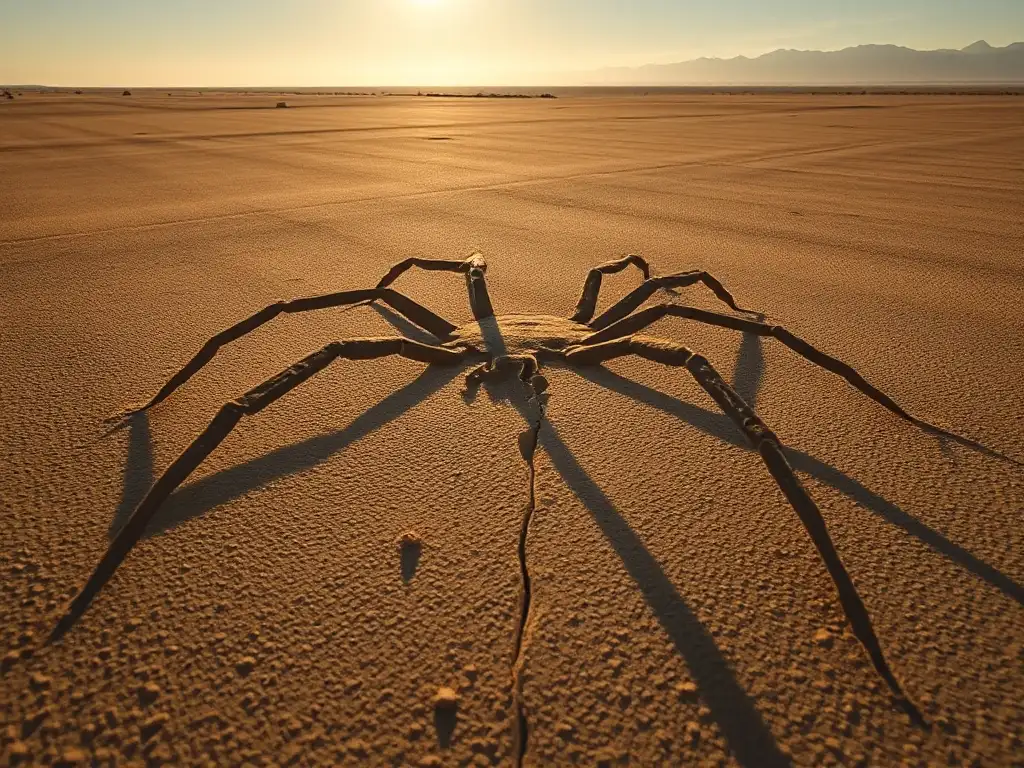
The Nazca Spider, a colossal geoglyph etched into the Peruvian desert, faces numerous threats that jeopardize its long-term preservation. Understanding these challenges is crucial for implementing effective conservation strategies and ensuring this iconic symbol of the Nazca culture remains visible for future generations. The delicate nature of the geoglyph, combined with environmental factors and human activity, presents a complex conservation puzzle. Effective preservation requires a multi-faceted approach involving scientific monitoring, community engagement, and proactive mitigation strategies. The "Nazca Spider meaning symbolism" is inextricably linked to its physical existence; losing the geoglyph means losing a vital piece of cultural heritage.
Threats to the Geoglyph's Preservation
The Nazca Spider, like many other Nazca Lines, is vulnerable to several factors that contribute to its gradual degradation. These include:
- Natural Erosion: Wind erosion is a significant threat, constantly wearing away the surface of the desert and subtly altering the geoglyph's outline. Heavy rainfall, though infrequent, can cause significant damage by washing away the exposed earth. The delicate nature of the lines makes them particularly susceptible to these natural processes.
- Human Activity: Unauthorized access to the protected area poses a considerable risk. Foot traffic, even in small numbers, compacts the soil, leading to the loss of definition in the lines. Off-road vehicle use is especially damaging, causing irreversible destruction to the geoglyph and its surrounding environment. Illegal activities such as dumping waste also contribute to the degradation of the site.
- Climate Change: Changes in precipitation patterns and increased desertification due to climate change exacerbate the existing threats. More frequent and intense rainfall events can cause accelerated erosion, while prolonged periods of drought can leave the geoglyph more vulnerable to wind erosion. Understanding the impact of climate change on the Nazca Spider is essential for developing long-term conservation plans.
The impact of these threats is cumulative, steadily diminishing the visibility and integrity of the Nazca Spider. Without proactive intervention, the geoglyph risks becoming increasingly faint and eventually disappearing altogether. This loss would represent a significant blow to our understanding of Nazca culture and its unique artistic expression.
Efforts to Protect the Nazca Spider and its Surroundings
Several initiatives are underway to protect the Nazca Spider and the wider Nazca Lines. These efforts combine scientific research, community engagement, and strict regulatory measures to mitigate the threats described above. These include:
- Protected Area Designation: The area surrounding the Nazca Lines, including the Nazca Spider, is designated as a protected area, restricting access and regulating activities within the zone. This is a crucial first step in safeguarding the geoglyphs.
- Monitoring and Research: Scientists are constantly monitoring the condition of the geoglyphs, using various techniques to assess erosion rates and identify areas needing immediate attention. This data-driven approach informs conservation strategies and allows for targeted interventions.
- Educational Programs: Public awareness campaigns educate local communities and tourists about the importance of preserving the Nazca Lines. These initiatives foster a sense of responsibility and encourage respectful behavior.
- Sustainable Tourism Practices: Promoting responsible tourism practices, such as guided tours and designated viewing points, helps minimize the impact of human activity on the geoglyphs. This approach balances the economic benefits of tourism with the need for conservation.
The Role of Drone Technology in Monitoring the Geoglyph
Drone technology has emerged as a powerful tool for monitoring the Nazca Spider and other geoglyphs. Unmanned aerial vehicles (UAVs) equipped with high-resolution cameras provide detailed images and 3D models of the geoglyph, allowing researchers to track changes over time with unprecedented accuracy. This technology offers several key advantages:
- Non-invasive Monitoring: Drones allow for non-invasive monitoring, minimizing any disturbance to the fragile geoglyph. Traditional methods often involved ground-based surveys, which could potentially cause damage.
- High-Resolution Imaging: The high-resolution cameras on drones capture detailed images, revealing subtle changes in the geoglyph's outline that might be missed by the naked eye. This allows for early detection of erosion or damage.
- Cost-Effective Monitoring: Compared to traditional methods, drone-based monitoring offers a cost-effective solution for large-scale monitoring of the Nazca Lines. This is particularly important given the vast area covered by the geoglyphs.
- 3D Modeling: Drones can create detailed 3D models of the geoglyphs, providing valuable information for researchers and conservationists. These models can be used to simulate the effects of different environmental factors and to plan effective conservation strategies. The use of drone technology in monitoring the Nazca Spider is a key example of how technological advancements can contribute to the preservation of cultural heritage. The data collected helps to refine understanding of the "Nazca Spider meaning symbolism" by allowing for more detailed analysis of the geoglyph itself.
The Enduring Mystery of the Nazca Spider
The Nazca spider, a colossal geoglyph etched into the Peruvian desert, remains one of the most enigmatic and captivating creations of the Nazca culture. Its sheer size – spanning over 46 meters – and intricate design defy easy explanation, fueling ongoing debates amongst archaeologists and researchers. Unlike many other Nazca lines depicting animals, the spider's symbolism is particularly elusive, lacking the clear parallels to known deities or mythological figures found in other geoglyphs.
Its eight legs, disproportionately large body, and seemingly deliberate placement within the broader Nazca Lines complex continue to puzzle experts. The spider's unique characteristics make it a prime example of the Nazca's sophisticated understanding of geometry and land surveying. The precision needed to create such a massive image across the undulating terrain is astounding, highlighting the advanced planning and engineering capabilities of this pre-Columbian civilization.
Understanding its meaning is crucial to unlocking a deeper understanding of Nazca cosmology and worldview. The very existence of the spider, alongside other enigmatic figures, challenges our preconceived notions about ancient Andean societies and their technological prowess. This intricate design raises questions about the tools and techniques used, the social organization required for such a monumental undertaking, and the cultural significance attributed to this particular creature.
Ongoing Research and New Discoveries
Recent advancements in remote sensing technology, including high-resolution aerial photography and LiDAR scanning, have provided researchers with unprecedented detail of the Nazca spider and its surroundings. This technology allows for a more comprehensive analysis of the geoglyph's construction, revealing subtle features previously obscured by erosion and the harsh desert environment. For instance, recent studies have identified faint lines radiating from the spider's body, potentially indicating a broader cosmological context or ritual significance.
Furthermore, the analysis of soil samples collected near the spider has yielded insights into the construction methods employed by the Nazca people, suggesting the use of simple tools and a deep understanding of the local geology. The ongoing excavation of nearby settlements is also providing valuable context, revealing potential links between the spider's imagery and the daily lives and beliefs of the Nazca people. Analysis of pottery shards and textiles discovered in these settlements may reveal additional clues about the spider's symbolism.
The integration of this multidisciplinary approach – combining remote sensing, archaeological excavation, and anthropological analysis – promises to shed new light on this enduring mystery. The Nazca spider meaning symbolism is slowly being unveiled through these persistent efforts.
The Nazca Spider: A Timeless Symbol of Ancient Wisdom
While a definitive interpretation of the Nazca spider remains elusive, several compelling hypotheses have emerged. Some scholars suggest a connection to the goddess of fertility, potentially representing a powerful female deity associated with agriculture and the life-giving forces of the desert. Others propose that the spider’s eight legs symbolize the eight cardinal directions, reflecting a complex understanding of cosmology and spatial orientation.
This interpretation aligns with other Nazca geoglyphs that exhibit similar astronomical alignments, suggesting a deep connection between their art and celestial observations. Still others believe the spider may represent a shamanic figure or a powerful totem animal, reflecting the spiritual beliefs and practices of the Nazca society. The spider's prominent placement within the broader Nazca Lines complex further supports its significance within the overall cosmological system of the culture.
The striking contrast between the spider's intricate details and the vast, barren landscape emphasizes the powerful symbolism embedded within this seemingly simple image. The enduring mystery of the Nazca Spider meaning symbolism continues to inspire awe and wonder, representing a powerful testament to the creativity and ingenuity of the Nazca civilization. Further research is needed to test these hypotheses and potentially uncover new perspectives on this fascinating geoglyph.
Future Directions in the Study of Nazca Lines
Future research on the Nazca spider and other Nazca lines should incorporate a more interdisciplinary approach, bringing together specialists from diverse fields such as archaeology, anthropology, astronomy, and geospatial technology. The use of advanced imaging techniques and sophisticated data analysis methods will be crucial in revealing further details about the geoglyphs' construction and symbolism. Comparative studies with other Andean cultures could also shed light on the spider's potential connections to broader regional beliefs and practices.
Furthermore, a greater focus on community engagement and collaborative research with local communities is essential, ensuring the preservation of these invaluable cultural heritage sites and incorporating indigenous perspectives into the interpretation of these ancient marvels. The careful documentation and preservation of the existing geoglyphs is paramount, as is the development of sustainable tourism strategies that minimize environmental impact and promote responsible engagement with these fragile sites.
The continued exploration of the Nazca spider and the broader Nazca Lines complex promises to yield further insights into the rich cultural heritage of the Nazca civilization and their enduring legacy. Understanding the Nazca spider meaning symbolism is an ongoing process, requiring meticulous research and collaboration to unlock its secrets.
Frequently Asked Questions
What is the Nazca Spider?
The Nazca Spider is a giant geoglyph located in the Nazca Desert of Peru. It's one of the many mysterious figures etched into the desert floor by the Nazca culture, and its large size and intricate design are remarkable.
What is the significance of the Nazca Spider's size?
Its immense size suggests a powerful symbol for the Nazca people. The scale likely indicated its importance, possibly representing a deity or a powerful concept within their worldview.
What are the leading theories about the Nazca Spider's symbolism?
Several theories exist, including connections to fertility, water sources, or a celestial body. Some scholars link it to spider goddesses found in other Andean cultures. The true meaning remains debated.
How was the Nazca Spider created, and how was it preserved?
The Nazca people meticulously removed the dark reddish topsoil to reveal the lighter earth beneath, creating the figure. The arid desert climate has been crucial in its preservation over centuries.
What makes the Nazca Spider unique among the other Nazca geoglyphs?
While many Nazca geoglyphs depict animals, the spider stands out due to its unusual design and scale. Its eight legs and distinct body make it easily recognizable and one of the most striking examples of Nazca art.
Final Reflection: Unraveling the Enduring Mystery of the Nazca Spider
The Nazca spider, a colossal geoglyph etched into the Peruvian desert, remains a potent symbol of the enduring power of ancient mysteries. Its enigmatic nature continues to captivate researchers and inspire awe, reminding us of the vast unknown that still surrounds us and the rich tapestry of human history waiting to be fully understood. The very fact that we are still debating its meaning underscores its lasting significance.
The Nazca spider's influence extends beyond the realm of archaeology; it serves as a powerful metaphor for the enduring questions we grapple with as a society. Its intricate design, visible only from the air, speaks to the hidden depths of human creativity and the unexpected discoveries that await us when we challenge conventional perspectives. The past is never dead. It's not even past.
– William Faulkner. This quote perfectly encapsulates the ongoing relevance of the Nazca spider and the continued fascination it holds, prompting us to continually re-evaluate our understanding of ancient cultures and their profound impact on our present.
Consider the Nazca spider's enduring legacy. What does its mysterious existence tell you about the limits of our knowledge, the power of human ingenuity, and the importance of preserving our cultural heritage? Let the image of this giant arachnid etched into the desert floor inspire you to seek out the hidden meanings in your own life, to explore the unknown with curiosity, and to appreciate the rich tapestry of human history that continues to unfold before us. Embrace the mystery, and let it guide your own journey of discovery.
Unveil the Mysteries of the Nazca Spider!
Thank you for exploring the fascinating world of the Nazca Spider! You've discovered the rich symbolism and intriguing secrets this desert icon holds. Now, let's delve deeper into this captivating culture and its wonders.
Here are some exciting ways to continue your exploration:
- Visit the Nazca Lines: Plan a trip to Peru to witness these ancient geoglyphs firsthand and experience their grandeur.
- Connect with fellow enthusiasts: Join online communities of history buffs and researchers. Share your thoughts on the Nazca culture and participate in discussions about its mysteries.
- Create Nazca-inspired art: Let your creativity flow! Design a piece reflecting the spider's symbolism and share it with us on social media.
What aspect of the Nazca culture most captivates you, and how will you integrate it into your life or future explorations?